In 2016, Elsa Buchanan documented the lives of LGBTQ+ refugees living in Kakuma refugee camp in northwestern Kenya after fleeing persecution, violence and anti-gay crackdowns in Uganda. Many arrived expecting safety and protection, only to find themselves isolated once again inside the camp.
Facing harassment, assaults and threats from other residents and members of the host community, LGBTQ+ refugees clustered together in makeshift “protection areas” built from UNHCR tarpaulin, corrugated metal and thorn fencing. Residents described attacks on the compound, fears of sexual violence and nights spent taking turns guarding the settlement because the fragile barriers offered little real protection. In a climate where visibility itself could place people at risk, many refugees asked not to be identified publicly.
Built through time spent inside the compound, the series moves away from straightforward portraiture toward other traces of identity and selfhood: clothing hung carefully inside shelters, nail polish and bracelets worn during meetings, shoes suspended above dusty pathways, belongings arranged beside mosquito nets and textbooks. Together, the photographs explore how dignity, gender expression and community continued to survive within displacement, uncertainty and fear.
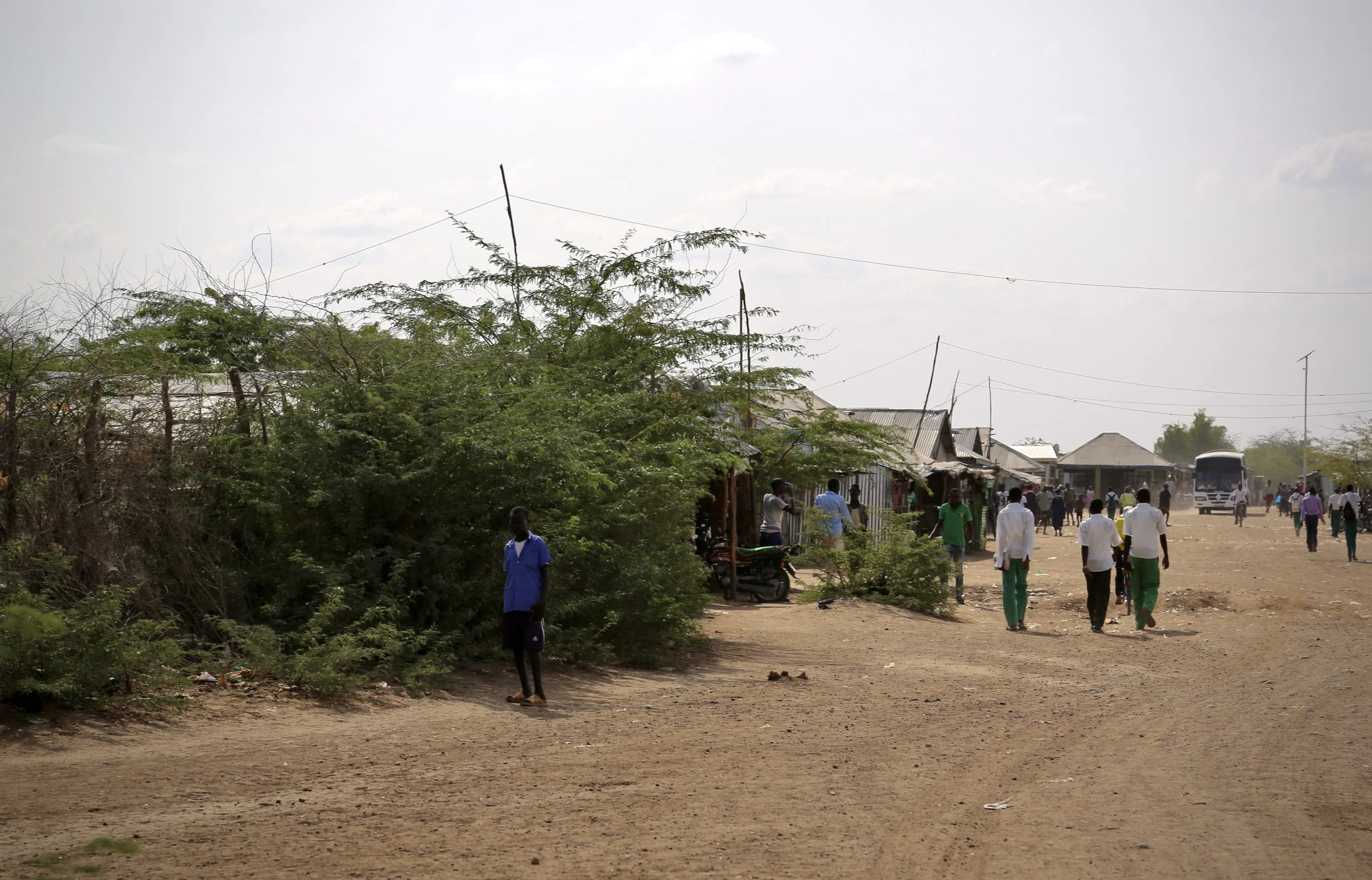
A road leading into Kakuma refugee camp in northwestern Kenya, where LGBTQ+ refugees from Uganda and across East Africa sought safety after fleeing persecution, violence and anti-gay crackdowns at home.
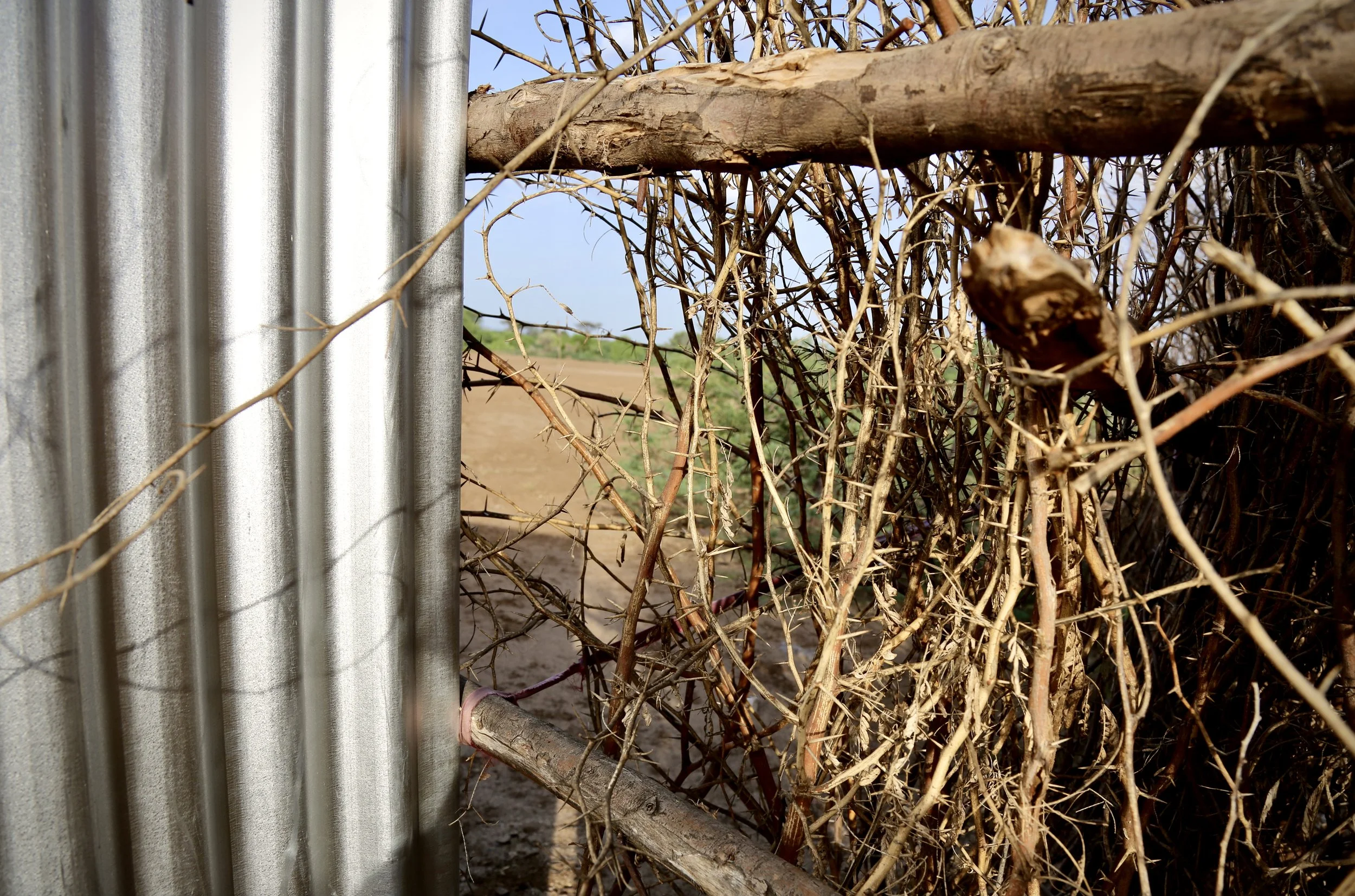
Corrugated metal sheets and thorn branches form part of the fragile perimeter surrounding the LGBTQ+ refugee compound in Kakuma. Residents said attacks and harassment from outsiders were common, and members of the community took turns acting as guards overnight because the makeshift barriers offered little real protection.
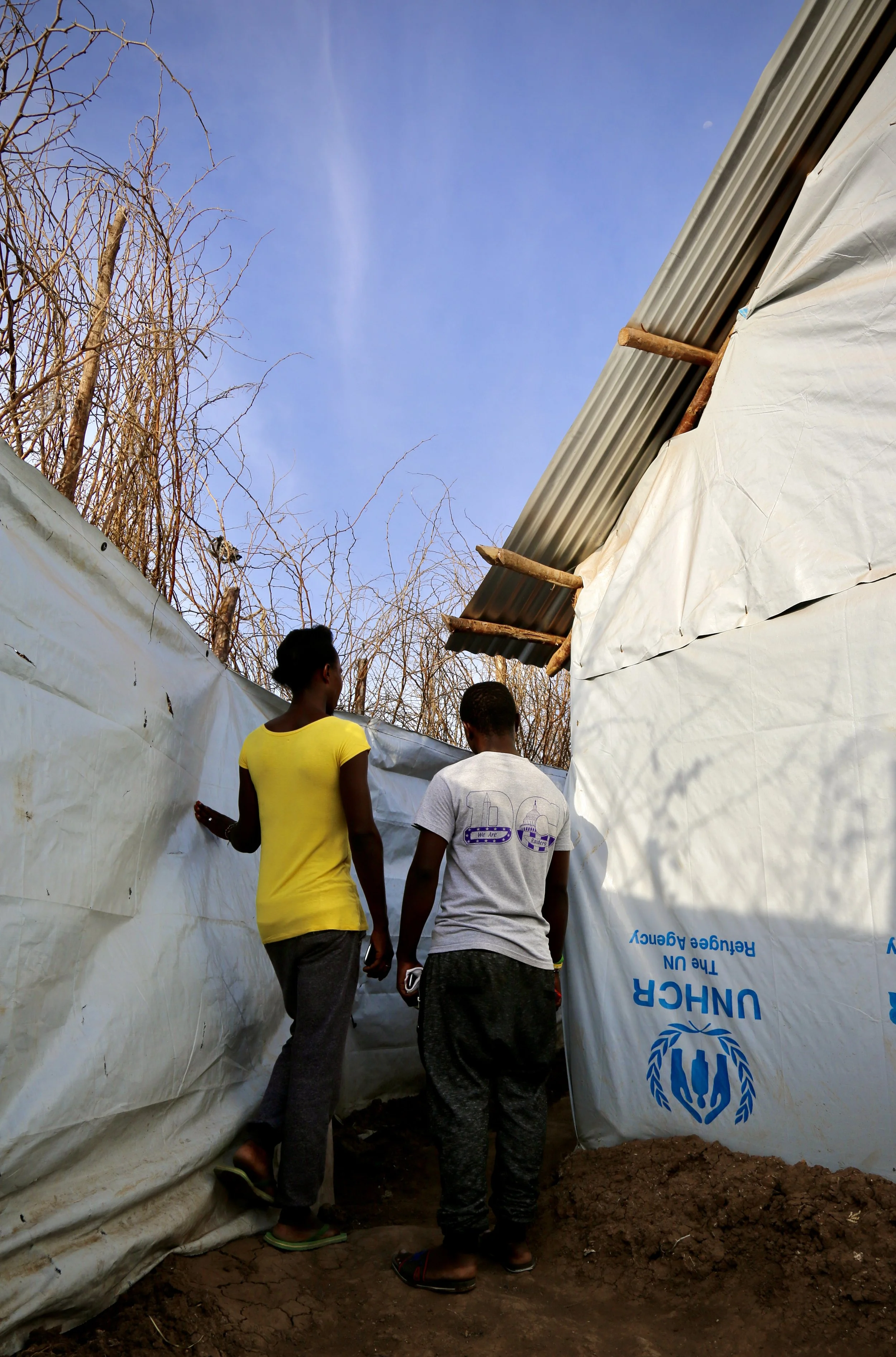
Residents walk through narrow passageways between shelters built from UNHCR tarpaulin, corrugated metal and thorn branches inside Kakuma refugee camp.
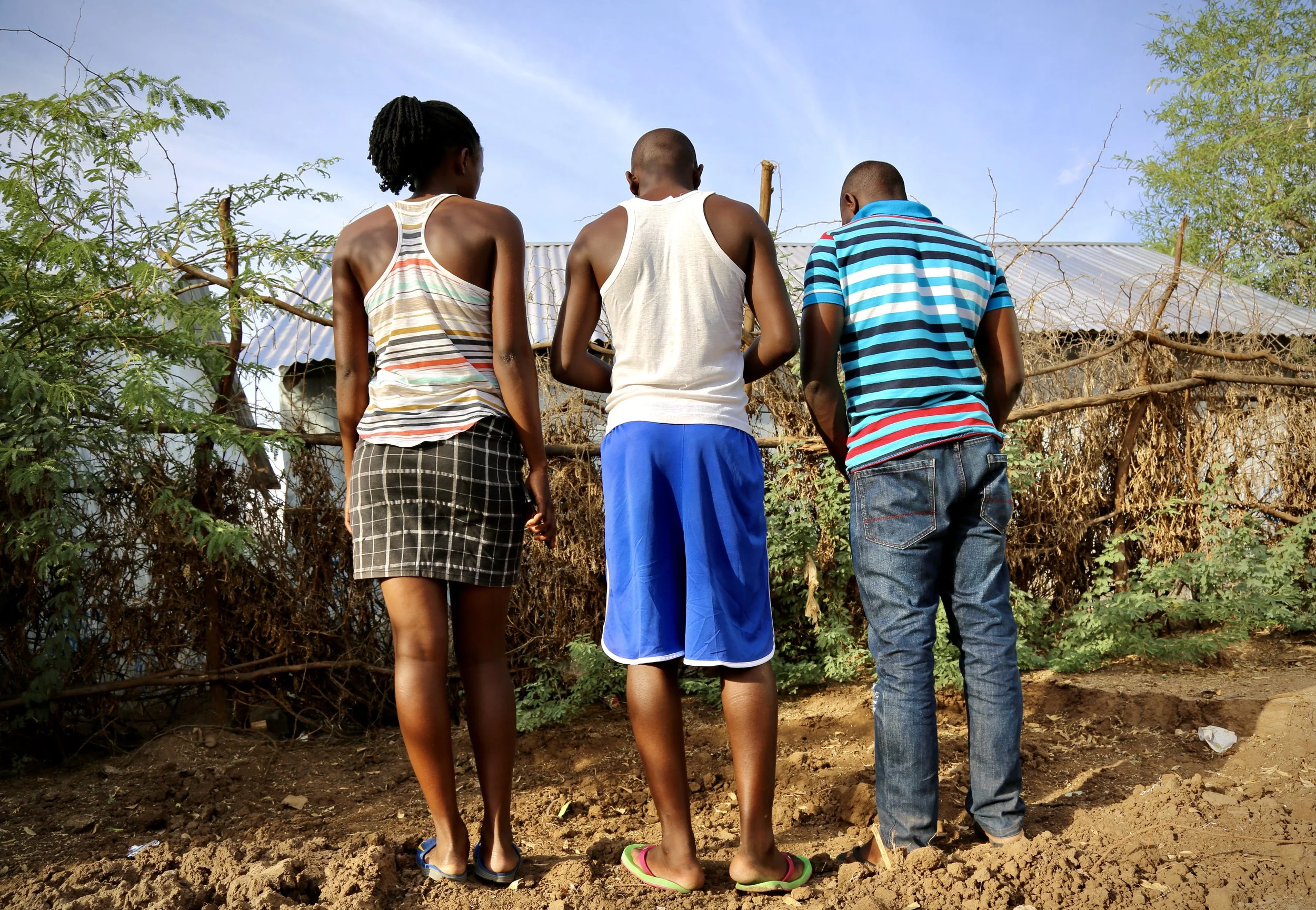
"Sarah" and two residents stand beside thorn fencing surrounding part of the settlement in Kakuma refugee camp. Many refugees asked not to be identified publicly because of fears of violence, harassment or reprisals.
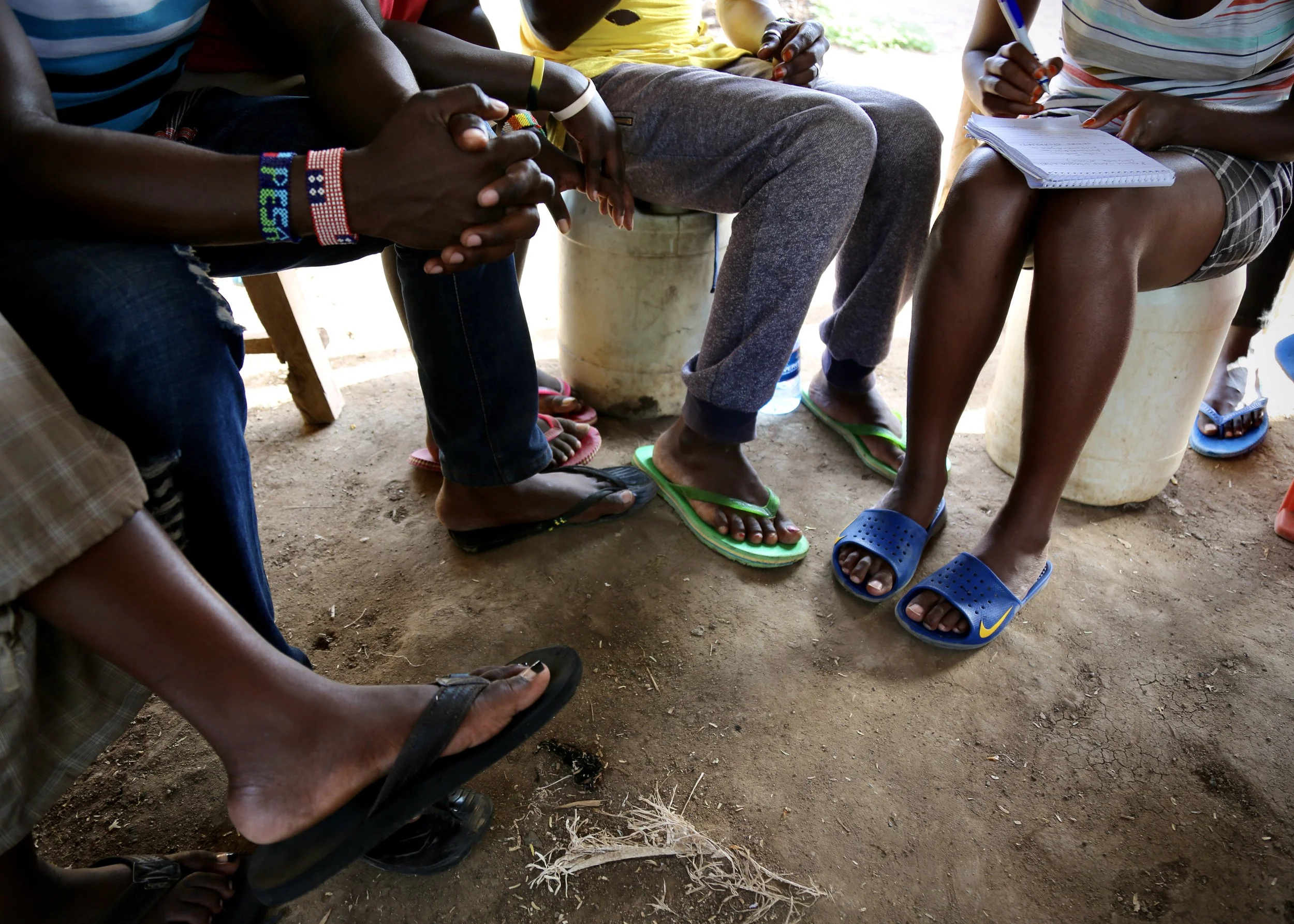
Residents gather during a community meeting in Kakuma refugee camp. LGBTQ+ refugees often organised informal support networks to share resources, information and protection.
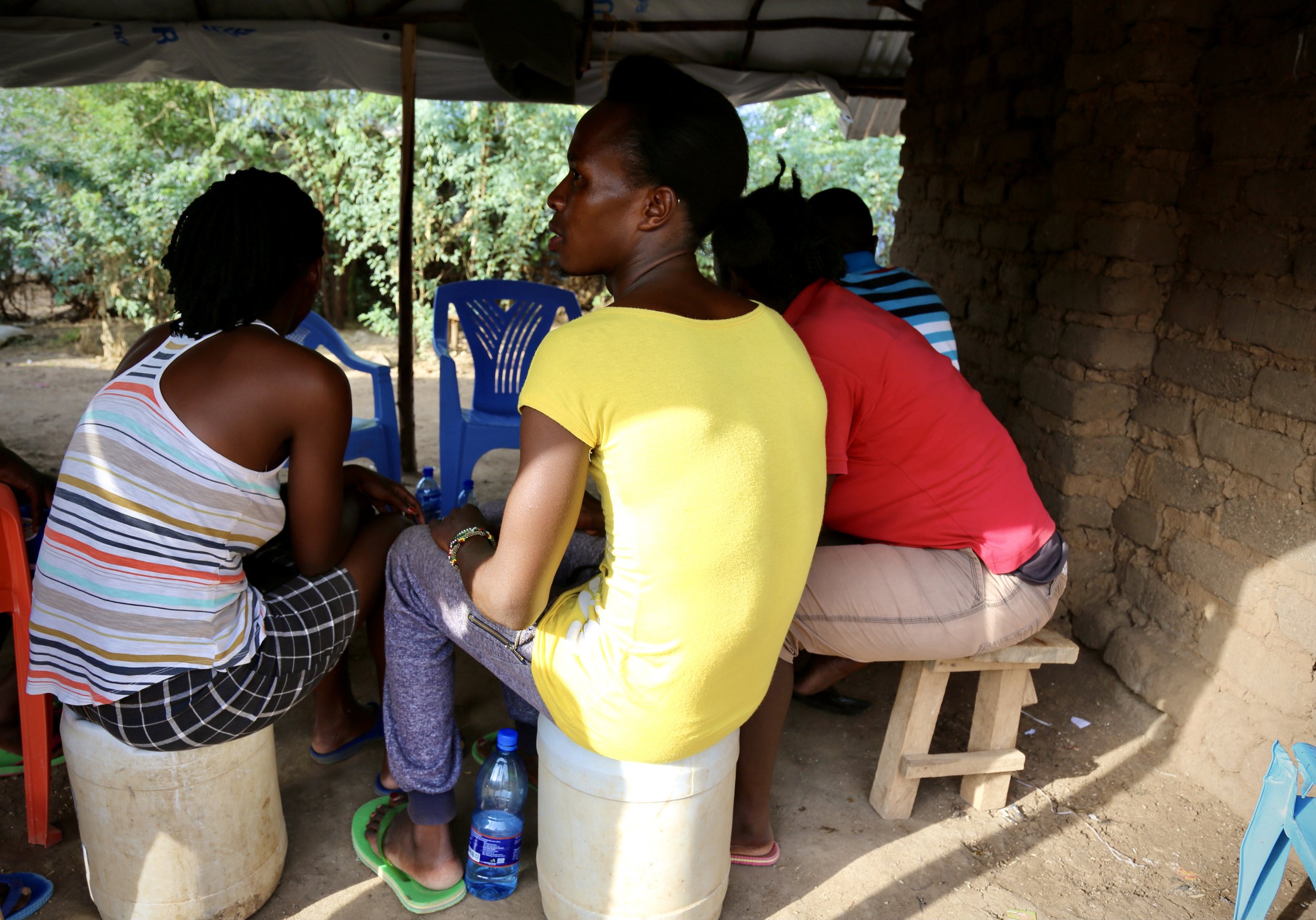
Residents sit together during a meeting inside a shelter in Kakuma refugee camp, where many LGBTQ+ refugees said isolation and insecurity shaped daily life.
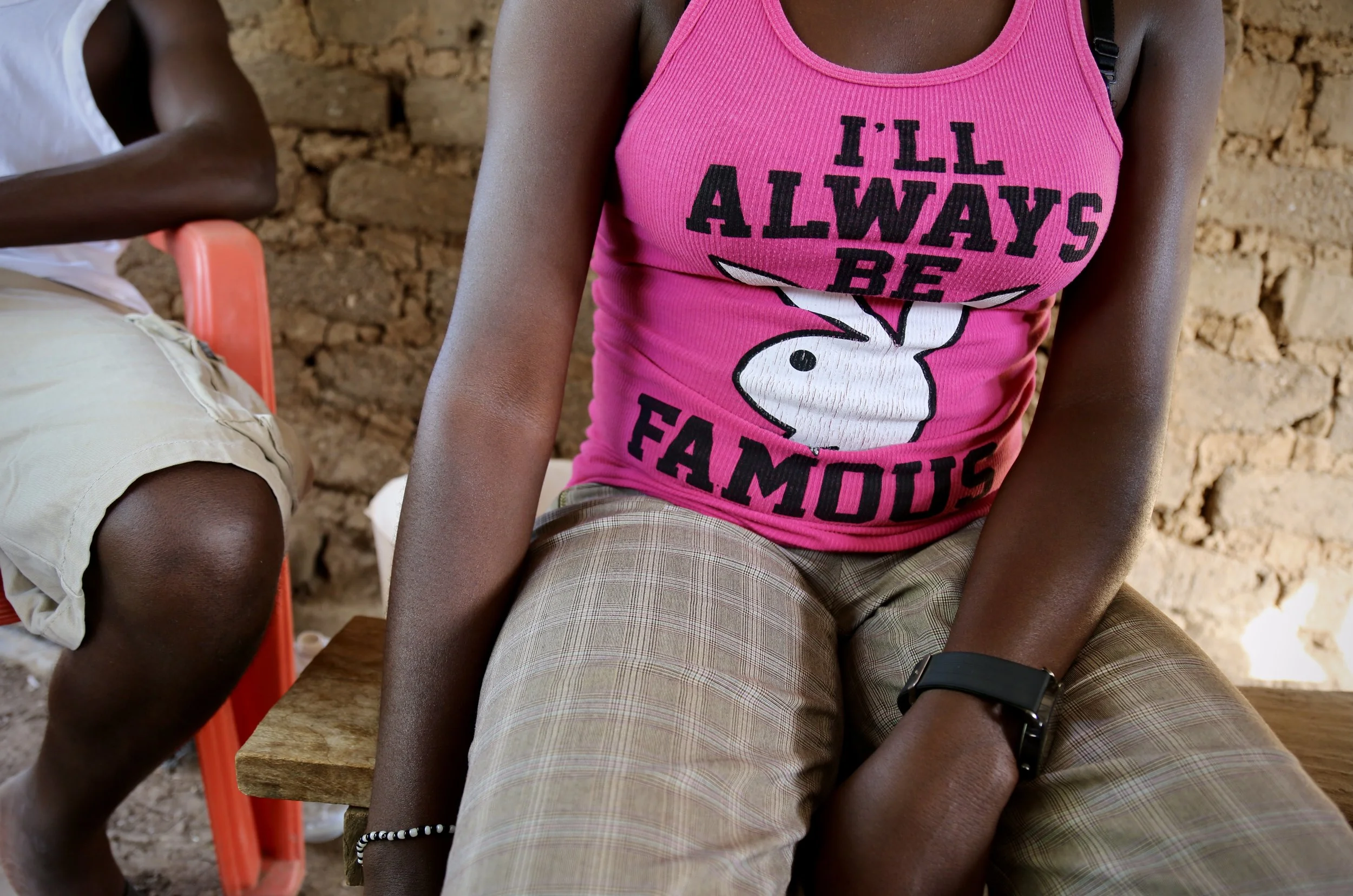
Charles Itwara, a transgender refugee from Uganda, sits outside a shelter in Kakuma refugee camp in Kenya. She said local people threw stones at her across the flimsy thorn hedge surrounding the community’s compound.
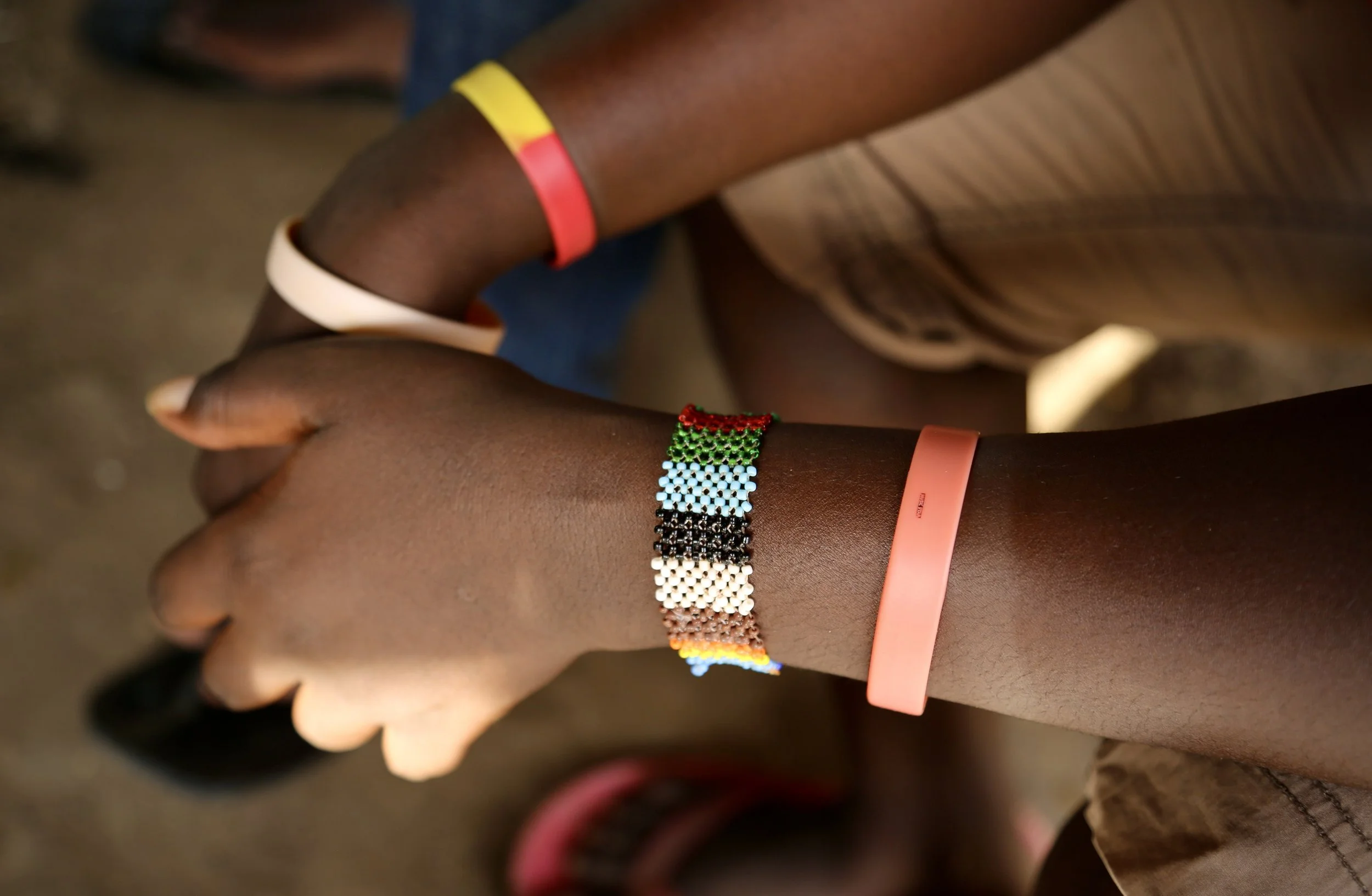
Bracelets worn by Mary include colours associated with LGBTQ+ identity and solidarity inside the camp.
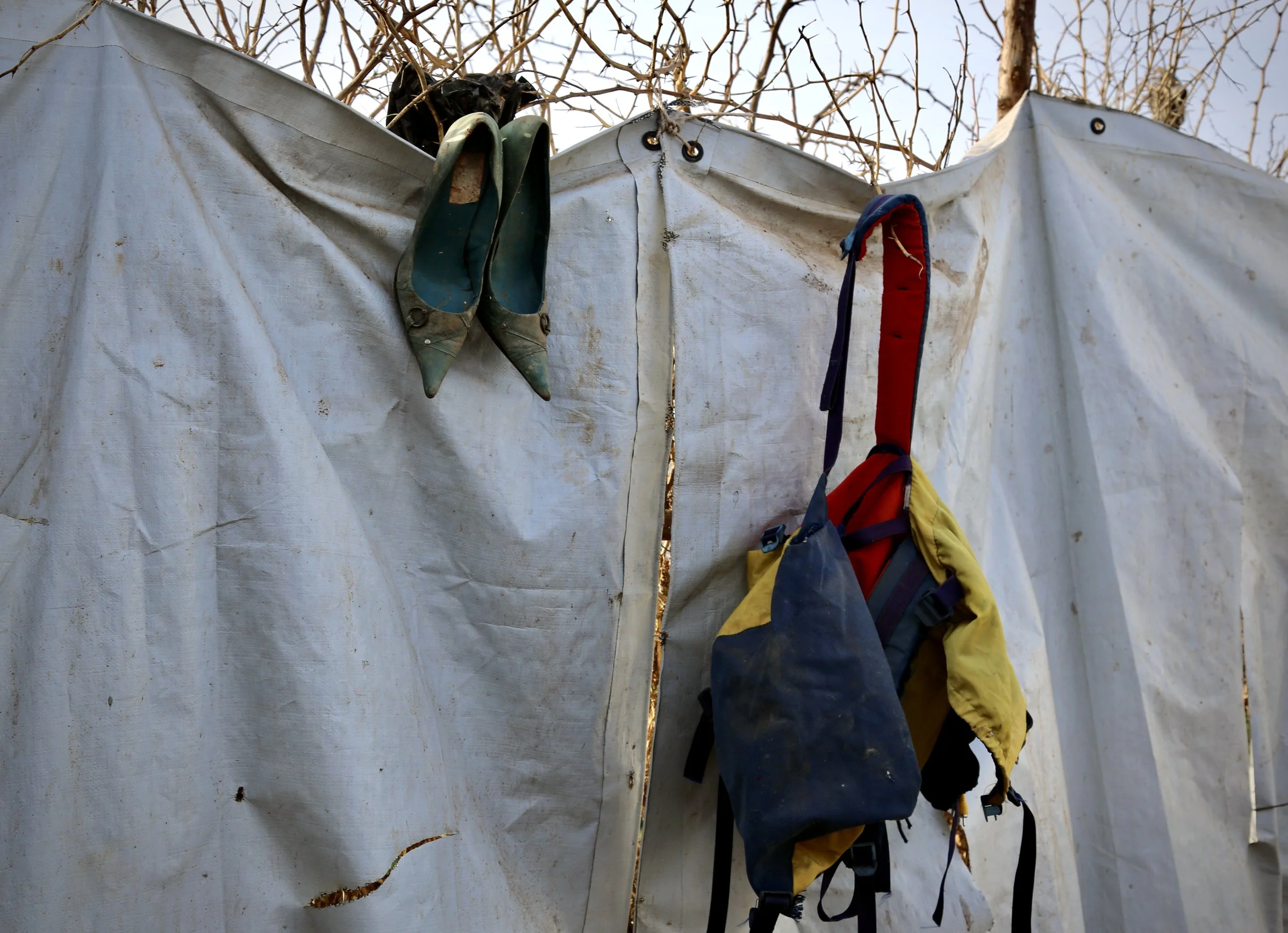
Mud-stained high heels hang from a plastic sheet wall surrounding part of the settlement in Kakuma refugee camp.
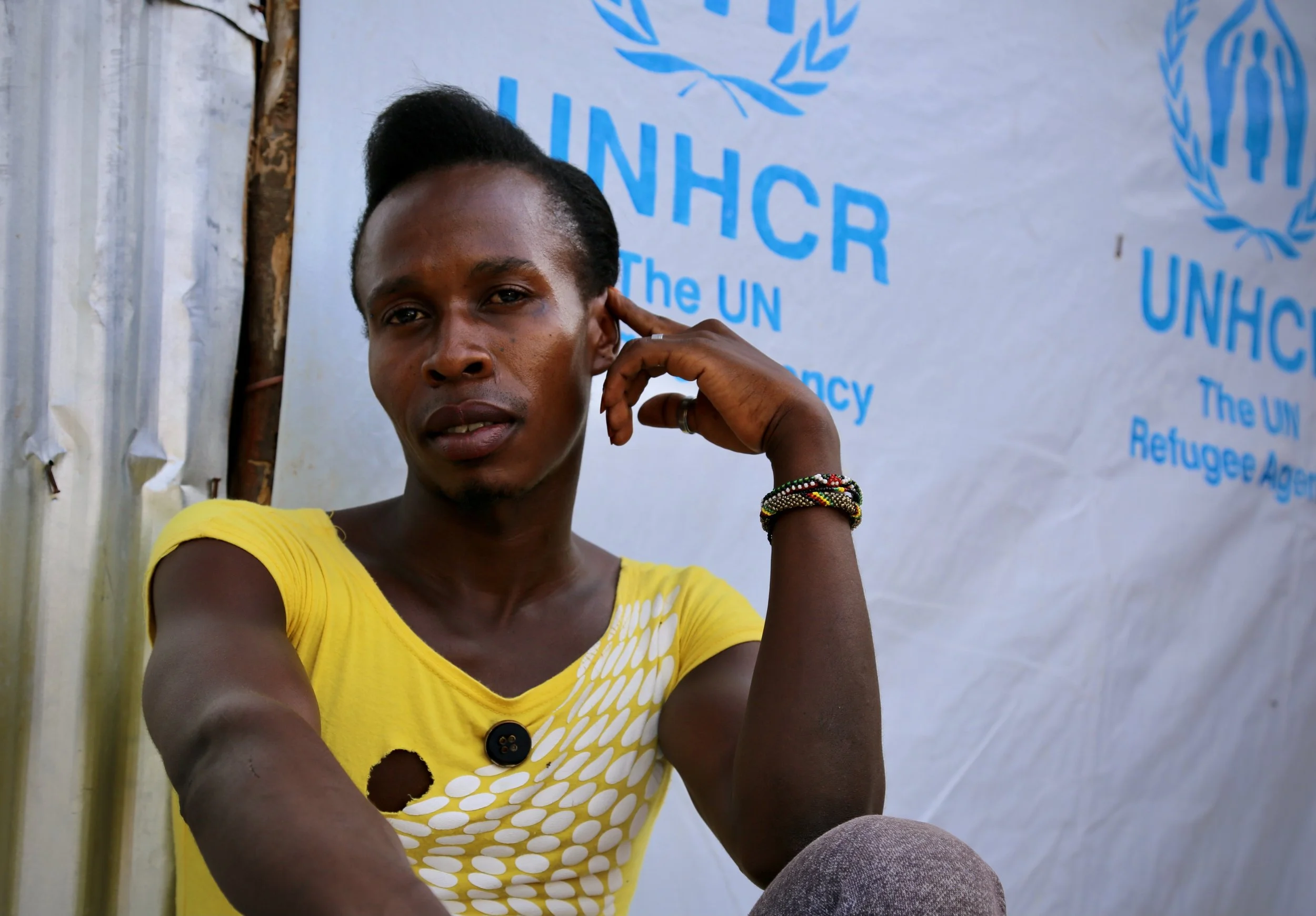
Charles Itwara, a transgender refugee from Uganda, sits outside a shelter in Kakuma refugee camp in Kenya. She said local people threw stones at her across the flimsy thorn hedge surrounding the community’s compound.
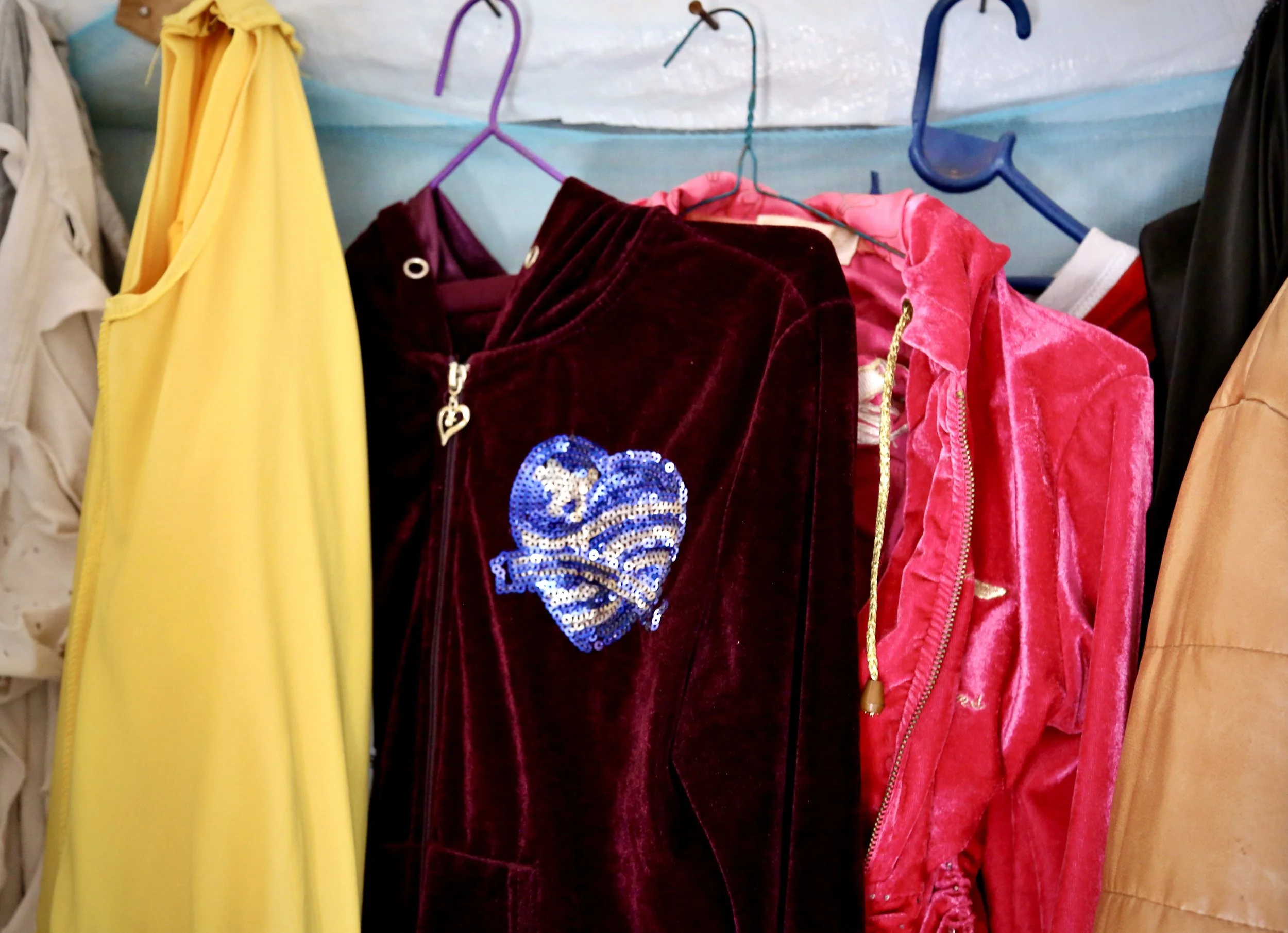
Clothes belonging to Charles Itwara hang inside her shelter in Kakuma refugee camp.
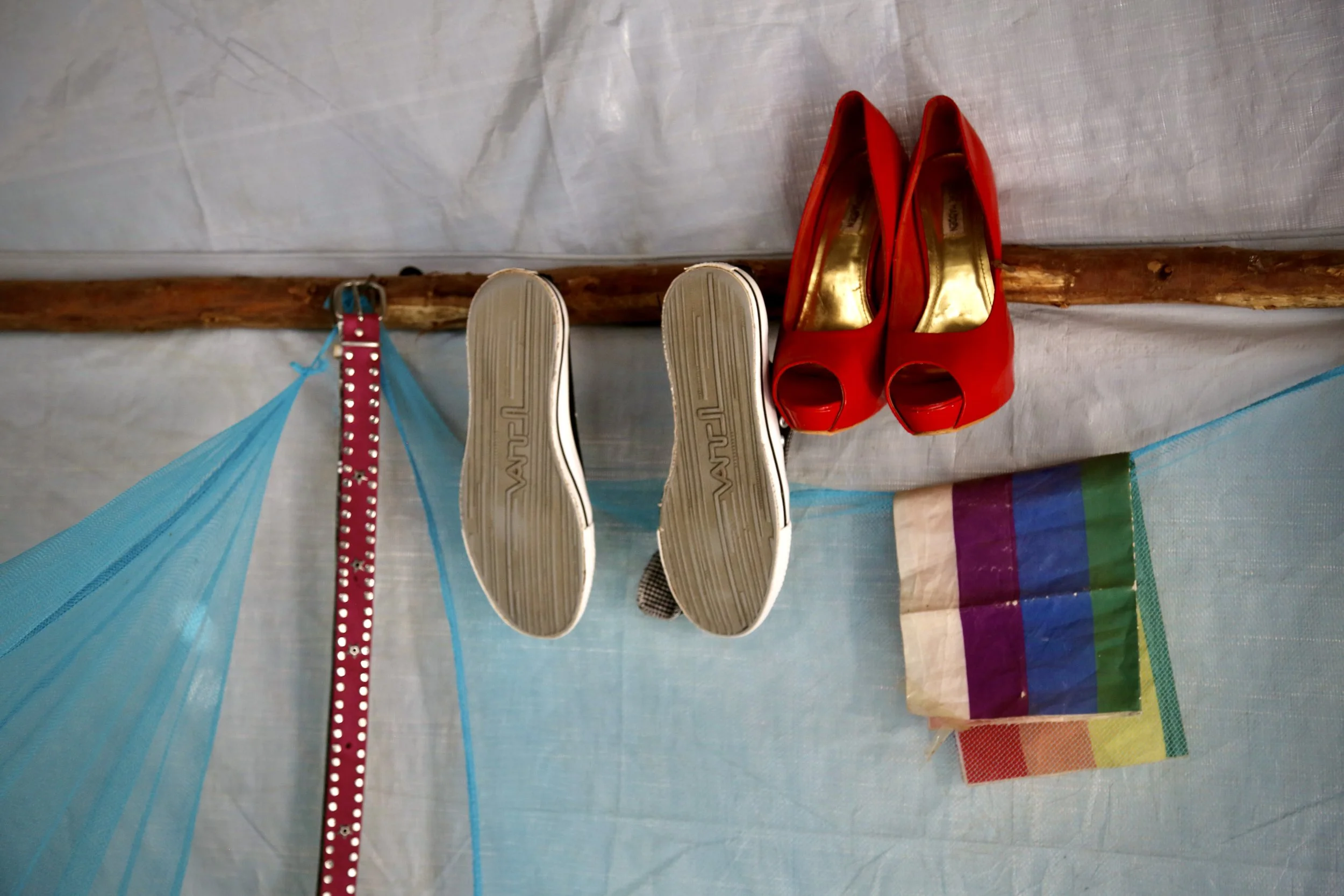
Shoes and a small rainbow flag hang inside a shelter in Kakuma refugee camp.
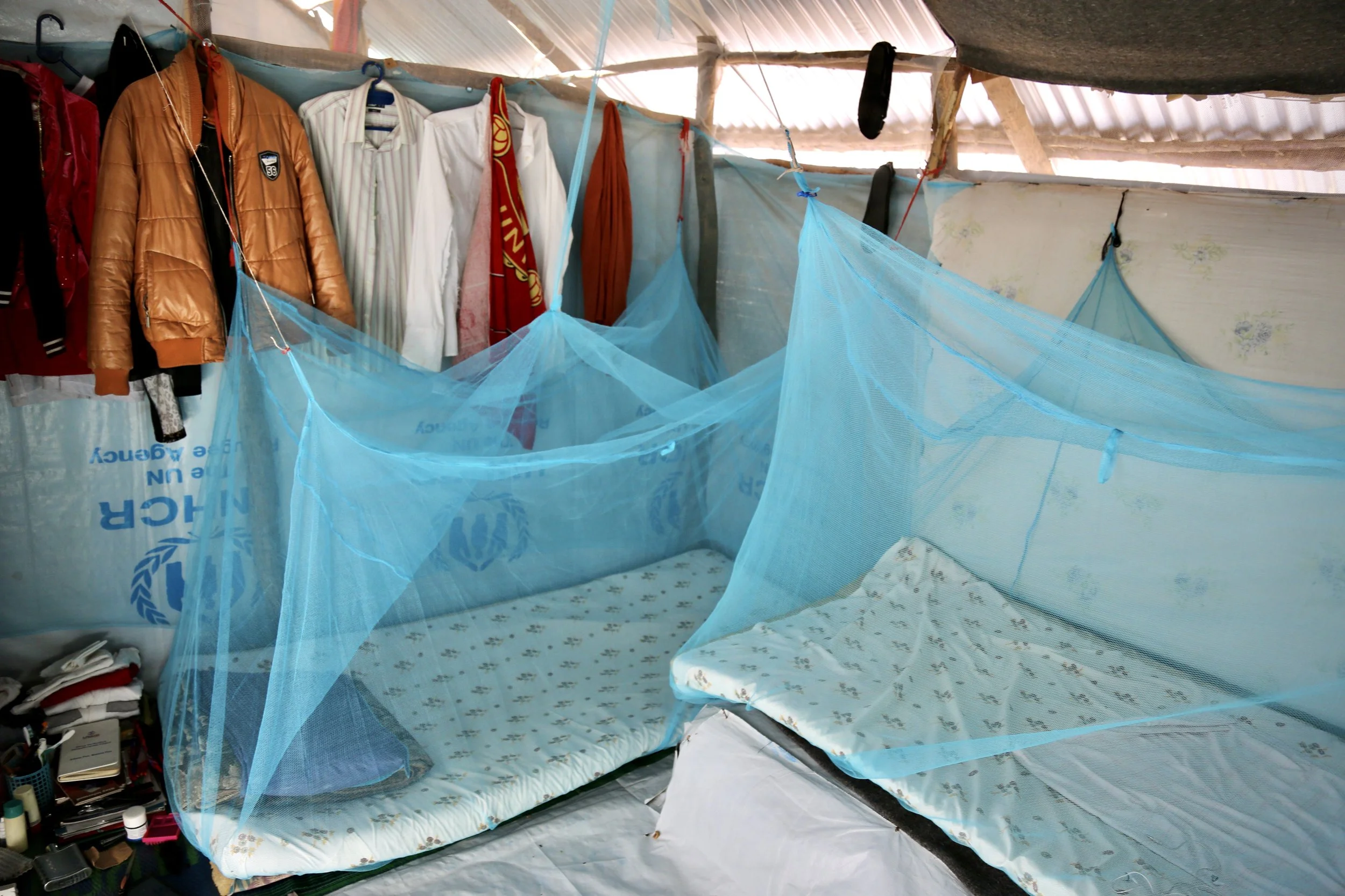
Mosquito nets hang above beds inside a shared shelter in Kakuma refugee camp. Several LGBTQ+ refugees described overcrowded living conditions and limited privacy.
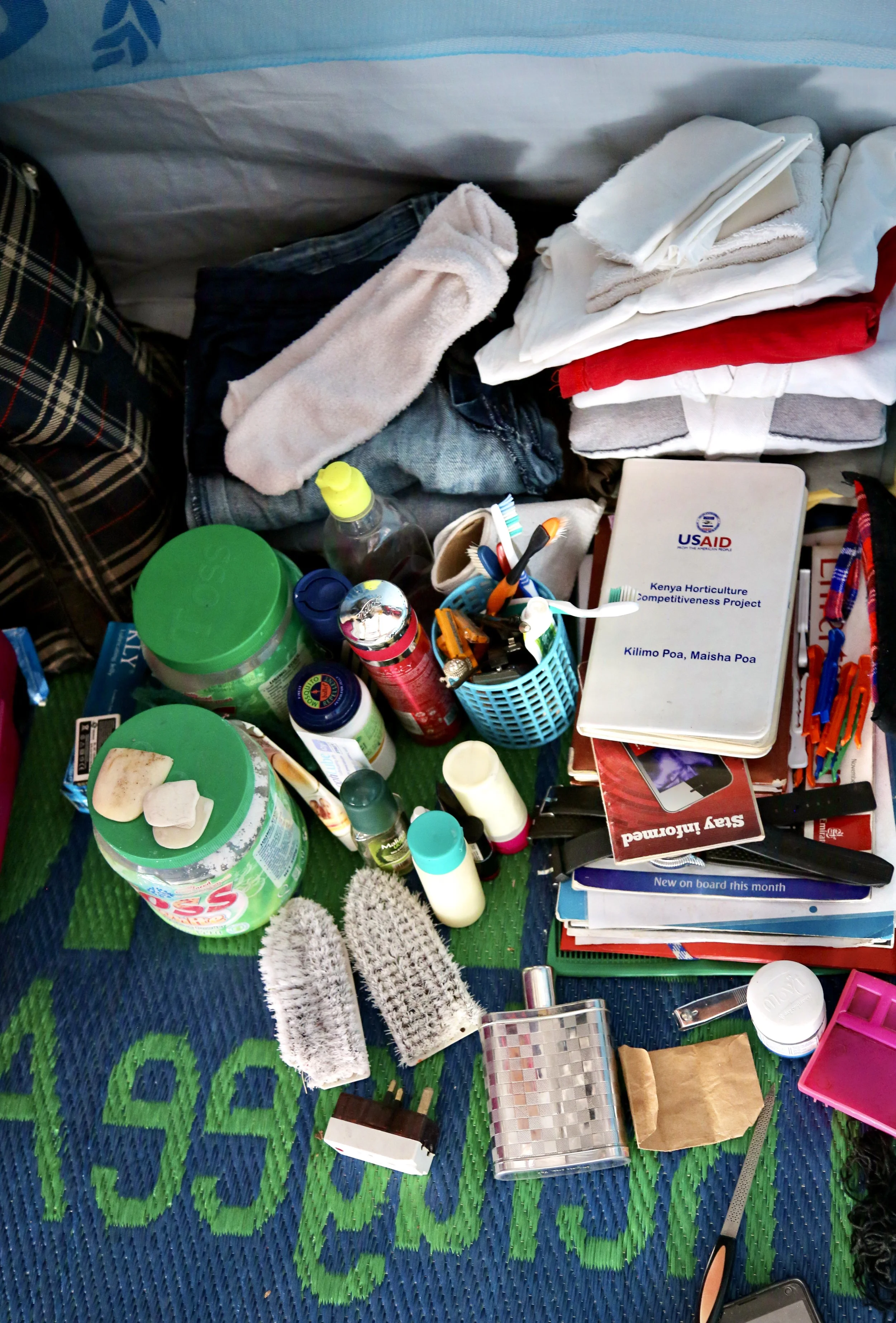
Personal belongings inside Charles Itwara’ shelter include cosmetics, notebooks, toiletries and folded clothes. Charles, a transgender refugee from Uganda, said maintaining small routines helped her preserve dignity and identity amid displacement.
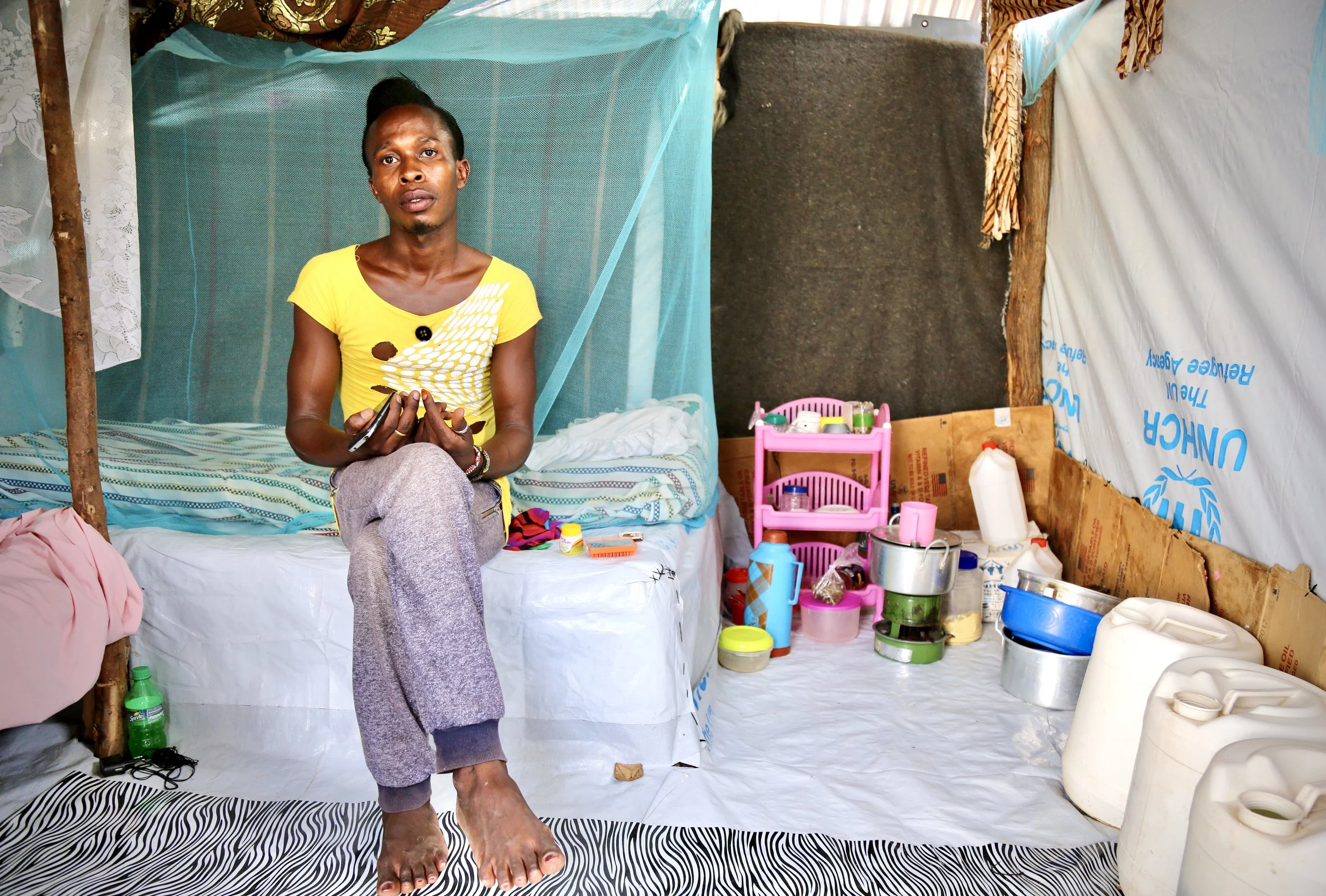
Charles Itwara sits inside her shelter in Kakuma refugee camp, where she lives among improvised walls, mosquito nets and household items assembled over years of displacement.
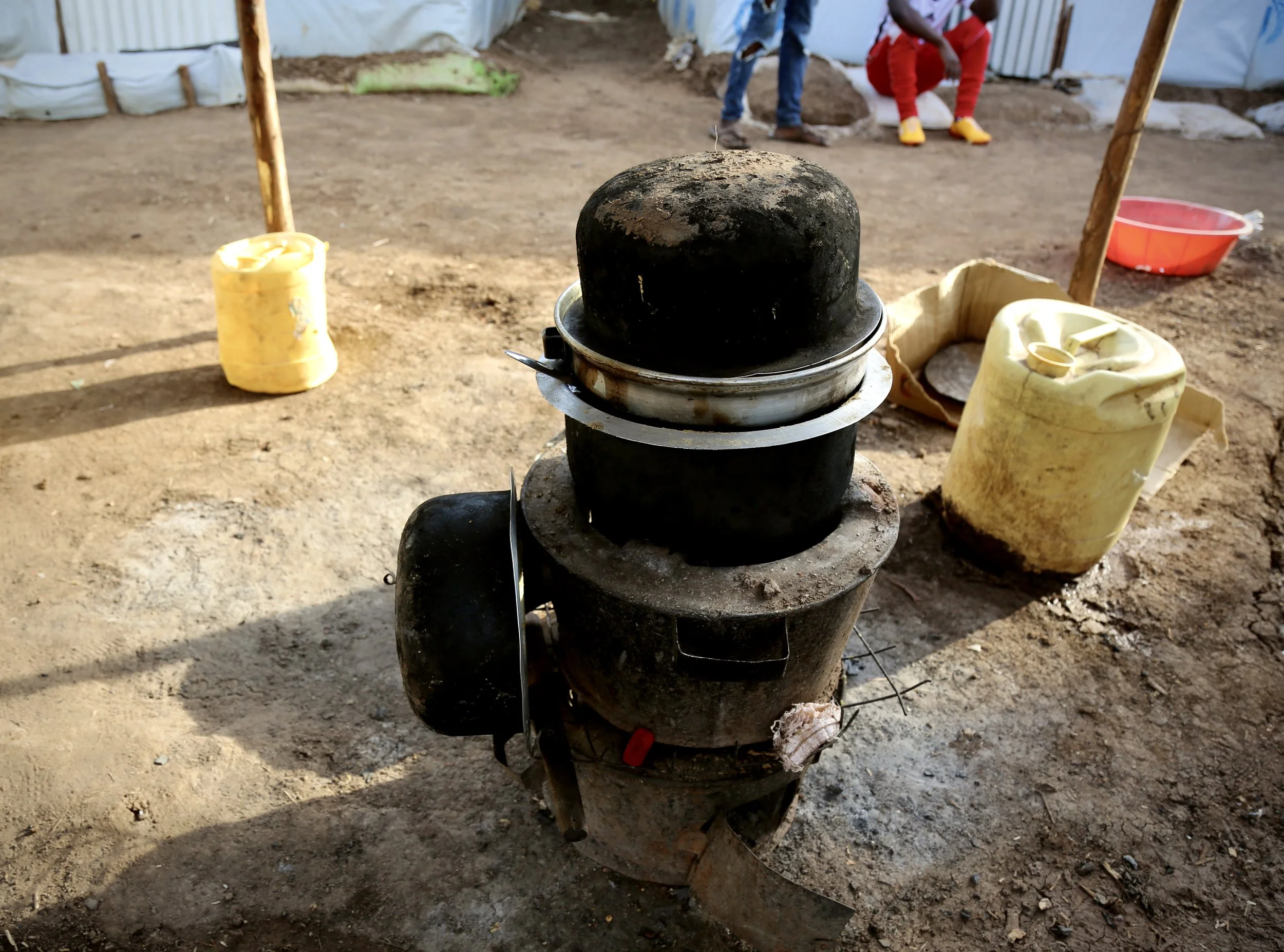
Cooking pots and water containers outside a shelter in Kakuma refugee camp, where residents described struggling with shortages of food, water and basic supplies.
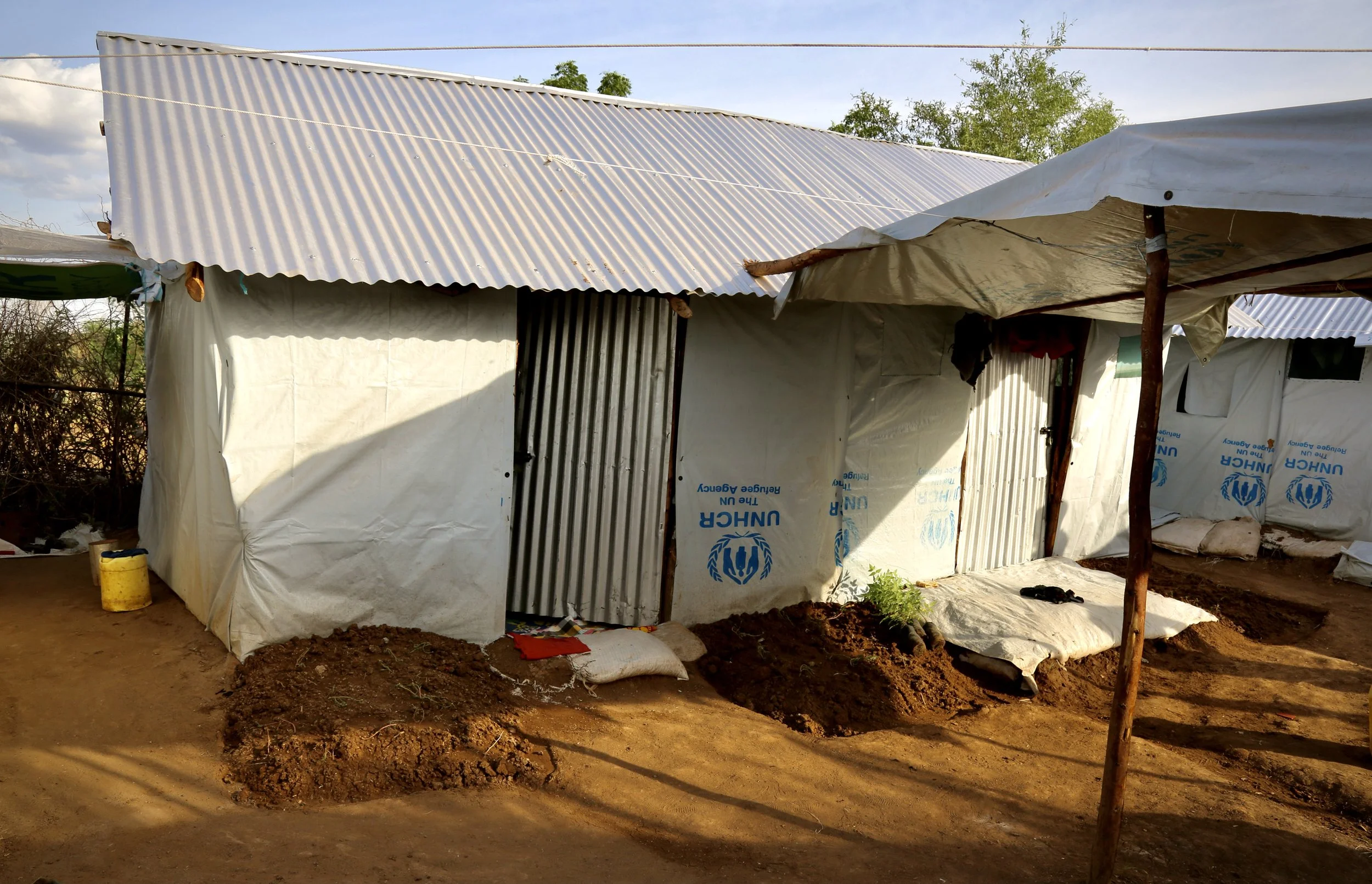
Corrugated metal sheets and thorn branches form part of the perimeter surrounding a section of Kakuma refugee camp where LGBTQ+ refugees clustered together for protection after facing harassment and attacks from other residents. UN officials acknowledged that many LGBTQ+ refugees chose to live together because they felt safer in a visible community despite the compound’s flimsy makeshift barriers. Residents said members of the group took turns acting as guards overnight because attacks and intimidation remained common.
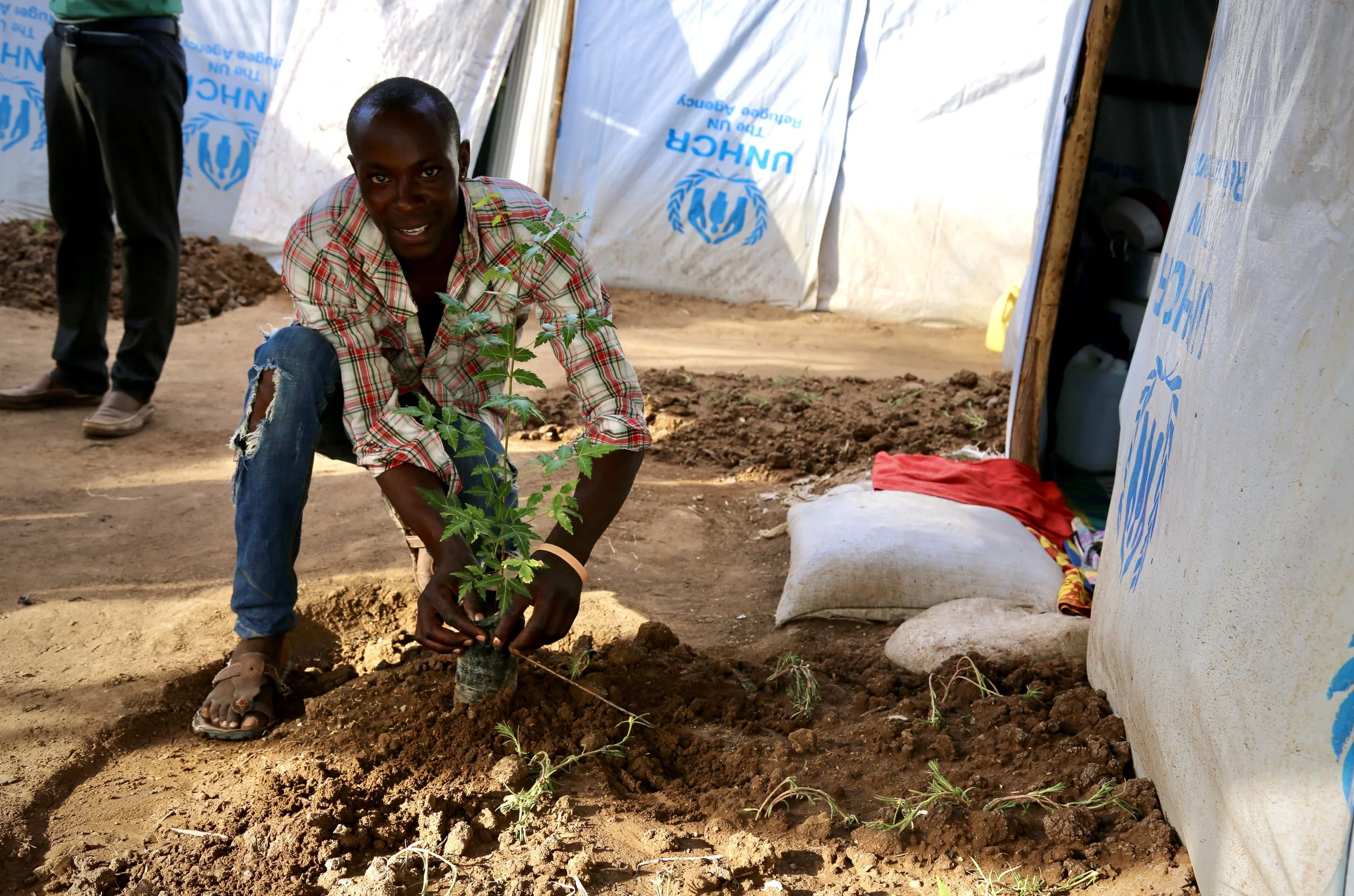
"David" plants a small tree outside a shelter in Kakuma refugee camp. Alongside living in the camp, some LGBTQ+ refugees took part in vocational and educational programmes - including horticulture training - in the hope of building skills and futures beyond displacement. Residents also tried to soften and personalise the harsh environment around their shelters despite insecurity and uncertainty over resettlement.
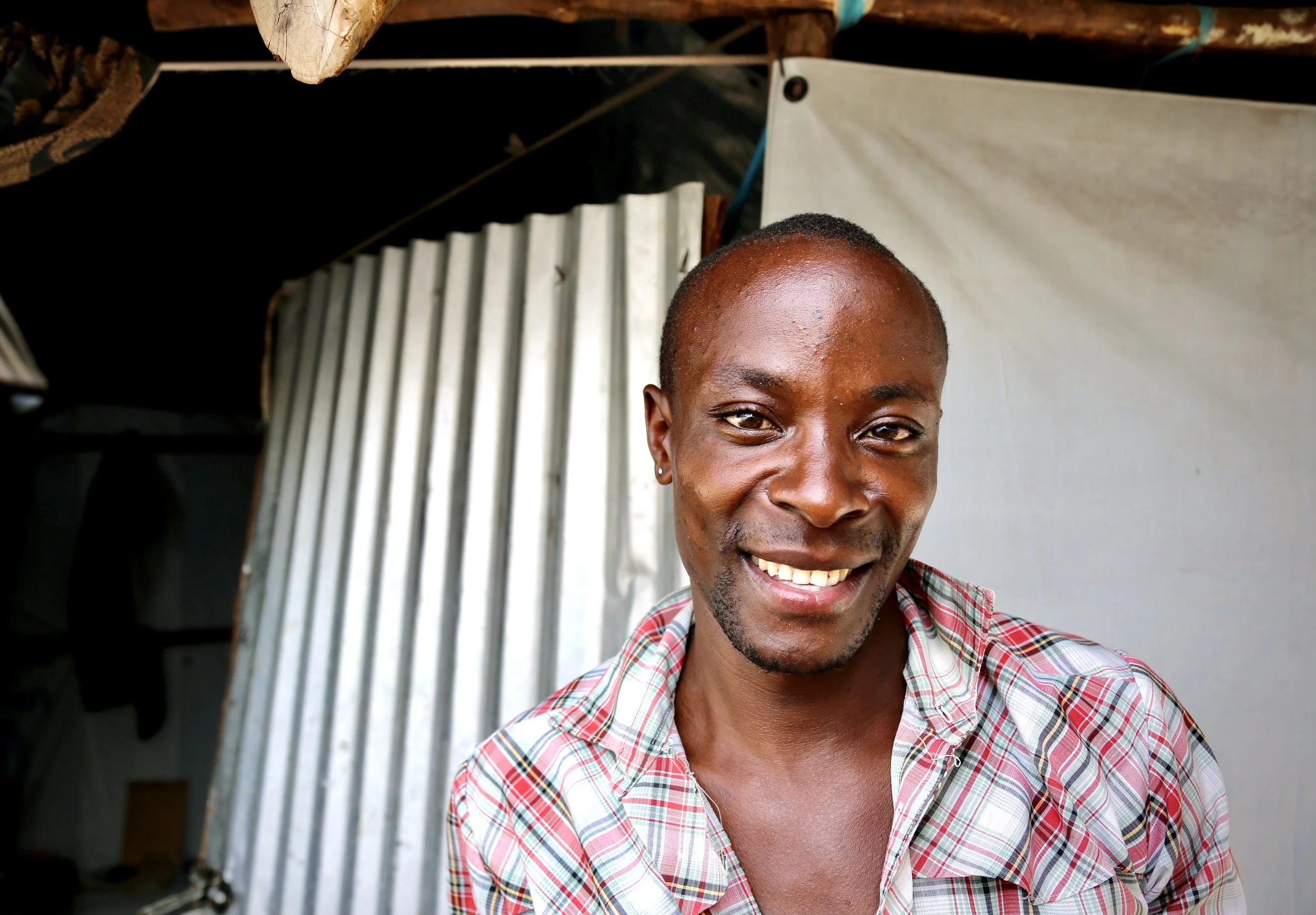
"David" stands outside his shelter in Kakuma refugee camp.