A selection of Elsa Buchanan’s reporting, photo essays and communications work, drawn from field assignments and collaborations across the Middle East and Sub-Saharan Africa.
Covering conflict, human rights and humanitarian issues, the work combines on-the-ground reporting with specialist analysis.
Human Impact
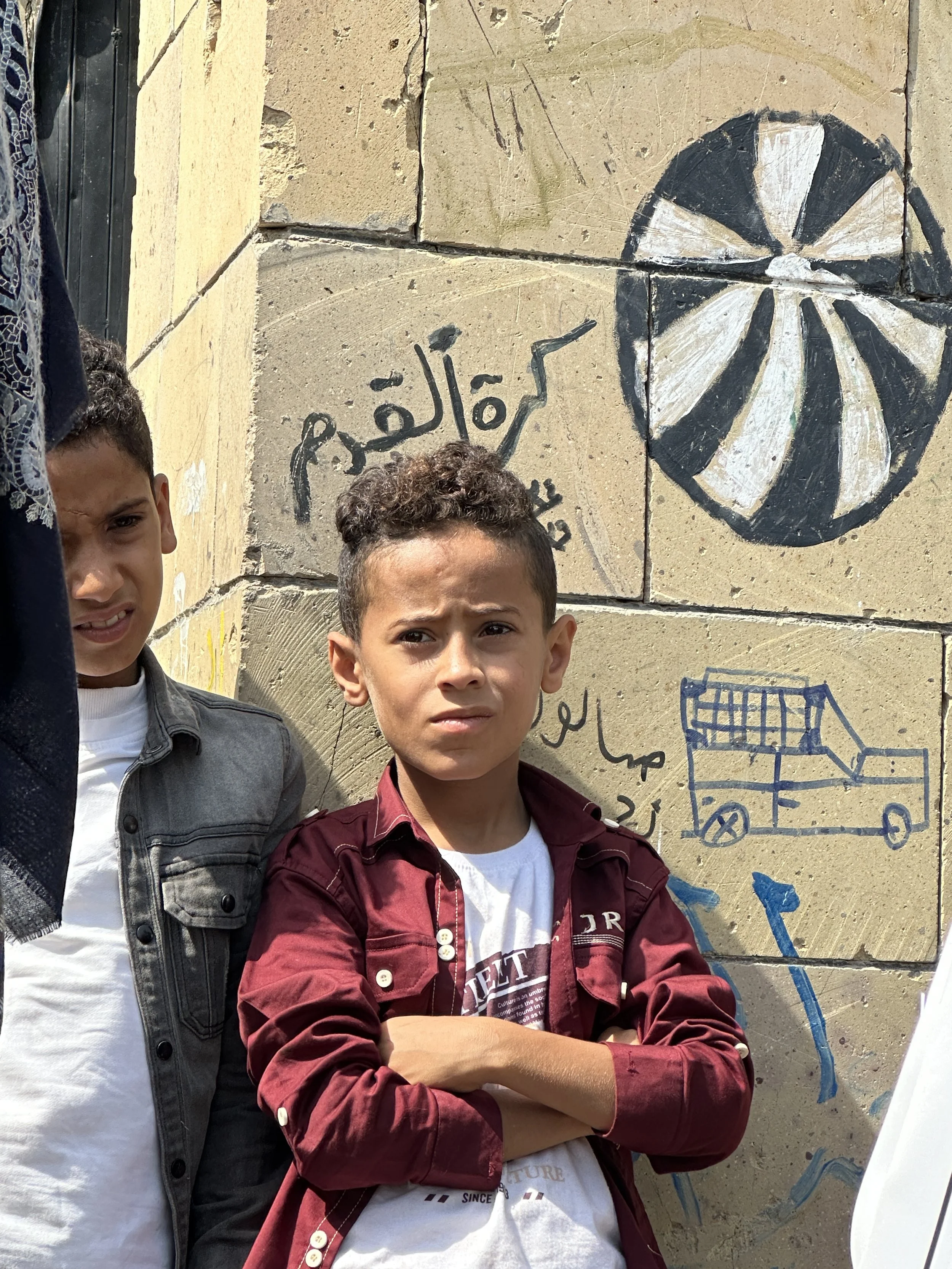
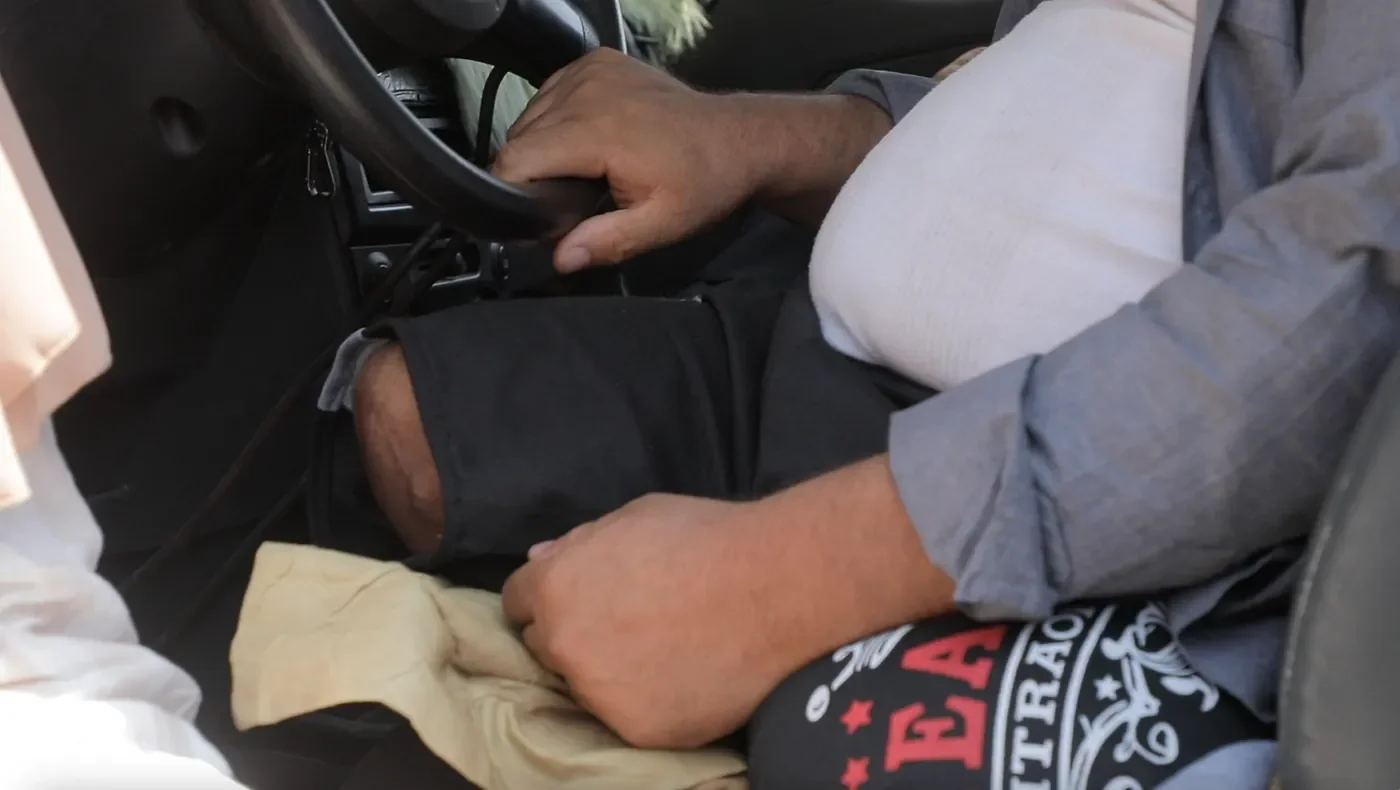
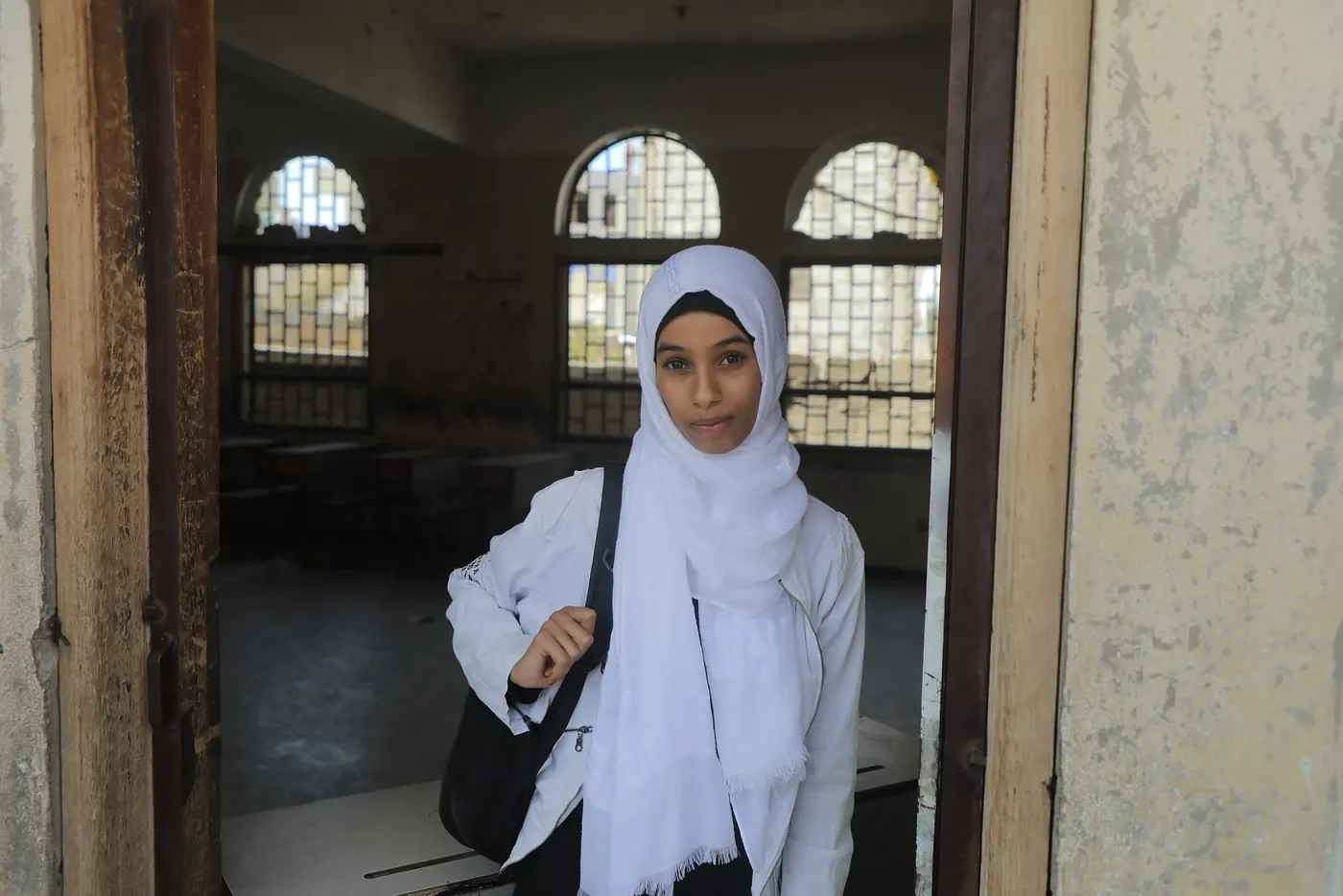
Stories exploring how conflict shapes daily life, from displacement and education to livelihoods, environment, and long-term recovery.
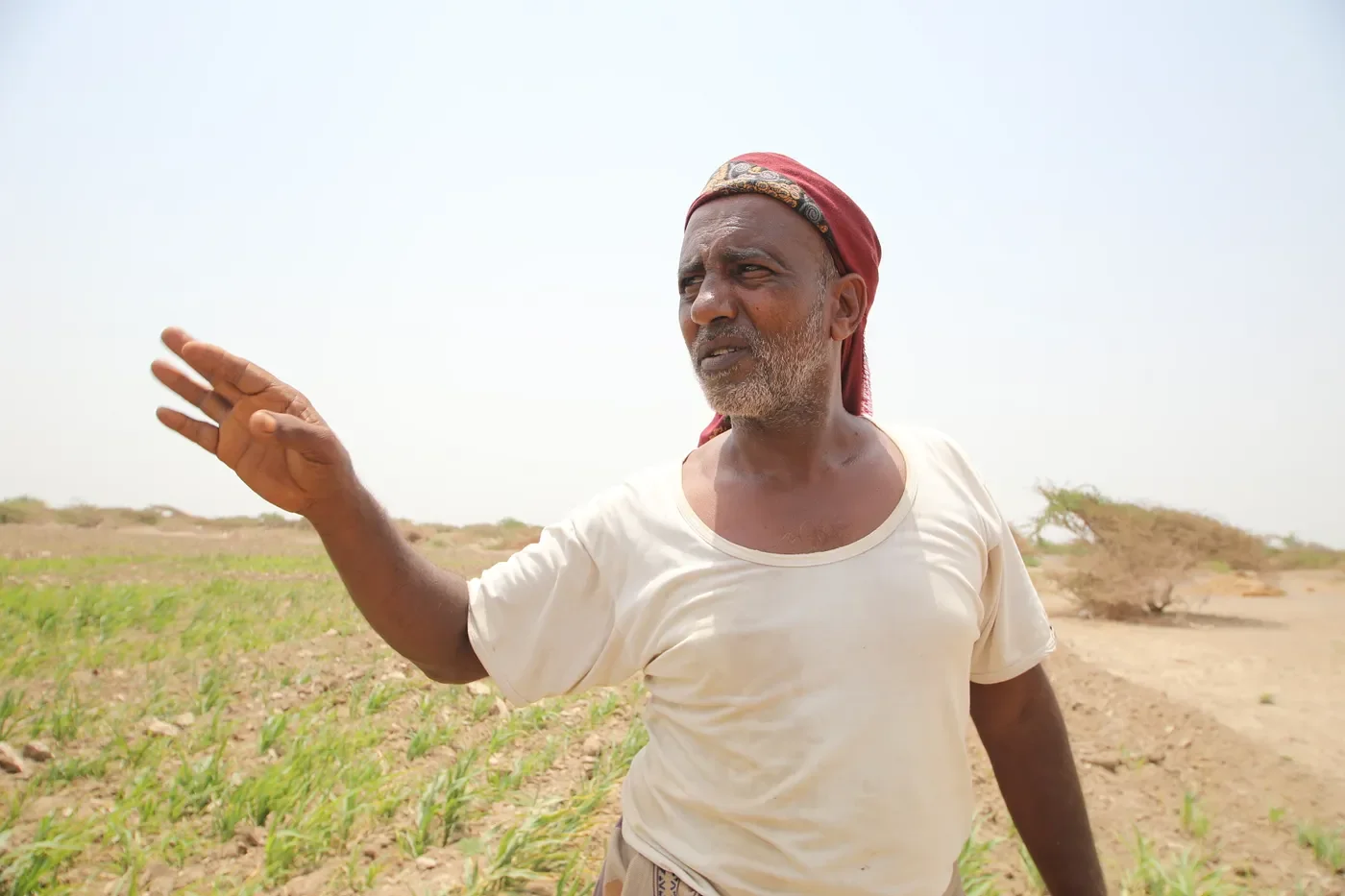
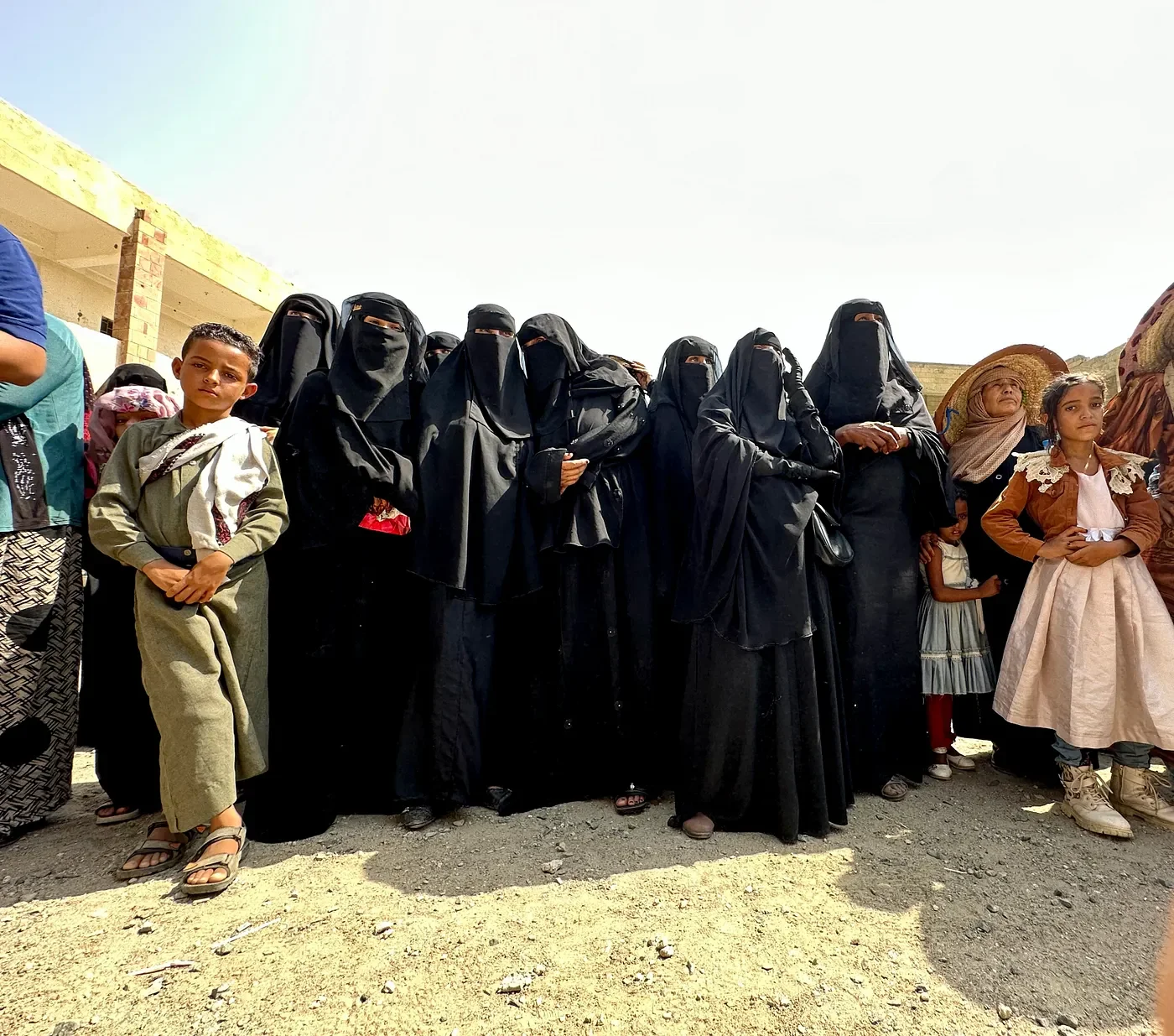
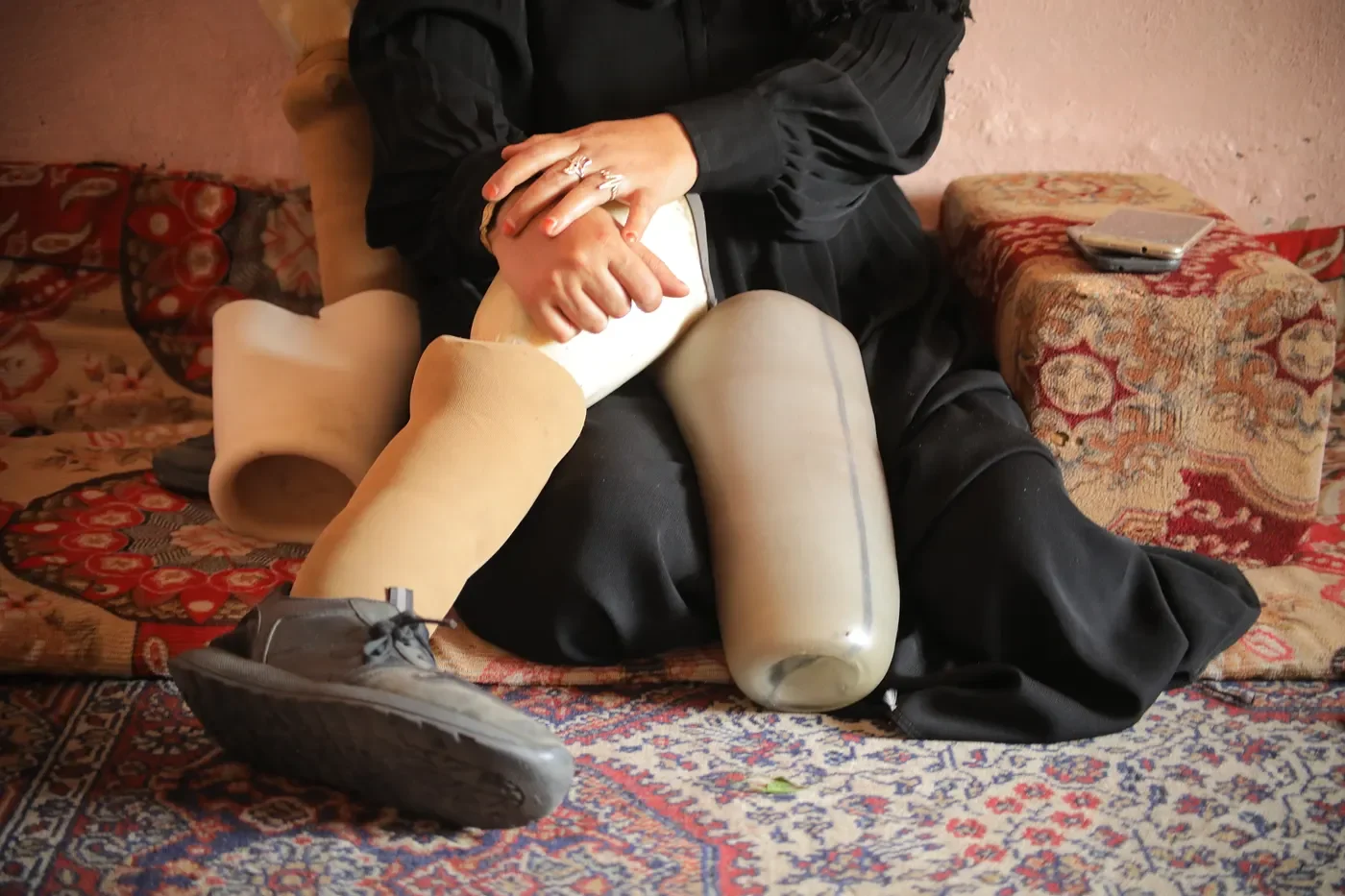
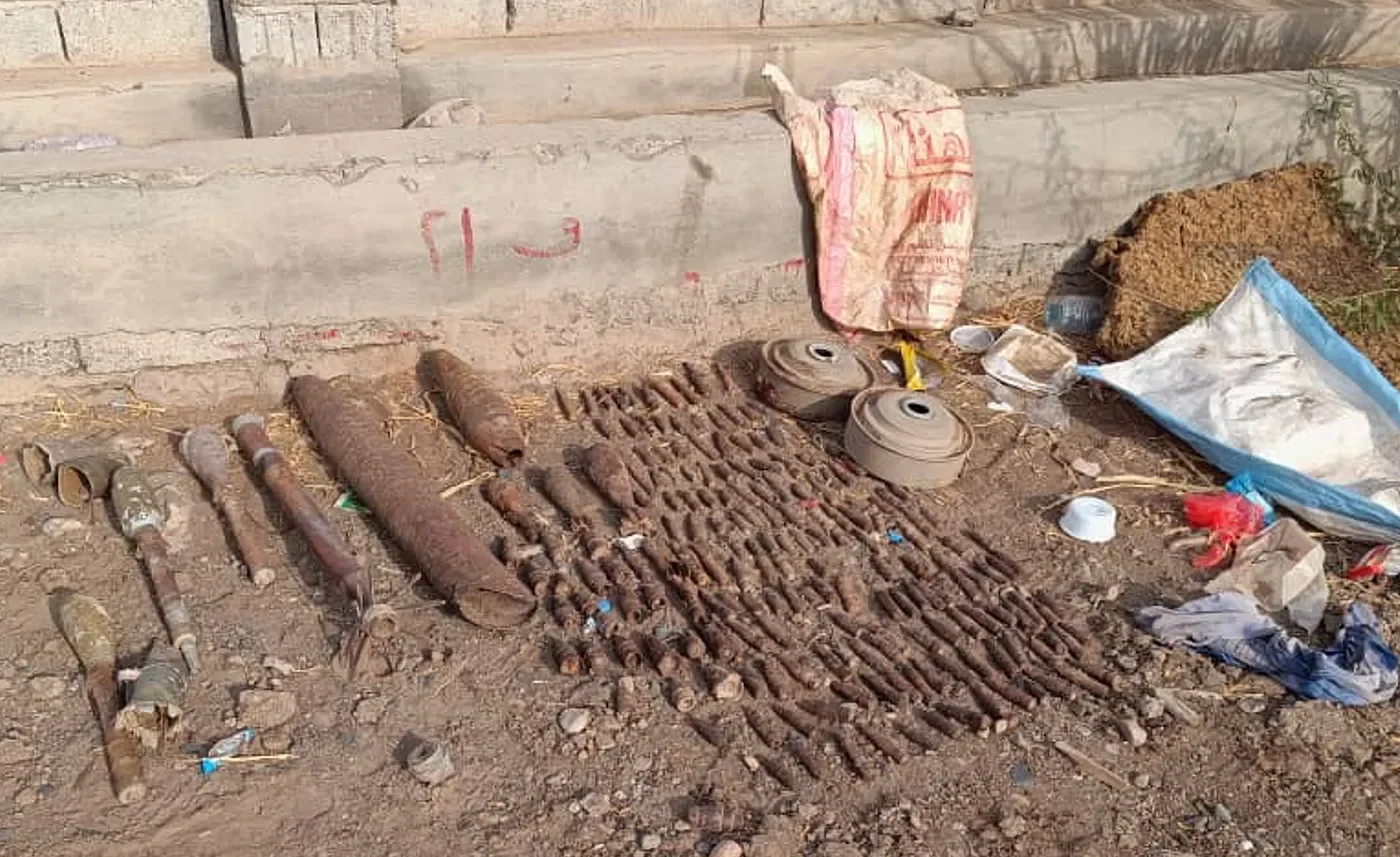
Conflict & Security
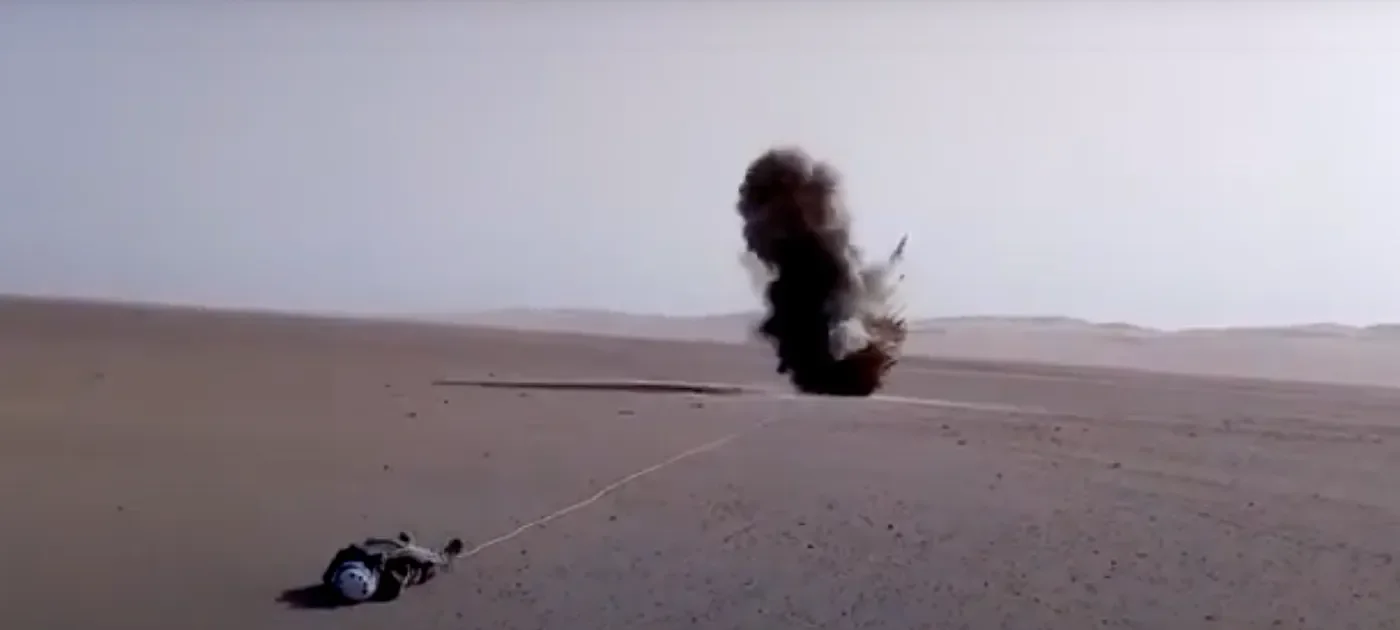
Reporting on frontlines, weapons, and military dynamics, examining how conflict is fought and sustained in complex environments.
Accountability & Rights
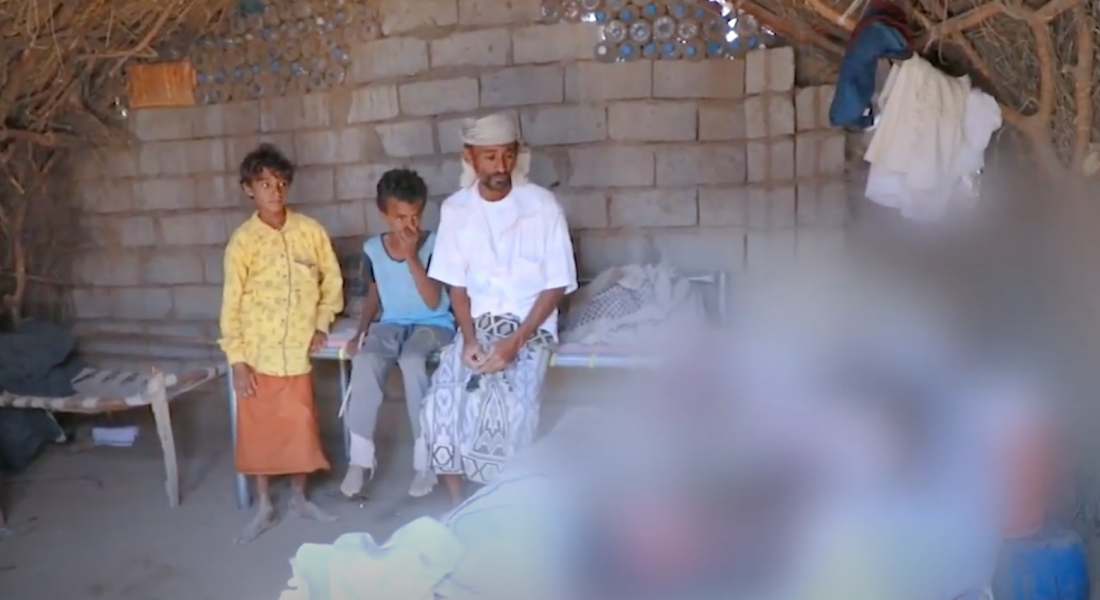
Investigations and reporting examining violations, legal accountability, and the human rights dimensions of conflict and crisis.



Health & Humanitarian
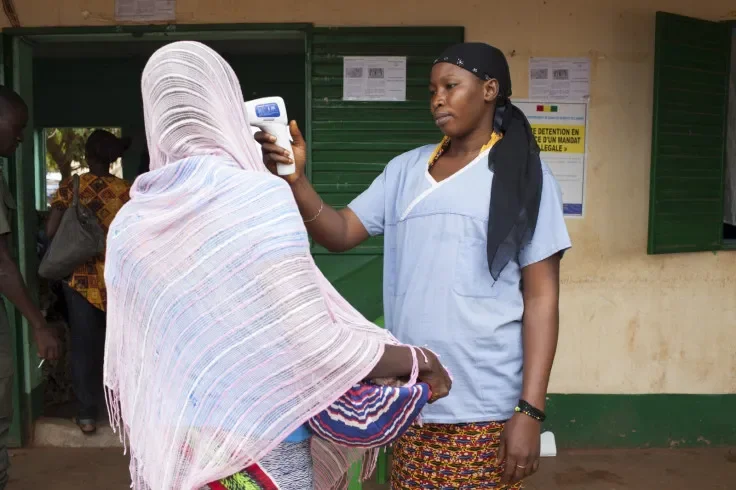
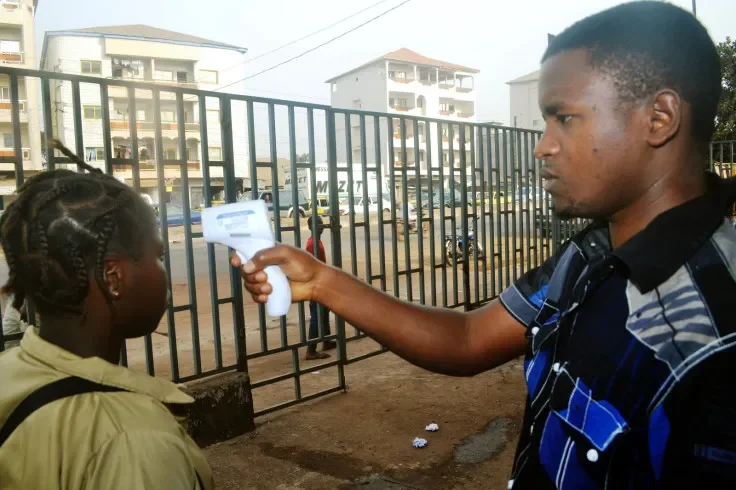
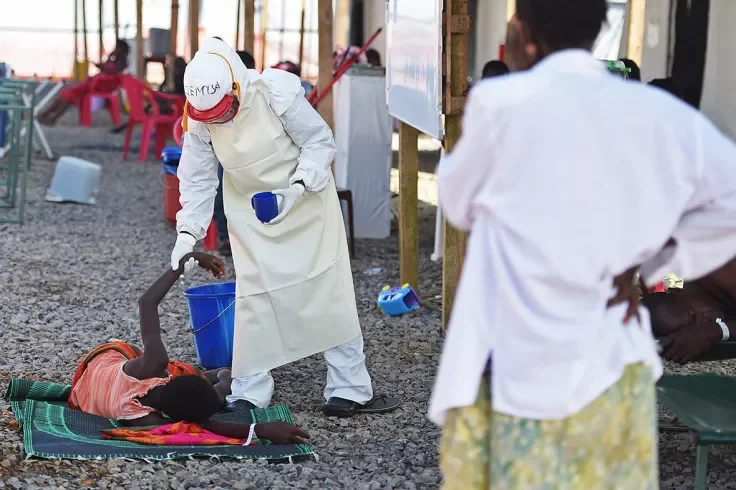
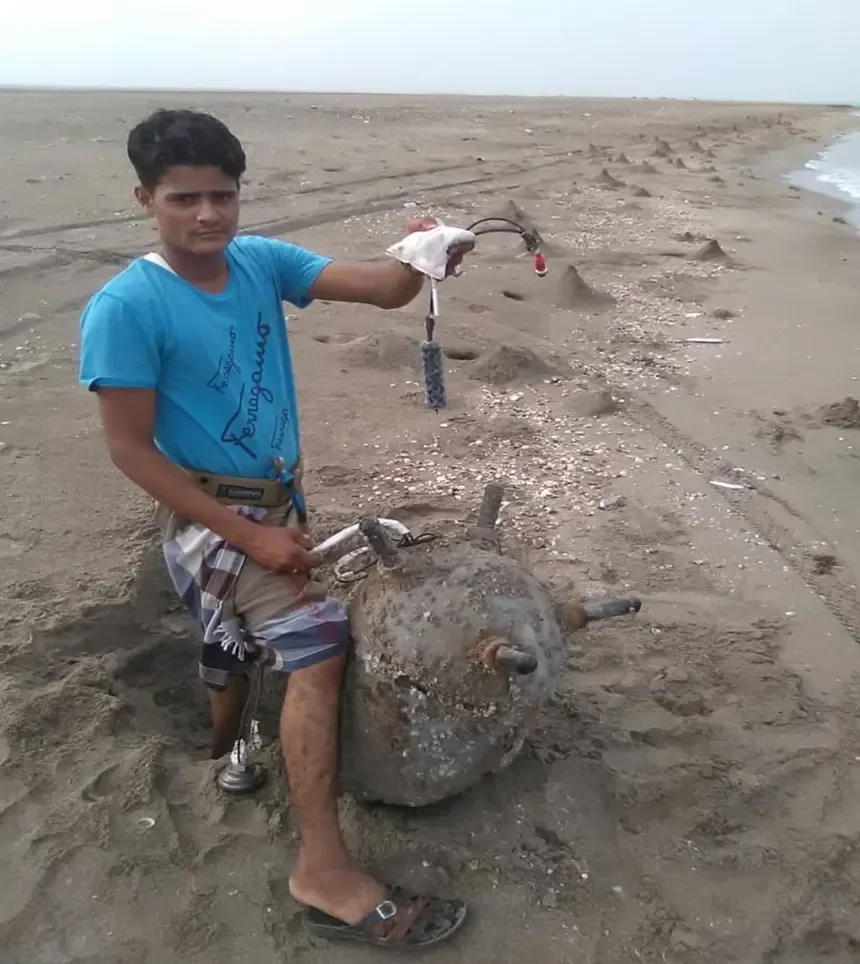
Reporting on healthcare, humanitarian response, and the long-term impact of conflict on communities, from emergency care to recovery and resilience.
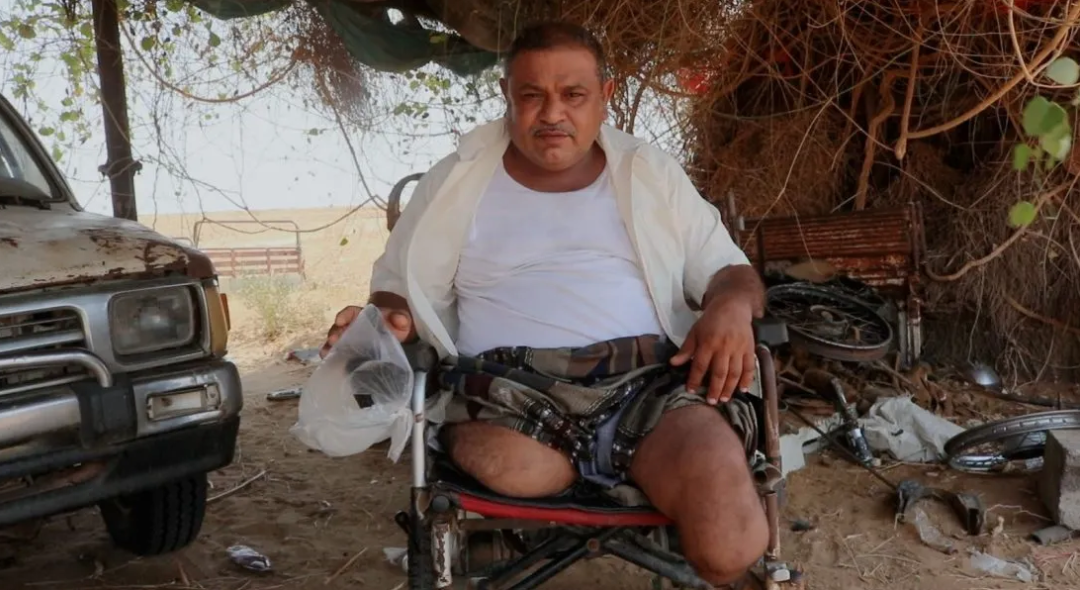
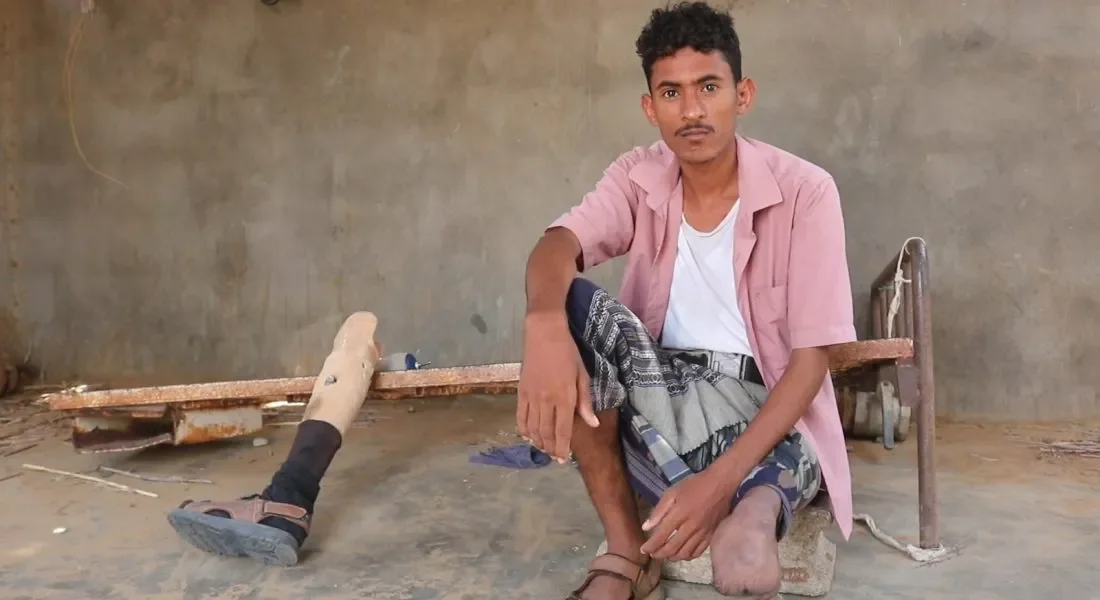
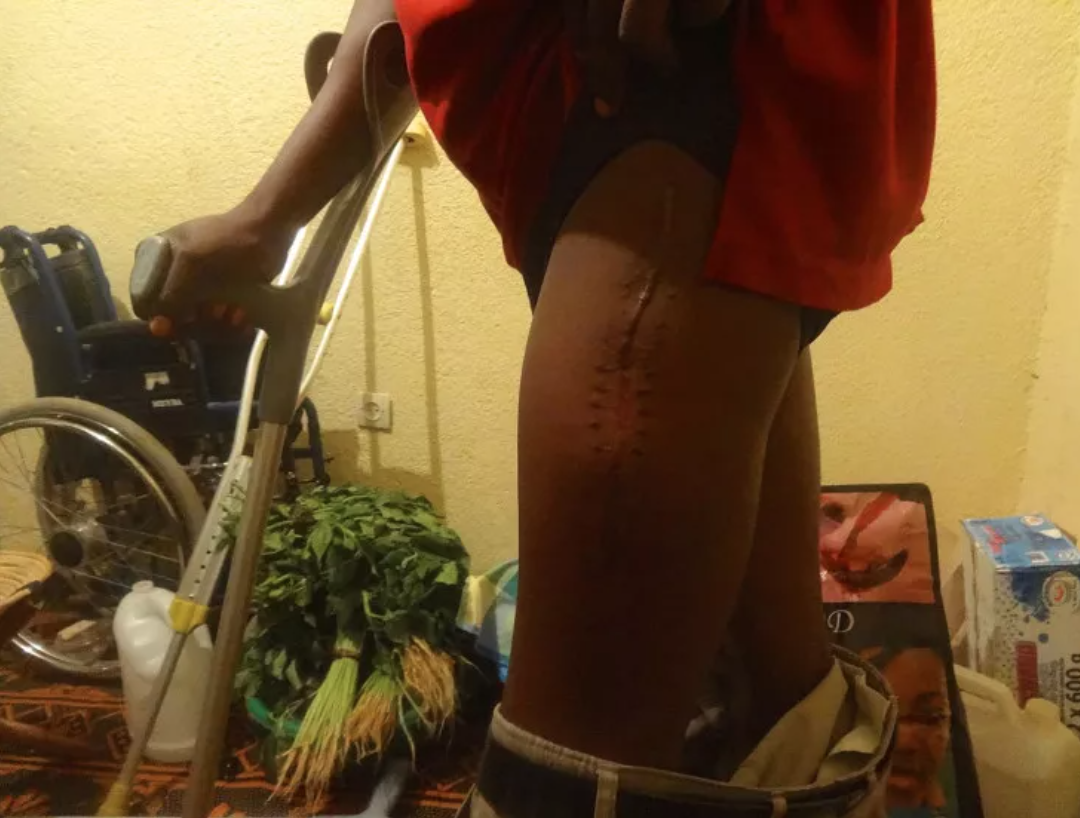
Yemen’s overlooked emergency: disability, access and the cost of explosive violence
For thousands of Yemenis injured by landmines and explosive remnants of war, surviving the blast is only the beginning. Through interviews with survivors and rehabilitation specialists, this report examines the barriers people with disabilities face in accessing healthcare, education, employment and public spaces, revealing an often-overlooked consequence of Yemen's long-running conflict.
When the earth becomes a casualty: How landmines devastate Yemen’s environment
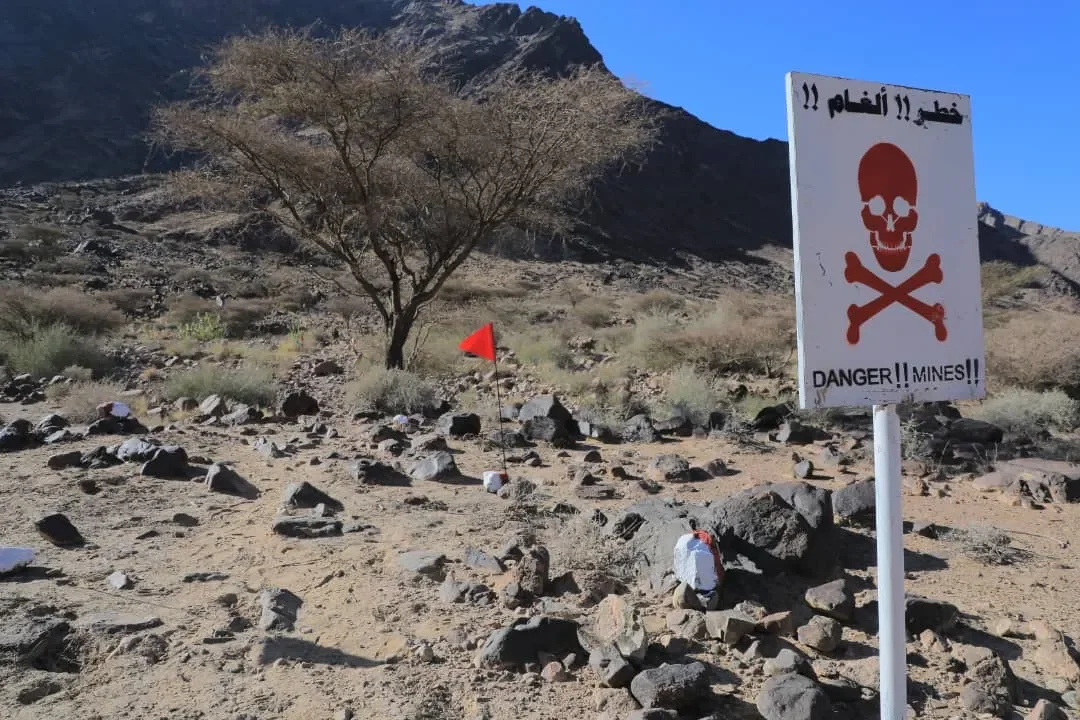
While landmines in Yemen kill and injure civilians, they are also poisoning soil, blocking access to farmland and leaving lasting scars on the environment. Through interviews with deminers, environmental specialists and affected communities, this report explores the hidden ecological consequences of contamination and the challenges facing areas struggling to recover from years of conflict.
Mine Action in Yemen: Reaching those cut off by war, illiteracy and mistrust
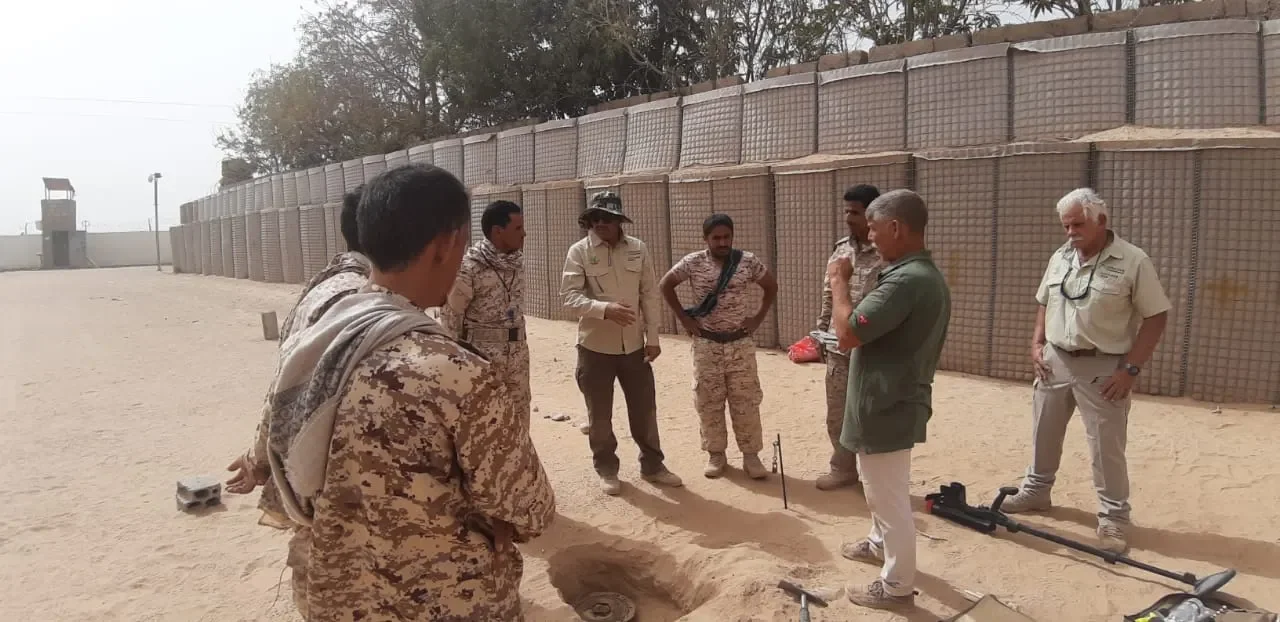
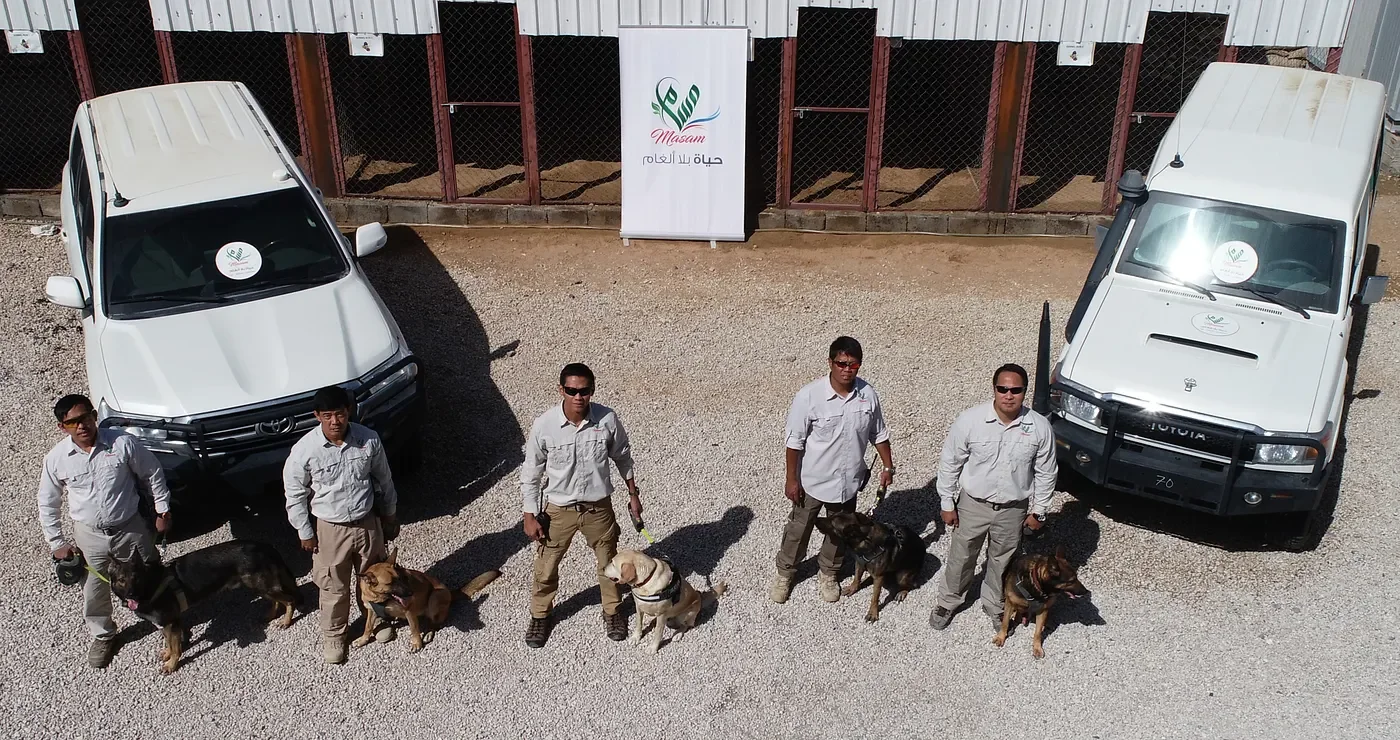
Gaining rare access to communities beyond the reach of traditional awareness campaigns, this report explores how mine action teams in Yemen adapt their work for people isolated by conflict, illiteracy and deep mistrust. Through field reporting and interviews with deminers and risk education specialists, the story reveals the challenges of protecting civilians in some of the country's most vulnerable and hard-to-reach areas.
Landmine survivors in Yemen face more than physical injuries: they face rejection, stigma and silence
For many Yemeni landmine survivors, the explosion is only the beginning of their ordeal. Drawing on interviews with survivors, psychologists and rehabilitation specialists, this report explores the social consequences of life-changing injuries, including stigma, discrimination, family rejection and the loss of employment opportunities. It reveals how survivors often face a second battle after leaving hospital: rebuilding their place within communities that frequently view disability through the lens of shame, dependency or misfortune.
Turning the tide: How civilians hoarding weapons for personal gain are now handing over thousands of landmines
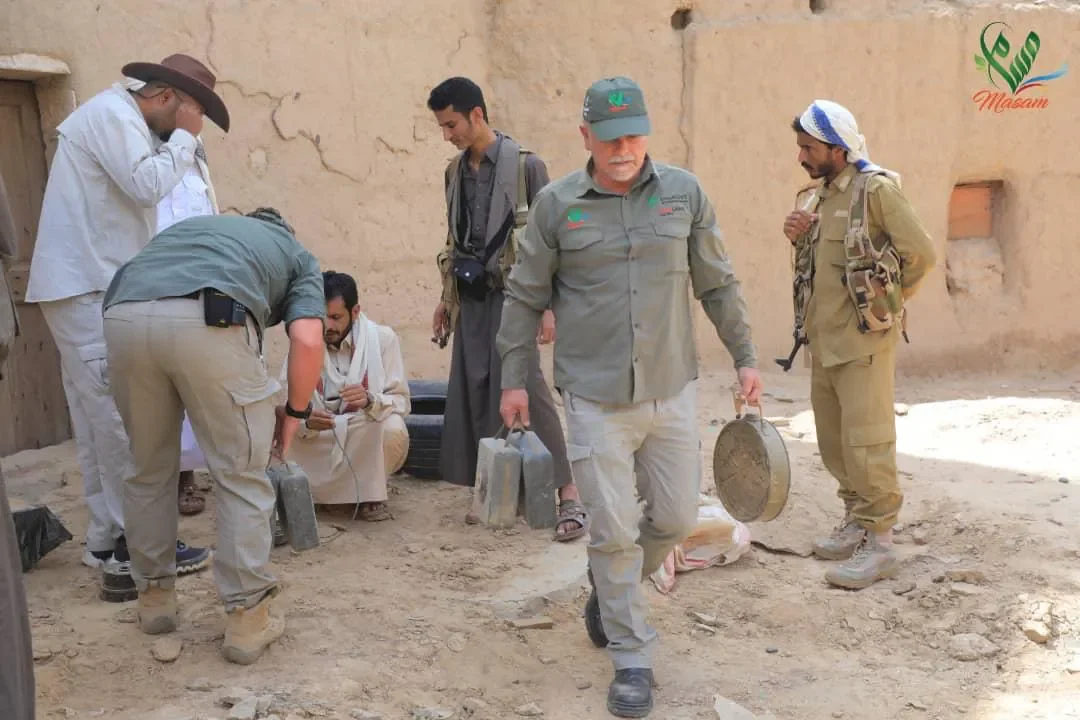
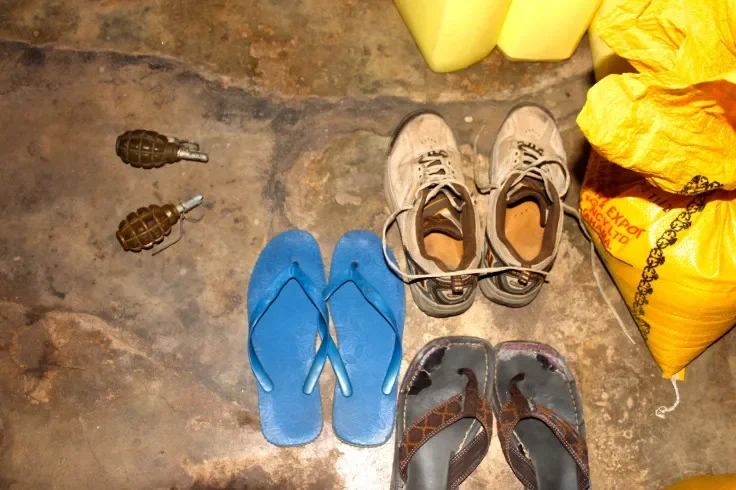
In communities affected by years of conflict, civilians once incentivised to keep weapons and explosive remnants are now voluntarily surrendering thousands of dangerous items. Drawing on exclusive access to mine action programmes in Yemen, this report explores how community engagement, trust-building and risk awareness are helping remove explosive hazards from circulation, reducing threats to civilians and supporting safer recovery.
Fears take hold of Yemen Red Sea Coast civilians already reeling from presence of mines and IEDs as tensions escalate
With tensions rising along Yemen's Red Sea coast, civilians already living among landmines and improvised explosive devices faced growing uncertainty about what lay ahead. Based on exclusive access and interviews with affected communities, the report explores how years of contamination have transformed daily life, leaving families trapped between conflict, fear and the constant threat of explosive hazards.
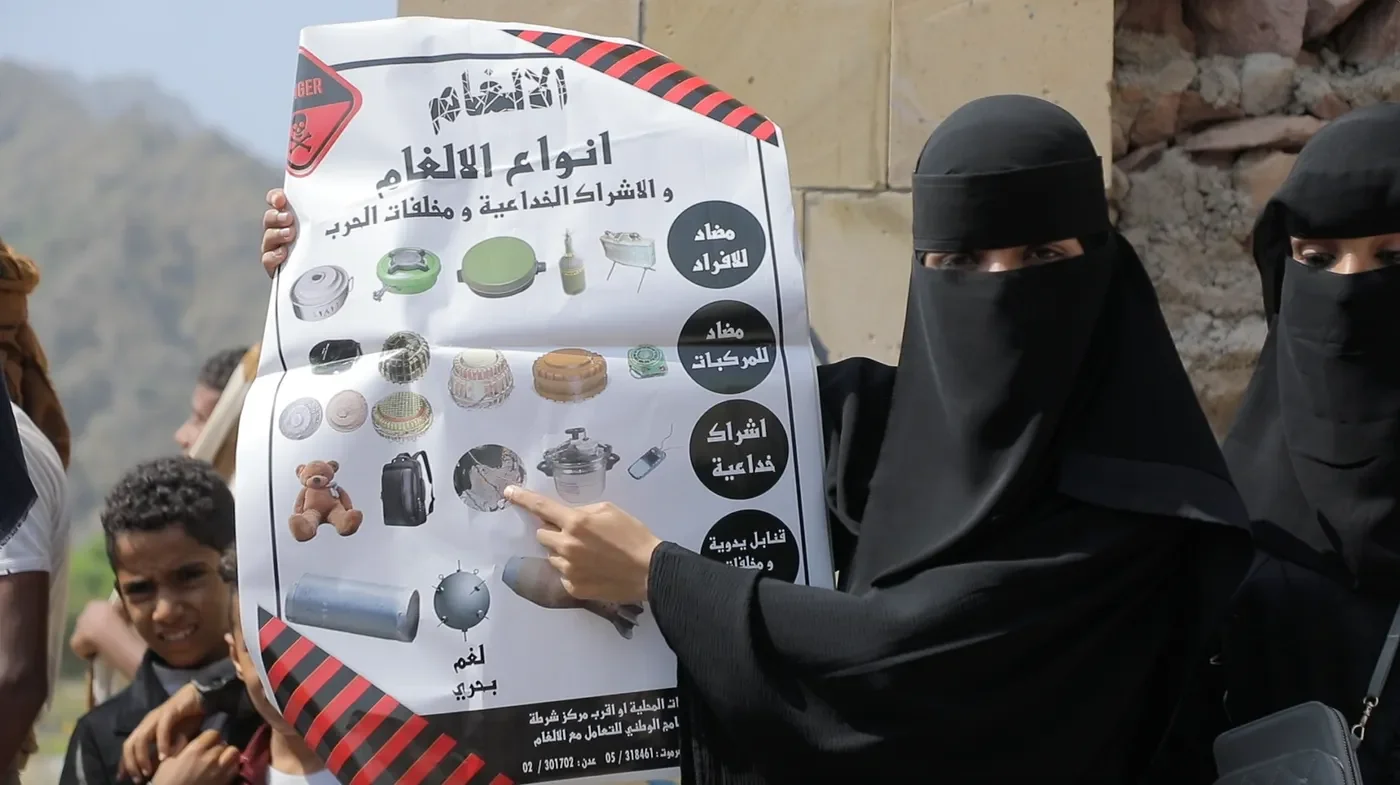
Landmine Awareness in Yemen: Changing gender dynamics
Inside landmine awareness sessions in Taiz, where fighting continues, women and girls speak openly about risk, offering rare insight into how gender segregation shapes access to life-saving information.
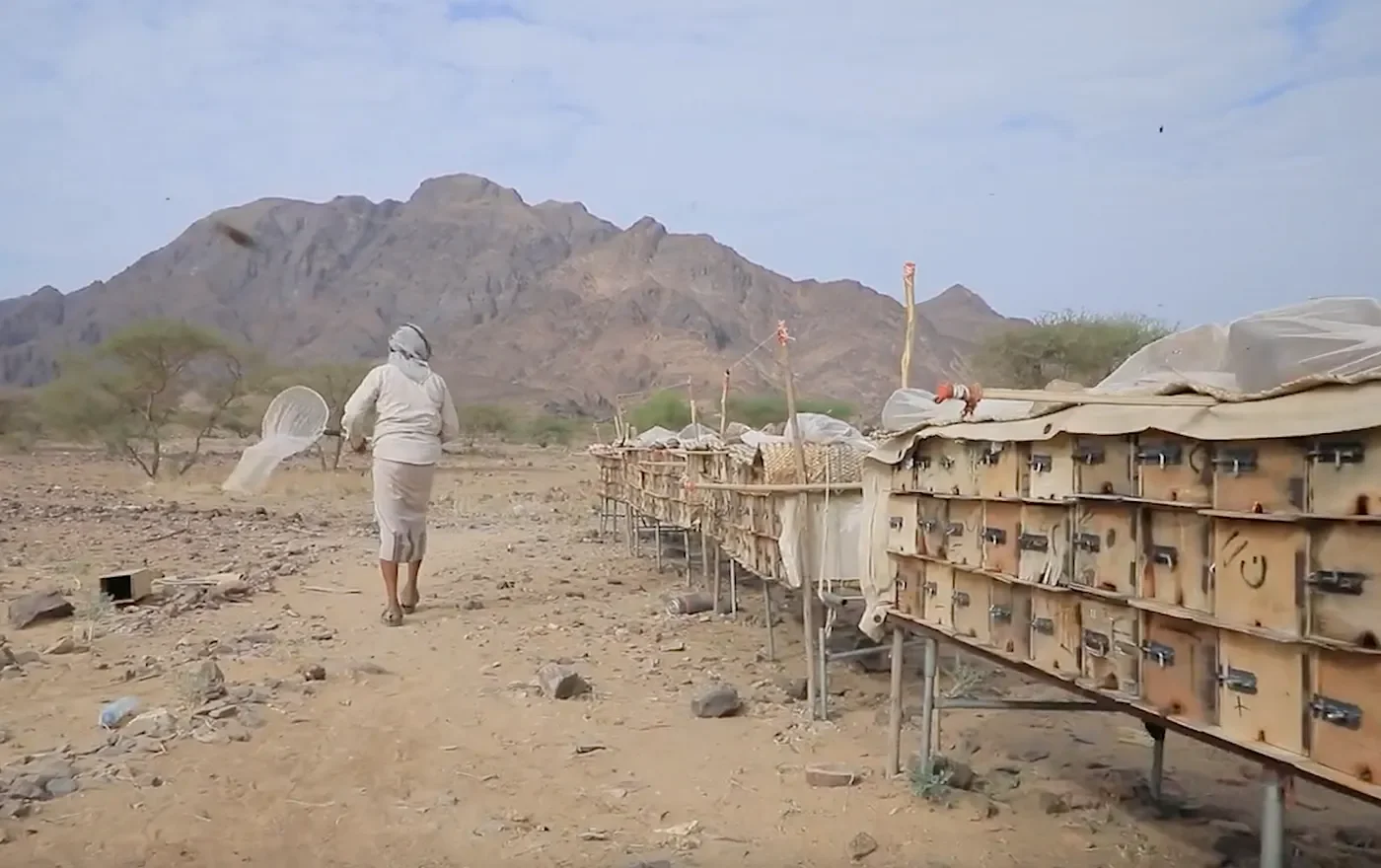
Landmines continue to threaten Yemen’s beekeeping heritage
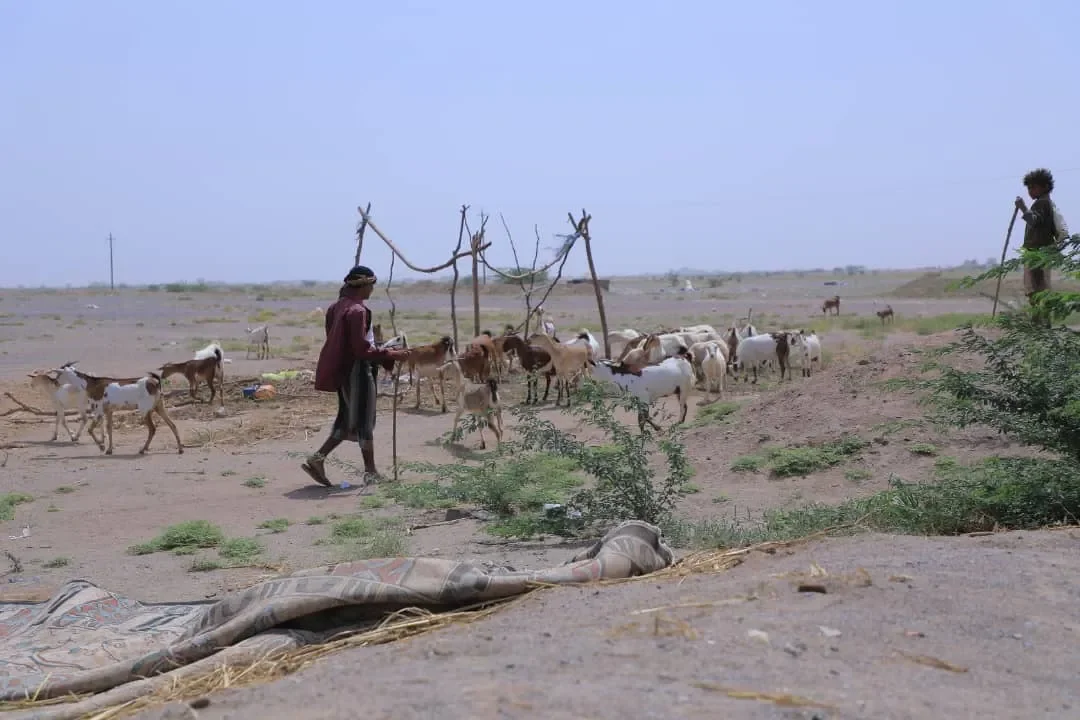
In Yemen, where honey is a source of pride and shared identity, landmines are cutting off beekeepers from vital pastures, threatening livelihoods and a tradition that endures even through conflict.
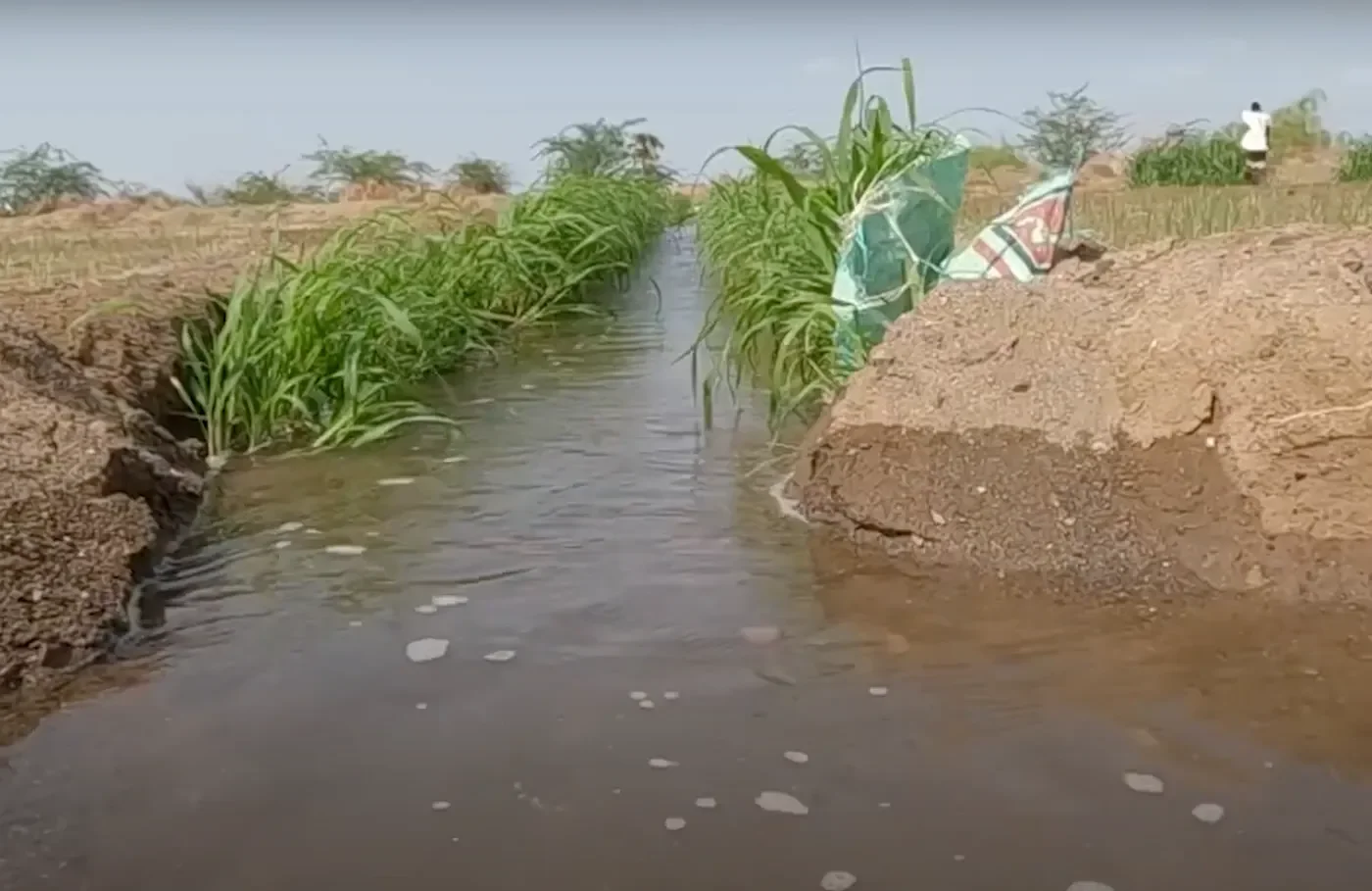
Water in war: how landmines in water wells contaminate the environment and displace tens of thousands
In Yemen, landmines planted in and around water sources are contaminating vital supplies, forcing communities to flee and reshaping daily life in already fragile areas.
Landmines in schoolrooms: the perils of accessing education in Yemen
In Yemen, children describe the dangers of returning to classrooms contaminated by landmines, while demining teams report chilling discoveries of explosive devices inside school buildings.
Humanitarian demining is not a crime: The ‘deliberate’ targeting of demining personnel
Mine action experts in Yemen are raising the alarm over the deliberate targeting of deminers, warning that booby-trapped devices and anti-handling mechanisms are being used to kill those clearing land.
‘Walking daily between life and death’: living in one of Yemen’s most landmine contaminated areas
In one of Yemen’s most landmine-contaminated areas, civilians speak of roads and farmland cut off by explosive hazards, leaving communities isolated and movement severely restricted.
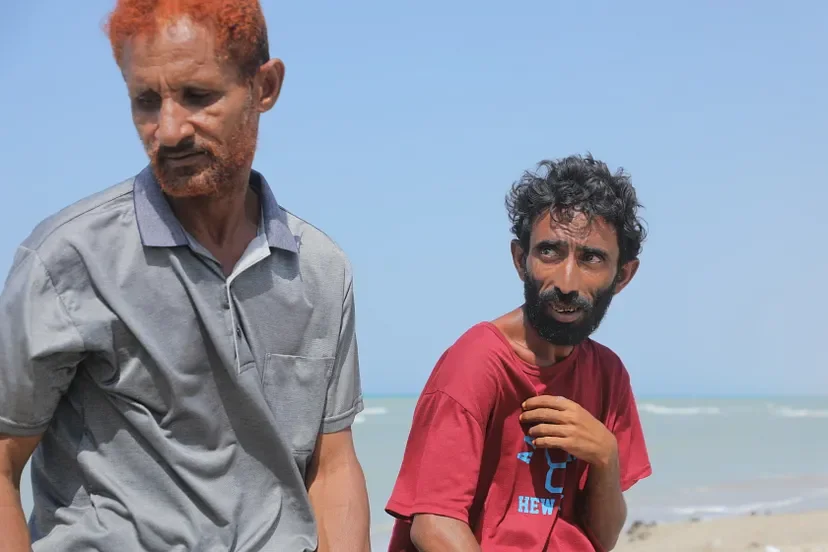
Made in Yemen: How Houthis’ use of sea mines affects fishing communities
This investigation explores the human cost of sea mines along Yemen's coastline, where fishing communities have found themselves on the front line of an invisible maritime threat. Through exclusive interviews with fishermen, coastal residents and mine action specialists, the report examines how explosive hazards at sea have disrupted livelihoods, restricted access to traditional fishing grounds and deepened economic hardship for families already struggling amid years of conflict.
Yemen’s overlooked emergency: disability, access and the cost of explosive violence
Across Yemen, survivors of explosive violence face daily barriers to healthcare, mobility and work, as disability and conflict combine to restrict access to basic services.
The gendered toll of explosive violence in Yemen
Explosive violence in Yemen carries a distinct gendered toll, with women and girls facing lasting impacts on education, livelihoods and social inclusion beyond the immediate blast.
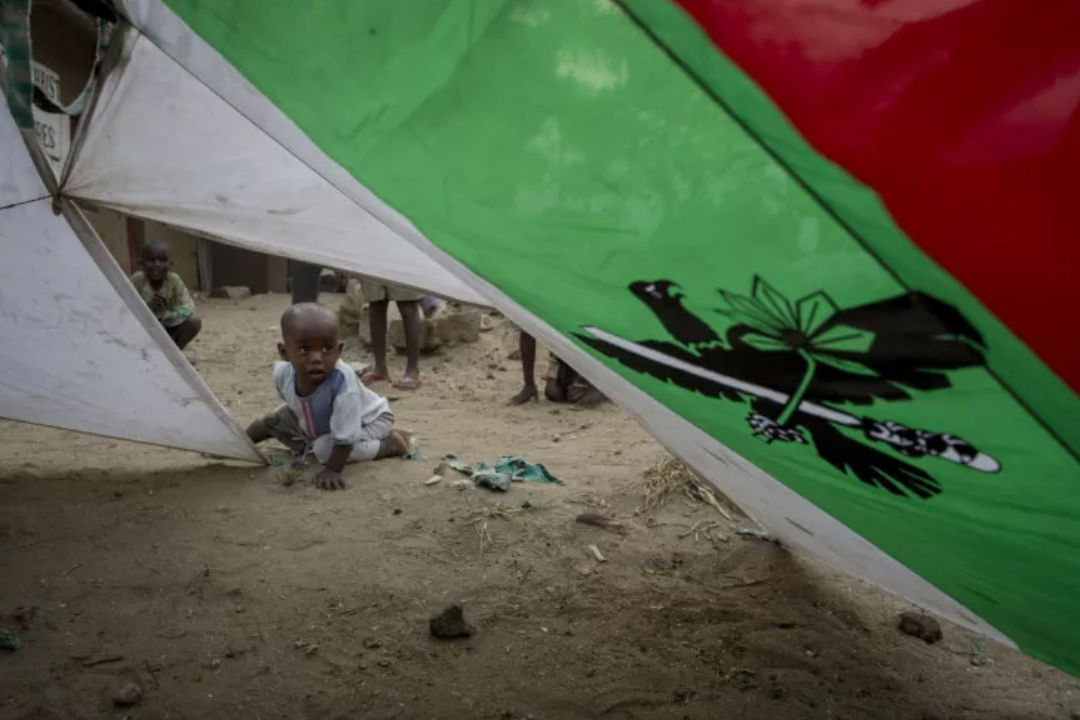
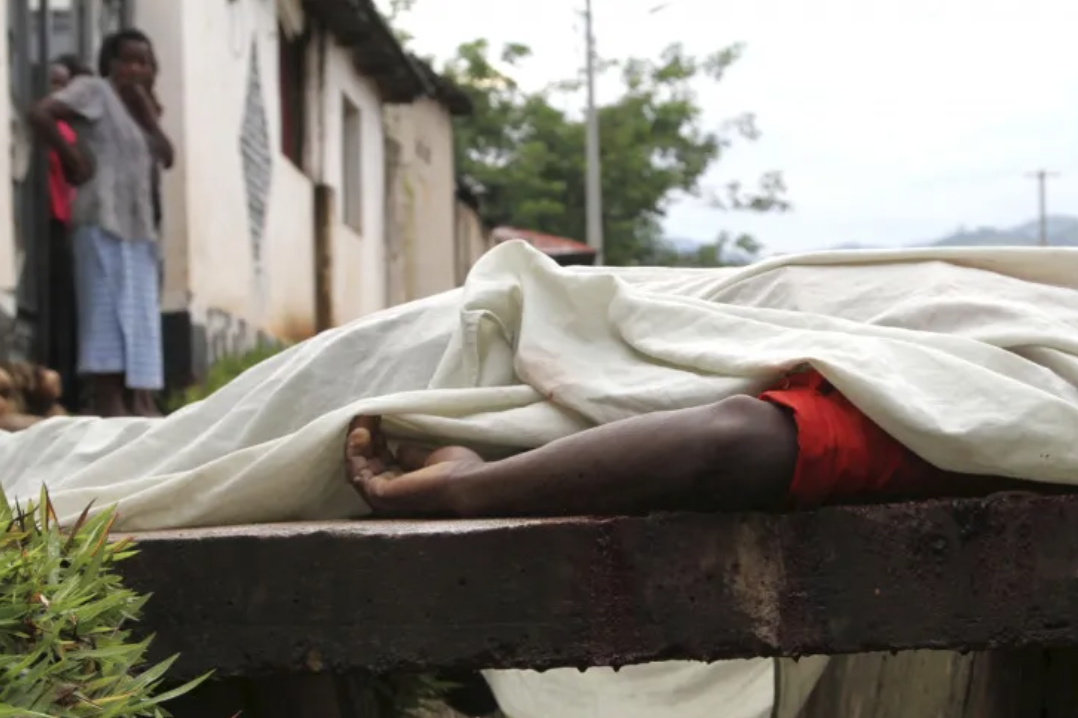
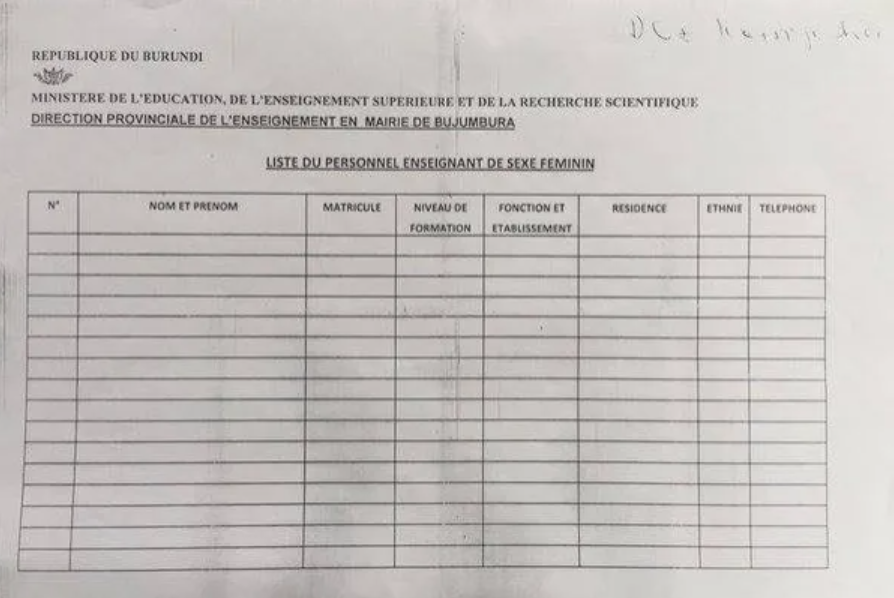
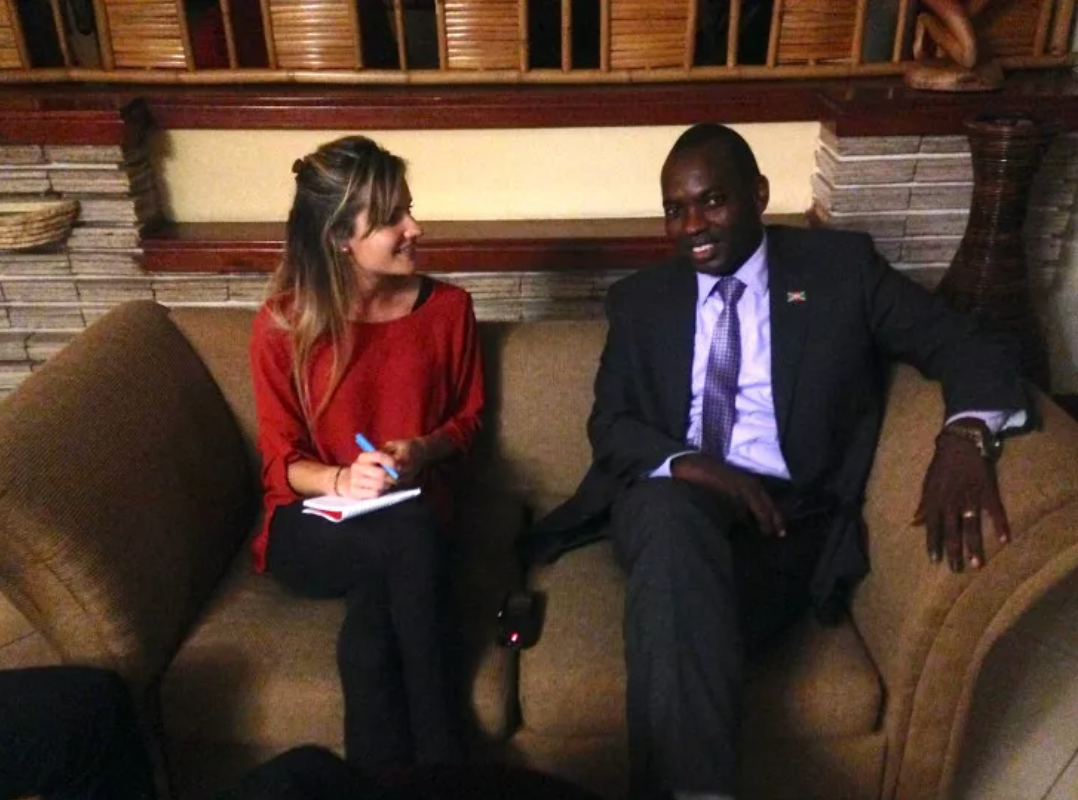
Burundi Opposition Claims Government Is Using Hunger as a 'Weapon of Mass Destruction'
As Burundi's political and economic crisis deepened, this exclusive report examined allegations that ordinary civilians were being pushed into poverty, hunger and desperation by the collapse of livelihoods and access to basic services. Through interviews with opposition figures, residents and observers, the story explored how economic hardship had become a defining feature of daily life, with families struggling to secure food and meet their most basic needs amid ongoing instability.
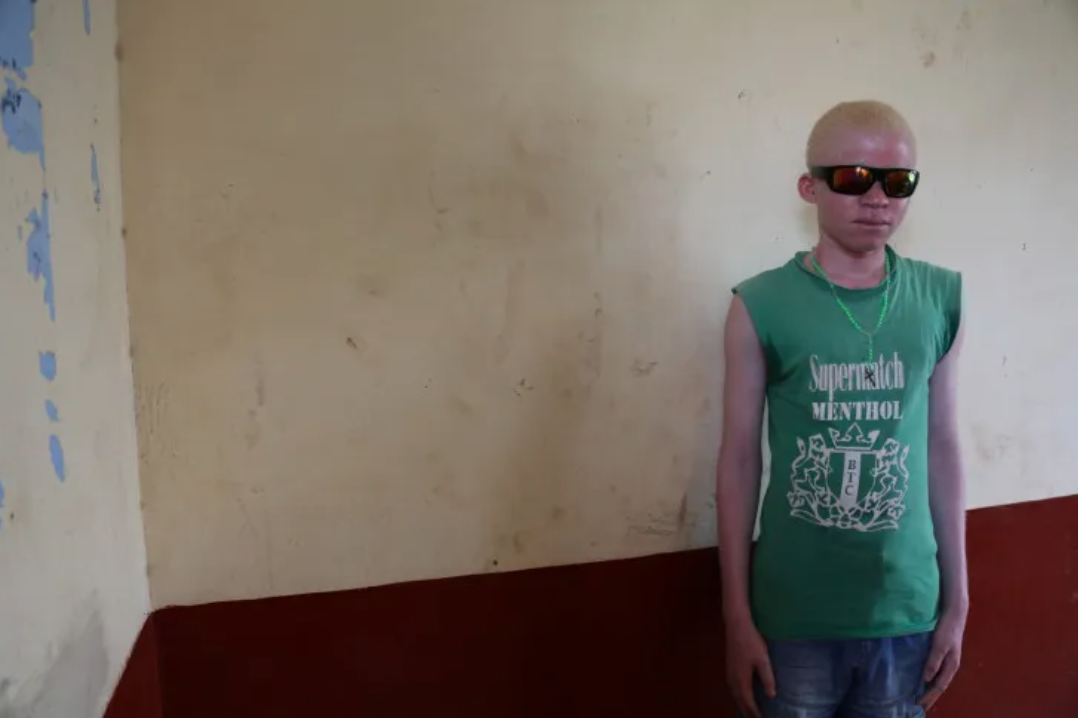
On the run from his own family: Young Burundian albino's escape to safety
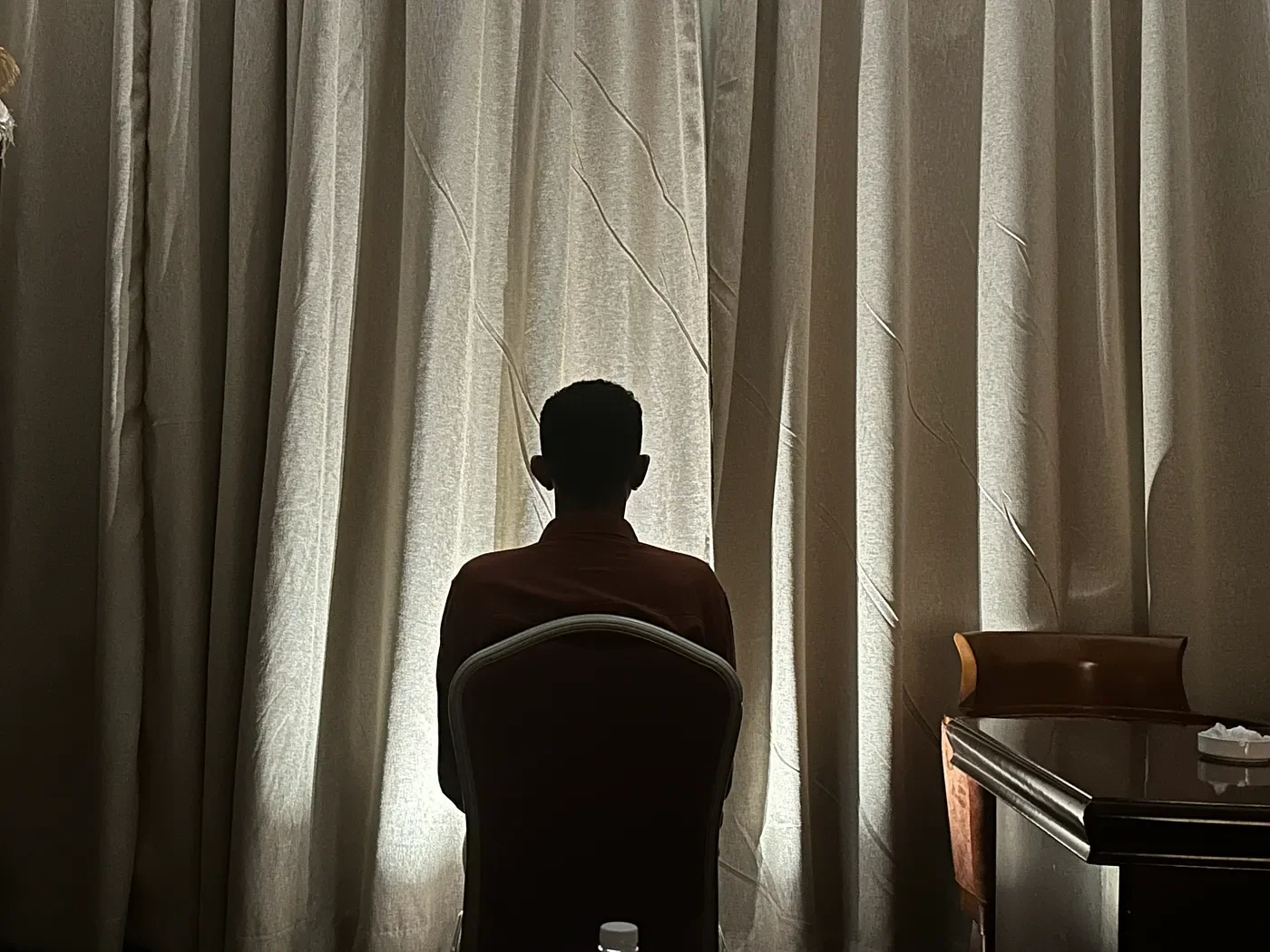
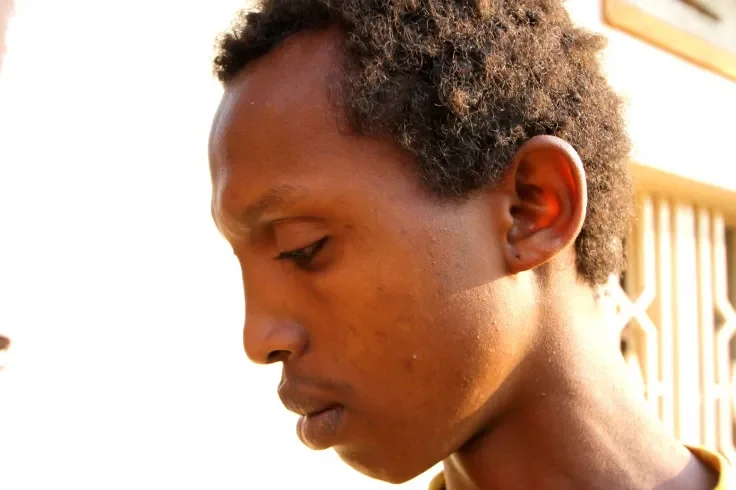
Based on a rare face-to-face interview with a Burundian refugee living with albinism, this report sheds light on a frequently overlooked protection issue in East Africa. Through one individual's journey, it examines the intersection of displacement, disability, discrimination and human rights, giving voice to a community that is often invisible in both refugee and humanitarian reporting.
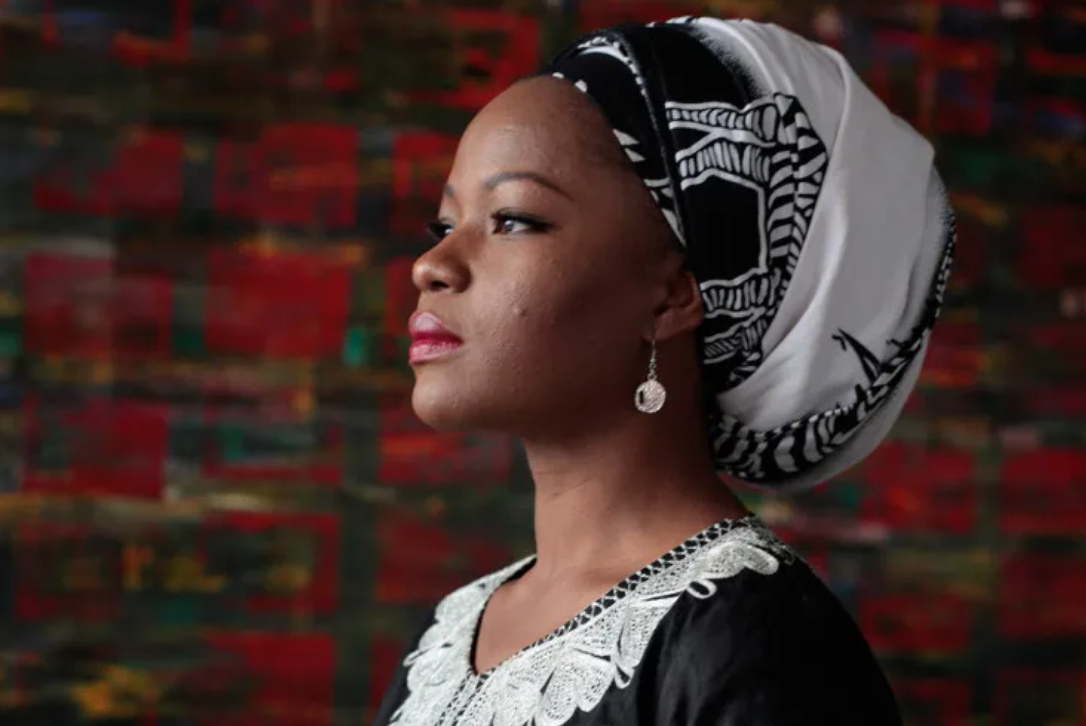
Meet MacDella Cooper, the former refugee running to be Liberia's next female president
Forced to flee Liberia's civil war as a teenager, MacDella Cooper spent years as a refugee before rebuilding her life in the United States. In this exclusive interview, she reflects on survival, exile and her bid to become Liberia's first female presidential candidate, arguing that the country's future depends on opportunities for a new generation.
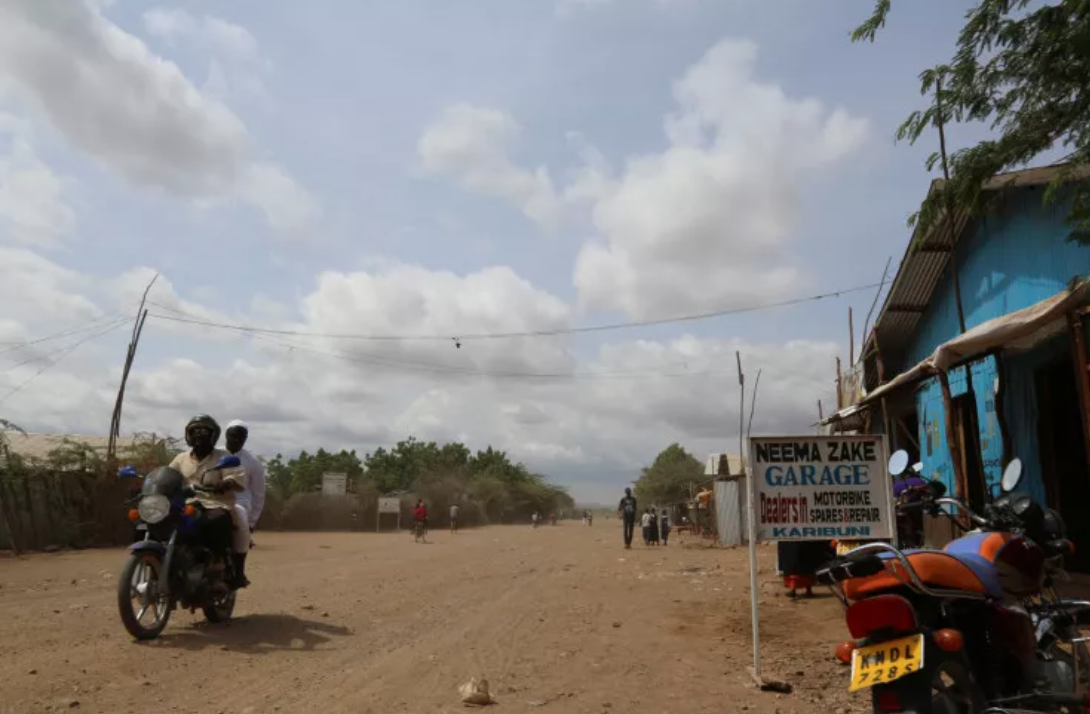
Kenya refugee repatriation to Somalia may see many join al-Shabaab or face sexual abuse
Reporting from Kenya's Kakuma refugee camp, this exclusive story examines the fears surrounding the planned repatriation of Somali refugees. Through first-hand testimonies, refugees warned that returning to Somalia could expose them to insecurity, forced recruitment by al-Shabaab, sexual violence and a lack of basic services, highlighting the human consequences of regional refugee policies.
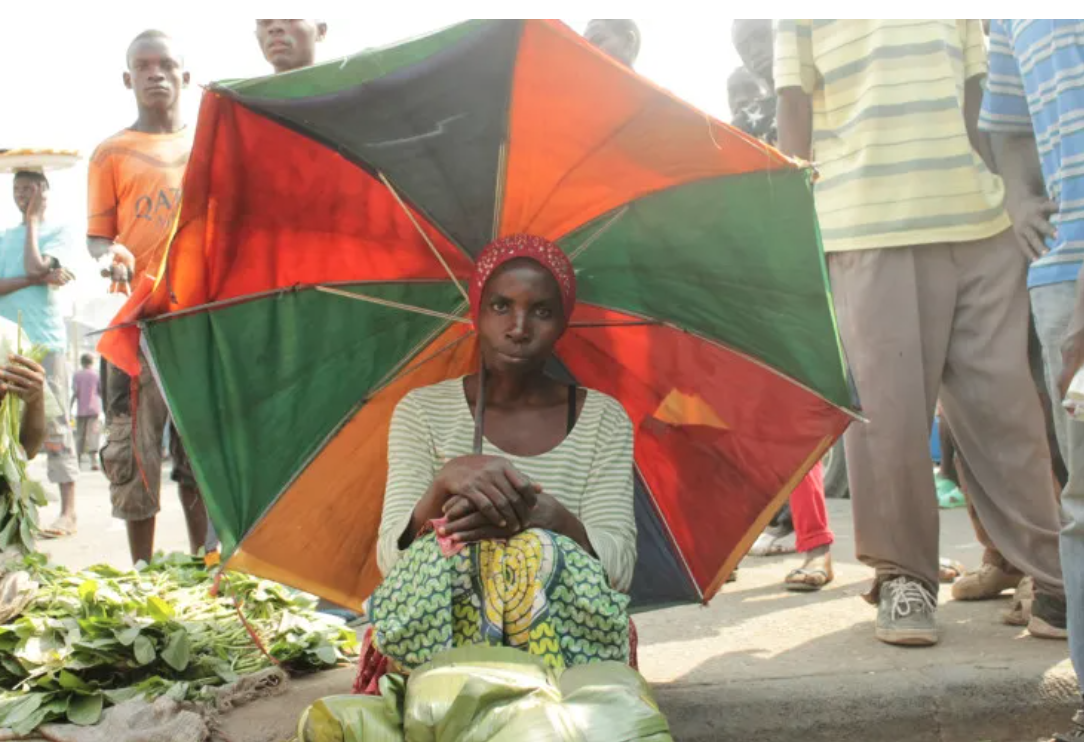
Burundi: Mothers fear children will go hungry as shattered economy reels from months of violence
Reporting from Bujumbura as Burundi's political crisis deepened, this exclusive story explored the hidden economic toll of months of unrest. As businesses closed, jobs disappeared and food prices rose, mothers described struggling to feed their families, revealing how ordinary civilians were bearing the brunt of a crisis increasingly defined by fear, uncertainty and economic collapse.