A selection of Elsa Buchanan’s reporting, photo essays and communications work, drawn from field assignments and collaborations across the Middle East and Sub-Saharan Africa.
Covering conflict, human rights and humanitarian issues, the work combines on-the-ground reporting with specialist analysis.
Human Impact
Stories exploring how conflict shapes daily life, from displacement and education to livelihoods, environment, and long-term recovery.
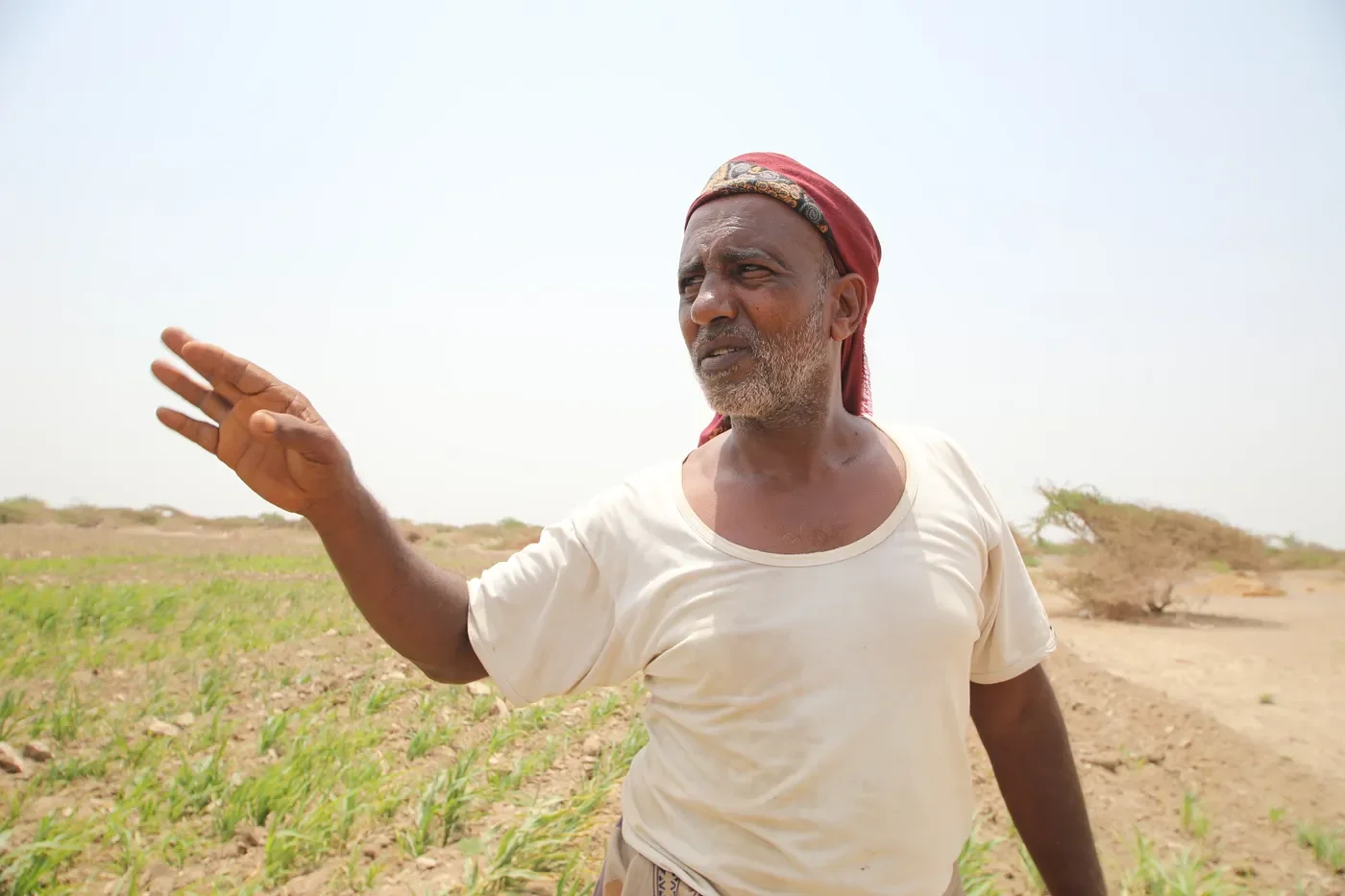
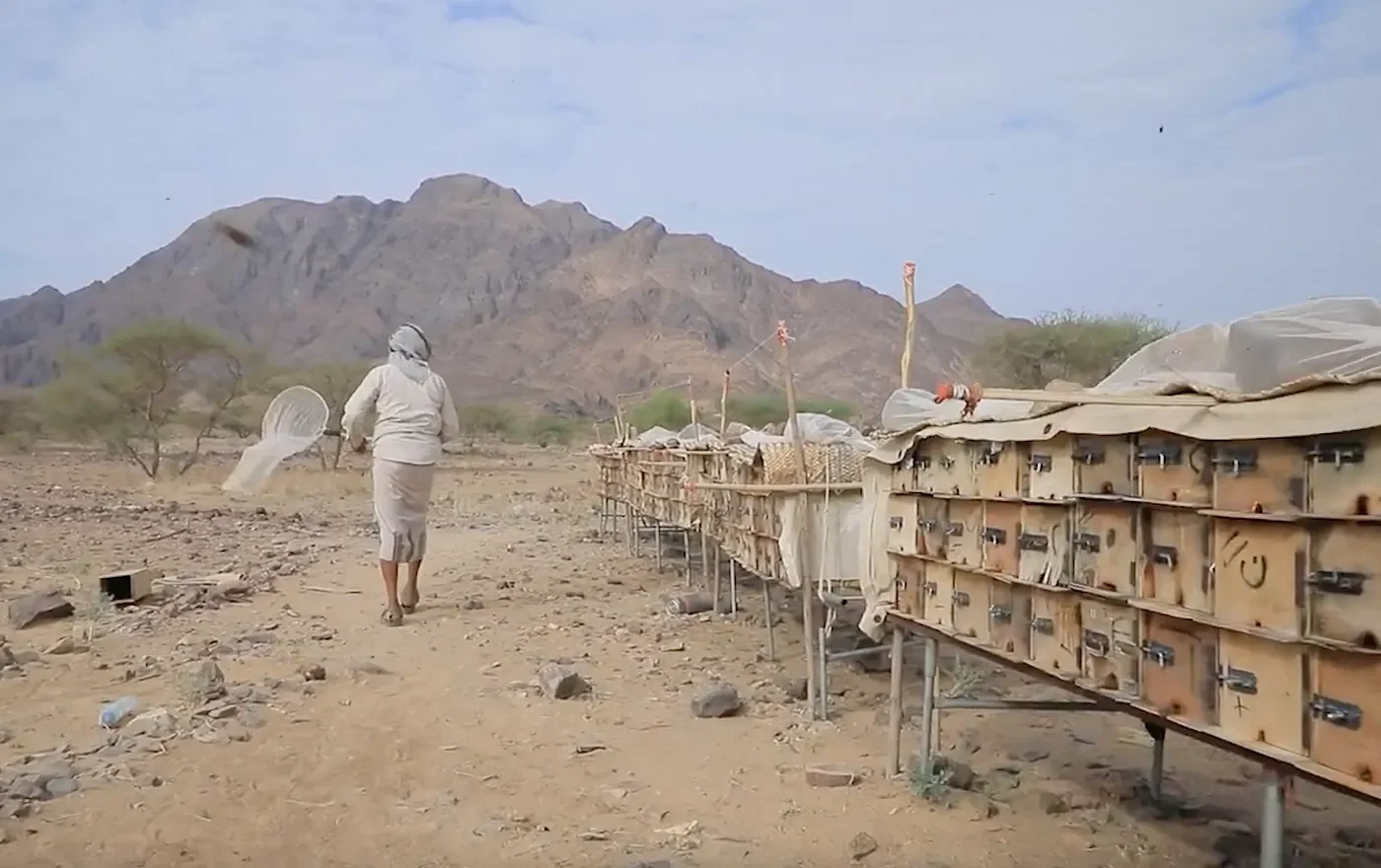
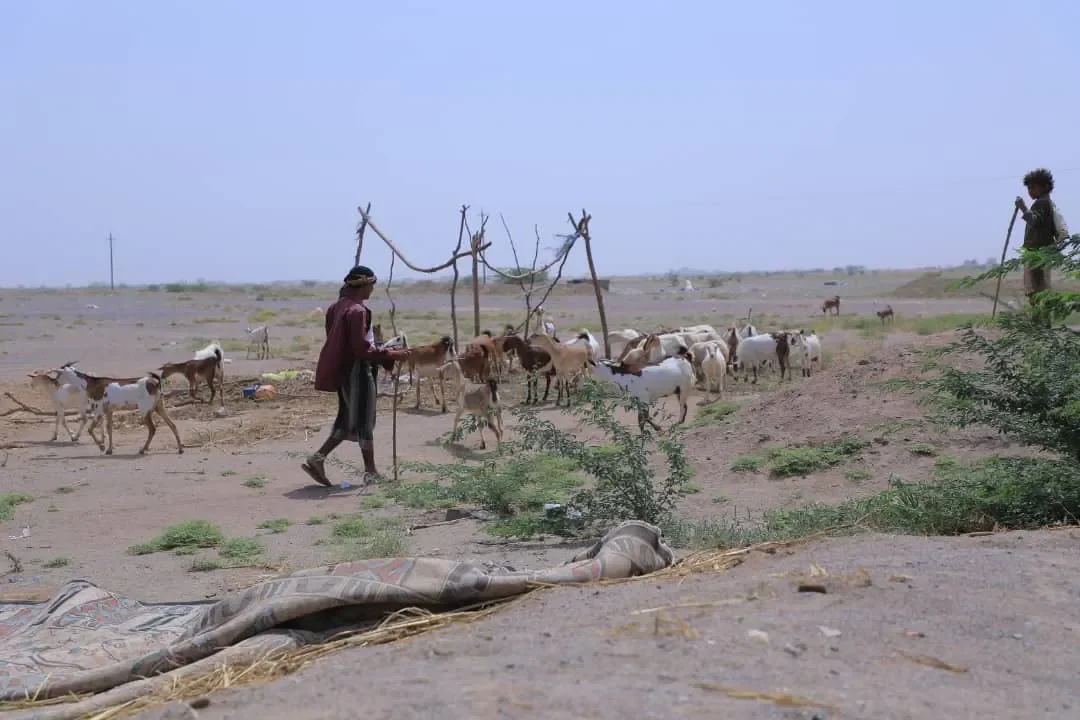
Drawing on firsthand reporting with Yemeni farmers and beekeepers, this investigation reveals how landmines devastate agricultural livelihoods, degrade fragile soils and restrict access to grazing land, threatening ecosystems long after fighting subsides.
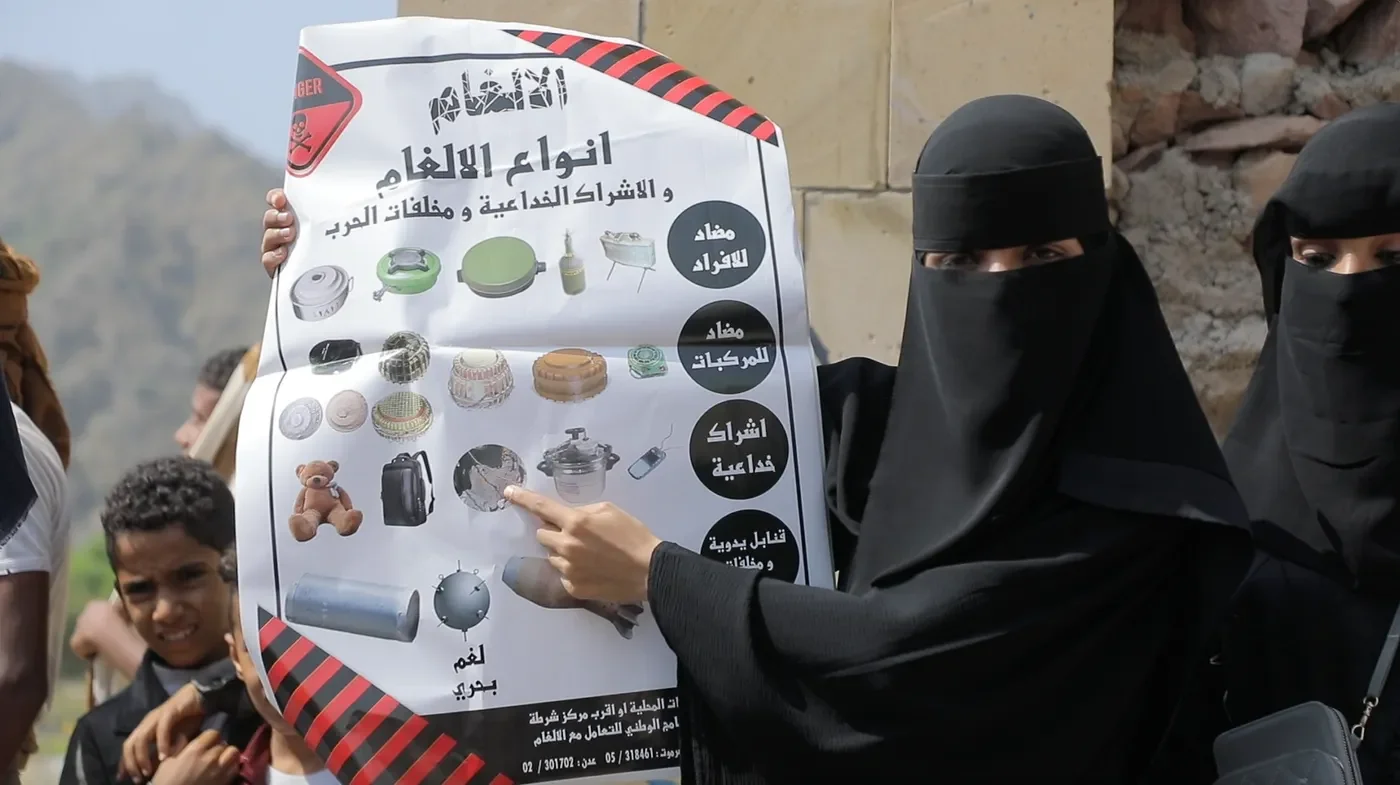
In Yemen's isolated, conflict-affected communities, illiteracy and mistrust complicate efforts to warn civilians about explosive hazards. This report explores how mine action teams adapt their communication and outreach to reach people often excluded from conventional awareness campaigns.
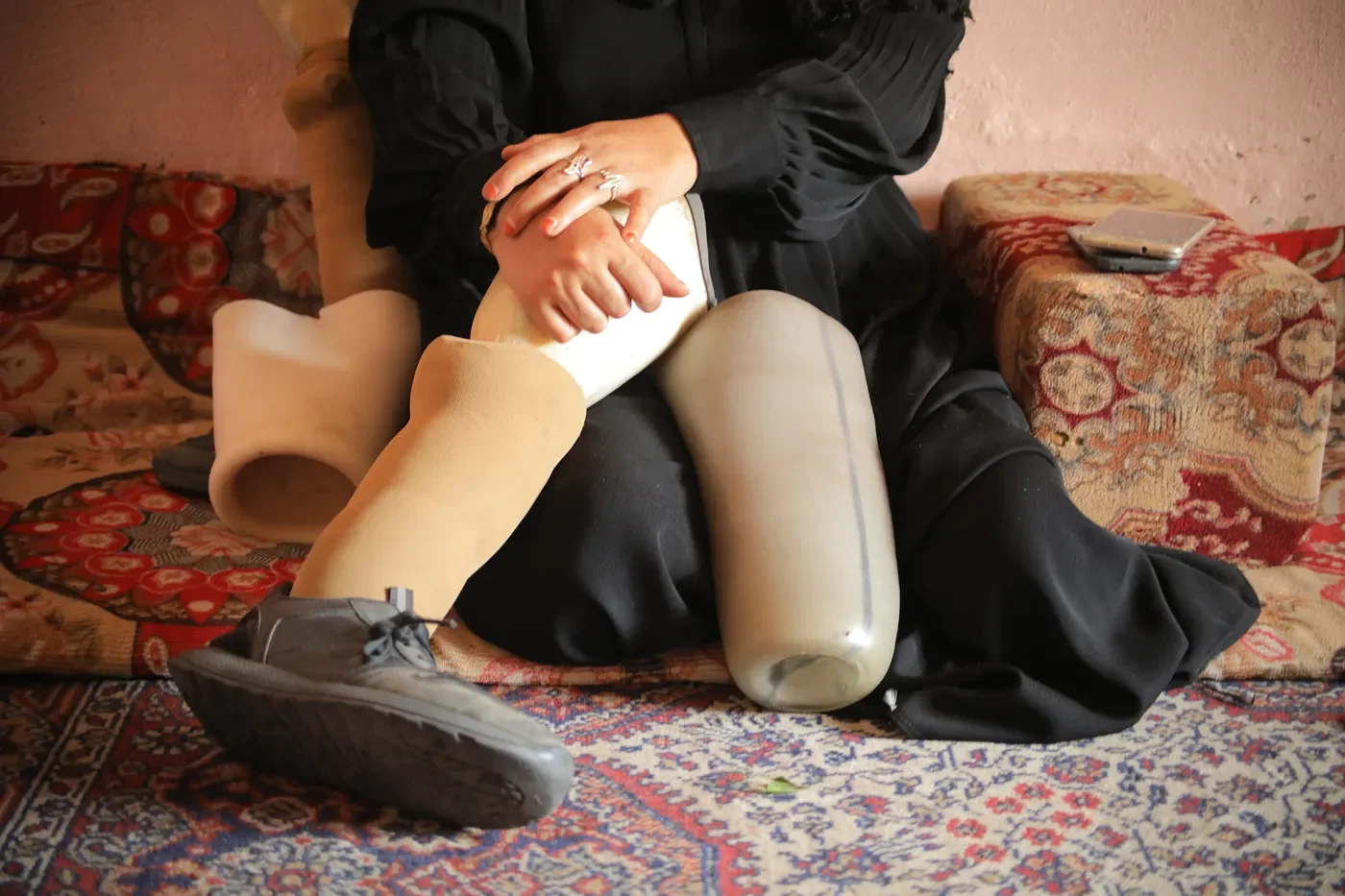
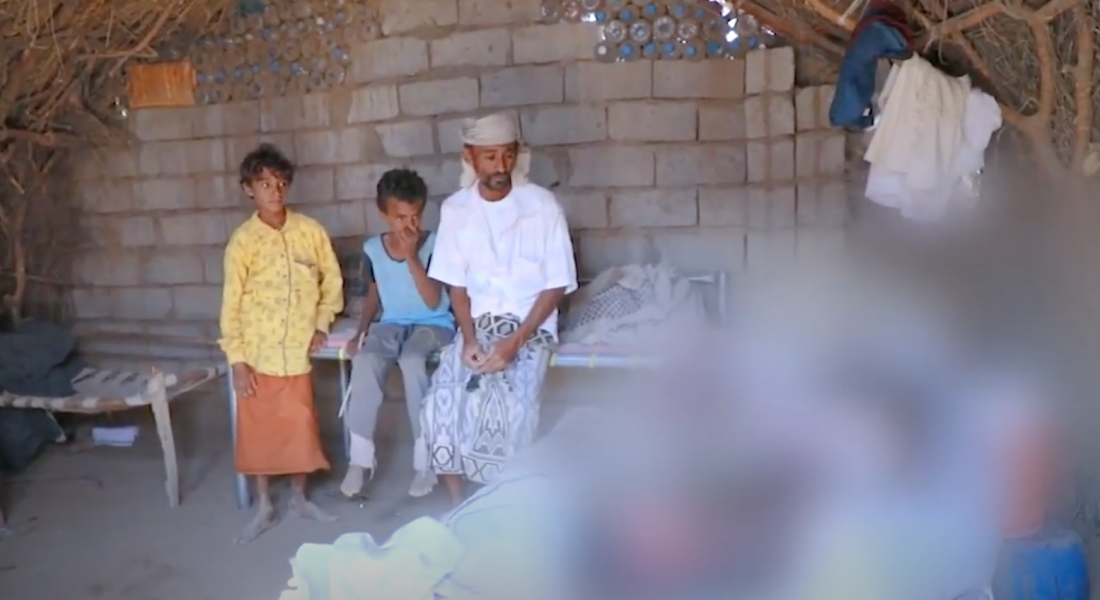
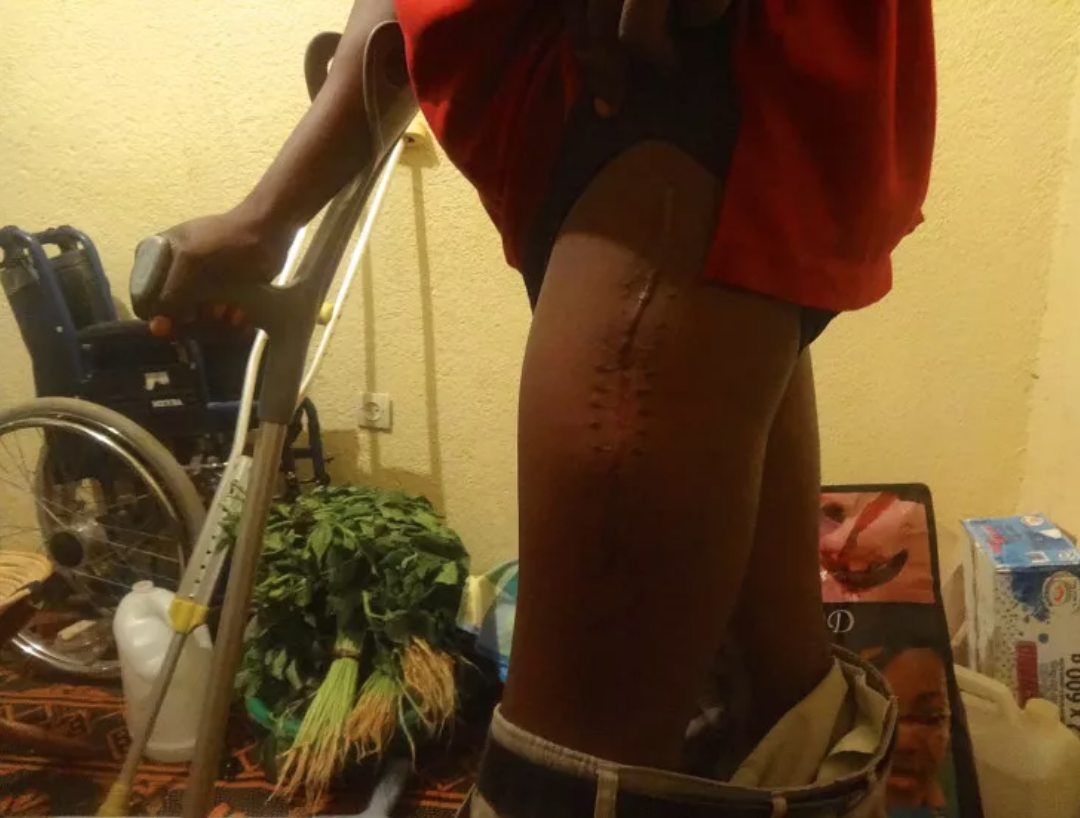
For Yemeni landmine survivors, losing a limb can also mean losing a marriage, livelihood or place within their community. Through women's testimonies from Taiz, this report documents the stigma, abandonment and economic hardship that follow devastating injuries.
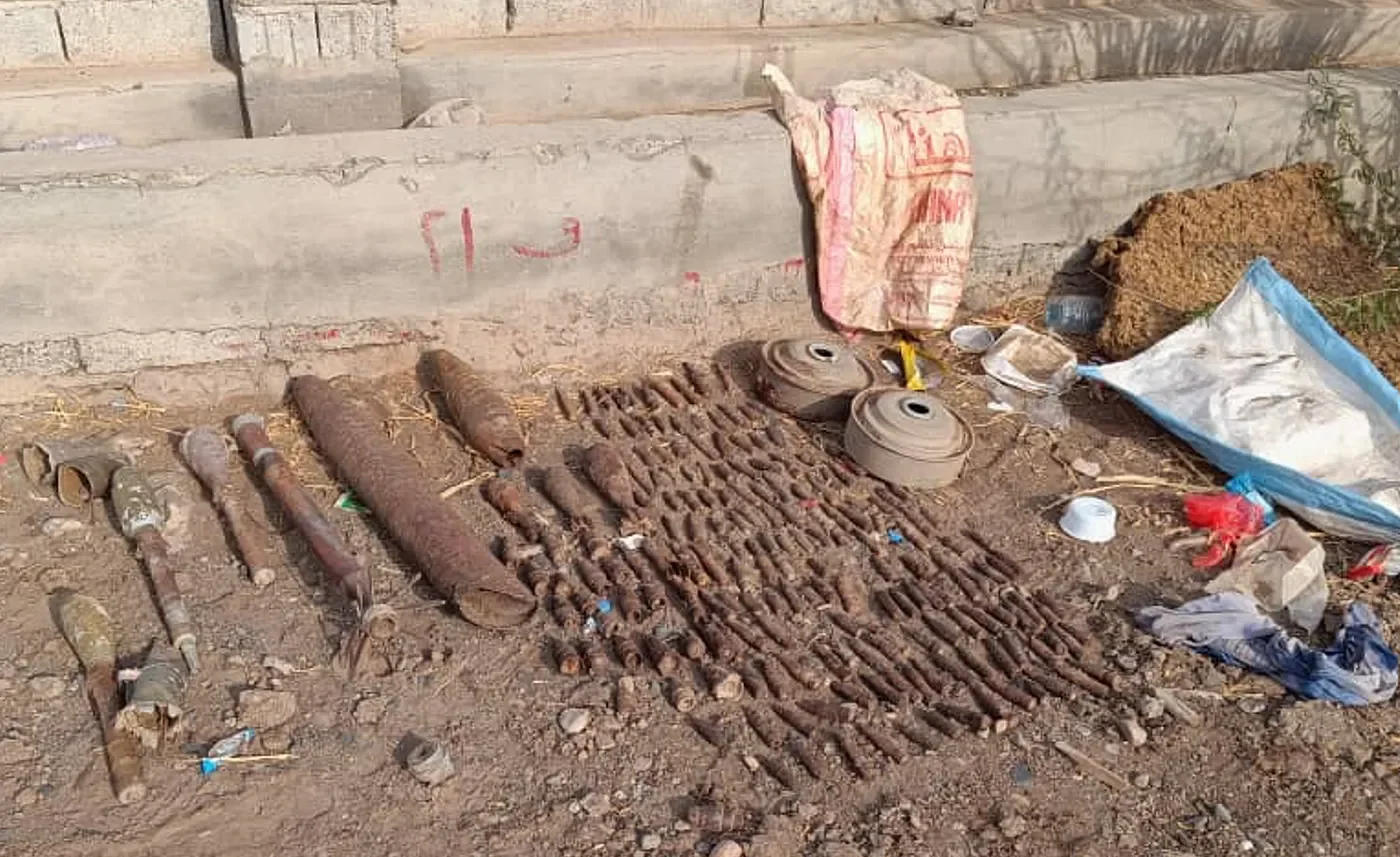
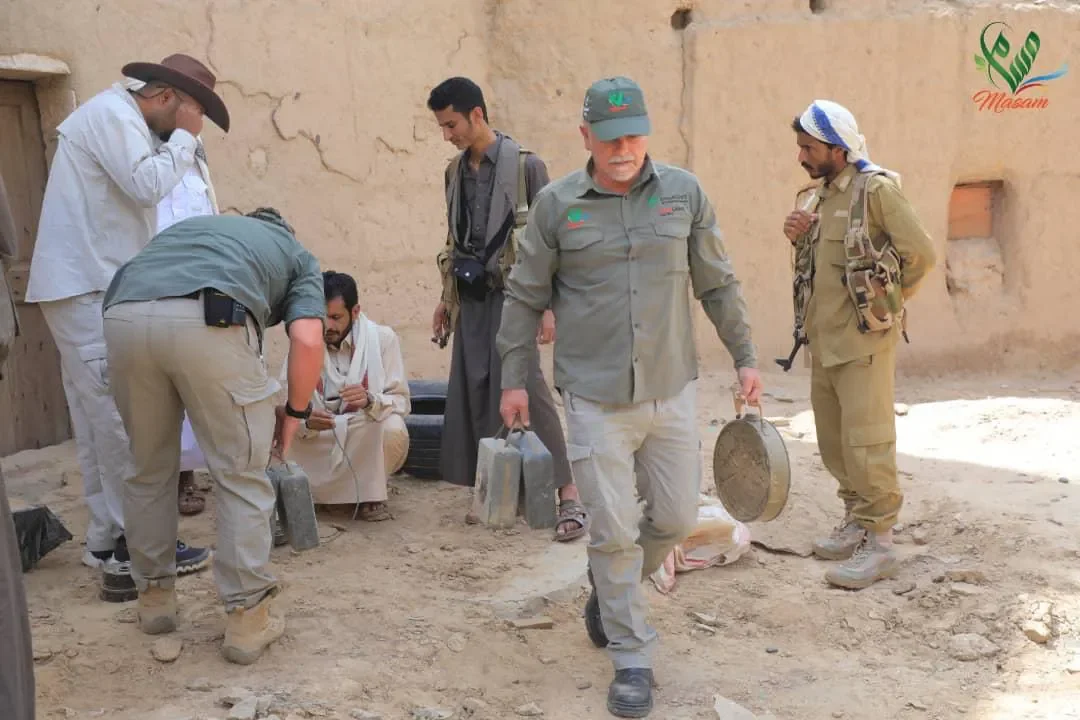
Across Yemen, civilians once stockpiled landmines for resale or scrap, sometimes inside family homes. Through interviews with demining team leaders, this investigation reveals how risk education and growing trust are encouraging communities to surrender these deadly weapons.
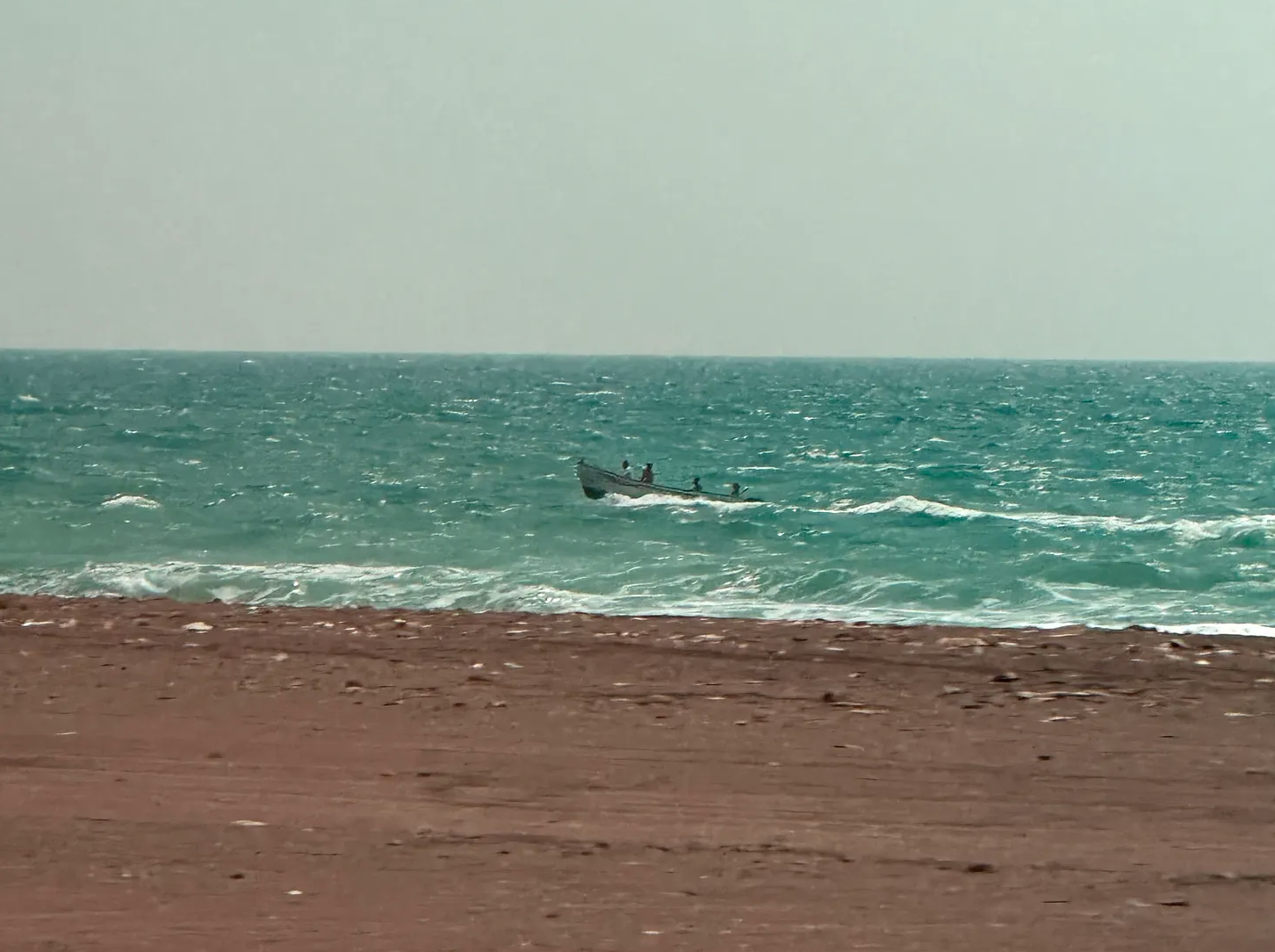
Exclusive interviews with Red Sea coastal communities reveal growing fears of renewed fighting, displacement and mine-laying, as civilians confront escalating insecurity amid longstanding explosive contamination.
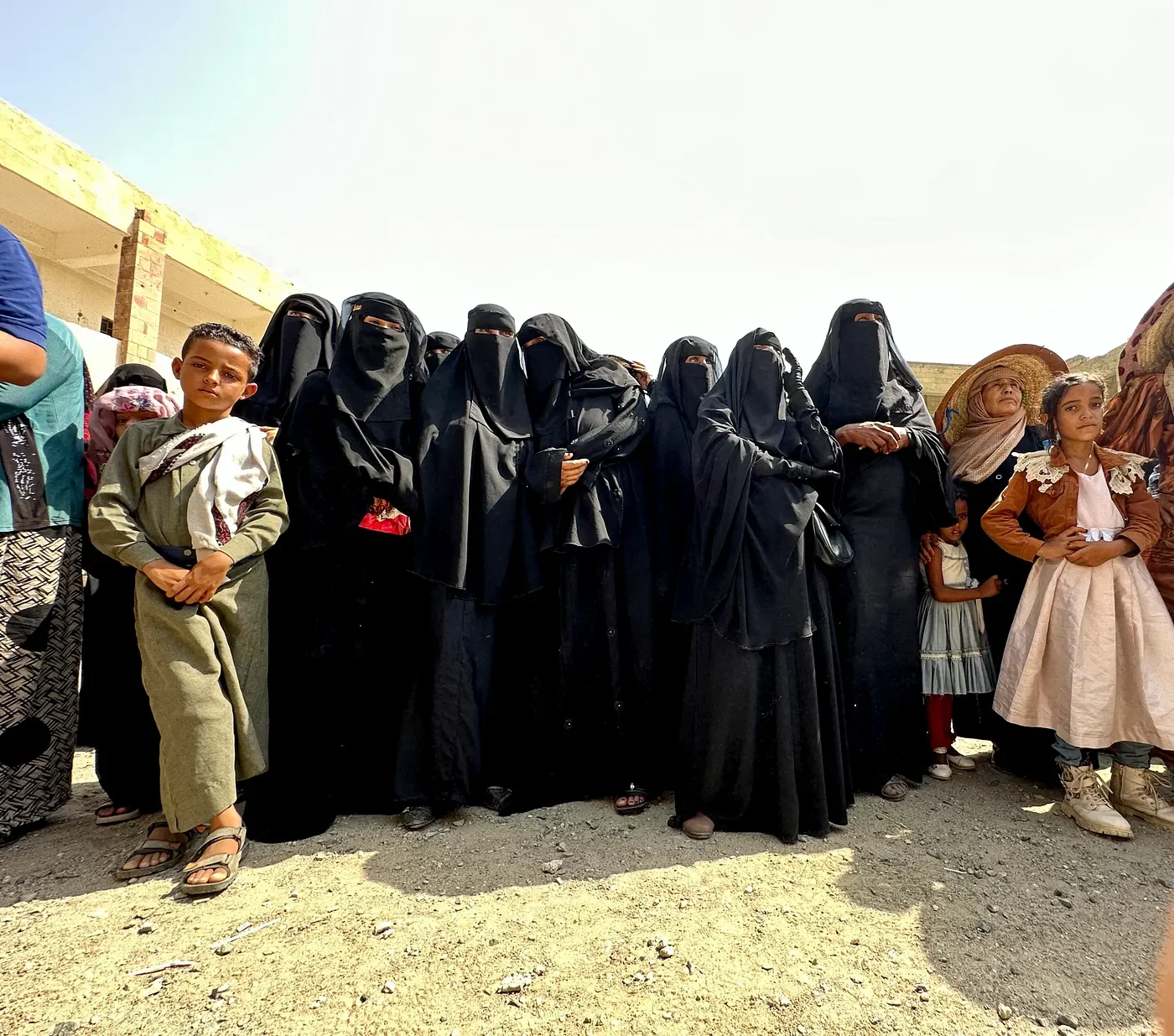
Inside landmine awareness sessions in Taiz, where fighting continues, women and girls speak openly about risk, offering rare insight into how gender segregation shapes access to life-saving information.
In Yemen, where honey is a source of pride and shared identity, landmines are cutting off beekeepers from vital pastures, threatening livelihoods and a tradition that endures even through conflict.
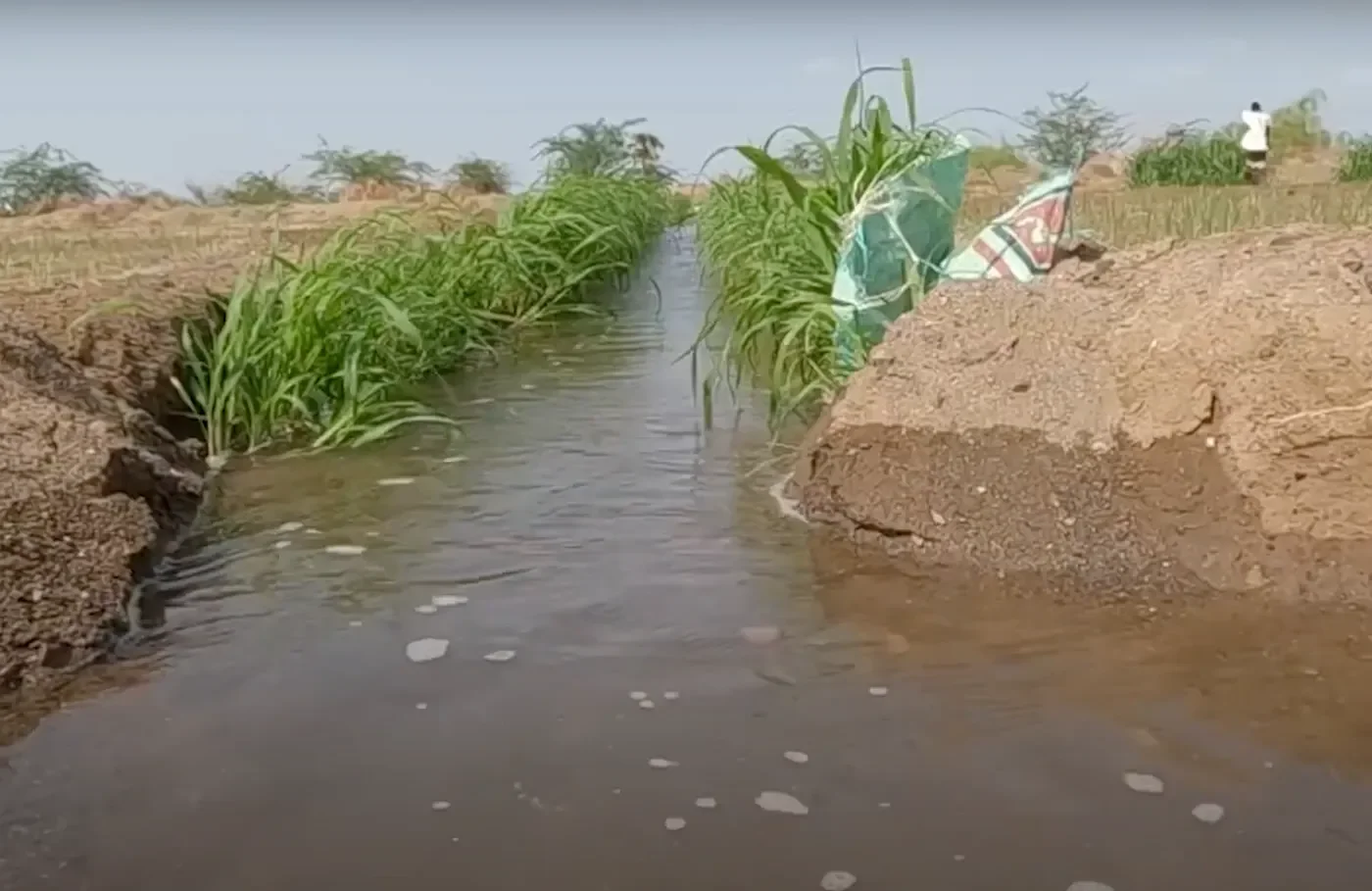
In Yemen, landmines planted in and around water sources are contaminating vital supplies, forcing communities to flee and reshaping daily life in already fragile areas.
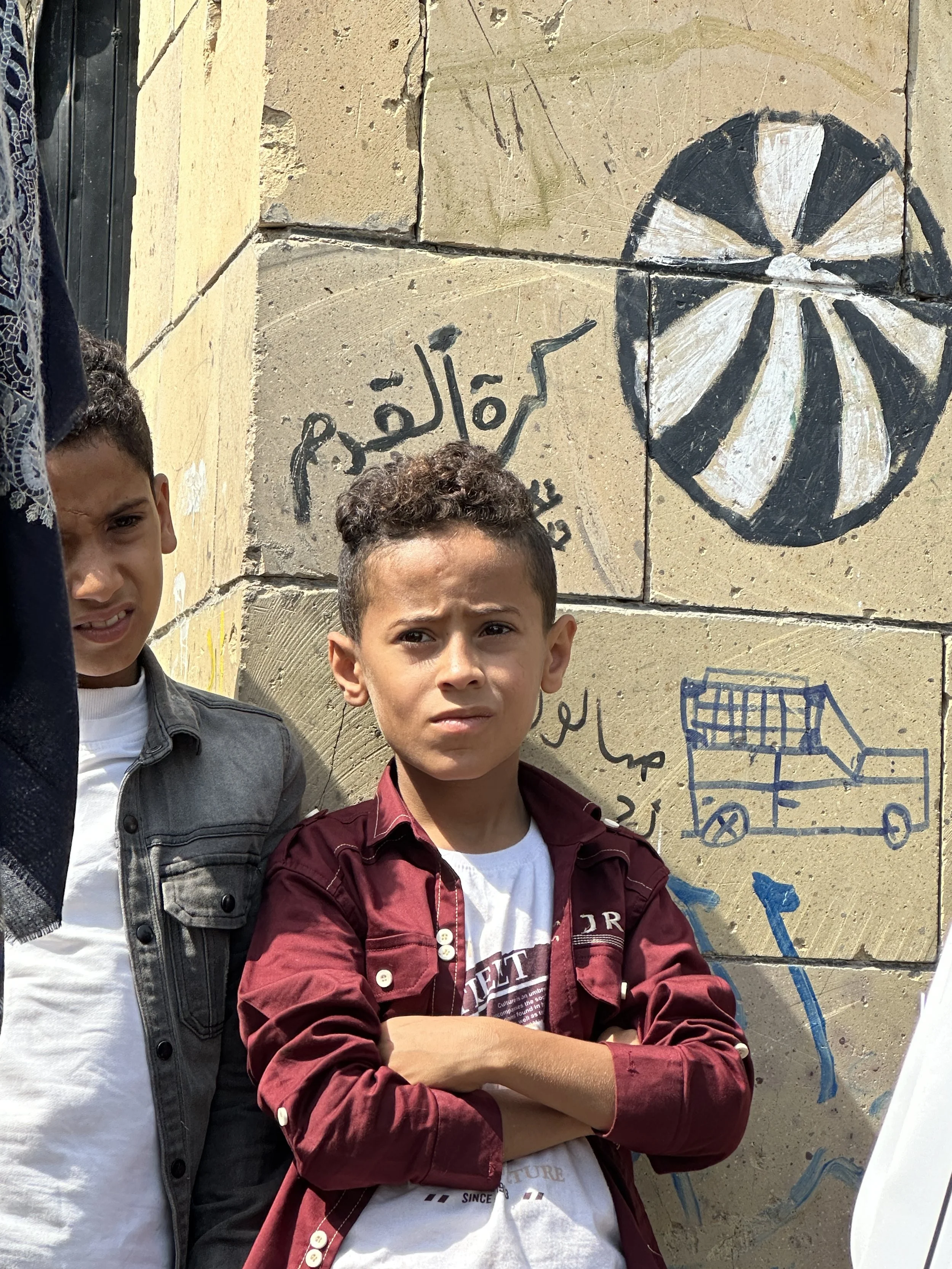
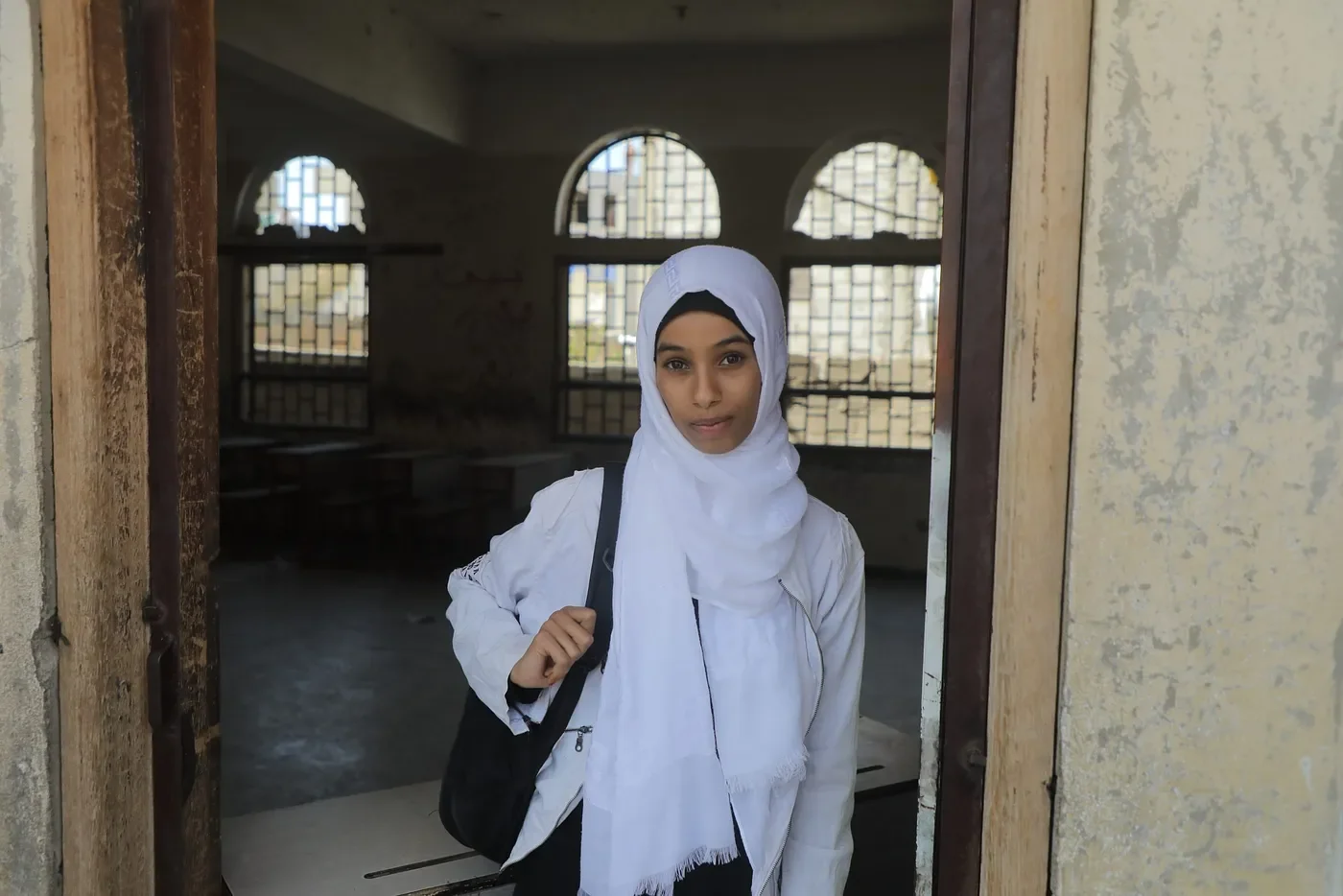
In Yemen, children describe the dangers of returning to classrooms contaminated by landmines, while demining teams report chilling discoveries of explosive devices inside school buildings.
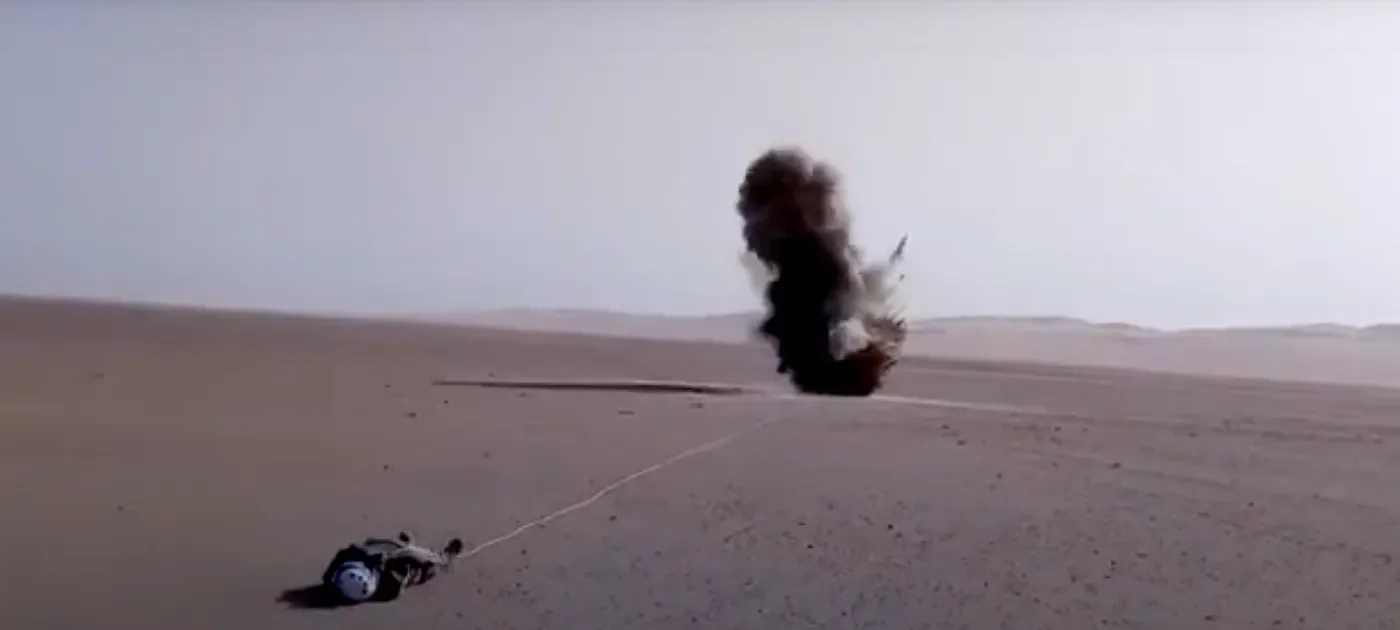
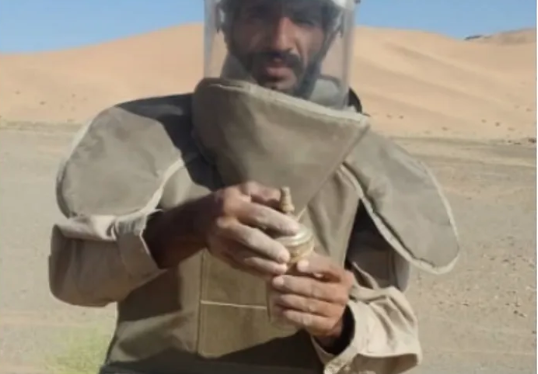
Mine Action specialists in Yemen warn that booby-trapped devices and anti-handling mechanisms are being used to target deminers, exposing humanitarian clearance teams to increasingly lethal threats.
In one of Yemen’s most landmine-contaminated areas, civilians speak of roads and farmland cut off by explosive hazards, leaving communities isolated and movement severely restricted.
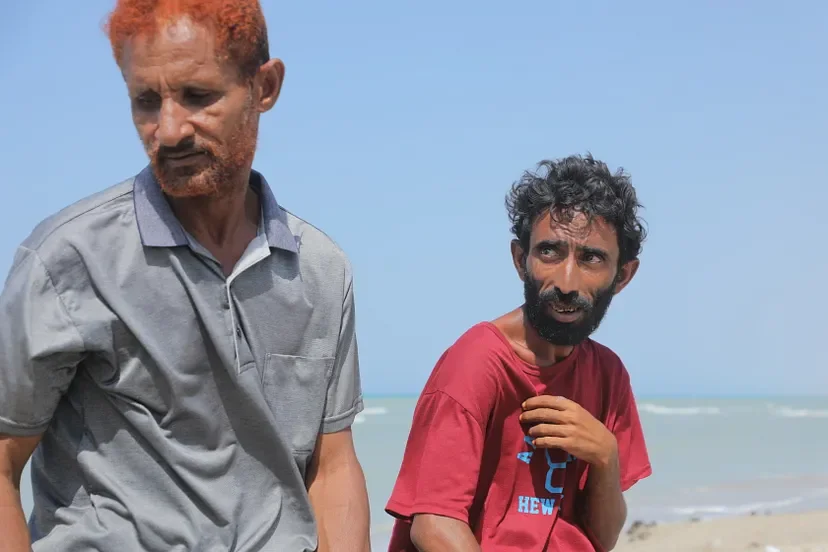
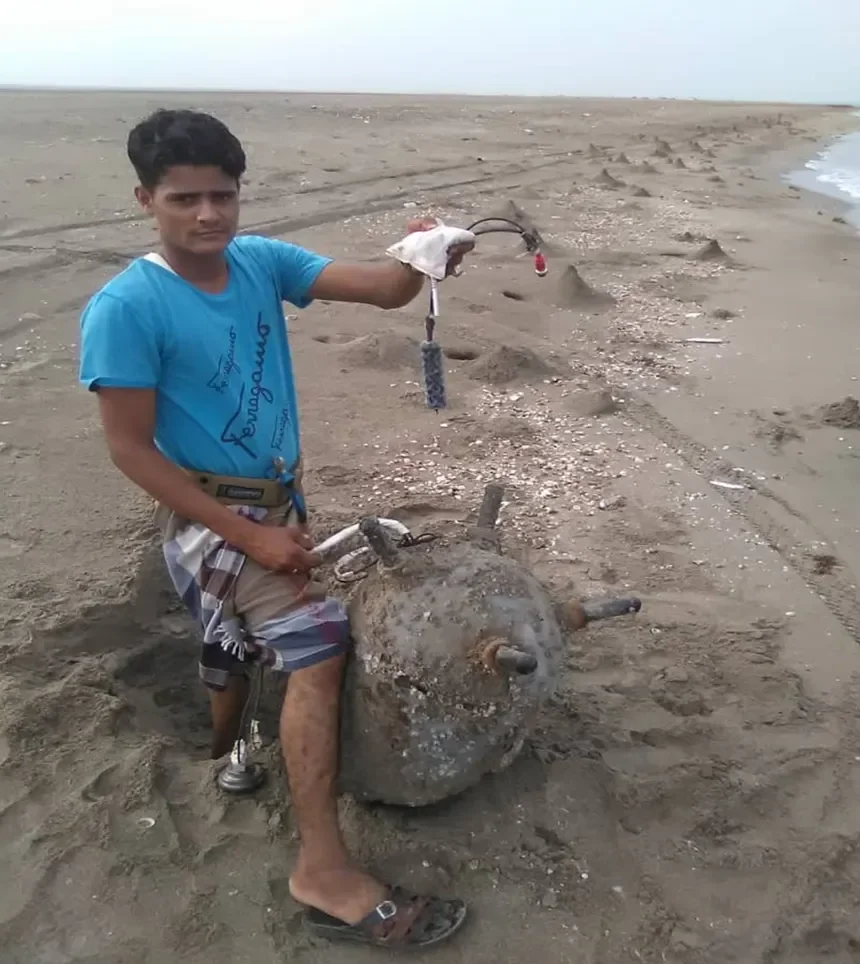
Exclusive testimonies from Yemen’s Red Sea fishing communities reveal the deadly toll of naval mines, while explosives specialists trace the design and suspected local manufacture of Houthi devices.
Across Yemen, survivors of explosive violence face daily barriers to healthcare, mobility and work, as disability and conflict combine to restrict access to basic services.
Explosive violence in Yemen carries a distinct gendered toll, with women and girls facing lasting impacts on education, livelihoods and social inclusion beyond the immediate blast.
Conflict & Security
Reporting on frontlines, weapons, and military dynamics, examining how conflict is fought and sustained in complex environments.
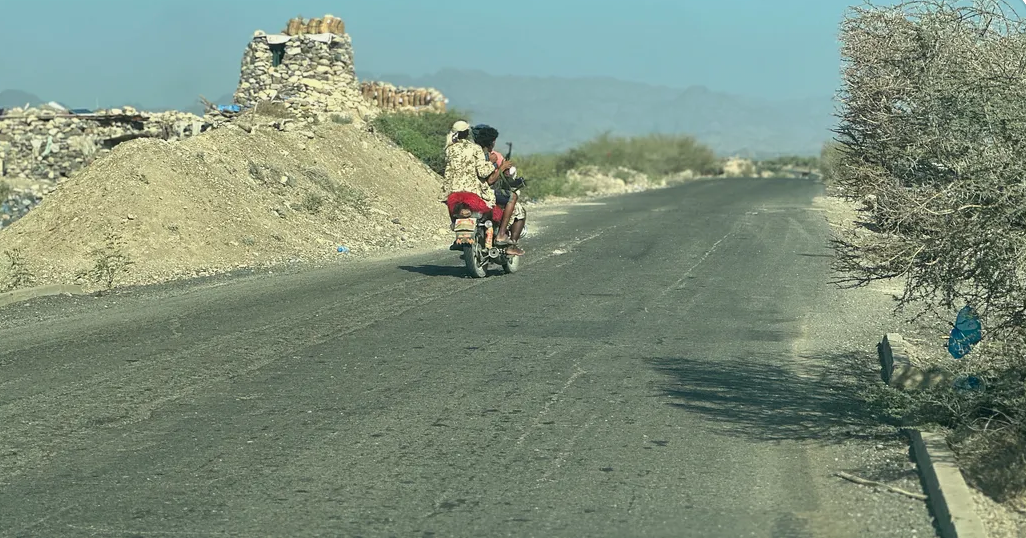
As fighting intensifies across Yemen, this analysis examines shifting frontlines, coordination among government-aligned forces, emerging drone warfare and regional escalation, alongside the humanitarian consequences and challenges of sustaining military advances.
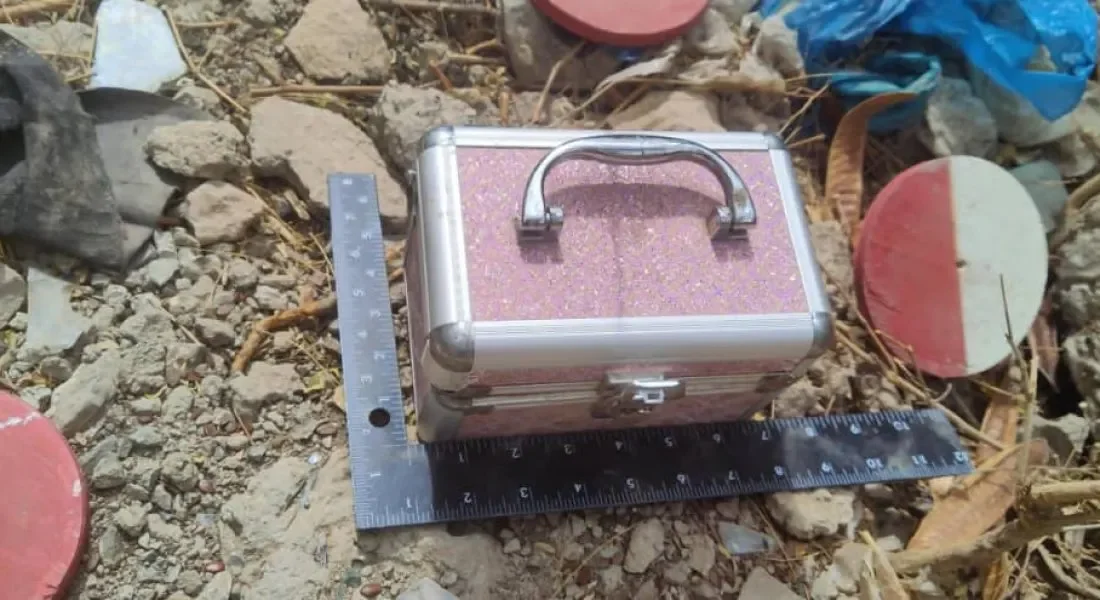
From explosives disguised as rocks to devices concealed in everyday objects, this investigation draws on Project Masam’s field evidence and specialist expertise to examine evolving threats to civilians and humanitarian deminers in Yemen.
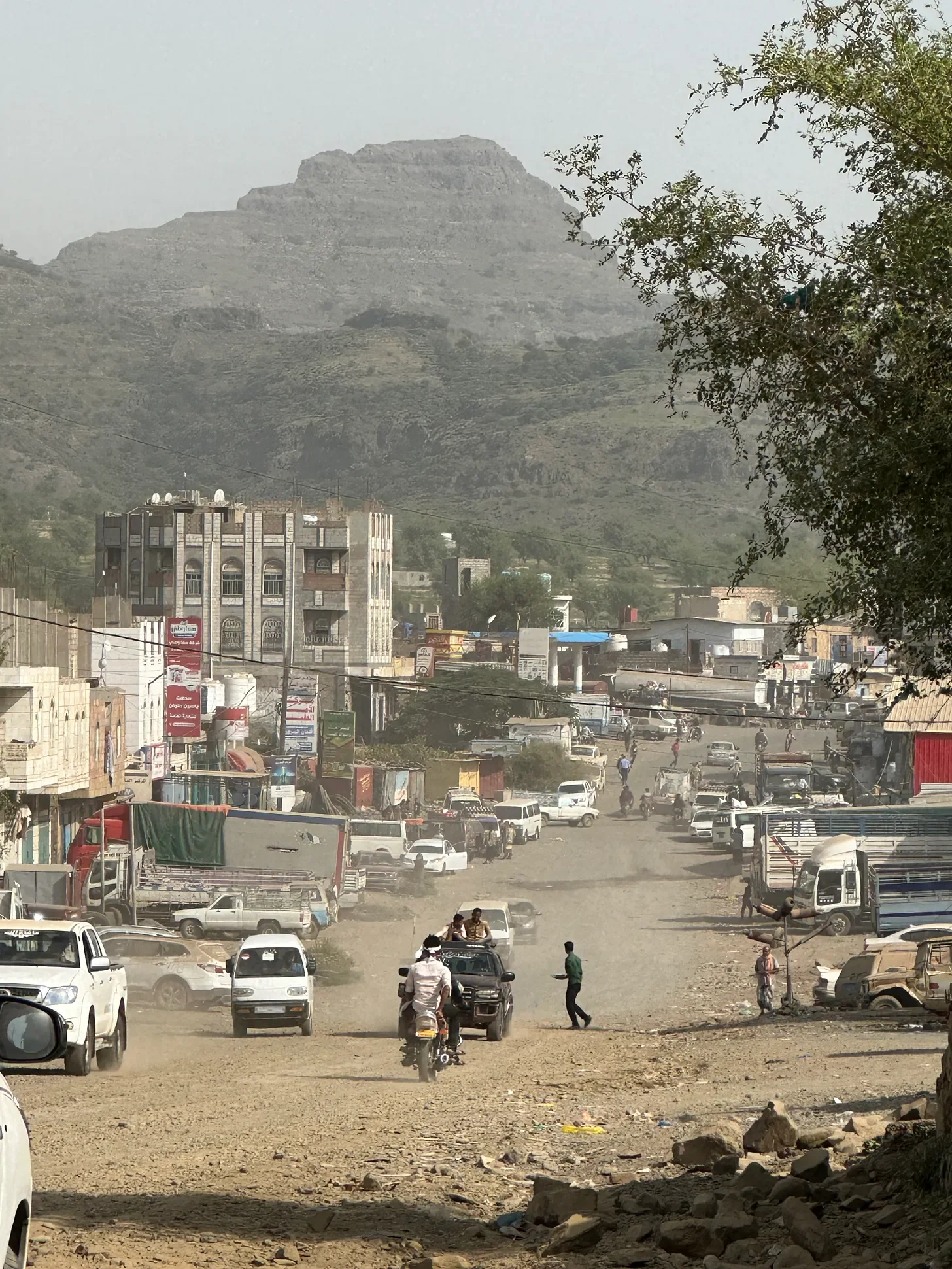
Drawing on frontline reporting and firsthand accounts from Taiz, this analysis explores how Yemen's strategic roads and mountainous terrain shape military operations, supply routes and civilian access, from the contested southern approaches to Taiz to the heights overlooking Bab al-Mandab.
How do Houthi weapons components move through international supply chains? Drawing on field reporting, UN investigations and specialist research, this analysis examines dual-use cargo, maritime interdiction and the challenges of disrupting arms transfers to Yemen.
Exclusive interviews with Red Sea coastal communities reveal growing fears of renewed fighting, displacement and mine-laying, as civilians confront escalating insecurity amid longstanding explosive contamination.
Mine Action specialists in Yemen warn that booby-trapped devices and anti-handling mechanisms are being used to target deminers, exposing humanitarian clearance teams to increasingly lethal threats.
In Yemen, experts warn that the growing use of bounding fragmentation mines (designed to detonate at waist height and scatter lethal shrapnel) is increasing the indiscriminate threat to civilians and complicating clearance operations.
Exclusive testimonies from Yemen’s Red Sea fishing communities reveal the deadly toll of naval mines, while explosives specialists trace the design and suspected local manufacture of Houthi devices.
In Yemen’s Al-Jawf province, deminers uncovered anti-tank mines rigged with concealed grenades. Drawing on frontline accounts and specialist interviews, this report reveals the deadly dangers of improvised booby traps.
With every step carrying the risk of explosion on steep mountain slopes, deminers in Yemen walk through minefields laid along strategic approaches and defensive positions to make land safe for others.
In Yemen, civilians have stockpiled landmines as commodities for resale, sometimes inside family homes. Through interviews with demining specialists, this investigation reveals the dangers and unconventional efforts to recover them.
In Yemen, interpreters play a critical role in mine action, translating complex technical language across multiple local dialects between international experts and local teams, where miscommunication can have life-threatening consequences.
As frontlines shift in Yemen, deminers are uncovering landmines left behind in former Houthi positions, turning newly accessible areas into hidden hazards and acting as a form of land denial to prevent civilian return.
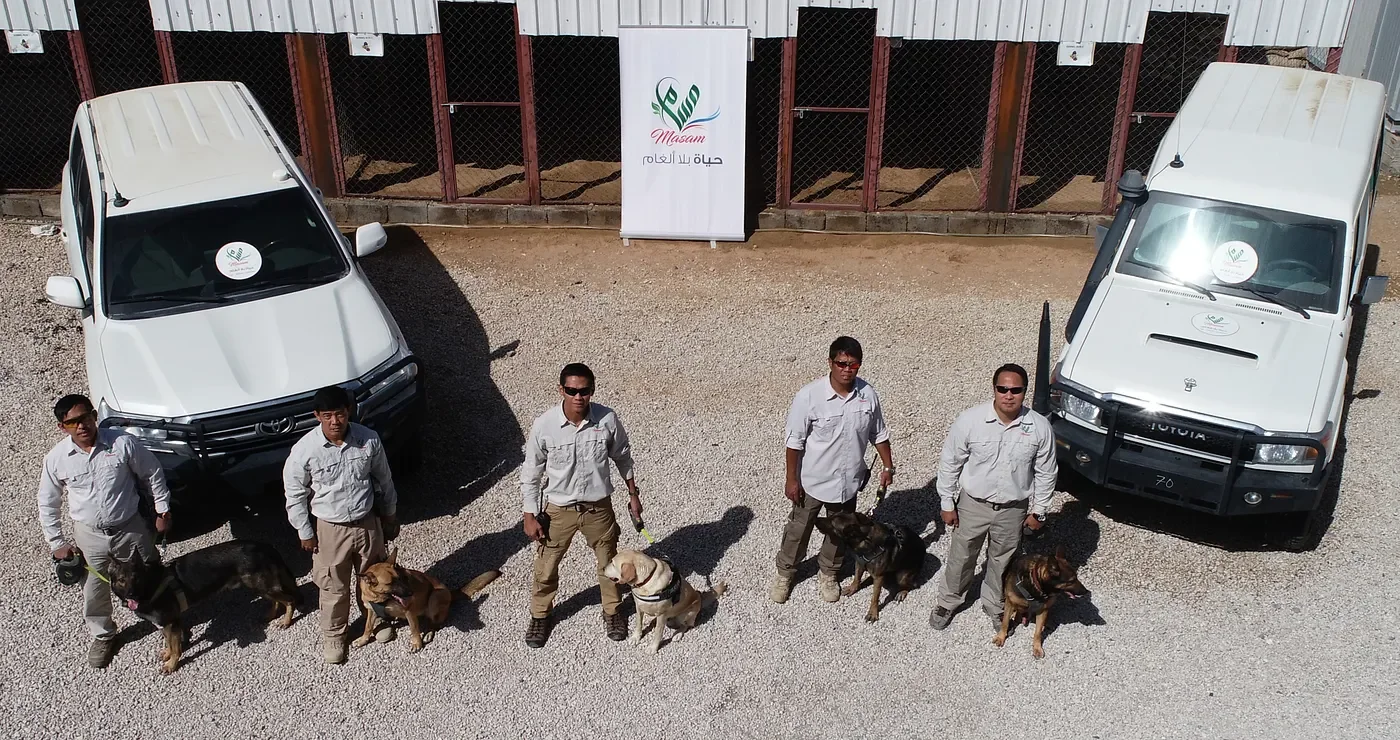
In Yemen, highly trained explosives detection dogs are deployed as a critical part of mine action, using their precision and speed to locate hidden explosives and protect deminers in high-risk environments.
Drawing on exclusive sources and expert analysis, this article examines how renewed Houthi mobilisation in Yemen is reviving fears of landmine and IED use.
Through the testimony of a young Burundian refugee recruited into an armed rebellion, this investigation exposes how rebel networks exploited political violence and personal trauma to recruit young men in and around UN-run refugee camps in Rwanda.
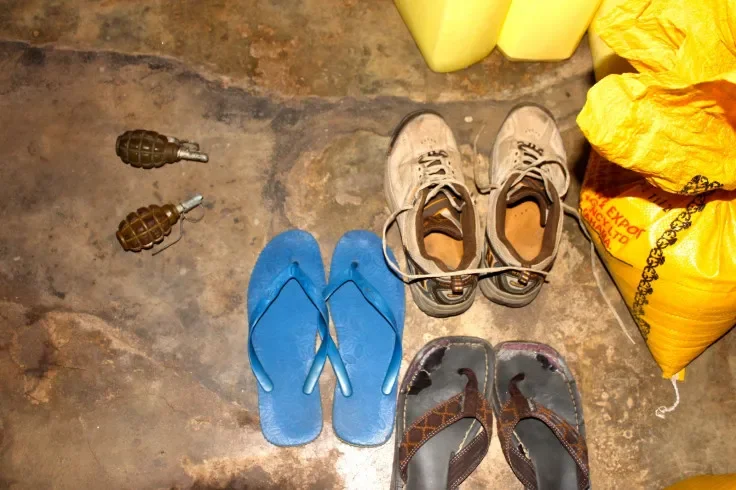
Reporting from Bujumbura, this investigation documents how armed dissidents stockpiled cheap weapons amid escalating political violence, with firsthand access to concealed arsenals and allegations of police and military involvement in arms trafficking.
Accountability & Rights
Investigations and reporting examining violations, legal accountability, and the human rights dimensions of conflict and crisis.
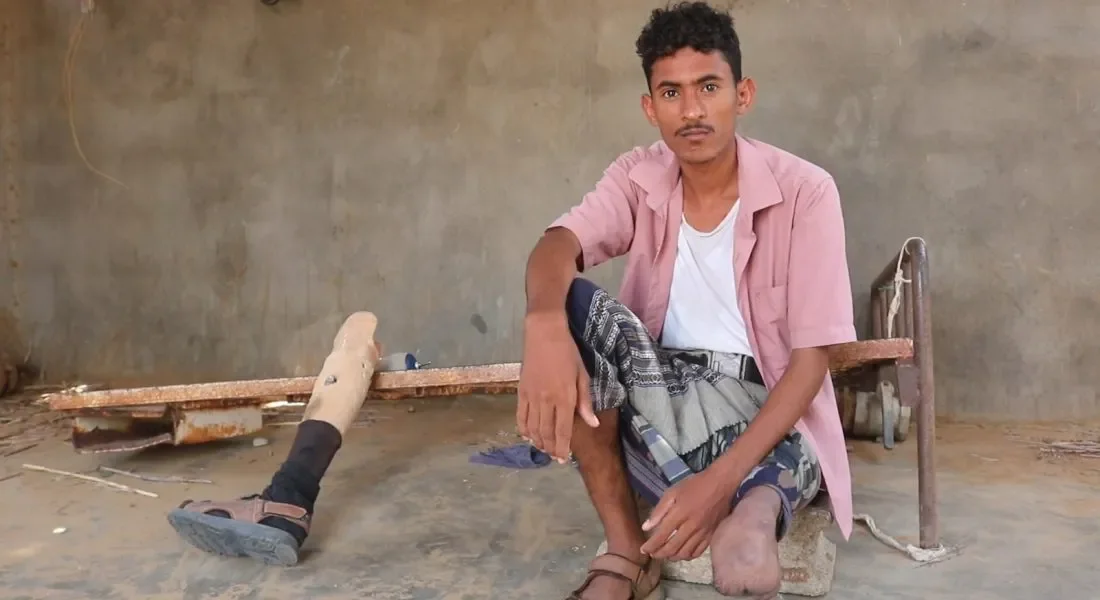
Drawing on survivors’ testimonies and demining specialists’ evidence, this investigation documents how banned anti-personnel mines, including locally manufactured variants, continue to kill and maim civilians during everyday activities across Yemen.
Mine Action specialists in Yemen warn that booby-trapped devices and anti-handling mechanisms are being used to target deminers, exposing humanitarian clearance teams to increasingly lethal threats.
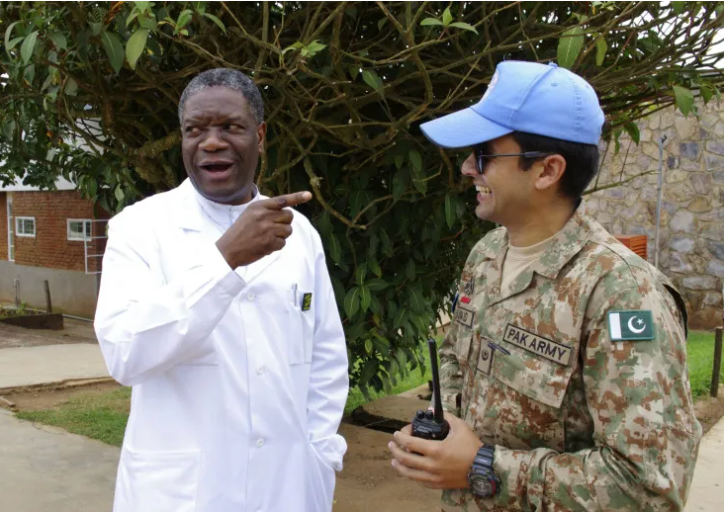
Through interviews with the Panzi Foundation, this report examines concerns over Dr Denis Mukwege’s safety amid changes to UN protection arrangements, and the implications for survivors of sexual violence in eastern Congo.
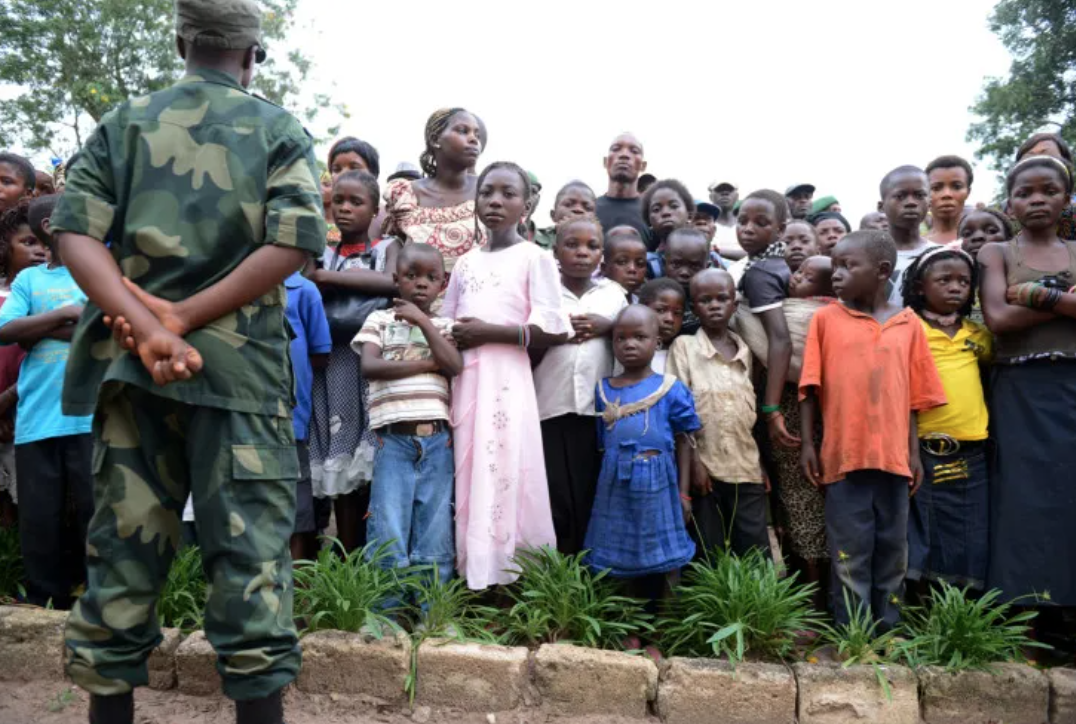
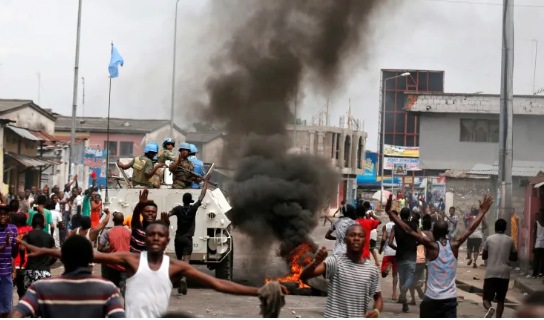
Drawing on witness testimony from Kasai, this investigation documents allegations of summary executions of civilians by Congolese security forces during operations against militias, raising urgent questions about accountability.
Content Warning: Sexual violence. An exclusive investigation into video footage appearing to show members of Burundi’s ruling party youth wing, the Imbonerakure, singing about rape and violence, amid growing fears of political intimidation.
As violence escalated in Congo-Brazzaville’s Pool region, this investigation examined allegations of corruption, political repression and abuses, revealing the governance failures behind a largely overlooked humanitarian crisis.
Through interviews with Congolese citizens and civil society activists, this report documents allegations of arbitrary arrests, intimidation and restrictions on political expression as tensions over delayed elections intensified.
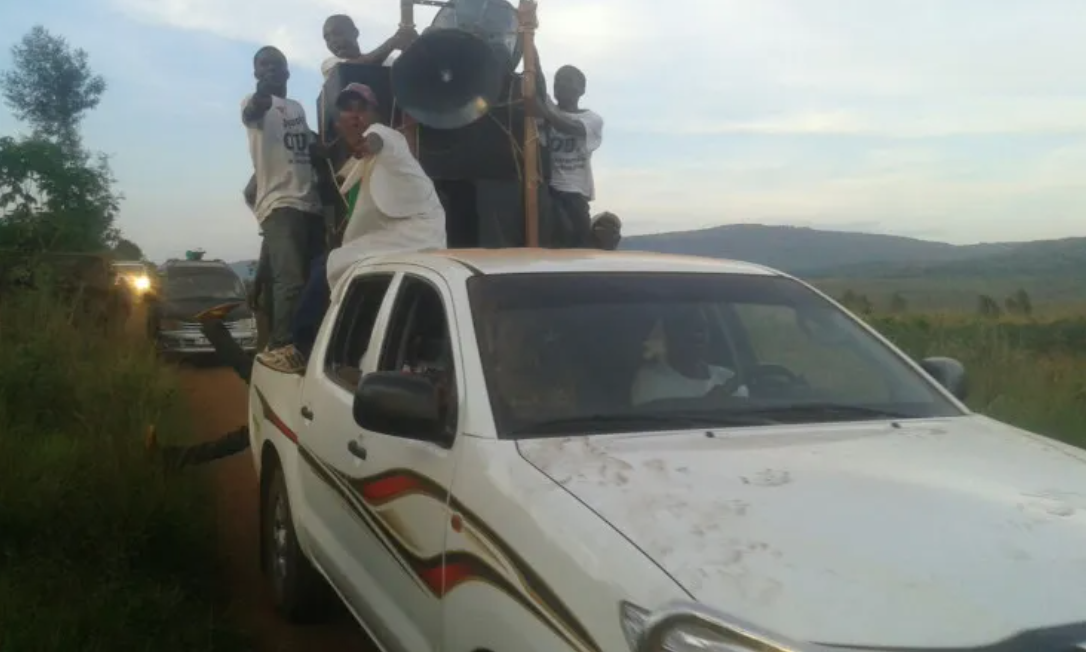
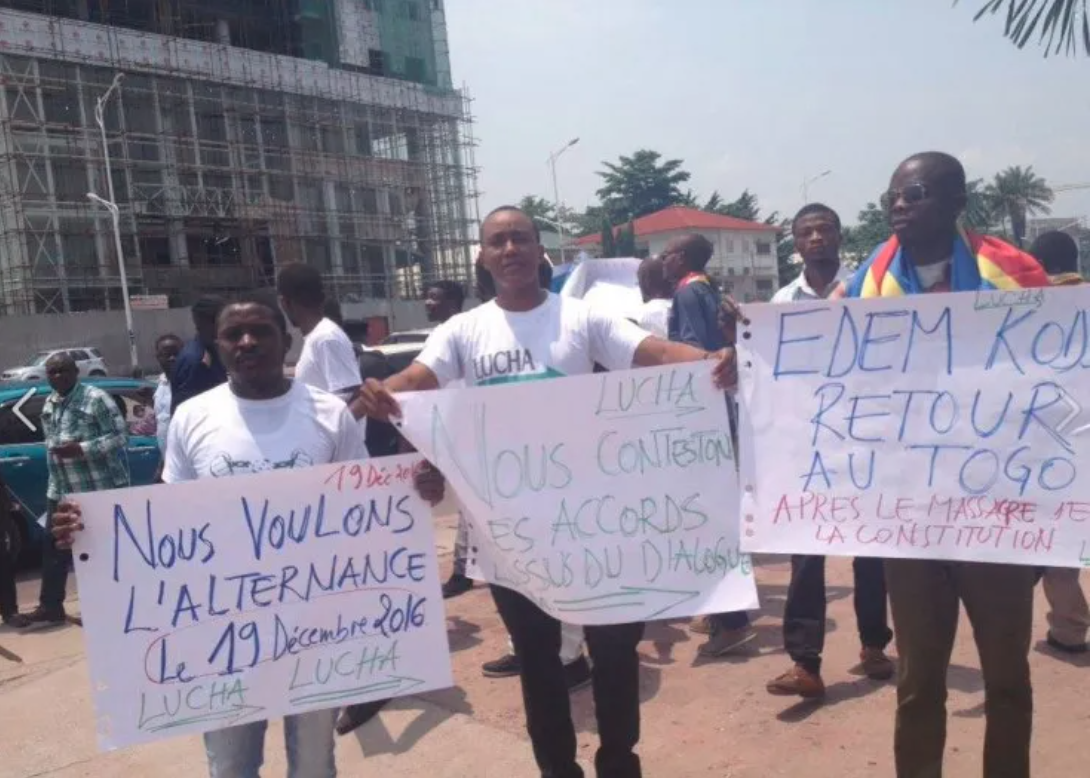
Reporting directly from LUCHA activists, this investigation documents the arrest of 12 pro-democracy campaigners outside African Union headquarters in Kinshasa amid growing restrictions on political dissent and demands for democratic accountability.
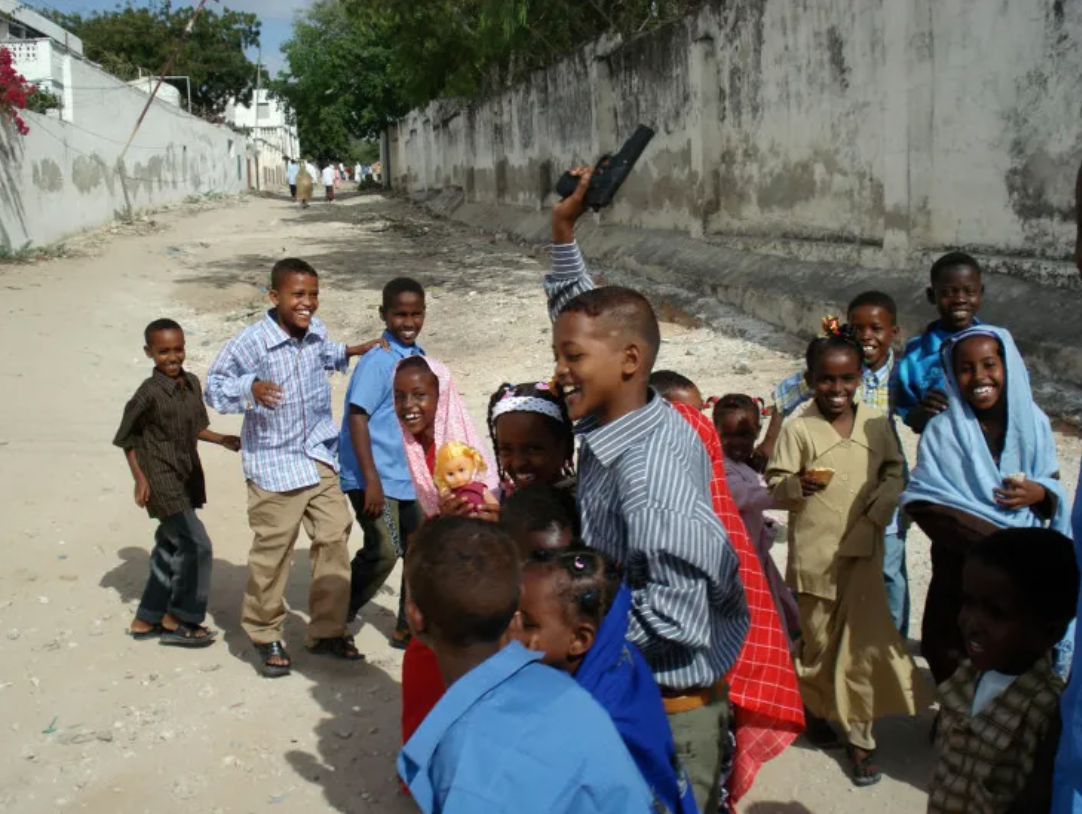
In an exclusive interview, Somalia’s first female presidential candidate outlines her vision for peace through dialogue with al-Shabaab, democratic reform and women’s empowerment, drawing on her experiences as a refugee and activist.
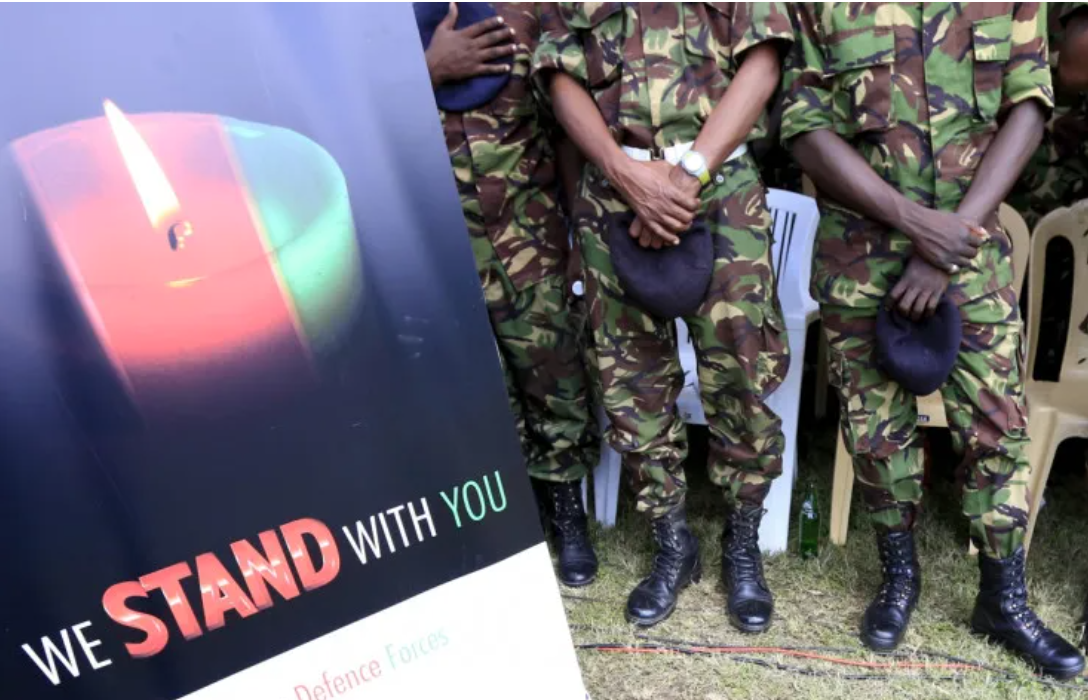
Drawing on victims’ testimonies and human rights investigations, this report examines allegations of torture, enforced disappearances and extrajudicial killings during counterterrorism operations in northeastern Kenya, raising questions about security-force accountability.
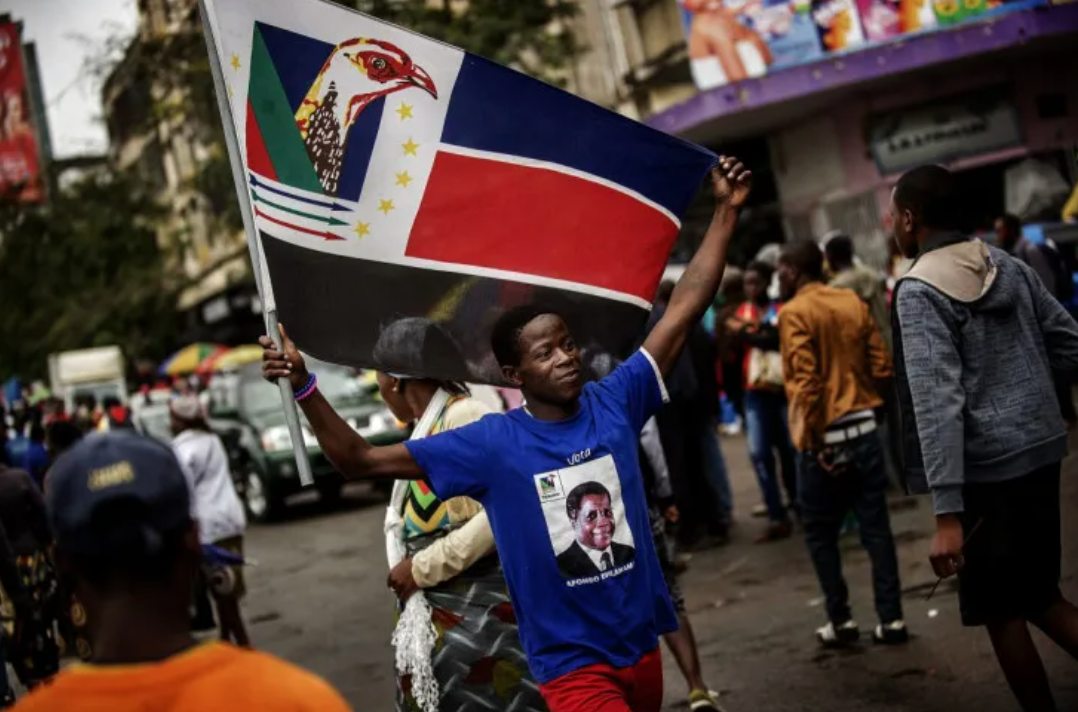
Through testimony from affected communities and regional observers, this investigation documents allegations of civilian abuses by both Frelimo and Renamo forces as Mozambique’s political and military conflict escalated.
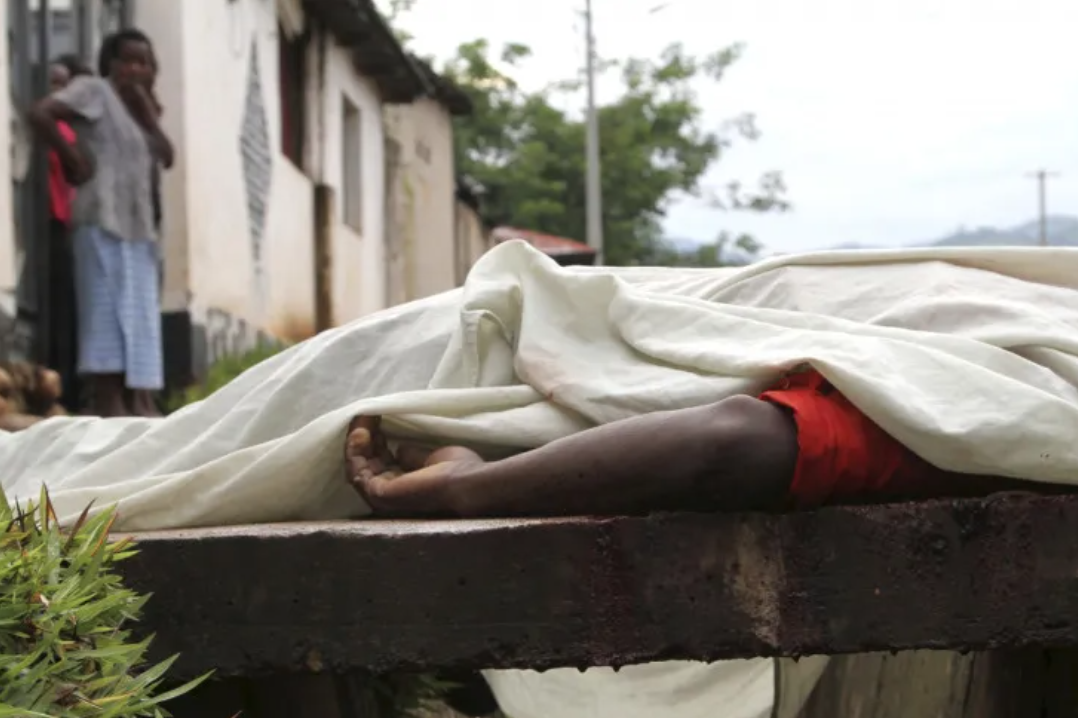
Reporting from London and interviewing affected families, this investigation examines demands for UN and International Criminal Court inquiries into alleged crimes against humanity, disappearances and political repression during Burundi’s 2016 crisis.
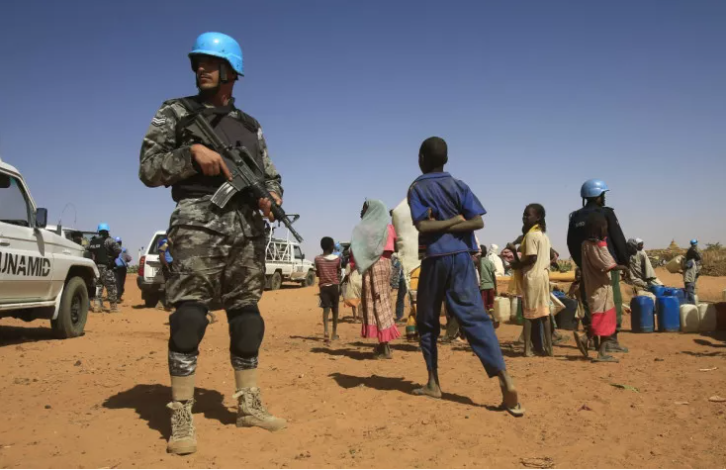
Drawing on expert interviews and two decades of allegations, this investigation examines sexual exploitation and abuse within UN peacekeeping missions, exposing persistent failures in accountability, oversight and protection for survivors.
An exclusive prison interview with Congolese democracy activist Fred Bauma, tracing his journey from grassroots organising to imprisonment on disputed charges and his emergence as a prominent advocate for peaceful political change.
Through interviews and threatening messages obtained during the investigation, this report reveals how human rights defenders documenting abuses in Burundi faced death threats even while working in exile in Kenya.
Following the killing of an exiled Burundian opposition figure in Kenya, interviews with activists and regional sources reveal fears of cross-border political assassinations and allegations of covert networks targeting dissidents.
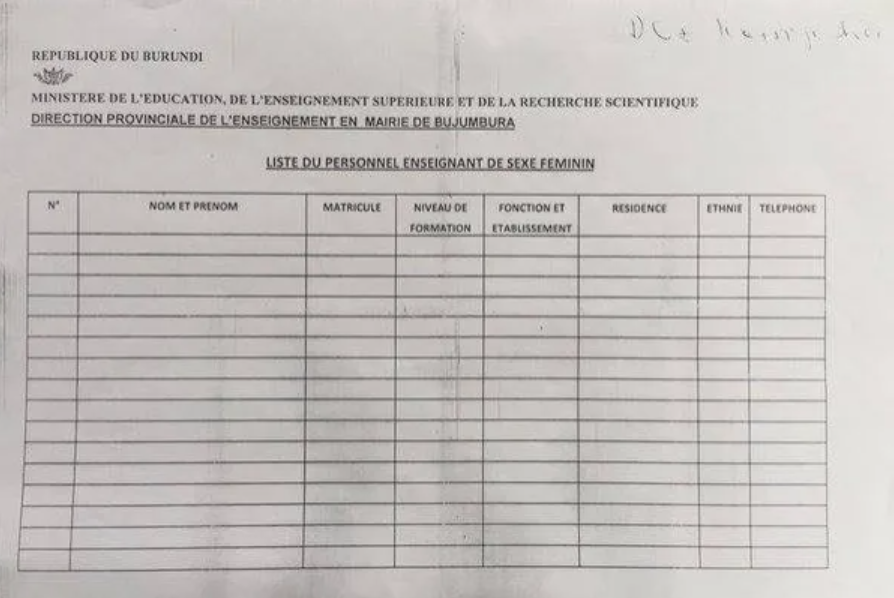
An exclusive investigation into a Burundian education survey requesting teachers’ ethnic identities, documenting fears that renewed ethnic profiling could inflame tensions and revive practices associated with the country’s violent past.
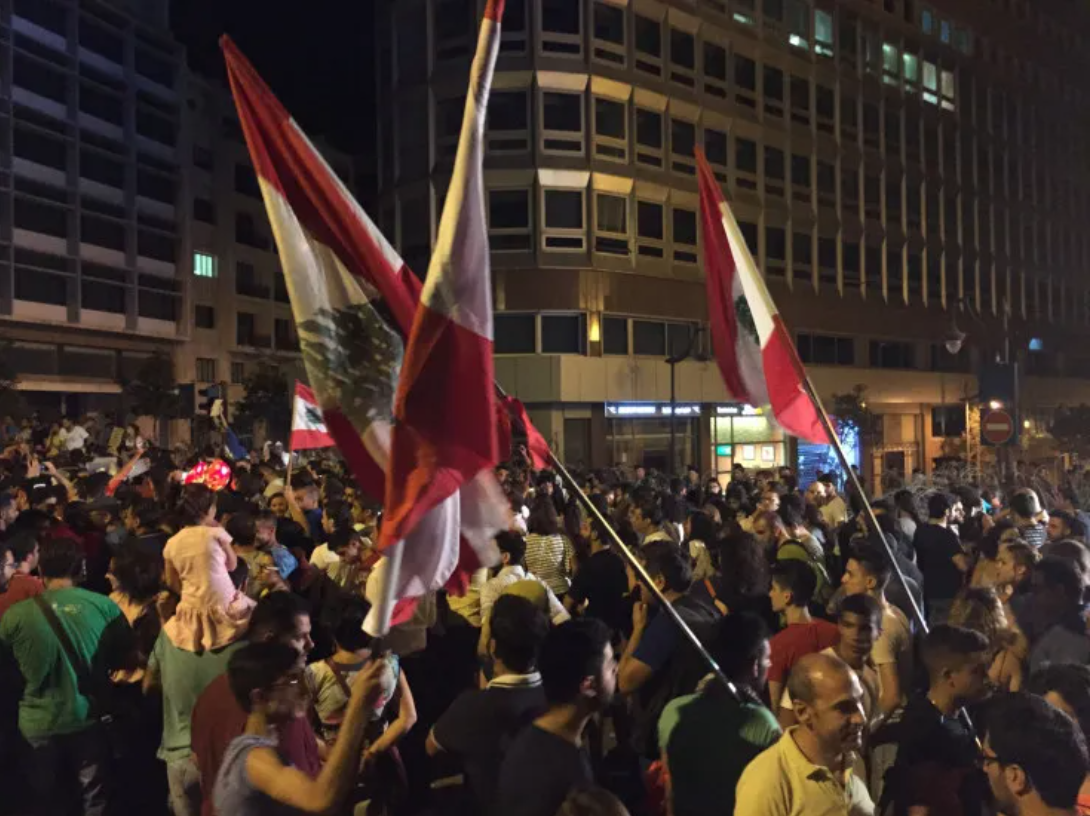
Reporting from Beirut, with exclusive footage, this investigation documents escalating tensions between protesters and security forces during Lebanon’s ‘You Stink’ movement, as a waste-management crisis fuelled wider demands for government accountability.
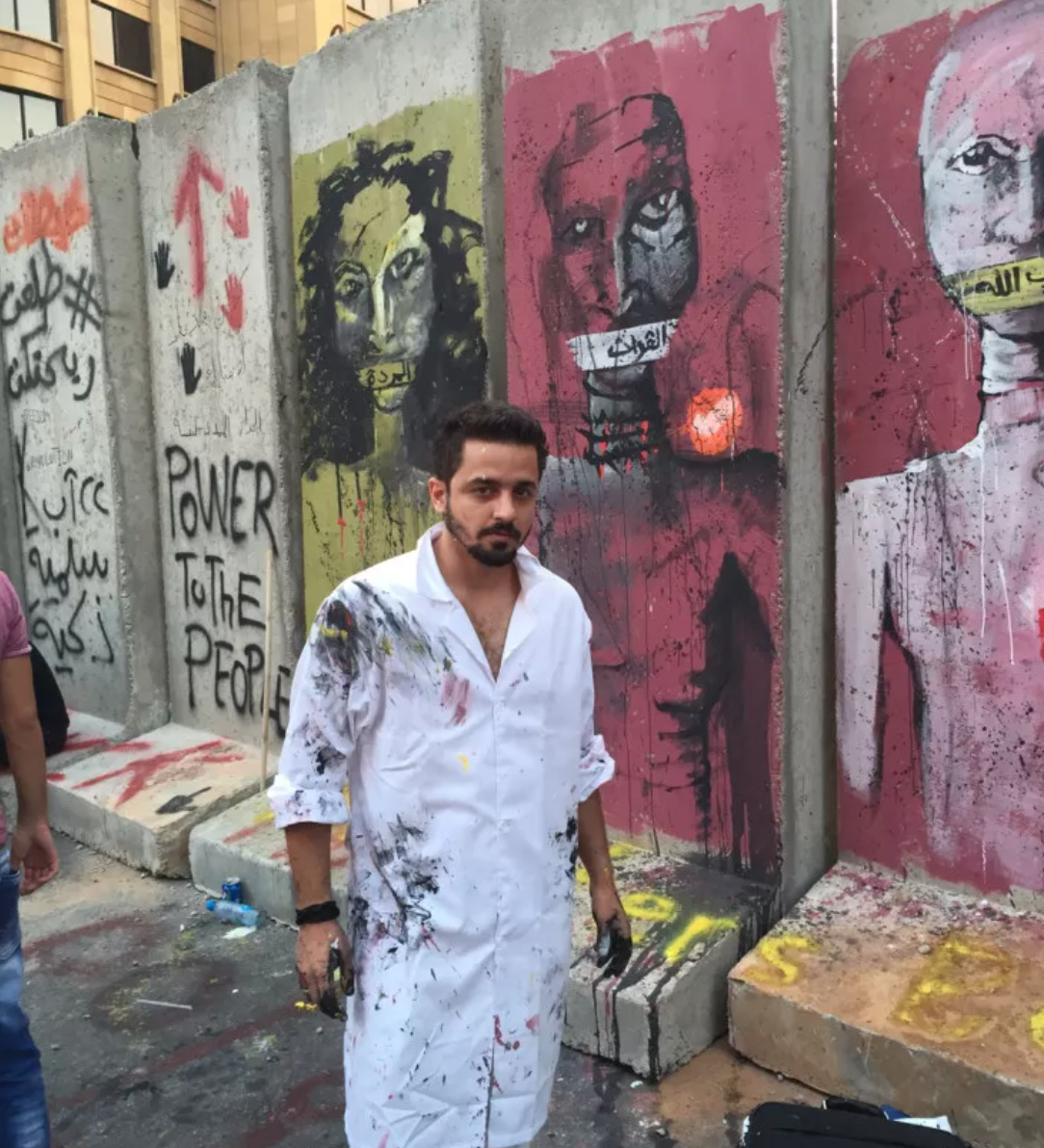
An exclusive profile of the street artist whose murals became symbols of Lebanon’s ‘You Stink’ protests, exploring how Beirut’s walls became a canvas for dissent against corruption and failing public services.
In an exclusive Beirut interview, activist Michel Elefteriades reflects on Lebanon’s protest movement, political corruption and the challenges of reform, explaining why the country’s uprising differed from Egypt’s revolution.
Reporting from secret safe houses in Kigali, this investigation follows Burundian refugees fleeing alleged political persecution, documenting how a Catholic youth network helped protect those targeted during the country’s escalating crisis.
Content Warning: Torture. Through an exclusive survivor interview and testimony from medical and human rights specialists, this investigation documents allegations of brutal torture and intimidation against suspected opposition supporters during Burundi’s political crisis.
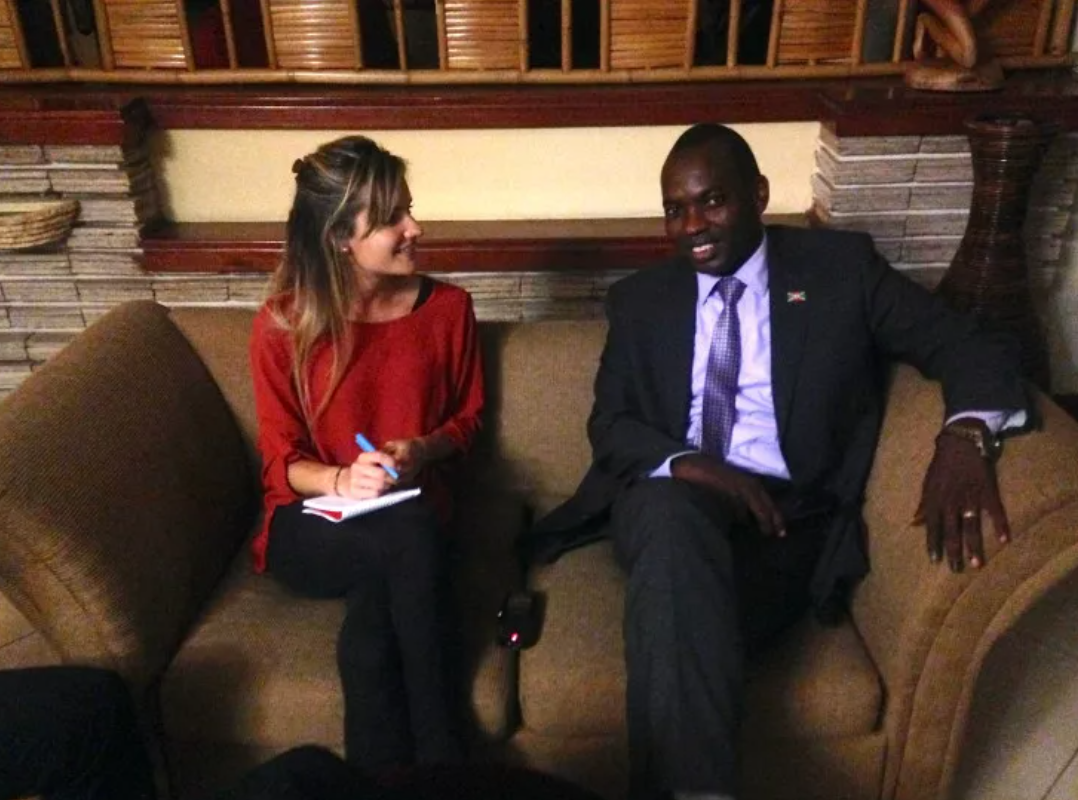
An exclusive interview with a senior adviser to President Pierre Nkurunziza, challenging the government’s account of Burundi’s disputed 2015 election amid mounting allegations of political violence and security-force abuses.
Through interviews with displaced Burundians, this investigation documents allegations of threats and ethnic intimidation by the ruling party’s Imbonerakure youth wing, raising fears of renewed violence against Tutsi communities.
Through exclusive interviews with Burundian journalists, this investigation documents alleged government hit-lists, threats and intimidation targeting independent media workers as press freedom deteriorated during the country’s escalating political crisis.
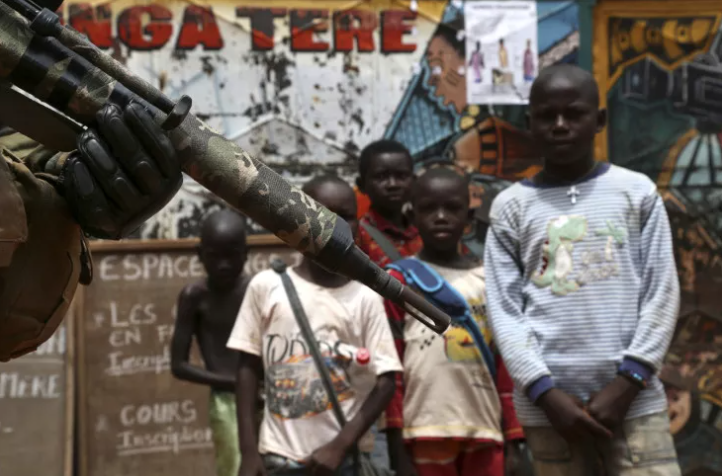
An investigation into allegations that French peacekeepers sexually abused children in the Central African Republic, examining an aid worker’s claims of a UN cover-up and failures to protect victims and ensure accountability.
Health & Humanitarian
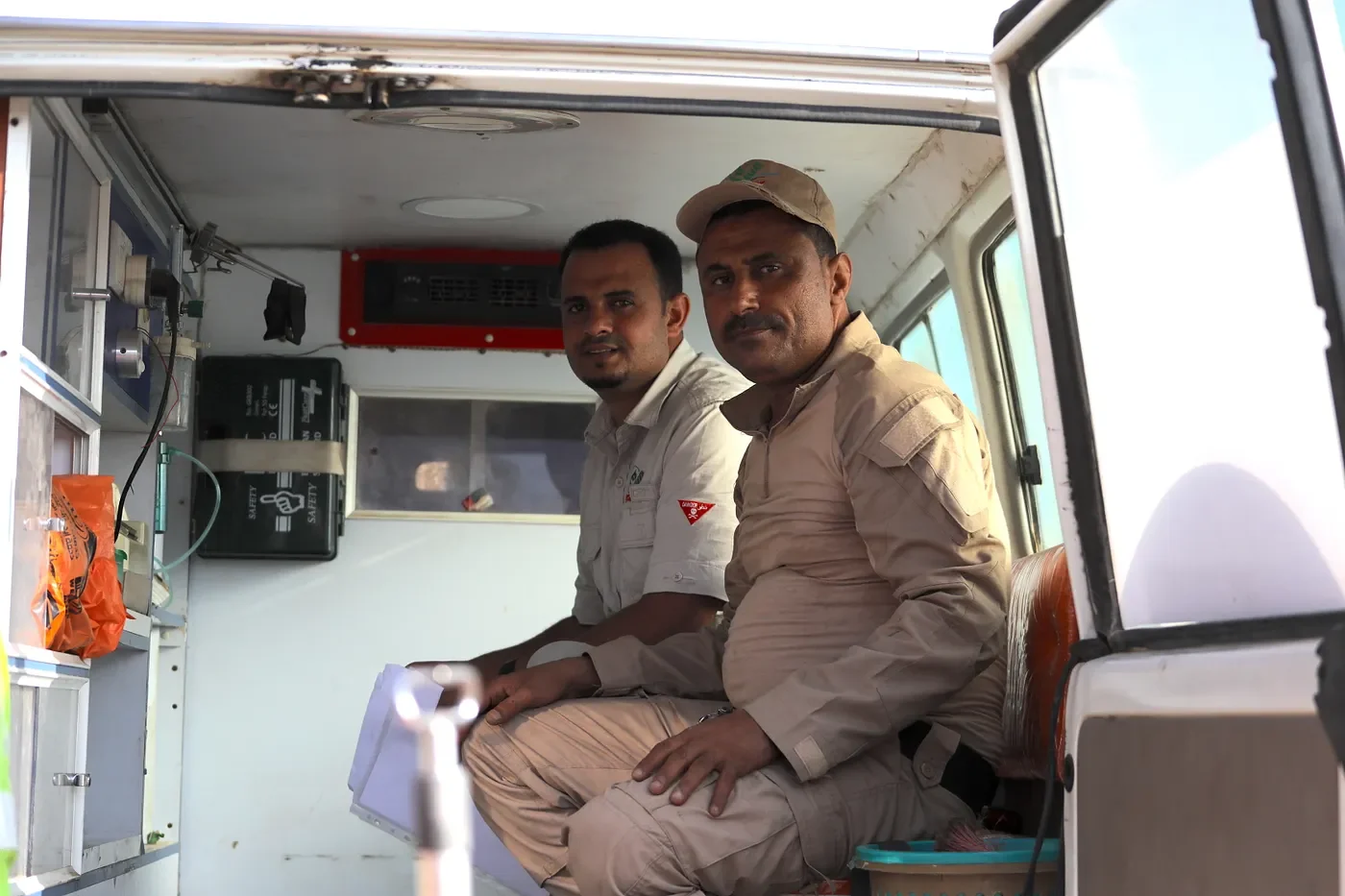
In Yemen’s minefields, medics work alongside deminers to save lives, offering a rare glimpse into the often unseen role of emergency care in one of the world’s most dangerous environments.
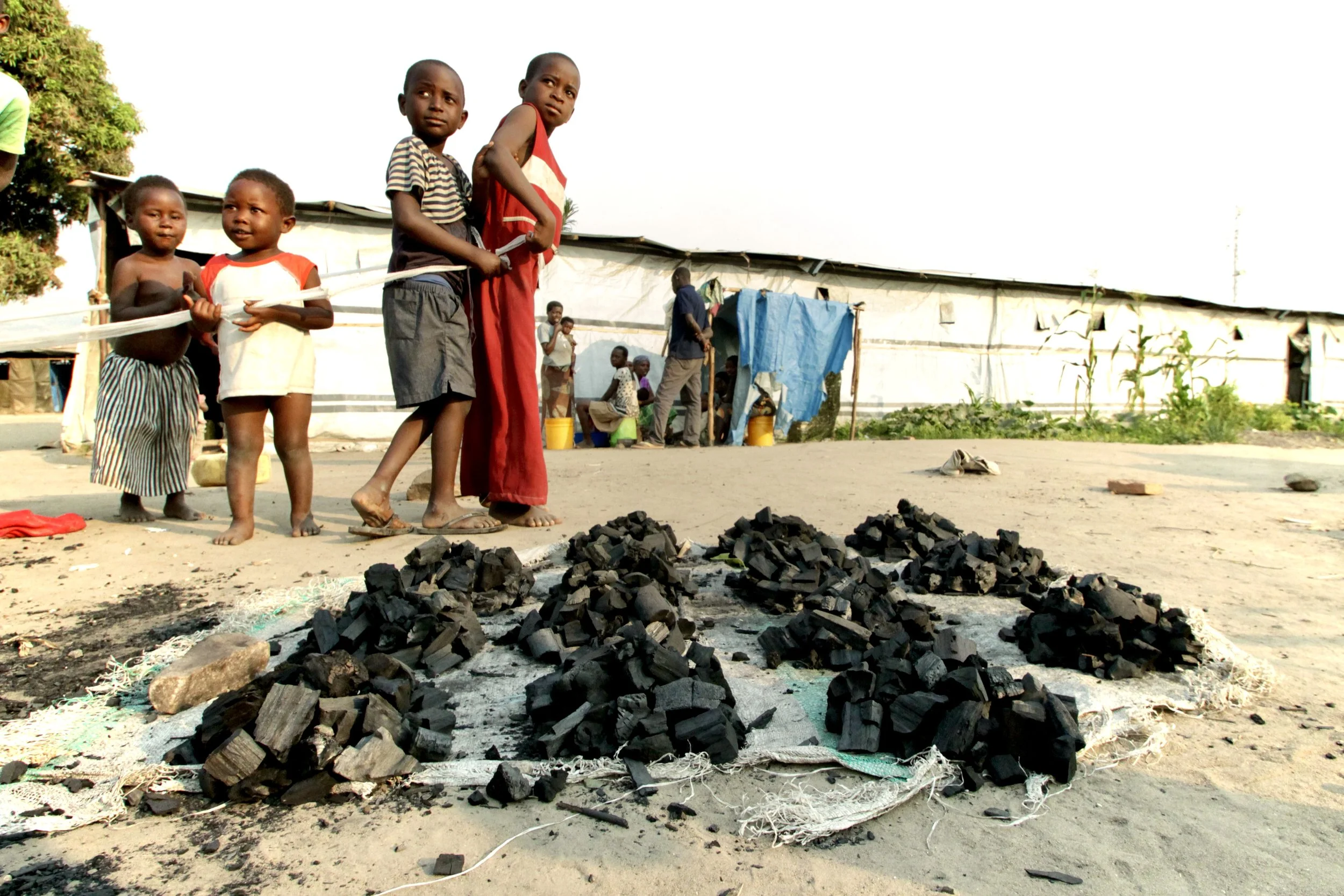
Drawing on interviews with internally displaced civilians in Burundi alongside warnings from humanitarian organisations, this piece examines a largely overlooked crisis, where food insecurity, limited aid, and prolonged displacement have left families struggling to survive.
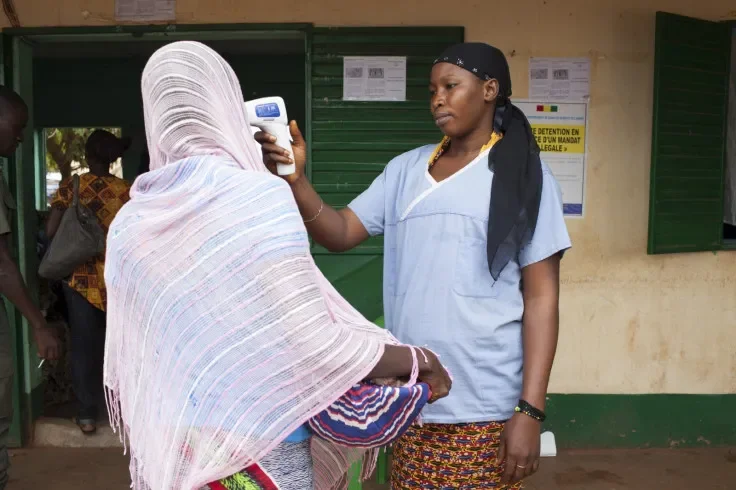
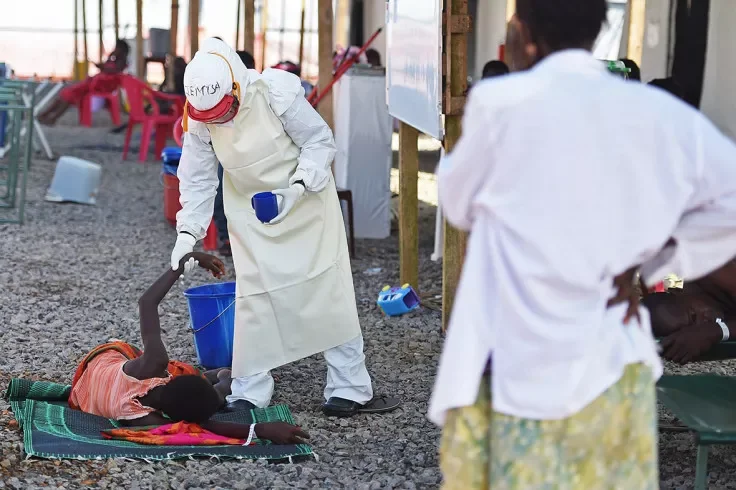
Through reporting on the ground and interviews with those involved in the response, this piece investigates tensions between major health organisations and the accountability questions surrounding the global handling of the Ebola epidemic.
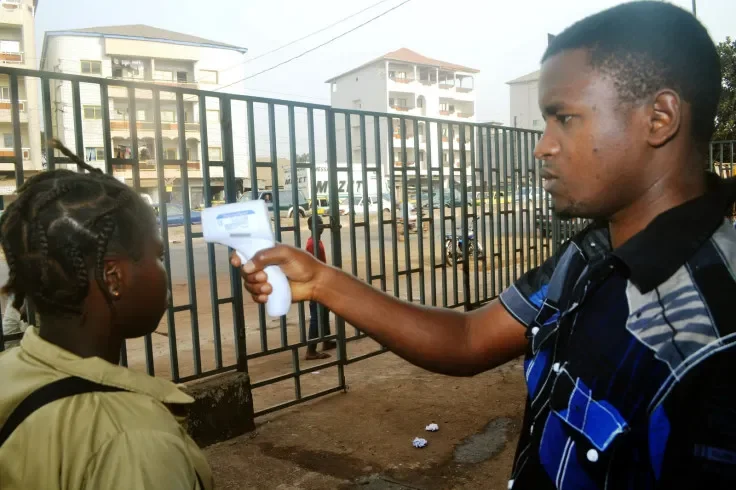
Based on reporting from Guinea, this article examines how fear and misinformation around Ebola led to attacks on Red Cross workers, highlighting how distrust and conspiracy narratives undermined efforts to contain the epidemic.
Drawing on interviews with survivors in Sierra Leone, this piece explores the lasting psychological impact of the Ebola outbreak and the role of community-based counselling in addressing trauma, stigma, and loss beyond the immediate crisis.
Reporting on healthcare, humanitarian response, and the long-term impact of conflict on communities, from emergency care to recovery and resilience.
Fears take hold of Yemen Red Sea Coast civilians already reeling from presence of mines and IEDs as tensions escalate
Exclusive interviews with Red Sea coastal communities reveal growing fears of renewed fighting, displacement and mine-laying, as civilians confront escalating insecurity amid longstanding explosive contamination.
Yemen’s tragedy of landmines laid without conventional patterns
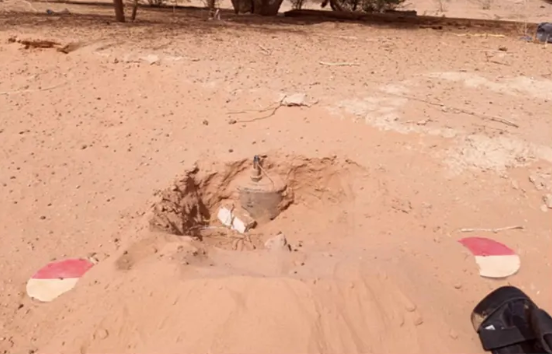
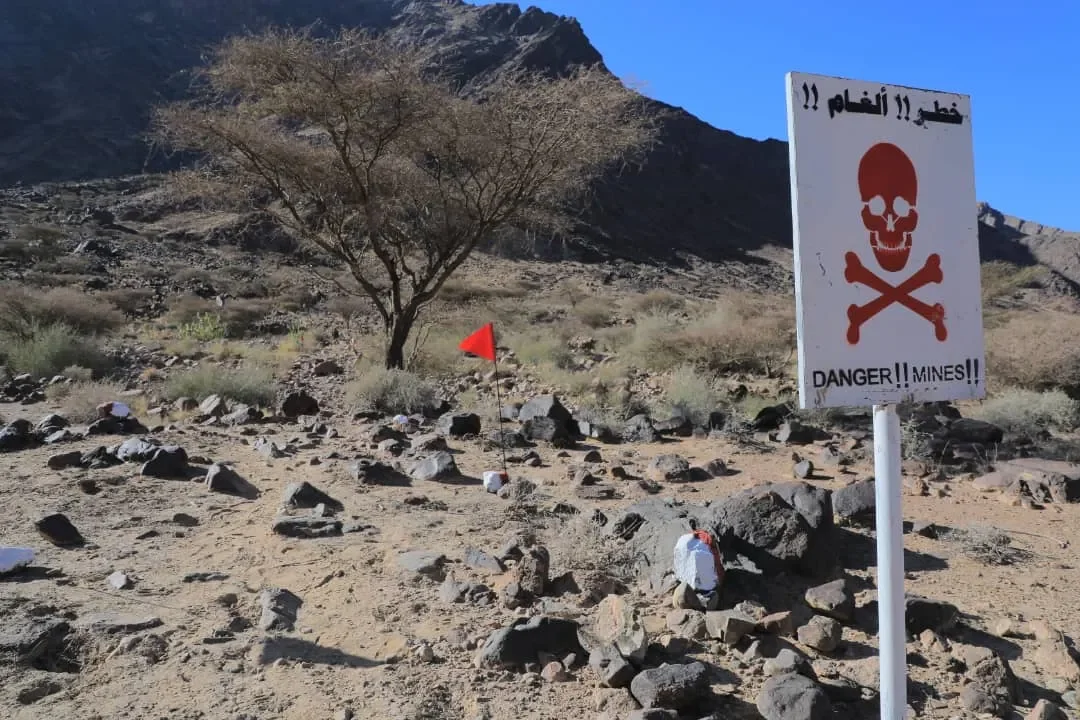
Experts in Yemen warn that the widespread use of non-patterned, unmarked minefields is creating unpredictable hazards, significantly increasing risks for civilians and complicating clearance operations.
Humanitarian demining is not a crime: The ‘deliberate’ targeting of demining personnel
Mine Action specialists in Yemen warn that booby-trapped devices and anti-handling mechanisms are being used to target deminers, exposing humanitarian clearance teams to increasingly lethal threats.
Bounding fragmentation mines: Yemen’s indiscriminate war
In Yemen, experts warn that the growing use of bounding fragmentation mines (designed to detonate at waist height and scatter lethal shrapnel) is increasing the indiscriminate threat to civilians and complicating clearance operations.
Made in Yemen: How Houthis’ use of sea mines affects fishing communities
Exclusive testimonies from Yemen’s Red Sea fishing communities reveal the deadly toll of naval mines, while explosives specialists trace the design and suspected local manufacture of Houthi devices.
Set to kill: When booby-trapped landmines become lethal legacy in Yemen
In Yemen’s Al-Jawf province, deminers uncovered anti-tank mines rigged with concealed grenades. Drawing on frontline accounts and specialist interviews, this report reveals the deadly dangers of improvised booby traps.
Minefields in mountains: when deminers face the greatest danger
With every step carrying the risk of explosion on steep mountain slopes, deminers in Yemen walk through minefields laid along strategic approaches and defensive positions to make land safe for others.
Yemen: Where landmines are traded as currency for survival in open-air markets amid economic collapse
In Yemen, civilians have stockpiled landmines as commodities for resale, sometimes inside family homes. Through interviews with demining specialists, this investigation reveals the dangers and unconventional efforts to recover them.
How local interpreters ensure safe humanitarian demining in conflict zones
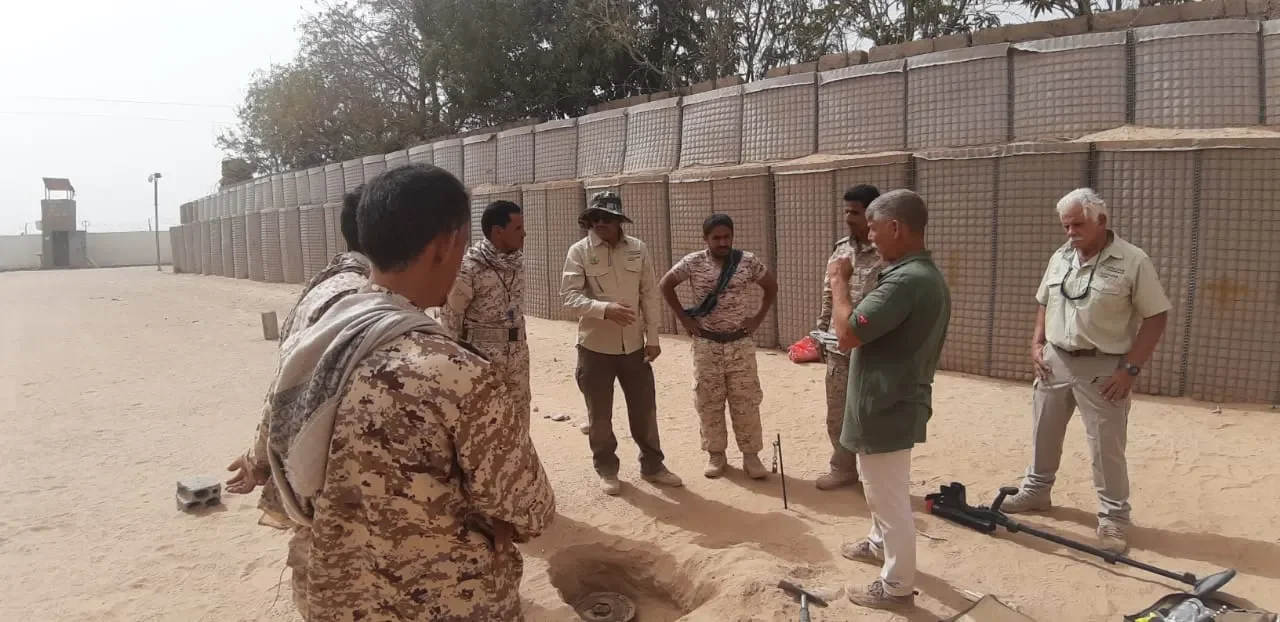
In Yemen, interpreters play a critical role in mine action, translating complex technical language across multiple local dialects between international experts and local teams, where miscommunication can have life-threatening consequences.
Landmines left behind in Yemen: What happens when Houthi militias retreat
As frontlines shift in Yemen, deminers are uncovering landmines left behind in former Houthi positions, turning newly accessible areas into hidden hazards and acting as a form of land denial to prevent civilian return.
Explosives detection dogs: The K9 keeping deminers safe
In Yemen, highly trained explosives detection dogs are deployed as a critical part of mine action, using their precision and speed to locate hidden explosives and protect deminers in high-risk environments.
As reports emerge of Houthi mobilisation, landmines often follow in Yemen
Drawing on exclusive sources and expert analysis, this article examines how renewed Houthi mobilisation in Yemen is reviving fears of landmine and IED use.