A selection of Elsa Buchanan’s reporting, photo essays and communications work, drawn from field assignments and collaborations across the Middle East and Sub-Saharan Africa.
Covering conflict, human rights and humanitarian issues, the work combines on-the-ground reporting with specialist analysis.
Human Impact
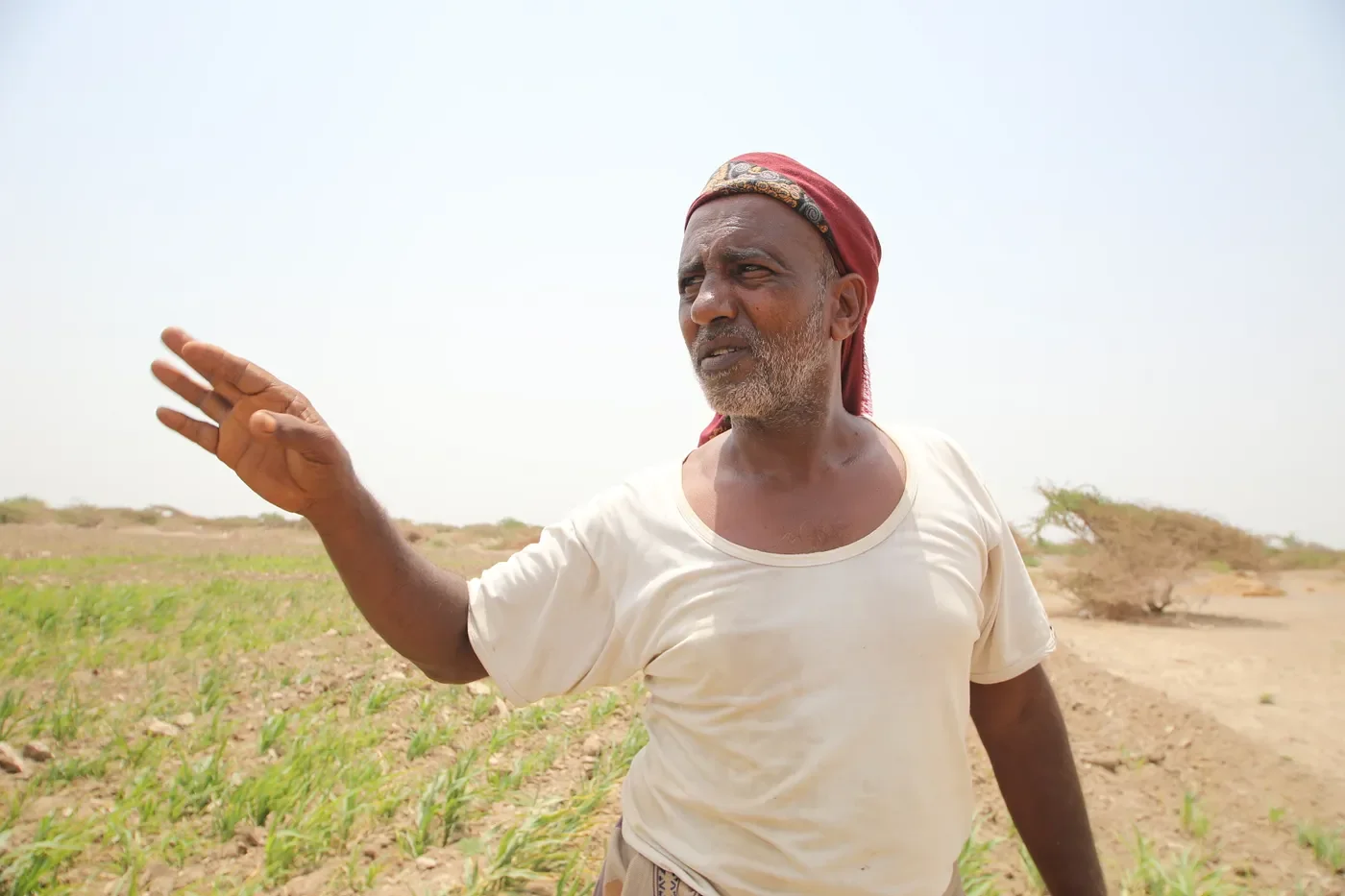
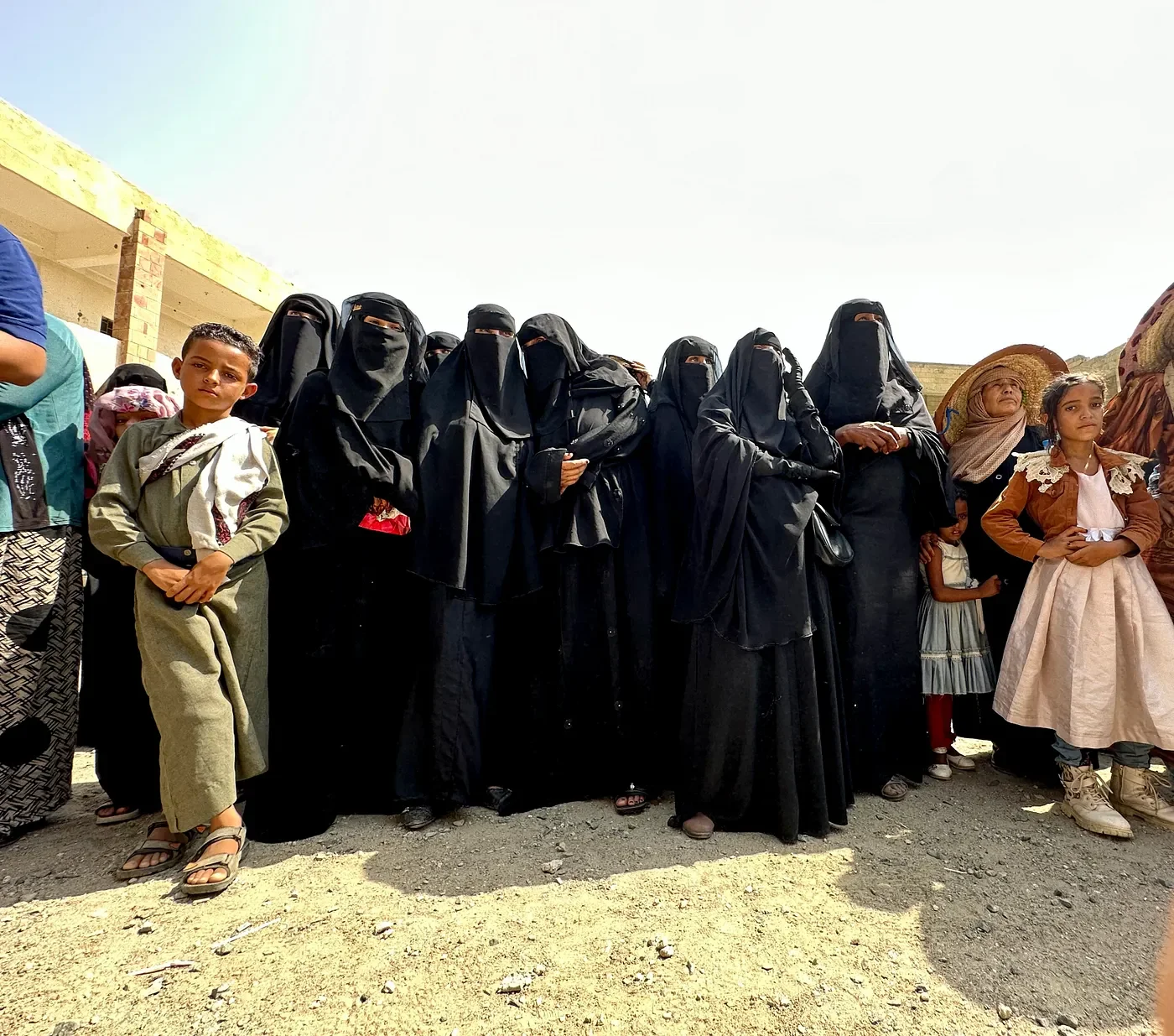
Stories exploring how conflict shapes daily life, from displacement and education to livelihoods, environment, and long-term recovery.
Conflict & Security
Reporting on frontlines, weapons, and military dynamics, examining how conflict is fought and sustained in complex environments.
Accountability & Rights
Investigations and reporting examining violations, legal accountability, and the human rights dimensions of conflict and crisis.


Health & Humanitarian
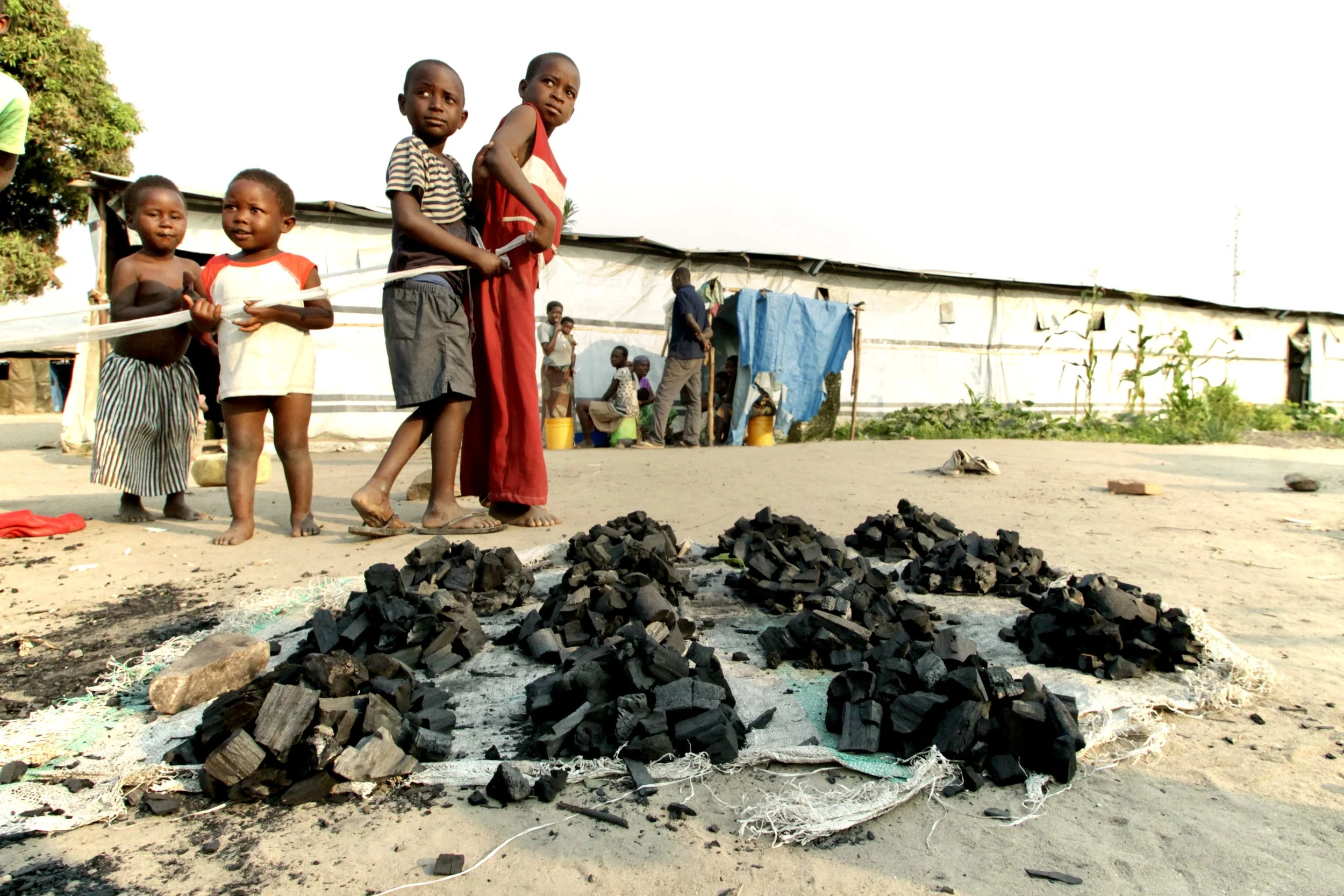
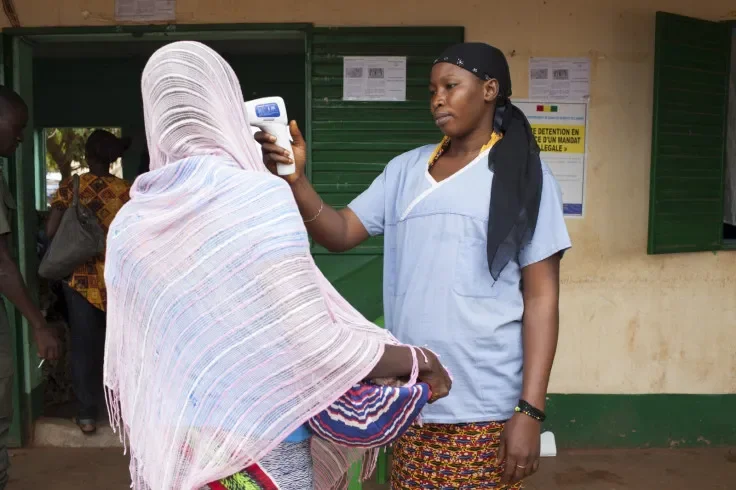
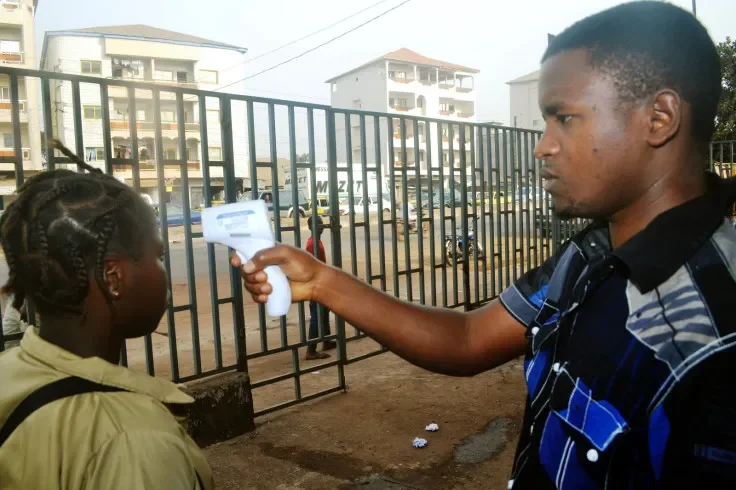
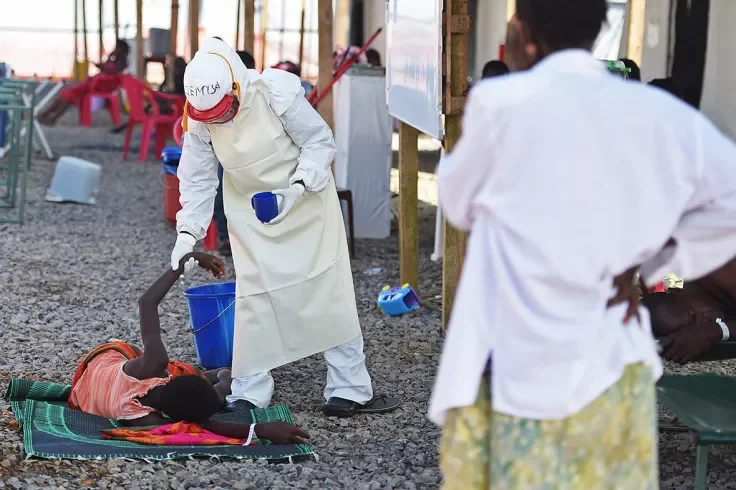
Reporting on healthcare, humanitarian response, and the long-term impact of conflict on communities, from emergency care to recovery and resilience.
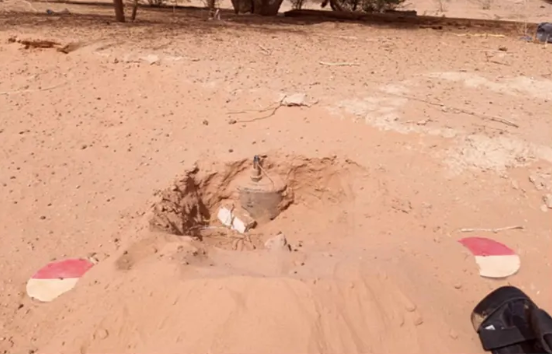
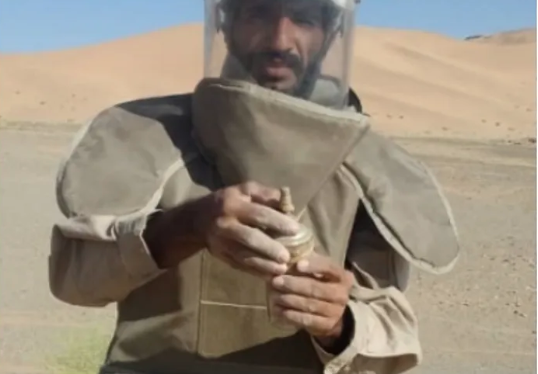
Minefields in mountains: when deminers face the greatest danger
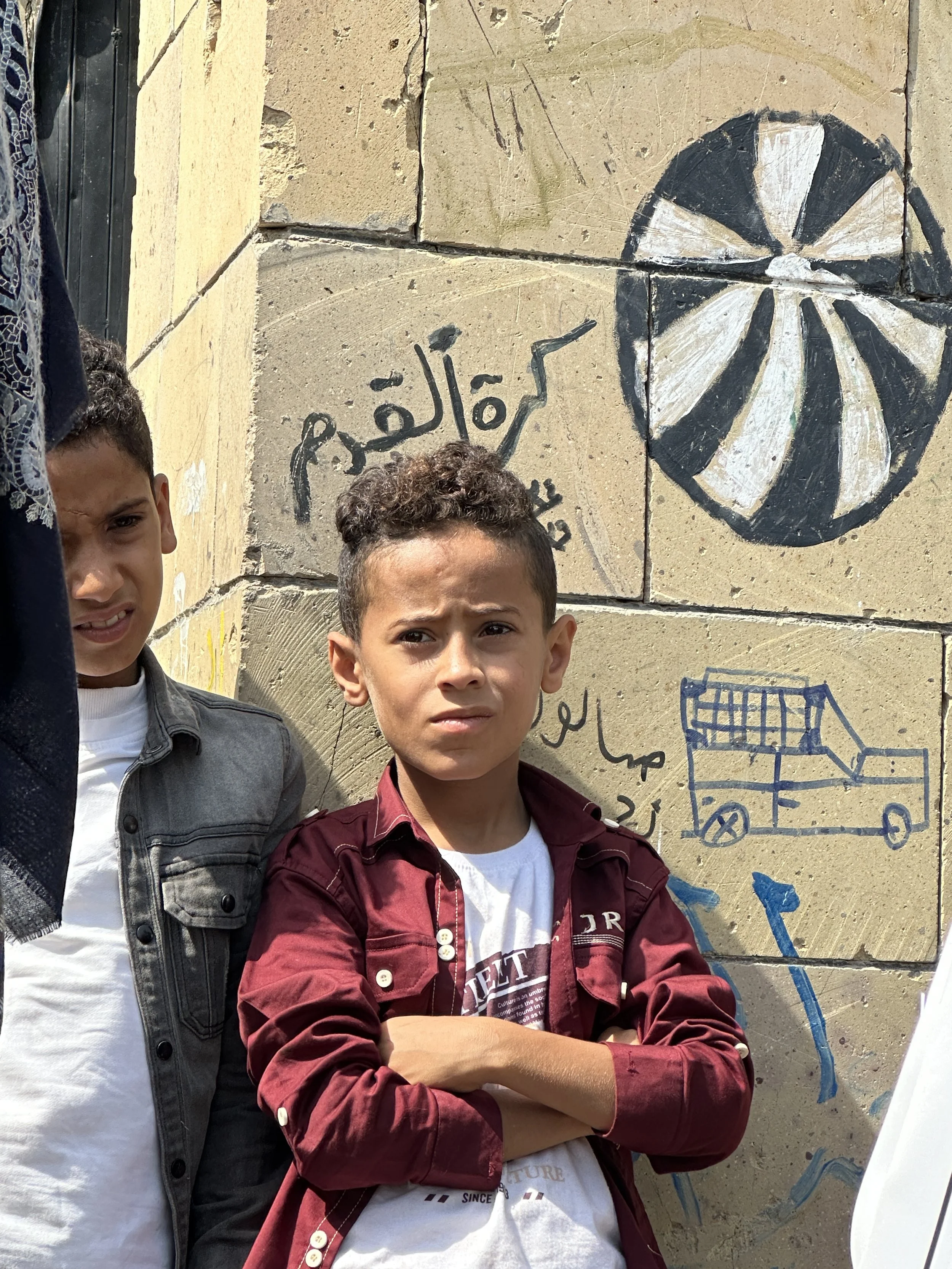
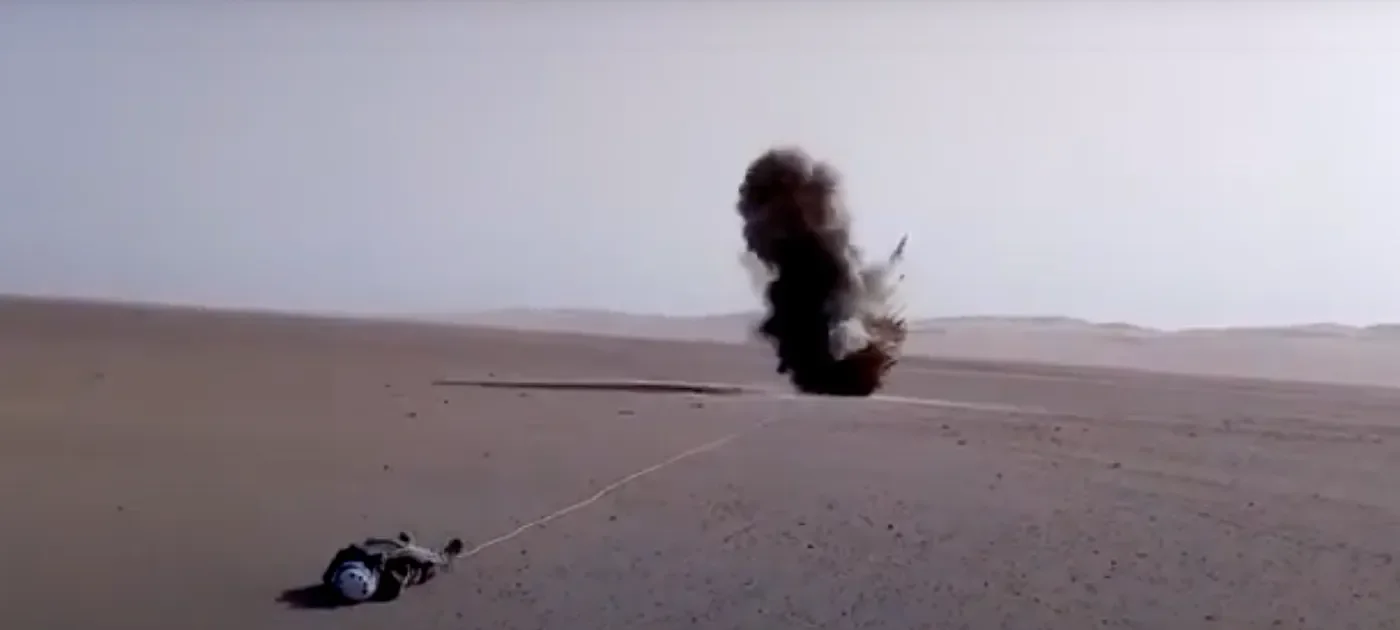
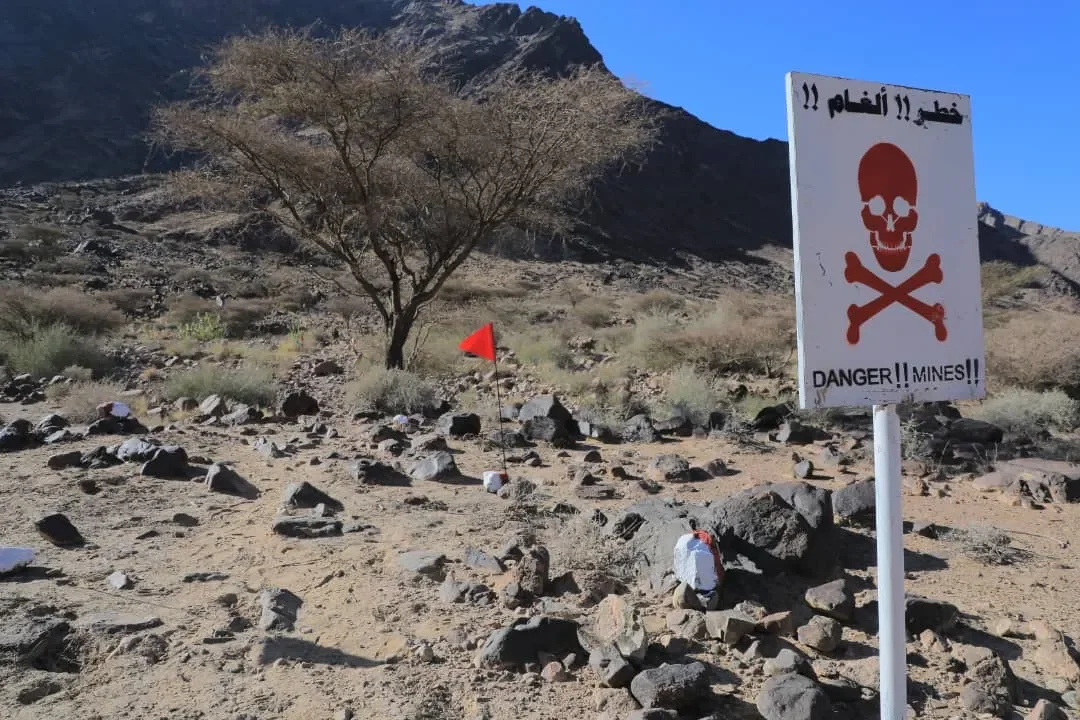
With every step carrying the risk of explosion on steep mountain slopes, deminers in Yemen walk through minefields laid along strategic approaches and defensive positions to make land safe for others.
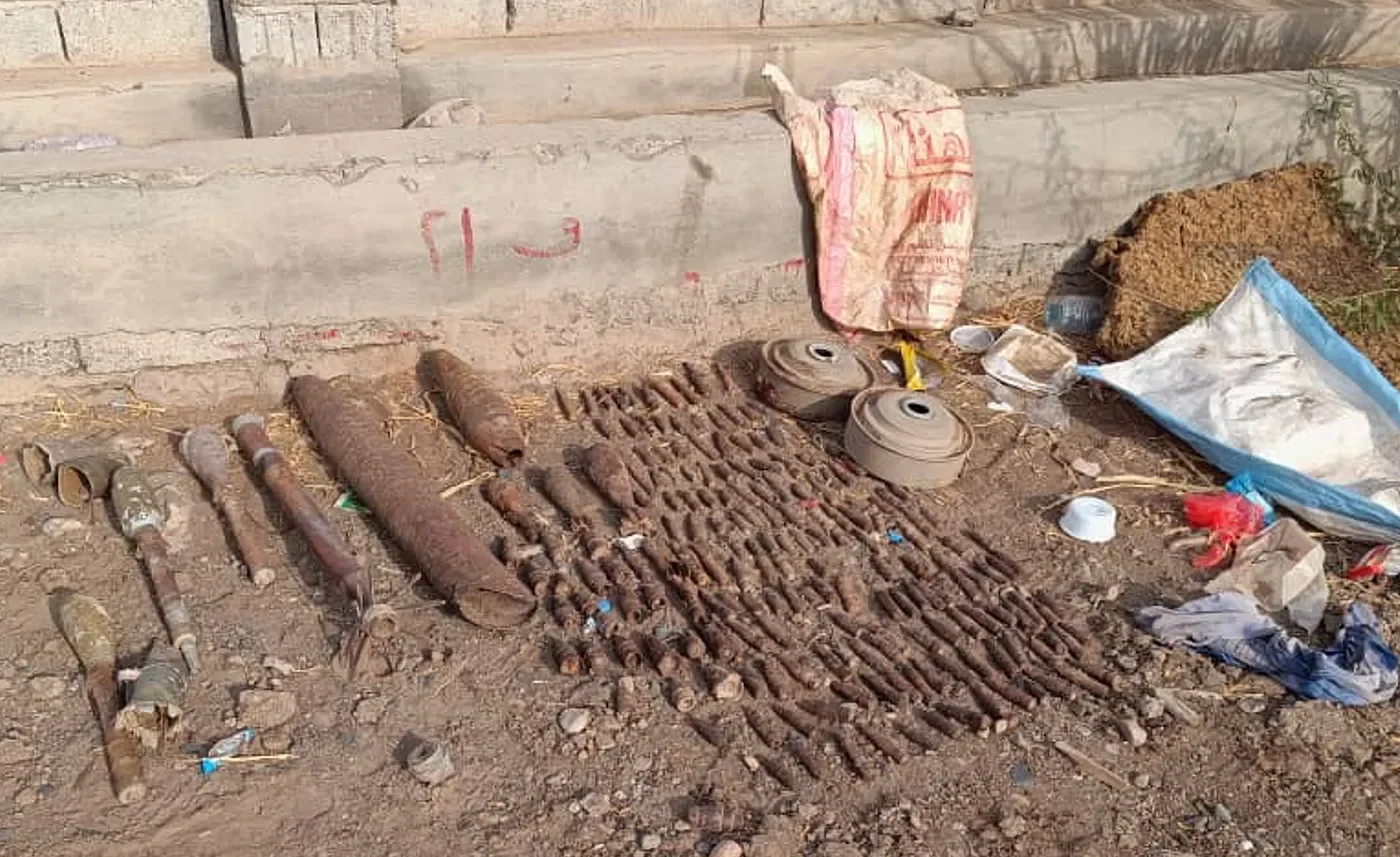
Yemen: Where landmines are traded as currency for survival in open-air markets amid economic collapse
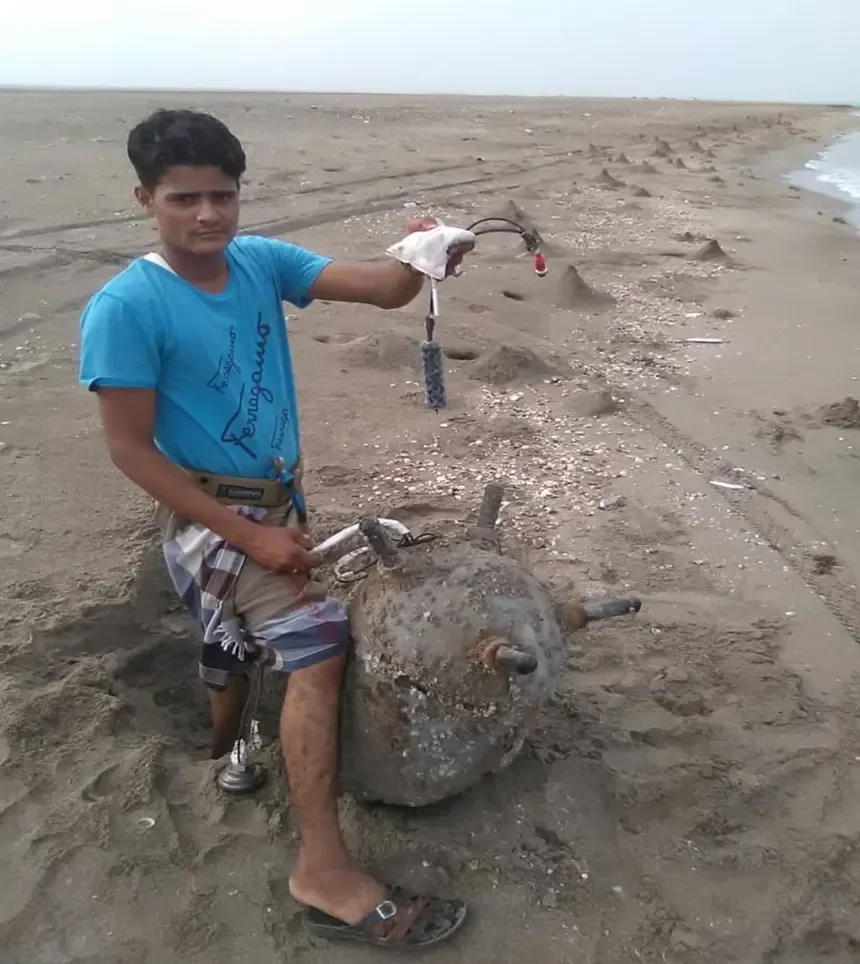
This exclusive investigation uncovered how landmines and explosive remnants of war have become intertwined with local economies in conflict-affected areas of Yemen. Drawing on interviews with deminers, survivors, local communities and humanitarian actors, the report revealed how poverty, insecurity and the absence of alternatives can drive civilians to take extraordinary risks, exposing the hidden human and economic consequences of one of the world's largest landmine contamination crises.
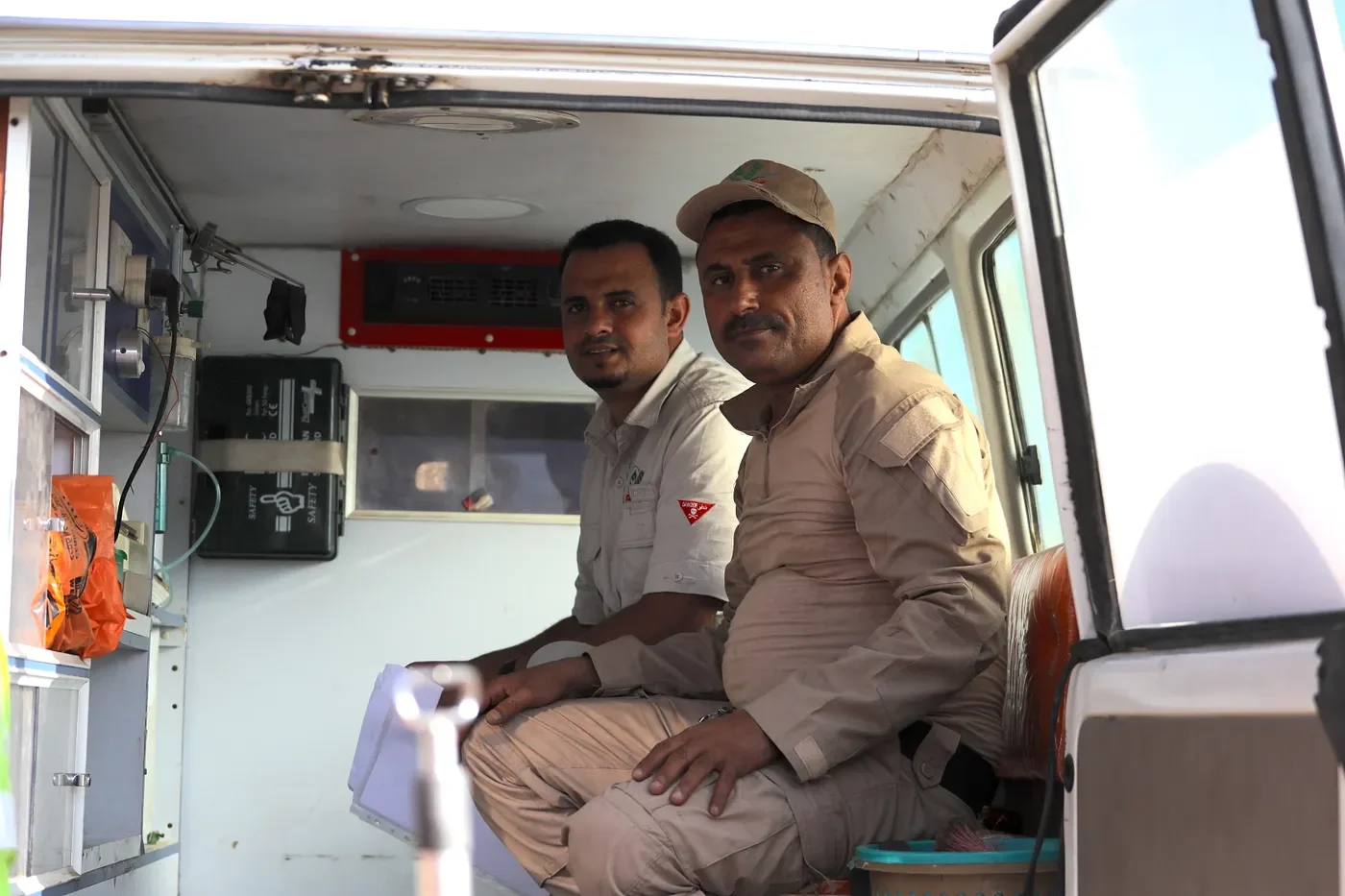
How local interpreters ensure safe humanitarian demining in conflict zones
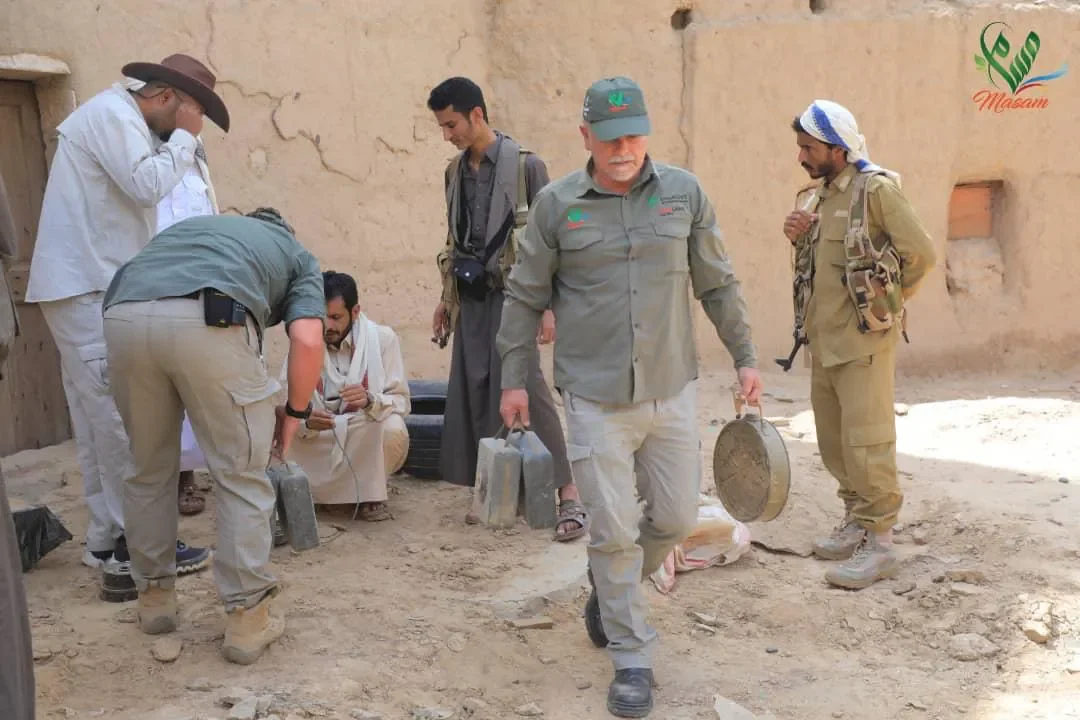
In Yemen, interpreters play a critical role in mine action, translating complex technical language across multiple local dialects between international experts and local teams, where miscommunication can have life-threatening consequences.
Landmines left behind in Yemen: What happens when Houthi militias retreat
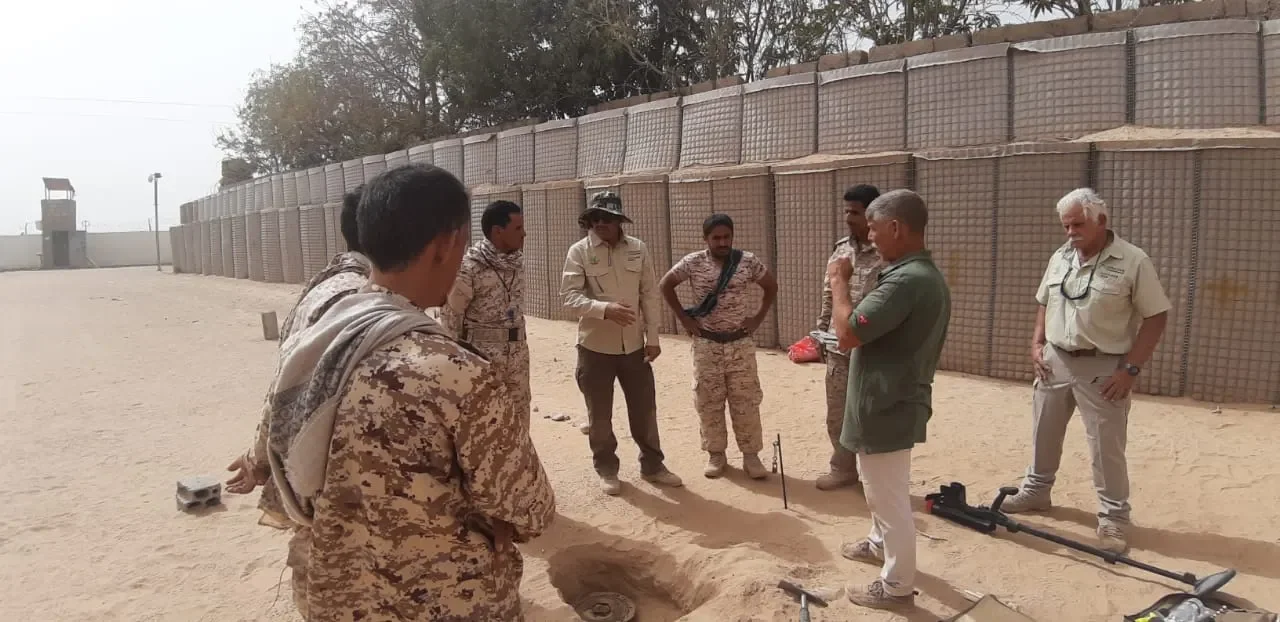
As frontlines shift in Yemen, deminers are uncovering landmines left behind in former Houthi positions, turning newly accessible areas into hidden hazards and acting as a form of land denial to prevent civilian return.
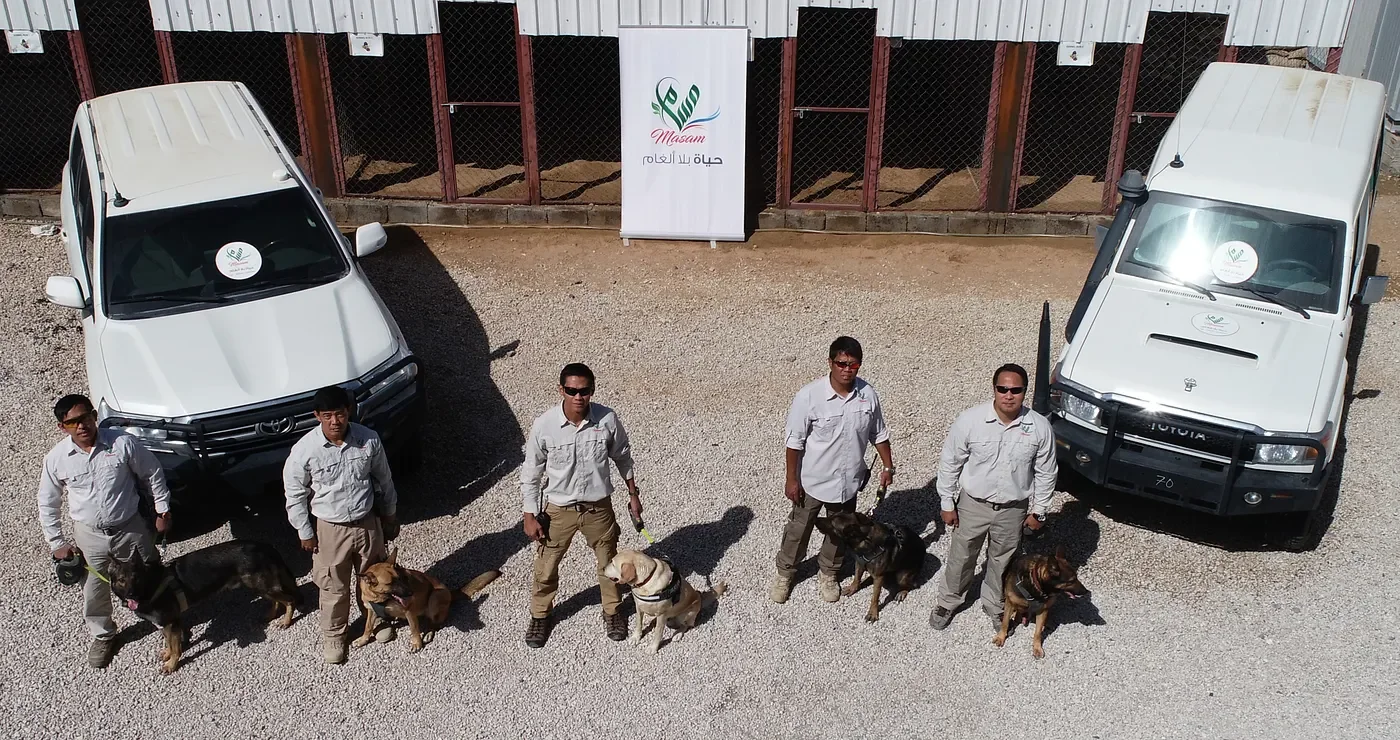
Explosives detection dogs: The K9 keeping deminers safe
In Yemen, highly trained explosives detection dogs are deployed as a critical part of mine action, using their precision and speed to locate hidden explosives and protect deminers in high-risk environments.
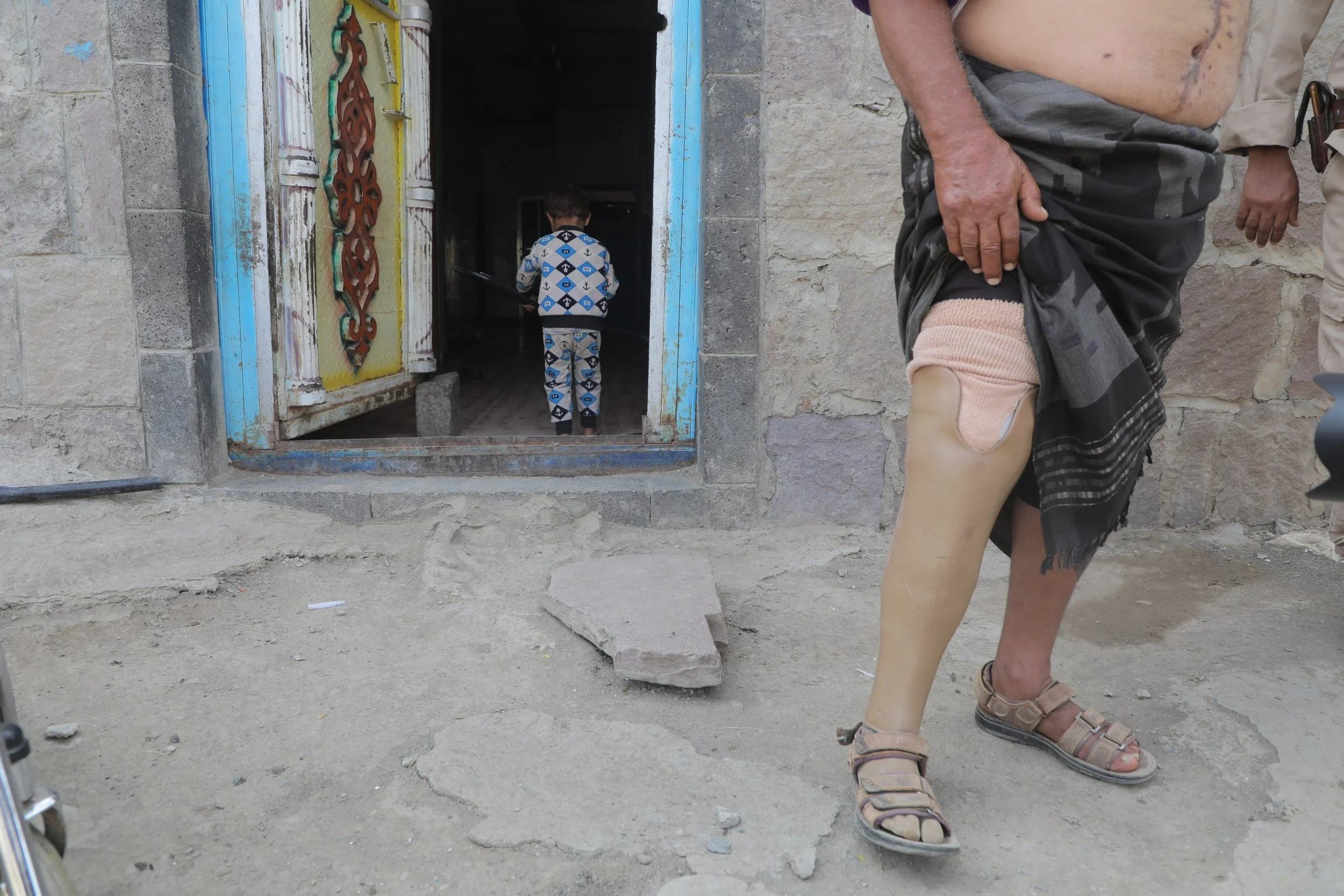
How landmine warfare in Yemen systematically violates human rights
A new report reveals how landmines in Yemen continue to violate civilian life long after frontlines shift, with survivor testimonies exposing the human cost of systematic contamination.
As reports emerge of Houthi mobilisation, landmines often follow in Yemen
Drawing on exclusive sources and expert analysis, this article examines how renewed Houthi mobilisation in Yemen is reviving fears of landmine and IED use.
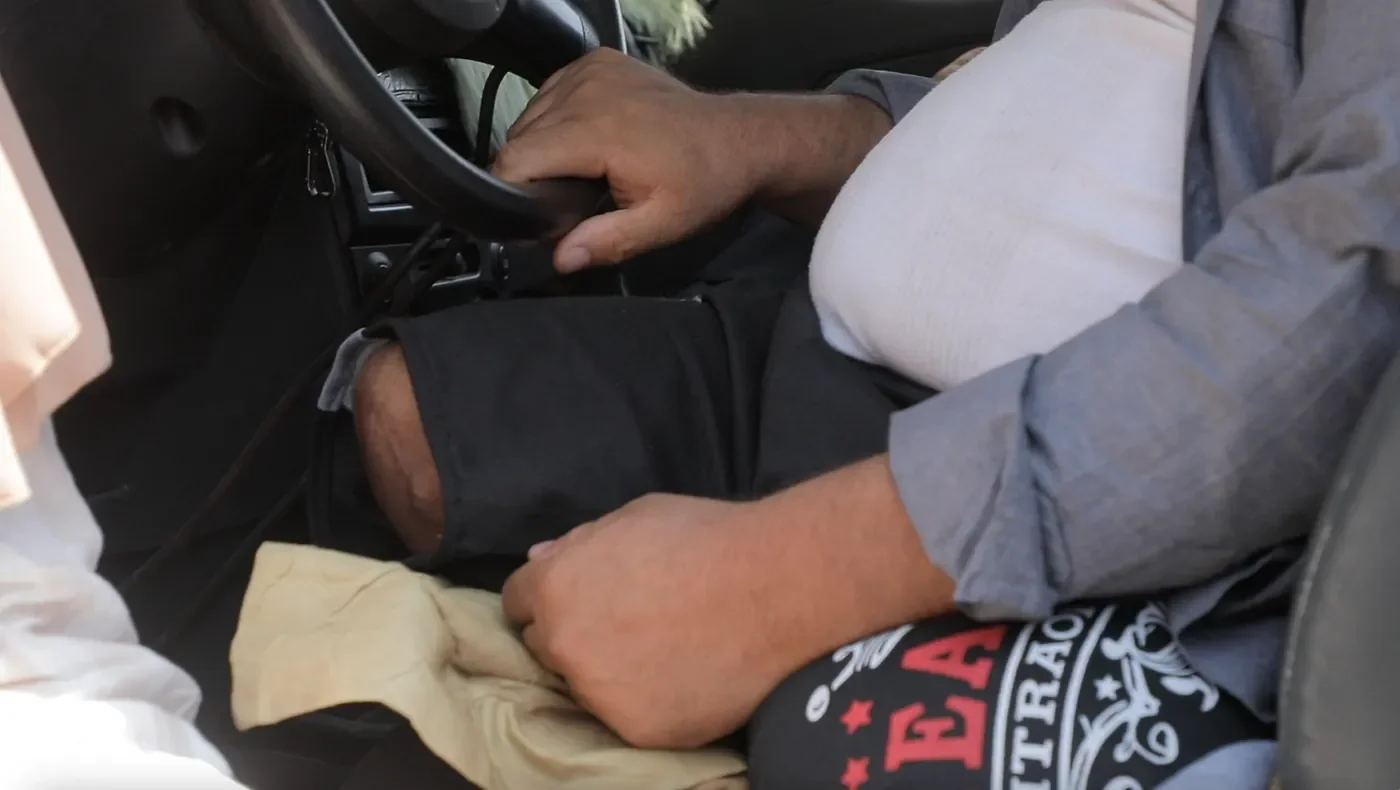
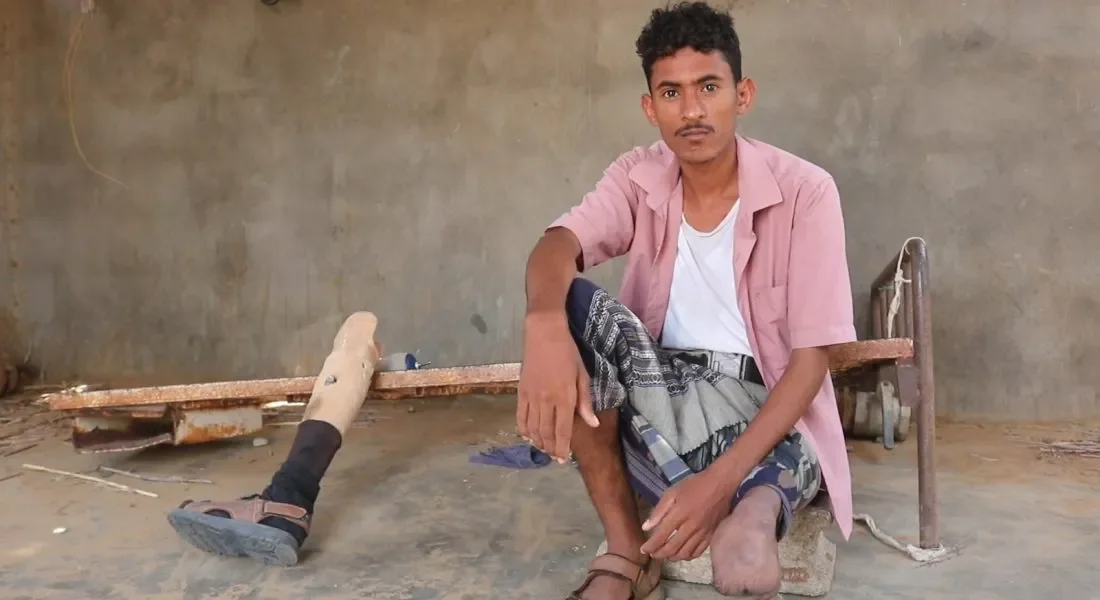
Yemen’s overlooked emergency: disability, access and the cost of explosive violence
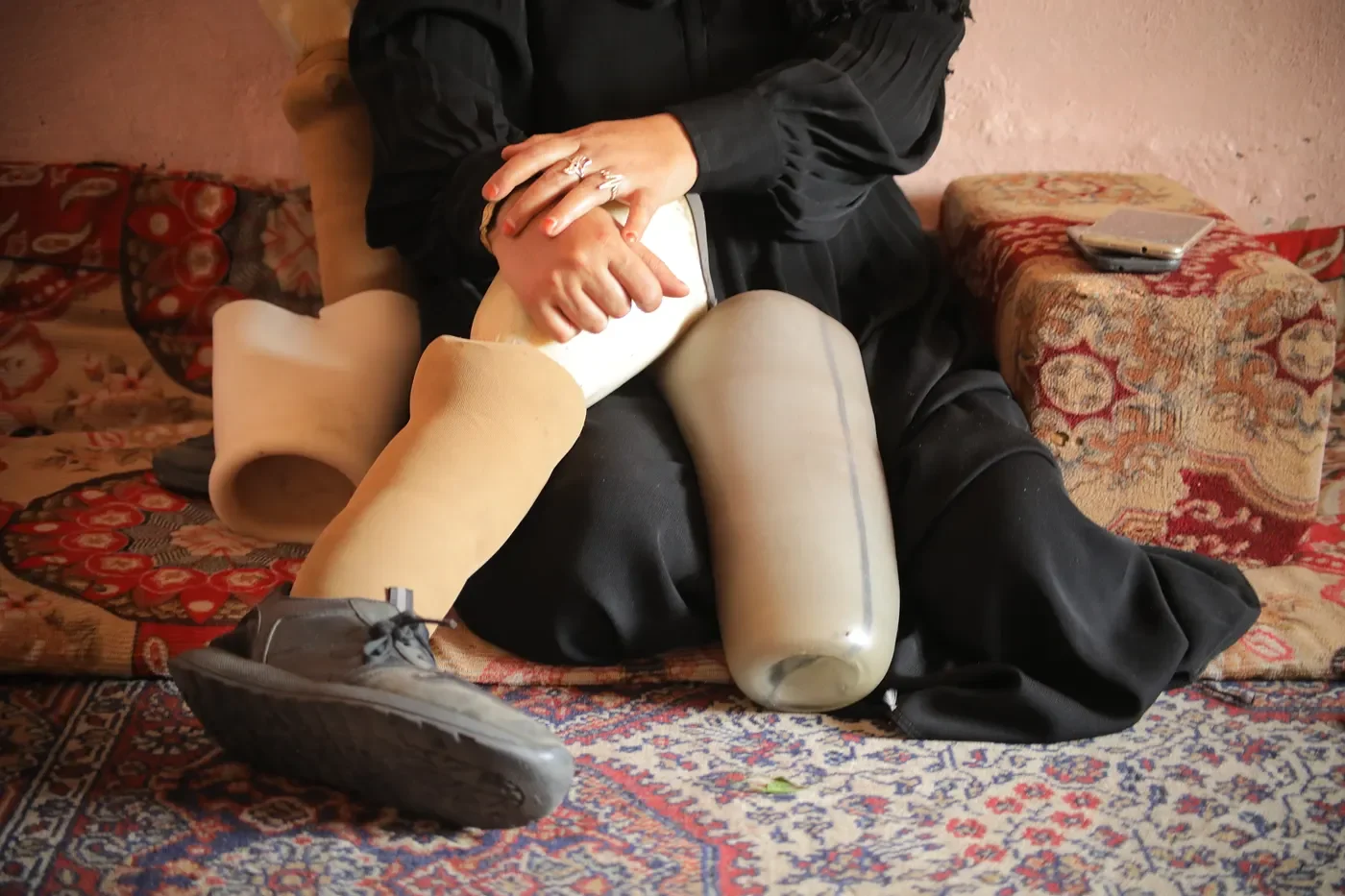
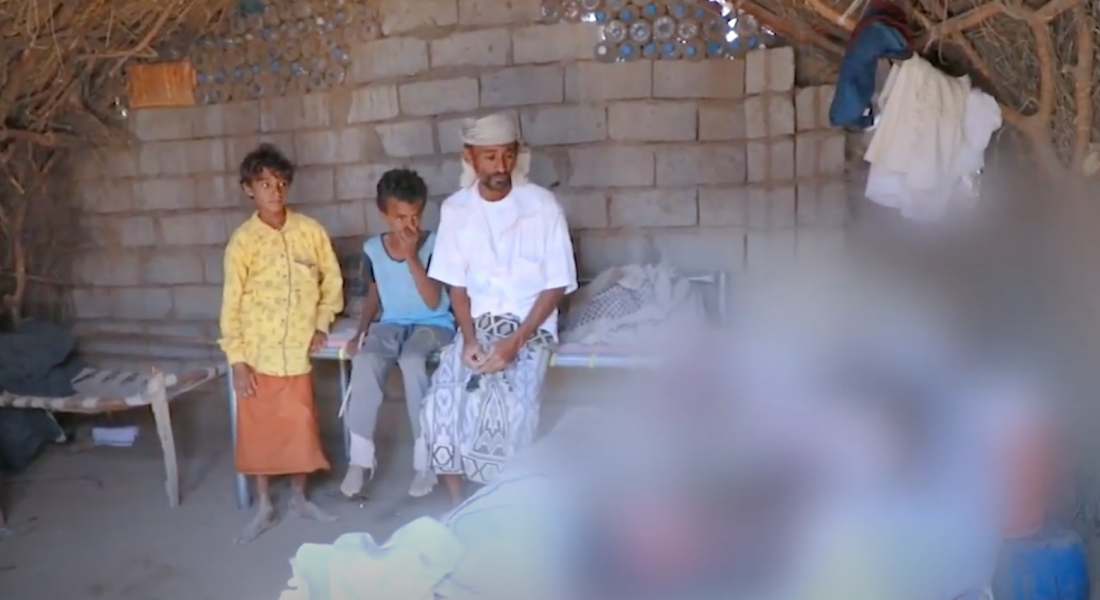
Across Yemen, survivors of explosive violence face daily barriers to healthcare, mobility and work, as disability and conflict combine to restrict access to basic services.
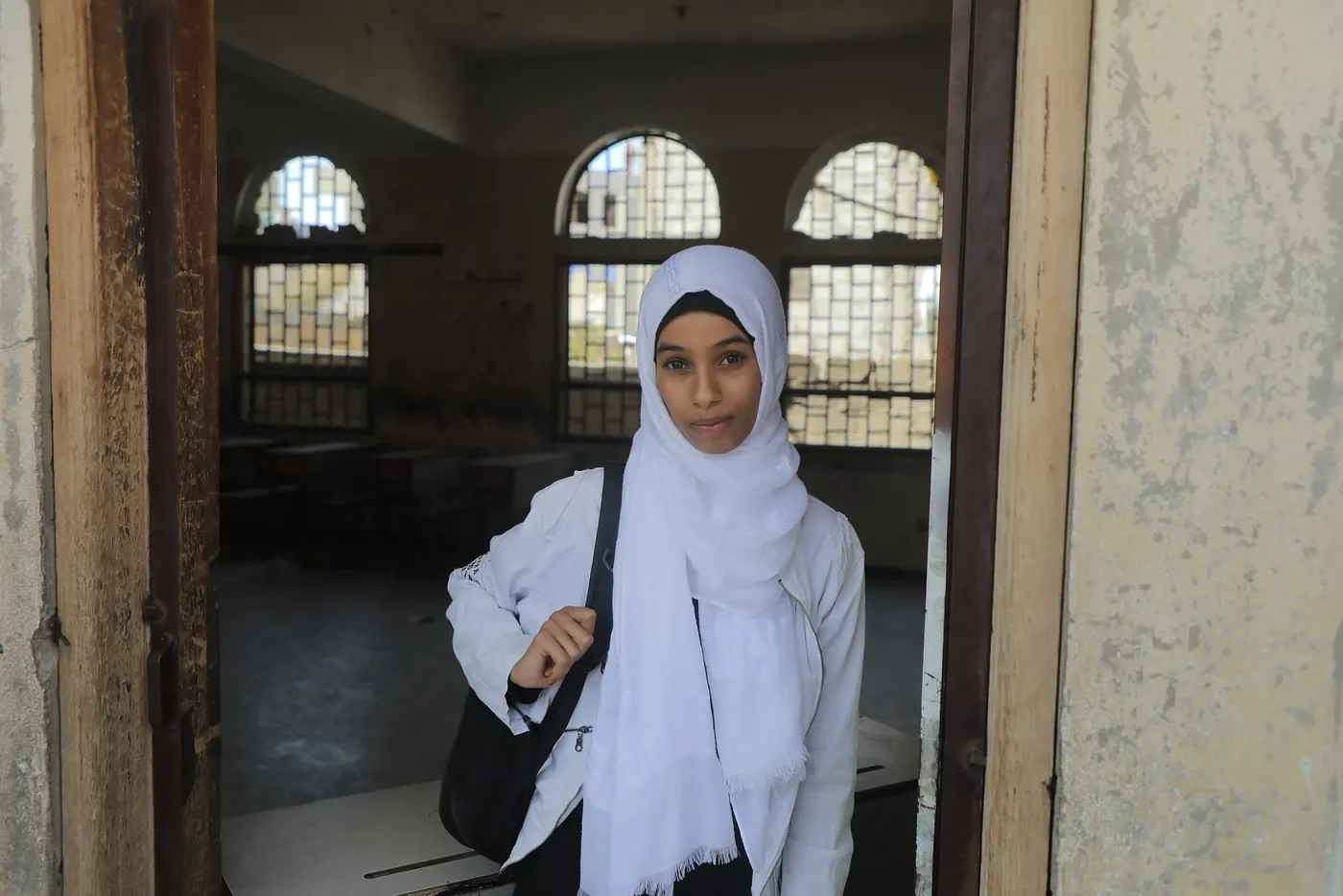
The gendered toll of explosive violence in Yemen
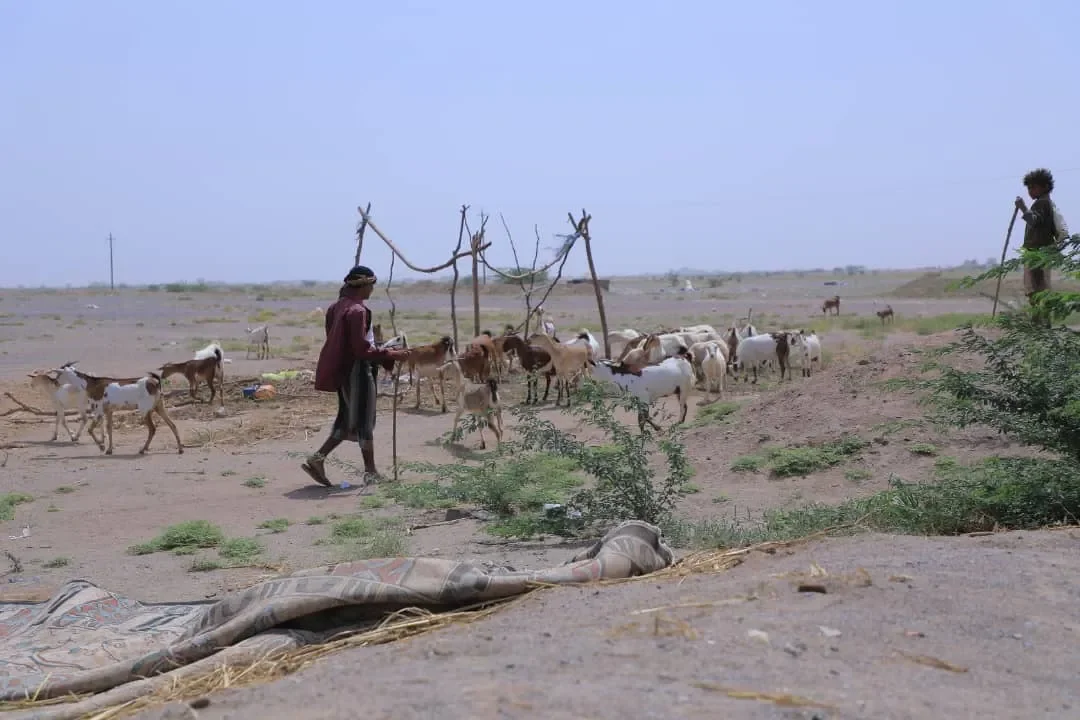
Explosive violence in Yemen carries a distinct gendered toll, with women and girls facing lasting impacts on education, livelihoods and social inclusion beyond the immediate blast.
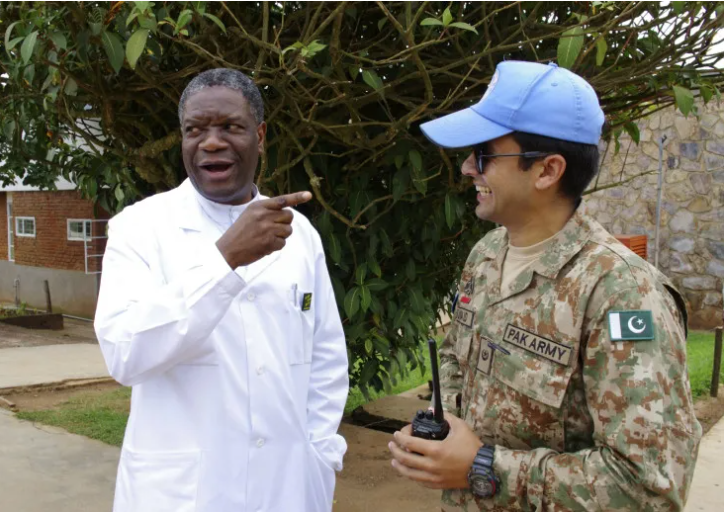
Rape surgeon of DRC Denis Mukwege at risk in UN protection shake-up says Panzi Foundation
Through interviews with representatives of the Panzi Foundation, this report explores concerns over the safety of Dr Denis Mukwege and the future of support for survivors of conflict-related sexual violence in the Democratic Republic of Congo. The piece examines the intersection of human rights, security and accountability in a region where armed conflict continues to have devastating consequences for civilian populations, particularly women and girls.
'It was chaos': Inside DRC's Makala jail break where cult leader escaped and hundreds died
An exclusive account from inside Kinshasa's notorious Makala prison after a dramatic jailbreak freed thousands of inmates. Speaking directly from the prison, a survivor described scenes of chaos, deadly violence, chronic overcrowding and the systemic failures that helped fuel one of the Democratic Republic of Congo's most significant prison breaks.
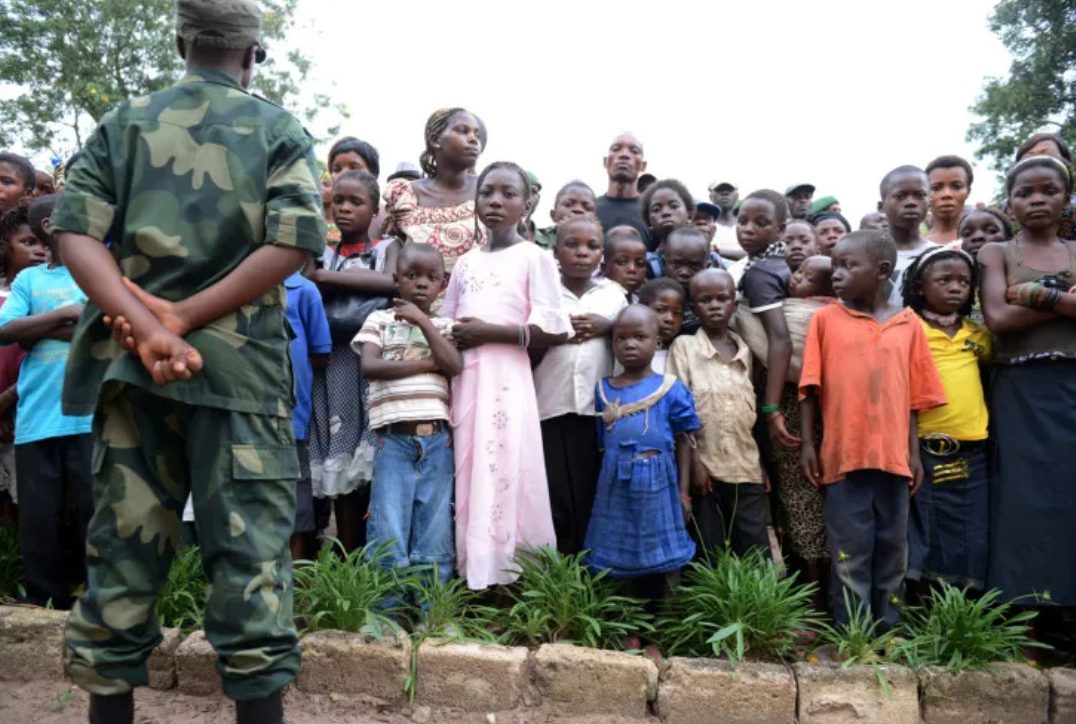
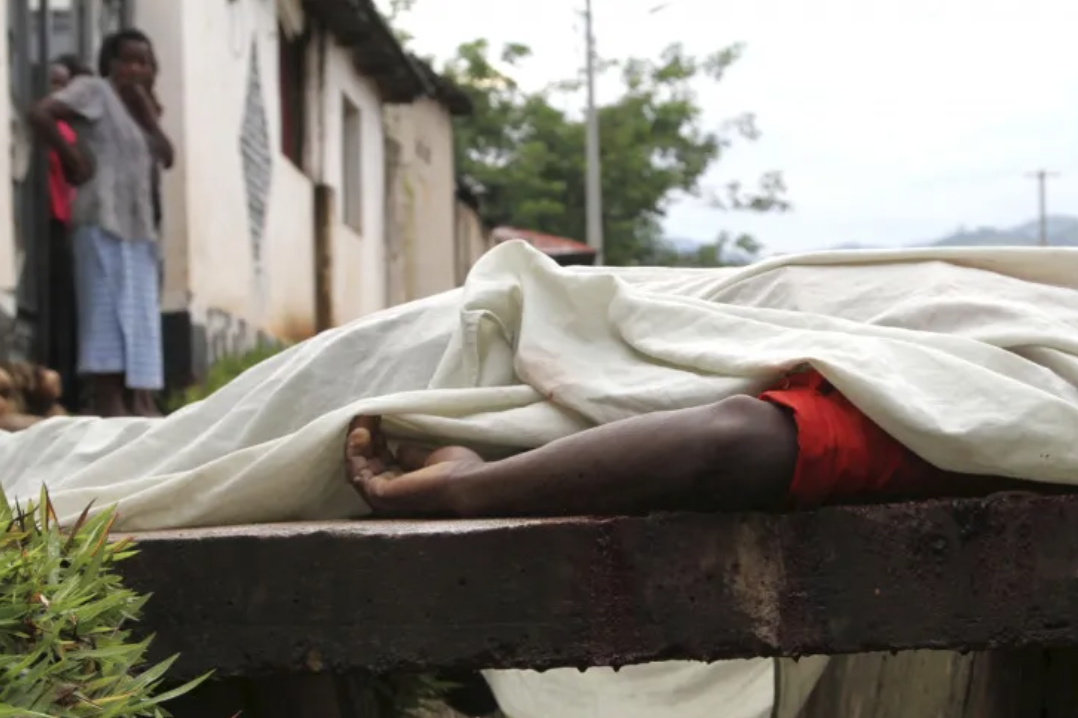
Victims 'summarily executed by the army' claim witnesses in DRC's Kasai provinces
Based on witness testimony from the Democratic Republic of Congo's conflict-ridden Kasai region, this investigation examined allegations that civilians were summarily executed during military operations against militia groups. Through interviews with survivors, local sources and rights advocates, the report documented claims of abuses against civilians and growing concerns over accountability amid escalating violence.
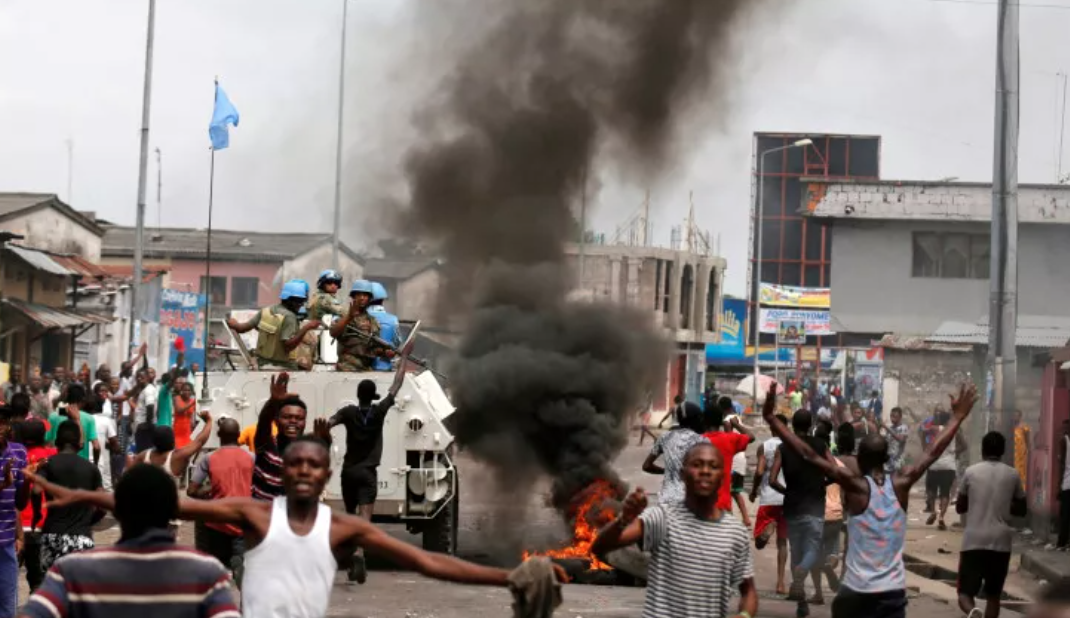
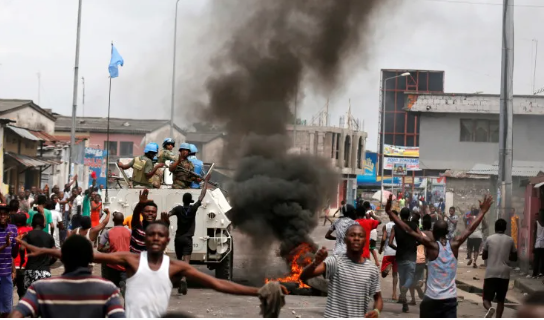
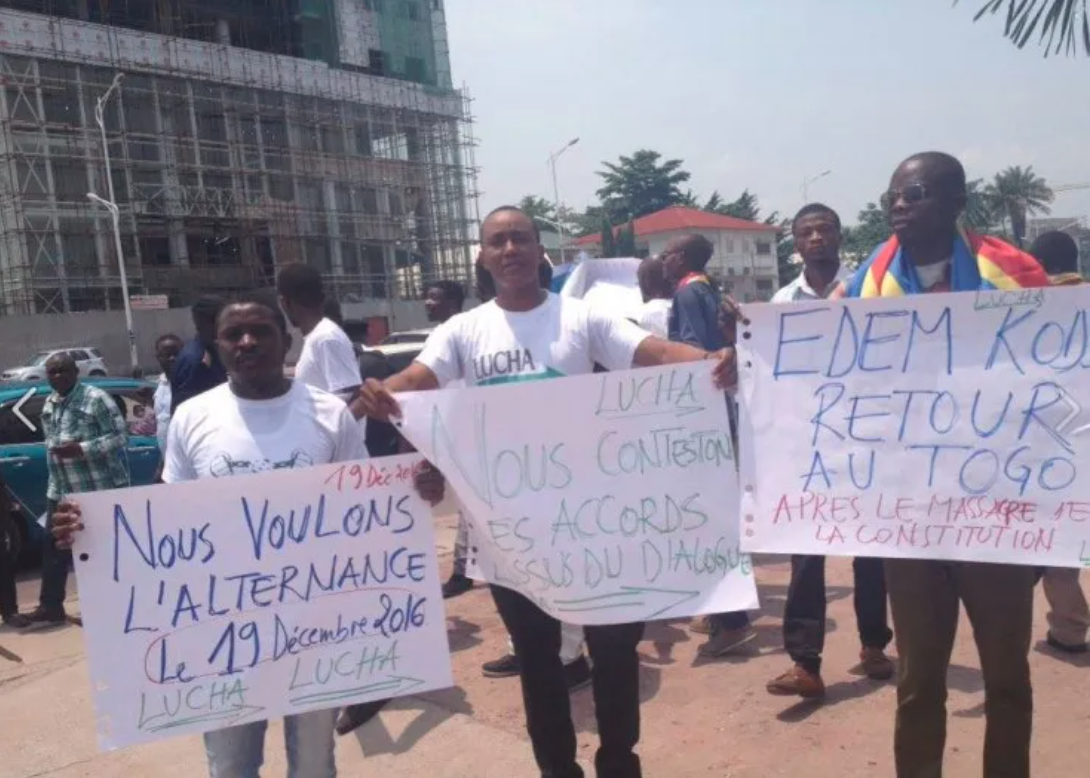
How an election delay could ignite a new civil war in the DRC
As the Democratic Republic of Congo faced mounting political tensions over delayed elections, this analysis examined how a constitutional crisis could trigger renewed conflict in one of Africa's most fragile states. Drawing on expert interviews and regional context, it explored the risks of political violence, armed group mobilisation and wider instability if a peaceful transfer of power failed to materialise.
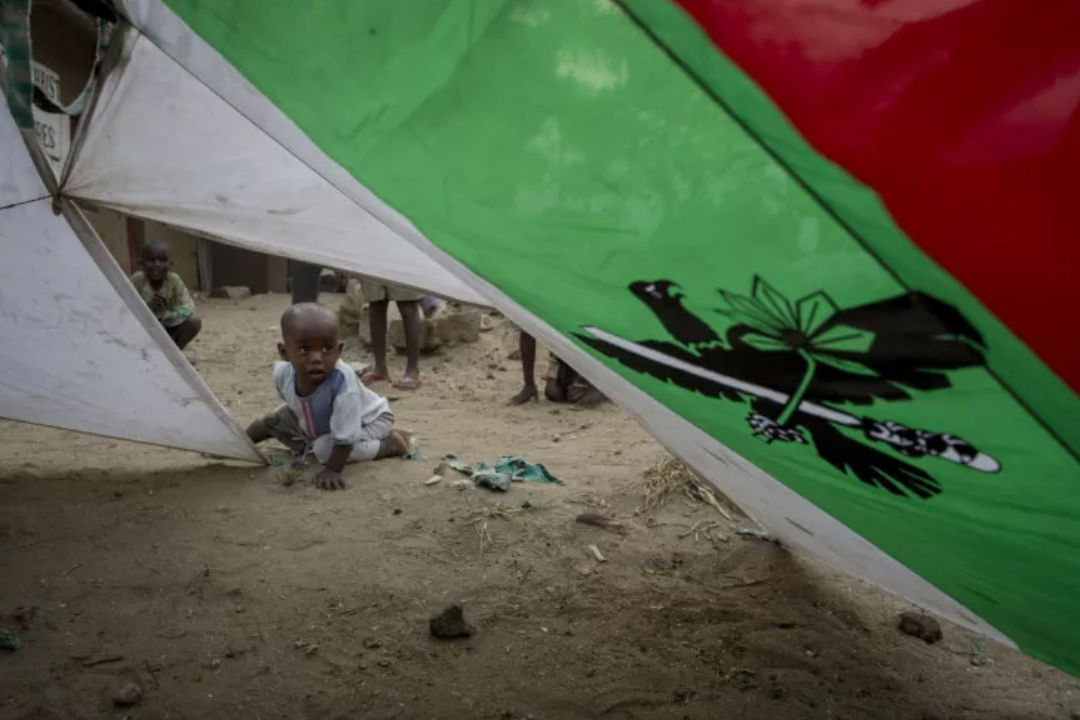
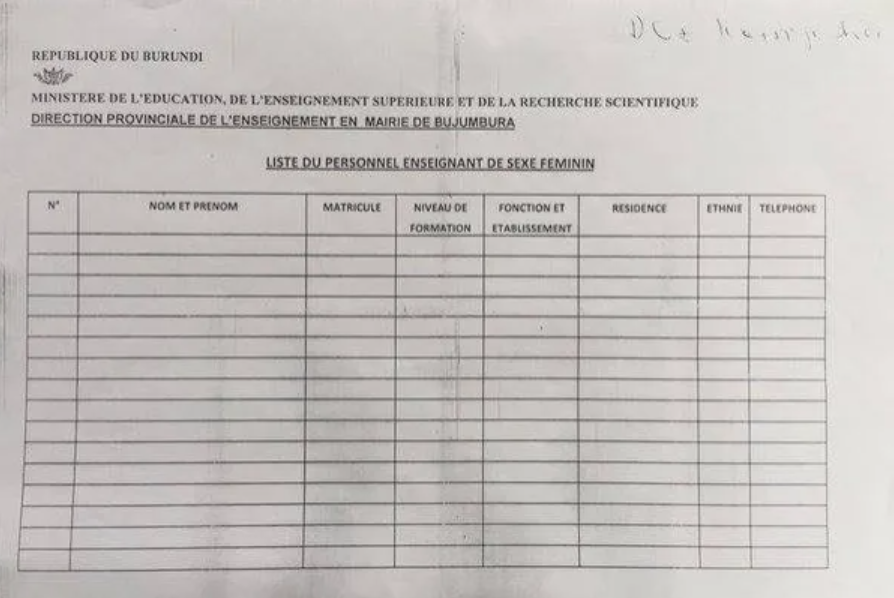
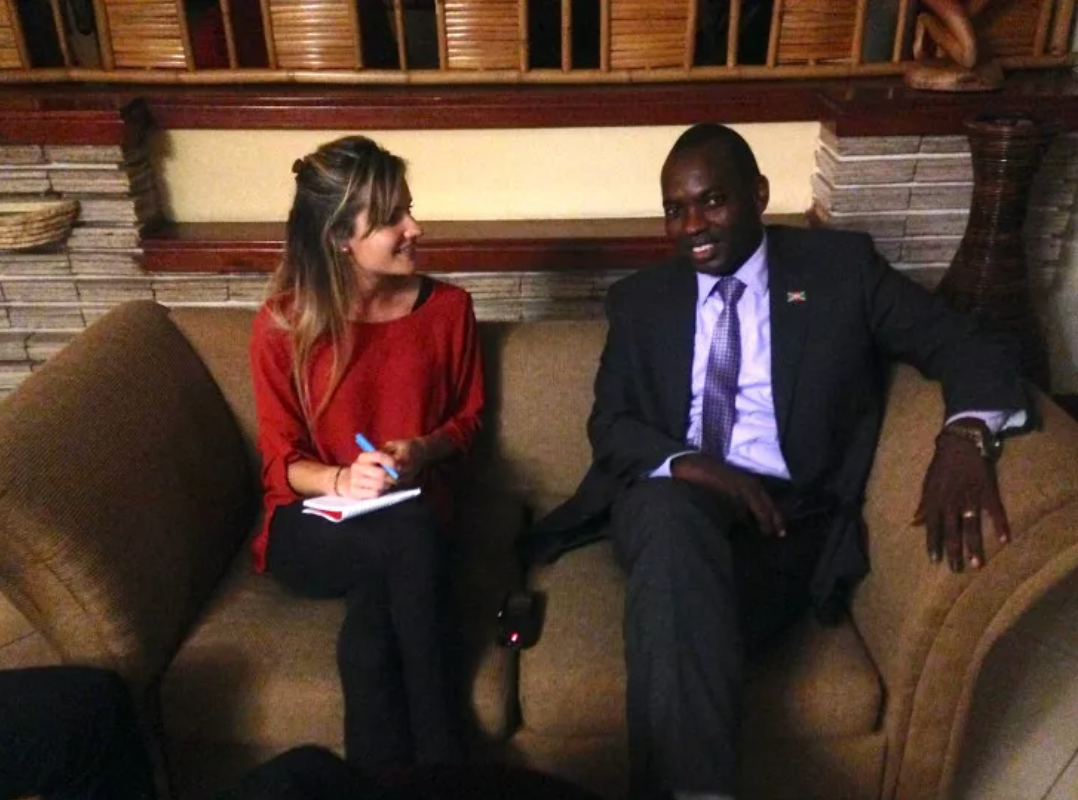
Burundi Opposition Claims Government Is Using Hunger as a 'Weapon of Mass Destruction'
As Burundi's political and economic crisis deepened, this exclusive report examined allegations that ordinary civilians were being pushed into poverty, hunger and desperation by the collapse of livelihoods and access to basic services. Through interviews with opposition figures, residents and observers, the story explored how economic hardship had become a defining feature of daily life, with families struggling to secure food and meet their most basic needs amid ongoing instability.
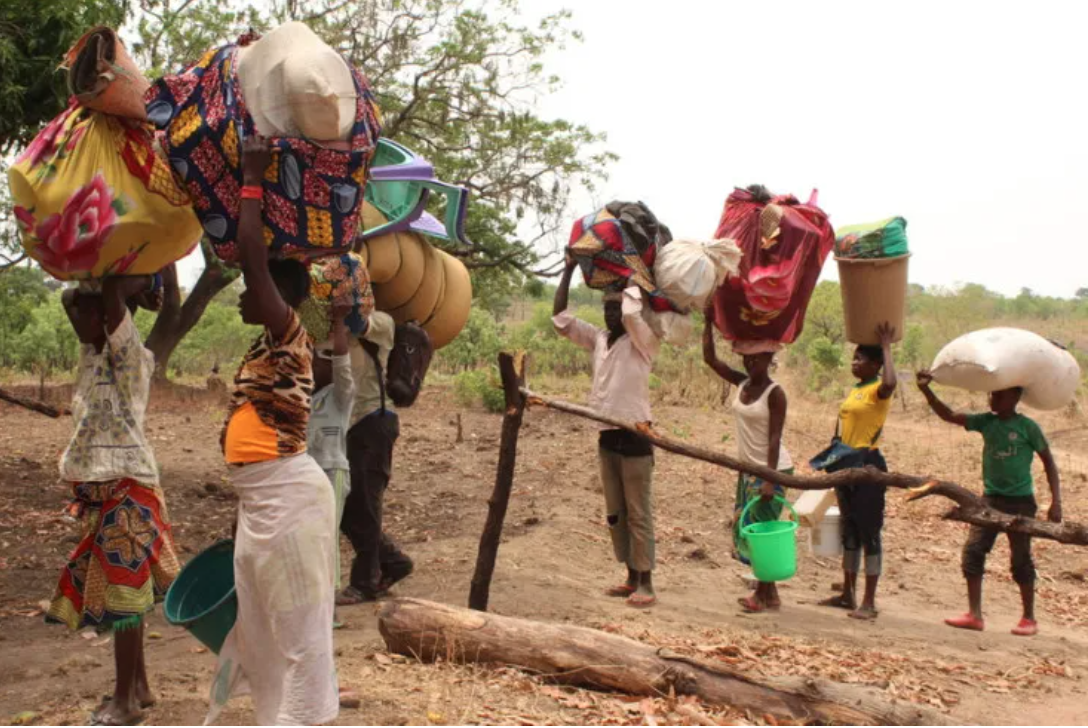
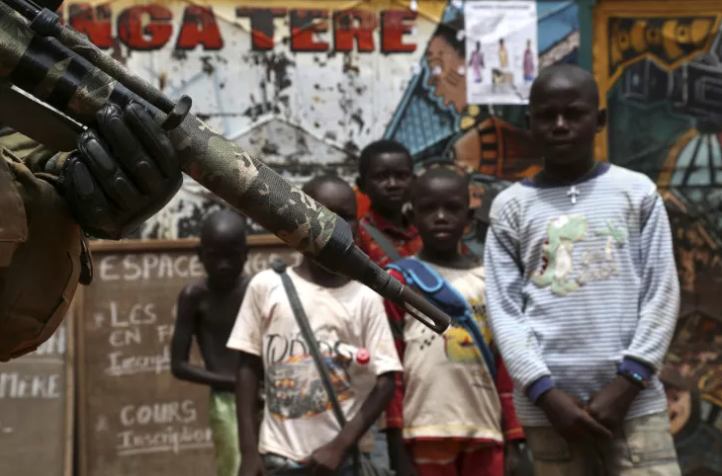
Thousands of refugees 'flee northern CAR for second time in less than a year'
Reporting on the border between the Central African Republic and Chad, this article follows families forced to flee renewed violence for the second time in less than a year. Through interviews with displaced civilians and aid agencies, it highlights the humanitarian consequences of repeated displacement, insecurity and the struggle to rebuild lives amid a worsening refugee crisis.
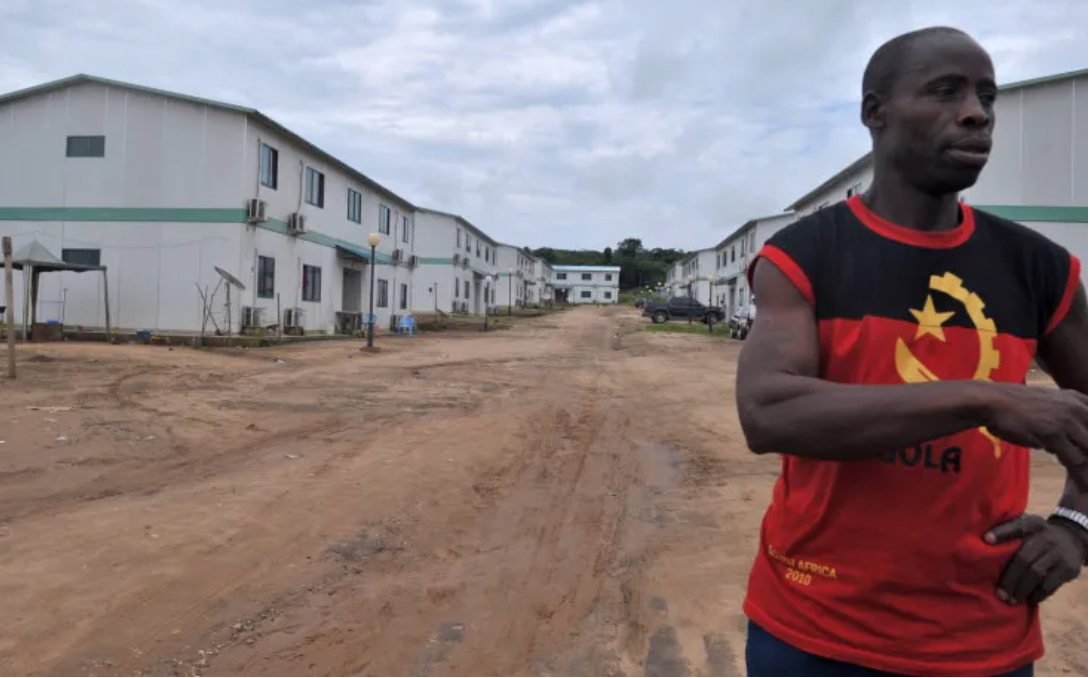
Cabinda War FLEC rebels in Angola urge the world to act as "people die in silence"
Offering a rare glimpse into one of Africa's least reported conflicts, this article examines the long-running separatist insurgency in Angola's oil-rich enclave of Cabinda. Through interviews with representatives of the FLEC rebel movement and regional observers, the report explores allegations of abuses, restrictions on information and the frustrations of communities who say their struggle has been largely ignored by the international community.
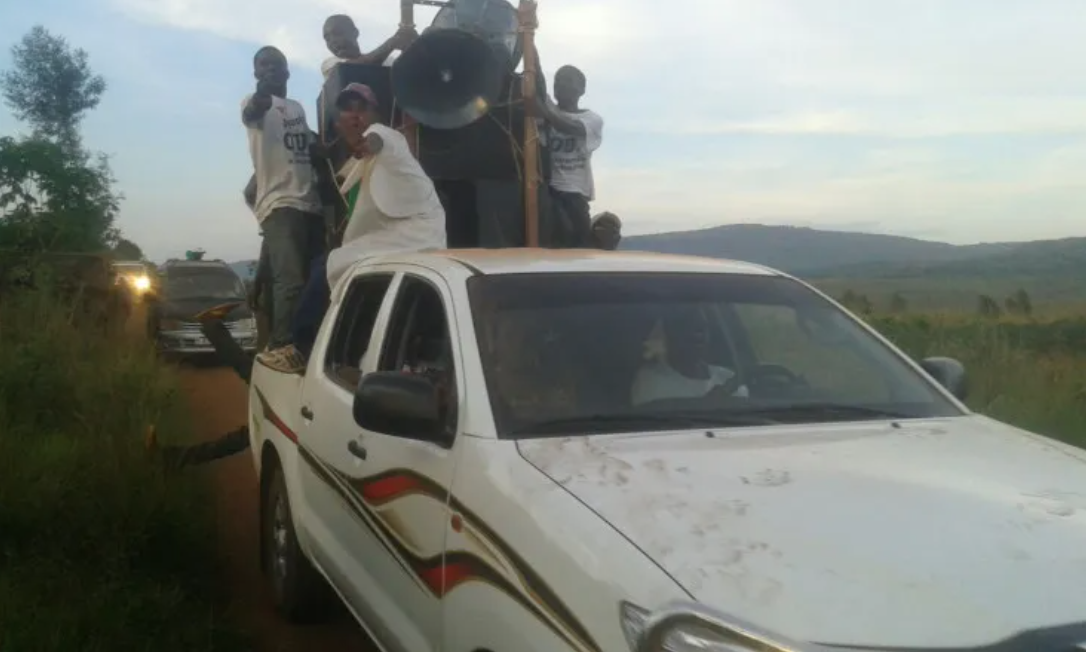
First video evidence of Burundi's ruling party youth wing inciting rape in song
Content Warning: Sexual violence. This exclusive investigation examined video footage that appeared to show members of Burundi's ruling party youth wing, the Imbonerakure, performing a song containing references to rape and violence. Through analysis of the footage, interviews with human rights observers and regional experts, the report explored growing concerns about inflammatory rhetoric, political intimidation and the risks facing civilians as Burundi's crisis deepened.
Congo-Brazzaville: Is corruption at the epicentre of Africa's 'forgotten' deadly crisis?
As violence escalated in the Republic of Congo's Pool region, this investigation examined allegations of corruption, political repression and abuses that received little international attention. The report explored how governance failures, contested power and a lack of accountability contributed to a worsening humanitarian and security crisis in one of Africa's most overlooked conflicts.
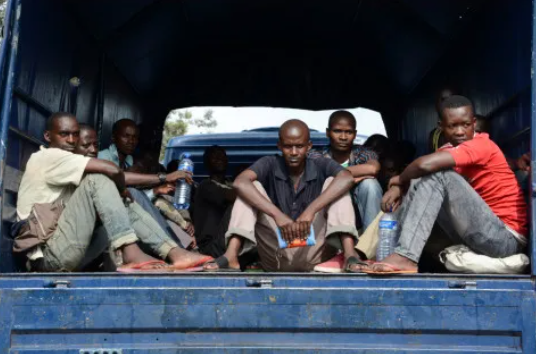
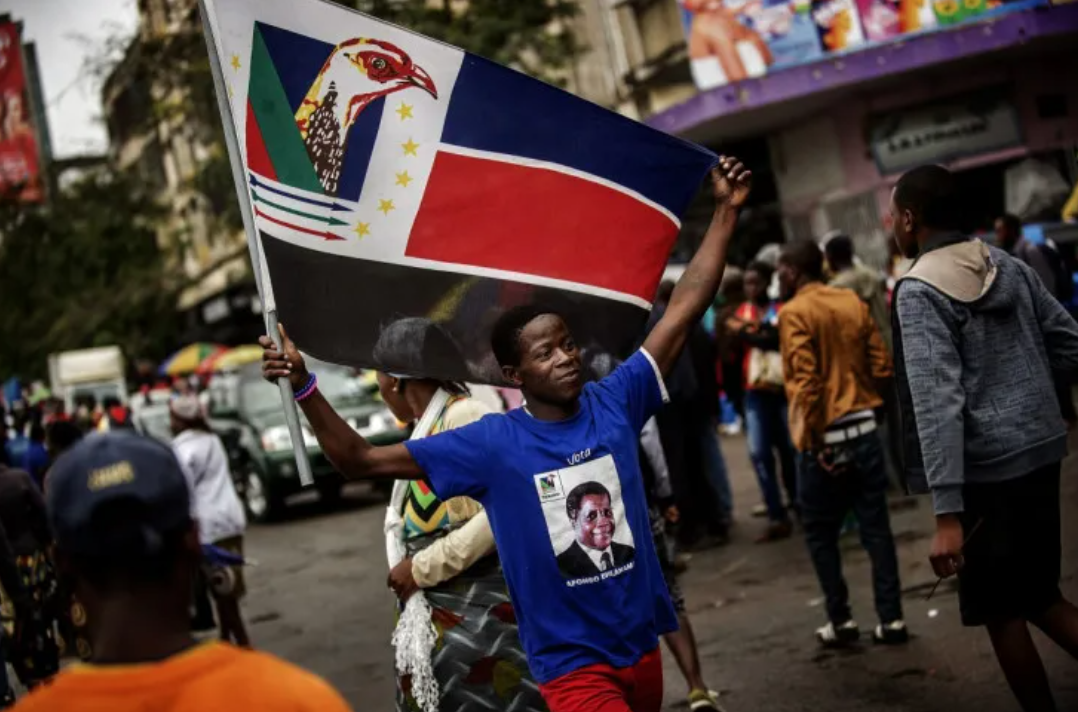
'We are ready for war' – Burundi's rebel groups and how they plan to topple President Nkurunziza
In a rare (and controversial) interview, leaders of Burundian rebel groups outlined their intentions to remove President Pierre Nkurunziza by force as the country's political crisis deepened. The report provides an unusual insight into the motivations, strategy and rhetoric of armed opposition movements at a time when fears were growing that Burundi could slide back into full-scale civil war.
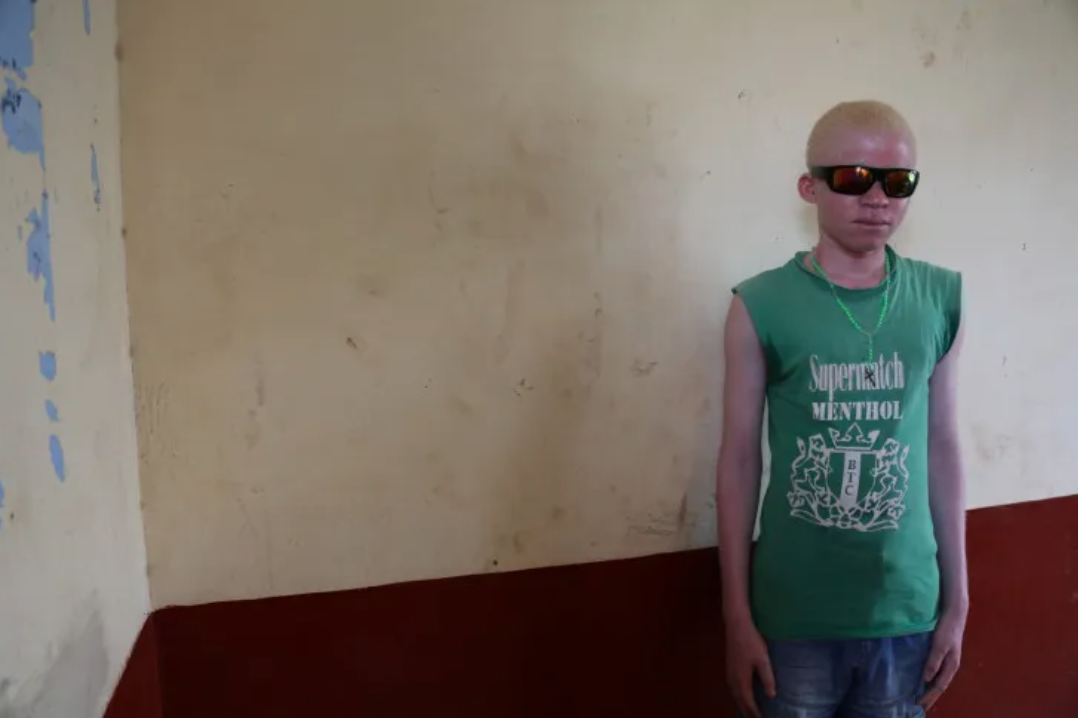
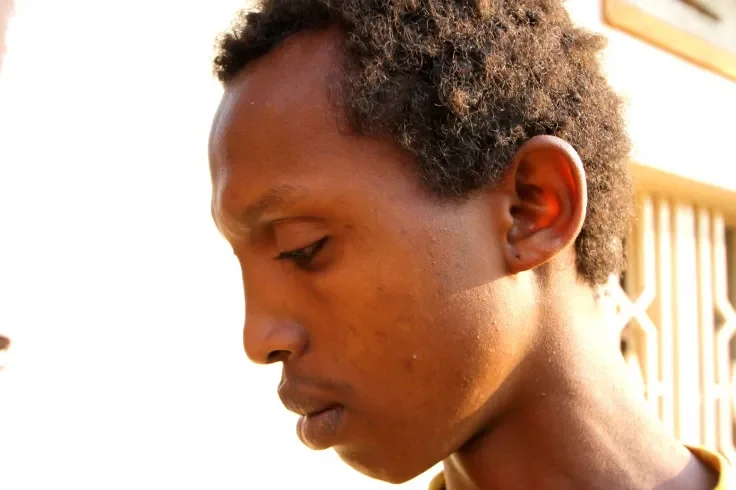
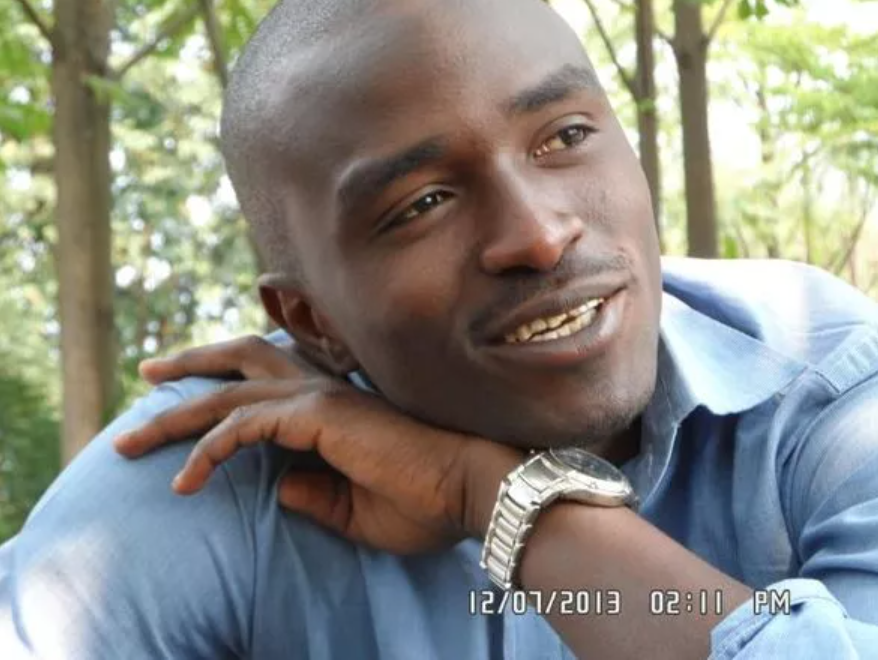
On the run from his own family: Young Burundian albino's escape to safety
Based on a rare face-to-face interview with a Burundian refugee living with albinism, this report sheds light on a frequently overlooked protection issue in East Africa. Through one individual's journey, it examines the intersection of displacement, disability, discrimination and human rights, giving voice to a community that is often invisible in both refugee and humanitarian reporting.