Thirty years after the Srebrenica genocide, eastern Bosnia still lives with the consequences of war, ethnic cleansing and political division. Places that appear ordinary today - lakes, villages, schools, factories and family homes - are also landscapes of memory, where thousands of Bosniak men and boys were murdered, detained, expelled or later buried.
The Dayton Peace Agreement ended the war in 1995 but also formalised Bosnia and Herzegovina into separate political entities, including Republika Srpska, where many areas that had once been ethnically mixed were transformed through violence and forced displacement. In communities around Srebrenica, survivors continue to live beside sites of atrocity while confronting competing versions of history.
This series follows women such as Begija Vejzović Smajić and Mirnesa Delić, whose childhoods were shaped by genocide and detention, and who now raise families, teach children and support their communities. Through them, memory is carried not only through mourning, but through education, care and the determination that what happened here will not be forgotten.
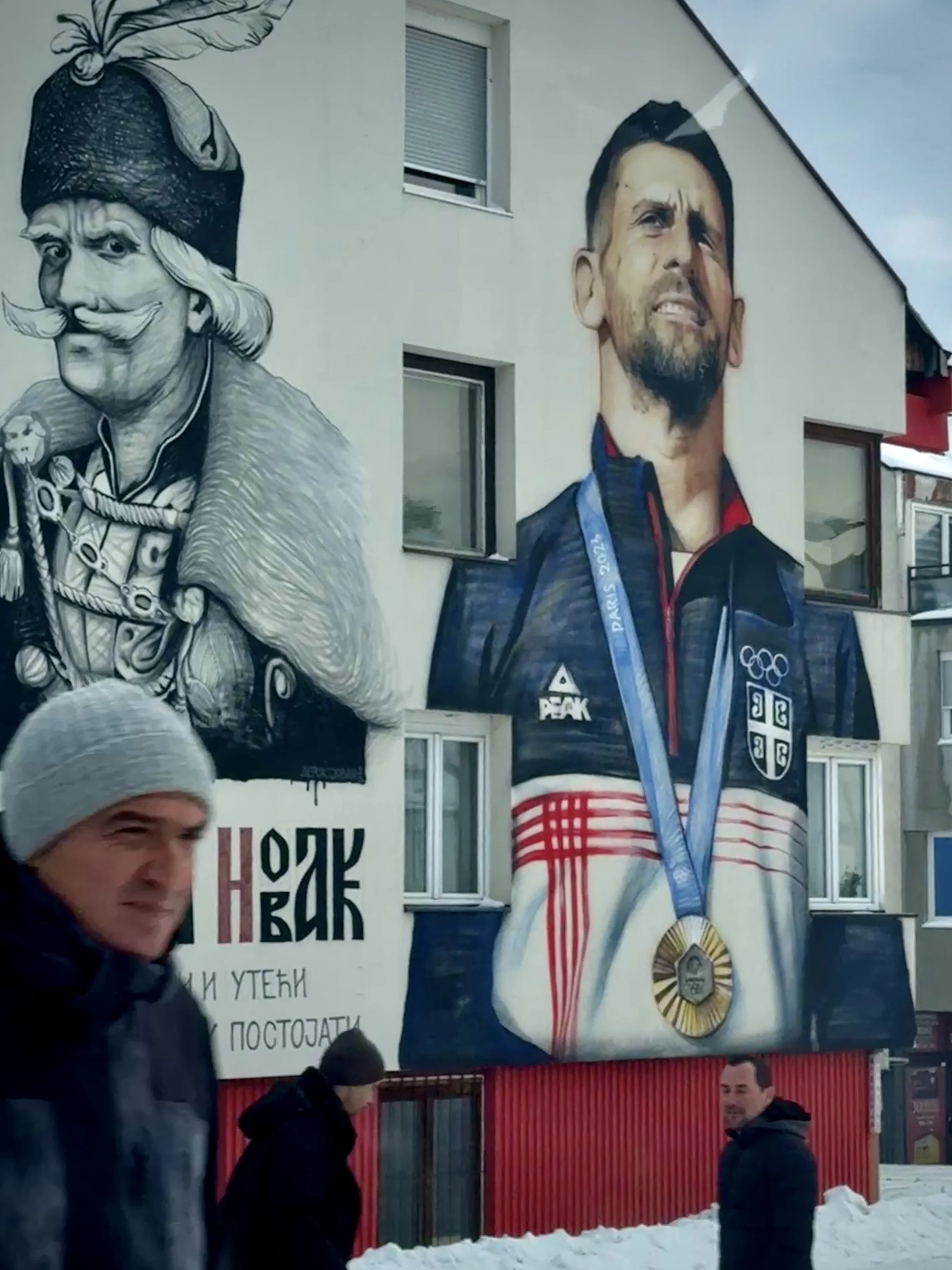
A mural in Republika Srpska, the Serb-majority entity created under the 1995 Dayton Peace Agreement. Before the war, many of these areas were ethnically mixed, home to Bosniaks, Serbs and Croats; campaigns of ethnic cleansing, killings and expulsions drastically changed the population.
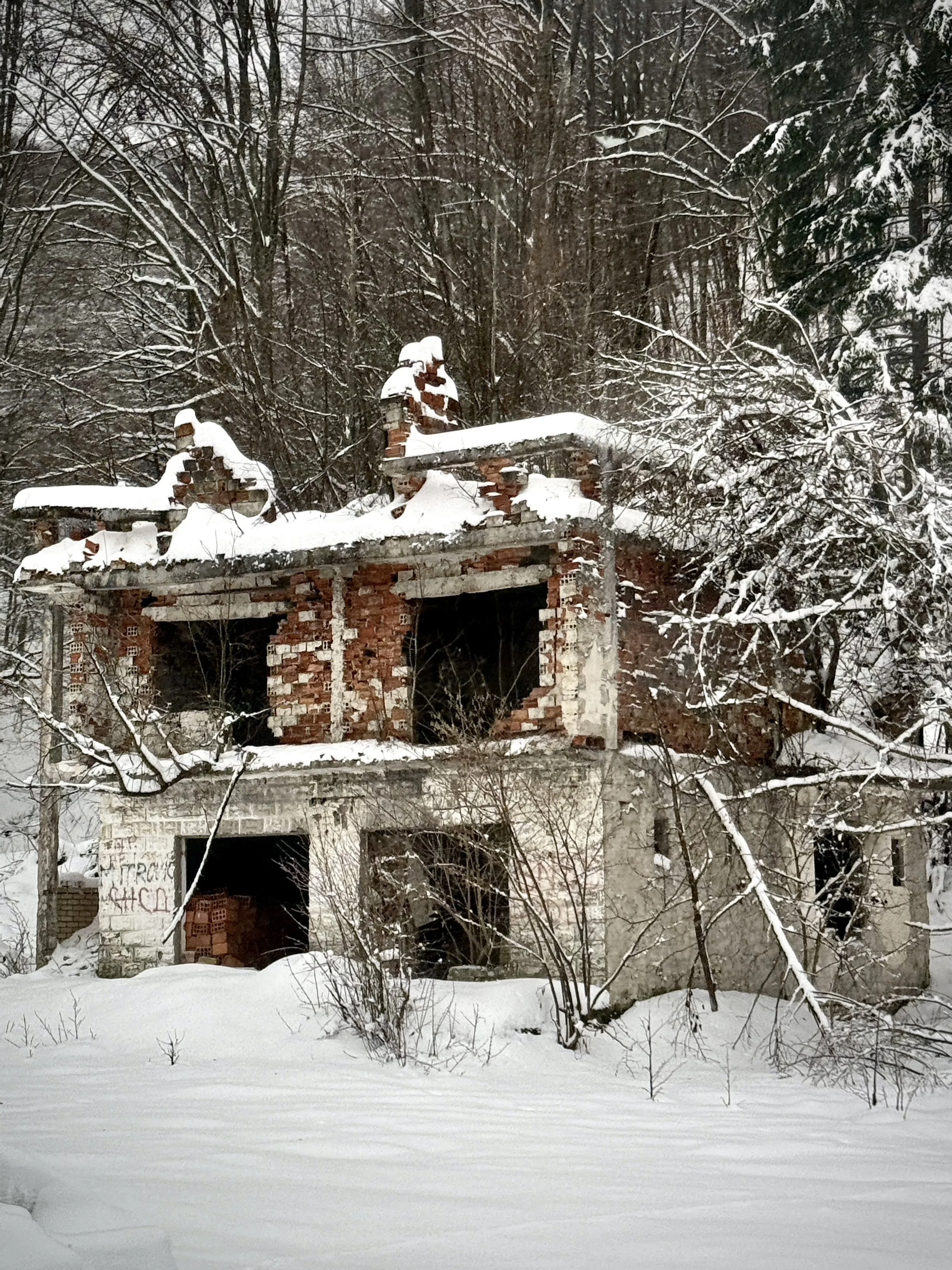
A ruined home stands in winter near Srebrenica. Across eastern Bosnia, damaged and abandoned houses remain visible reminders of displacement, killings and families who never returned.
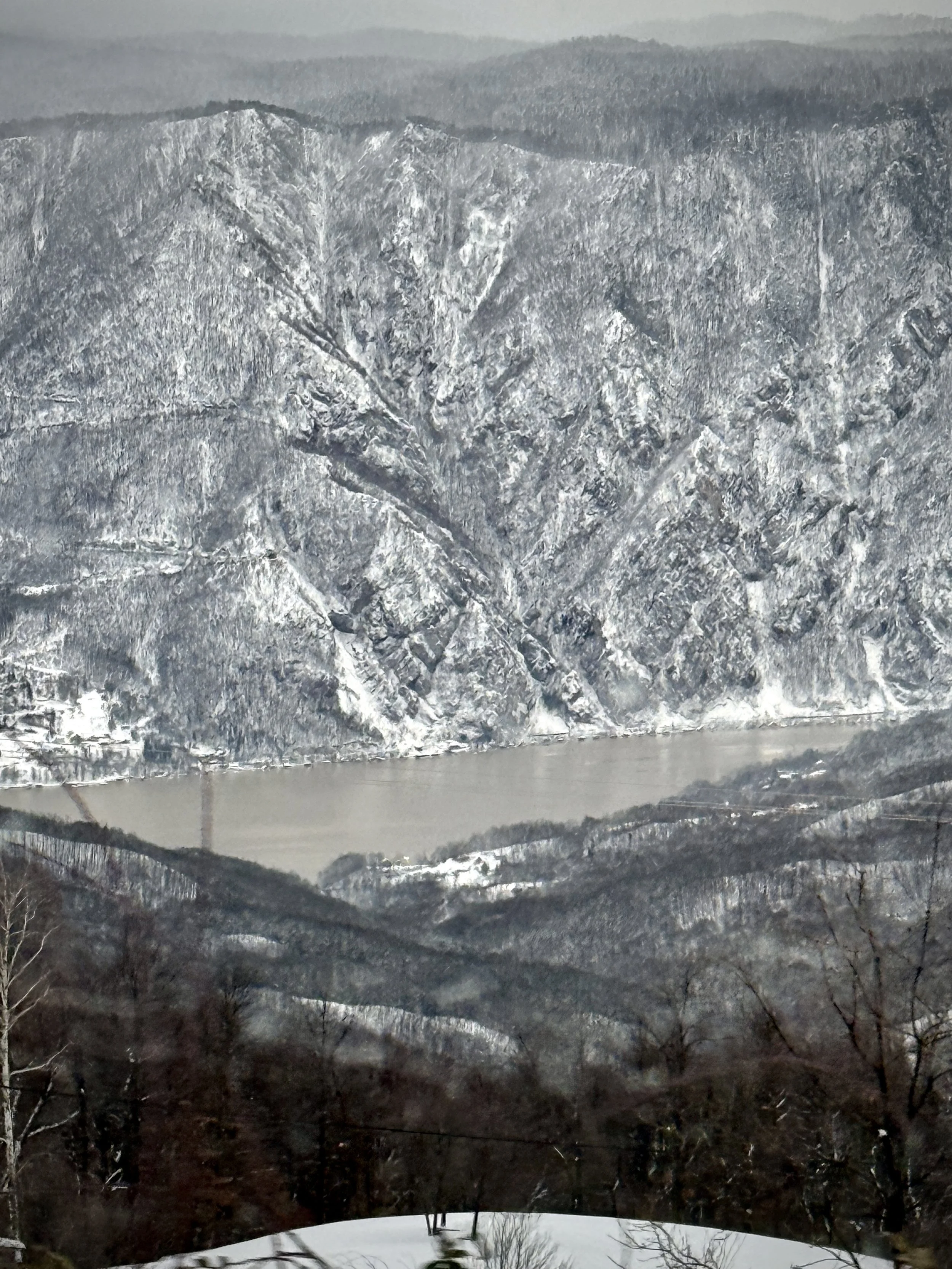
The Petkovci Dam, now a summer retreat with beaches and restaurants near the Serbian border. In July 1995, hundreds of captured Bosniak men were executed nearby after being held at the dam site, making it one of the key mass-execution locations of the genocide.
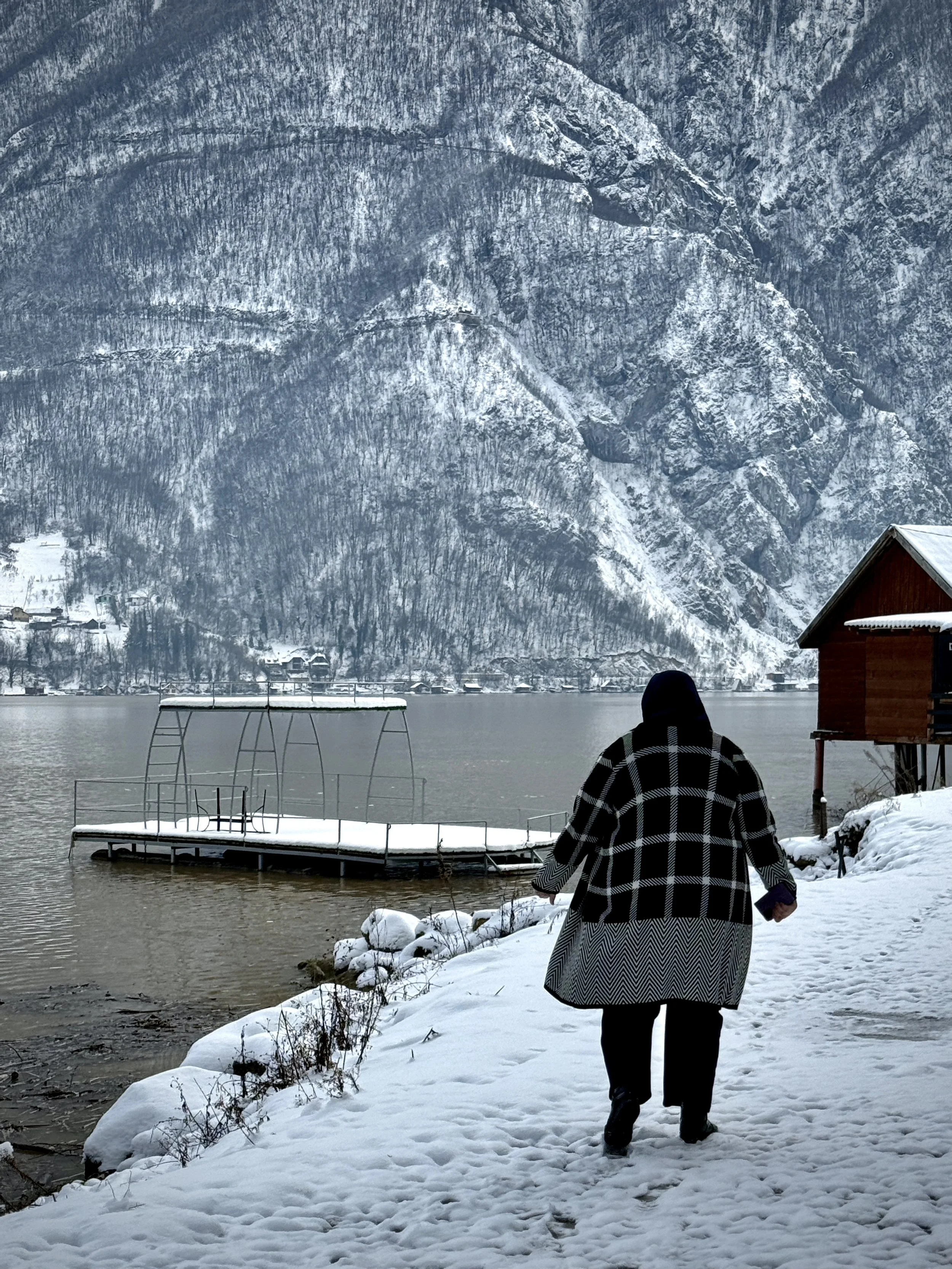
Begija Vejzović Smajić, a mathematics teacher in Srebrenica town, stands near the lake. She was twelve years old when her father was killed during the genocide. Today she speaks publicly as a survivor and works to ensure younger generations understand what happened.
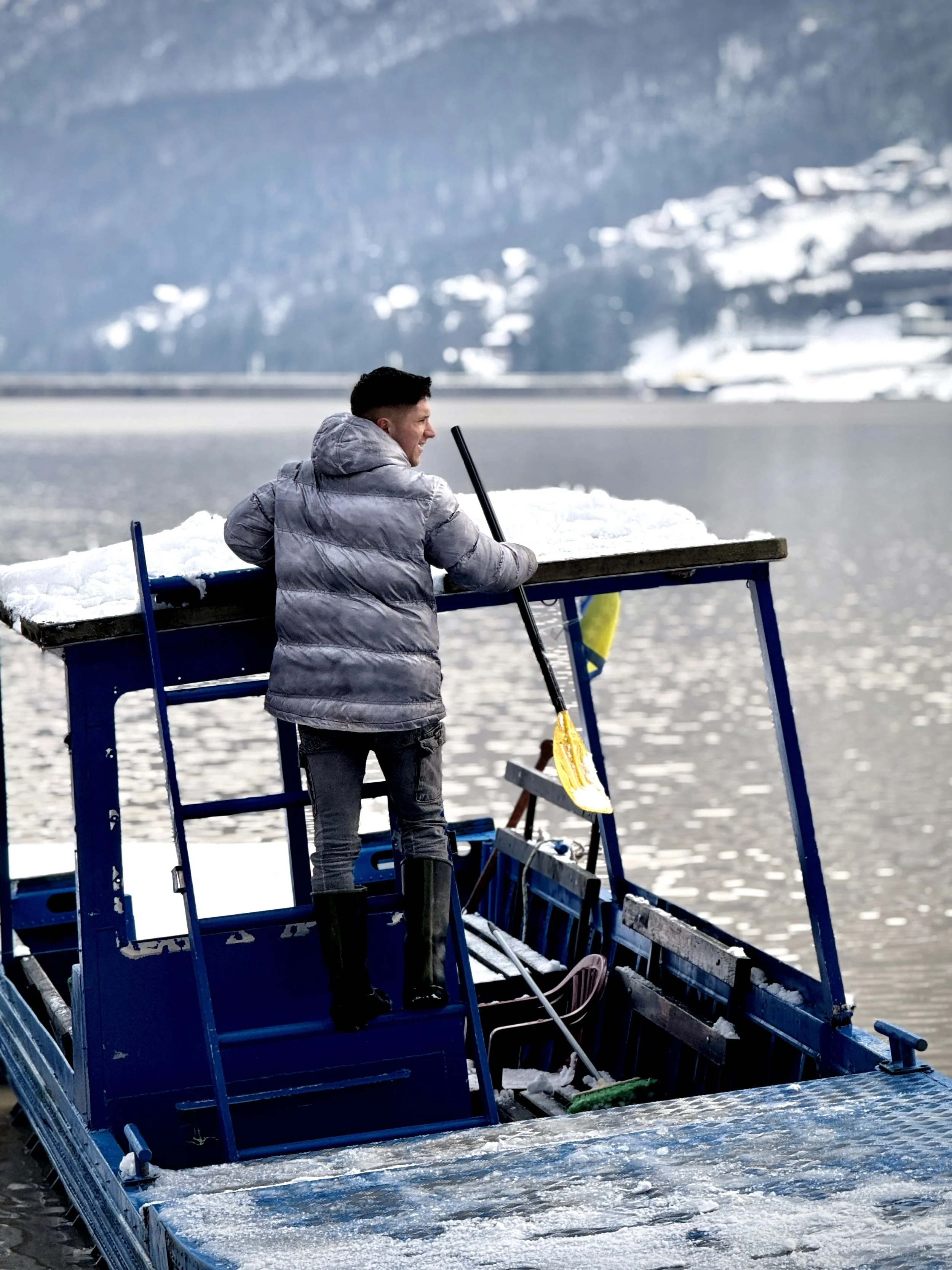
A young Bosniak boy crosses the water near Petkovci. A small Bosnian flag hangs from his boat - a silent act of identity in Republika Srpska, where Serbian flags are far more commonly displayed. He is one of Begija’s former students, part of a generation growing up in communities where the past remains deeply present but the future is still being imagined.
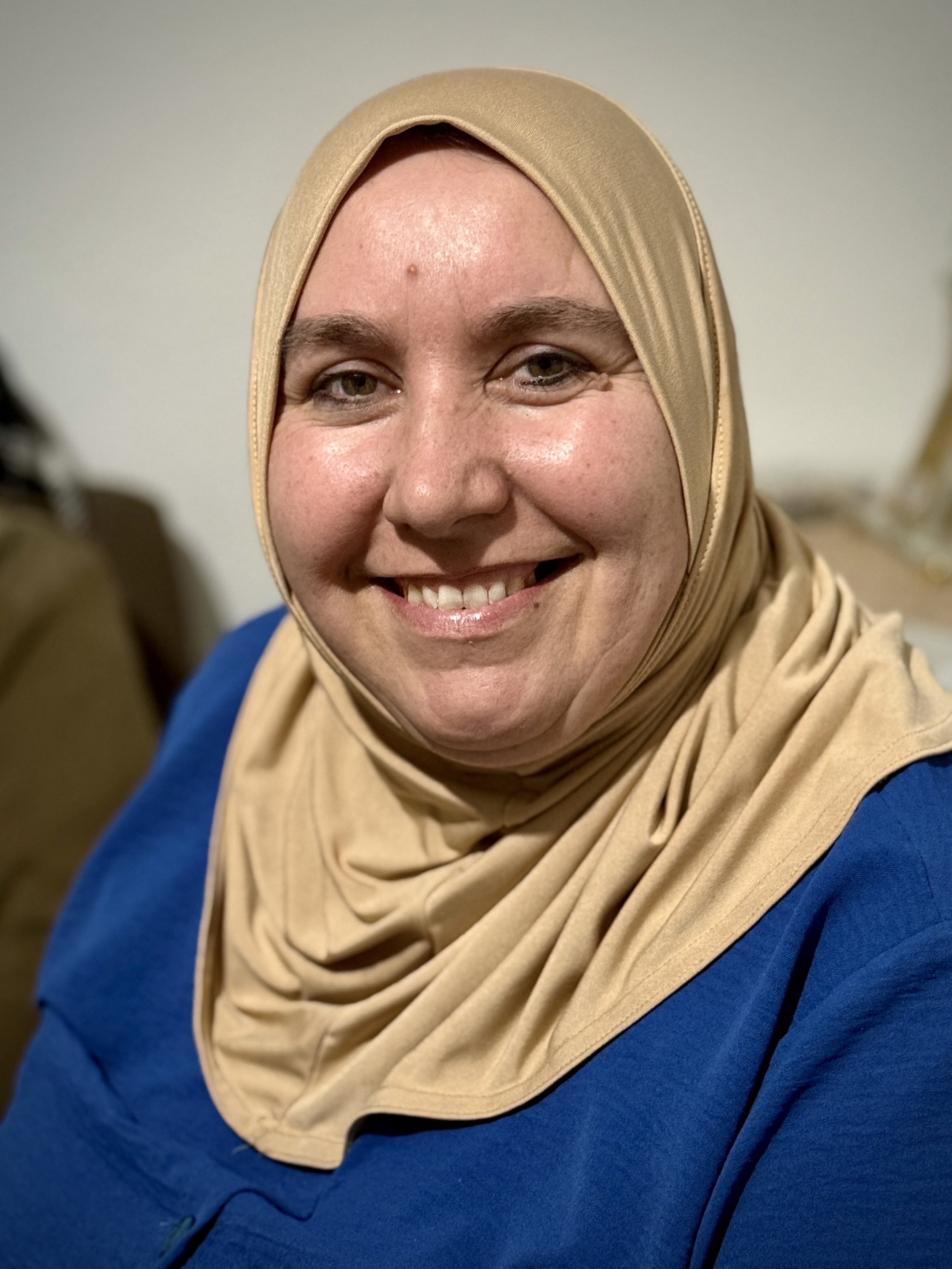
Begija Vejzović Smajić at home in Pećišta, a village a few hundred metres from Potočari. When not teaching mathematics, she visits and supports families affected by war trauma and displacement, including women raising children alone.
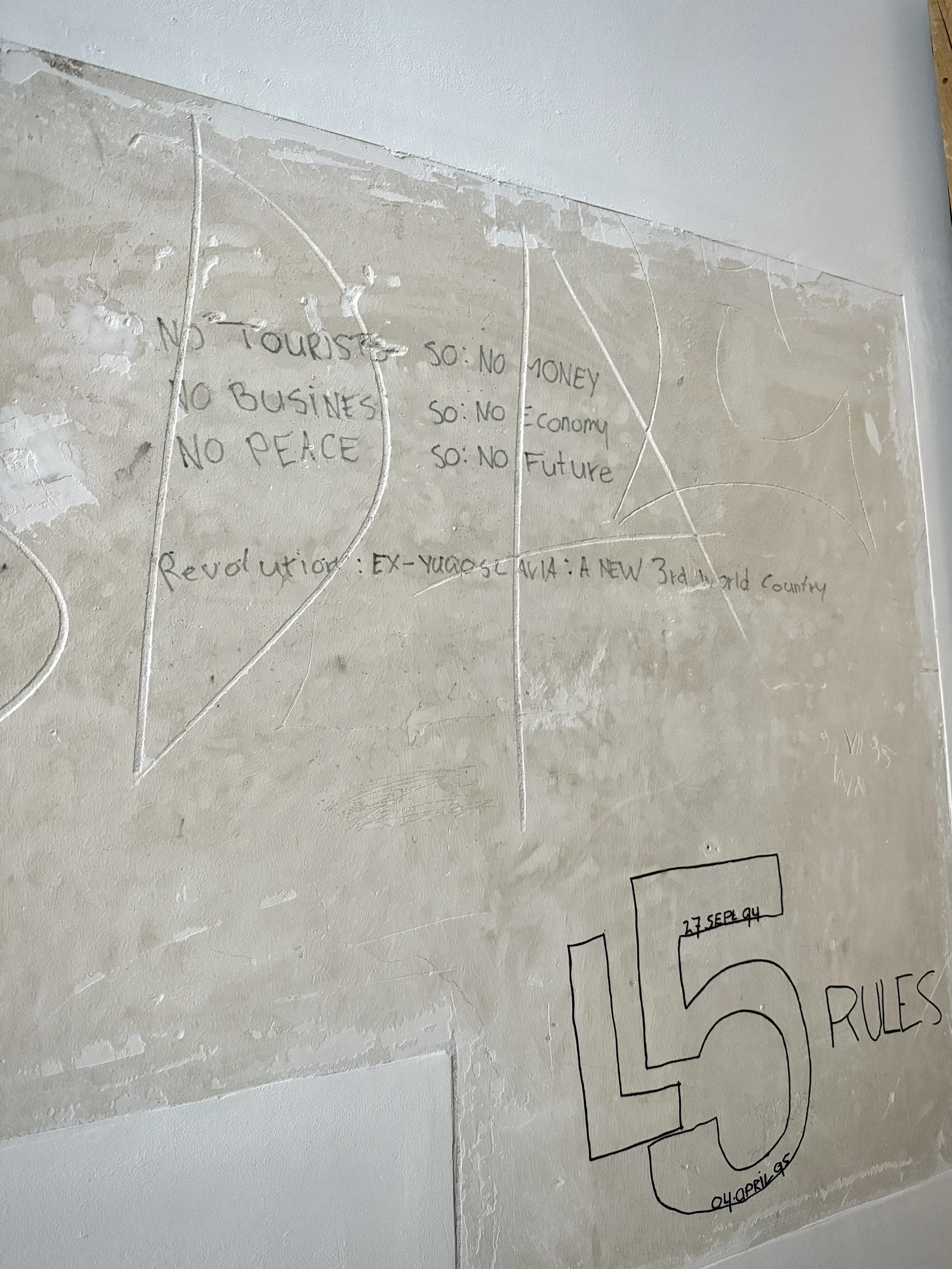
Graffiti and drawings remain on the walls of the former Dutch UN base (“Dutchbat”) at Potočari, preserved as they were in 1995. For many survivors, the site remains a symbol of an international presence that failed to act.
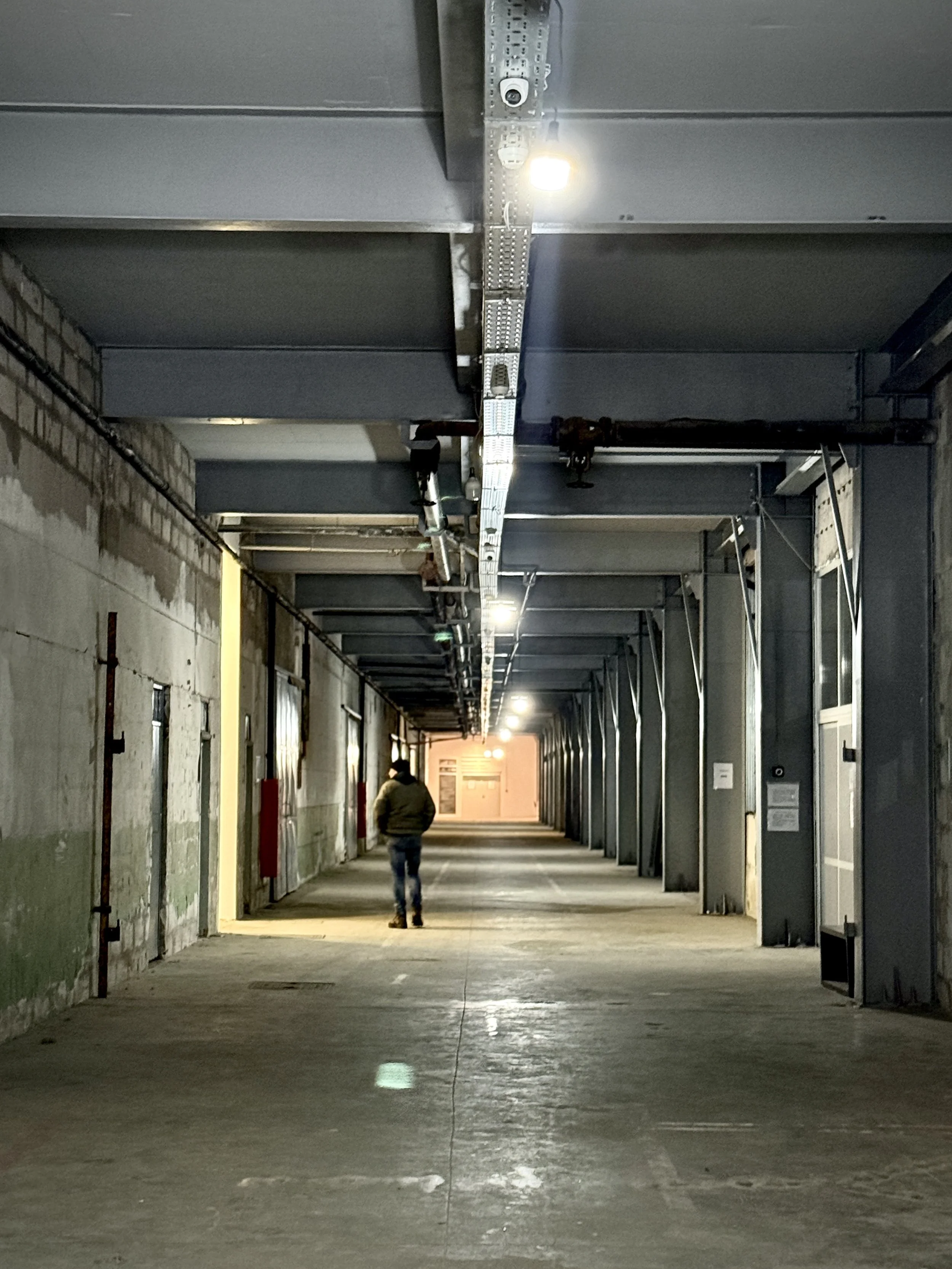
Inside the former factory halls used by Dutch UN peacekeepers. In July 1995, more than 20,000 displaced Bosniaks gathered nearby hoping the UN presence would offer protection; many were later separated, forced onto buses or killed.
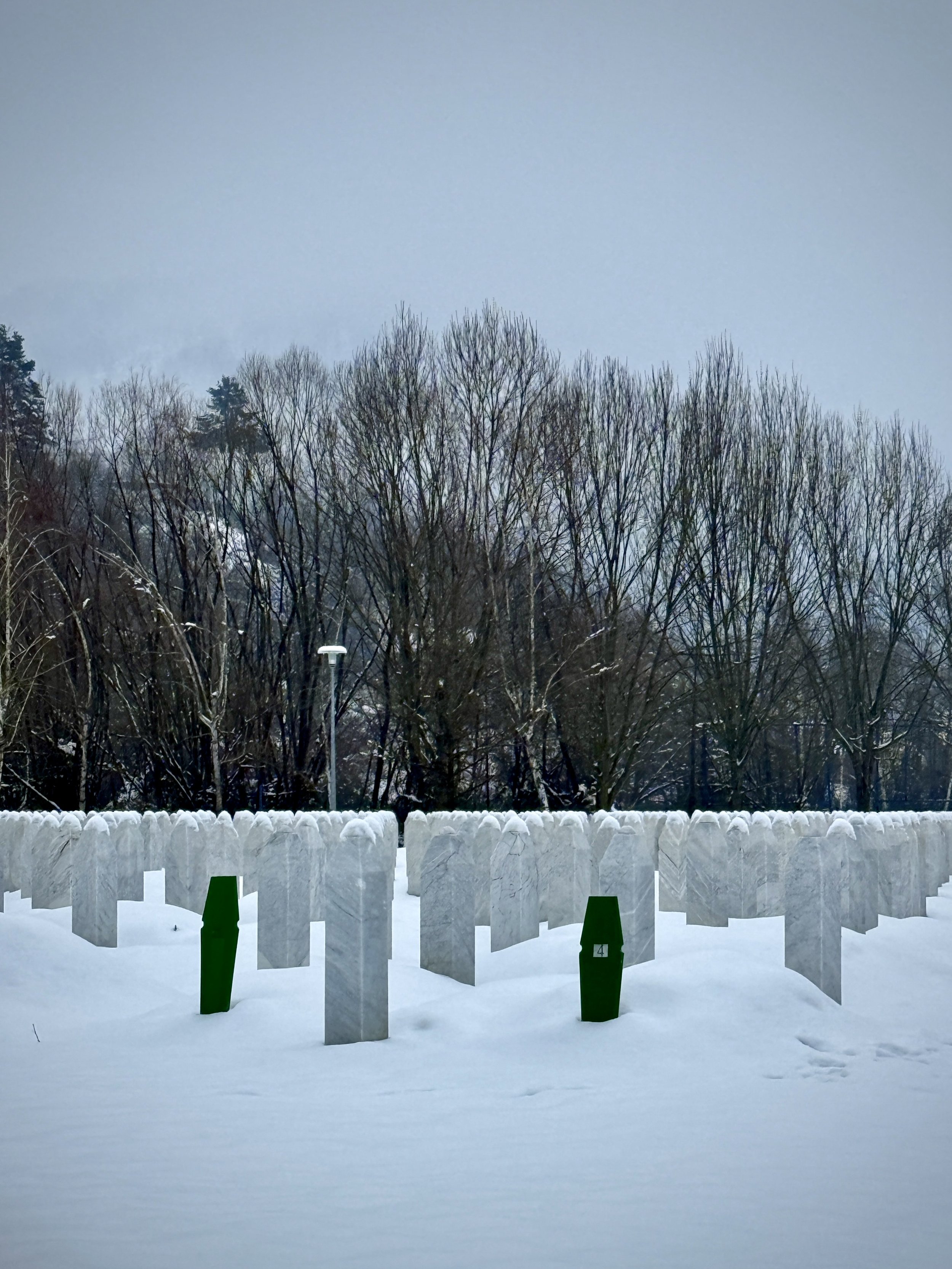
Rows of graves at the Srebrenica–Potočari Memorial Centre, where more than 8,000 victims of the genocide are buried. The green grave markers indicate newly identified remains or forthcoming burials, a reminder that thirty years later families are still laying loved ones to rest.
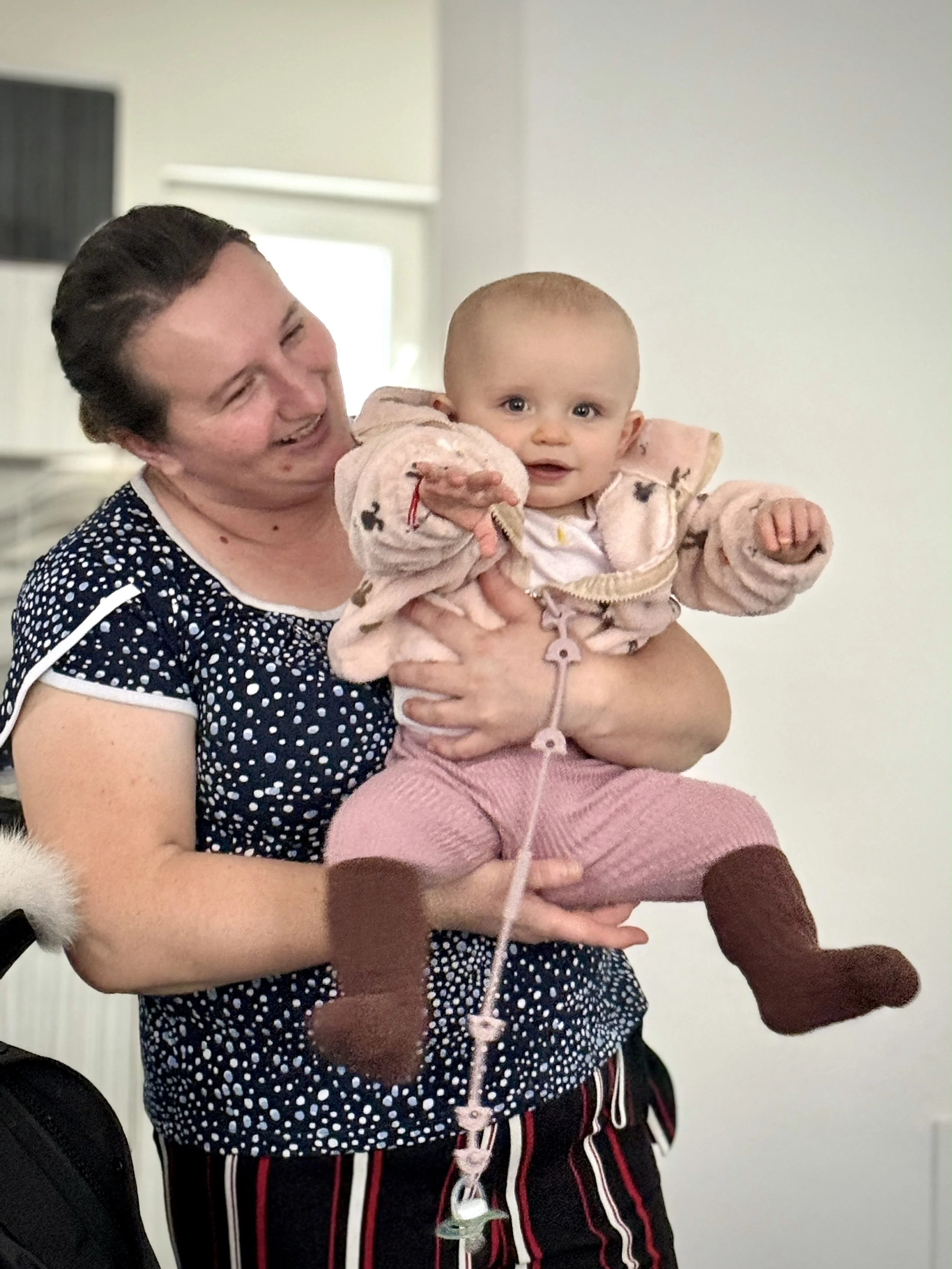
Mirnesa Delić at her home near Srebrenica. She was detained as a child in Sušica, where Bosnian Serb forces ran a camp in 1992 in which thousands of Bosniaks were imprisoned, abused and tortured. She now raises her family in eastern Bosnia.
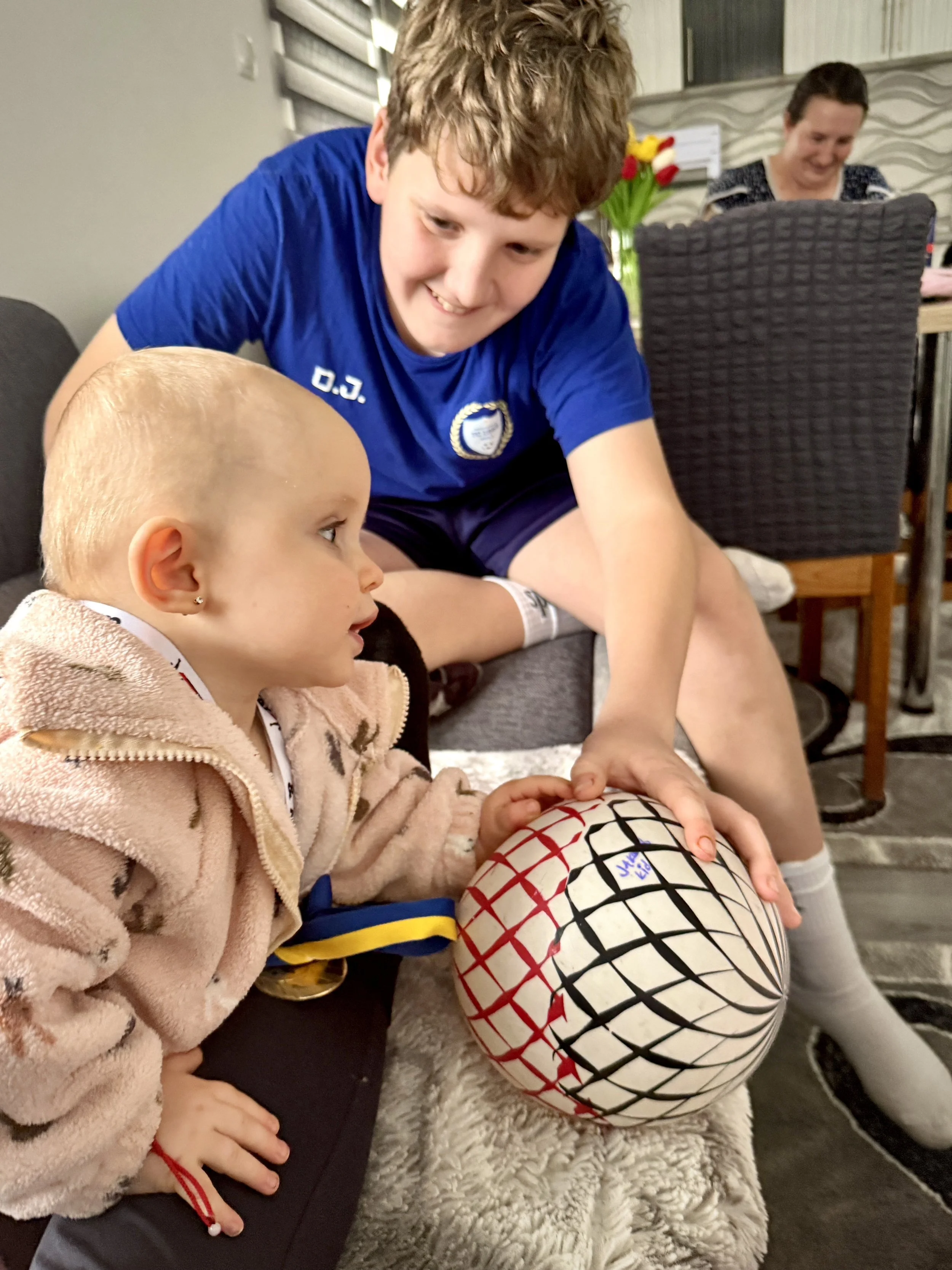
Mirnesa’s son plays at home and dreams of becoming a professional footballer. He knows the history that shaped his family and belongs to a generation growing up with inherited memory and their own ambitions.
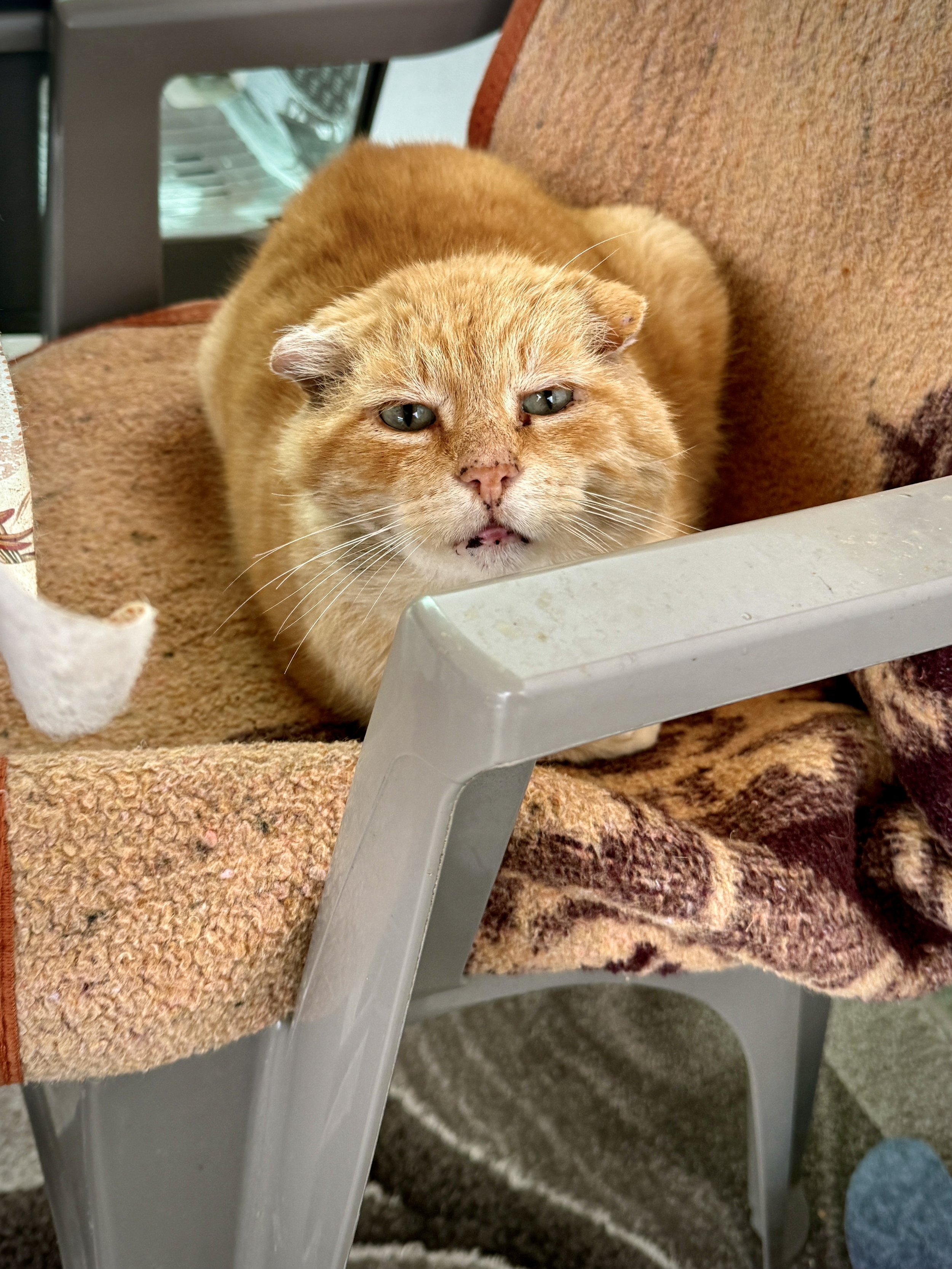
Žućko, Mirnesa’s cat, sits by the front door in the cold. His name means “yellow” or “ginger”; he lost his ears to foxes. The image marks the transition from the outside world into the warmth of the family home.
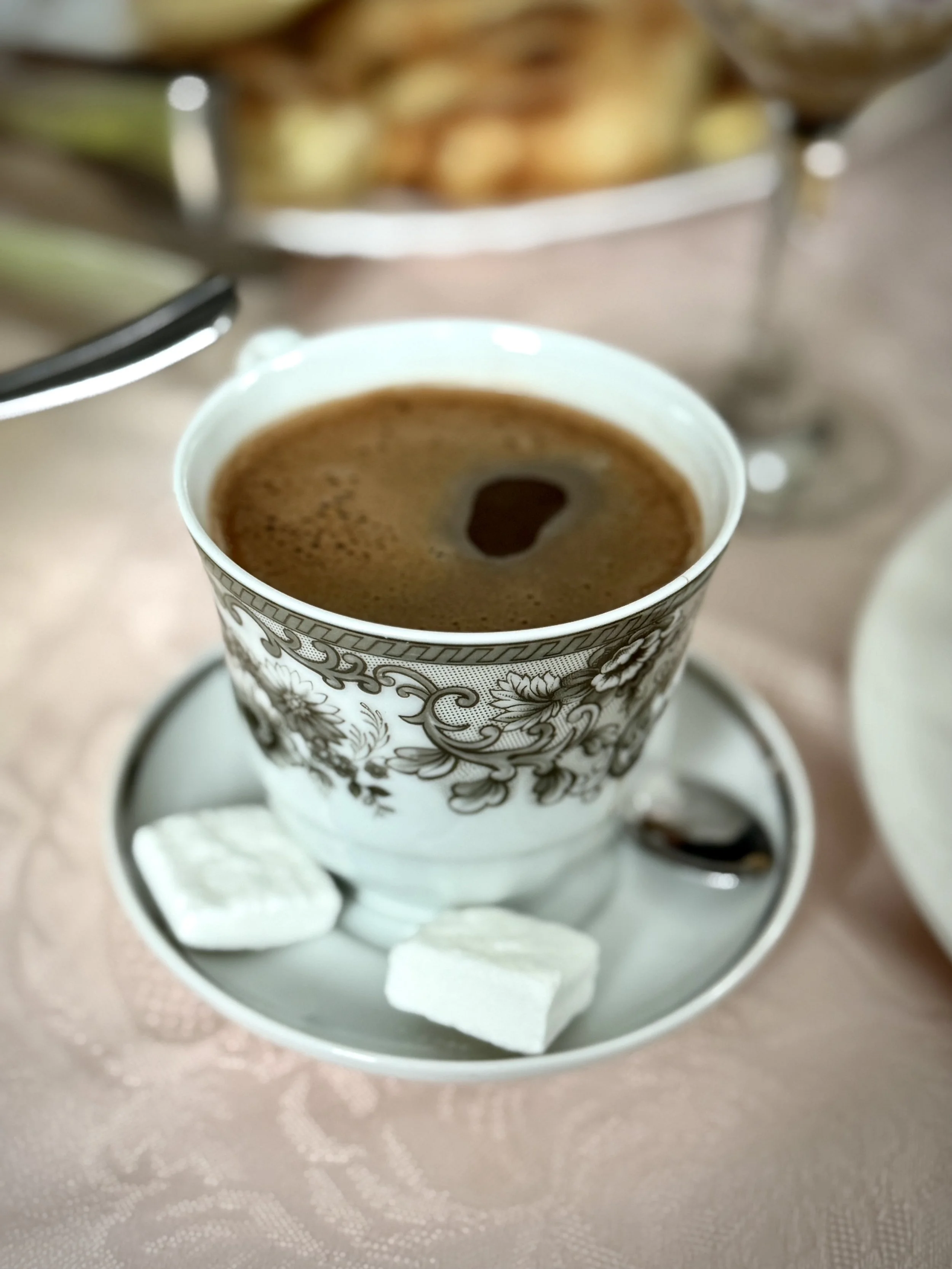
Bosnian coffee is served during a family visit. Hospitality remains a deeply rooted ritual in homes shaped by war, loss and survival.