Thirty years after the genocide in Bosnia, Saliha Osmanović lives alone in the family home where she once lived with her husband, Ramo, and their sons, Edin and Nermin, all of whom were killed during the Srebrenica genocide in July 1995. Their photographs remain on the walls, their memories woven into every room, while the routines of daily life continue in the spaces they once shared.
This series moves beyond the events of July 1995 to document what comes after. Through portraits, family photographs, handwritten memories, a packet of cigarettes left on the table, meals prepared in the kitchen, knitting in the living room, and the home she rebuilt after the war, the photographs explore how grief becomes part of everyday life. They reflect the permanence of loss, and the resilience required to continue living with it.
Saliha later testified before the International Criminal Tribunal for the former Yugoslavia, helping document the crimes committed during the genocide. Today, her story continues through her testimony, and through the ordinary moments that fill a home where absence remains a constant presence.
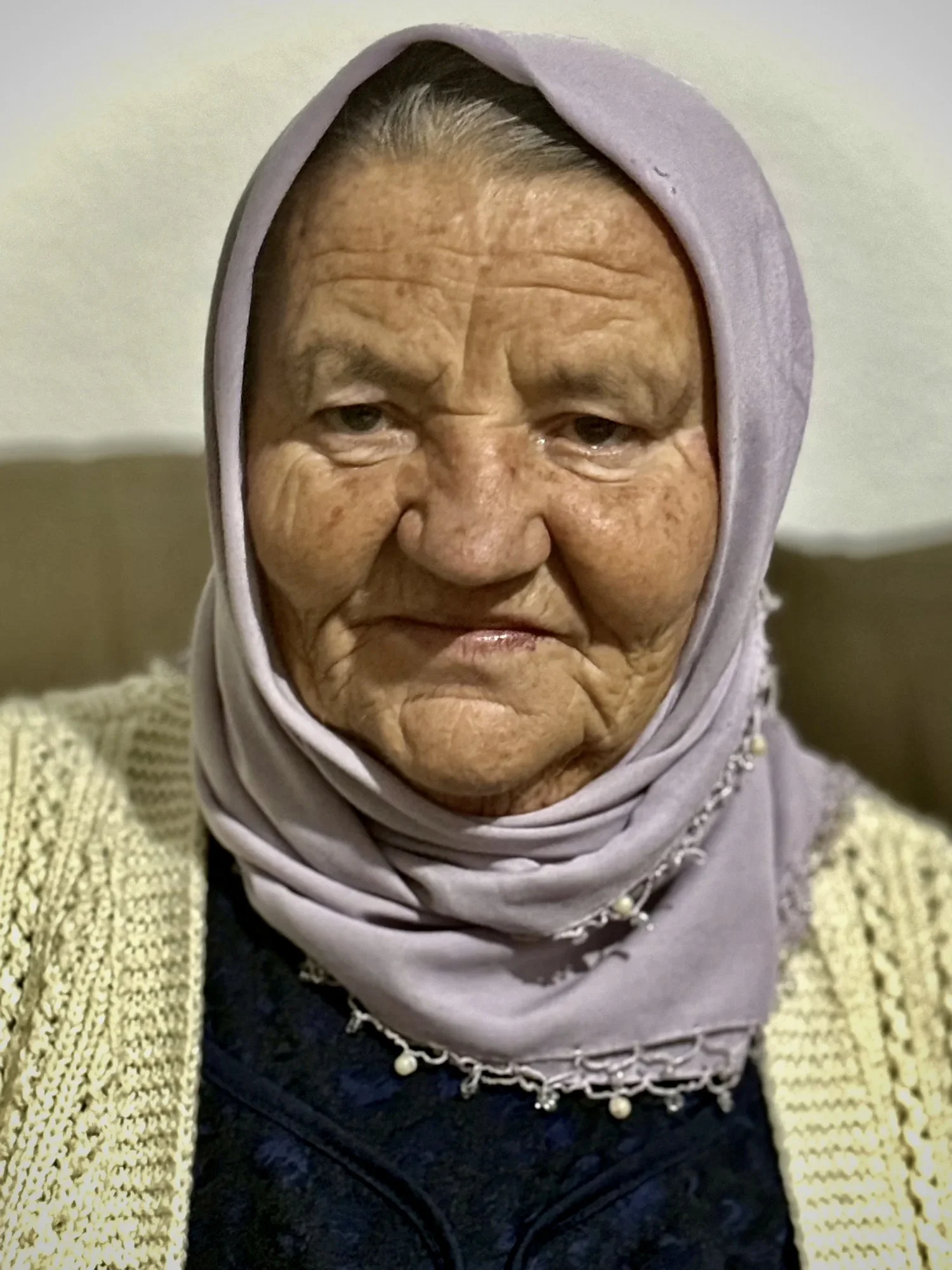
Saliha Osmanović at her home in Dobrak, Bosnia and Herzegovina, in 2025. Thirty years after the Srebrenica genocide, she lives alone in the house where she once lived with her husband Ramo and sons Nermin and Edin. “You are all my children now,” she said of those who come to visit.
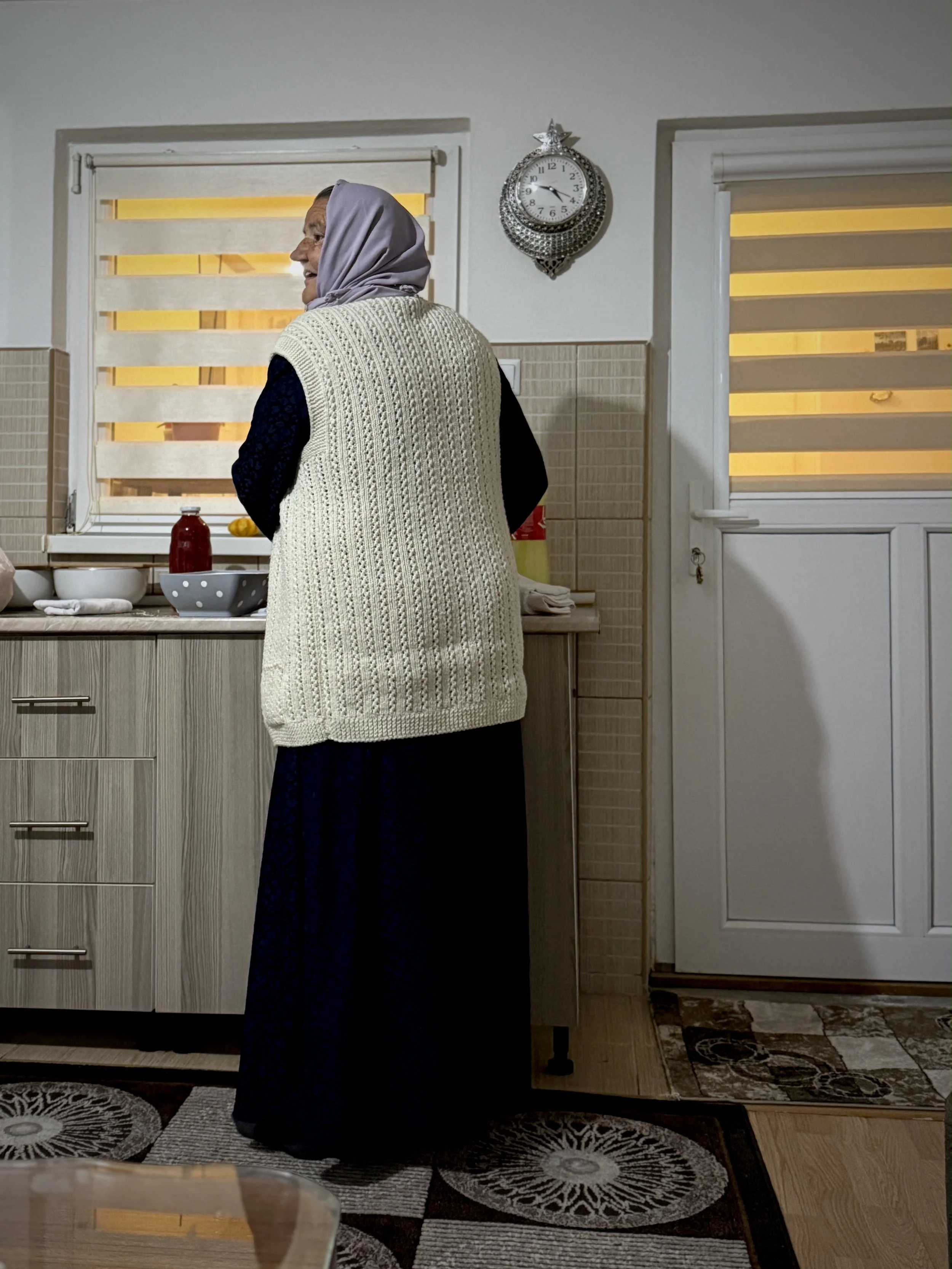
Saliha Osmanović in the kitchen of her home in Dobrak, Bosnia and Herzegovina. The routines of cooking, cleaning and preparing meals continue in a house shaped by memory and absence.
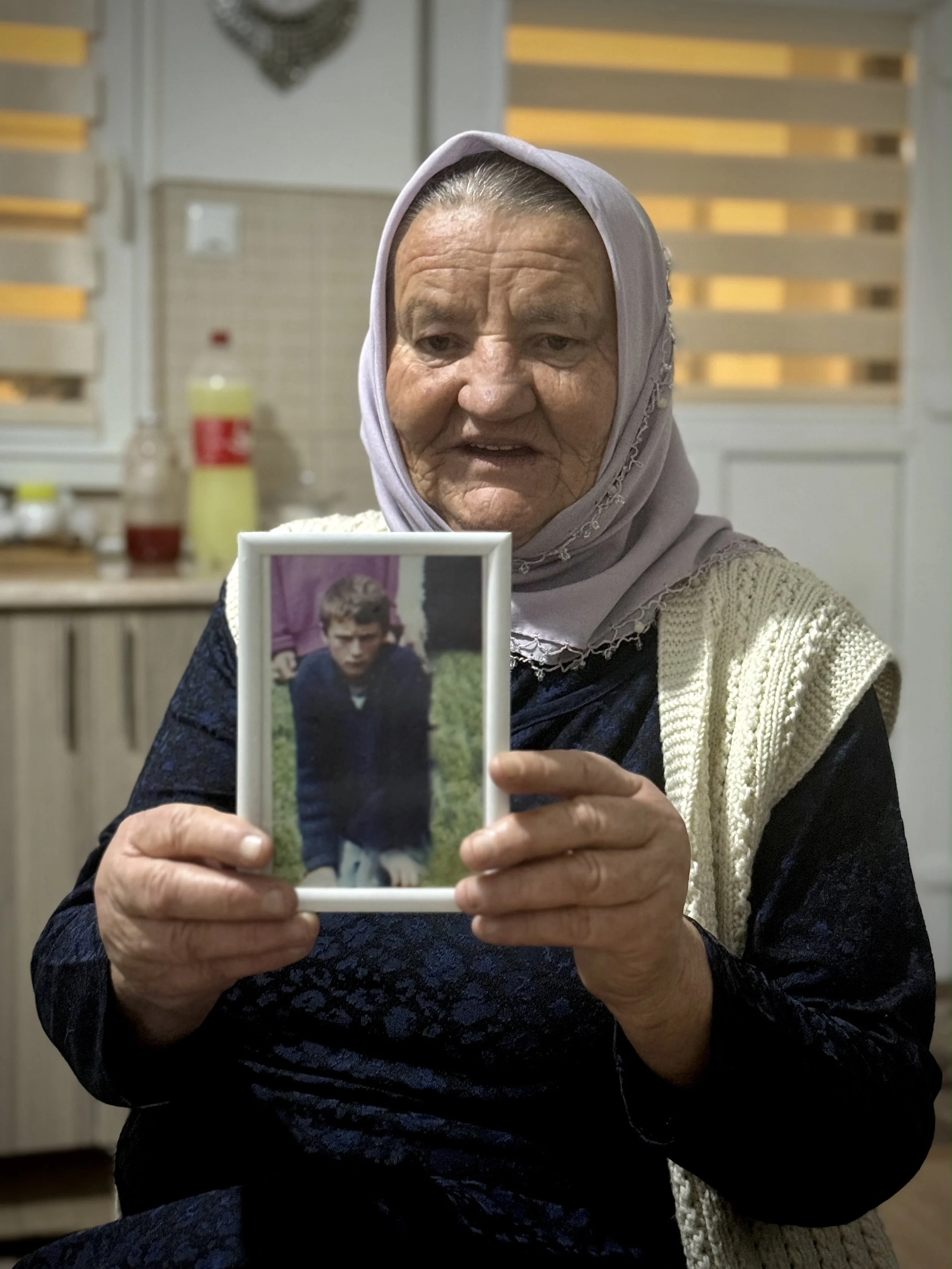
Saliha Osmanović holding a photograph of one of her murdered sons at her home in Dobrak, Bosnia and Herzegovina. Her youngest son Edin was killed during the shelling of Srebrenica in July 1995. Days later, her husband Ramo and elder son Nermin were captured and murdered.
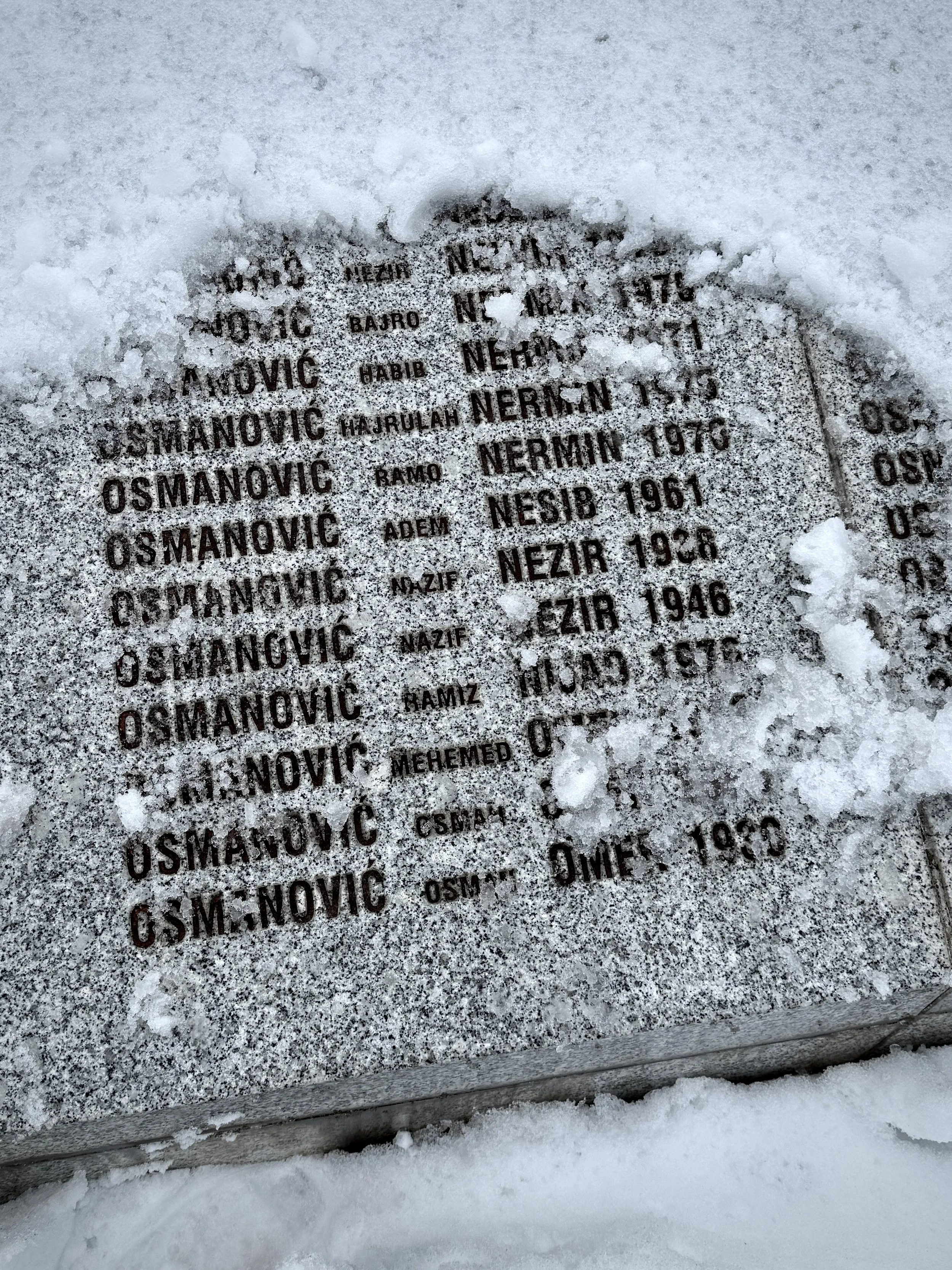
The names of Saliha Osmanović’s husband, Ramo, and sons, Ermin and Nermin, at the Srebrenica-Potočari Memorial Centre. Thirty years after the genocide, she still speaks of them in the present tense.
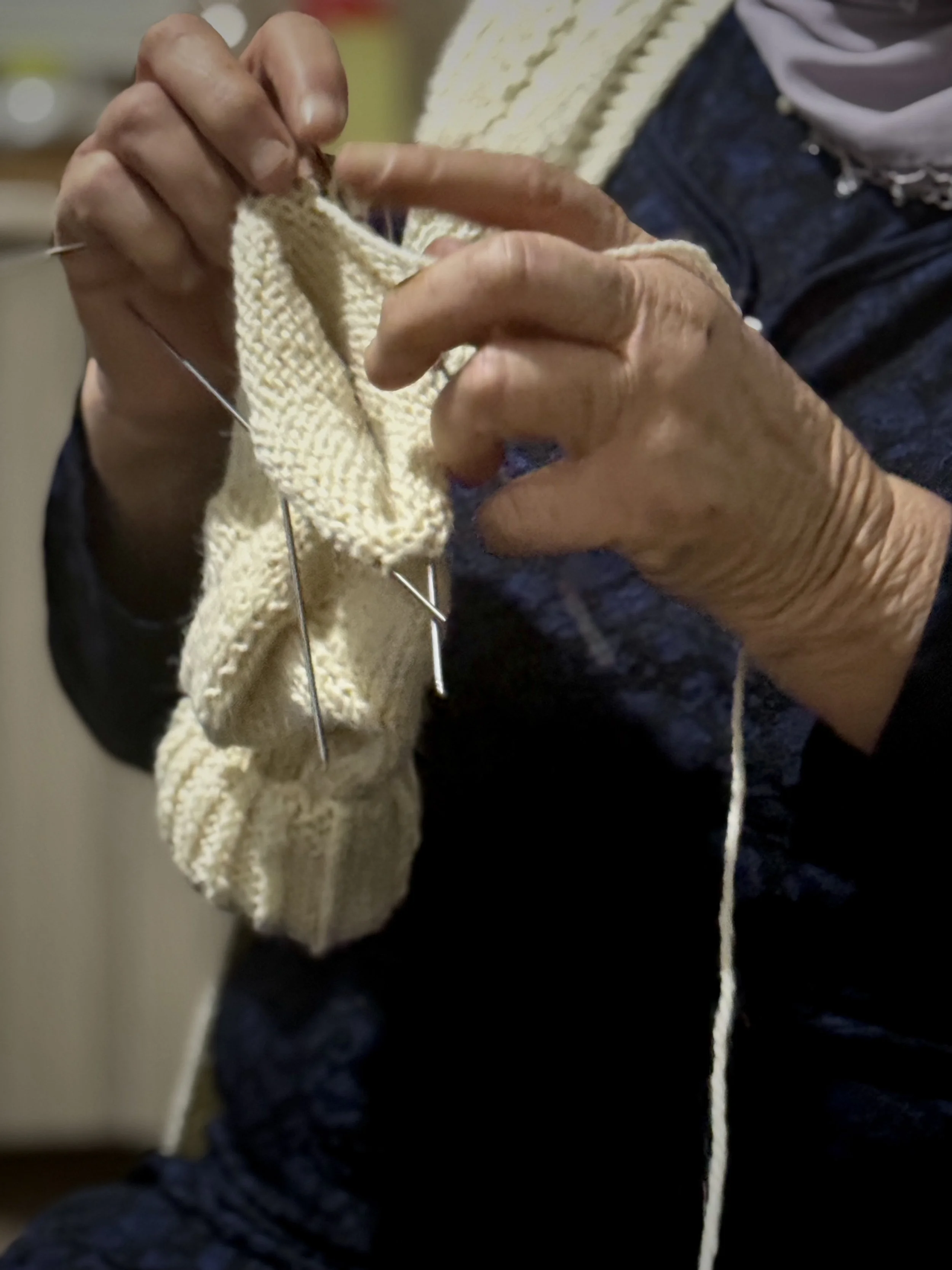
The hands of Saliha Osmanović knitting at home in Dobrak, Bosnia and Herzegovina. She knits winter socks to help make ends meet. Each pair takes several days to complete, filling long hours with routine and work.

Bread prepared by Saliha Osmanović in her kitchen in Dobrak, Bosnia and Herzegovina. She welcomed visitors with food and coffee, acts of hospitality that continue despite decades of loss and solitude.
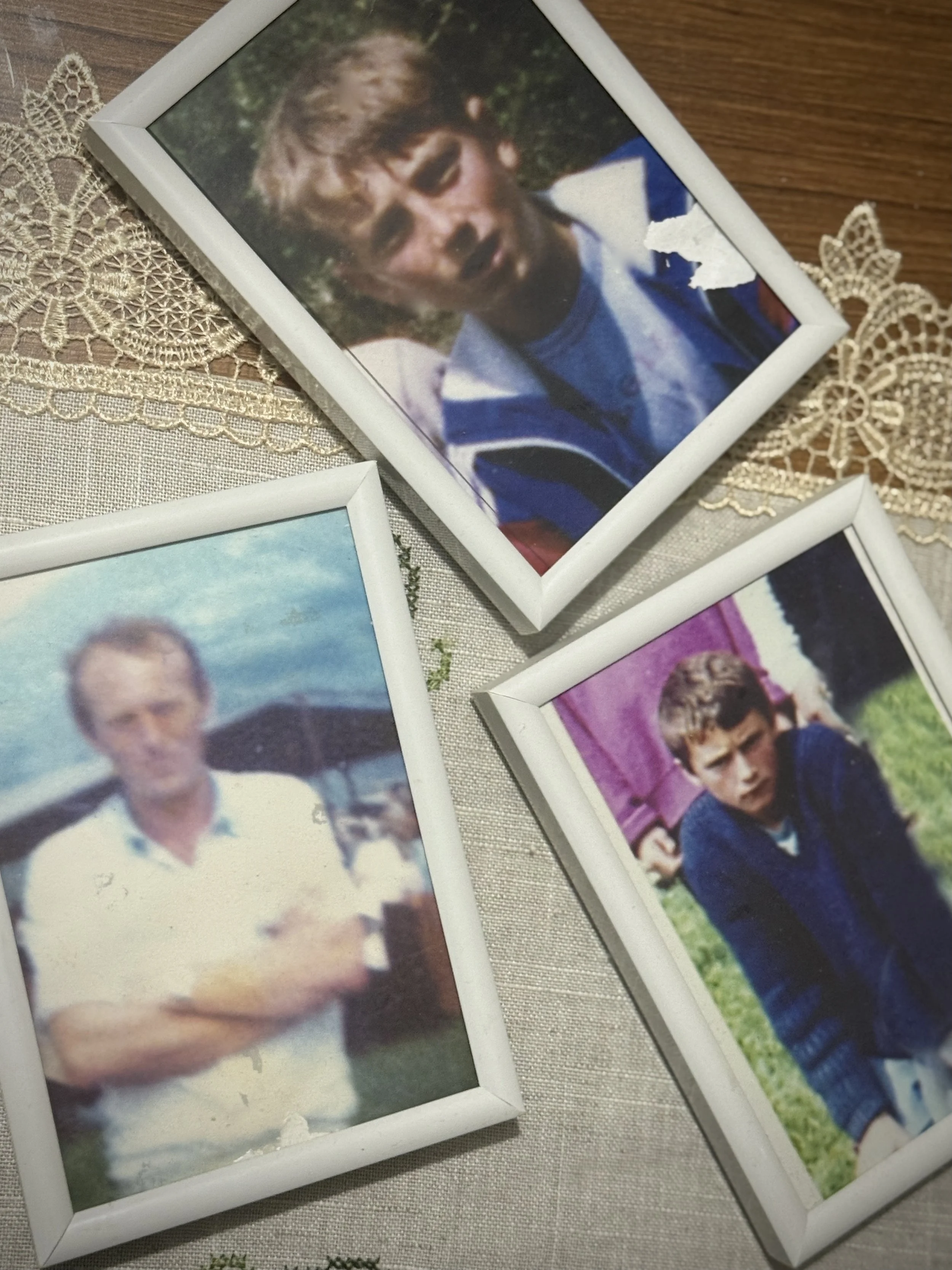
Family photographs in the home of Saliha Osmanović in Dobrak, Bosnia and Herzegovina. Many of the images date from before 1995 and are among the few photographs she has left of her husband and sons.
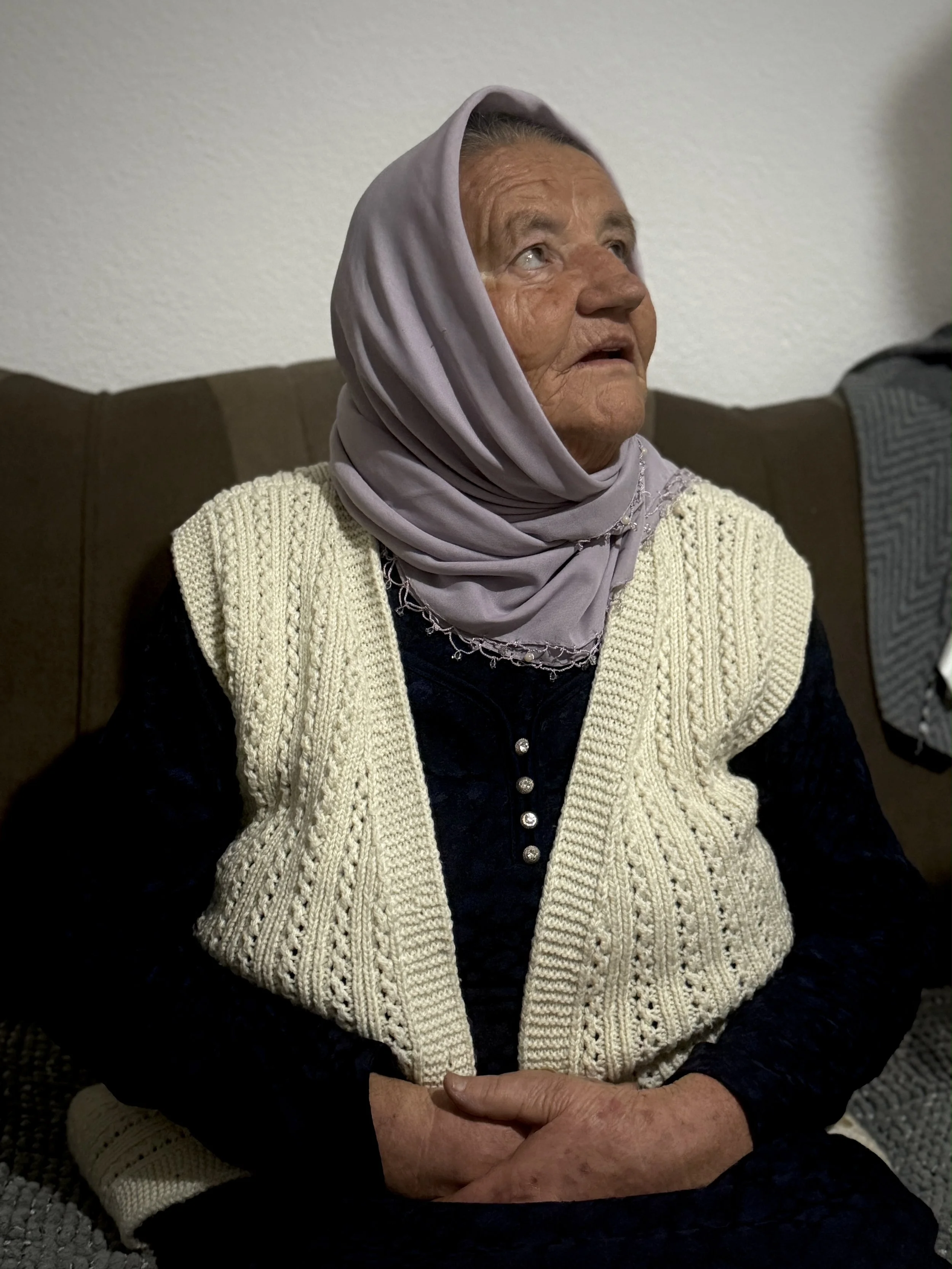
Saliha Osmanović seated in her living room in Dobrak, Bosnia and Herzegovina. “I lost two sons and a husband. I returned here alone,” she said. She chose to come back because living there keeps her closest to them.
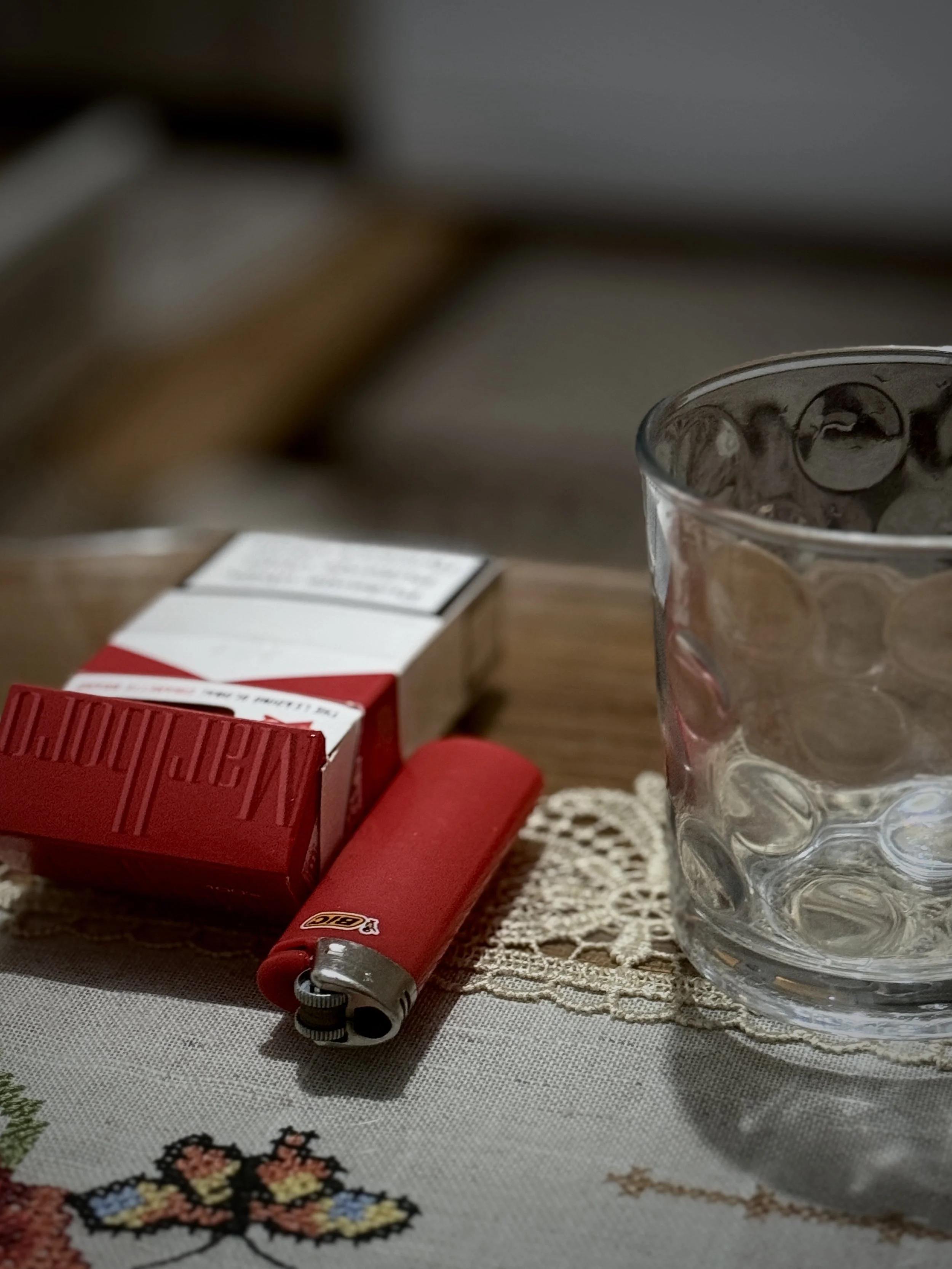
Cigarettes and a glass on the table in the home of Saliha Osmanović in Dobrak, Bosnia and Herzegovina. Without her family around her, she said cigarettes have become her daily companions.
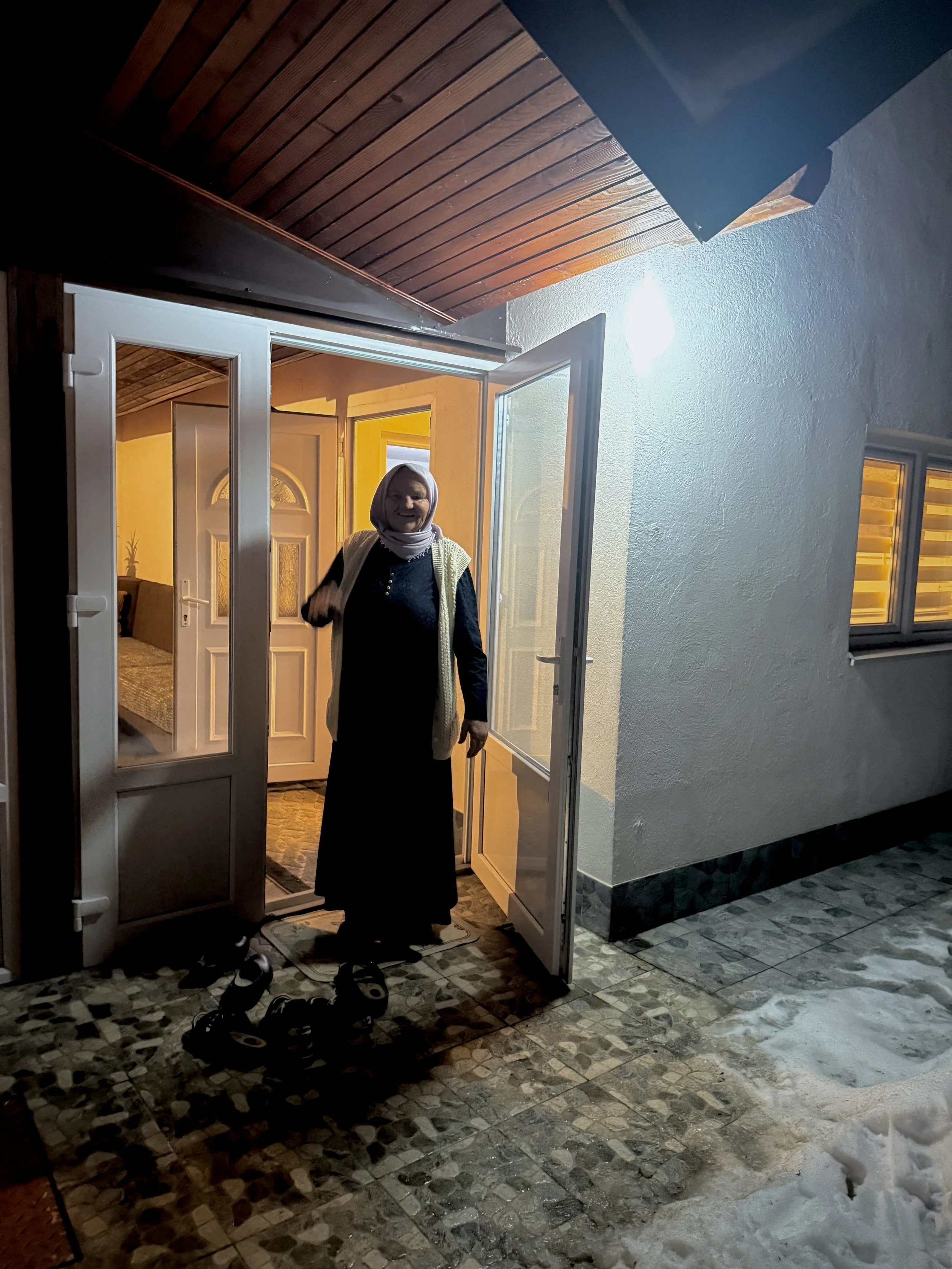
Saliha Osmanović standing in the doorway of her home in Dobrak, Bosnia and Herzegovina, on a winter evening. She returned to the family house after the war, saying she felt closer to her husband and sons there, and could still dream of them coming home.
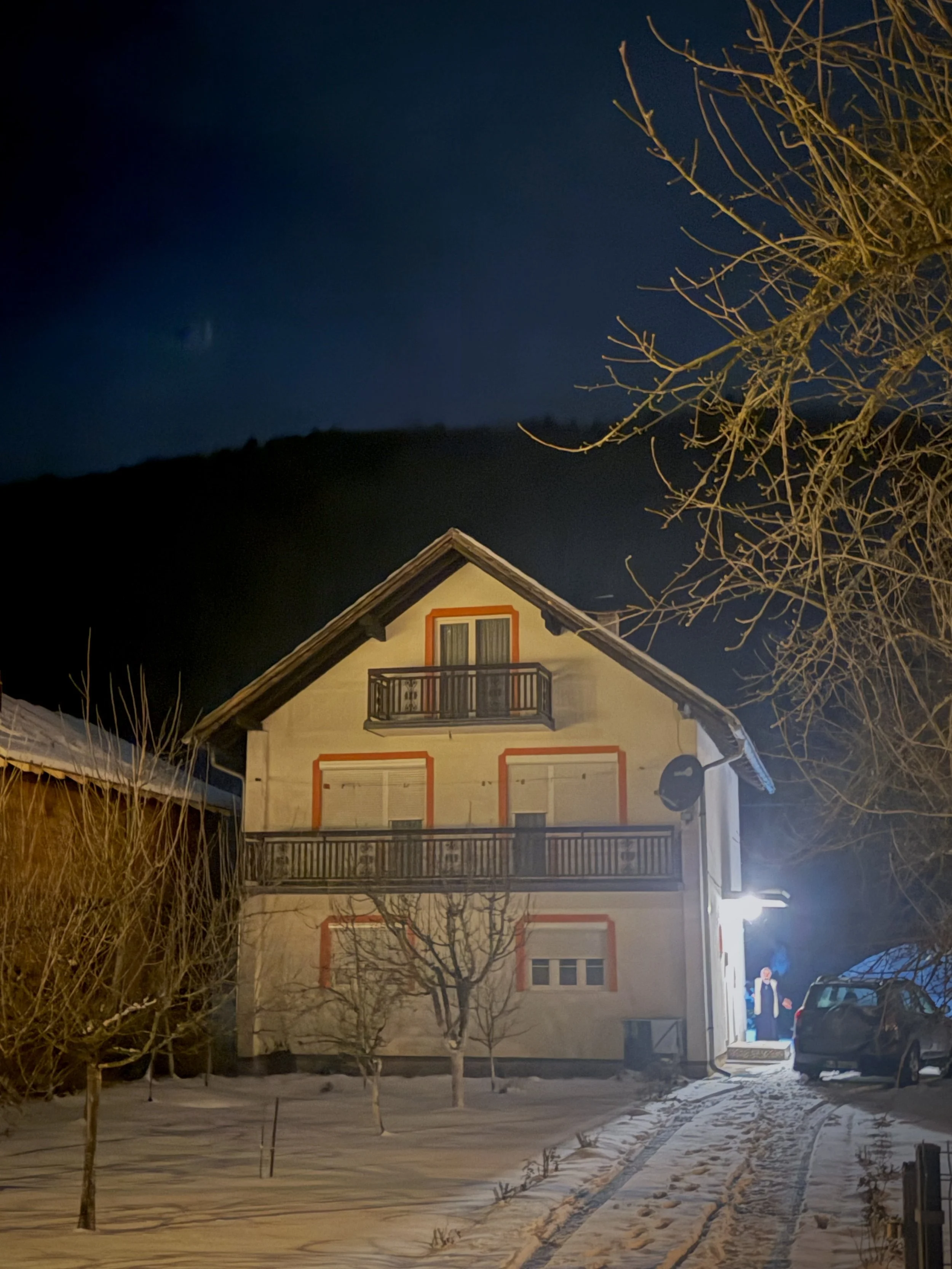
The home of Saliha Osmanović in Dobrak, Bosnia and Herzegovina. Thirty years after the genocide, she remains in the house where her family once lived together. “Life goes on. It cannot be changed,” she said.