At seven years old, Evariste fled Burundi after relatives allegedly tried to sell him because of his albinism. In parts of East Africa, people with albinism are still targeted by traffickers and killers who believe their body parts bring wealth and luck.
By 15, he had reached Kakuma refugee camp in northern Kenya, where he said he was the only person with albinism living inside the settlement. Safe inside a protected compound, he remained fearful beyond its walls.
Yet Evariste was not defined only by danger. He was also a teenager: stylish, musical, playful, dancing with friends and searching for belonging in exile.
This series follows the tension between threat and youth; a boy marked by superstition, trying to live an ordinary life.

Evariste, 15, places a hand over the rosary he wears inside the Safe Haven compound in Kakuma refugee camp. Faith remained one of the few constants after fleeing Burundi.

Evariste poses inside Kakuma refugee camp. He fled Burundi as a child after relatives allegedly tried to sell him because of his albinism.
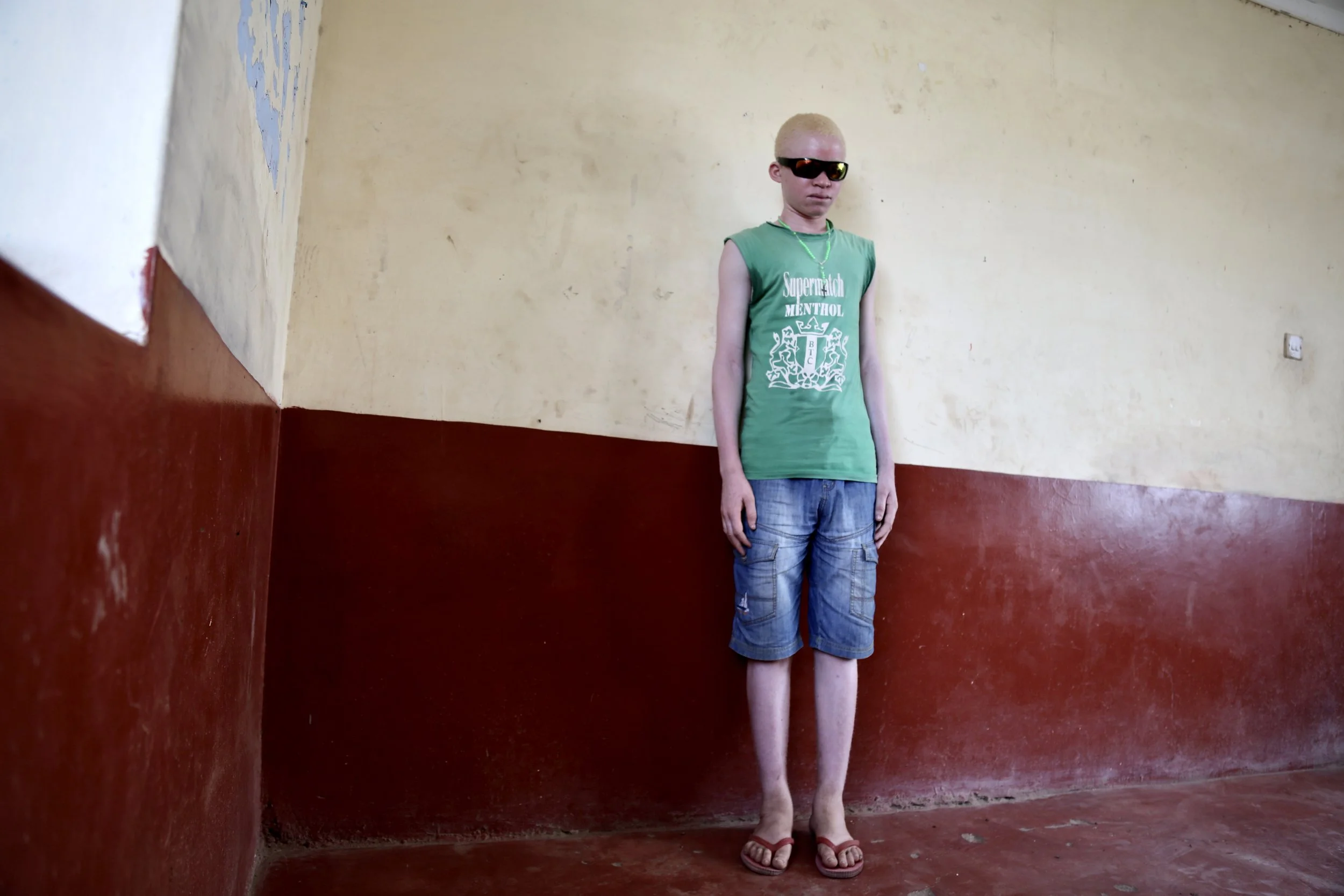
Inside the protection compound, Evariste waits through long days of uncertainty. Outside the walls, he said he feared harassment and abduction.
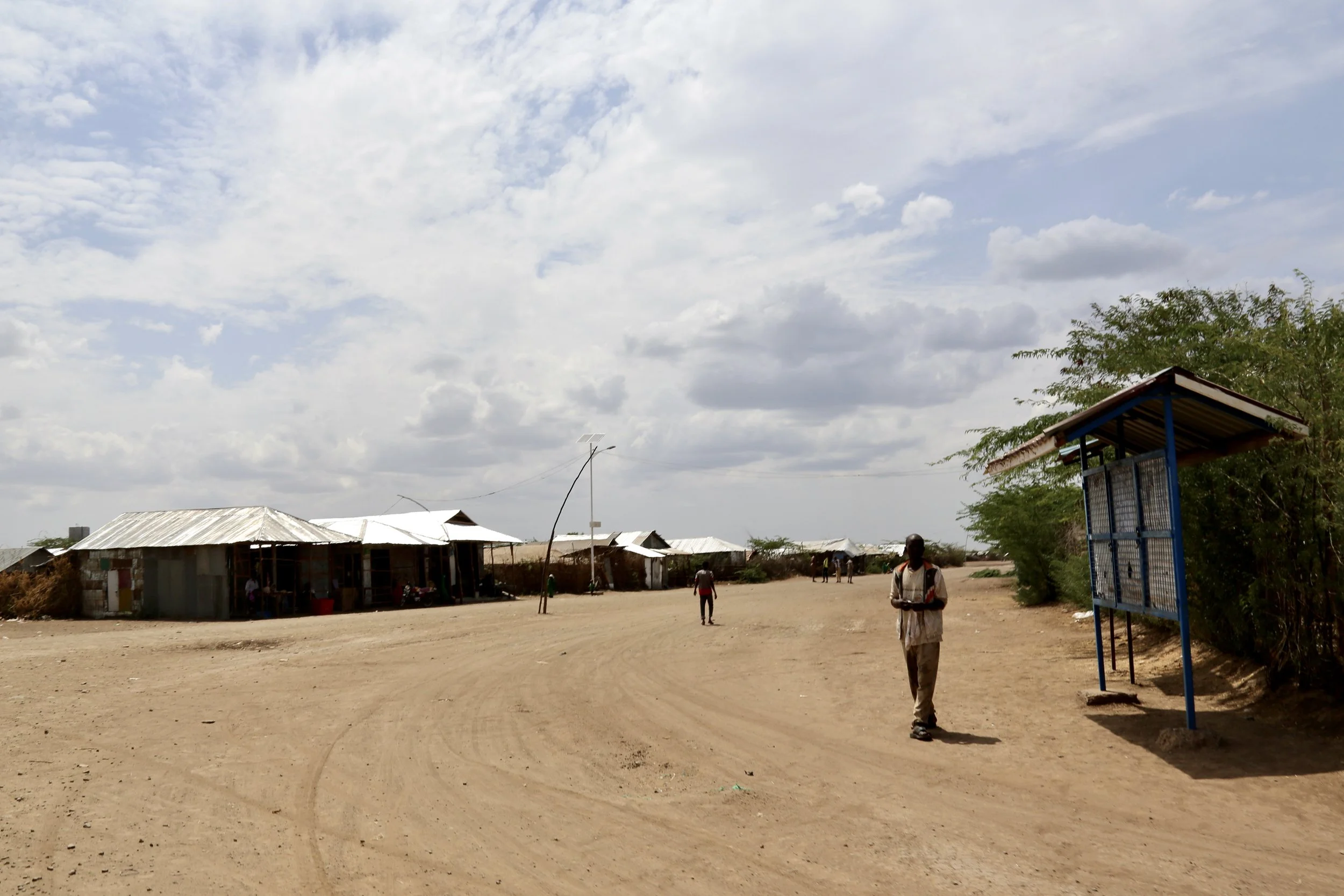
The dusty ground behind the protection compound where Evariste was living in Kakuma refugee camp. Though safer there than outside, isolation remained part of daily life.
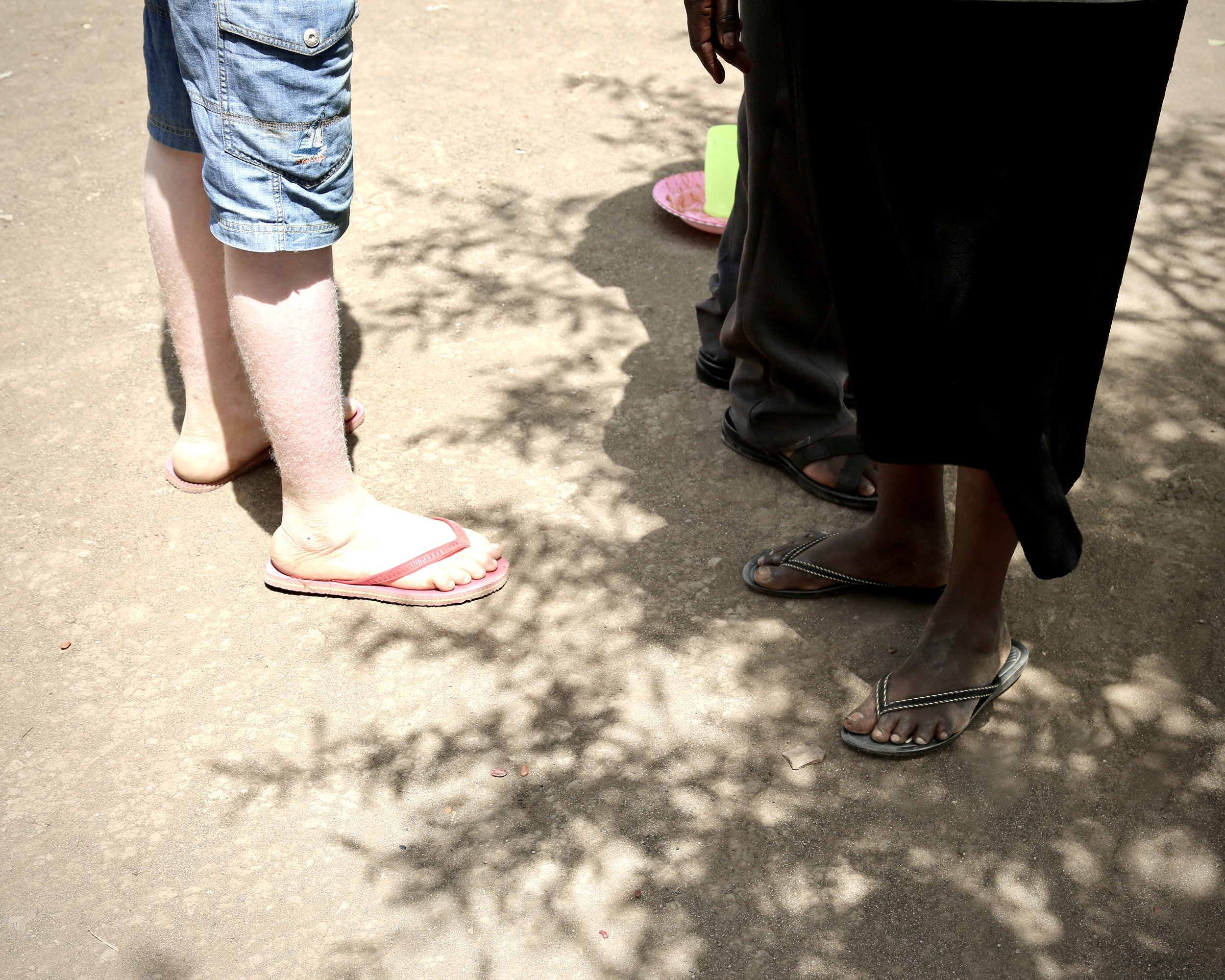
Evariste stands beside another resident inside the compound. His albinism made him highly visible in a region where people with the condition are often targeted by violent superstition.
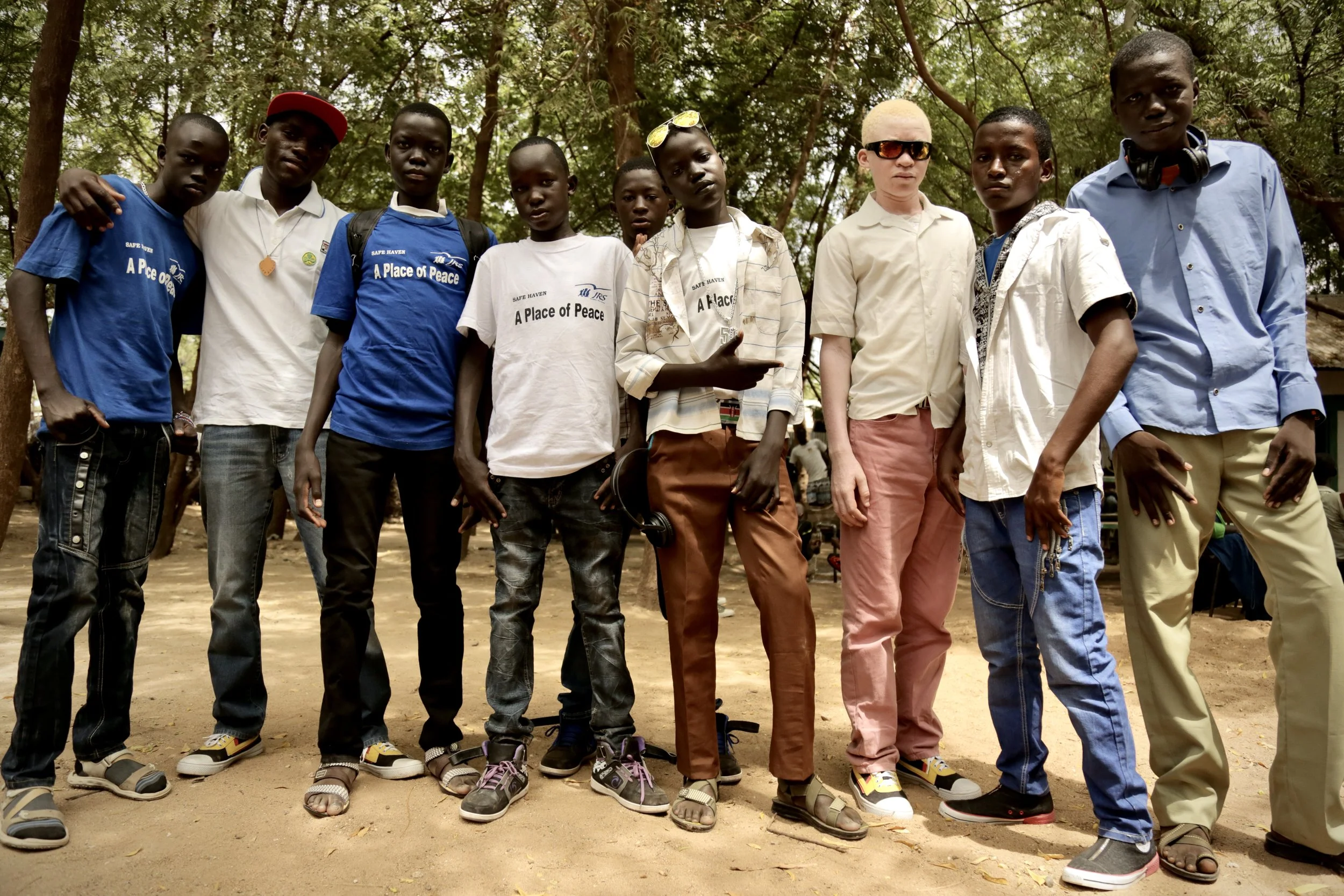
Evariste stands among other teenagers in Kakuma. Despite isolation and fear, he sought friendship and belonging like any other adolescent.
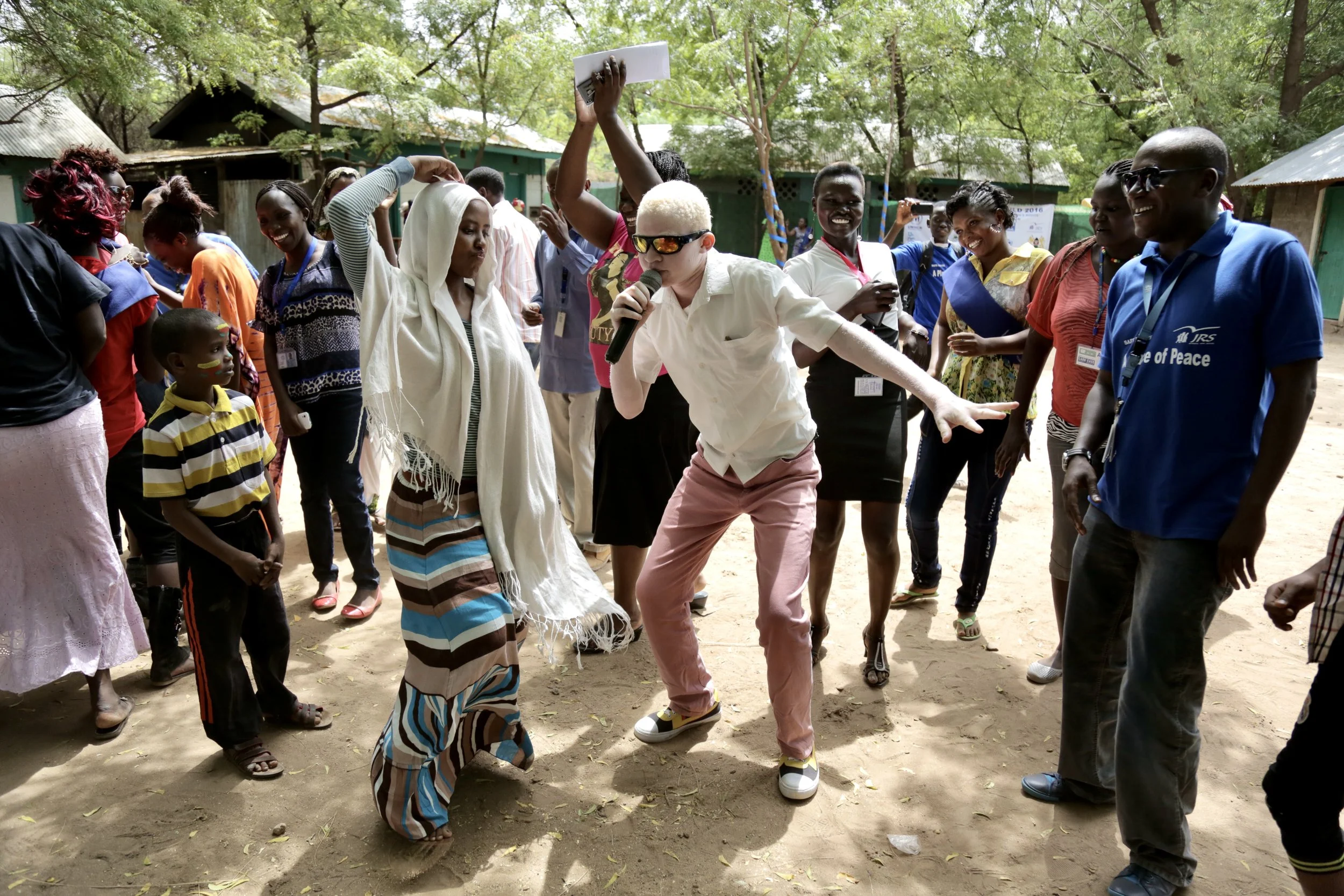
Evariste raps, and dances with other young refugees during a gathering inside the compound. Music offered release from the pressures of camp life.

For moments at a time, fear gave way to laughter, rhythm and teenage confidence.
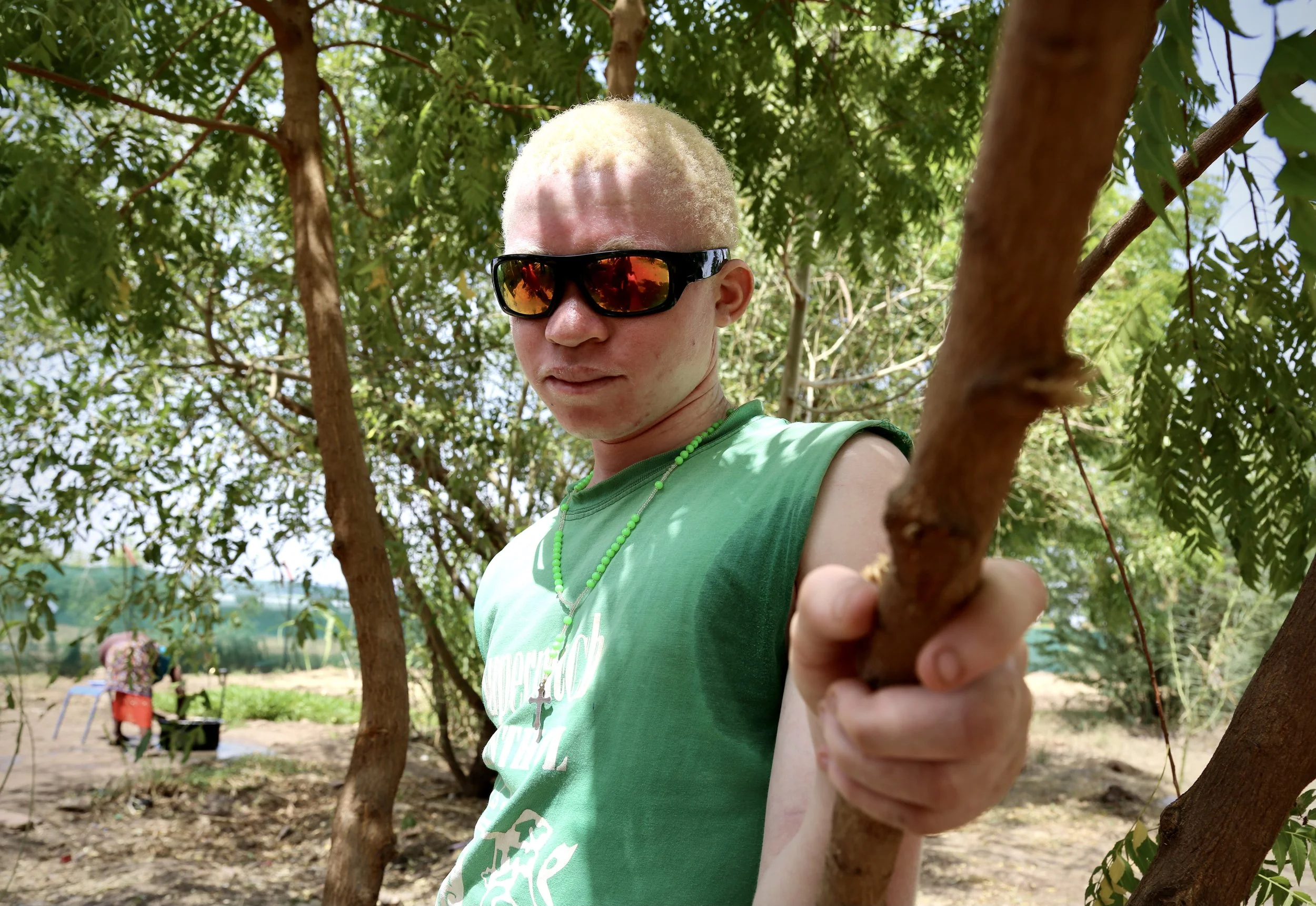
Evariste poses beneath trees in Kakuma refugee camp. He hoped one day to become an advocate for people living with albinism.