Hidden behind corrugated fencing along a dusty track in Kenya’s Kakuma refugee camp stood one of the most discreet places I was ever invited to photograph.
Known simply as the Safe Haven, the shelter was run by refugee women including Monica, Rose and Sarah, who cared for women and children whose lives had been placed at risk by sexual violence, domestic abuse, forced marriage, persecution or threats inside and beyond the camp. It was both refuge and workplace: a place of barred windows, locked doors, shared rooms, counselling sessions, massage therapy, vocational training and constant vigilance.
Many of the women I met were survivors carrying experiences too painful to speak easily about. Clarisse, a young Congolese refugee, had fled after threats linked to her husband’s journalism and later survived rape during the journey to safety. In Kakuma, she trained as a masseuse and began counselling other women. Marie Angel, another very young Congolese refugee with urgent protection needs, was preparing to leave for resettlement in the United States when I met her again, packing her bags in the room where she had waited for years.
Far from spectacle or pity, these photographs are about dignity, labour, recovery and the expertise of refugee women caring for one another in conditions of prolonged displacement. They show a rare and privileged glimpse inside a protected world where survival was being transformed, slowly, into possibility.
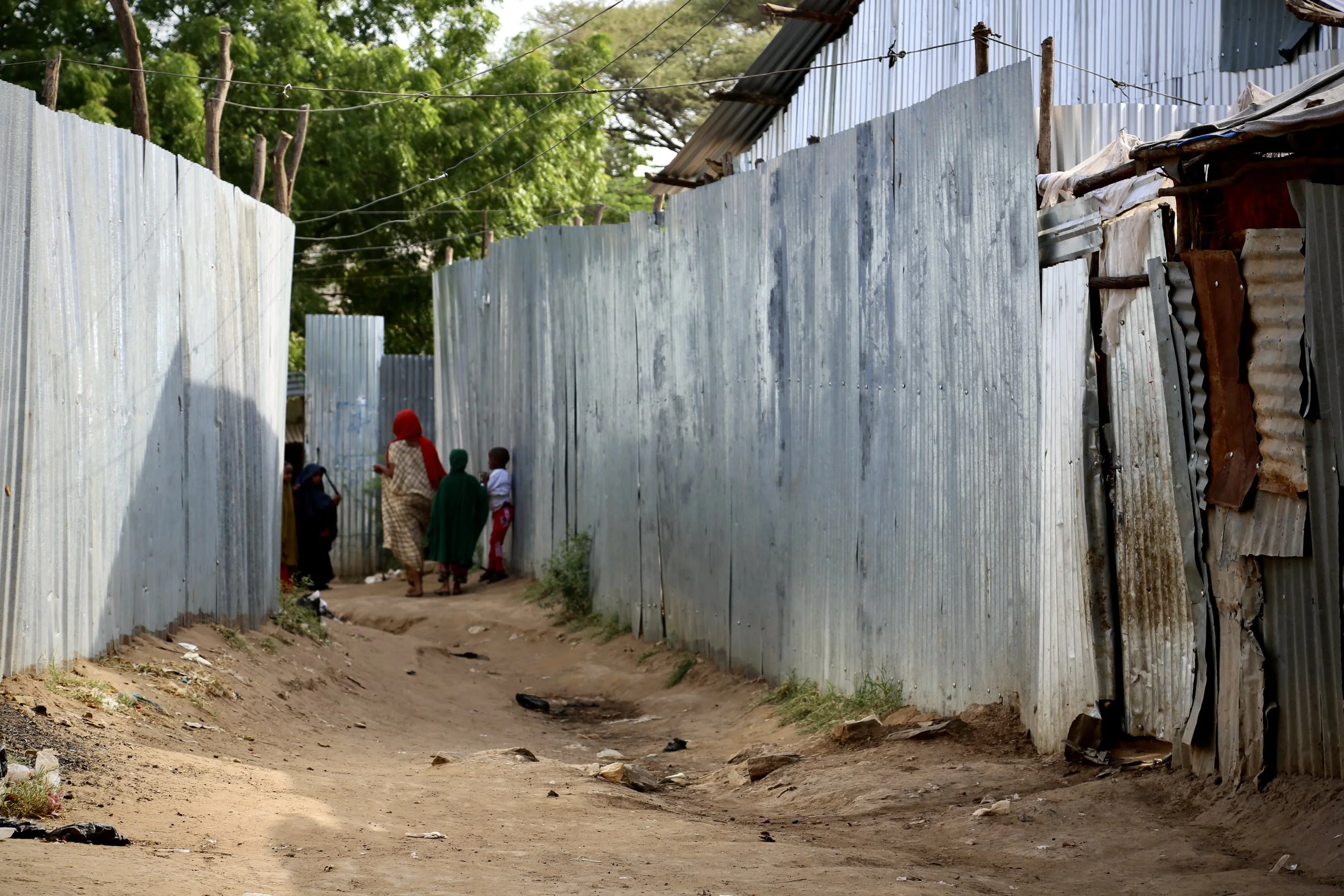
A narrow path runs beside the corrugated perimeter of the Safe Haven in Kakuma refugee camp, where women and children at risk were housed in a discreet protected shelter.
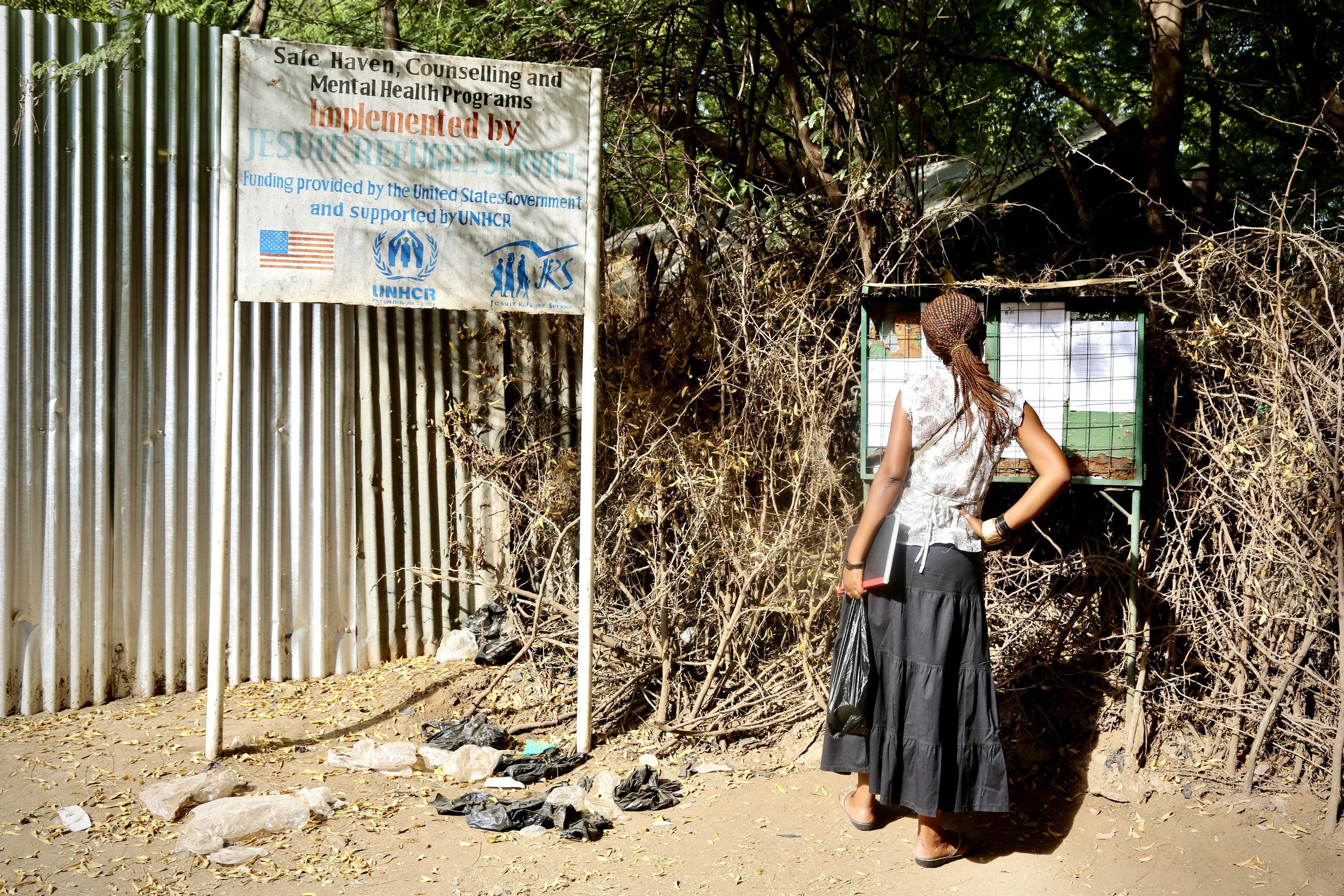
The entrance to the Safe Haven is partially hidden behind fencing in Kakuma, reflecting the need for privacy and security for residents facing threats.
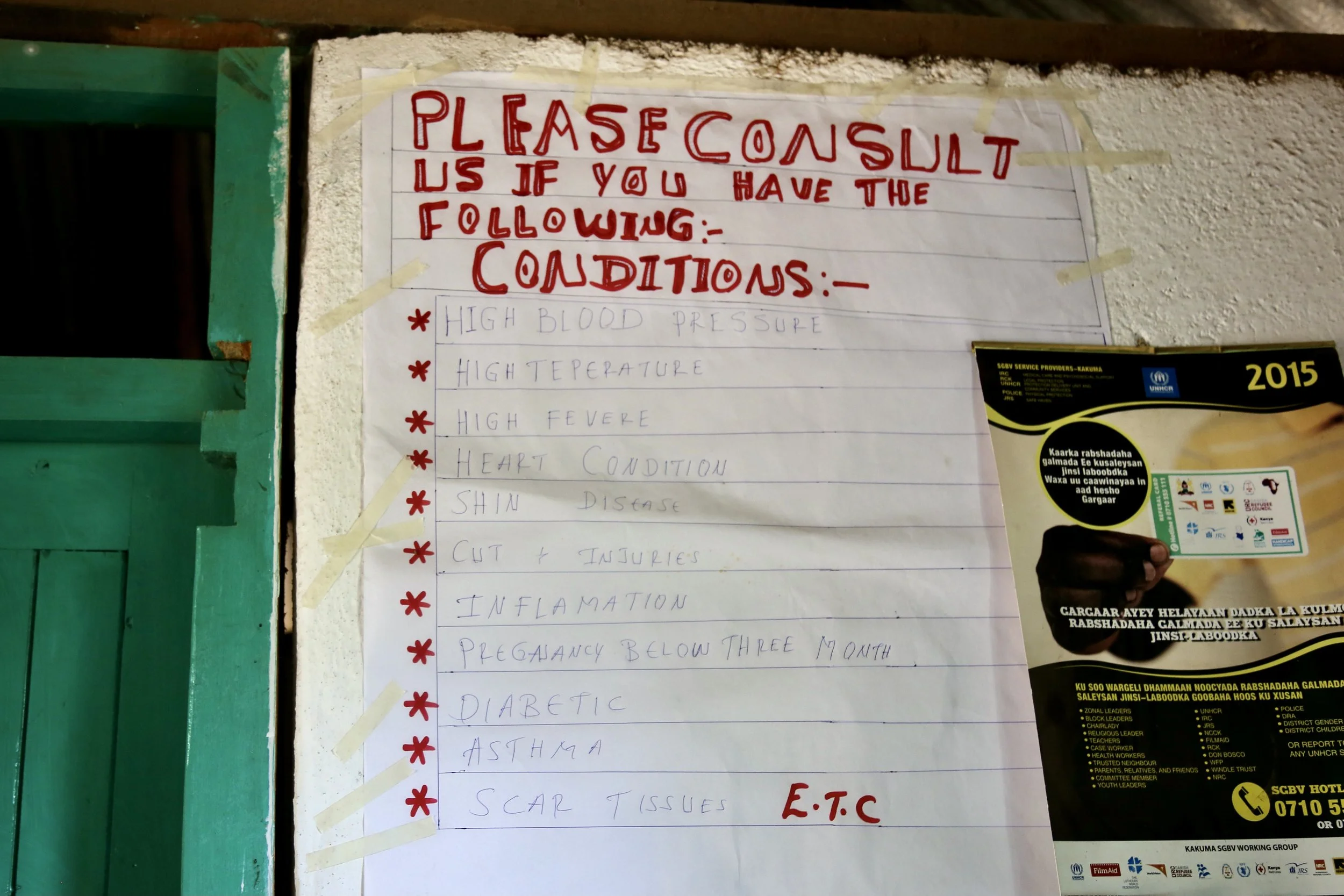
Rules and notices hang inside the entrance of the shelter, where daily life was structured around safety, confidentiality and shared responsibilities.
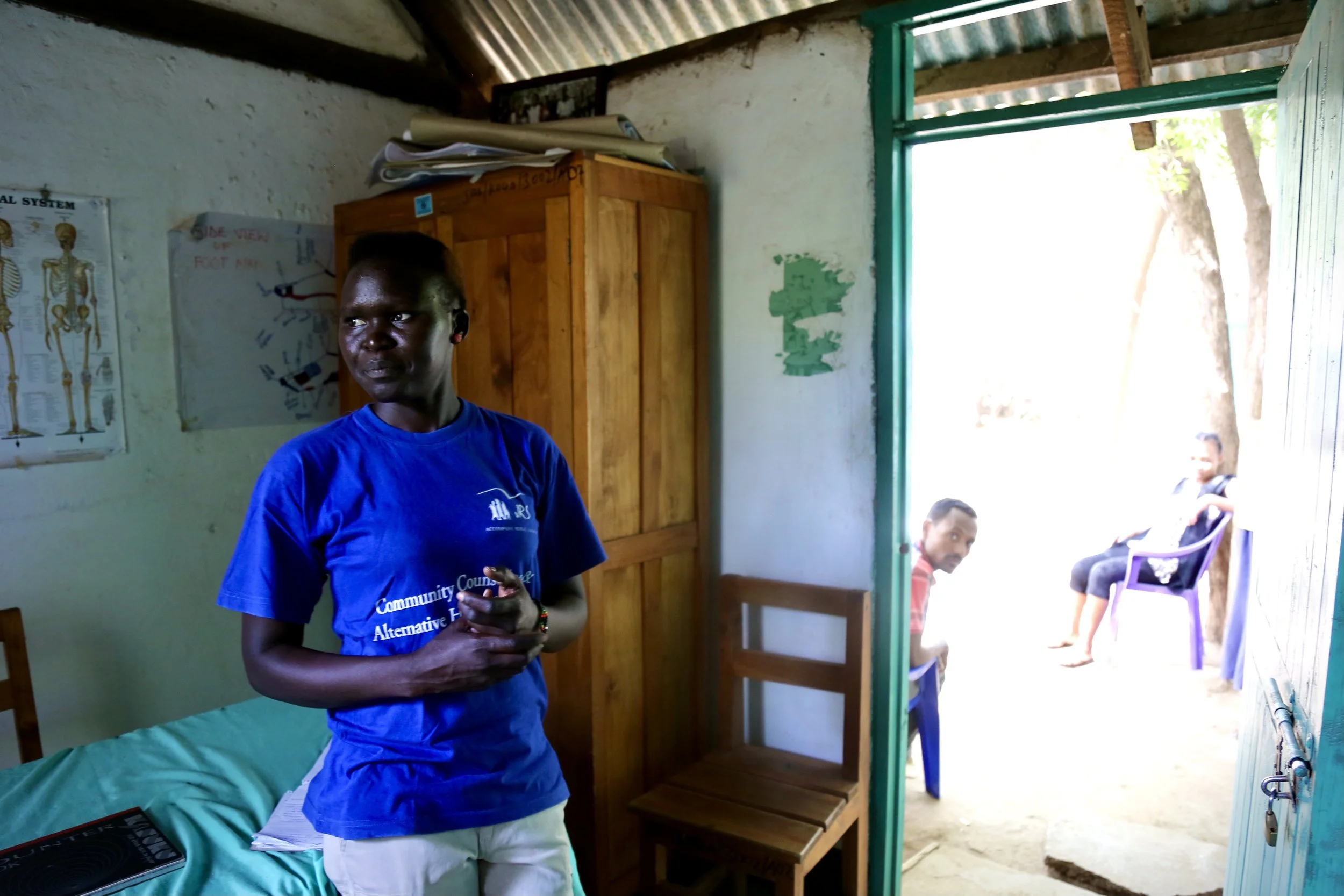
Monica Mburu, a South Sudanese refugee who helped run the Safe Haven, stands inside one of the shelter rooms where women received support and protection.
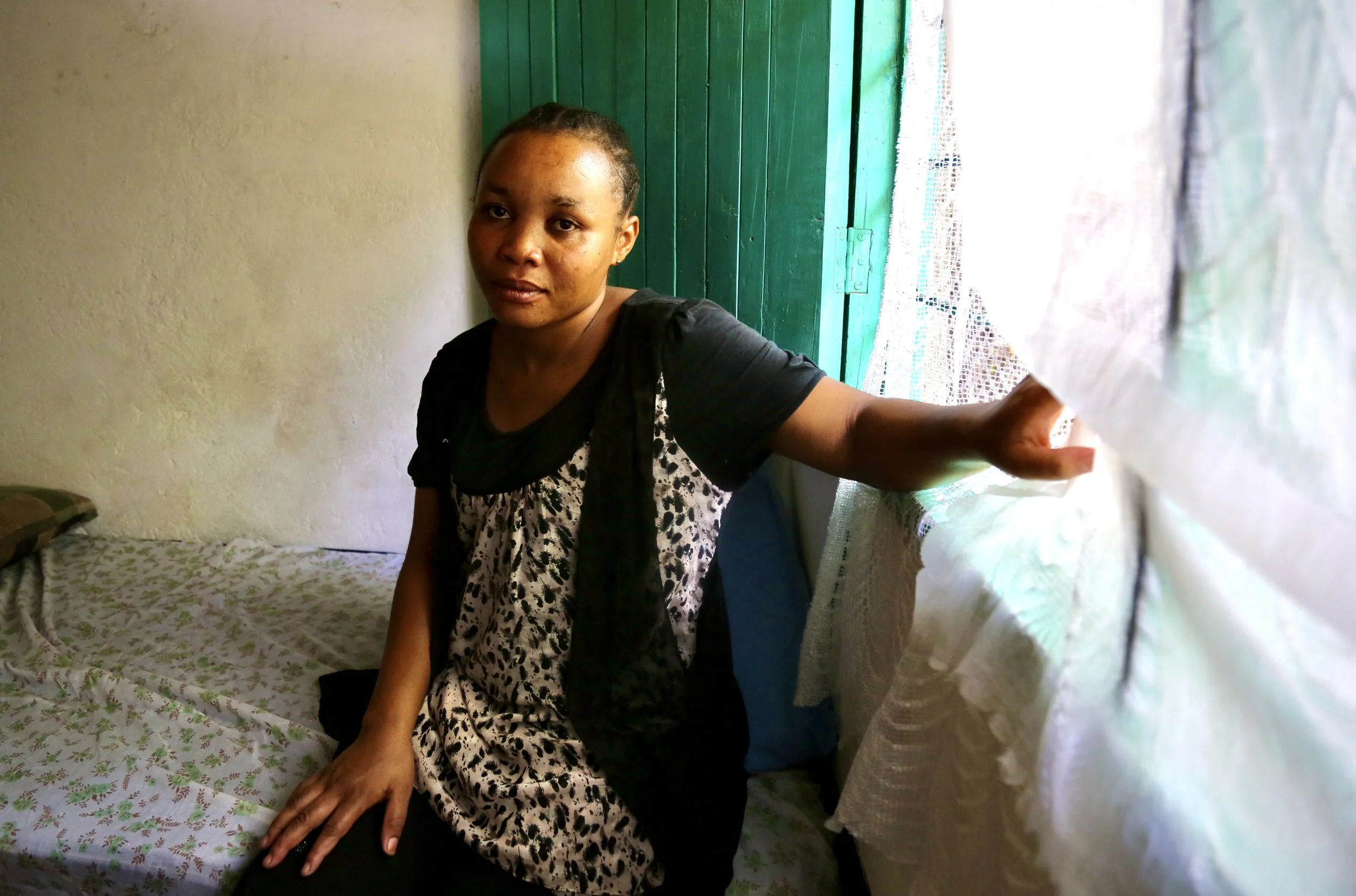
Clarisse, a Congolese refugee survivor of sexual violence, sits beside a curtained window in her room at the Safe Haven, where she began rebuilding her life through training and work.
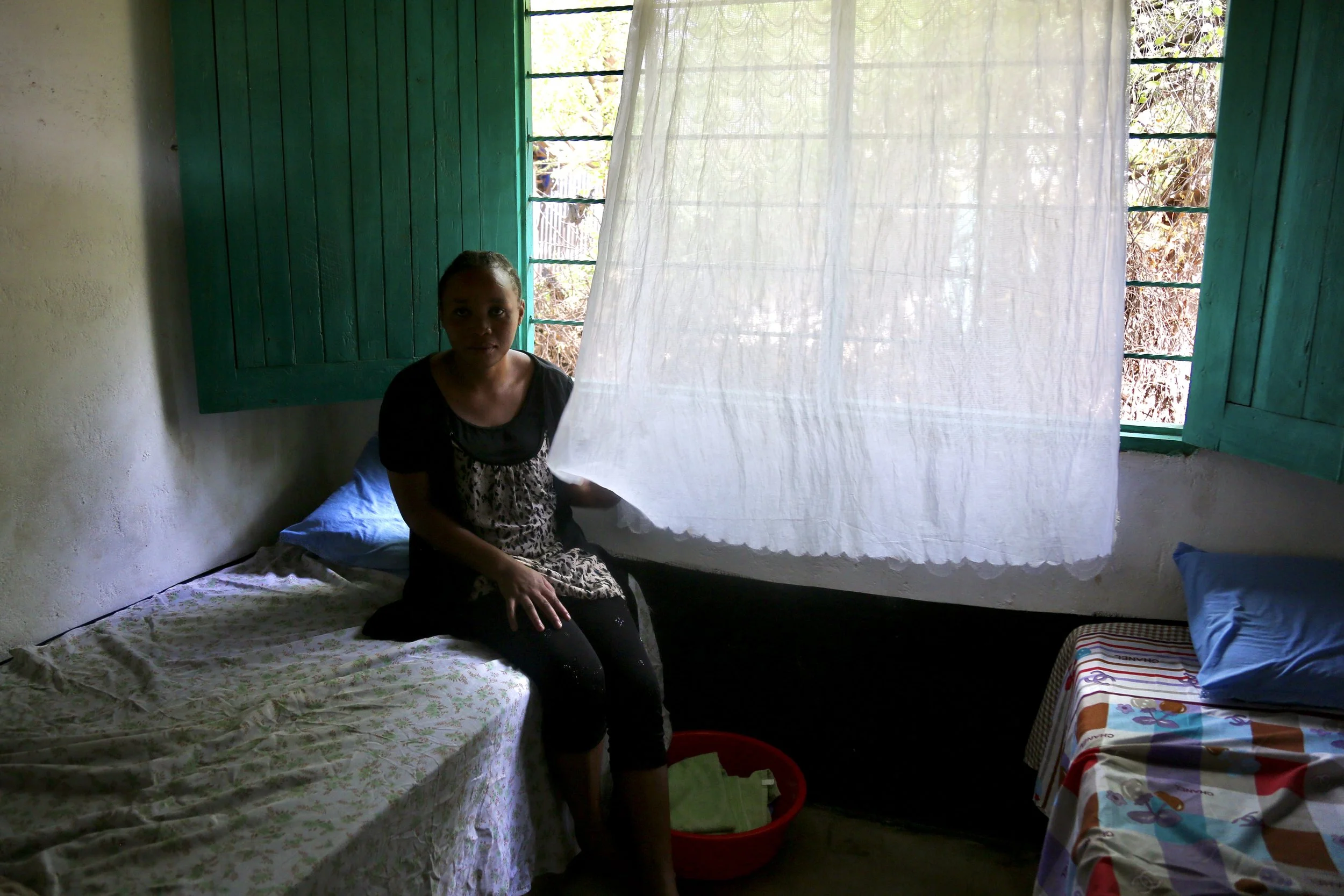
Clarisse sits quietly inside her room in Kakuma. Like many women at the shelter, she was recovering from trauma while waiting for a more secure future.
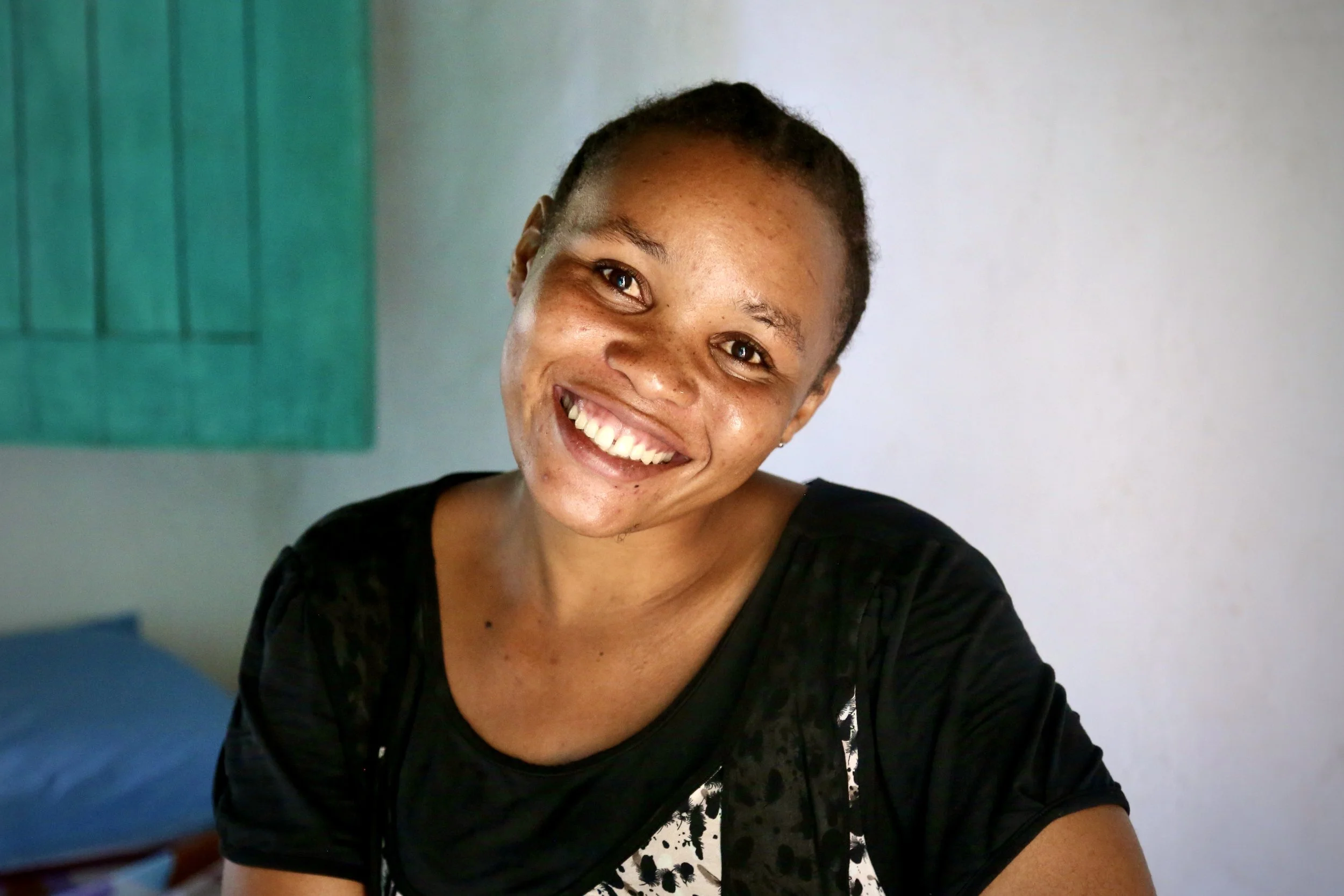
Clarisse smiles during a portrait inside the shelter. A mother of a young son, she trained to support other women facing trauma while working to rebuild a safer future for her family.
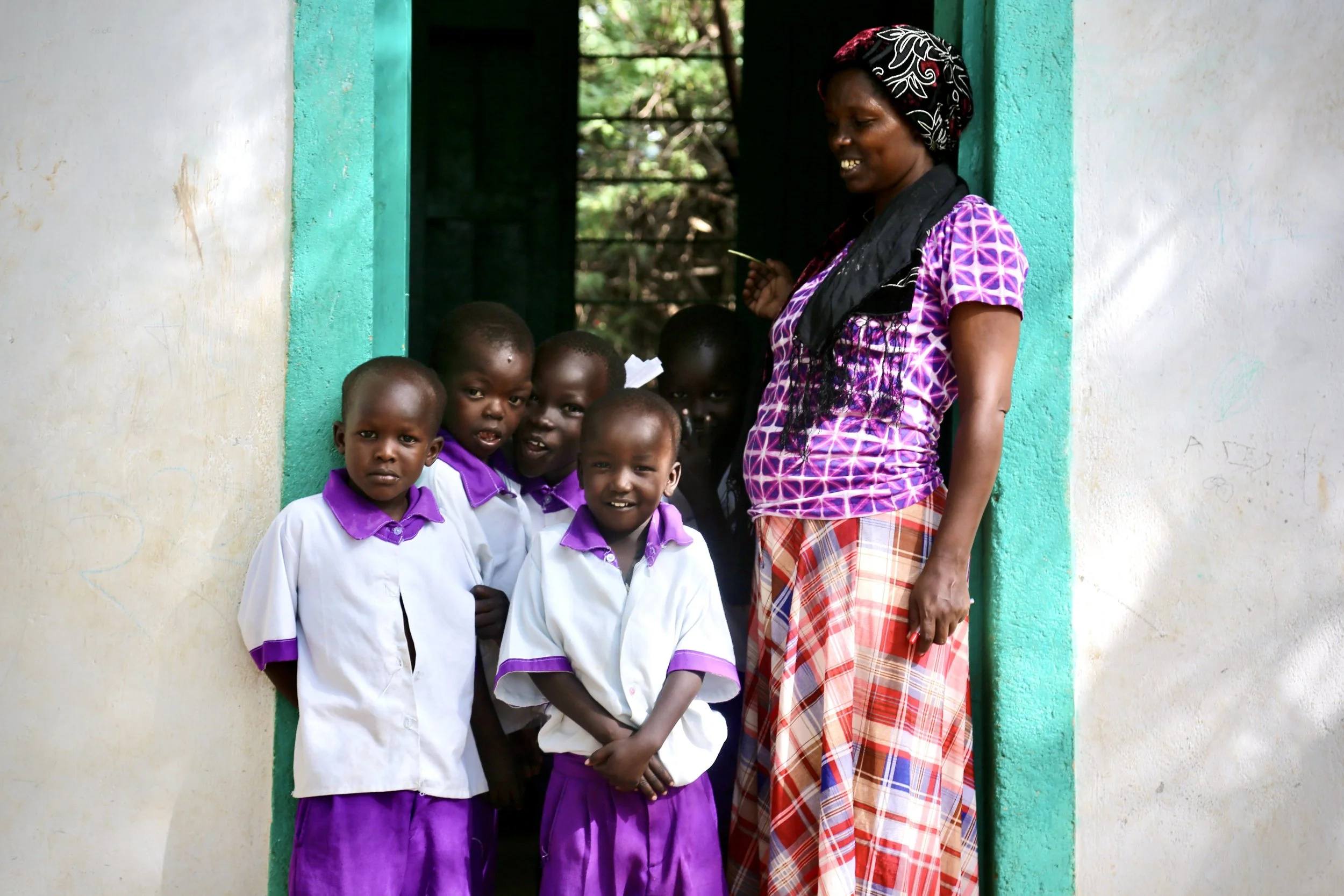
A resident stands with children at the entrance to the Safe Haven, where mothers and children facing protection risks could live under close supervision.
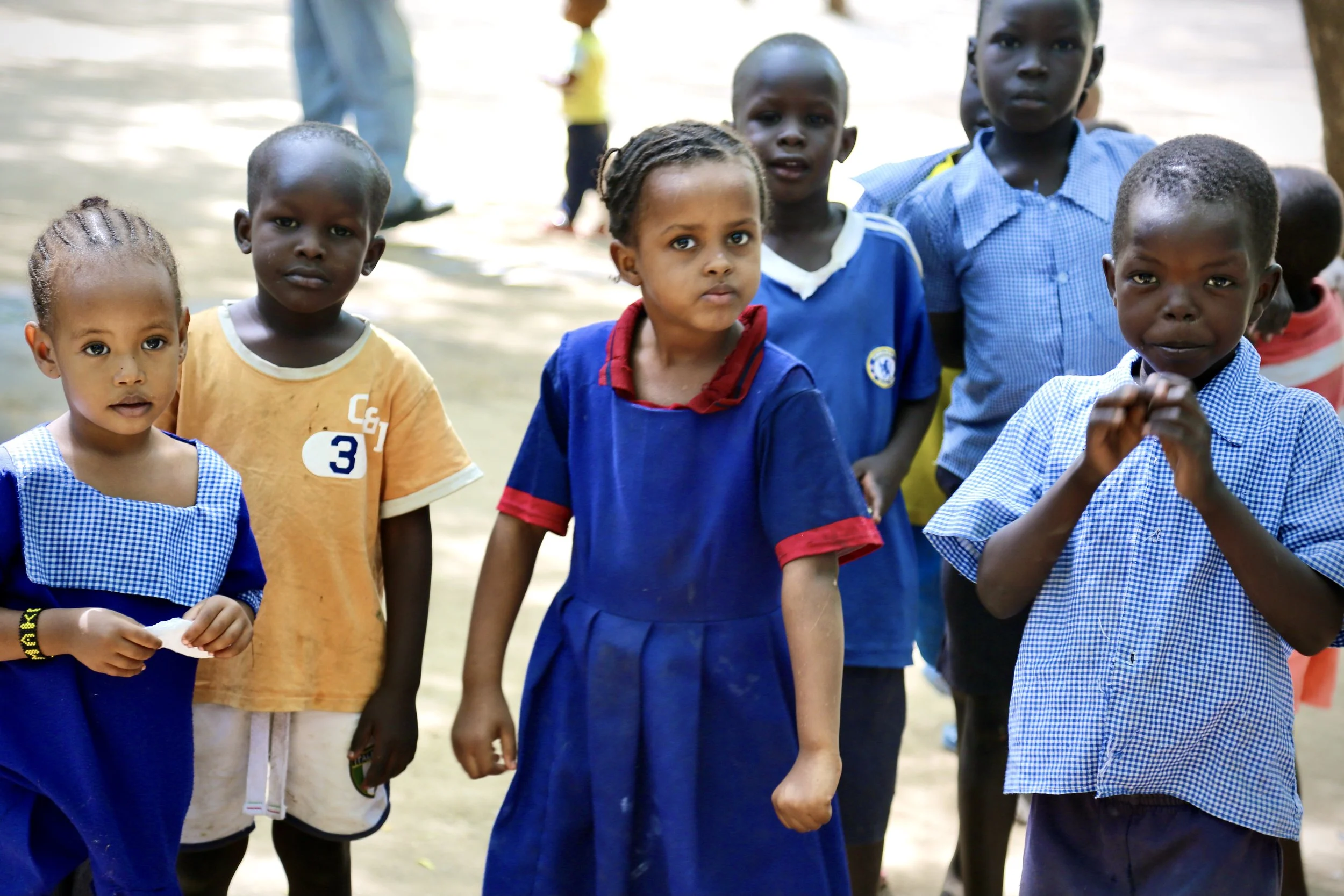
Children walk through the shelter compound in Kakuma. Many residents were the sons and daughters of women who had fled violence, abuse or severe insecurity.
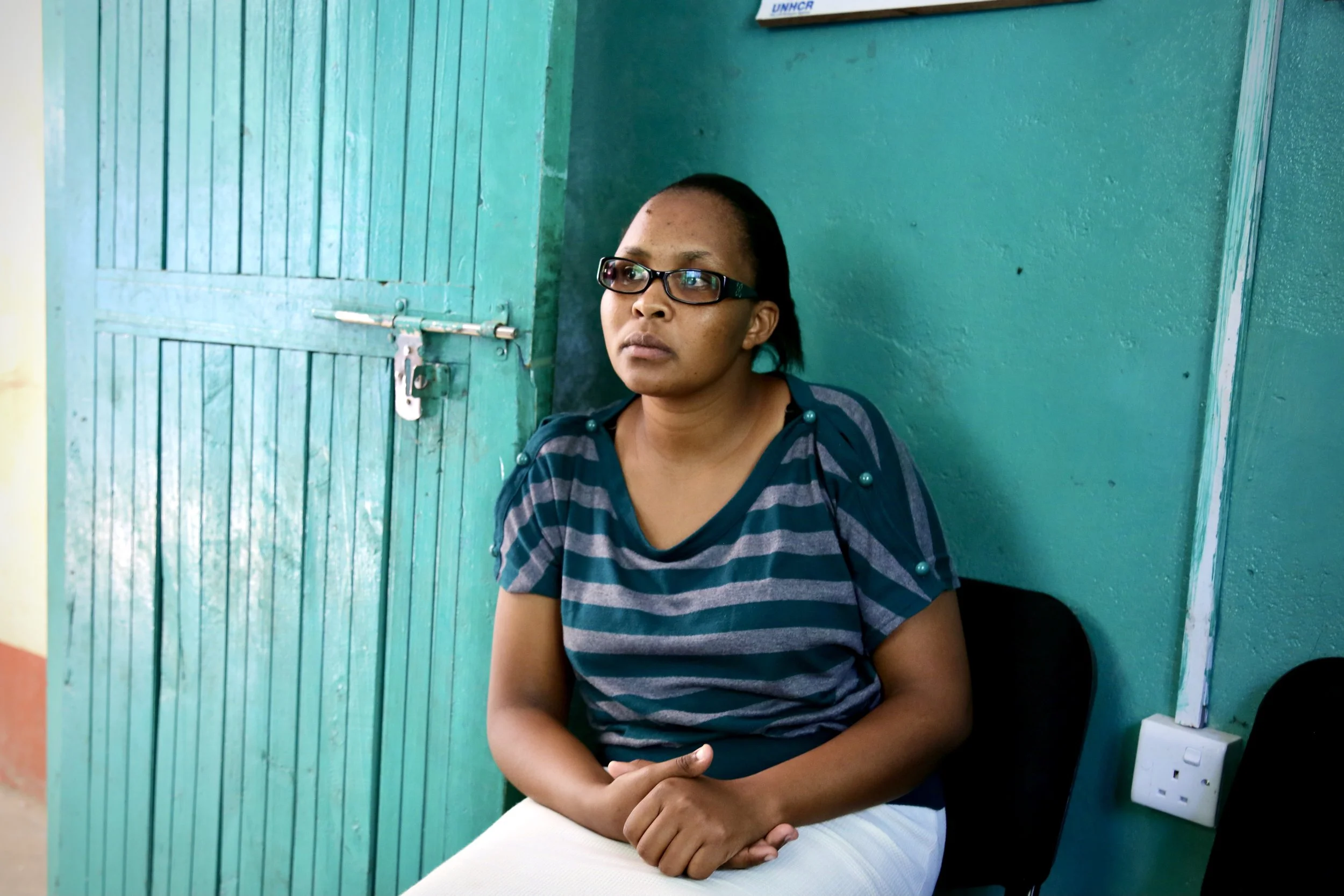
Sarah Chepleting, one of the refugee women helping run the Safe Haven, sits inside the shelter where staff balanced counselling, administration and daily care.
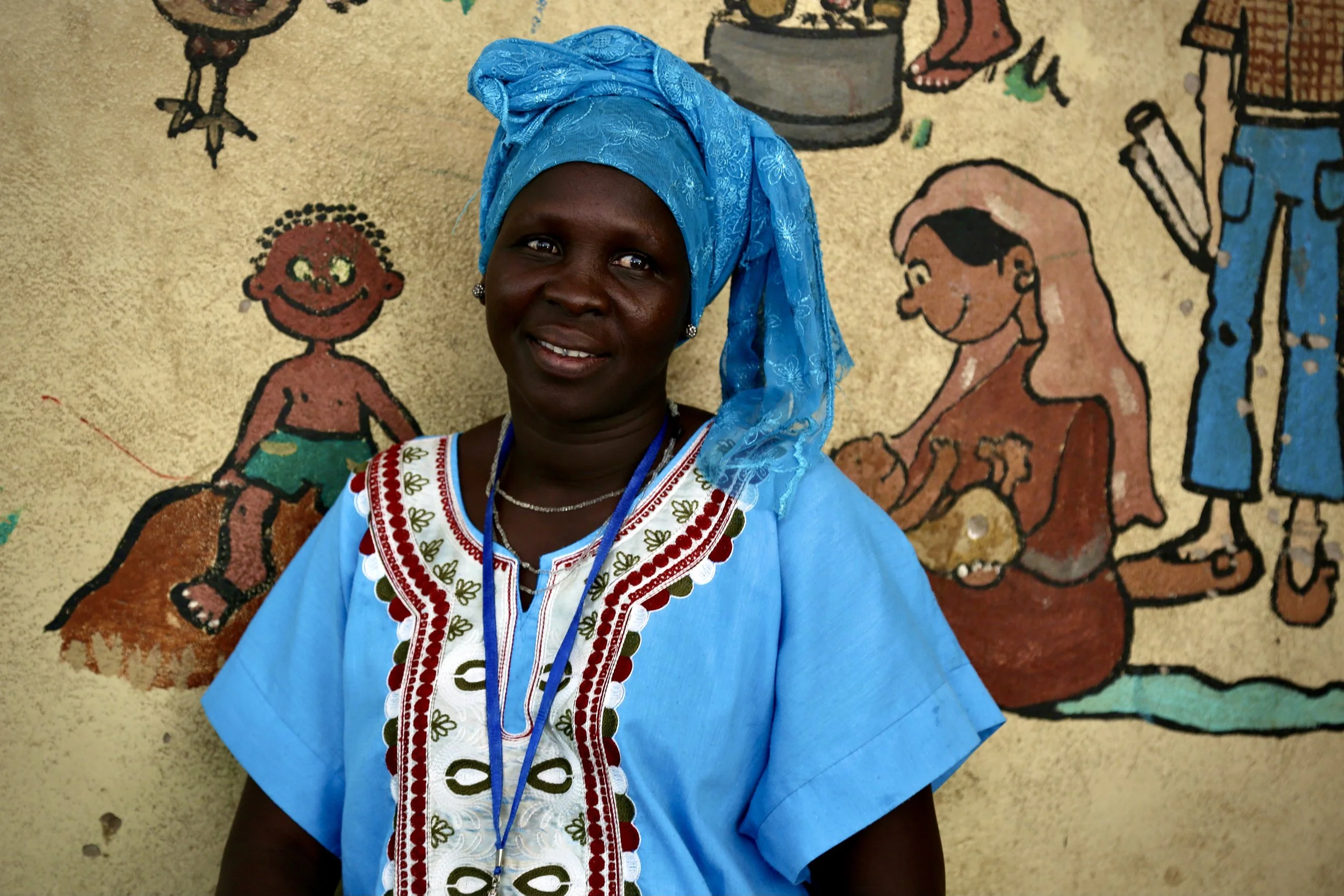
Rose Akwero Lee, a refugee staff member at the Safe Haven, poses inside the compound. Refugee women themselves formed the backbone of support services there.
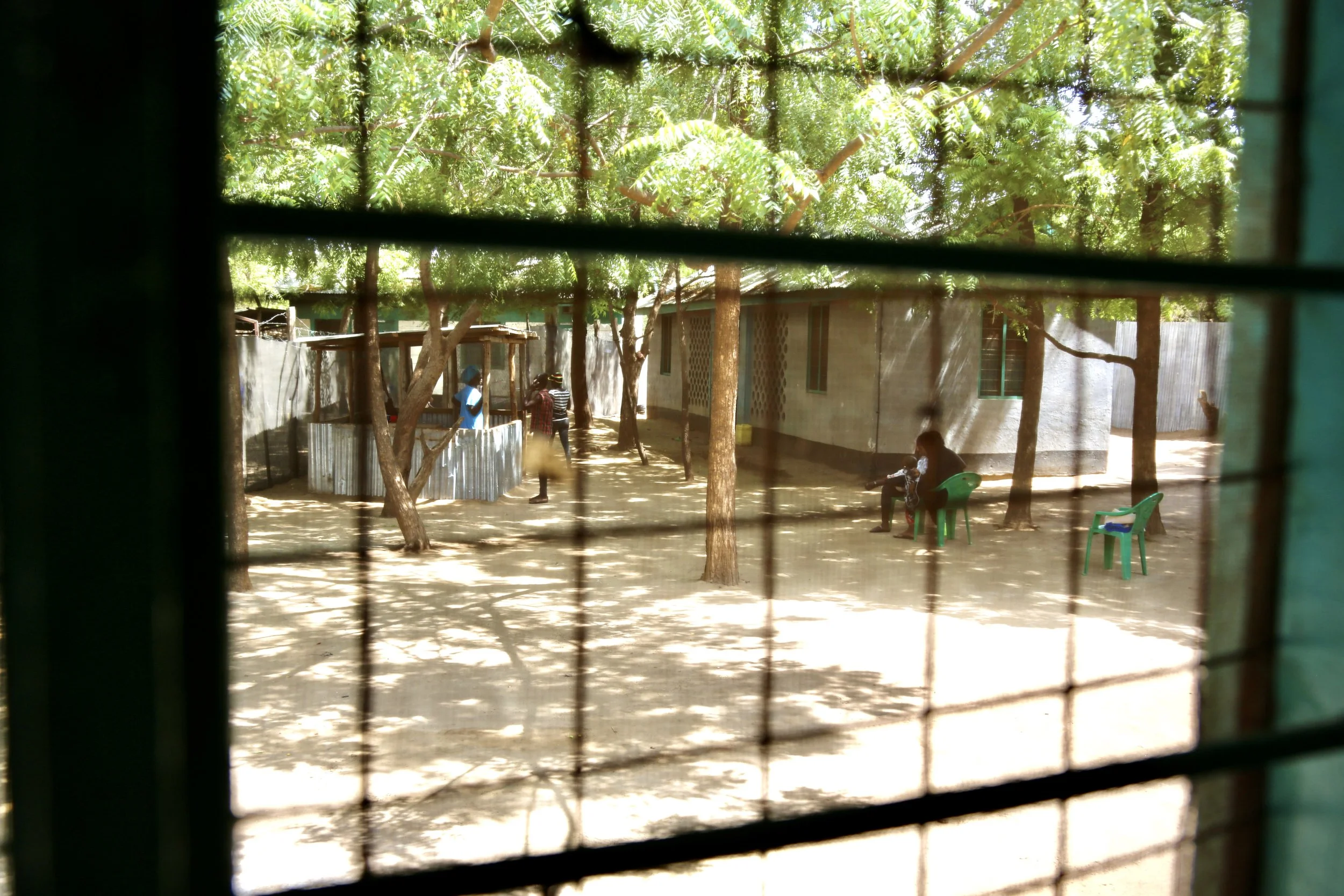
Viewed through barred windows, the shelter courtyard is seen beyond the room where residents lived. Security measures shaped daily life for women under threat.
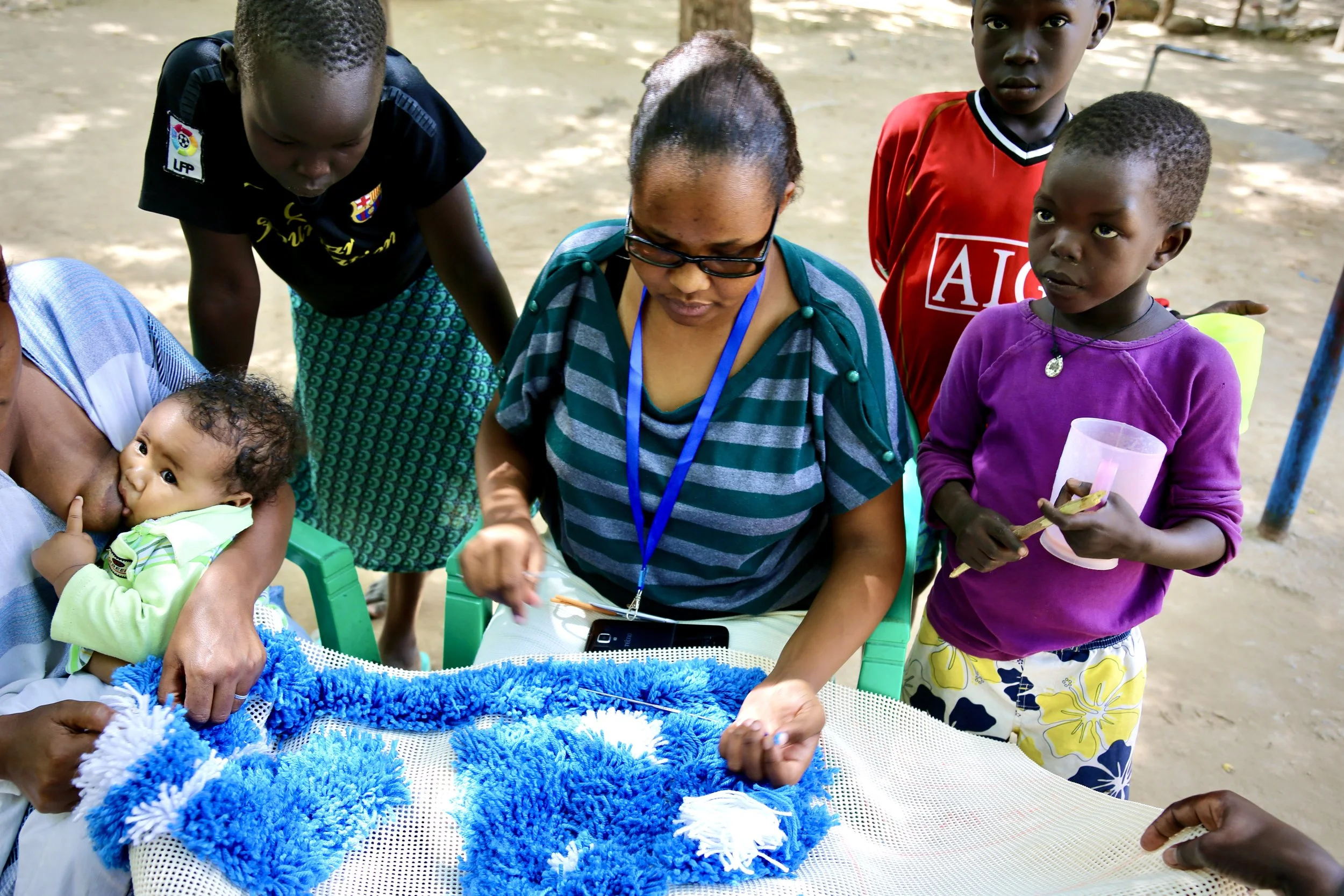
Women gather while working on textiles inside the Safe Haven, where sewing and craftwork provided income, routine and a sense of shared purpose.
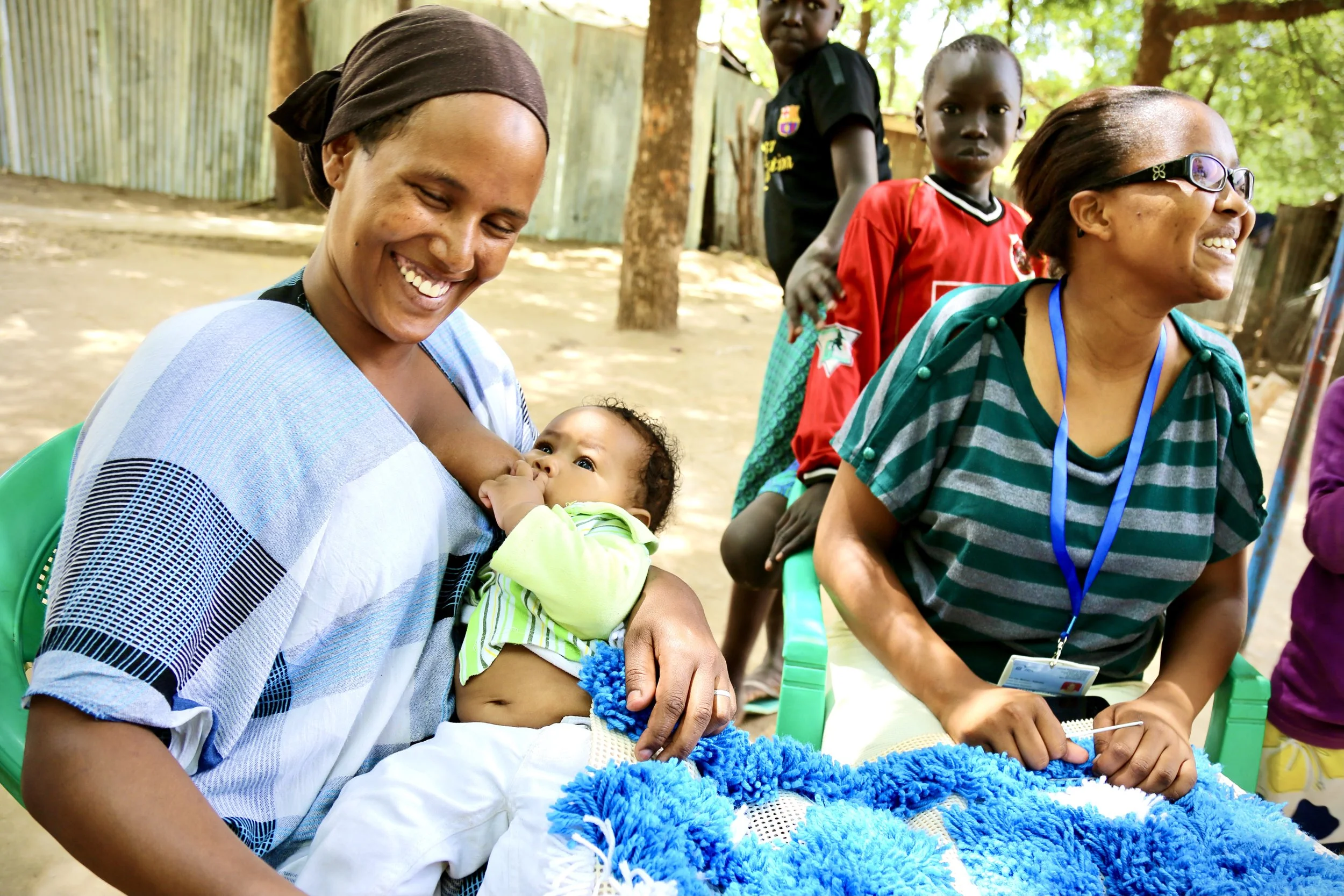
Residents work together on fabric in the shelter courtyard. Practical skills and communal labour helped many women regain confidence after trauma and displacement.
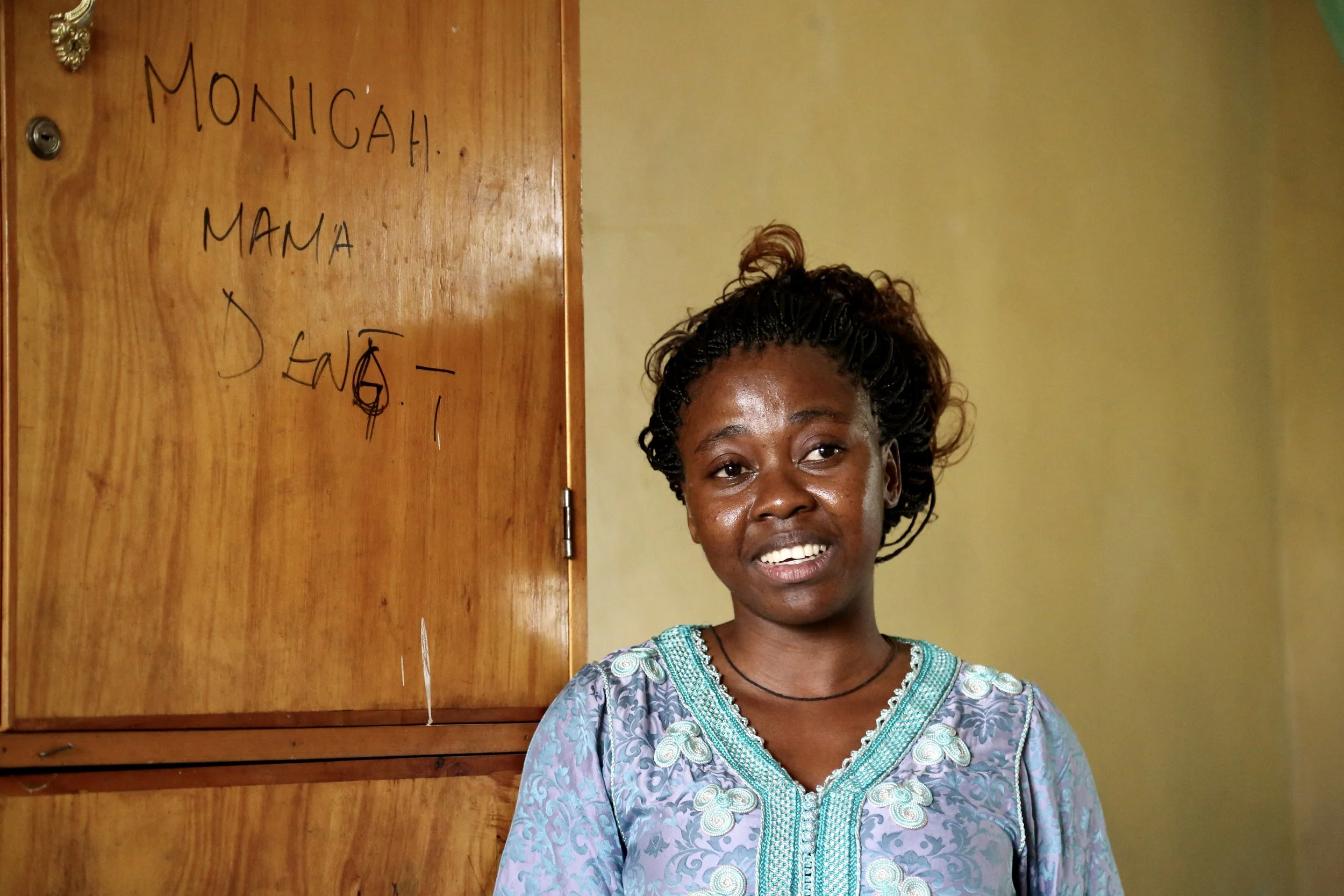
Marie Angel Kashindi, a young refugee from the DRC, poses inside her room at the Safe Haven in Kakuma refugee camp before learning whether she would be approved for relocation. For months, like many refugees, she lived between uncertainty and hope.
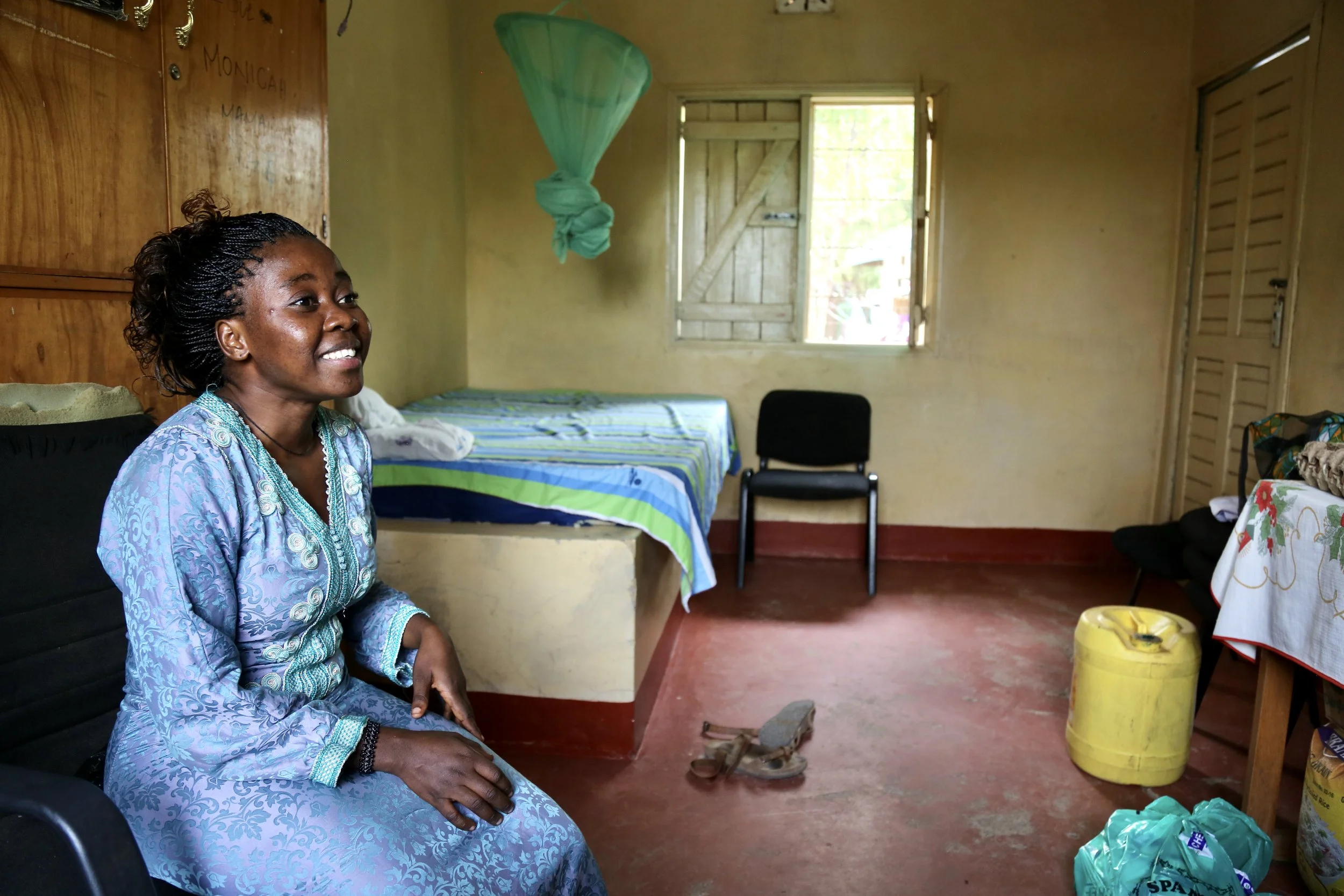
Marie Angel sits inside her room at the Safe Haven in Kakuma refugee camp, where women at risk could find temporary protection while waiting for decisions that might change their lives.
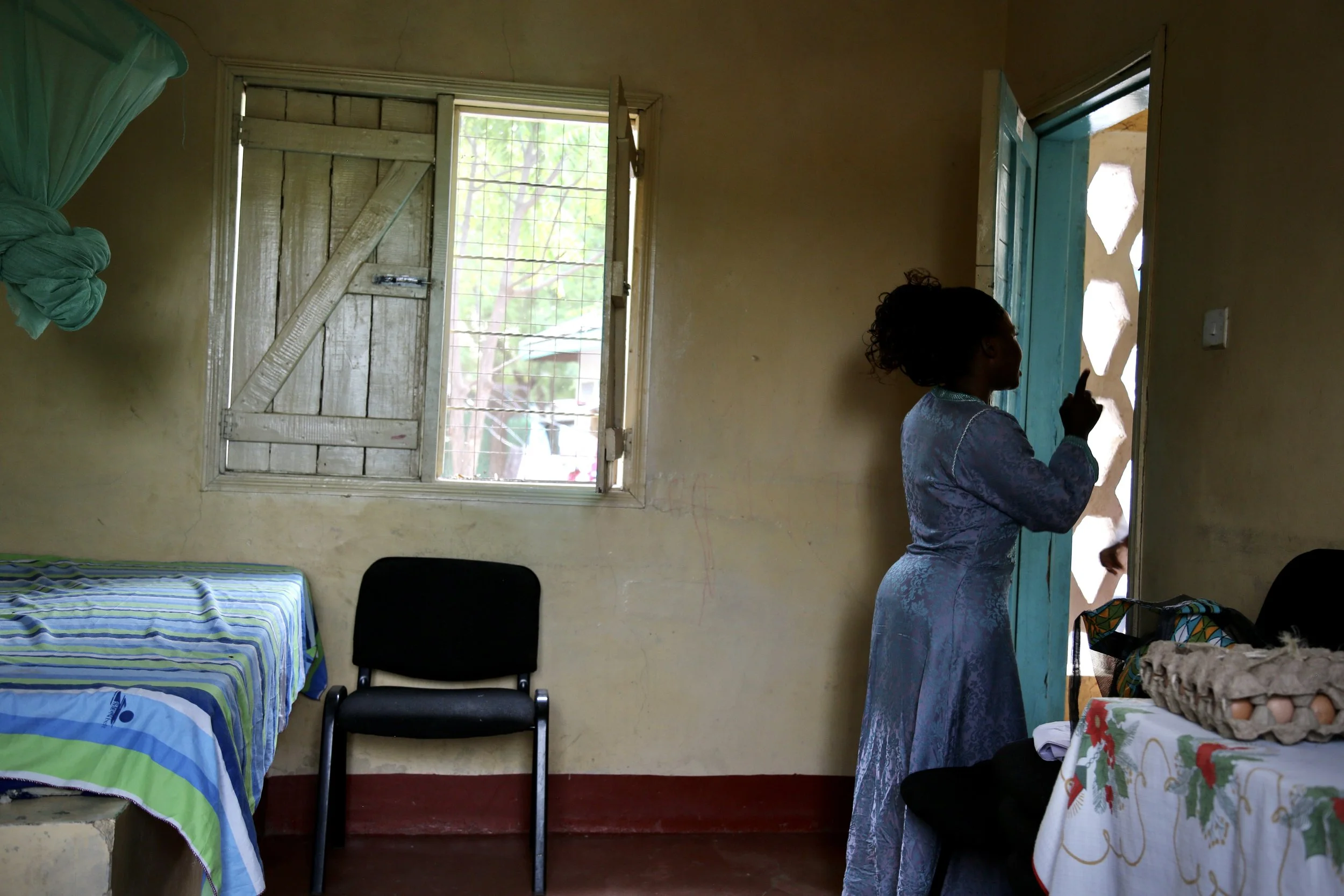
Marie Angel stands in the doorway of her room at the Safe Haven in Kakuma refugee camp before her eventual relocation. The shelter offered security, privacy and time to plan a future beyond the camp.
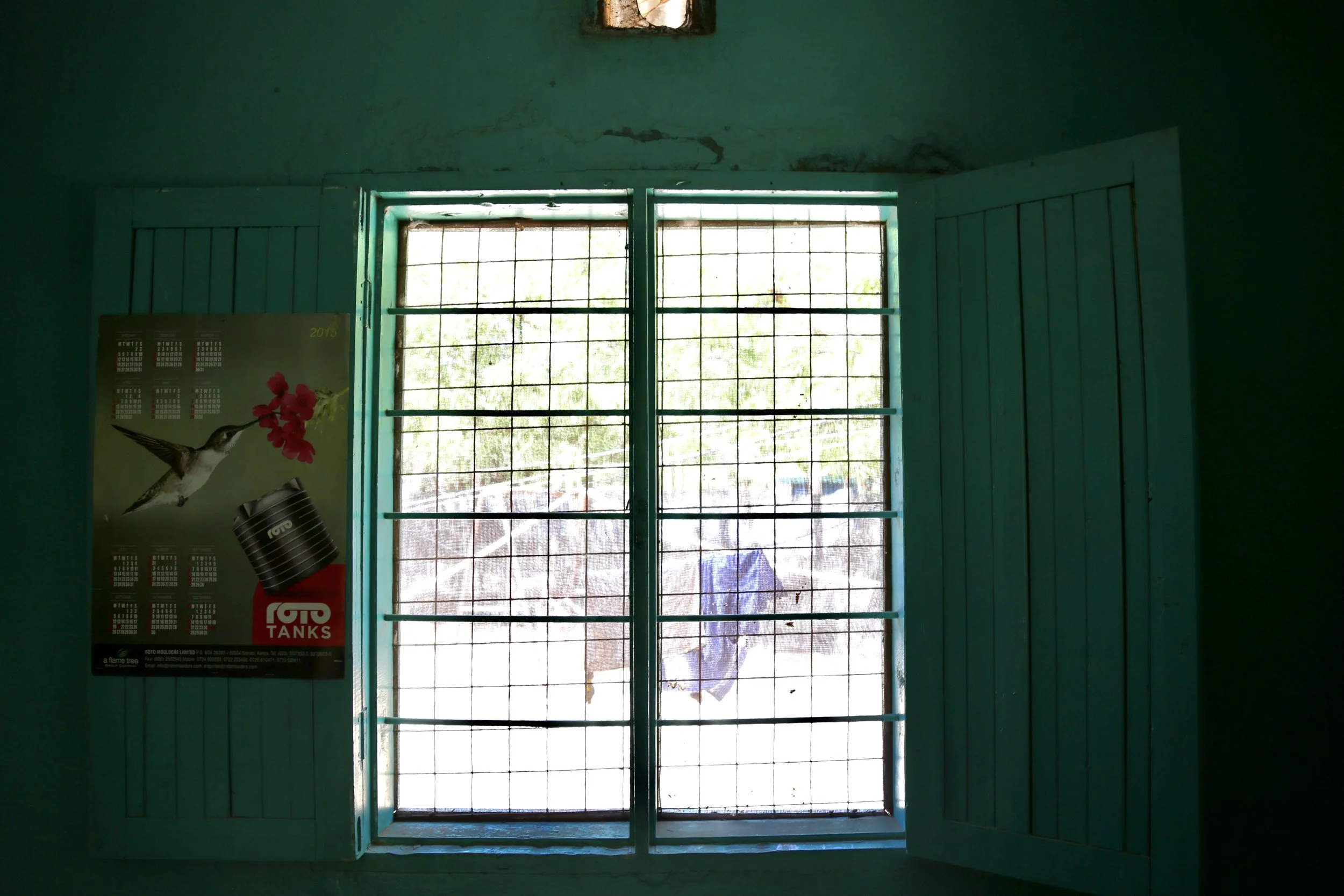
A calendar hangs beside the barred window in Marie Angel’s room at the Safe Haven in Kakuma refugee camp. She said she often looked toward the window while counting the days until she could leave safely on a UN relocation flight.
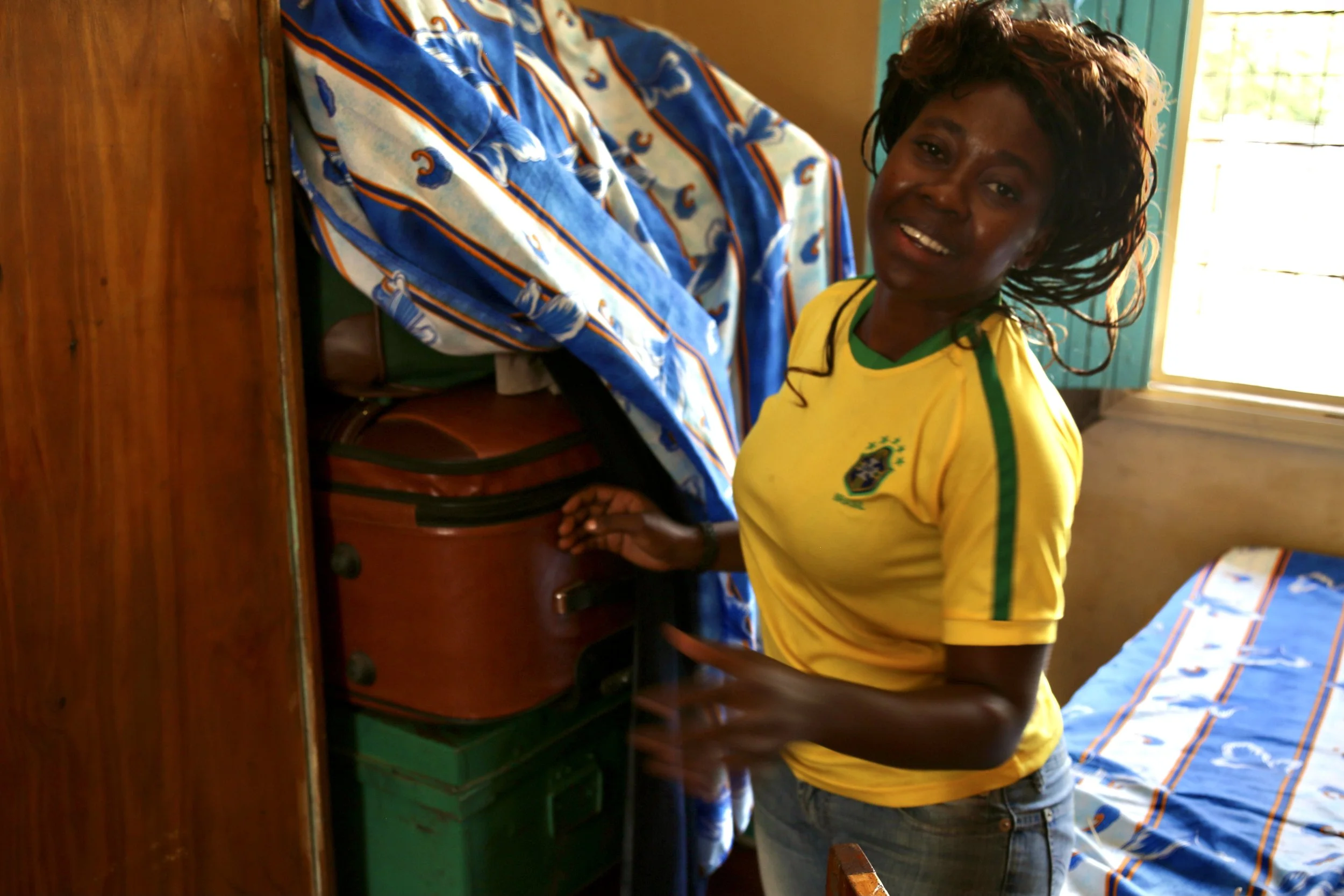
After receiving confirmation of her departure, Marie Angel begins packing her belongings inside the Safe Haven. What had been a room of waiting became, at last, a room of preparation.
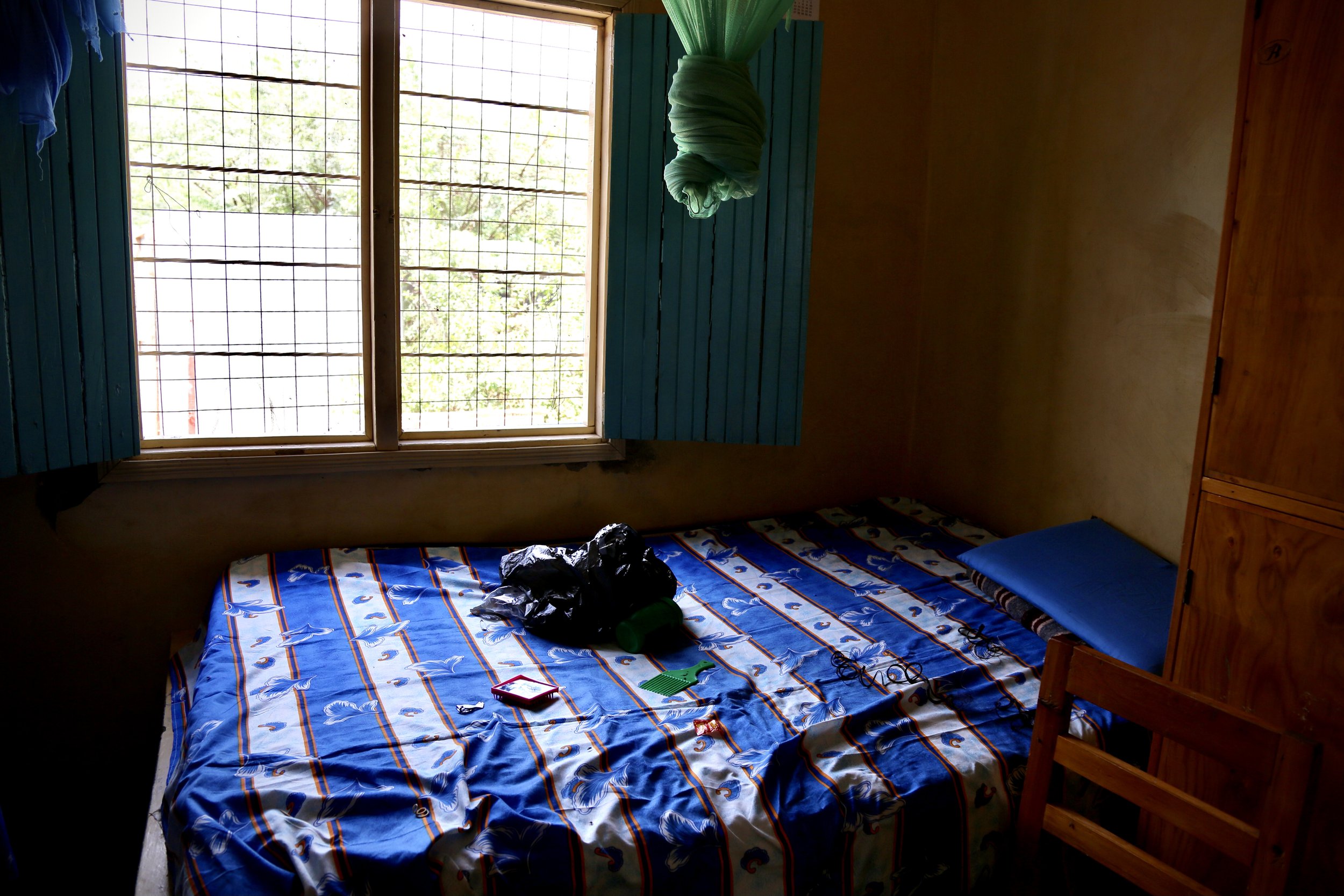
Marie Angel’s room stands empty after her departure from Kakuma. The bed, window and bare walls remain, marked by the absence of someone who had waited there for a future beyond the camp.
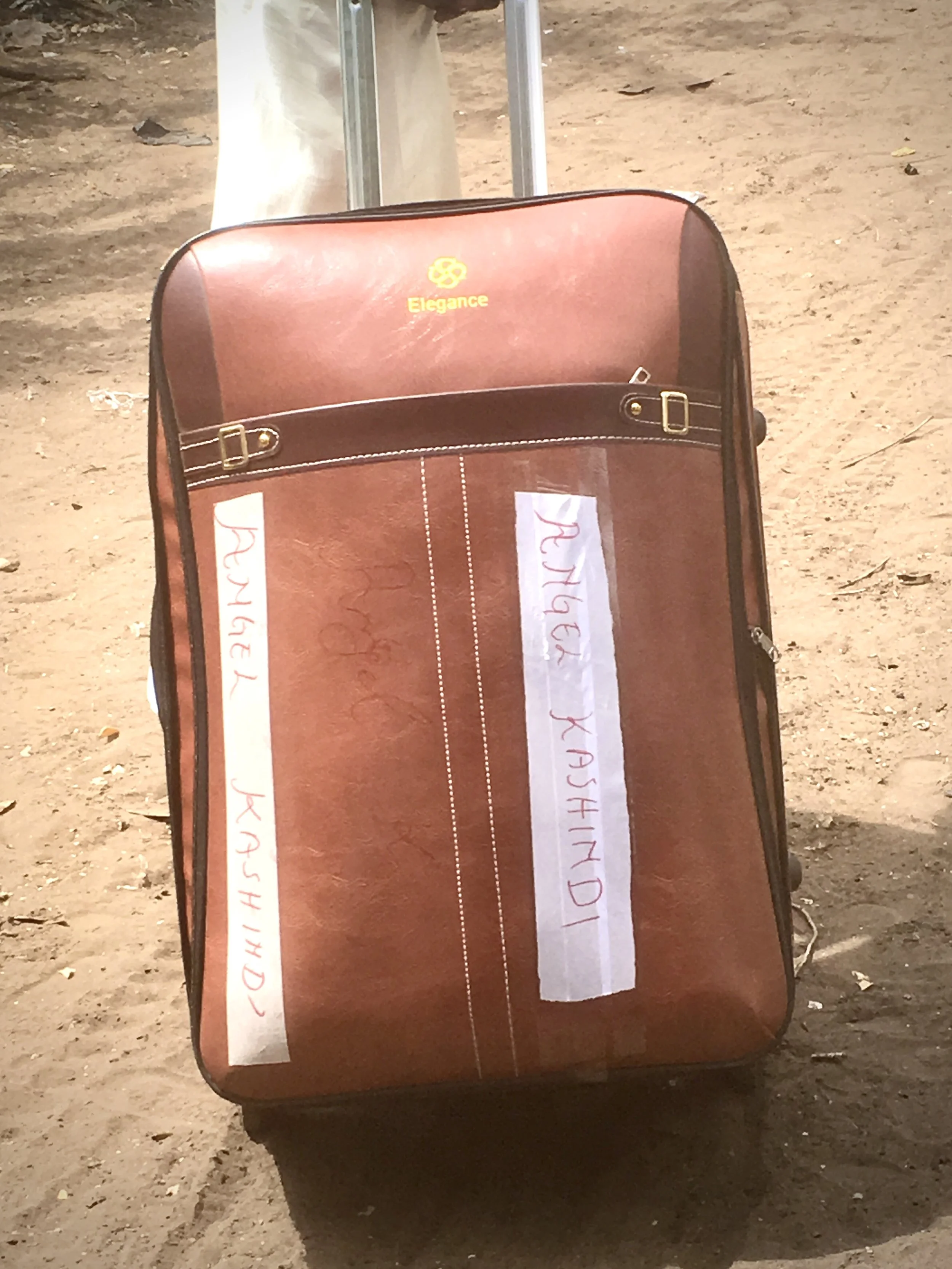
Marie Angel drags her suitcase along the dusty paths of Kakuma refugee camp as she leaves for the airport, carrying the few possessions gathered during years of displacement.
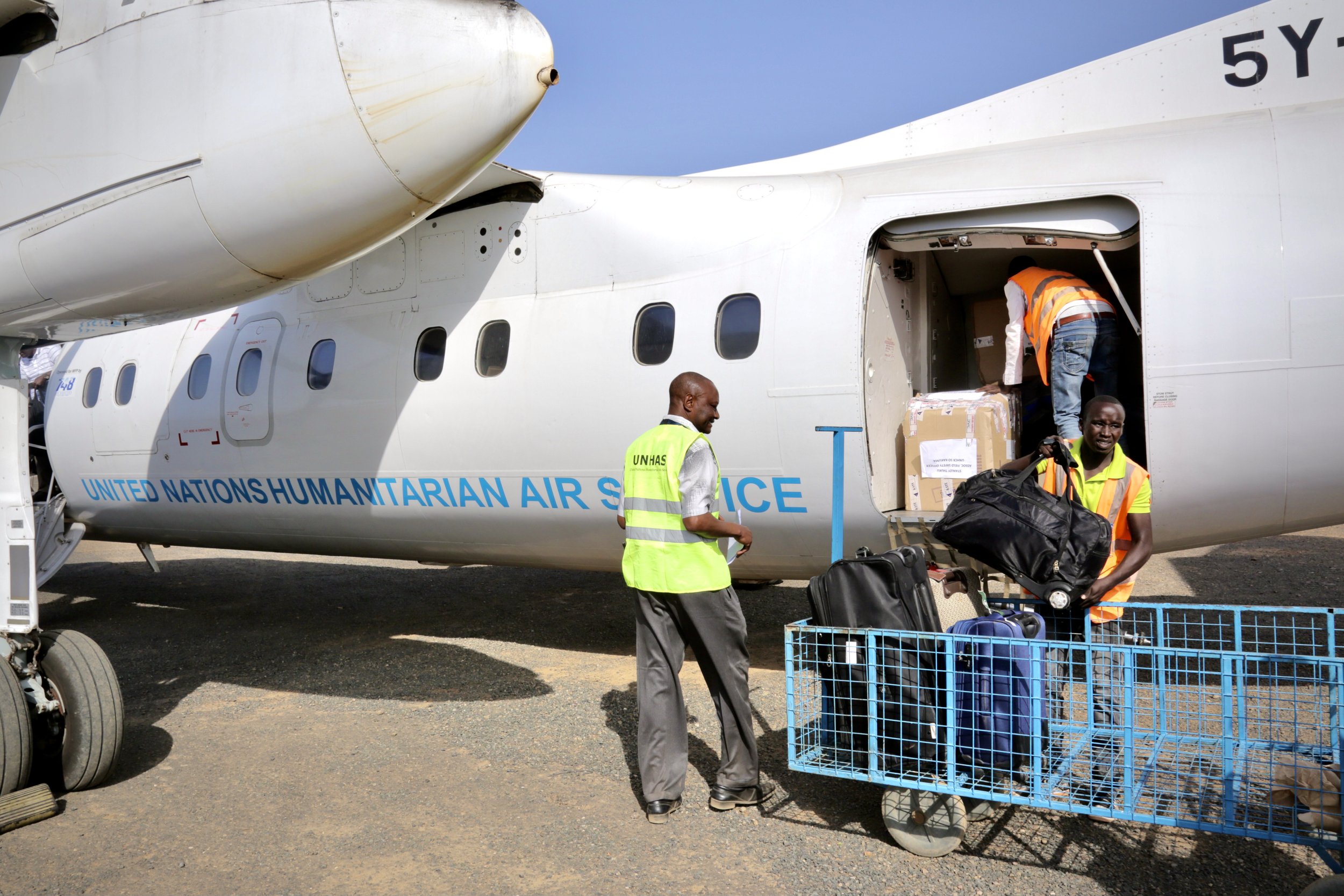
Ground staff load luggage onto a UN-chartered flight carrying refugees out of Kakuma. For Marie Angel, the journey marked the end of years of uncertainty and the beginning of a new life elsewhere.
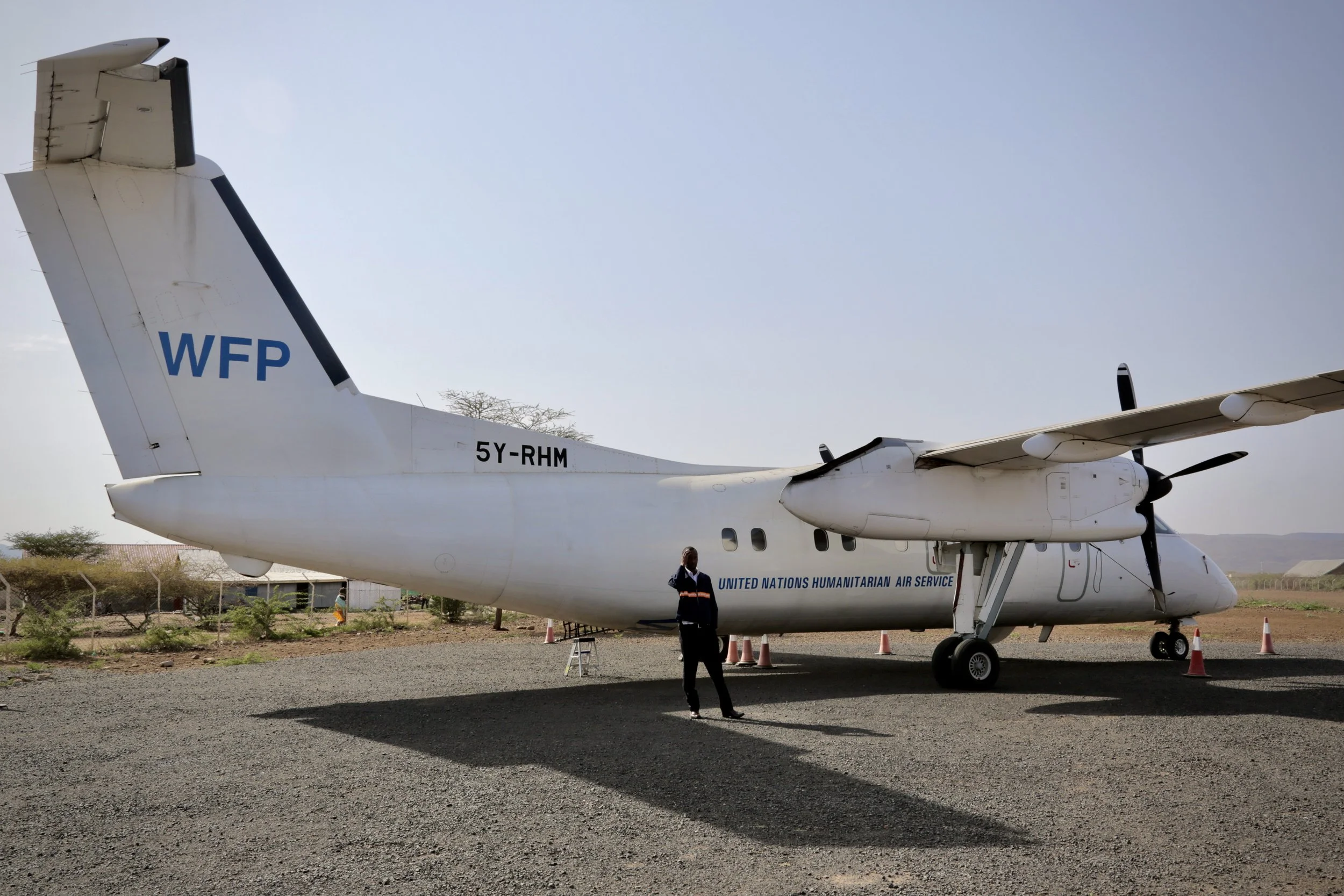
A UN flight prepares to depart from northern Kenya with refugees approved for relocation. For those on board, departure meant safety, separation, and an uncertain future beyond the camp.