In the remote mountain village of Ha Makunyapane in Lesotho’s Thaba-Tseka district, youth advocate Pheto Kutumela works with families affected by poverty, disability and limited access to support services.
Through Sentebale’s Let Youth Lead programme, Pheto met Palesa, a single mother caring for her severely disabled daughter, Lebo, inside a one-room stone house in the highlands. After documenting the family’s situation and repeatedly raising the case with local authorities, he successfully advocated for Lebo to receive a wheelchair; easing some of the physical burden of care, though not the deeper realities of poverty and isolation.
Photographed across several visits to one of Lesotho’s most remote regions, the series combines portraiture, landscape and domestic detail to reflect both the physical isolation of the highlands and the quieter realities of daily care work. Particular attention is given to ordinary objects and spaces (paperwork, cooking stoves, doorways and wheelchairs) to avoid reducing the story solely to crisis.
The photographs also point toward a larger uncertainty: what happens to disabled family members in communities where support systems are limited, caregivers are ageing, and most care remains confined to the home.
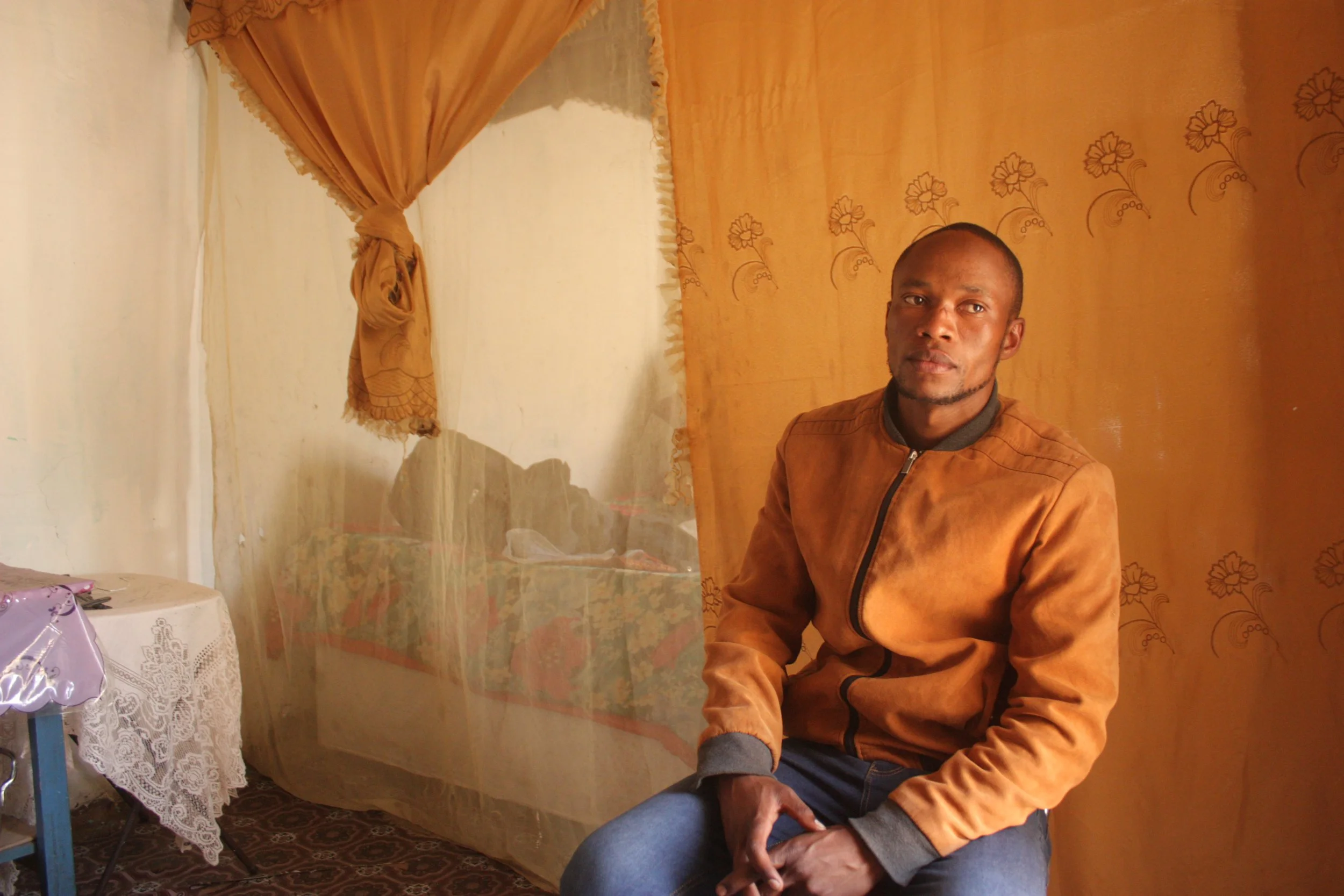
A portrait of youth advocate Pheto Kutumela inside his home in Ha Makunyapane, a remote village in Lesotho’s Thaba-Tseka district. Through Sentebale’s Let Youth Lead programme, Pheto works with families affected by poverty, disability and limited access to support services.
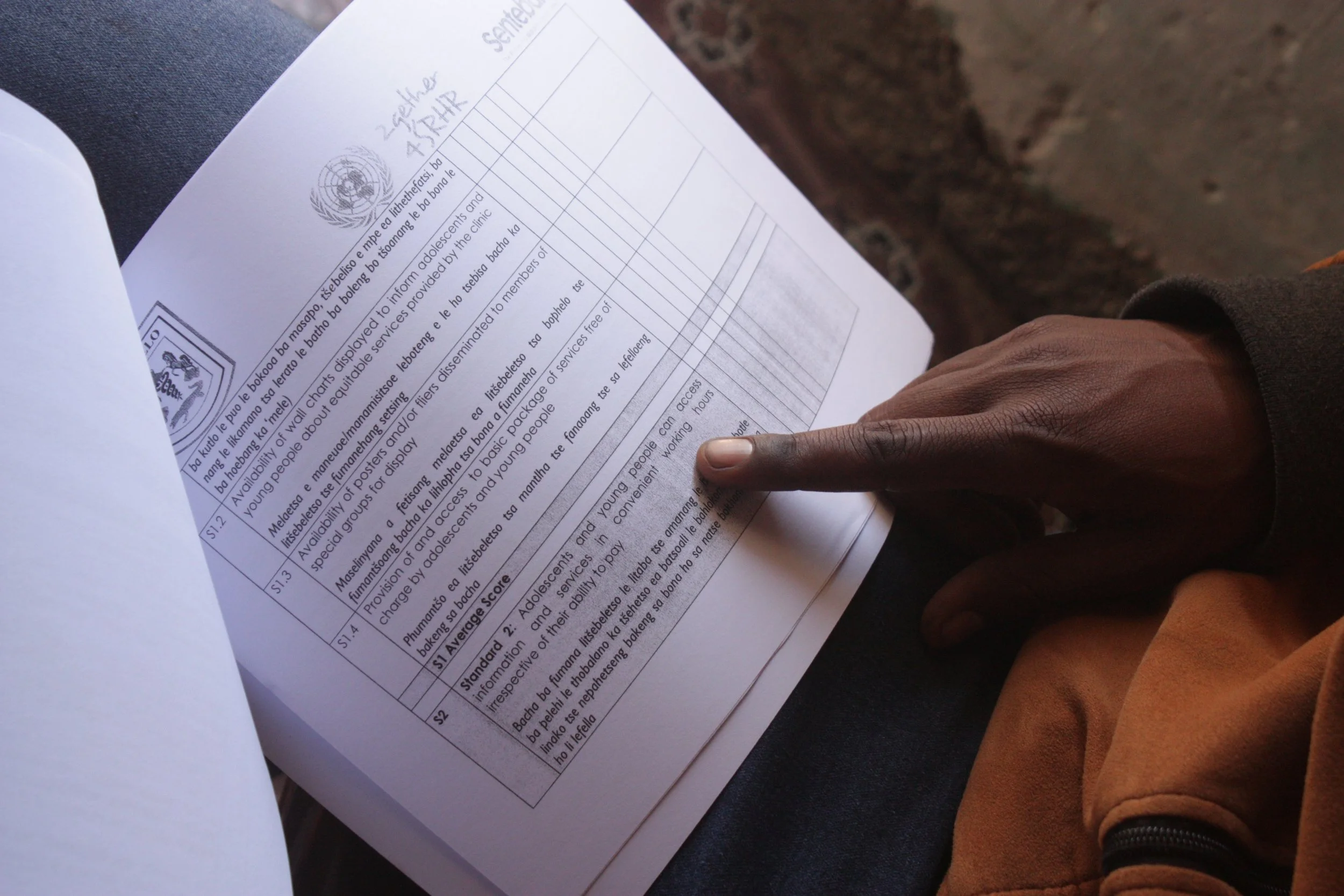
Pheto reviews community scorecards used through Sentebale’s Let Youth Lead programme to assess local healthcare and education services in rural Lesotho. The programme trains young advocates to document gaps in public services and push local authorities for change.
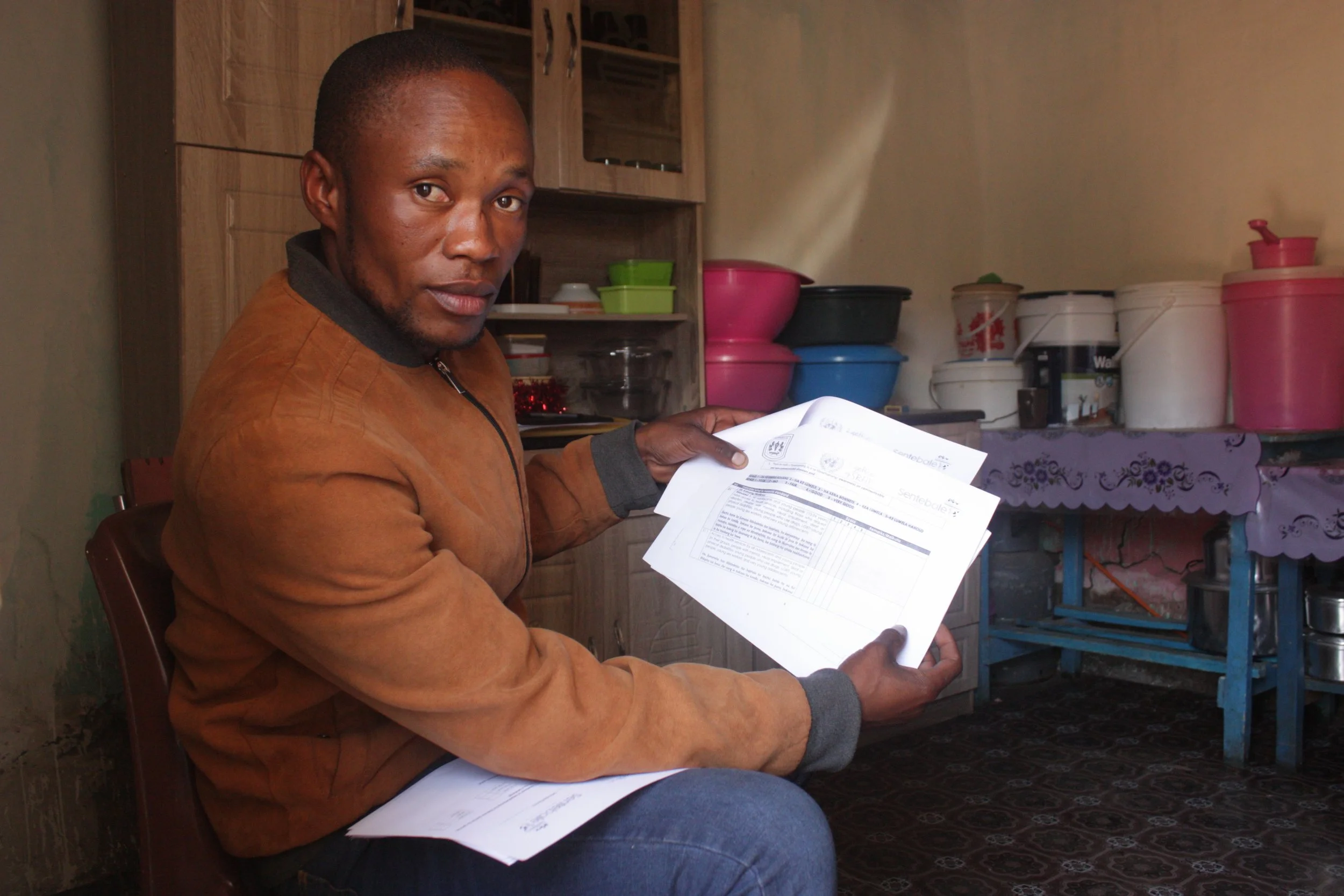
Pheto Kutumela holds completed scorecards used to evaluate healthcare access and service delivery in remote mountain communities. Beyond advocacy training, participants in the programme learn to monitor local facilities and engage policymakers over gaps in care and education.
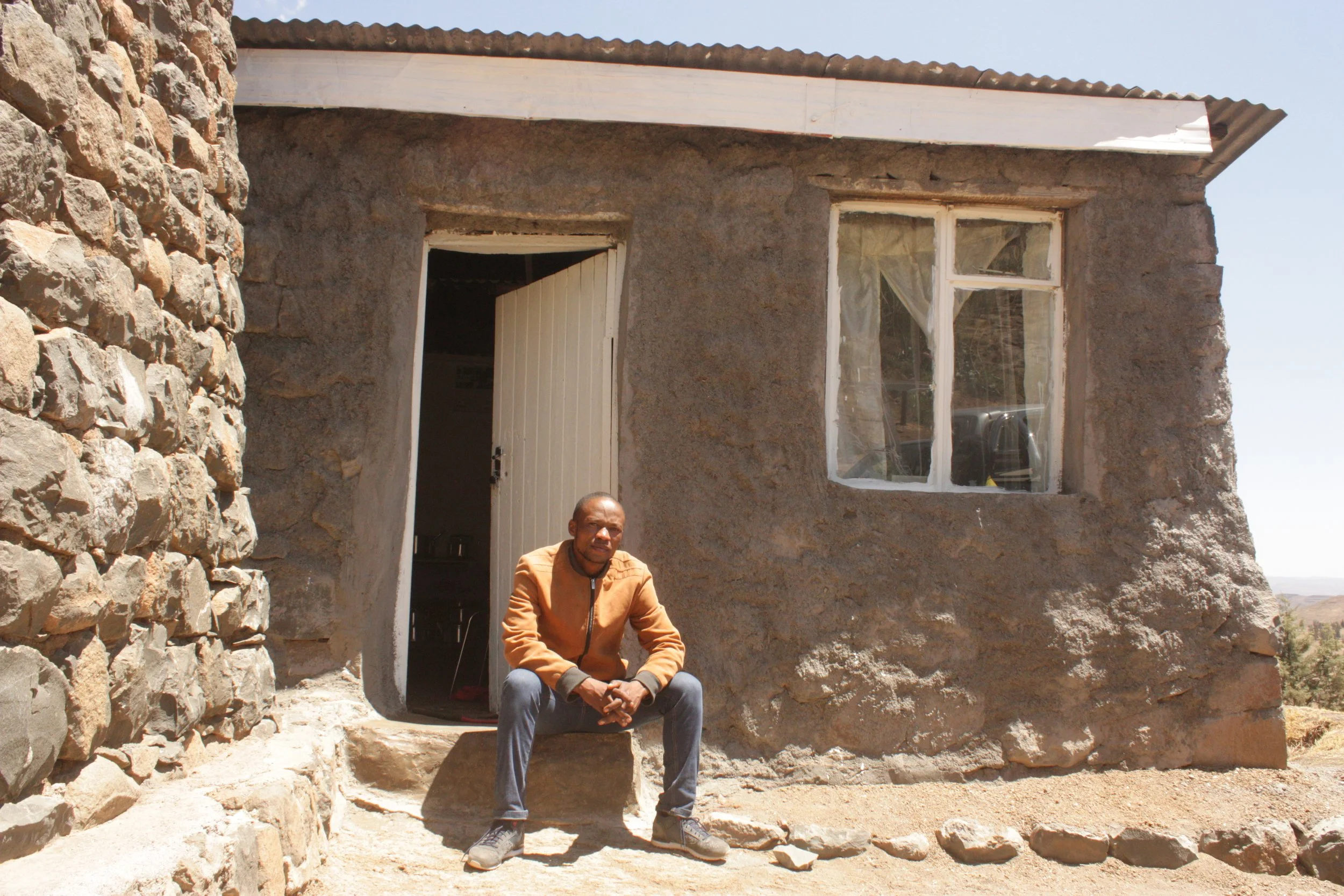
Pheto sits outside his home in Ha Makunyapane. Reaching the village requires hours of travel through Lesotho’s mountainous interior, where many communities remain geographically isolated from public services.
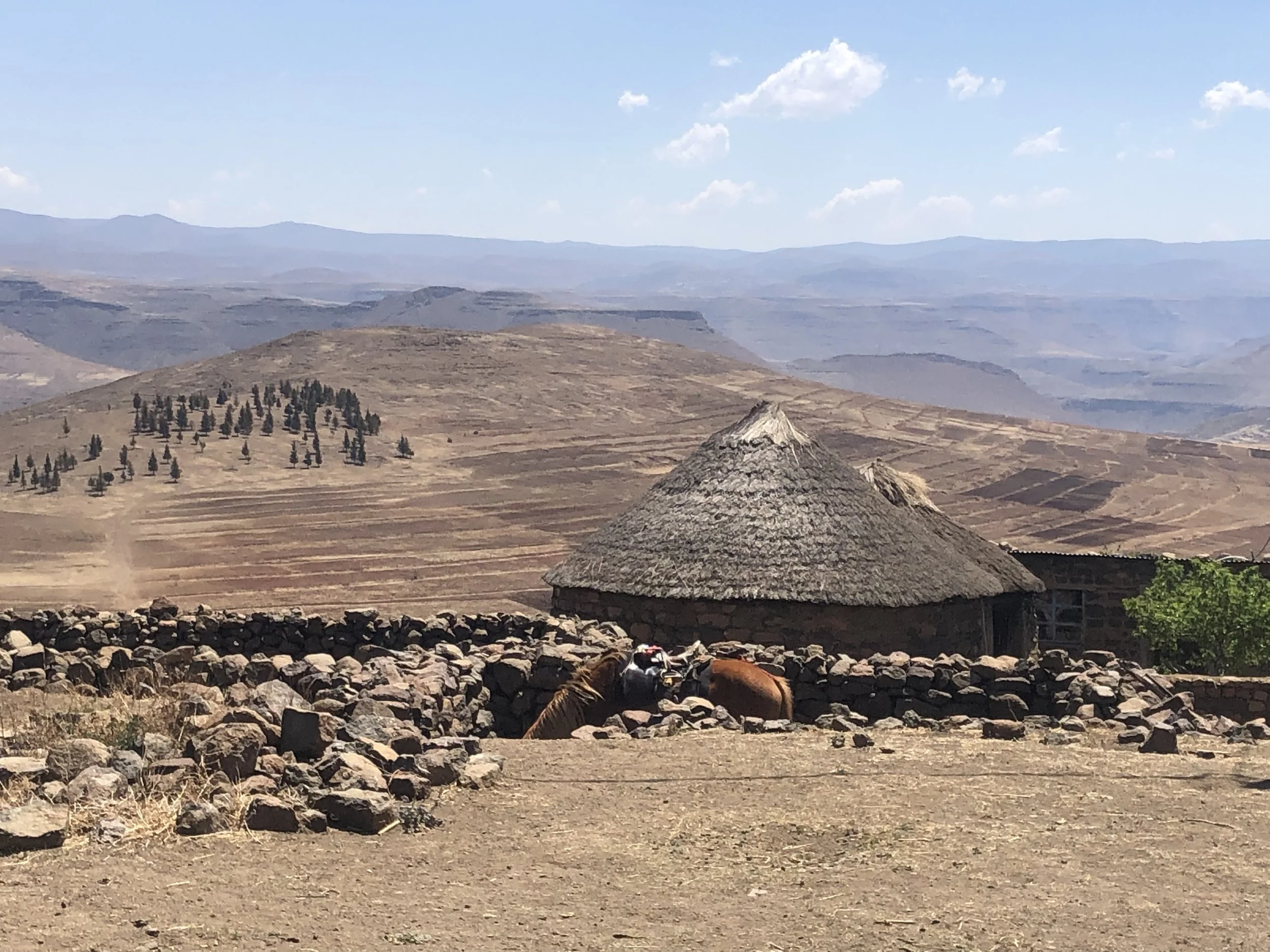
Palesa's rondavel overlooking the valleys of Thaba Moorosi, Lithipeng. The mountainous terrain contributes to the isolation experienced by many families living in Lesotho’s highlands.
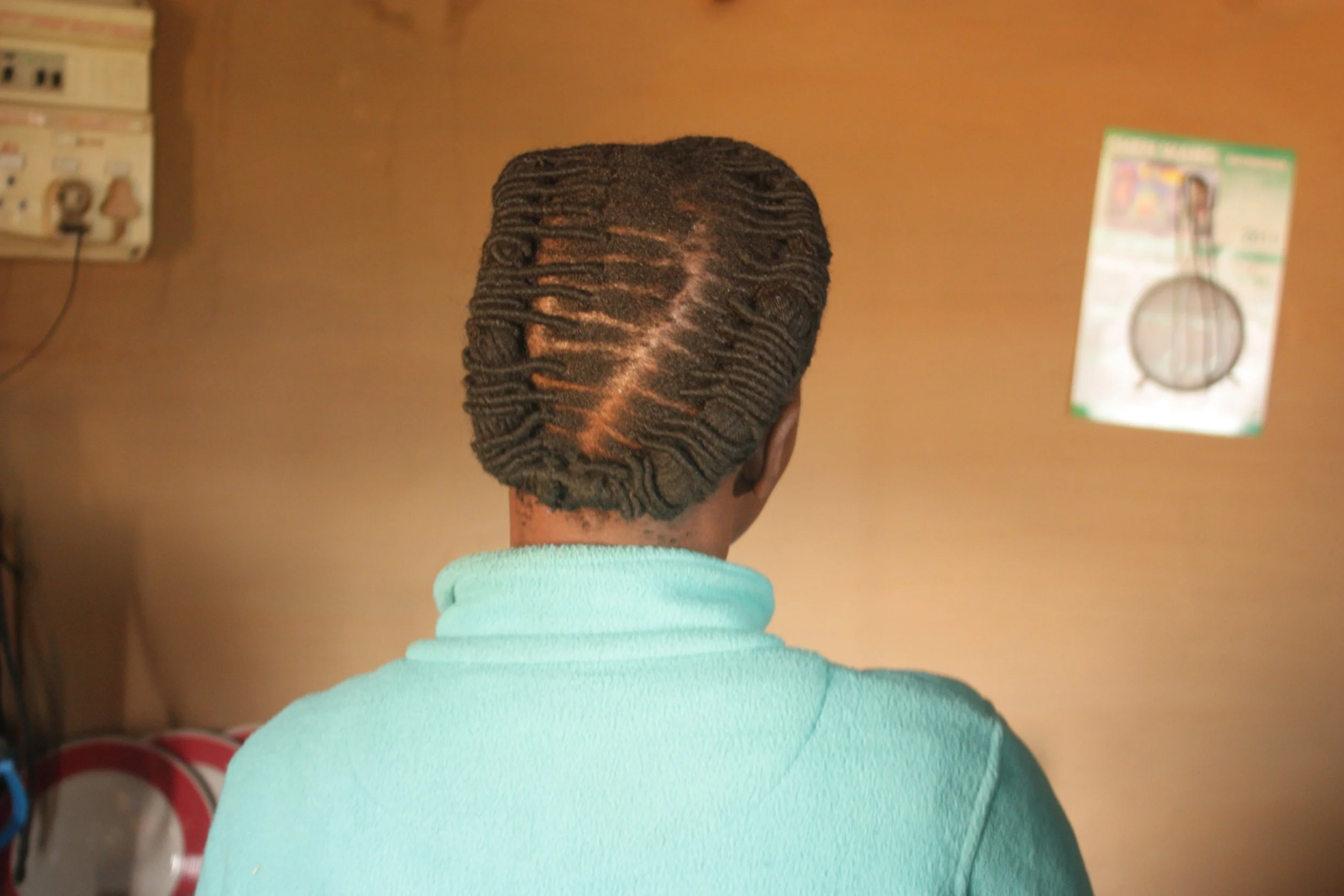
Palesa sits inside her one-room home in Thaba Moorosi, Lithipeng, where she cares for her severely disabled daughter, Lebo. The image focuses on gesture and domestic space rather than direct portraiture.
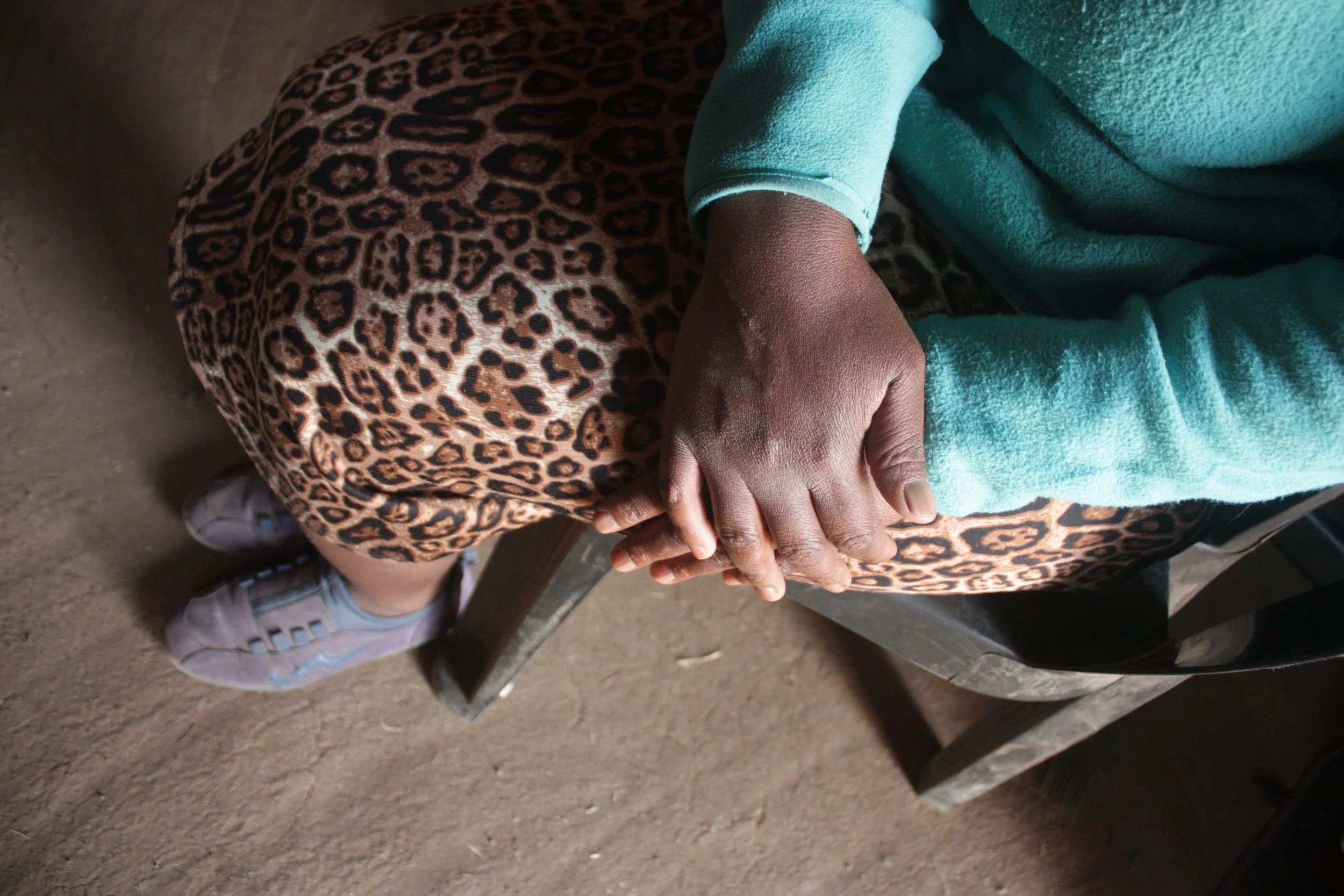
Palesa rests her hands in her lap while speaking about caring for her daughter inside their stone house in the mountains of Thaba Moorosi, Lithipeng,
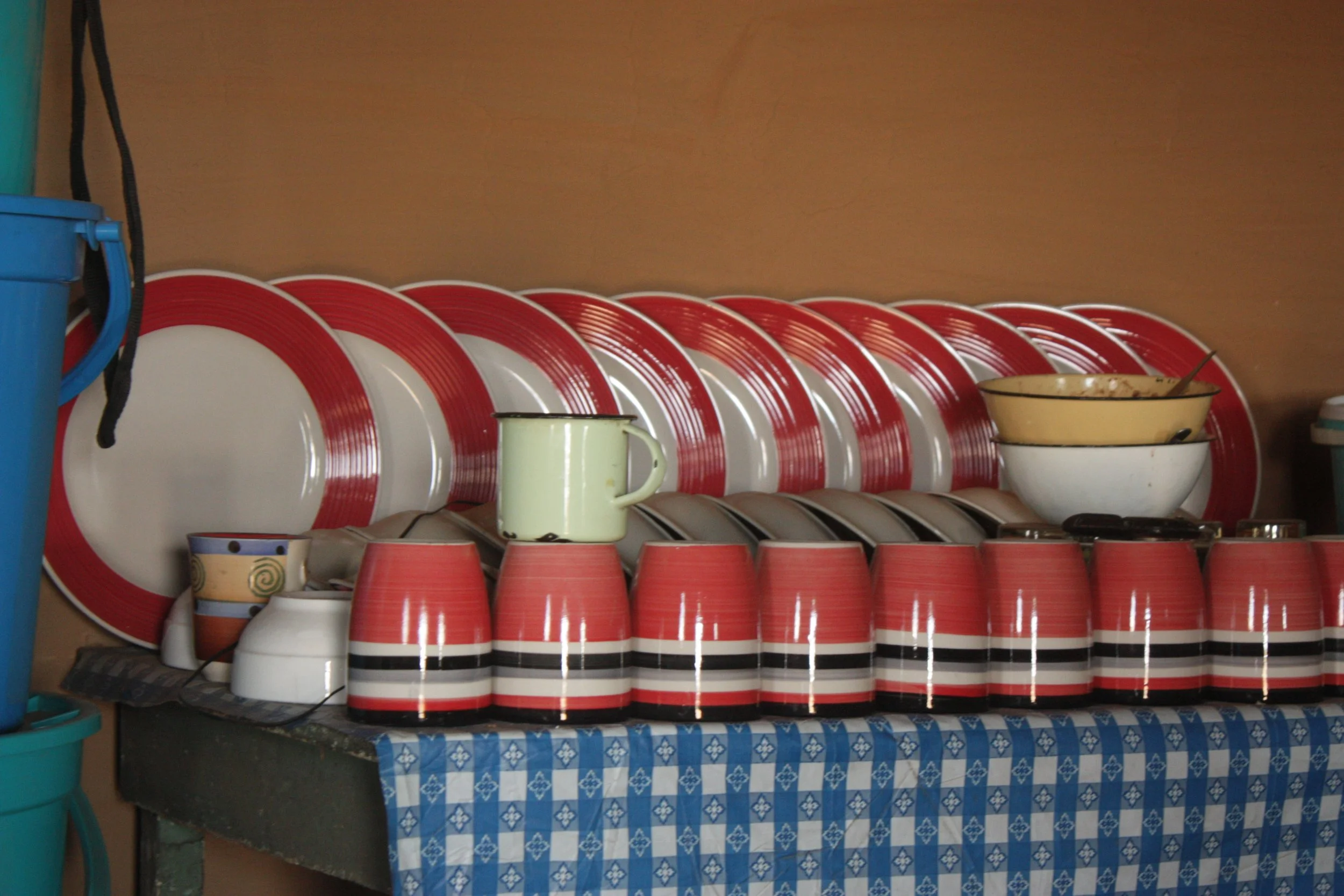
Dishes and household items inside Palesa’s home in Thaba Moorosi, Lithipeng,. The series focuses closely on ordinary domestic spaces shaped by poverty, care work and isolation.
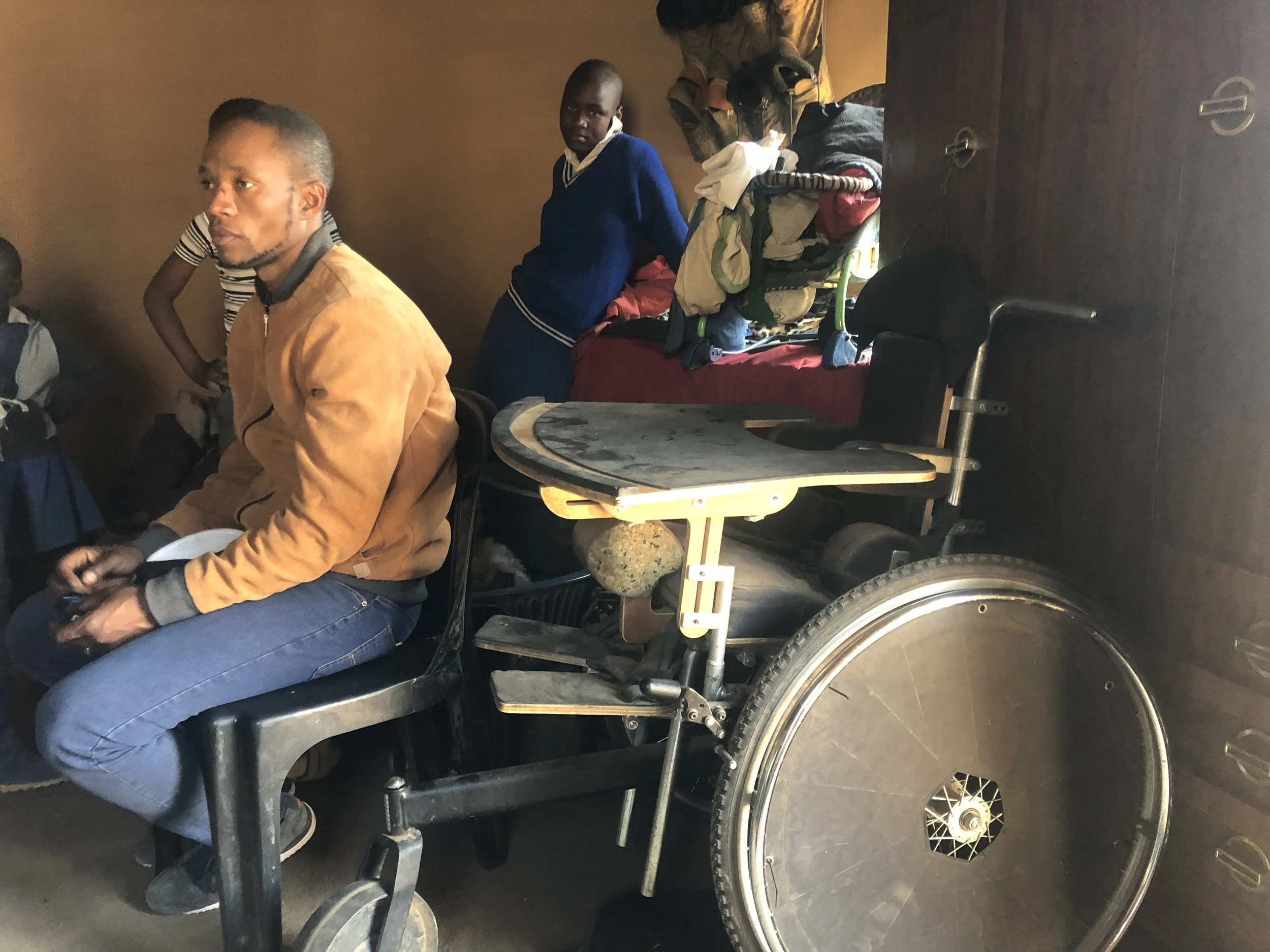
A wheelchair provided after advocacy by Pheto Kutumela sits inside the family home. The chair eased some of the physical burden of care, though the family continues to live with limited support and difficult conditions.
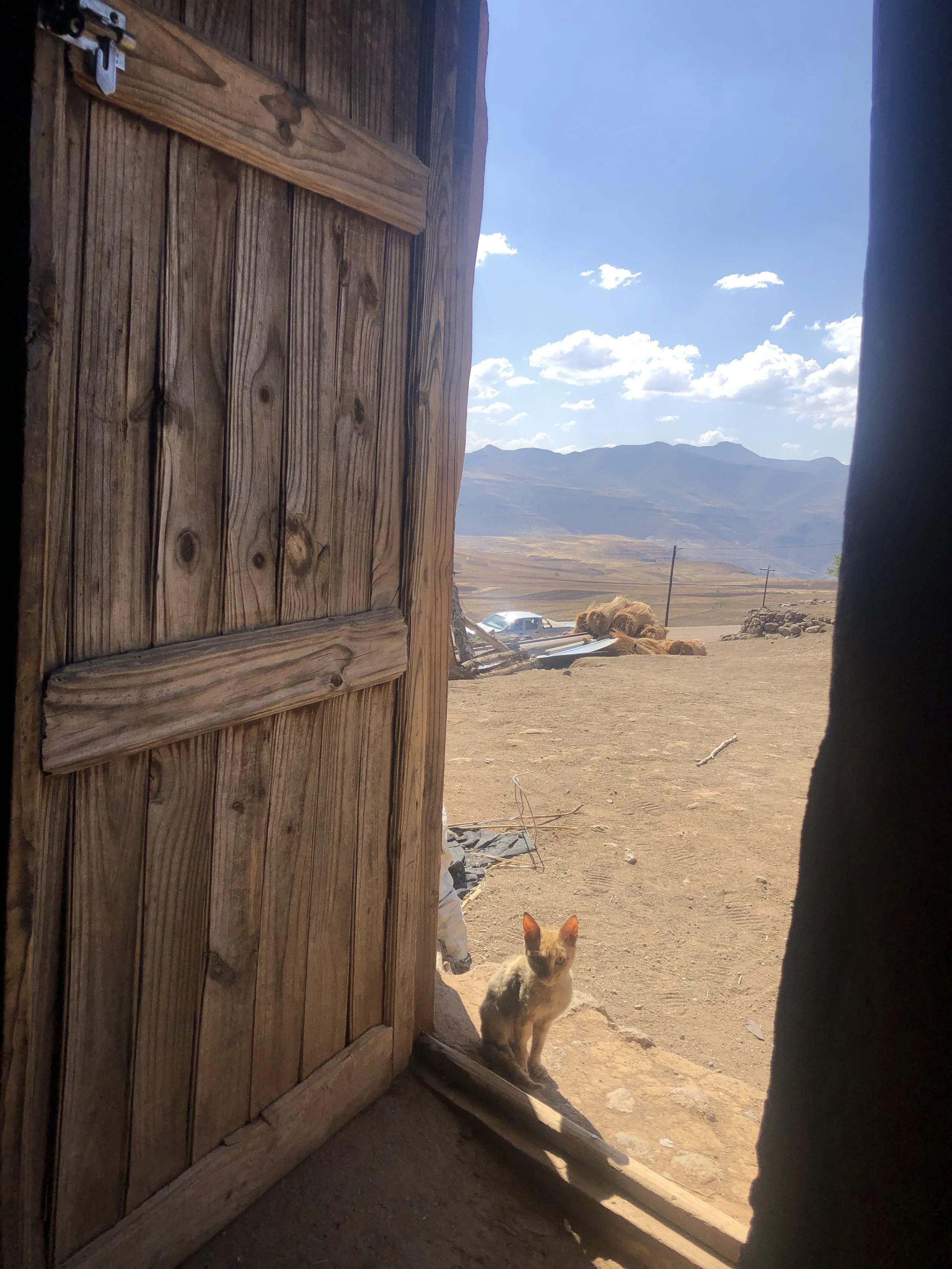
A view from inside Palesa's house in Thaba Moorosi, Lithipeng, toward Lesotho’s mountain highlands. Many villages in the region remain difficult to access and far removed from consistent state services.
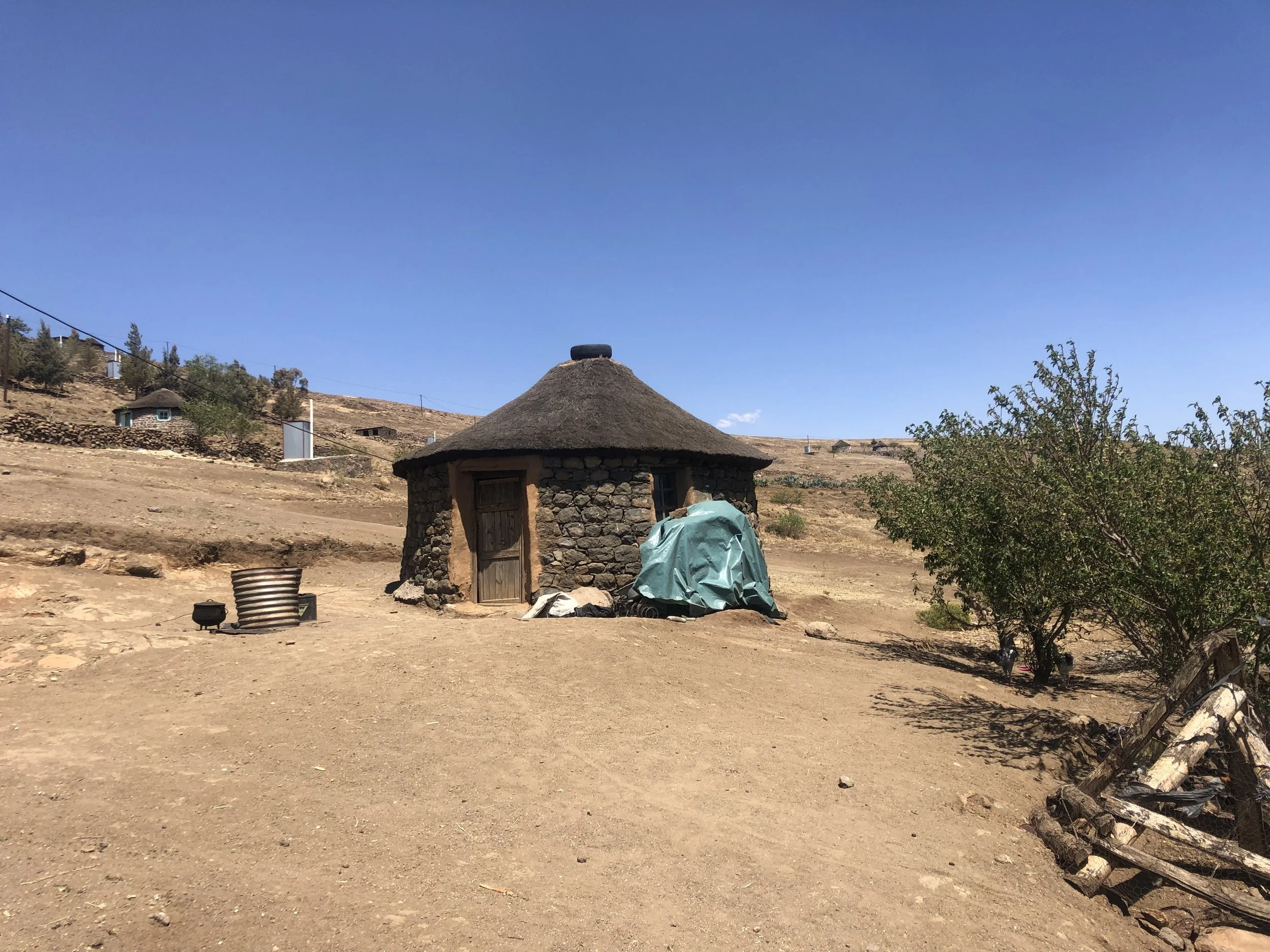
A small stone rondavel in Thaba Moorosi where Bokang Khera and an elderly caregiver lived together in isolation. Though physically small for his age because of malnutrition, Bokang was 16 years old and had only attended school up to Class 7.
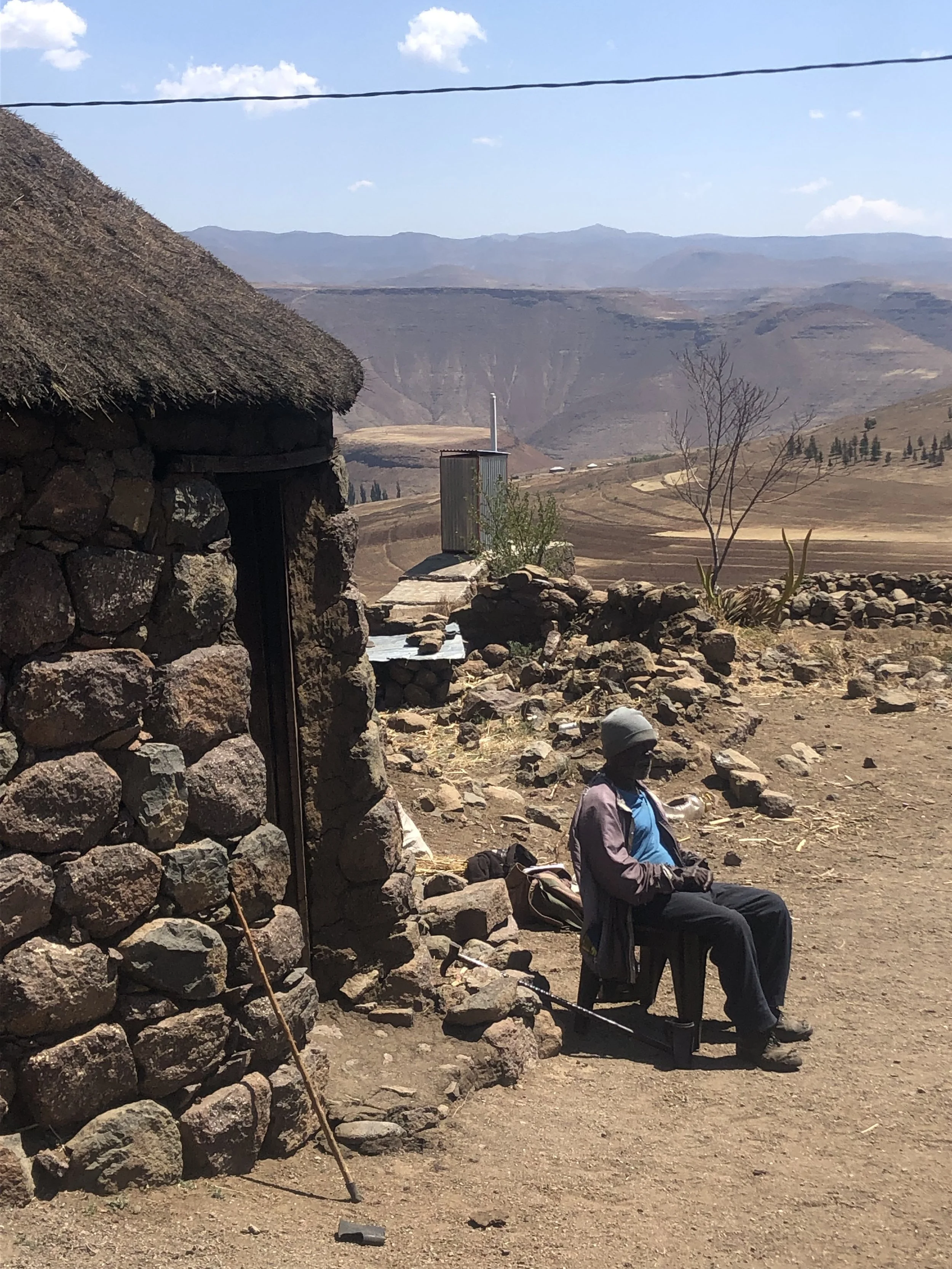
An elderly man sits outside the stone hut he shared with teenager Bokang Khera in Thaba Moorosi. Bokang helped herd cattle, while the older man provided food, shelter and daily care. The two lived alone together in the mountains.
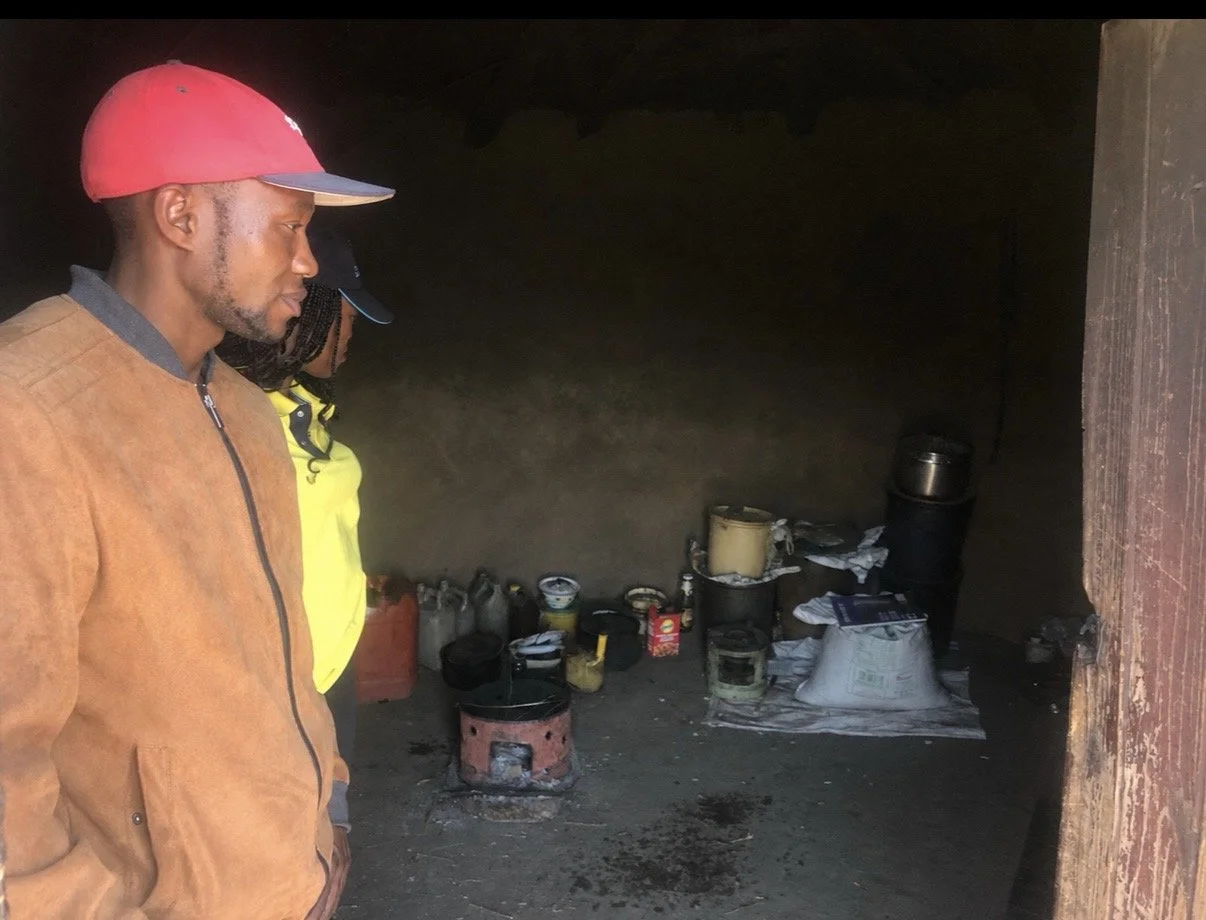
Pheto Kutumela enters the home of Bokang Khera and his elderly caregiver in Thaba Moorosi during his first visit to the household. While documenting their living conditions and hearing their story, Pheto began considering how he could advocate for further support on their behalf.
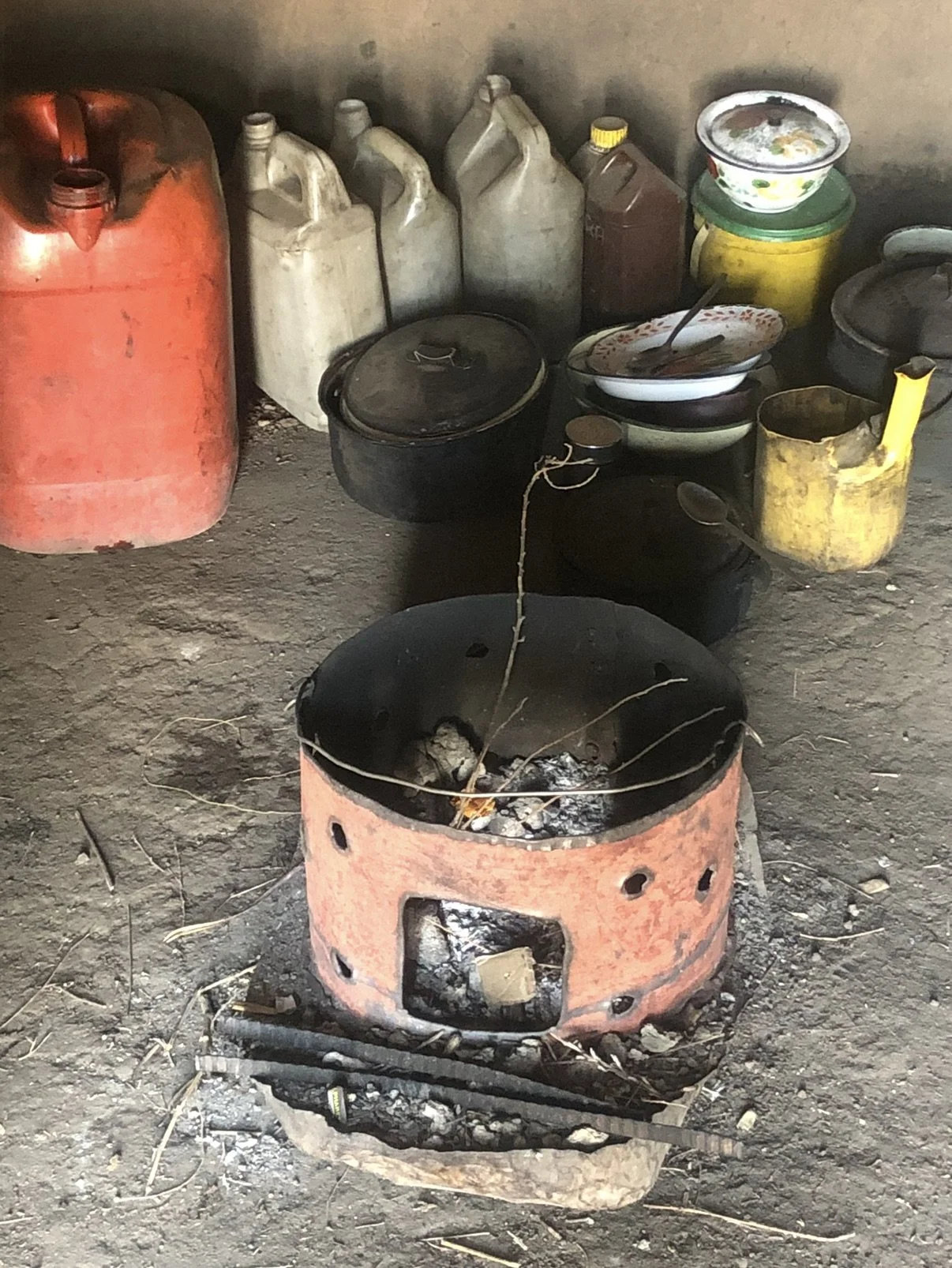
A coal stove and cooking utensils inside the hut shared by Bokang Khera and his elderly caregiver. The single-room dwelling served as their kitchen, sleeping area with a shared blanket on the floor, and living space.
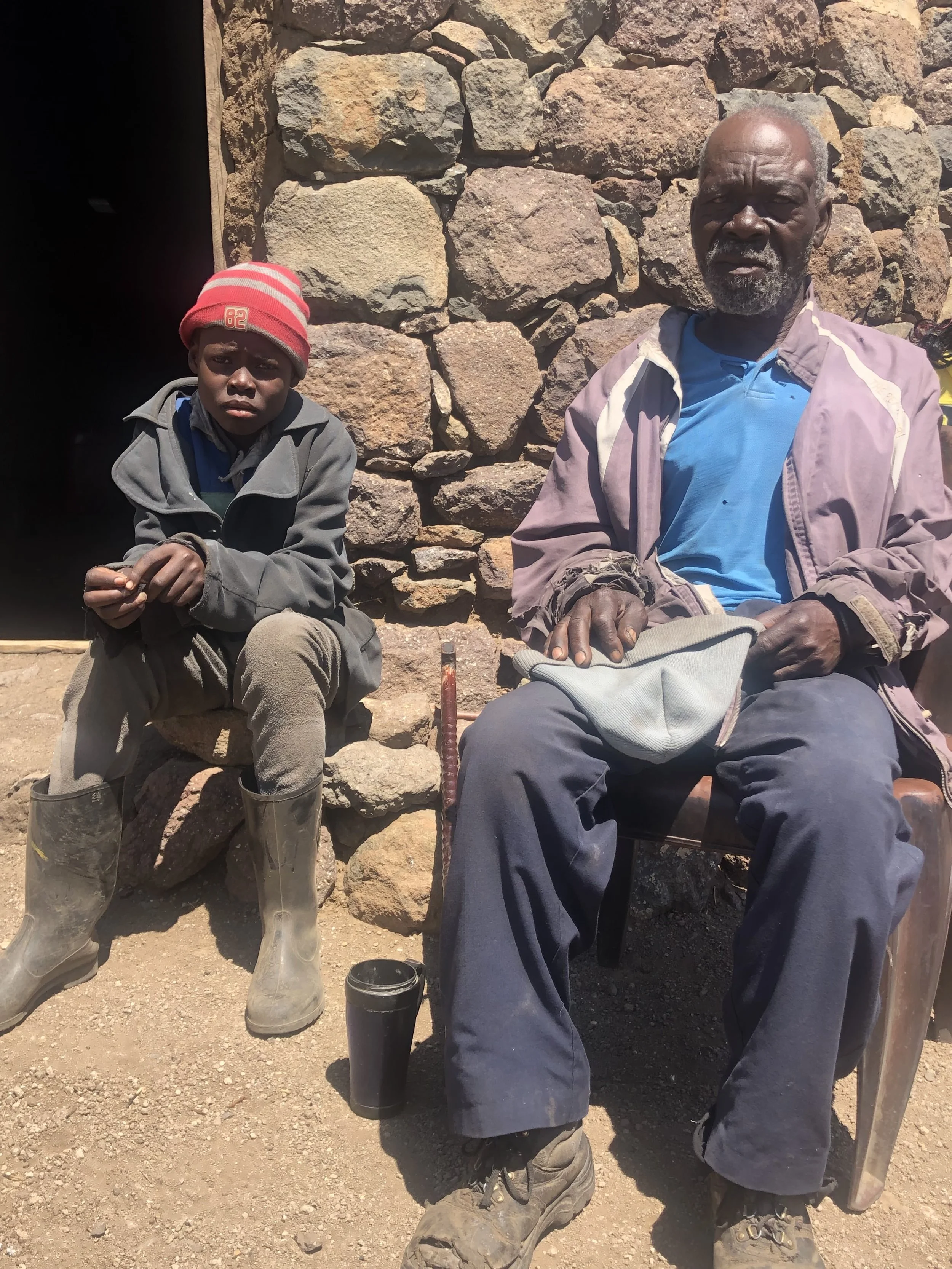
Bokang Khera sits beside an older relative outside their home in Thaba Moorosi. Though the exact family relationship was unclear, Bokang referred to him as “uncle.” Living together in isolation, Bokang helped herd cattle while the older man provided food, shelter and care.
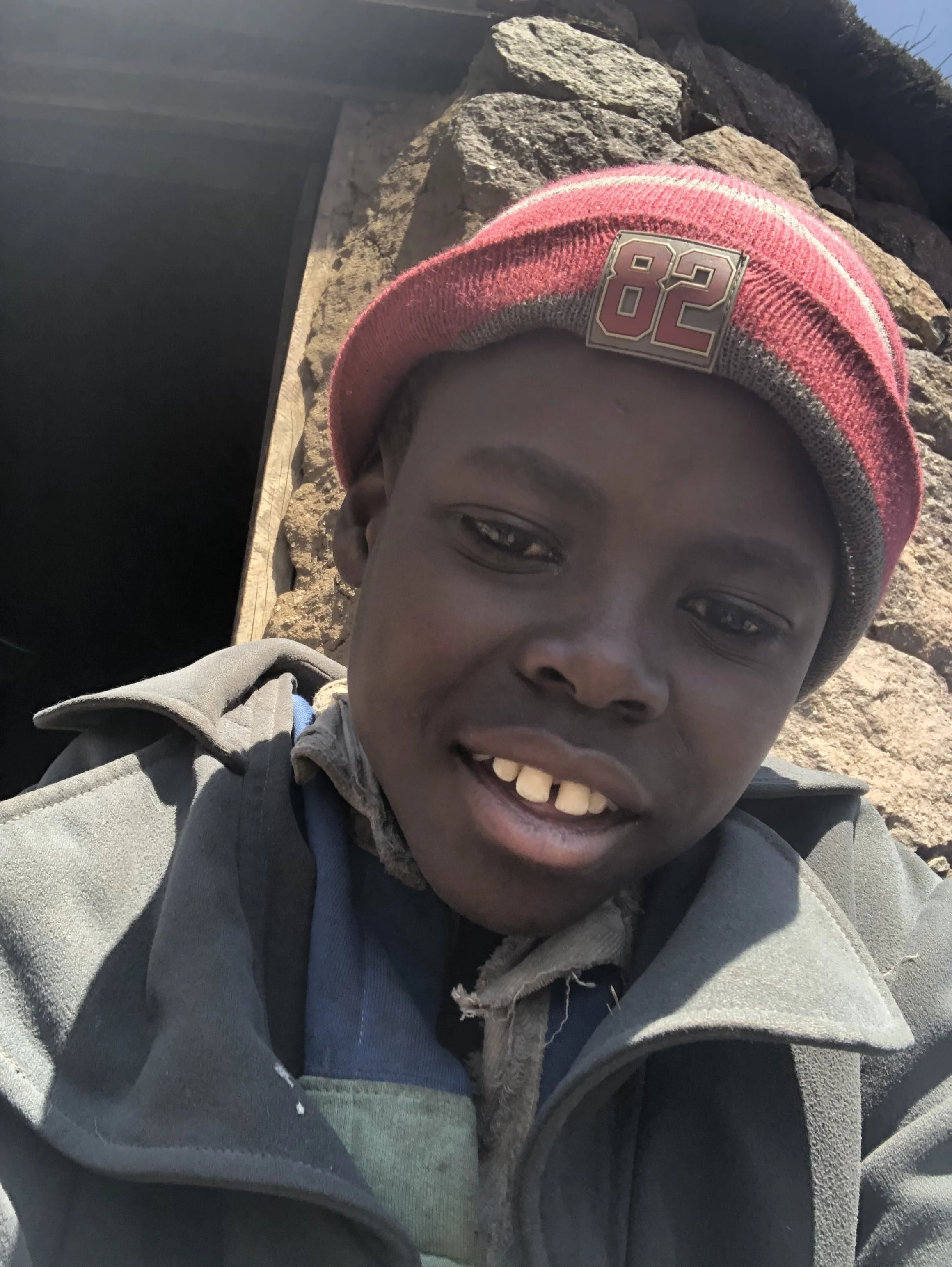
Bokang Khera poses outside the hut he shared with an elderly caregiver in the mountains of southern Lesotho. Though physically small for his age because of malnutrition, he was approximately 15 or 16 years old and had only attended school up to Class 7.