In 2016, Elsa Buchanan travelled to Kenya's Kakuma refugee camp to investigate reports of violence targeting members of the camp's Somali refugee community, including allegations of rape and attacks against women and girls. There she met a Somali refugee father who had lived in the camp since 2009 and said growing insecurity had compelled him to send four of his daughters, aged between 15 and 22, more than 600 kilometres south to Nairobi. The young women had already fled war in Somalia as children after a rocket strike killed their two-year-old twin sisters, eventually settling in Kakuma. When reports of sexual violence increased (the United Nations, the family decided the girls would be safer in the capital. This series begins in Kakuma, documenting the people and places they left behind, before following their journey to Nairobi's Eastleigh district.
But safety proved elusive. Living together in a bare apartment, the sisters rarely ventured outside and requested anonymity for fear of being identified. At the time, refugees in Kenya faced growing uncertainty following government moves to dismantle key refugee institutions and calls for urban refugees to return to camps. The young women described living in constant fear of police harassment, arrest or deportation to Somalia, spending much of their time confined to a single room. Through portraits, domestic interiors, gestures and personal documents, the photographs explore lives suspended between refuge and insecurity, revealing how displacement can continue long after escape.
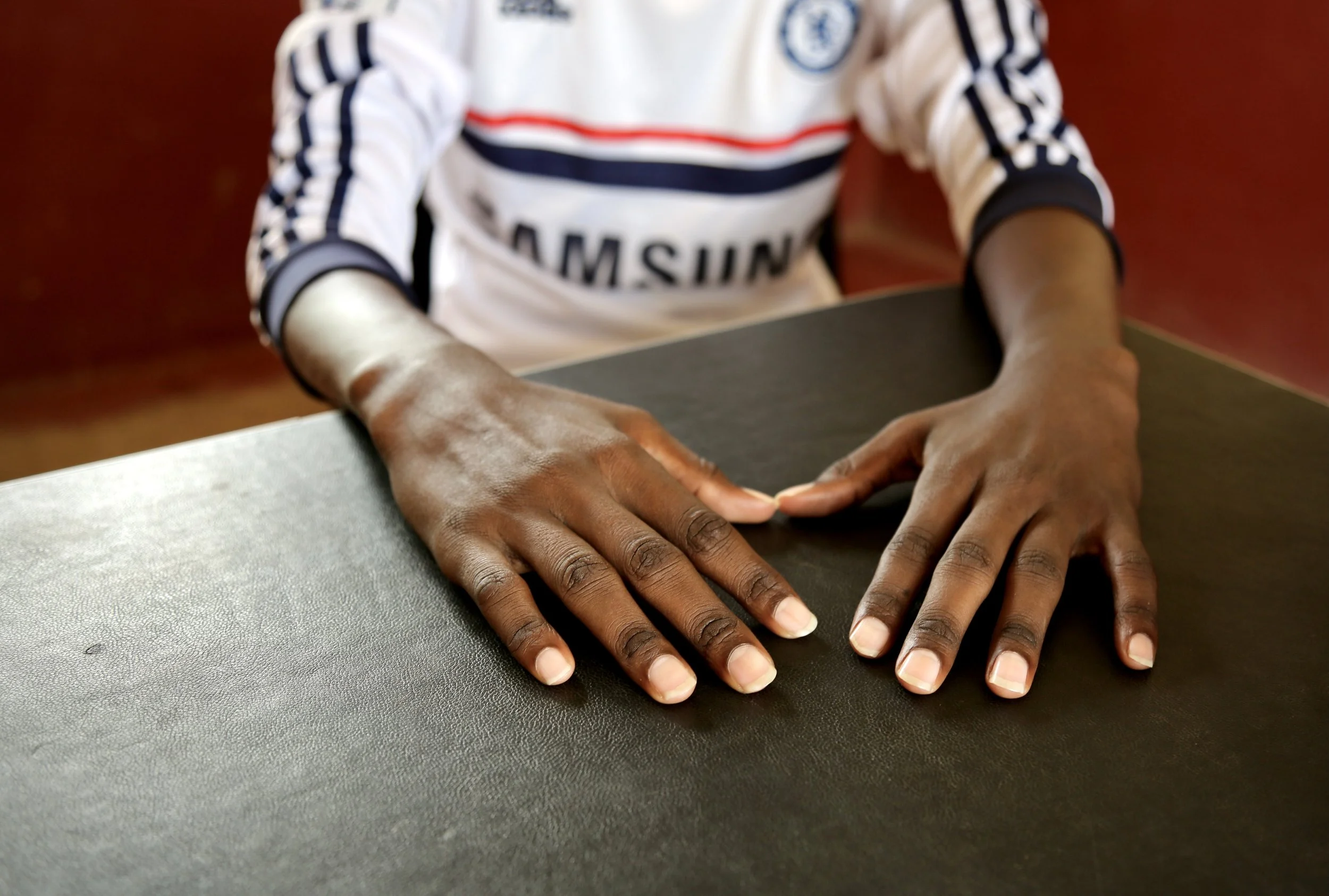
Hands of a 22-year-old Somali refugee in Kakuma refugee camp, Kenya. Speaking anonymously, he told IBTimes UK that reports of rape against Somali women and girls had become one of the community's greatest fears. "I'd rather die than have my mother, sister or daughter raped," he said. Kakuma, Kenya, June 2016.
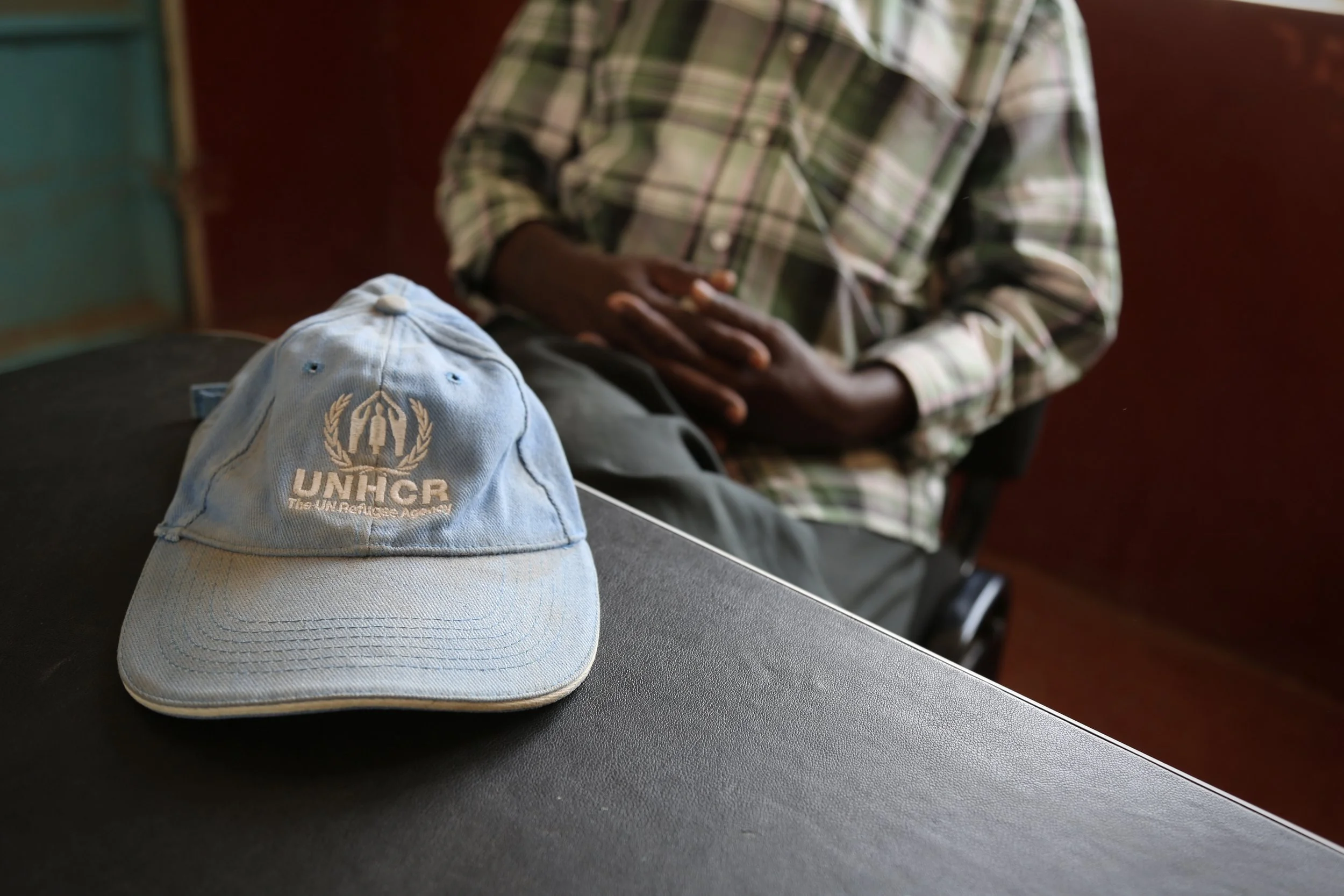
A Somali refugee father who had lived in Kakuma refugee camp since 2009. Concerned by reports of violence and sexual attacks against women and girls, he said he made the difficult decision to send four of his daughters to Nairobi, believing they would be safer away from the camp. Kakuma, Kenya, June 2016.
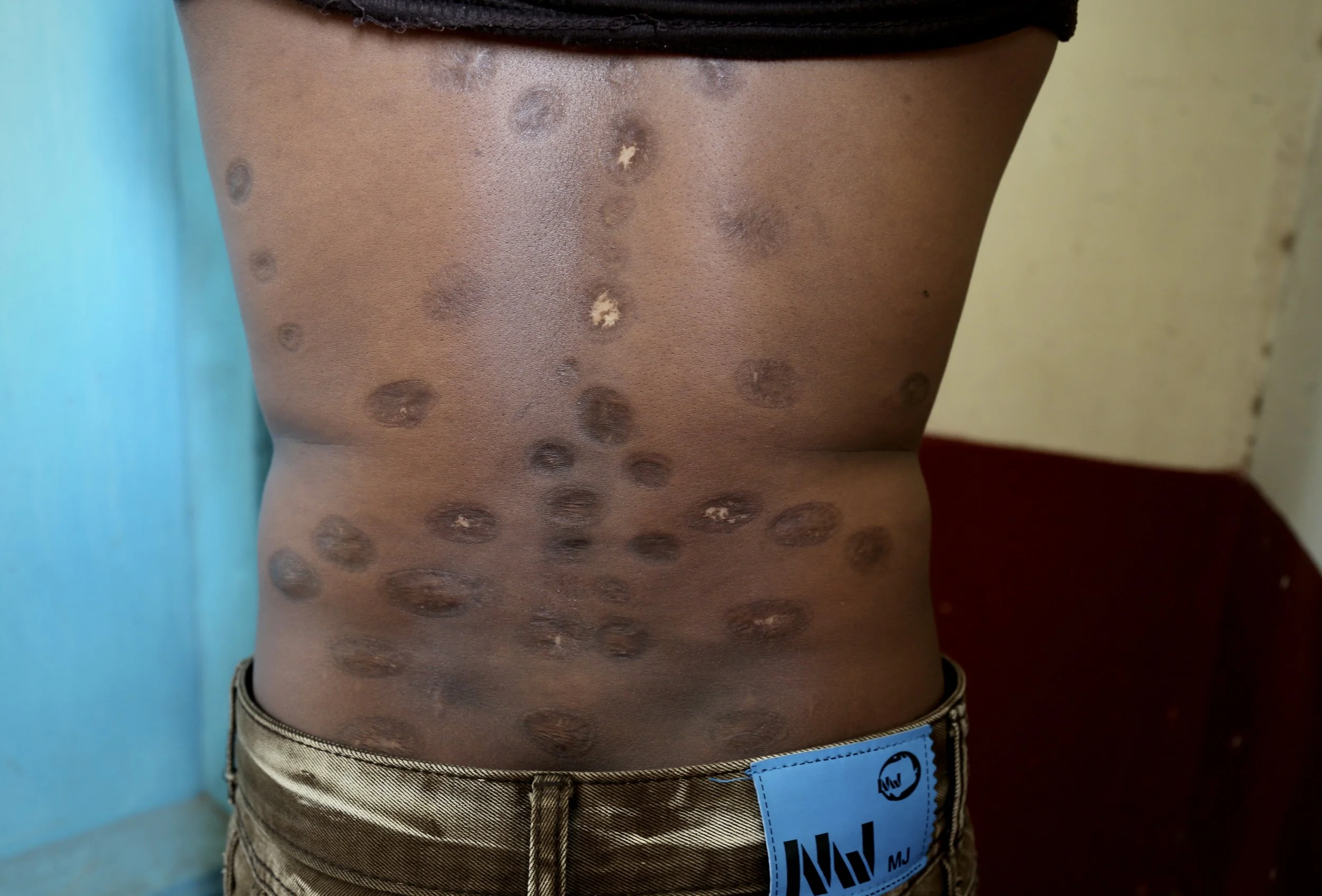
A Somali refugee displays scars that he said were the result of torture and ill-treatment. Kakuma, Kenya, June 2016.
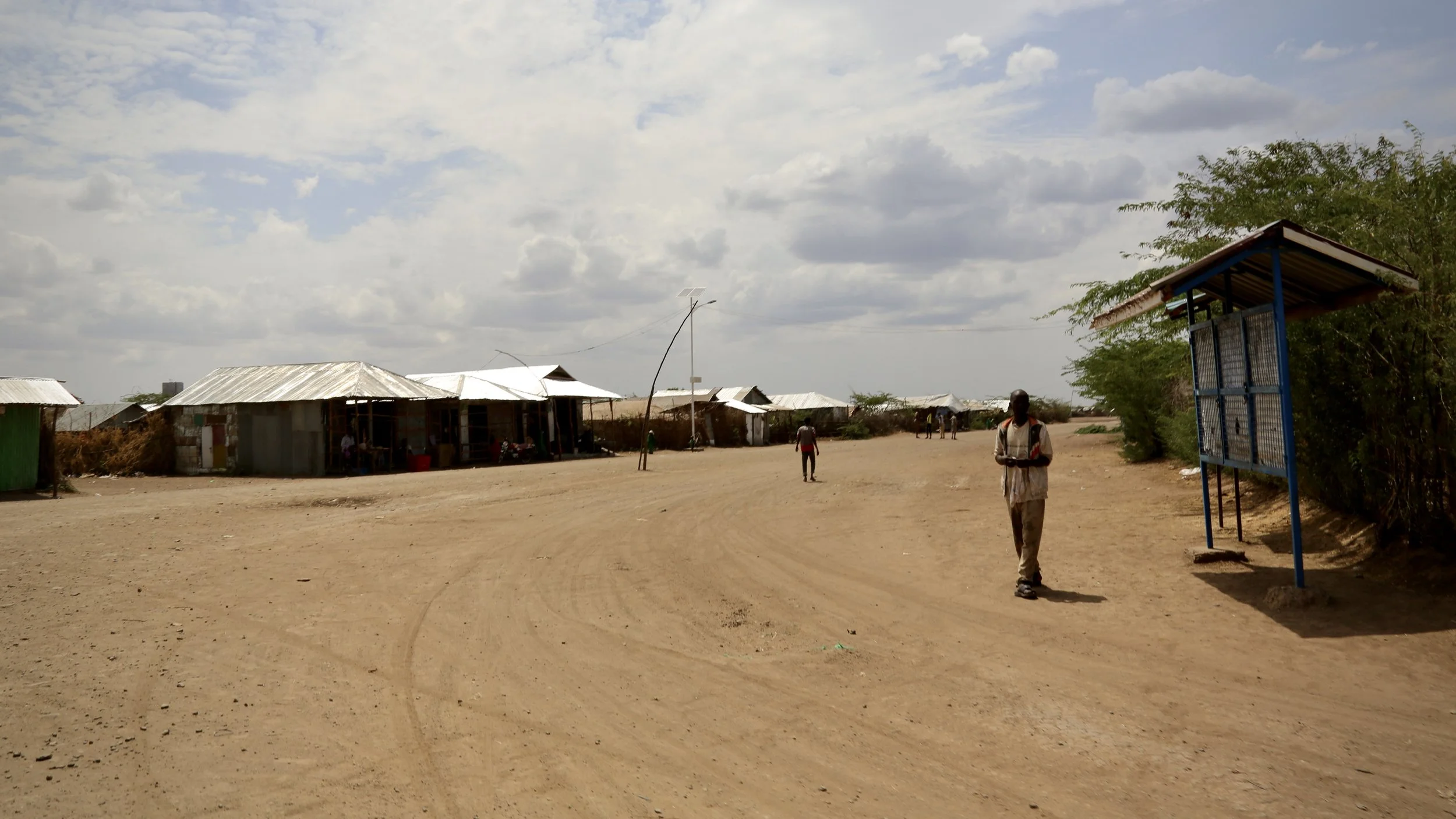
View of Kakuma refugee camp in north-western Kenya. The photograph was taken near a predominantly Somali section of the camp where residents spoke about growing insecurity and attacks against members of their community. Kakuma, Kenya, June 2016.
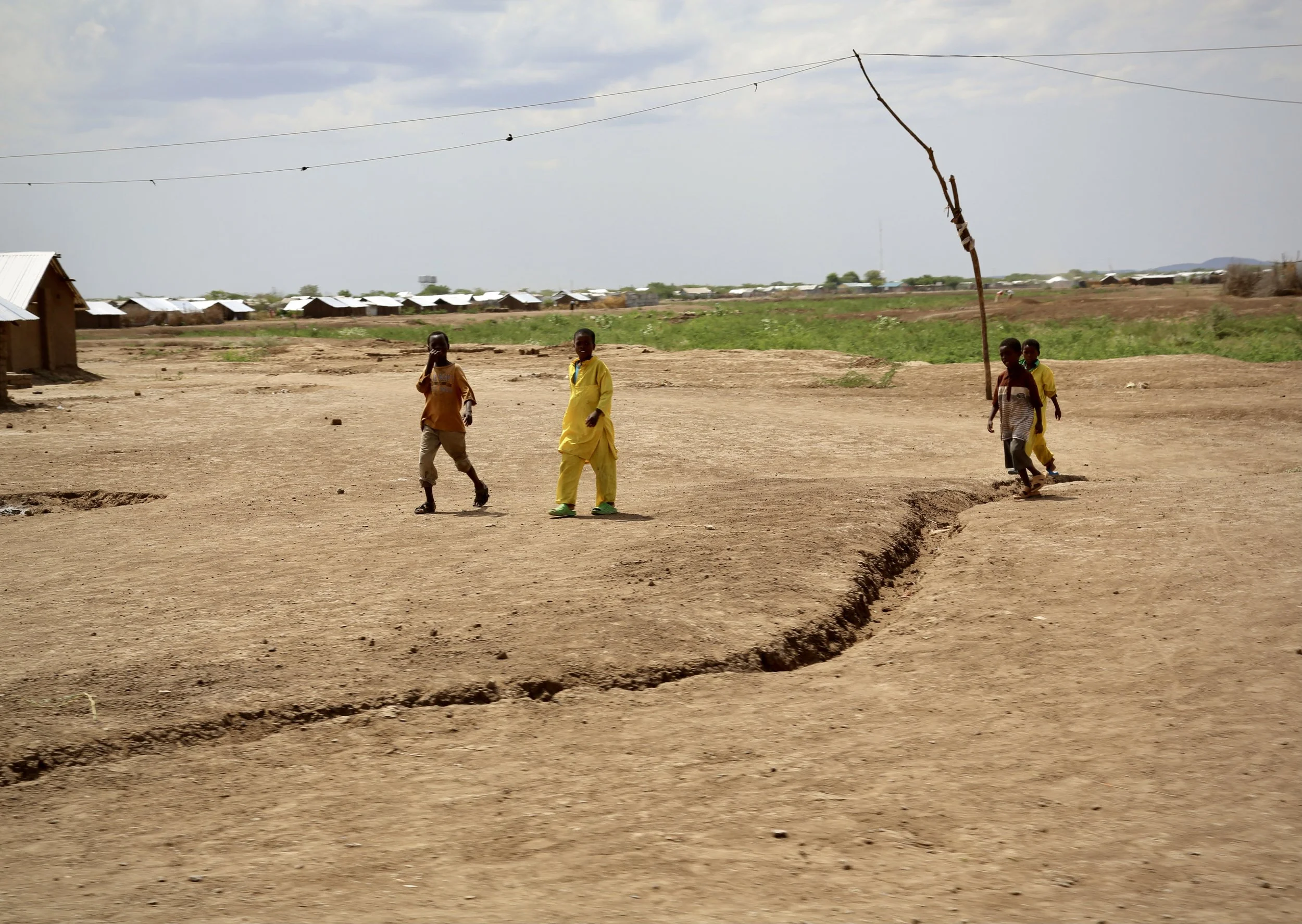
Somali children walk through a predominantly Somali area of Kakuma refugee camp. Residents said fears over violence and sexual attacks against women and girls had become widespread within the community. Kakuma, Kenya, June 2016.
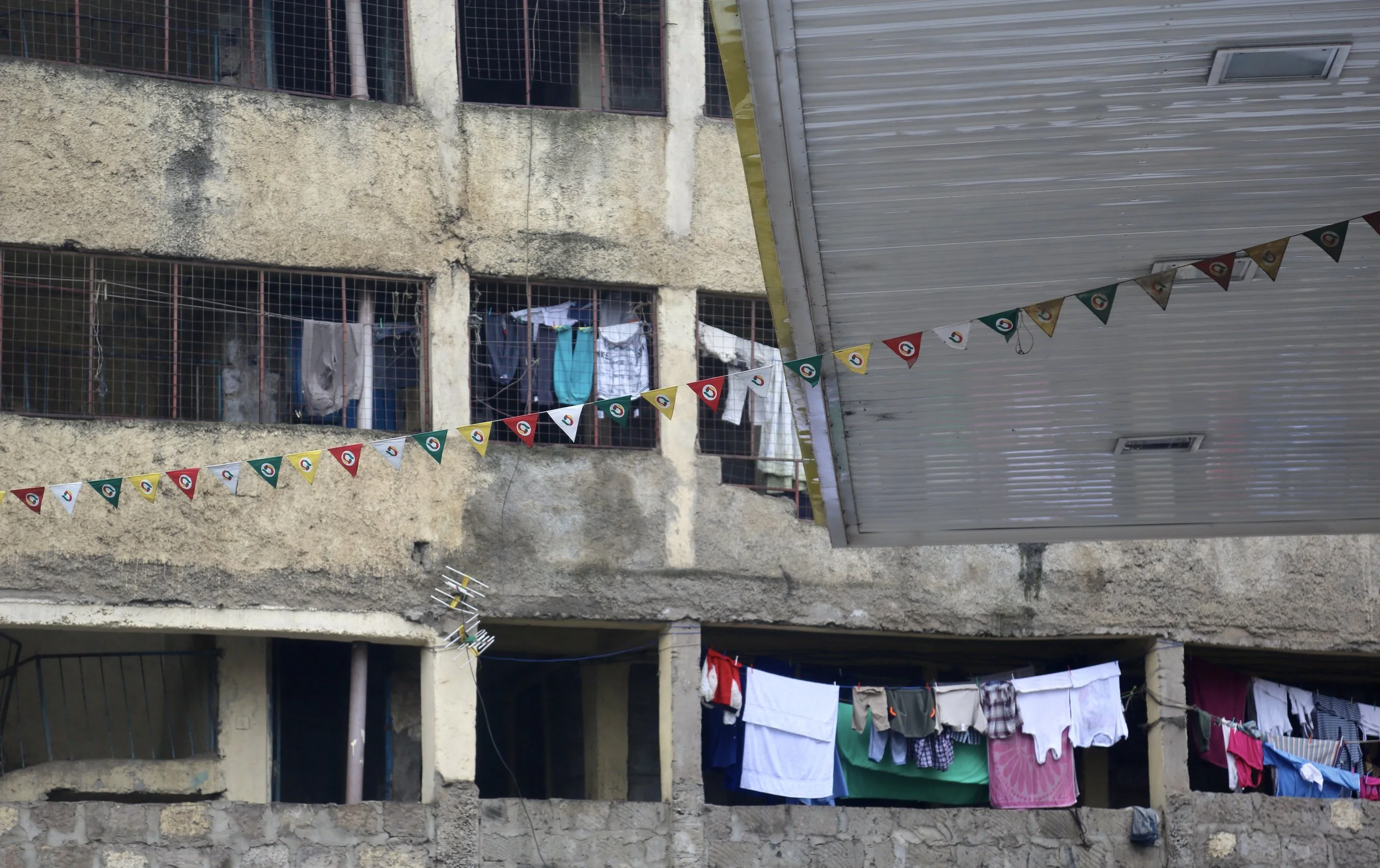
Laundry hangs from balconies in Eastleigh, Nairobi, a neighbourhood home to large numbers of Somali refugees and migrants. Many refugees who left Kakuma settled in the district hoping to find greater safety and opportunity. Nairobi, Kenya, June 2016.
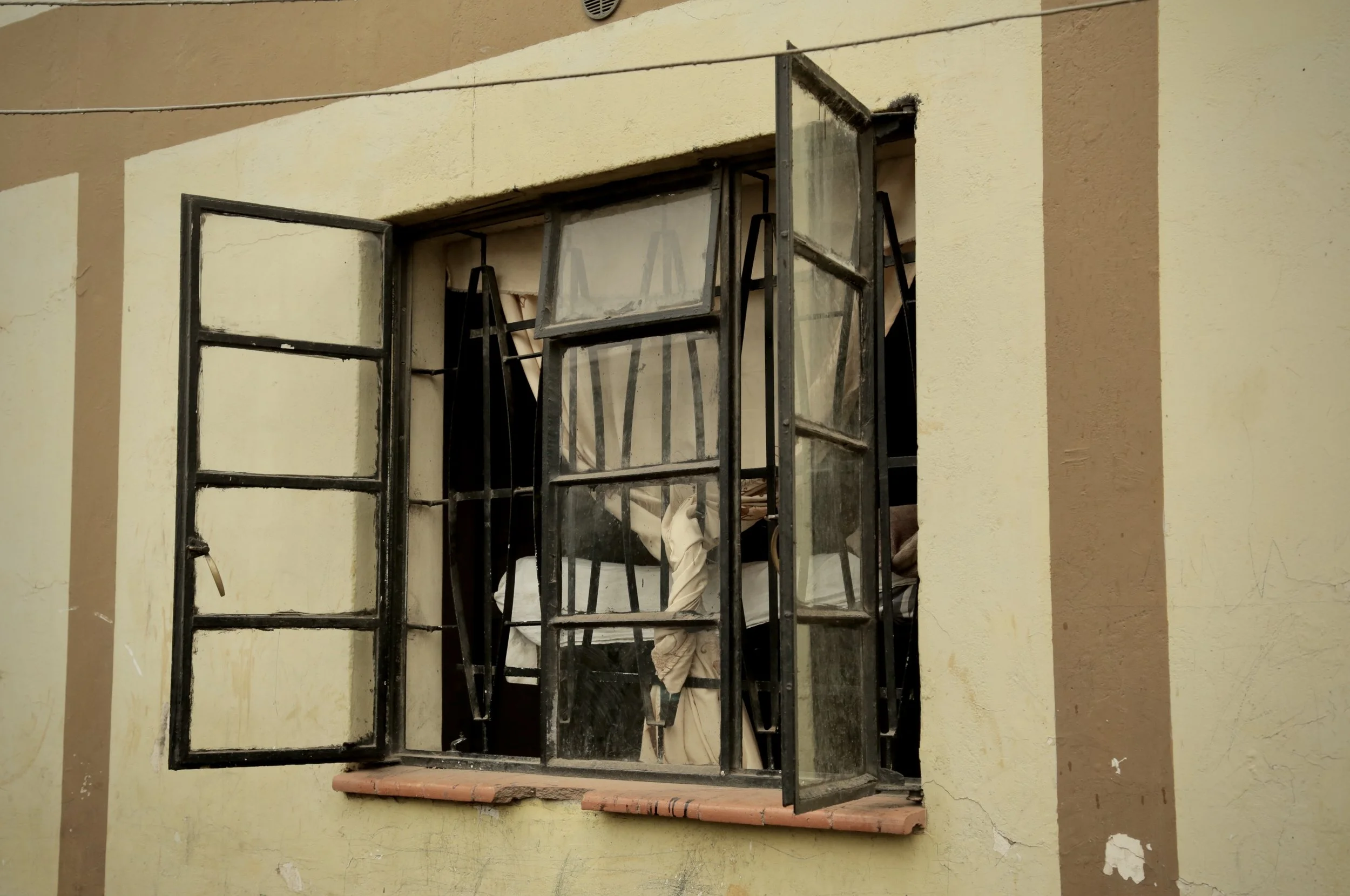
An apartment window in Nairobi's Eastleigh district. Four Somali sisters who fled Kakuma refugee camp were living nearby after leaving the camp amid growing fears for their safety. Nairobi, Kenya, June 2016.
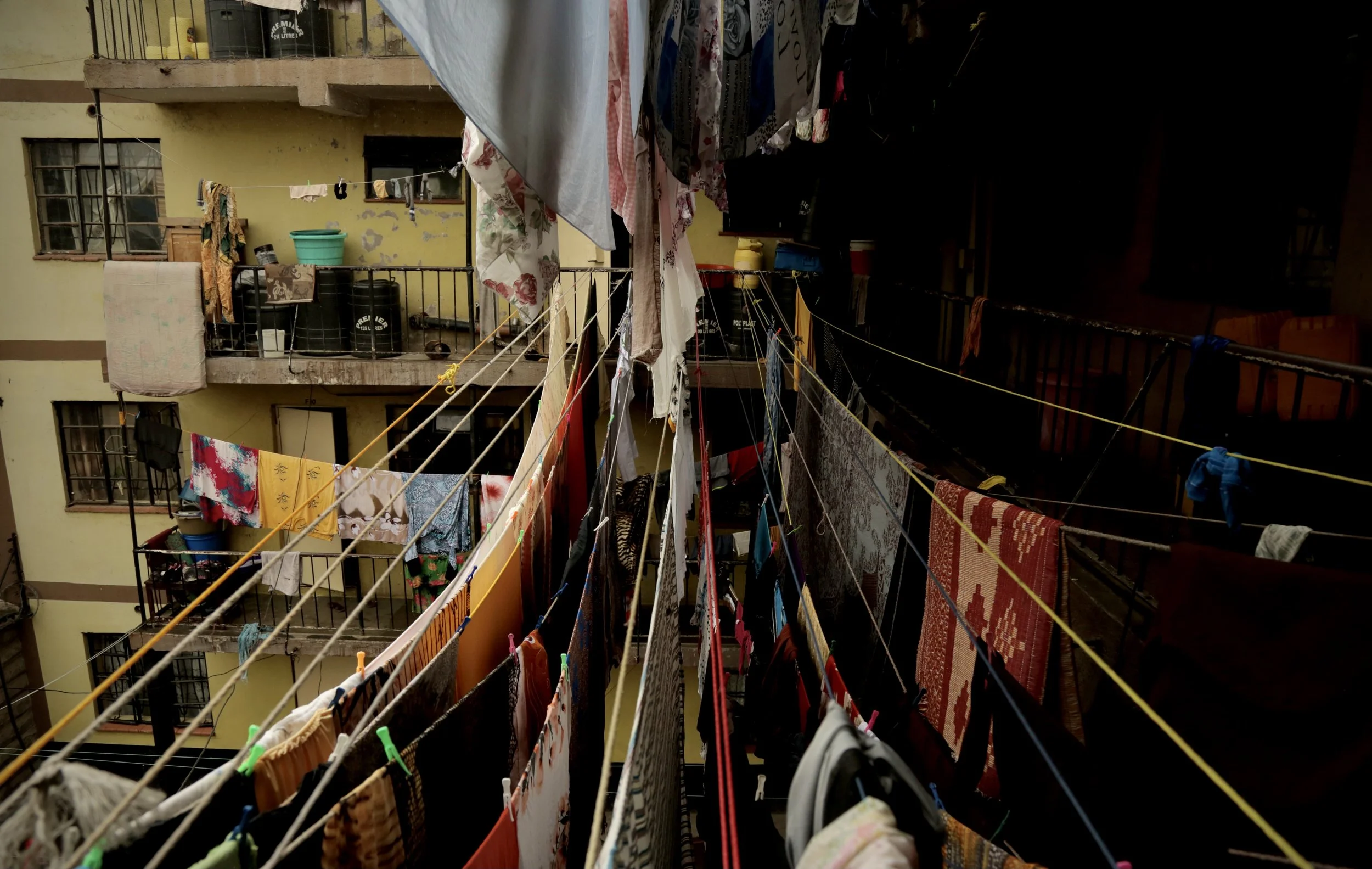
Laundry hangs across the courtyard of an apartment block in Eastleigh, Nairobi, in which four sisters have been living. The neighbourhood became a refuge for Somali families seeking to live outside Kenya's refugee camps. Nairobi, Kenya, June 2016.
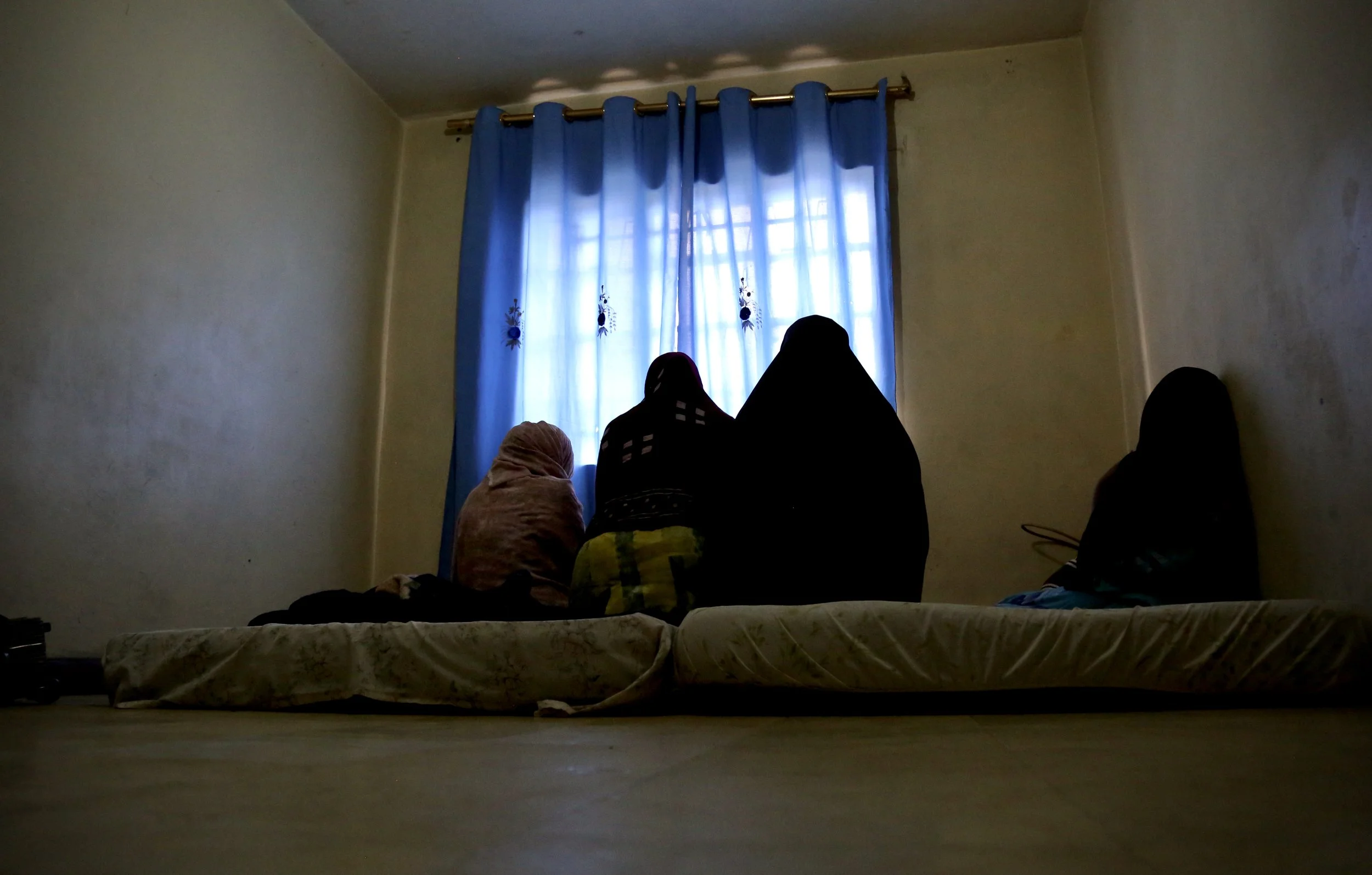
Four Somali refugee sisters sit together inside their shared room in Eastleigh, Nairobi. Their father sent them from Kakuma refugee camp to the capital after reports of attacks against women and girls in the camp. Nairobi, Kenya, June 2016.
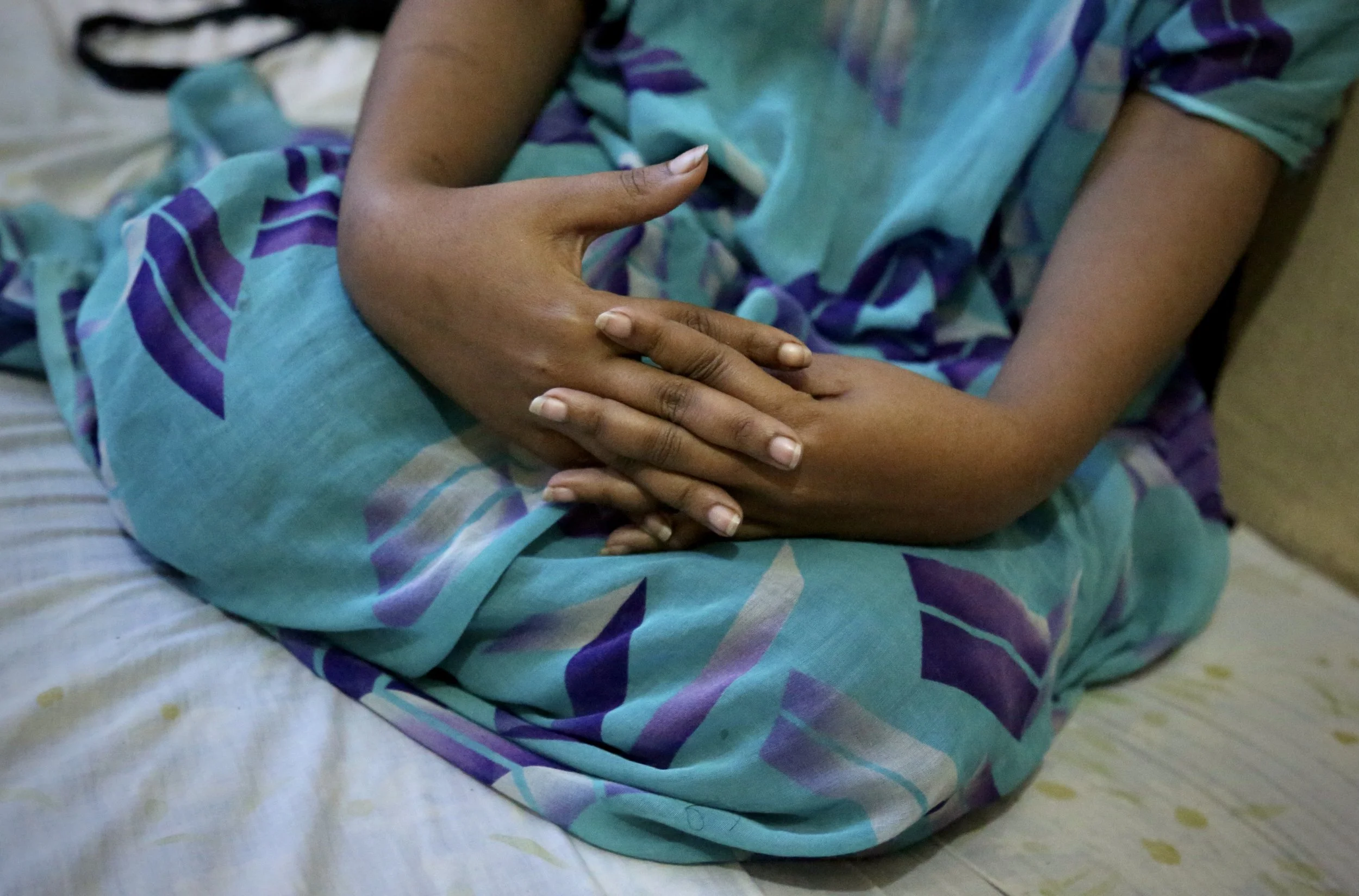
A Somali refugee woman sits inside a shared apartment in Eastleigh, Nairobi. The sisters said they spent much of their time indoors because of fears of police harassment, arrest or deportation. Nairobi, Kenya, June 2016.
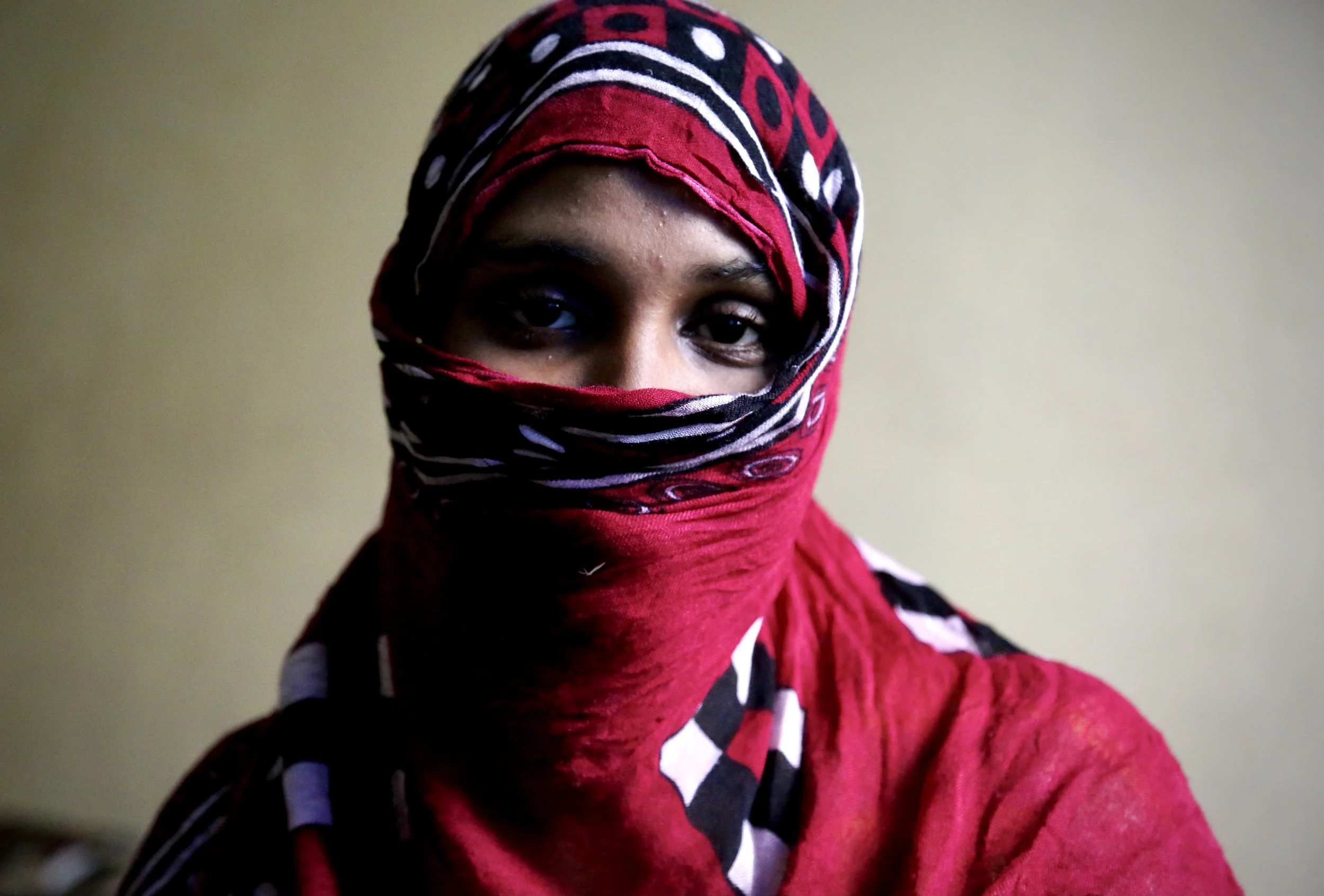
A Somali refugee woman poses for a portrait in Eastleigh, Nairobi. Some of the women requested anonymity because of concerns for their safety and legal status. Nairobi, Kenya, June 2016.
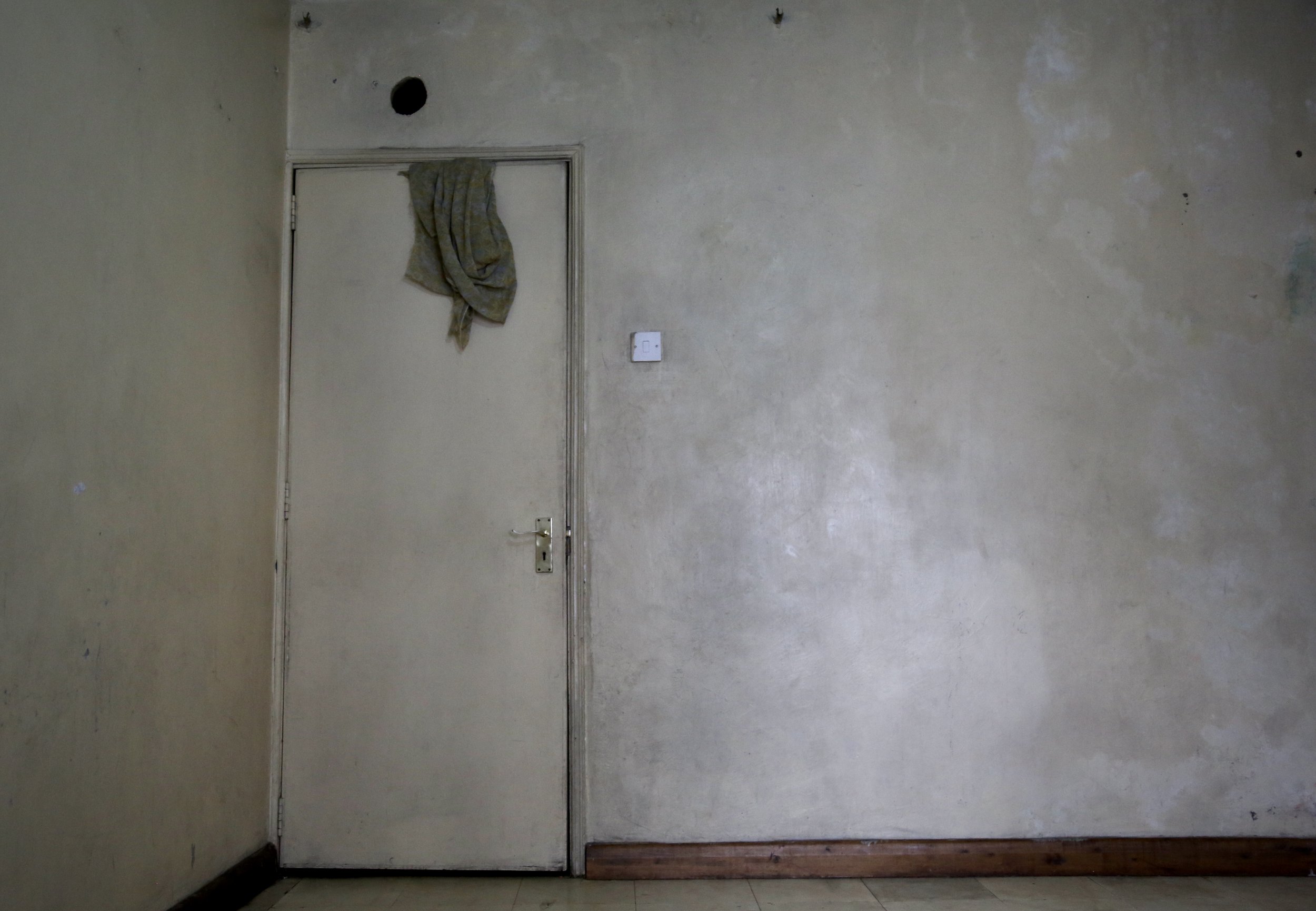
An almost empty room inside an apartment occupied by Somali refugee women in Eastleigh, Nairobi. The sisters spent much of their time confined indoors, fearful of being stopped by police if they left the building. Nairobi, Kenya, June 2016.
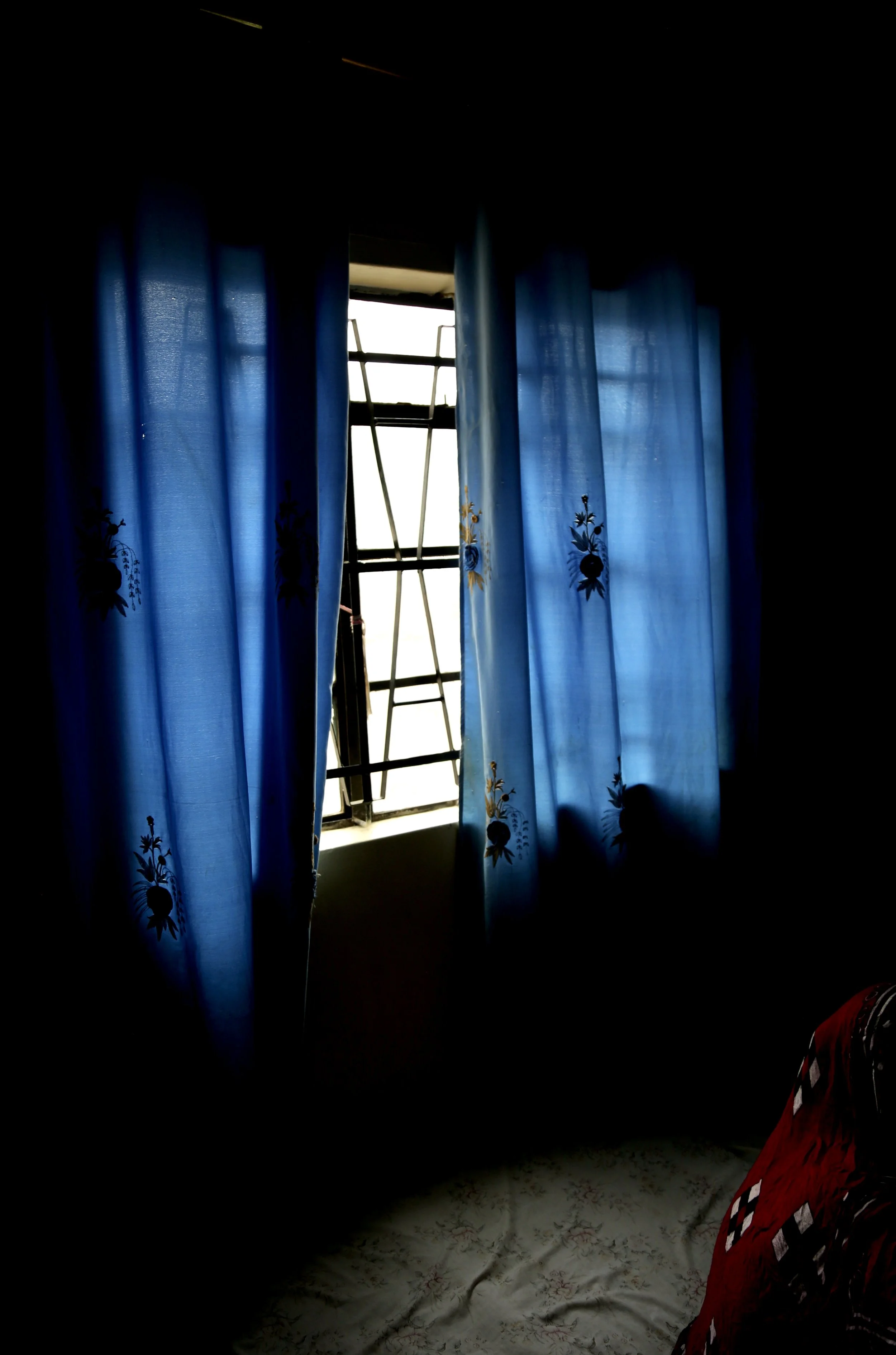
Light enters through a curtained window inside an apartment in Eastleigh, Nairobi. The sisters said they rarely ventured outside because they feared arrest, detention or deportation. Nairobi, Kenya, June 2016.
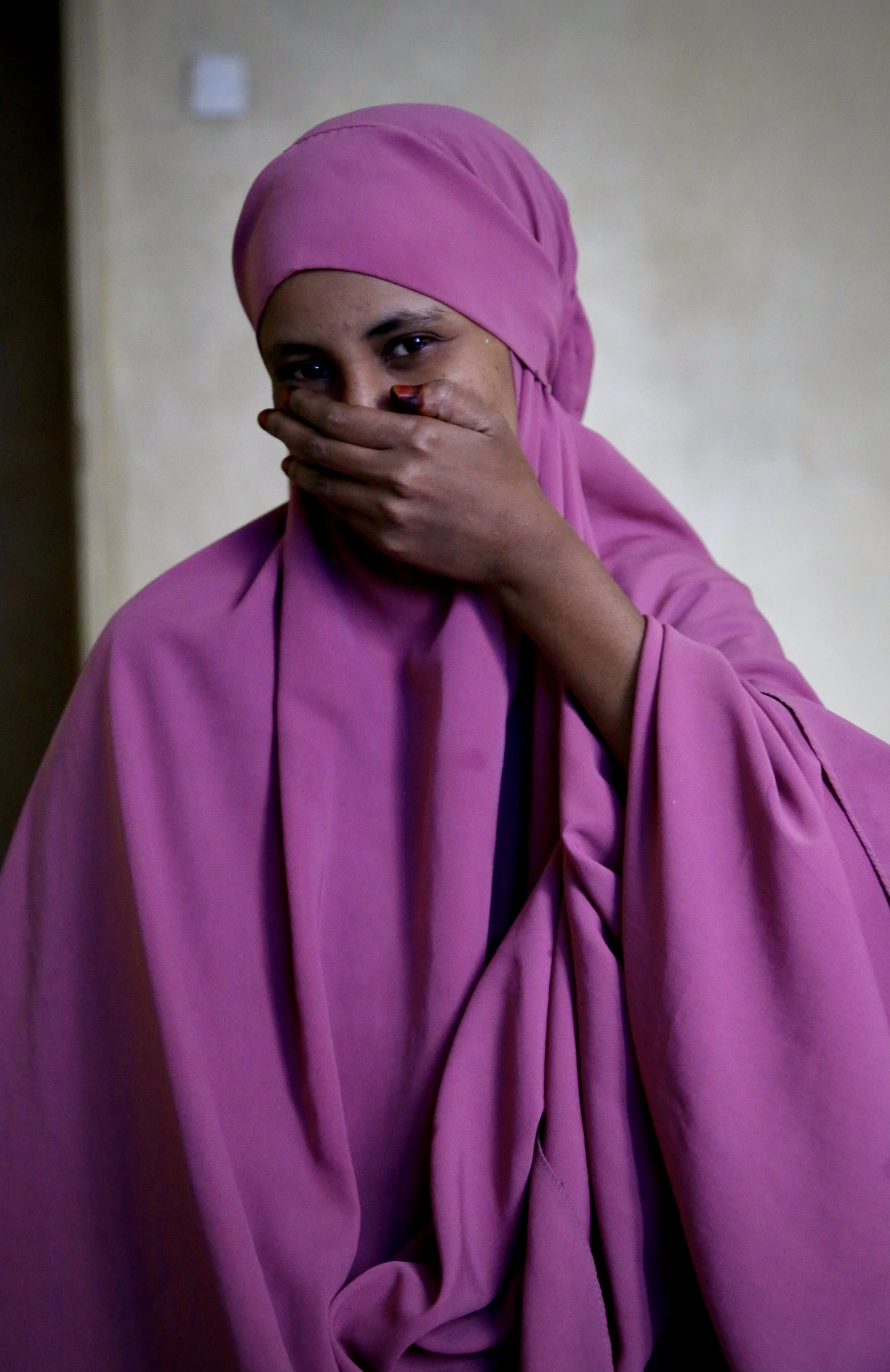
A Somali refugee woman reacts during an interview in Eastleigh, Nairobi. The sisters described fleeing violence in Kakuma only to find themselves living in fear and uncertainty in the capital. Nairobi, Kenya, June 2016.
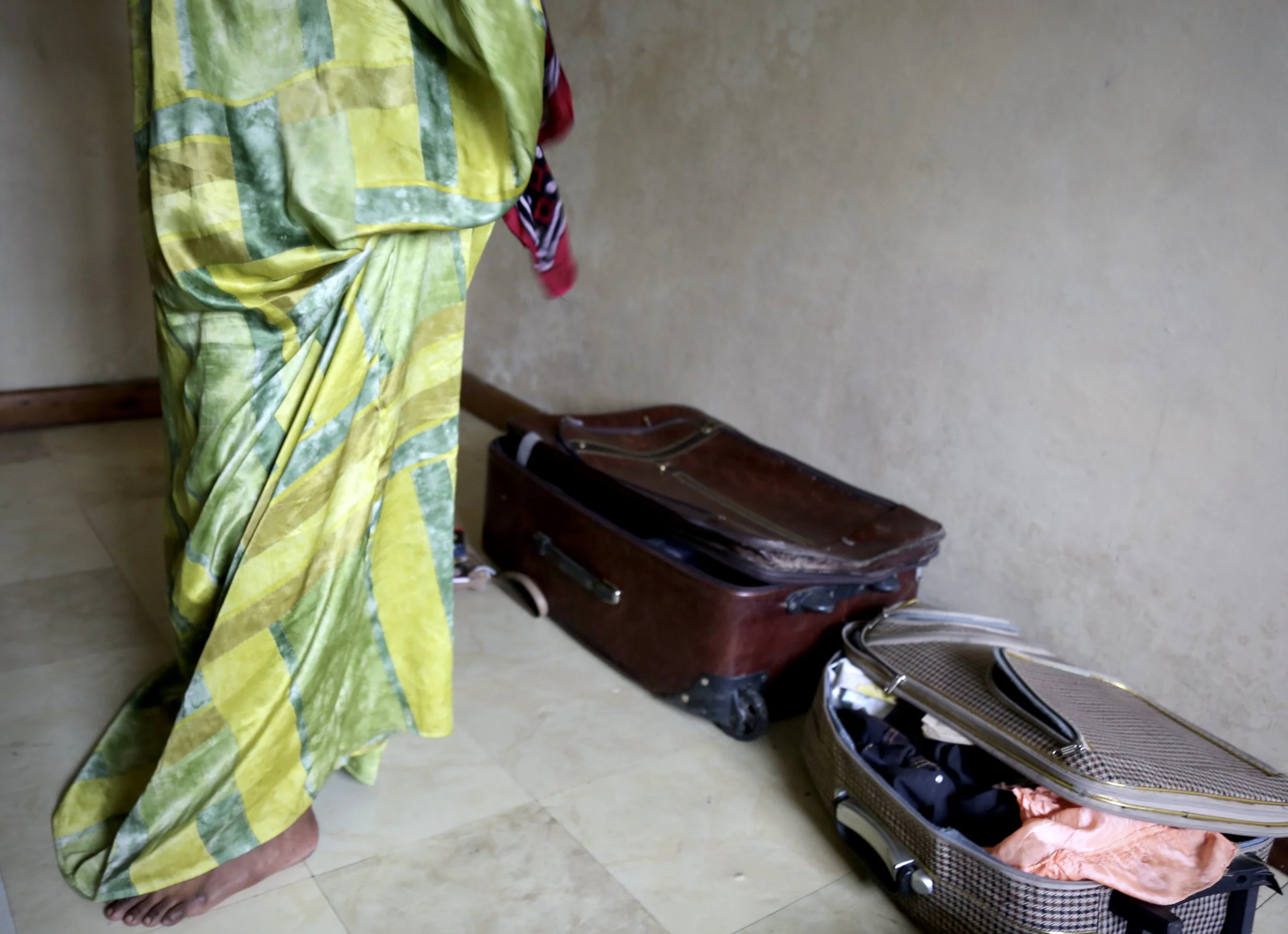
Small suitcases and personal belongings inside an apartment occupied by Somali refugee women in Eastleigh, Nairobi. Without valid documentation, the sisters remained uncertain about their future in Kenya. Nairobi, Kenya, June 2016.
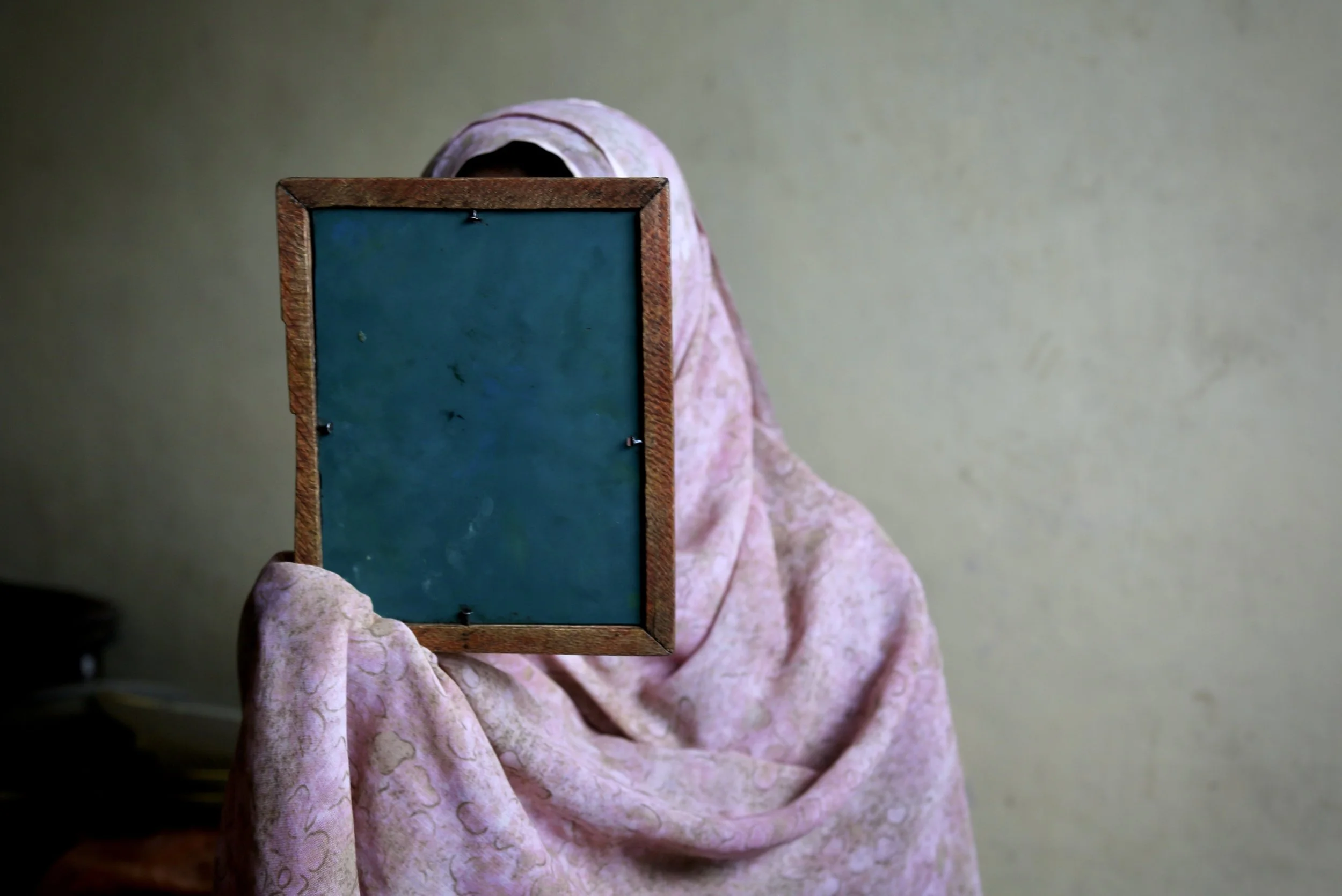
A Somali refugee woman conceals her identity while speaking about her experiences in Kenya. Several refugees requested anonymity because they feared repercussions for themselves or their families. Nairobi, Kenya, June 2016.
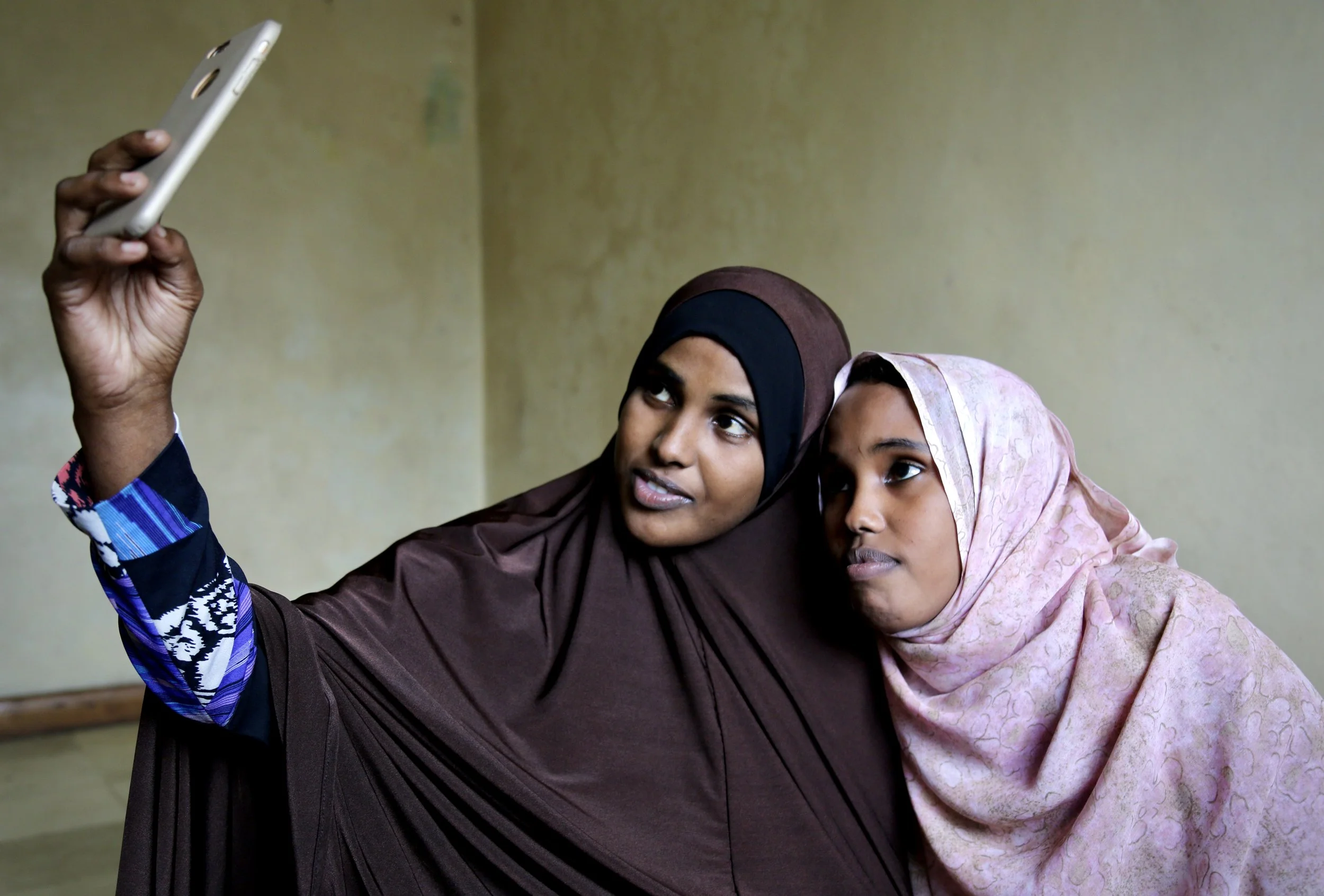
Two Somali refugee sisters look at a mobile phone inside their apartment in Eastleigh, Nairobi. The women remained in contact with relatives and friends who were still living in Kakuma refugee camp. Nairobi, Kenya, June 2016.
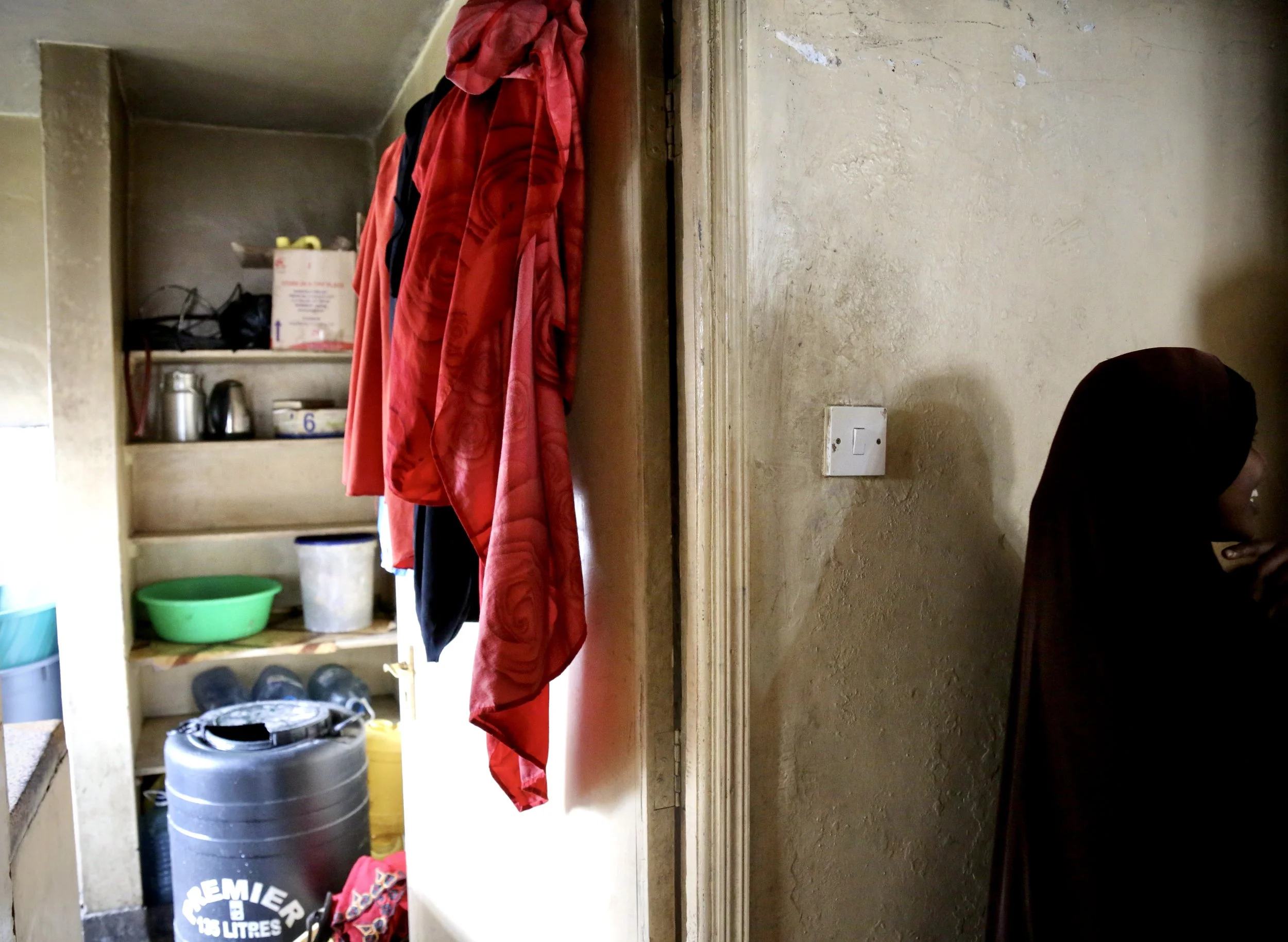
A kitchen area inside an apartment occupied by Somali refugee women in Eastleigh, Nairobi. The sisters relied on relatives and community support while trying to regularise their status. Nairobi, Kenya, June 2016.
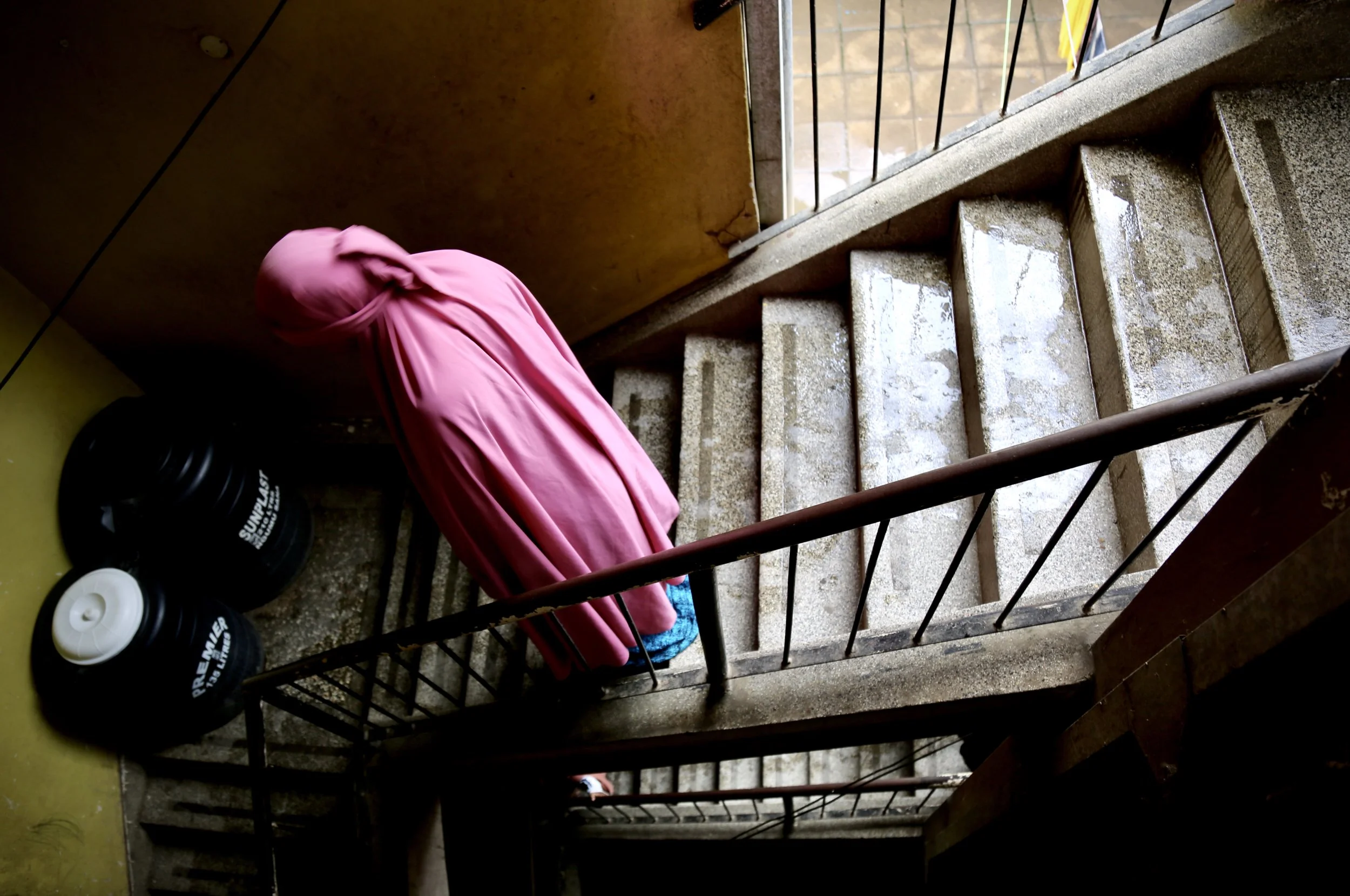
A young Somali refugee woman descends a staircase in an apartment block in Eastleigh, Nairobi. The sisters often used side streets and avoided unnecessary travel because of fears of police checks and arrest. Nairobi, Kenya, June 2016.
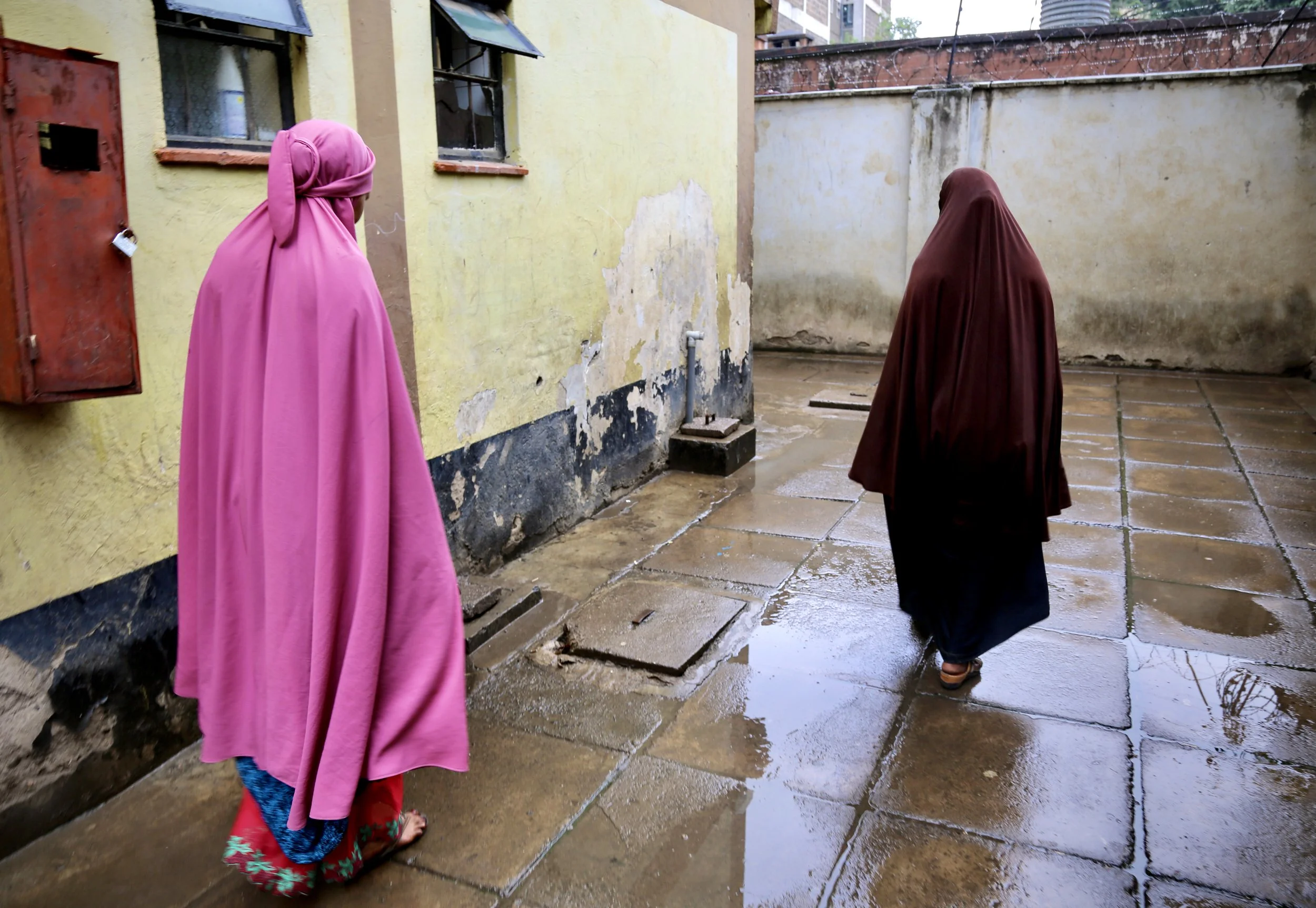
Somali refugee women walk through the courtyard of an apartment building in Eastleigh, Nairobi. Refugees described feeling trapped between insecurity in the camps and fears of detention or deportation in the city. Nairobi, Kenya, June 2016.
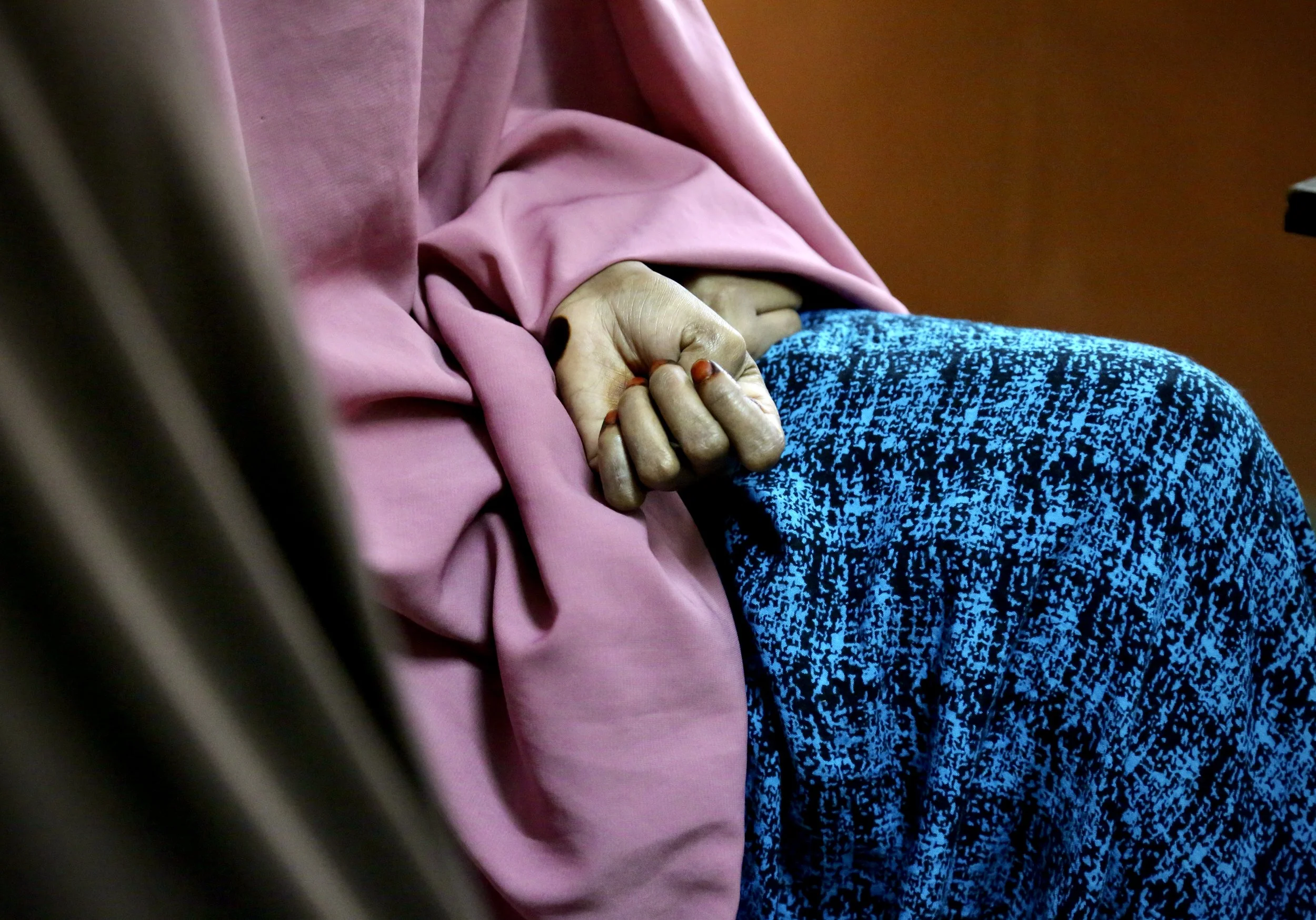
The hand of a Somali refugee woman during a meeting with legal and protection officers from a non-governmental organisation in Nairobi. The sisters' refugee documentation had expired and, without valid identification papers, they feared arrest, detention or deportation. Nairobi, Kenya, June 2016.
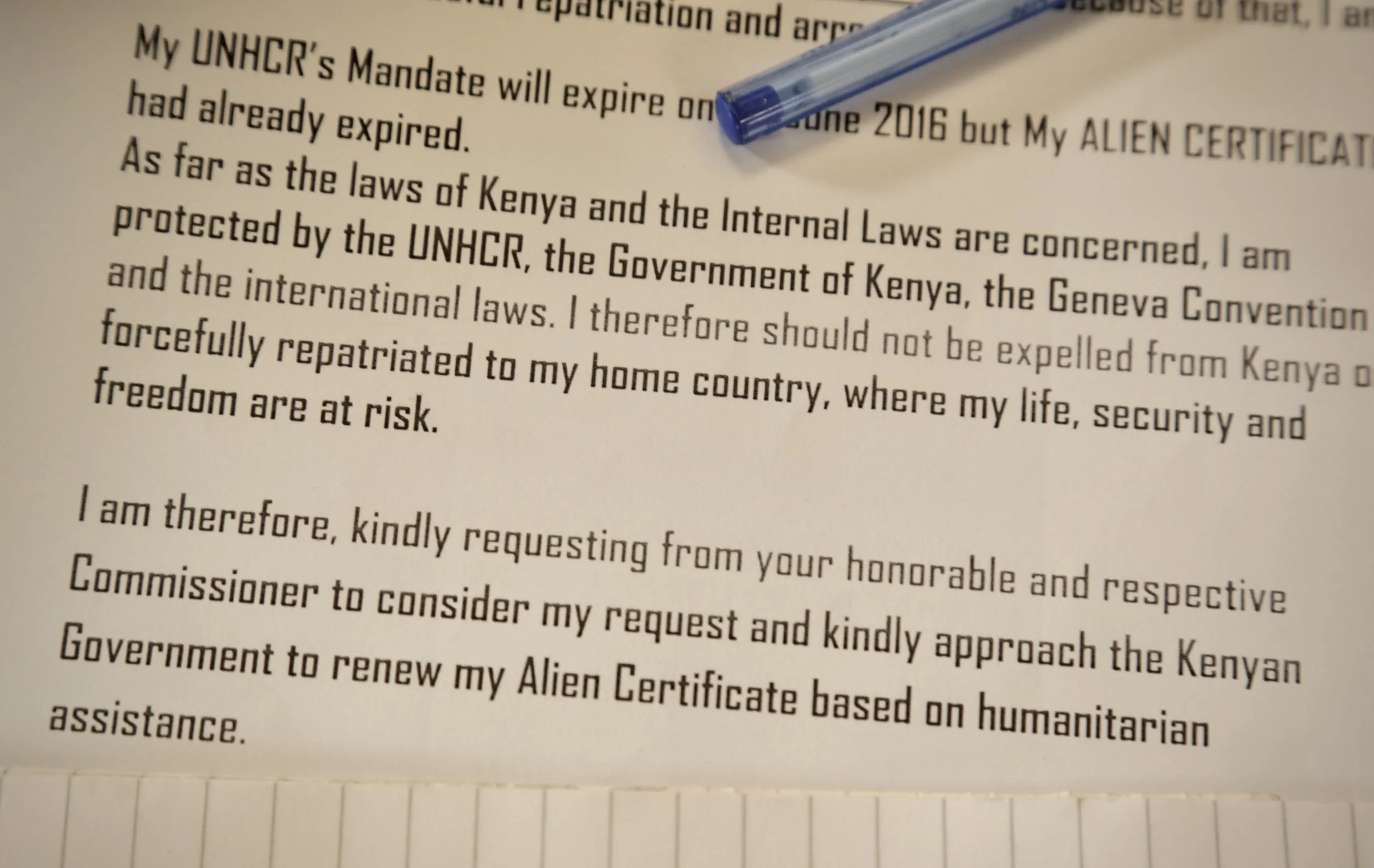
A letter requesting legal protection and documentation lies on a table during a meeting in Nairobi. Refugees said difficulties obtaining or renewing documents left many vulnerable to arrest and harassment. Nairobi, Kenya, June 2016.
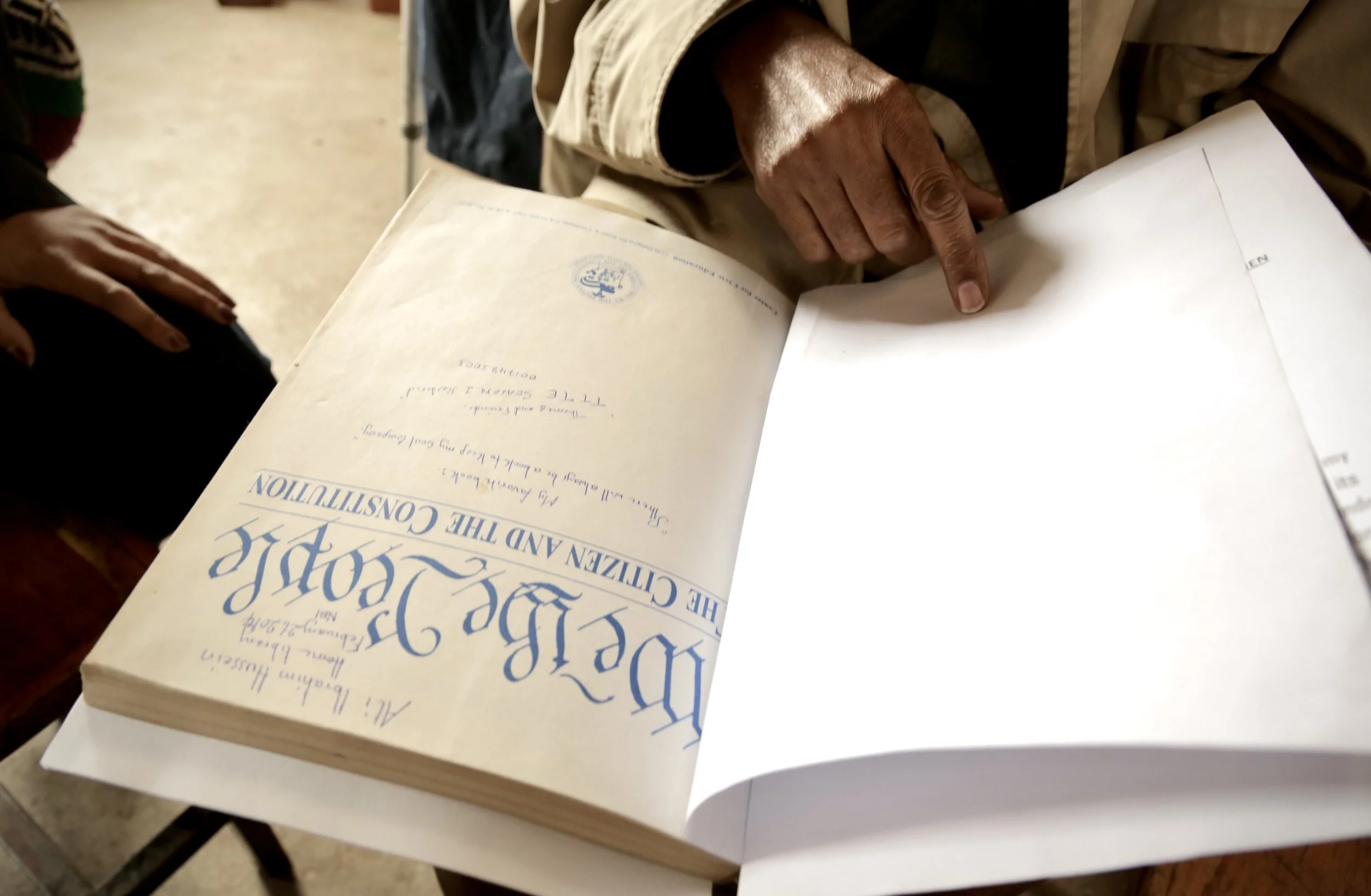
Legal documents are reviewed during a meeting with refugee advisers in Nairobi. For many Somali refugees living outside Kenya's camps, access to documentation and legal assistance remained critical to avoiding detention and possible repatriation. Nairobi, Kenya, June 2016.