This series was photographed over several months inside a Burundian refugee house in Kigali, Rwanda, where young exiles who had fled the 2015 political crisis attempted to rebuild their lives far from home. Through long-term reporting and repeated stays inside the house, photographer Elsa Buchanan was granted rare access to moments of intimacy, boredom, creativity and political reflection unfolding behind closed doors.
Many of the young men had escaped protests, police violence and pressure to join armed groups. Unable to work legally in Rwanda, they spent their days making music, filming, reading and debating Burundi’s future. Throughout the house, the outline of Burundi appeared tattooed onto shoulders, chests and legs — a permanent reminder of the country they had left behind.
At the centre of the household was activist Pamela Kazekare and her infant son Shikiro. For many of the young exiles, Kazekare became both a political influence and a maternal presence, helping steer them away from armed struggle and toward a different vision of resistance.
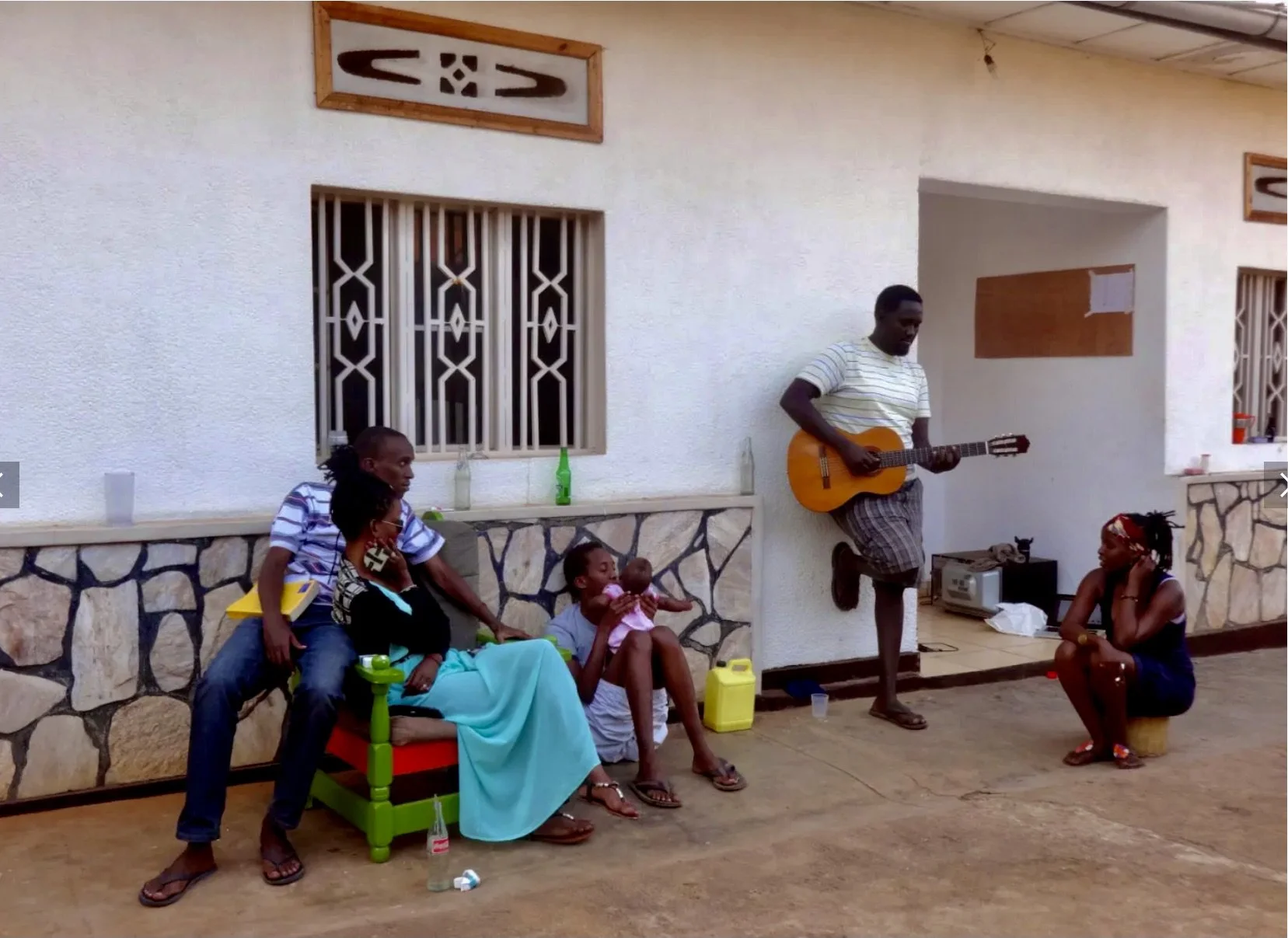
Burundian refugees gather outside the house they shared in Kigali, Rwanda. After fleeing political violence in Burundi following President Pierre Nkurunziza’s controversial third-term bid in 2015, the compound became both a refuge and a social space where residents spent evenings talking, making music and debating politics.
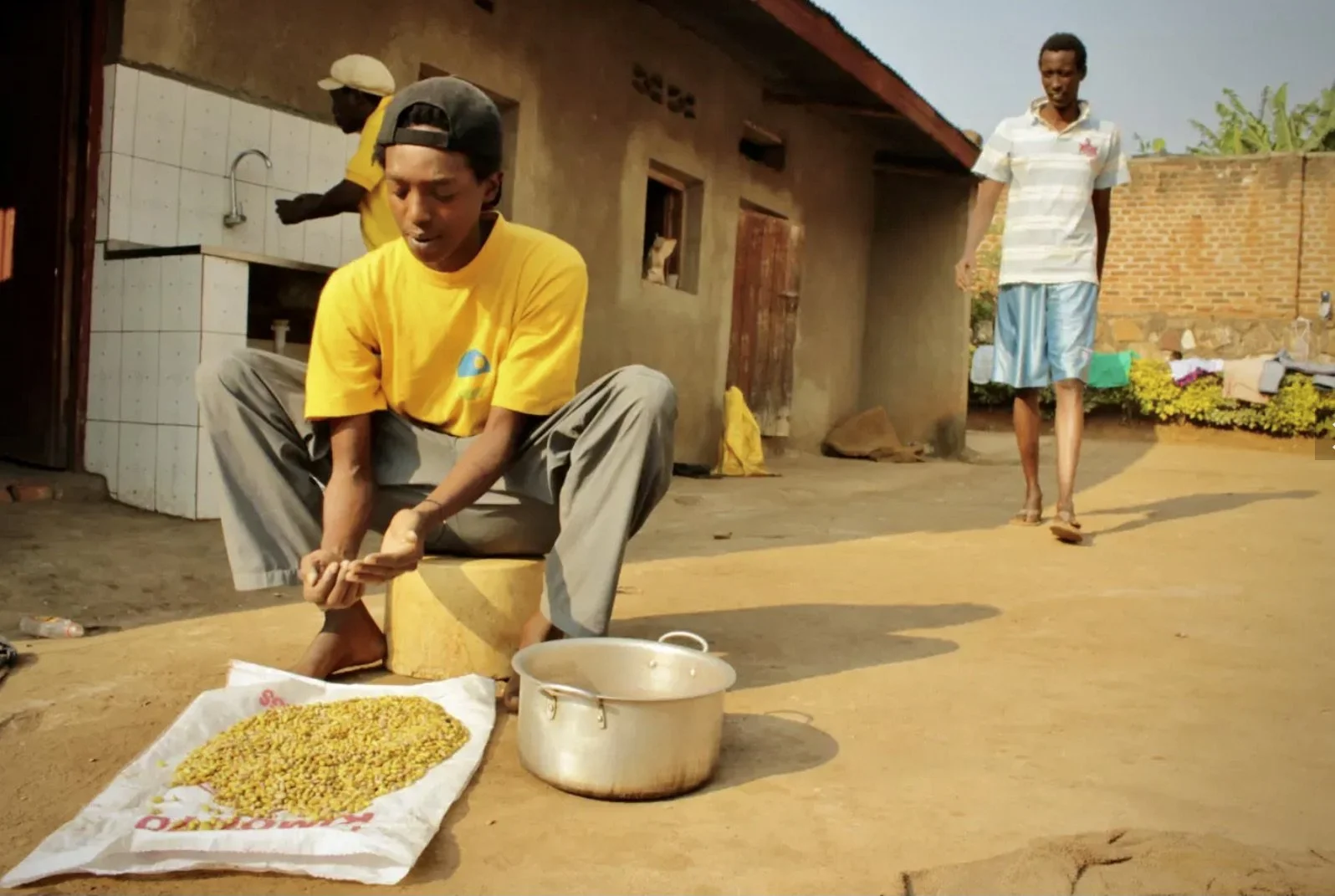
A young Burundian refugee, Tresor Niyingabo, prepares beans outside the Kigali compound where activists, former protesters and artists lived together in exile. Daily routines such as cooking and cleaning were shared collectively among residents as they rebuilt their lives in Rwanda.
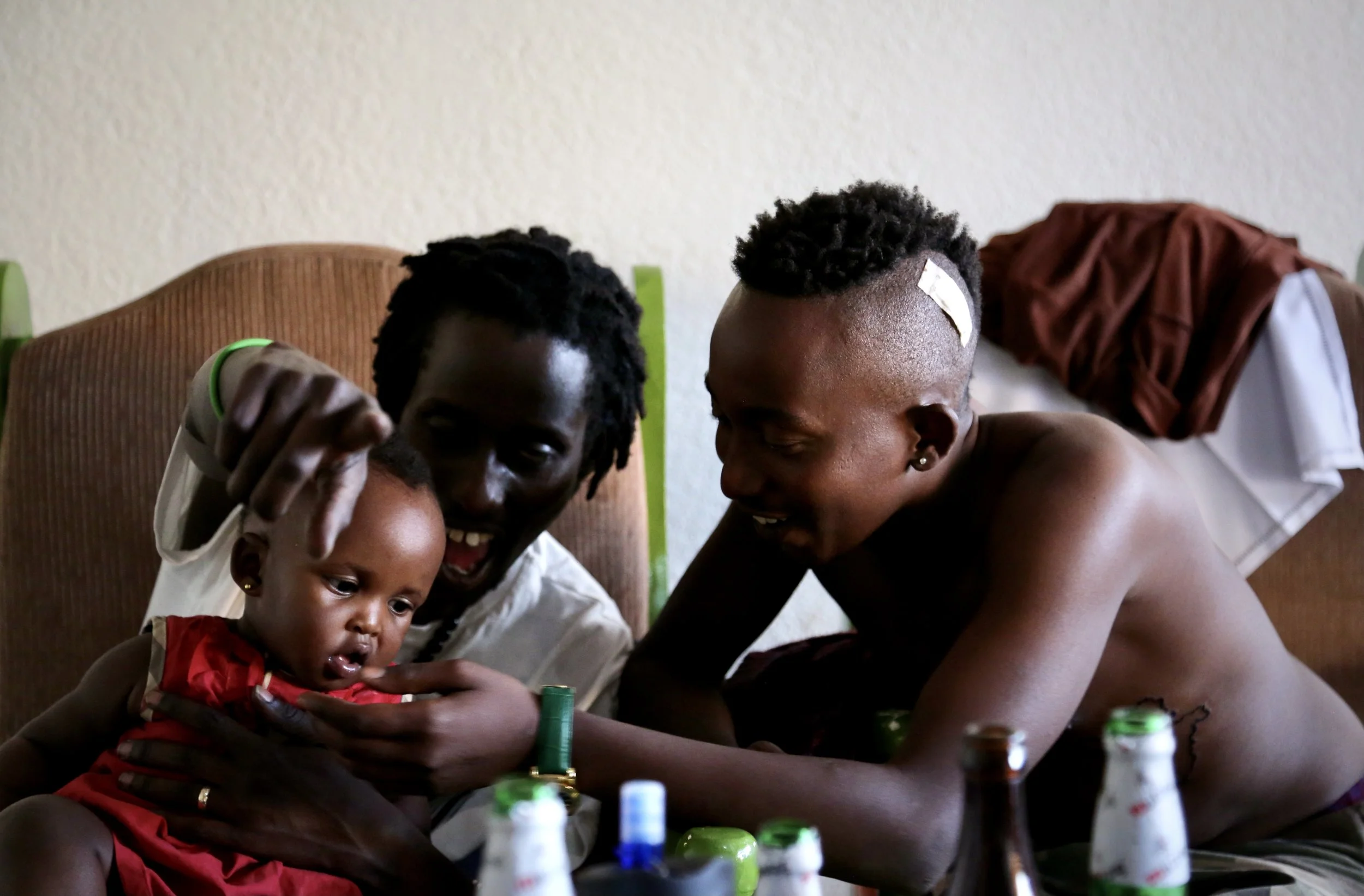
Two young Burundian refugees, father Bertrand Ninteretse and godfather Venuste Maronko play with nine-month old Shikiro inside the Kigali house where several exiled activists and former protesters lived together after fleeing Burundi in 2015.
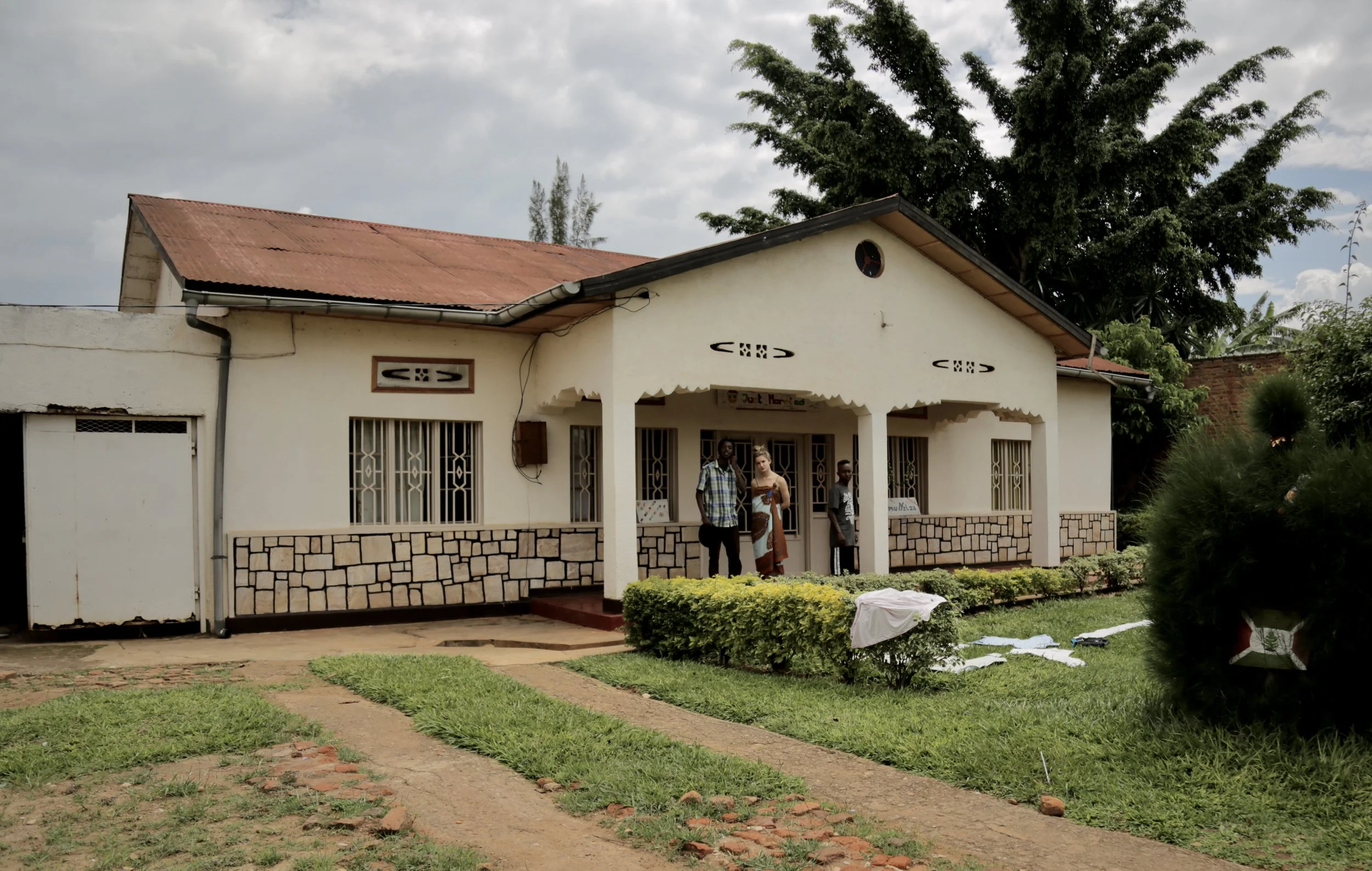
Burundian refugees gather outside the house they shared in Kigali, Rwanda, after fleeing political violence in Burundi following President Pierre Nkurunziza’s controversial third-term bid in 2015. The photograph was self-shot by Elsa Buchanan while spending time with residents inside the compound.
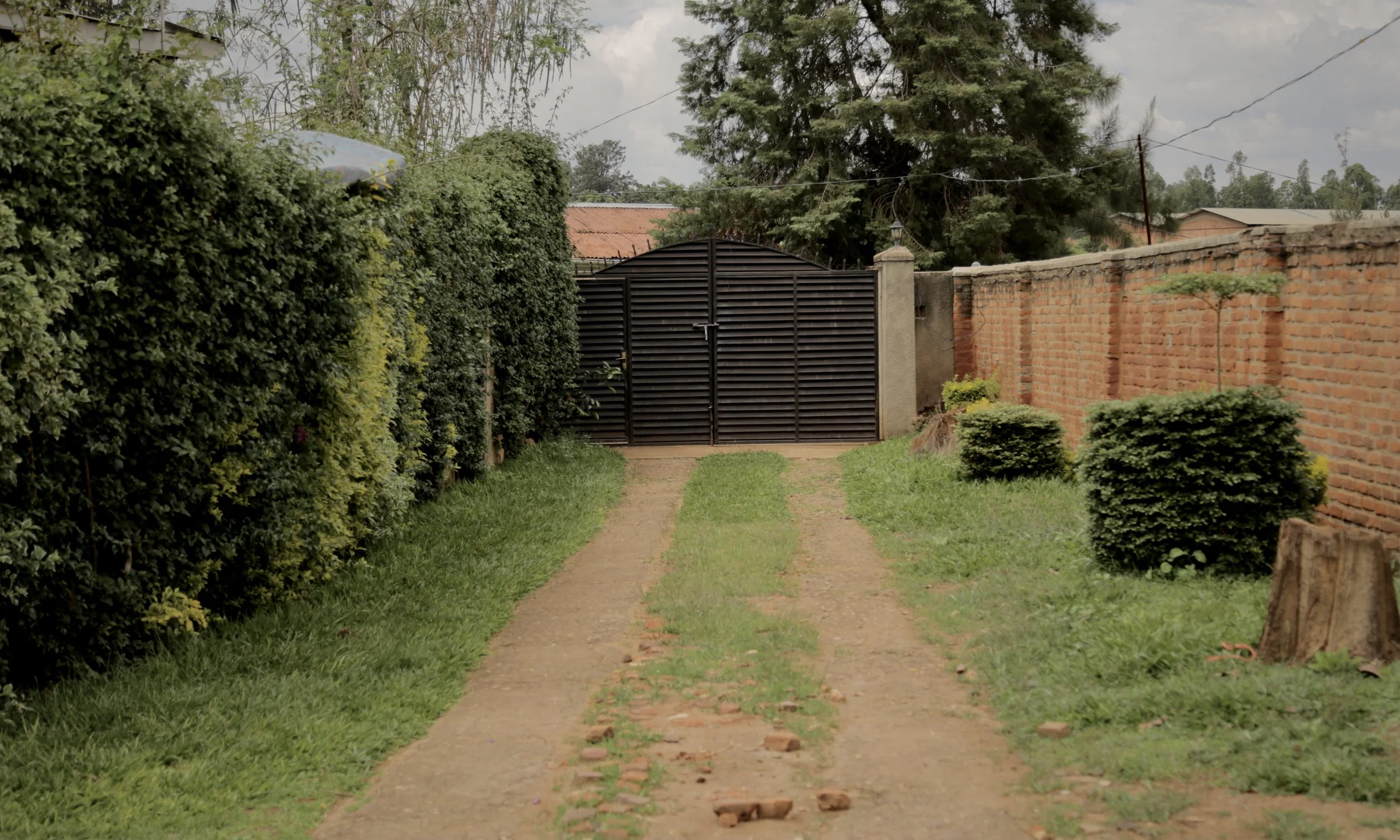
The gated entrance to the house in Kigali, Rwanda, shared by 14 Burundian refugees, activists and former protesters who fled political violence following Burundi’s 2015 crisis. Because Burundian security services and informants were believed to operate inside Rwanda, residents lived cautiously, sometimes organising informal security outside the compound, which functioned as both a refuge and a safe house in exile.
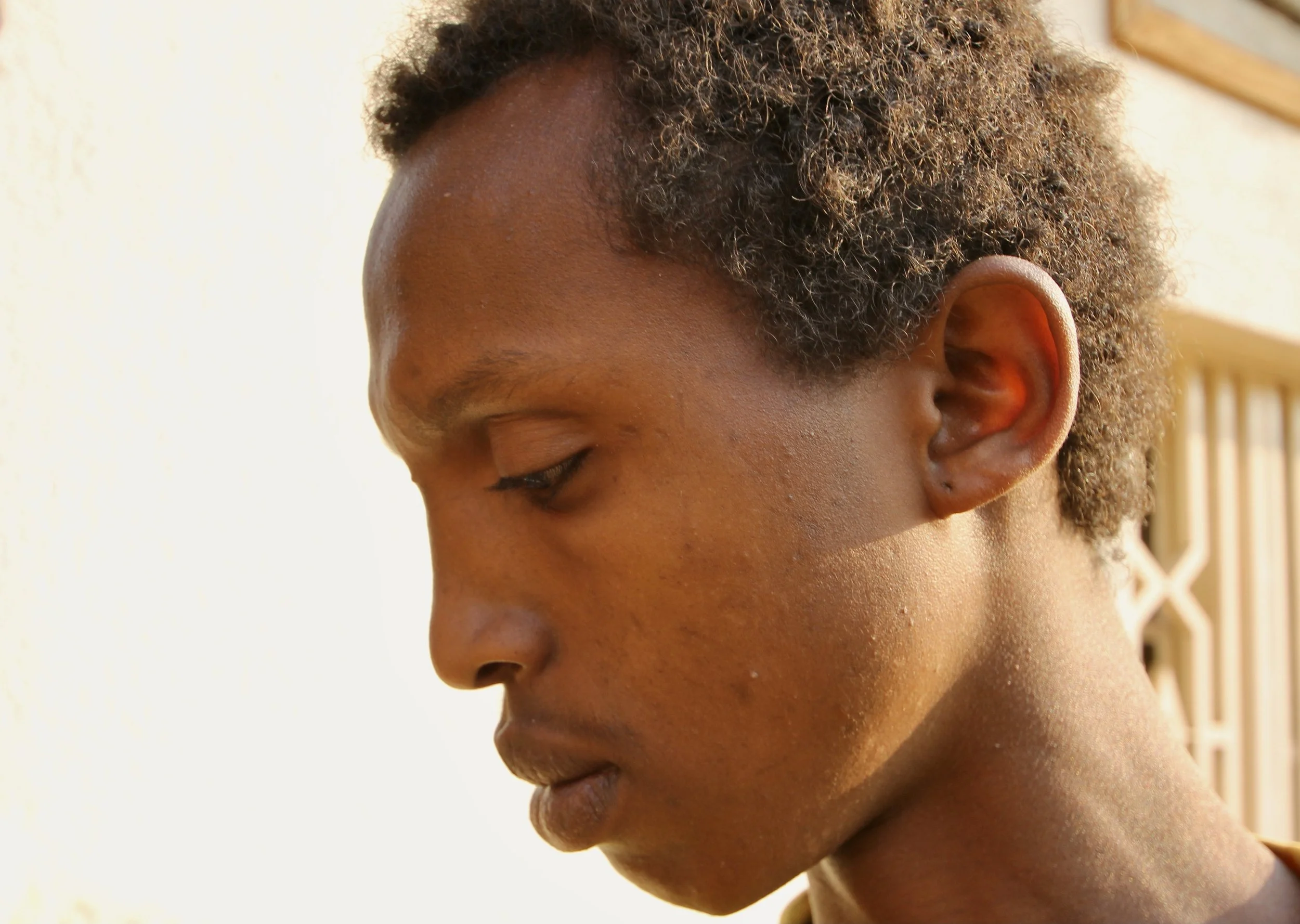
Justin Girukwigomba, a former student from Bujumbura, stands inside the Kigali compound where Burundian refugees, activists and former protesters lived together in exile after fleeing Burundi’s 2015 political crisis. After witnessing the killing of his friend, 15-year-old Jean-Nepo Komezamahoro, during anti-government protests, Justin fled Burundi intending to join an armed rebel movement, before being persuaded by his older brother Tresor Niyingabo and activist Pamela Kazekare to abandon the armed struggle and remain in Kigali.
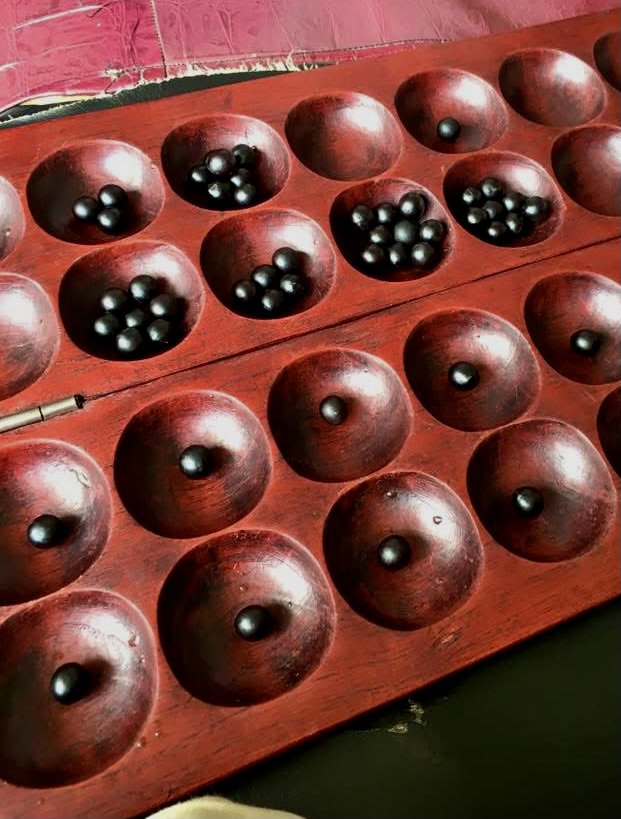
A traditional mancala board game inside the Kigali house. Residents often spent hours playing together while discussing politics, music and the future of Burundi.
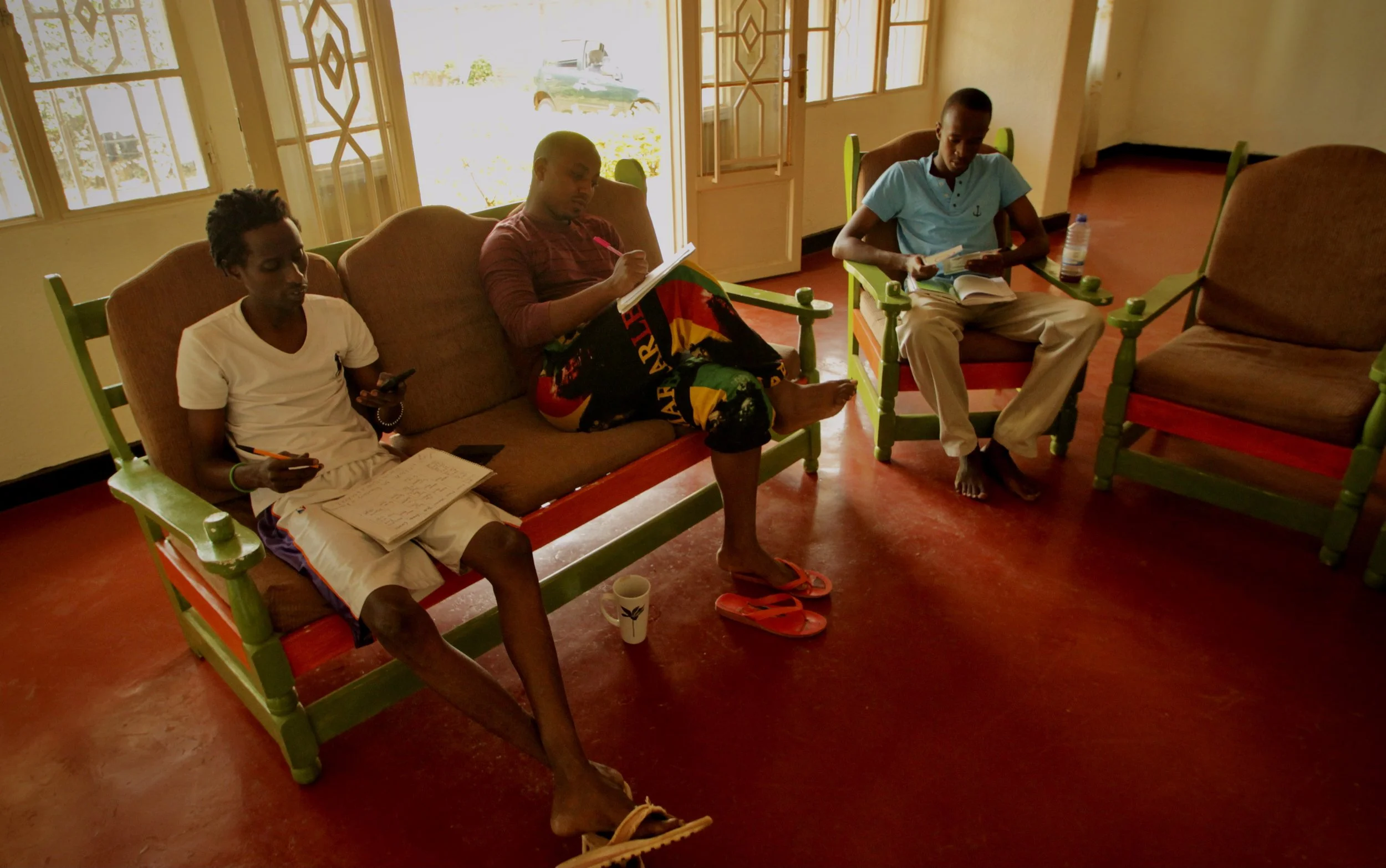
Residents read, study and discuss politics inside the Kigali compound where 14 Burundian refugees lived together in exile after fleeing Burundi’s 2015 political crisis. Unable to legally work in Rwanda, many spent long days inside the house waiting for news from home — some turning to music, photography, reading or political debate, while others struggled with isolation, uncertainty and depression.
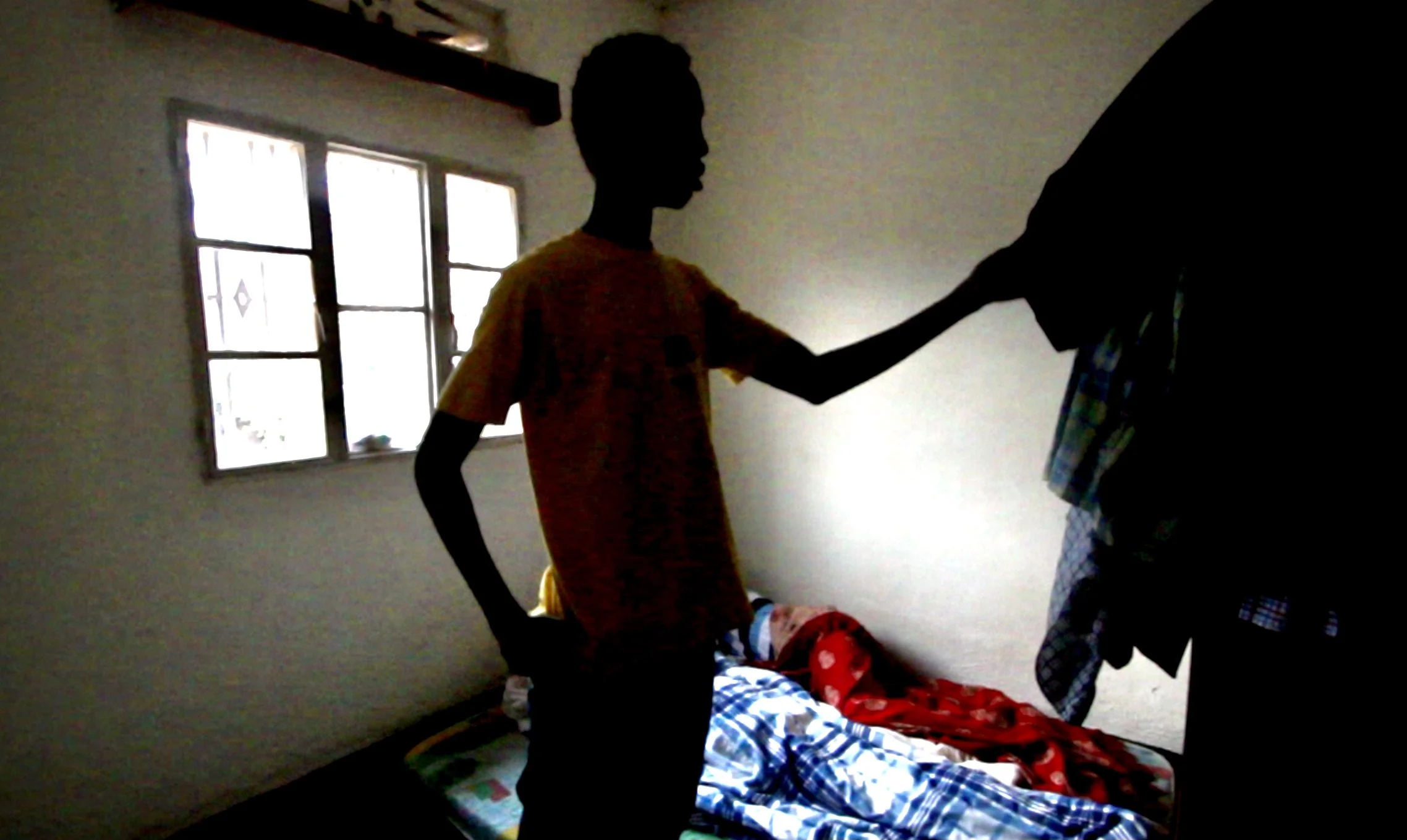
Justin Girukwigomba chooses clothes at daybreak inside the room he shared with other Burundian refugees in Kigali, Rwanda. Silhouettes of other residents remain asleep beneath blankets in the crowded room. Living with only a few personal possessions, many of the young exiles spent long periods confined to the house, unable to legally work in Rwanda after fleeing Burundi’s 2015 political crisis.
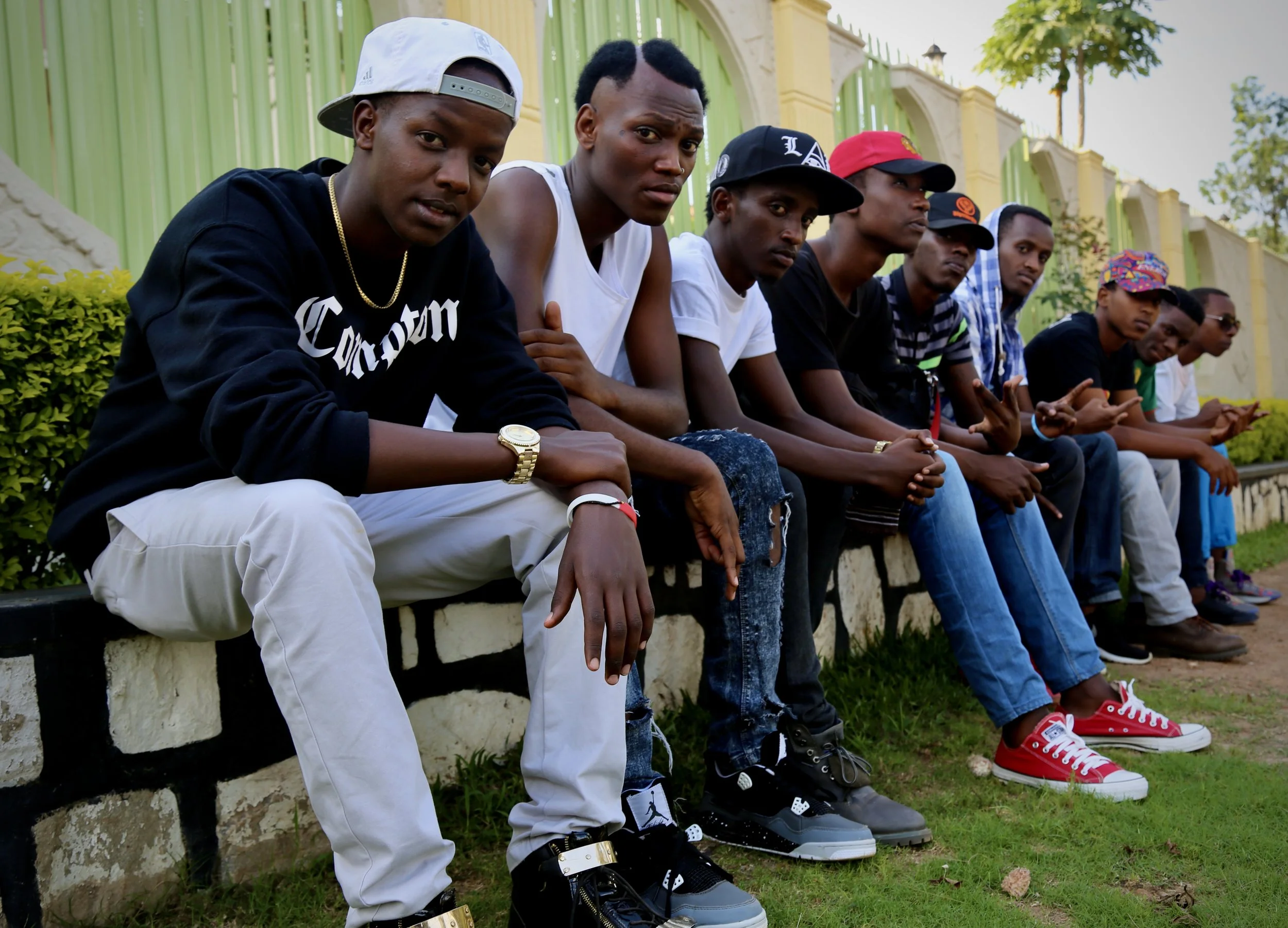
Young Burundian refugees gather outside the house in Kigali where many former protesters, students and activists found refuge after fleeing Burundi in 2015.
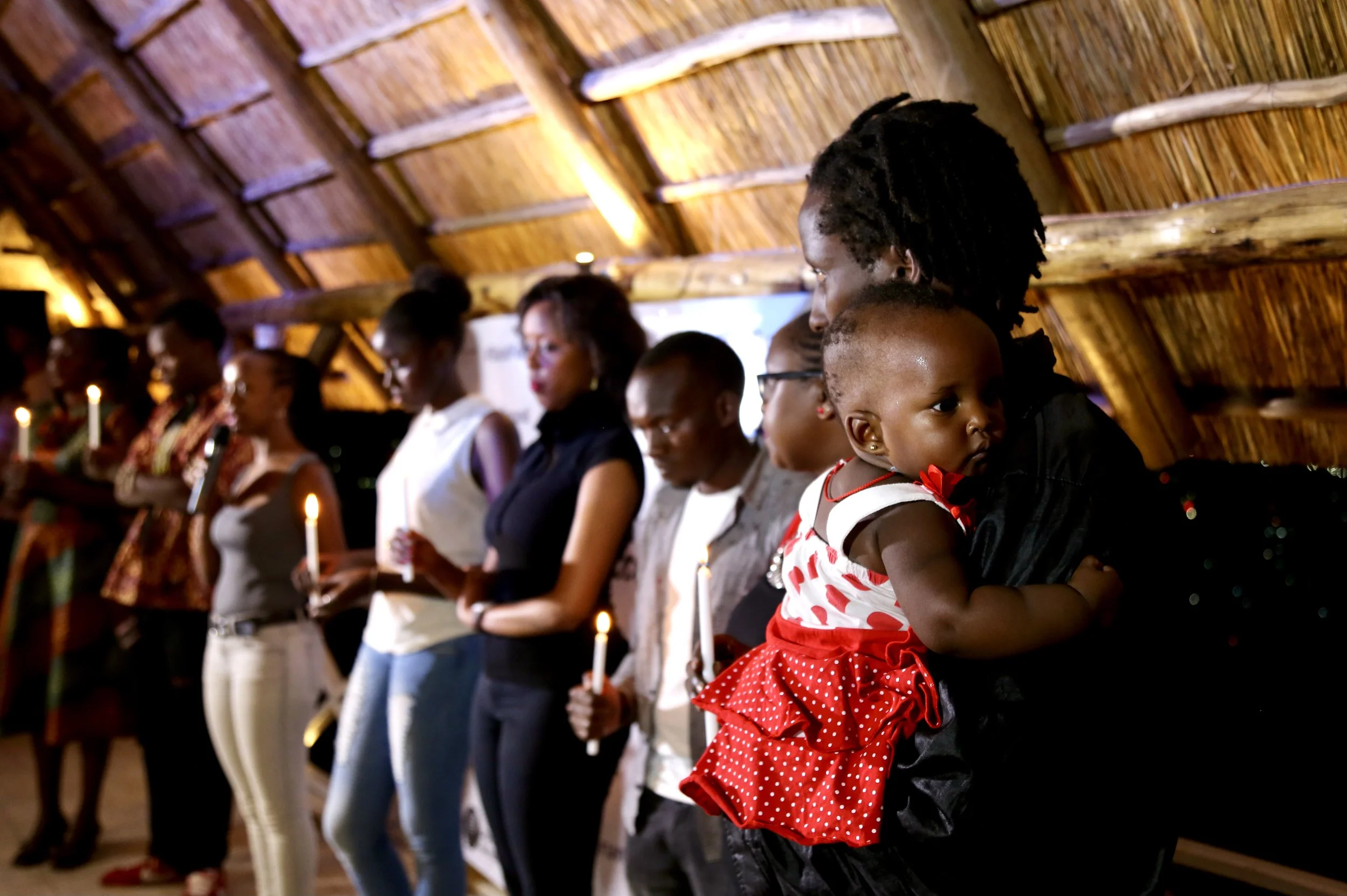
Burundian refugees, artists and activists gather during a #StandForBurundi spoken word and music event held at Pili-Pili Lounge in Kigali, Rwanda, on December 30, 2015. Organised by Spoken Word Rwanda, the evening raised funds for Burundian refugees living in Mahama refugee camp in eastern Rwanda. Bringing together Rwandans, Burundians and members of Kigali’s wider artistic community, the event became both a space of solidarity and a temporary “home away from home” for young exiles living through Burundi’s political crisis.
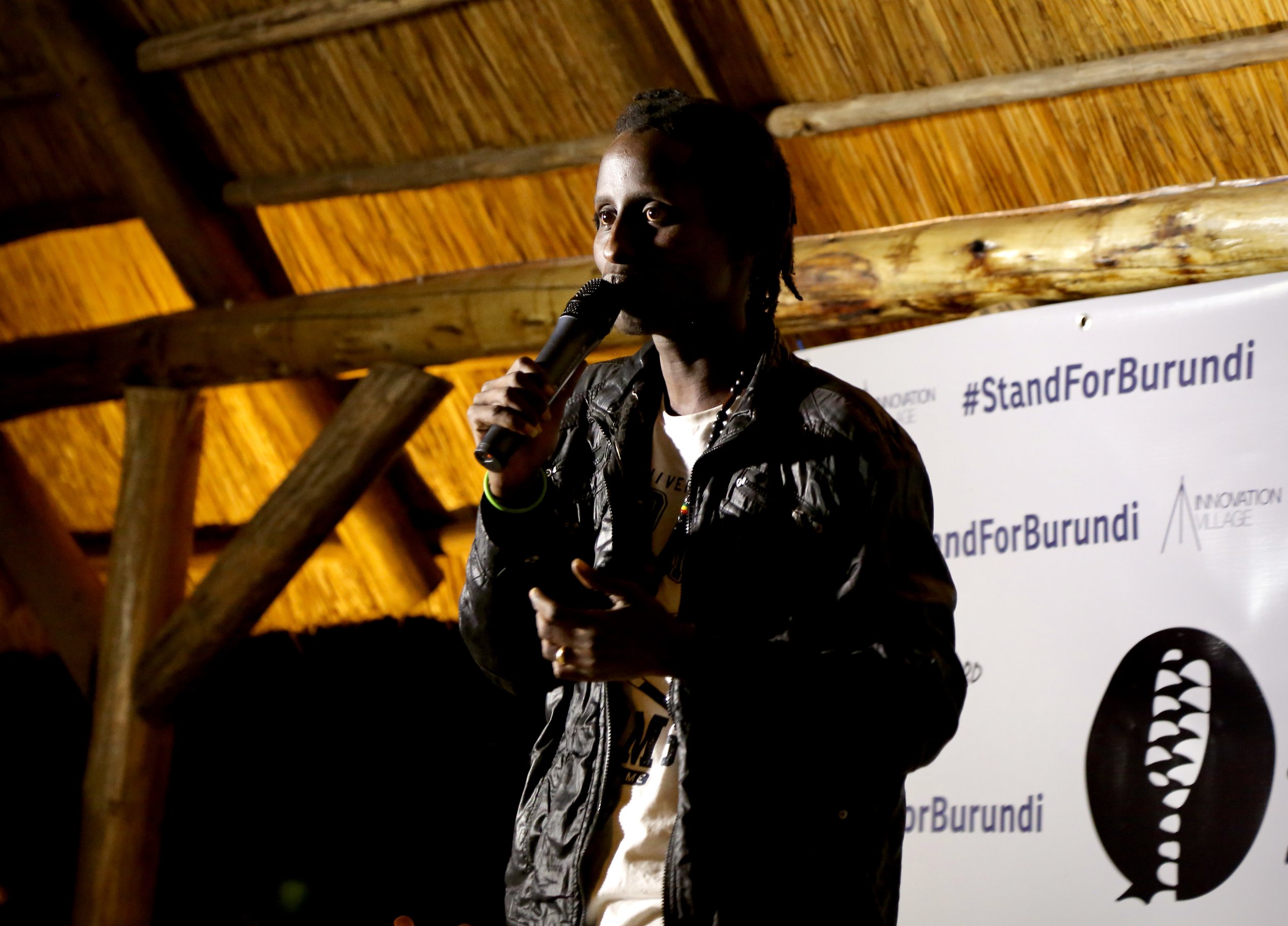
Bertrand Ninteretse, a Burundian refugee artist who performs under the name Kaya Free, sings during the #StandForBurundi spoken word and music event in Kigali, Rwanda. Written especially for the evening, his song reflected on displacement, separation from family, longing for home and the determination among many young exiles to continue fighting for Burundi’s future through art, culture and political engagement rather than armed struggle, while hoping one day to return to Bujumbura.
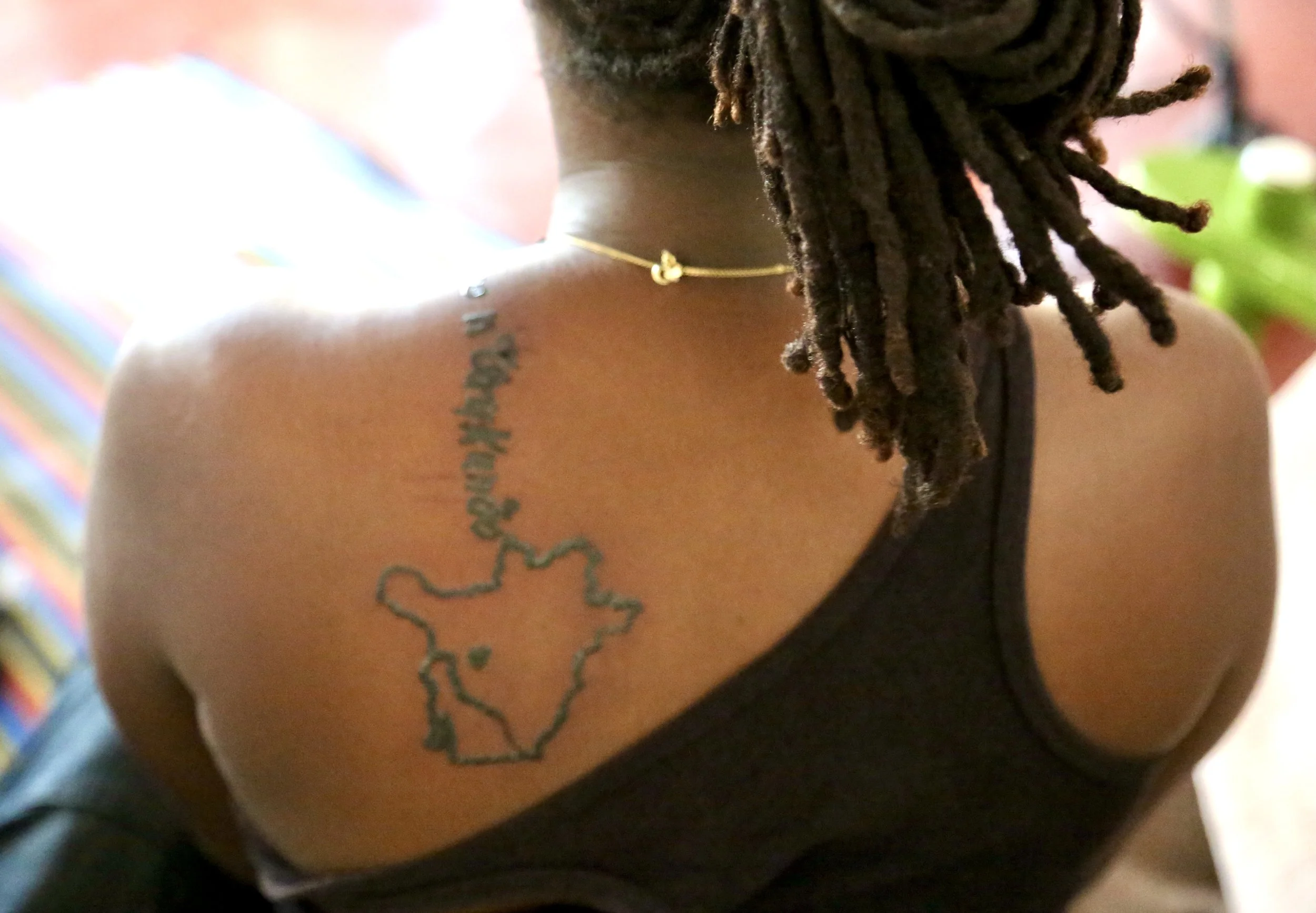
A tattoo referencing Burundi is seen on the back of Burundian activist Pamela Kazekare in Kigali, Rwanda. For many young Burundian refugees living in exile after the country’s 2015 political crisis, tattoos became expressions of identity, memory and attachment to a homeland they feared they might never safely return to.
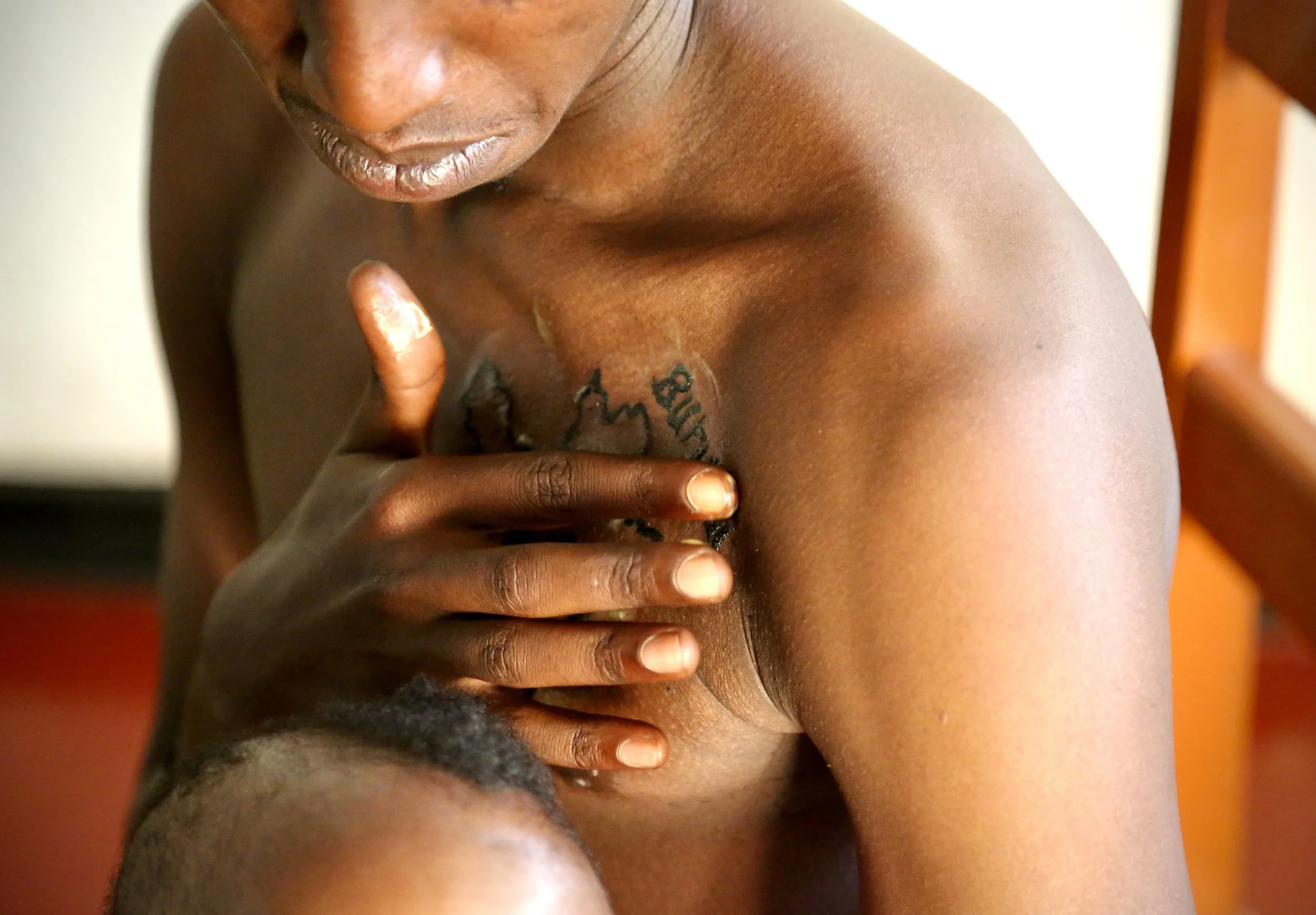
Tresor Niyingabo carefully protects his freshly made tattoo from baby Shikiro inside the Kigali compound where Burundian refugees lived together in exile. Like several residents of the house, Tresor wore a tattoo referencing Burundi as an expression of identity, solidarity and attachment to the country he had fled during the 2015 political crisis.
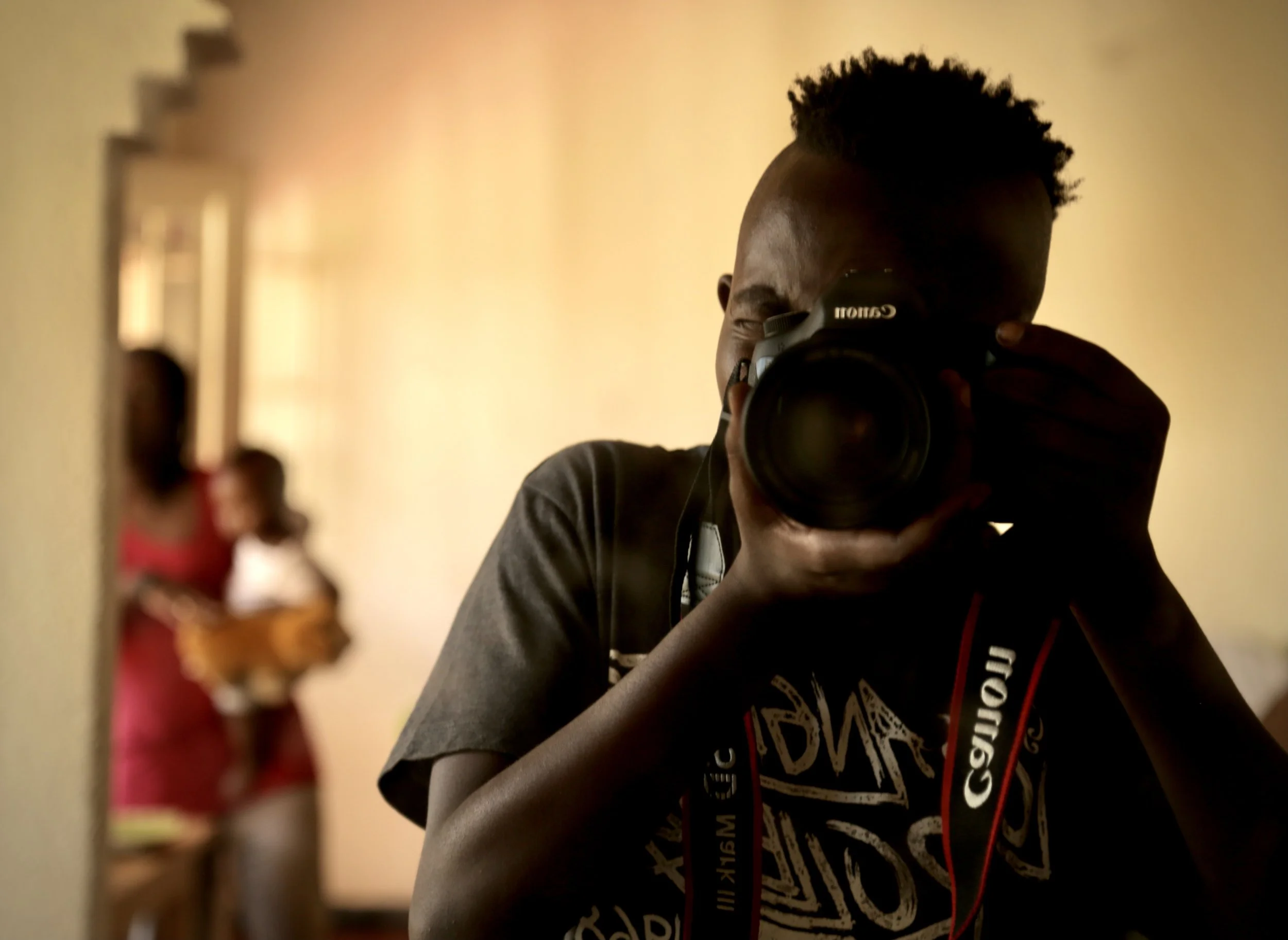
Venuste Maronko, a young Burundian filmmaker and artist who fled Bujumbura during Burundi’s 2015 political crisis, photographs life inside the Kigali compound using Elsa Buchanan’s second camera. Before fleeing into exile, Maronko had been studying cinema and the arts in Burundi.
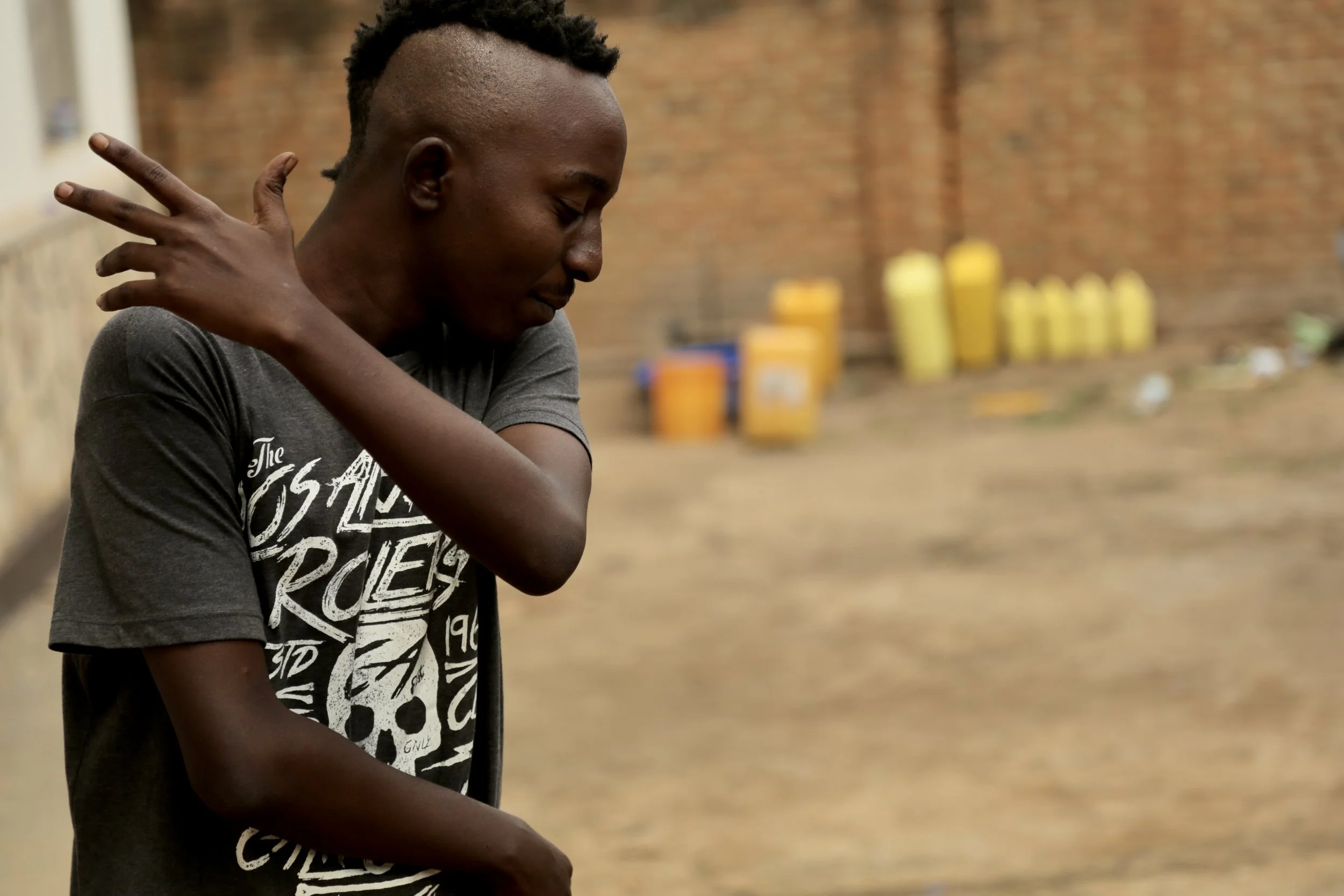
Venuste Maronko dances in the courtyard of the Kigali compound to Niko Sawa by popular Burundian artist Big Fizzo, played from a mobile phone. Music was a constant presence inside the house, where young Burundian refugees used dance, film, photography and conversation to cope with exile, uncertainty and separation from home.
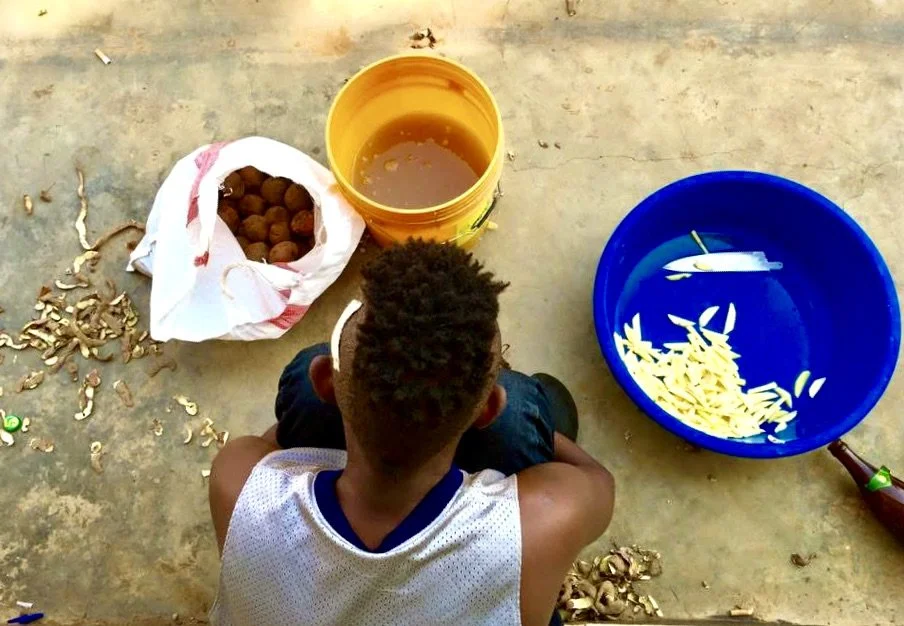
Venuste Maronko prepares potatoes for lunch inside the Kigali compound where Burundian refugees shared cooking, cleaning and other daily responsibilities. Having fled Burundi before completing his studies in cinema and the arts, Maronko moved between moments of creative expression and the ordinary routines of communal life in exile.
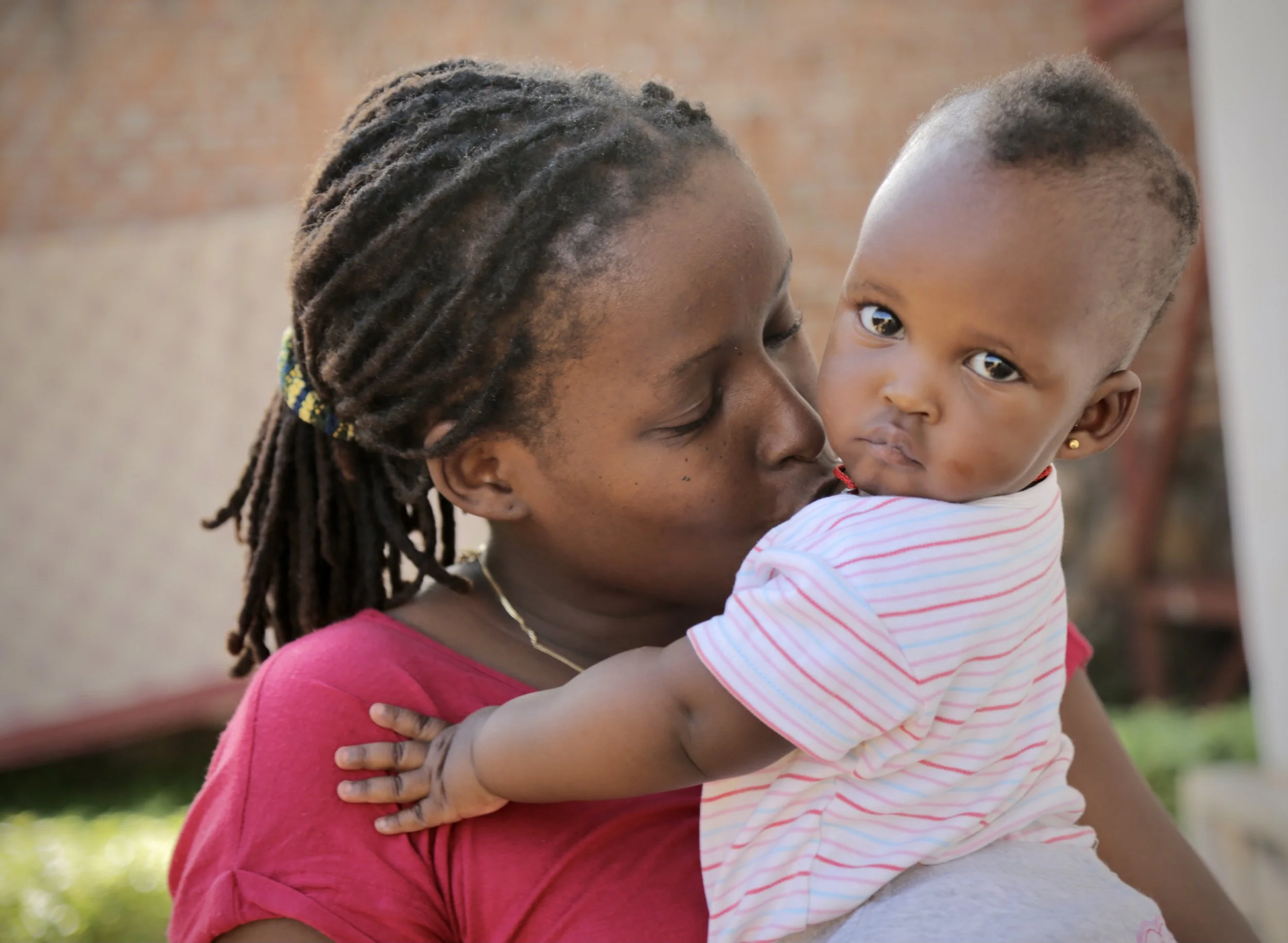
Pamela Kazekare holds her daughter Shikiro inside the Kigali compound where Burundian refugees lived together in exile after fleeing Burundi’s 2015 political crisis. Having grown up during Burundi’s 1993–2003 civil war, Kazekare fled to Rwanda with Shikiro hidden in the boot of a taxi when her daughter was just 37 days old, after learning she had been placed on a government “wanted” list and feared she could be killed.