While international attention focused on Burundi’s 2015 political crisis, protests and violence in the streets of Bujumbura, another emergency unfolded largely unseen.
Far from the television cameras and outside the better-known refugee camps run across international borders, thousands of Burundians displaced within their own country sought safety in improvised settlements on the outskirts of the capital and beyond. These were not formal UN-administered camps, but fragile communities of plastic sheeting, timber frames and salvaged cloth, where families who had fled violence tried to survive with little visibility and limited assistance.
This series offers rare access inside one such internally displaced persons camp in Kinama, near Bujumbura. The images document a more isolated crisis: children adapting play to narrow pathways between shelters, women preparing food from scarce ingredients, illness managed beneath mosquito nets, and families enduring hunger while waiting for help that often came too slowly - or not at all.
The photographs carry a muted, intimate atmosphere. They do not show crowds or spectacle. Instead, they reveal the texture of displacement: dim interiors, worn materials, improvised homes, close quarters and the resilience of people trying to preserve dignity under pressure.
These were Burundi’s invisible victims: civilians uprooted inside their own country, living beyond the headlines.
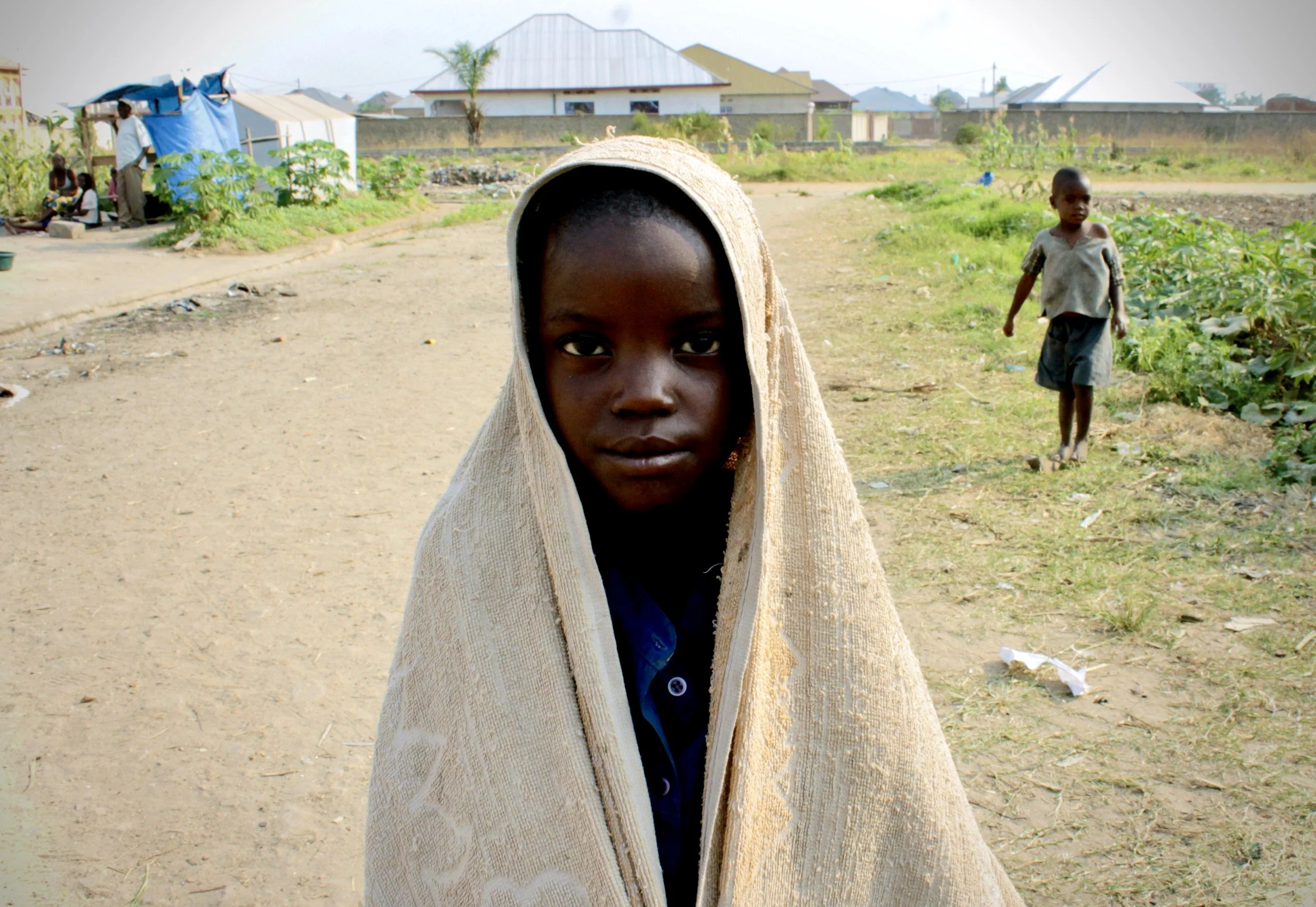
A child wrapped in cloth stands on a pathway inside the displaced persons camp, where families uprooted by Burundi’s 2015 political crisis sought safety in makeshift shelters.
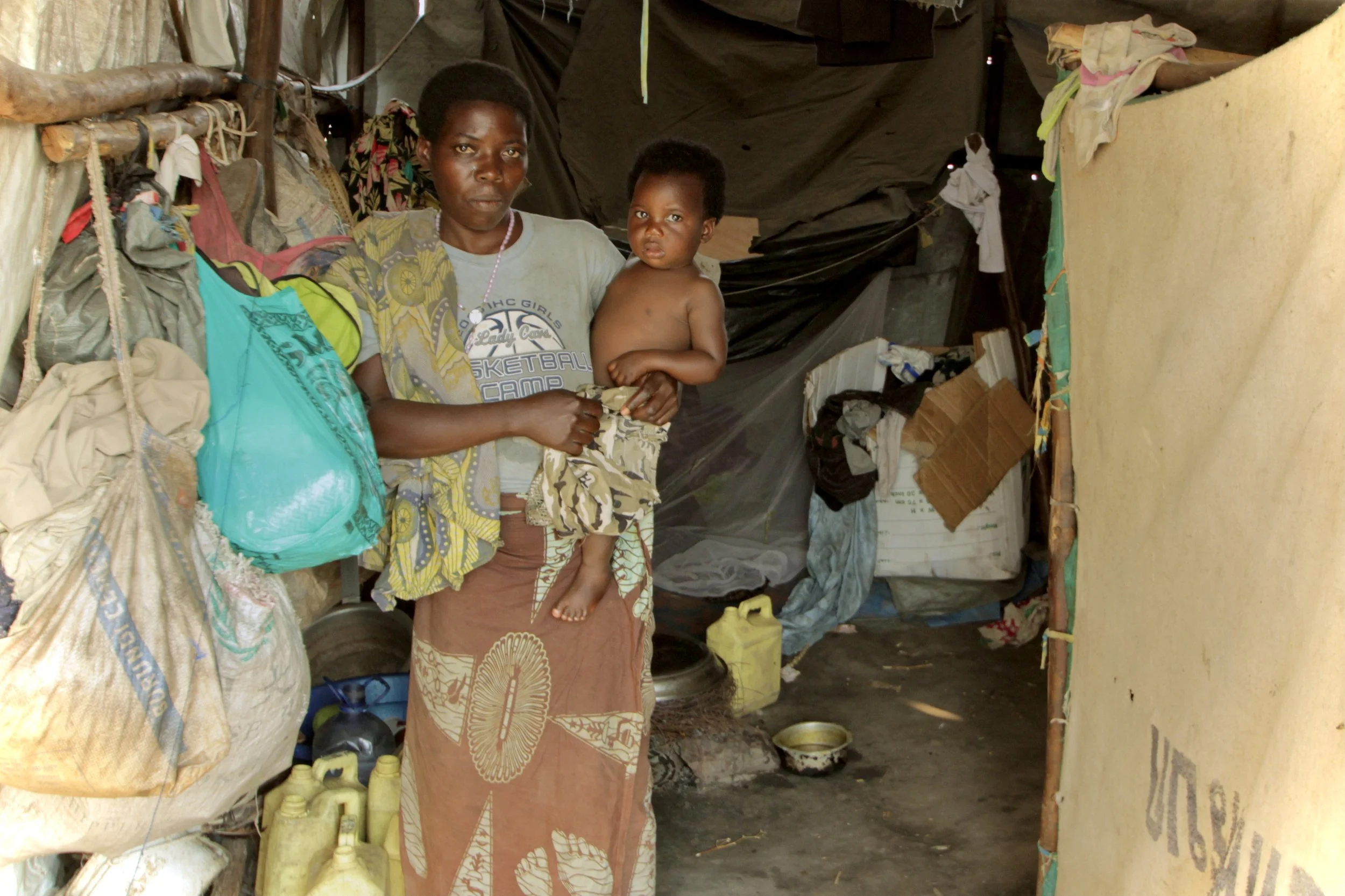
A woman holds a child outside her shelter in the camp, where many families displaced by violence around Bujumbura were living with limited assistance.
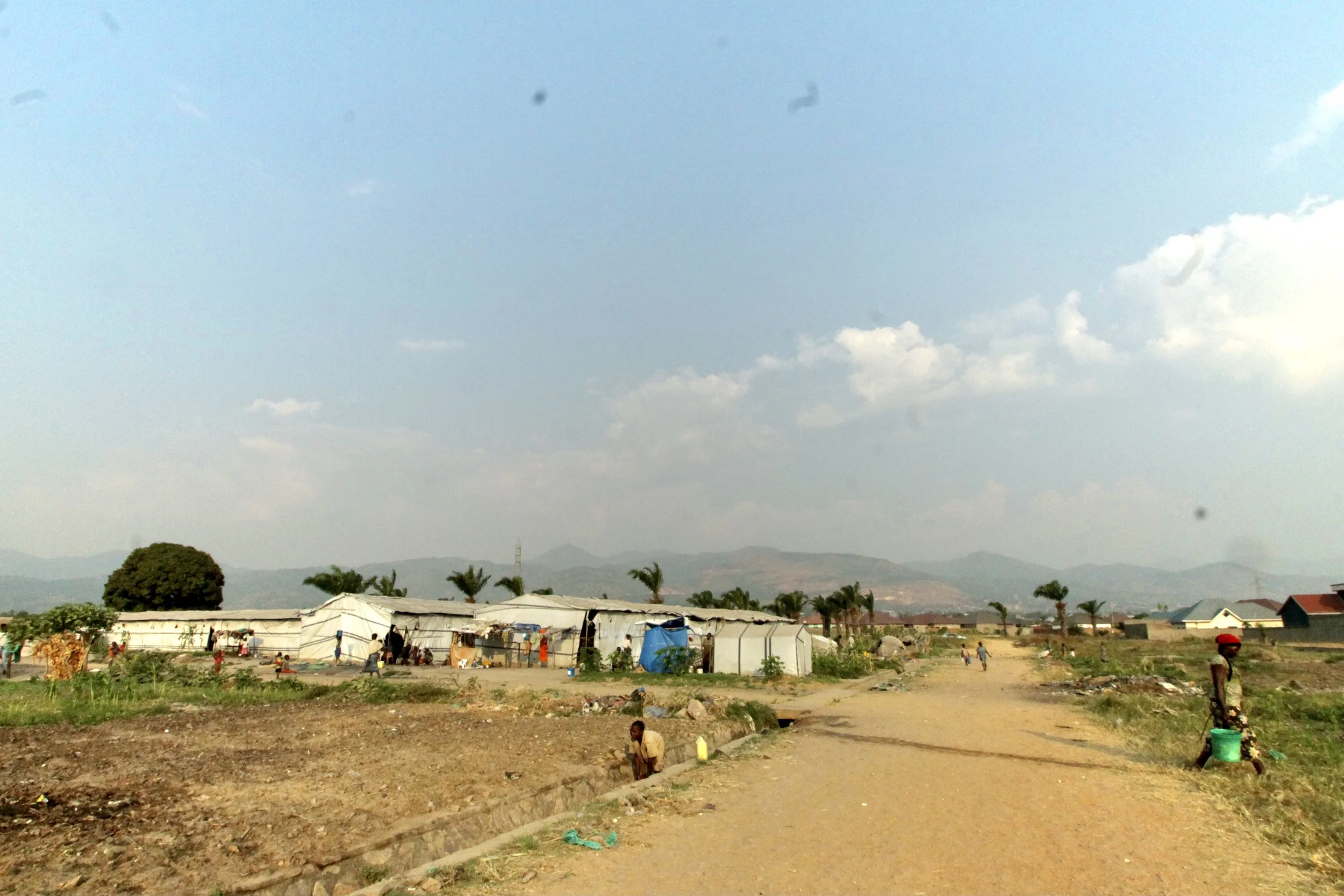
A view of temporary shelters in the Carana displaced persons camp in Kinama, on the outskirts of Bujumbura, where families sought refuge during Burundi’s 2015 unrest.
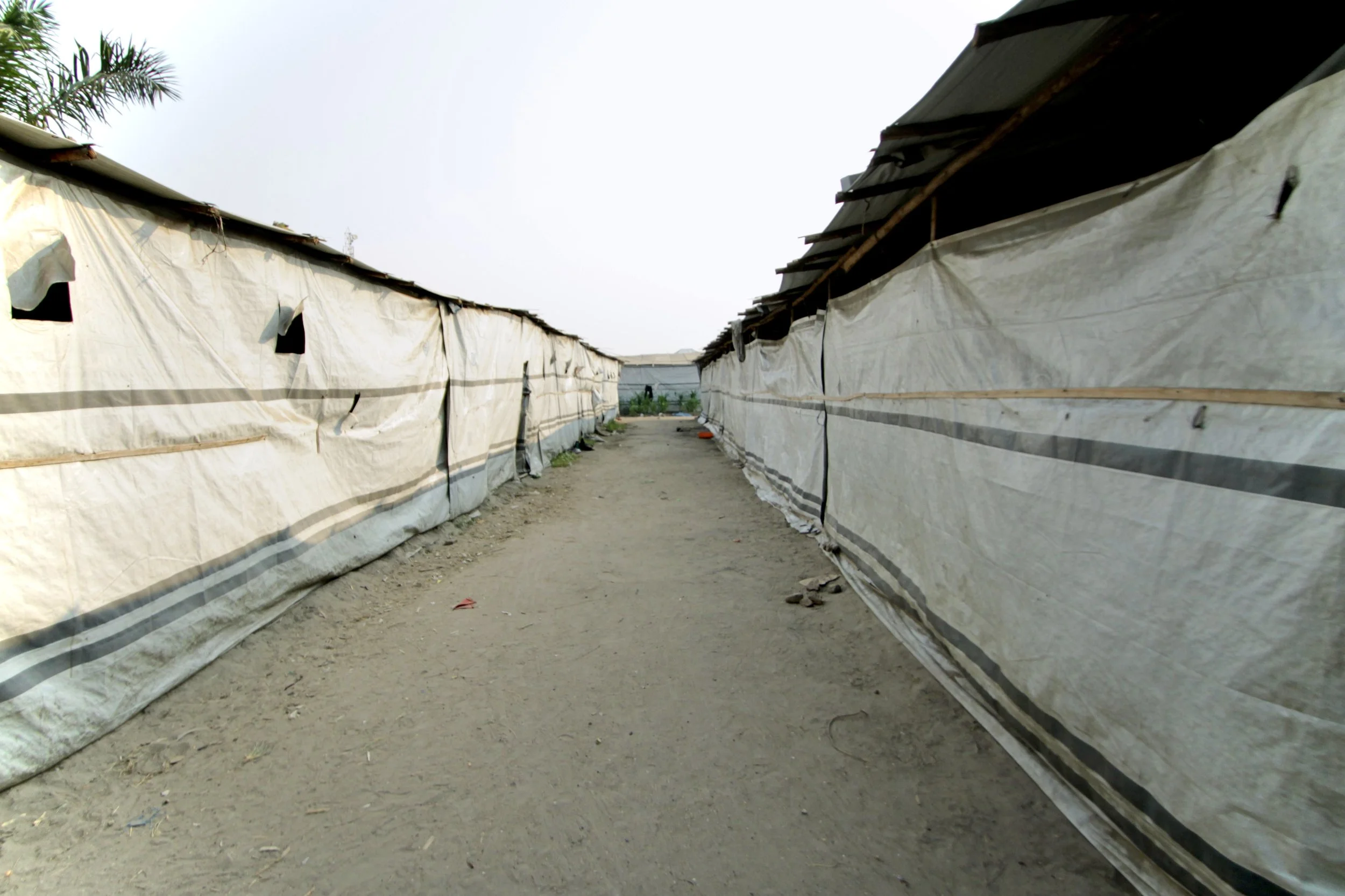
A narrow corridor runs between rows of shelters built from plastic sheeting, timber and salvaged materials inside the displaced persons camp.
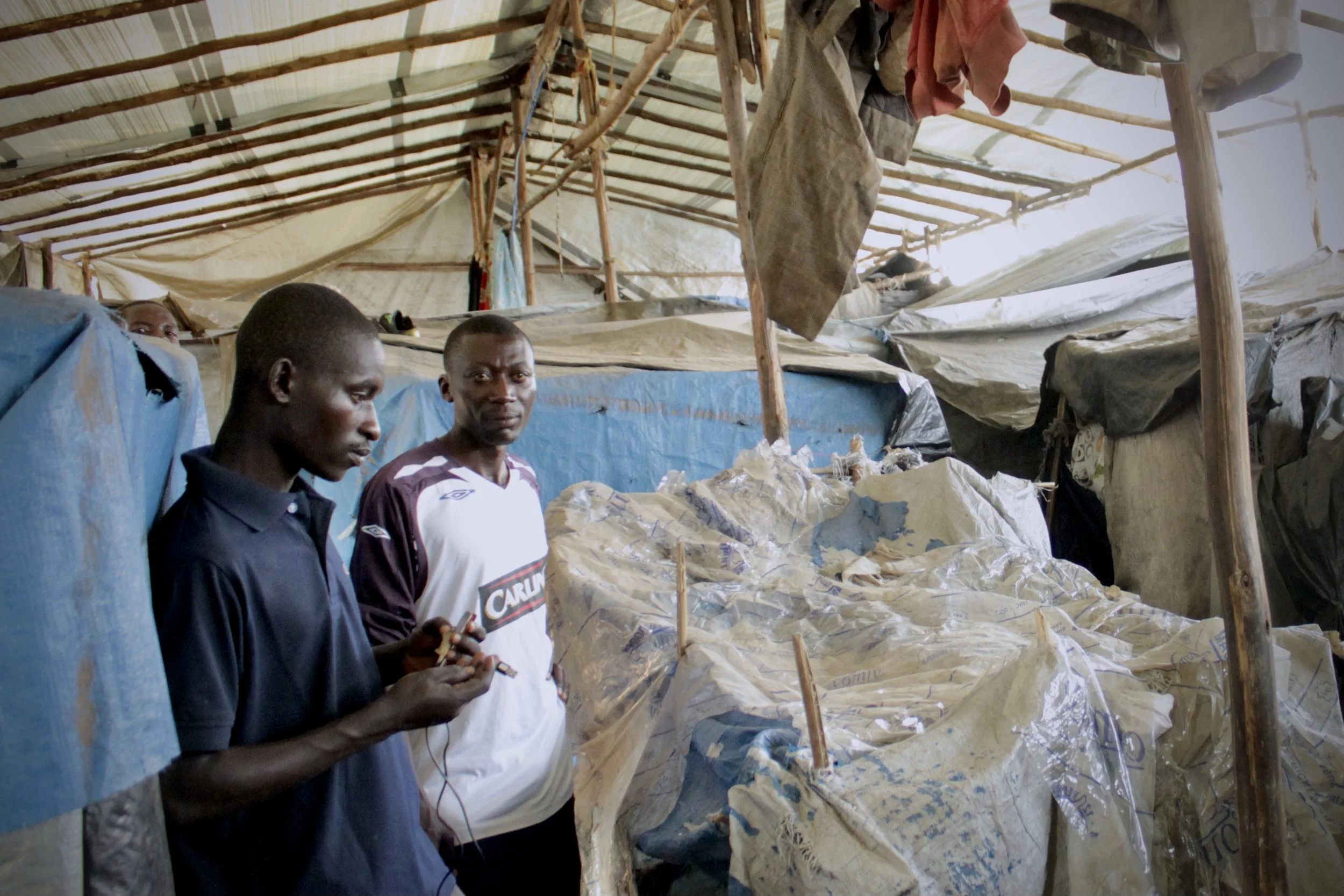
Two men, fathers, stand inside a temporary shelter, where plastic sheeting, wooden poles and hanging clothes formed cramped homes for displaced families.
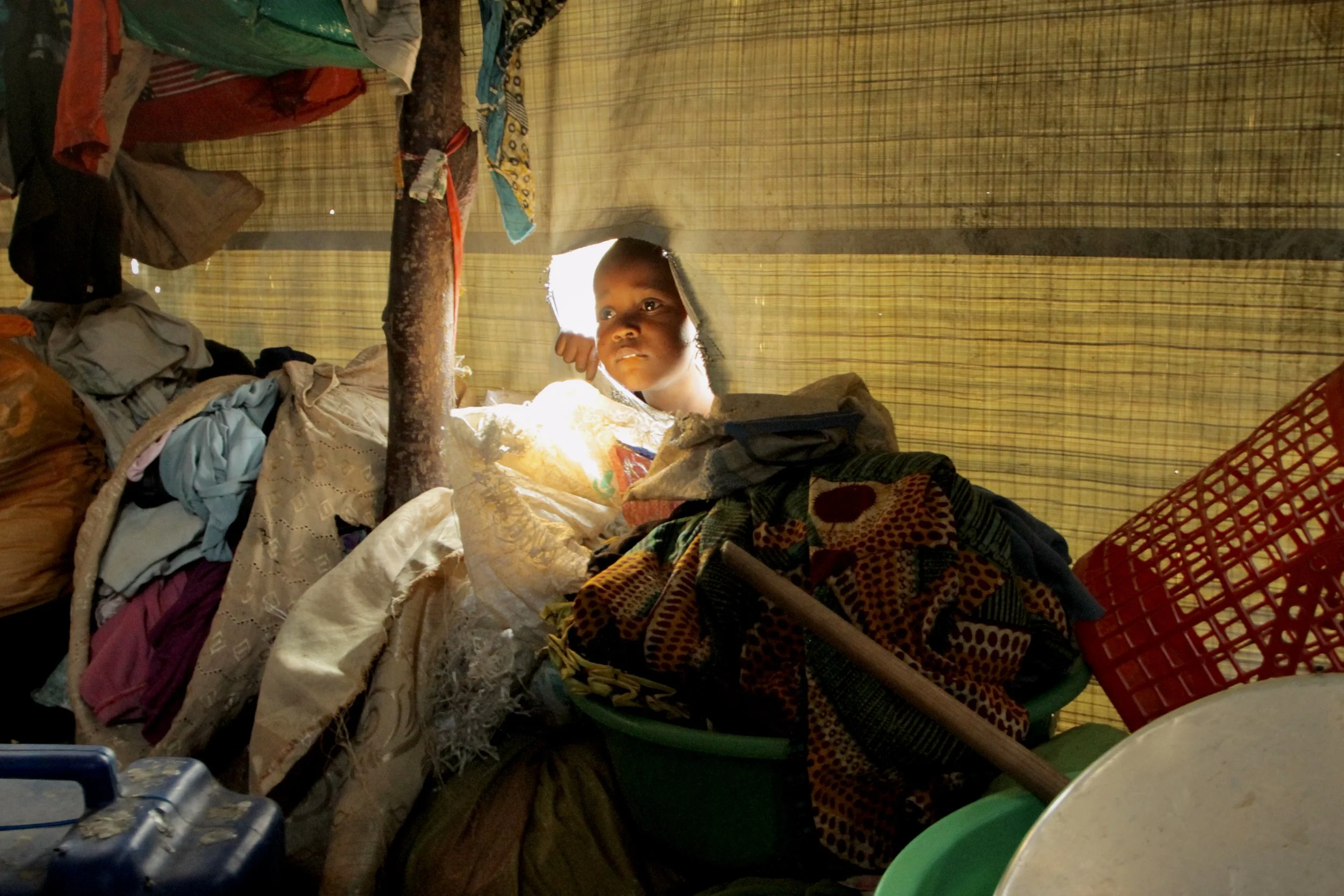
Light enters a shelter where residents rest and gather, highlighting the improvised structures built to house families displaced by the crisis.
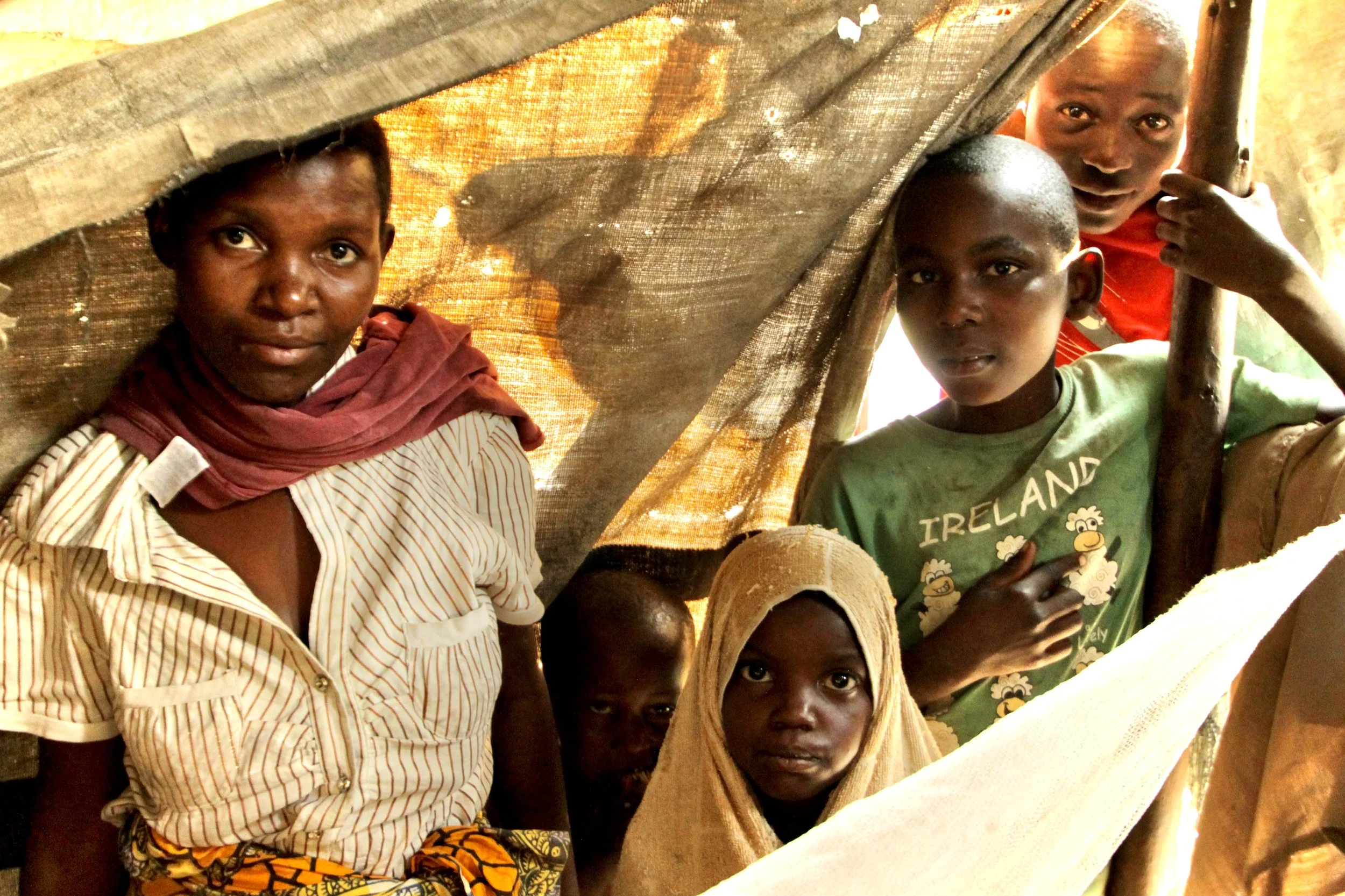
A woman stands with childrenn inside a makeshift shelter, illustrating the difficult conditions in which many displaced families were living.
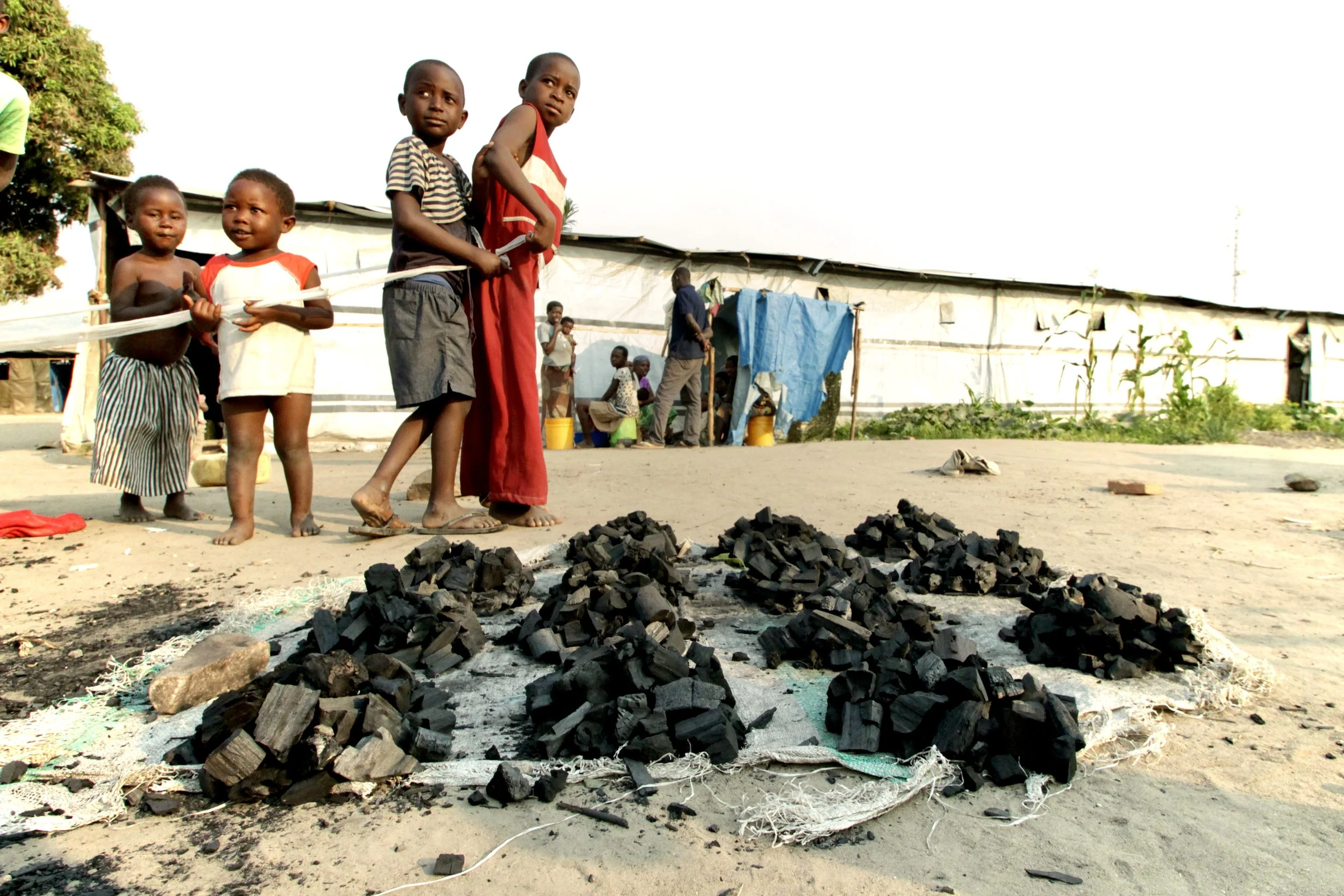
Children play behind charcoal spread out to dry on the ground inside the camp, where domestic work and childhood often unfolded side by side in the narrow spaces between shelters.
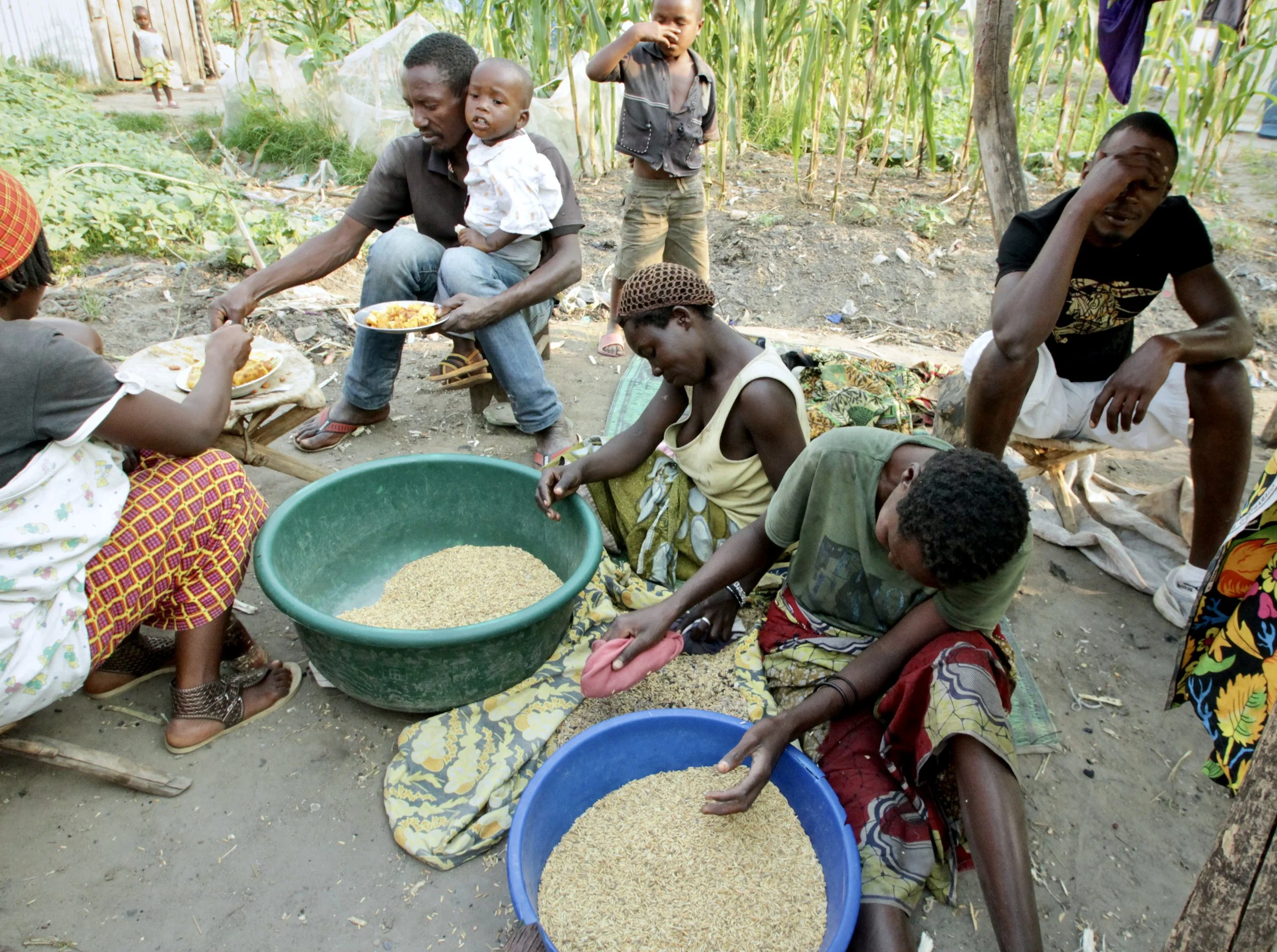
Residents prepare food together in a communal area, sharing limited supplies as families adapted to life inside the camp.
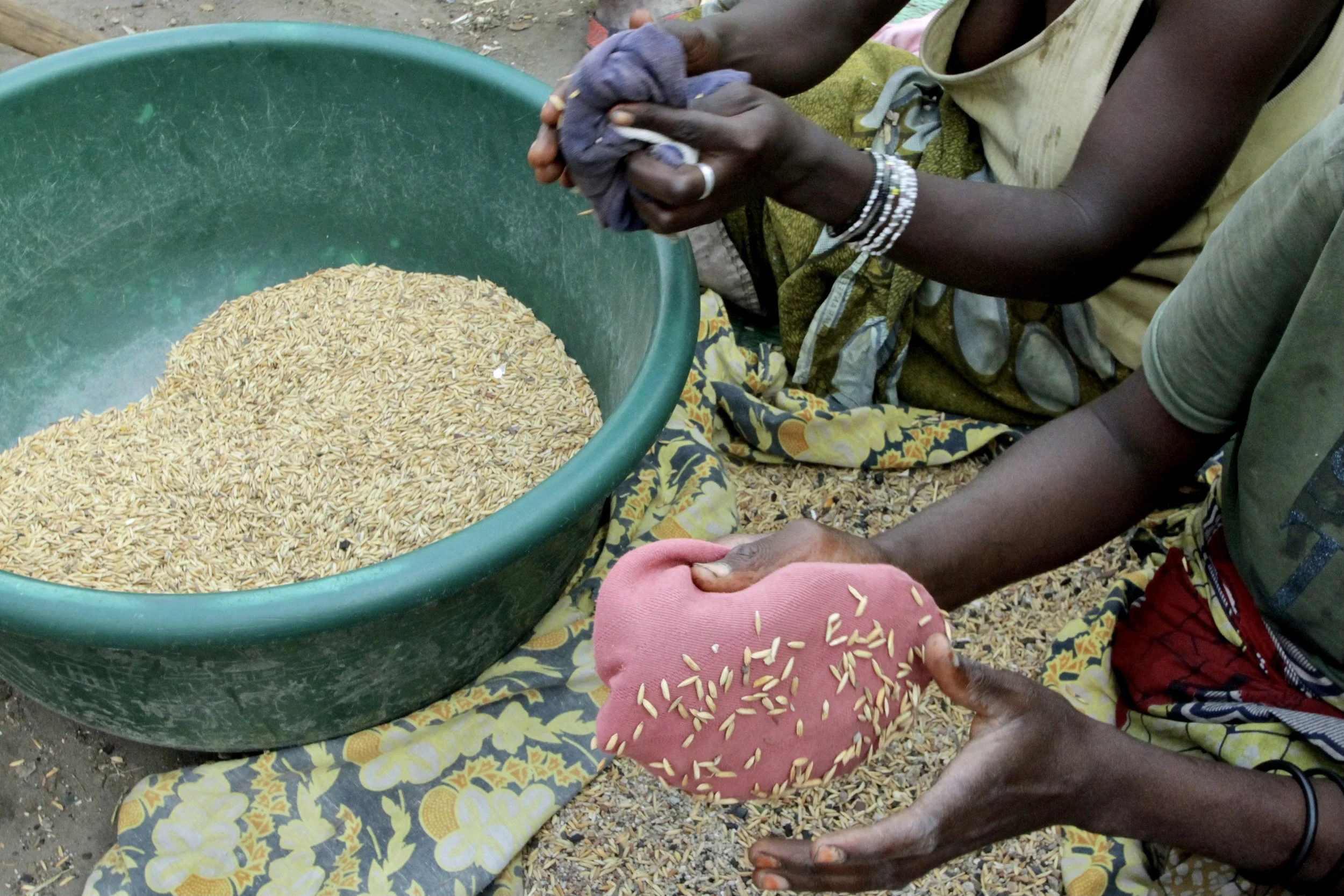
Rice is sorted and cleaned before cooking, part of the daily food preparation carried out by residents in the camp.
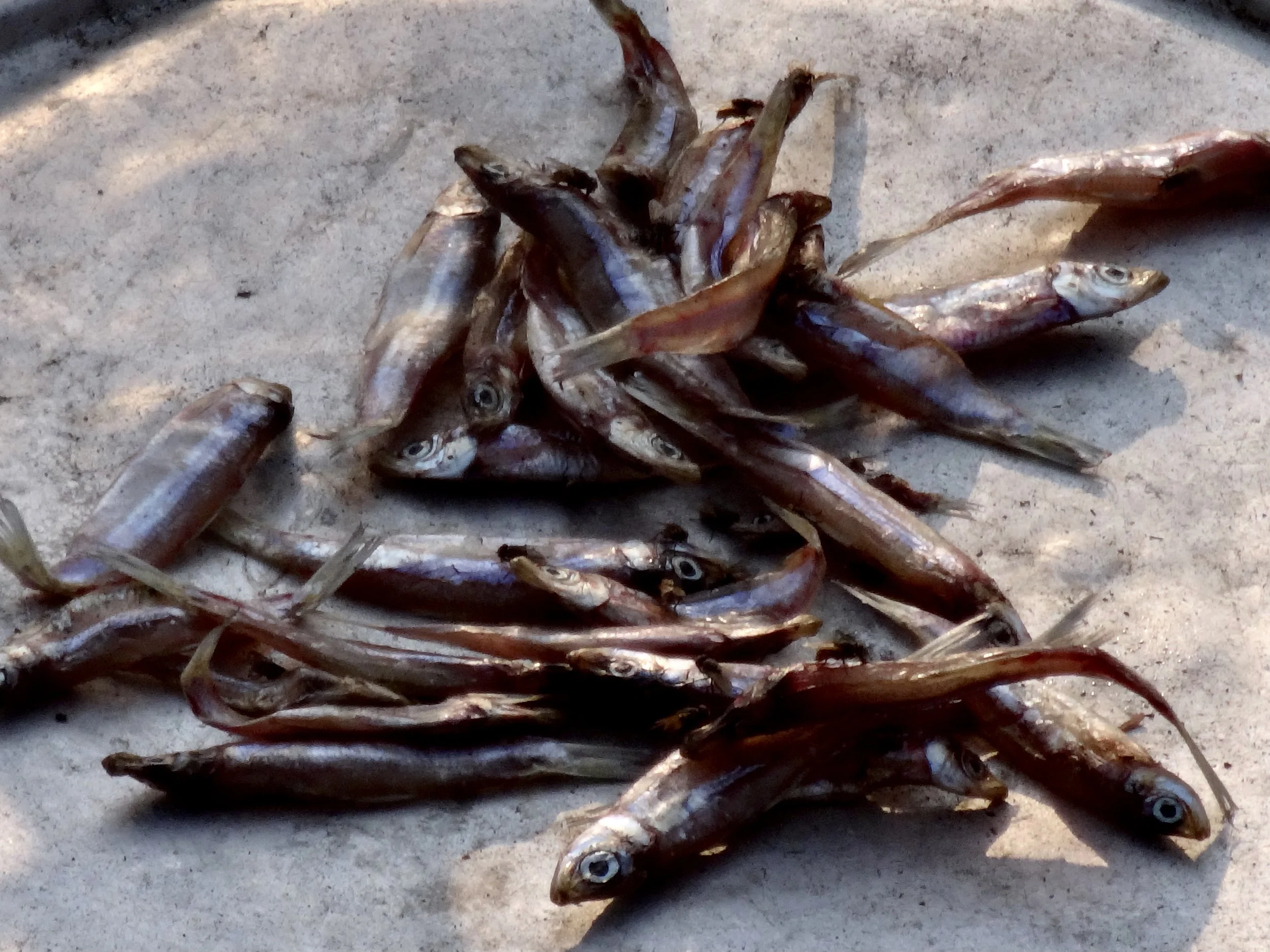
Small fish are prepared and dried for meals, supplementing staple foods for families living in the displaced persons camp.
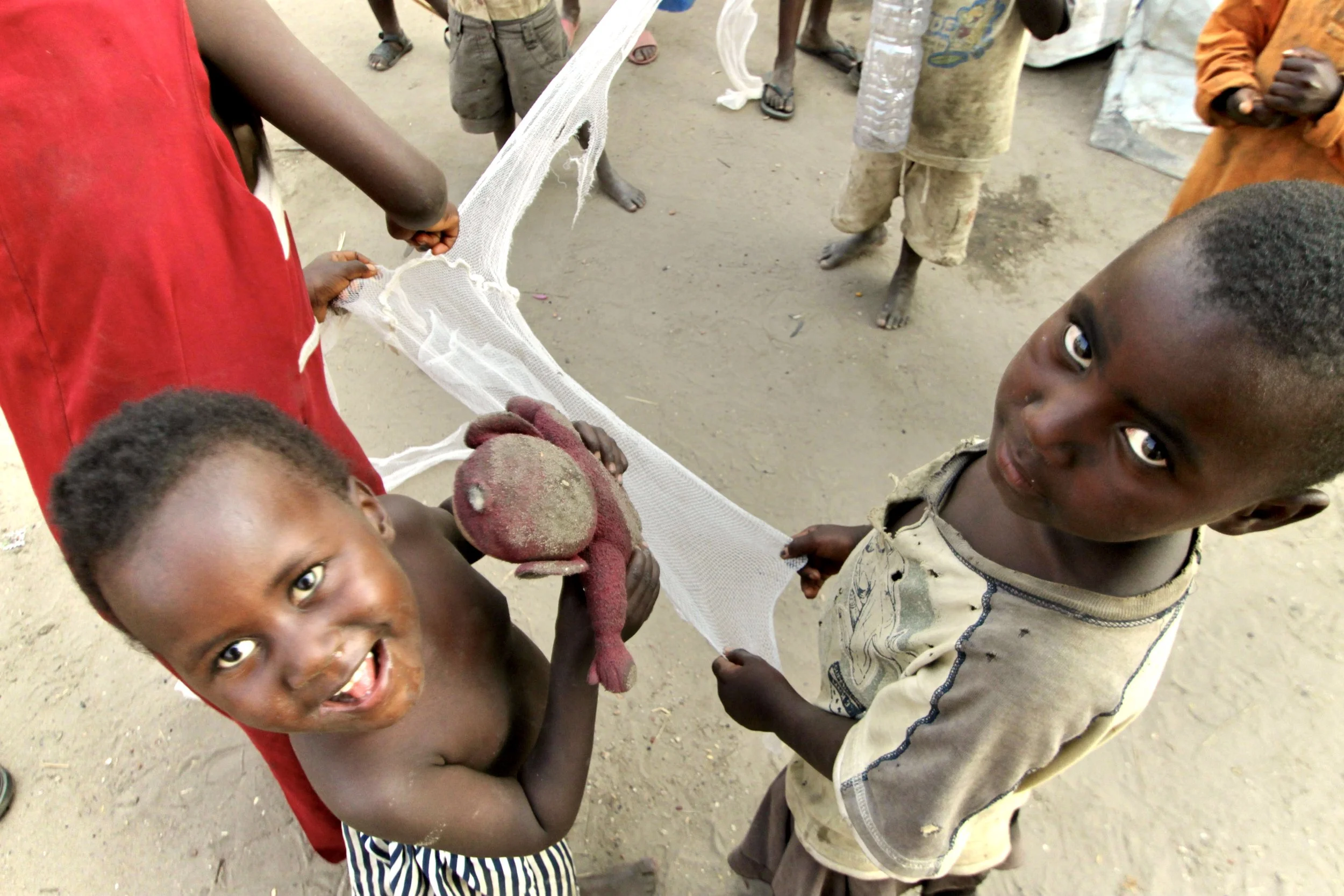
Children play with improvised toys made from discarded and found materials inside the camp, where families displaced by violence adapted daily life with limited possessions and resources.
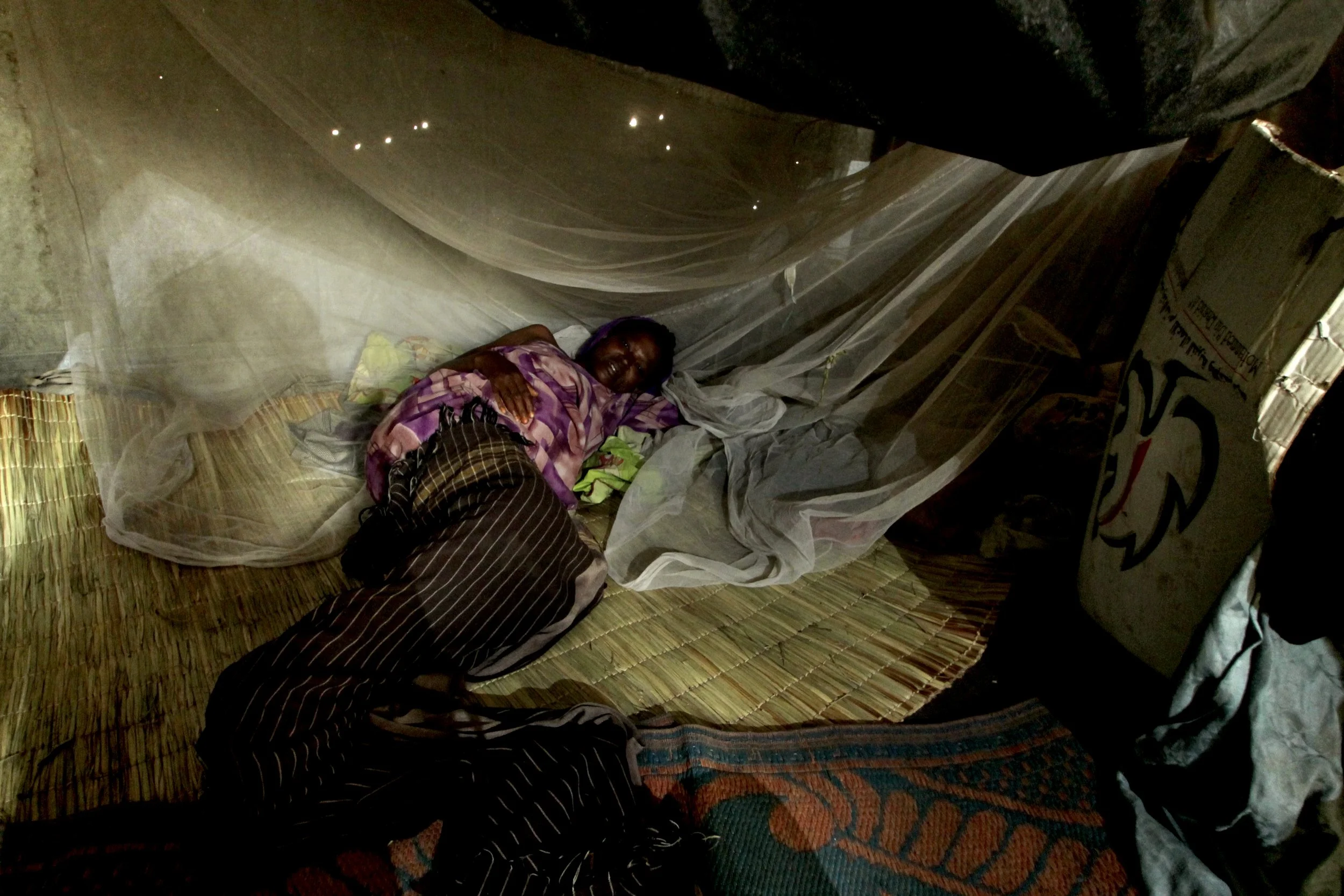
An ill woman lies beneath a mosquito net inside her shelter, a common protection against malaria in the crowded camp.
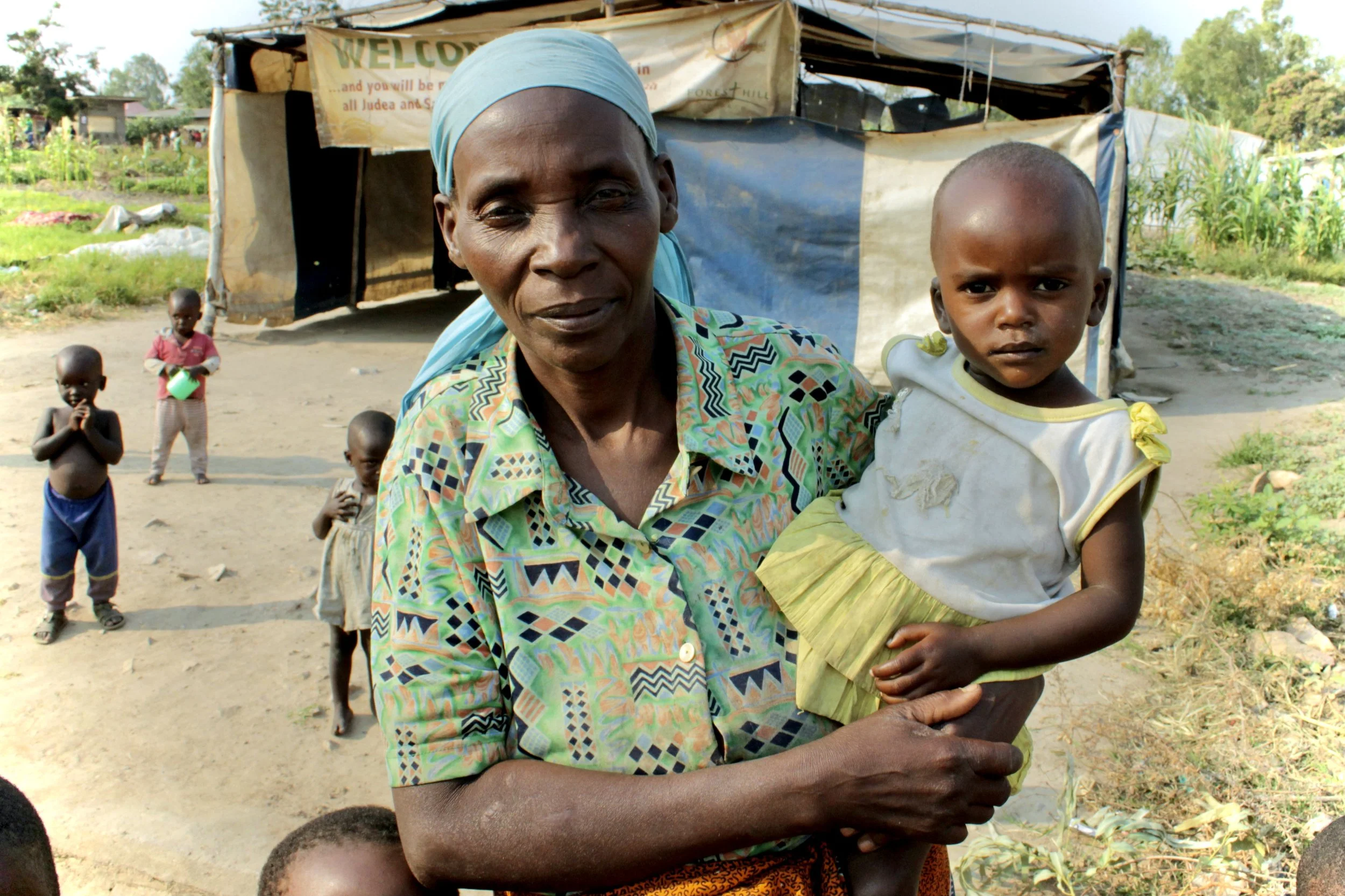
An older woman carries a child outside her shelter in the displaced persons camp, where several generations of families uprooted by Burundi’s 2015 crisis were often living together in fragile conditions.