In the mountains and lowlands of Lesotho, herd boys spend months at a time isolated in remote grazing areas, caring for livestock far from schools, clinics and their families. Some begin herding as young as five years old, and by adolescence many are living largely independently in cattle posts scattered across the country’s highlands and rural plains. Despite forming a visible part of Lesotho’s rural economy and identity, herd boys remain one of the country’s most overlooked and difficult-to-reach populations.
Their isolation places them at heightened risk of HIV and sexually transmitted infections. Limited access to healthcare, little formal sexual and reproductive education, mobility between grazing regions and relationships formed while travelling all contribute to vulnerability. Many boys rarely encounter healthcare workers or teachers, making community outreach and peer-led education one of the few effective ways to provide information about HIV prevention, healthy relationships and access to services.
Photographed over the course of outreach journeys in Leribe district, this series follows peer educators and programme staff as they travel across grazing land searching for herd boys gathering for HIV and STI prevention sessions. Several of the educators were once herd boys themselves, using lived experience to build trust within a community often wary of outsiders.
The photographs move between vast landscapes and intimate moments of conversation, waiting and instruction, documenting both the physical remoteness of herd boys’ lives and the fragile systems attempting to reach them. Together, the images explore masculinity, migration, labour and health in rural Lesotho, while revealing a hidden population navigating adolescence and adulthood largely beyond the reach of conventional healthcare systems.
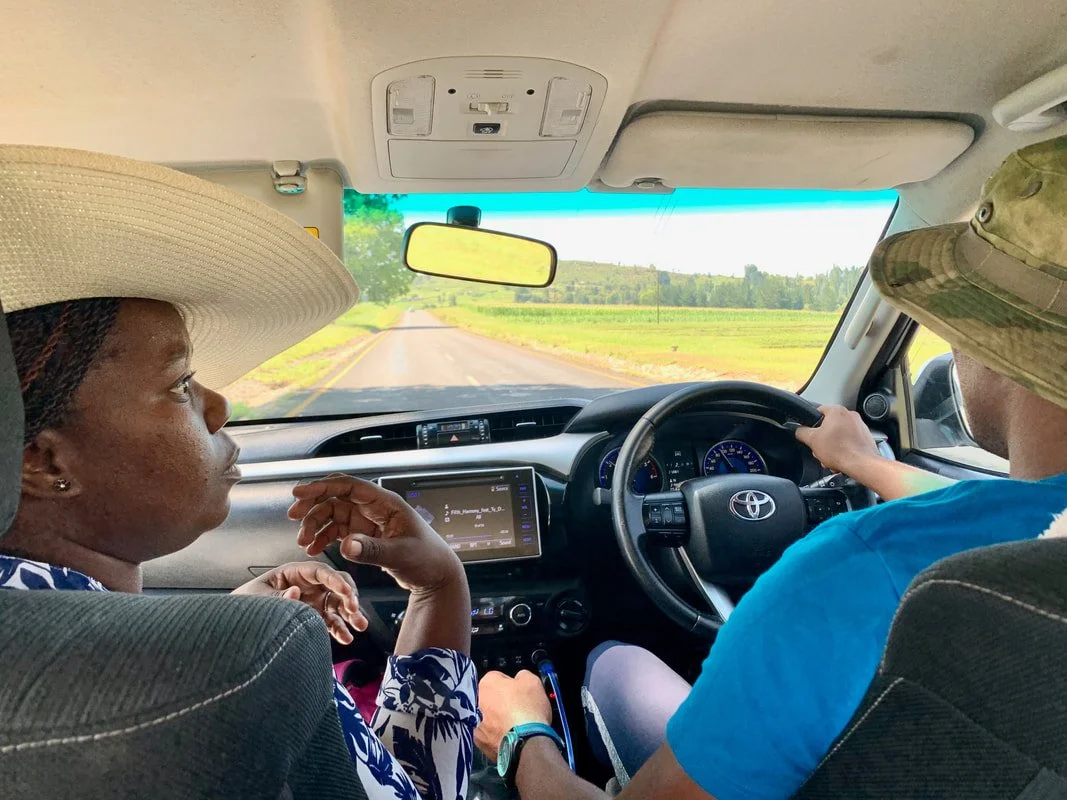
Programme coordinator Lulu (left) and a driver ask for directions while searching for herd boys who will attend an HIV and sexually transmitted infection (STI) prevention session in Leribe district, Lesotho. Outreach teams often travel long distances across remote grazing areas to reach boys living far from schools and health services.

Peer educator P., a former herd boy, rides on the back of the outreach vehicle as the team travels through the lowlands of Leribe district, Lesotho, to reach the meeting point for an HIV and sexually transmitted infection (STI) prevention session with herd boys.
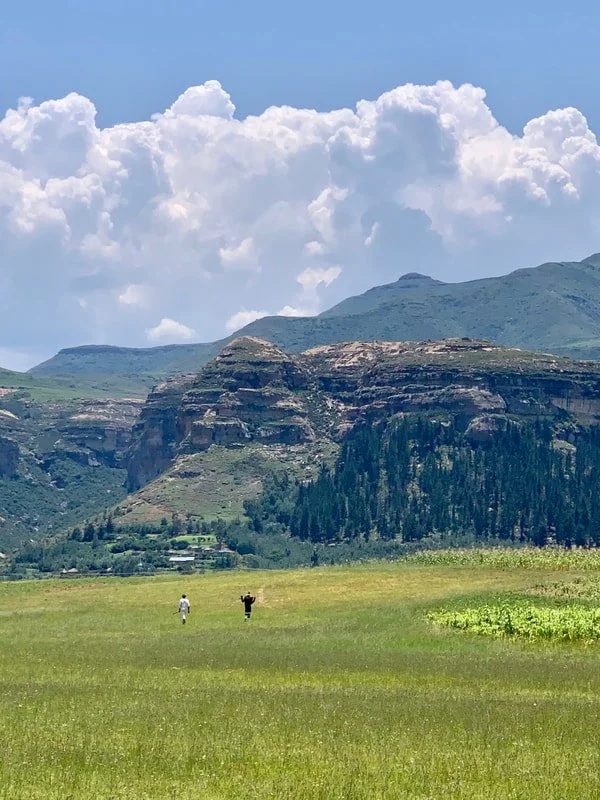
Two figures cross grazing land in Leribe district, Lesotho. Herd boys may spend months at a time in remote areas caring for livestock, often far from schools, clinics and formal health information.
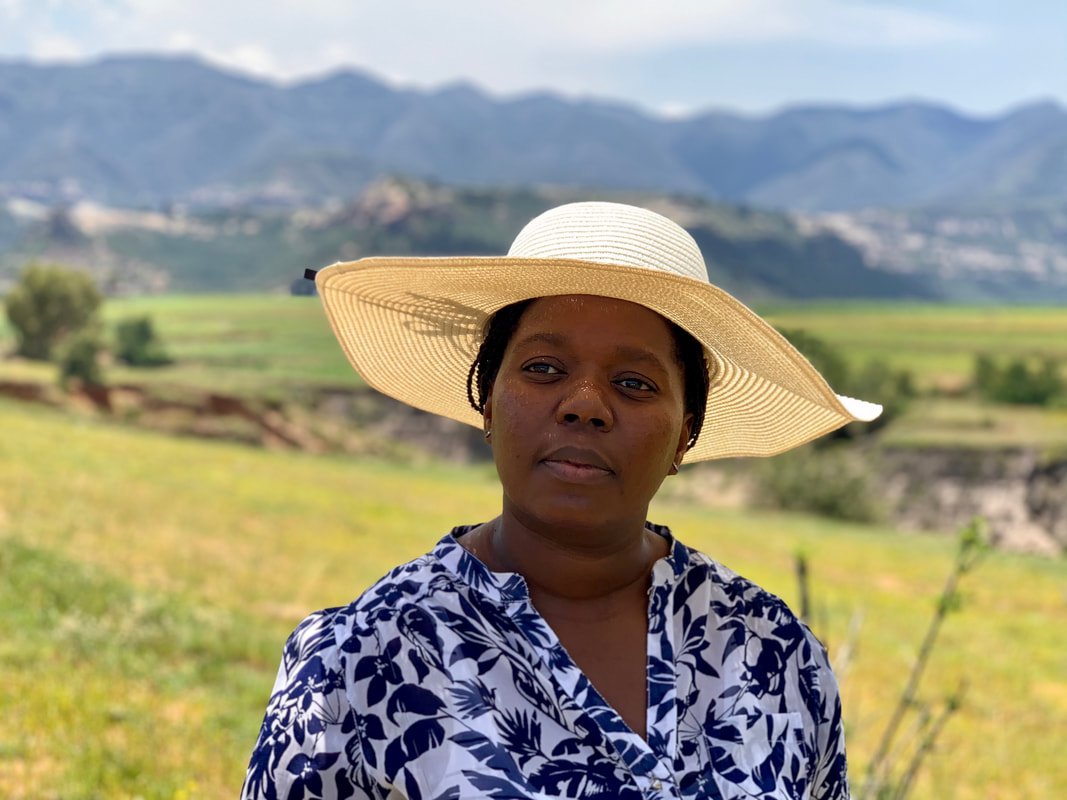
Programme coordinator Lulu stands in the lowlands of Leribe district, where outreach teams organise HIV and STI prevention sessions for herd boys living beyond the reach of regular healthcare services.
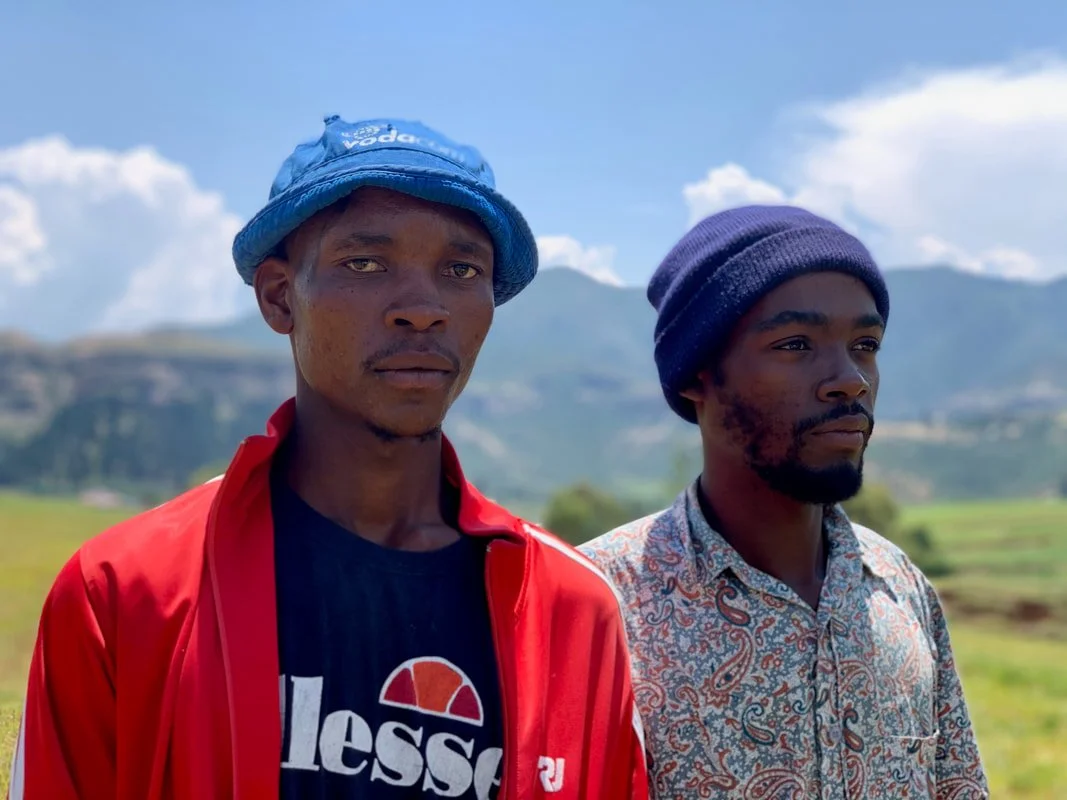
Peer educators P. (left) and D. (right), both former herd boys, in Leribe district, Lesotho, where they deliver HIV and sexually transmitted infection prevention sessions. Peer-to-peer education is critical for herd boys, who are often excluded from formal schooling and healthcare.
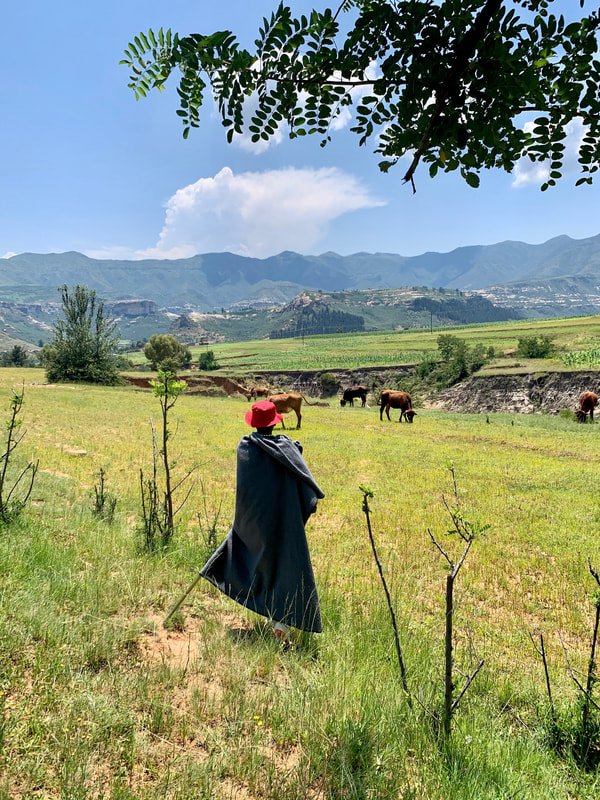
A herd boy walks across grazing land in Leribe district. Boys can begin herding livestock at a very young age and may spend long periods isolated from their families and communities.
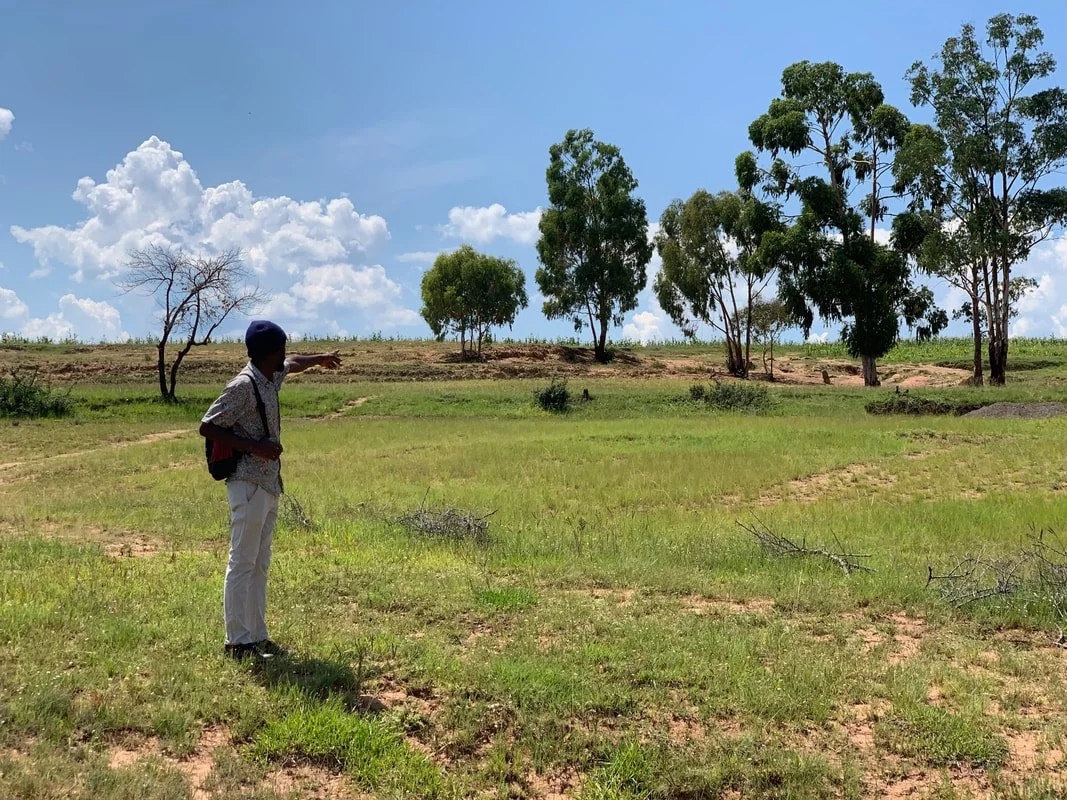
Peer educator D. stands in grazing land in Leribe district, Lesotho. Mobility, isolation and limited access to healthcare place many herd boys at increased risk of HIV and other sexually transmitted infections.
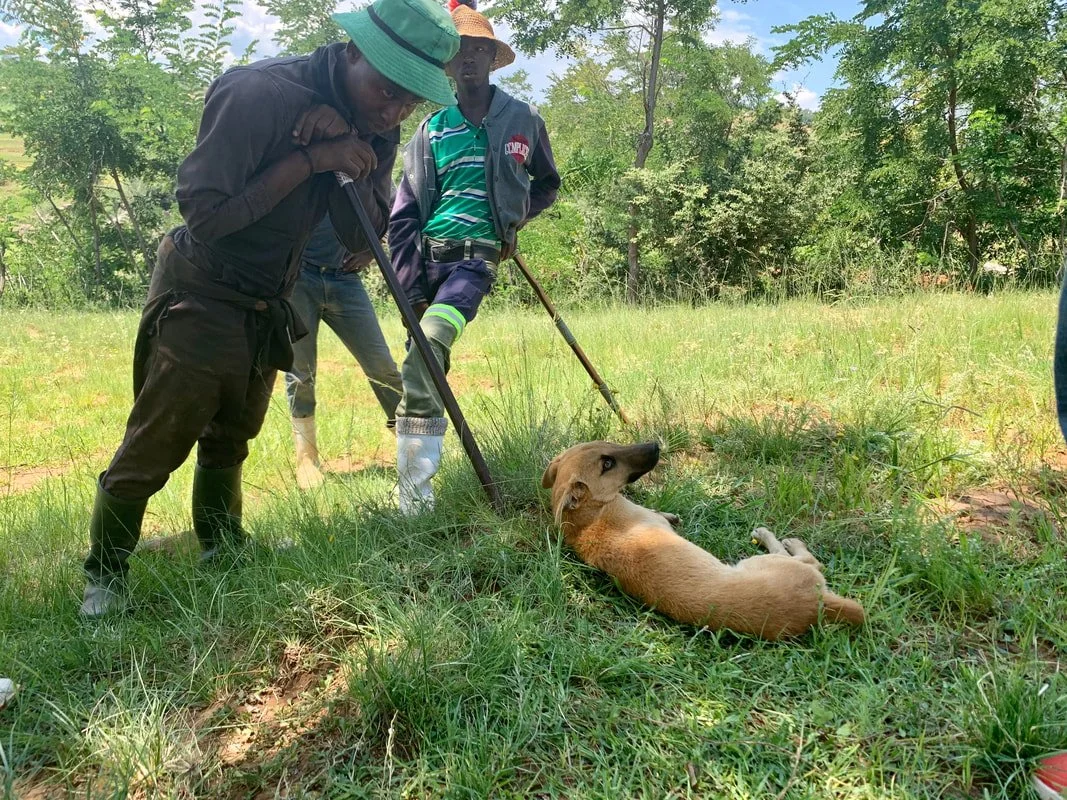
Herd boys gather with a dog near grazing land while waiting for the outreach team to arrive for a community health session in Leribe district.
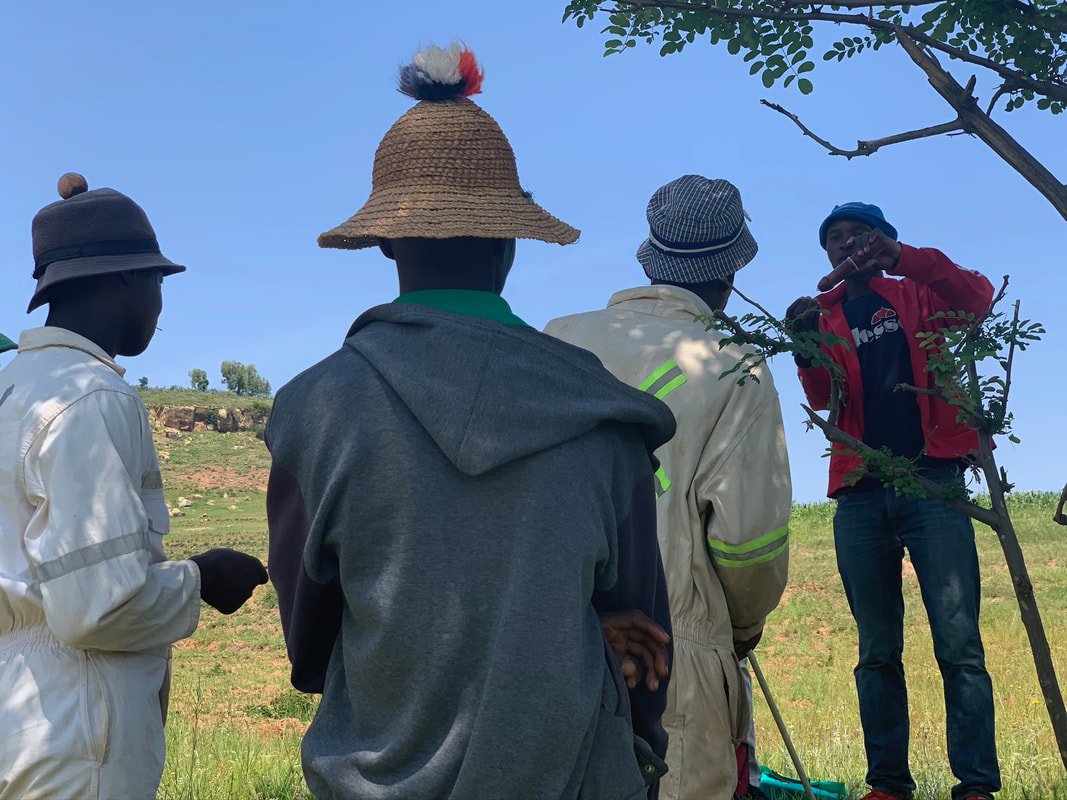
Herd boys gather beneath a tree in Leribe district before an HIV and sexually transmitted infection prevention session. The meeting place was described simply as “under the cattle post by the tree,” reflecting how herd boys navigate the mountains and grazing lands through intimate knowledge of the terrain rather than named roads or formal locations.
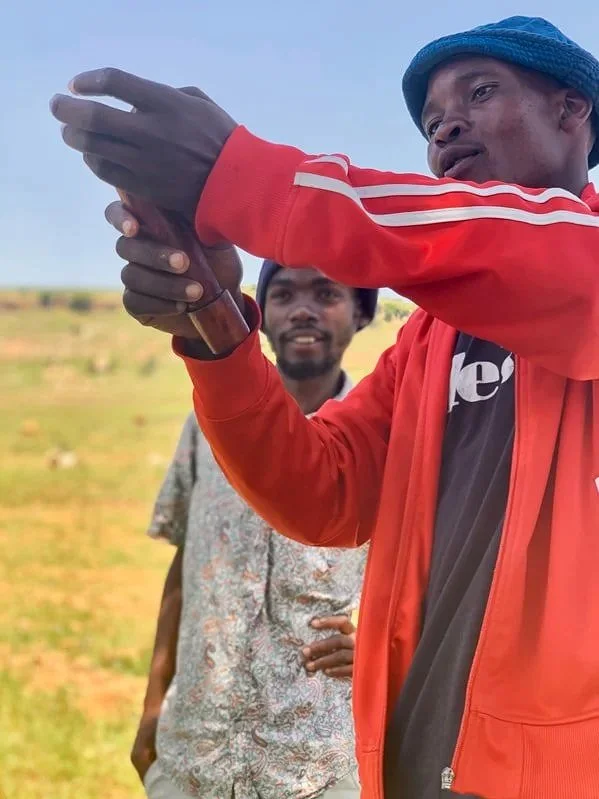
Peer educator P., a former herd boy, leads a discussion with herd boys during an HIV and STI prevention session in Leribe district.
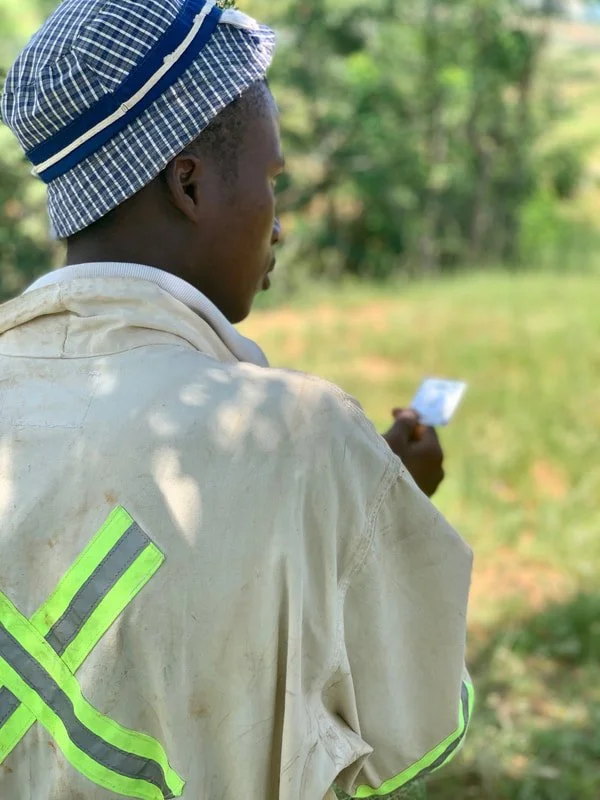
A herd boy listens during a discussion on HIV, sexually transmitted infections, healthy relationships and access to health services in Leribe district.
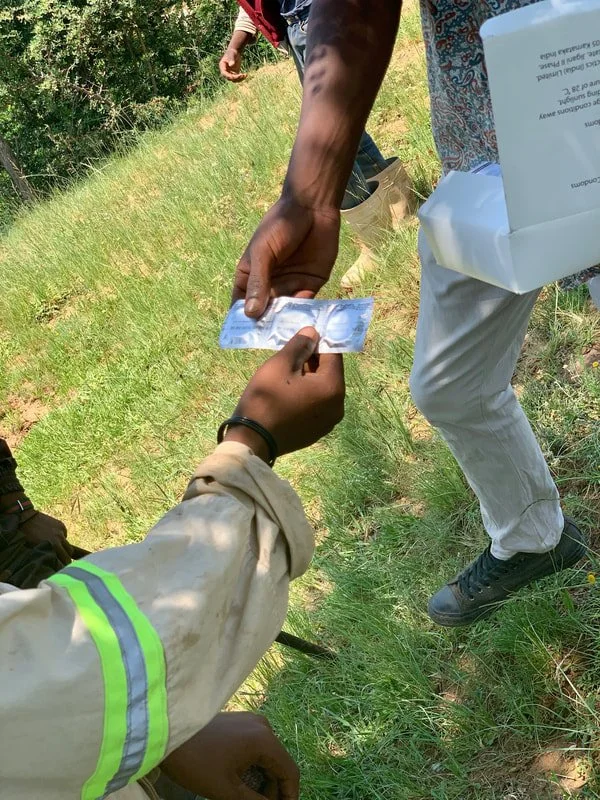
Peer educators distribute condoms to herd boys following a prevention session in Leribe district, part of efforts to improve access to sexual and reproductive health resources in remote grazing communities.
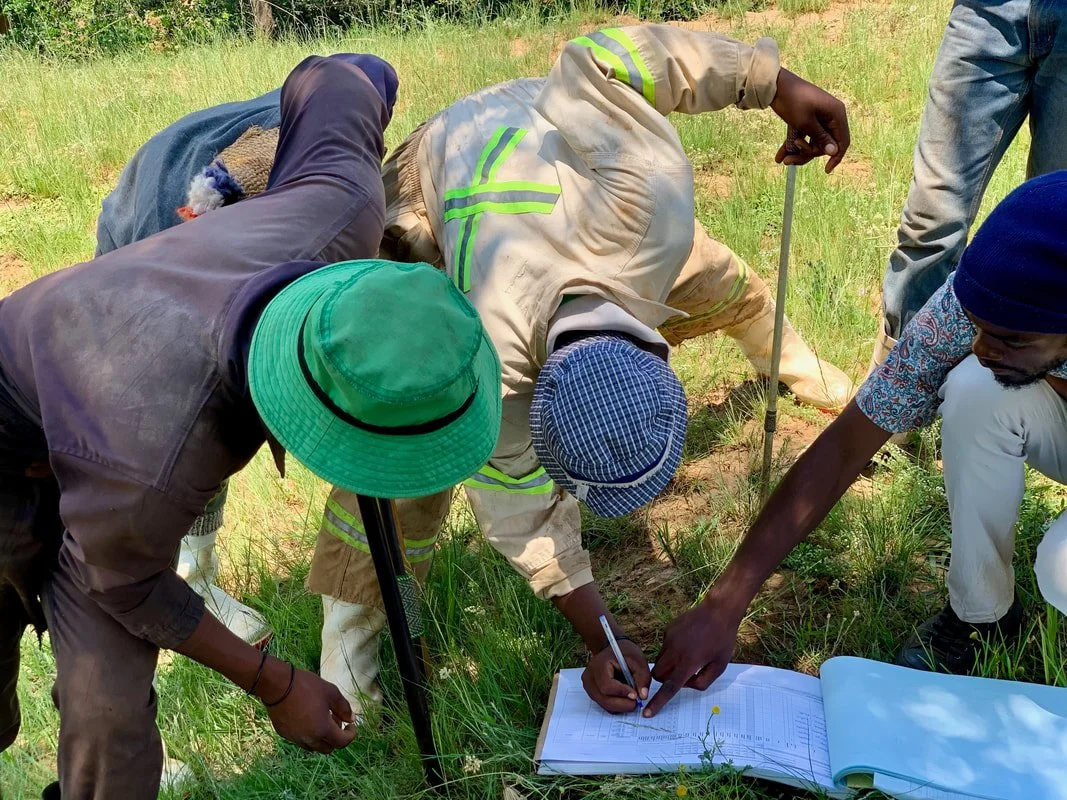
Herd boys sign an attendance register after an HIV and STI prevention session in Leribe district, helping outreach workers track participation in community health activities.
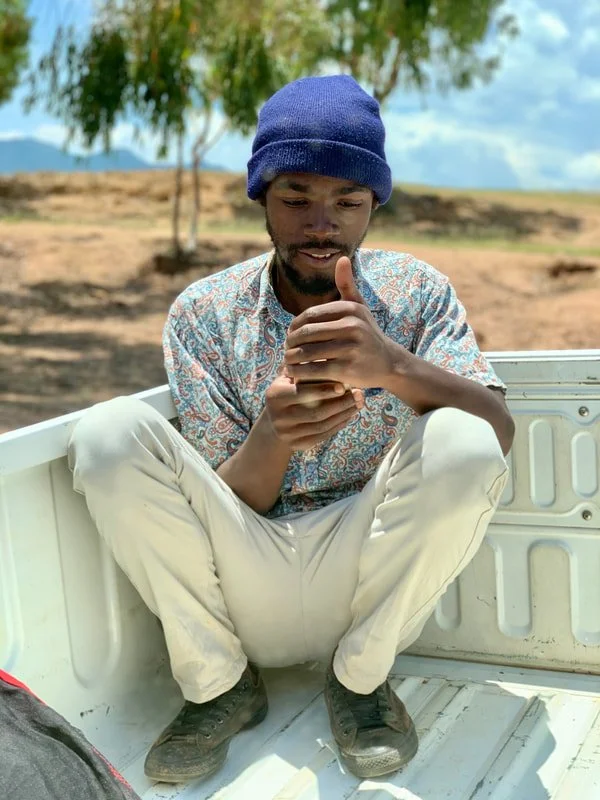
Peer educator D. rides on the back of the outreach vehicle after the outreach session in the lowlands of Leribe district.