These photographs were made in Bujumbura during Burundi's political crisis in 2015, a period marked by fear, violence and profound uncertainty. As people disappeared, families were separated and many lived in fear of arrest or attack, hundreds of thousands fled the country and the humanitarian situation rapidly deteriorated.
Yet people still had to work, buy food and support their families.
The series documents the everyday spaces where life continued despite the crisis: markets, small shops, streets and lakeside beaches. Places that had once embodied Buja la Belle—the lively Marché Central and the city's popular waterfront among them—felt transformed by insecurity, shrinking incomes and uncertainty about what the next day might bring.
Made while reporting in Burundi during this period, these photographs explore the crisis beyond the moments of violence that reached international headlines. They are images of a city under strain, where carrying on with ordinary life had itself become extraordinary.
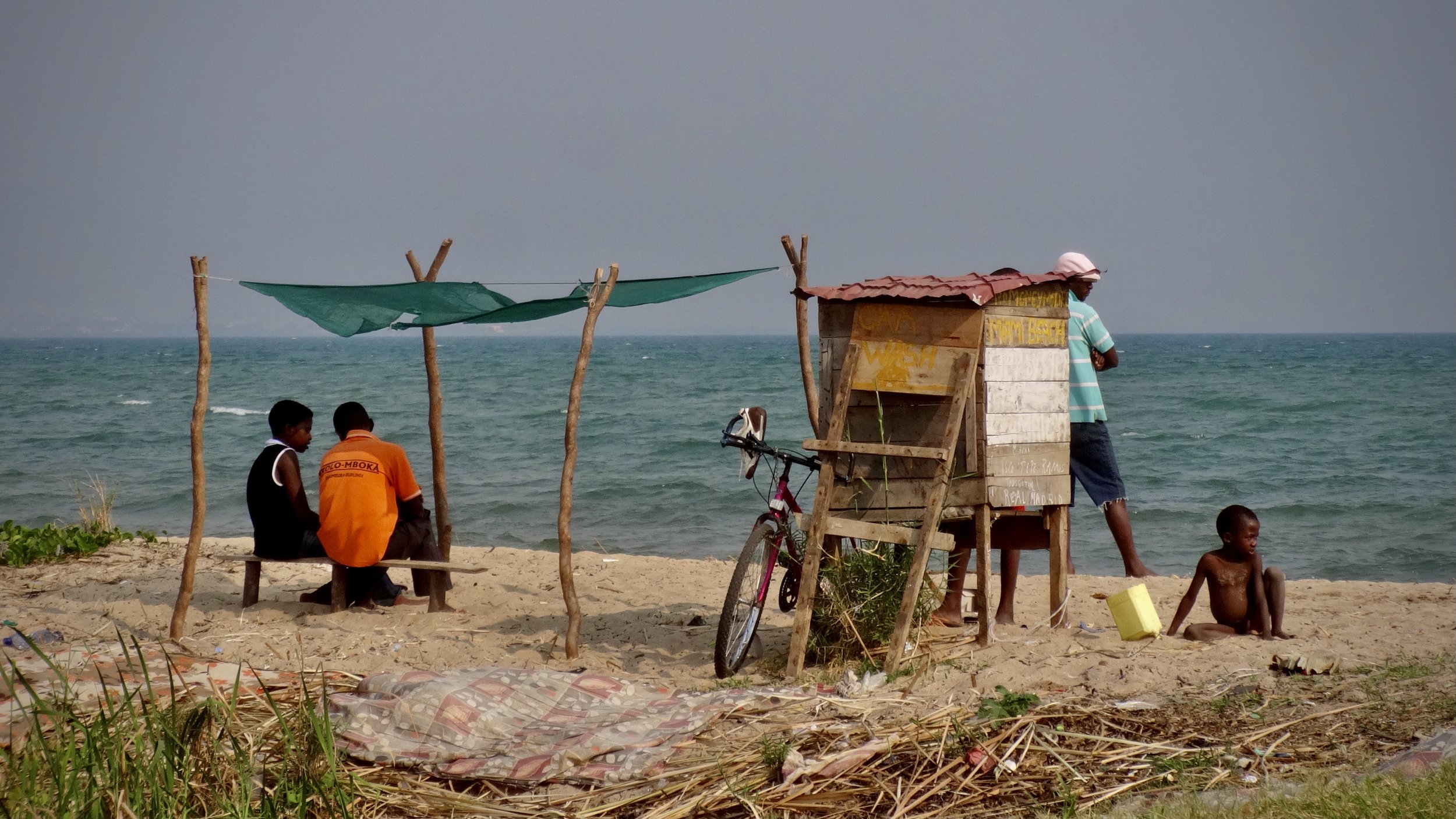
Bujumbura's popular Lake Tanganyika waterfront, once a symbol of "Buja la Belle" and a busy weekend destination for locals, expatriates and tourists. By 2015, political unrest, insecurity and economic hardship had left many businesses struggling and public spaces far quieter than before.
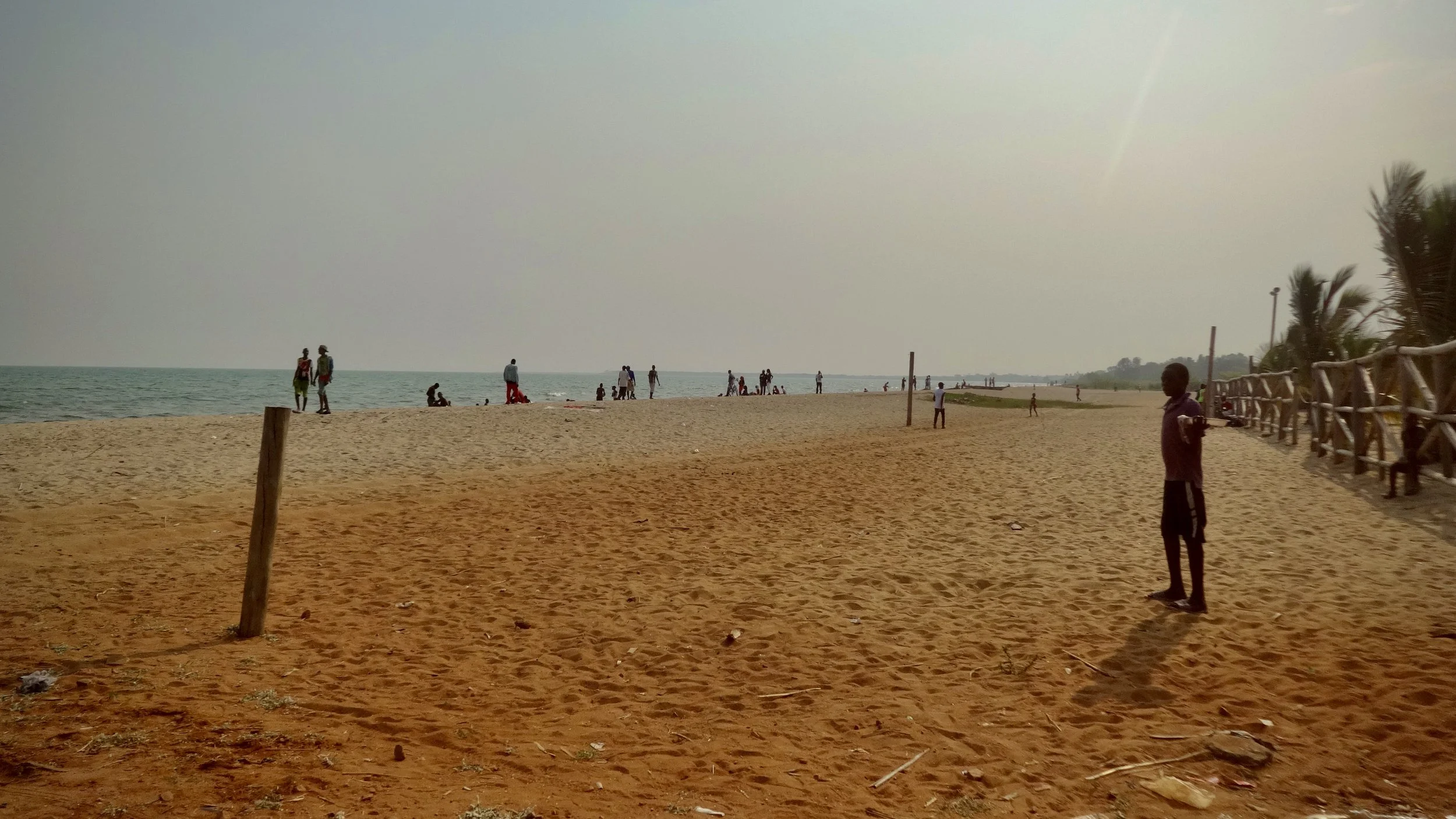
A nearly empty stretch of beach along Lake Tanganyika. Restaurant owners, hotel staff and business operators reported sharp declines in customers following months of political unrest and violence.
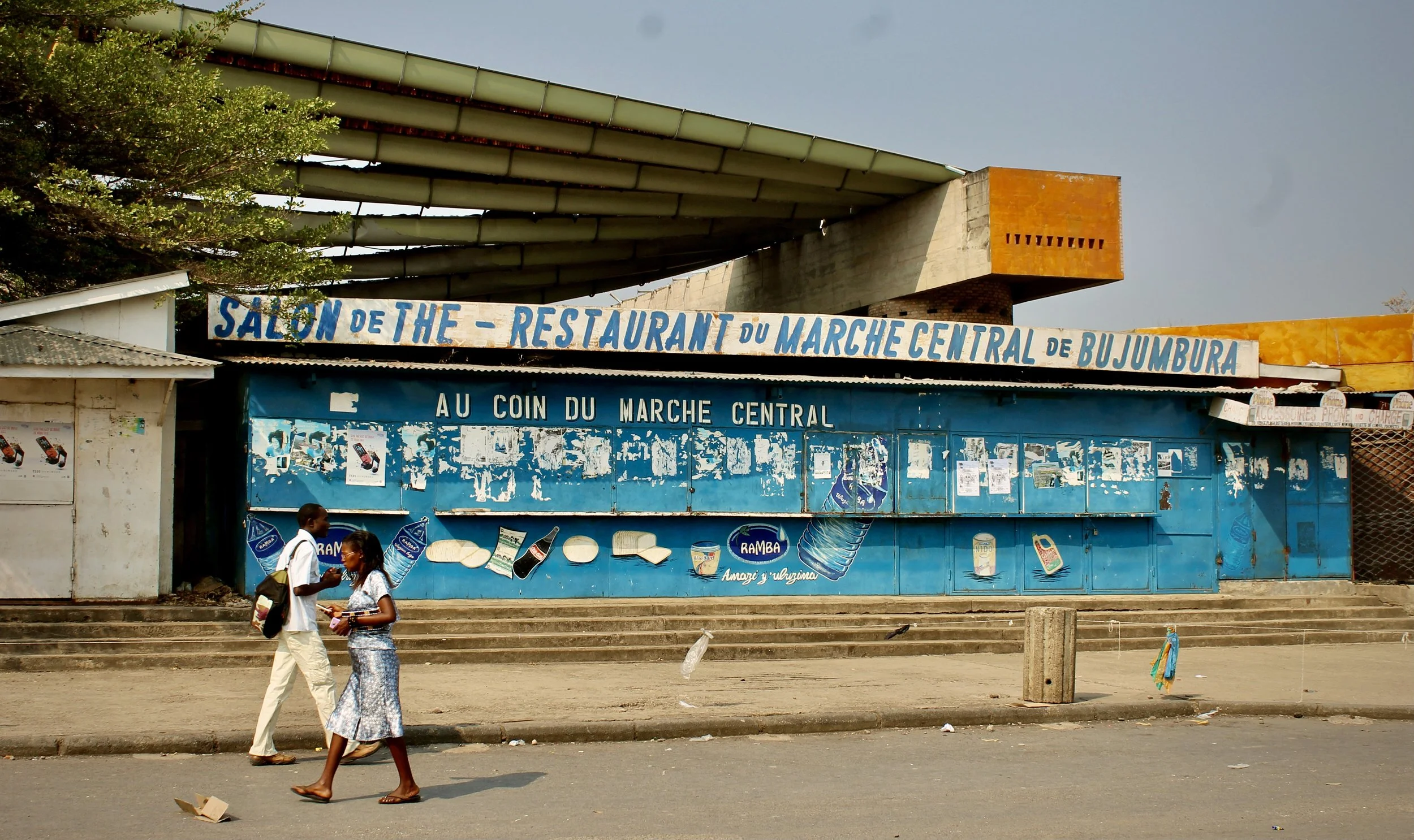
The former Marché Central de Bujumbura. A devastating fire in 2013 destroyed Burundi's most important market, affecting thousands of traders and their families. Two years later, as political turmoil deepened, many residents were still grappling with the economic consequences. Bujumbura, Burundi, August 2015.
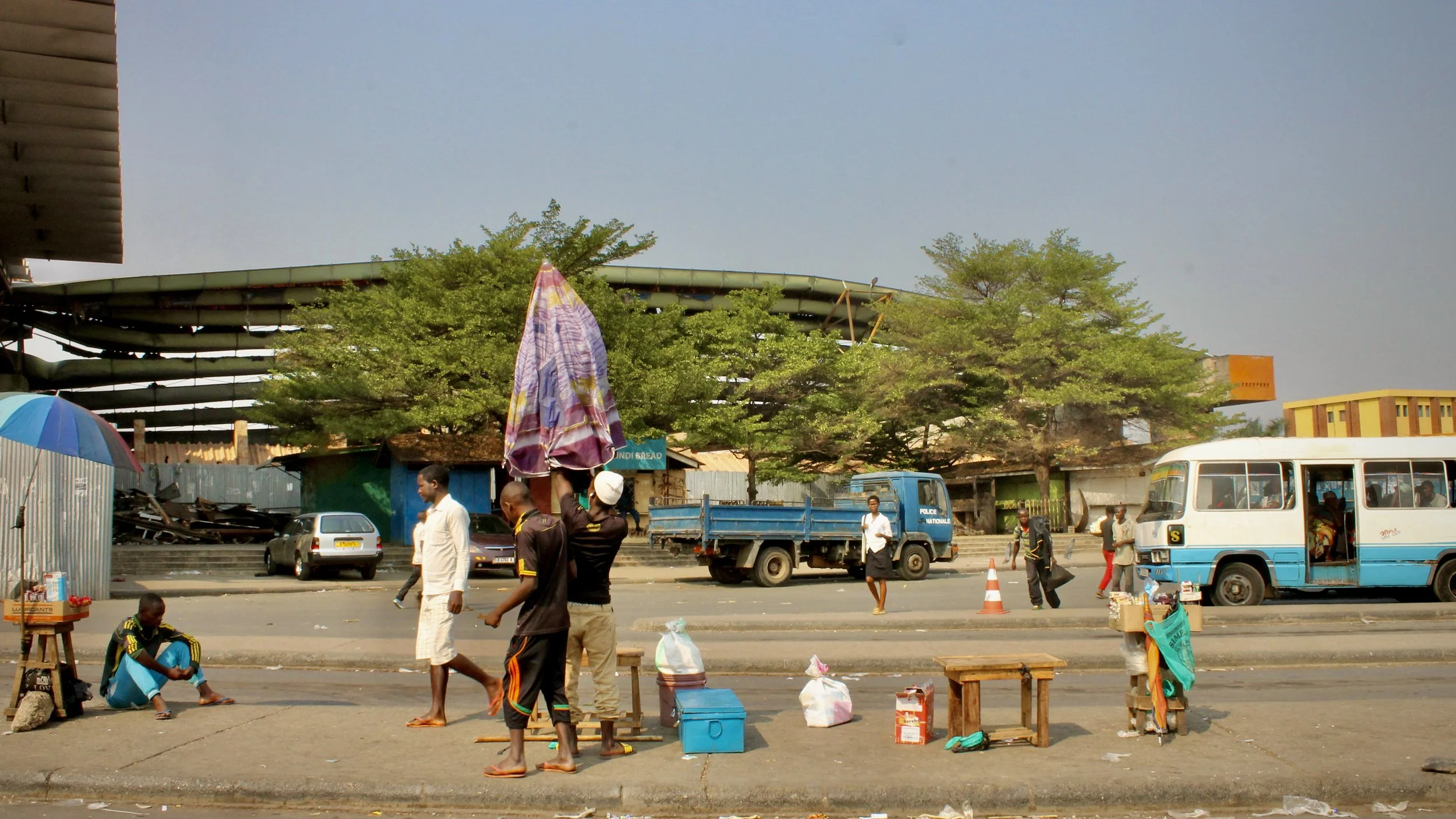
Traders and pedestrians move through a market area in Bujumbura. Once known as "Buja la Belle" for its lively atmosphere and thriving economy, many residents described a city transformed by fear, uncertainty and declining incomes.
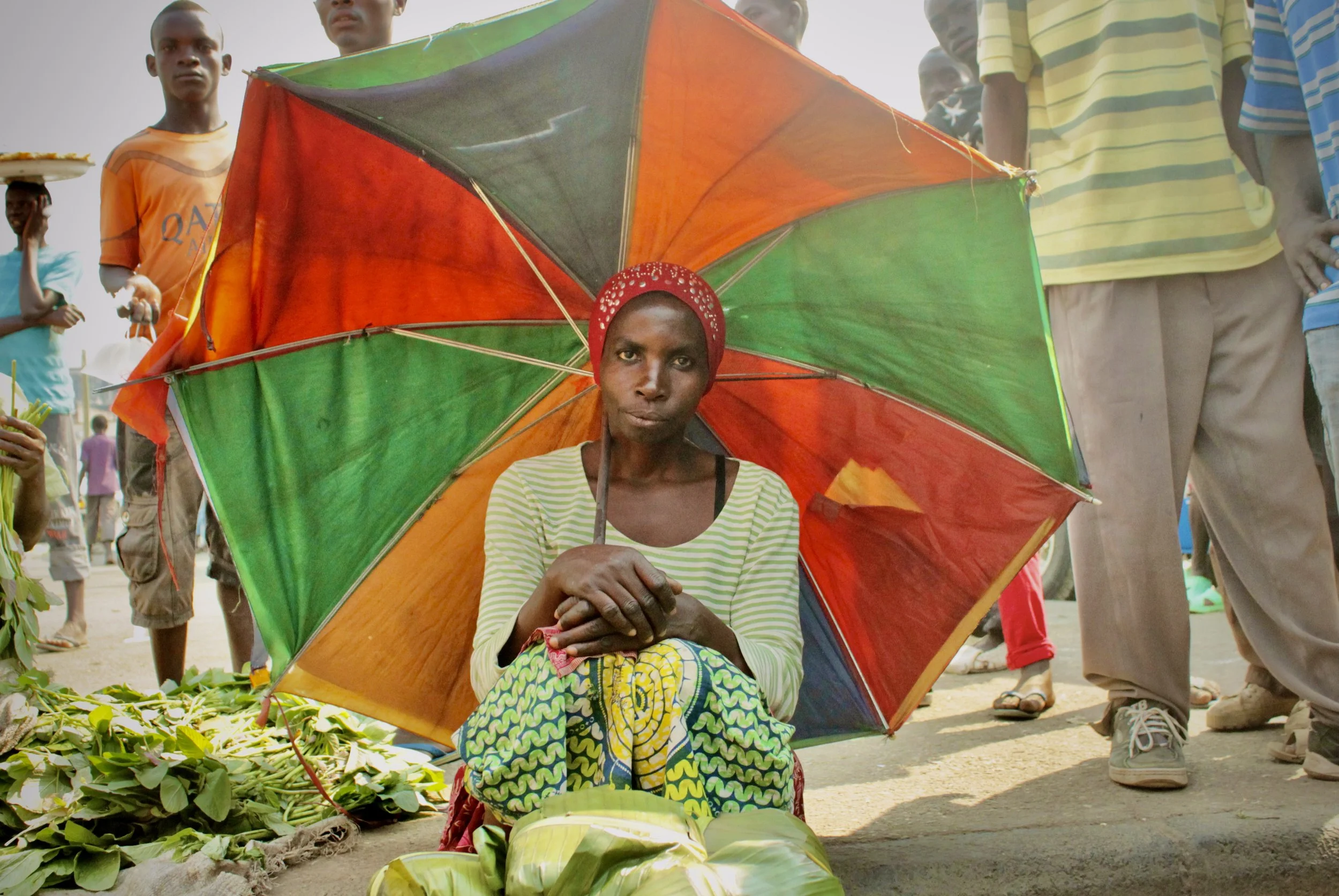
Pascasie Habonimana, 45, sells uburobe — cassava bread wrapped in banana leaves — at a market in Bujumbura. The mother of 11 said her income had fallen by half since the start of the crisis. "Now my children only eat once a day," she said.
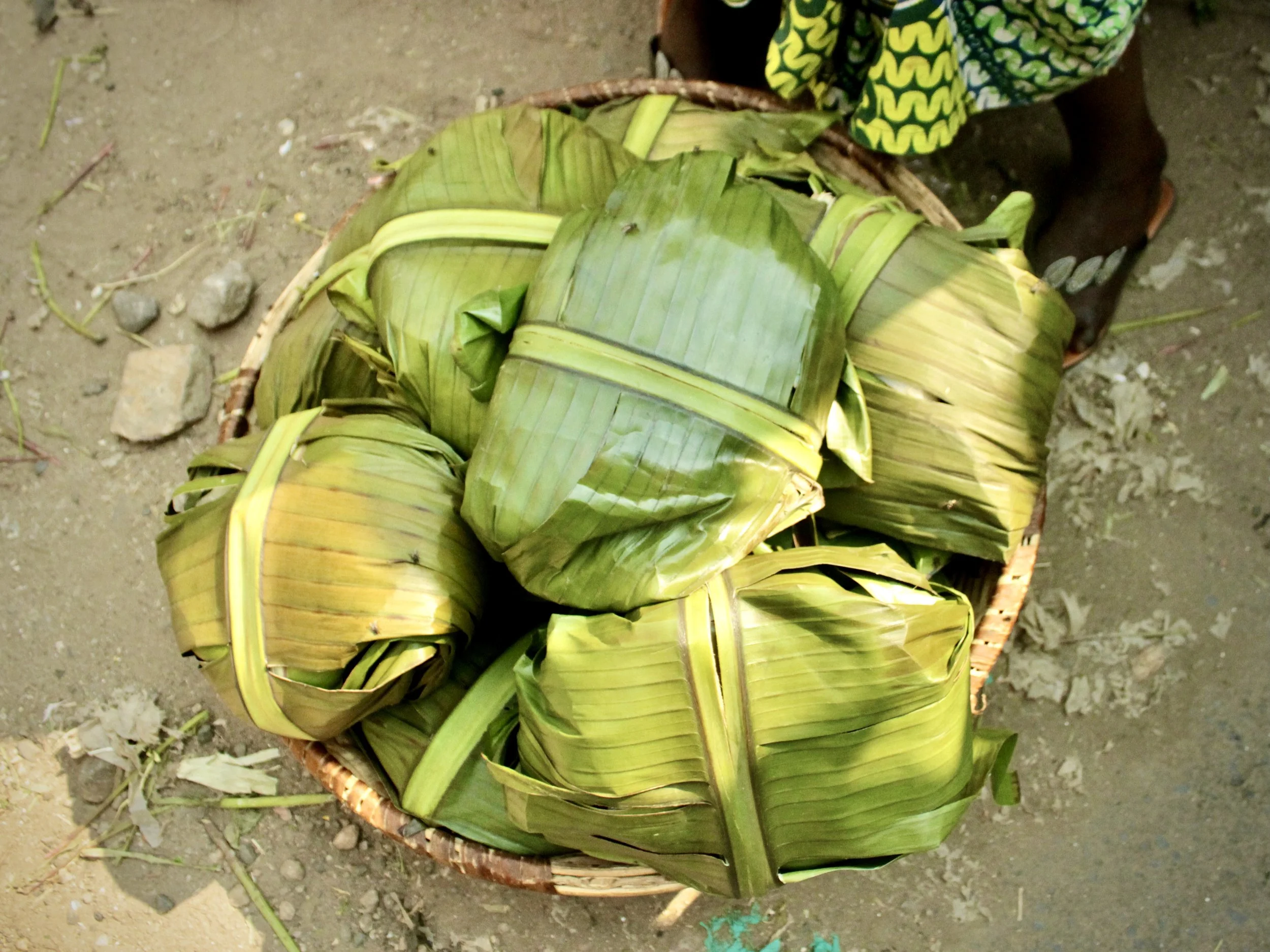
Bundles of uburobe, a cassava bread wrapped in banana leaves and sold throughout Burundi. Sales of the staple food had declined sharply as household incomes fell and customers struggled to afford basic necessities.
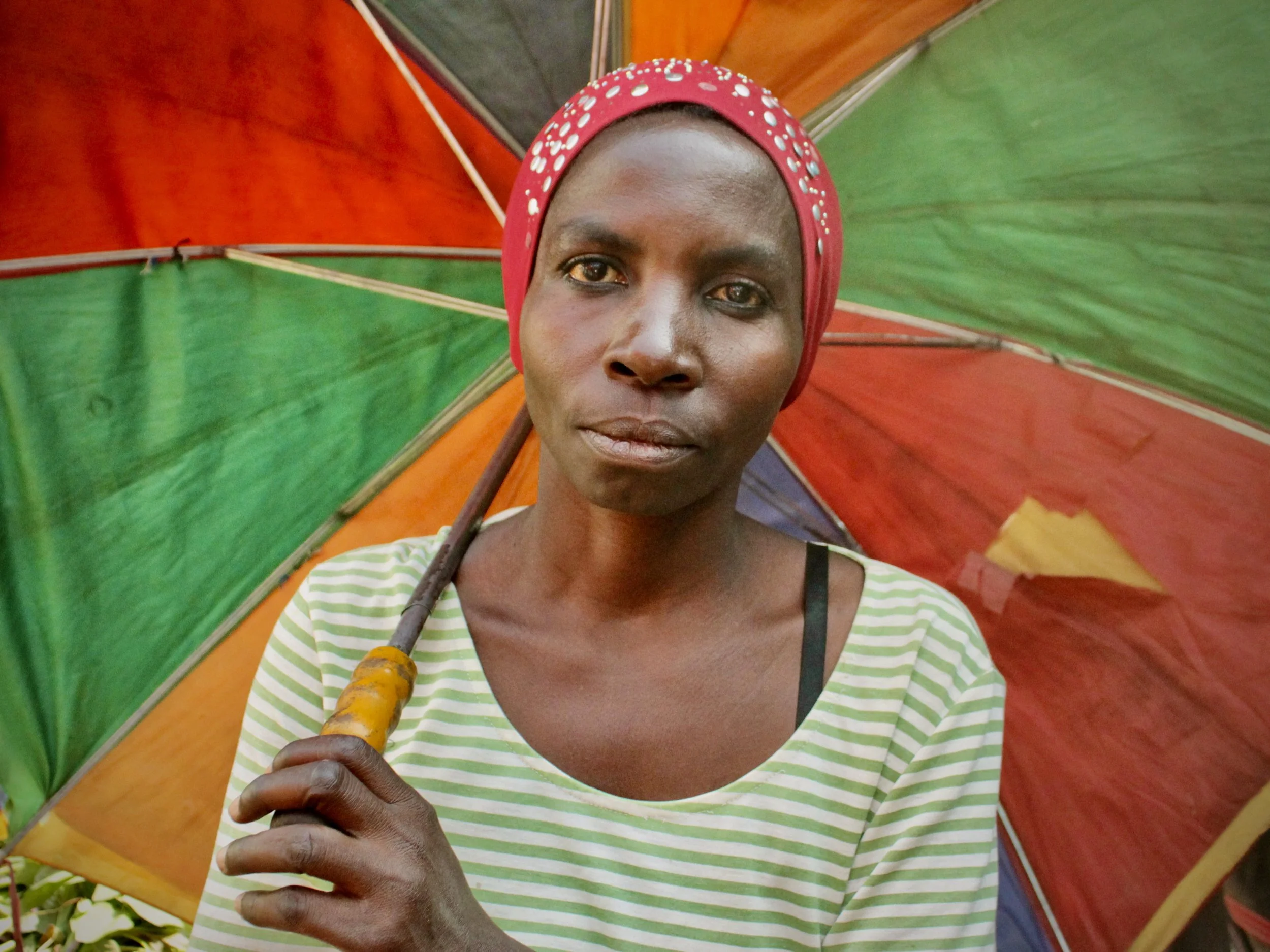
Pascasie Habonimana, 45. "Because we have become so poor, this year, I think my children won't be able to go to school," she said. "How can I send them to school with an empty stomach?"
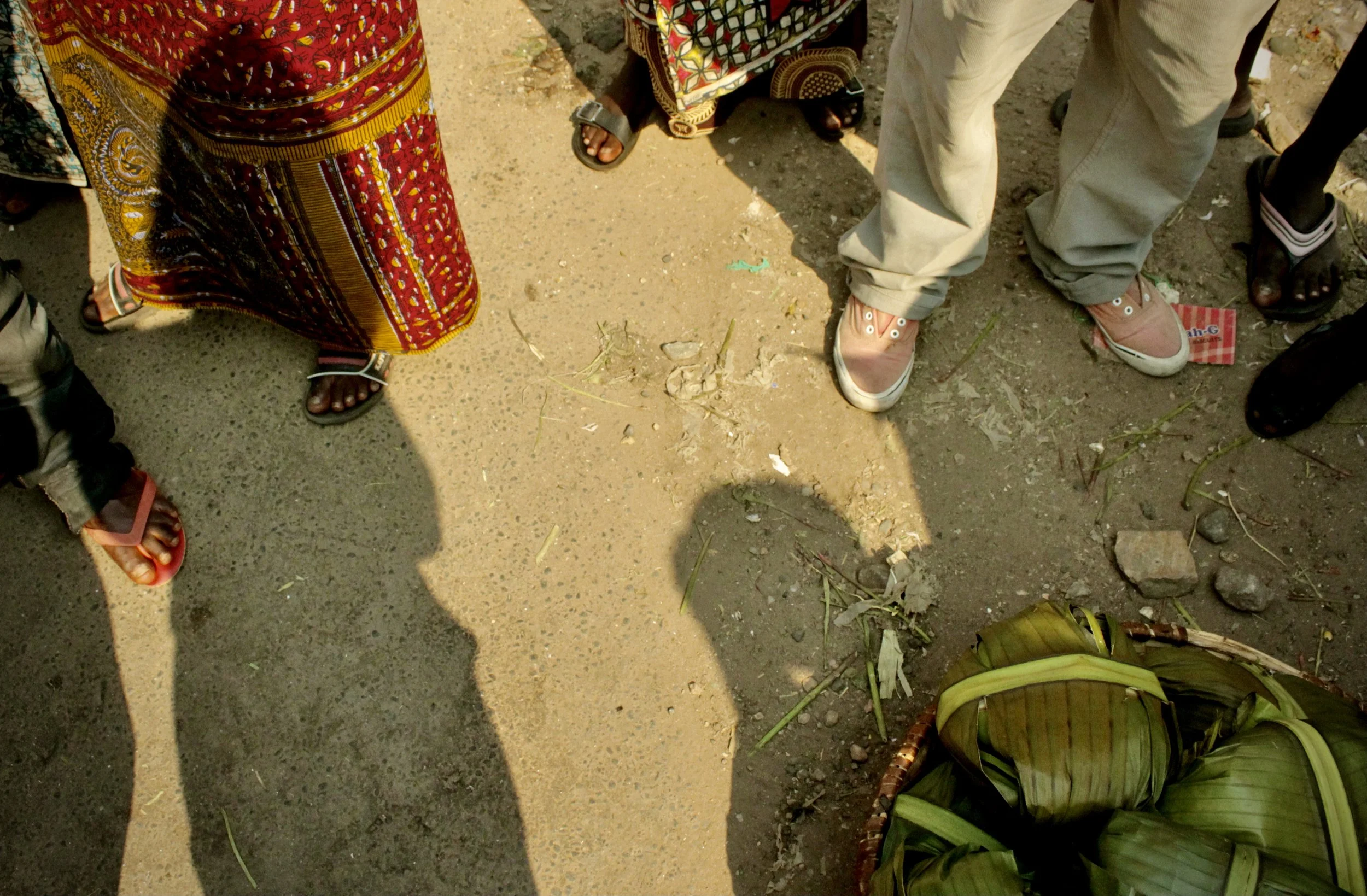
Shadows fall across a basket of uburobe, a cassava bread wrapped in banana leaves and sold in markets across Burundi. As violence spread and fears of civil war grew in 2015, many Burundians withdrew savings, curtailed spending and struggled to afford basic necessities. The crisis pushed the country into recession, placing additional strain on a population already heavily dependent on agriculture and informal trade.
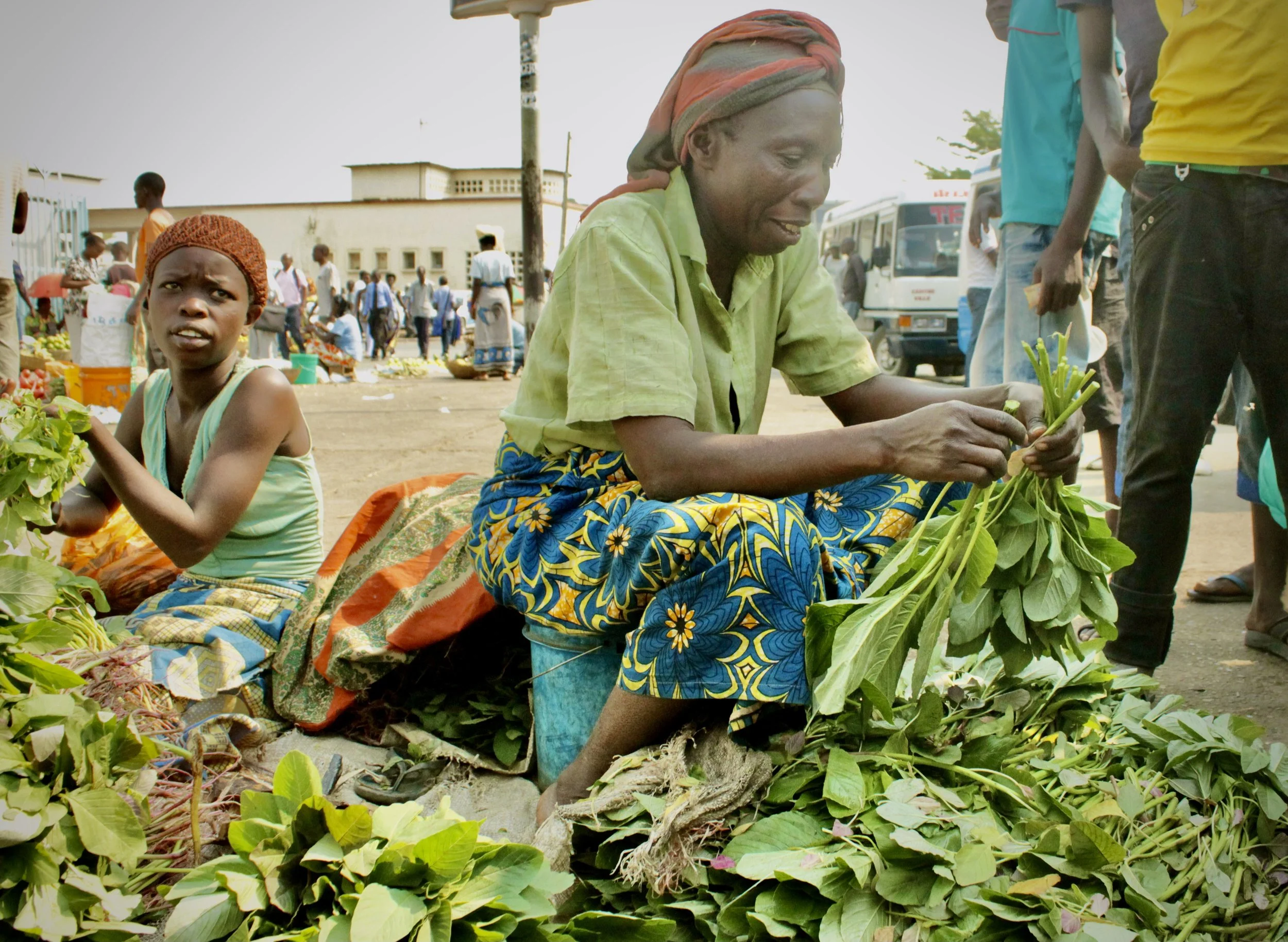
Consa, 75, sorts lenga-lenga and amaranth leaves for sale at a market in Bujumbura. Like many traders, she reported struggling to find customers as the political crisis increasingly affected household spending.
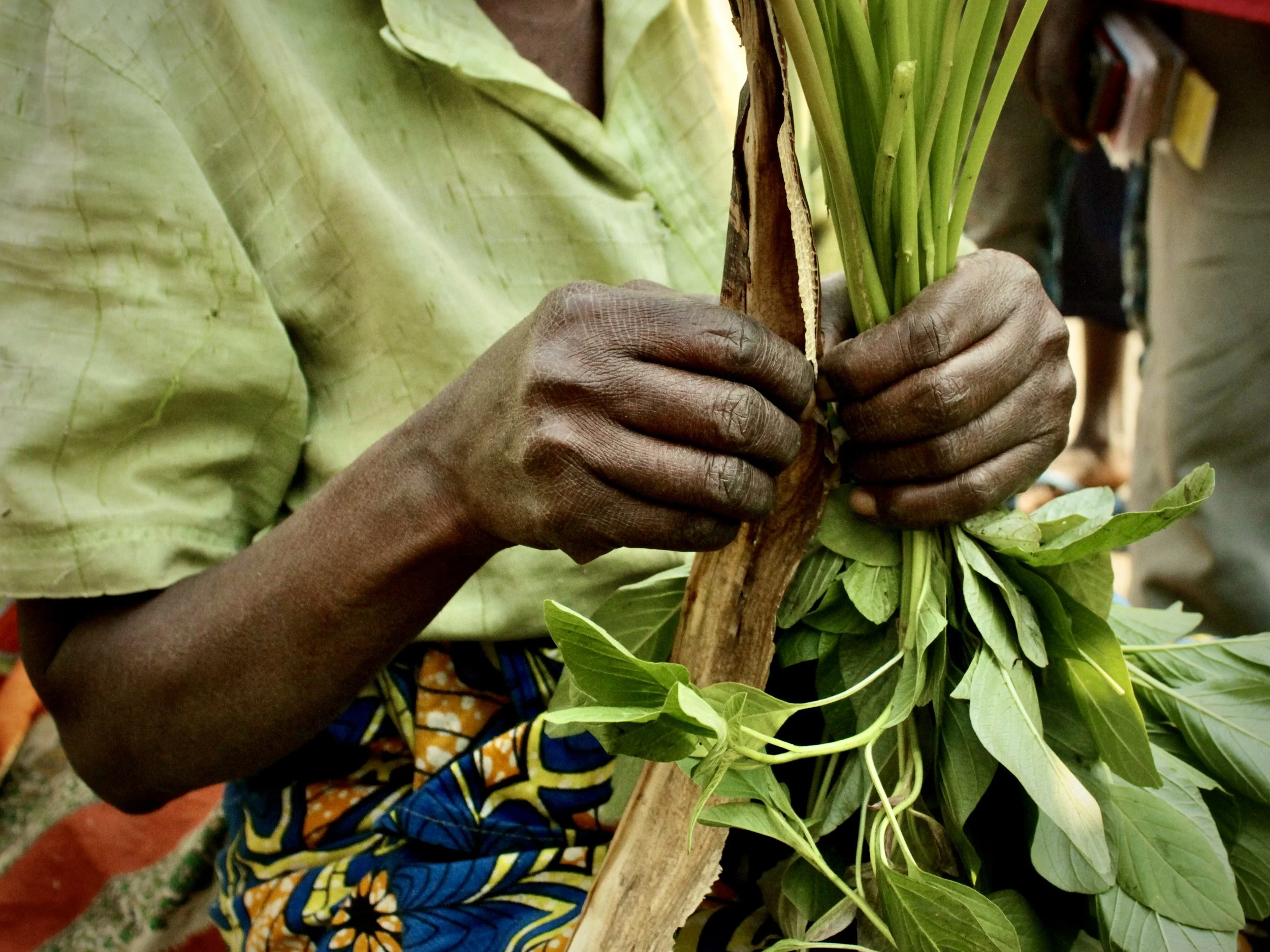
Consa prepares vegetables for sale. Market traders described a sharp decline in customers as insecurity and economic hardship spread across the city.
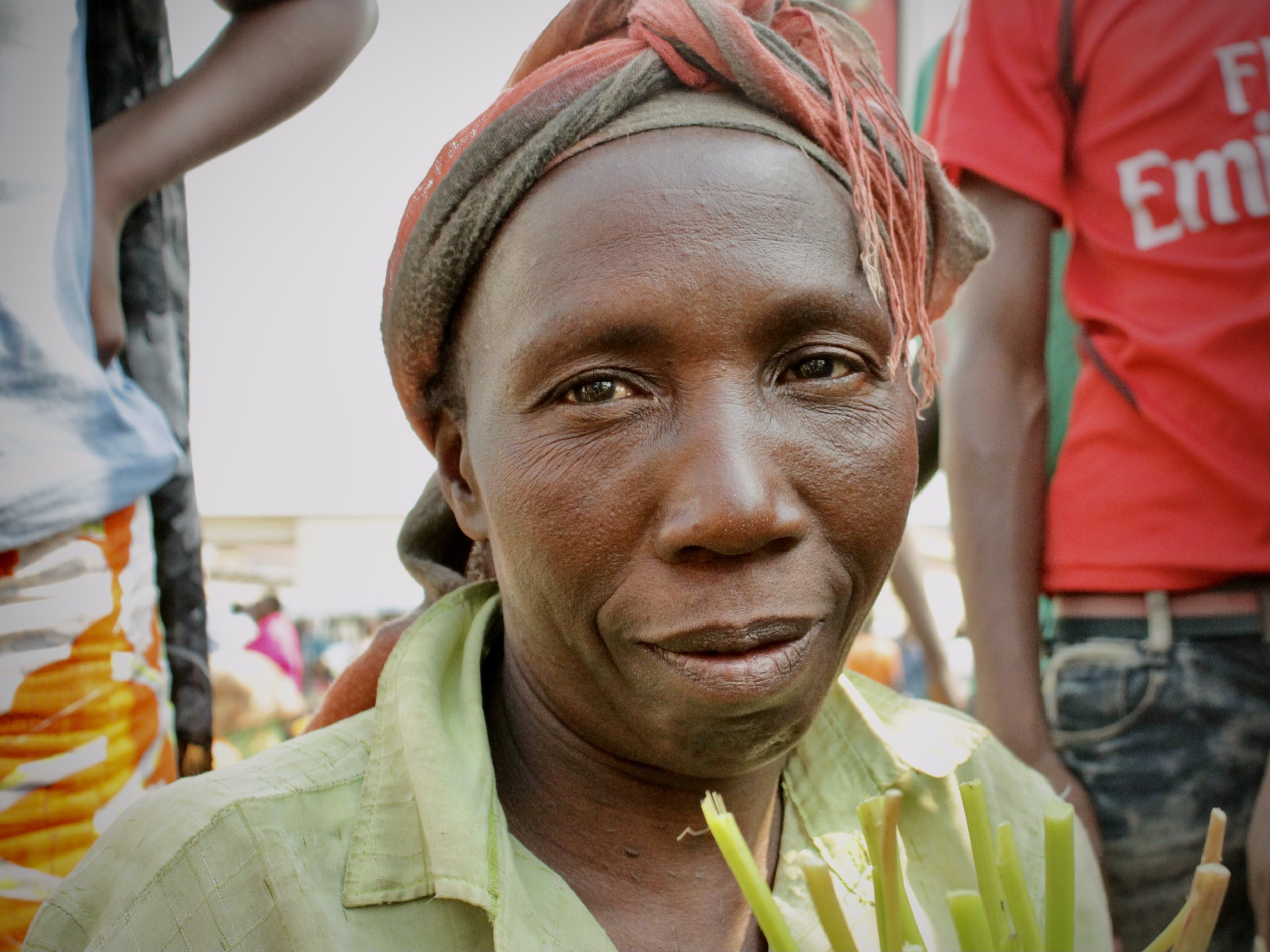
Consa, 75, whose livelihood depends on selling vegetables at local markets.
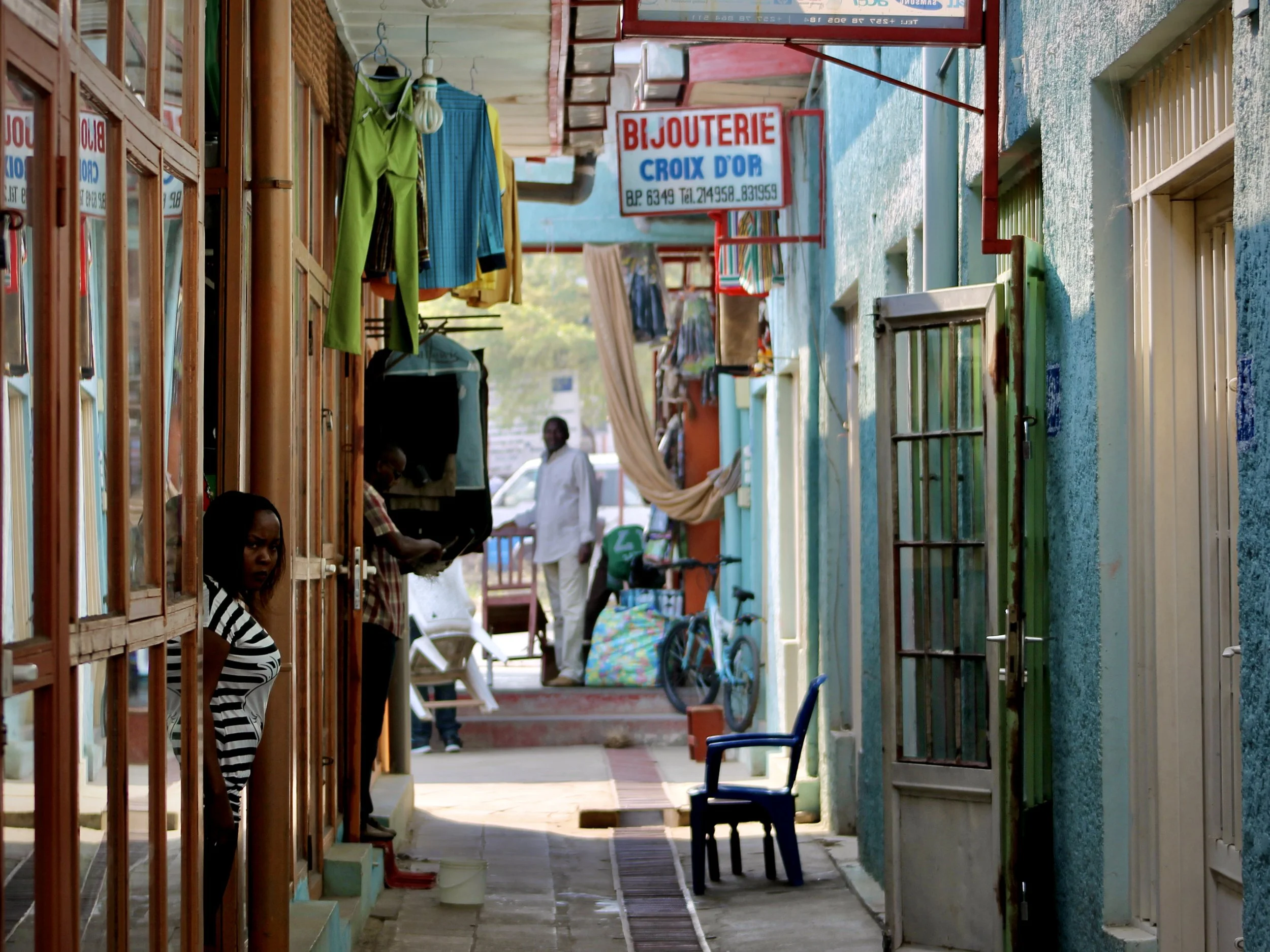
A commercial arcade in central Bujumbura. Business owners and shopkeepers reported fewer customers, reduced sales and growing concerns about the future as the crisis deepened.
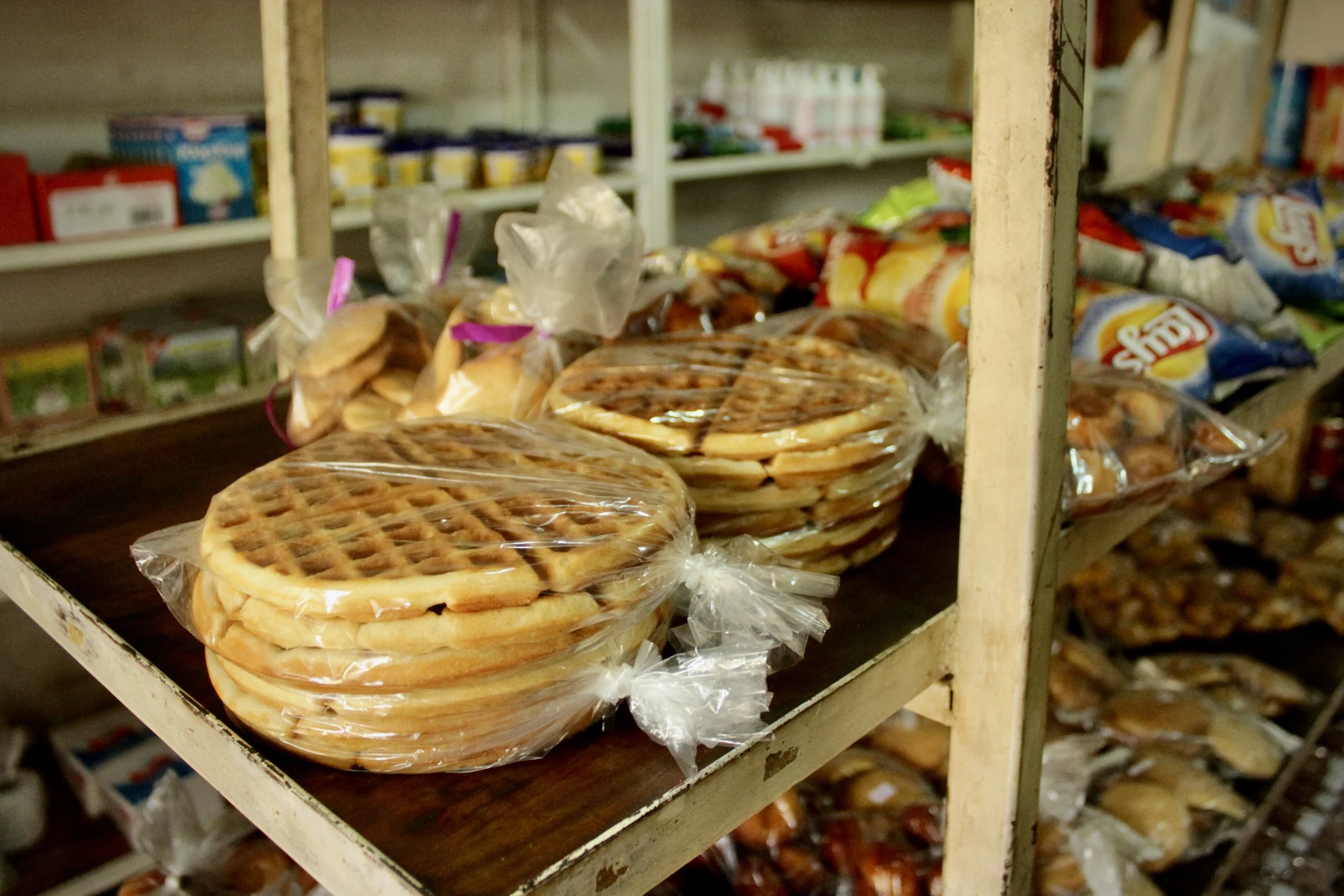
Packaged baked goods sit unsold on the shelves of the Fido Dido grocery store in Rohero I. Employees said products that would previously have sold within days had remained on shelves for months.
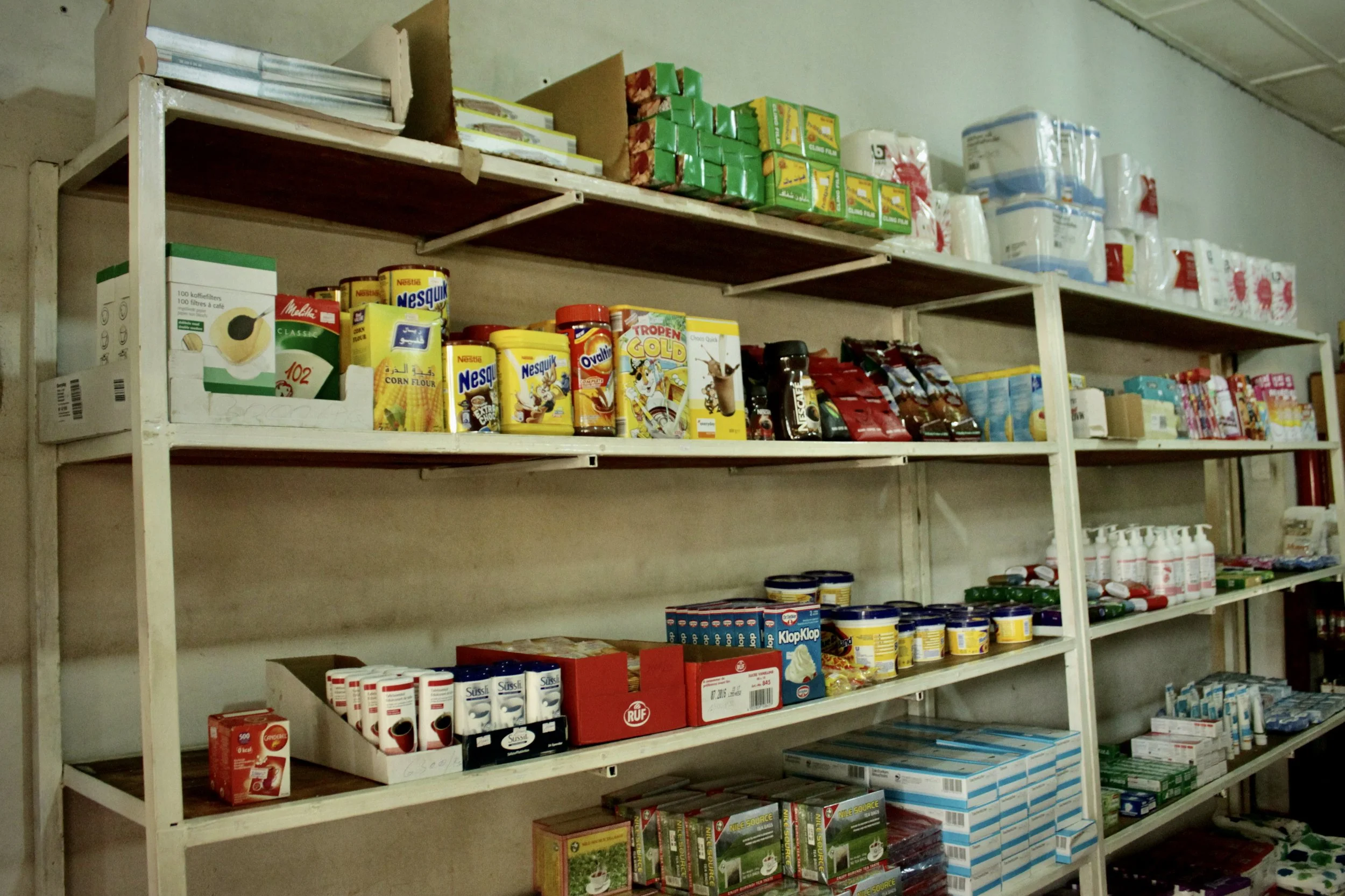
Imported food products line the shelves of the Fido Dido grocery store. Staff reported increasing difficulties sourcing goods from elsewhere in Burundi and neighbouring countries.
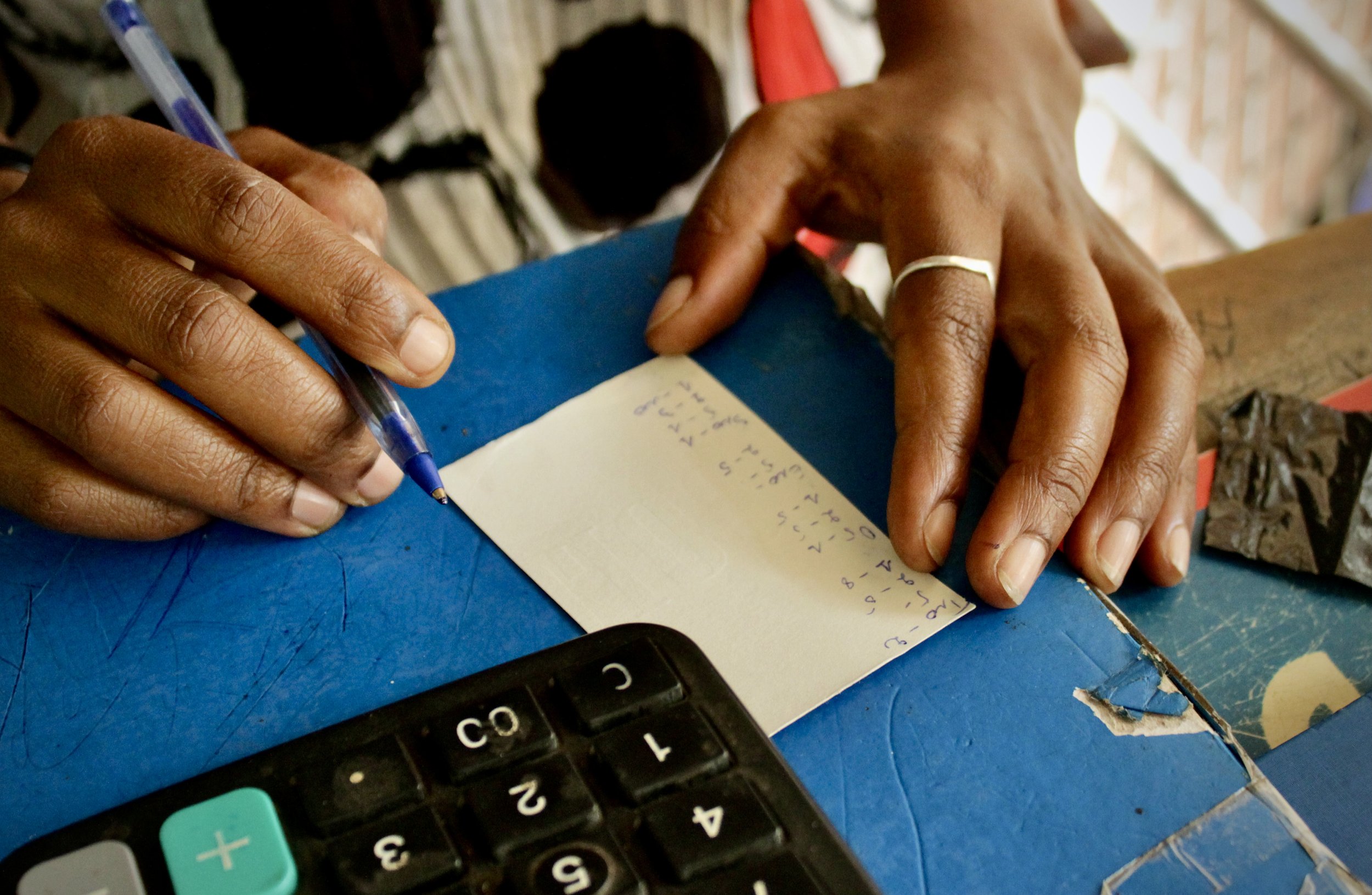
Sales figures are recorded at the Fido Dido grocery store. Employees estimated customer numbers had fallen by around 25 percent since the beginning of the political crisis.
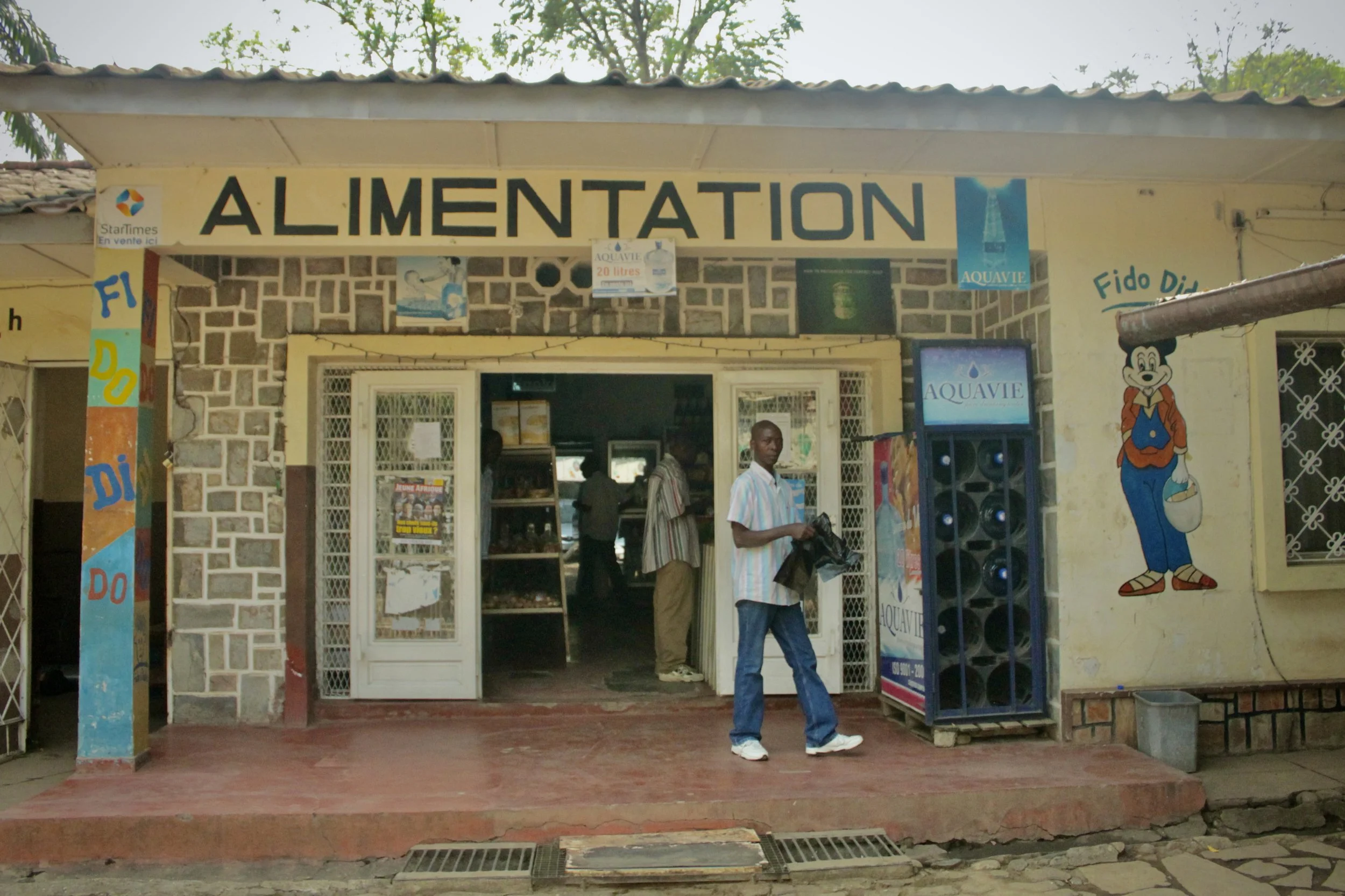
The Fido Dido grocery store in Rohero I, one of Bujumbura's oldest alimentation shops. Staff feared that declining sales and shortages could threaten the future of the business.
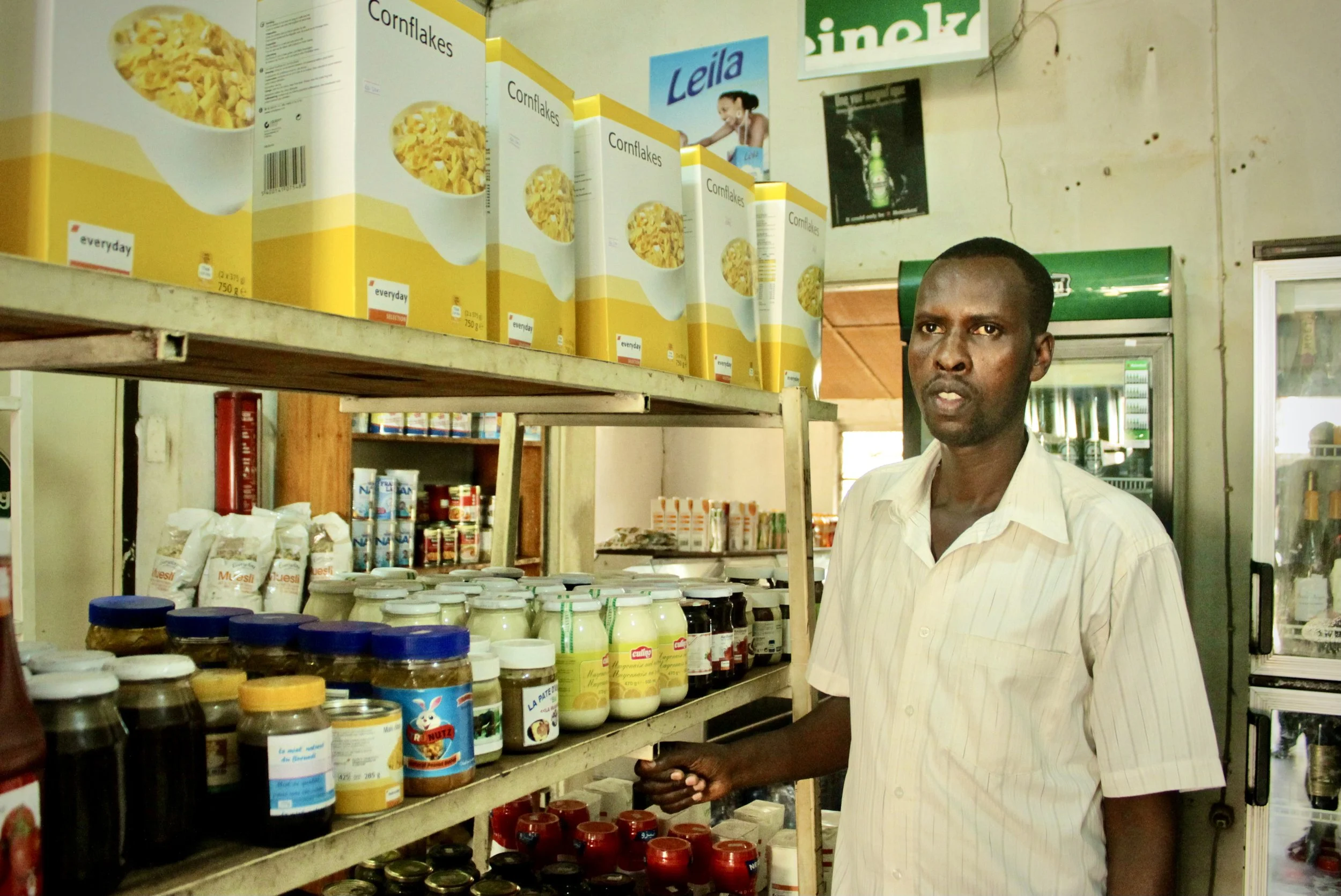
Diomede, 35, stands inside the Fido Dido grocery store. "For now, there is no plan to change the way we work here, but we will have to endure whatever happens," he said.
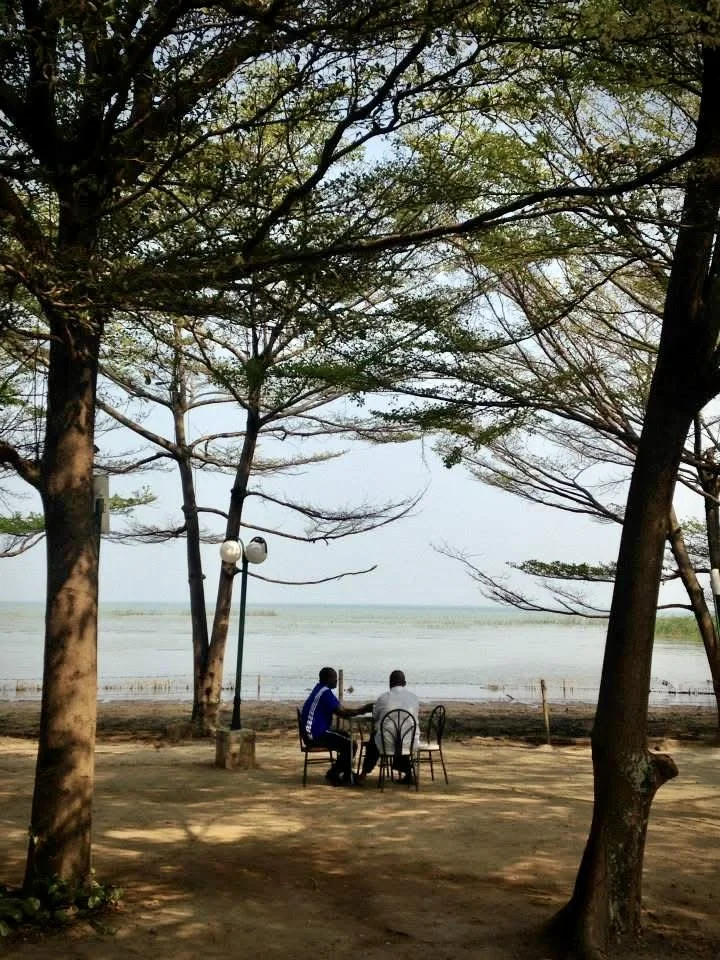
Two guests sit in the breakfast area of the Safari Gate Hotel overlooking Lake Tanganyika. Before Burundi's political crisis, the hotel regularly hosted tourists, diplomats and business travellers. By August 2015, staff said occupancy had fallen dramatically as violence and instability kept visitors away.
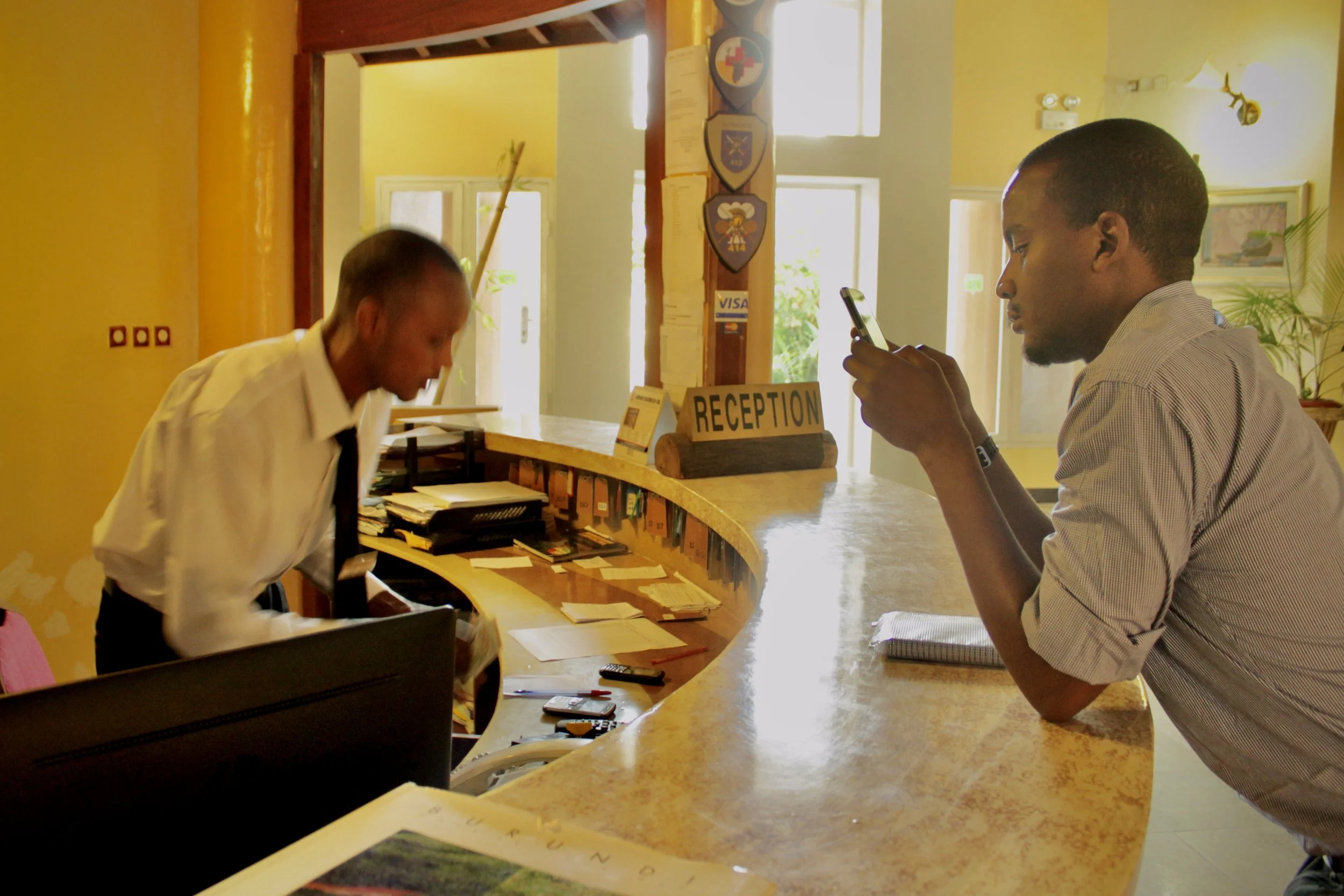
Desire assists a guest at the Safari Gate Hotel in Bujumbura. Known among colleagues and visitors for going above and beyond for guests, the receptionist said the hotel had gone from being regularly full to hosting only a handful of customers at a time as political unrest and economic decline hit Burundi's tourism sector.