This series documents the life of Sami and his family in a village north of Al Khokha on Yemen’s western coast; an area heavily contaminated by landmines and close to active frontlines. Sami is a deminer. His work exists within a wider family history shaped by the same labour and its risks, with other members of the household having also worked in demining. Armed guards accompany teams operating near Houthi positions.
The photographs move between field and home, tracing the rhythm of departure and return. They show men who are both fathers and frontline workers, bound by shared experience, mutual understanding, and subtle forms of support.
Gaining access to the family’s home was rare. In Yemen, strict social norms mean women (especially from outside the family) are not typically permitted into these spaces. This work is shaped by that trust, offering an intimate view of moments usually unseen: tenderness between men, care for children, and the everyday reality of life lived alongside conflict.
Violence is present throughout: in the landscape and within the home itself, in the form of injuries, prosthetics, and weapons carried across thresholds. Yet alongside this, the images reveal continuity: children playing, families gathering, and a sense of normalcy sustained under pressure.
Together, the photographs hold these tensions - between danger and care, work and home, and violence and tenderness - within a single, shared space.
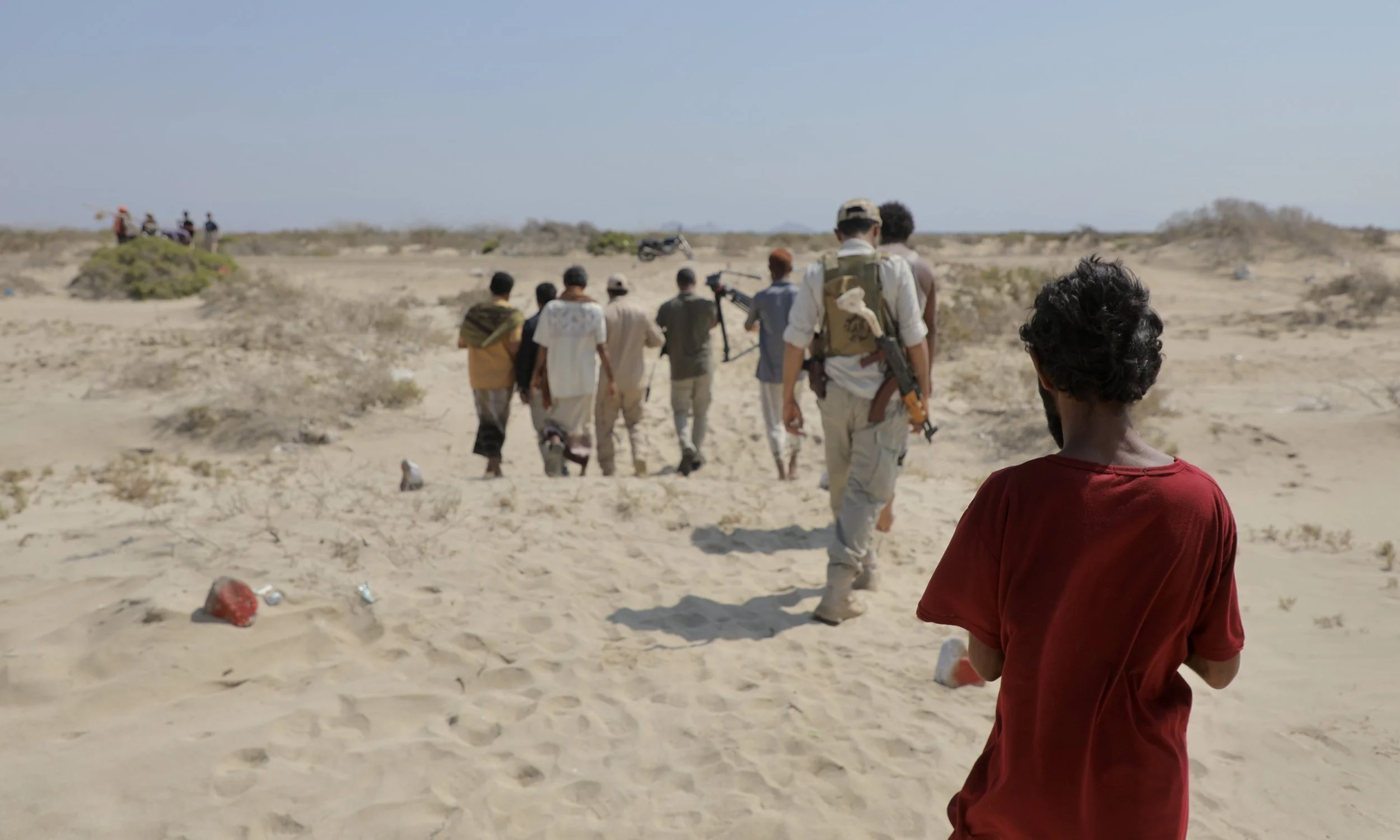
Deminers and local residents walk toward a hazardous coastal area north of Al Khokha, near Yemen’s frontline with Houthi forces. The western coastline remains among the country’s most heavily contaminated regions after years of conflict.
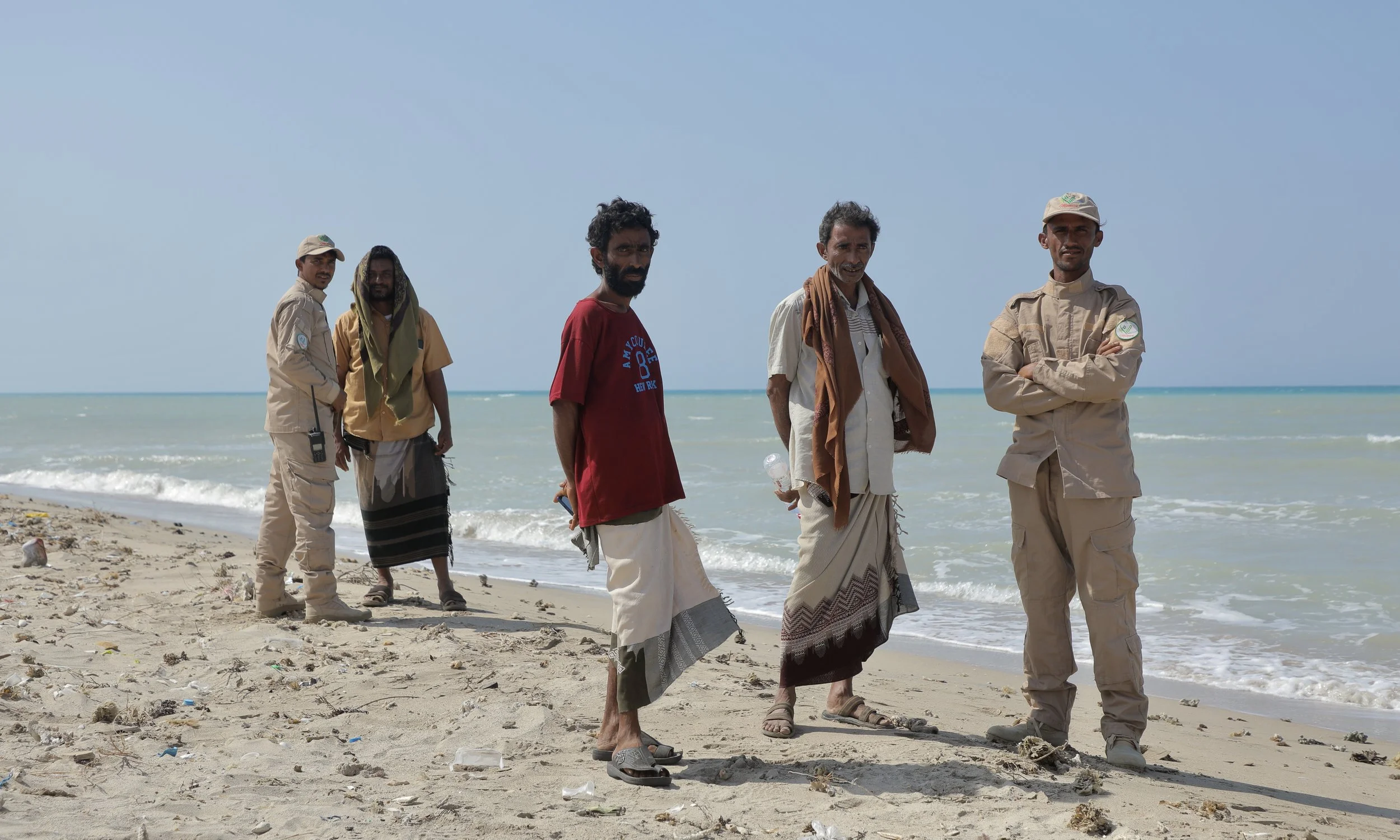
Members of the local community and a security guard stand along the shoreline near a mine clearance site north of Al Khokha.
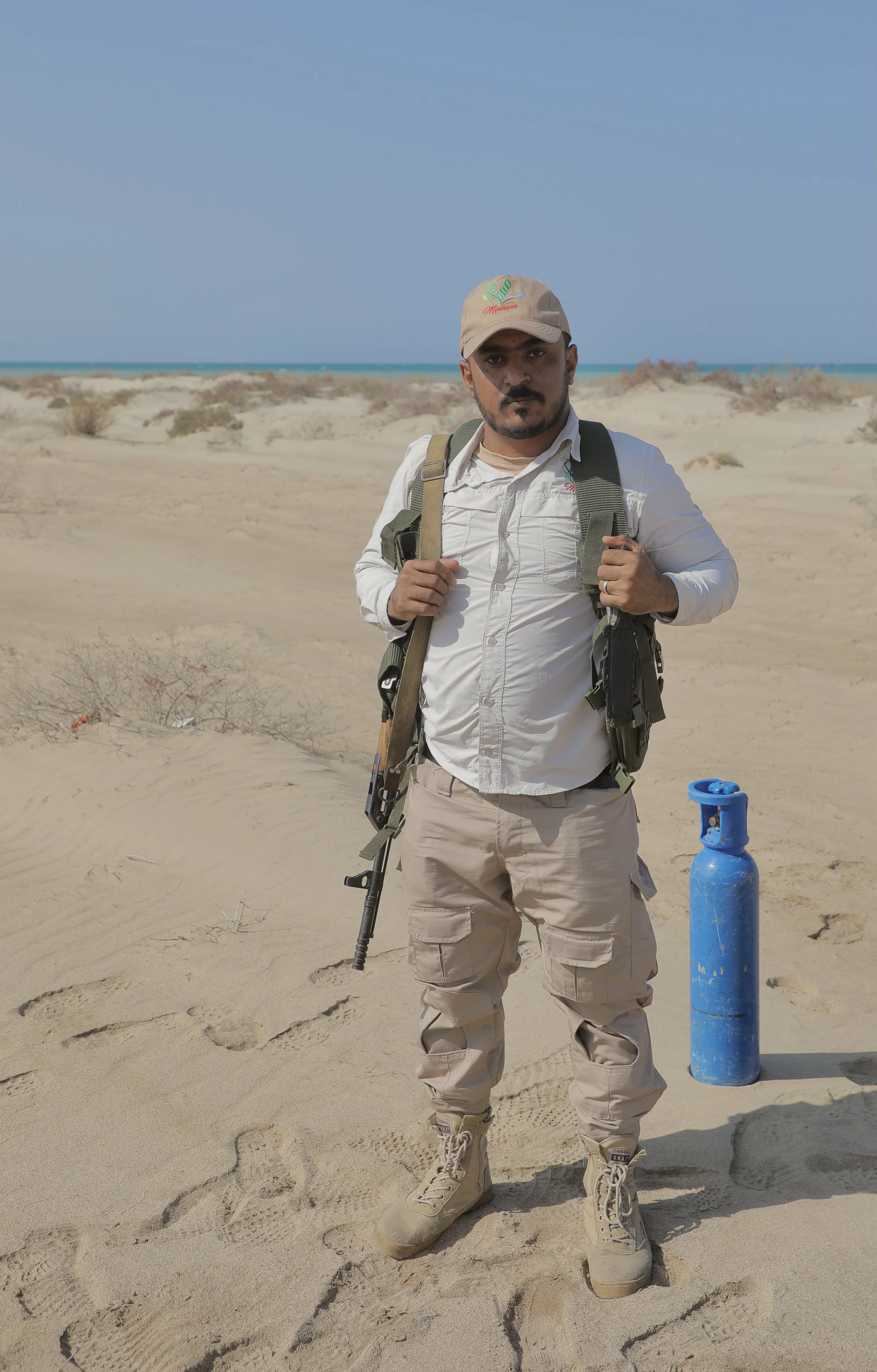
An armed security guard assigned to protect Team 26 stands watch near the minefield. Clearance teams working close to frontline areas often travel and work with armed escorts.
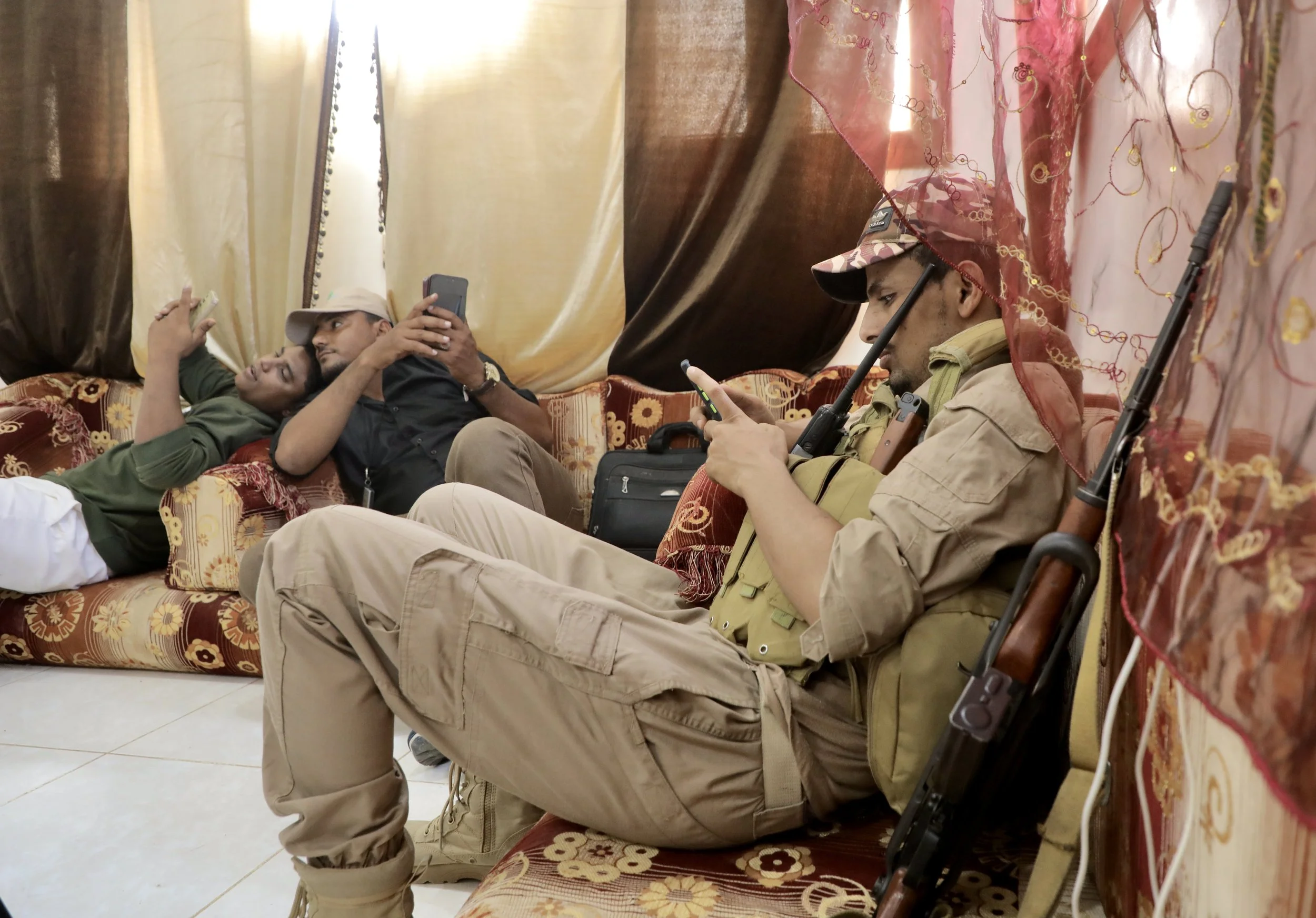
Security guards rest inside the family home after returning from the field. Weapons remain a constant presence, even within domestic spaces close to the frontlines.
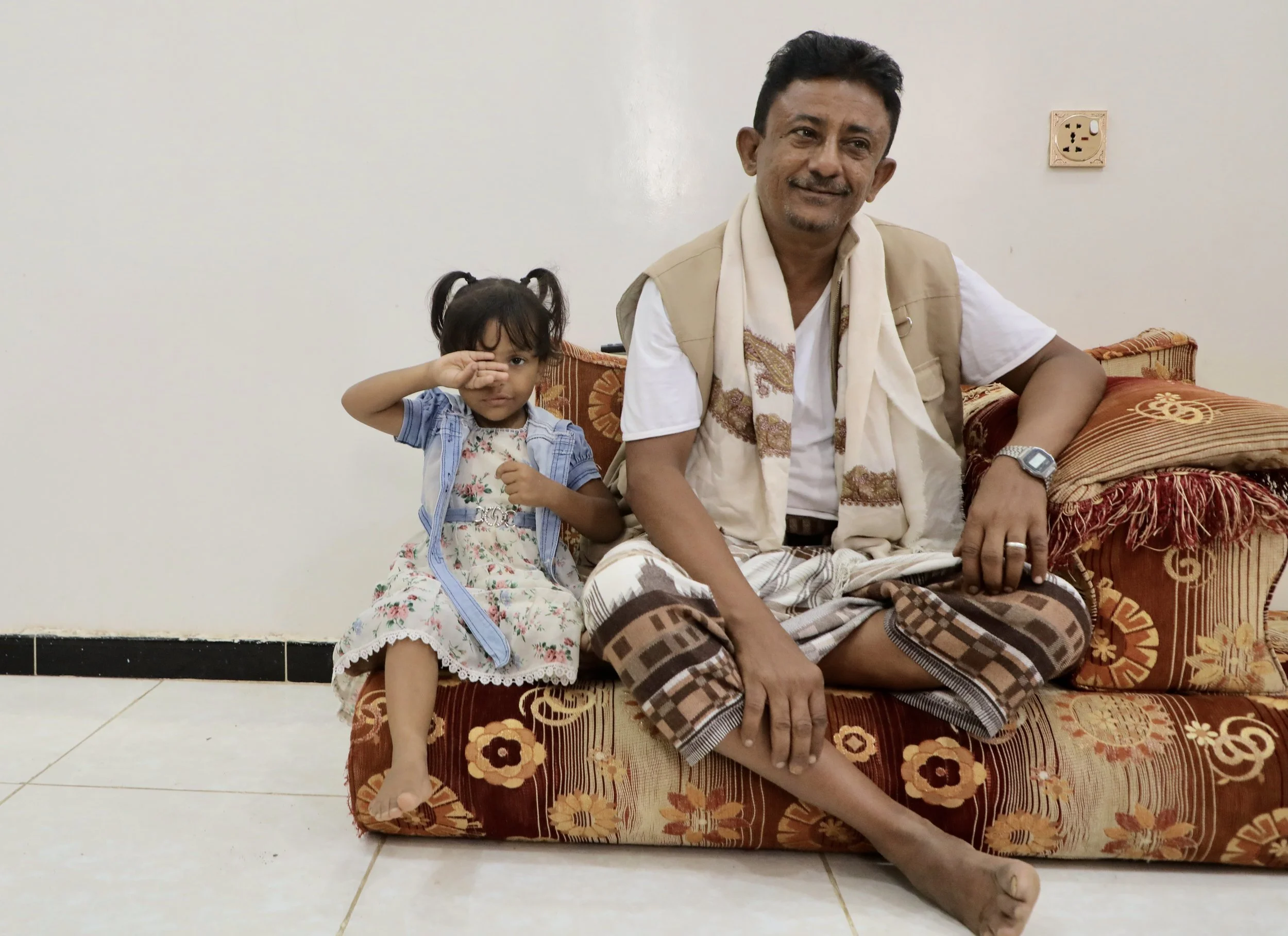
Saeed Omar Haimed was the first deminer in his family and a hero to his sons who decided to follow in his footsteps once the war broke in Yemen in 2015. Here with granddaughter Shmock.
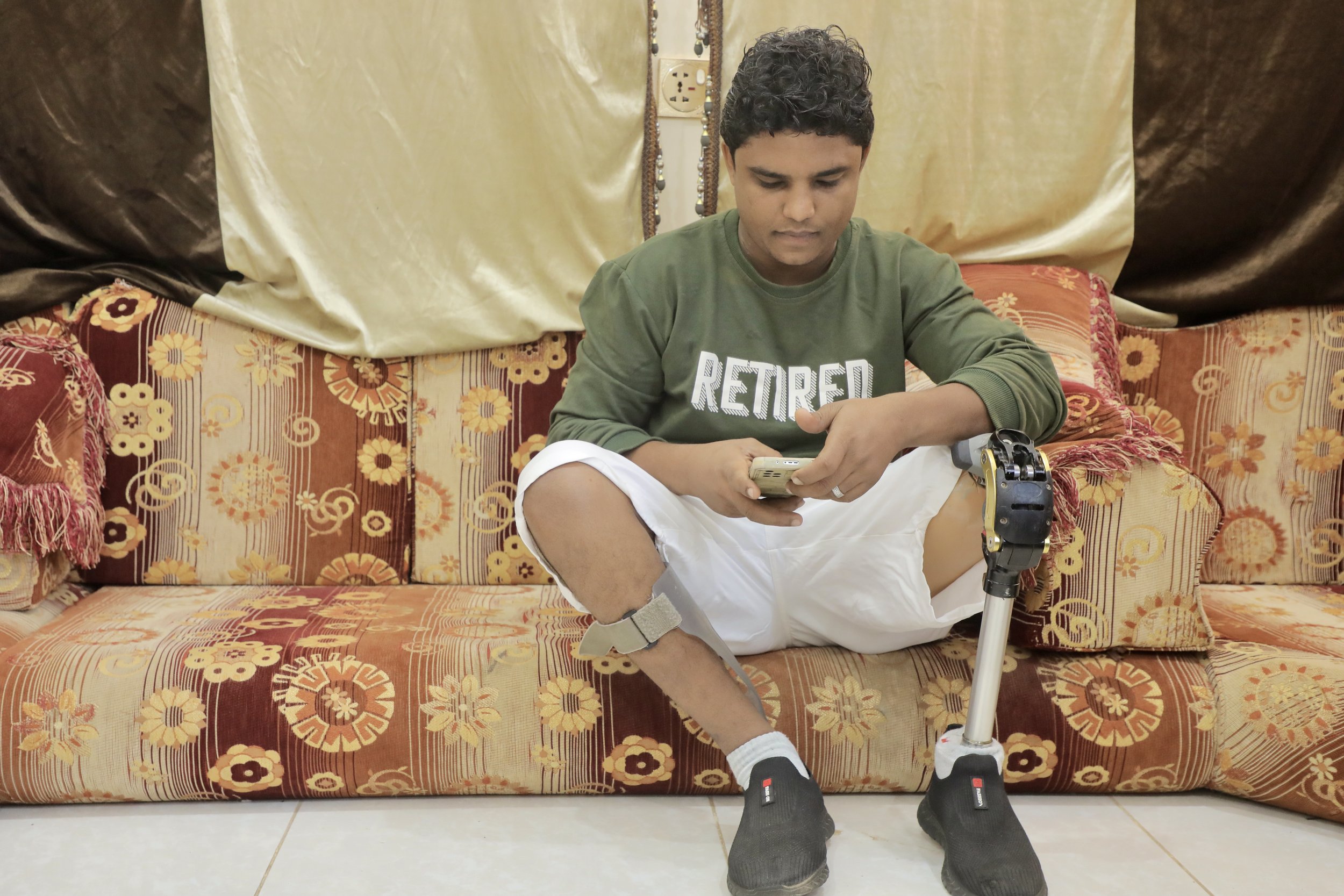
Mohamed Saeed Haimed, a former deminer injured in a landmine accident, sits inside his family home north of Al Khokha. His older brother Sami now works in mine clearance alongside other members of the family.
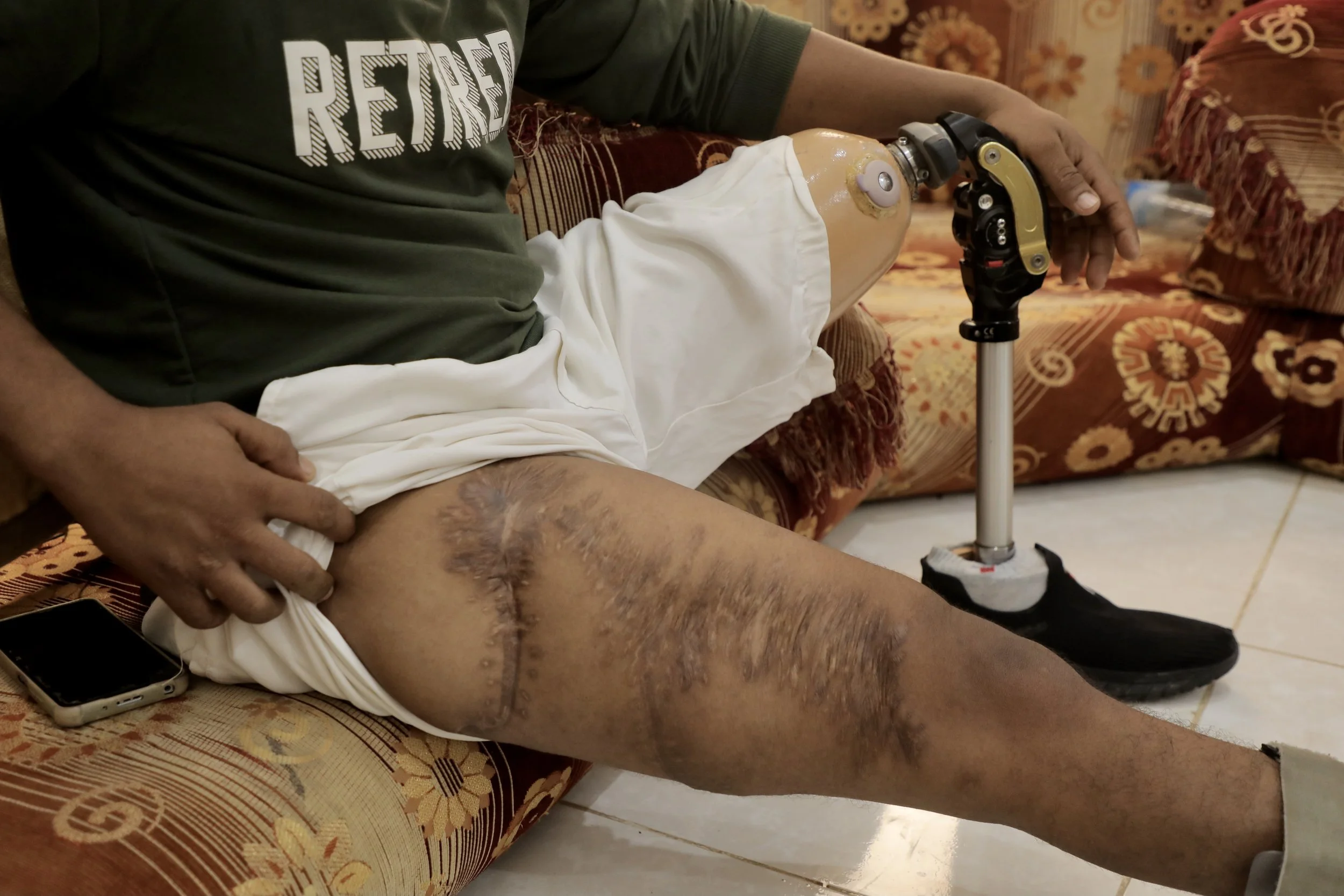
Scars from Mohammed’s landmine injury are visible beside his prosthetic leg. Several members of the family have worked in demining along Yemen’s western coast.
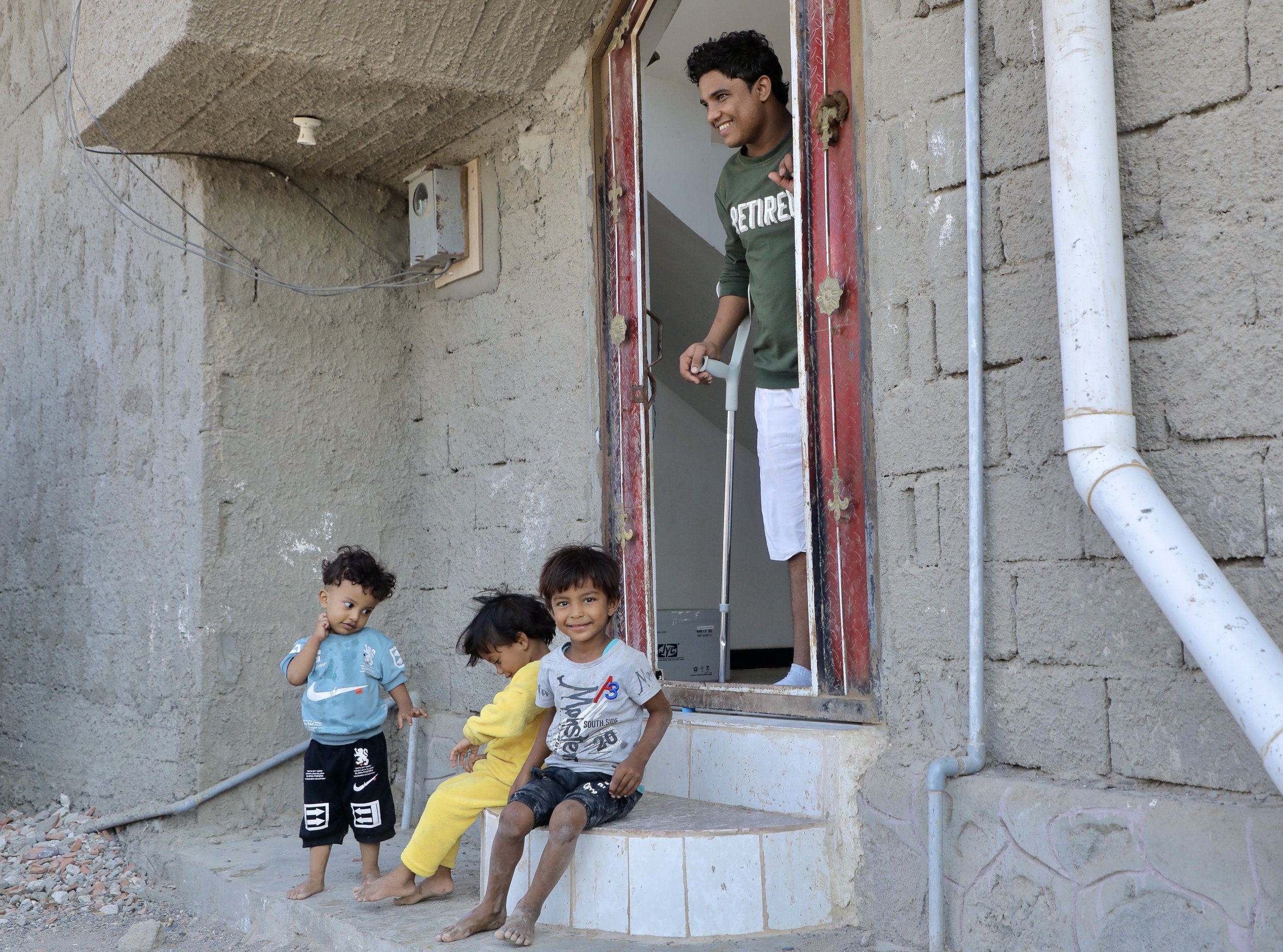
Mohammed Saeed Haimed is one of three brothers who left school to join Yemen’s demining effort, working along the country’s heavily contaminated western frontline. After losing his leg in a landmine accident, he now remains at home while his older brother Sami continues clearance work nearby.
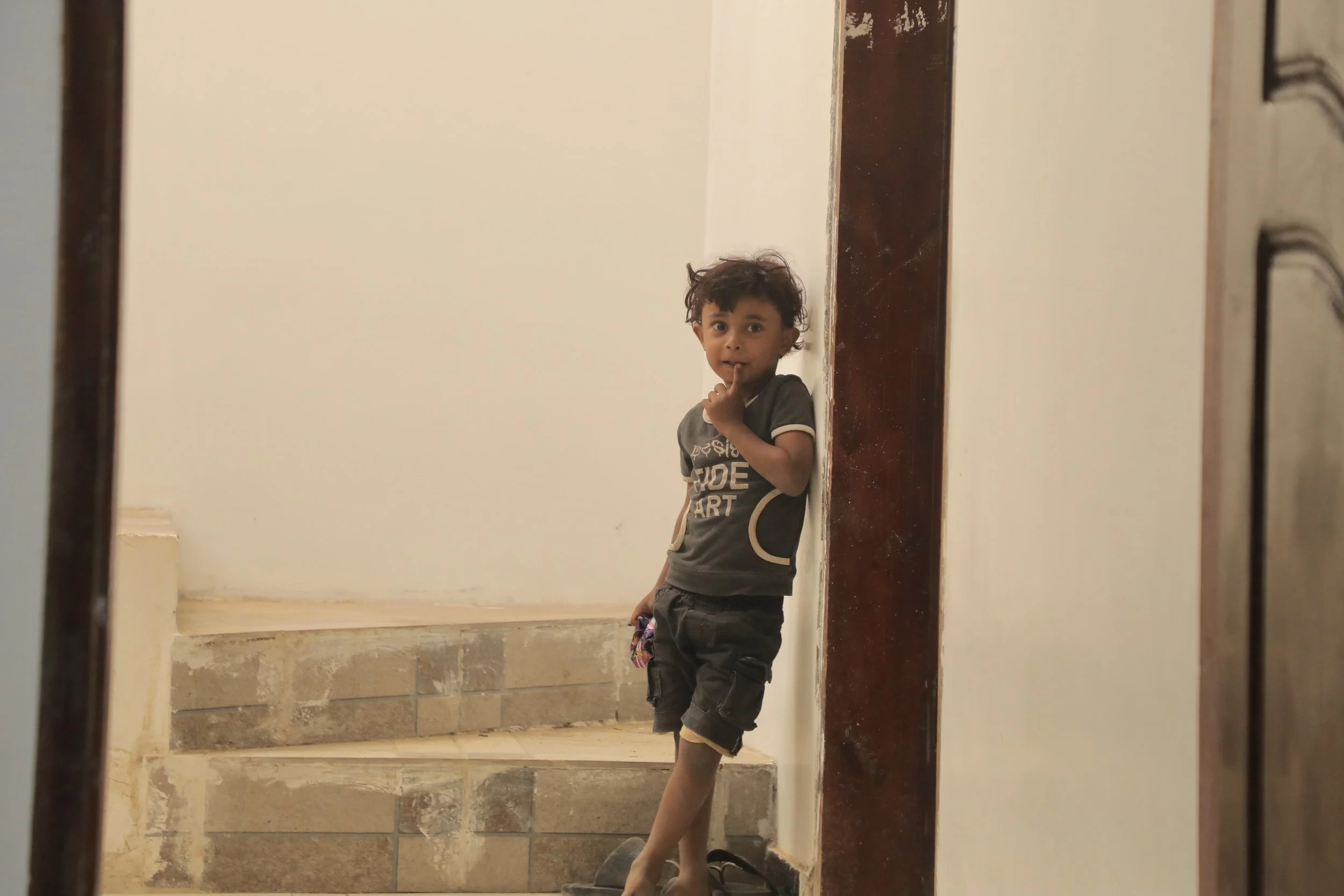
Sami’s young nephew lingers quietly in the doorway while the men inside discuss the war nearby. The adults repeatedly sent him away to play, trying to shield the children from conversations shaped by conflict and frontline life.
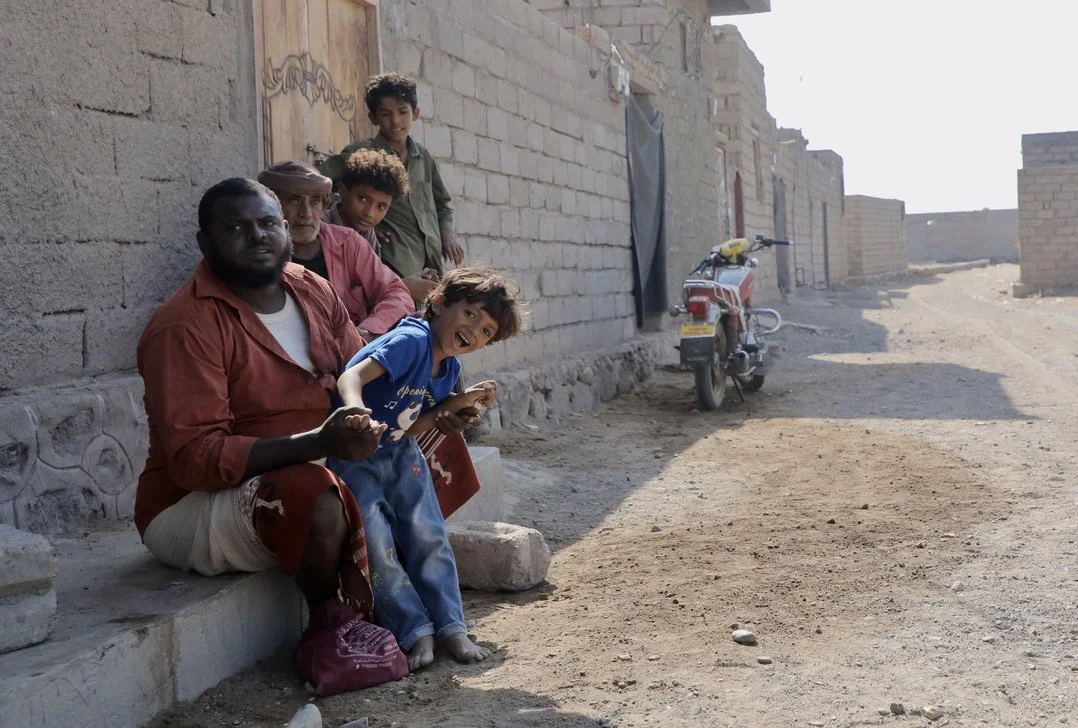
Residents gather outside their homes in a village north of Al Khokha, near heavily contaminated frontline areas.
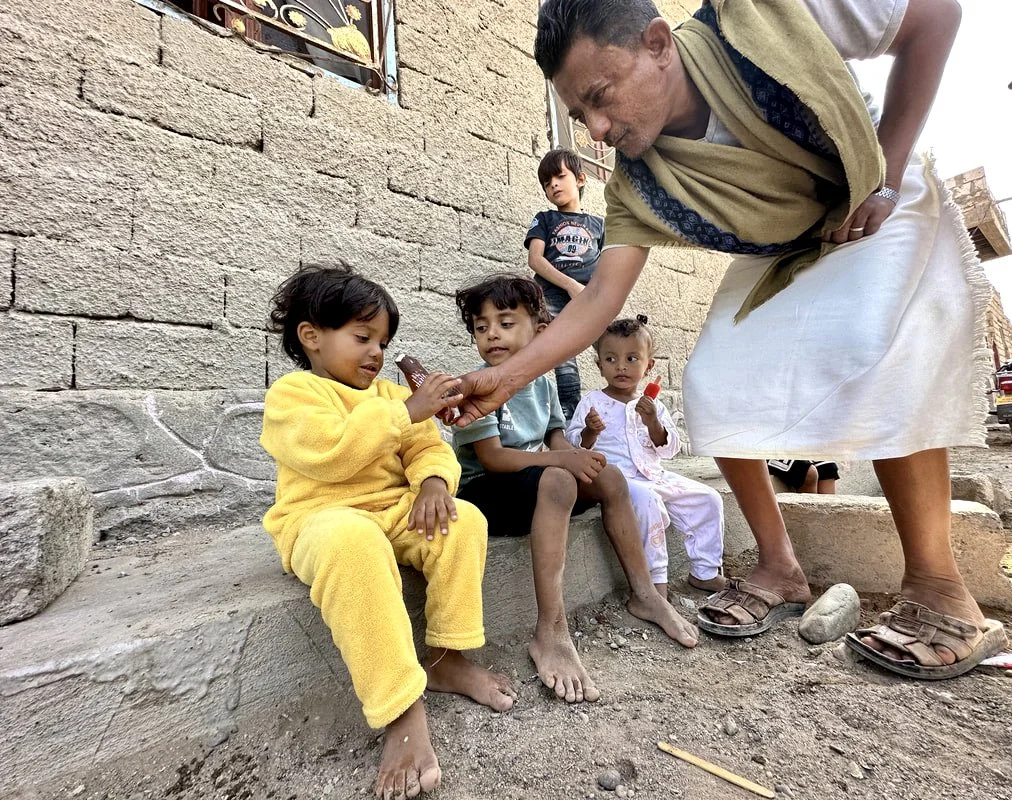
The children’s grandfather Saeed Omar Haimed hands out ice cream outside the family home.
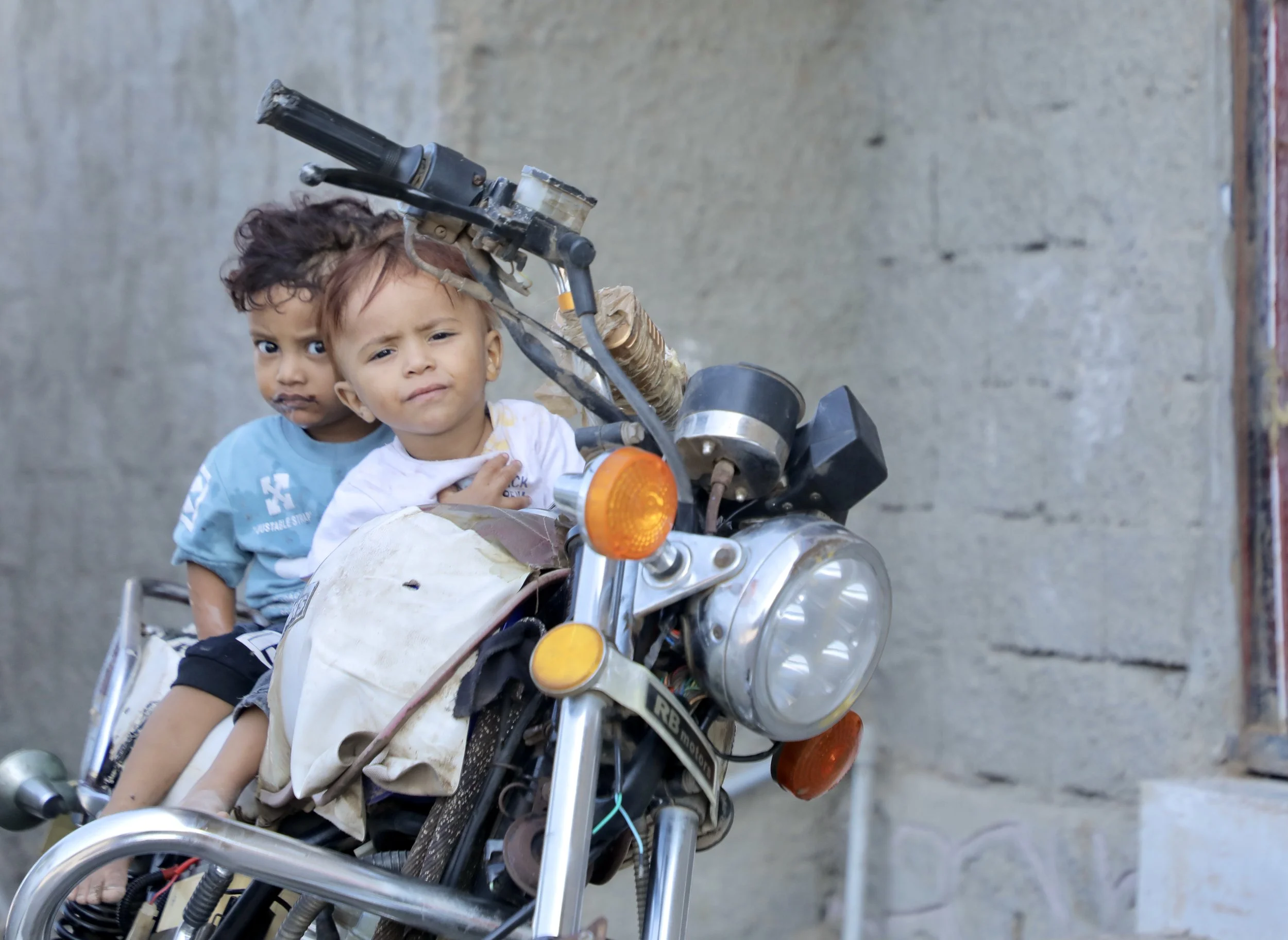
Sami’s nephew, and young son Azan sit on a motorbike outside the house while adults gather nearby.
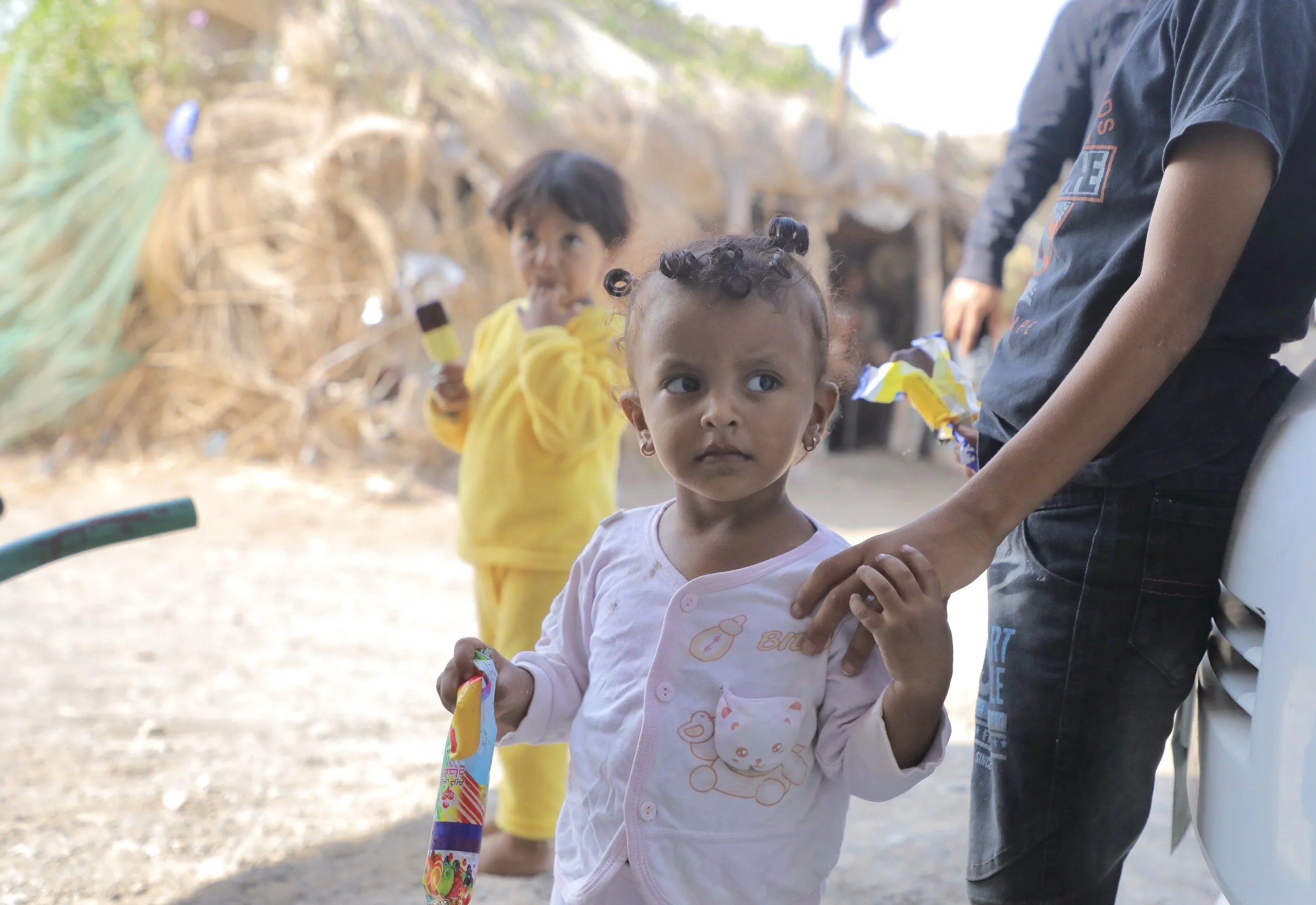
One of Sami’s young relatives, a niece, stands outside the family home holding an ice lolly as children move between neighbouring houses and the street.
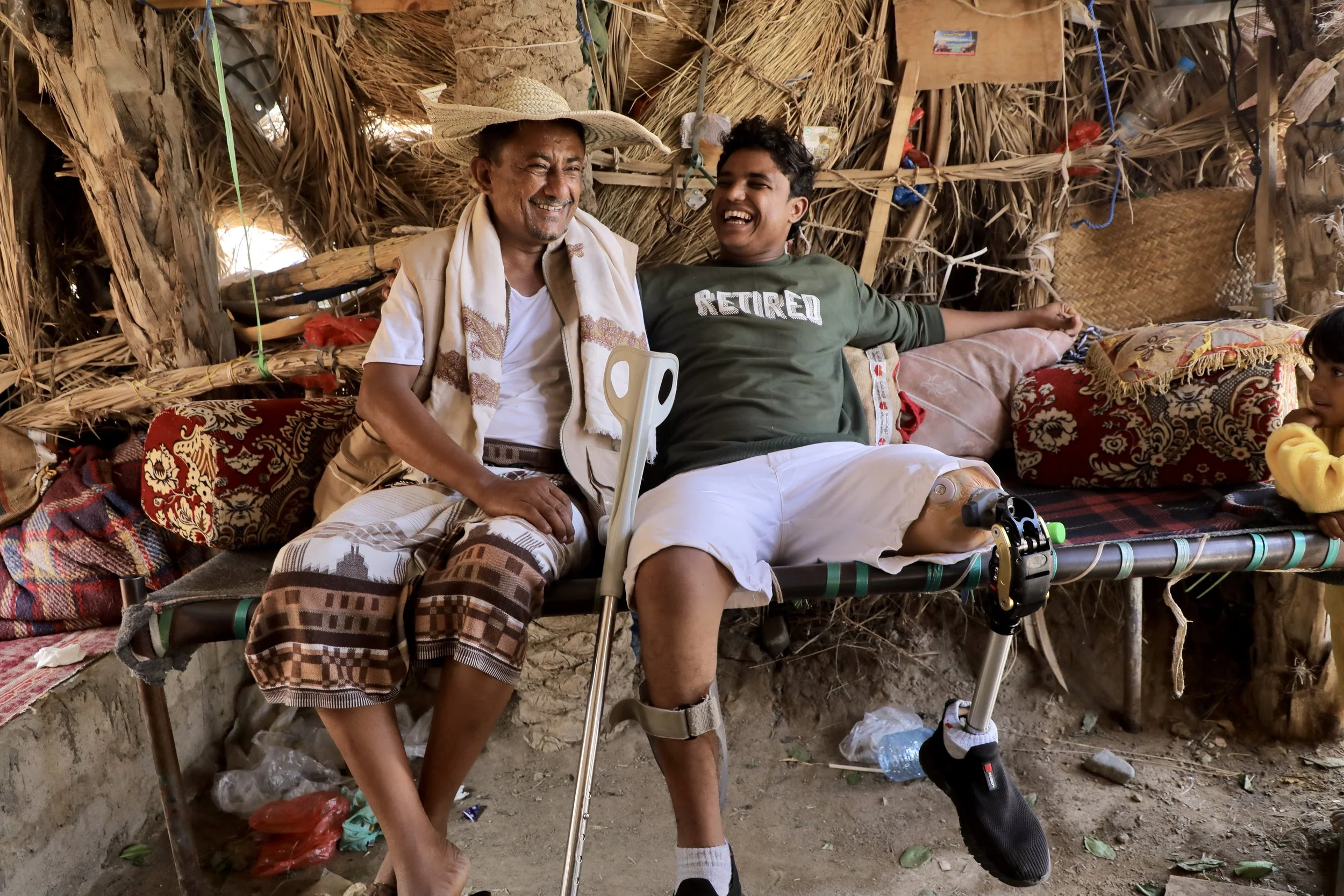
Mohammed and his father Saeed sit inside a traditional gathering space beside the family home. Since his injury, Mohammed spends much of his time there with relatives and neighbours.
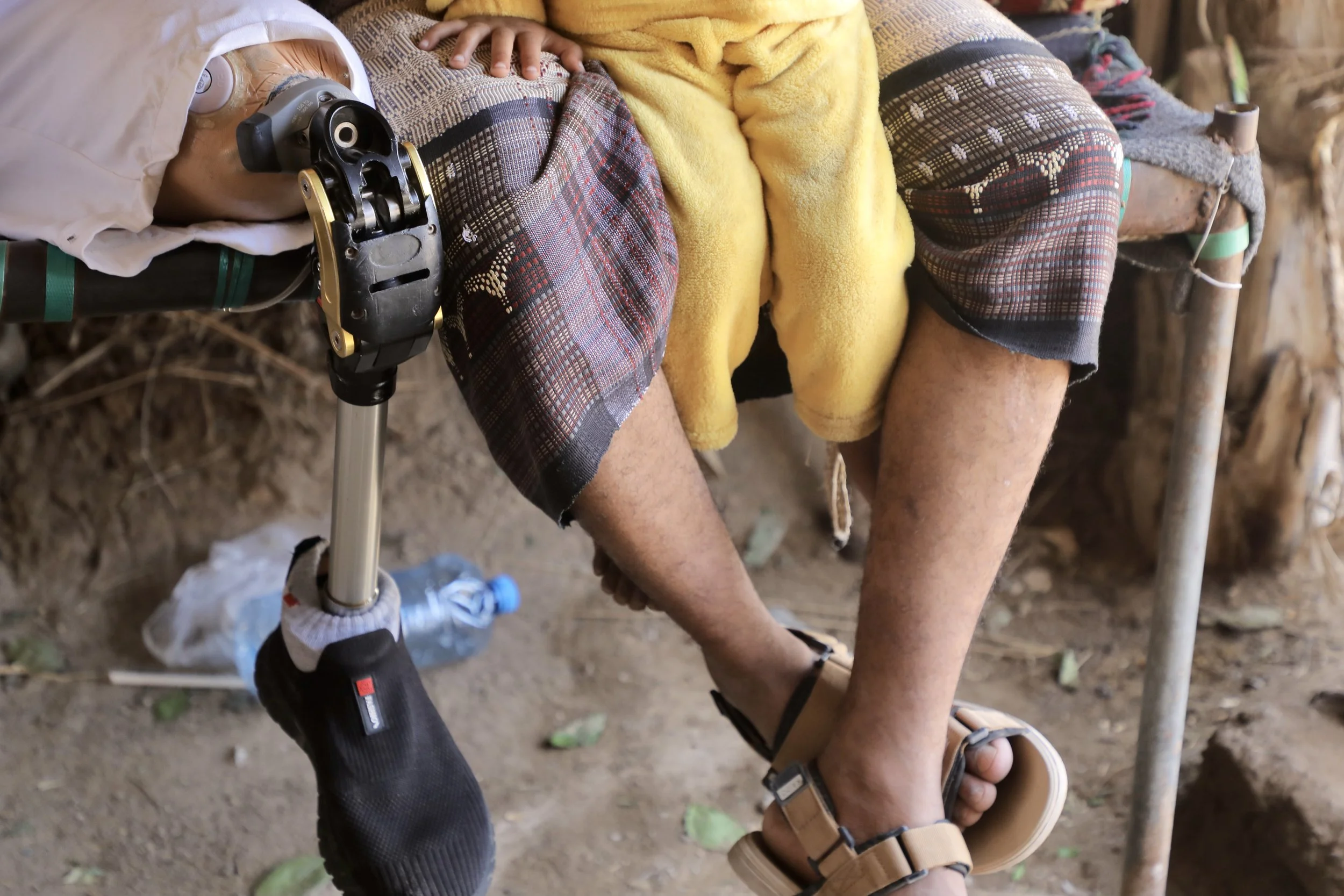
Mohammed’s prosthetic leg rests beside little Shmock seated next to him inside the family gathering area.
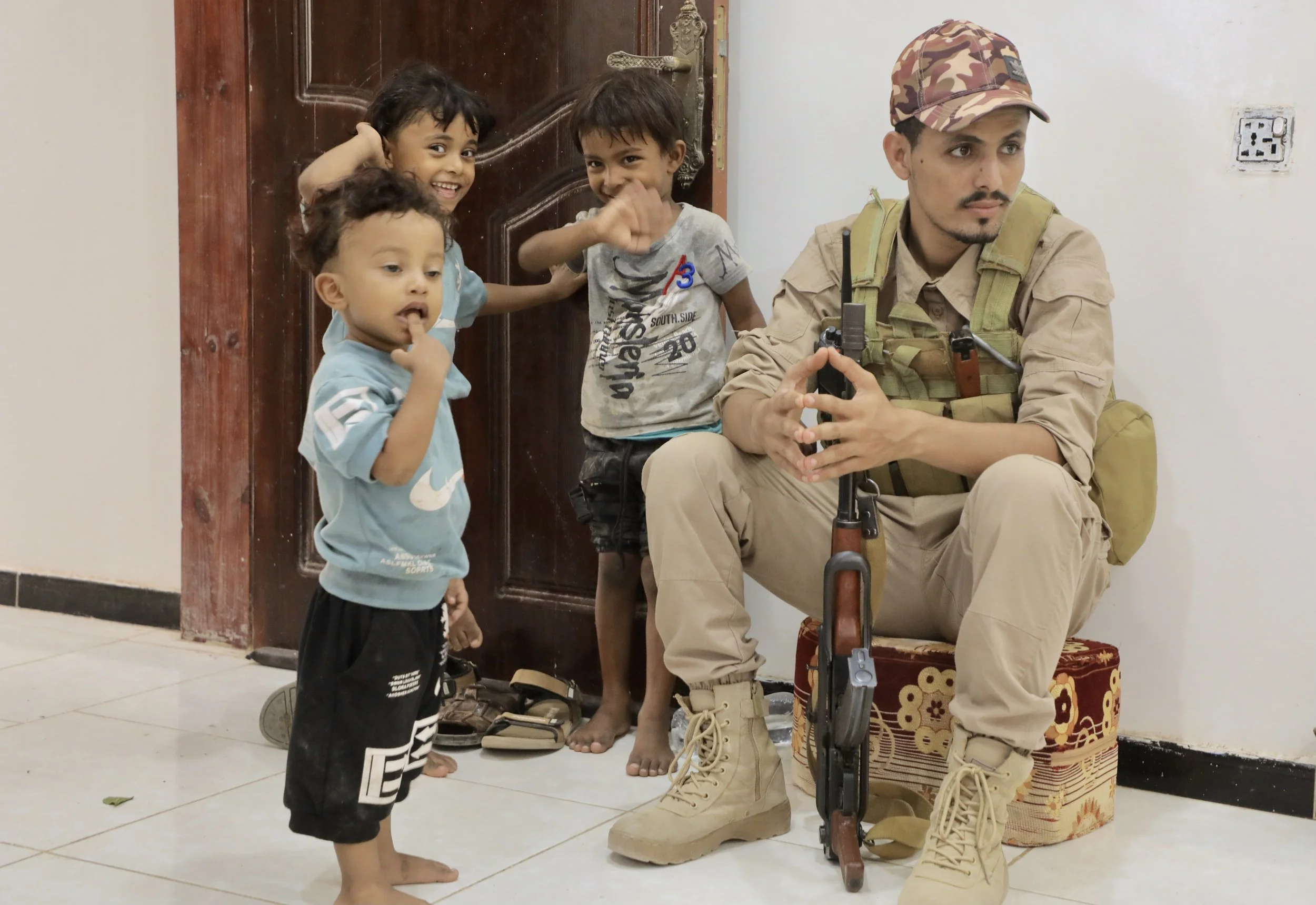
A security guard speaks with children inside the family home while waiting for Sami to return from work.
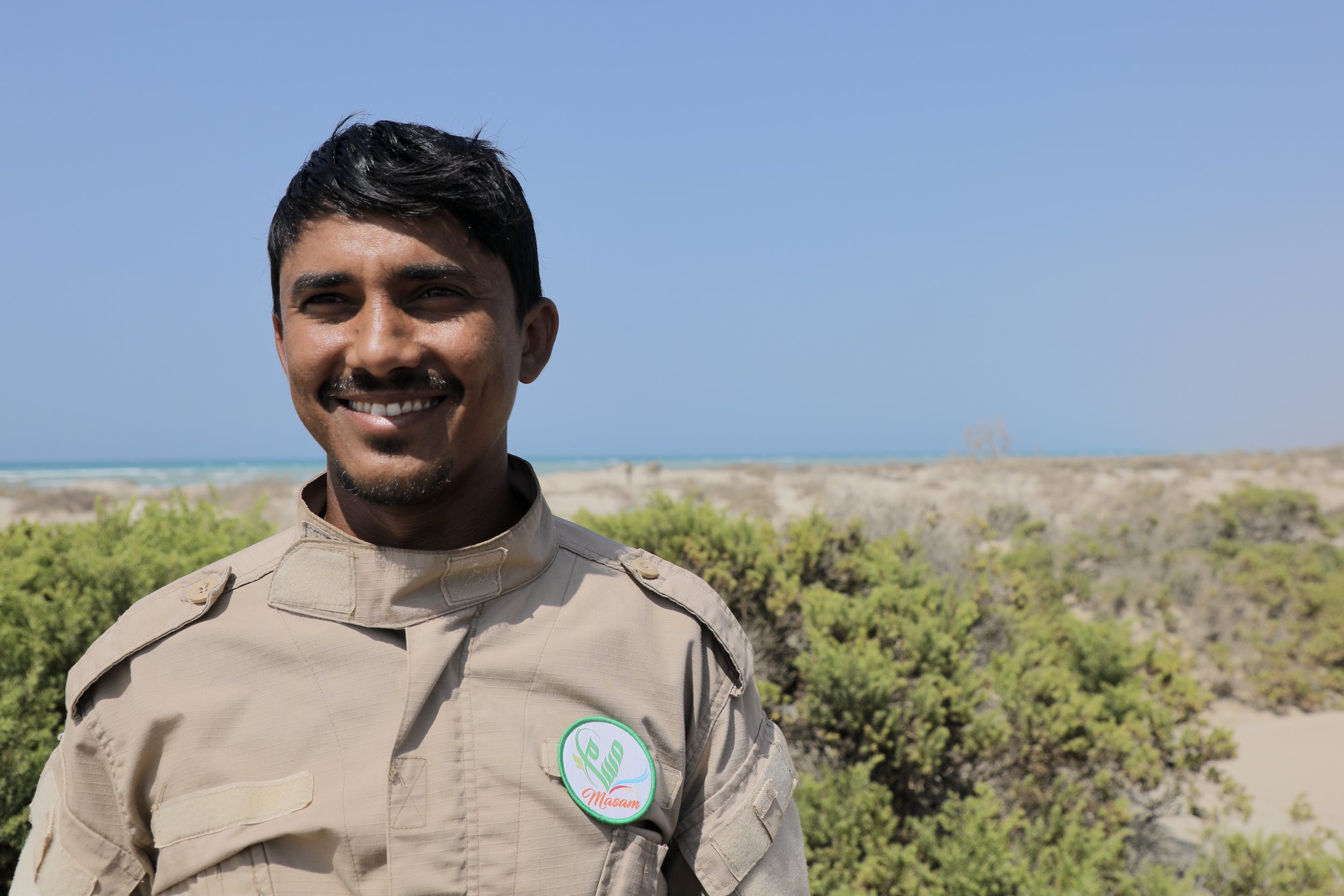
Sami Haimed, Team Leader of Team 26, pauses during a mandatory rest period near a mine clearance site north of Al Khokha. As team leader, Sami is responsible for the safety and coordination of his deminers, overseeing clearance procedures, equipment checks, reporting, and emergency protocols while working in one of Yemen’s most heavily contaminated frontline regions.
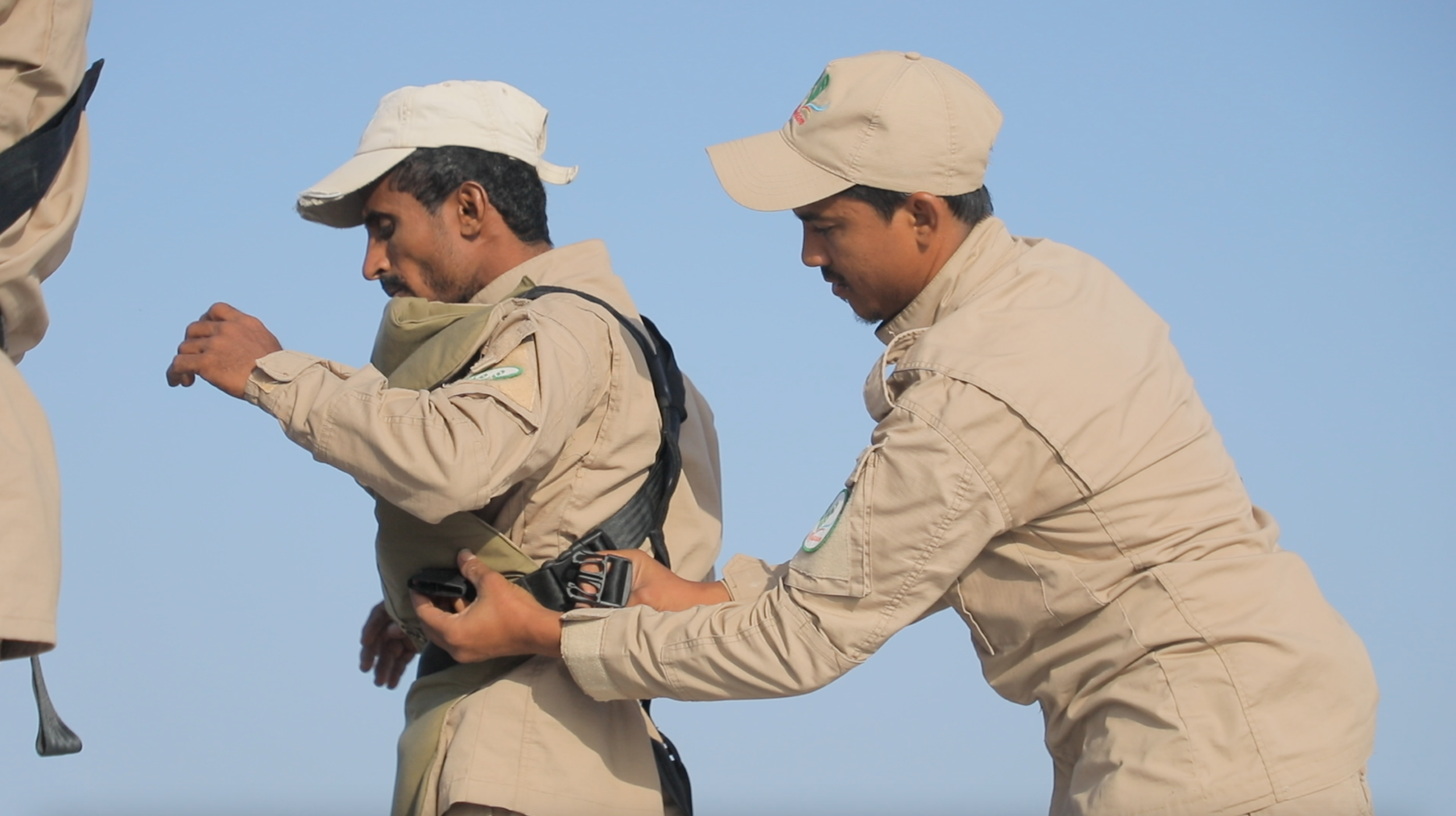
Sami helps another team member adjust protective equipment before entering the minefield.
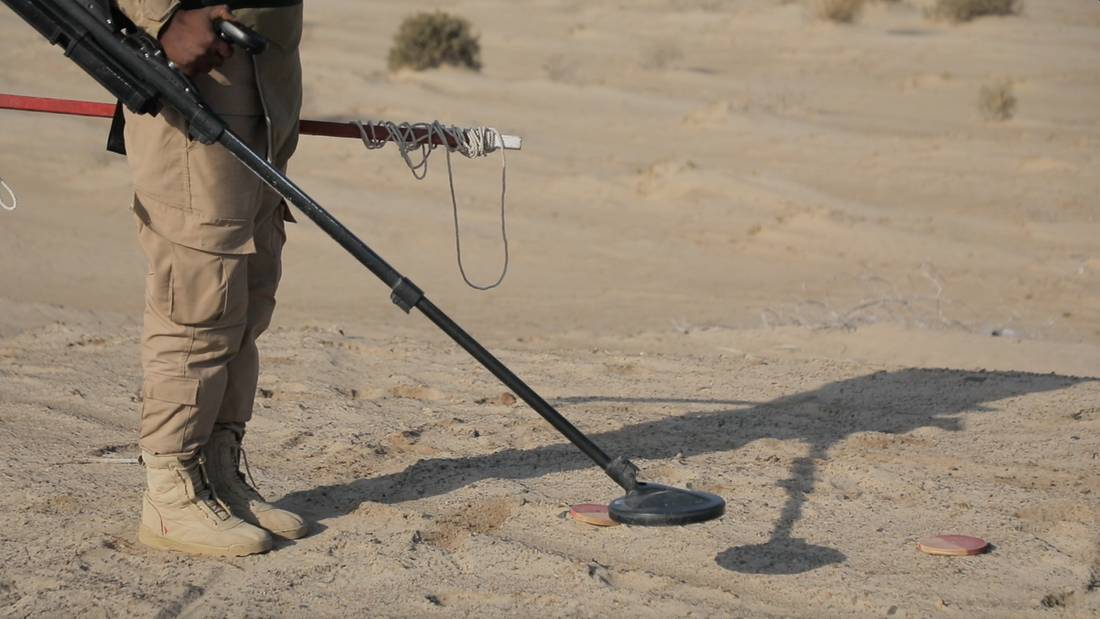
A mine detector sweeps across contaminated ground near the western Yemeni coastline.
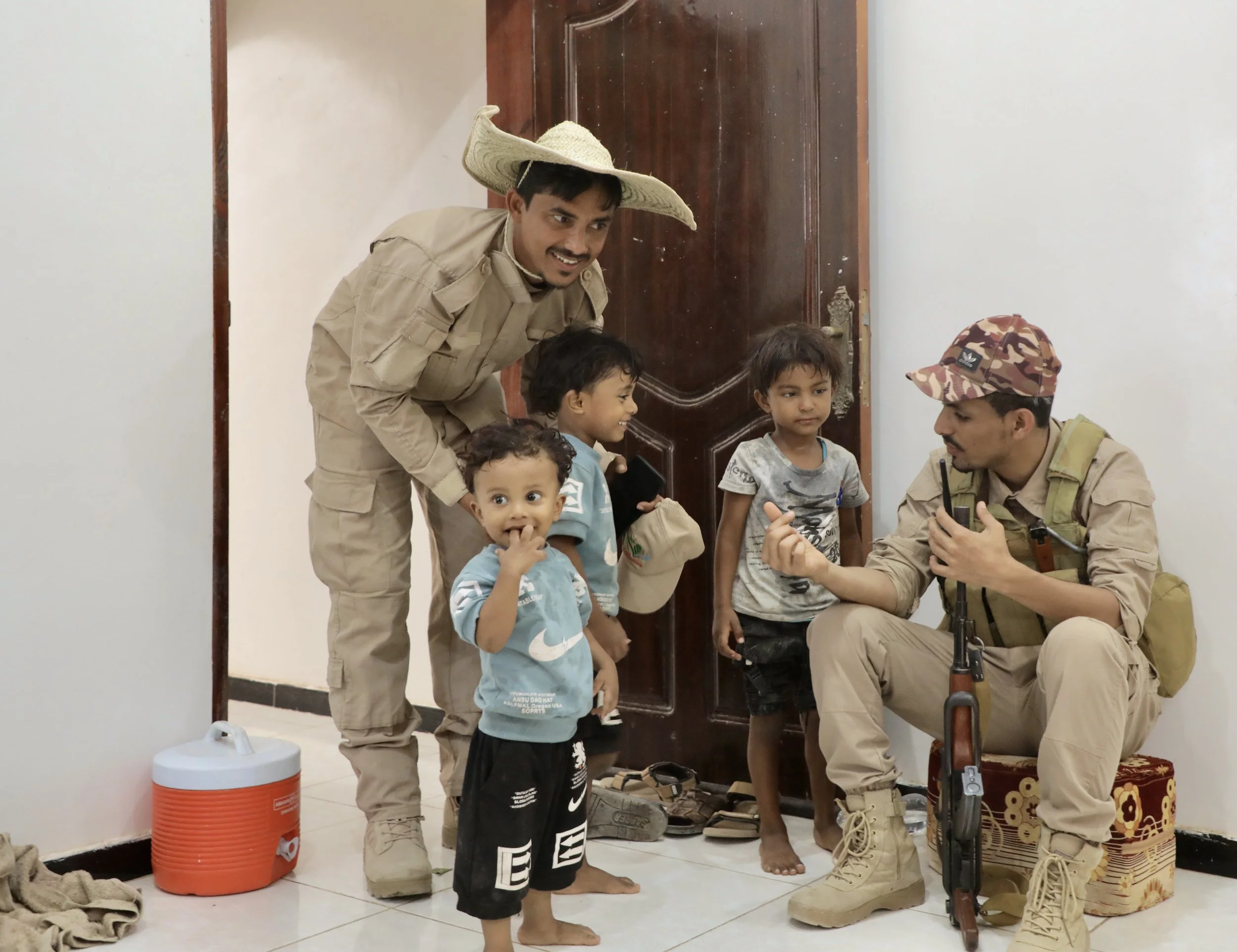
Sami returns home wearing a traditional handwoven straw hat after a day working in mine clearance. Armed guards assigned to the team relax alongside children inside the house.
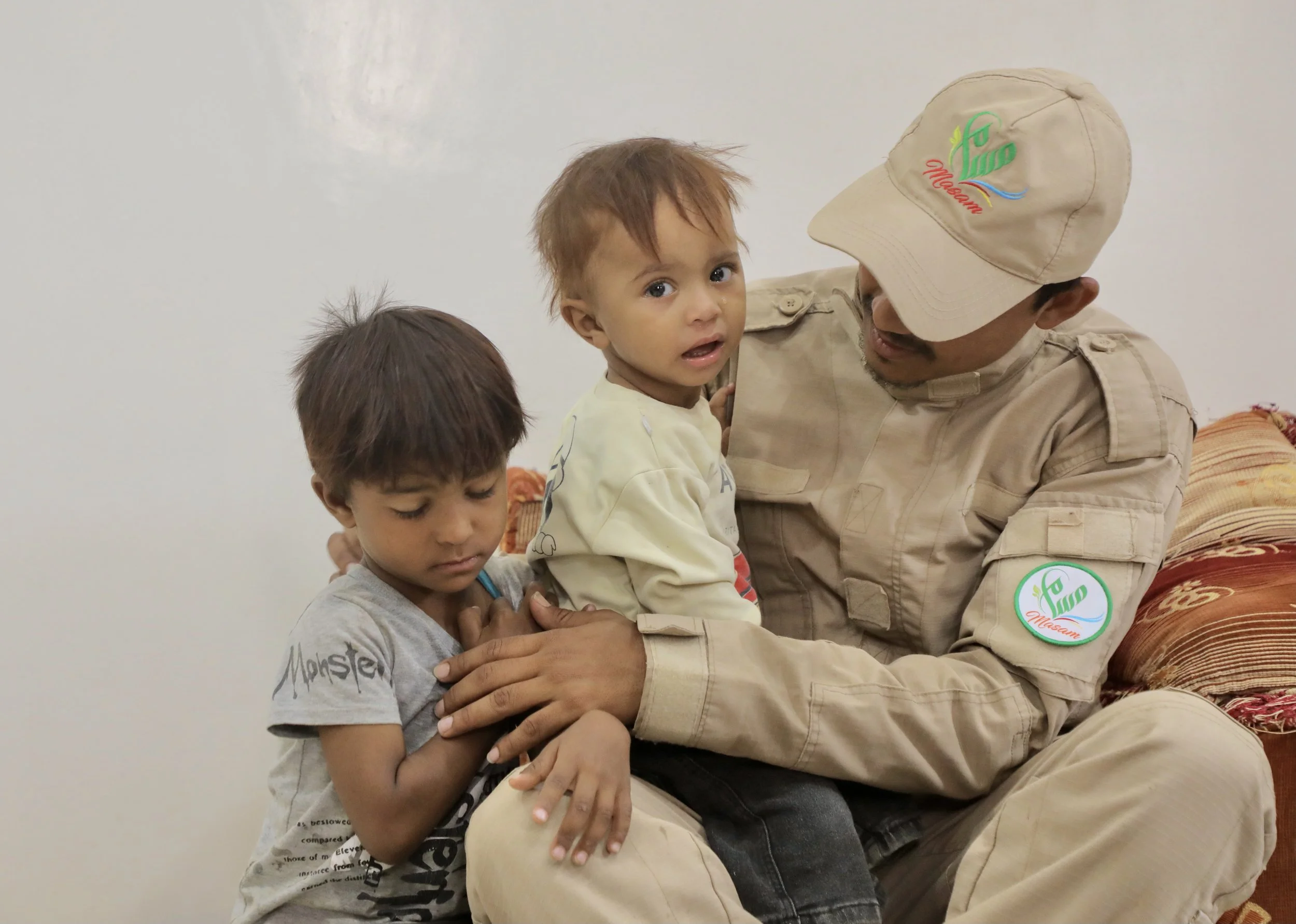
Sami sits with his children after returning home from work.
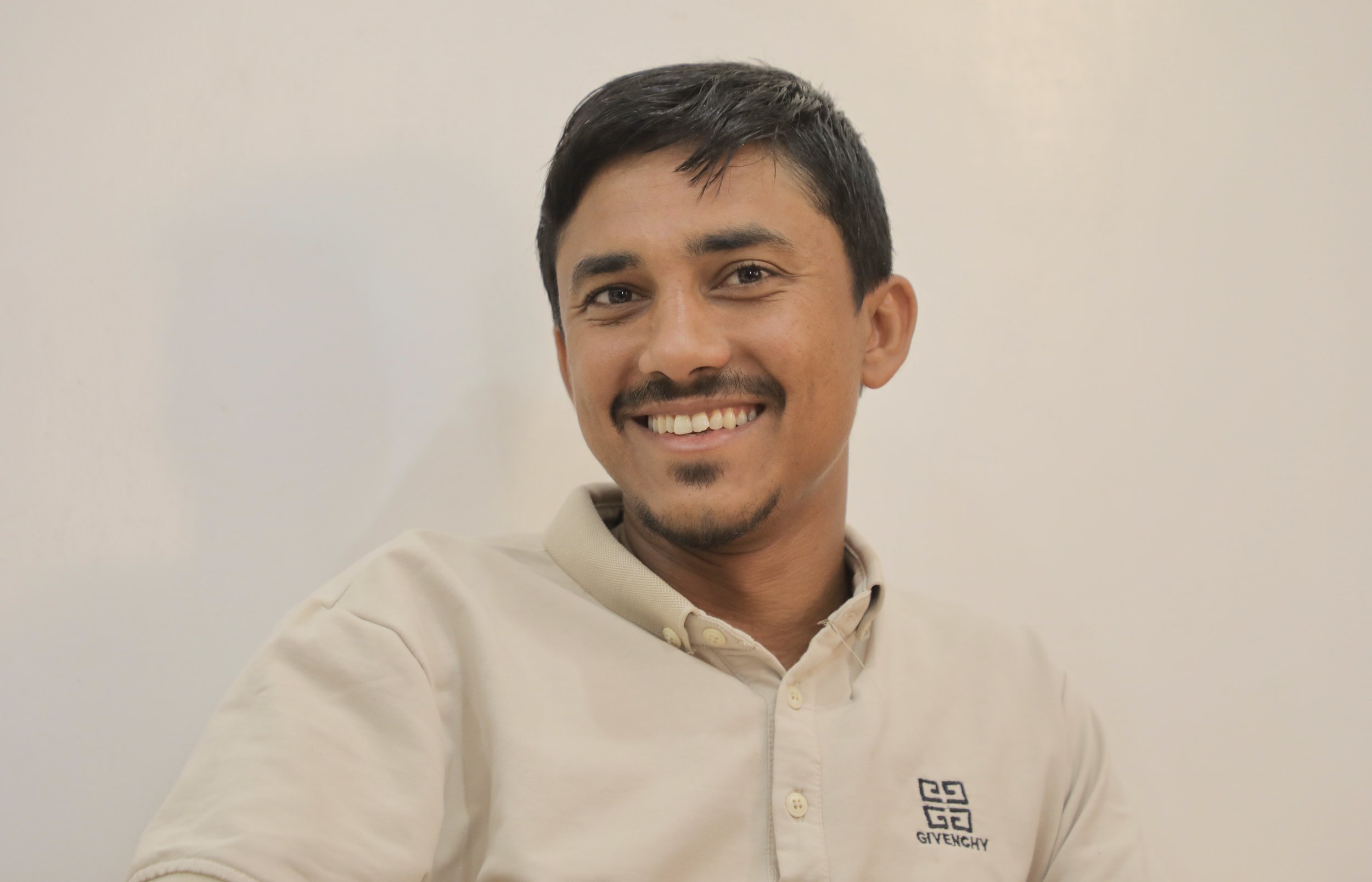
After showering and changing clothes, Sami relaxes at home with his family following a day in the minefield.
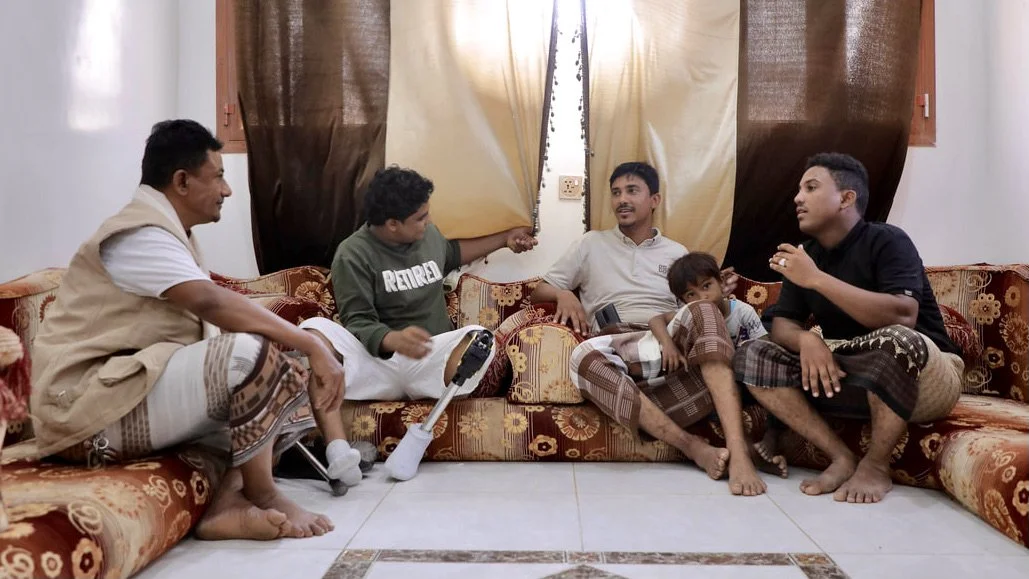
Saeed, Mohammed, Sami and his son, and brother Ousama gather together inside the home at the end of the day. Three generations of men in the family have worked in mine clearance along Yemen’s western coast.
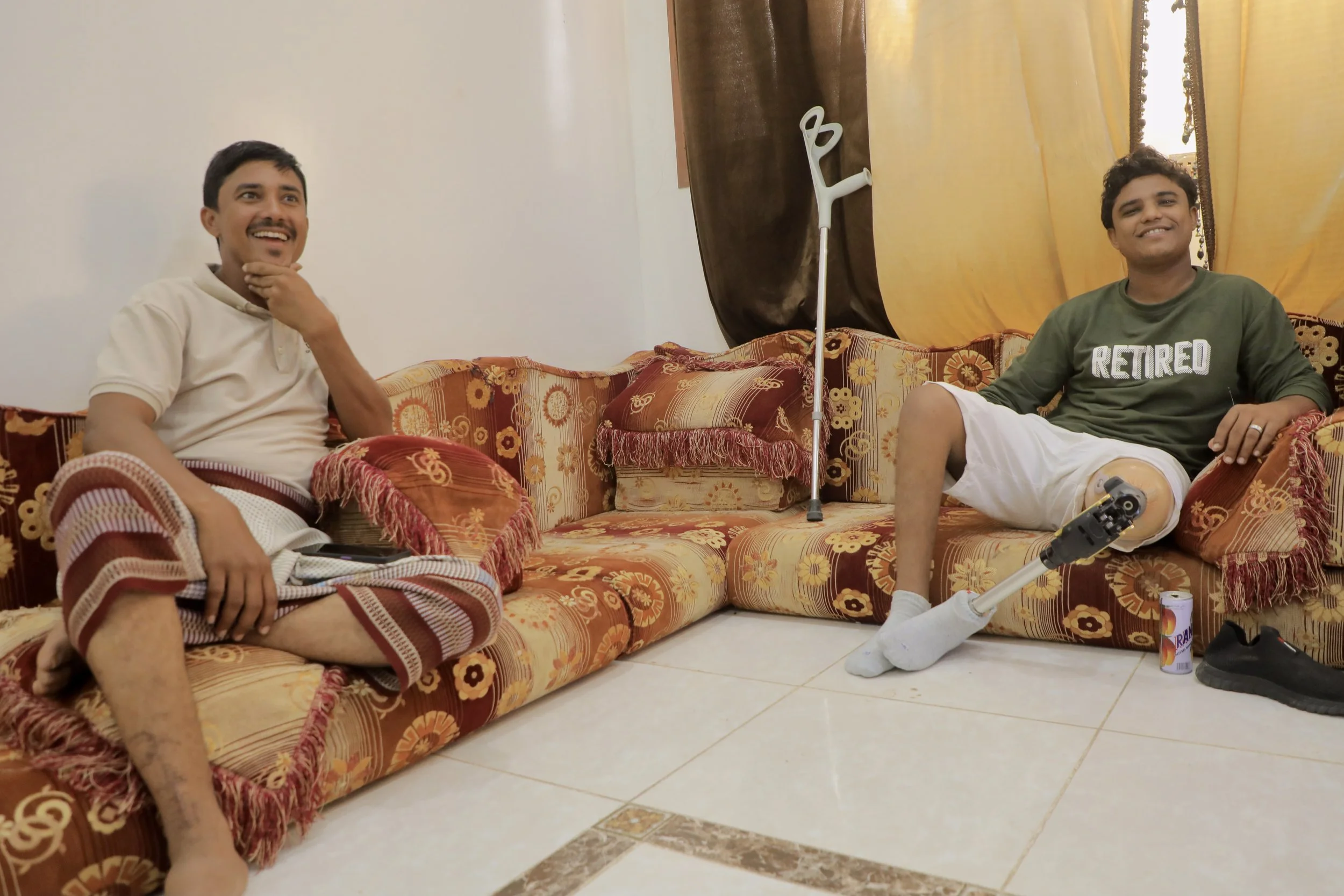
After returning from the minefield and changing clothes, Sami Haimed discusses the day’s clearance work with his older brother Mohammed, a former deminer who lost his leg in a landmine accident. Mohammed’s prosthetic leg and crutch rest between them as the brothers speak in the technical language of mine clearance shaped by years of shared experience.