Viewer discretion advised: This project documents survivors of torture and political violence in Burundi during the 2015 crisis. Some photographs contain visible injuries and may be distressing to some viewers.
In 2015, Burundi descended into political violence following President Pierre Nkurunziza's decision to seek a third term in office. As protests spread and security operations intensified, human rights organisations documented growing numbers of allegations of torture, arbitrary arrest and abuse.
These photographs were made in and around Bujumbura while documenting survivors whose cases were being investigated by APRODH (Association pour la Protection des Droits Humains et des Personnes Détenues). They include P. Sinzinkayo, who alleged he was subjected to extreme torture while in detention, and I.N., a mother of five who was shot during a police operation in the Mutakura district. Their testimonies formed part of a broader effort to record abuses during a period of escalating repression.
Photographing torture survivors requires balancing the public importance of bearing witness with the responsibility to preserve dignity and agency. Rather than focusing solely on injury, these images document the lasting physical and psychological consequences of violence, as well as the everyday reality of survival and recovery.
The work also records the efforts of Pierre-Claver Mbonimpa and APRODH, who continued investigating allegations of torture despite significant personal risk. Together, these photographs serve as both documentary evidence and historical testimony—an account of suffering, resilience and the individuals determined to ensure that such abuses would not remain hidden.
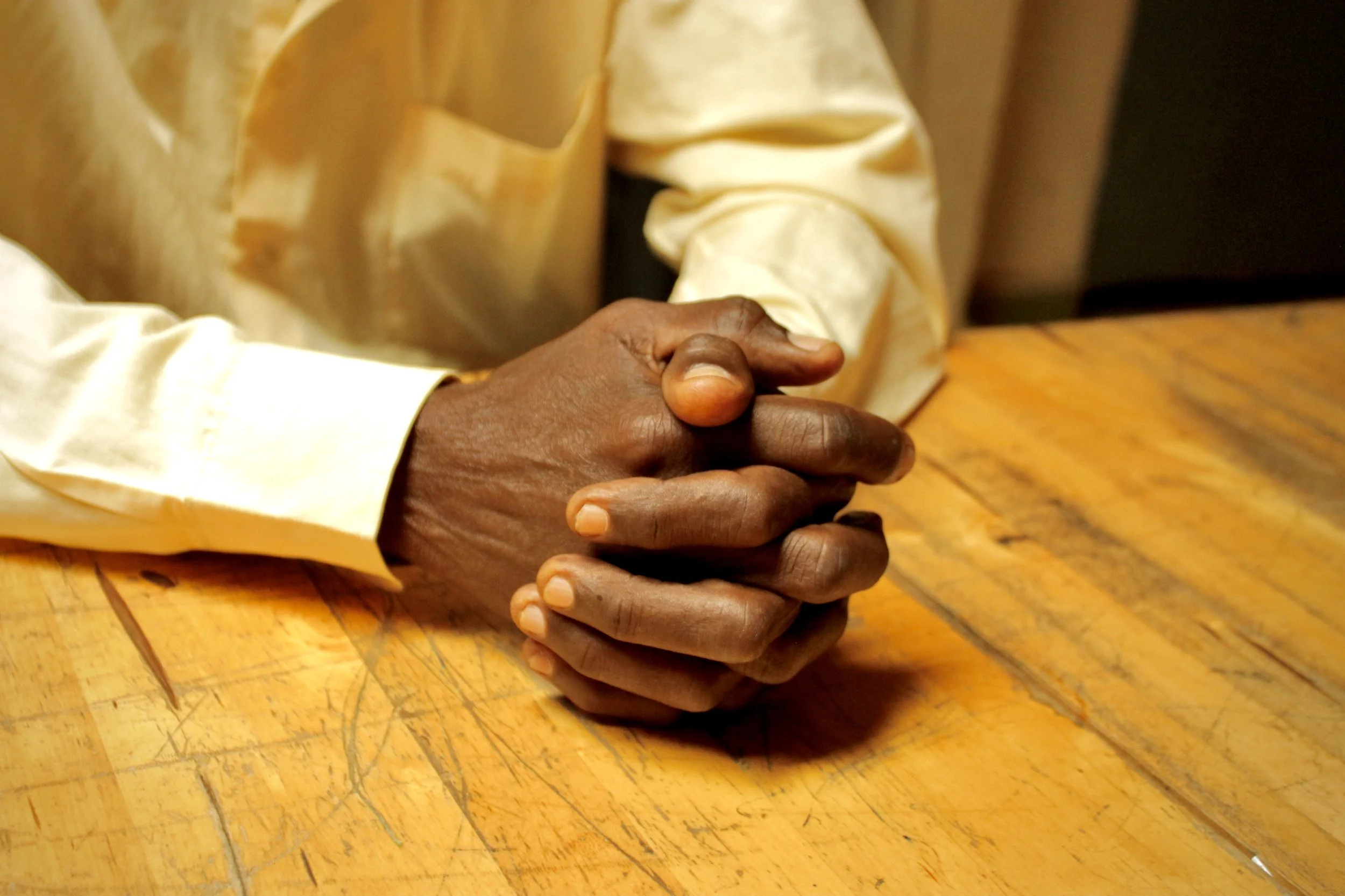
P. Sinzinkayo sits during an interview arranged through APRODH in Bujumbura, Burundi, July 2015. According to testimony documented by human rights investigators, he was detained and tortured after being accused of involvement with anti-government vigilante groups.
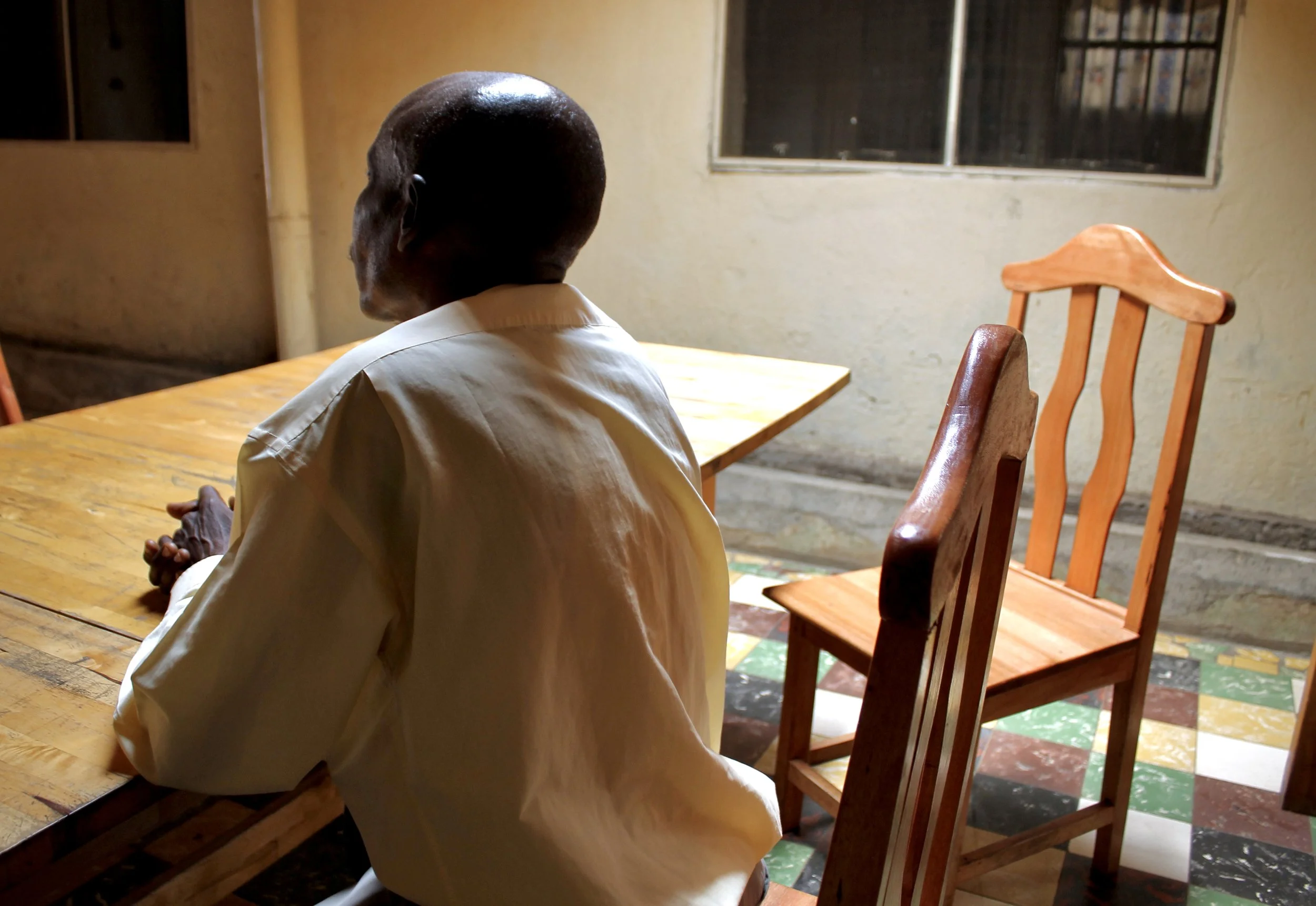
Seen from behind during an interview, P. Sinzinkayo describes his detention and alleged torture to human rights investigators in Bujumbura.
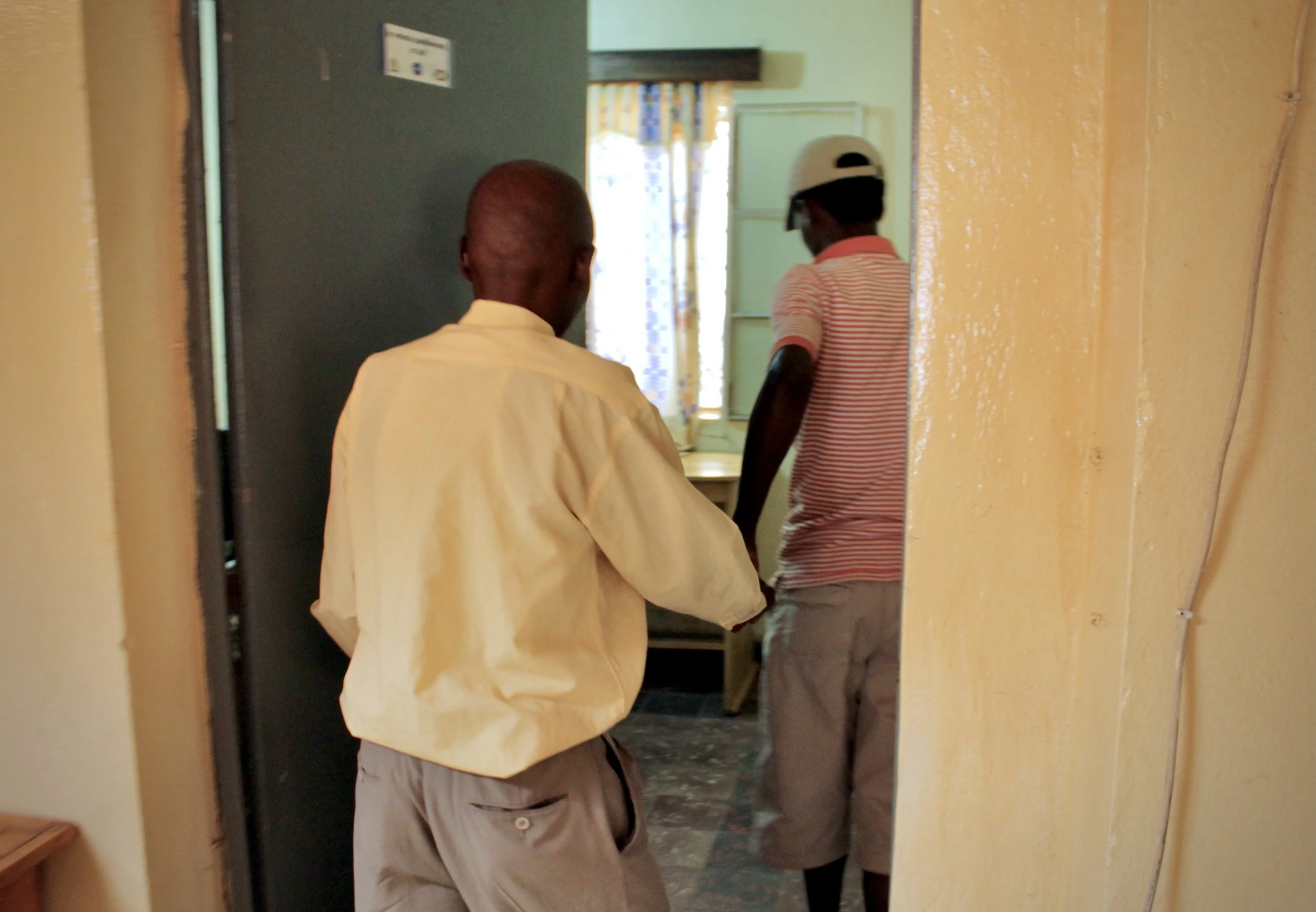
P. Sinzinkayo, left, walks with assistance following an interview. He reported ongoing difficulties walking and sitting following injuries sustained during detention.
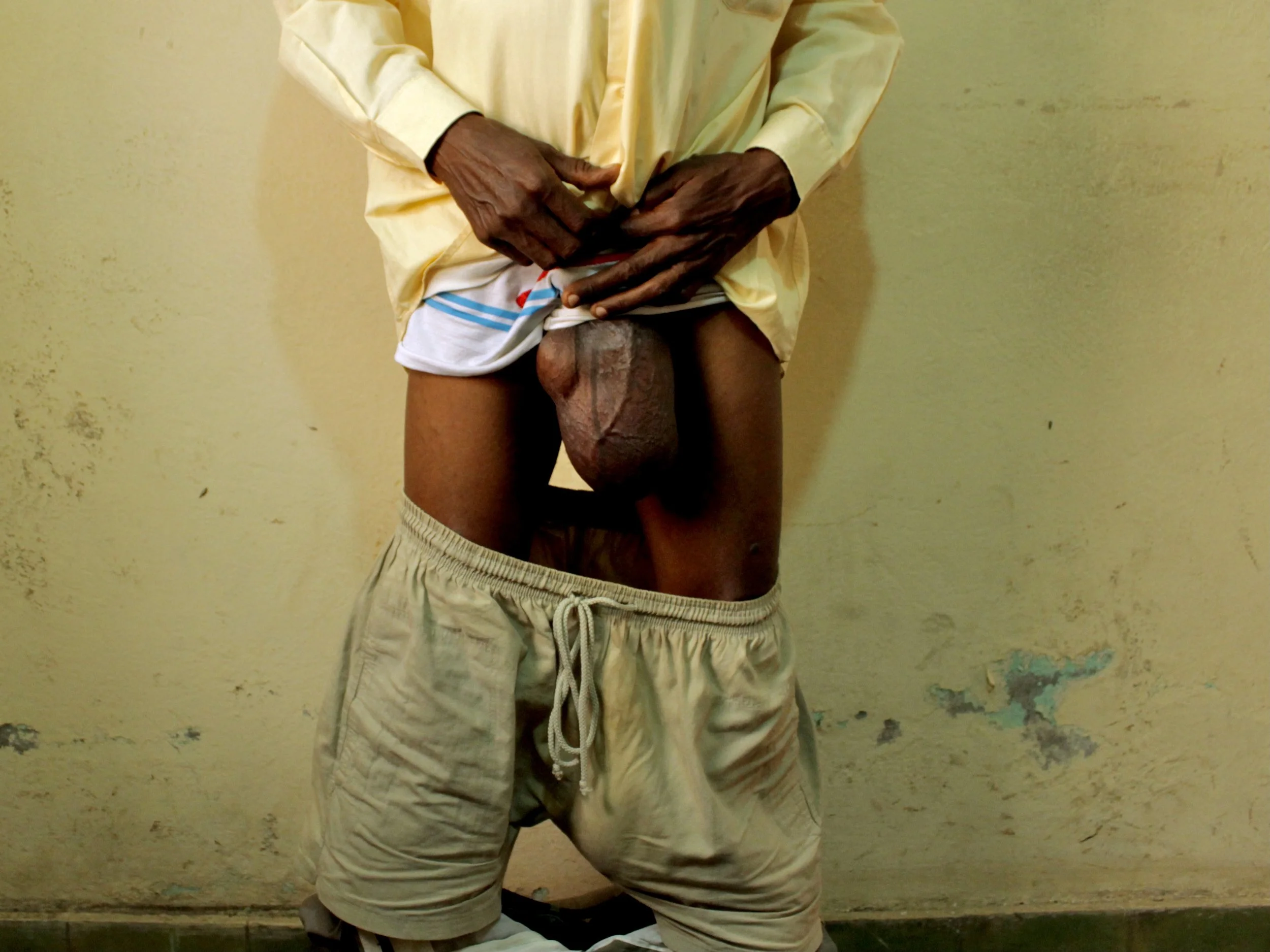
P. Sinzinkayo reveals injuries that he alleged were sustained while in detention. In testimony recorded by human rights investigators, he described having a sand-filled five-litre container suspended from his testicles while being forced to stand on a nail-studded metal plank. The injuries resulted in lasting disability and severe pain.
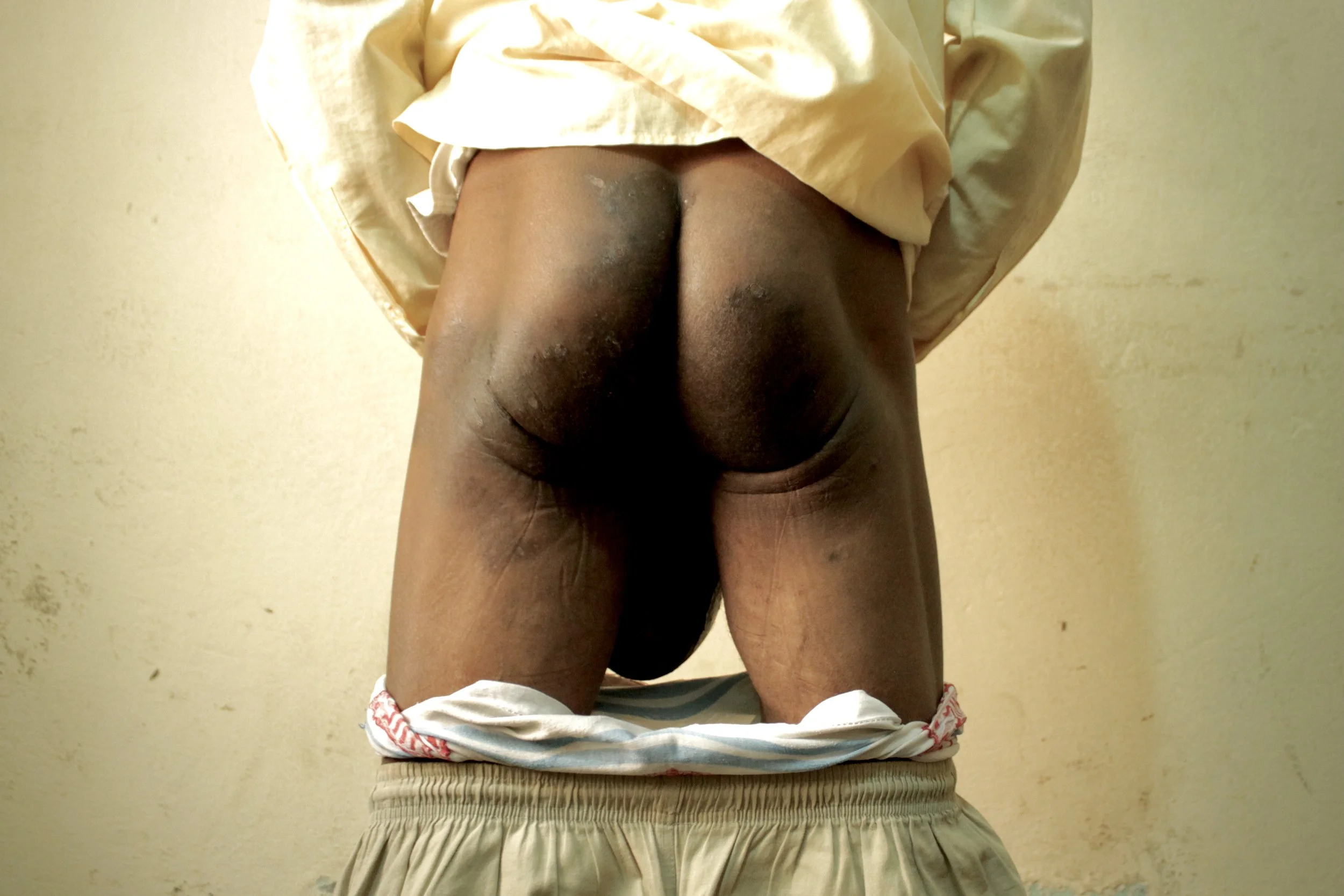
Injuries visible on P. Sinzinkayo's lower body during documentation of torture allegations in Bujumbura, July 2015. He alleged that interrogators beat him repeatedly, forced him to stand on a board fitted with nails, and subjected him to other forms of torture while in detention.
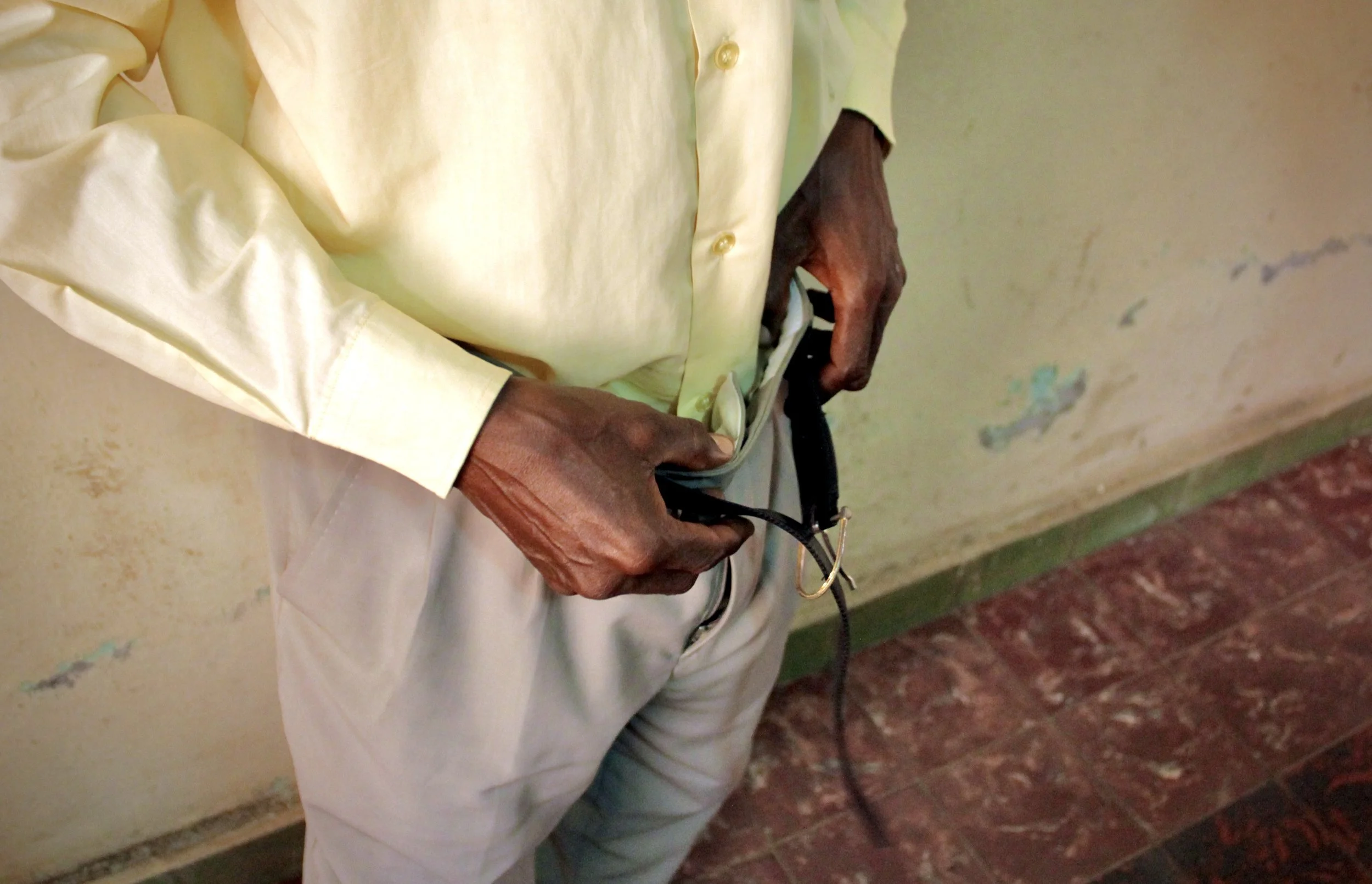
P. Sinzinkayo fastens his belt after documenting injuries he alleged were sustained during torture in detention. The simple act of dressing caused visible pain. Weeks after his release, he was still struggling with the lasting effects of his injuries.
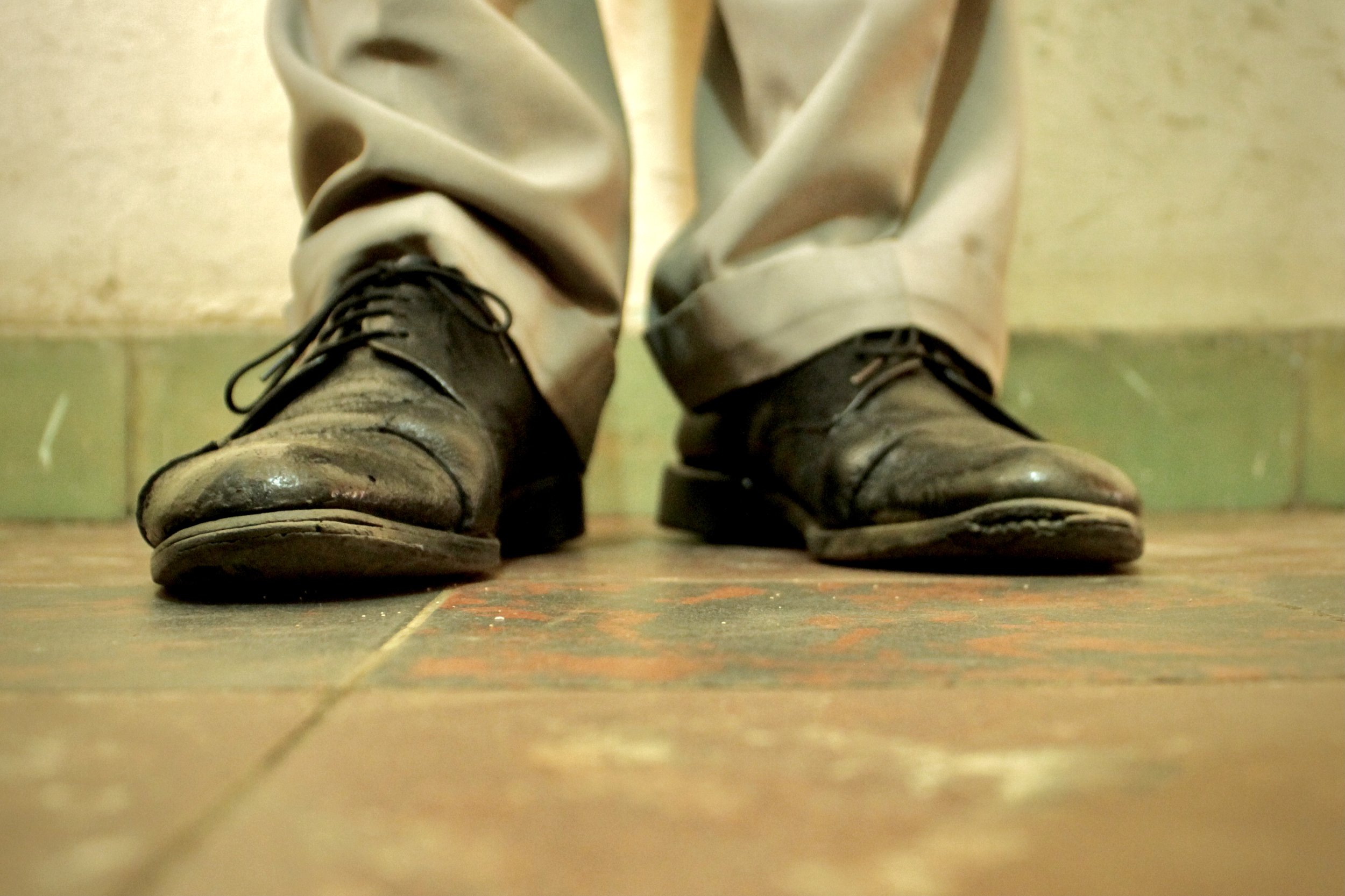
The worn shoes of P. Sinzinkayo in a safe location in Bujumbura. Following his release, he reported losing his livelihood and living in fear of further arrest.
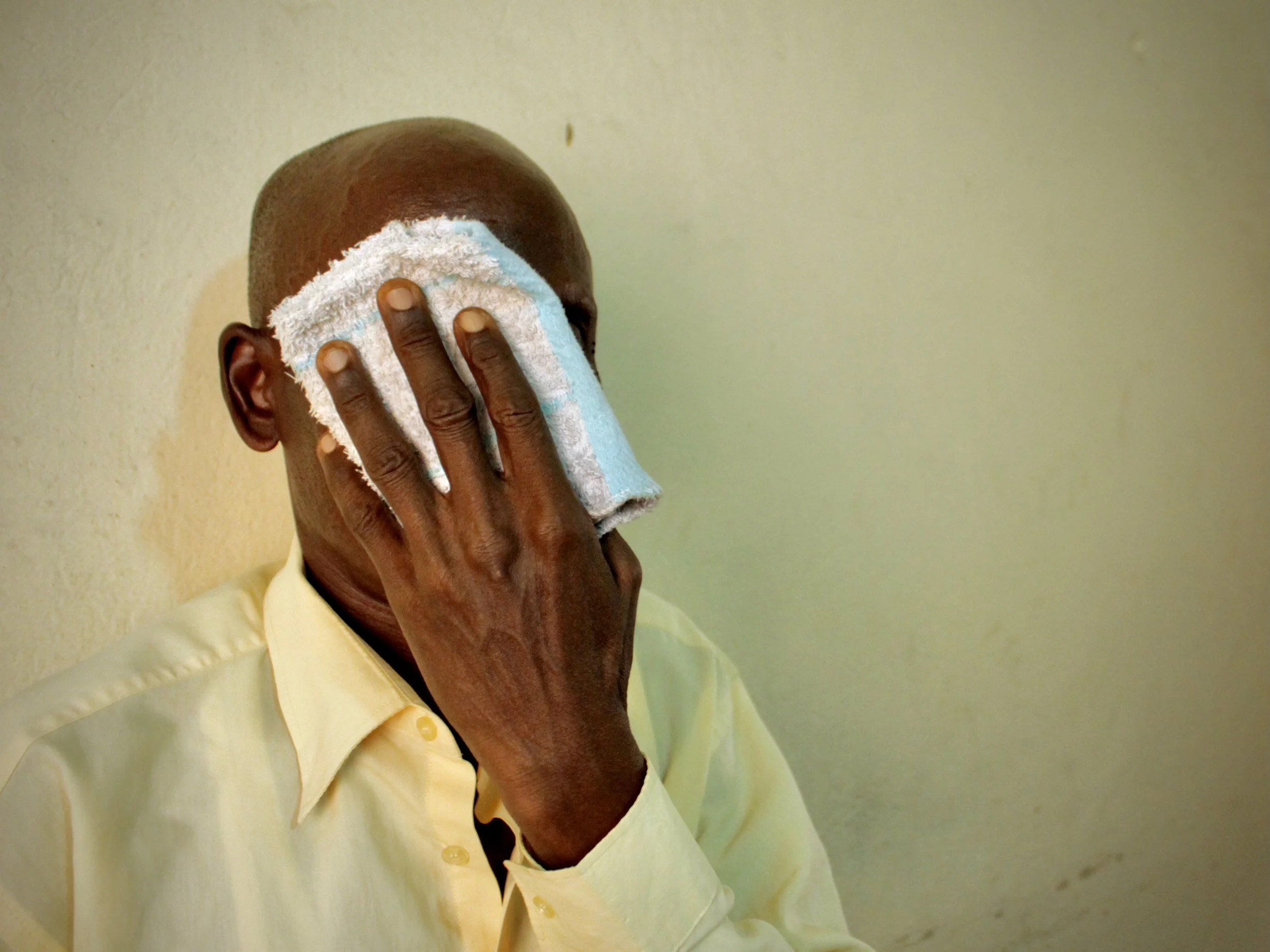
P. Sinzinkayo covers his face during an emotional moment while recounting his detention and torture. Survivors interviewed by APRODH often described lasting psychological trauma alongside physical injuries.
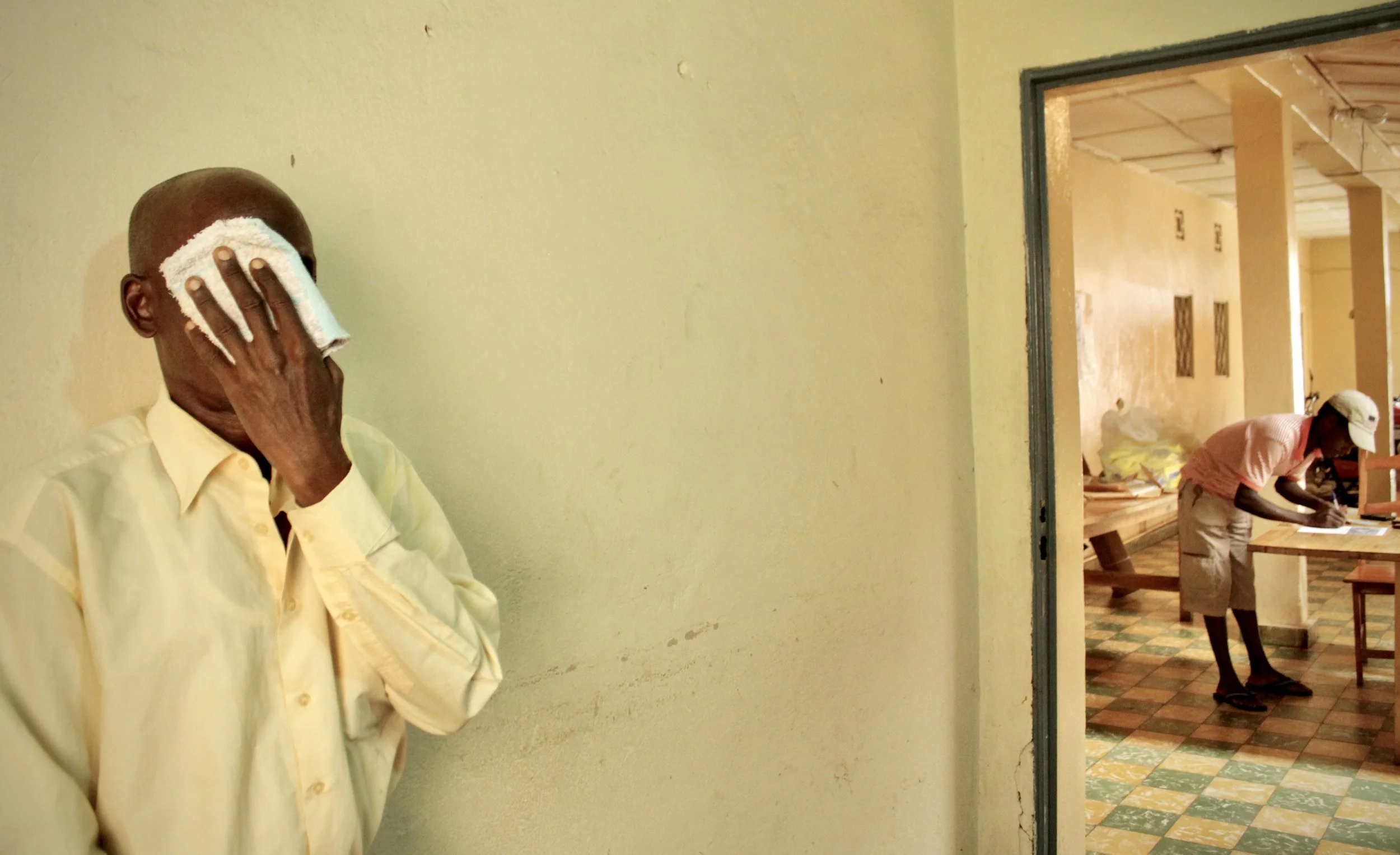
P. Sinzinkayo, who claimed members of Burundi's intelligence agency forced him to lay on car battery acid, waits outside following an interview with investigators and support workers. "I was like dead".
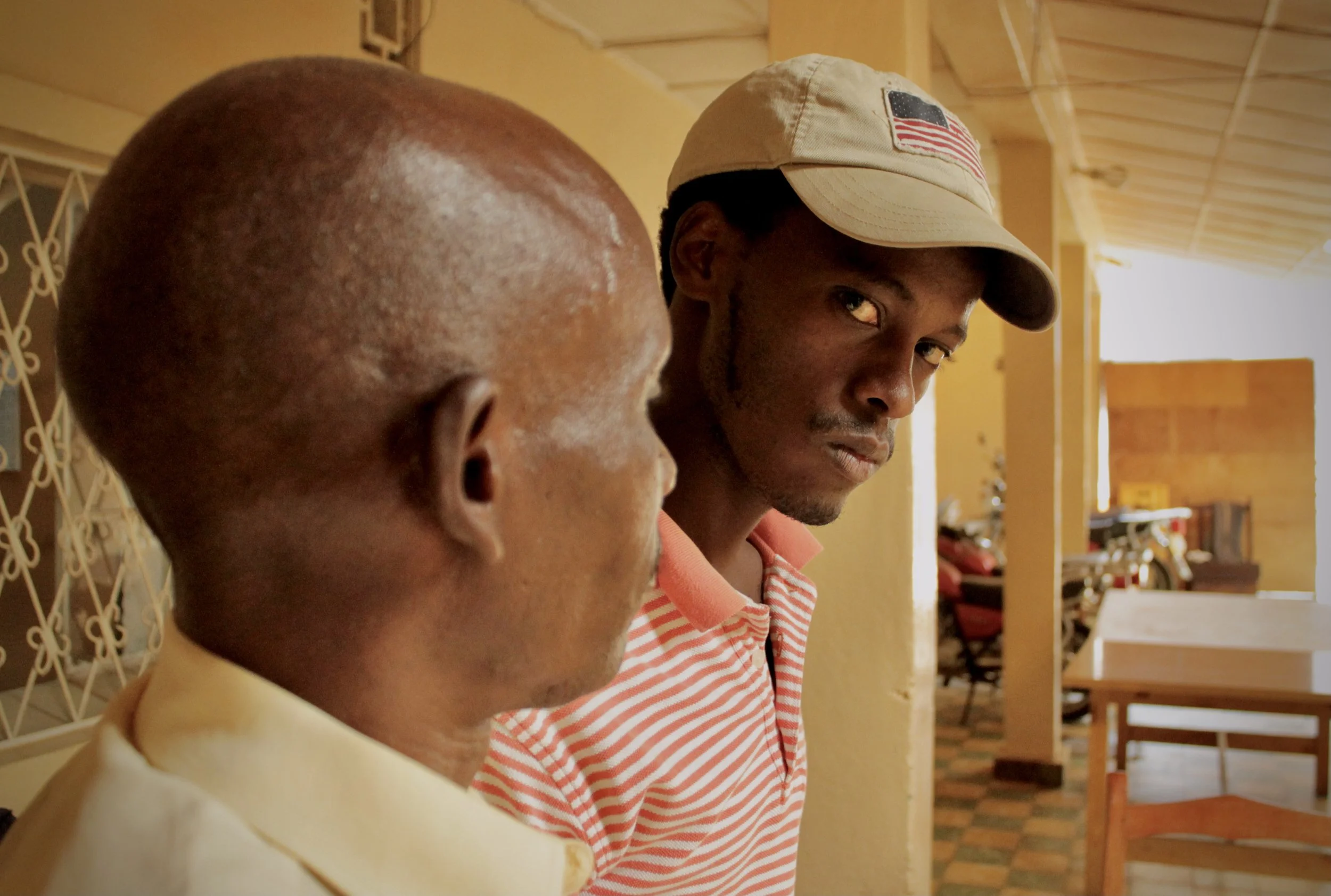
Psychologist Christophe Nibasumba listens as torture survivor P. Sinzinkayo recounts his detention and alleged abuse at APRODH's offices in Bujumbura, Burundi, July 2015. Nibasumba, who treated him following his release, said the torture had left lasting psychological scars, including recurring flashbacks and a profound sense of diminished identity. "The torture has long-lasting effects and can be used like a permanent threat to other people."
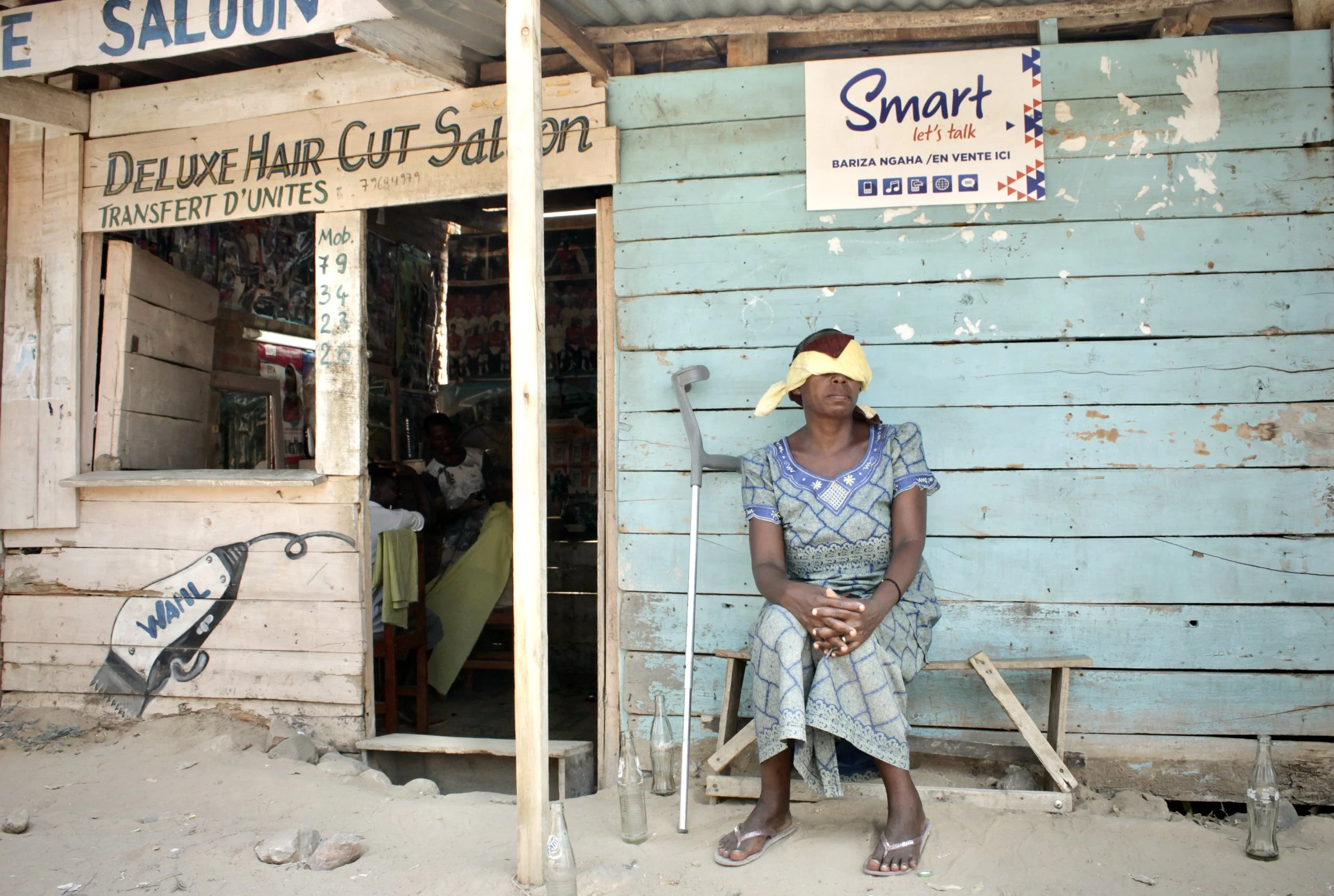
I.N., a 51-year-old mother of five from the Mutakura district of Bujumbura, sits outside a safe location in July 2015. She said police shot her during a search of her home after accusing residents of hiding weapons and opposition fighters. "I thought they were going to kill us".
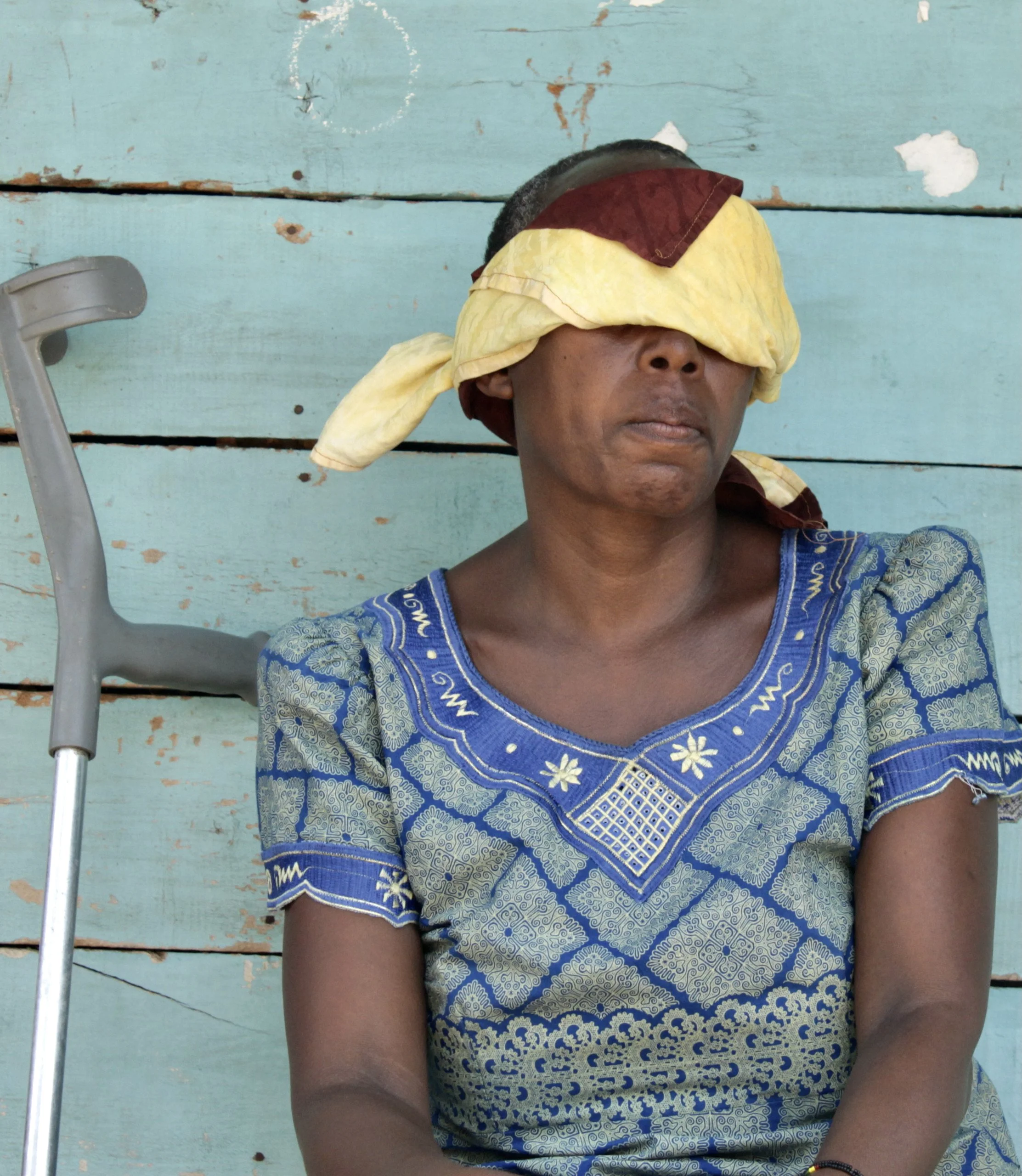
I.N. sits outside a safe location in Bujumbura weeks after being shot in the leg during a police operation. Following the attack, relatives and friends helped relocate her, her daughter and newborn grandchild to a secure location.
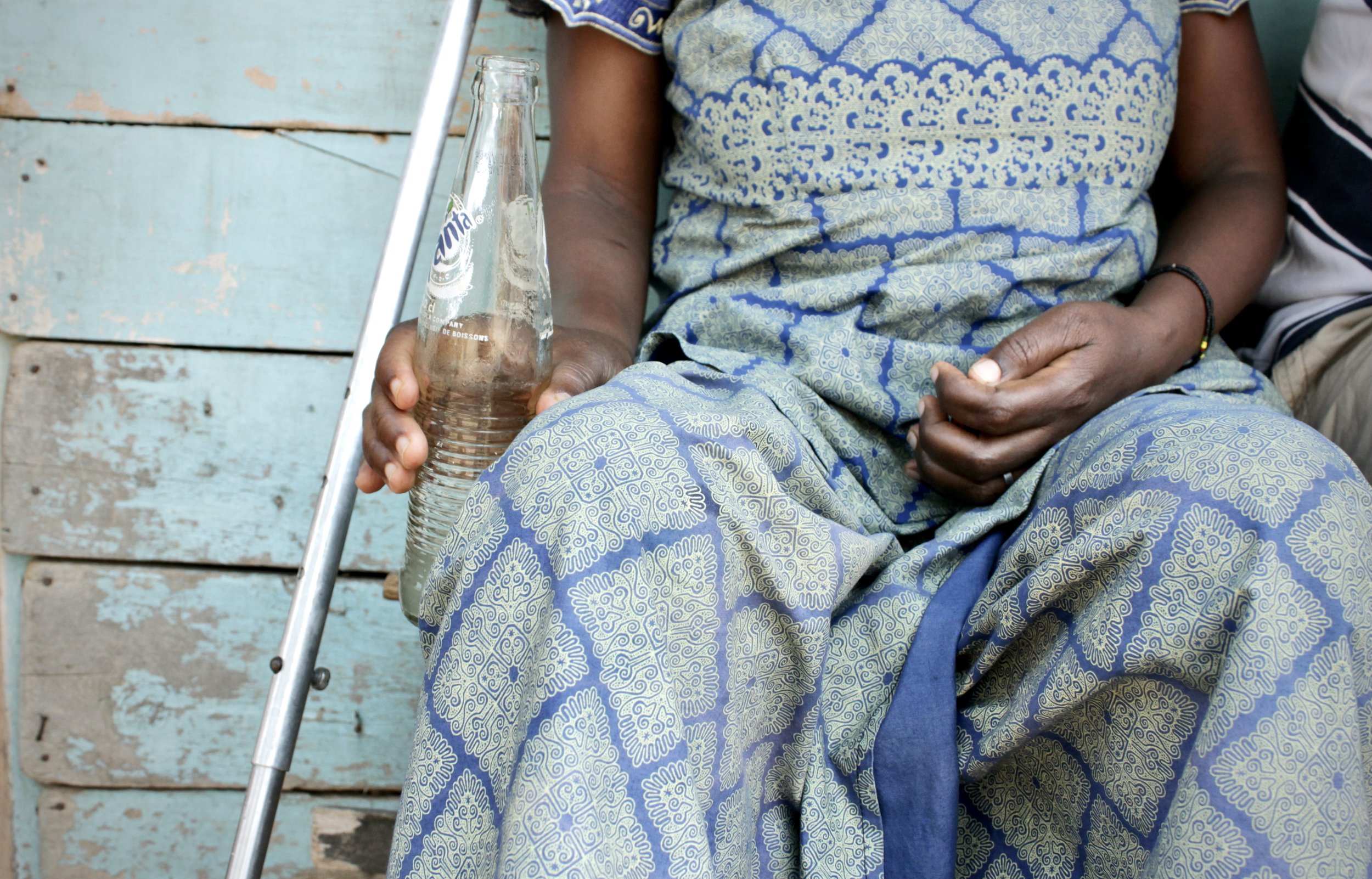
I.N. rests outside a safe location in Bujumbura. After being shot in the thigh, she spent several days receiving treatment before being discharged on crutches. Months later, she continued to experience difficulty walking.
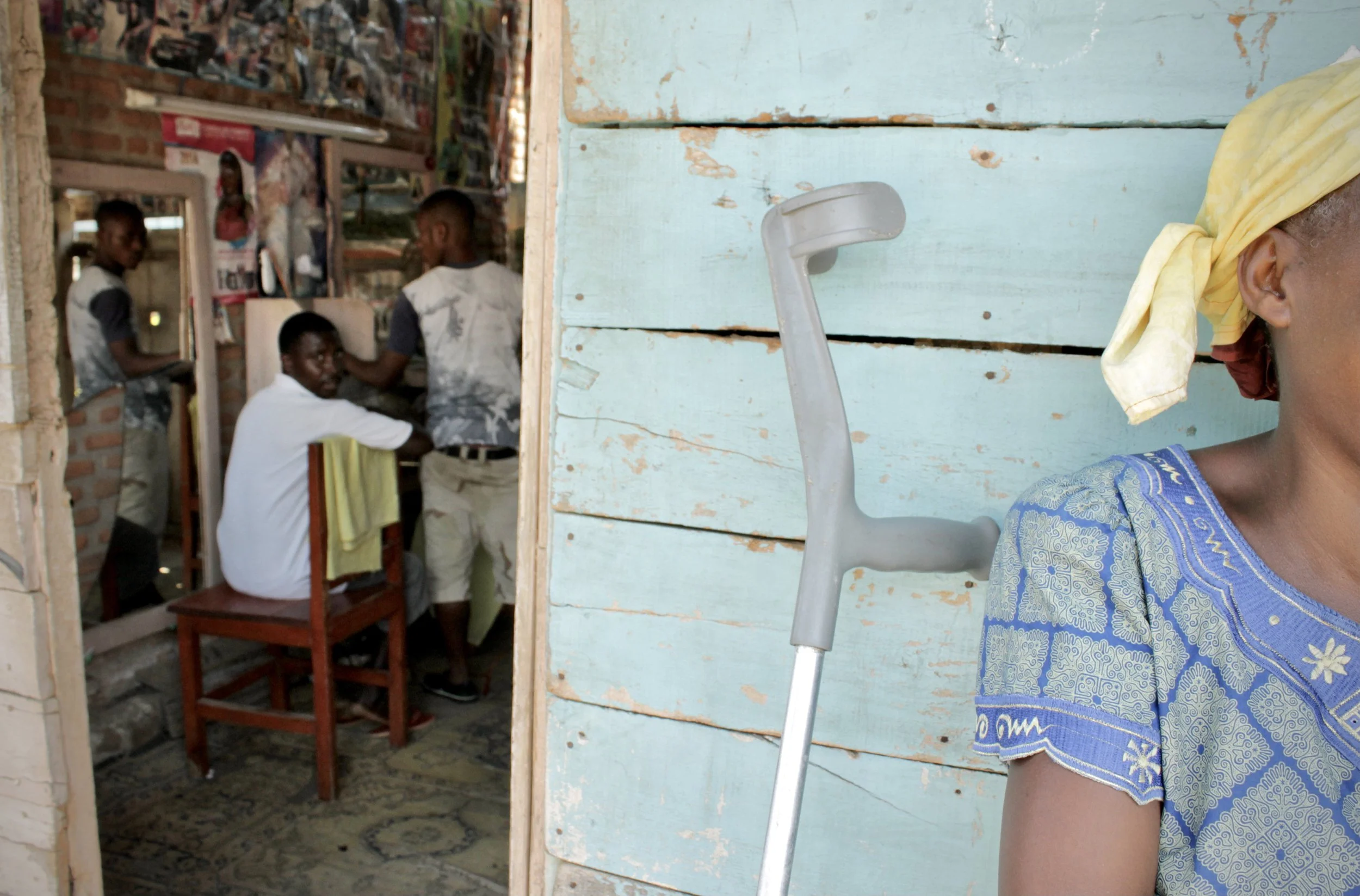
A crutch leans beside I.N. outside a safe location where she was living following the shooting. Friends and relatives helped shelter her family after she fled her home in Mutakura.
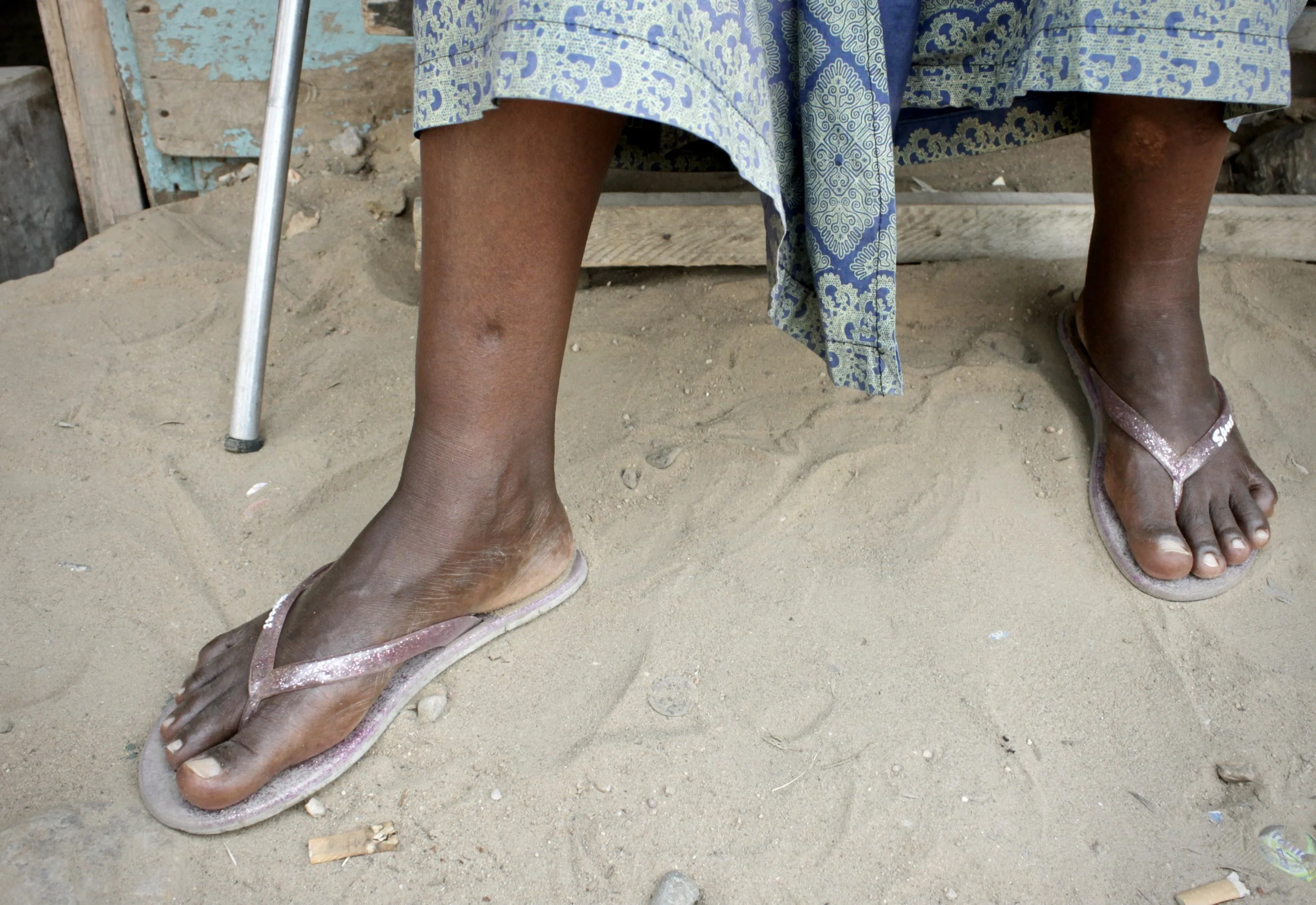
A scar remains visible on the leg of I.N., a 51-year-old mother of five who said police shot her during a search of her home in Mutakura. Officers allegedly accused her of hiding weapons beneath a sheet covering her two-week-old grandchild. The bullet passed through her thigh and she continued to rely on crutches months later.
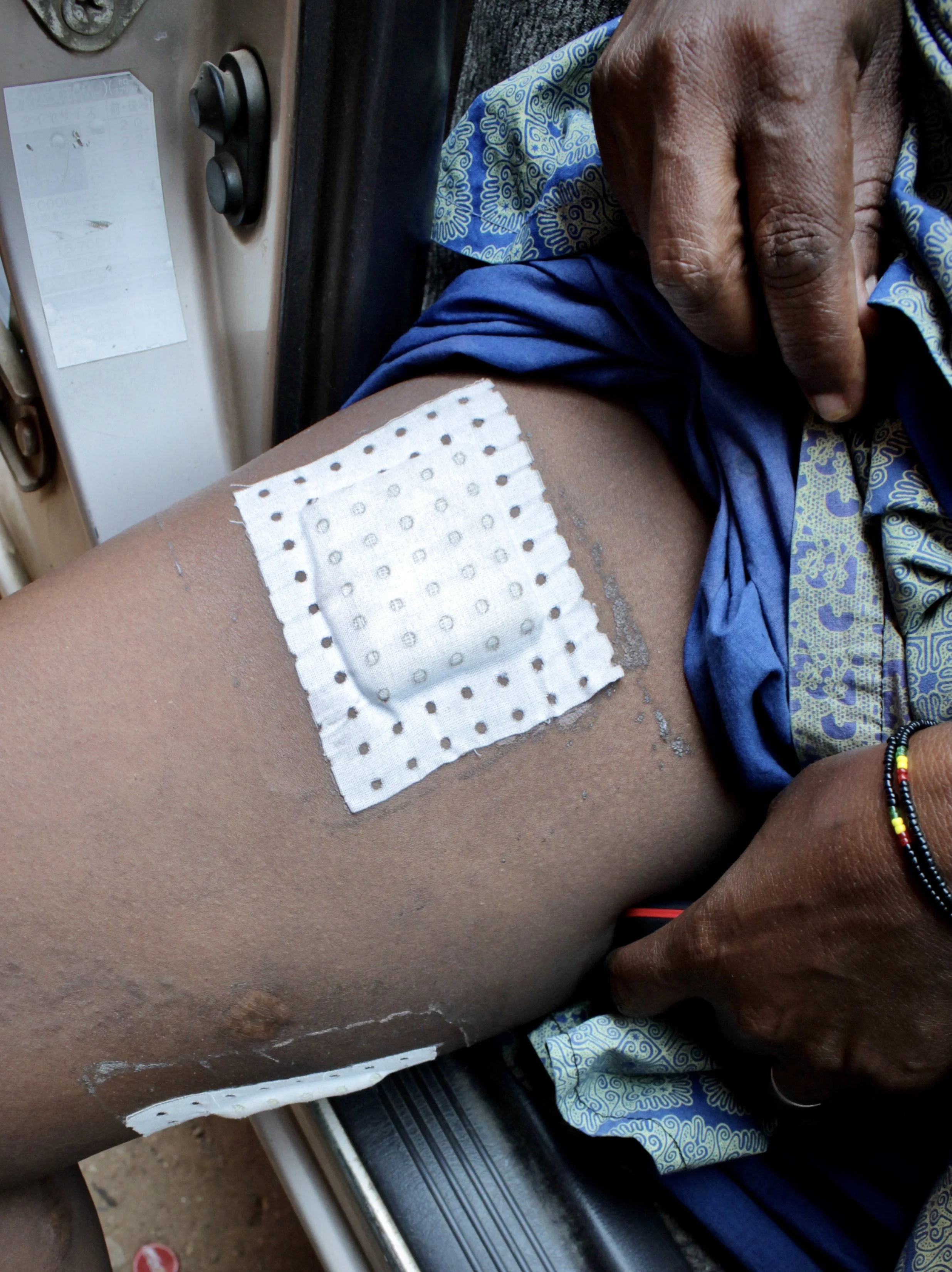
I.N. reveals dressings covering wounds on her thigh sustained during a police operation in Mutakura, Bujumbura. Before the shooting, she recalled telling officers: "I had no arms in the house, that my husband had died 11 years ago, and that if he found any man or arms in the house, he could go ahead and kill me." Moments later, she said, an officer shot her in the leg.
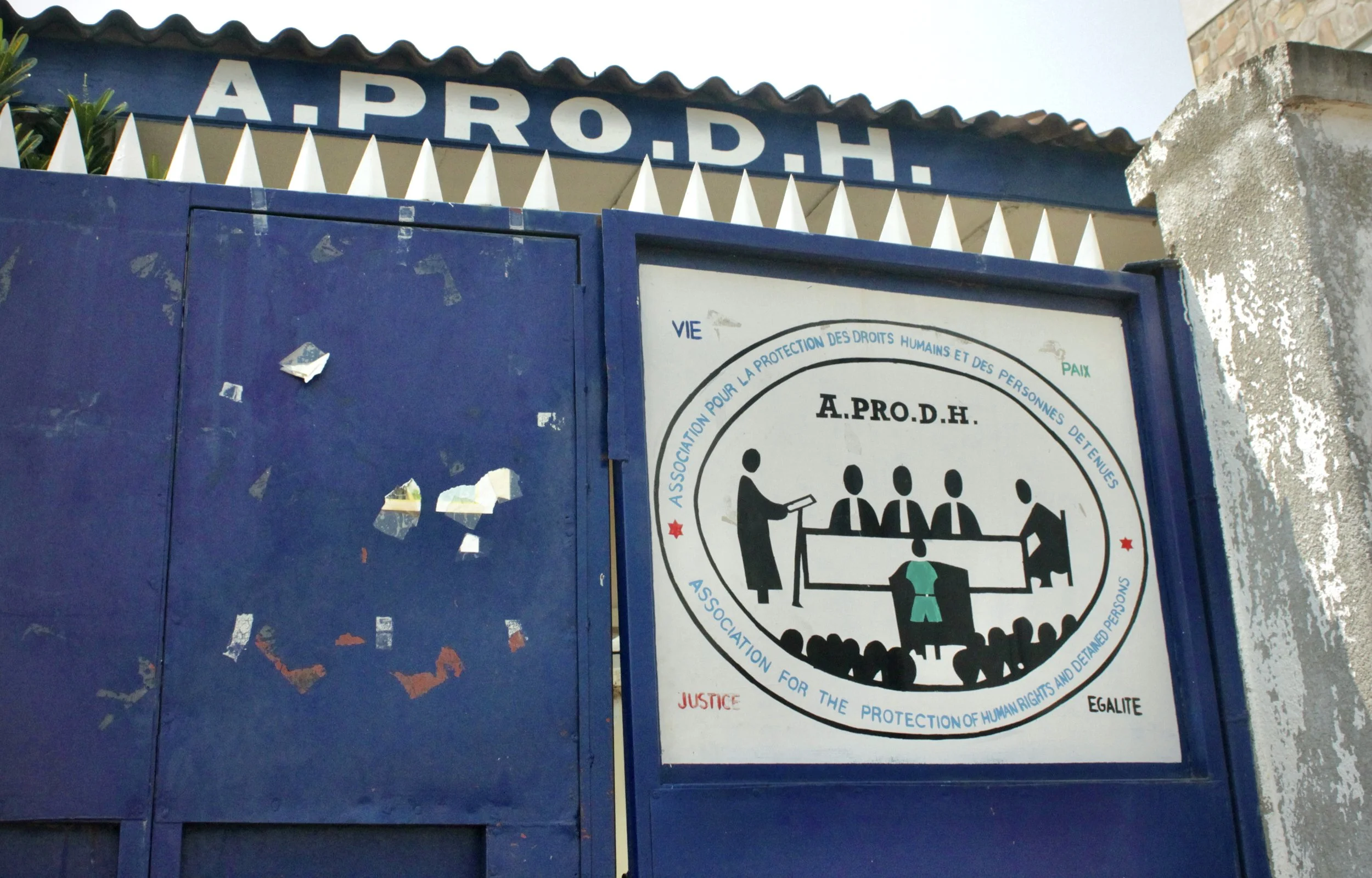
The entrance to APRODH (Association pour la Protection des Droits Humains et des Personnes Détenues) in Bujumbura. The organisation documented allegations of torture, unlawful detention and political violence during the 2015 crisis.
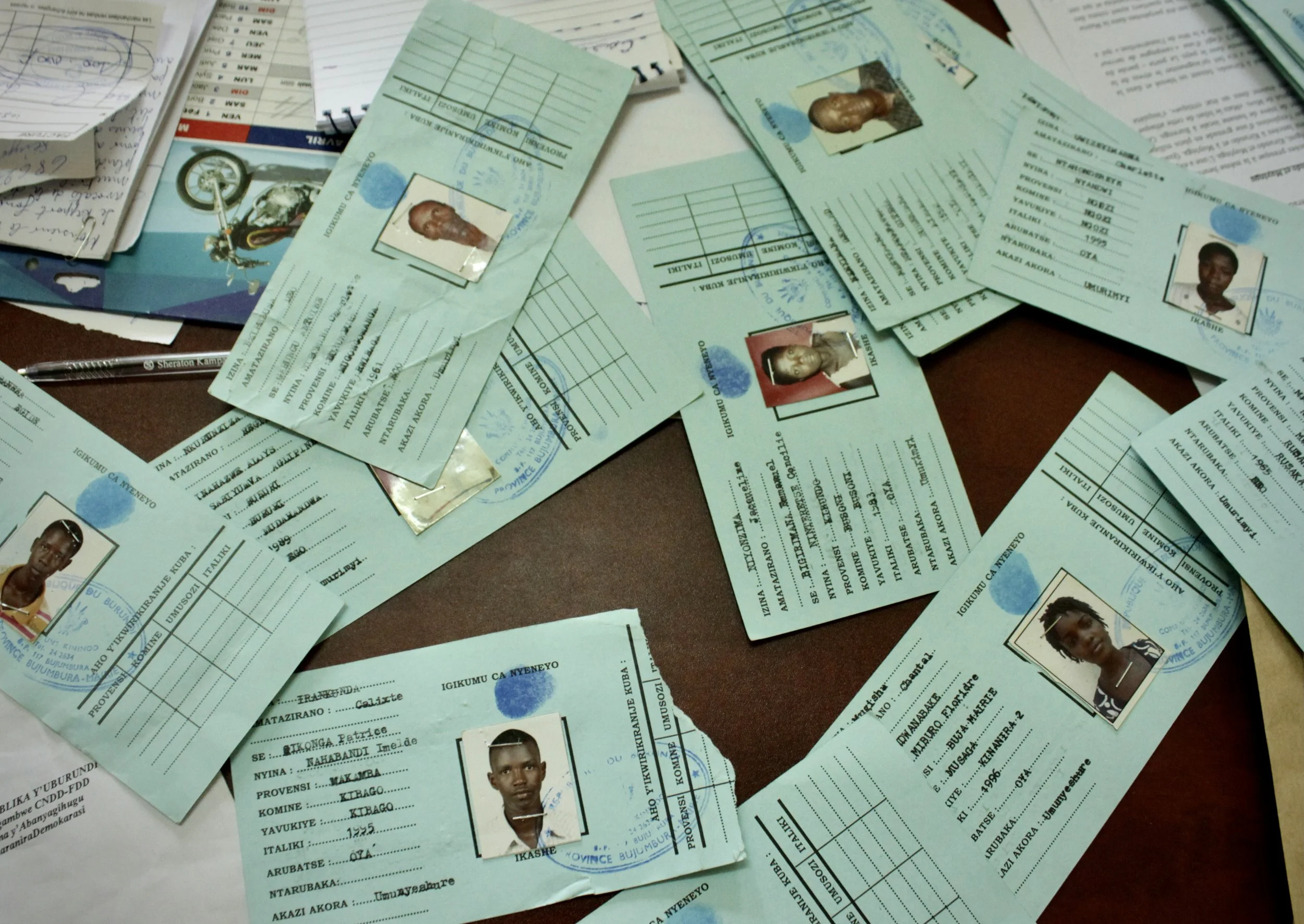
Identity documents and case records gathered by APRODH during investigations into alleged human rights abuses in Burundi, July 2015.
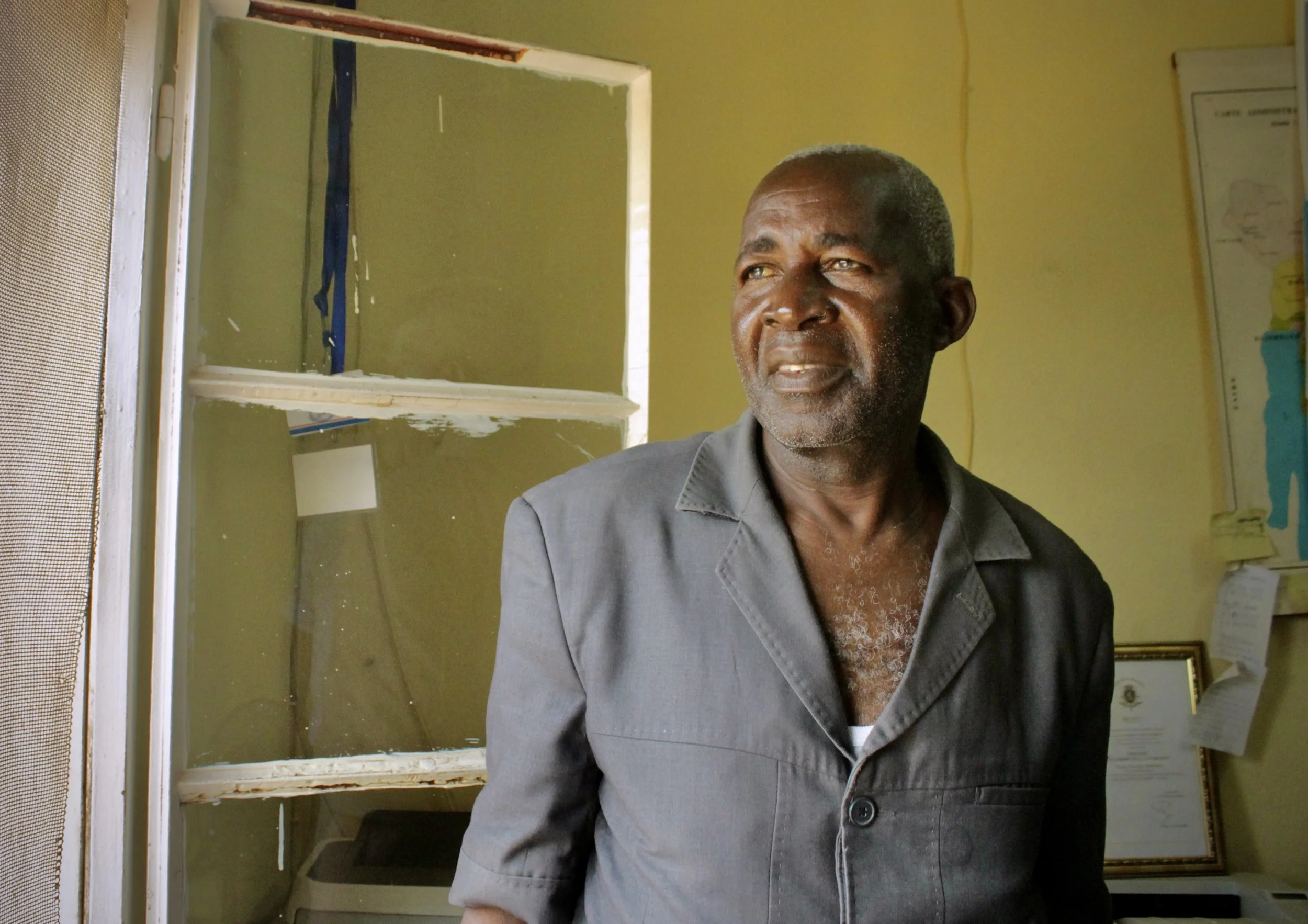
Pierre-Claver Mbonimpa, founder and president of APRODH, at the organisation's offices in Bujumbura, Burundi, July 2015. One of Burundi's most prominent human rights defenders, Mbonimpa spent years documenting torture, unlawful detention and political violence. Less than a month after this portrait was made, he survived an assassination attempt that left him critically injured. His son-in-law and son were later killed during the unrest, underscoring the personal cost of challenging abuses during Burundi's 2015 crisis.