In 2018, Dalila Abdo Ahmed stepped into a landmine on her wedding day while travelling to her husband’s family home near the frontline outside Taiz, Yemen. The explosion amputated both of her legs below the knee and permanently altered the course of her life.
While recovering in intensive care, Dalila’s husband divorced her and sought the return of the customary bride price, or mahr, from her family. In Yemen, women living with disabilities often face deep social stigma, isolation and discrimination, particularly after conflict-related injuries. Dalila’s mother, Qoboul Ahmed Al-Hajj, refused to abandon her daughter despite repeated pressure and tragedy within the family, which has lost multiple relatives to landmines and the war.
Photographed over multiple visits, this series documents the intimate reality of Dalila’s daily life in displacement in Taiz city. As trust developed over time, she opened her home, shared memories stored on her phone from before the explosion, and introduced the family life that continues around her. The photographs move between moments of vulnerability and ordinary tenderness: caring for children, conversations with her mother, navigating her home without prosthetic legs, applying makeup, painting her nails and maintaining routines that affirm dignity and identity.
The work challenges the idea that violence or disability diminish womanhood. Despite trauma, social stigma, displacement and limited access to adequate prosthetics, Dalila remains emotionally and physically resilient - continuing to support her ageing parents financially while rebuilding a life shaped by loss, but also by endurance, care and self-worth.
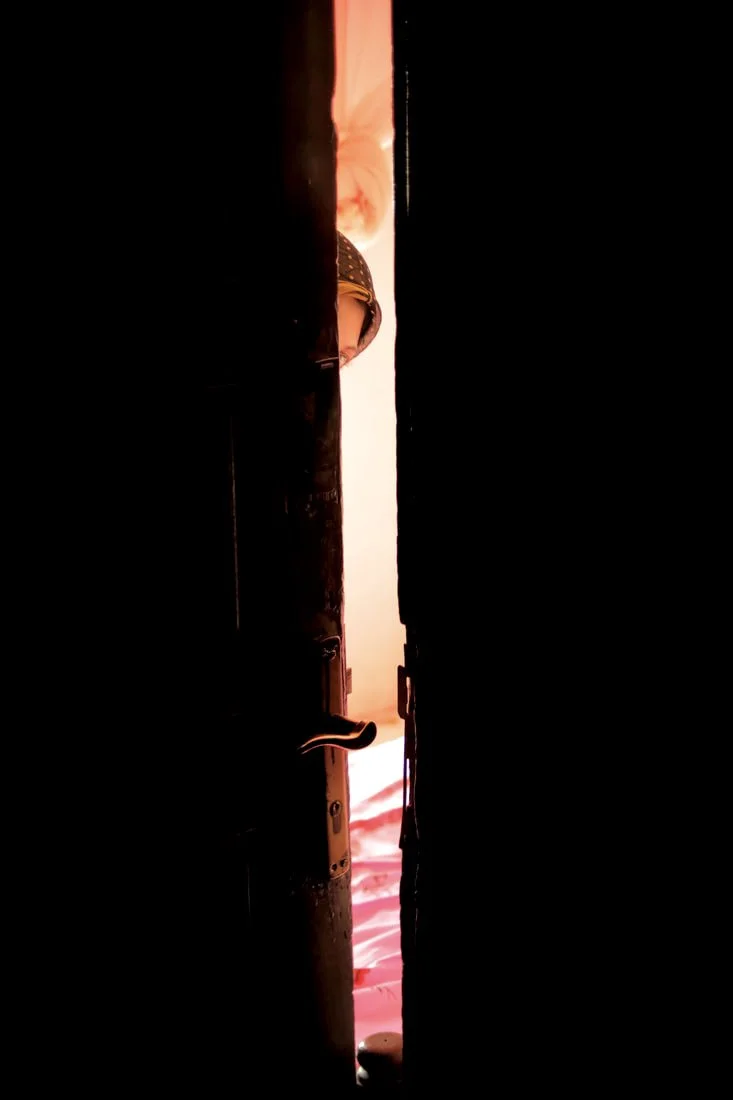
Dalila Abdo Ahmed peers through the doorway of her family’s apartment in Taiz, Yemen. In 2018, Dalila lost both legs below the knee after stepping on a landmine on the morning of her wedding while trying to reach her husband’s family home near the frontline outside the city.
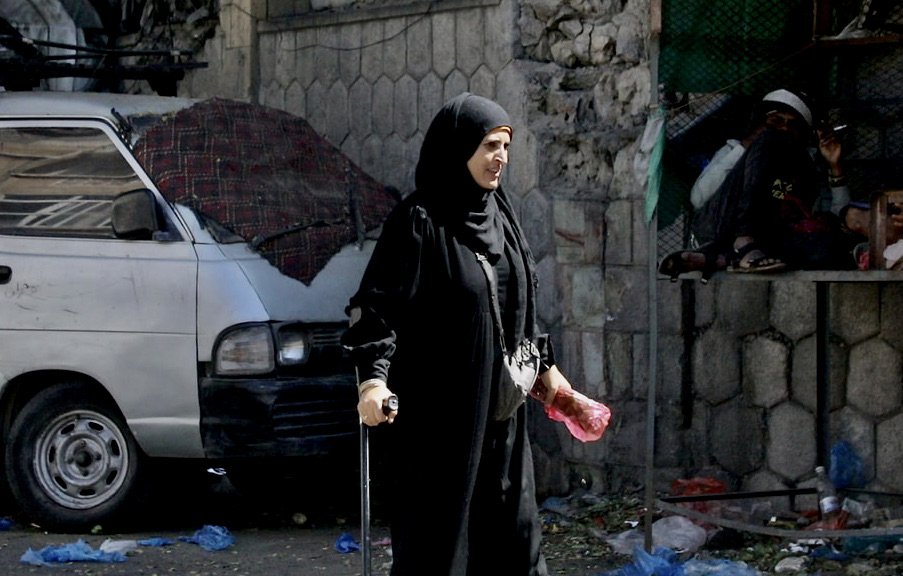
Dalila Abdo Ahmed walks through a street in Taiz city using a cane. After surviving the blast, Dalila struggled to find prosthetic limbs that allowed her to move comfortably in a country where much of the healthcare system has been damaged by years of war.
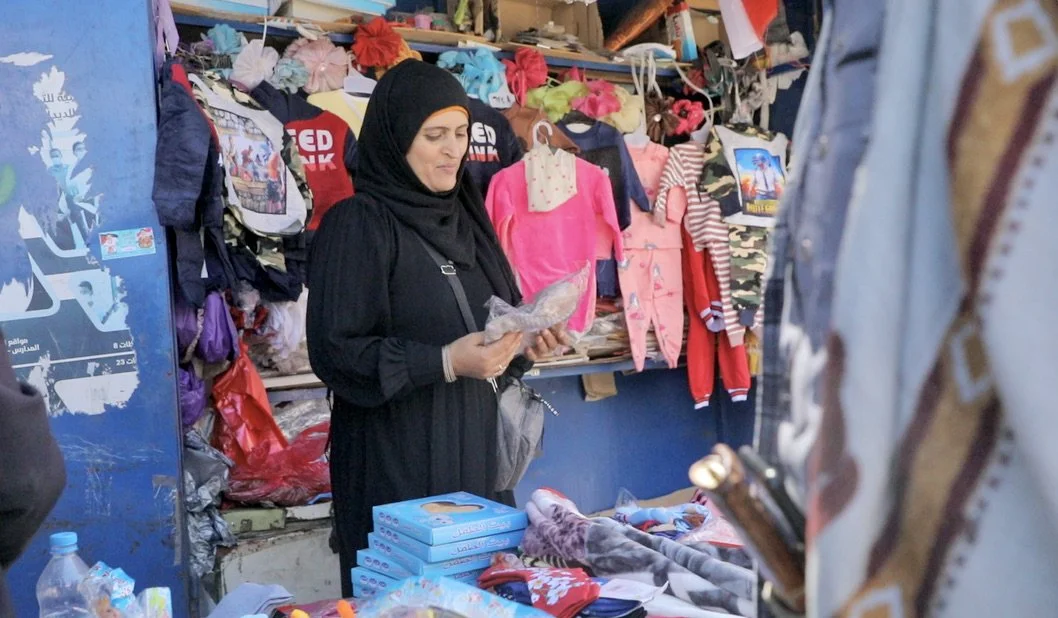
Dalila Abdo Ahmed stands at her clothing stall in Taiz, Yemen. After losing both legs in a landmine explosion on her wedding day in 2018, Dalila gradually rebuilt her life and now earns her own income through the small business, using the money to support herself and help her ageing parents financially.
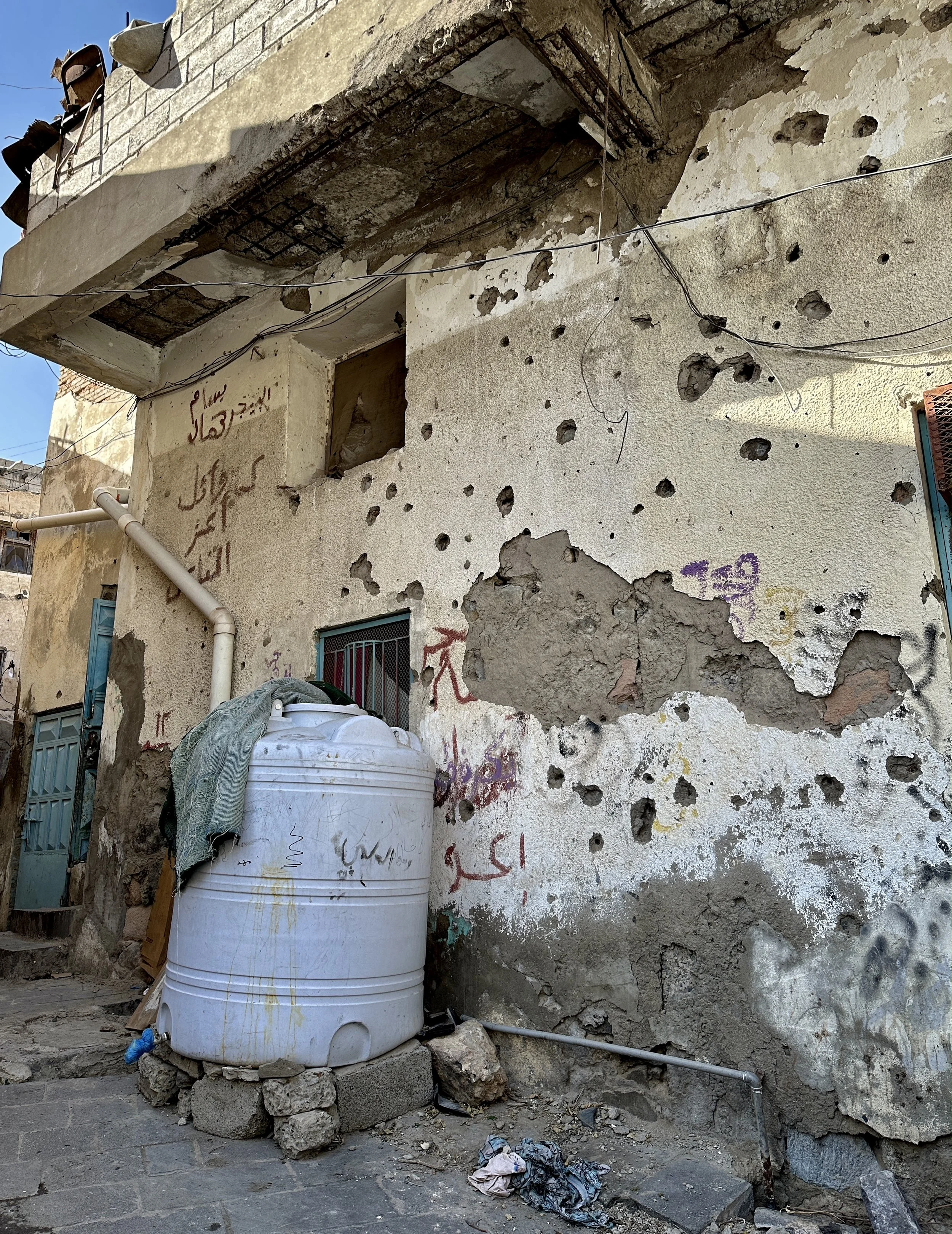
The facade of the apartment building where Dalila Abdo Ahmed lives bears scars from years of conflict in Taiz, Yemen. Dalila’s family were displaced from their land near the frontline after fighting reached the area.
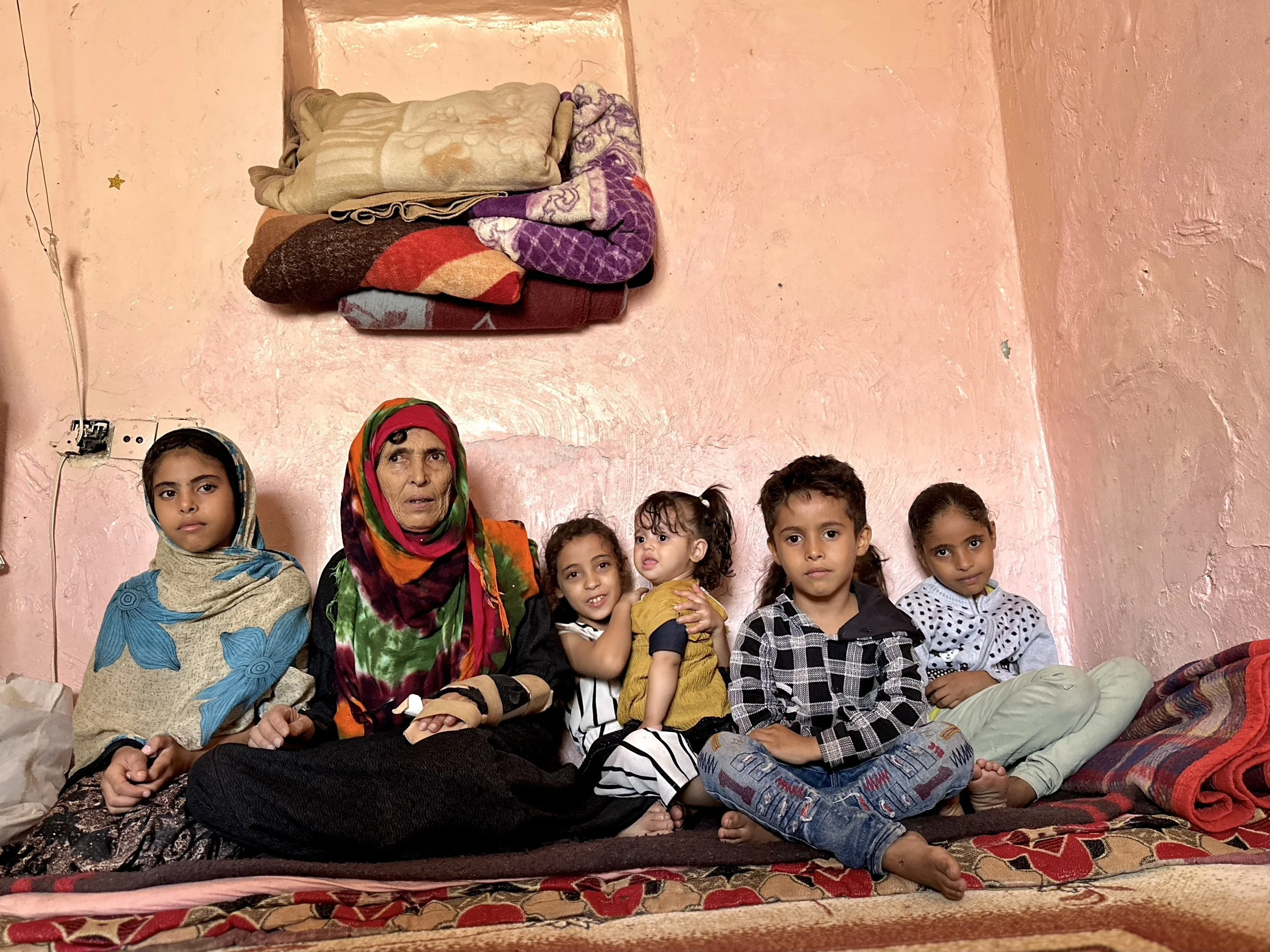
Dalila's mother Qoboul Ahmed Al-Hajj, 70, sits with her grandchildren inside Dalila's apartment in Taiz. Three relatives in the extended family live with disabilities caused by landmine explosions, while Dalila says the family also lost four uncles and five cousins during the conflict.
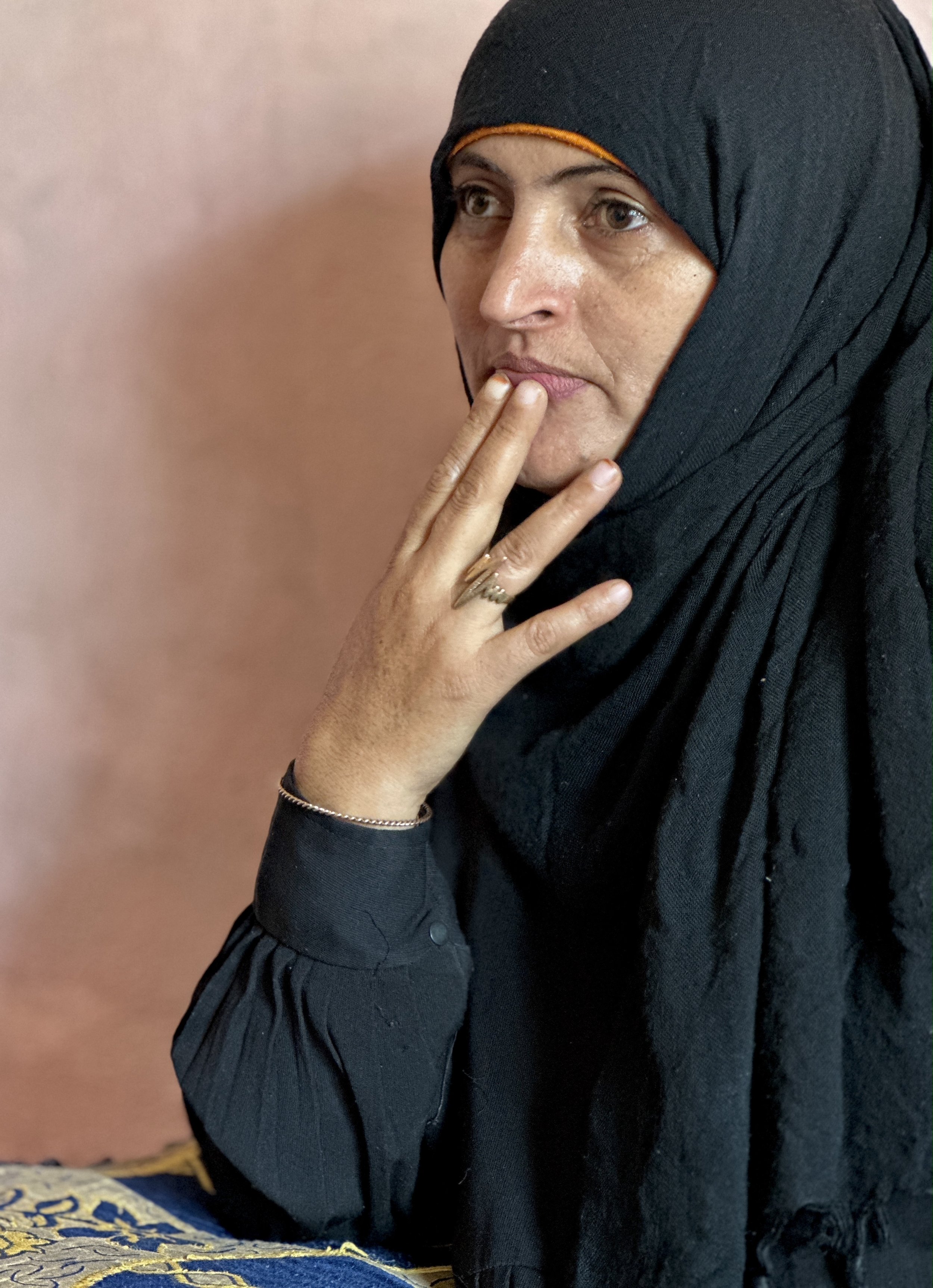
Dalila Abdo Ahmed inside her room in Taiz. While she was recovering in intensive care after the landmine blast, her husband divorced her and sought the return of the customary bride price, or mahr, from her family.
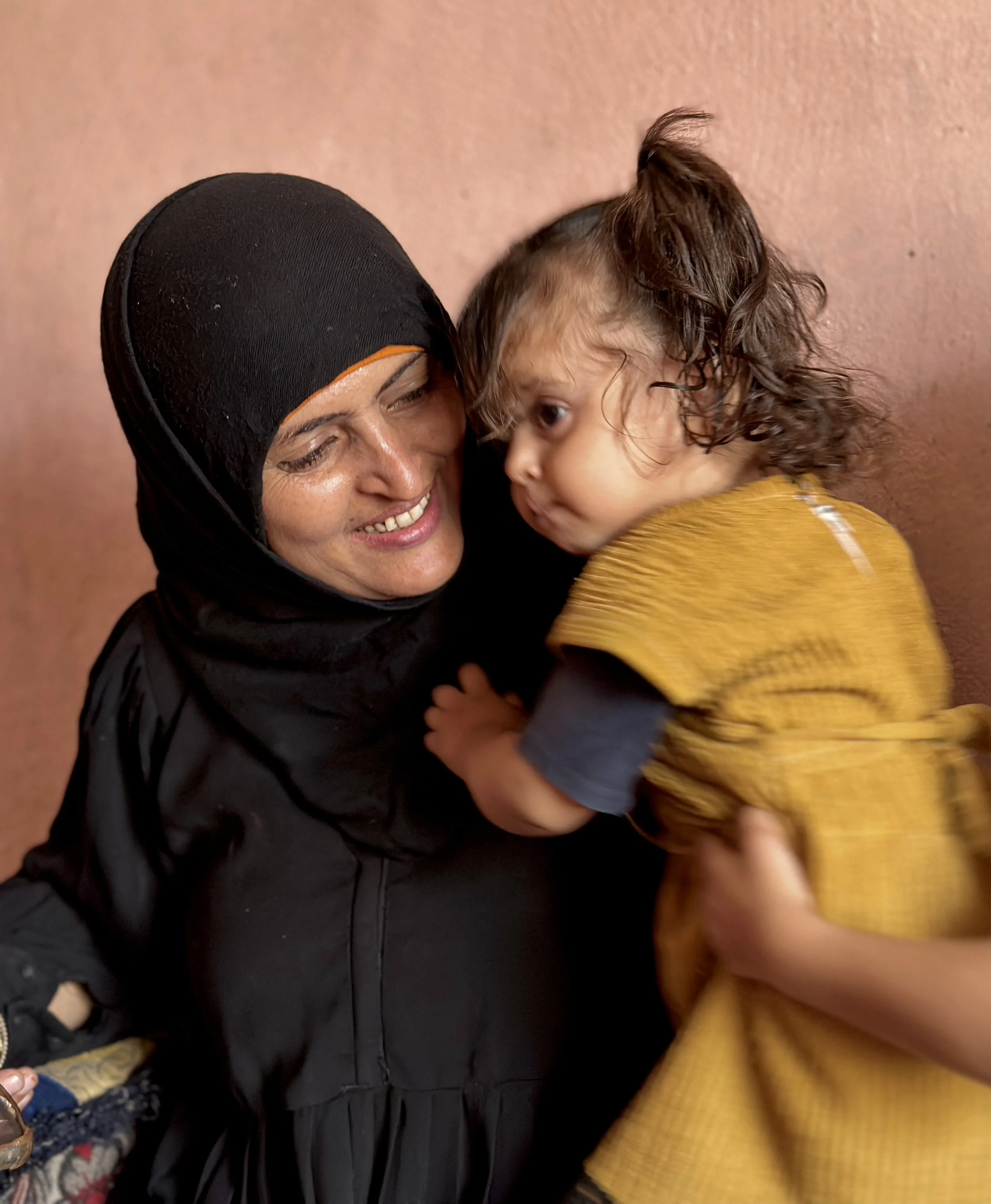
Dalila Abdo Ahmed holds a young relative inside her family home in Taiz. In Yemen, women living with disabilities often face stigma and social isolation after conflict-related injuries. Dalila says she has accepted life outside marriage and instead pours her affection into her nephews, nieces and cousins.
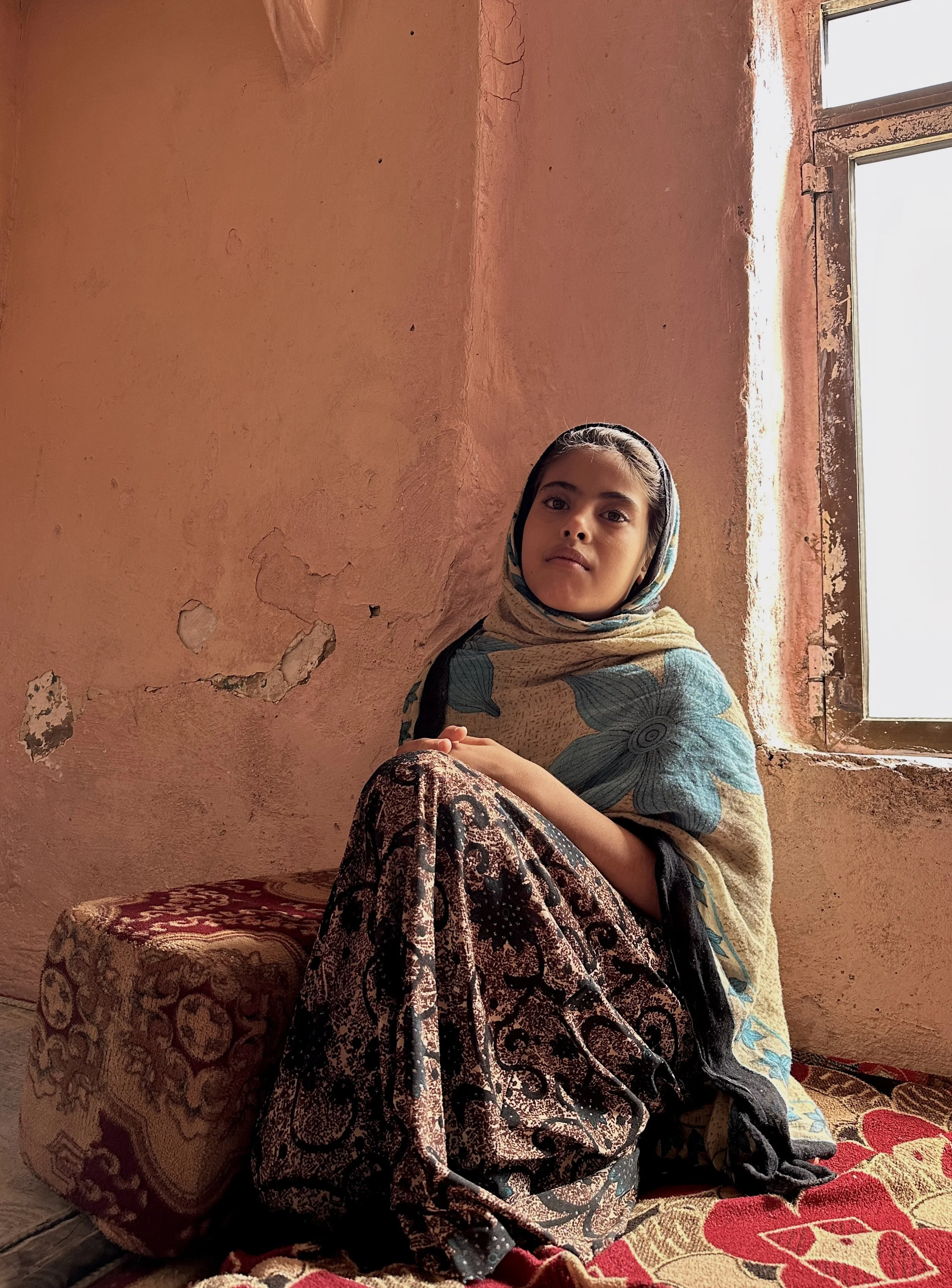
A young relative of Dalila Abdo Ahmed sits near a window inside the family apartment in Taiz. Despite repeated tragedy and displacement, Dalila’s family remains closely connected and supportive.
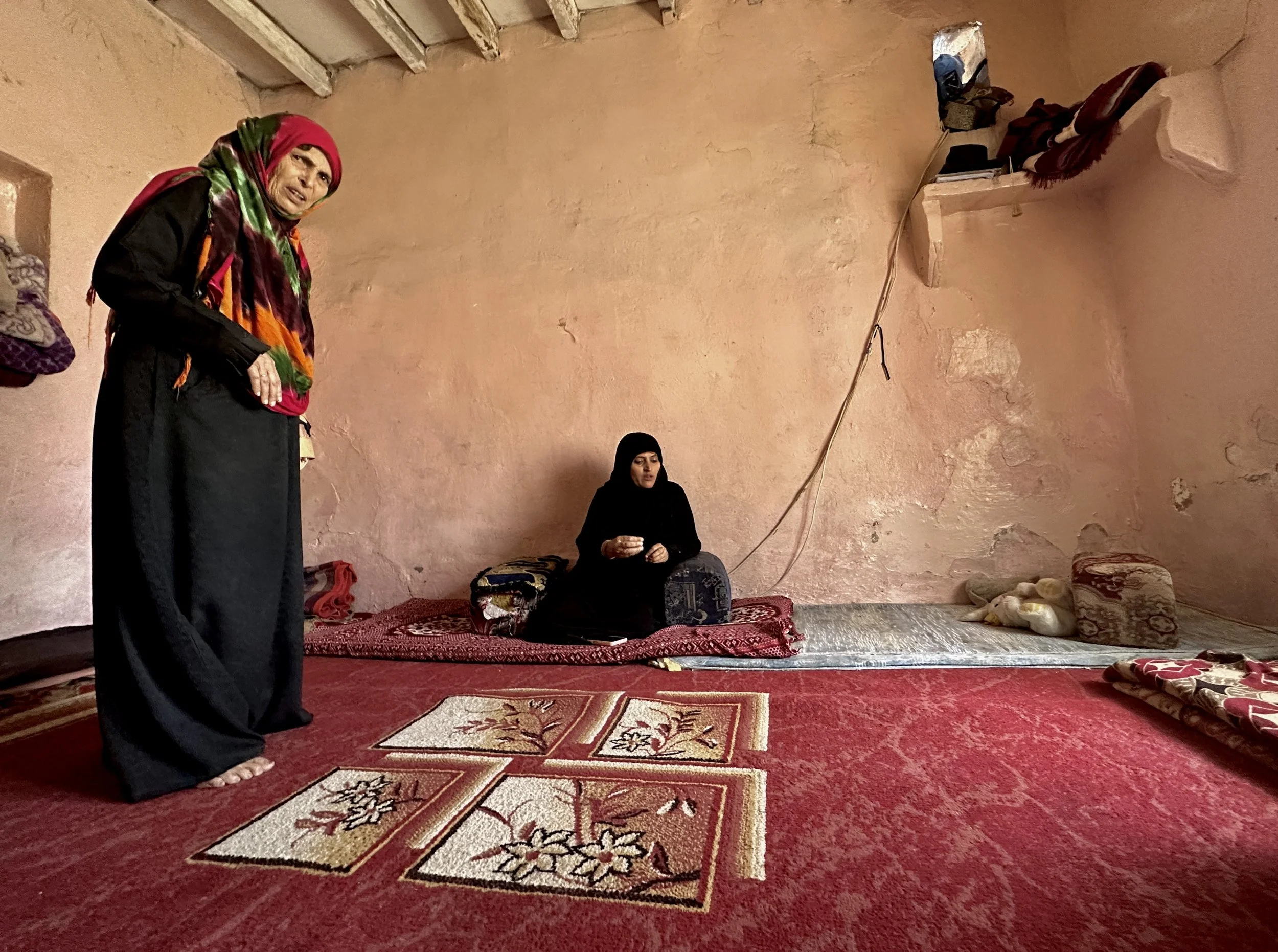
Qoboul Ahmed Al-Hajj, 70, stands beside her daughter Dalila Abdo Ahmed inside her apartment in Taiz. Qoboul travelled from the Al-Shakhab area of Saber Al-Mawadim District to visit her daughter and refused to abandon her despite the stigma often faced by women disabled by war injuries in Yemen.
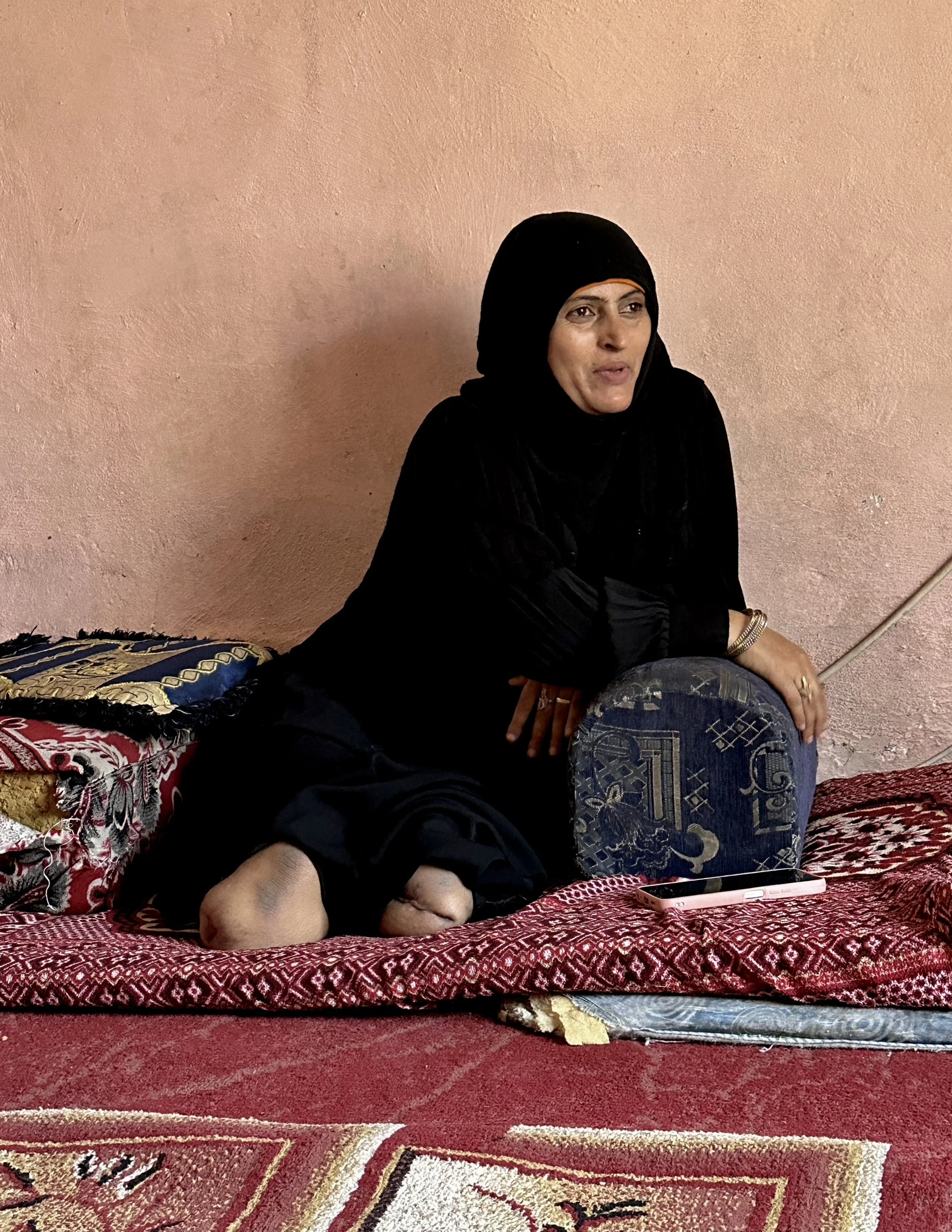
Qoboul Ahmed Al-Hajj, 70, stands beside her daughter Dalila Abdo Ahmed inside their apartment in Taiz. Qoboul travelled from the Al-Shakhab area of Saber Al-Mawadim District to support her daughter and refused to abandon her despite the stigma often faced by women disabled by war injuries in Yemen.
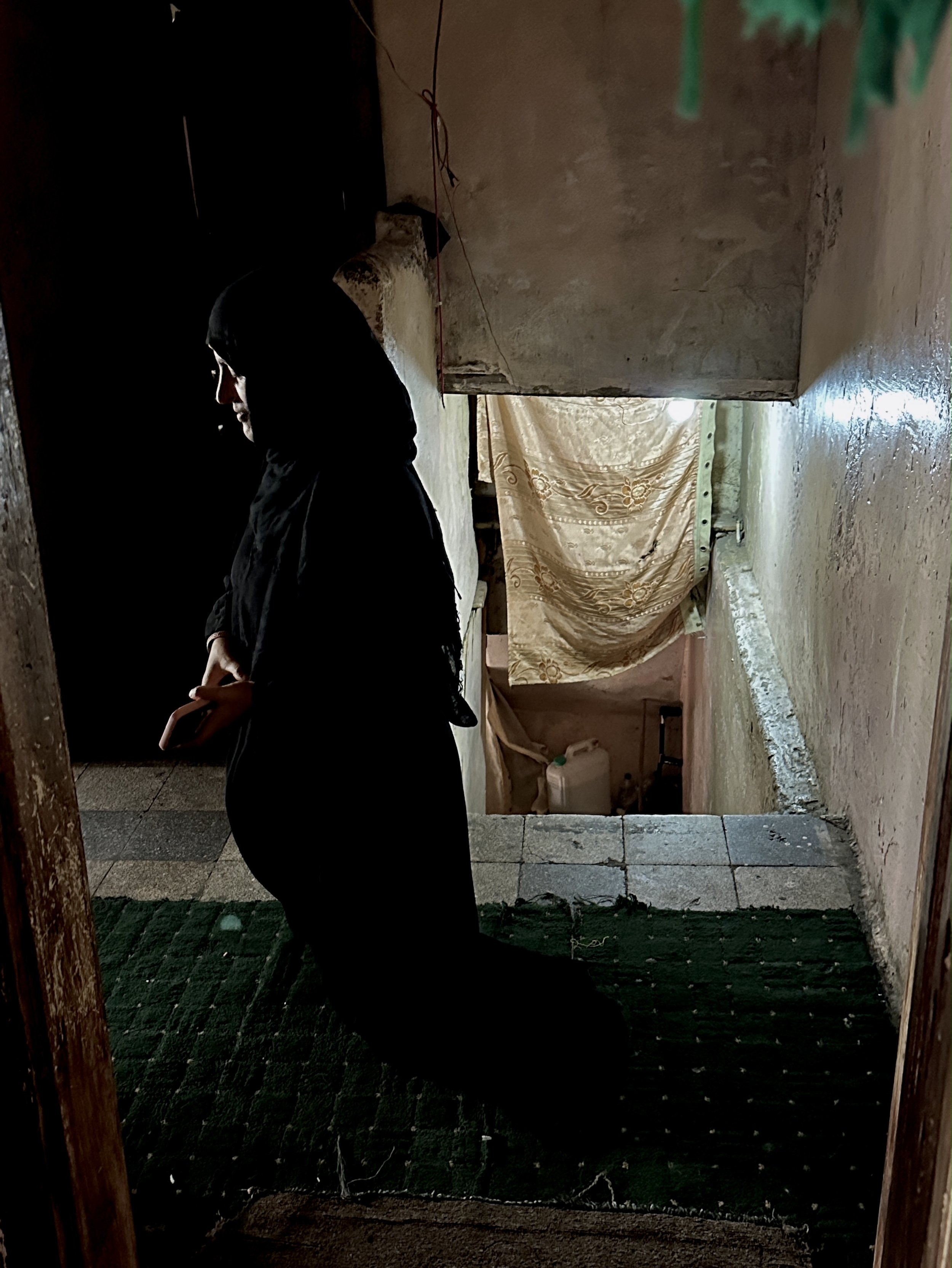
Dalila Abdo Ahmed moves across the upper floor of her small apartment without her prosthetic legs. Despite chronic pain and the difficulty of navigating steep stairs inside the building, Dalila insists on maintaining her independence.
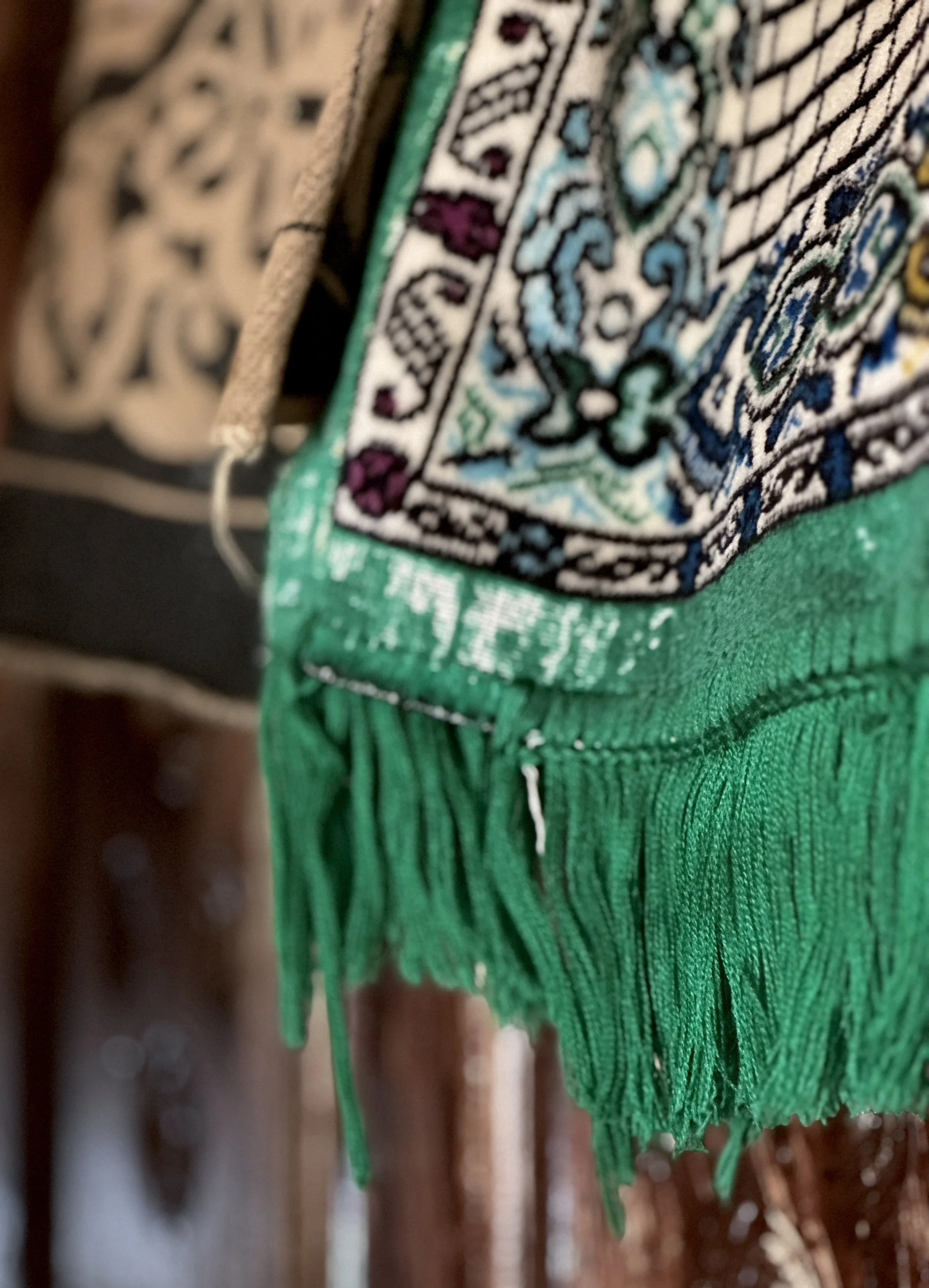
A textile hangs inside the apartment of Dalila Abdo Ahmed in Taiz, Yemen, where she lives after being displaced by the conflict.
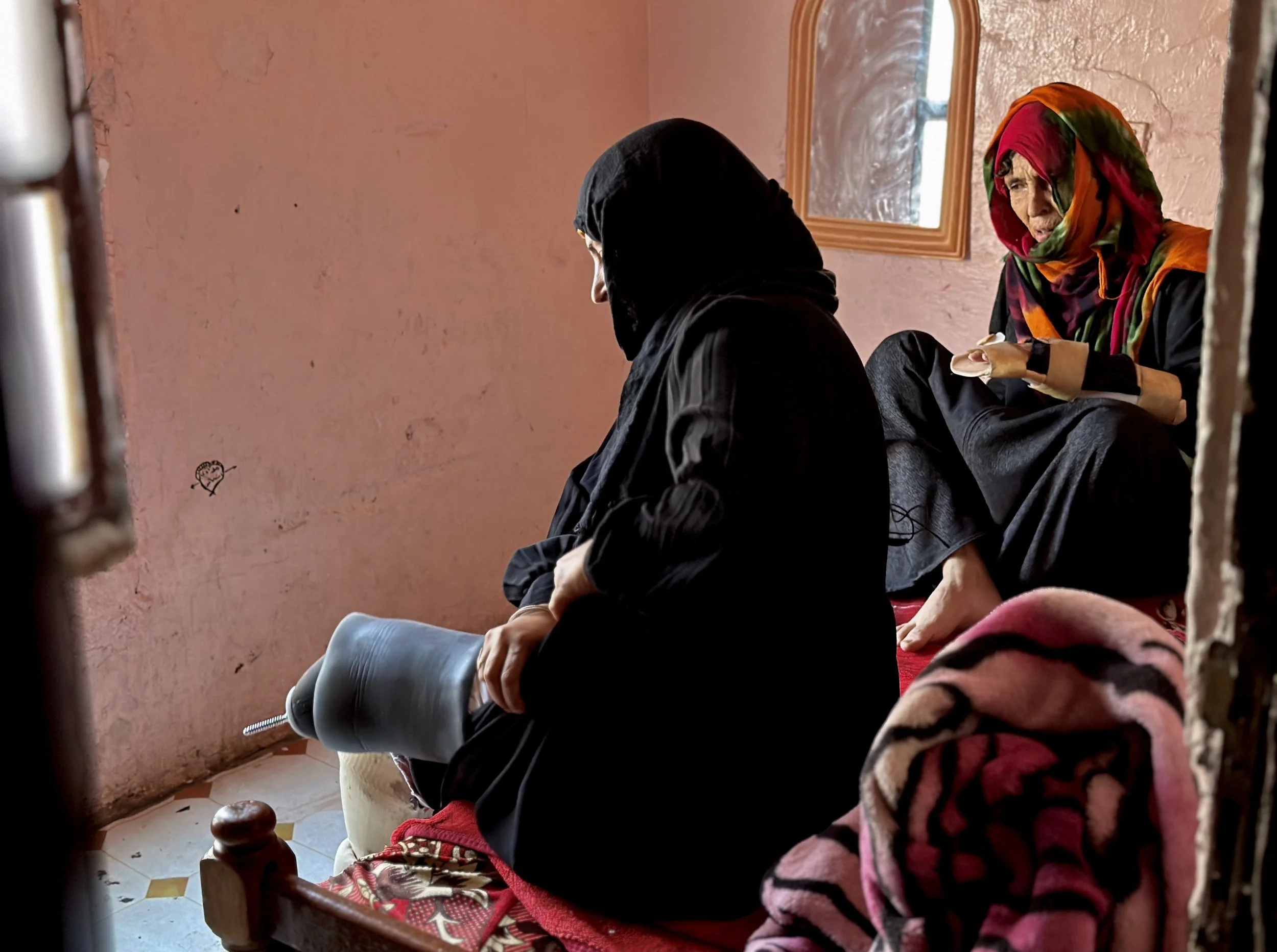
Qoboul Ahmed Al-Hajj watches as her daughter Dalila Abdo Ahmed fits one of her prosthetic limbs inside their apartment in Taiz. Despite repeated losses during the war, Qoboul says she still hopes for a better future for her family.
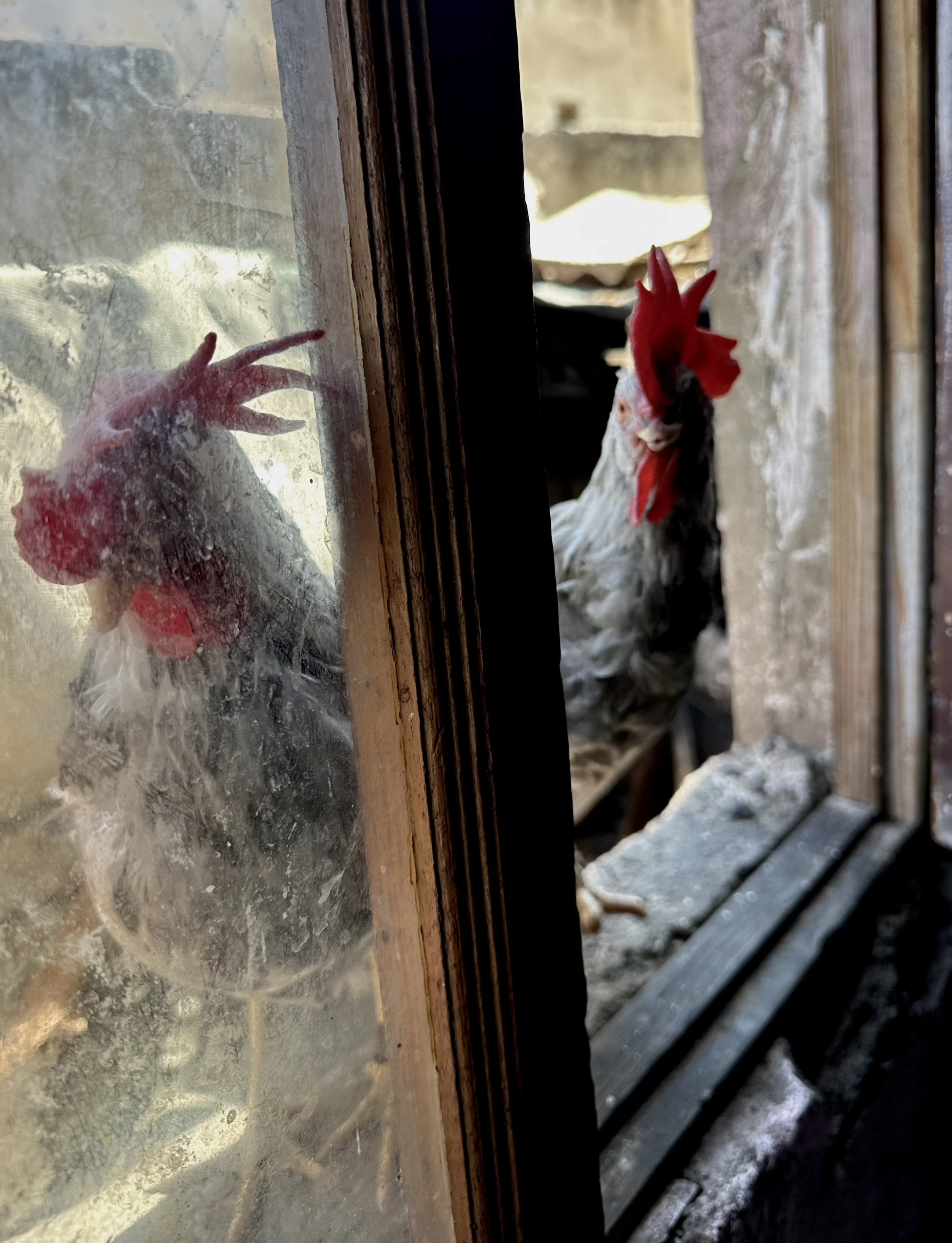
A chicken peers through a window inside the apartment building where Dalila Abdo Ahmed lives with her family in Taiz. Dalila rebuilt her life gradually after the explosion and now contributes financially to support her parents.
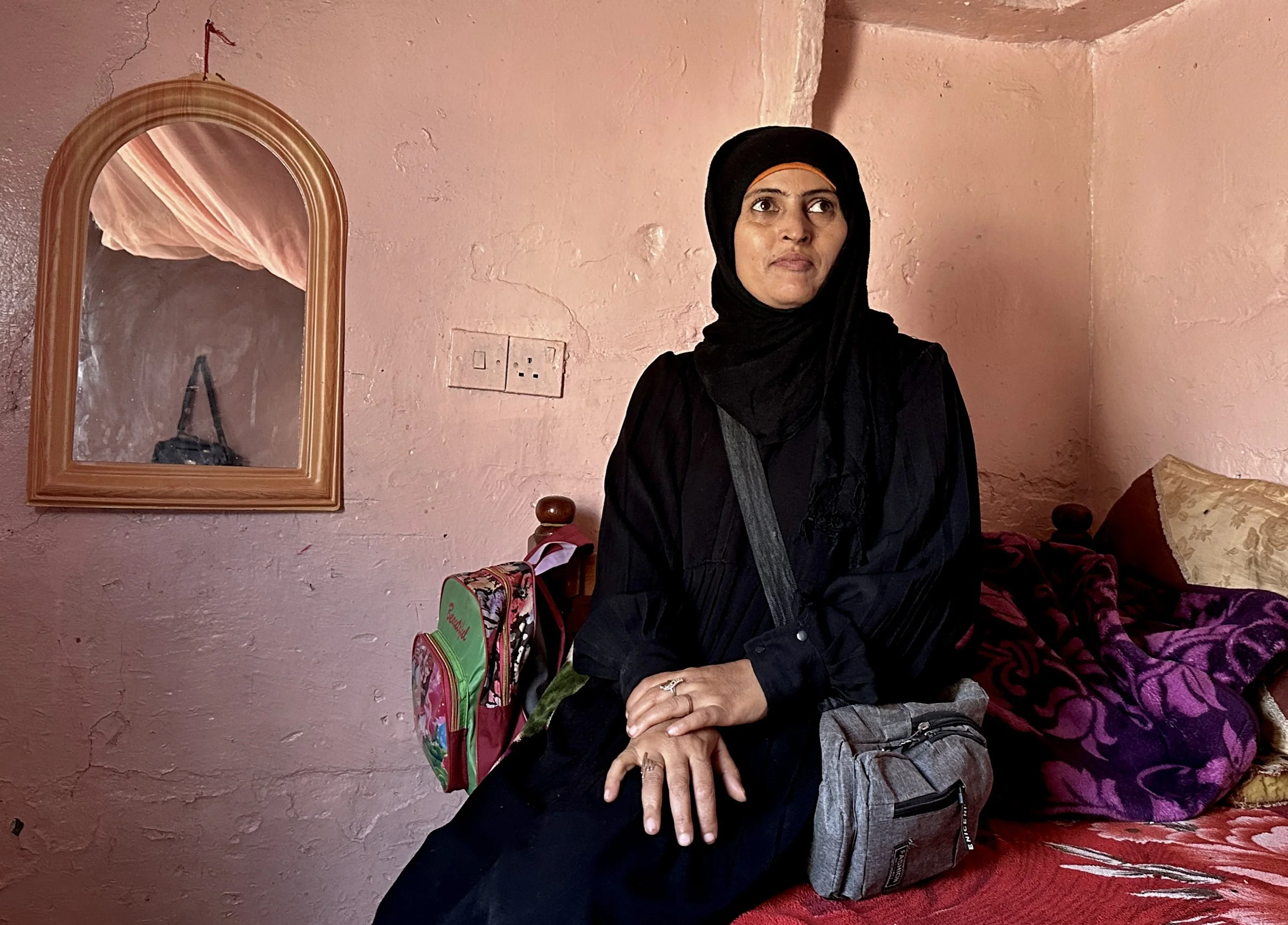
Dalila Abdo Ahmed inside her room in Taiz. Injured on her wedding day in 2018, she was taken to a hospital unequipped to treat severe blast trauma — a reality that has become increasingly common during Yemen’s war.
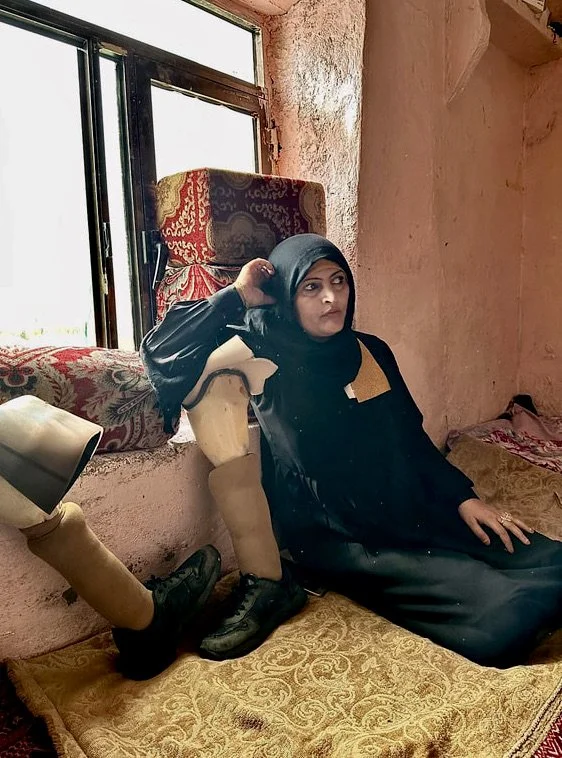
Dalila Abdo Ahmed sits beside her prosthetic limbs inside her room in Taiz. Five other people were killed or injured by the same minefield that wounded her near the family’s former home outside the city.
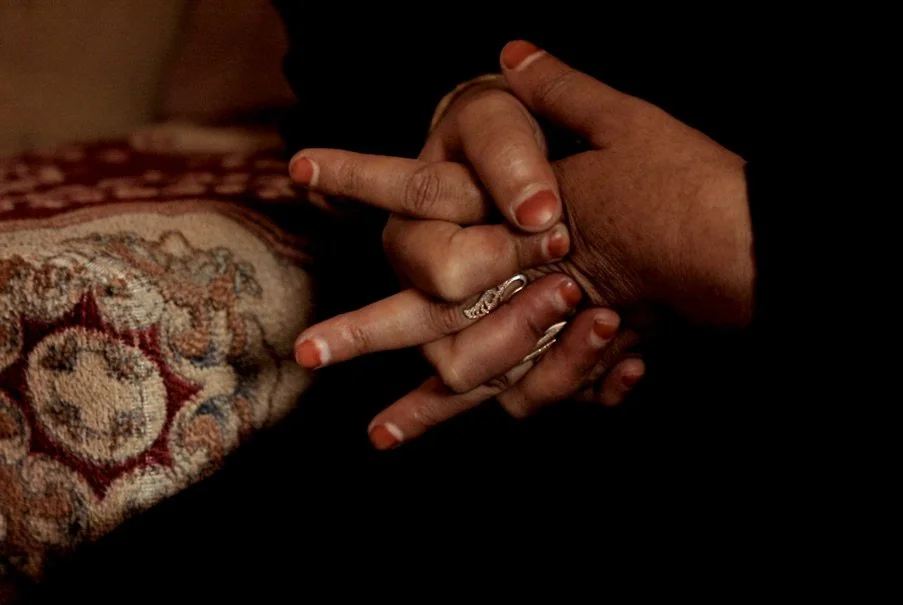
Dalila Abdo Ahmed clasps her hands inside her family’s apartment in Taiz. The young woman said she has told her story several times, but it doesn’t seem to bring any help.
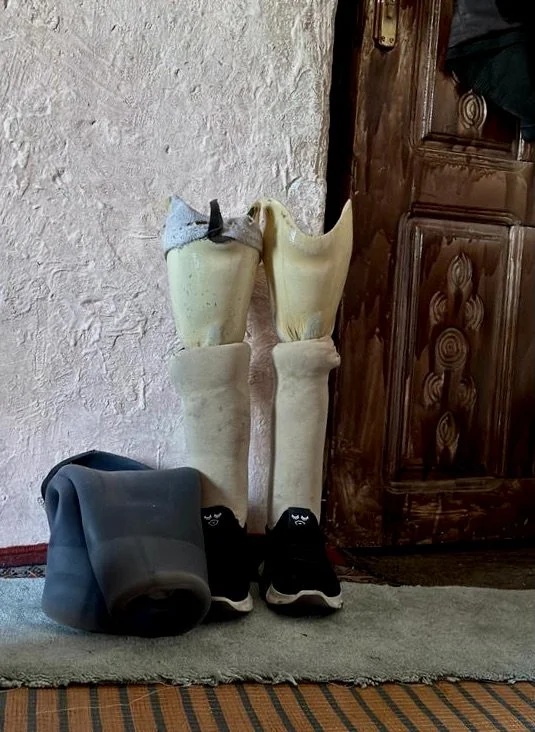
The prosthetic limbs of Dalila Abdo Ahmed stand inside her apartment in Taiz, Yemen. Despite trauma, displacement and the stigma attached to women disabled by war injuries, Dalila continues to rebuild her life with determination and independence.