Photographed along Yemen’s Red Sea coast in late 2023 and early 2024, as tensions escalated across the Bab al-Mandab Strait and the wider Red Sea, this series documents fishing communities already living with the long aftermath of war. While international attention focused on Houthi attacks on commercial shipping and retaliatory US-UK airstrikes, civilians along Yemen’s western coastline described growing fears of renewed conflict, Houthi drones, water-borne improvised explosive devices, and newly laid mines.
Many of the fishermen photographed here continue to work in areas contaminated by landmines, sea mines, unexploded ordnance, and IEDs left behind by years of fighting. As catches decline and insecurity deepens, some have turned to catching migratory falcons - prized for falconry in the Gulf - to supplement collapsing incomes from fishing alone.
Photographed during field access with Project Masam demining teams, the series focuses less on explosive devices themselves than on the routines unfolding around them: fishermen launching boats into uncertain waters, deminers marking contaminated ground, men exchanging information about dangerous coastal areas, and communities adapting to a shoreline where war remains embedded in daily movement, labour, and survival.
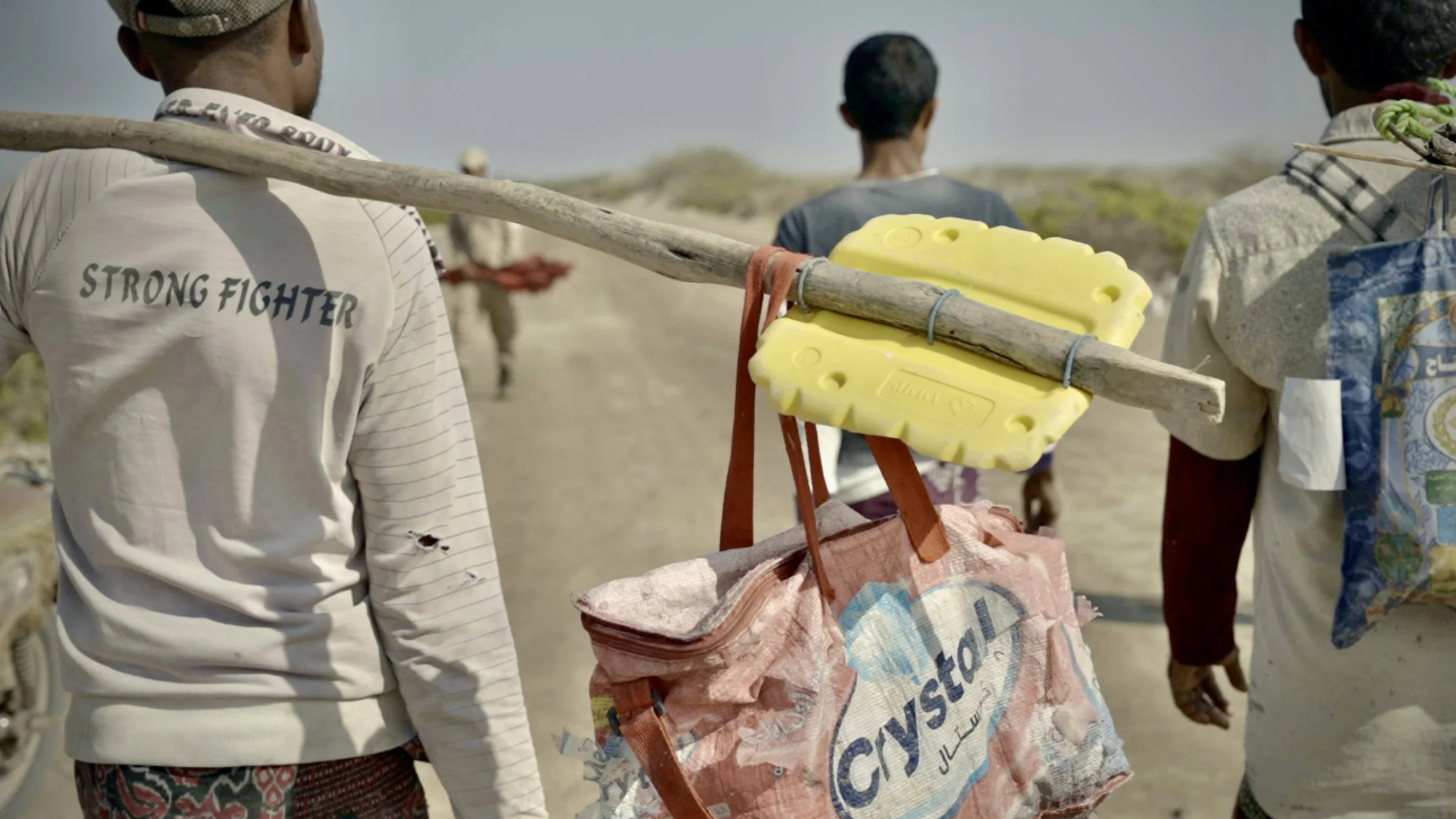
Fishermen walk along Yemen’s Red Sea coast carrying nets and equipment near Al Khokha, where communities already living with landmines and naval mines faced renewed fear during escalating Red Sea tensions and Houthi attacks in 2024.
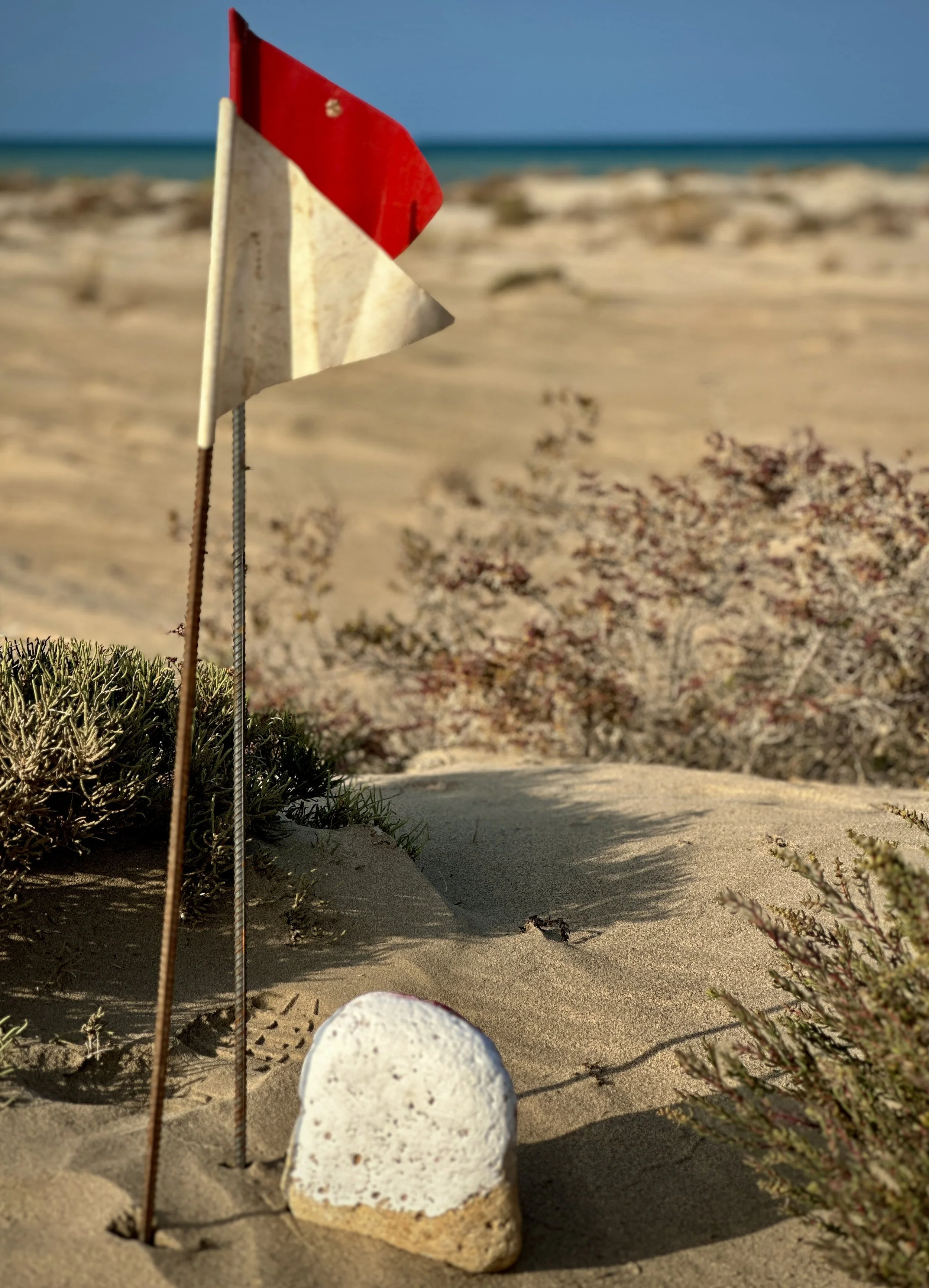
Fishermen walk along Yemen’s Red Sea coast carrying nets and equipment near Al Khokha, where communities already living with landmines and naval mines faced renewed fear during escalating Red Sea tensions and Houthi attacks in 2024.
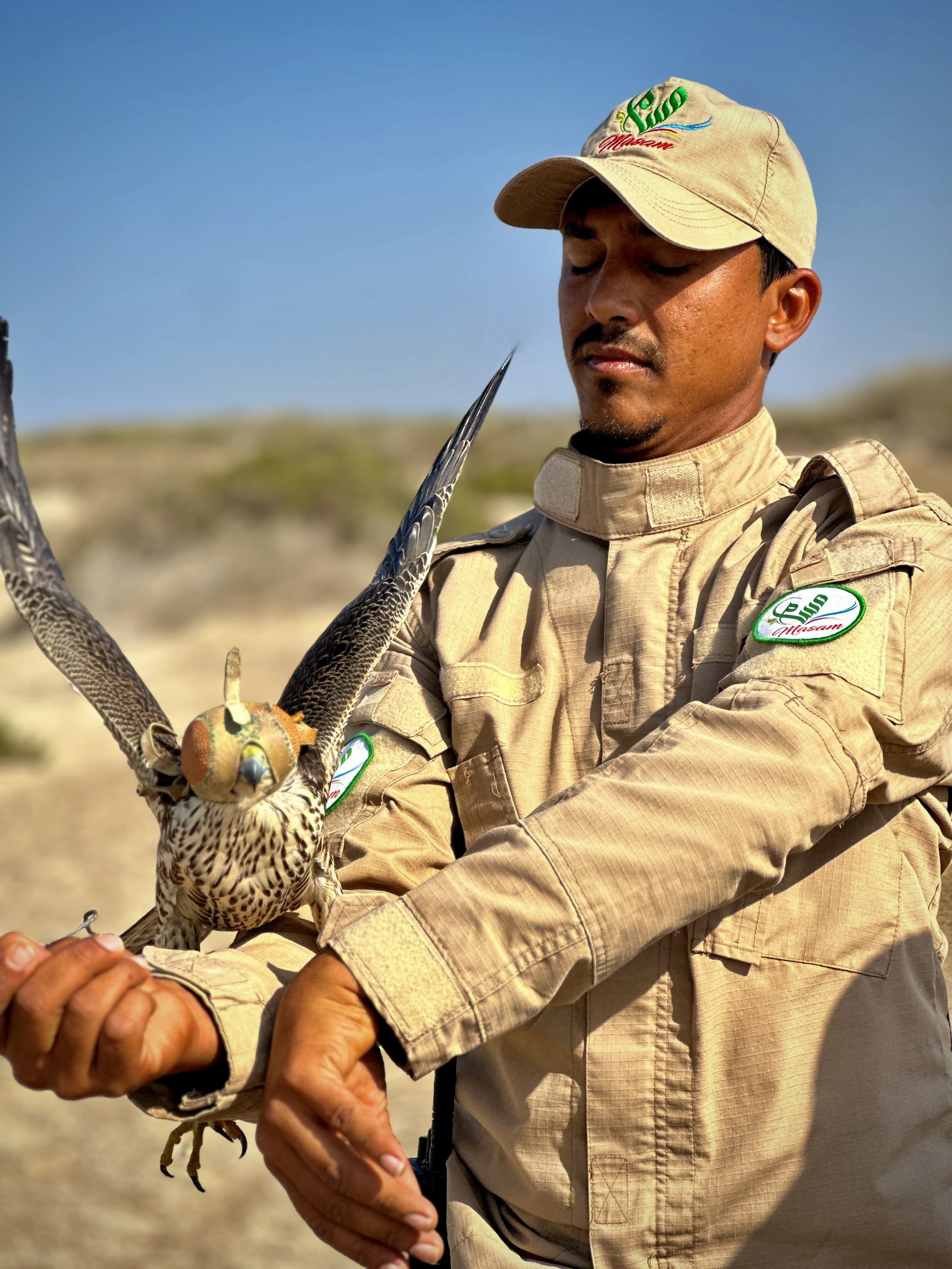
A deminer from Project Masam’s Team 26, Leader Sami Saeed haimed, works along Yemen’s western coastline, where shifting sands, scrubland and coastal erosion make detecting and removing mines especially dangerous.
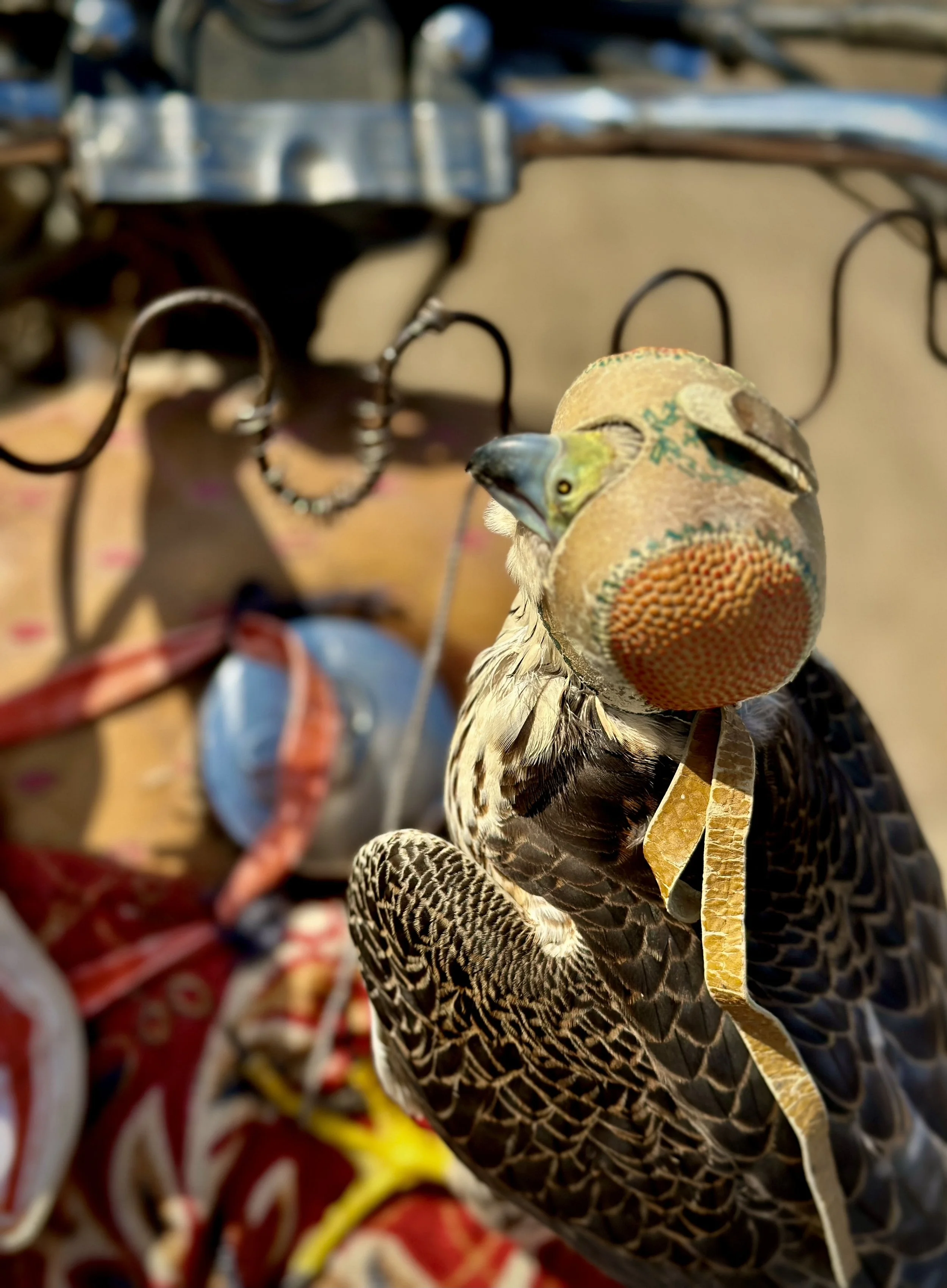
Some fishermen along Yemen’s west coast have turned to trapping and training falcons after mines and insecurity devastated the local fishing economy. The birds can later be sold to buyers in Gulf countries.
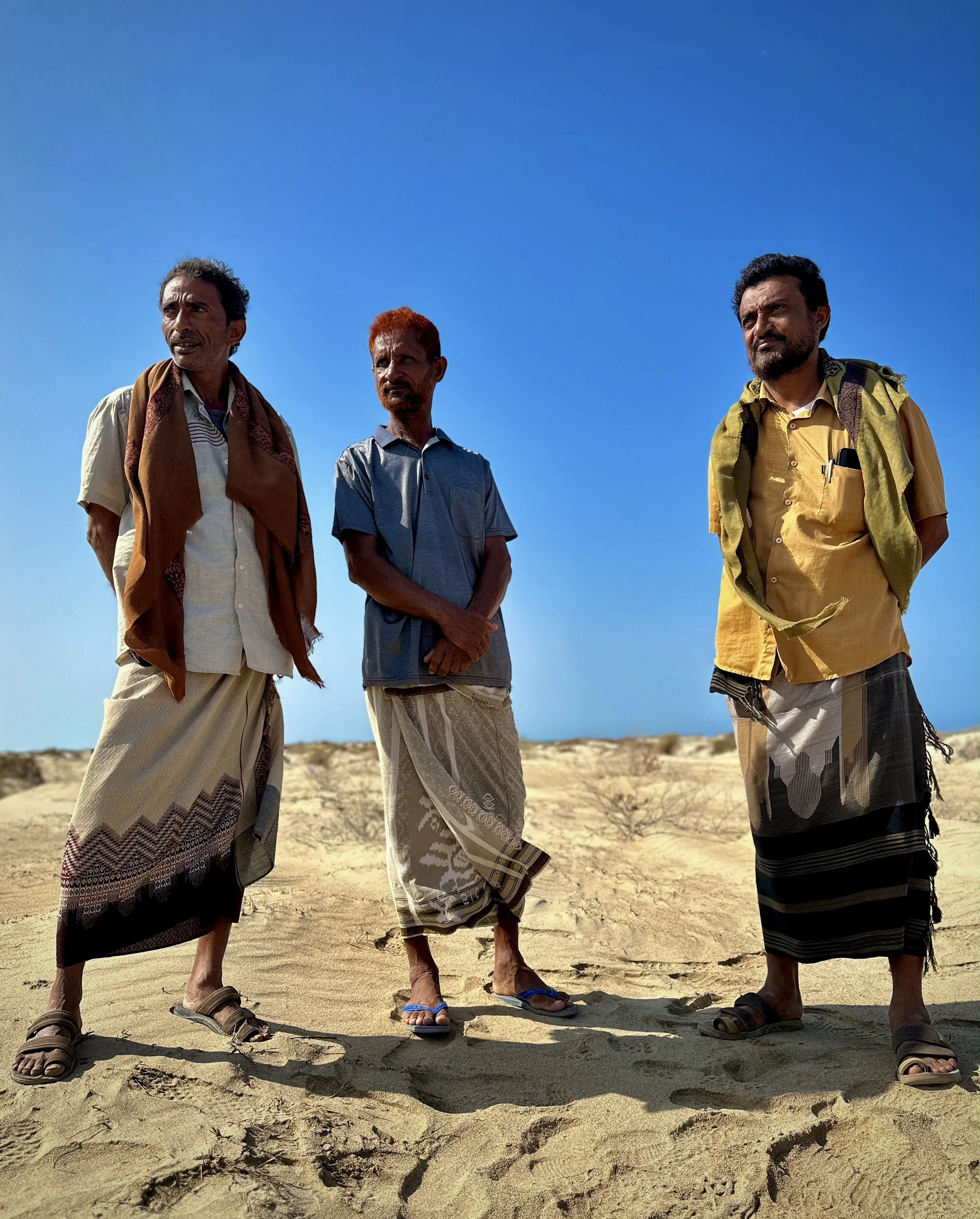
Fishermen stand along the shoreline in Al Khokha, where naval mines, water-borne explosive devices and years of conflict have transformed once-active fishing grounds into dangerous territory.
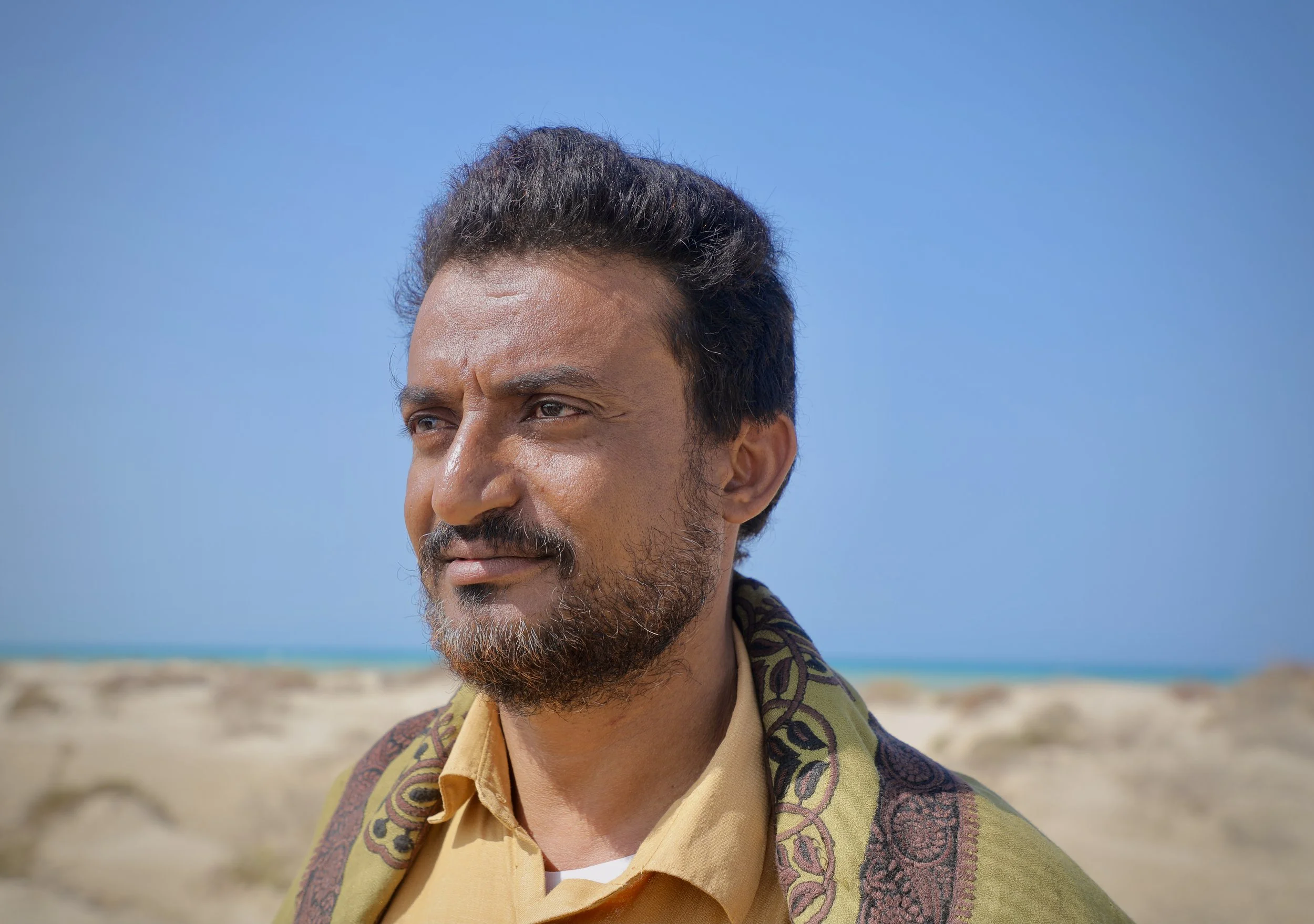
Fouad Ali Abdullah Dubalah, General Secretary of the Al Mostaqbal Fishery Association, says thousands of fishermen and their families have been affected by mines and insecurity along Yemen’s Red Sea coast. Al Khokha, Yemen.
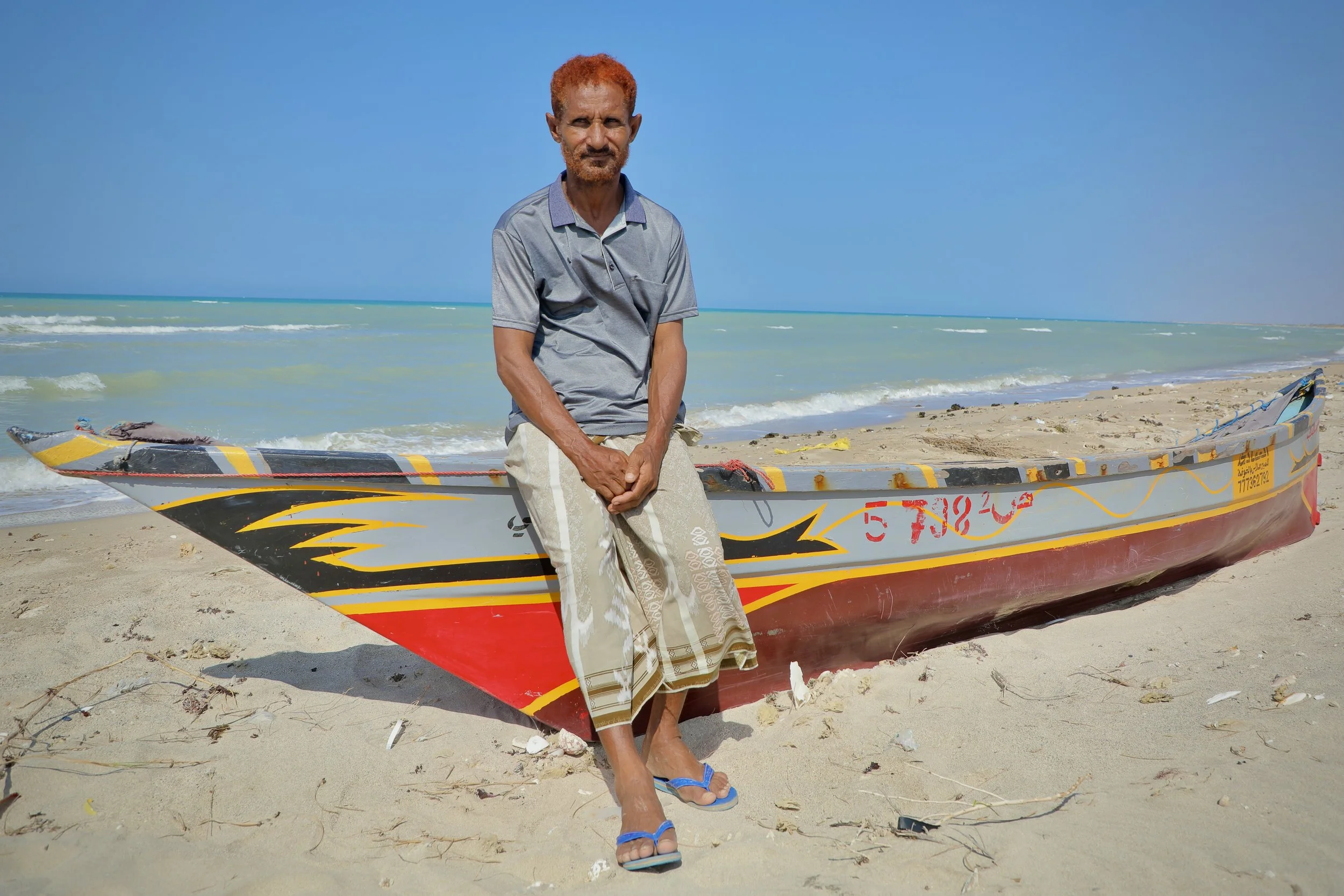
Mohamed Essa, a father of seven who has worked as a fisherman for more than 40 years, says fear has spread among fishing communities after repeated naval mine incidents along Yemen’s west coast. Al Khokha, Yemen.
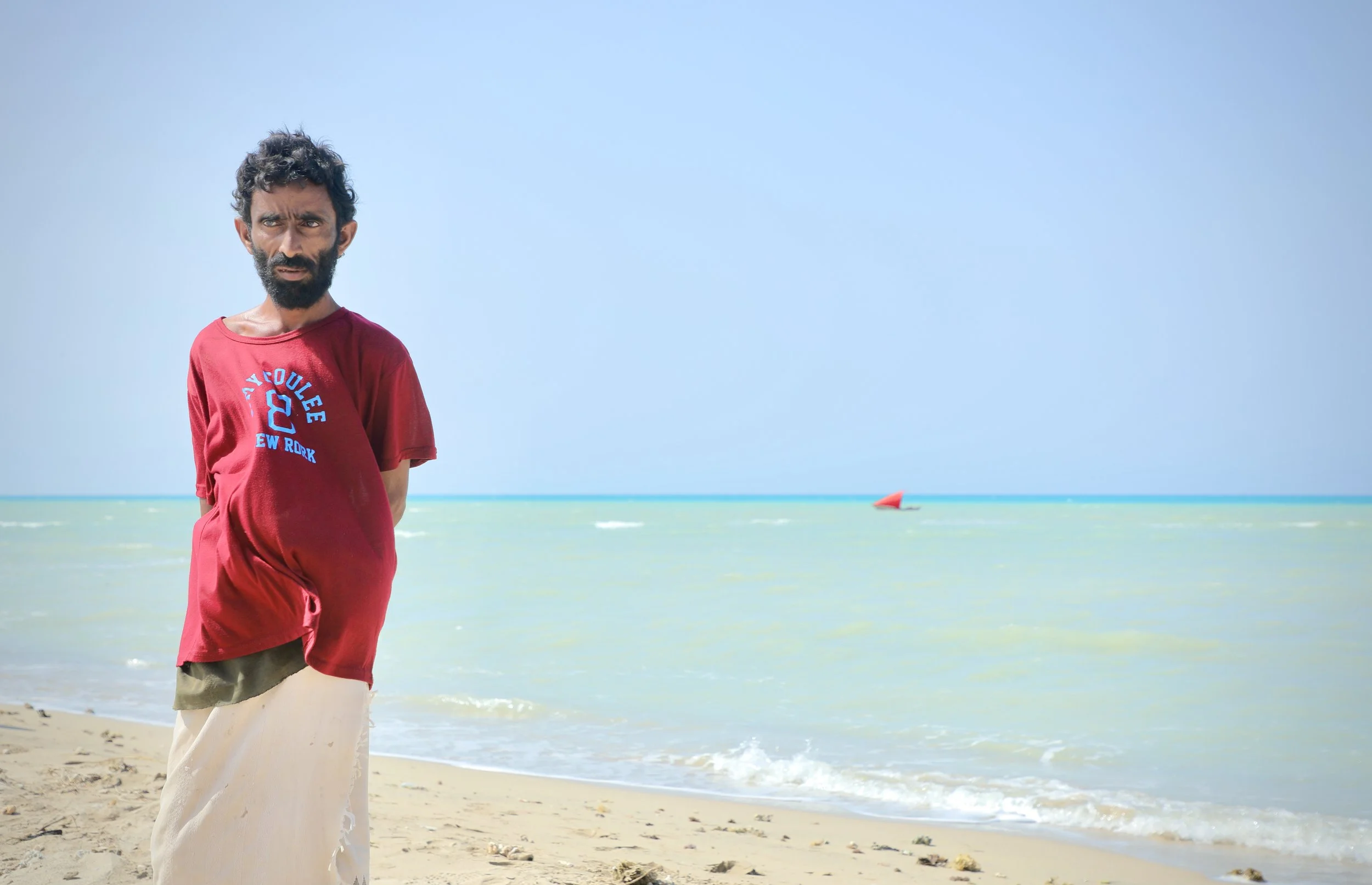
Abdullah Omar Mohamed, a fisherman from Al Khokha, Yemen. Abdullah says fear spread among fishing communities after his father was killed in a naval mine incident along Yemen’s Red Sea coast.
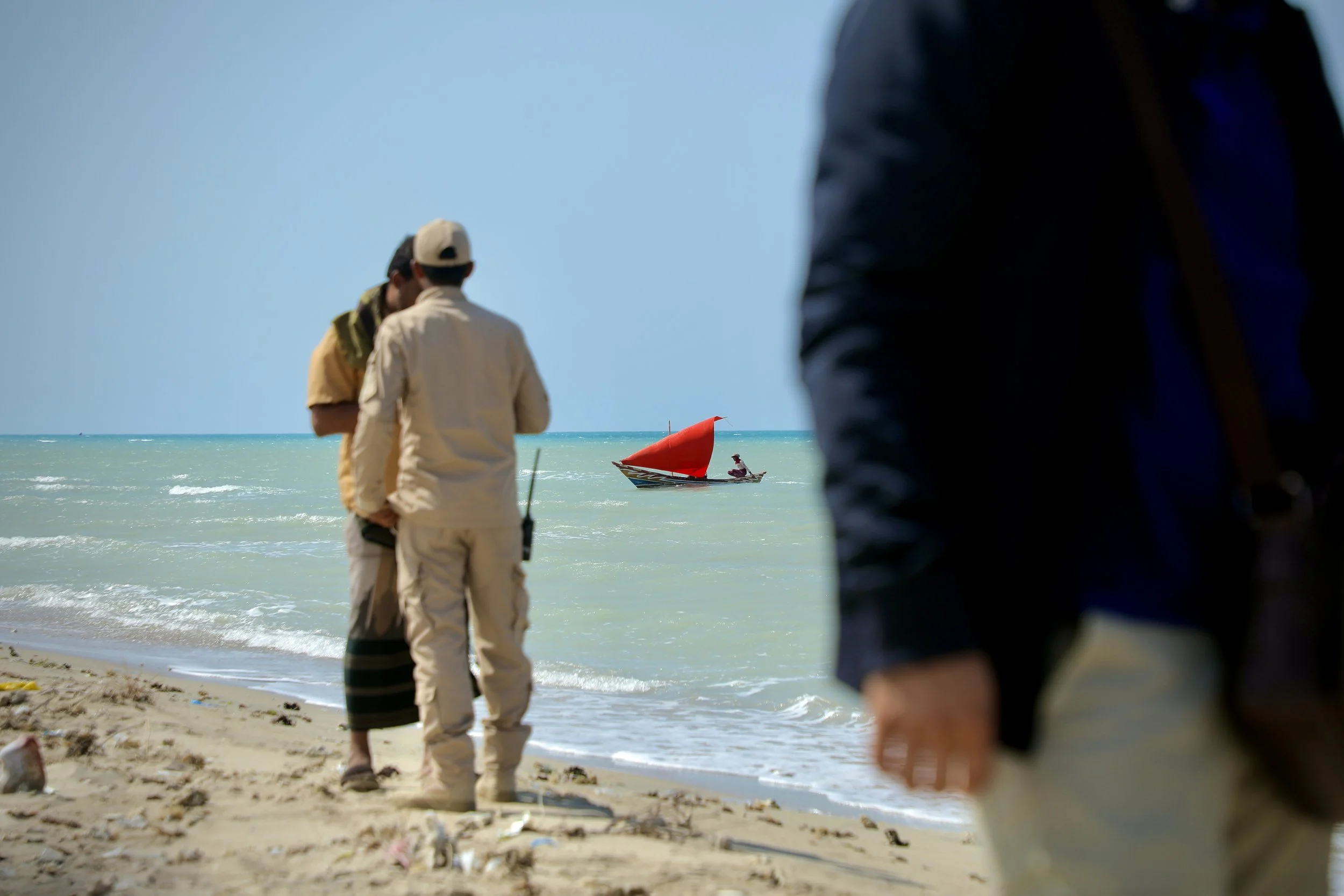
Project Masam’s Team 26 shares information with local fishermen and community representatives about mine sightings, unsafe coastal areas and recent incidents along Yemen’s Red Sea coast. Al Khokha, Yemen.
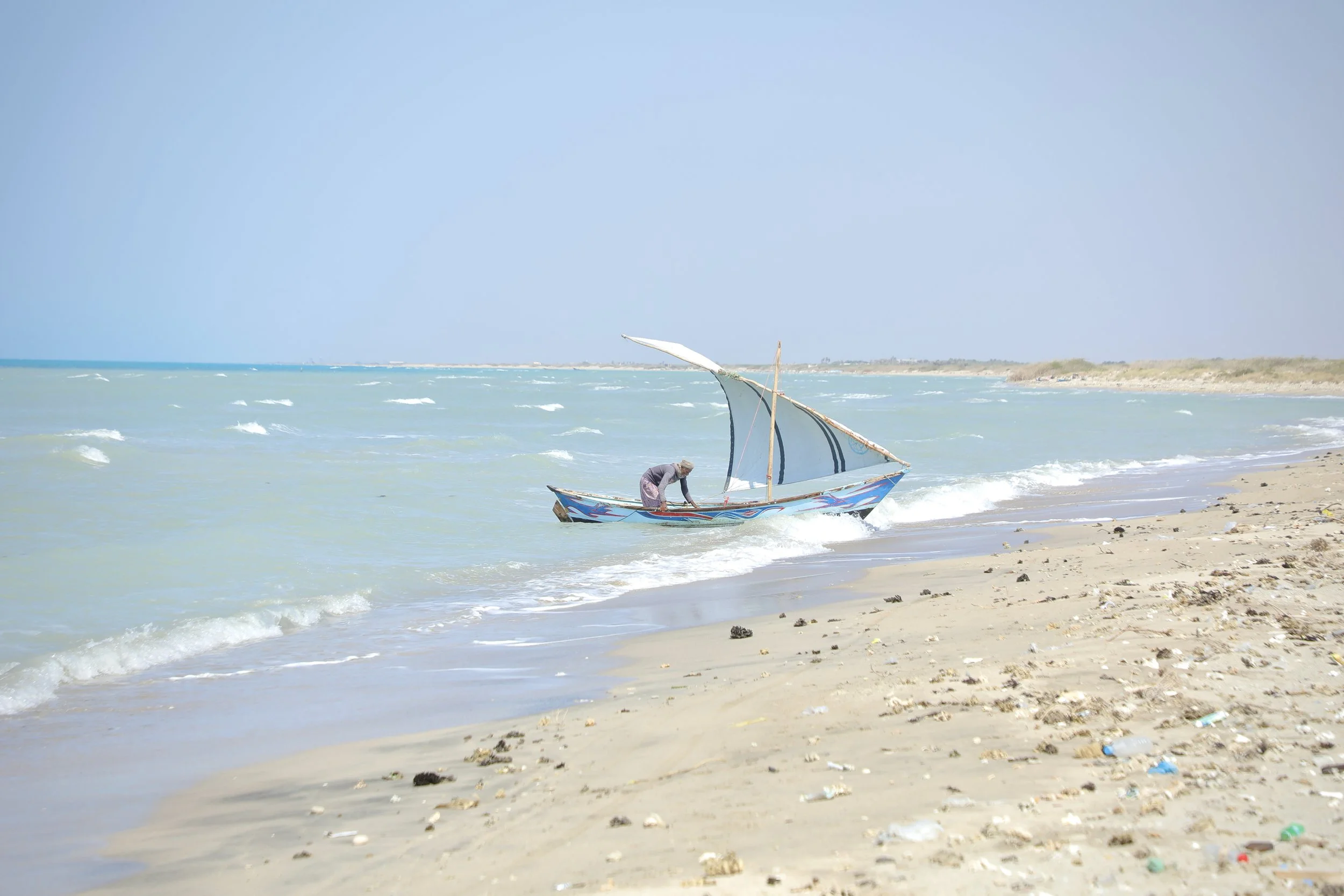
Small wooden fishing boats line the coast near Al Khokha. Many fishermen continue using traditional vessels with no equipment capable of detecting naval mines or water-borne explosive devices. Yemen.
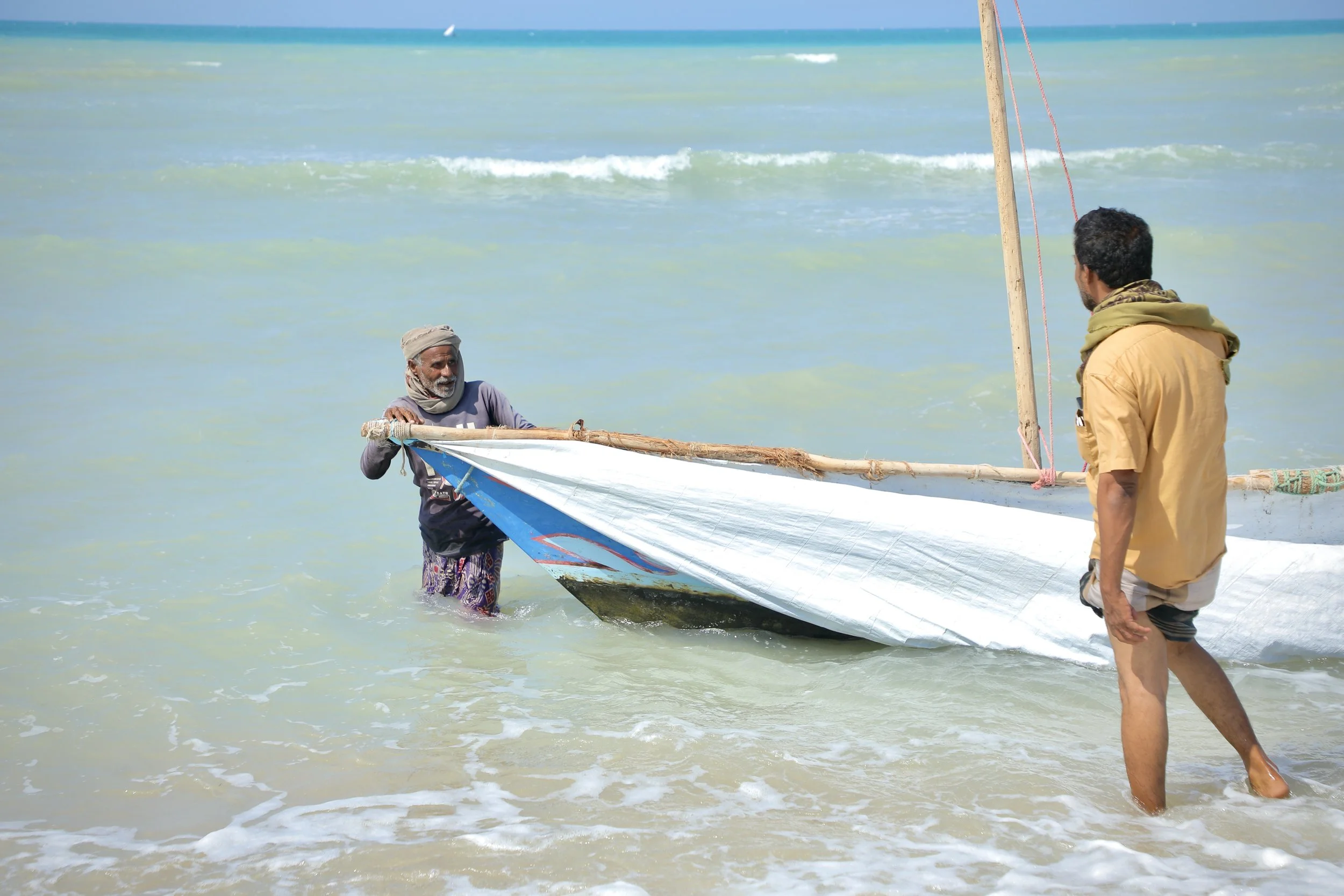
Fishermen bring a wooden boat ashore in Al Khokha. Many now remain close to the coastline because of fears over naval mines and water-borne explosive devices in deeper waters.
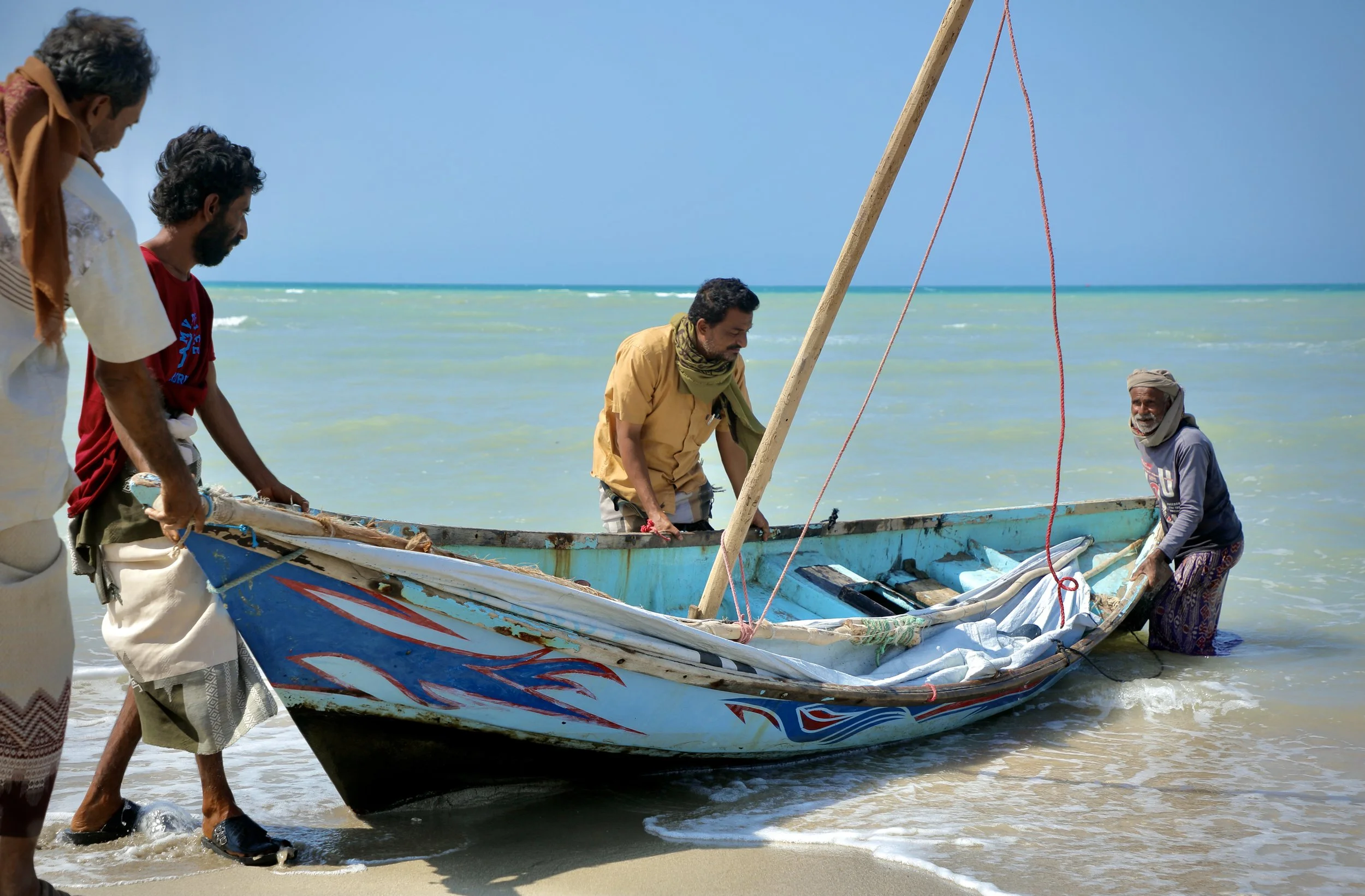
Fouad Ali Abdullah Dubalah, General Secretary of the Al Mostaqbal Fishery Association, speaks with fishermen along the shoreline in Al Khokha, where communities rely on constant information-sharing to avoid mined areas and dangerous waters.
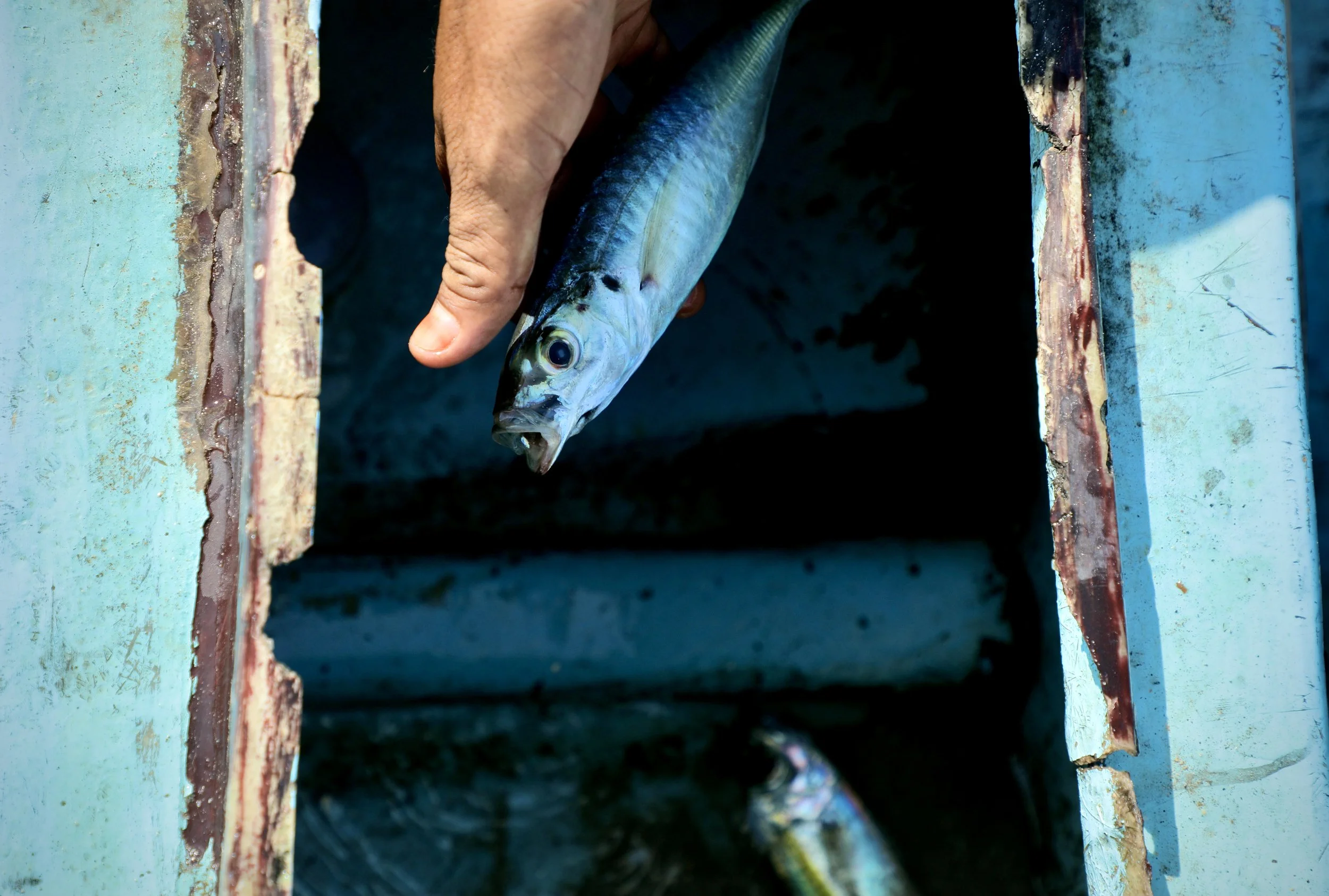
A small catch rests inside a wooden fishing boat in Al Khokha, Yemen. The 800 members of the Al Mostaqbal Fishery Association say their annual catch has fallen from around 150 tonnes of fish per year to less than 20 tonnes as mines, insecurity and Red Sea tensions continue to devastate fishing livelihoods.
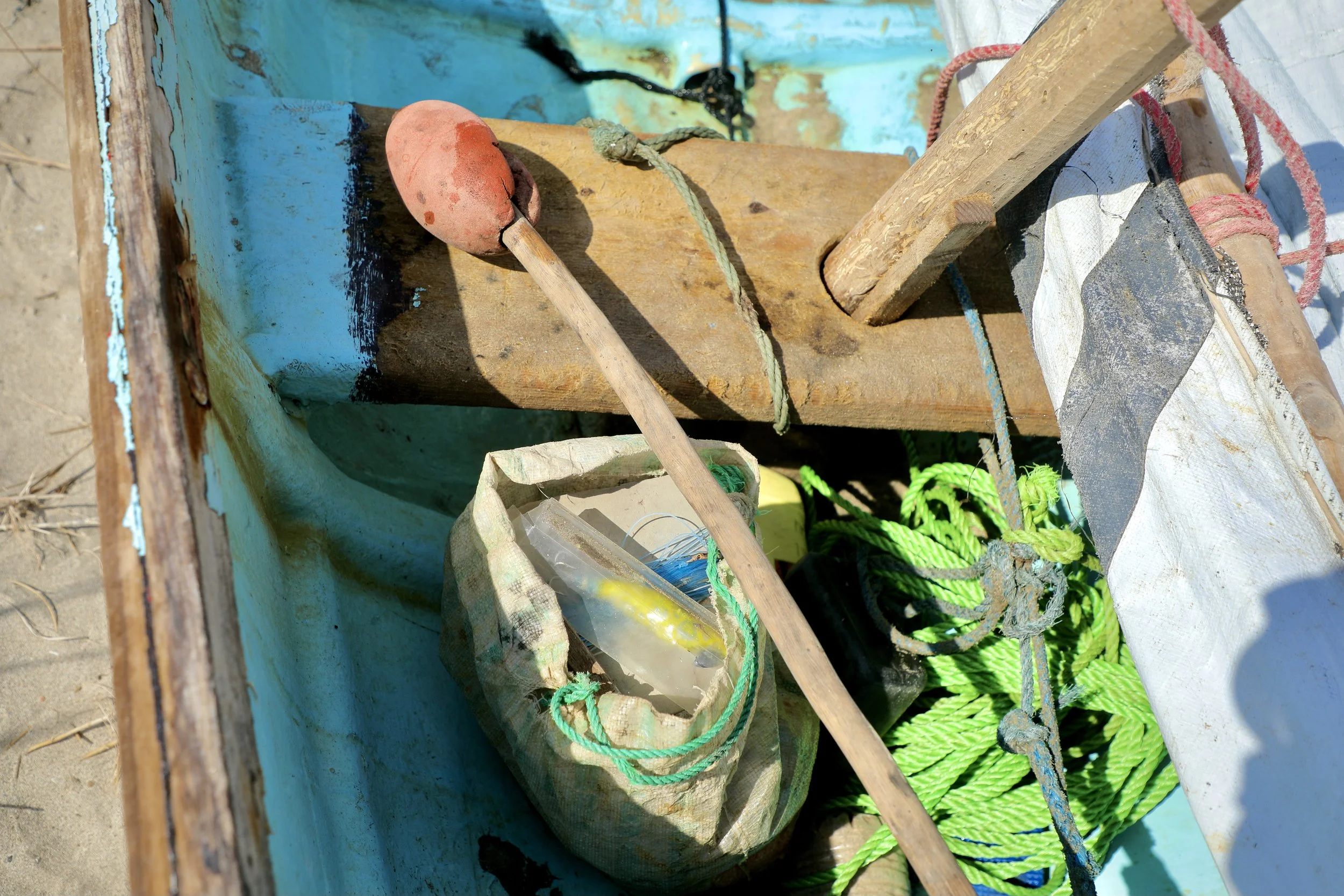
Local fishermen still head to sea in small wooden boats, as generations before them did, with no modern equipment to detect the naval mines and explosive devices that threaten their lives and livelihoods. Al Khokha, Yemen.
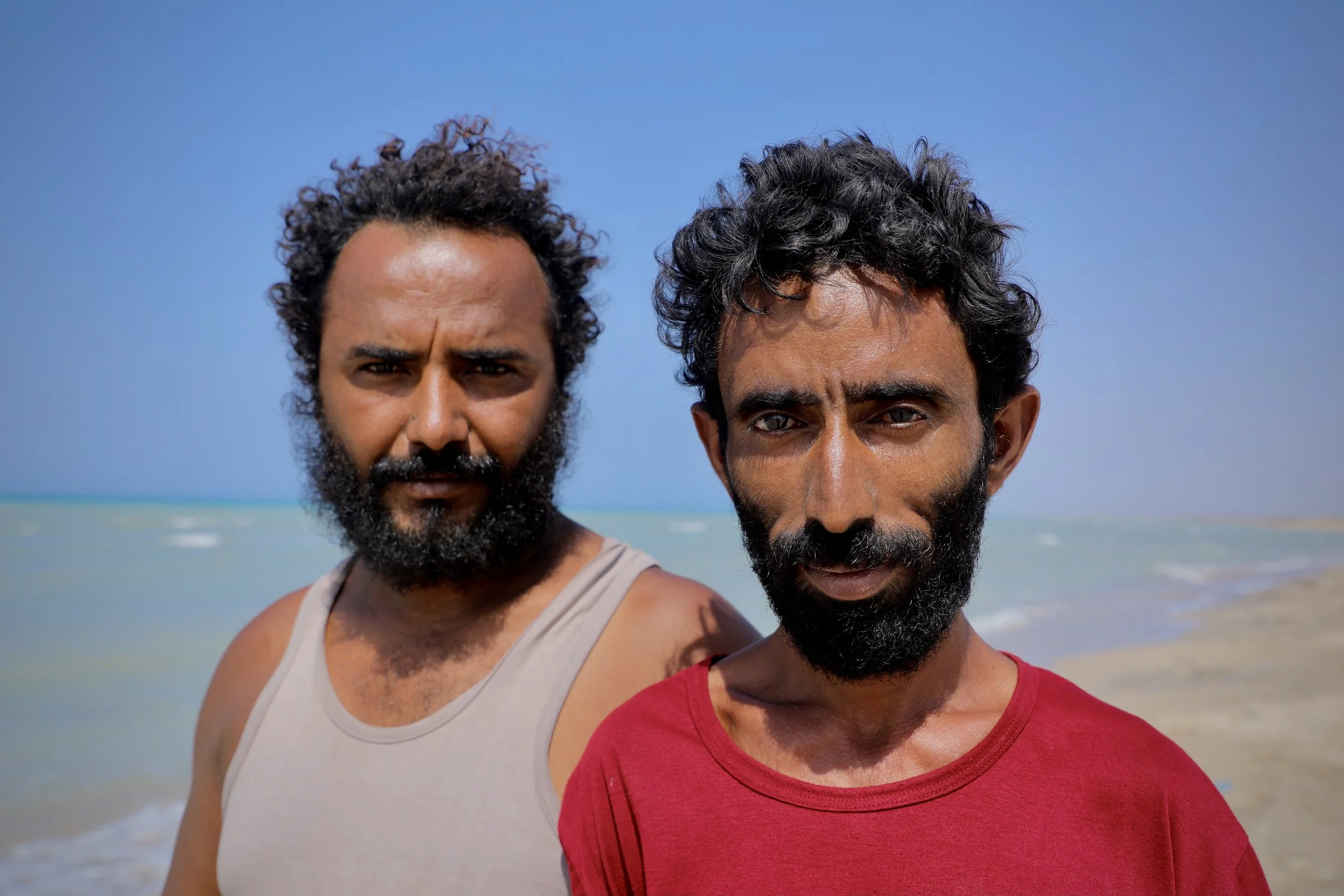
Fisherman Abdullah Omar Mohamed and a friend (also fisherman) say fear spread through their community. Al Khokha, Yemen.
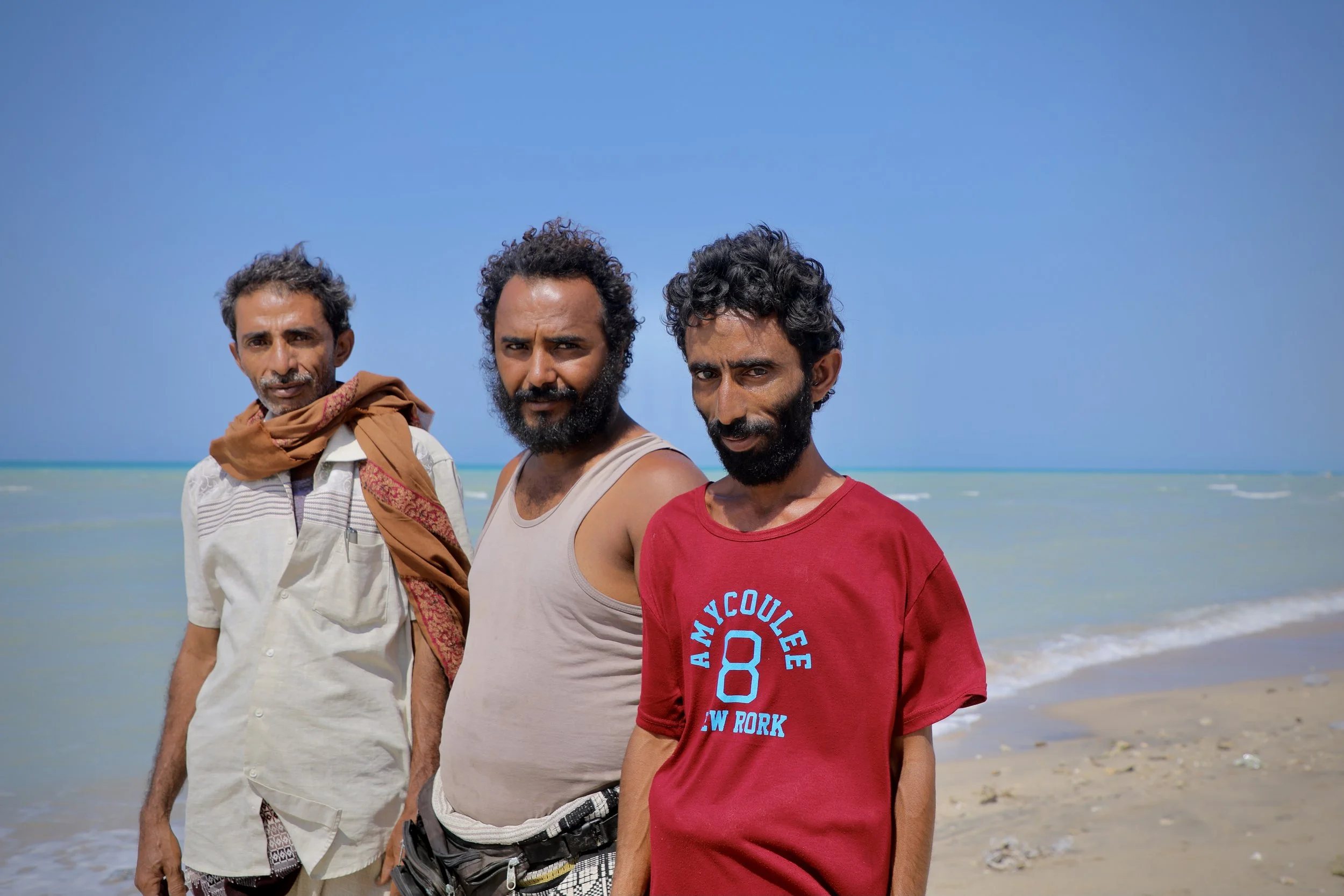
Fishermen gather along Yemen’s Red Sea coast near Al Khokha, where communities say landmines and naval mines have displaced families and devastated traditional fishing livelihoods. Along the coastline from Moshaj to Qatabah, more than 1,500 mine-related incidents have been recorded since the conflict escalated.
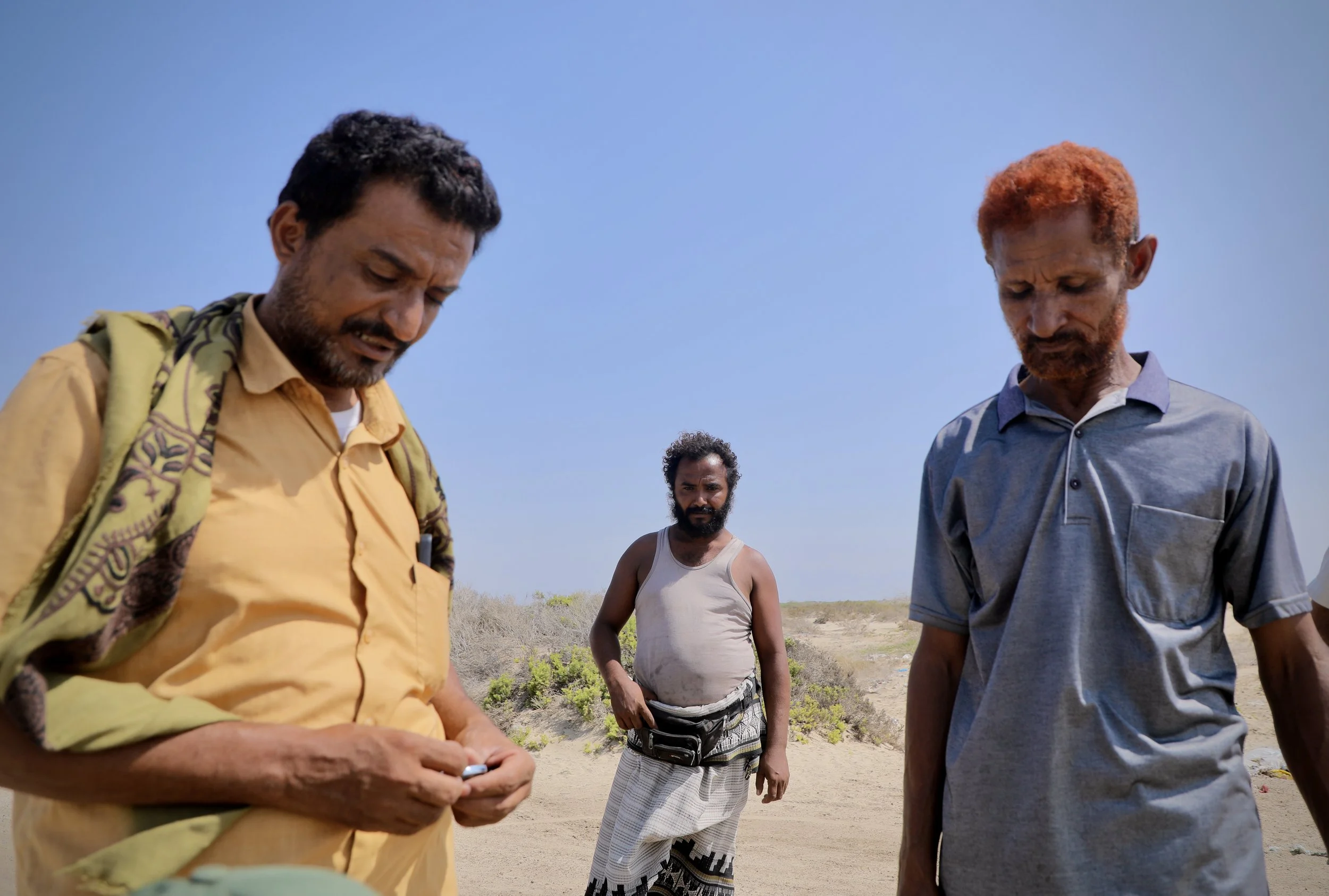
Fouad Ali Abdullah Dubalah, General Secretary of the Al Mostaqbal Fishery Association, checks updates while speaking with fishermen about recent security concerns and mine incidents along Yemen’s Red Sea coast.
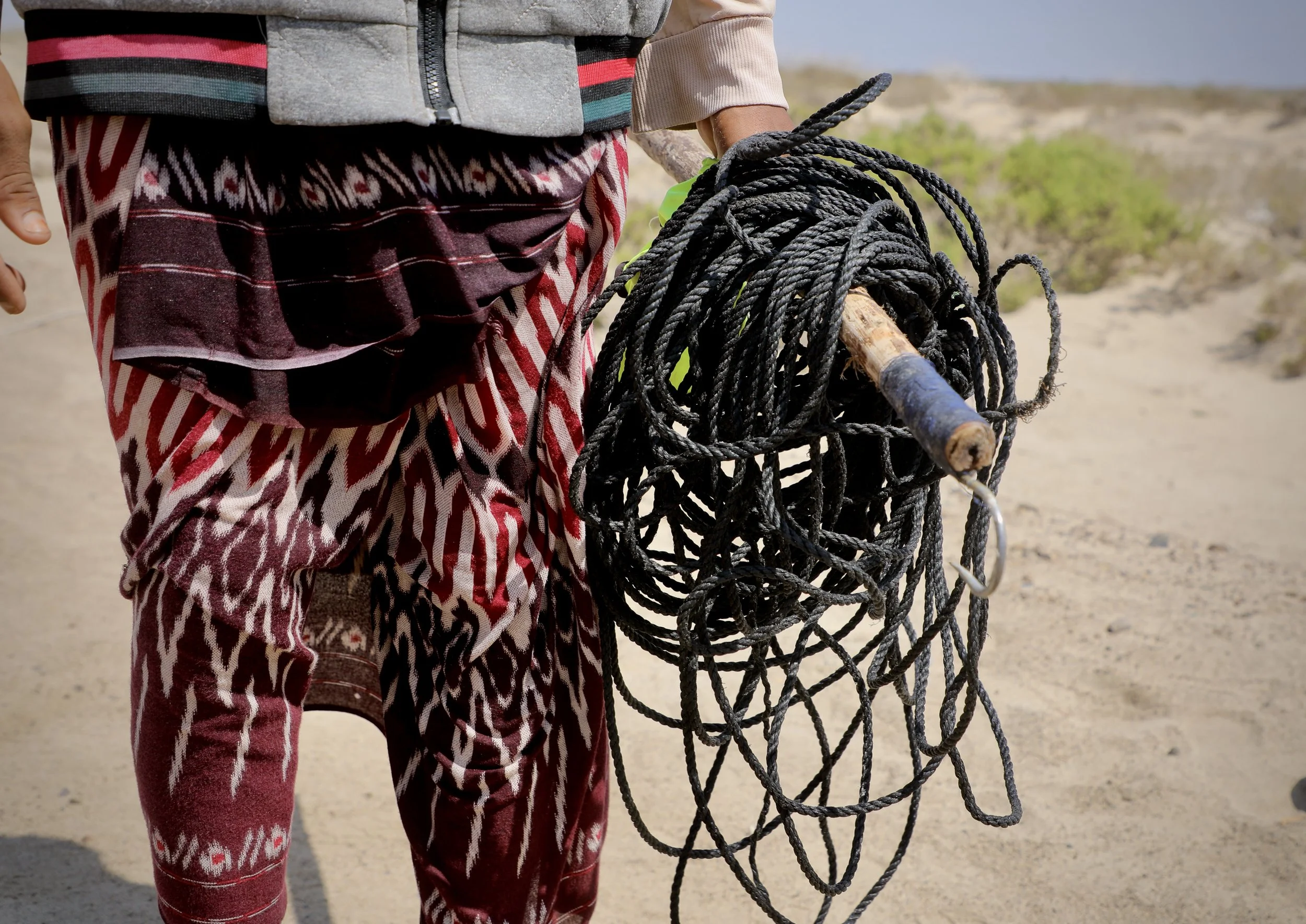
Most naval mines remain hidden beneath the water’s surface and can become entangled in fishing nets, forcing fishermen to work under constant threat. Al Khokha, Yemen.
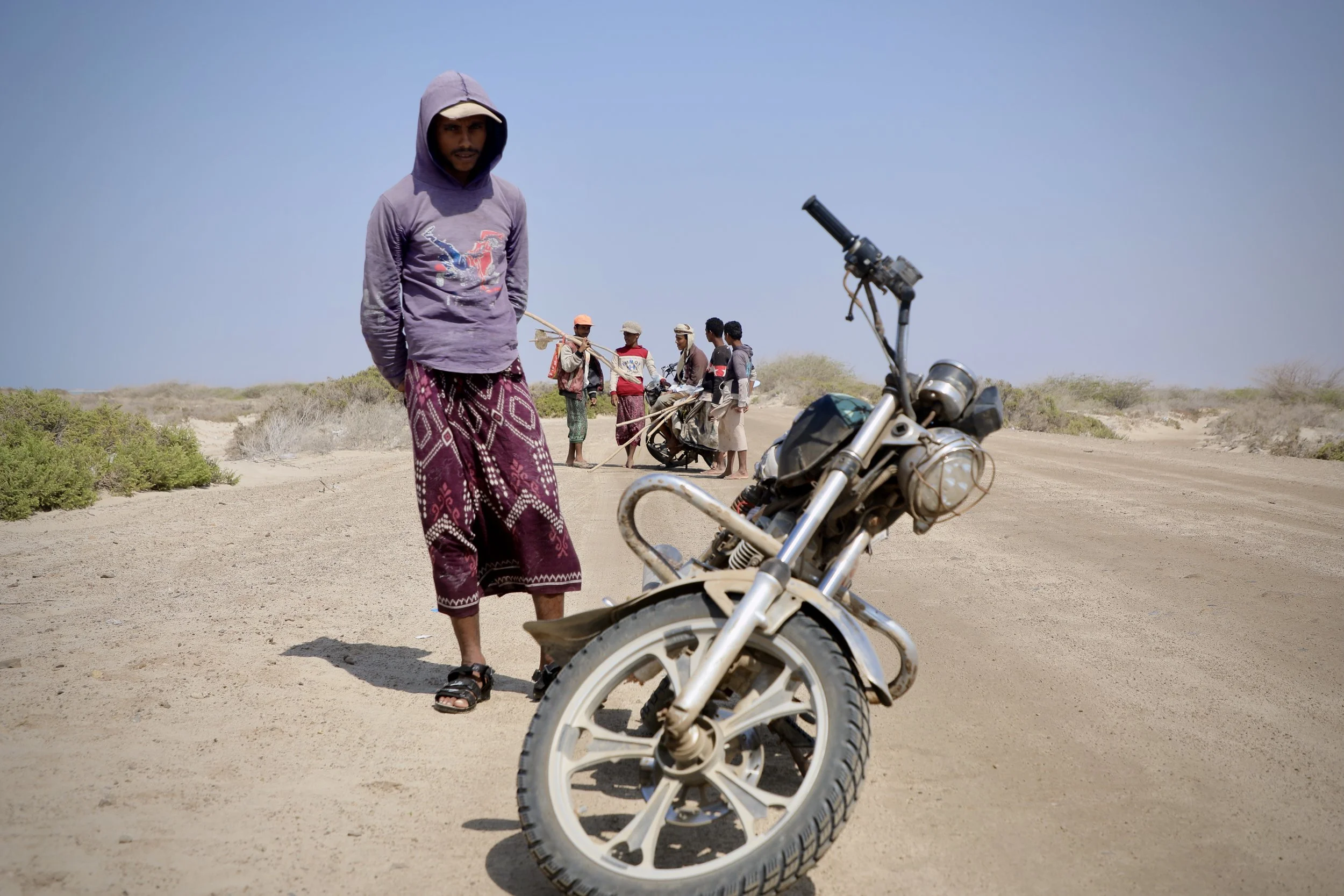
A teenager stands beside a motorcycle used by fishermen travelling between isolated coastal communities along Yemen’s west coast, where many families have been displaced by mines and conflict.
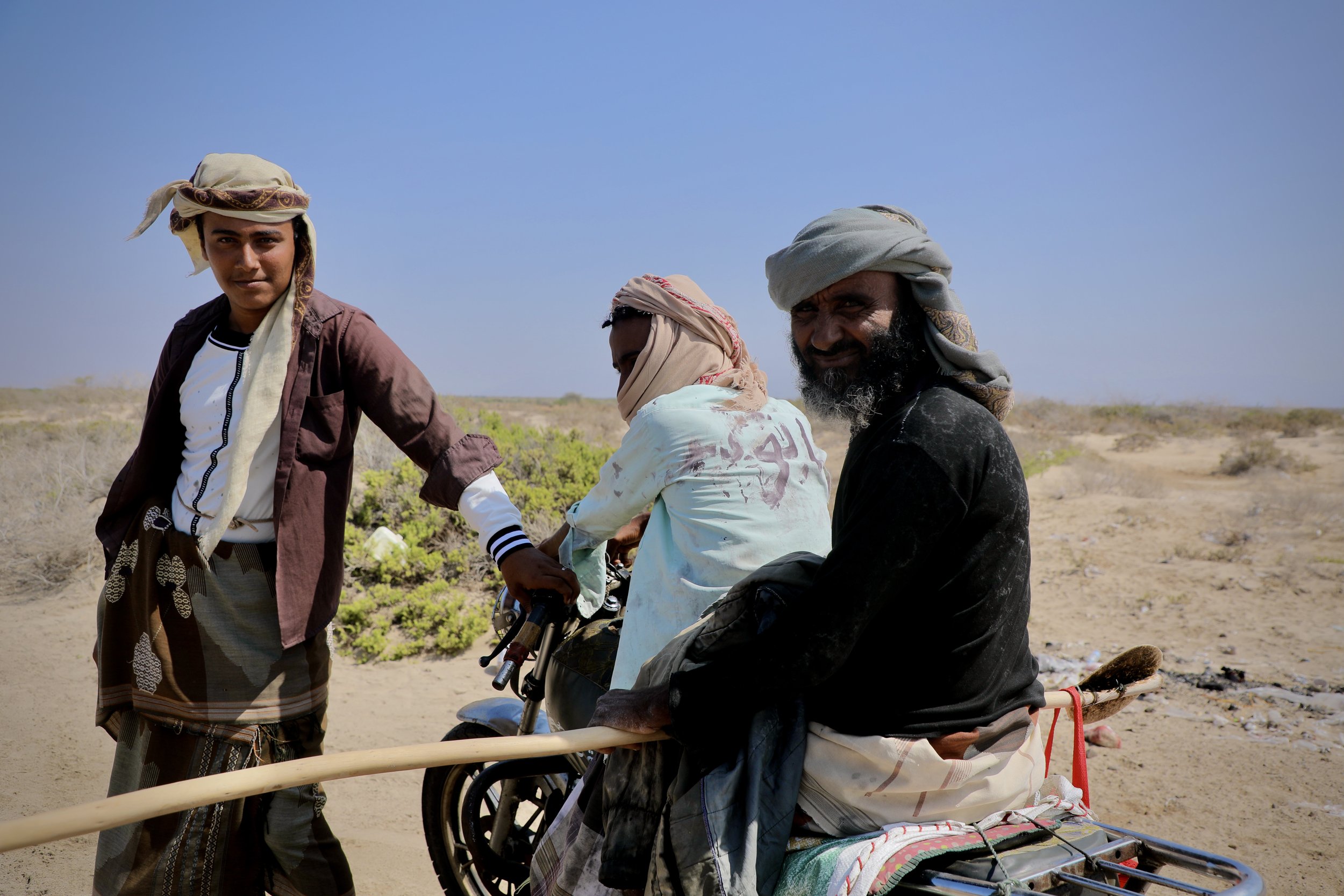
For fishermen impacted by mines and unexploded ordnance, insecurity along Yemen’s west coast has displaced families and pushed some communities from the Red Sea shoreline toward safer areas inland and along the Arabian Sea coast. Al Khokha, Yemen.
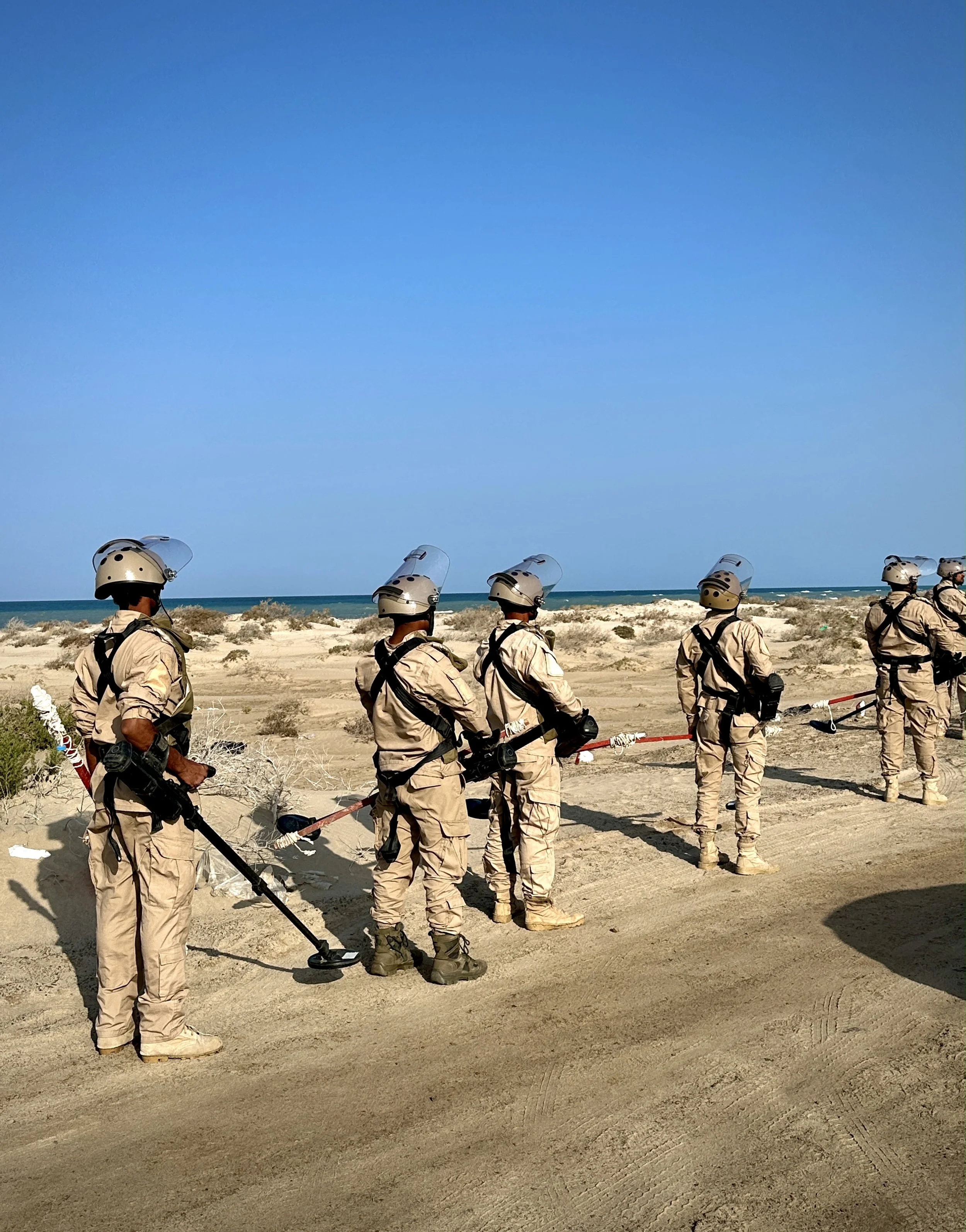
Project Masam’s Team 26 moves through heavily contaminated coastal terrain near Al Khokha, where shifting sand dunes and scrubland complicate mine clearance operations.
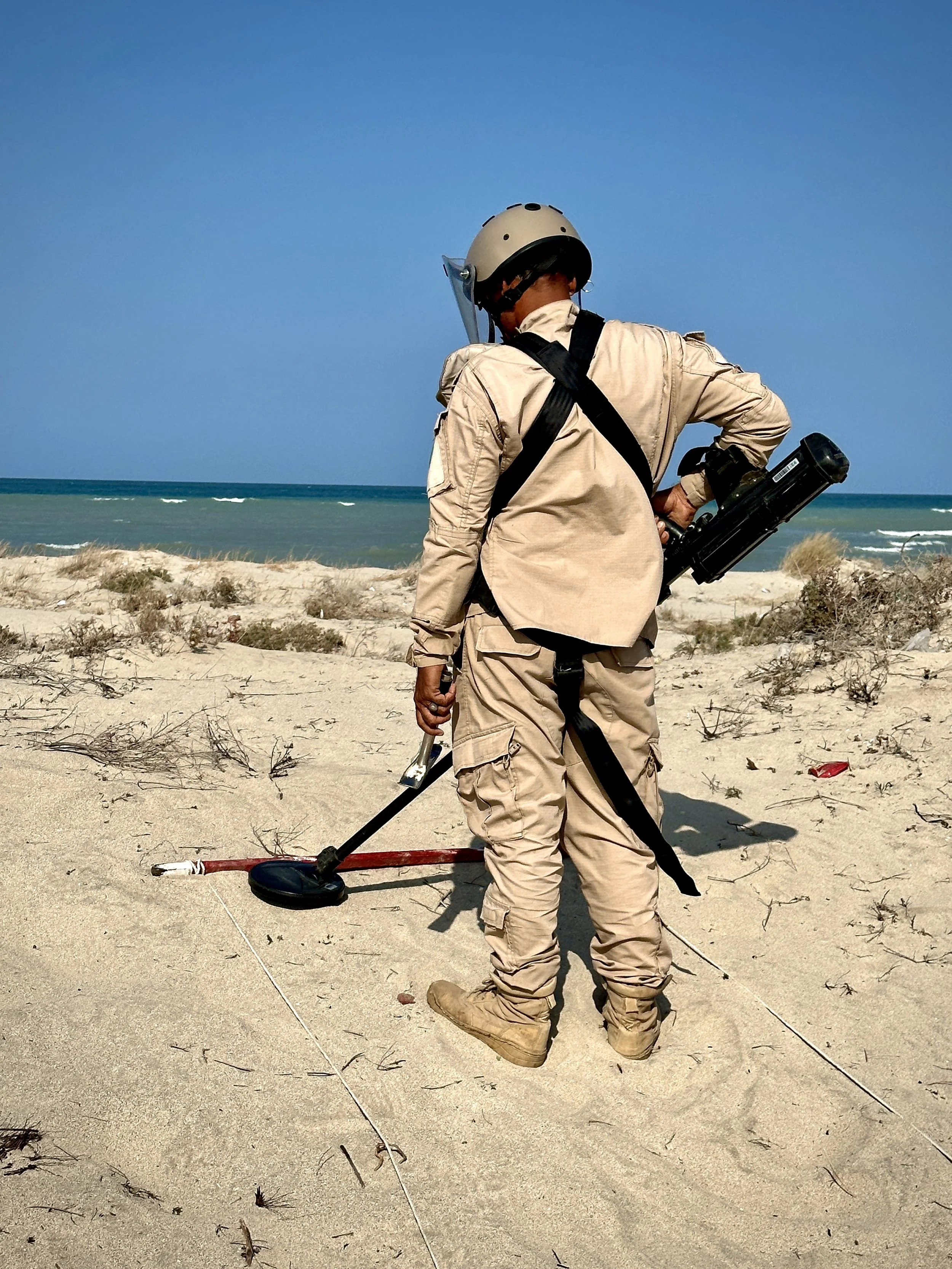
A deminer from Project Masam’s Team 26 searches for explosive devices along Yemen’s western coastline, where mines remain buried beneath sand and coastal vegetation.
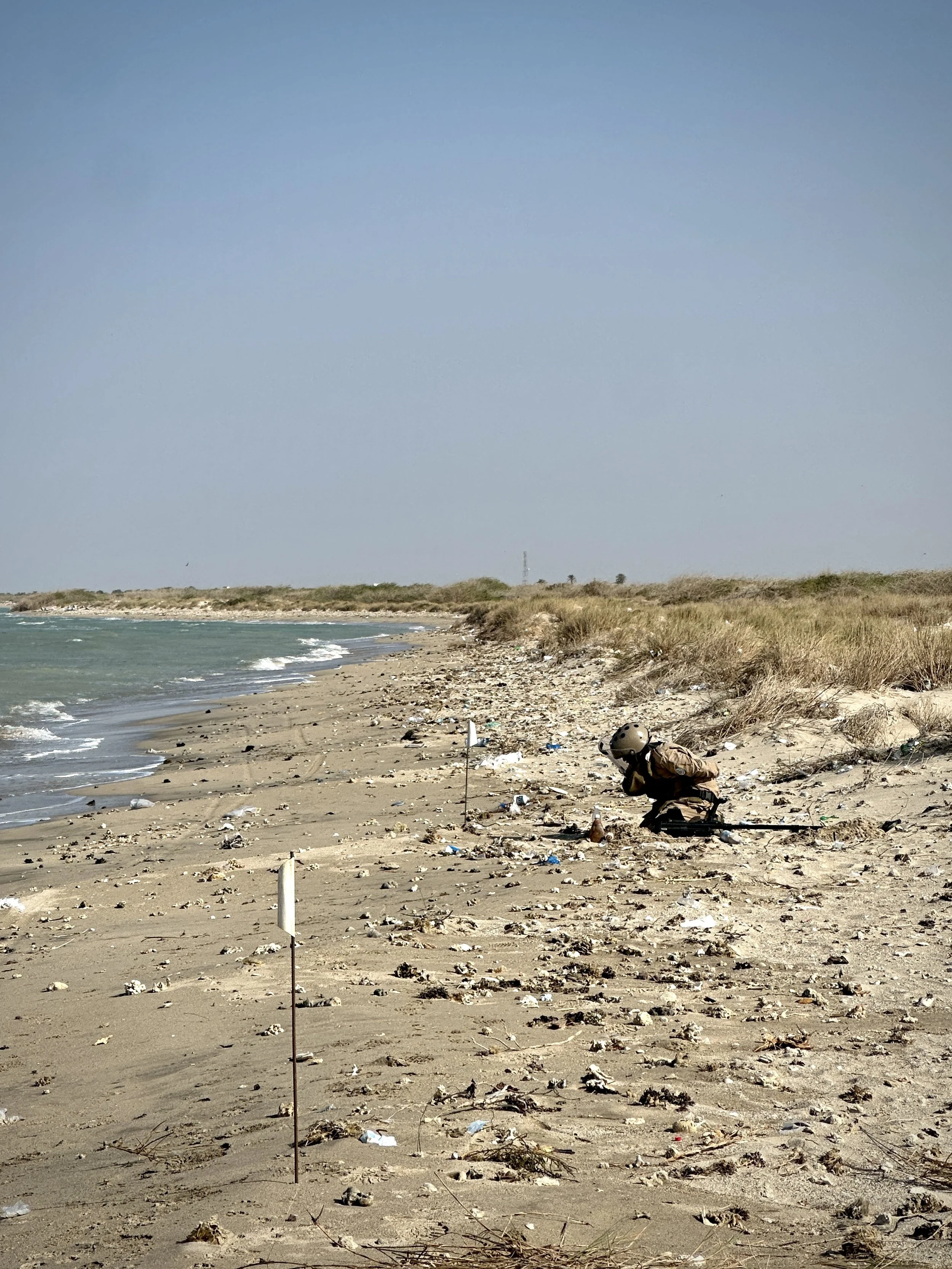
Demining Yemen’s west coast is especially difficult because shifting sand and coastal scrub can conceal explosive devices and expose new hazards over time. Al Khokha, Yemen.
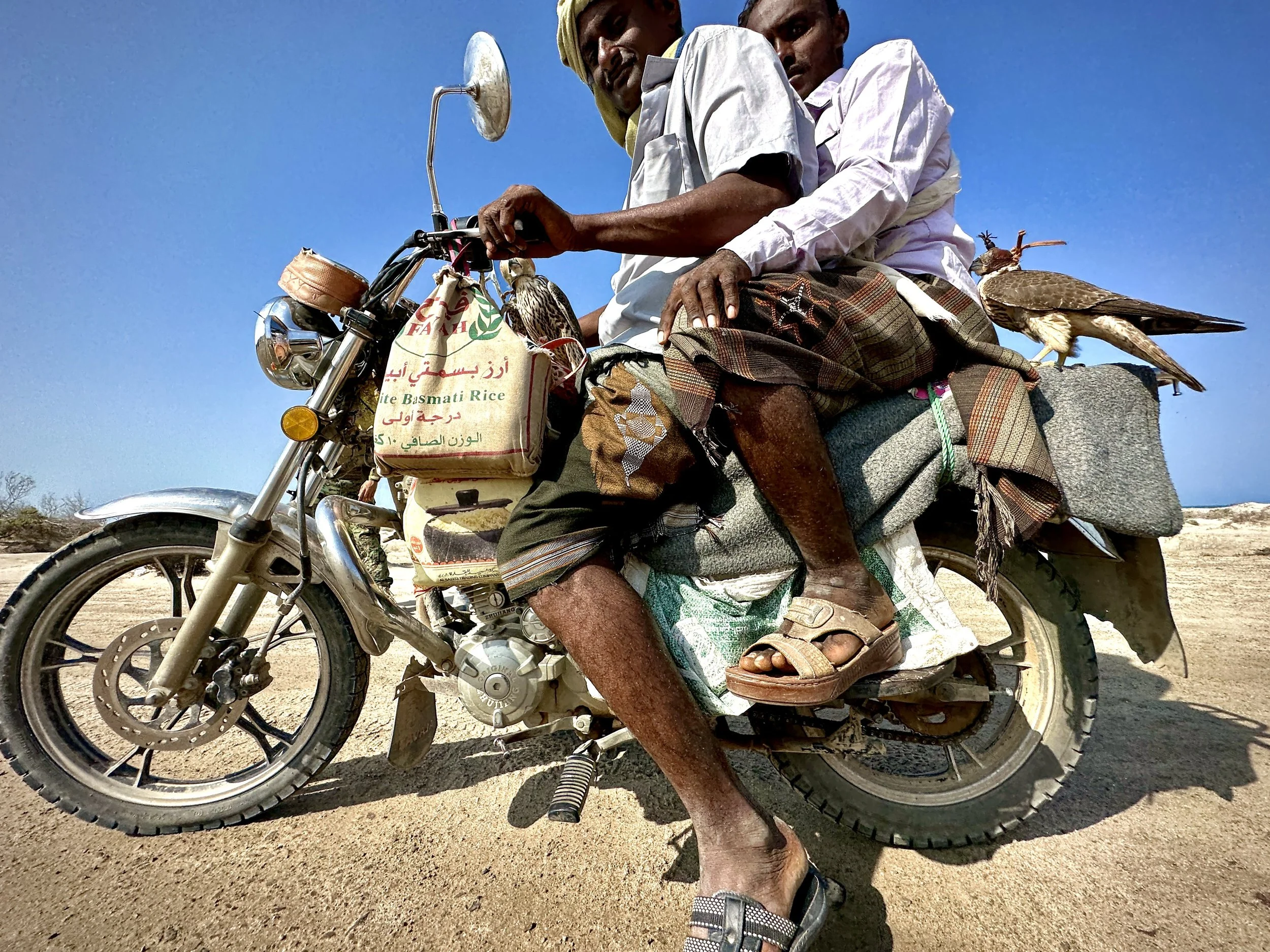
Fishermen transport falcons along Yemen’s west coast after turning to trapping and trading birds as an alternative source of income amid collapsing fish stocks, mine contamination and insecurity along the Red Sea shoreline.