Kakuma refugee camp in northern Kenya was established in 1992 and, together with the neighbouring Kalobeyei settlement, now hosts more than 300,000 refugees and asylum seekers. Public data indicates that around 60% of residents are children and teenagers, meaning the camp is shaped above all by youth.
For most residents, resettlement abroad remains uncommon. Only a small minority of the world’s refugees are resettled each year, and many young people in Kakuma are growing up in long-term uncertainty, and not in temporary transit.
These photographs look beyond familiar crisis imagery. They focus instead on how identity is made day to day: through clothing, football, hairstyles, friendship, humour, culture, performance and attitude. Between shelters and dusty roads, on pitches, in salons and under trees, young people create culture, status and belonging.
The series asks viewers to see refugee youth as individuals with taste, ambition, charisma and agency; not symbols of displacement.
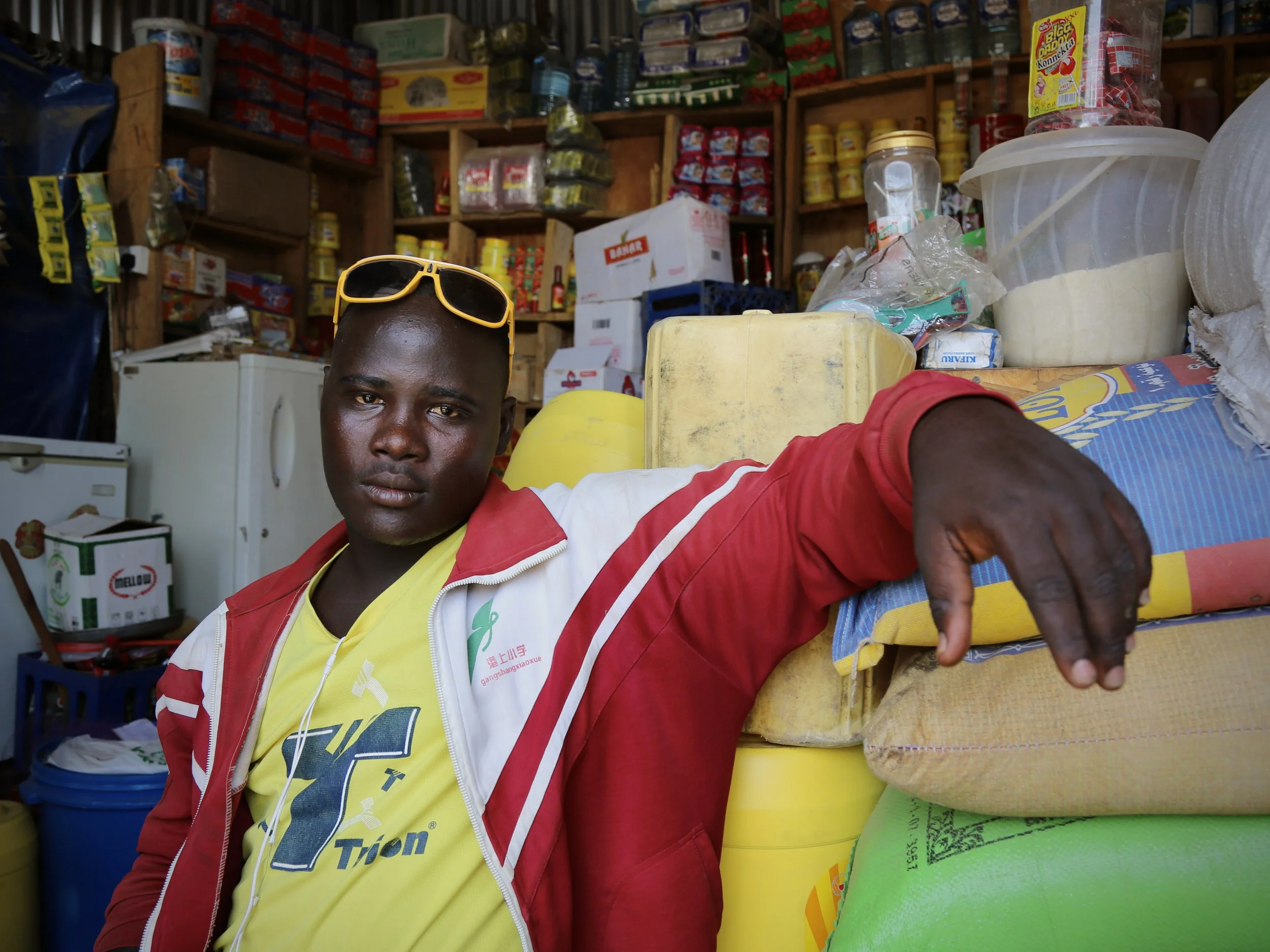
A young man poses inside a small shop in Kakuma refugee camp, Kenya.
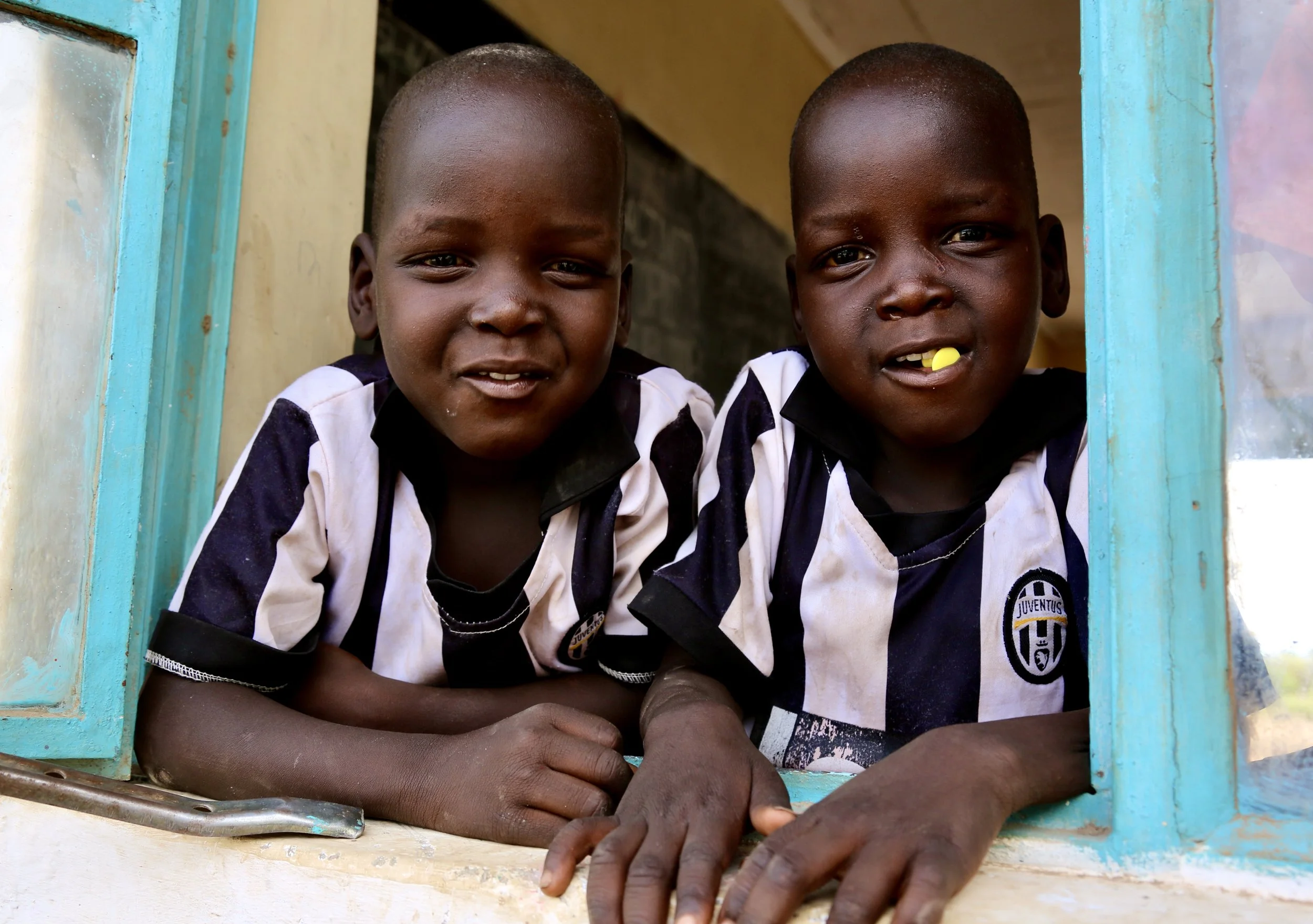
Two boys lean from a classroom window in matching Juventus shirts. Football kits travel farther than borders; in Kakuma, global teams become local uniforms of belonging, style and imagination.
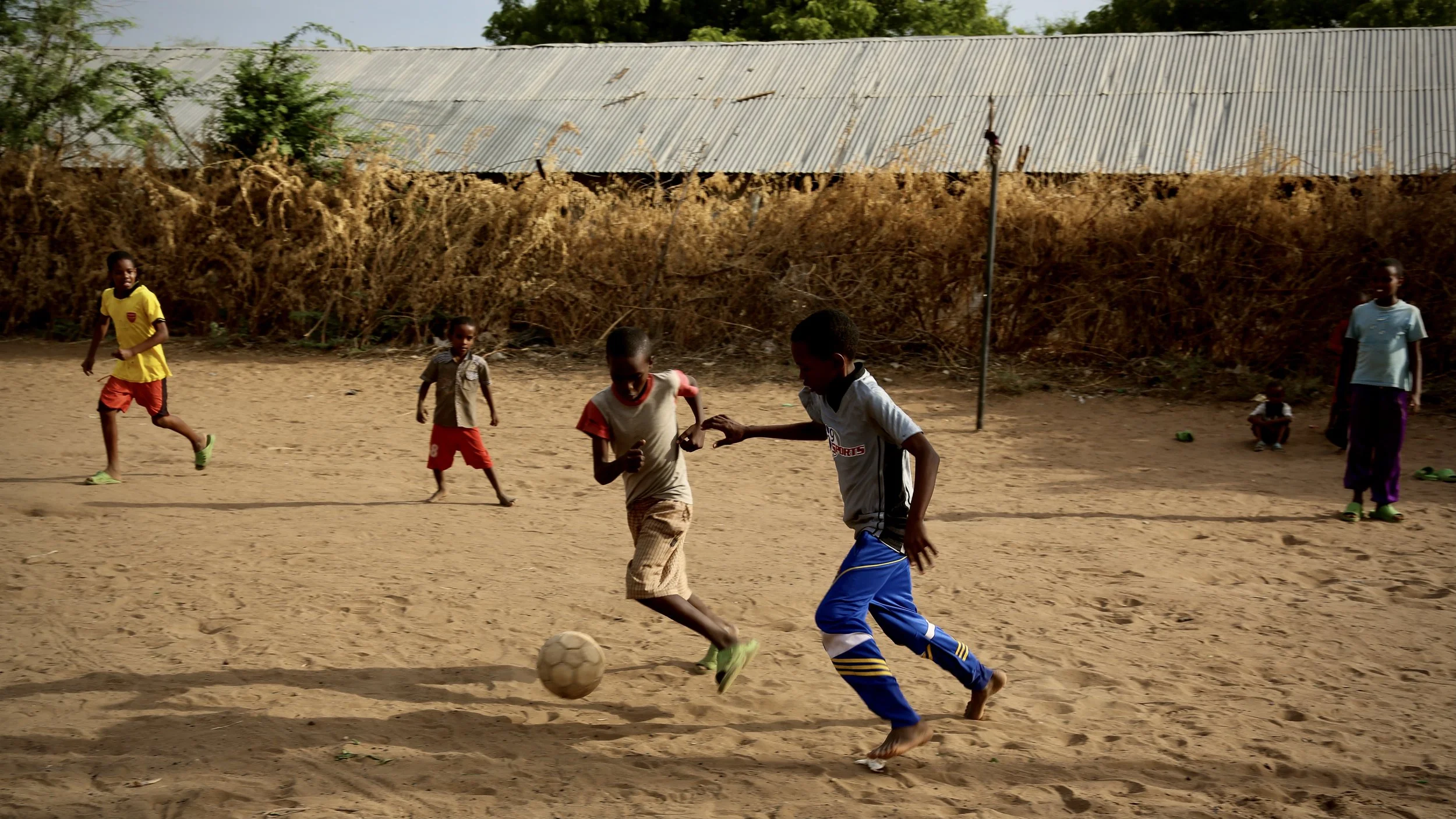
Children play football on a sandy pitch between shelters in Kakuma.
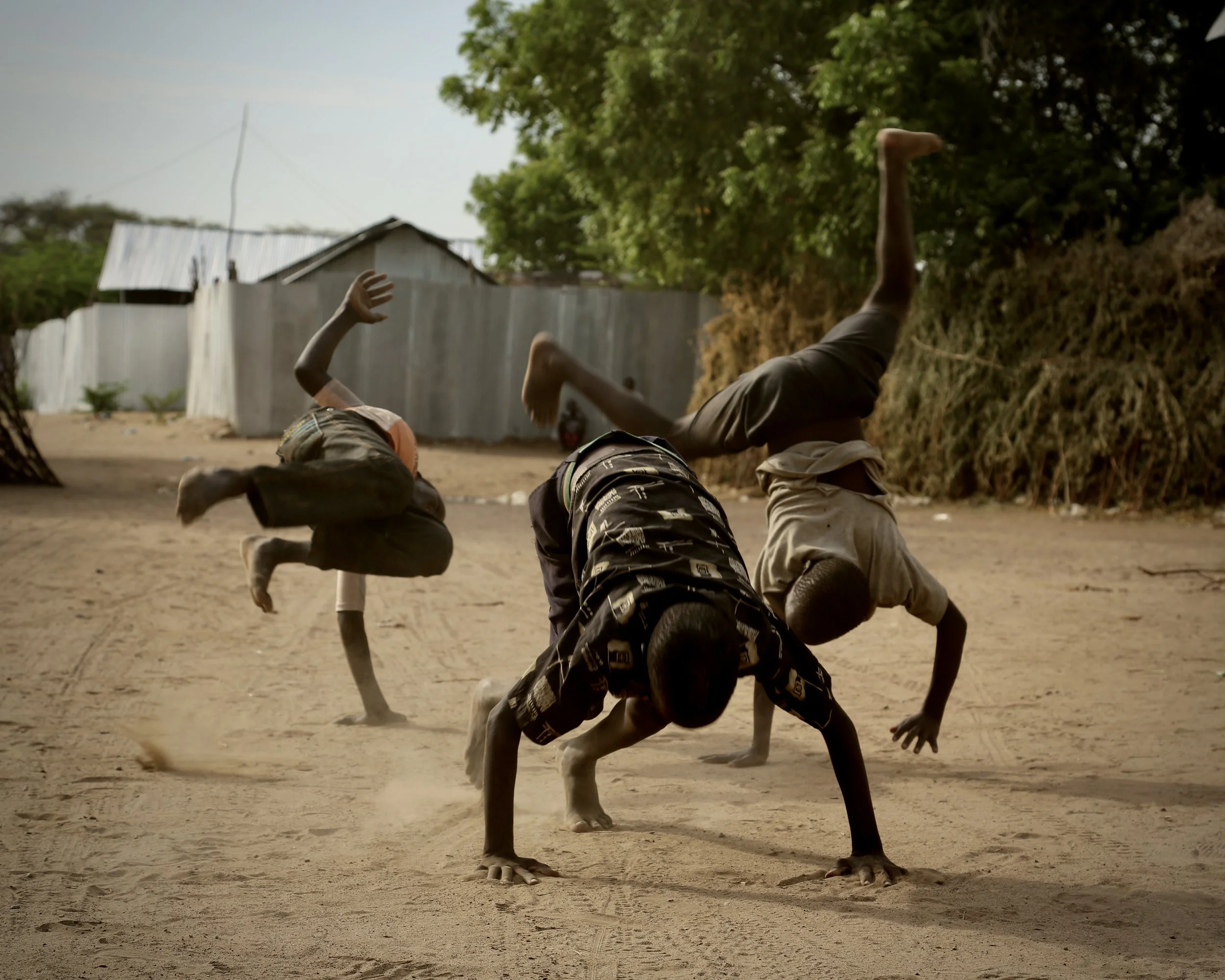
Boys perform handstands and flips in an open space in Kakuma refugee camp.
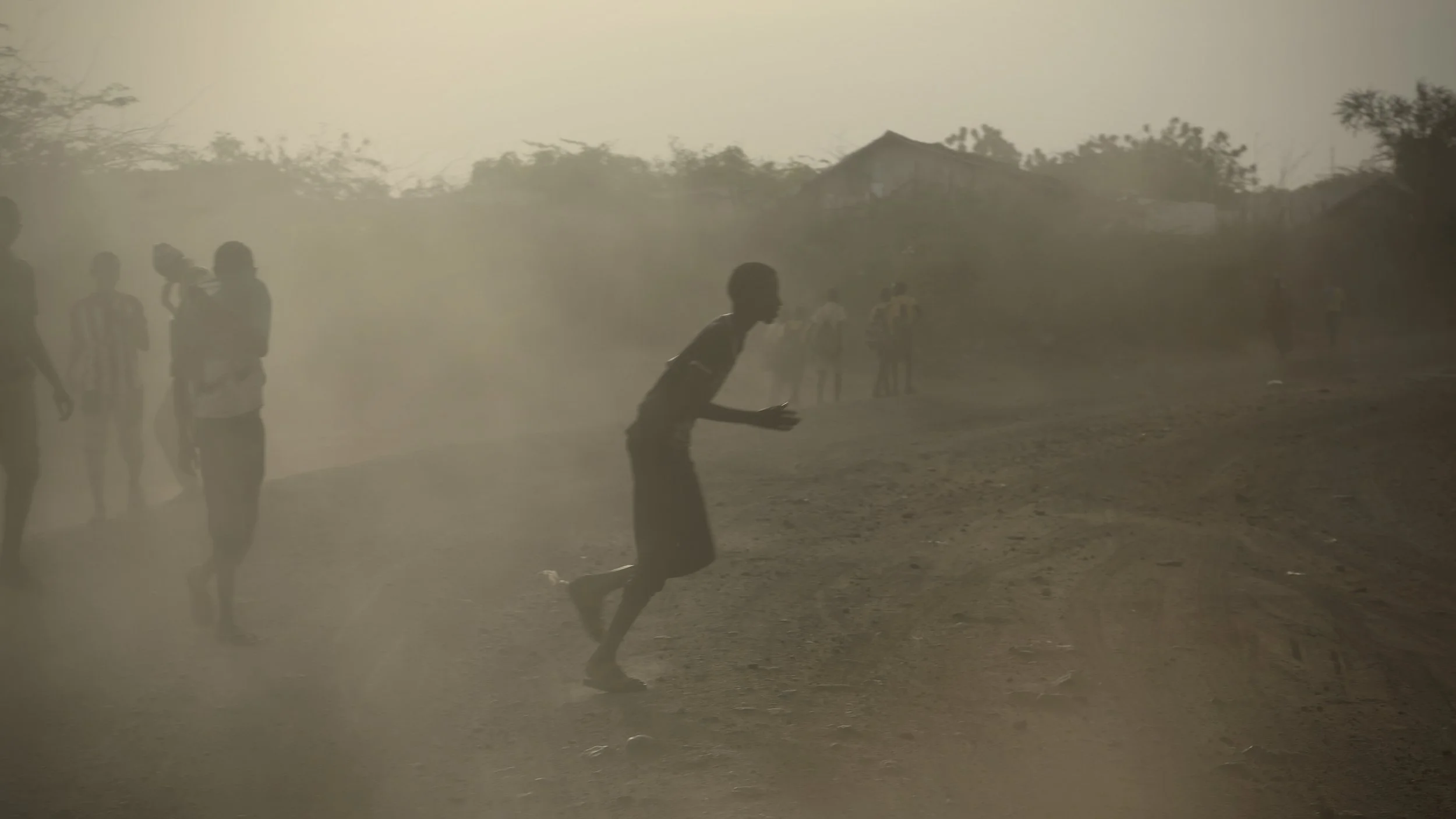
A South Sudanese teen runs through evening dust on a road inside Kakuma.
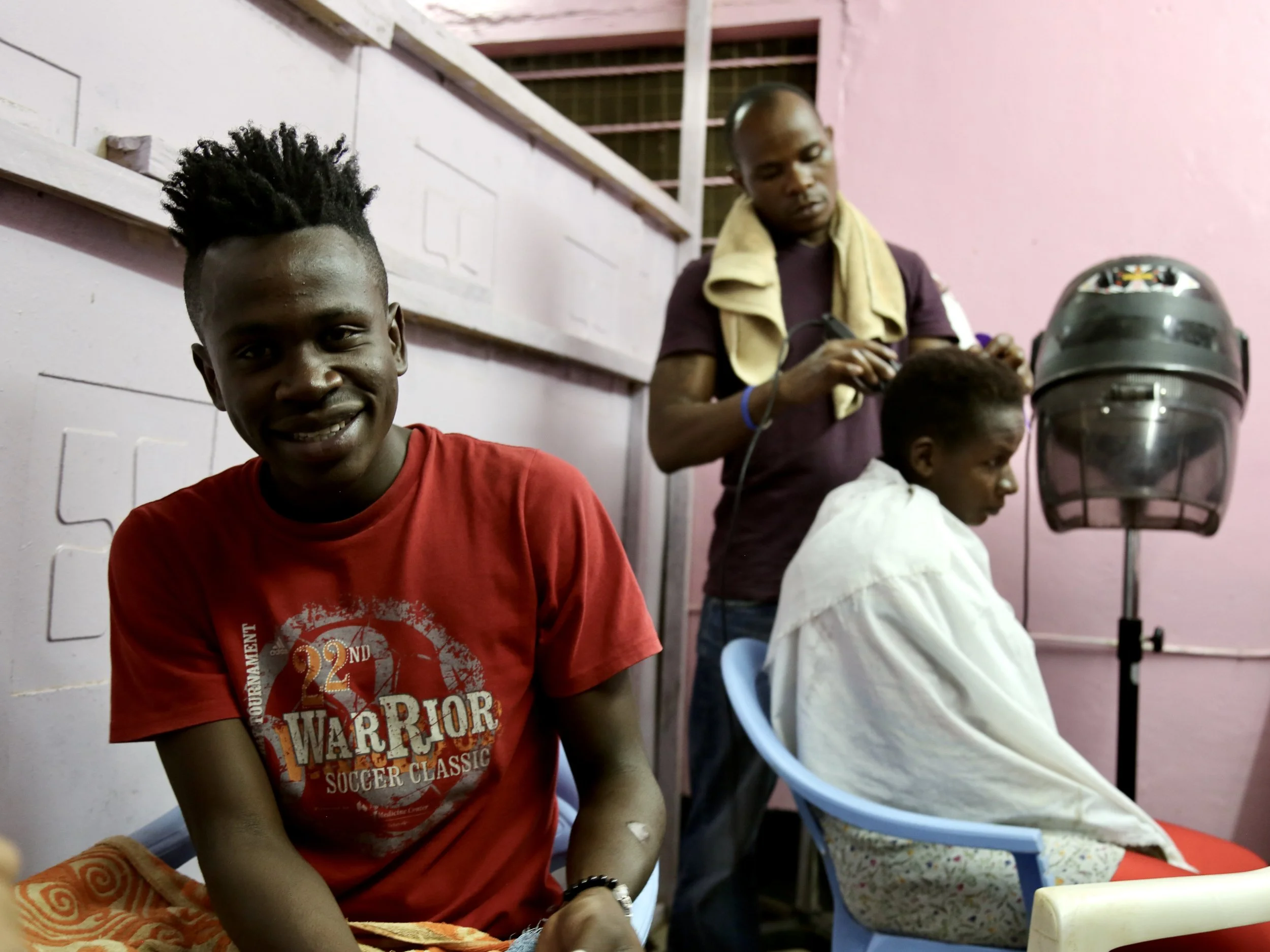
Young men gather in a salon as one has his hair cut in Kakuma refugee camp.
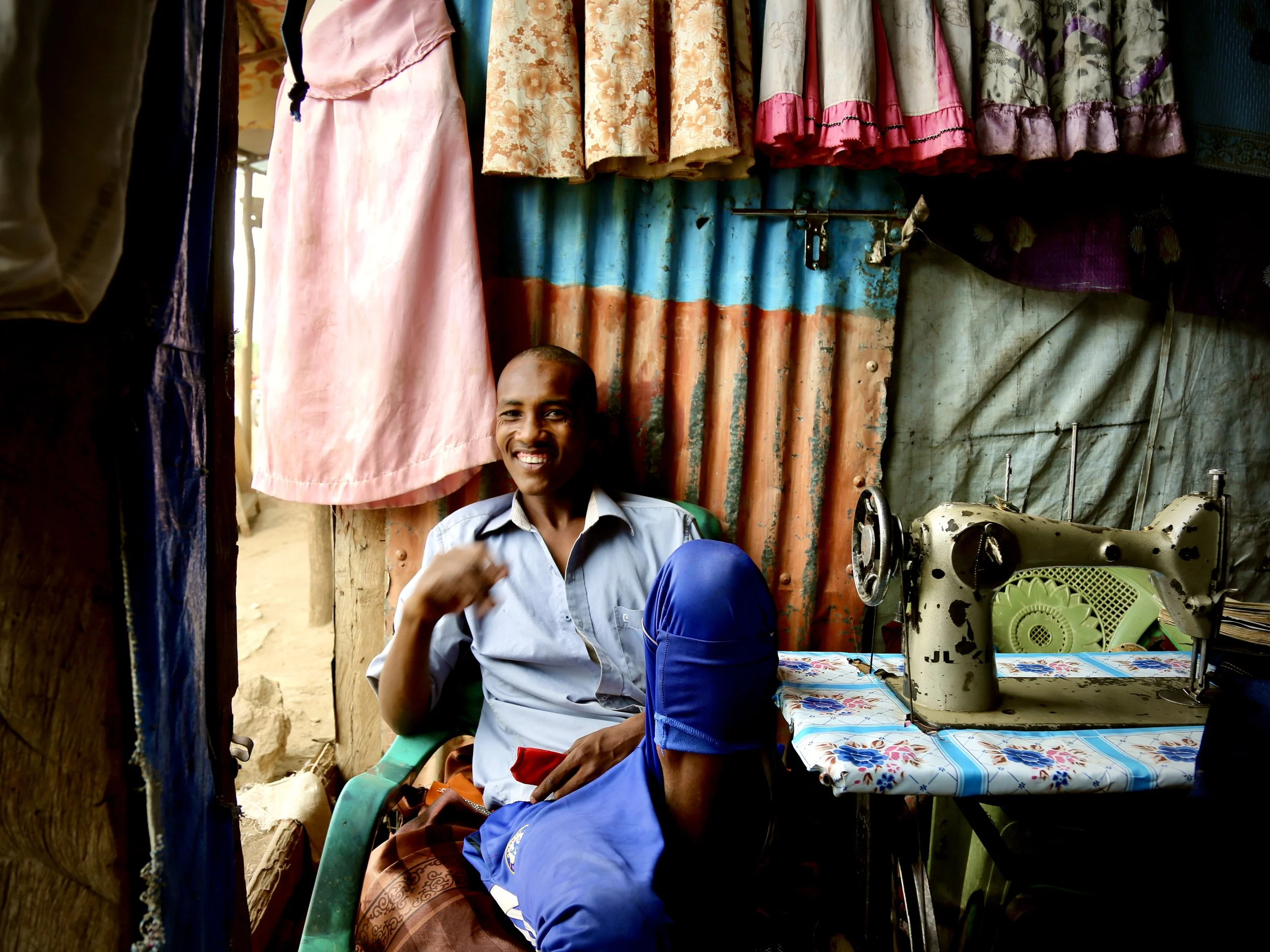
Young men gather inside a friend’s tailoring shop in Kakuma. Clothes are repaired, altered and remade here; the small room is also a place to talk, joke and imagine new styles.
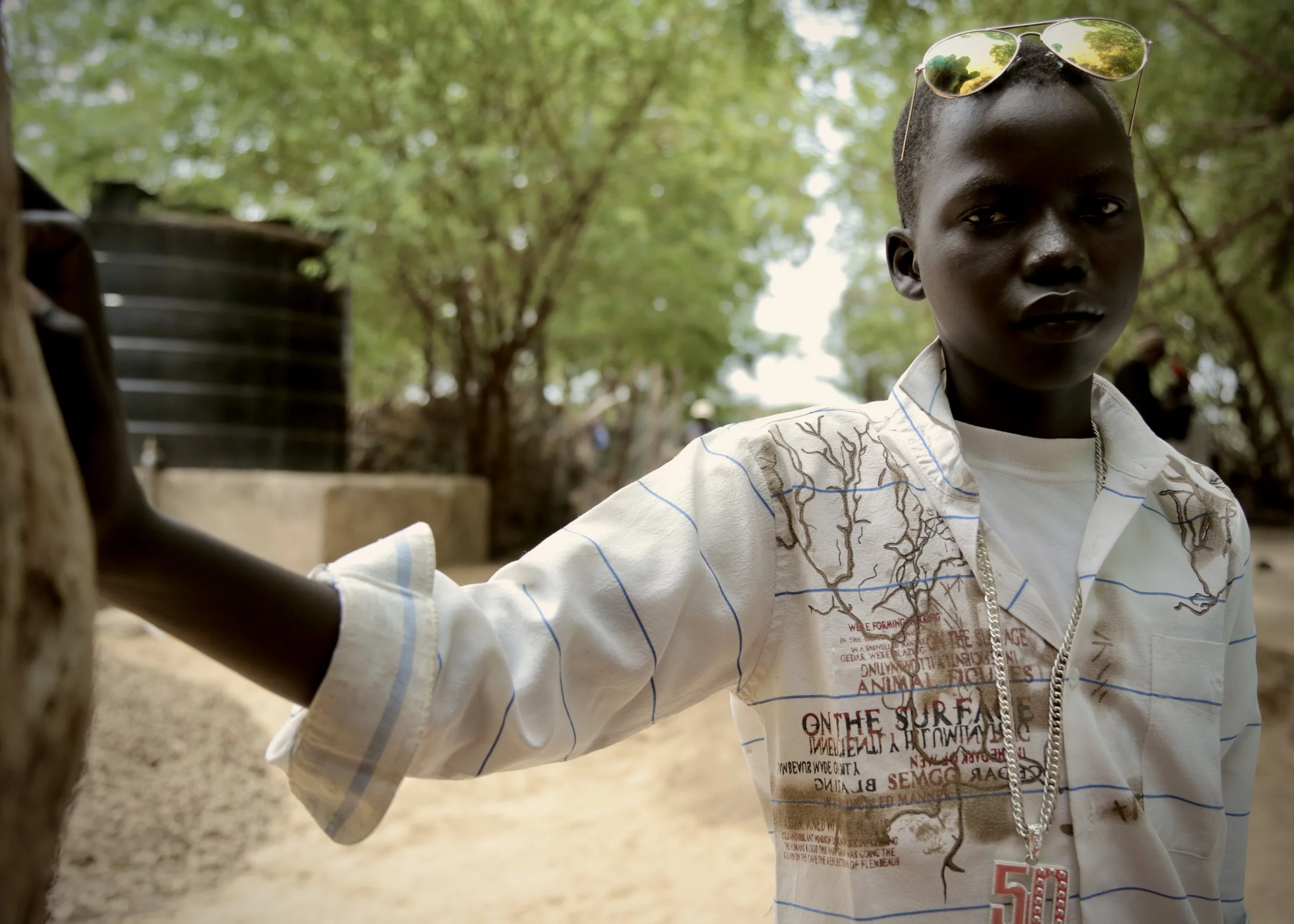
A boy wearing mirrored sunglasses stands beside a water tank in Kakuma.
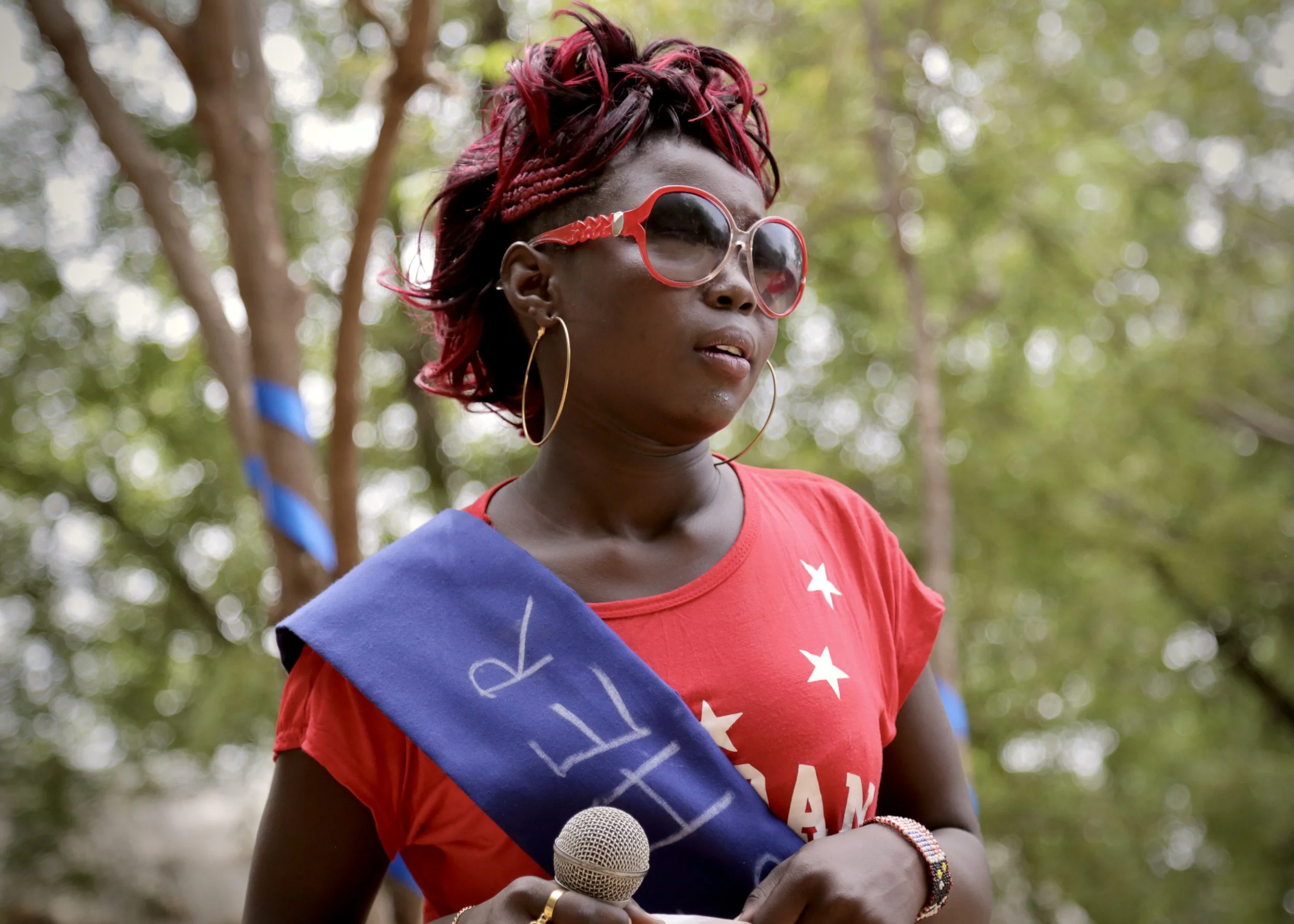
A young woman in a Miss sash and holding a microphone prepares to speak or perform in Kakuma.
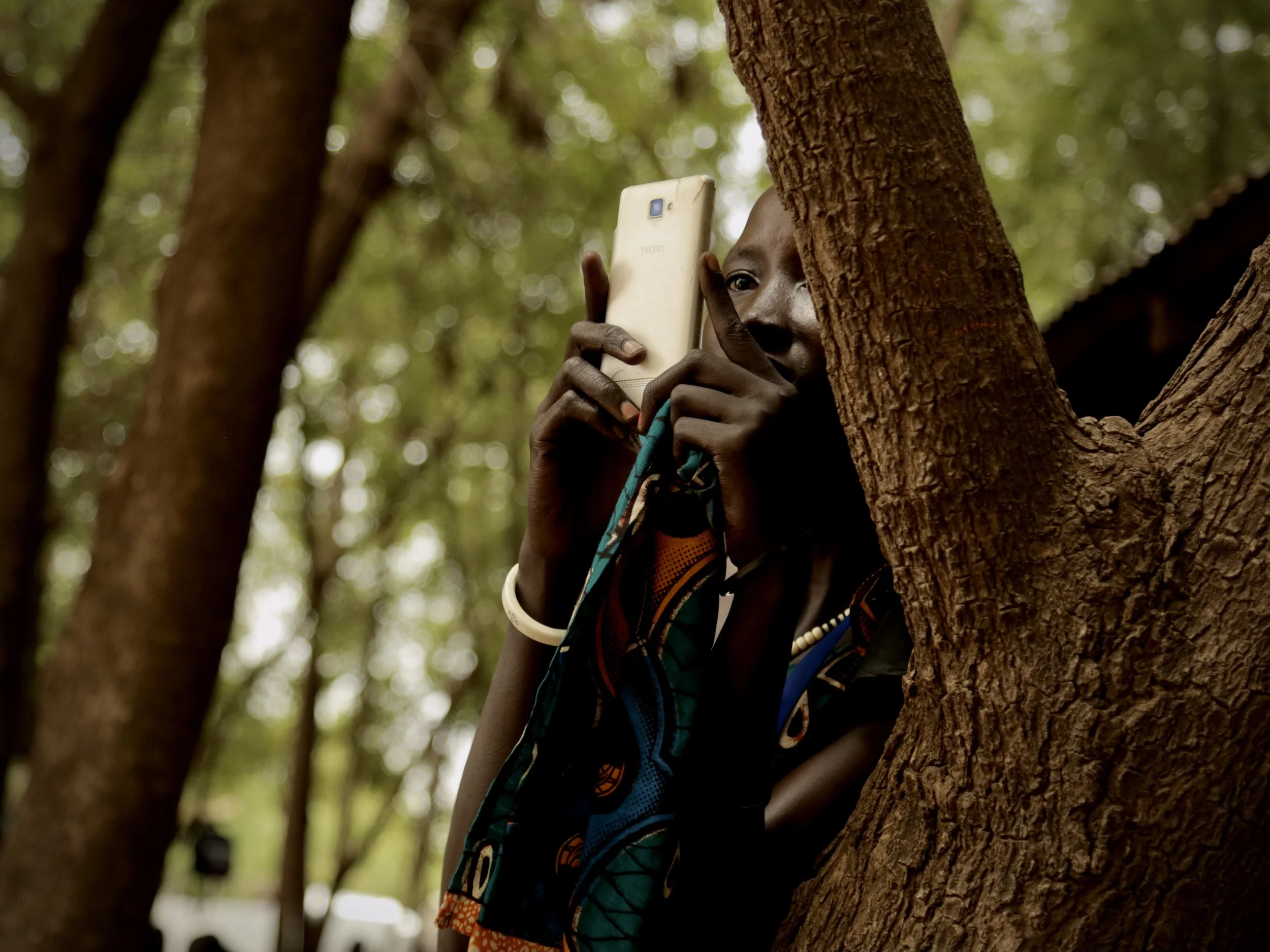
A girl photographs the scene while leaning through branches in Kakuma.
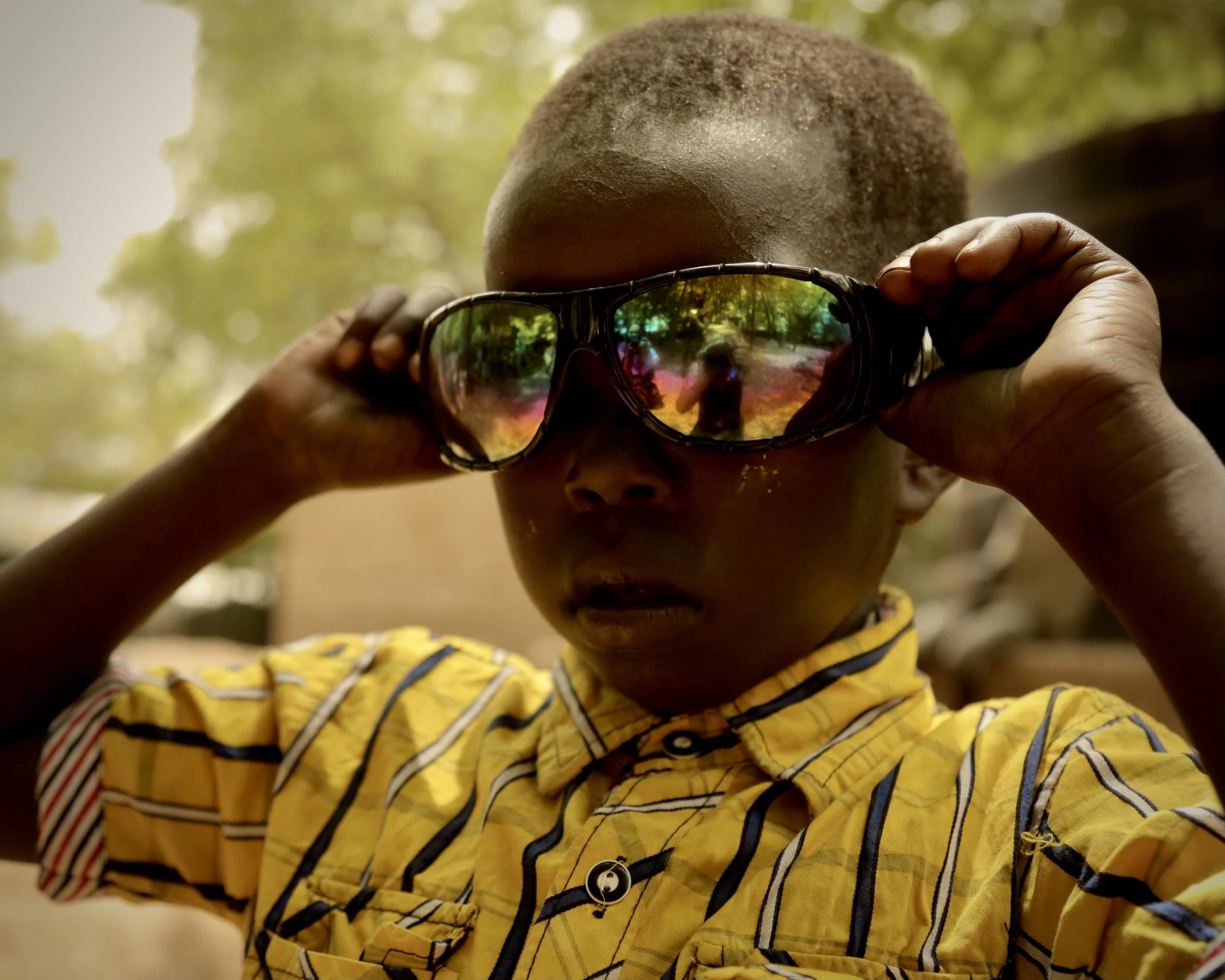
A South Sudanese boy in Kakuma refugee camp adjusts mirrored sunglasses. Faint traditional forehead scarification marks, practiced historically by several Nilotic communities, hint at family heritage carried across displacement.
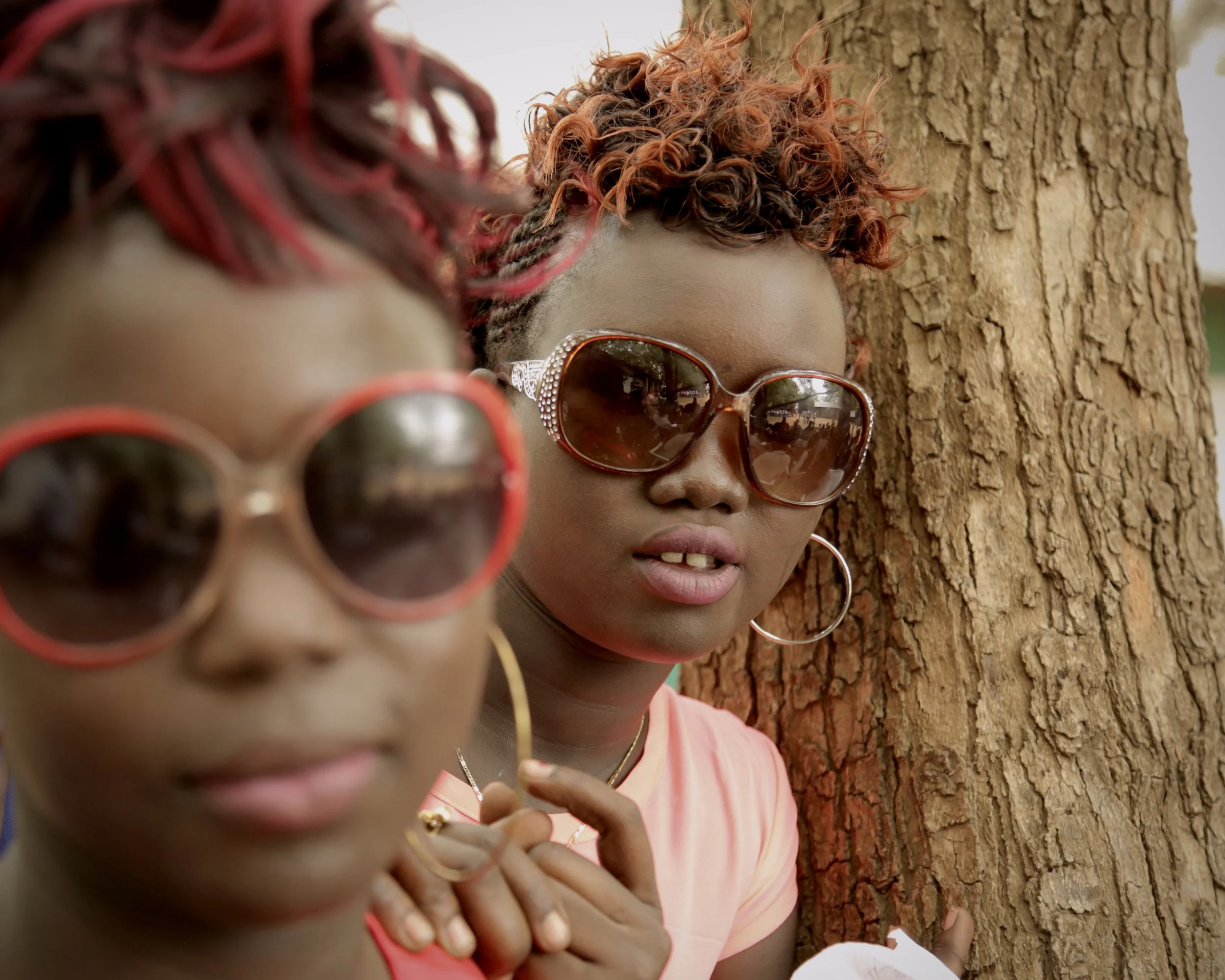
Two young women pose beside a tree wearing sunglasses in Kakuma.