In June 2016, South Sudanese asylum seekers arriving at Nadapal, the main border crossing into Kenya, were being denied entry following a verbal directive from Kenyan authorities. Individuals fleeing conflict, hunger and insecurity were required to pay for visitor permits to cross, preventing them from claiming asylum and accessing protection. Those unable to pay were turned back to South Sudan.
Access to the border was limited and tightly controlled at the time, with few independent observers present. This series was photographed during a period of heightened tension between officials, humanitarian agencies and asylum seekers, as uncertainty over policy left hundreds stranded.
The images follow Randa, a 24-year-old South Sudanese woman, over the course of a day as she attempted to reach her family in Kakuma refugee camp. After spending her last money on transport, she was refused entry and slept outside near the immigration office. Following intervention from refugee officials, she was eventually allowed to cross, receive documentation and be transported to Kakuma.
Her experience was an exception. During this period, many asylum seekers were denied access to protection at the border, in violation of international law, and some were returned to unsafe conditions.
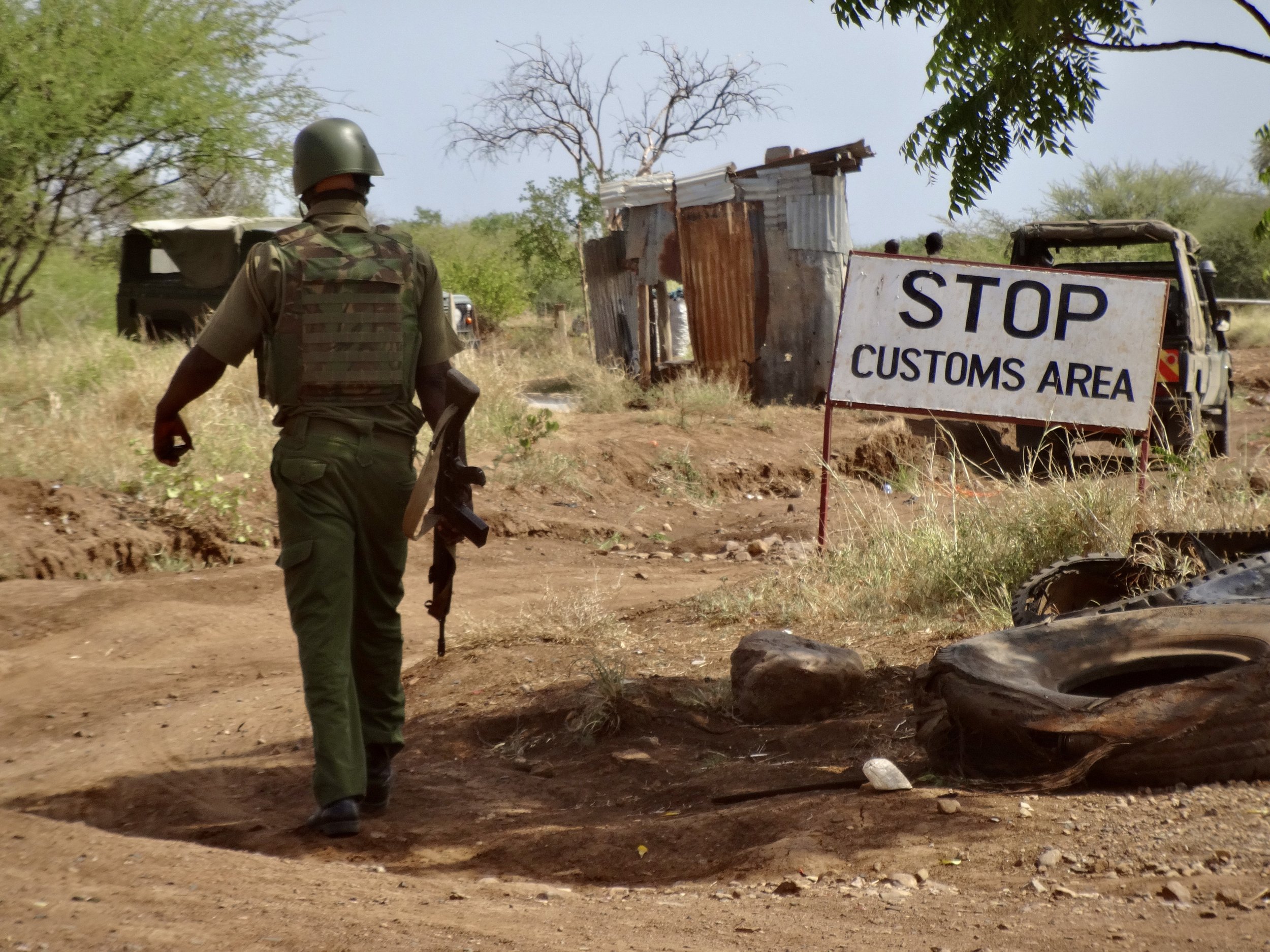
A Kenyan security officer walks near a “Stop Customs Area” sign at the Nadapal border crossing, the main point of entry between South Sudan and Kenya.
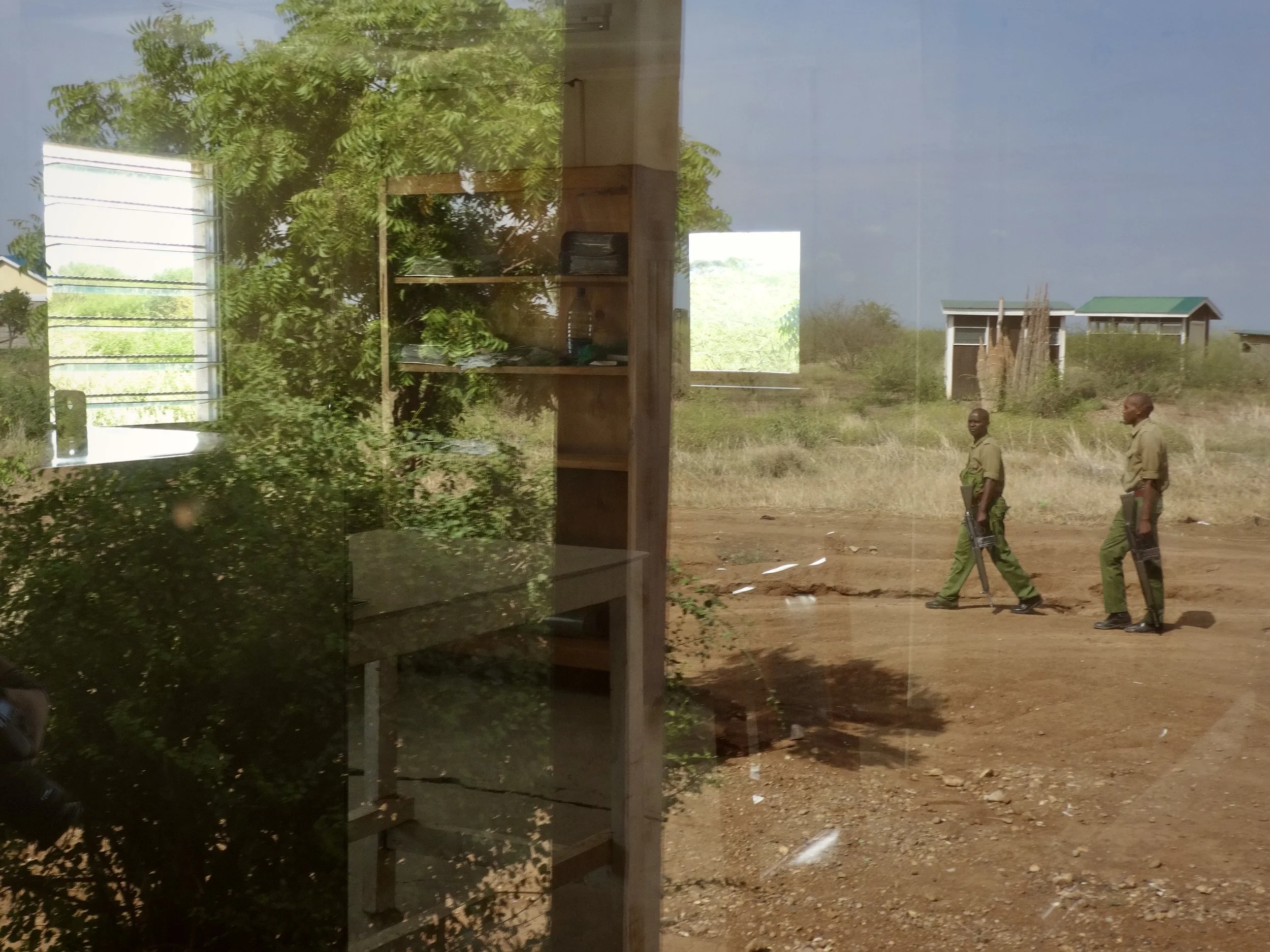
Through a window, Kenyan officials and security personnel move between the South Sudanese and Kenyan sides of the border, where access for asylum seekers had become restricted.
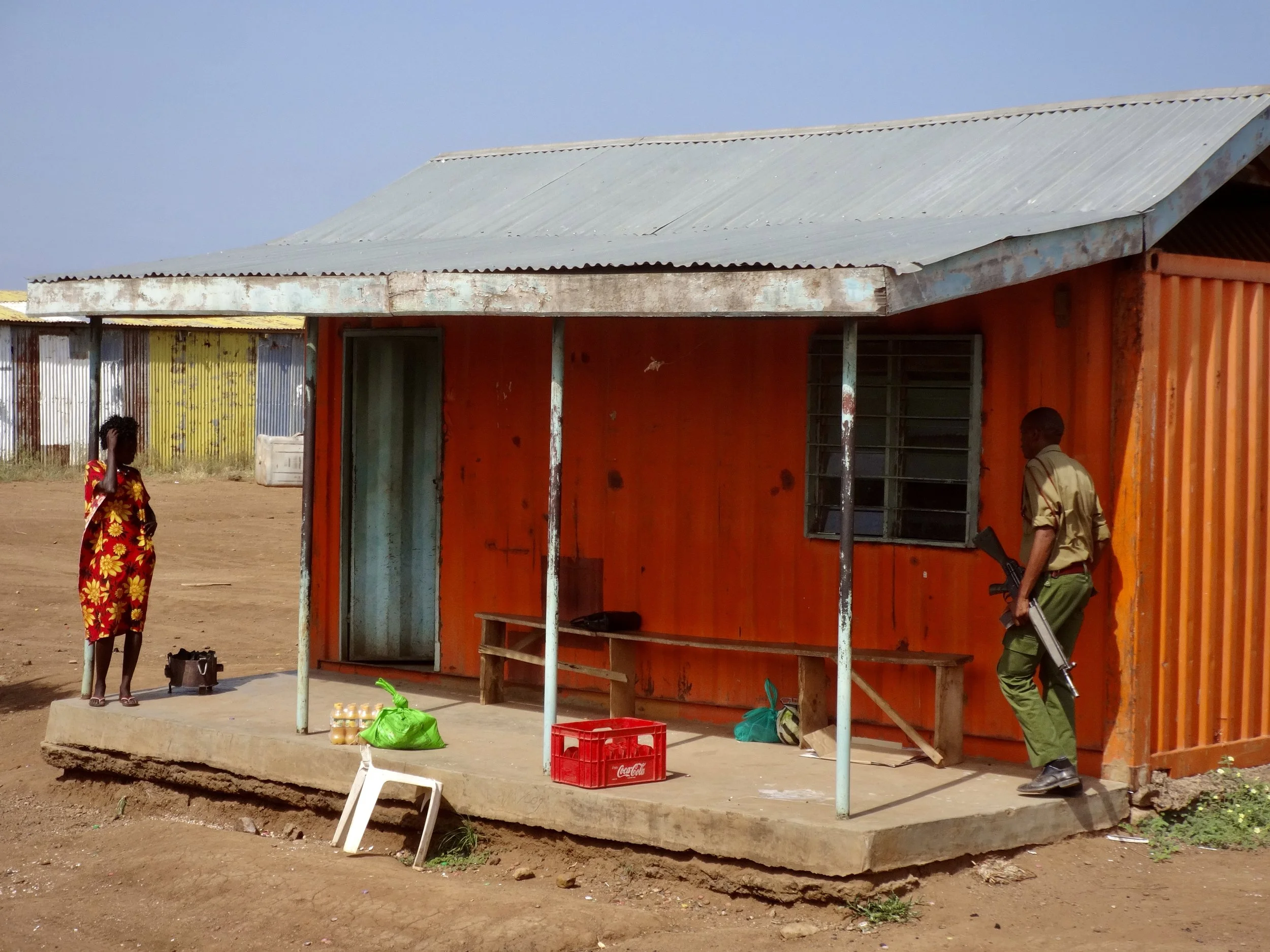
A building at the border. Facilities intended to house and process asylum seekers remained underused as many were denied entry.
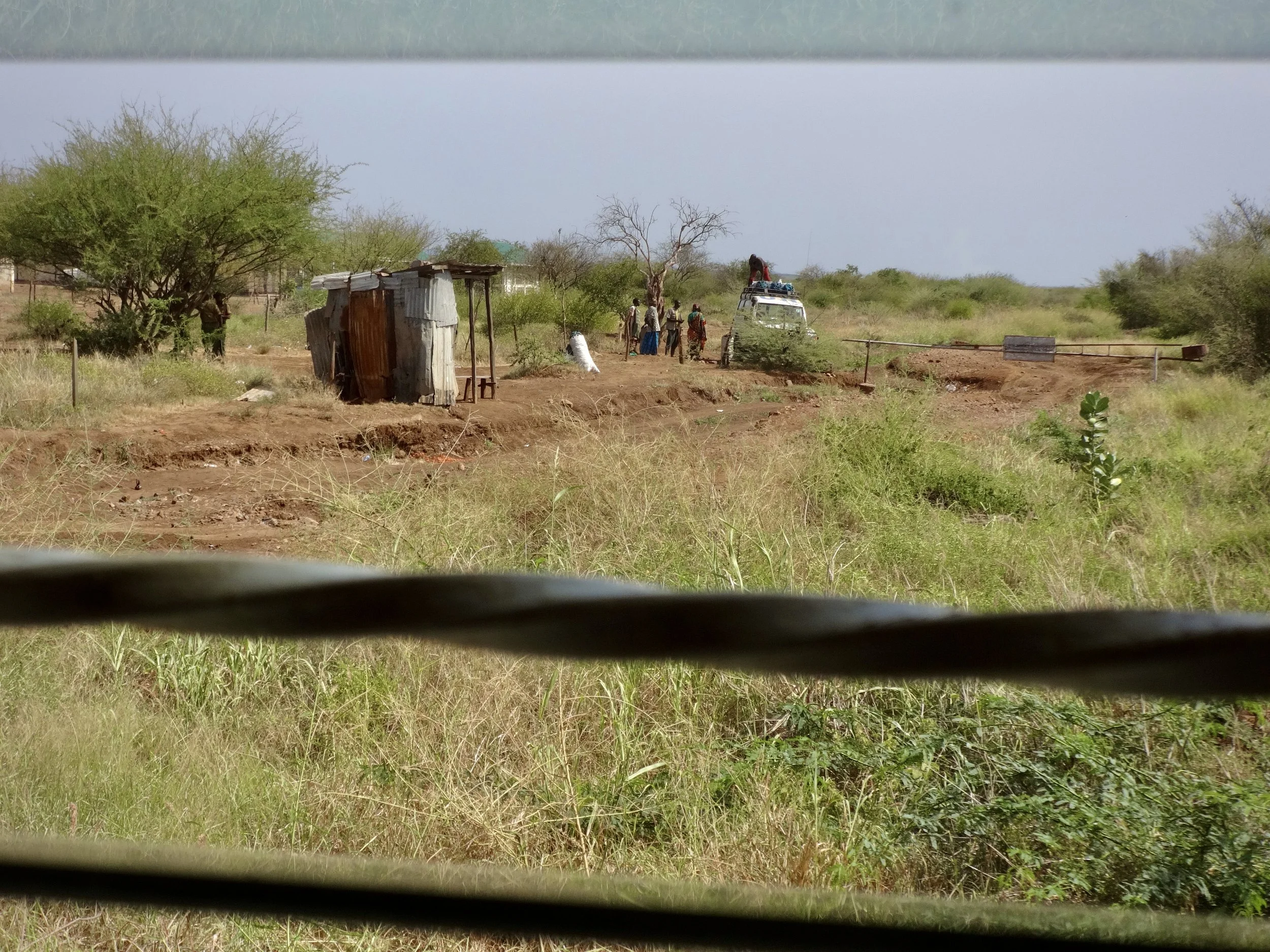
The landscape around Nadapal, a remote and arid crossing point where many asylum seekers arrived after long journeys.
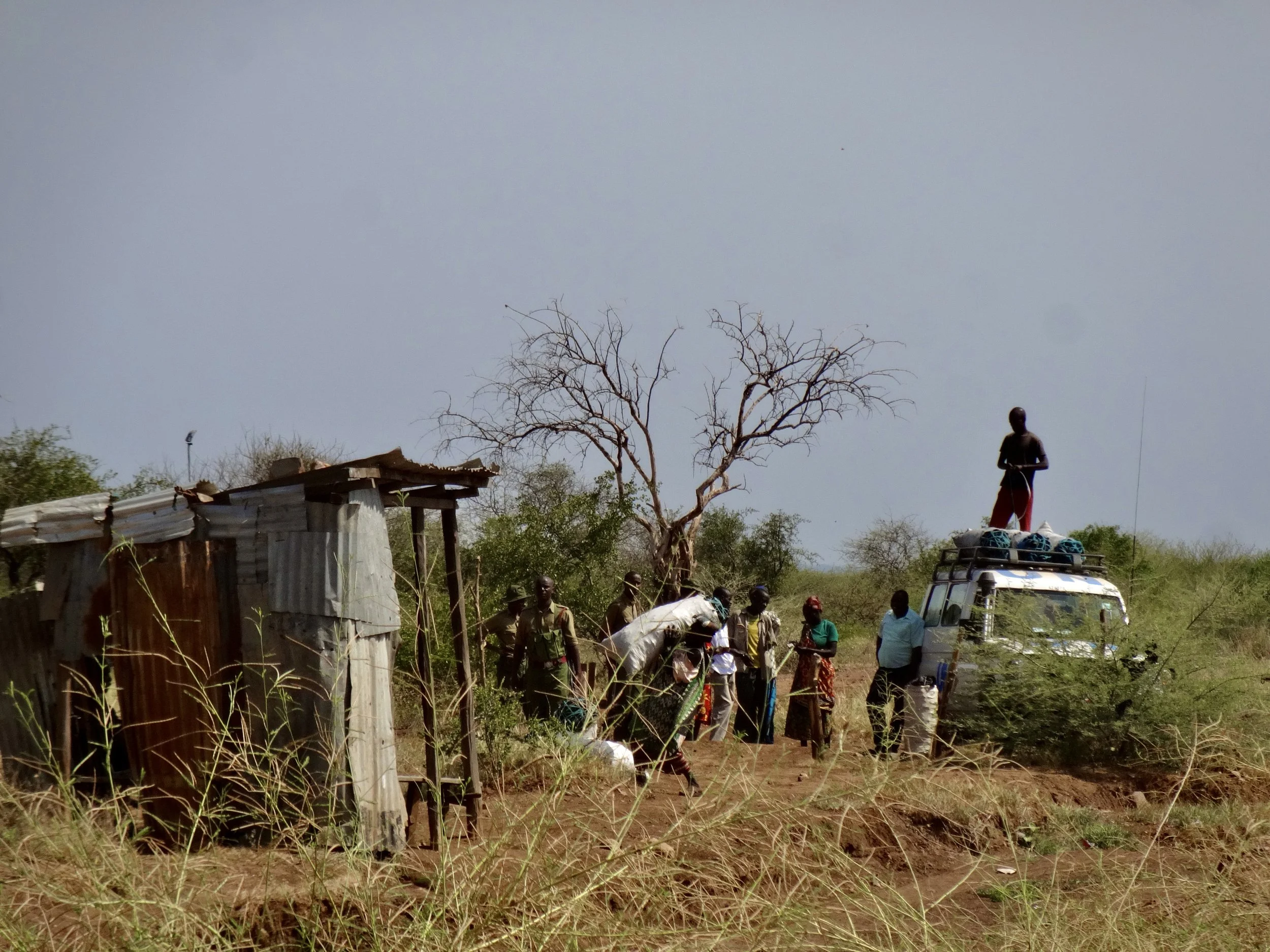
Groups gather near the border area. Hundreds of asylum seekers arriving from South Sudan were reportedly turned back during this period.
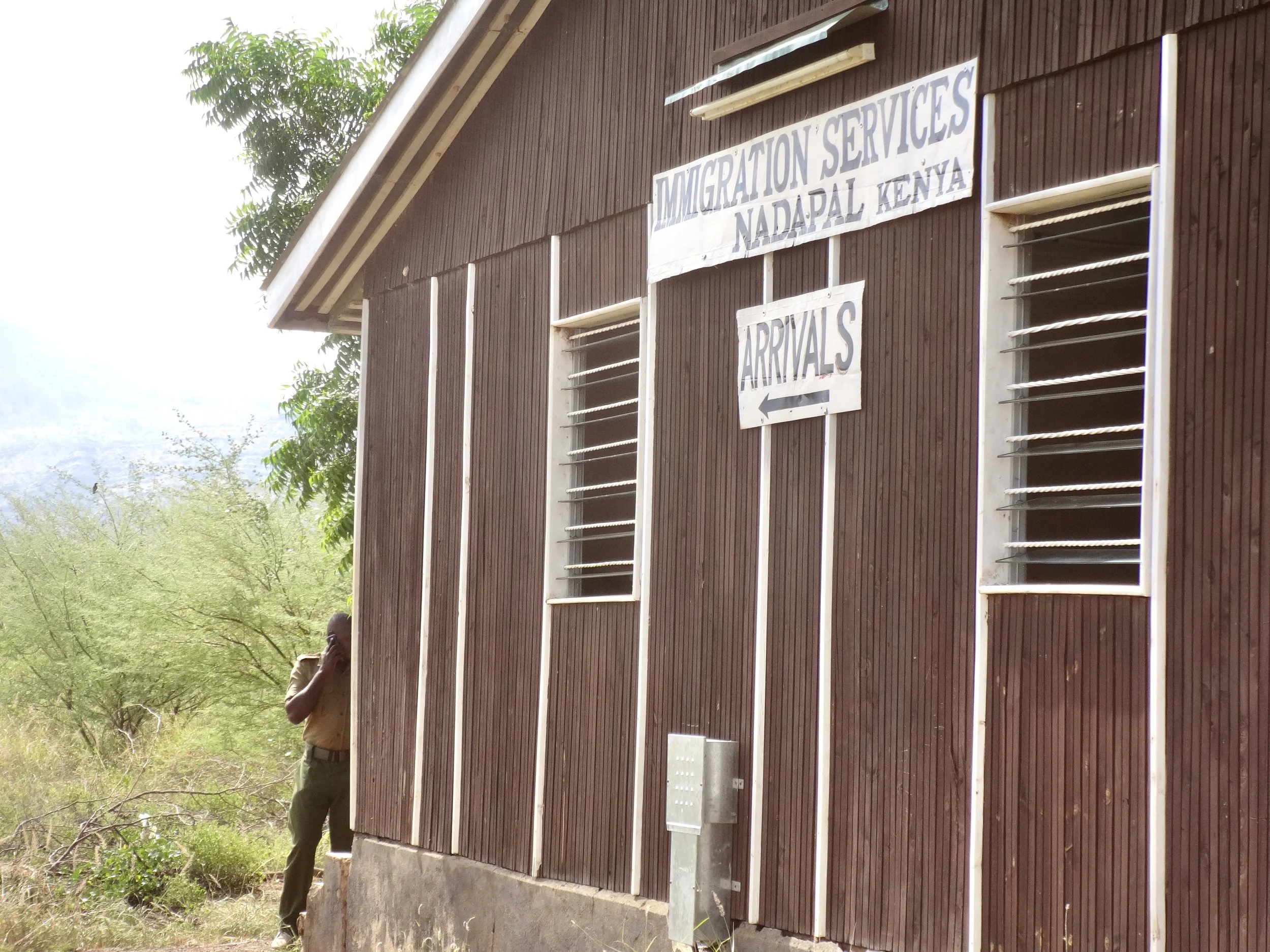
The Kenyan immigration office at Nadapal, where asylum seekers would normally be registered and granted access to protection services.
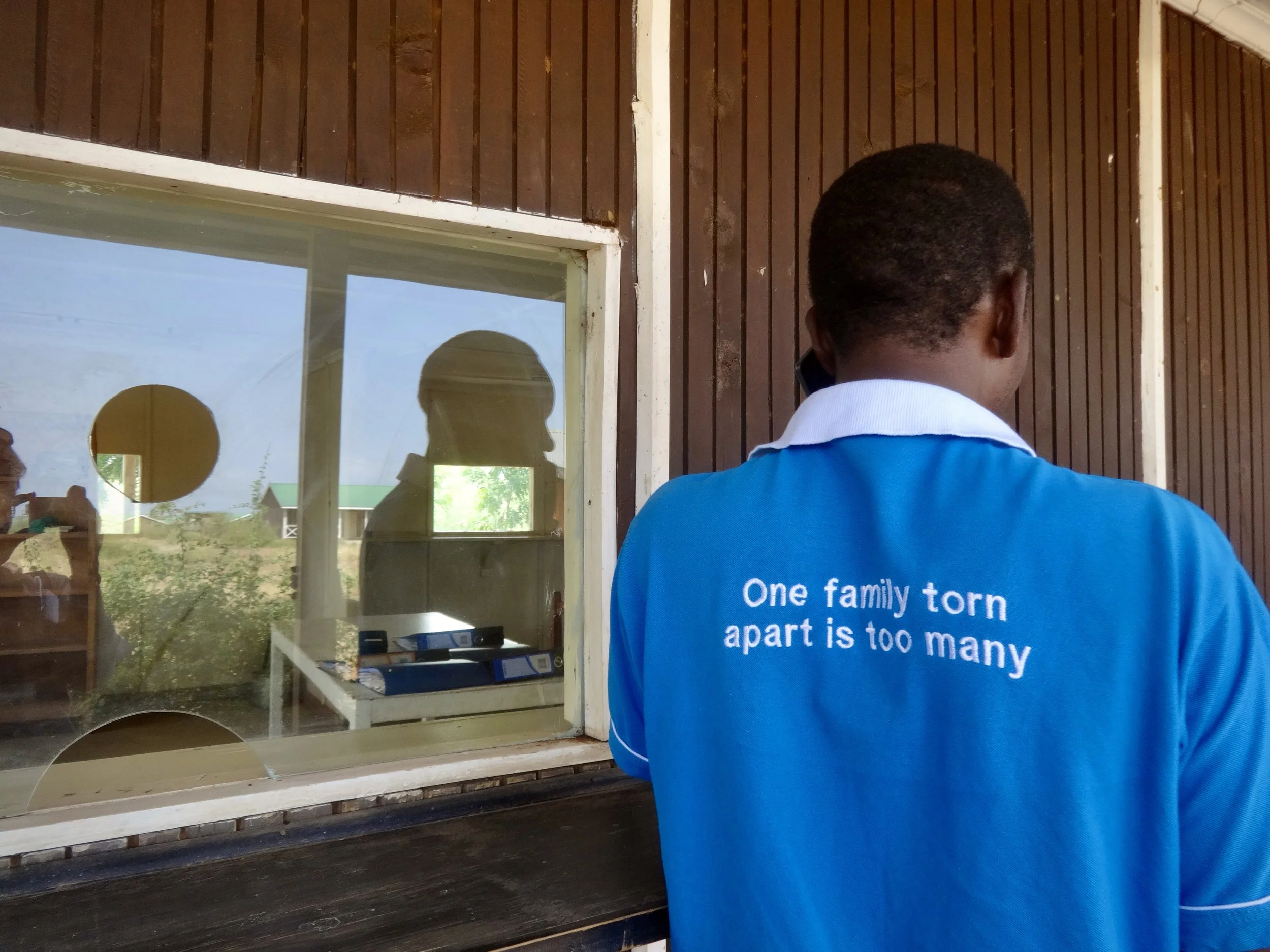
A man stands at the immigration counter. During this period, asylum seekers were being instructed to enter Kenya on a paid visitor permit rather than register for asylum.
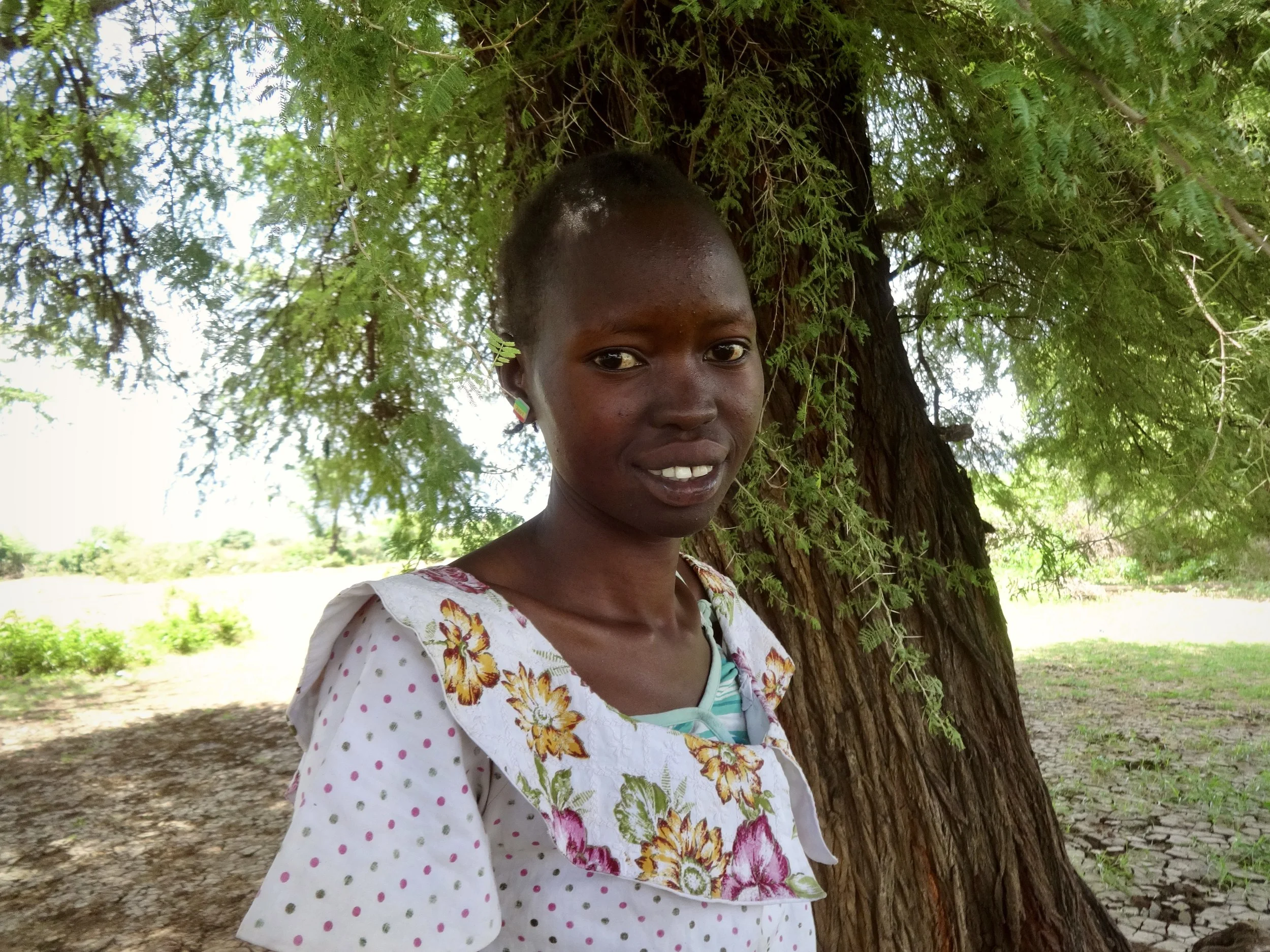
Randa, a 24-year-old South Sudanese woman, waits near the border after being refused entry into Kenya.
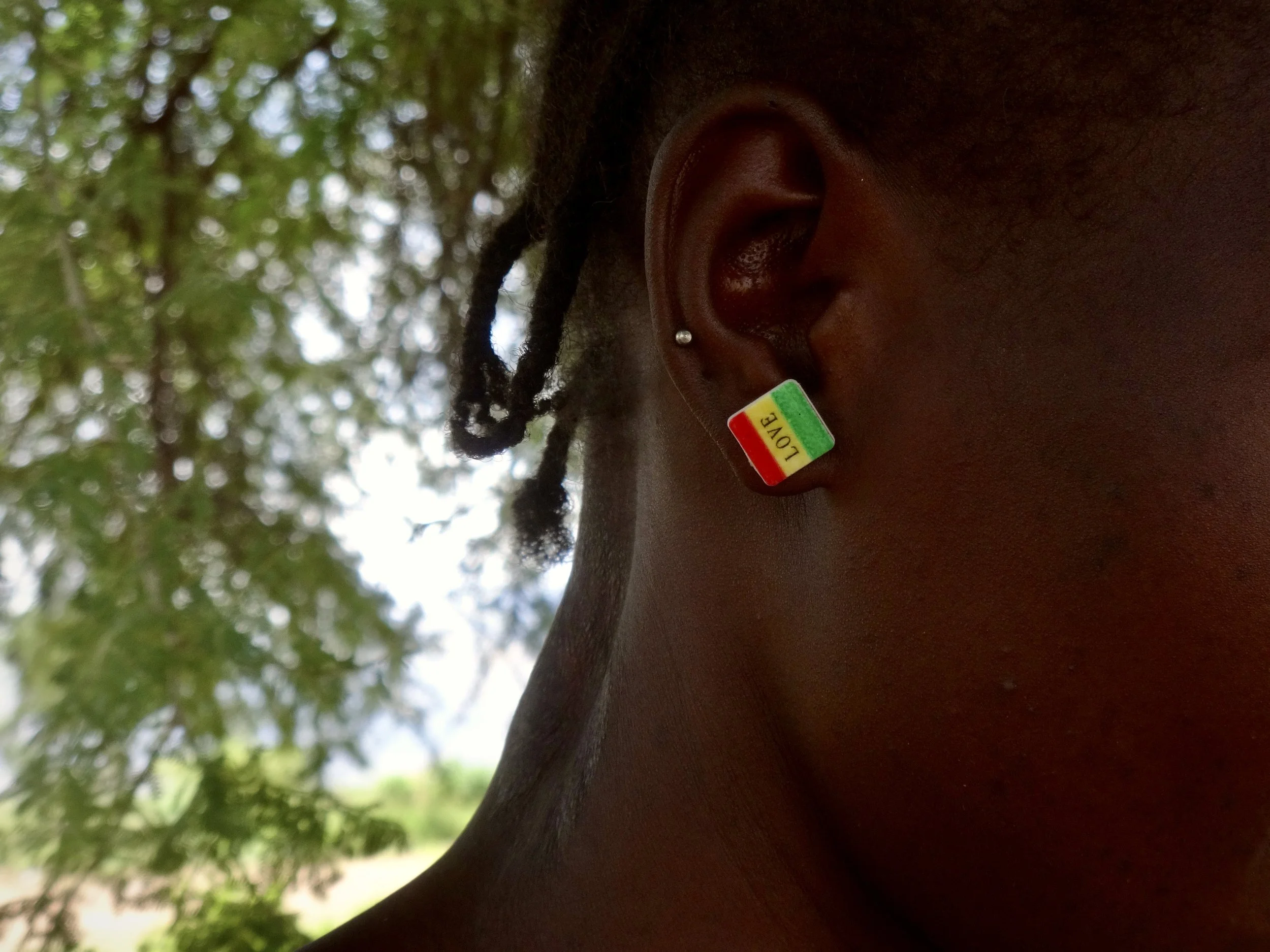
A close detail of Randa’s earring reading “Love” as she waits to cross into Kenya.
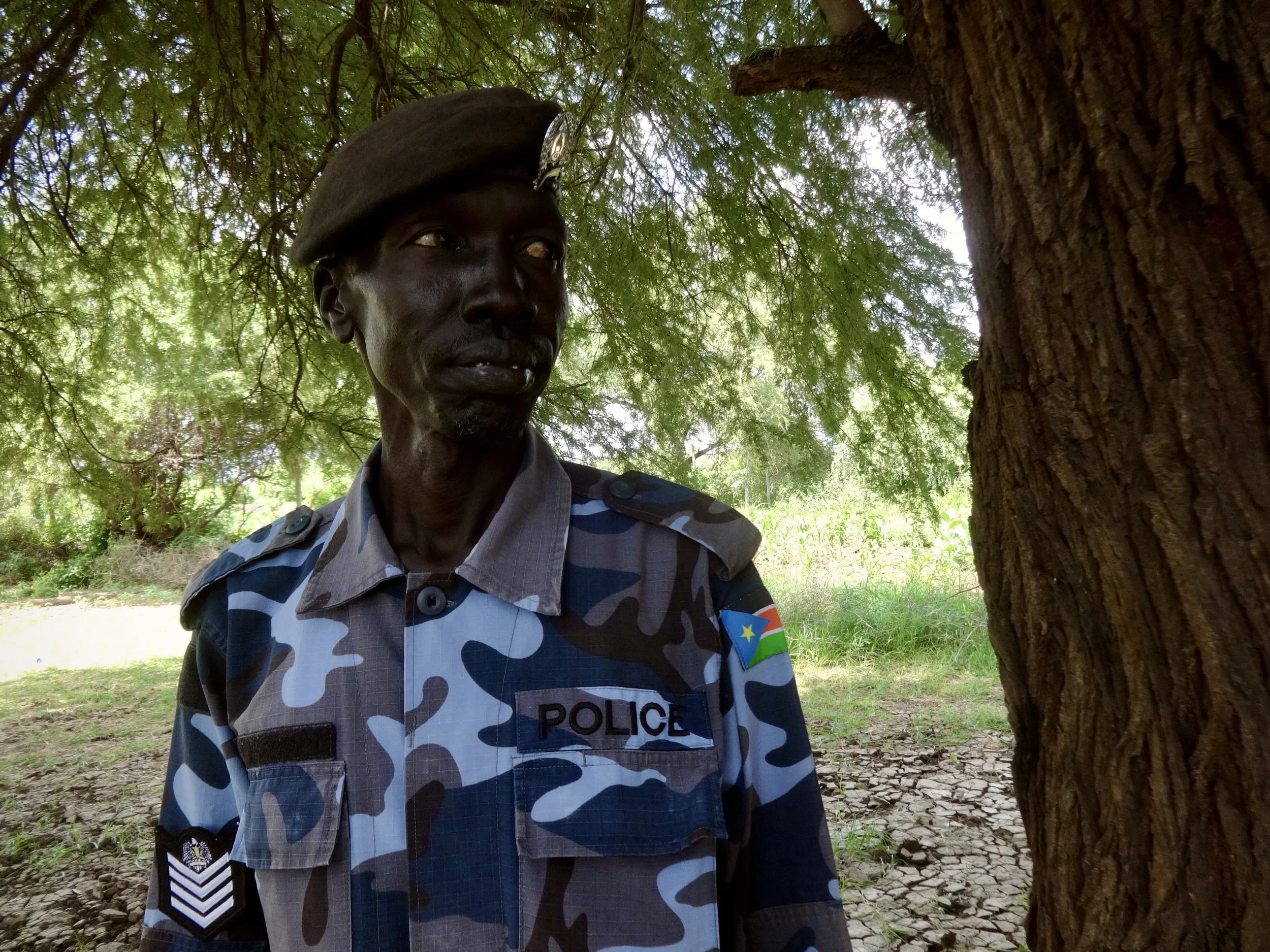
A South Sudanese police officer stands near the border. Local authorities on both sides were involved in managing the flow of asylum seekers.
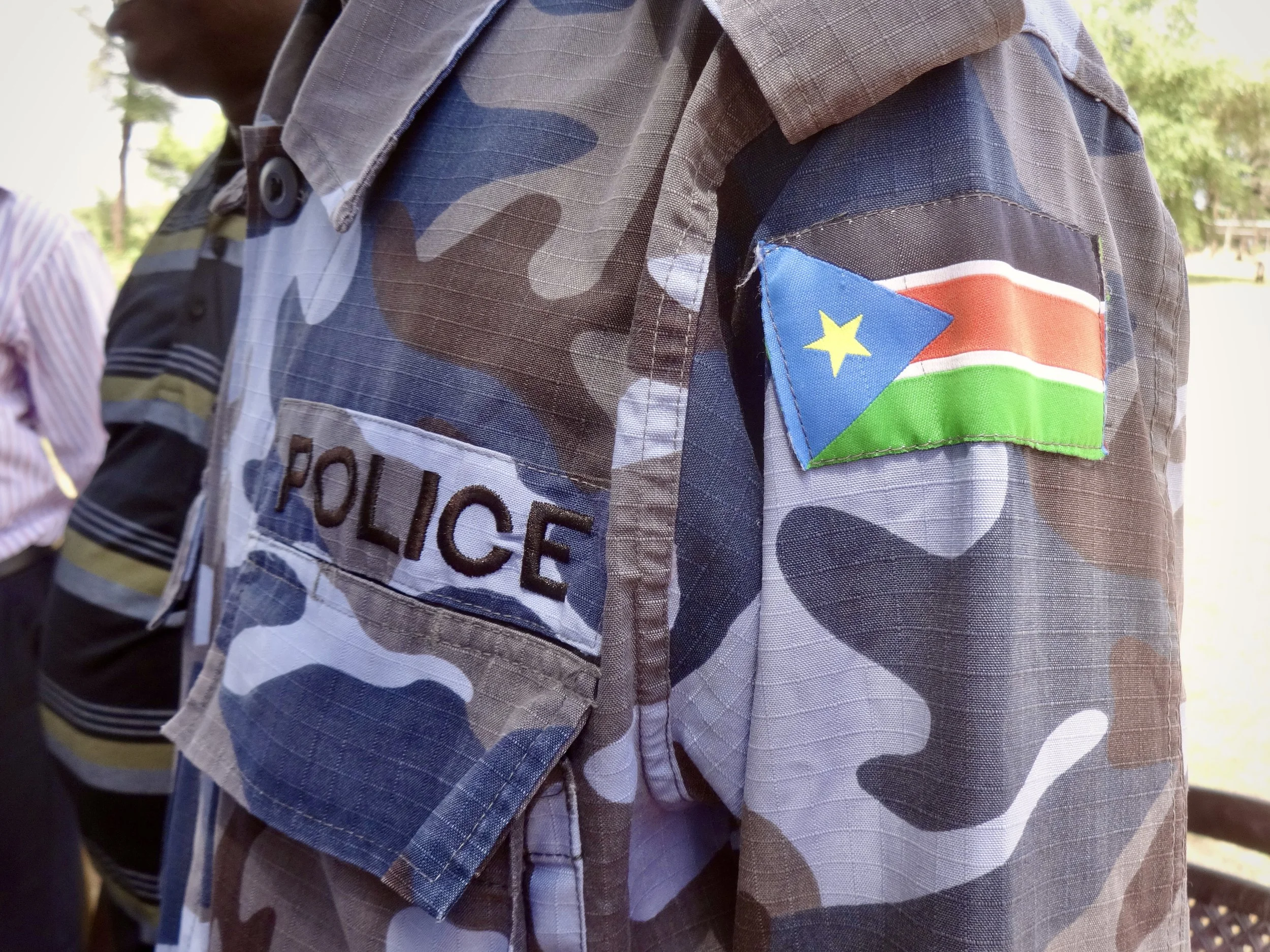
A police uniform bearing the South Sudan flag. Officials said they had been instructed to redirect asylum seekers under new conditions imposed at the border.
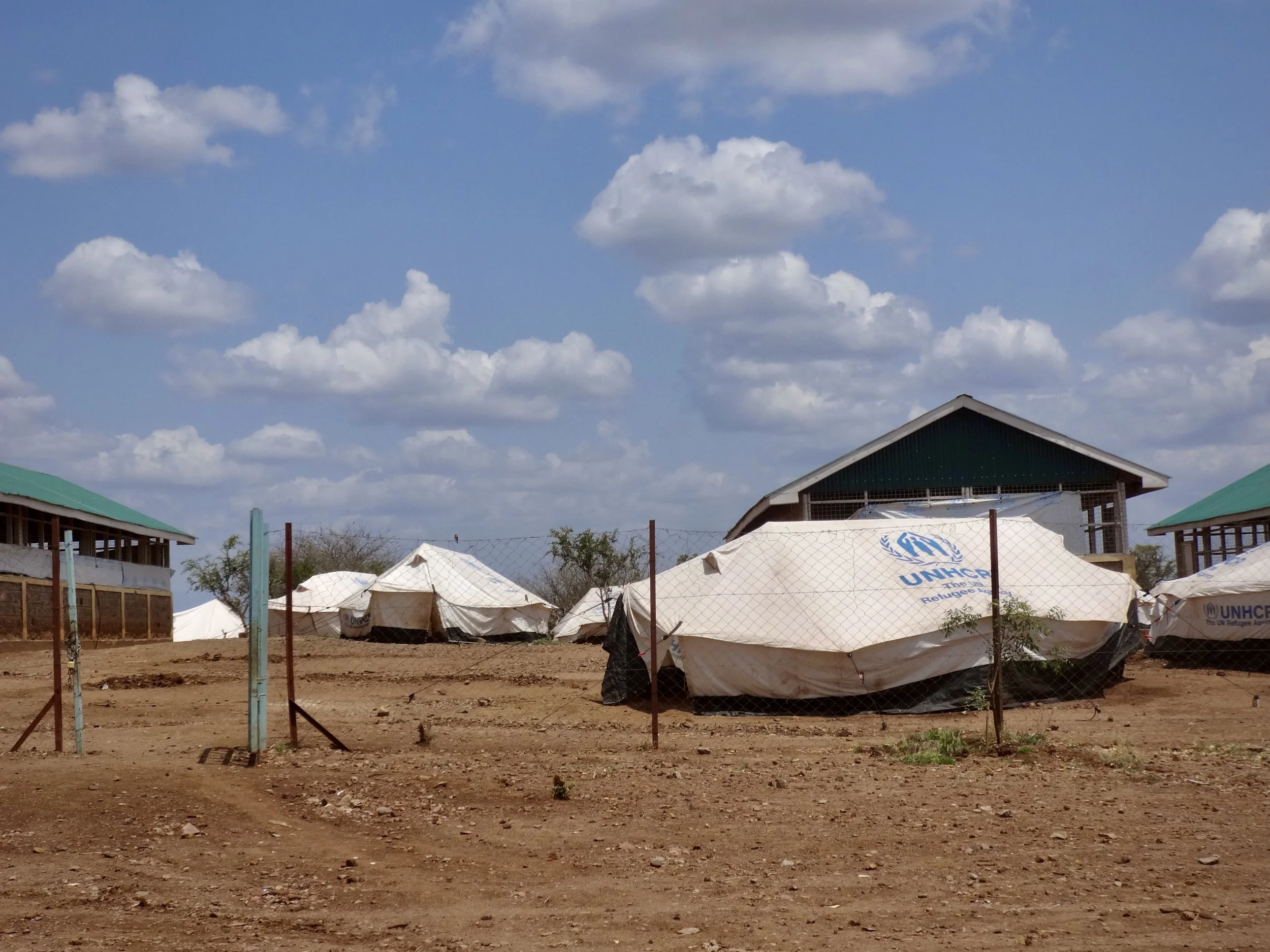
Temporary shelters and facilities near the border, where asylum seekers would normally be received, housed and given assistance. They remained empty.
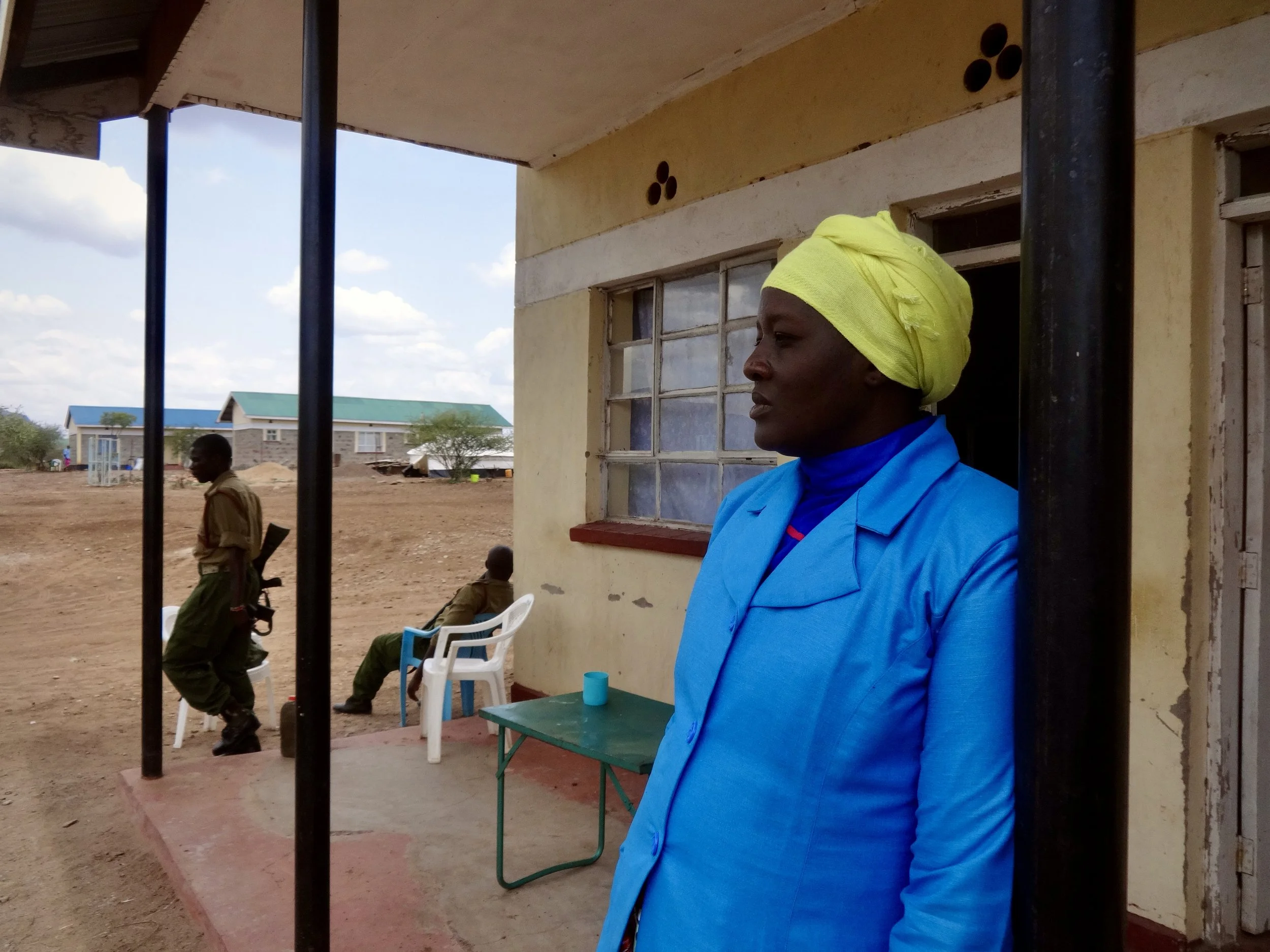
A protection officer from the Lutheran World Federation stands outside the Nadapal reception centre. The facility, where asylum seekers are normally registered, housed and given initial assistance before transfer to Kakuma, remained largely empty during this period. The officer said unaccompanied minors had been turned back at the border and were attempting to cross through more dangerous routes.
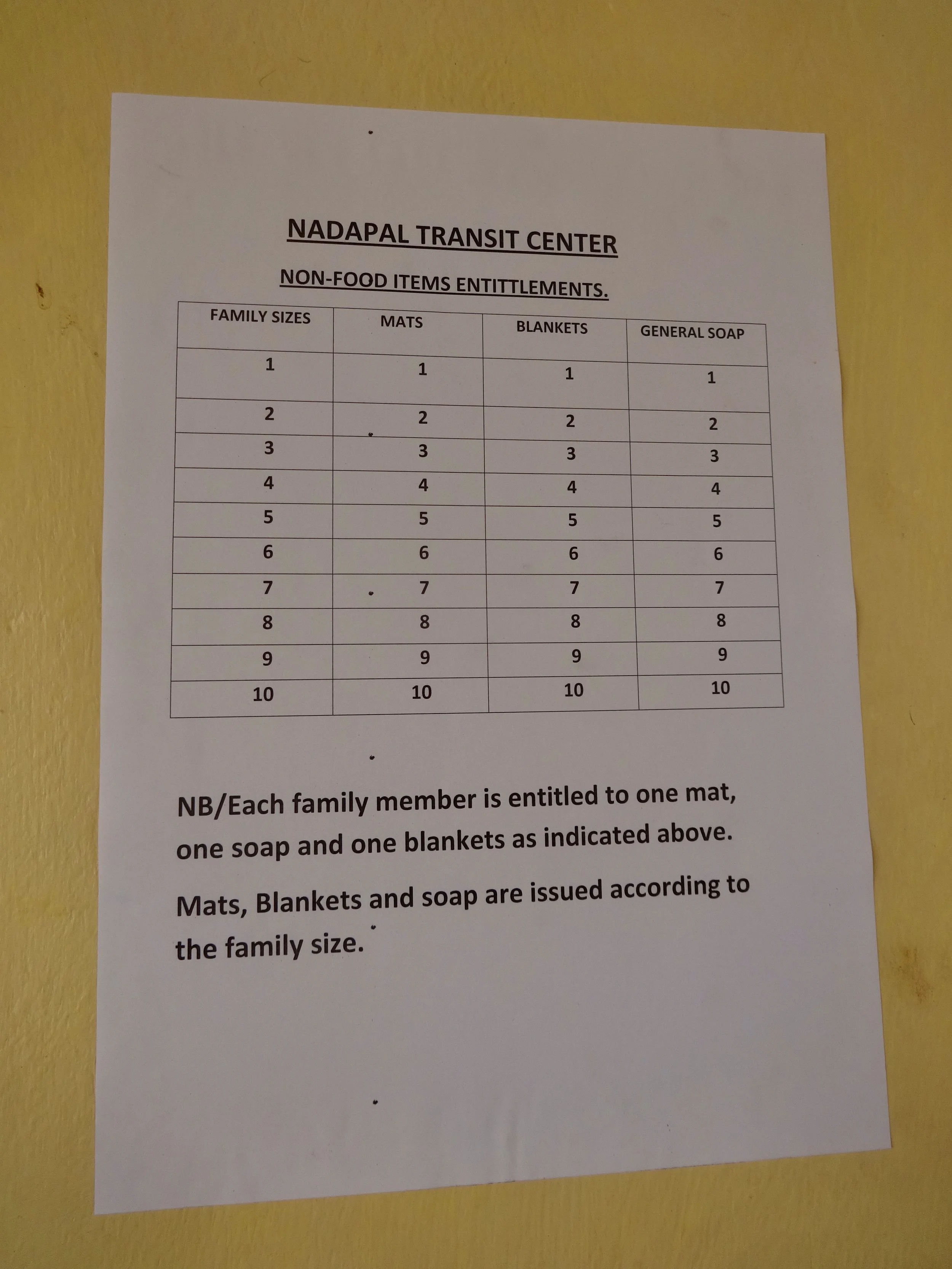
A notice outlining provisions for asylum seekers is displayed inside a facility that remained largely empty during the restrictions.
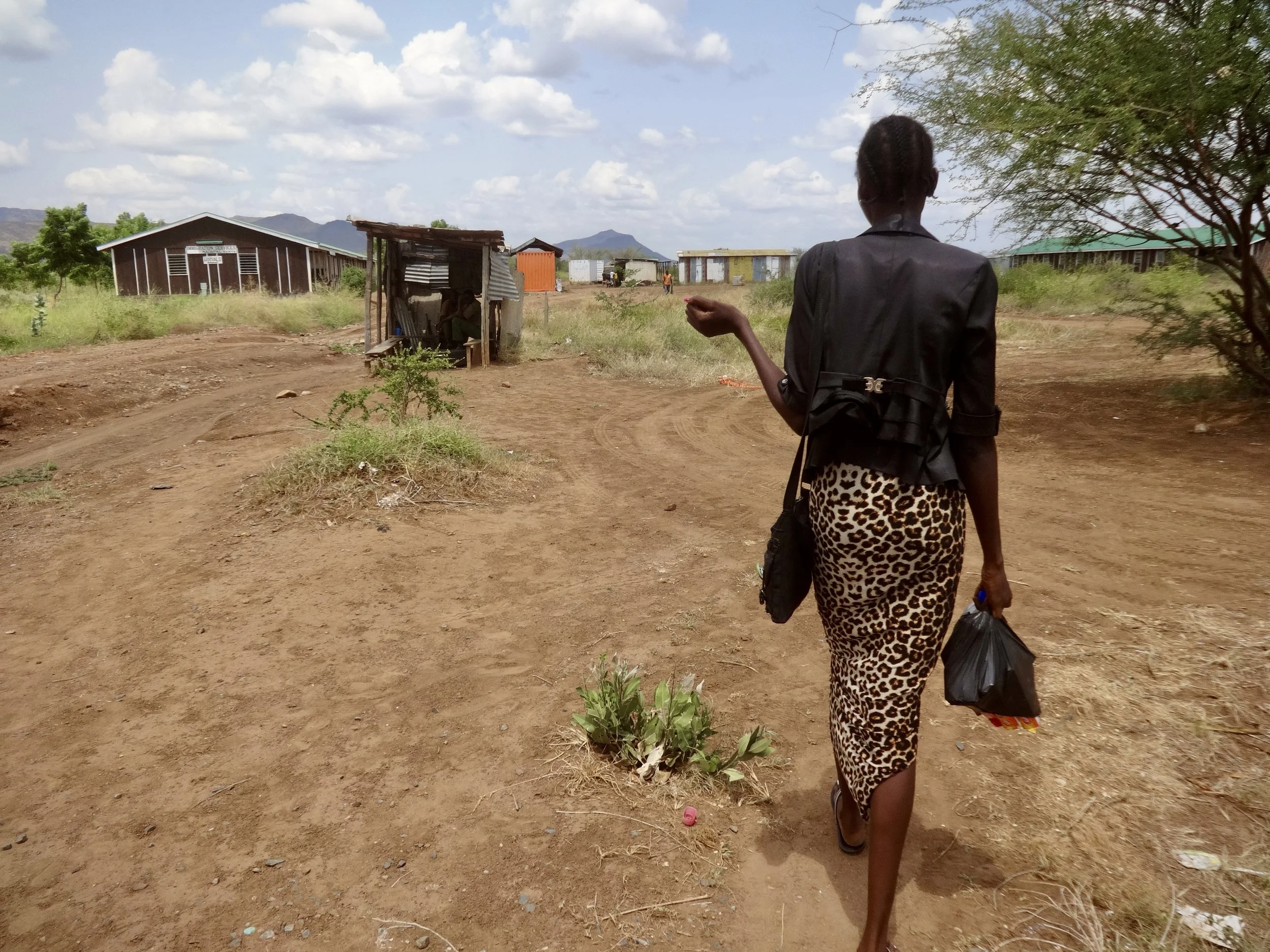
Randa walks along the road near the border, uncertain how long she will remain stranded.
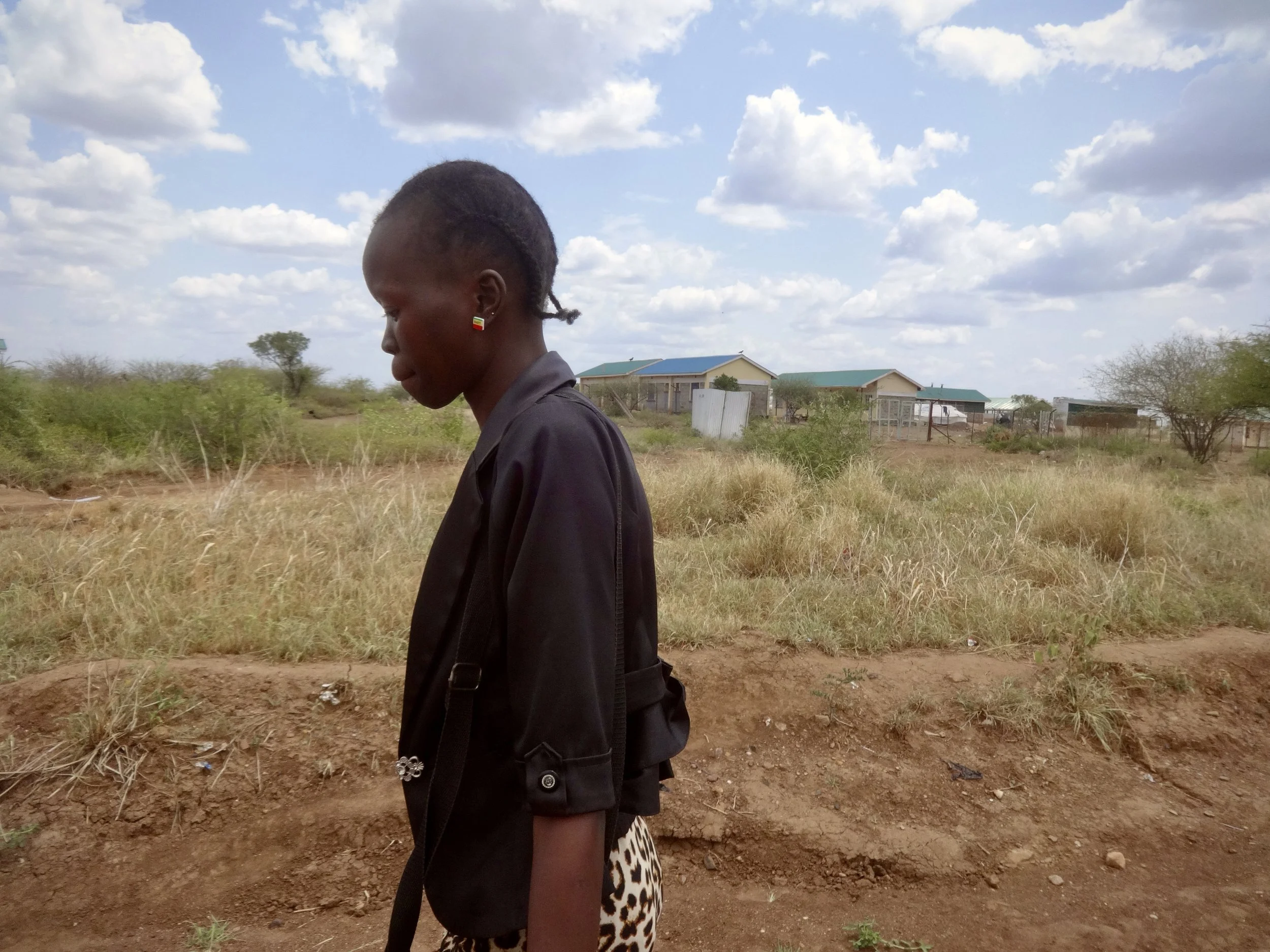
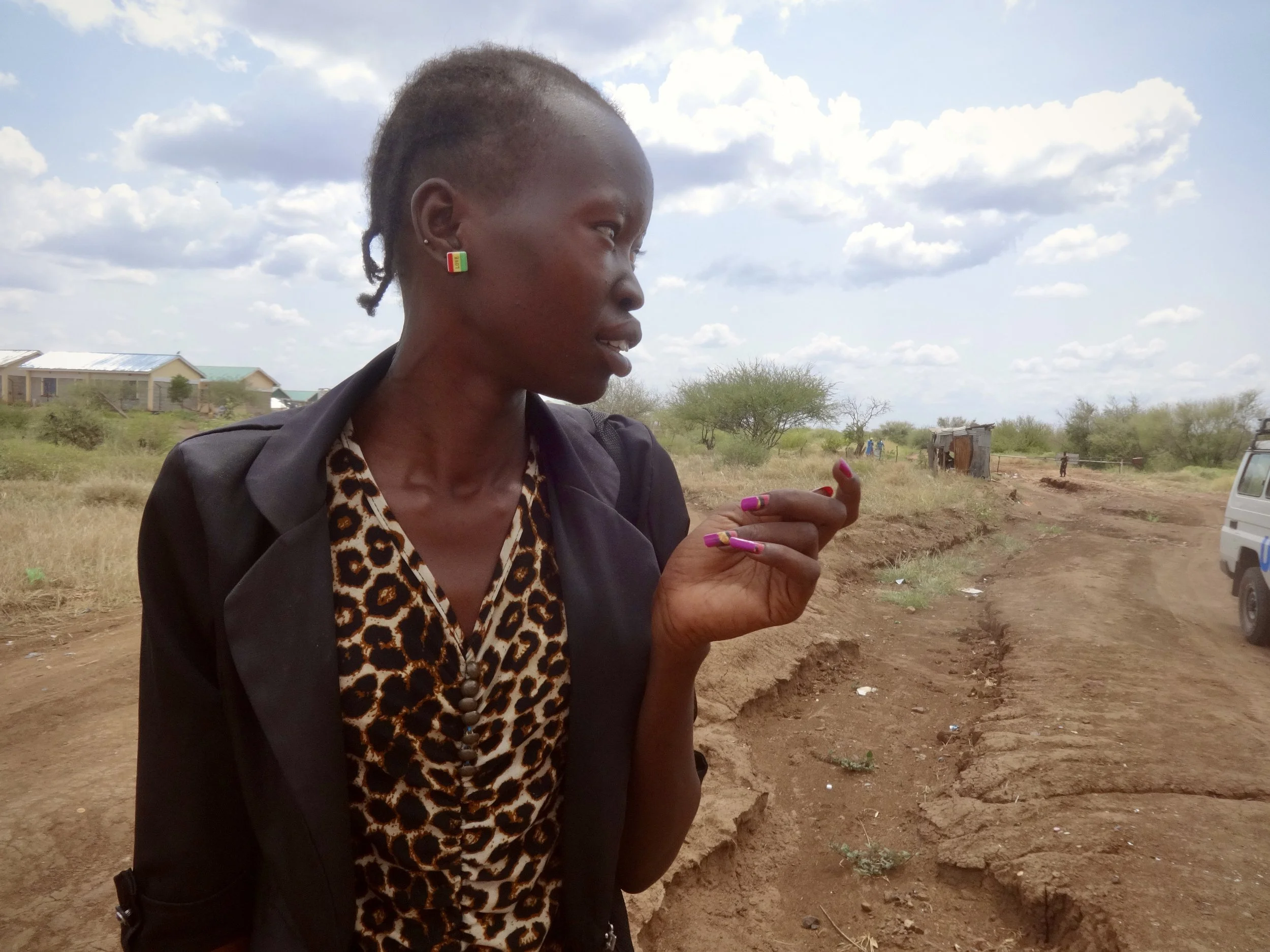
Randa pauses as she waits for news on whether she will be allowed to enter Kenya and continue her journey to Kakuma refugee camp.
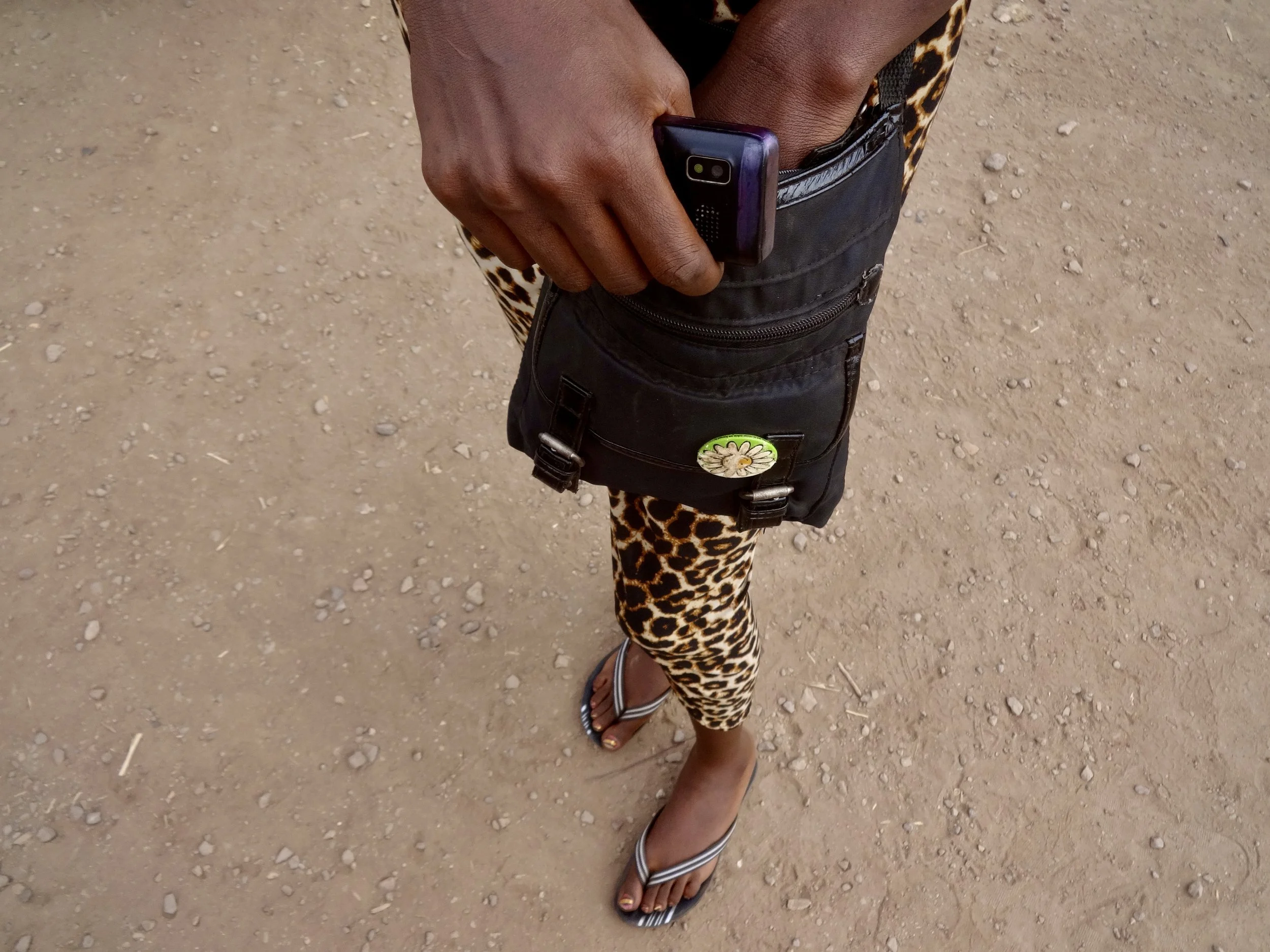
Randa checks her phone while waiting. She was attempting to stay in contact with her family, who were expecting her in Kakuma.
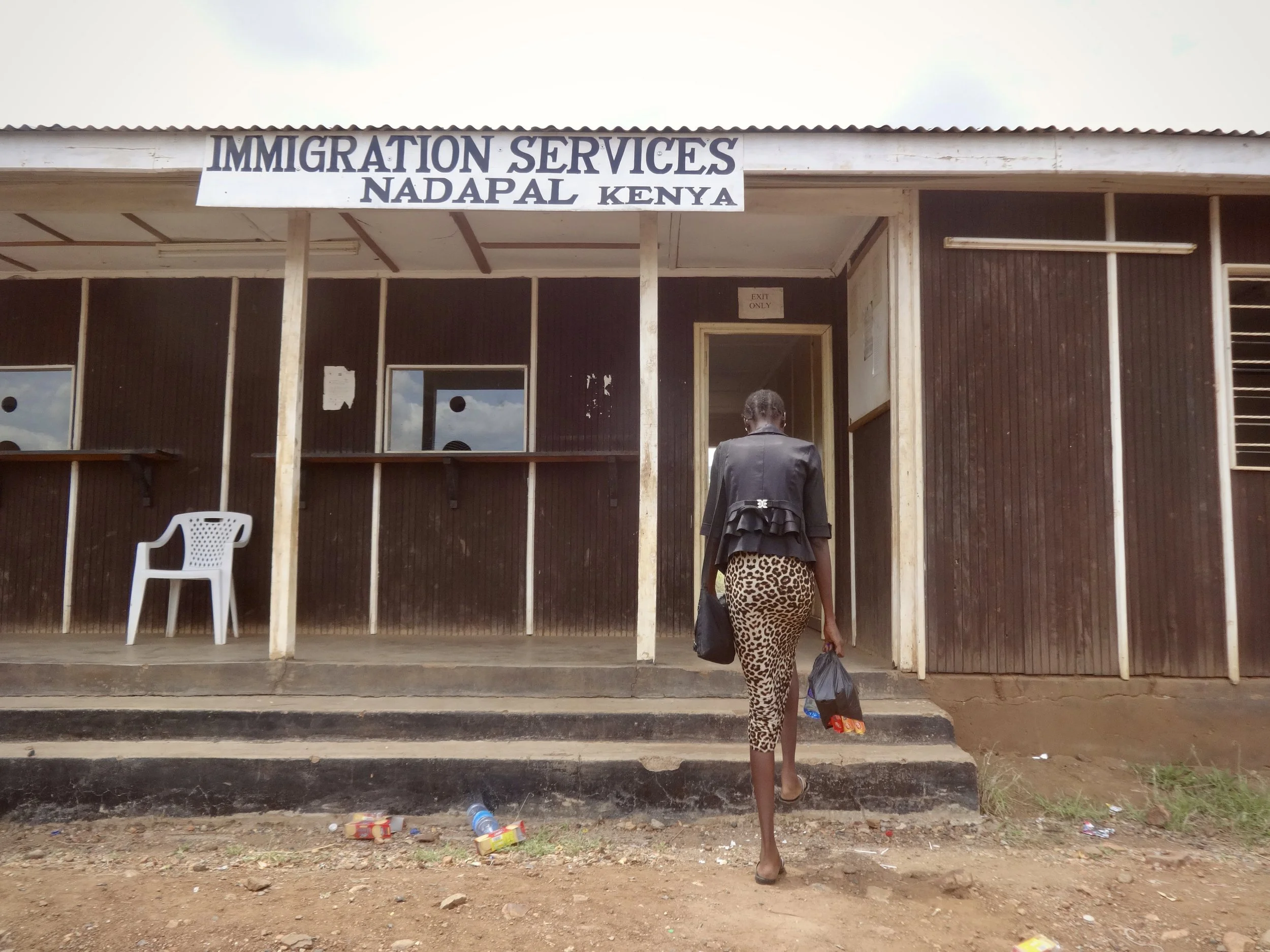
Randa approaches the Immigration Services office on the Kenyan side of the Nadapal border after intervention from officials who pressed for her case to be reconsidered, allowing her to proceed with her asylum claim.
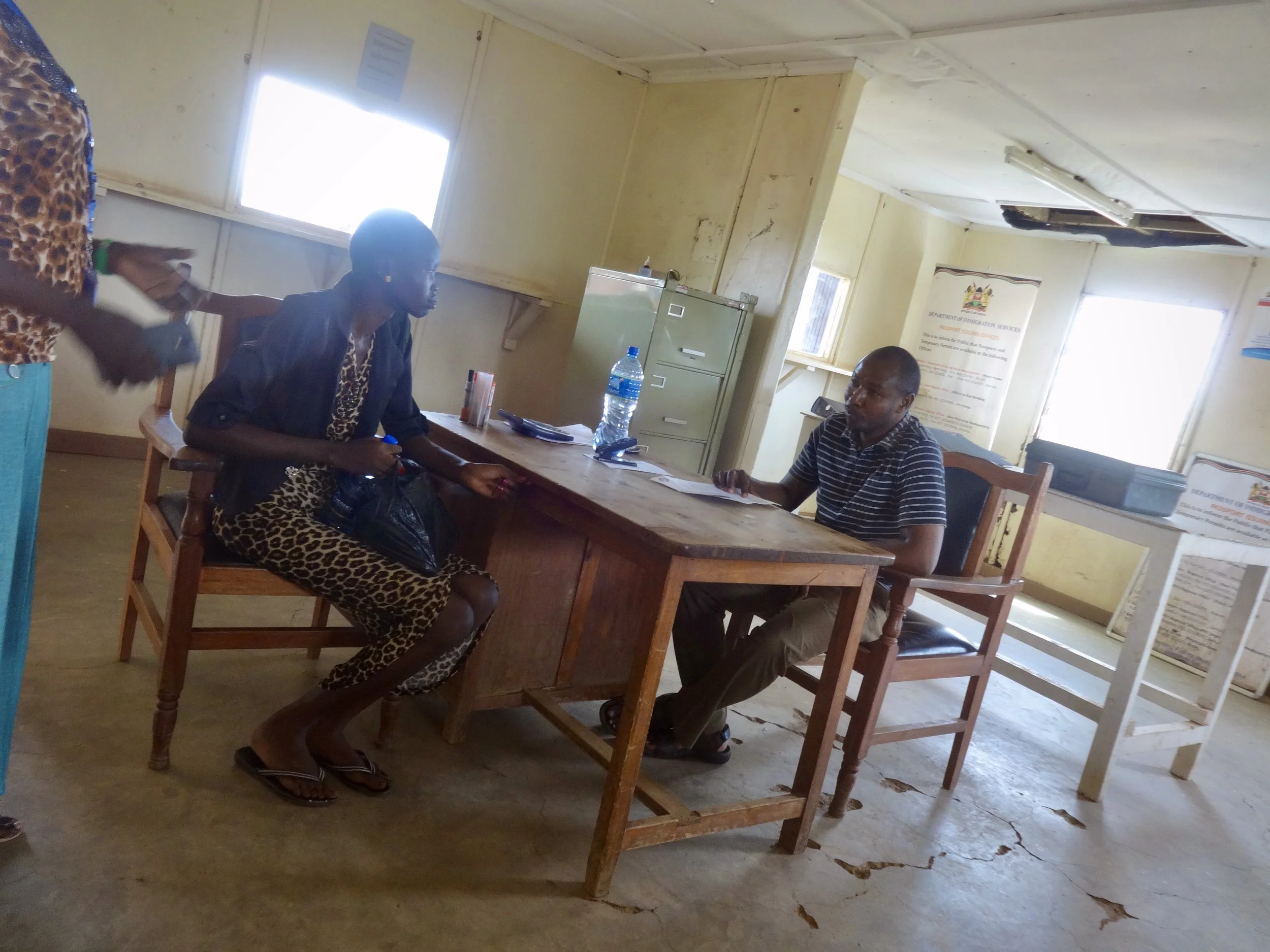
Randa is interviewed inside the Immigration Services office on the Kenyan side of the Nadapal border as officials review her case before allowing her to proceed with her asylum claim.
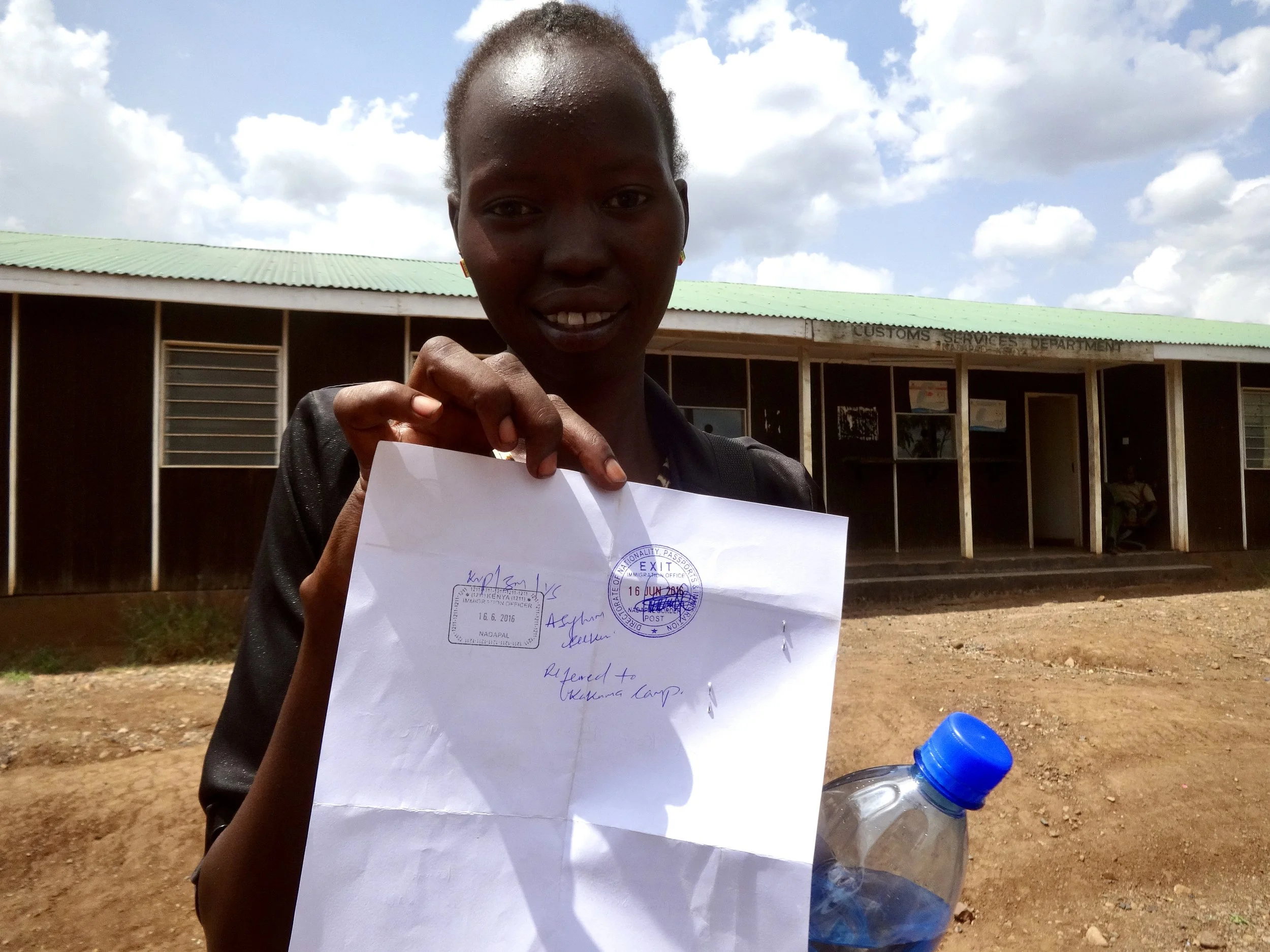
Randa holds her stamped asylum seeker documents and Kenyan entry permit after being granted access at the Nadapal border.
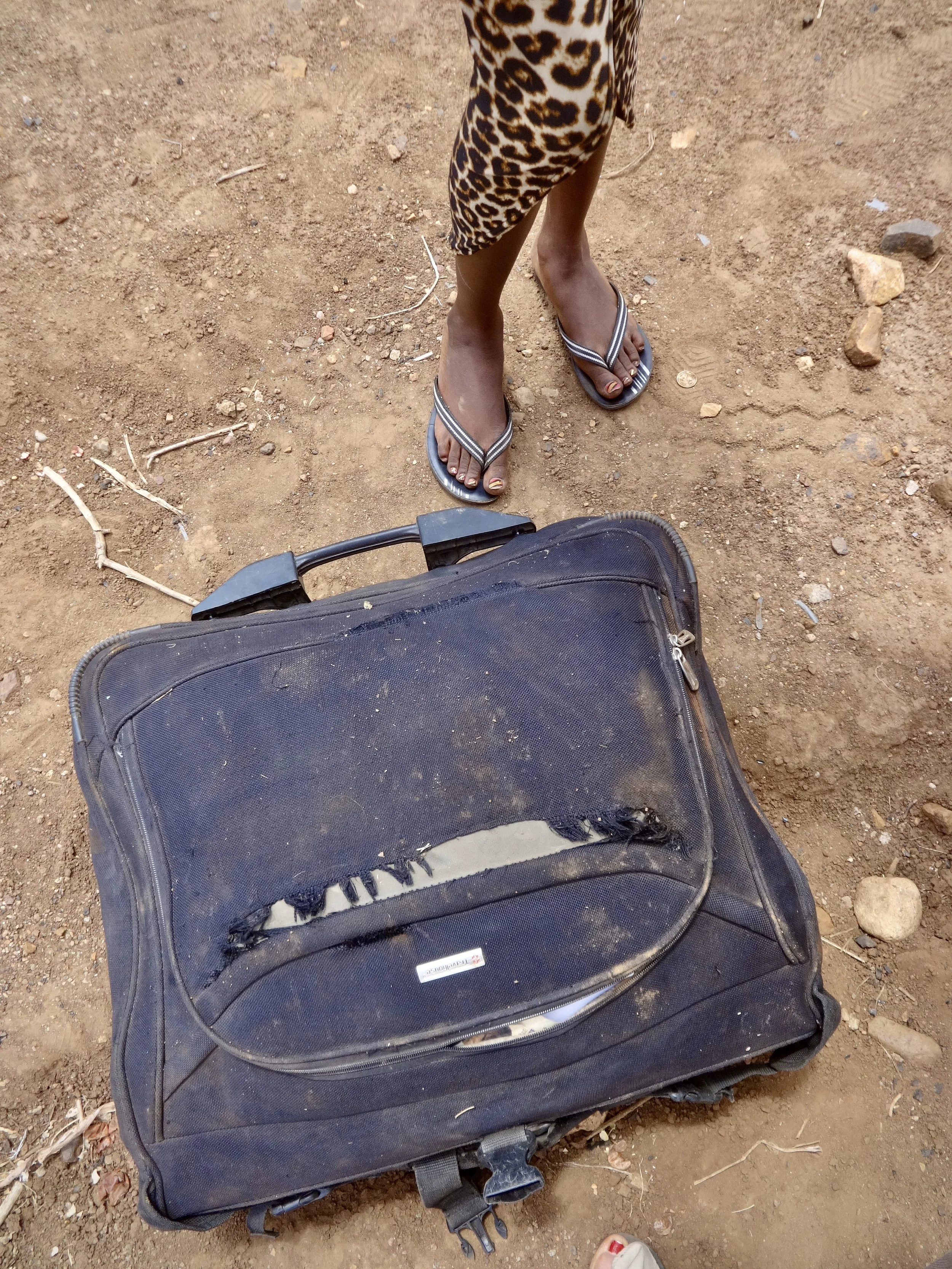
A suitcase lies on the ground beside Randa. With limited resources, many asylum seekers arrived at the border with only what they could carry.
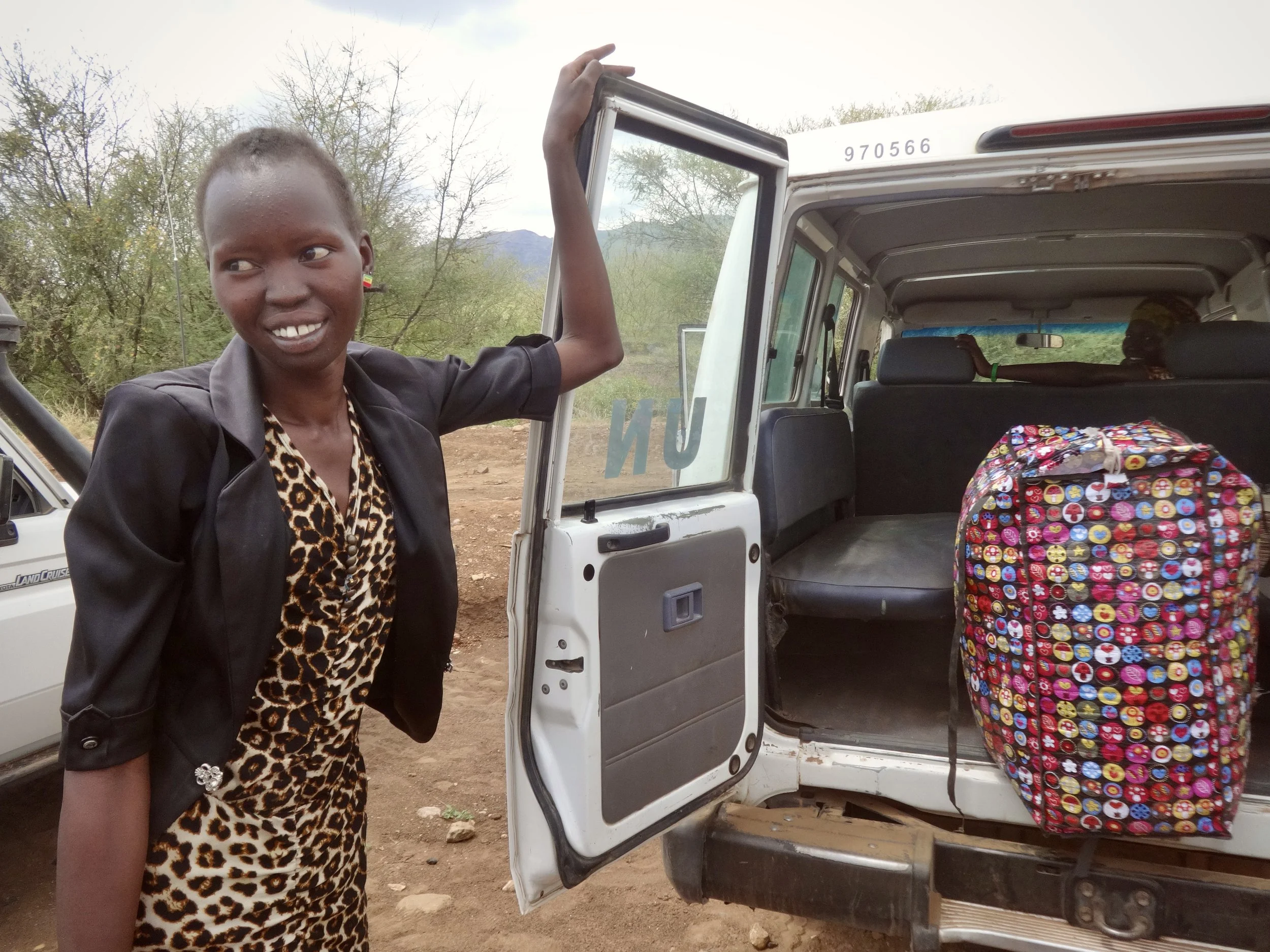
Randa stands beside a UNHCR vehicle that will transport her to Kakuma refugee camp after being granted entry into Kenya - a two-hour drive.
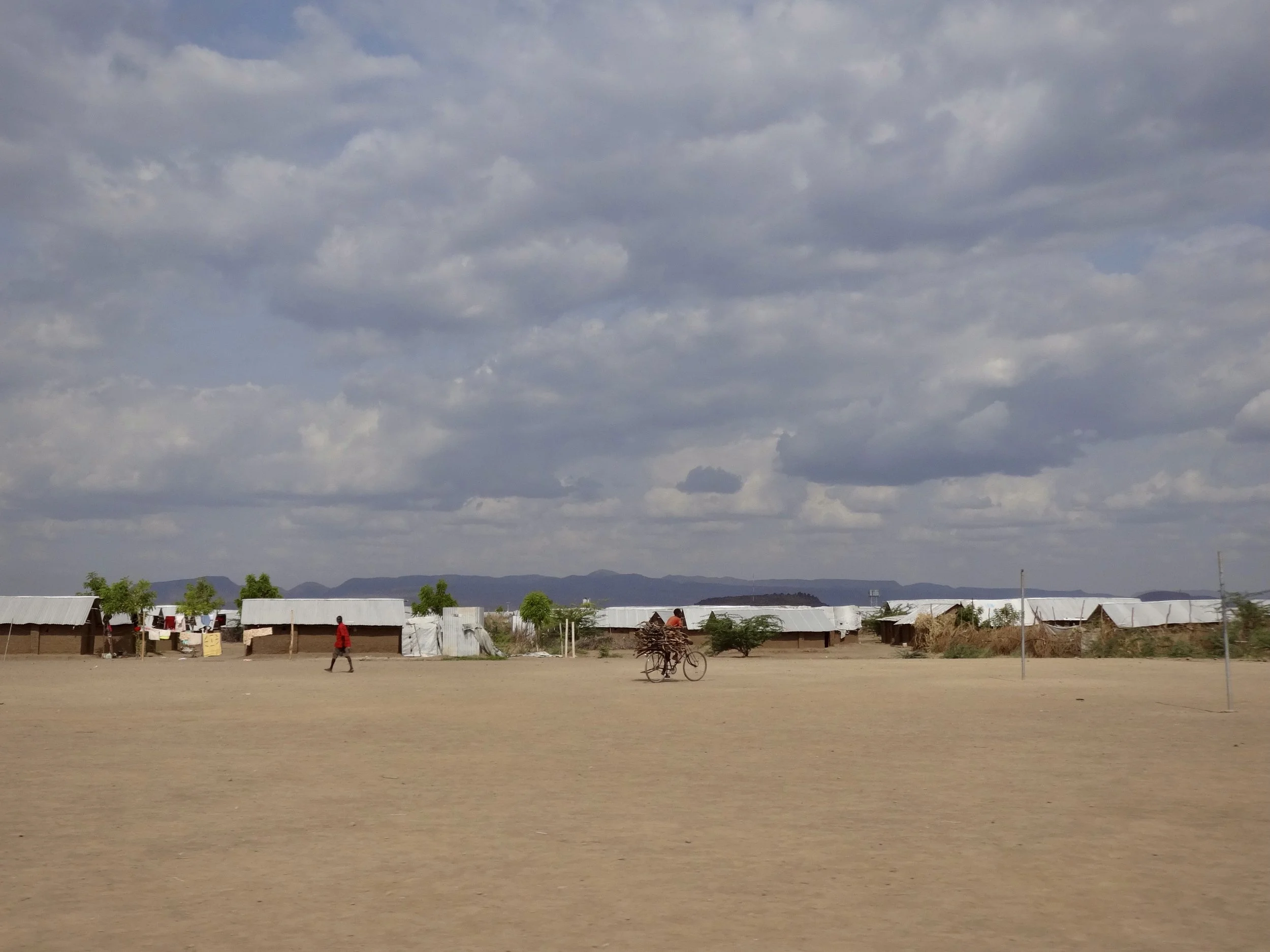
A view of Kakuma 3, an extension of Kakuma refugee camp in Turkana County, Kenya, where Randa will be reunited with her family.
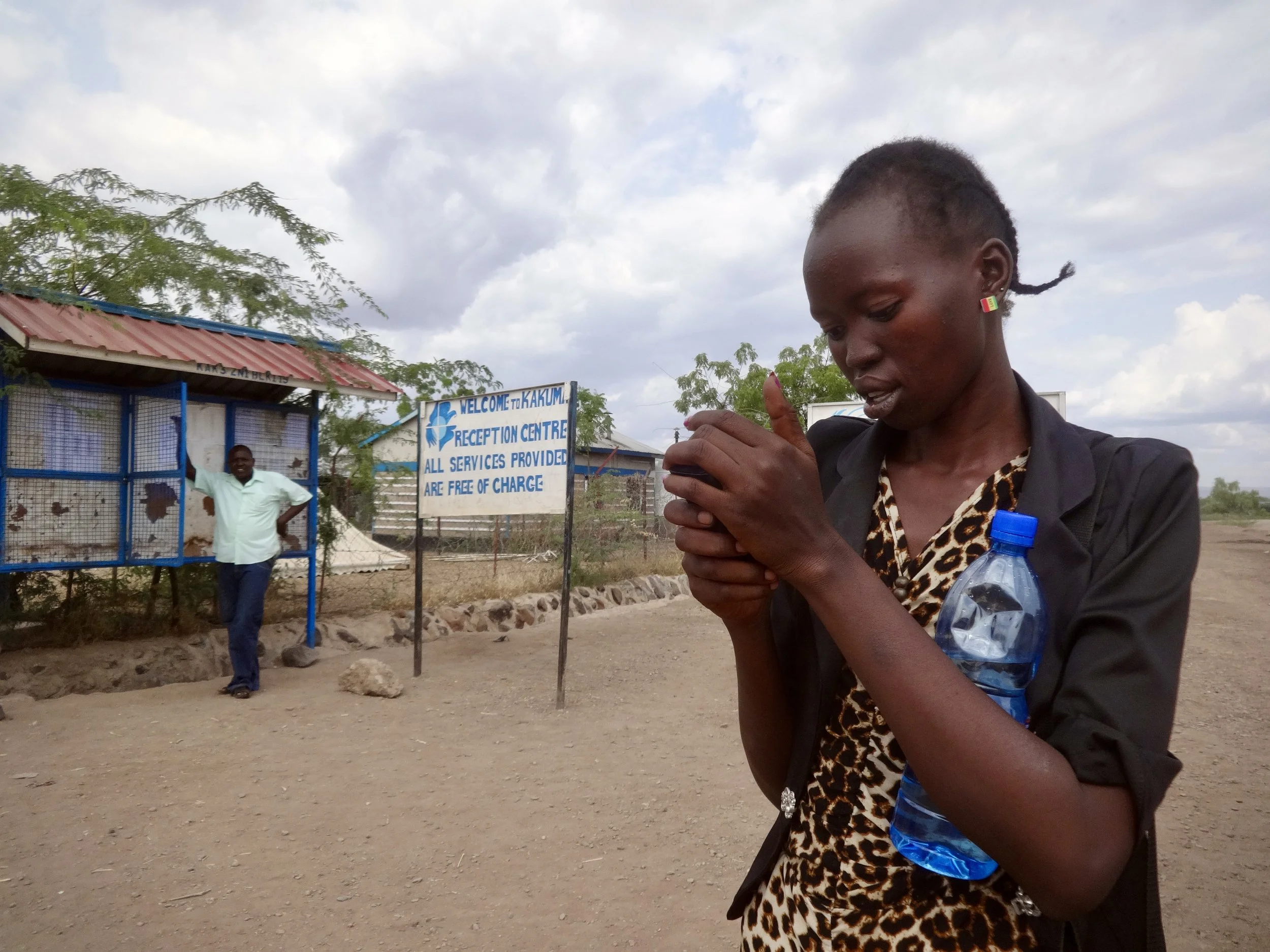
Randa texts her mother after arriving at Kakuma reception centre, using phone credit provided on arrival to let her know she had made it safely. She had been separated from her family by the South Sudan civil war in 2013, while her mother and siblings sought asylum in Kakuma in 2014.
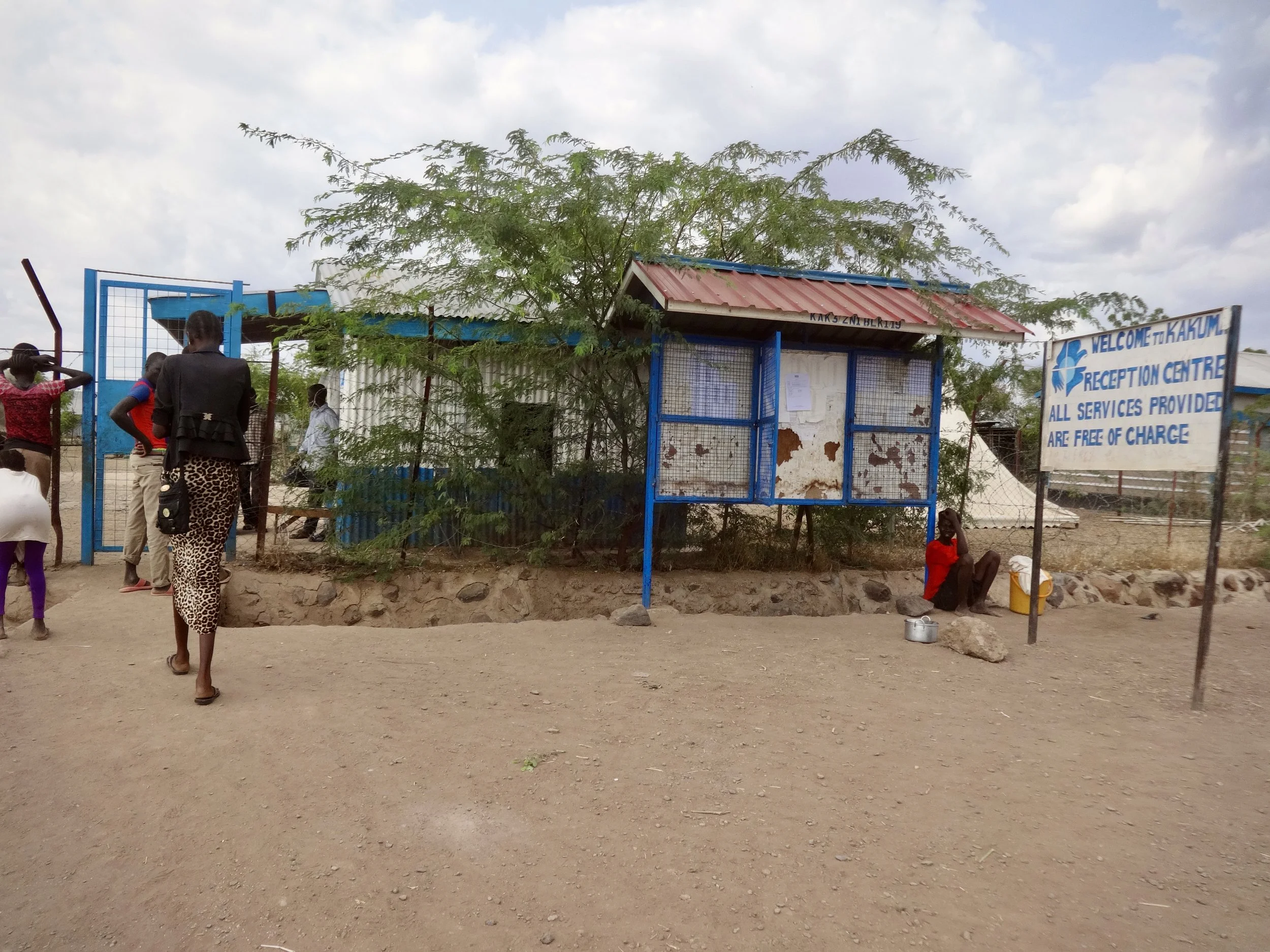
Randa walks through the gates of the Kakuma reception centre in Turkana County, Kenya, after completing registration and initial processing as an asylum seeker. Newly arrived refugees receive basic services at the centre before being allocated within the camp.