Kakuma refugee camp in northern Kenya is home to hundreds of thousands of people displaced by conflict across the region. In 2016, as anti-refugee sentiment hardened in Kenyan political rhetoric (with senior officials calling for the closure of the camps and media coverage framing refugees as a burden or security threat) the lives and losses of those inside received little serious attention.
Mariam Nininahazwe was living that invisibility twice over. A Burundian refugee raising her children alone in Kakuma, she was also searching for her teenage daughter Hurlaini, who had disappeared in a case that struggled to gain traction in a climate where the suffering of refugees was routinely treated as peripheral, or not news at all.
This series follows Mariam through the rooms, tools and routines of her daily life: the domestic labour of keeping a household together without a partner, the small economies that sustain her children, and the ongoing, exhausting work of keeping her daughter's disappearance visible. The photographs are interior and intimate: shelters, objects, hands, the texture of an ordinary day held alongside an unbearable one.
Taken together, they ask what it means to grieve, to persist, and to demand to be seen, when the systems around you have largely decided not to look.
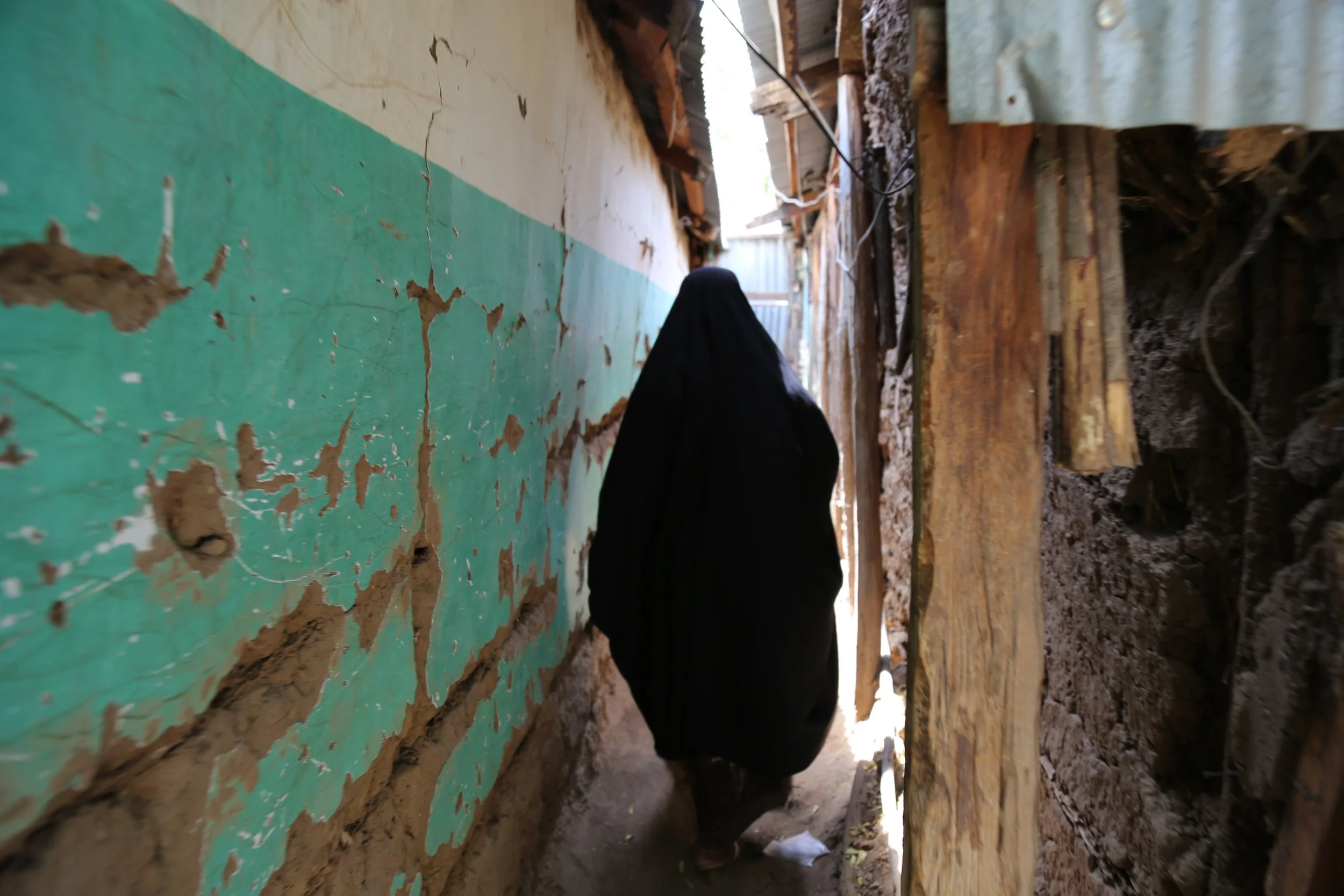
Mariam in Kakuma Mariam Nininahazwe, a Burundian refugee, walks through an alley in Kakuma Refugee Camp. A single mother and the sole provider for her children in the camp, she supports her family through small businesses run from her home.
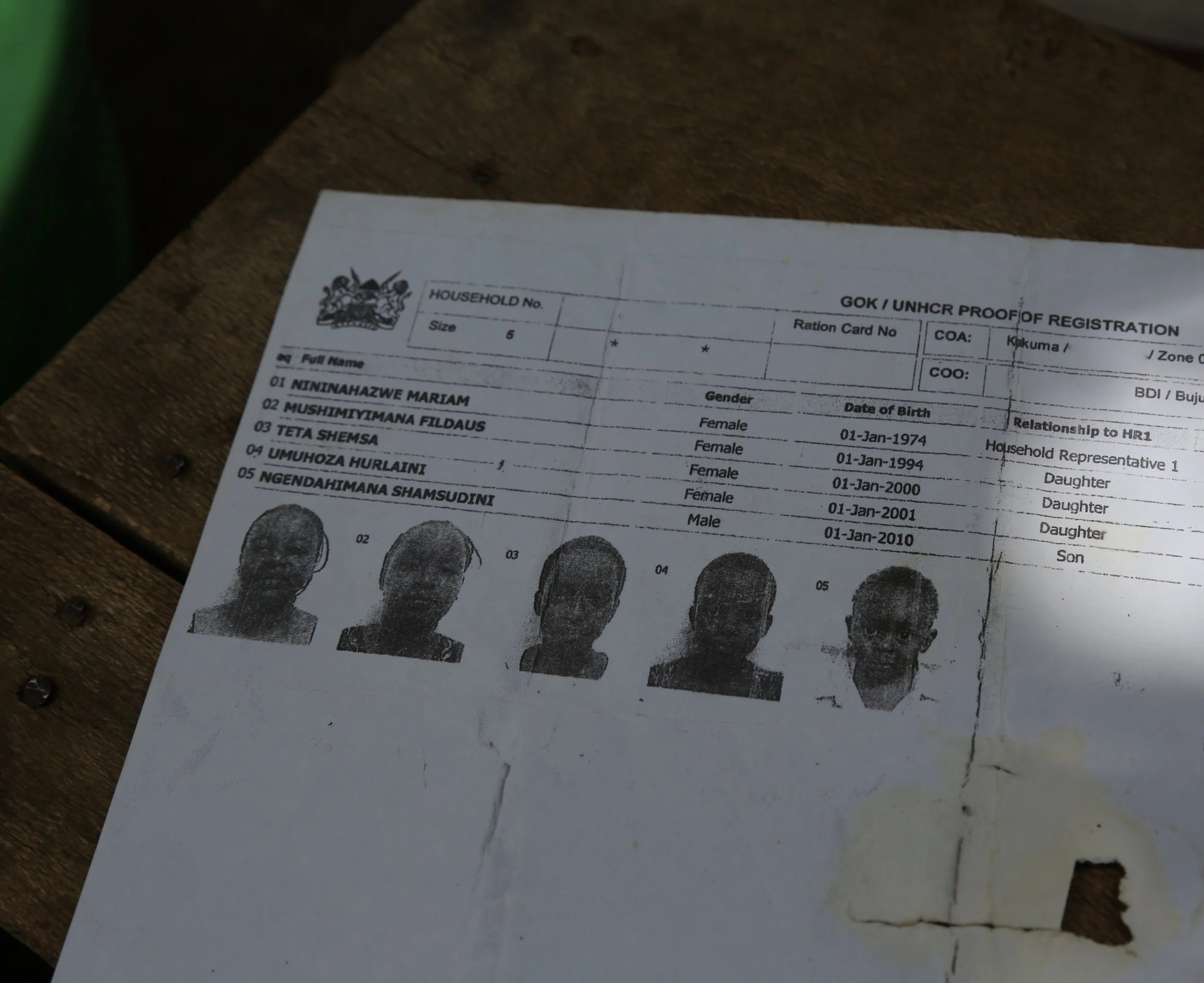
Family registration document A refugee registration document belonging to the household of Mariam Nininahazwe in Kakuma refugee camp. Her 13-year-old daughter, Hurlaini, was reported missing while the family was living in the camp.
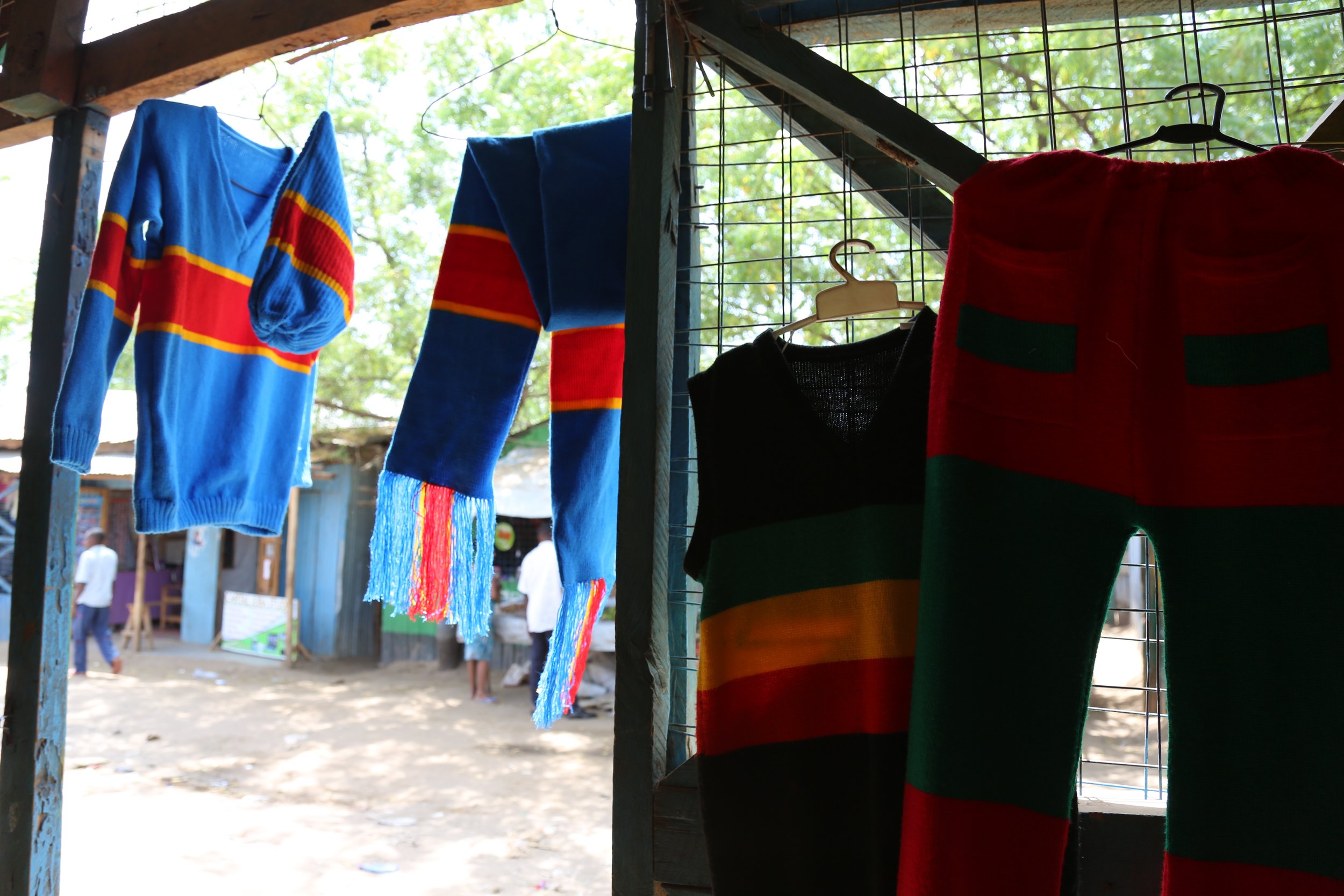
Tailoring workspace Clothing hangs inside the small tailoring space where Mariam Nininahazwe sews garments for residents of Kakuma refugee camp.
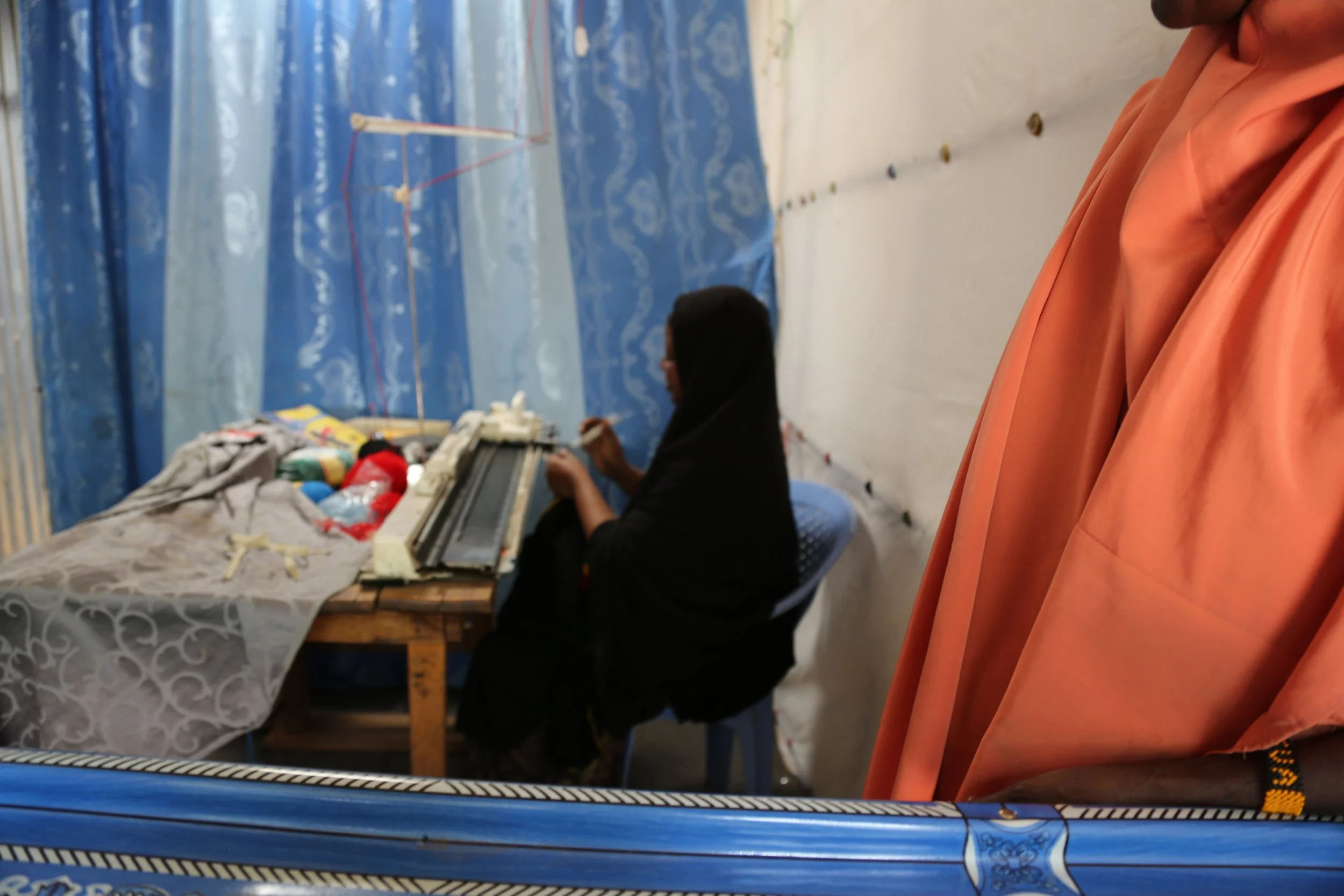
Sewing at home Mariam Nininahazwe works at a sewing machine inside her home workshop in Kakuma refugee camp while her daughter Shemsa stands nearby. Mariam asked that her face not be photographed.
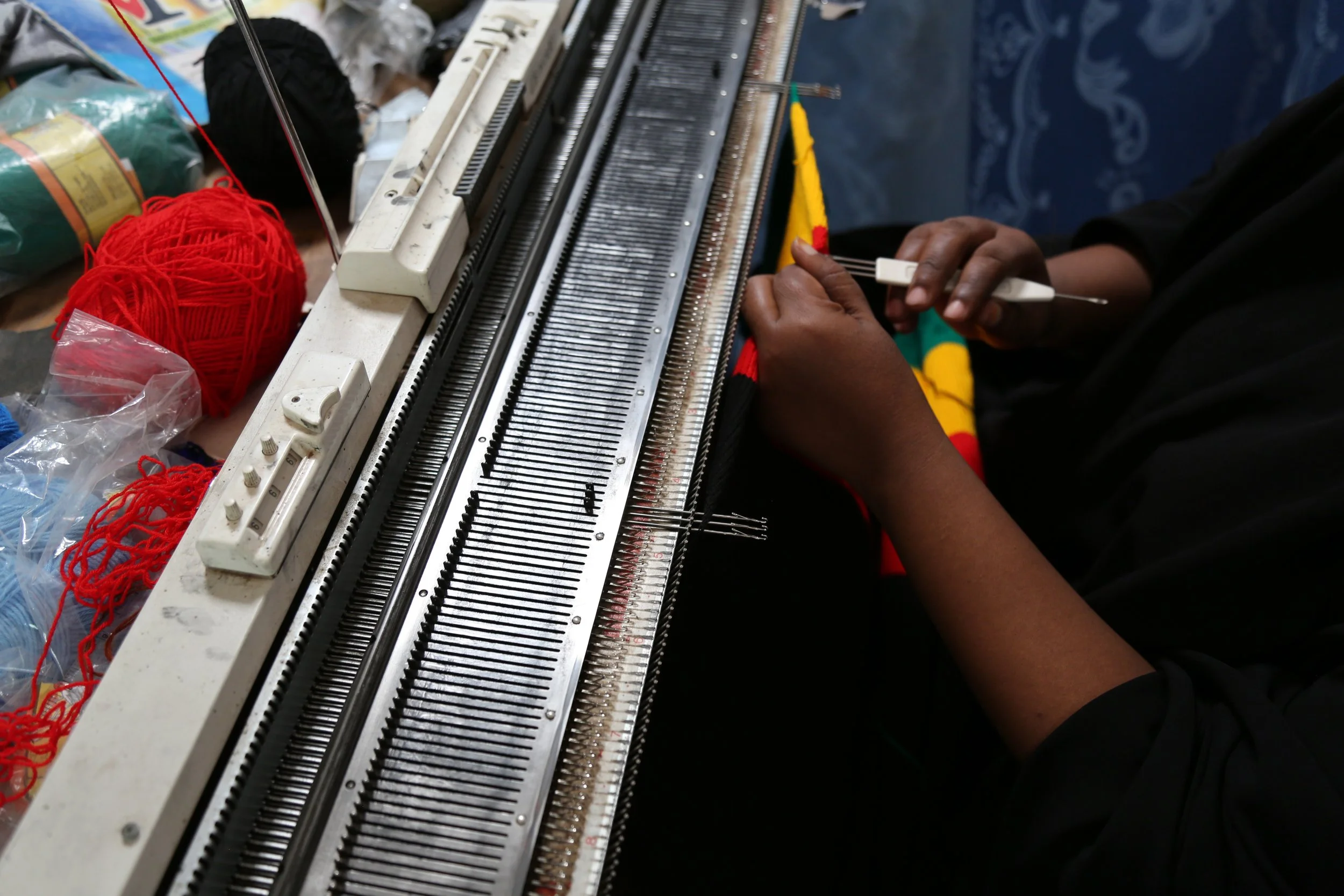
Sewing detail Mariam Nininahazwe operates a sewing machine inside her tailoring workspace in Kakuma refugee camp, where she earns income making clothes for customers.
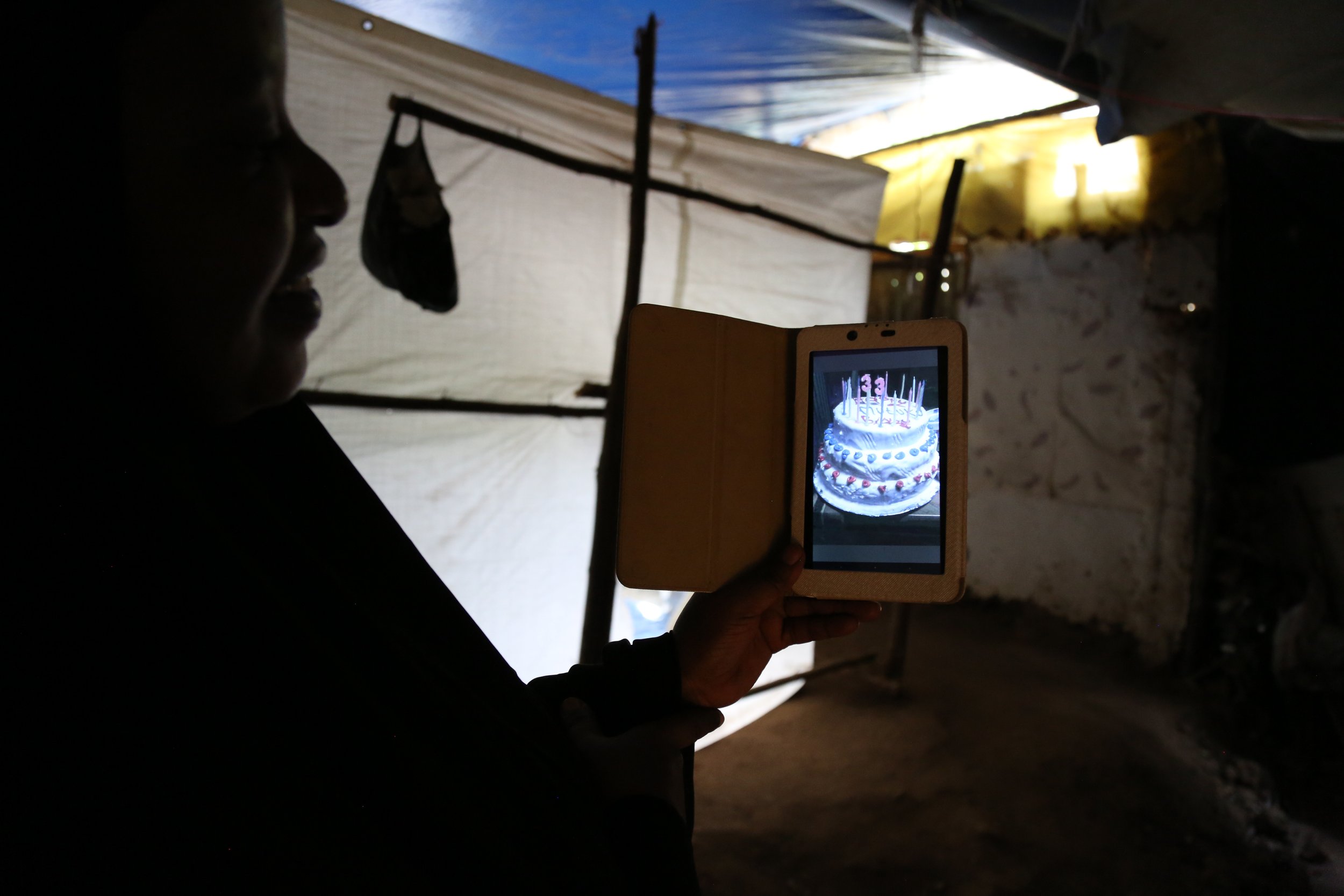
Cake reference A photograph of a decorated cake on a mobile phone serves as a reference image for a cake ordered from Mariam Nininahazwe by a customer in Kakuma refugee camp.
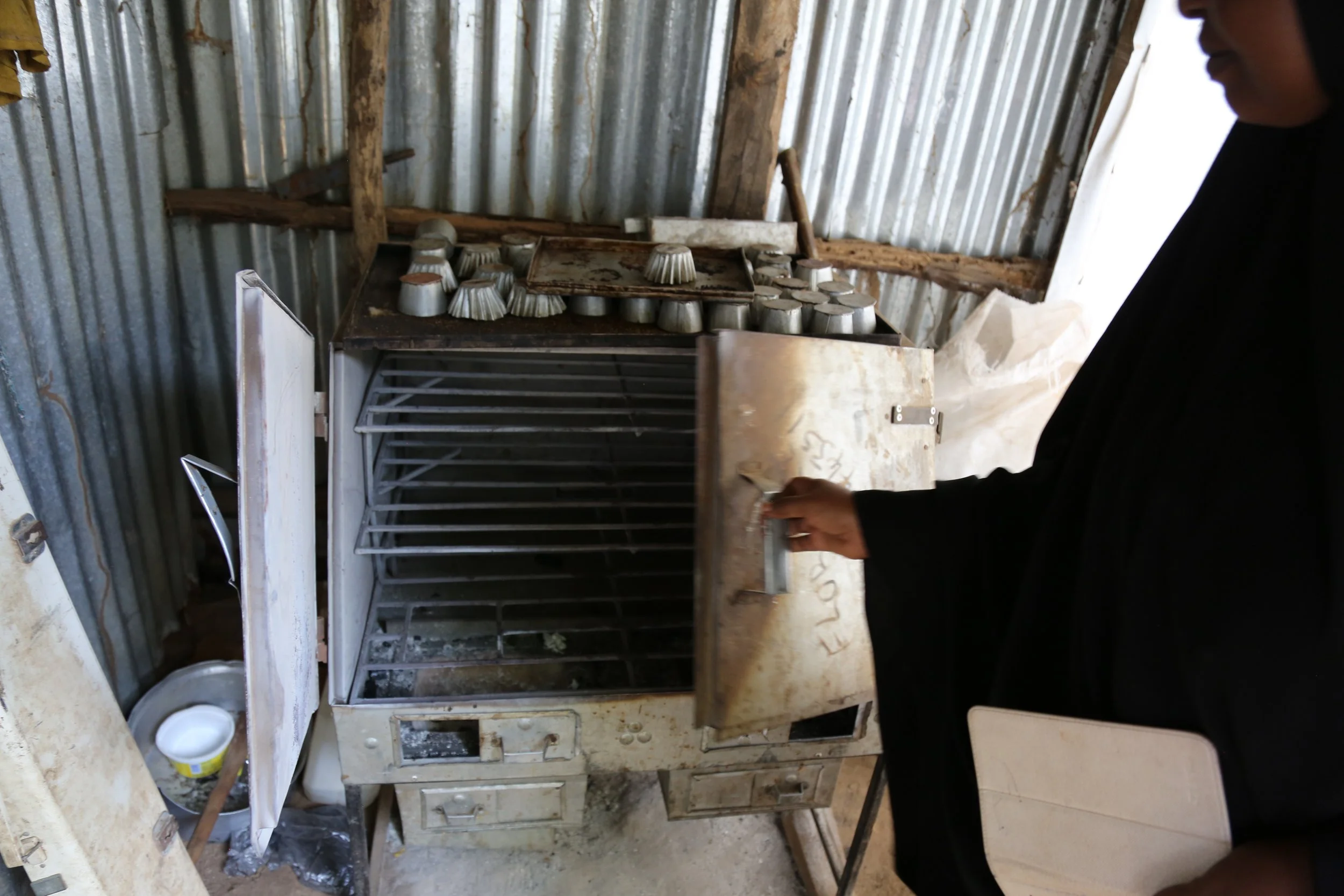
Home baking oven A small oven used by Mariam Nininahazwe to bake cakes and pastries from her shelter in Kakuma refugee camp.
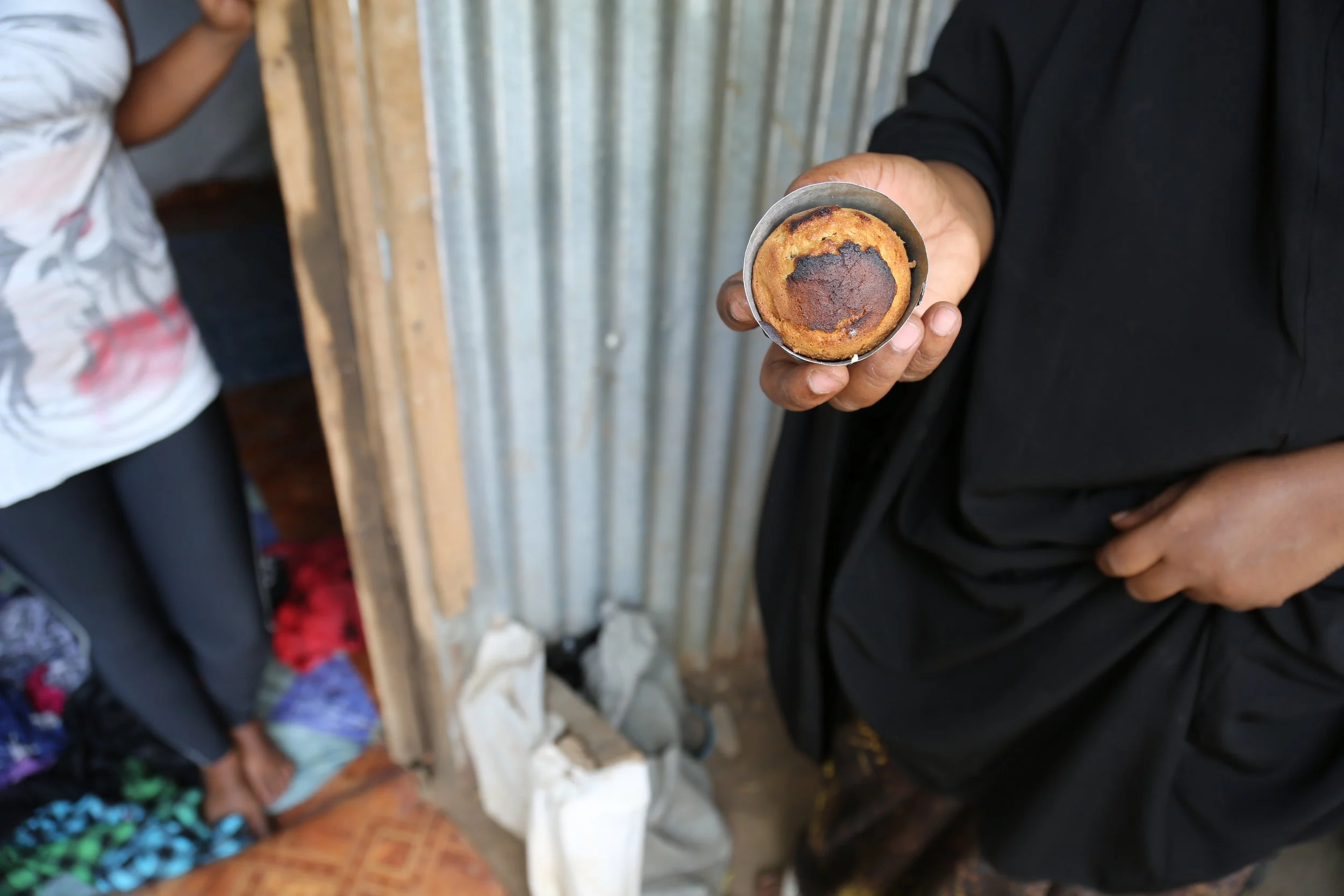
Freshly baked cake Mariam Nininahazwe holds a cake she baked for a customer in Kakuma refugee camp, supplementing the income she earns from sewing.
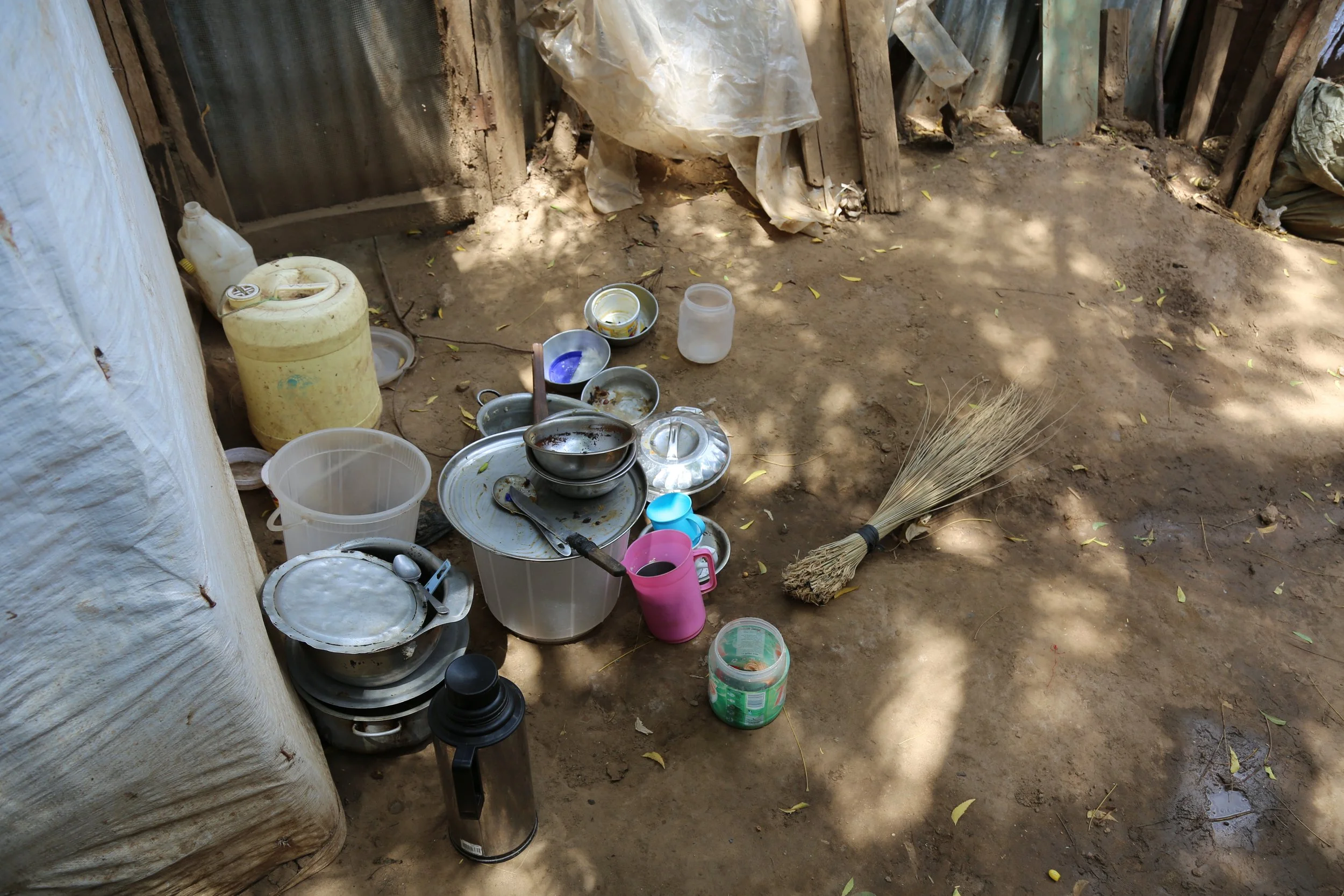
Household kitchen Cooking utensils and containers outside Mariam Nininahazwe’s shelter in Kakuma refugee camp.
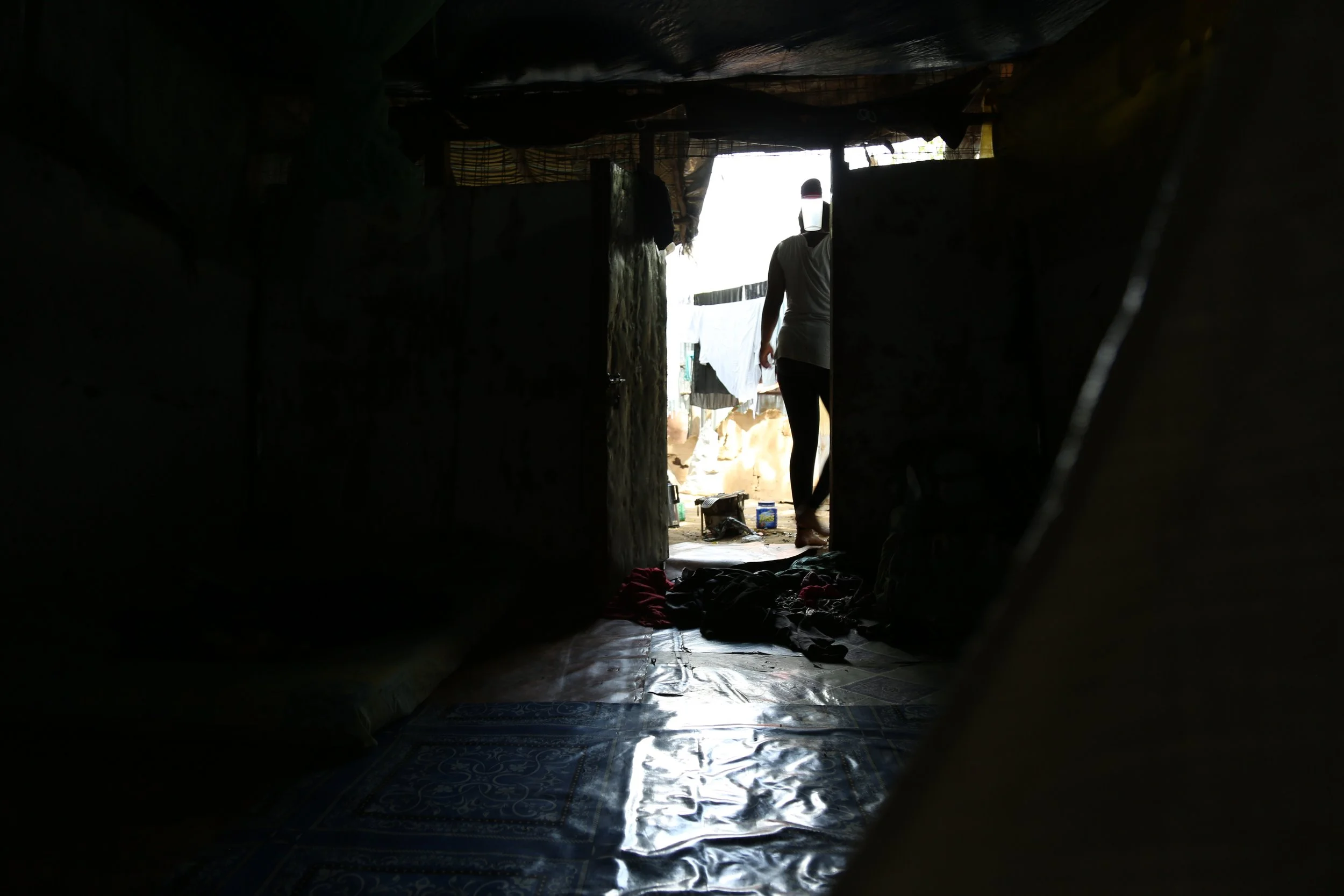
Inside Mariam’s home View from inside Mariam Nininahazwe’s shelter in Kakuma refugee camp as she steps outside. Mariam runs tailoring and baking work from the home she shares with her children.
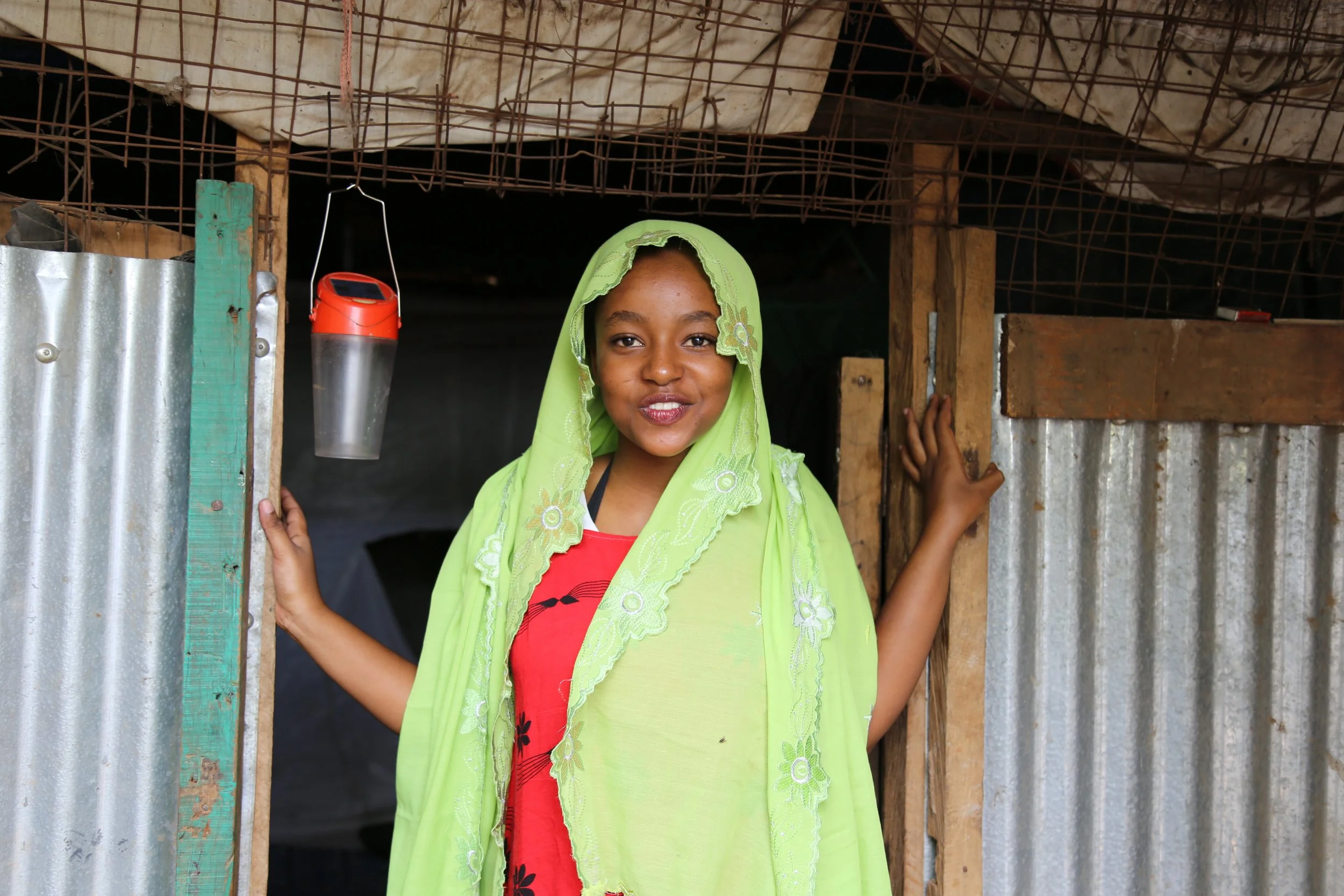
Shemsa at home Shemsa, the daughter of Mariam Nininahazwe, stands at the entrance of the family home in Kakuma refugee camp. Mariam supports Shemsa and her siblings through the work she carries out from their shelter.