In Kakamega County, western Kenya, access to clean water shapes the lives of schoolchildren long before they enter a classroom. For many girls, the school day begins and ends with the responsibility of collecting water for their families and, in some cases, for their schools. The journey can take hours, reducing time for study, increasing absenteeism and exposing children to contaminated water sources that contribute to preventable diseases.
Teachers say the burden falls disproportionately on girls. At Shiyunzu Primary School, teacher Naomi Serenge estimates that 12 or 13 girls in a class of 50 leave school each year. Some become pregnant while still in their early teens. Others miss lessons because of household responsibilities, including fetching water from distant sources. "Most of them drop out and become housewives," she says. "When they fetch water it's very far, and the water is not clean."
This series follows pupils, teachers and families living with these realities. Through portraits, school scenes and community life, the photographs explore how access to water influences health, education and opportunity. The images also document efforts by schools and organisations including LifeStraw to improve access to safe drinking water and hygiene education.
At its heart, this is a story about how something as fundamental as a safe drink of water can shape whether a girl remains in school, stays healthy and is able to imagine a different future.
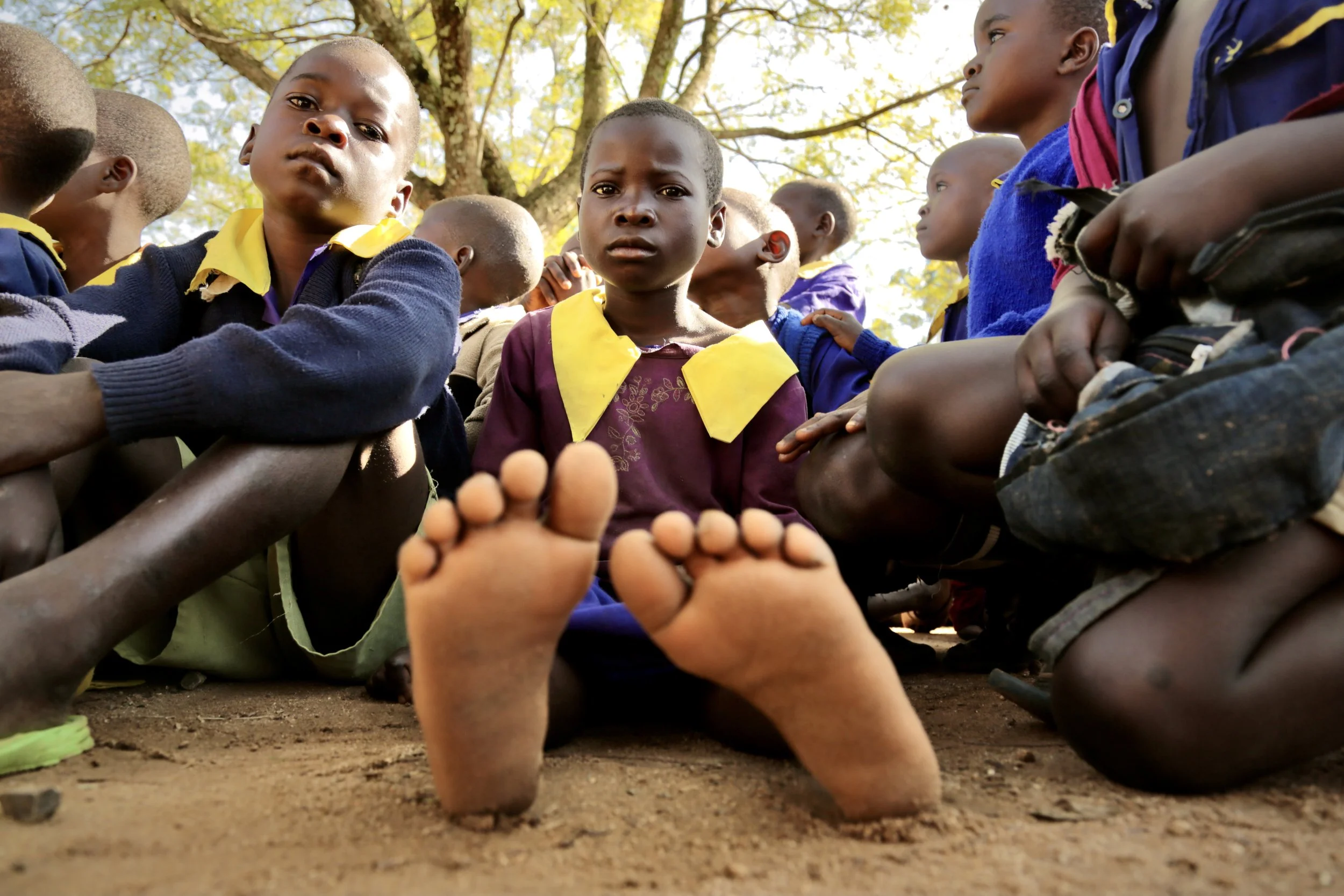
Pupils sit together during a school assembly at Shinyunzu Primary School in Kakamega County, Kenya. Access to safe drinking water is a daily concern for many schools in the region, where water shortages can affect hygiene, attendance and learning.
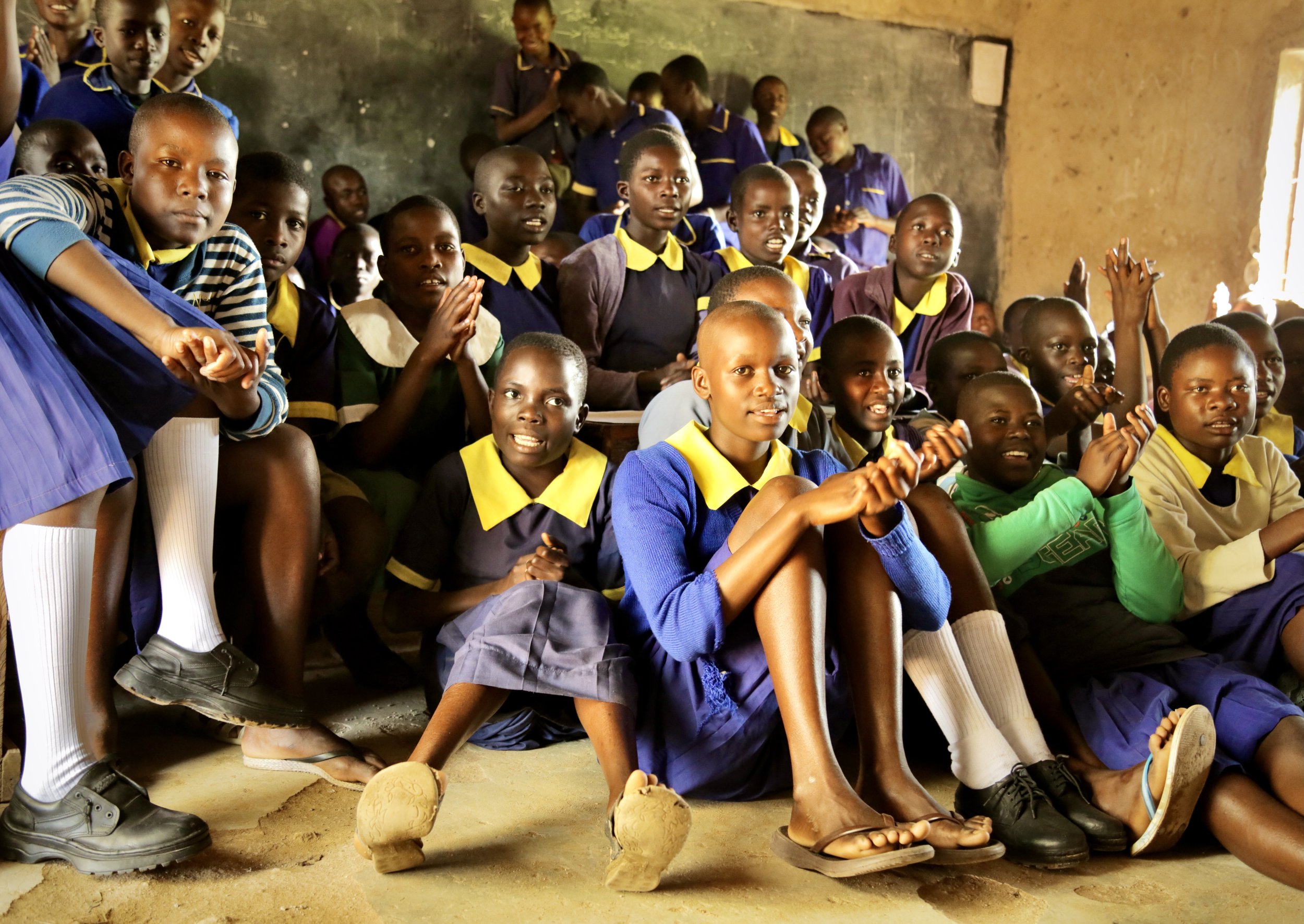
Pupils gather inside a classroom at Shinyunzu Primary School in Kakamega County, Kenya. Teachers say reliable access to clean water helps create healthier learning environments and reduces disruptions caused by illness.
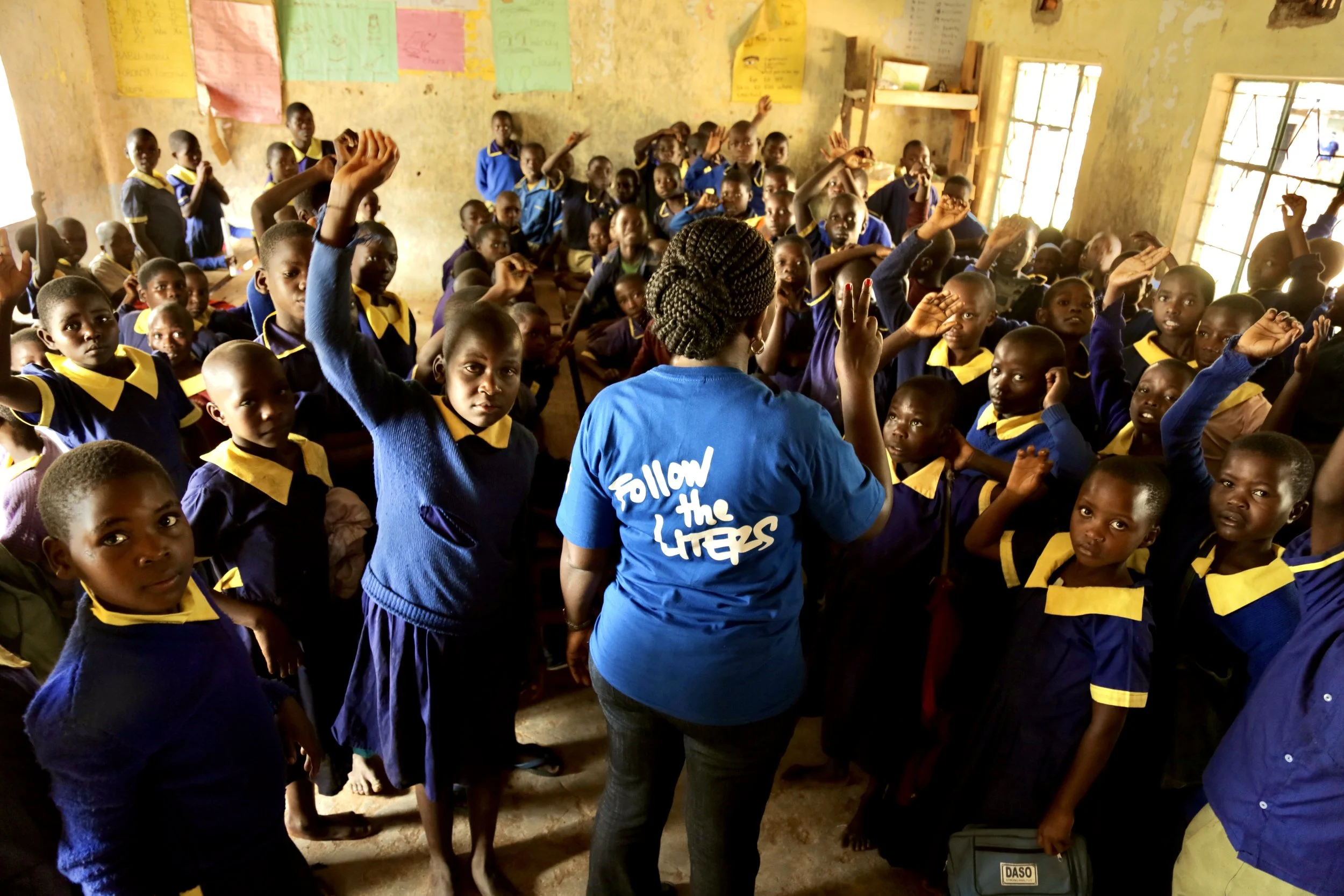
Pupils participate in a water, sanitation and hygiene awareness session led by health educators at Shinyunzu Primary School in Kakamega County, Kenya. The sessions help students understand the importance of safe drinking water, handwashing and disease prevention.
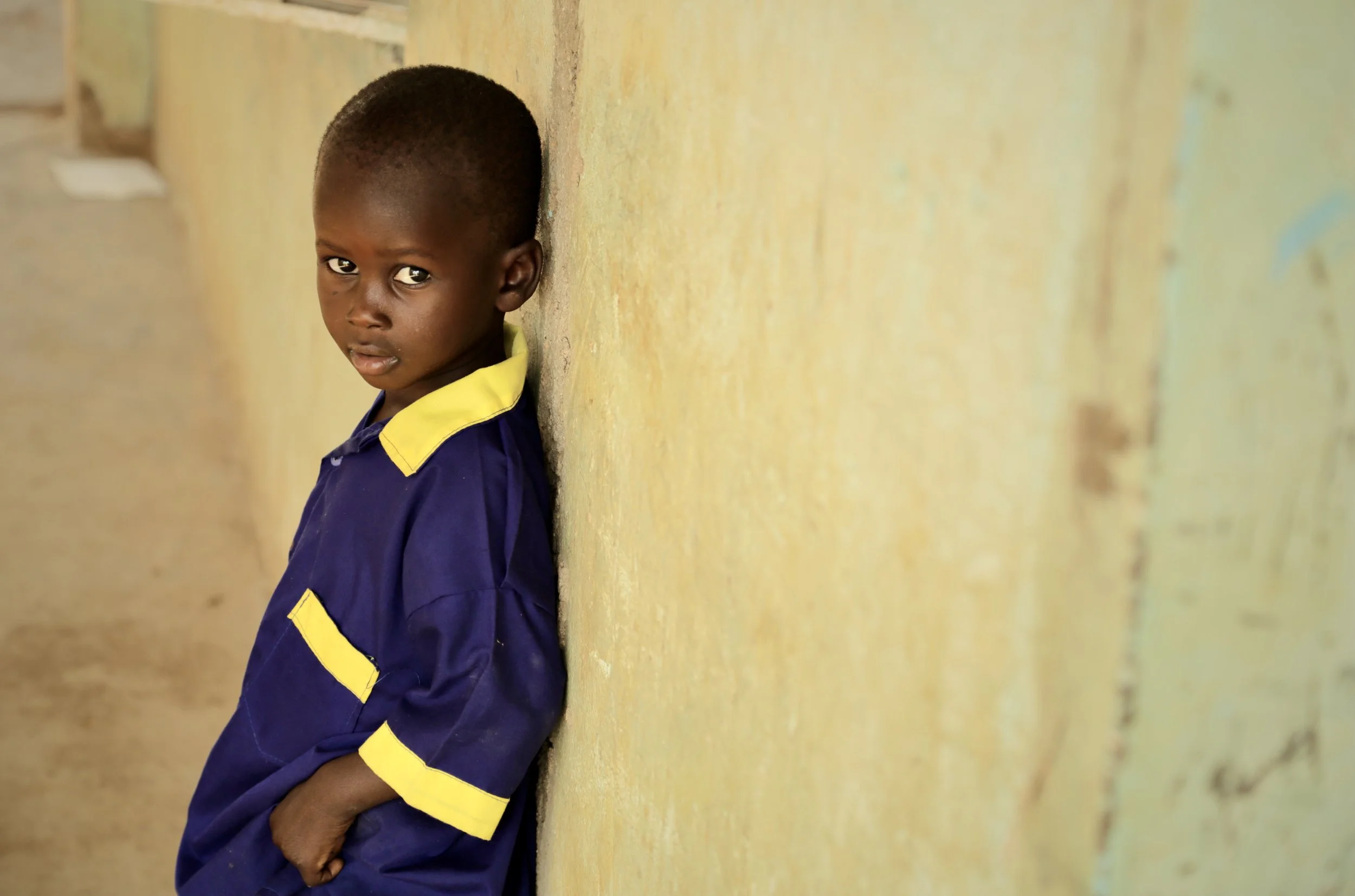
A pupil stands outside a classroom at Shinyunzu Primary School in Kakamega County, Kenya. Safe
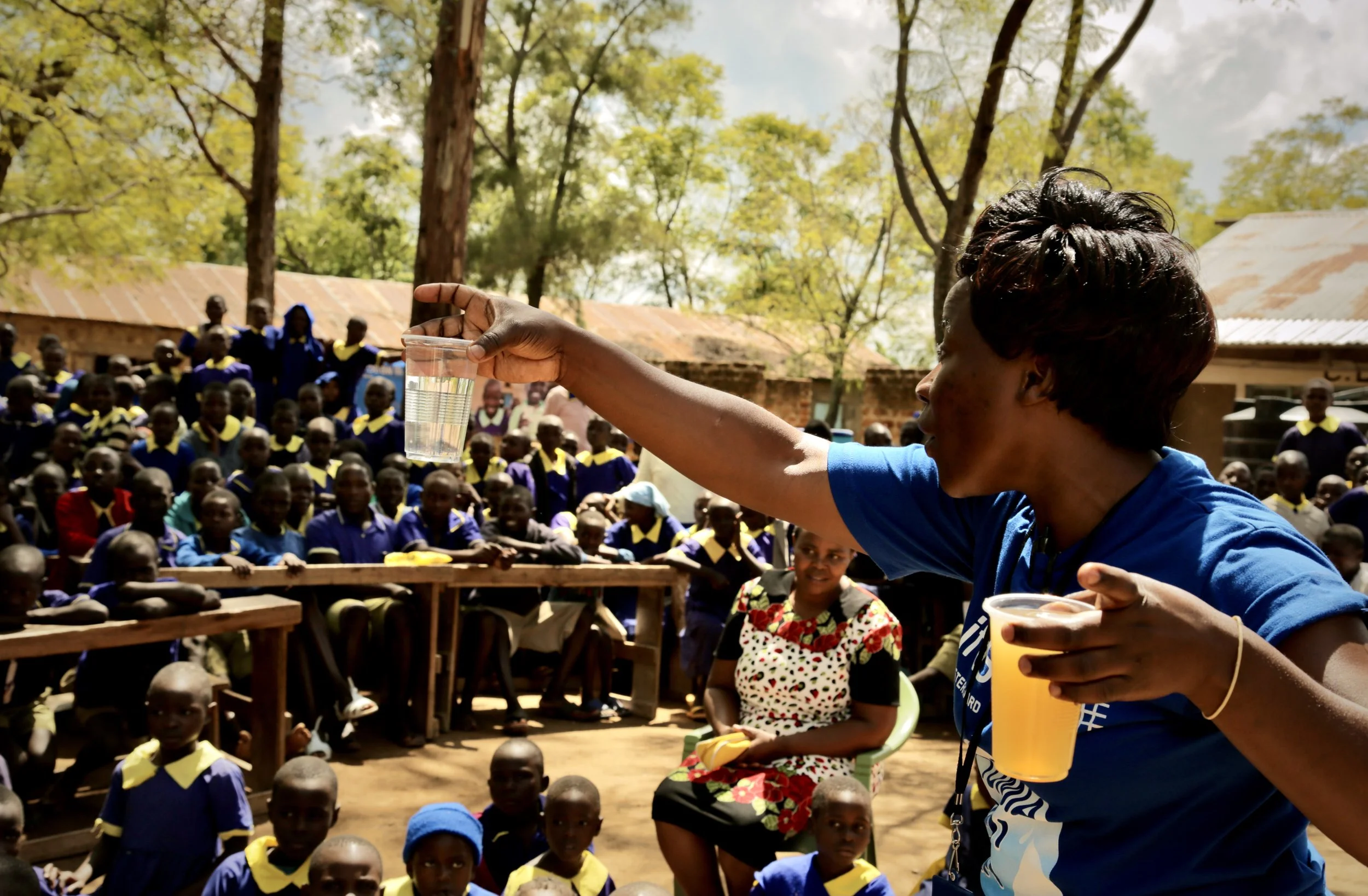
A health educator working with LifeStraw Community speaks to pupils during a water, sanitation and hygiene awareness session at Shinyunzu Primary School in Kakamega County, Kenya.
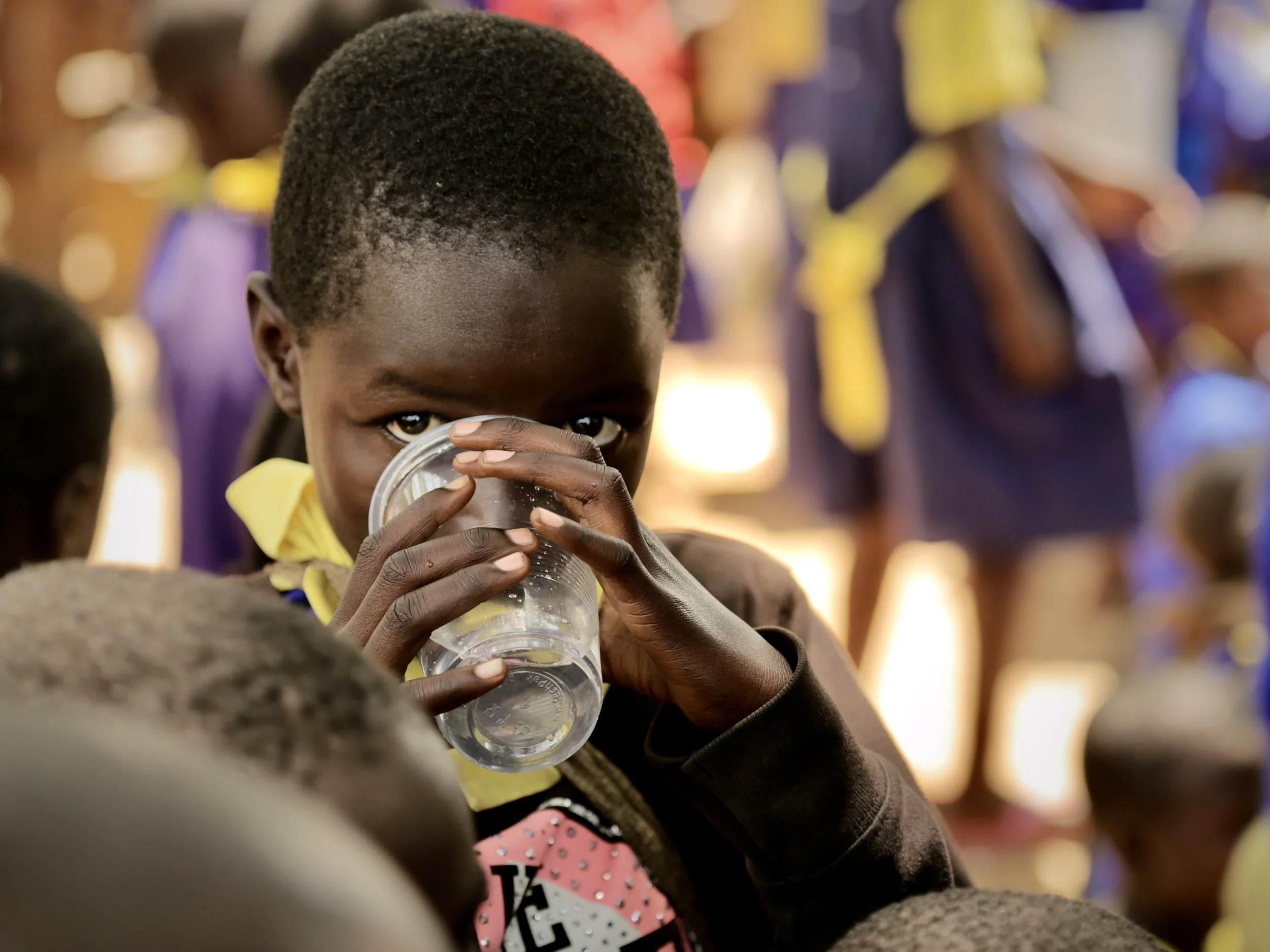
A pupil drinks water during a school gathering at Shinyunzu Primary School. Access to safe drinking water allows children to focus on ordinary parts of school life rather than the challenge of finding water.
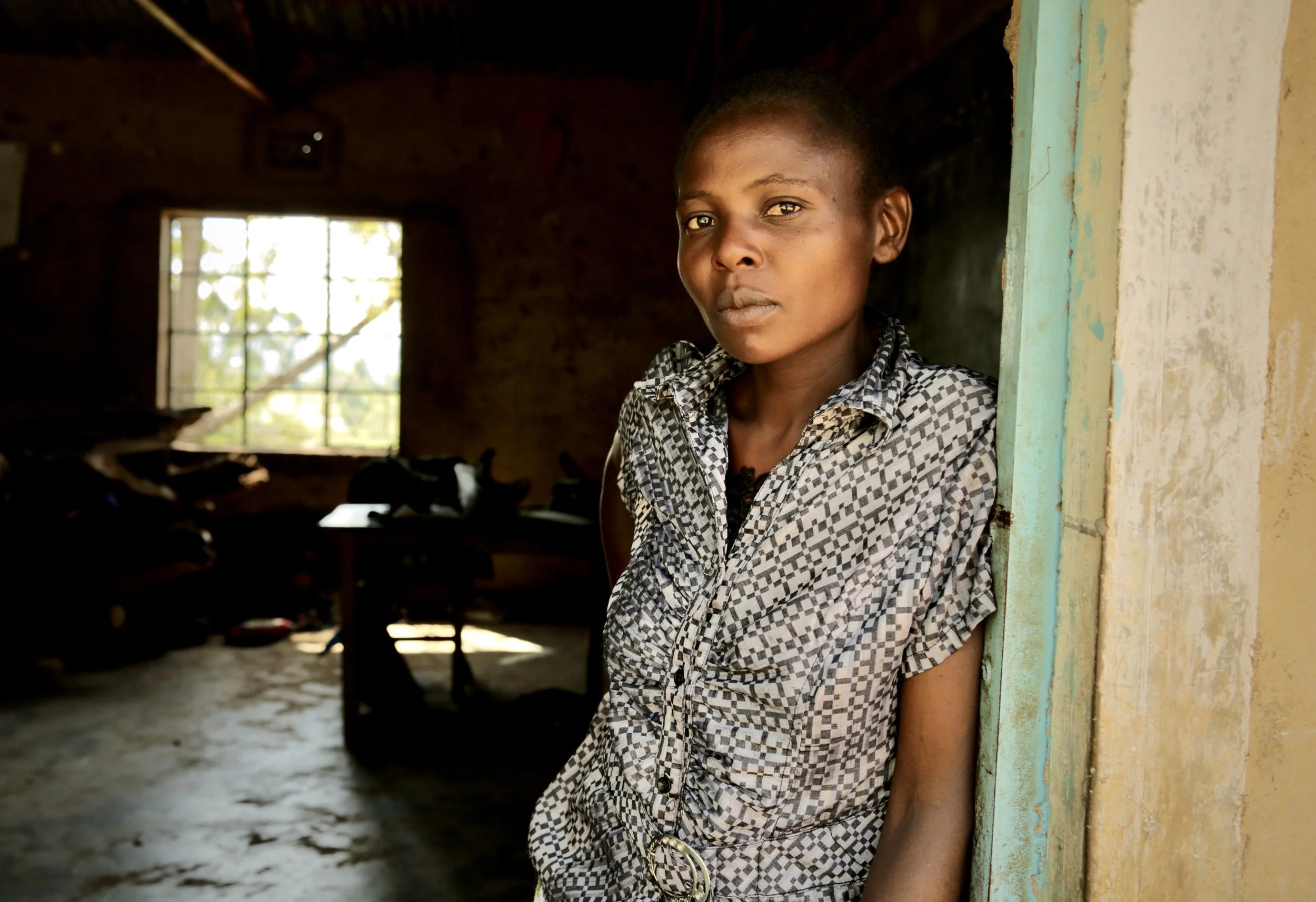
A teacher, Naomi Serenge, 40, stands inside a classroom at Shinyunzu Primary School in Kakamega County, Kenya. A teacher there for seven years, she said girls as young as nine drop out of school due to issues surrounding water, illnesses, finances and, later, unexpected pregnancies.
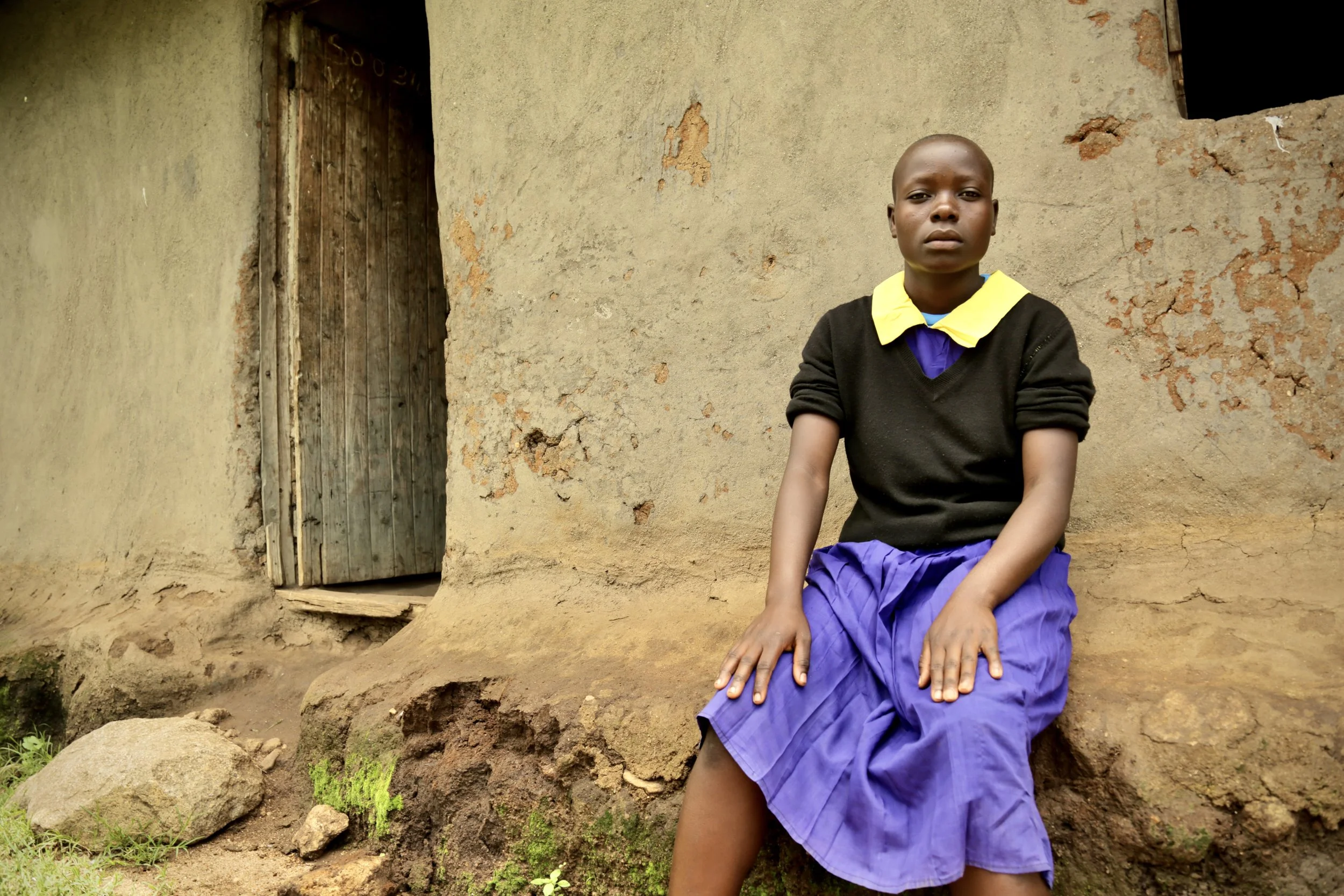
Chris Figmitis, 14, sits outside her home in Kakamega County, Kenya. Chris studies at Shinyunzu Primary School and lives with her father and grandmother in a household of three. When asked about water availability at school, she stressed the importance of having purified water, saying access to safe drinking water improves her wellbeing and experience at school.
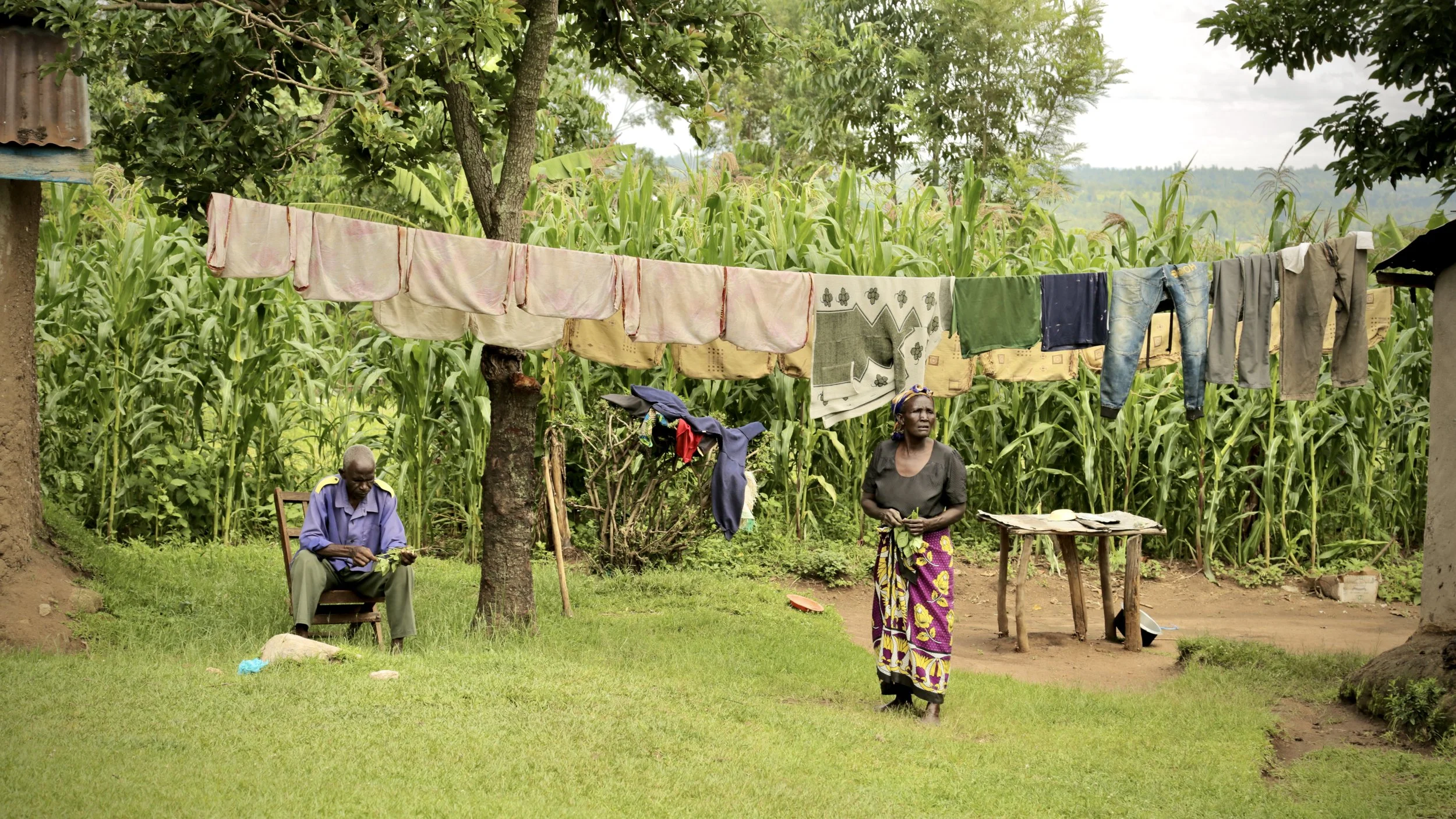
Residents stand outside their home in Kakamega County, Kenya. Families across the region often manage limited water supplies used for drinking, cooking, cleaming and livestock, while balancing farming, childcare and education.
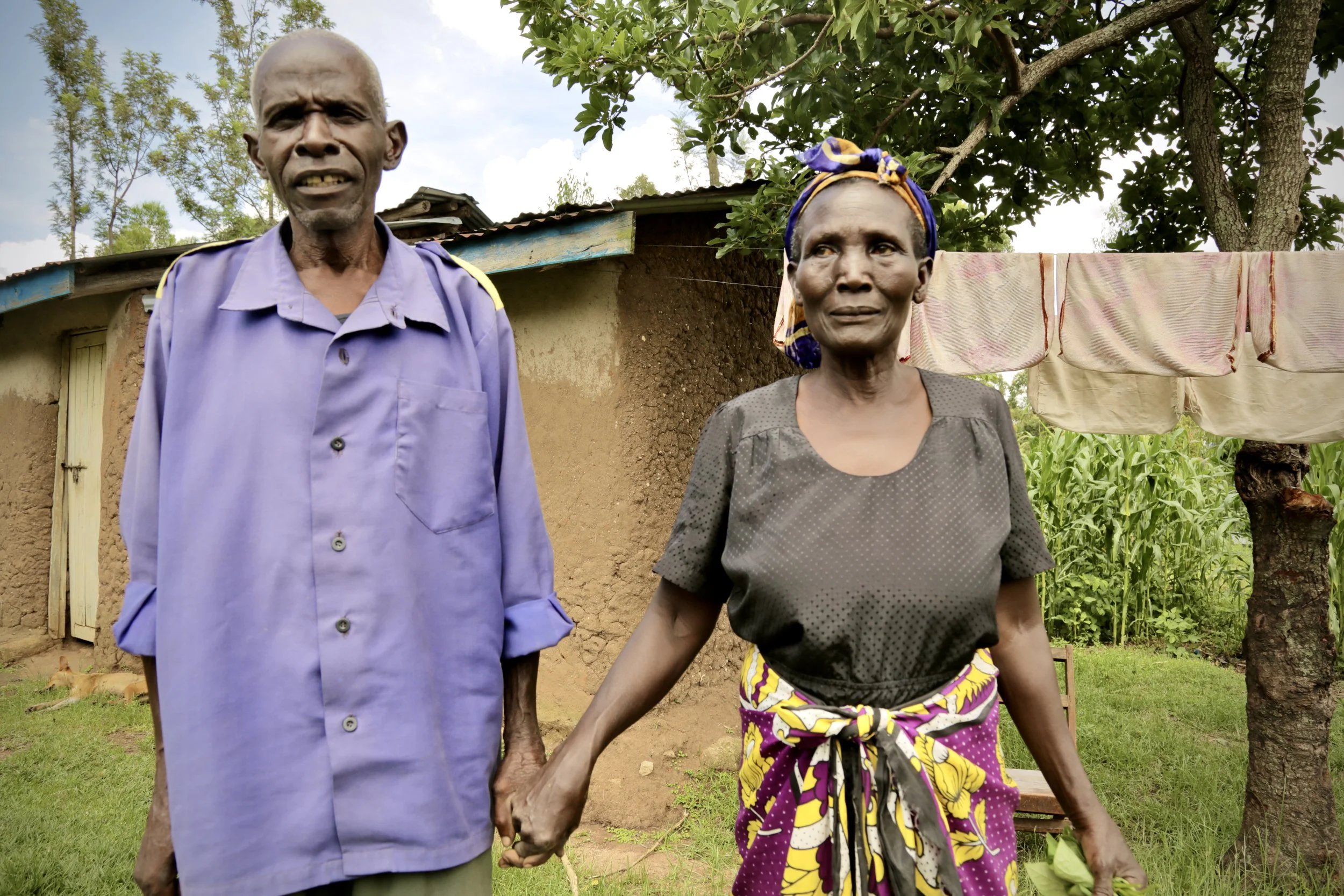
A couple, who had never had access from safe drinking water, stand outside their home in Kakamega County, Kenya. Access to safe water affects household health, food preparation and the amount of time children spend on domestic chores rather than studying.
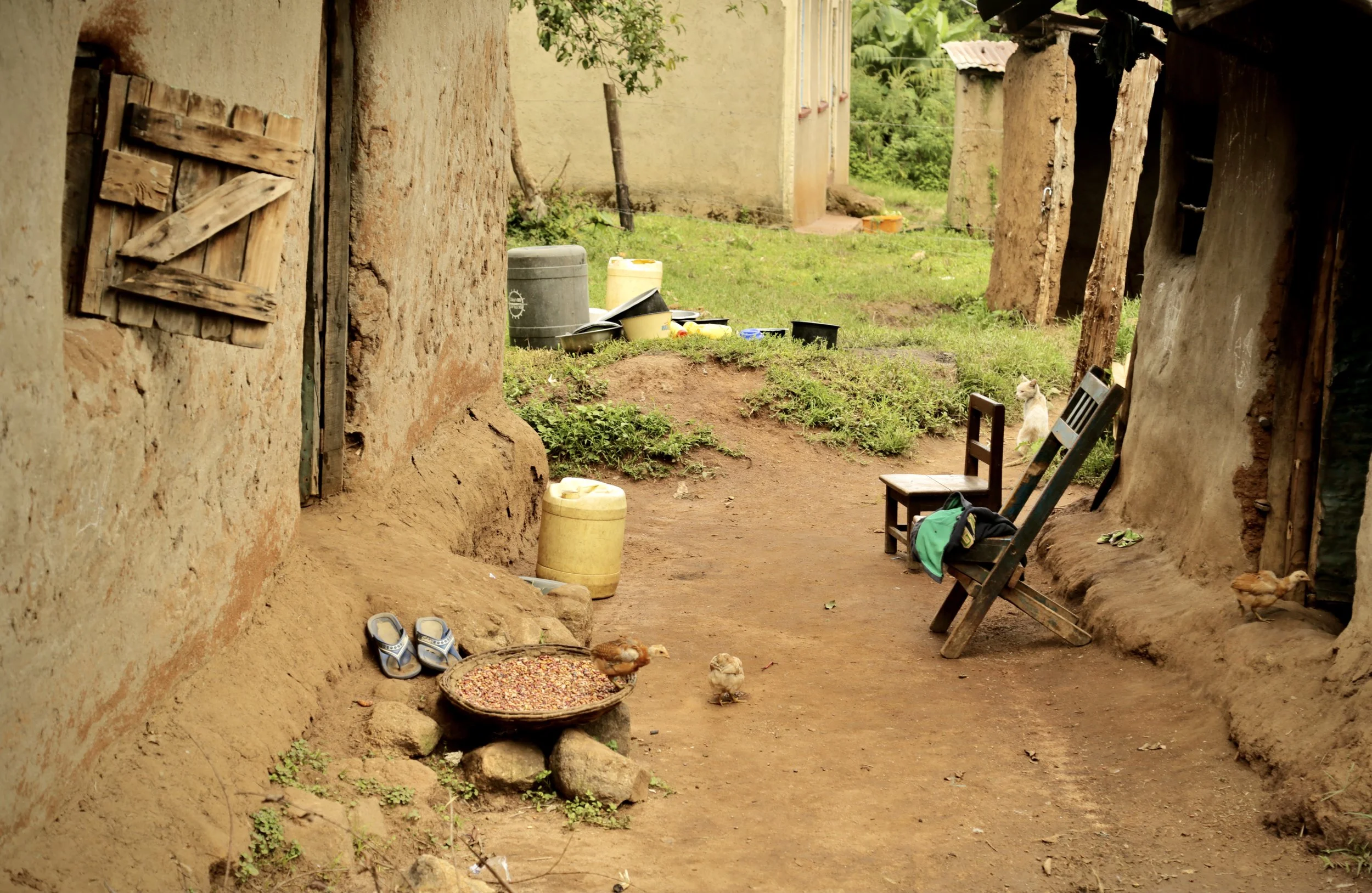
The courtyard between family homes in Kakamega County, Kenya. Water containers and household items are visible outside the buildings, reflecting the importance of water storage and management in everyday life.
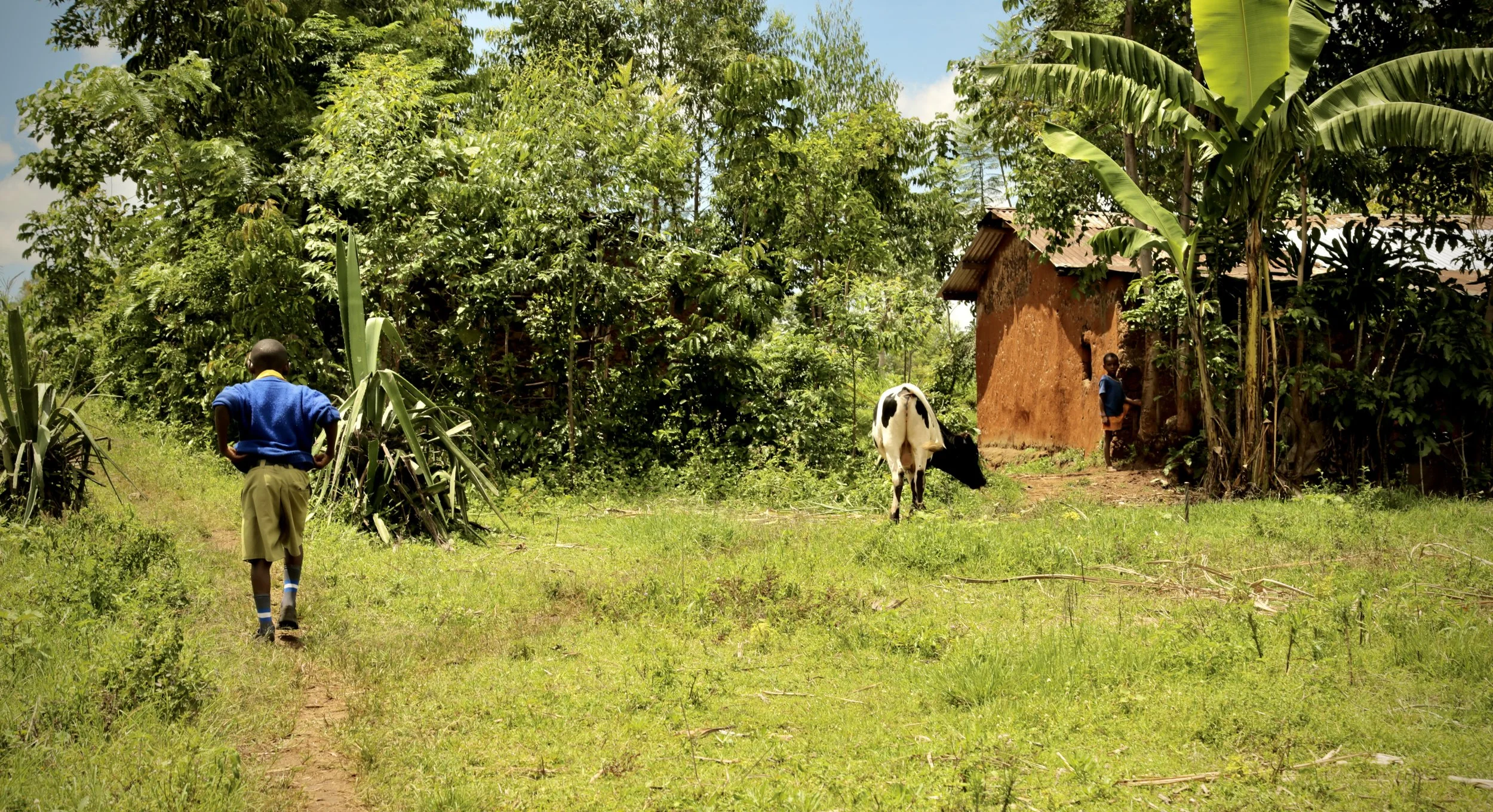
A pupil walks home in Kakamega County, Kenya. Children often combine school attendance with domestic responsibilities, including collecting water and wood for household use.
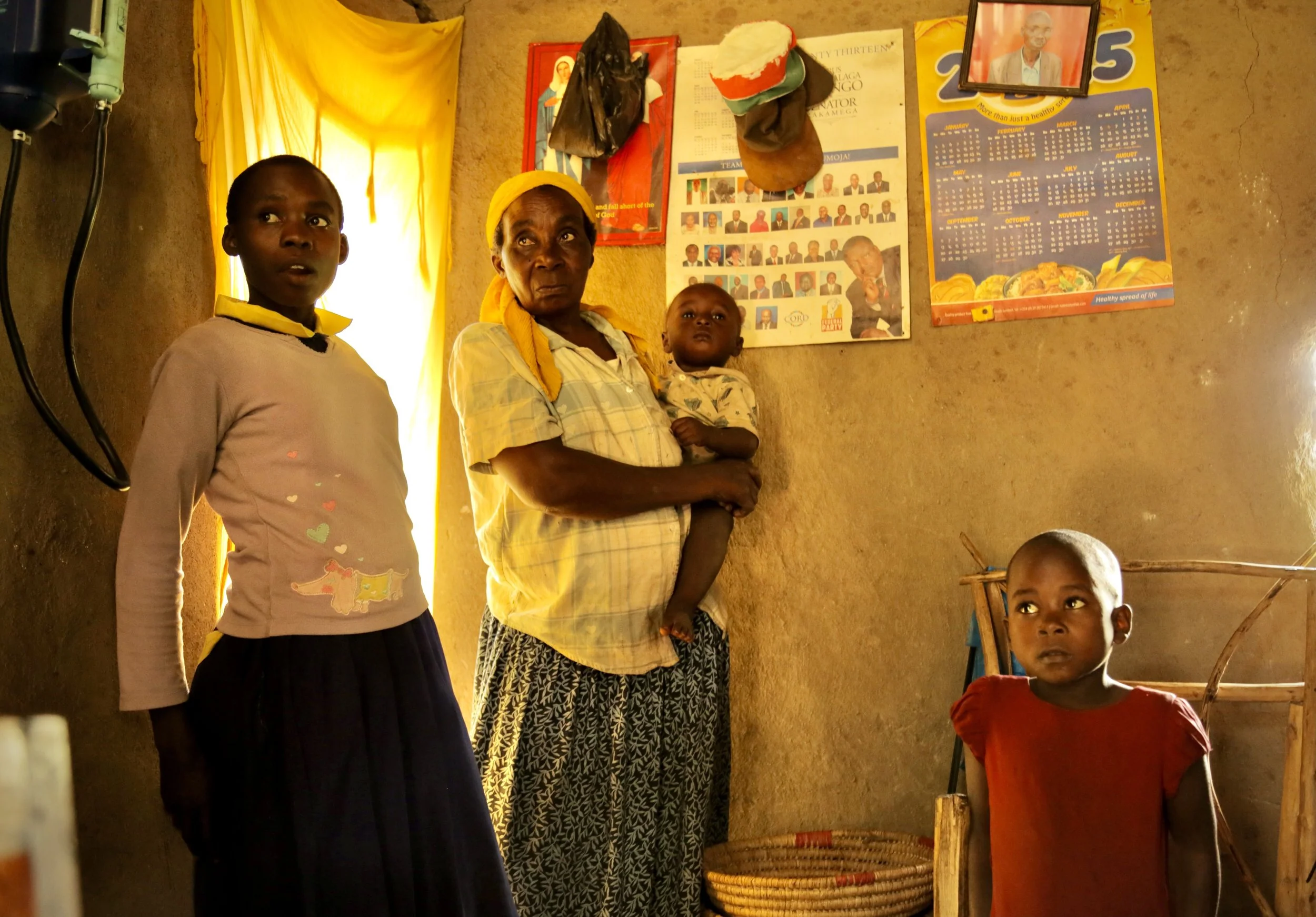
A grandmother stands inside her home with her grandchildren in Kakamega County, Kenya. Family members often play a central role in supporting children's education while managing household water needs.
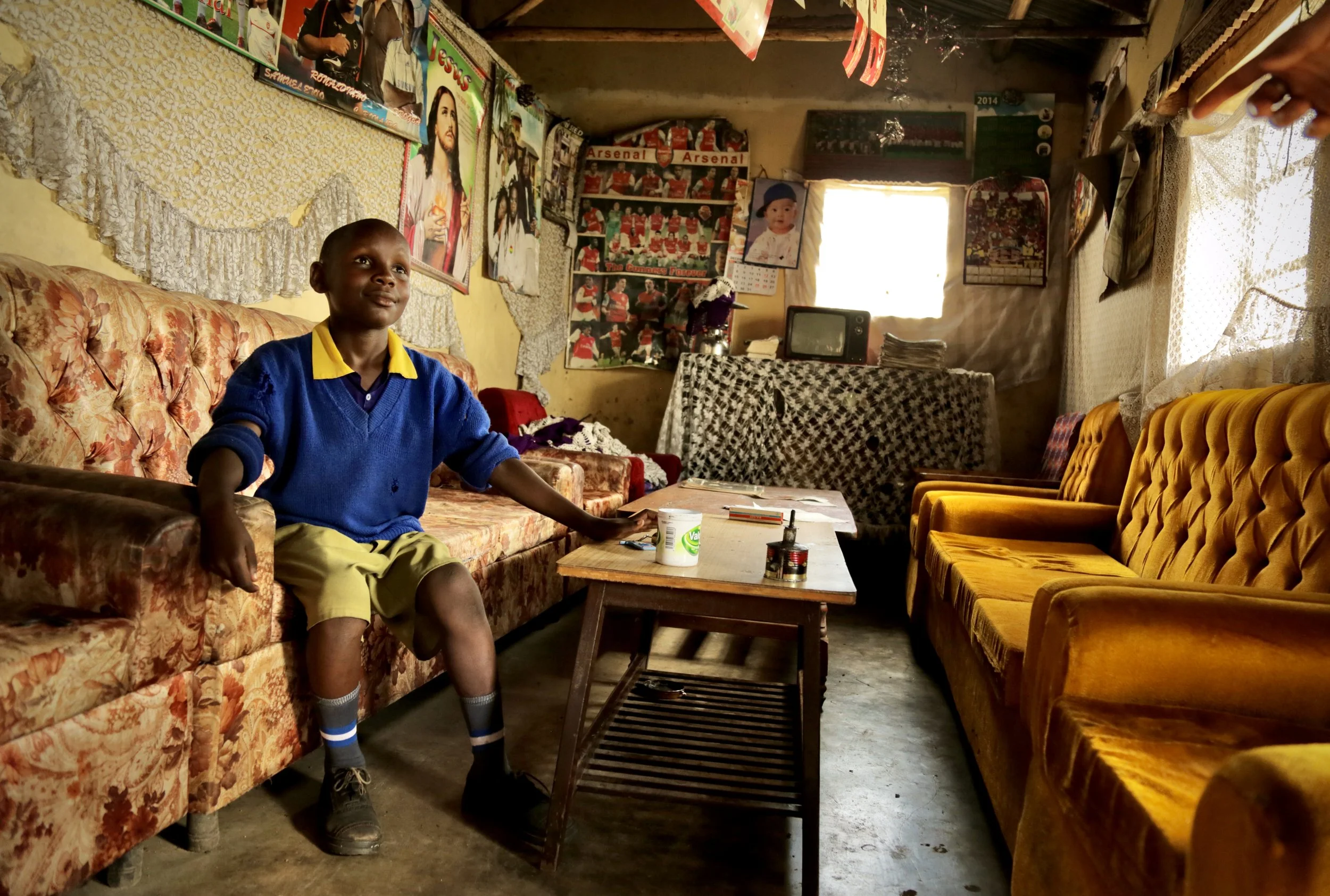
A pupil sits inside his family's living room in Kakamega County, Kenya. Time spent collecting water can reduce the hours available for homework, study and rest.
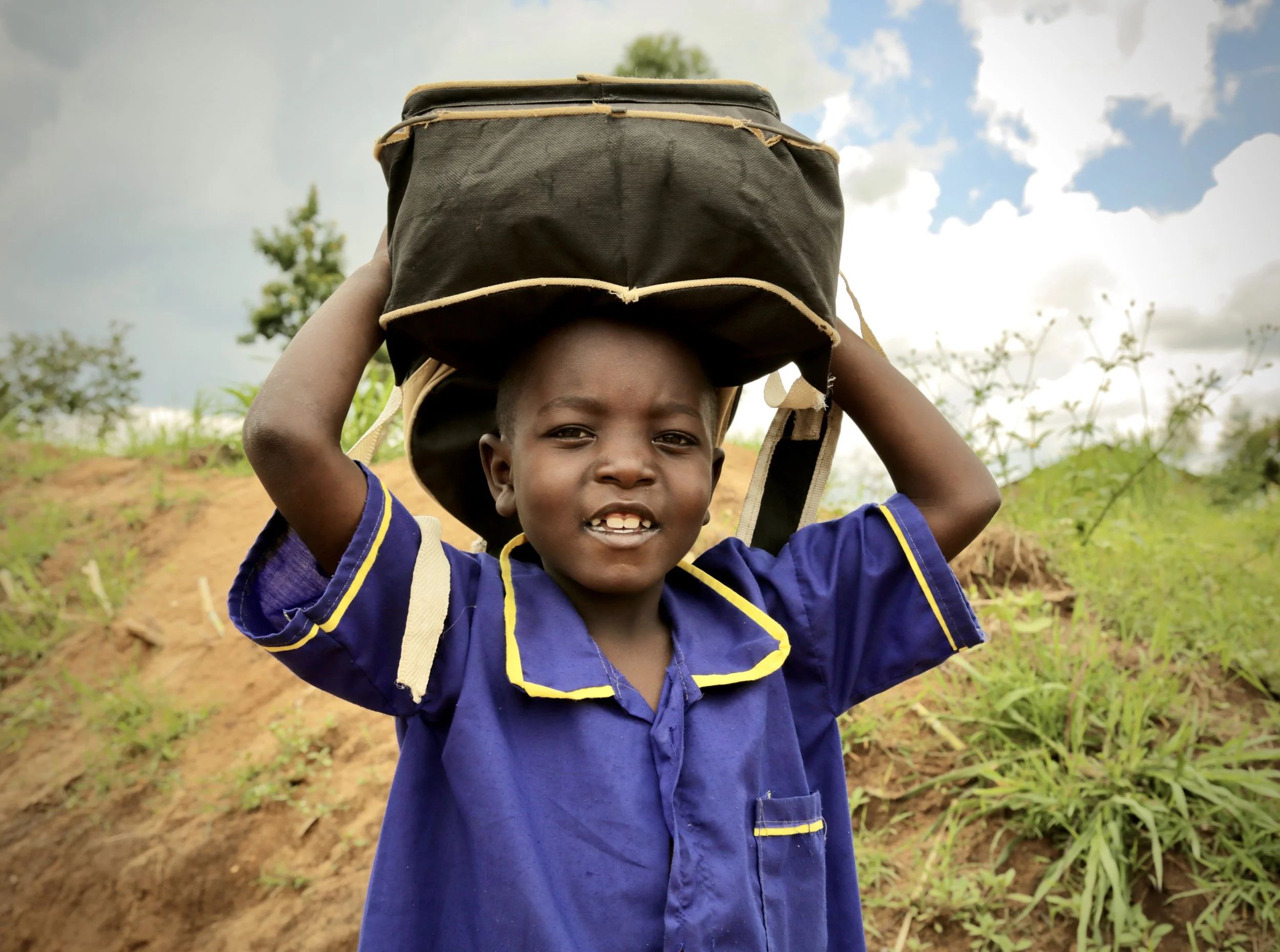
A pupil carries a schoolbag and a small container on his head in Kakamega County, Kenya. Children frequently help transport water home for cooking, cleaning and drinking, often making several trips each day.
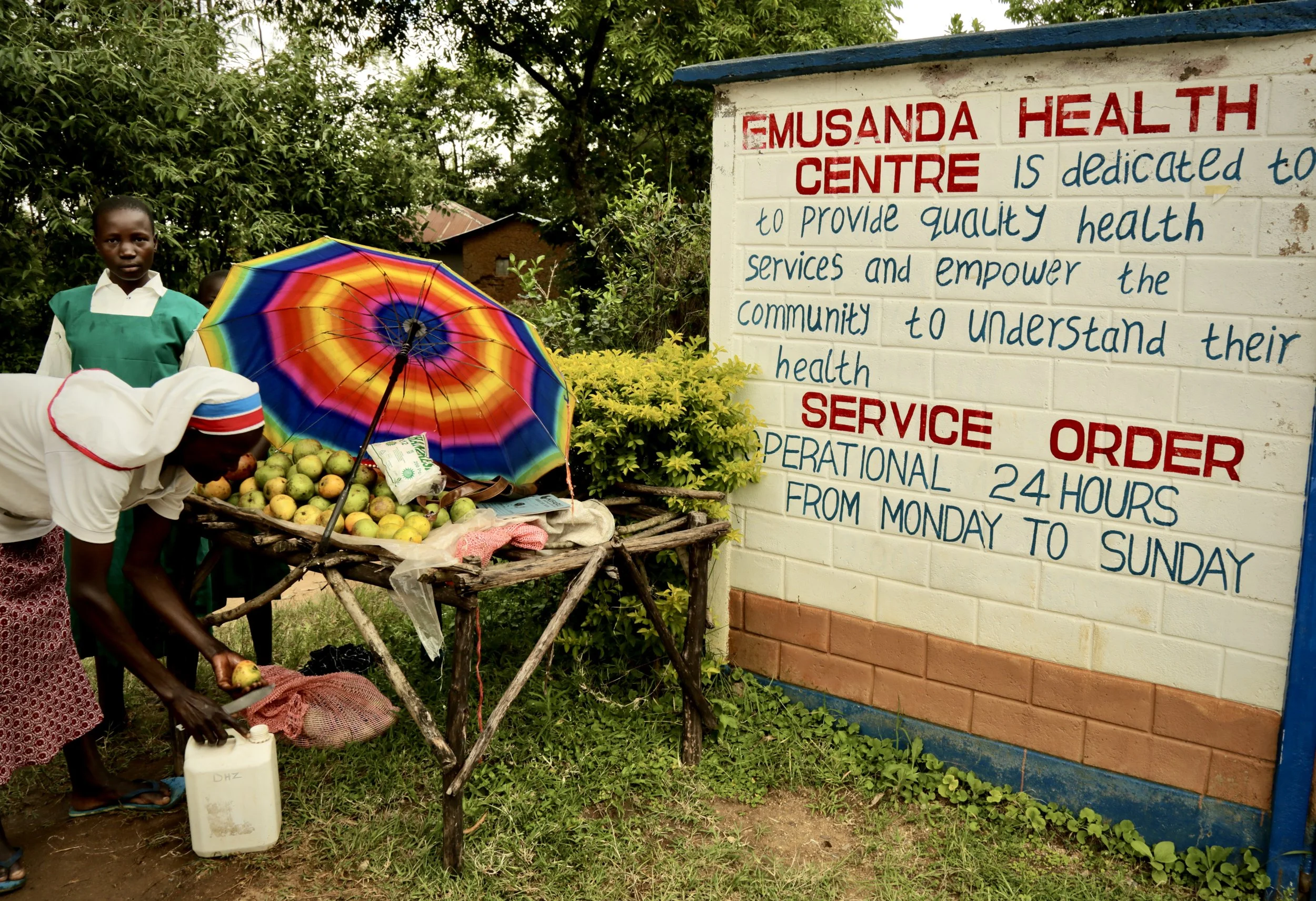
A nurse washes fruit with clean water outside Emusanda Health Centre. Health workers say access to safe water remains fundamental to hygiene and disease prevention in the community.
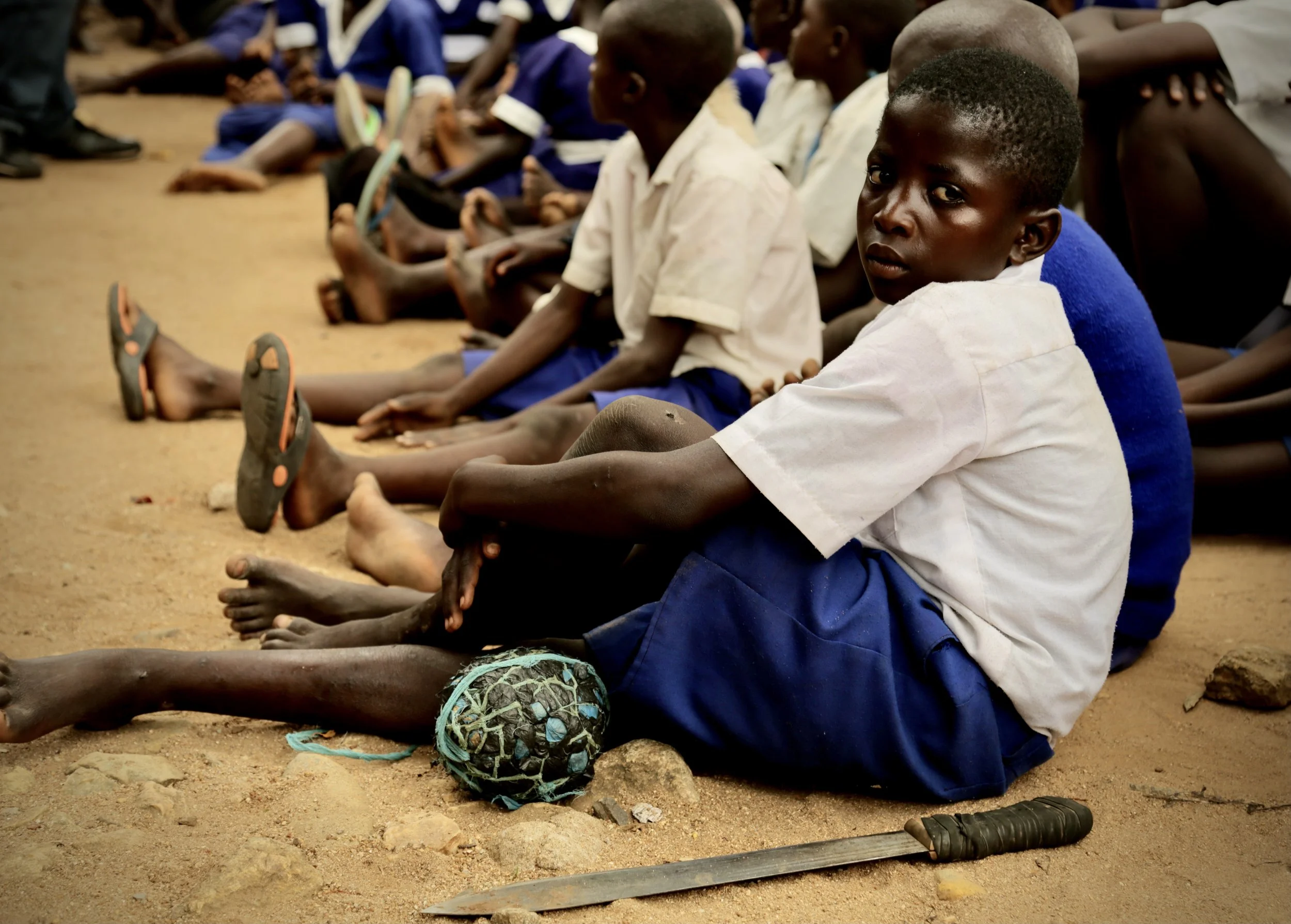
A pupil sits among classmates during a gathering at Albertos Divine Providence School in Kakamega County, Kenya. Access to clean water and sanitation is closely linked to health, attendance and educational achievement.
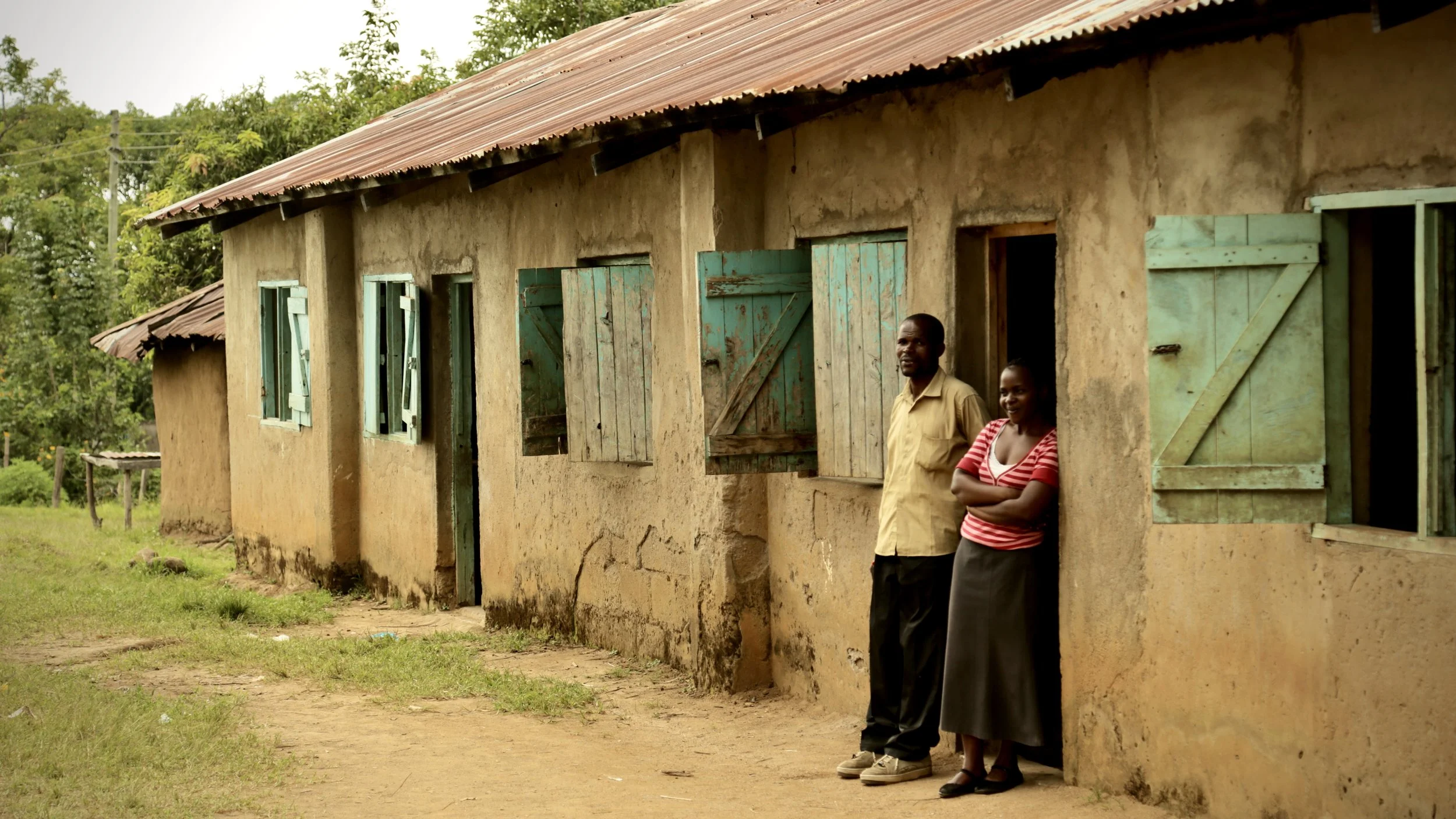
Teachers stand outside classrooms at Albertos Divine Providence School in Kakamega County. School staff say reliable water supplies are essential for preparing meals, cleaning facilities and supporting pupils throughout the school day.
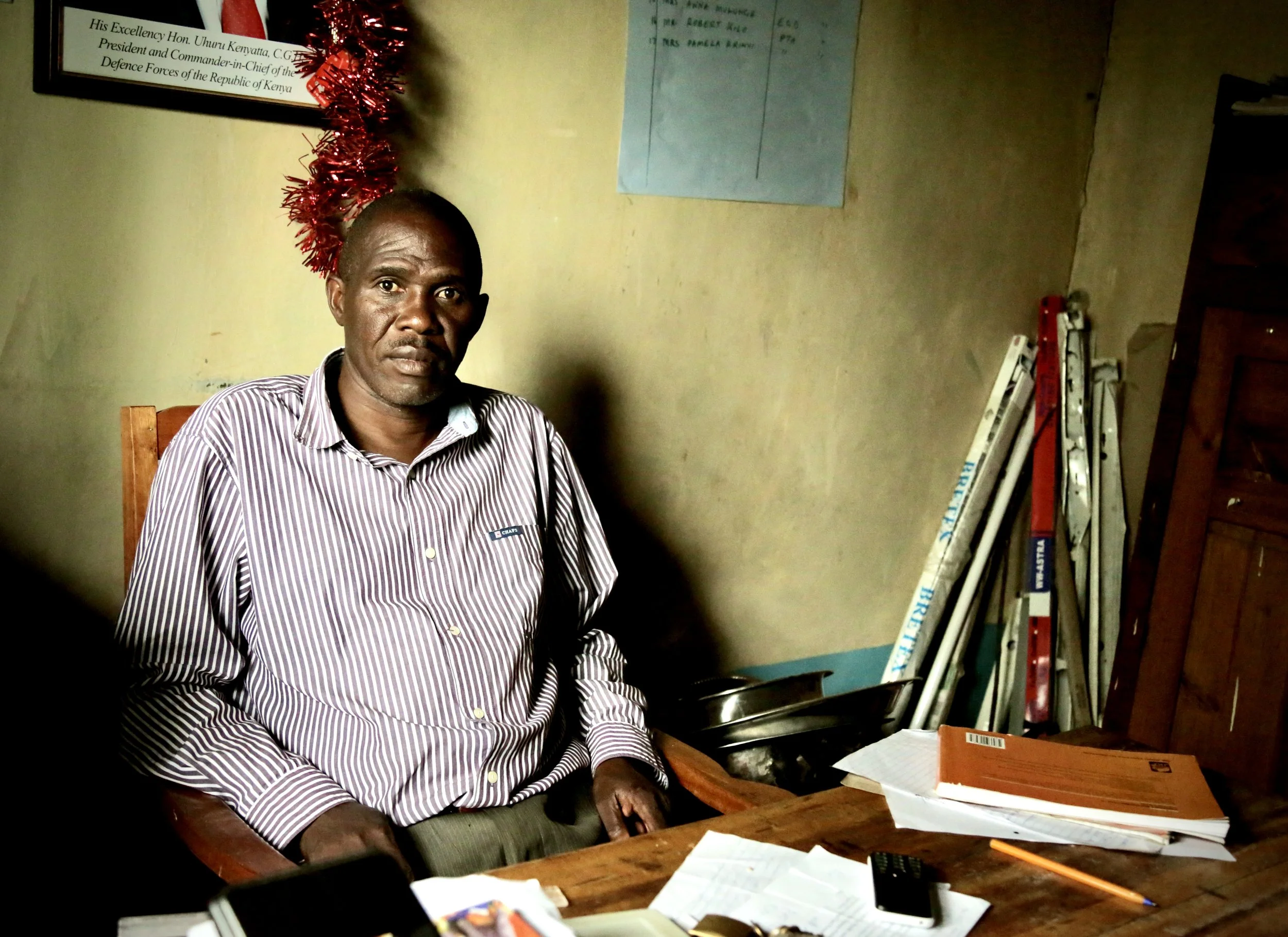
Saidi Olacho, Head Teacher at Albertos Divine Providence School, sits in his office in Kakamega County. Olacho oversees a school where access to water affects everything from meal preparation and cleaning to the amount of time pupils spend studying outside class.
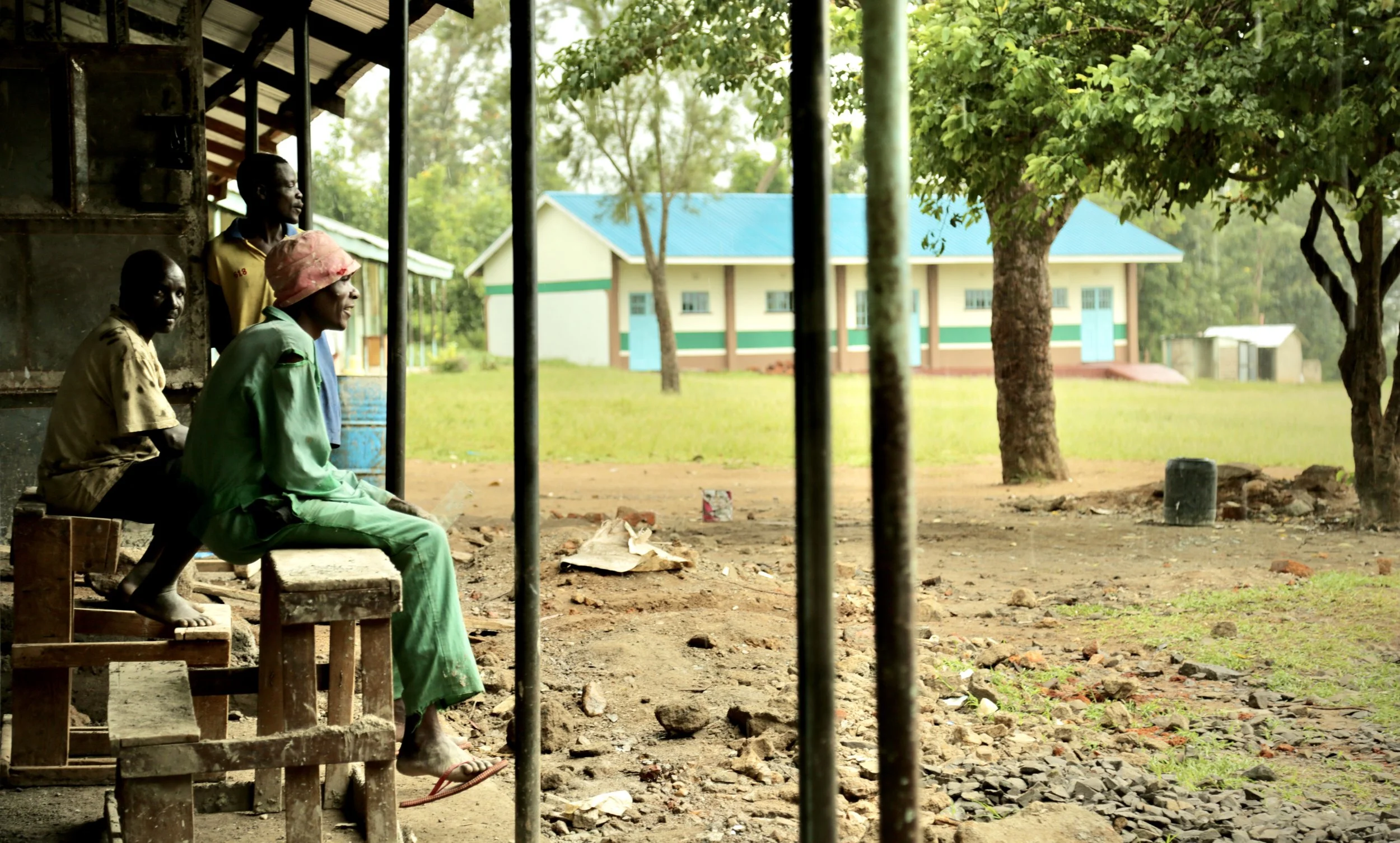
School workers shelter from a rainstorm at Albertos Divine Providence School. Rainwater collected from school roofs is stored and reused, helping supplement local water supplies.
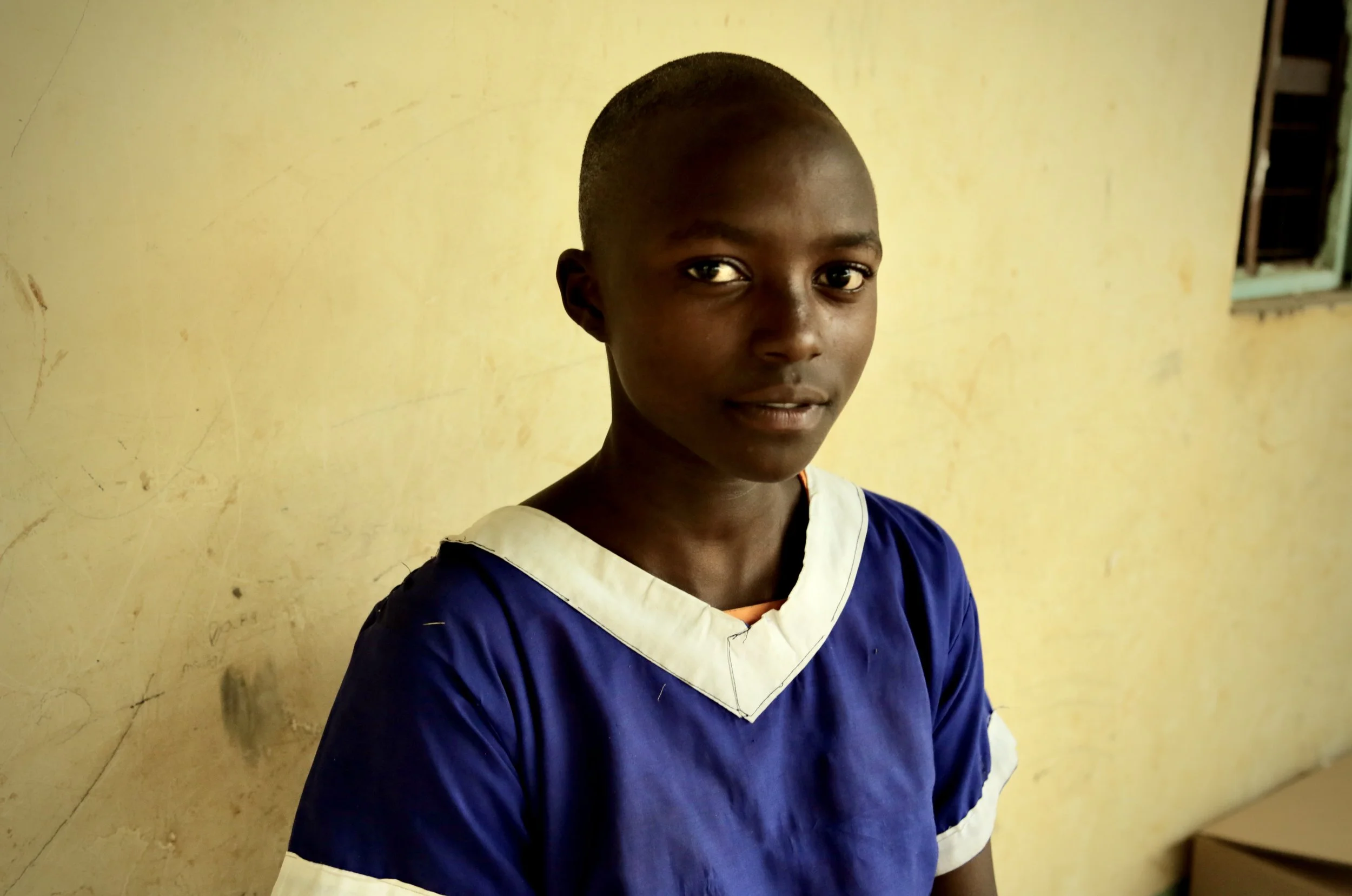
Trezer Ndunde, a pupil at Albertos Divine Providence School, poses for a portrait in Kakamega County, Kenya. Trezer says she spends part of every evening collecting water, carrying a 20-litre container on her head and making three trips. "I would be happy because at least I would have time to revise for my exams," she says of having easier access to water. "I might still pass, but not pass as well as I would if I had enough time."
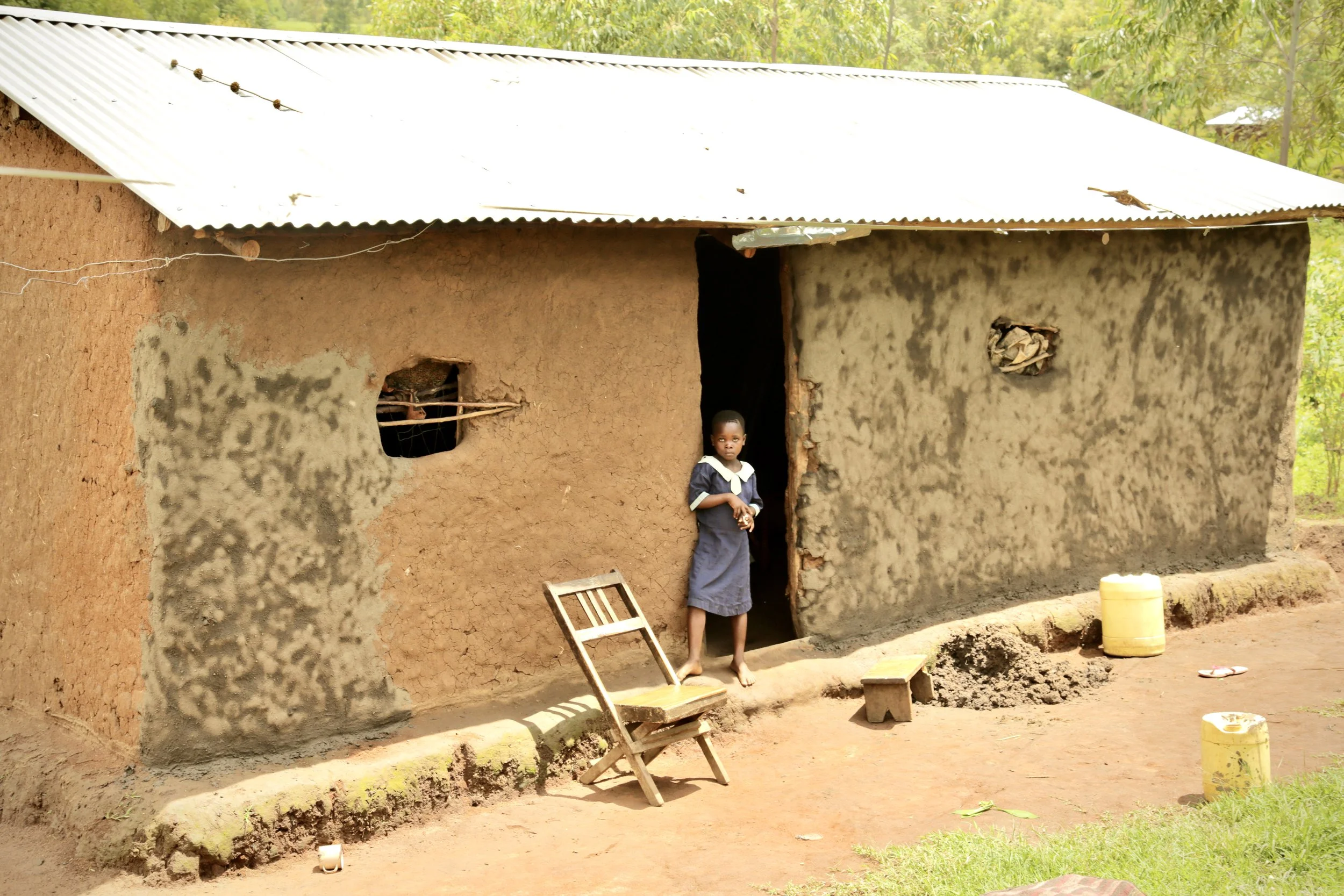
A pupil at Albertos Divine Providence School stands outside her family's home in Kakamega County, Kenya. Children in the community often balance schoolwork with household responsibilities, including helping to collect and store water for daily use.
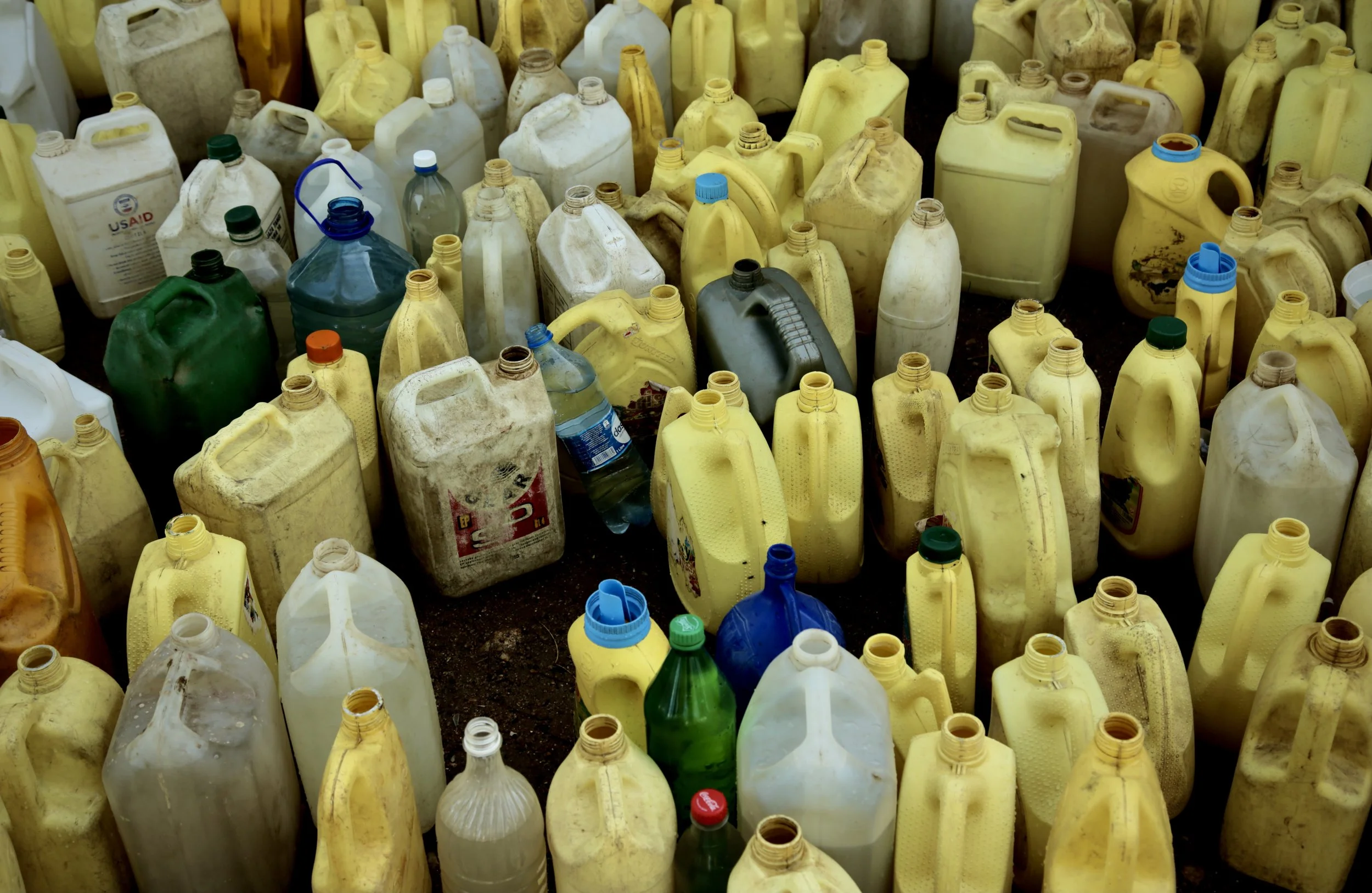
Water containers sit among household items outside family homes in Kakamega County. For many households, storing enough water for drinking, cooking and washing is a daily concern.