Photographed in 2016 ahead of the demolition of the Calais “Jungle” camp, this series documents the lives of unaccompanied refugee children stranded between borders, asylum systems, and childhood itself. Many had fled war, violence, trafficking, or political persecution in Afghanistan, Sudan, and Eritrea, only to find themselves living in makeshift shelters under constant uncertainty while trying to reach safety in the UK.
The photographs were taken while reporting and filming a short documentary in the camp during an increasingly tense period, as children grew fearful of visibility, authorities, and journalists. Access came through long conversations, and time spent listening rather than filming. The resulting images focus less on spectacle than on moments of exhaustion, toughness, isolation, and survival: a portrait, a diary, a tear gas canister, a photograph of a dead cousin carried across borders on a mobile phone.
Together, the series reflects the emotional reality of displacement for children living in legal limbo, caught between governments debating policy and the immediate realities of fear, loss, and uncertainty.
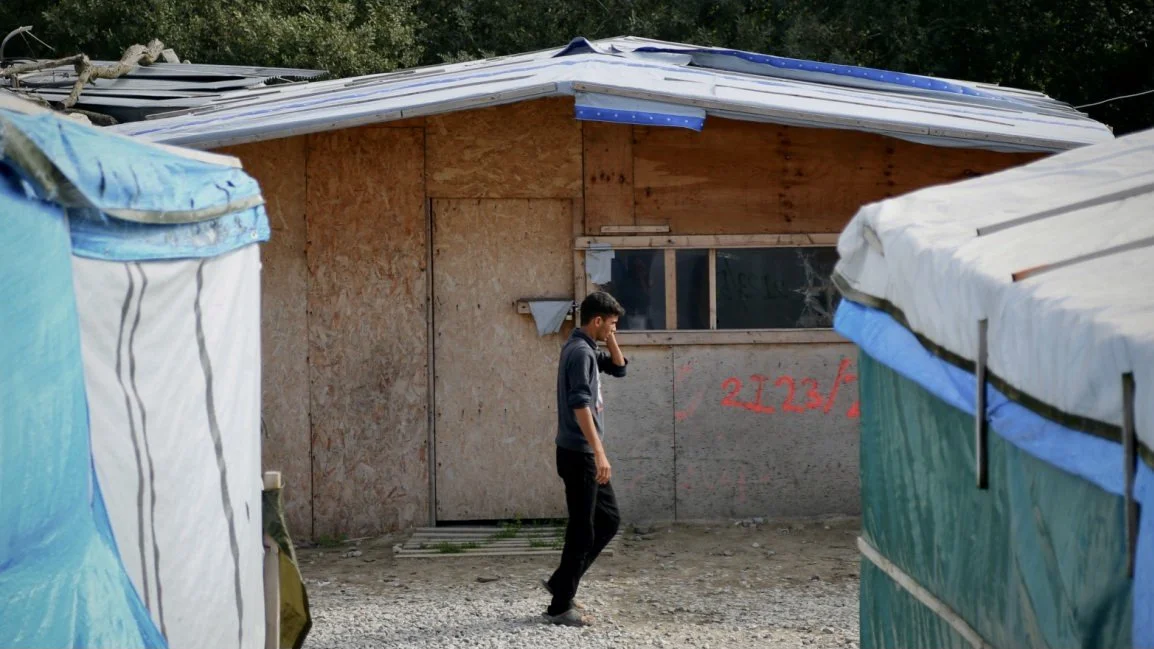
A lone child walks between shelters in the Calais “Jungle” camp shortly before French authorities moved forward with demolition plans. Aid workers feared hundreds of unaccompanied minors would disappear into homelessness, trafficking networks, or further displacement once the camp was dismantled.
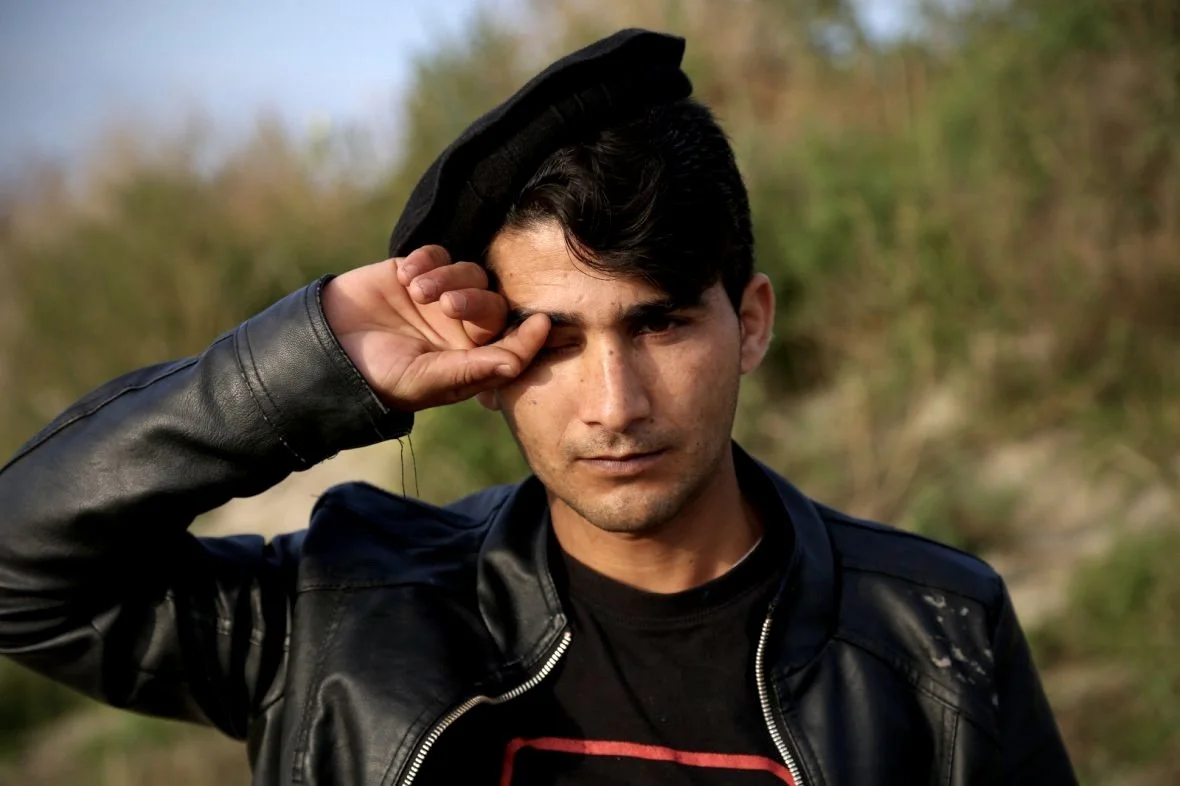
Mamad, 16, fled Baghlan province in northern Afghanistan after Taliban insurgents entered his village. Living alone in Calais after a journey across multiple countries, he described suffering from depression, isolation, and untreated medical problems while waiting for the chance to seek asylum in the UK.
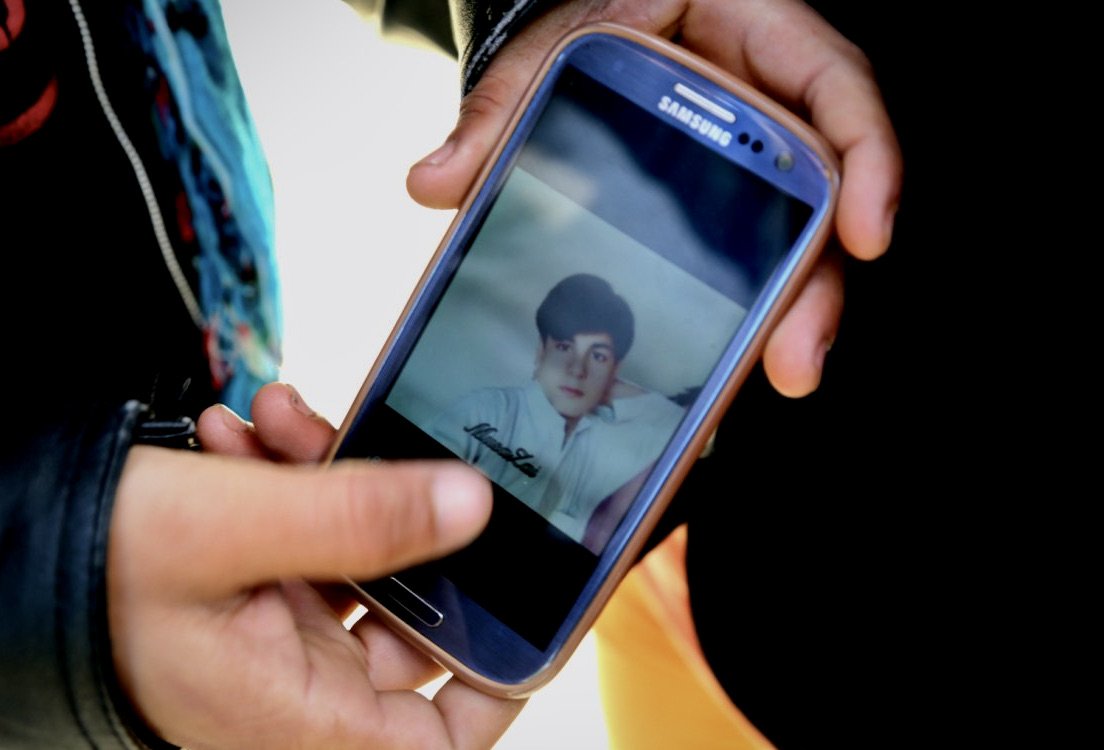
Mamad shows a photograph of his teenage cousin on his mobile phone inside the Calais camp. Mamad claimed his cousin - the only relative travelling with him - died after being shot by Iranian police during their journey toward Europe.
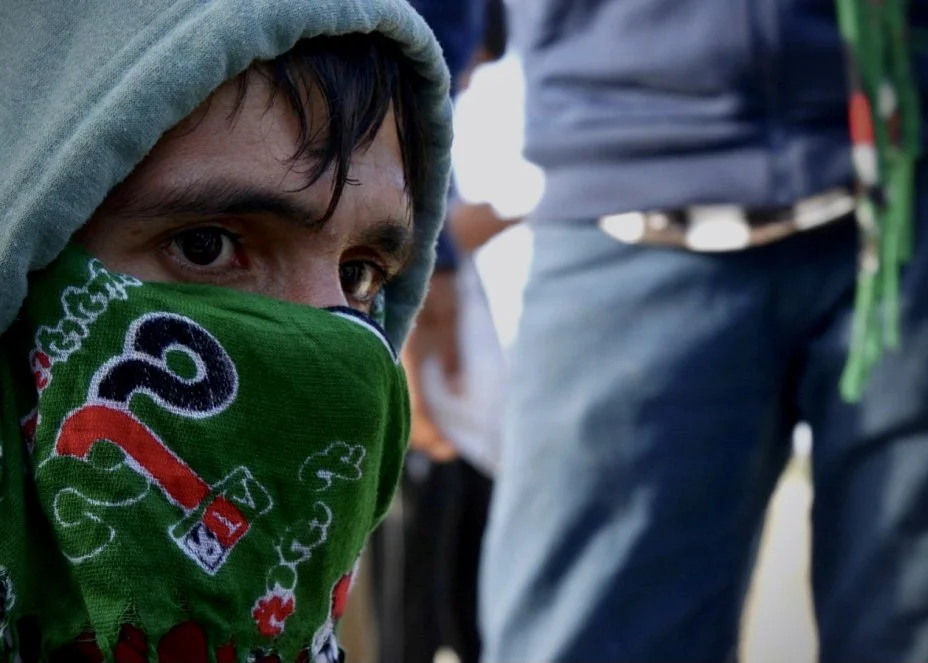
Portrait of Gul, 15, an unaccompanied Afghan child living in the Calais “Jungle” camp ahead of its planned demolition in 2016. Hundreds of minors in the camp were left in legal uncertainty as British and French authorities debated relocation and family reunification procedures.
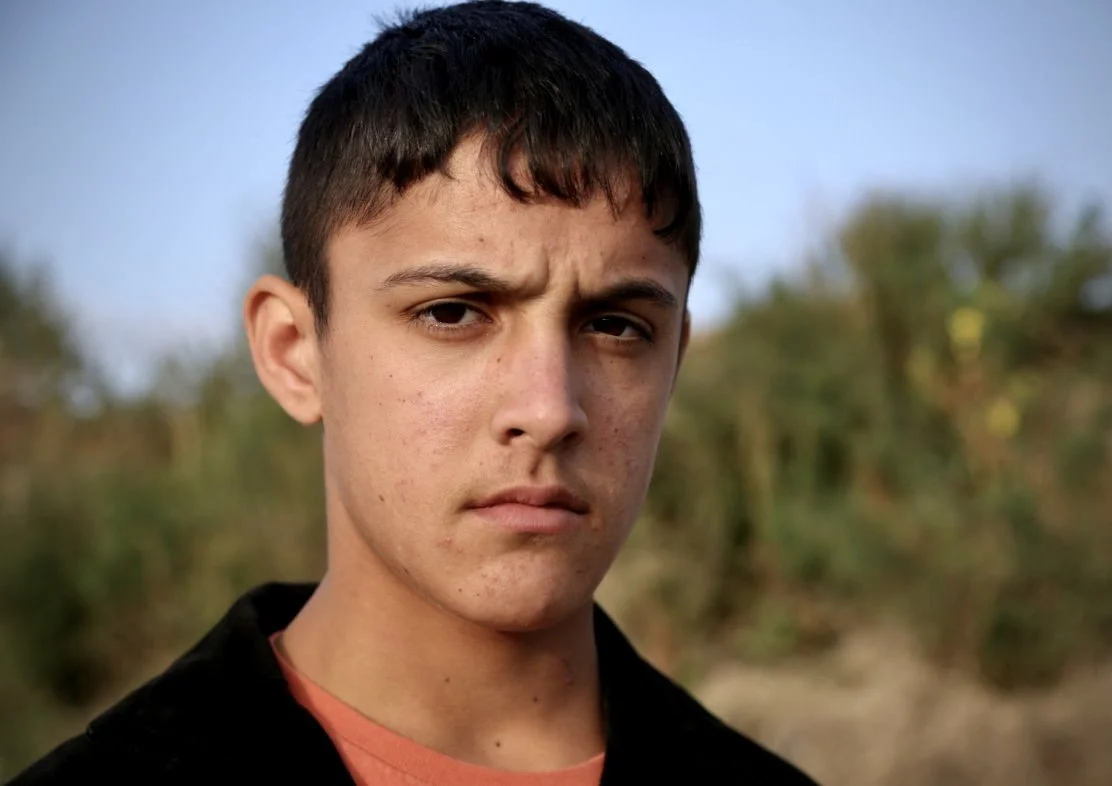
Portrait of Hamed, 15, an Afghan refugee living among other unaccompanied minors in the Calais camp.
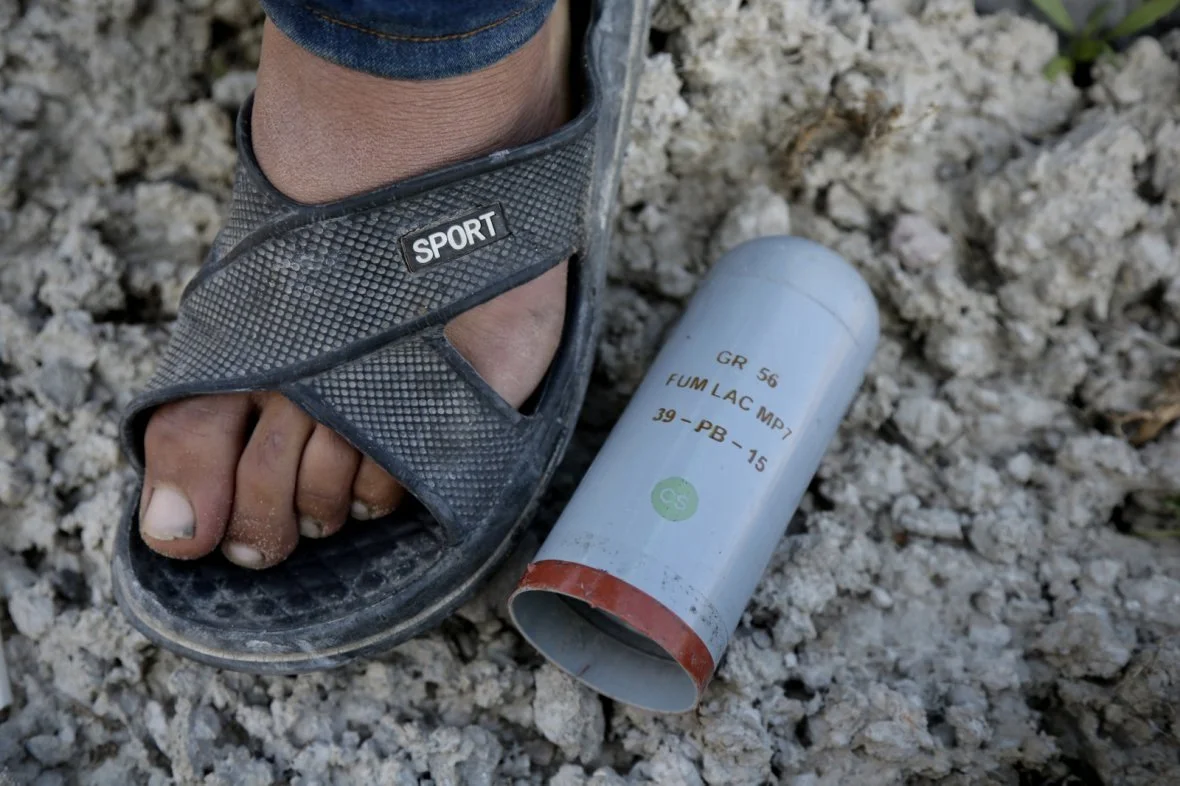
A tear gas canister lies beside the foot of Qaid, a young refugee from Afghanistan in the Calais “Jungle” camp in northern France. Children in the camp alleged French police regularly used tear gas during clashes near roads, fences, and lorry routes as minors attempted to reach the UK.
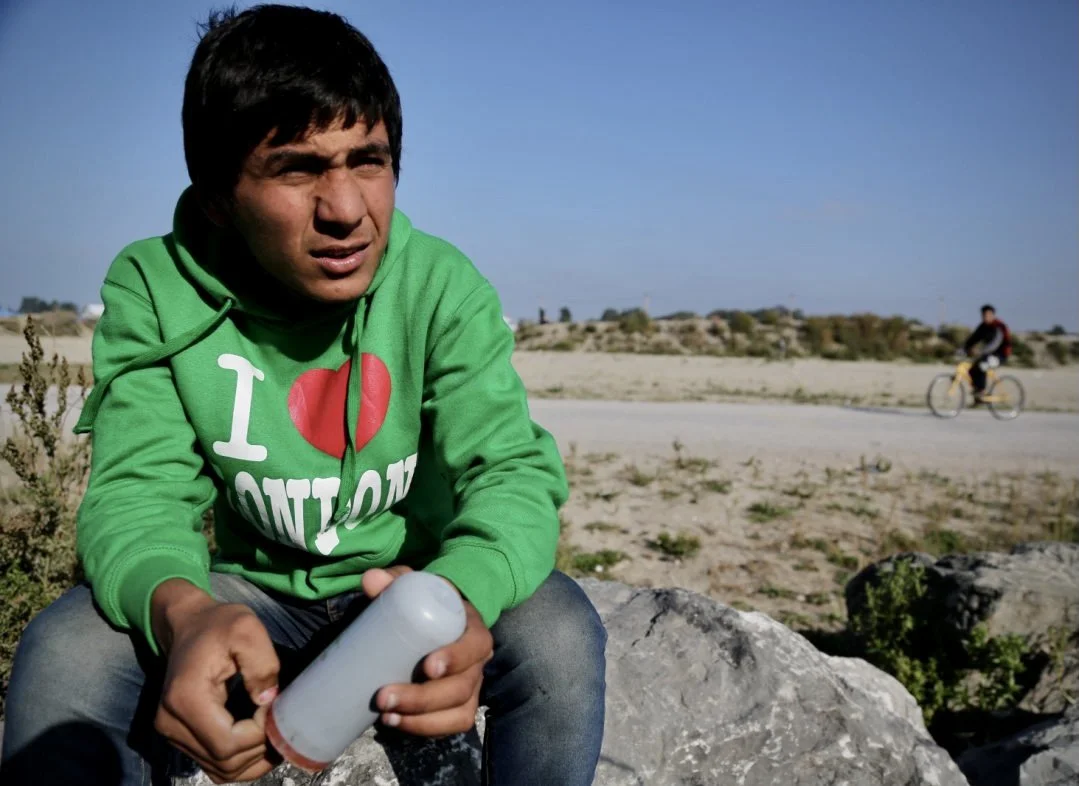
Qais holds a tear gas canister he said was fired by French police near the camp during attempts by refugees to reach lorries heading toward Britain. Children in Calais described repeated exposure to violence, police confrontations, and dangerous crossing attempts while living without stable shelter or protection.
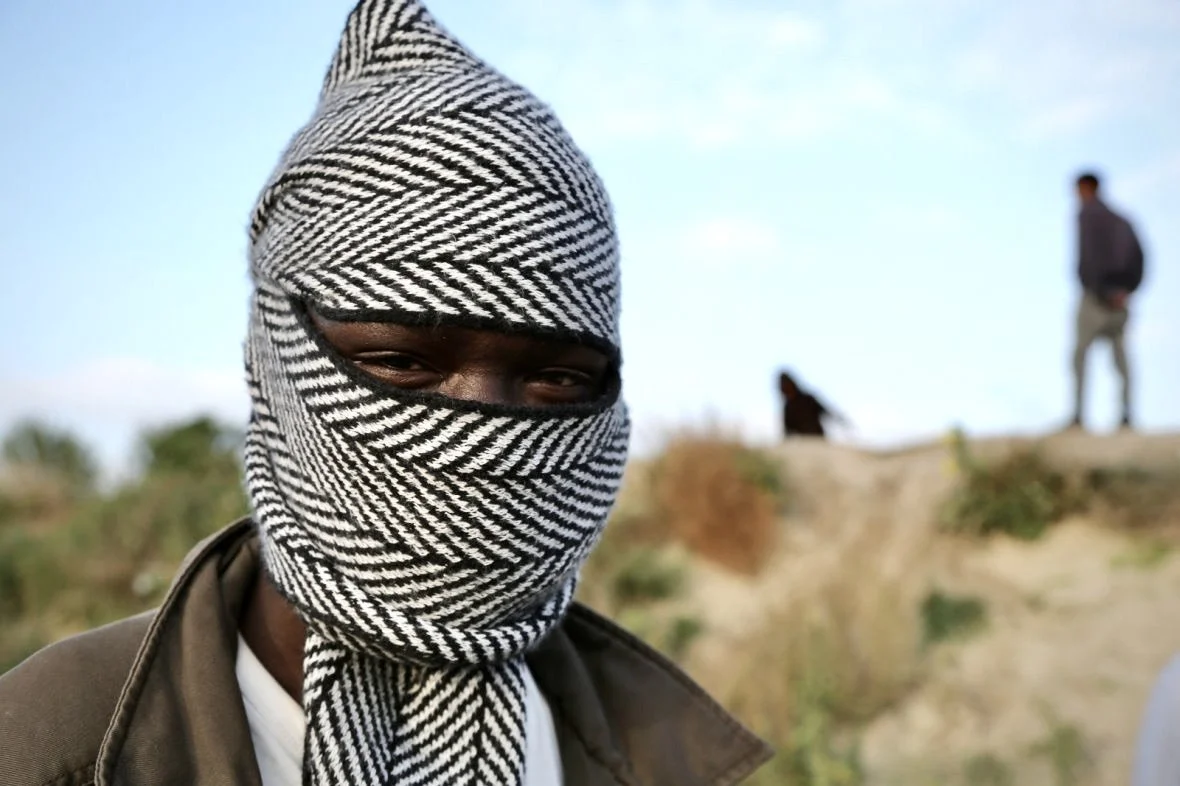
Hassan, 15, fled Sudan as a child and arrived alone in Calais after crossing multiple borders into Europe. Ahead of the camp’s demolition, he said he had no idea where he would go next if the settlement was destroyed.
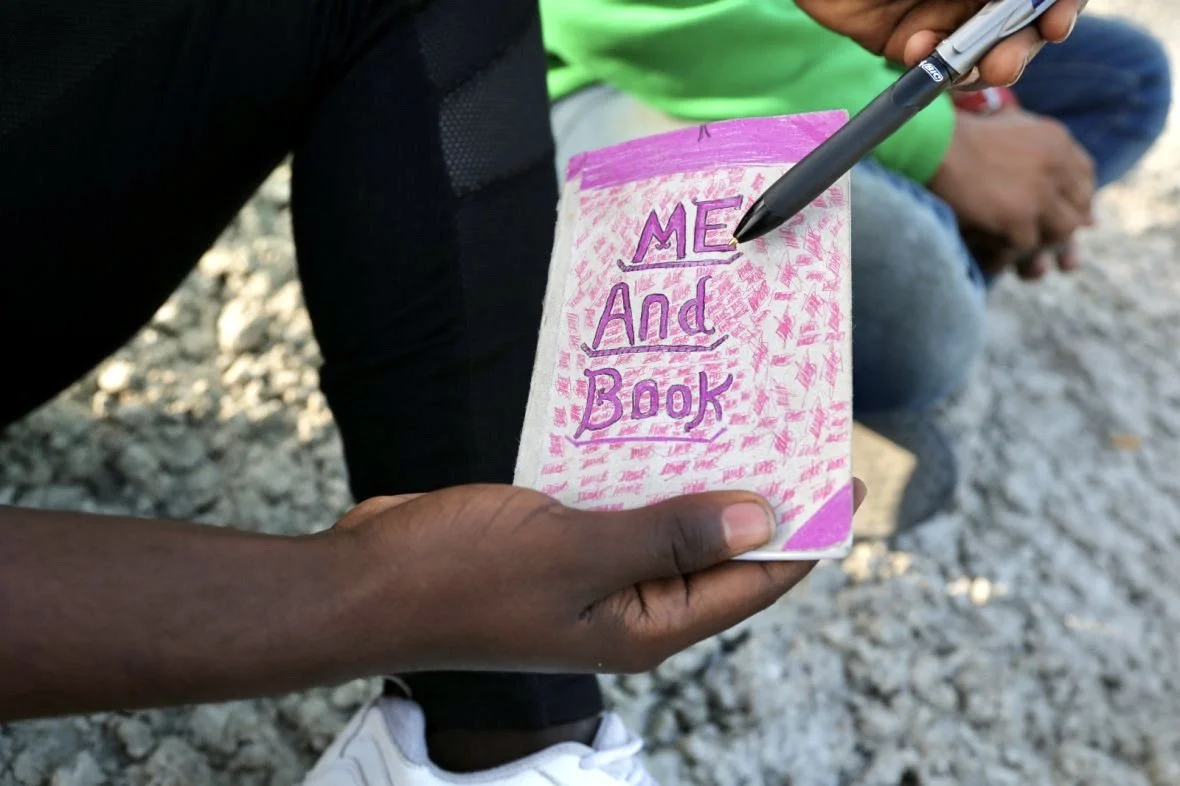
David, 18, an Eritrean orphan raised partly in Ethiopia, travelled through Sudan and Libya before reaching France by boat via Italy. In Calais, he kept a handwritten journal while speaking about racism, hostility, and the uncertainty faced by young refugees stranded in the camp.
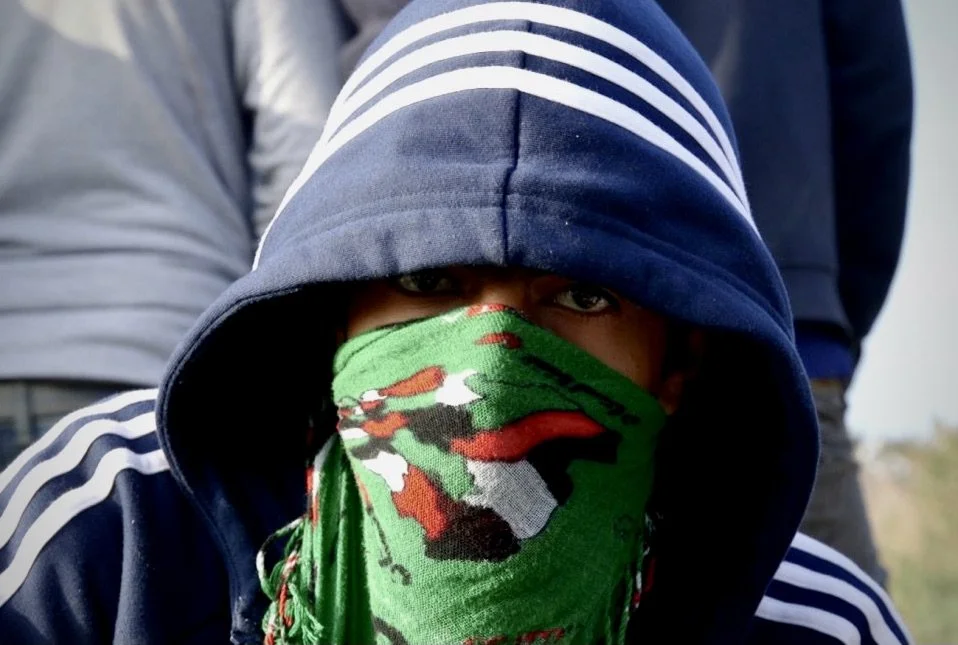
Zab, 14, from Afghanistan had spent more than a year living in Calais and repeatedly attempted to board lorries travelling to the UK. He described the psychological toll of camp life, saying children feared “going crazy” after months trapped in uncertainty and repeated failed crossings.