In Al Remah, danger is not immediately visible. There are no clear boundaries or warnings—only ground understood through memory, experience, and trust. Movement across these fields depends on local knowledge: that of farmers, communities, and demining teams who know where it is safe to step.
This series follows Amar Mohamed Abdu, a farmer displaced by conflict who returned to find his land contaminated. Some areas have been cleared, while others remain overgrown and inaccessible, making survey and removal difficult. Mines continue to be found, and farming takes place within these shifting limits.
The photographs respond to this invisibility. Rather than depicting danger directly, they trace its presence through absence—gestures, boundaries, fragments of land, and the cautious return of daily life. Risk shapes movement, labour, and space in ways that are often unseen.
For families like Amar’s, farming underpins livelihood, identity, and community. Contamination disrupts how land is used, shared, and sustained across generations, leaving it partial and uneven, and requiring constant negotiation.
Access to these spaces, including people’s homes, depended entirely on trust. Each image exists through permission and the willingness of individuals to share environments shaped by conflict.
Clearance is the gradual return of movement, work, and the social rhythms tied to the land.
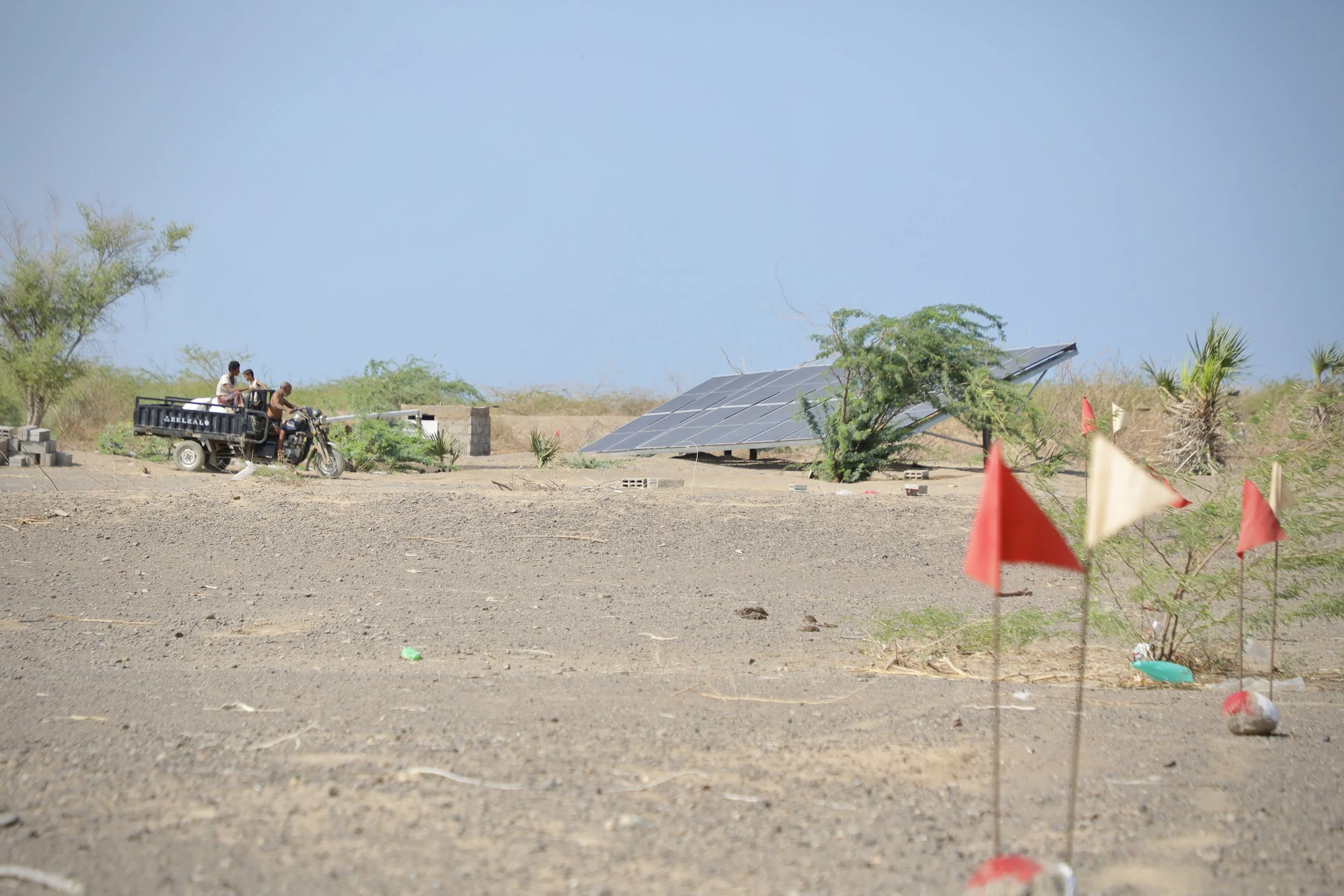
In Al Remah, farmers harvest what they can from safe ground. Their fields border areas still awaiting clearance, making each day’s work an act of caution.
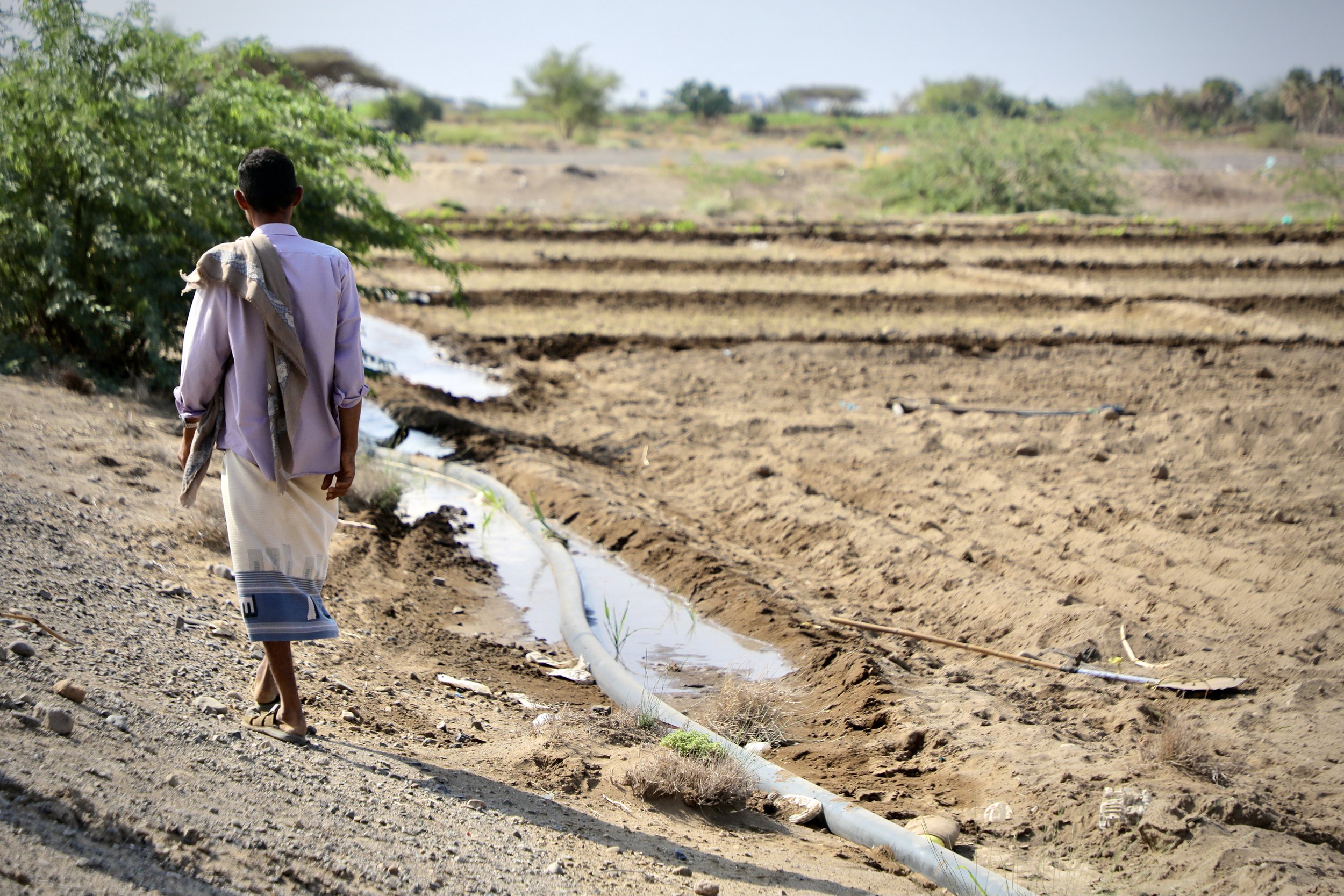
Amar Mohamed Abdu walks along the boundary of his farmland. Some areas have been cleared, while others remain overgrown and inaccessible, making survey and removal difficult.
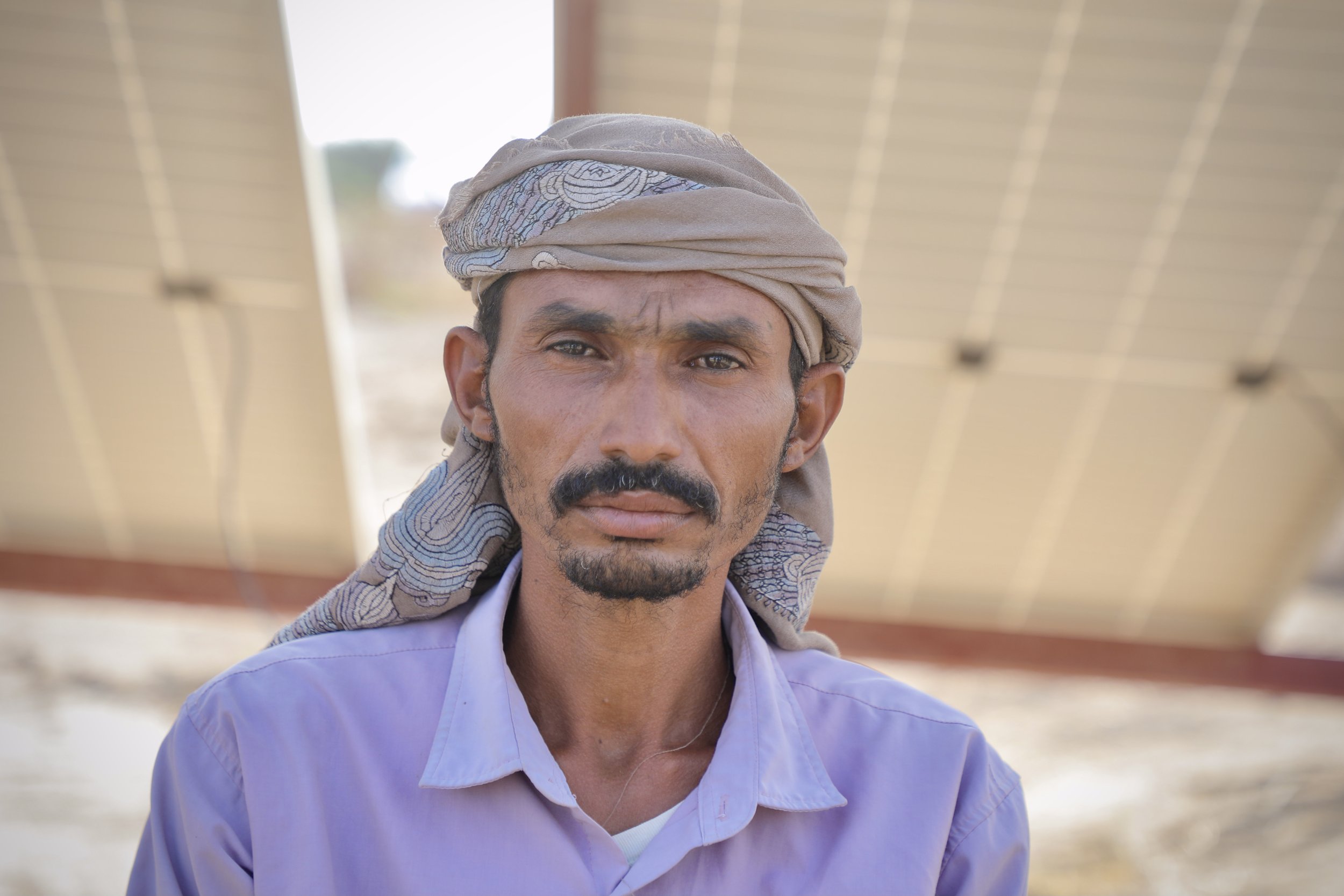
Portrait of Amar Mohamed Abdu, a father of five who returned to his farmland after displacement to find it contaminated with mines and unexploded ordnance. Clearance has allowed him to resume planting on part of his land.
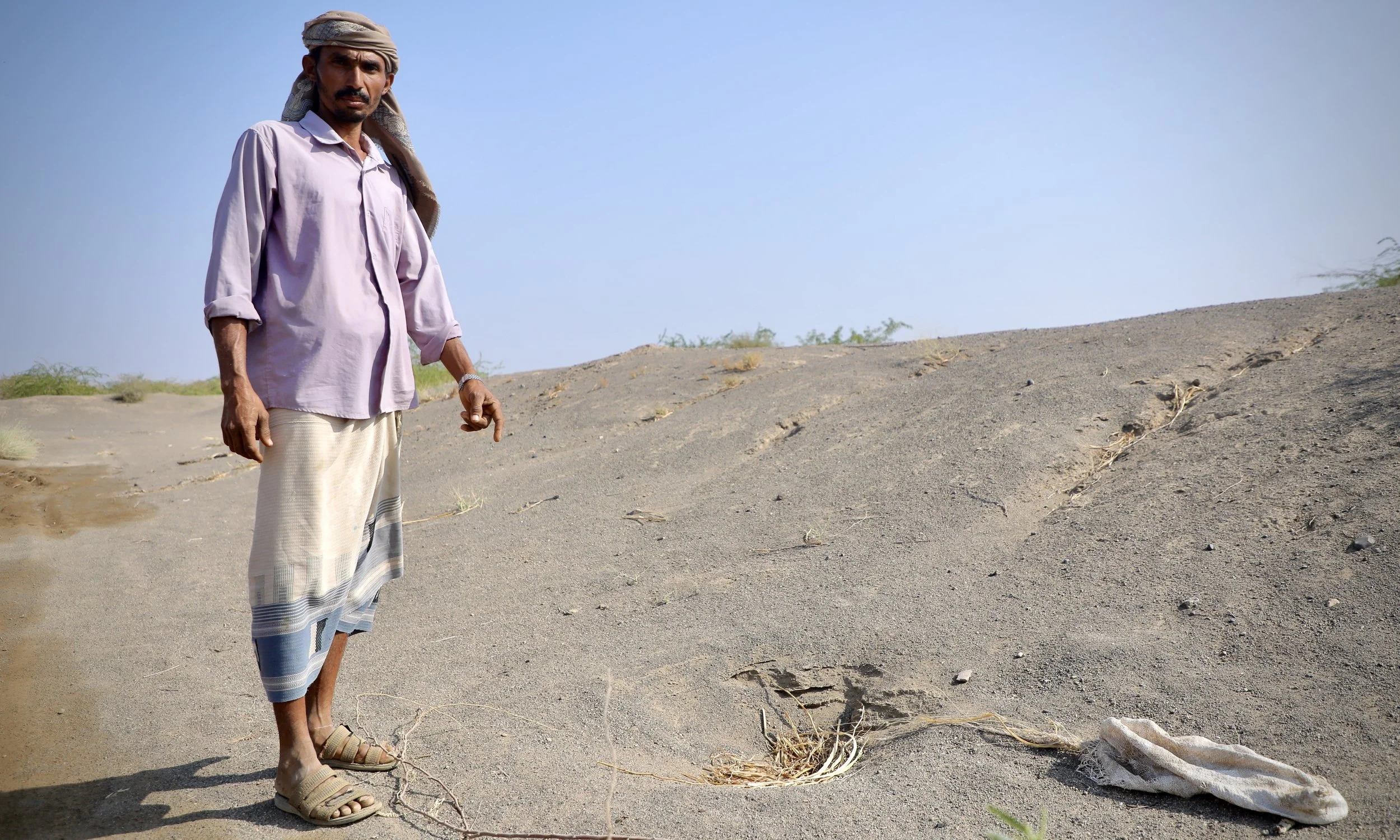
Amar points to a mound where mines were recently found and cleared. He continues to discover contamination on his land as clearance progresses.
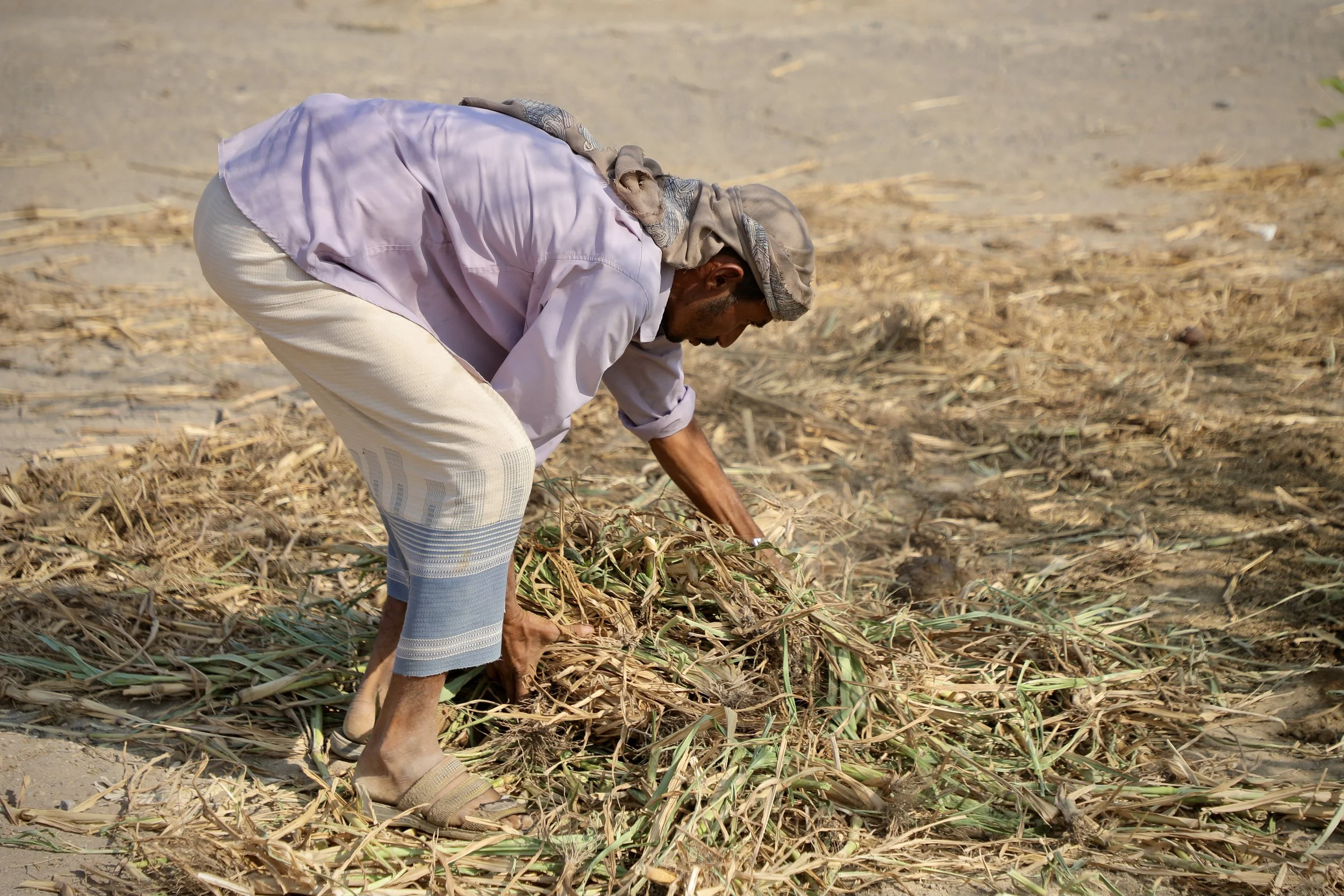
Amar works a cleared section of his field. With only part of his land safe to use, pressure on these areas is high.
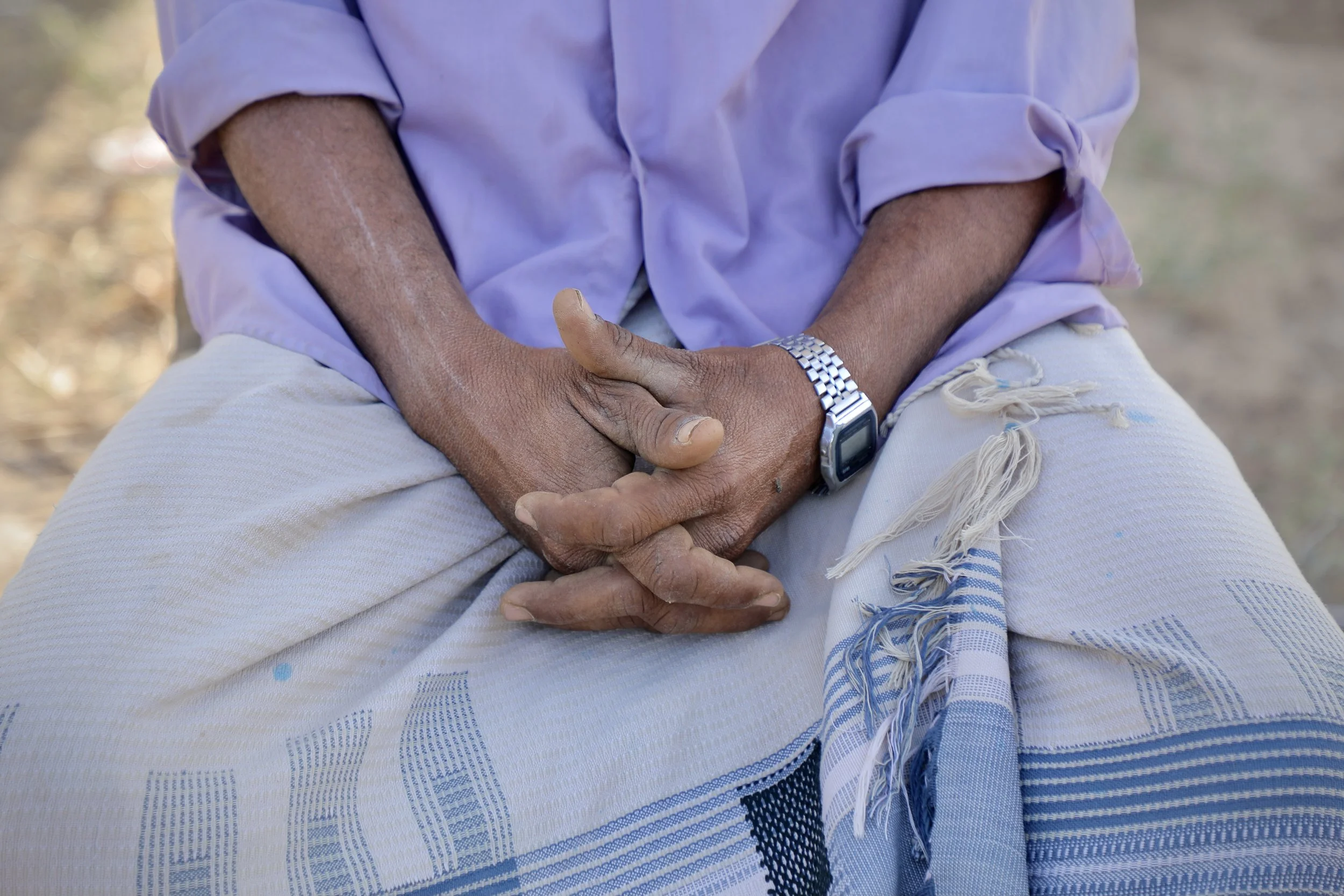
Amar sits with his hands clasped. Much of his land remains unsafe, limiting how much he can farm and support his family.
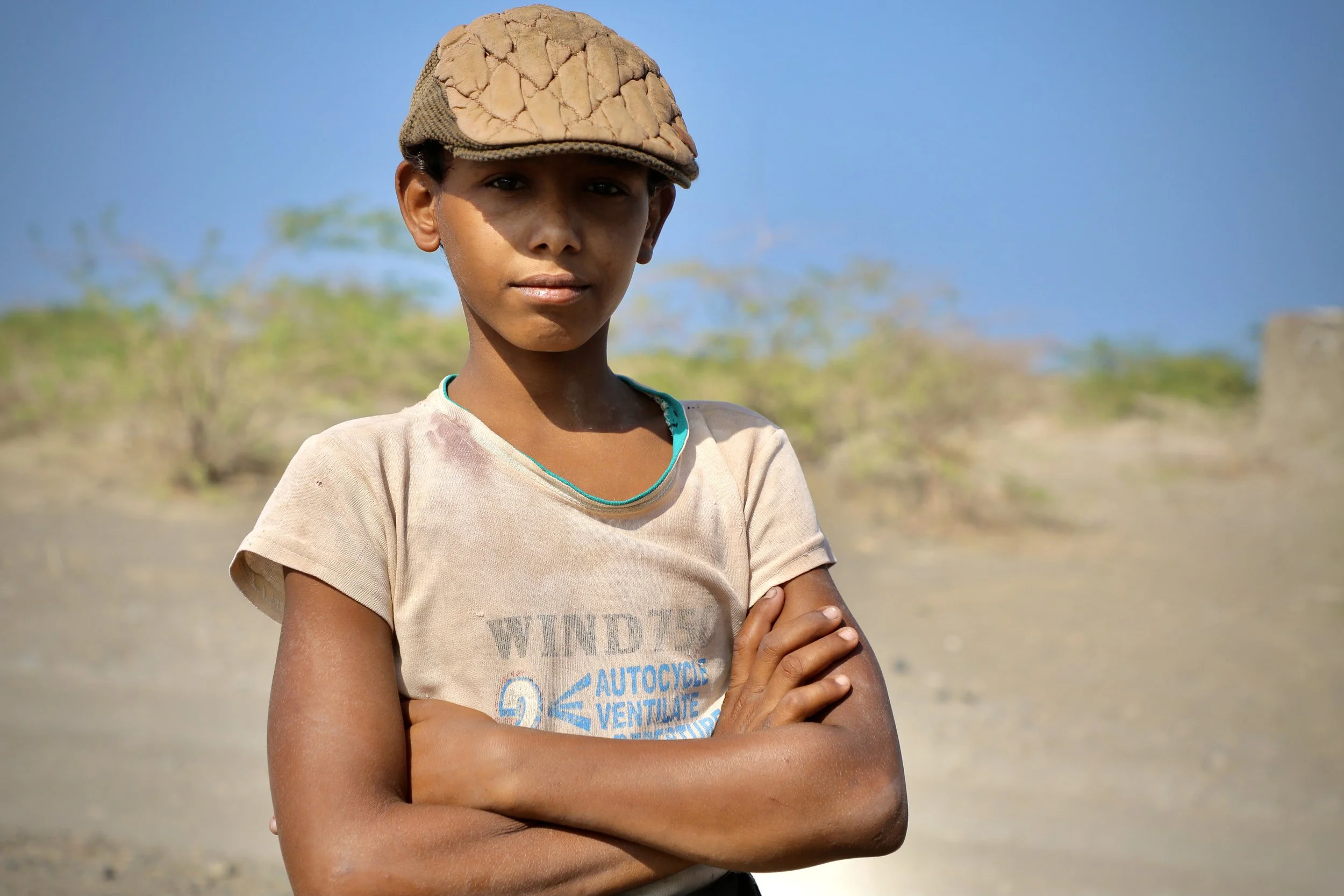
Amar’s son stands on the family’s land. Children grow up alongside fields where clearance is still ongoing.
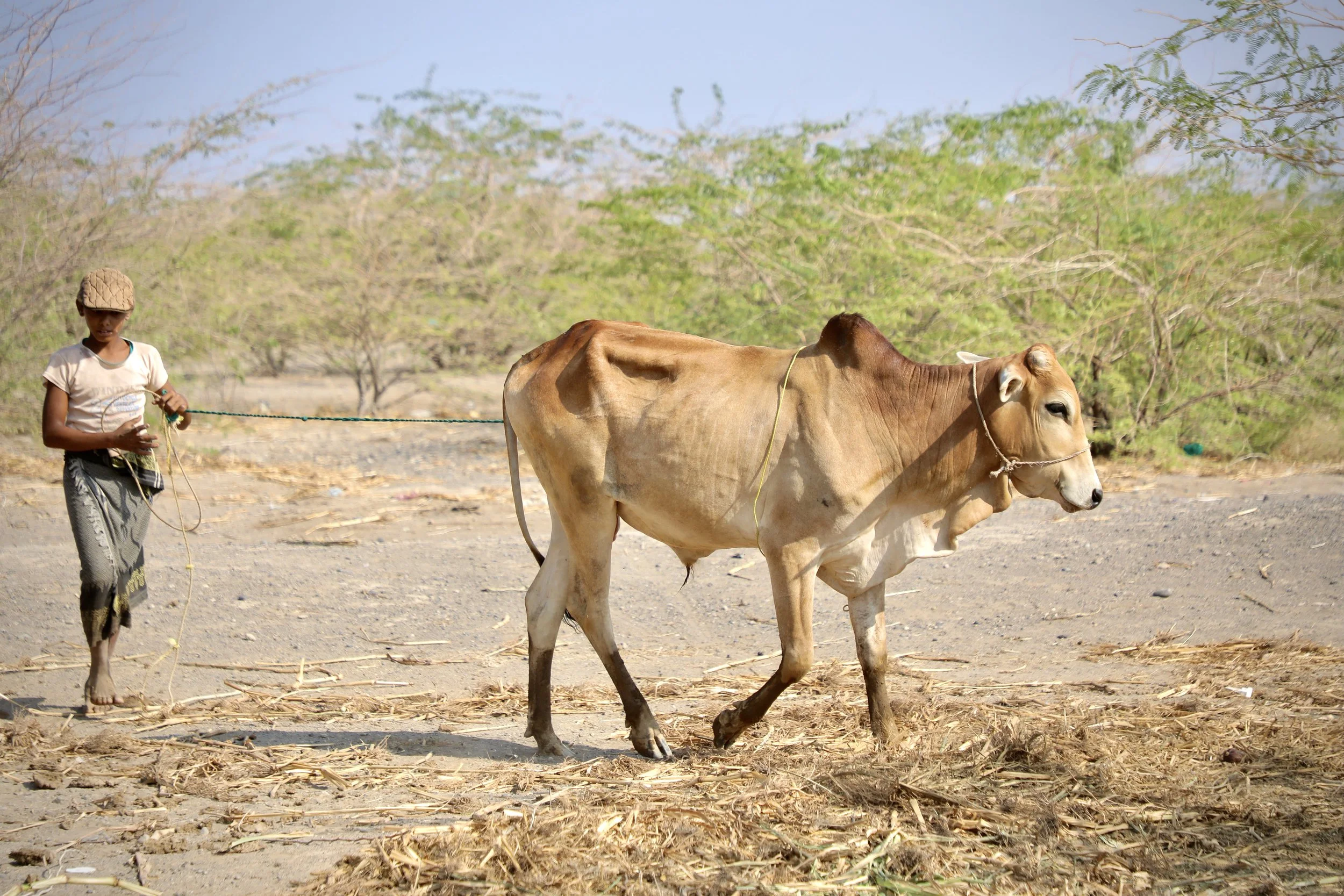
Livestock return to graze near areas recently declared safe. Beyond the cleared zone, vegetation and contamination have overtaken once-cultivated land.
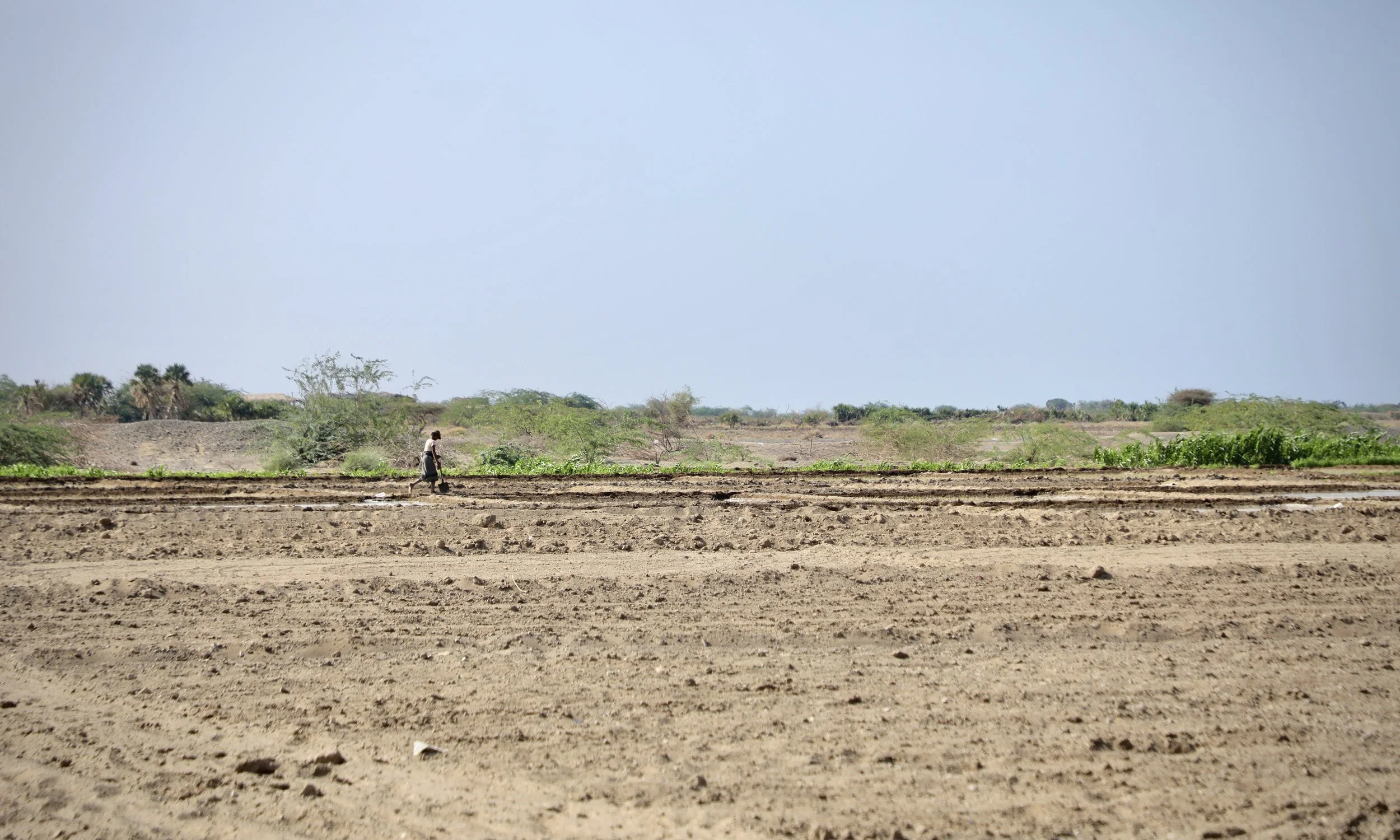
A view of farmland in Al Remah, near Mokha. Parts of the land remain too overgrown to be safely surveyed, leaving sections unusable.
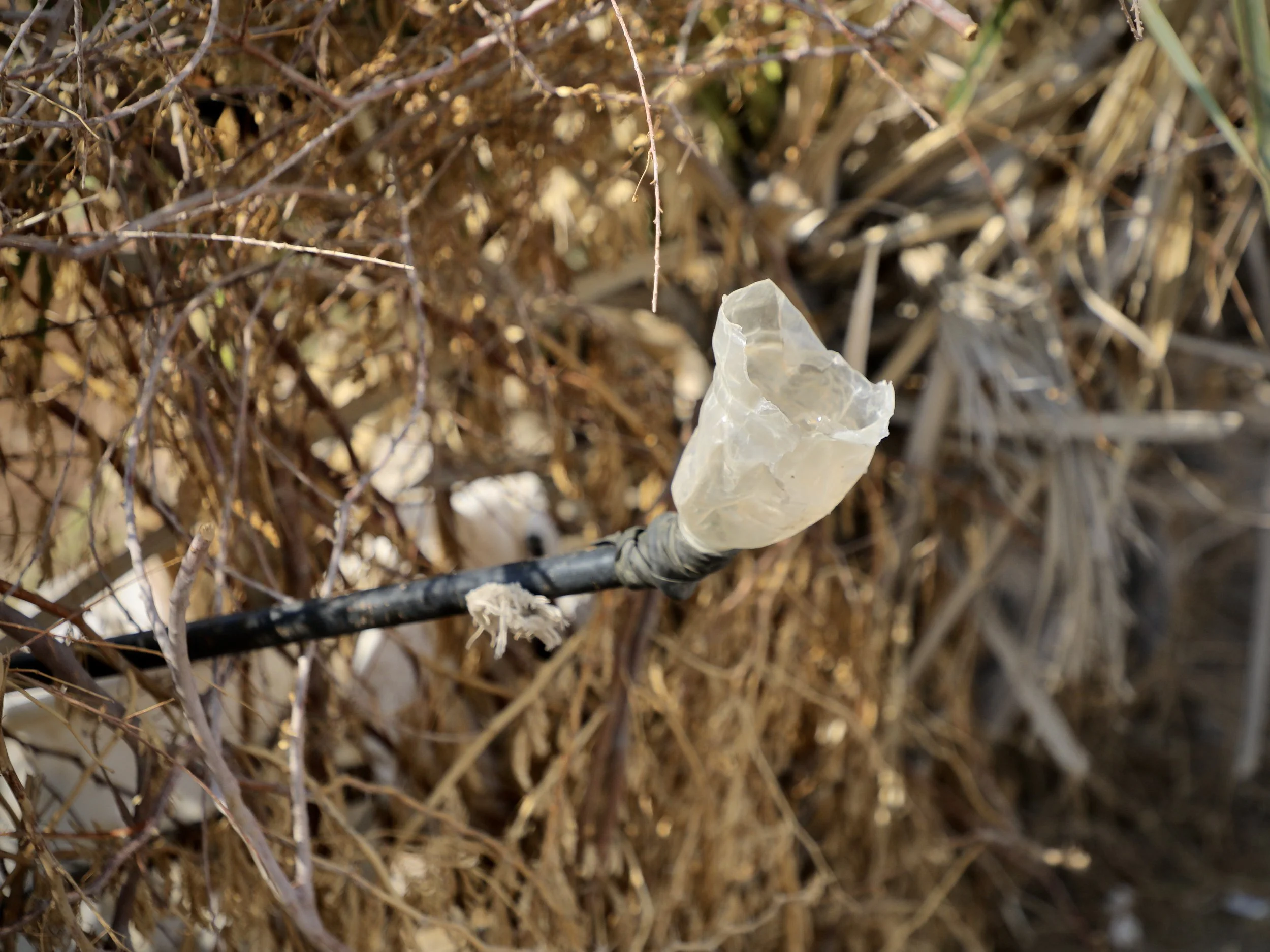
A simple pipe system collects and channels water for household use in Amar's enclosed courtyard. In Al Remah, access to water depends on what land can be safely reached.
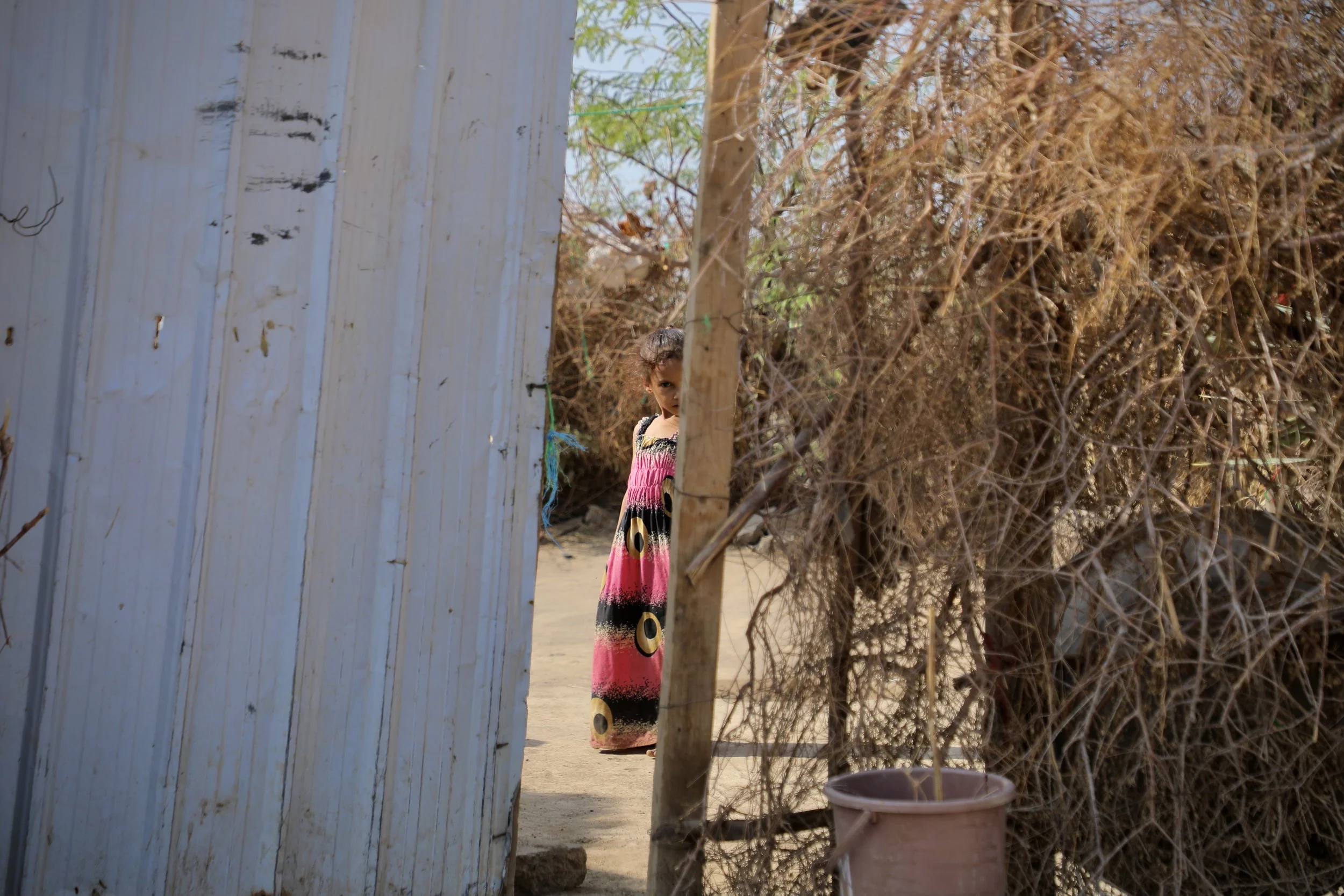
A child, Amar's daughter, stands at the entrance of the family home. Daily life resumes cautiously in areas once contaminated.
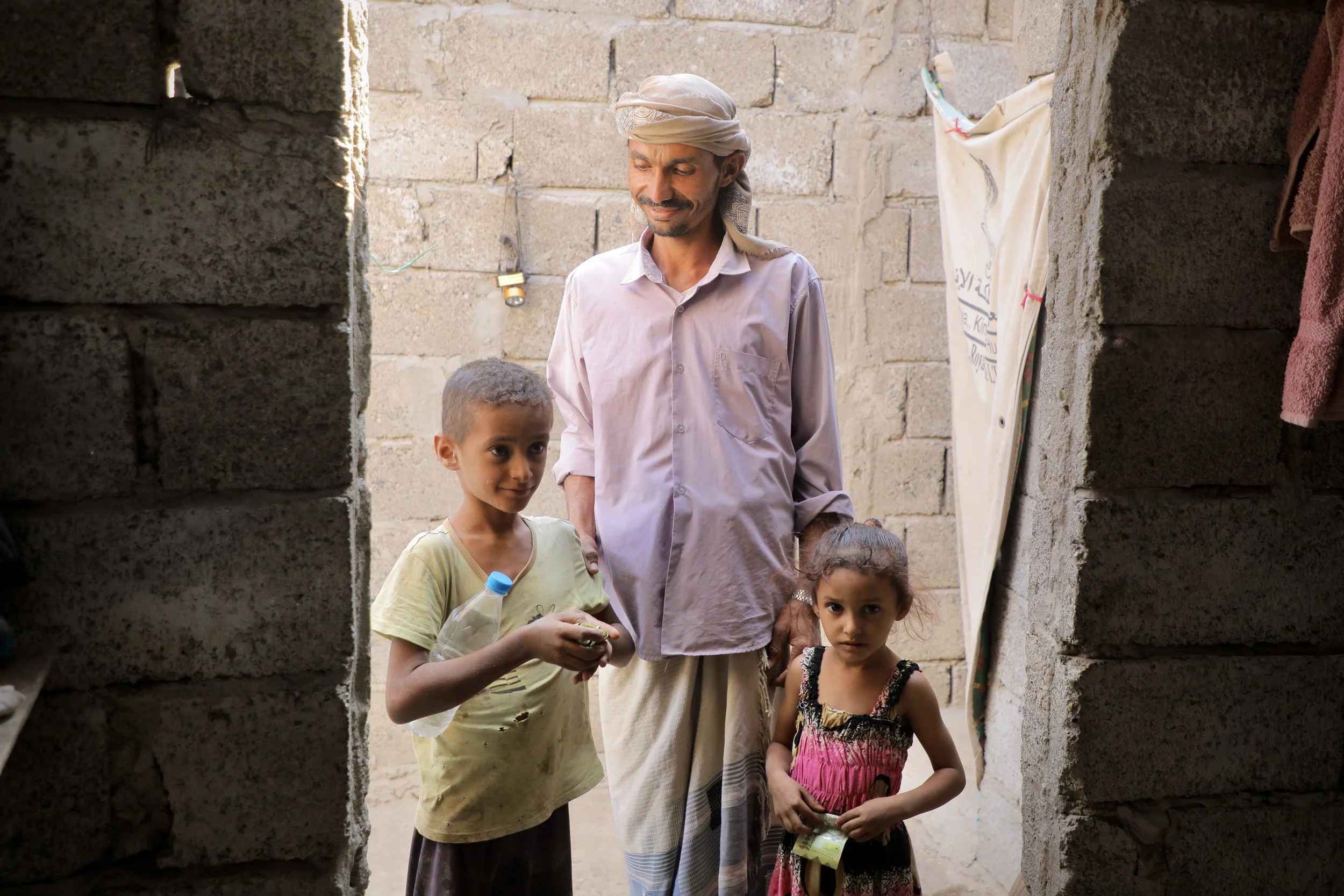
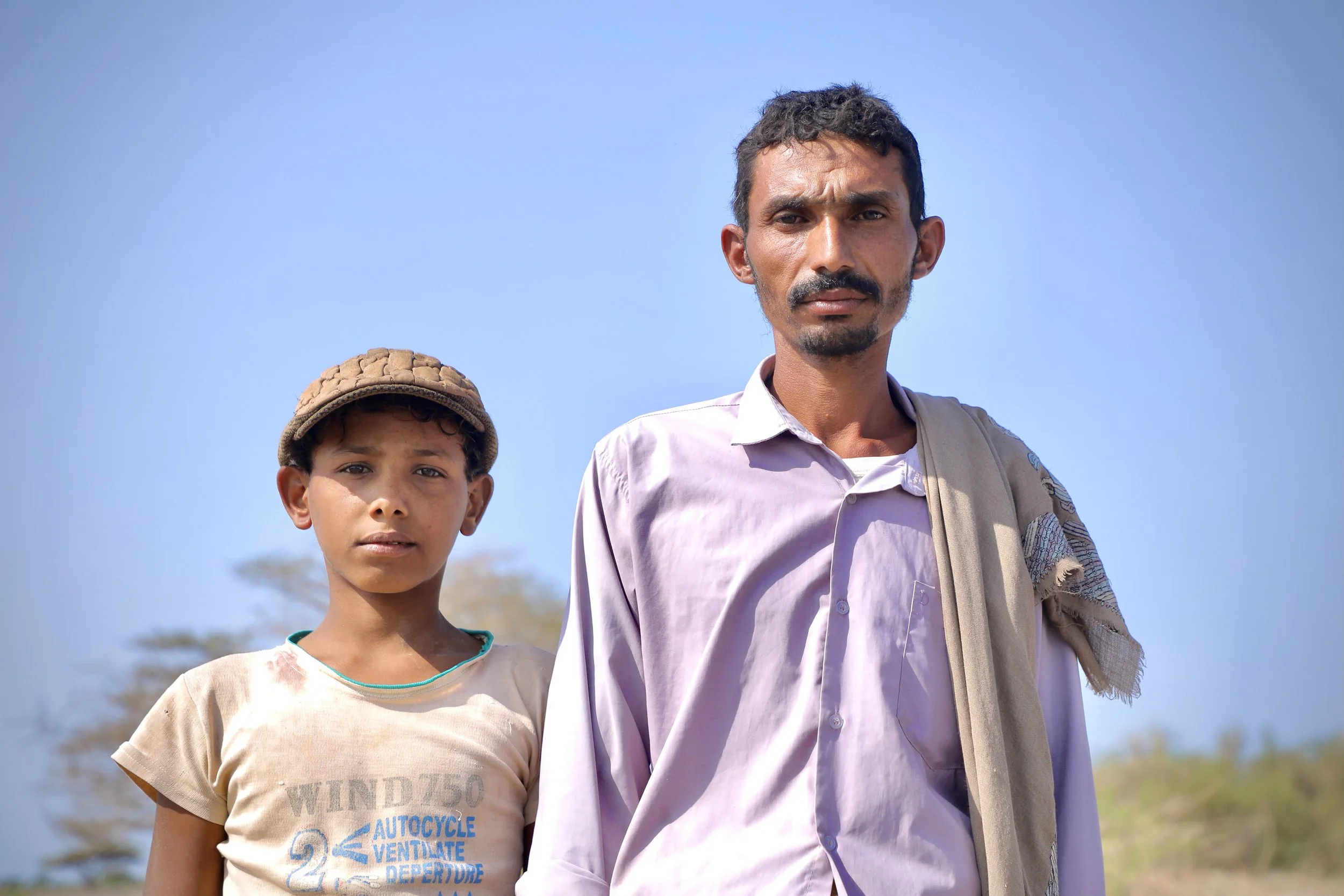
Amar stands with his children at the doorway of their home. Clearance has allowed the family to return and rebuild, though nearby land remains out of reach.
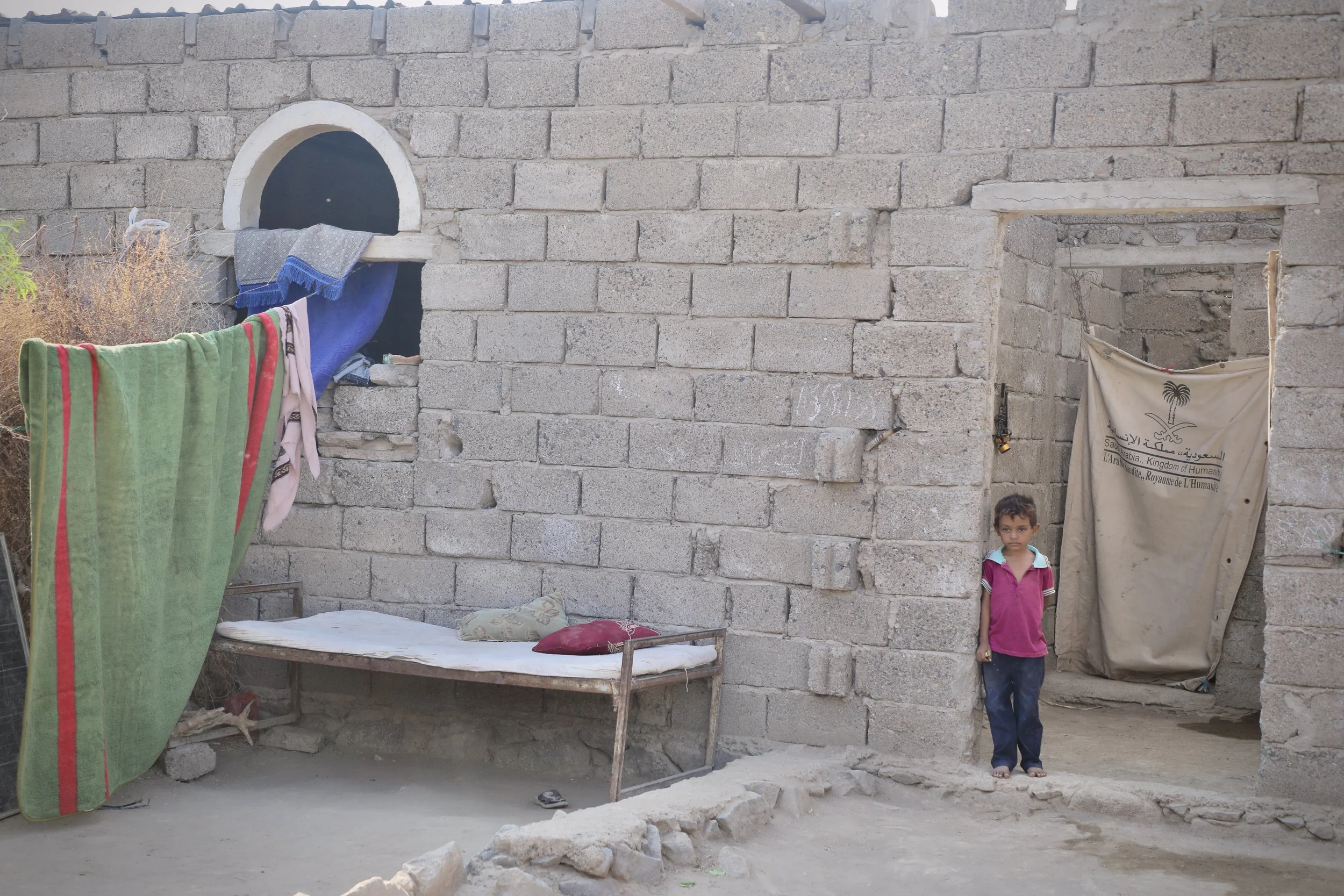
Amar's house in Al Remah, patched with tin sheeting, bears the marks of years of conflict. Families returned only after deminers confirmed their homes were safe.
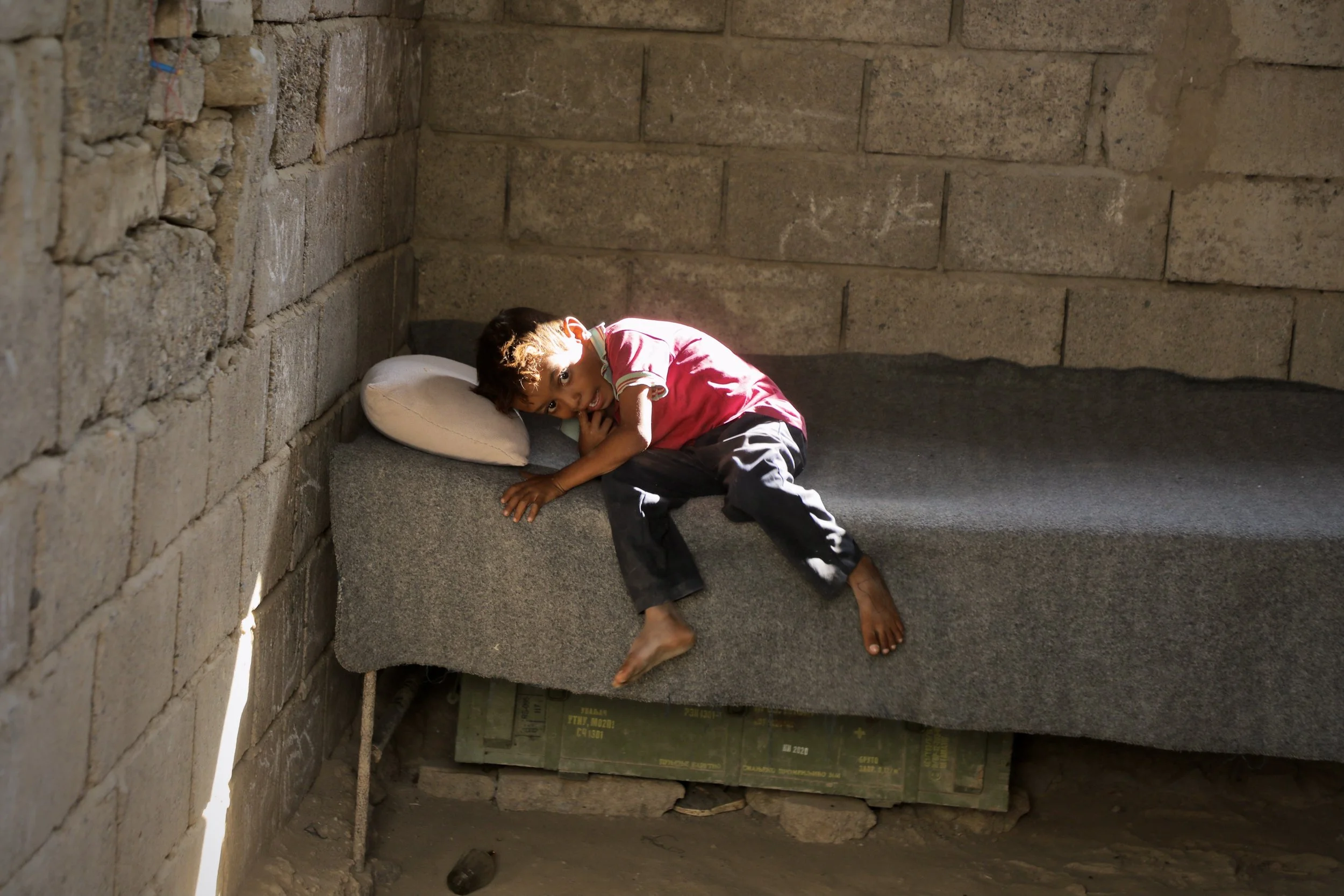
A child rests inside the family home. Ammunition crates repurposed beneath the bed remain a quiet trace of the conflict that once displaced the family.
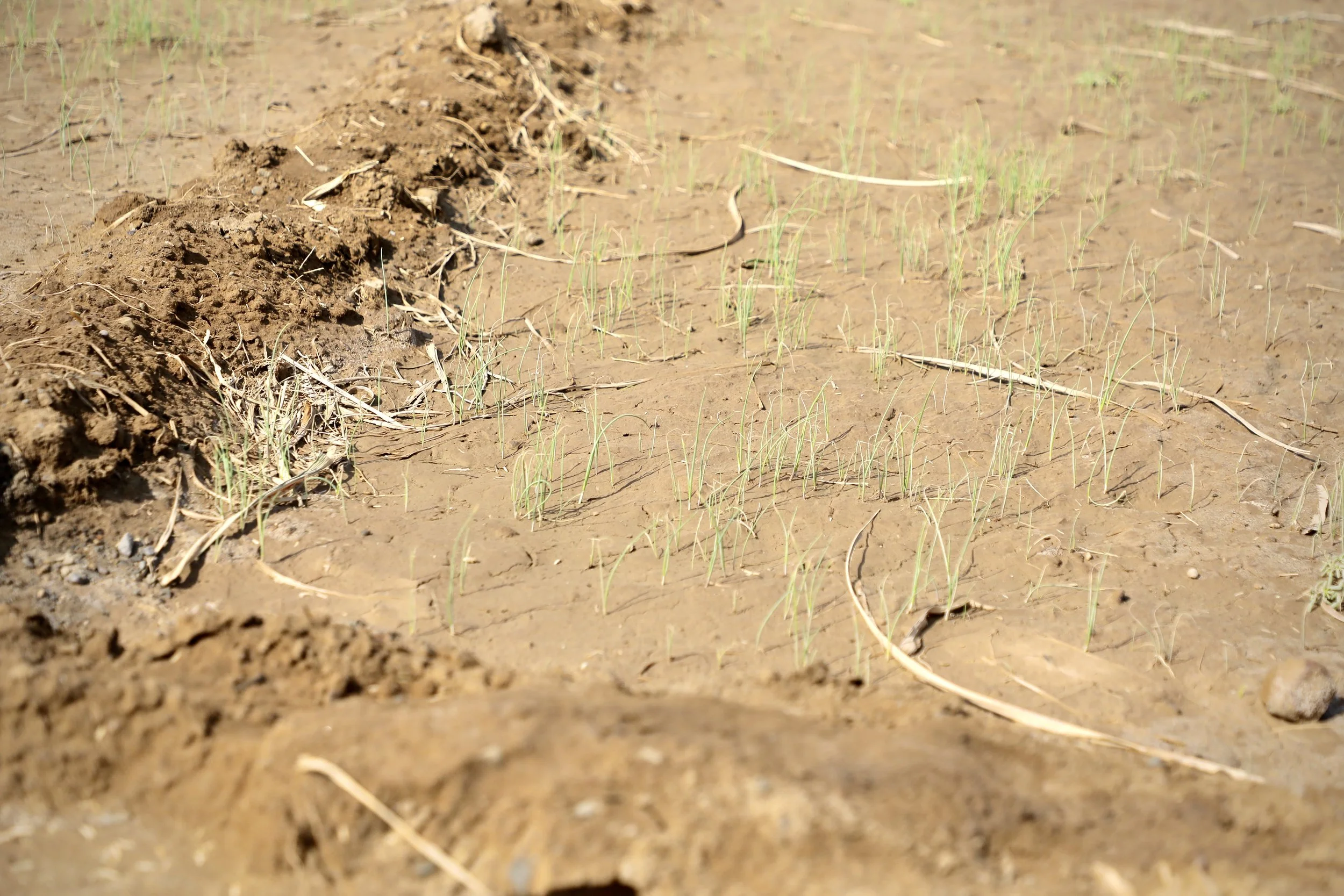
New shoots emerge in soil once too dangerous to farm. Clearance allows planting to resume, but only in areas declared safe.
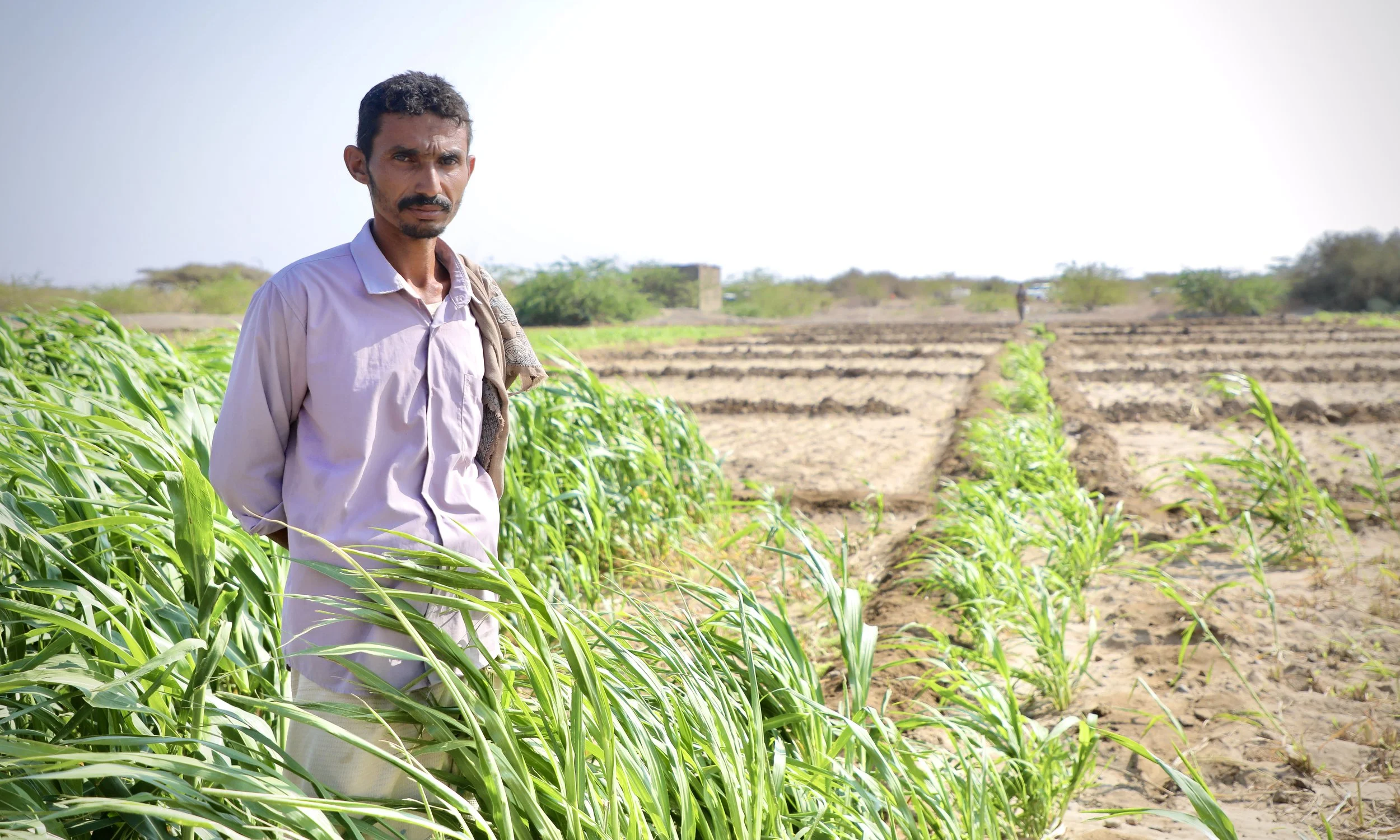
Amar inspects a patch of healthy maize, one of the few safe areas he can farm. With much of his land still contaminated, pressure on cleared ground is high.