A selection of Elsa Buchanan’s reporting, photo essays and communications work, drawn from field assignments and collaborations across the Middle East and Sub-Saharan Africa.
Covering conflict, human rights and humanitarian issues, the work combines on-the-ground reporting with specialist analysis.
Human Impact
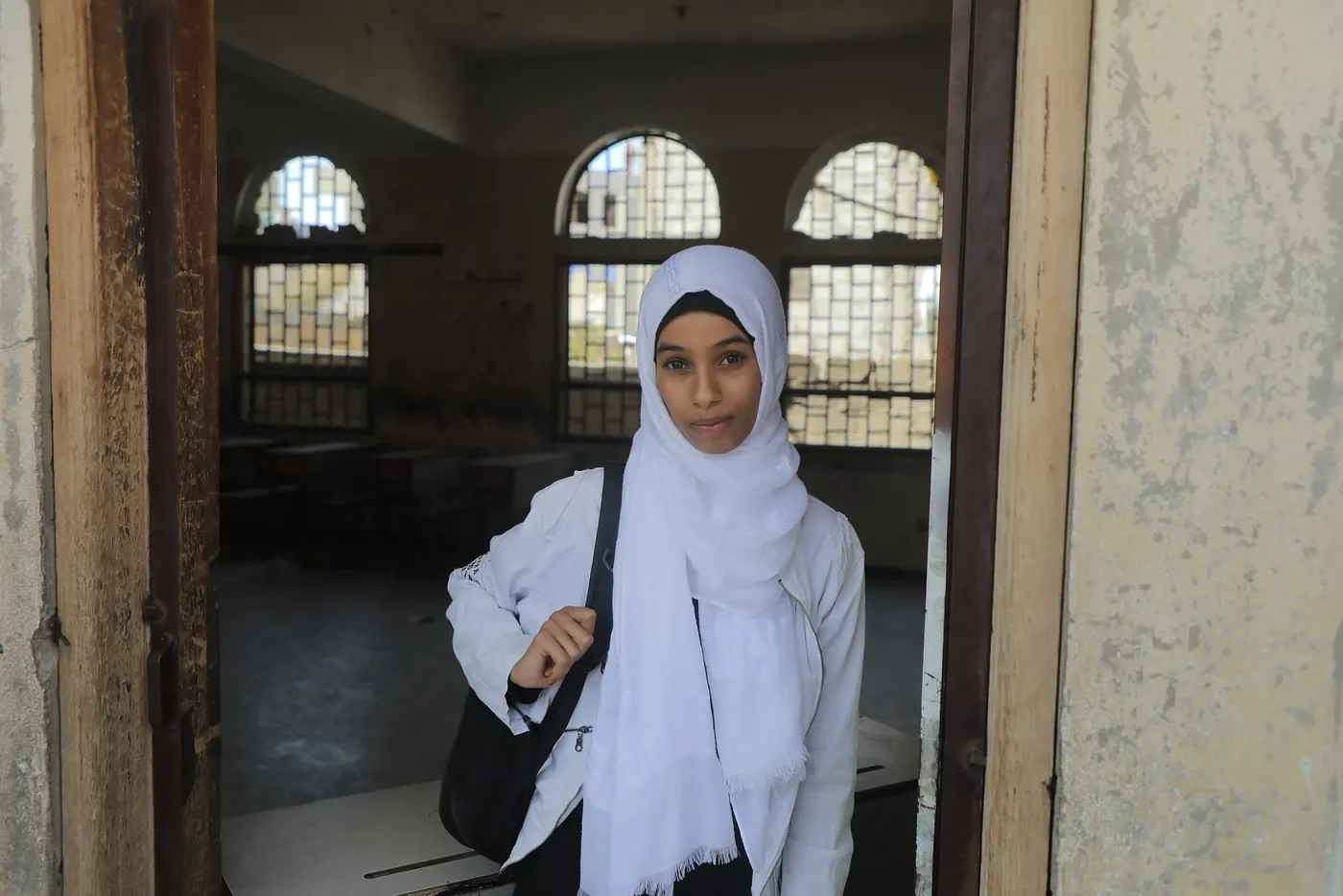
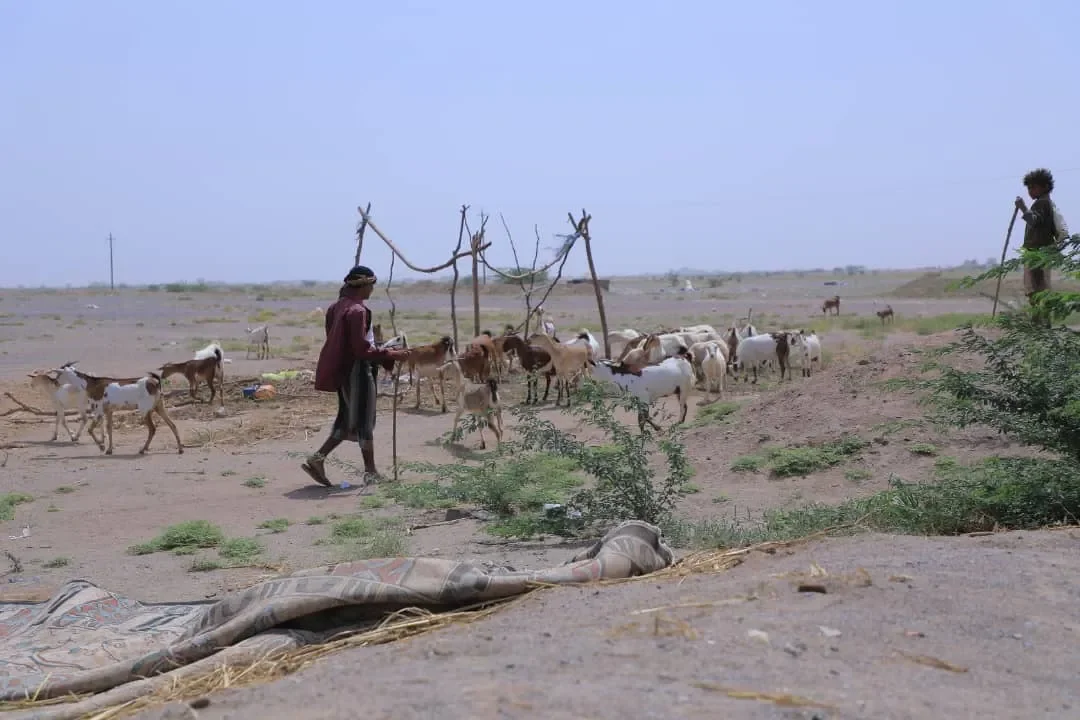
Stories exploring how conflict shapes daily life, from displacement and education to livelihoods, environment, and long-term recovery.
Conflict & Security
Reporting on frontlines, weapons, and military dynamics, examining how conflict is fought and sustained in complex environments.
Accountability & Rights
Investigations and reporting examining violations, legal accountability, and the human rights dimensions of conflict and crisis.

Health & Humanitarian
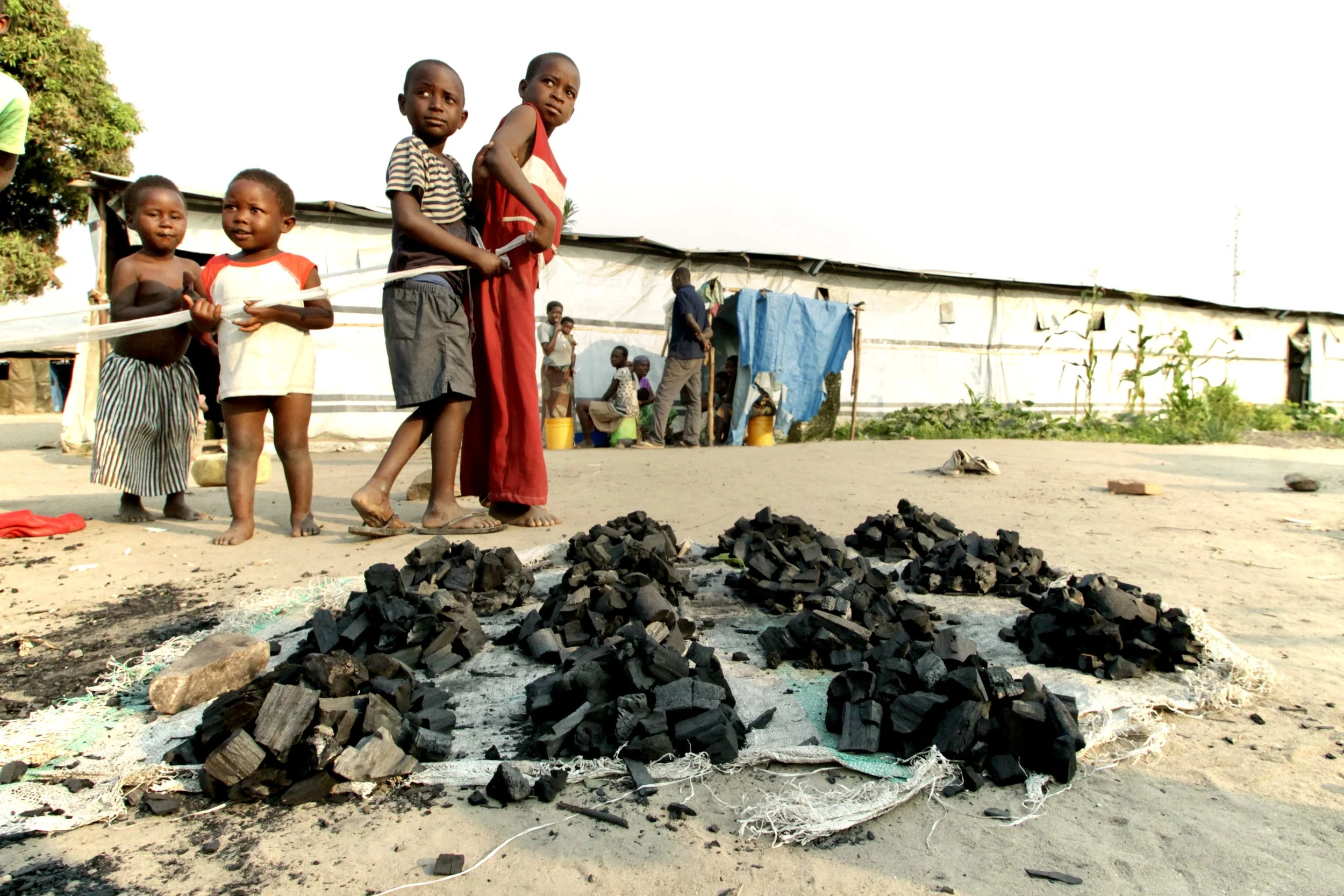
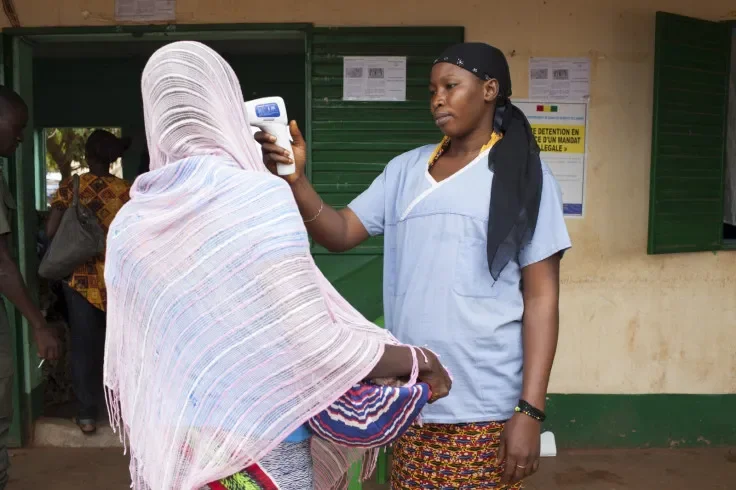
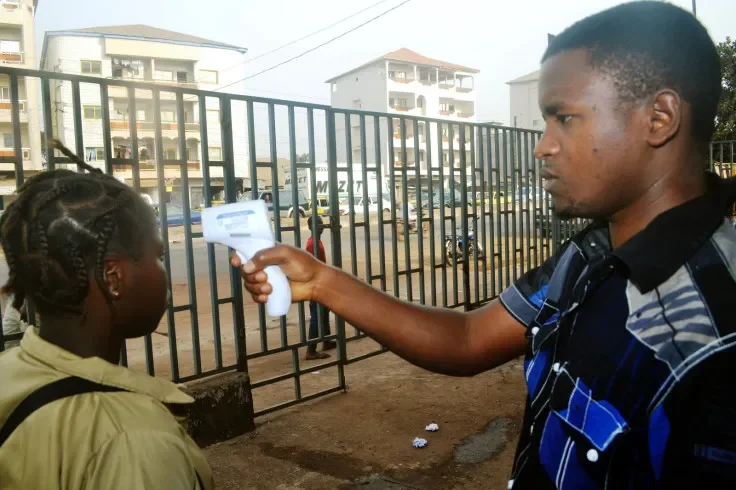
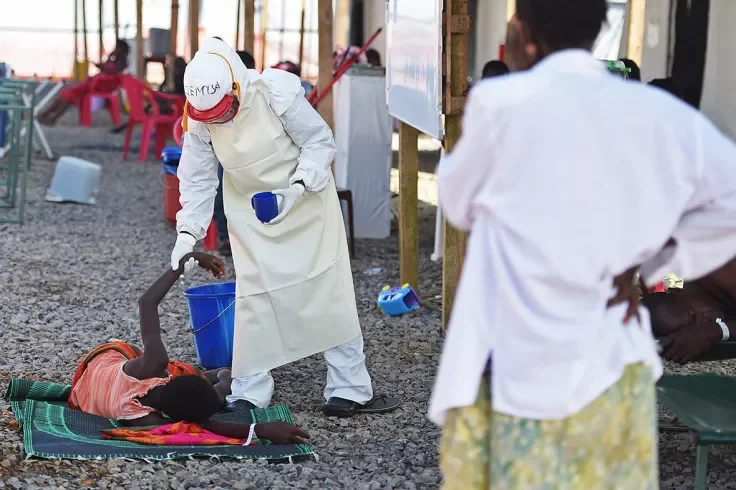
Reporting on healthcare, humanitarian response, and the long-term impact of conflict on communities, from emergency care to recovery and resilience.
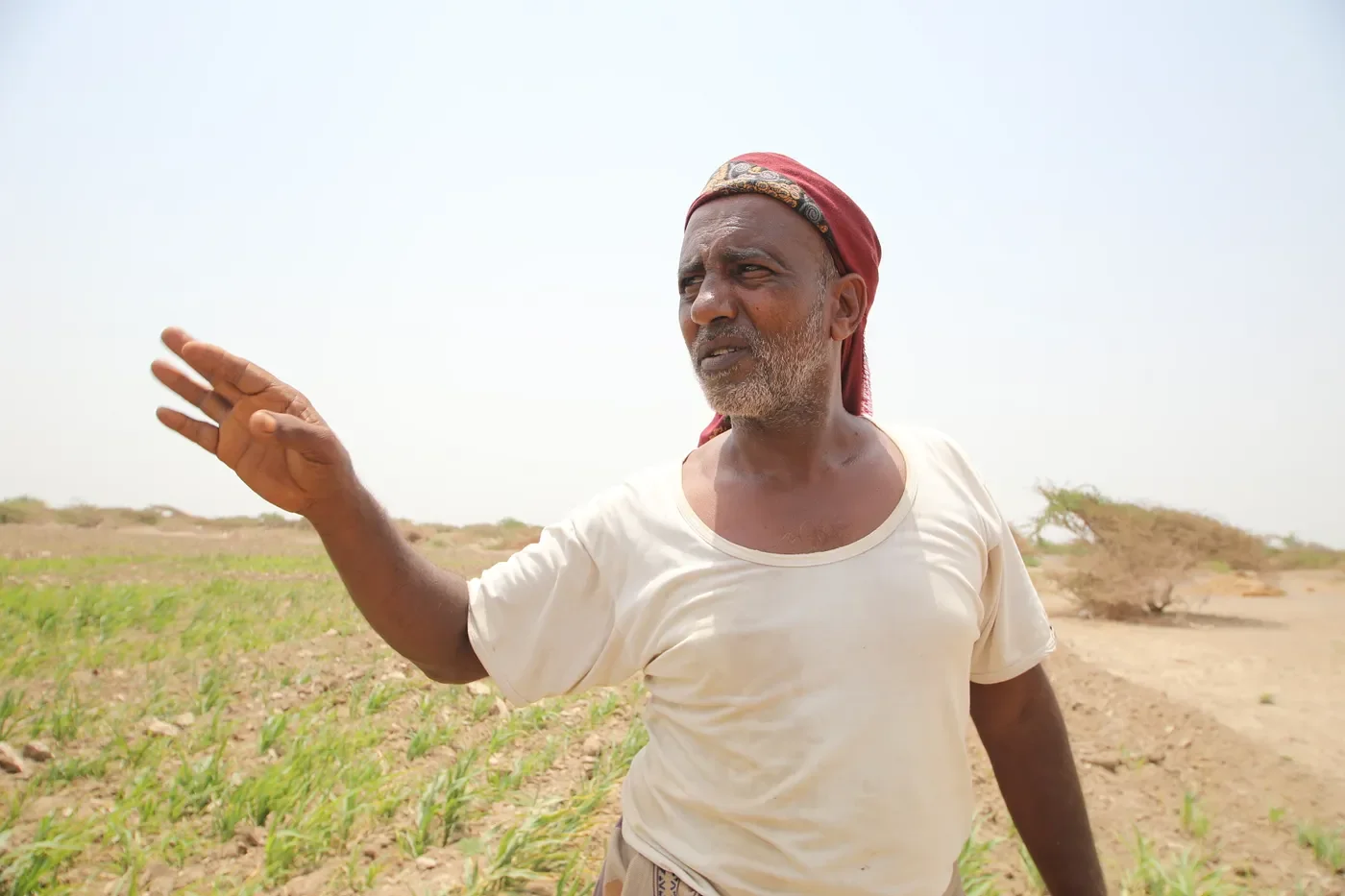
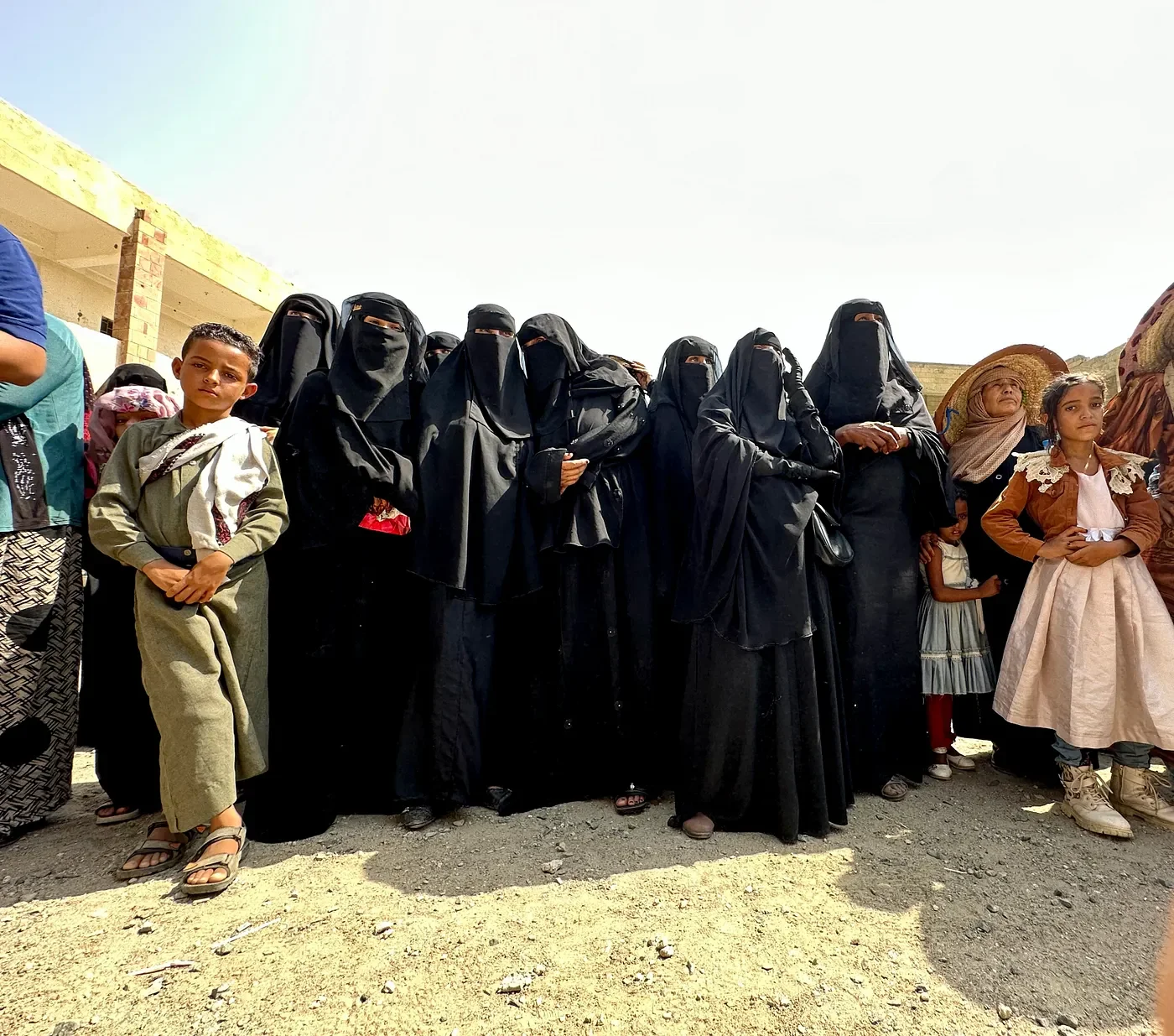
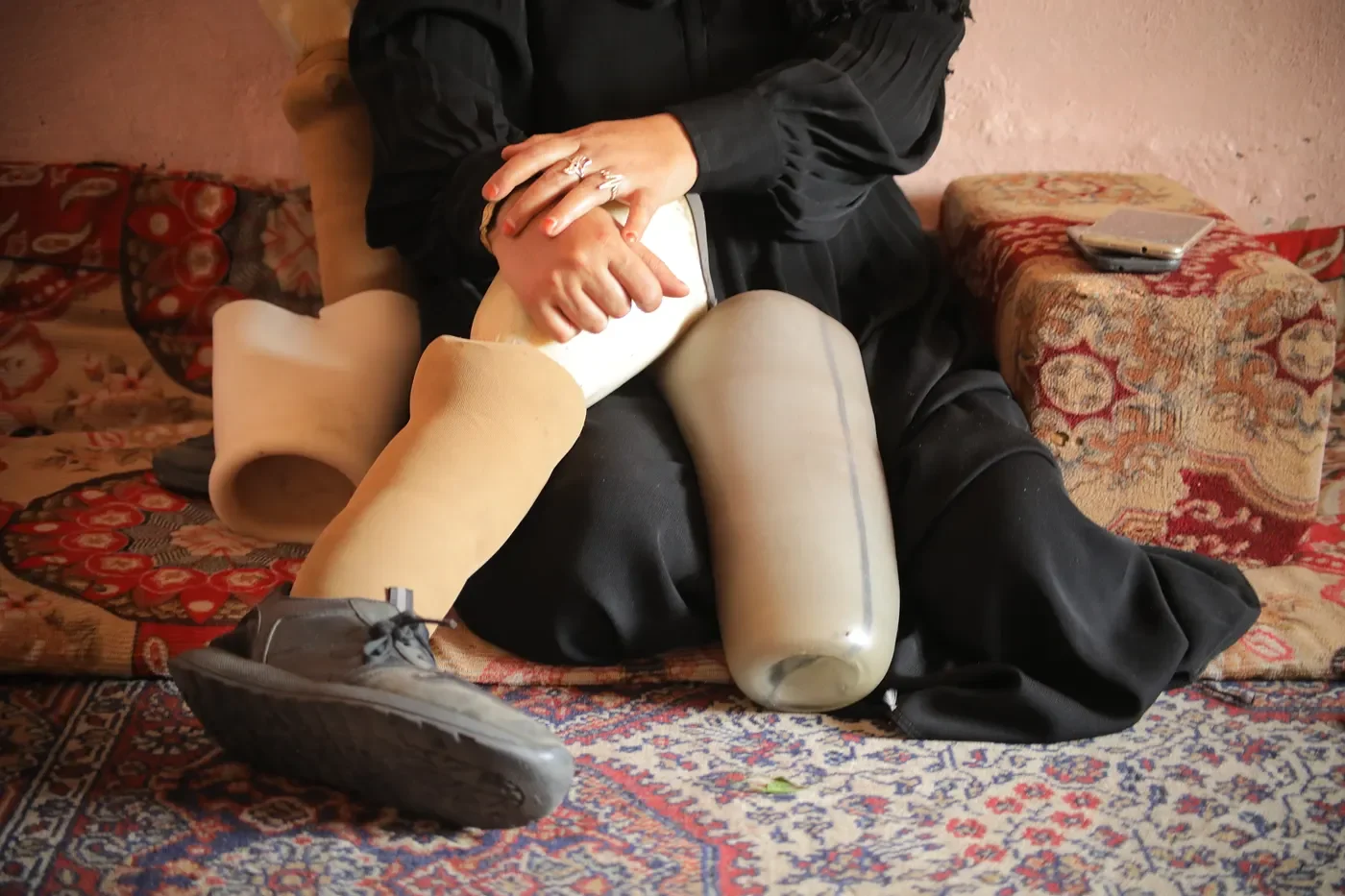
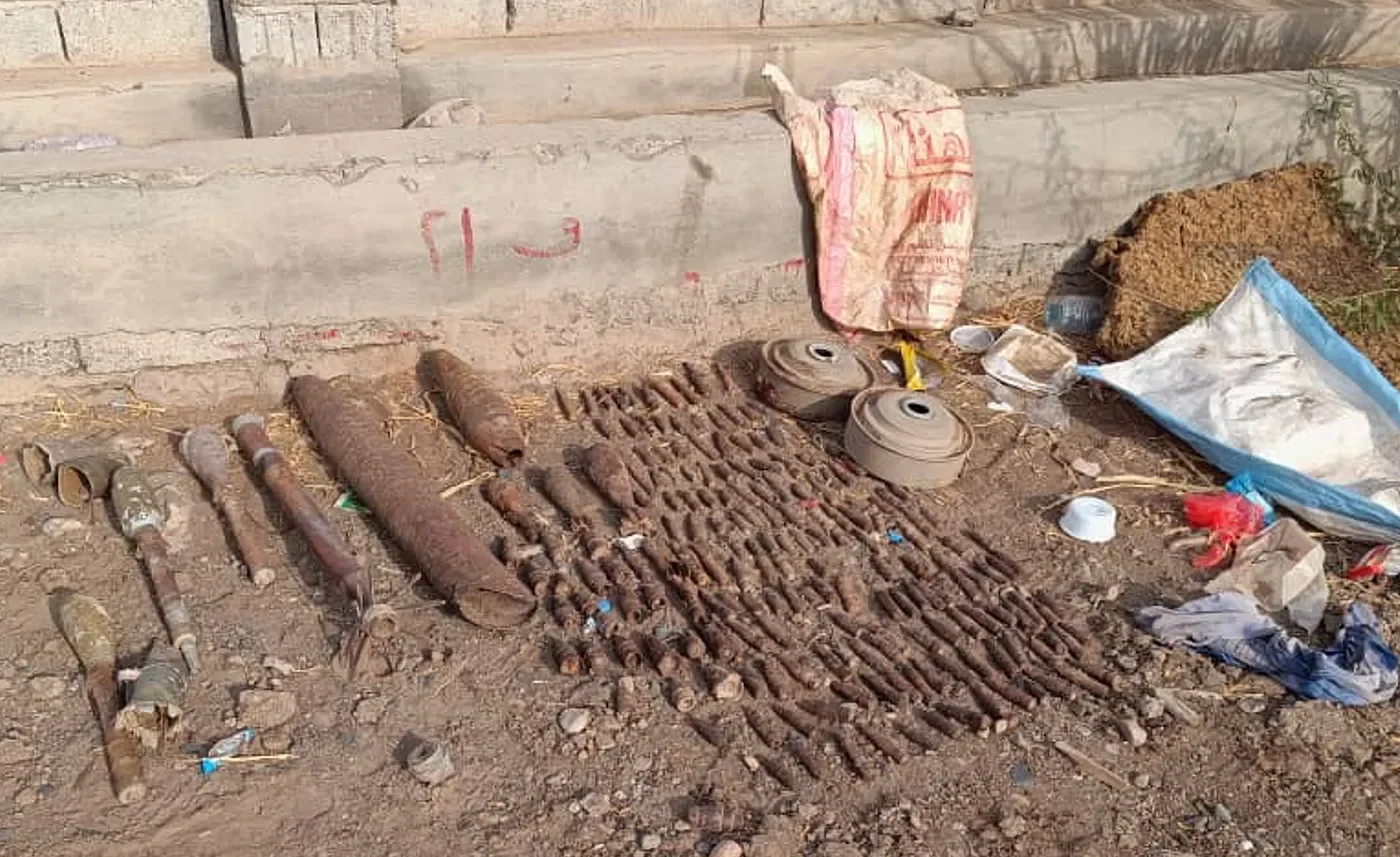
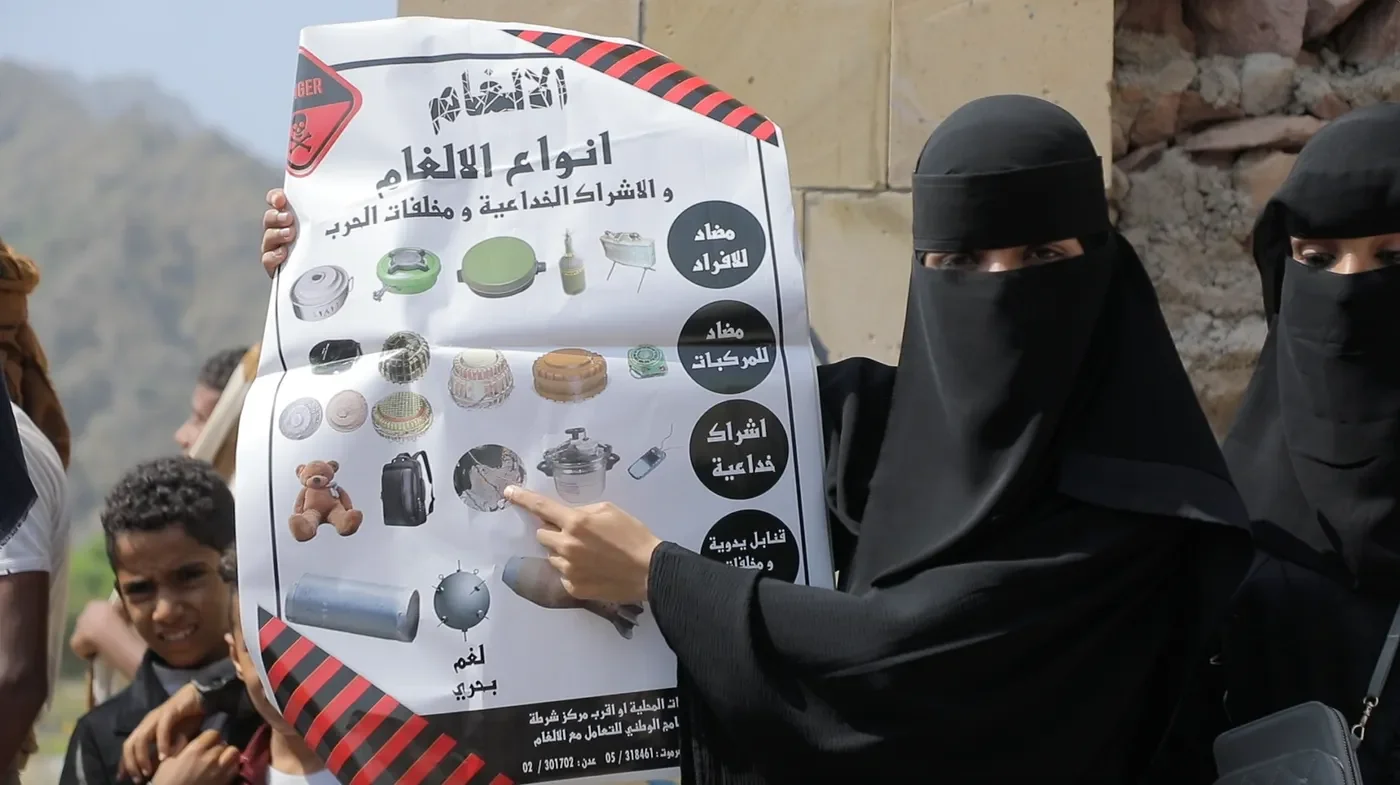
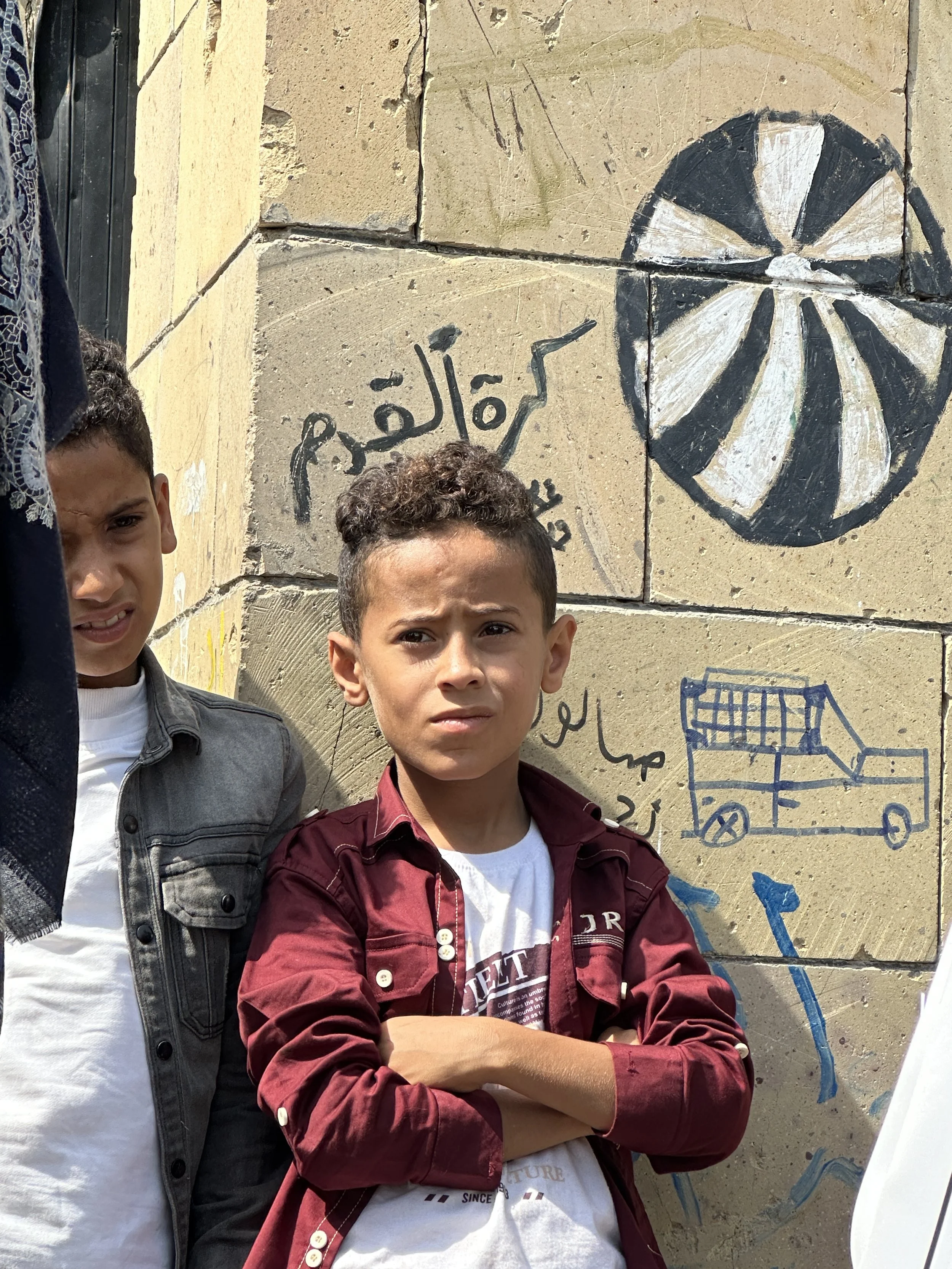
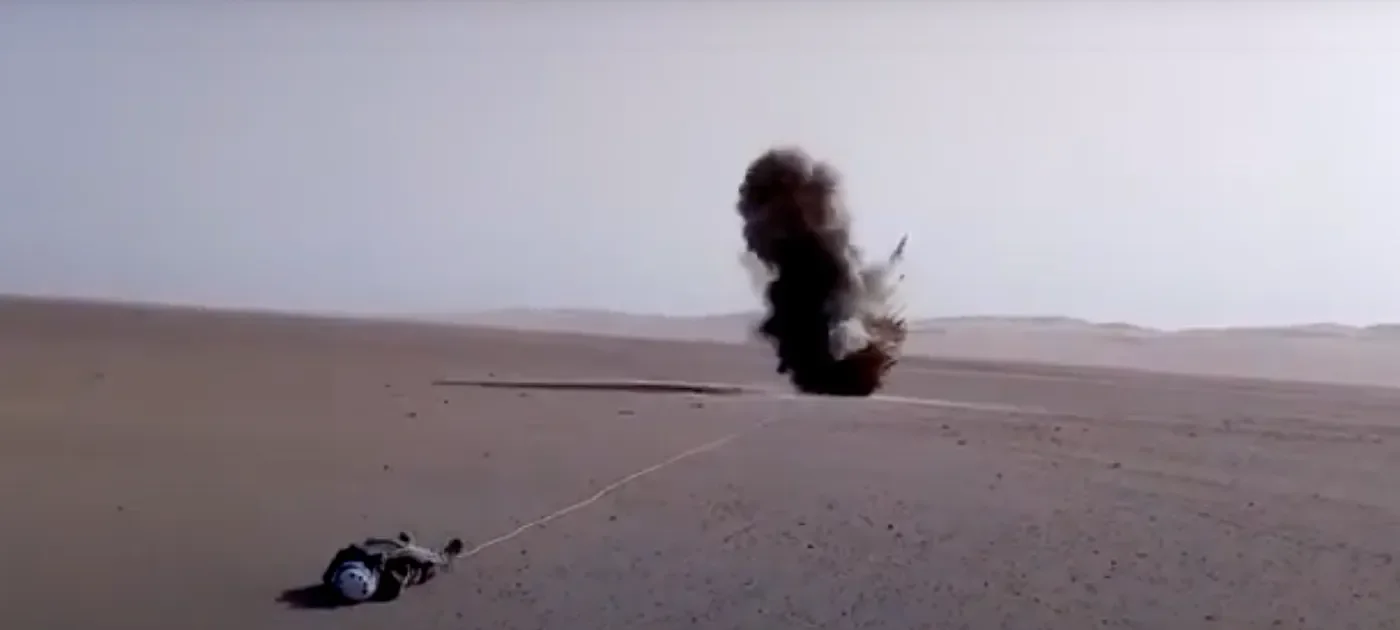
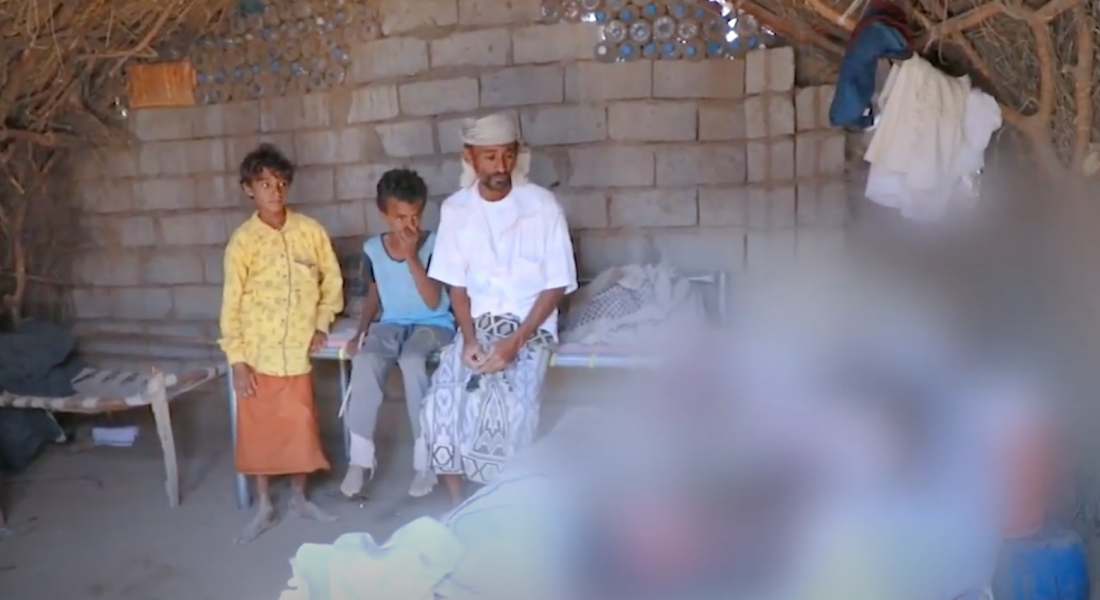
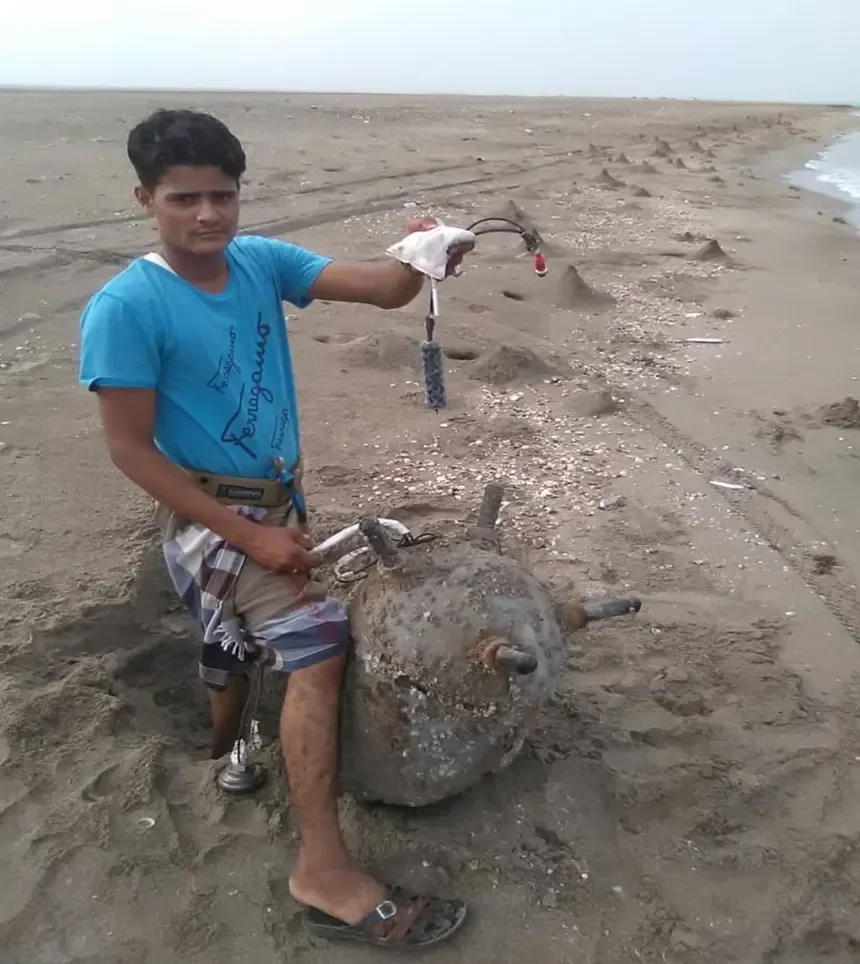
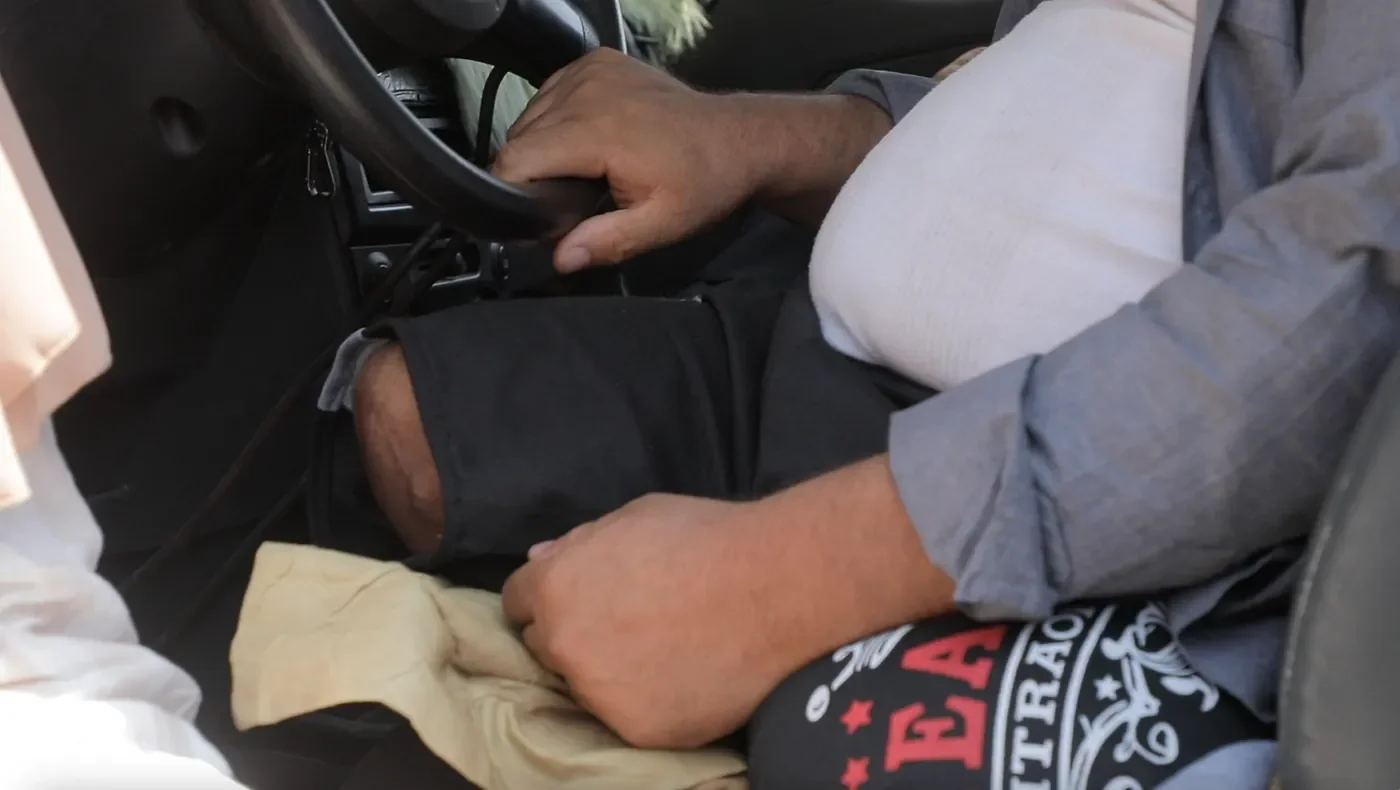
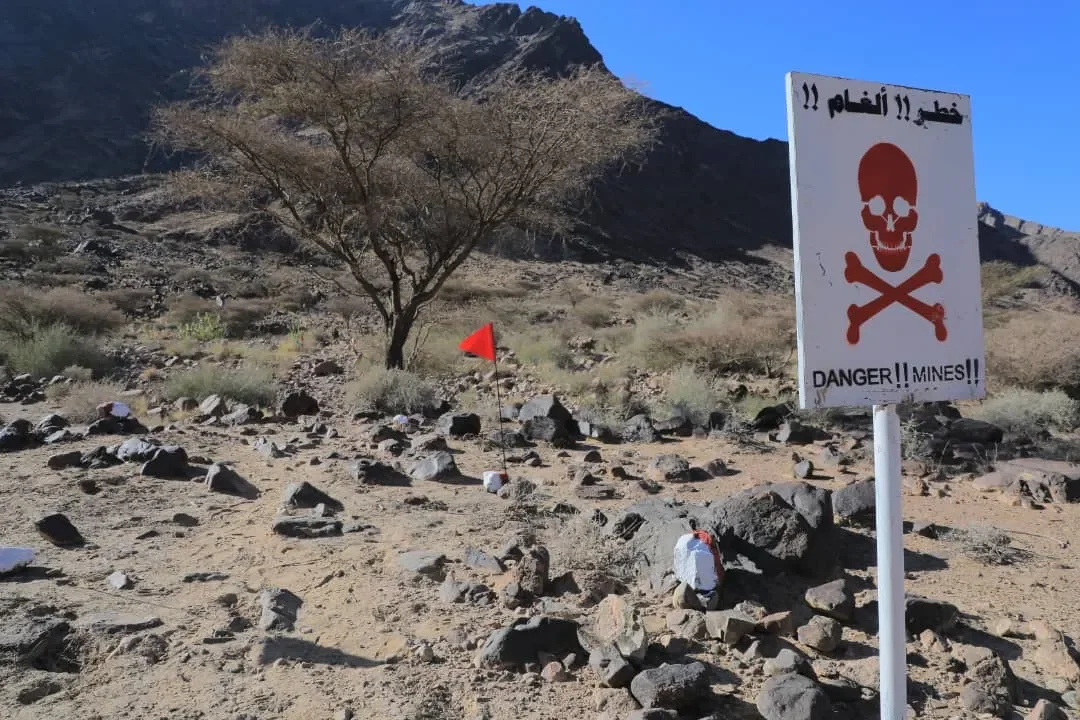
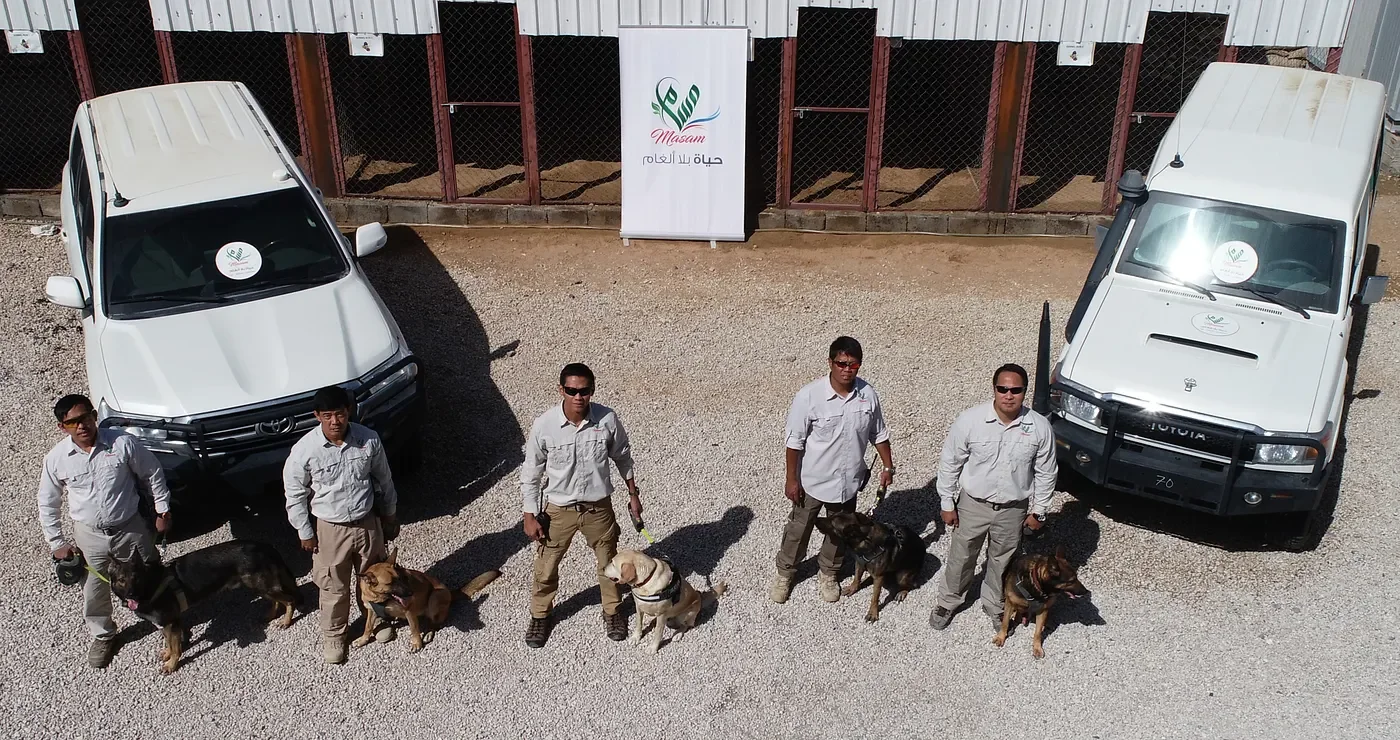
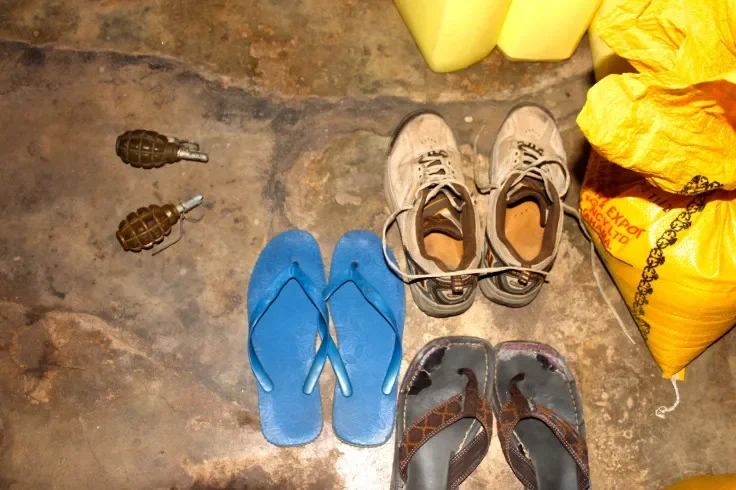
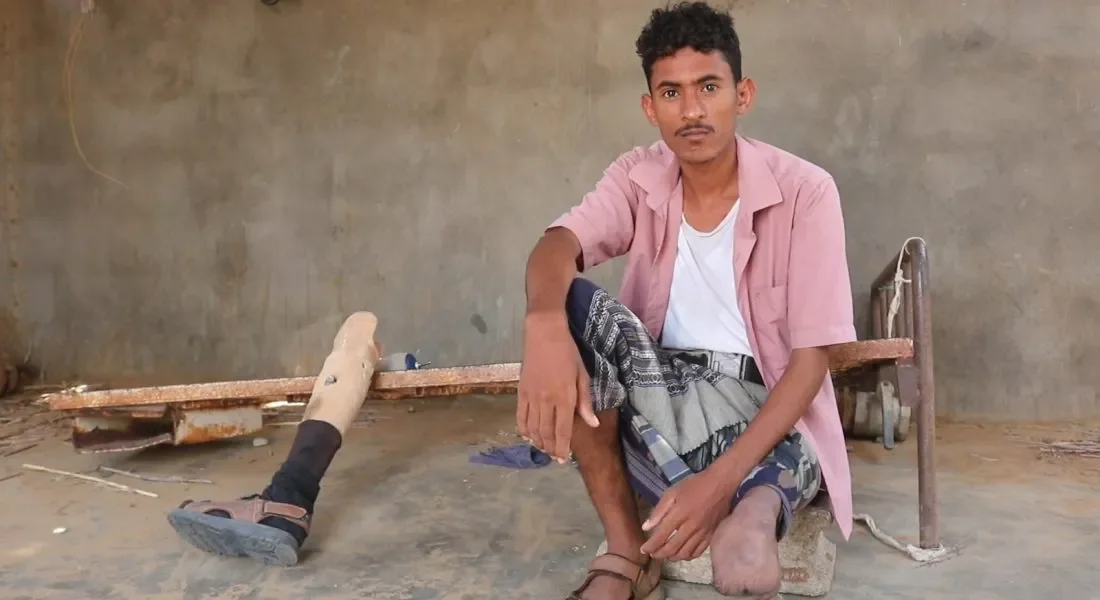
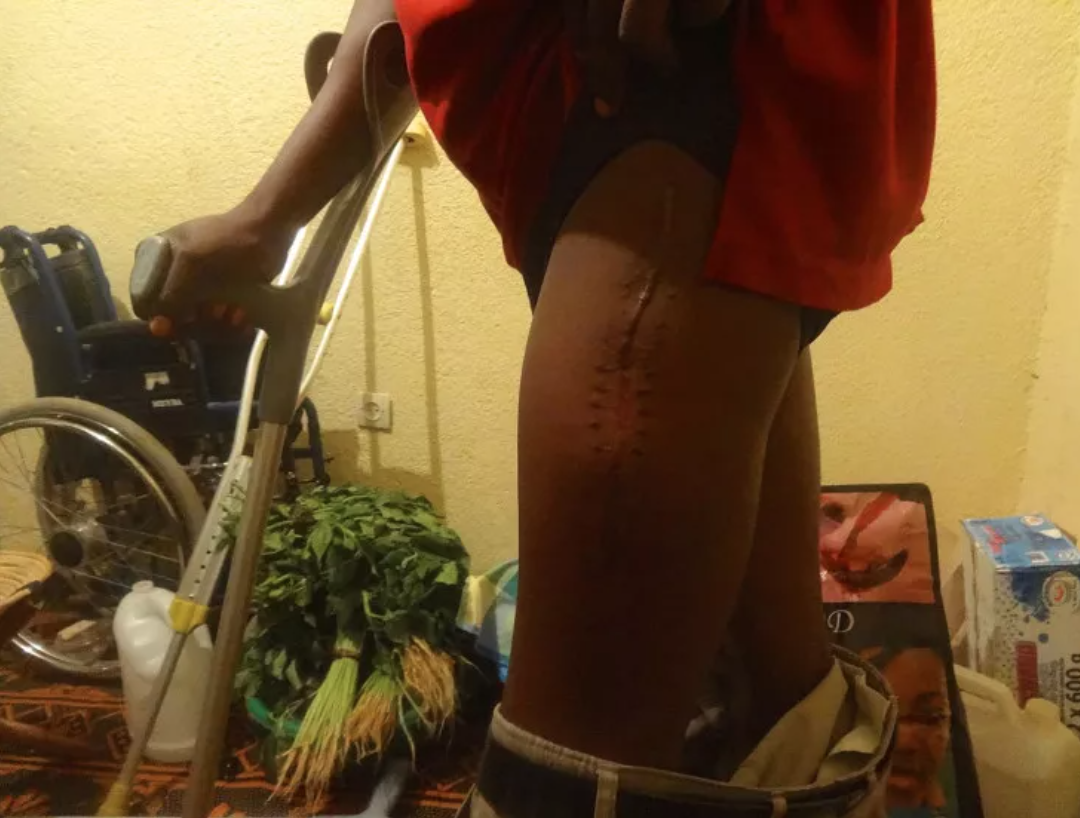
Banned but still killing: The human cost of anti-personnel mines in Yemen
Despite being banned under international law, anti-personnel mines continue to be used in Yemen, with devastating consequences for civilians. Drawing on field evidence and documented cases, this piece examines the human cost of these weapons and the accountability gaps that allow their continued deployment.
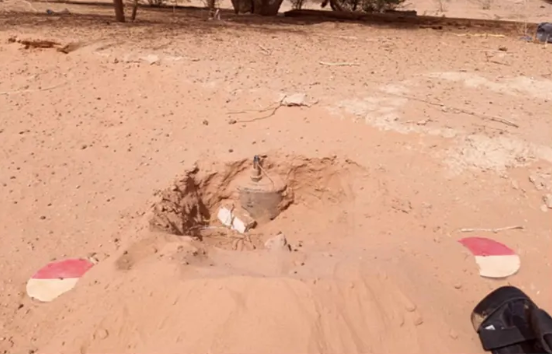
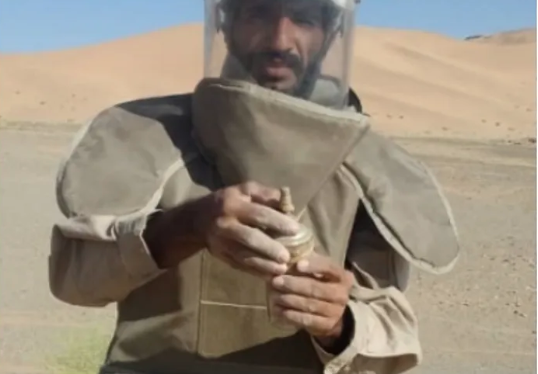
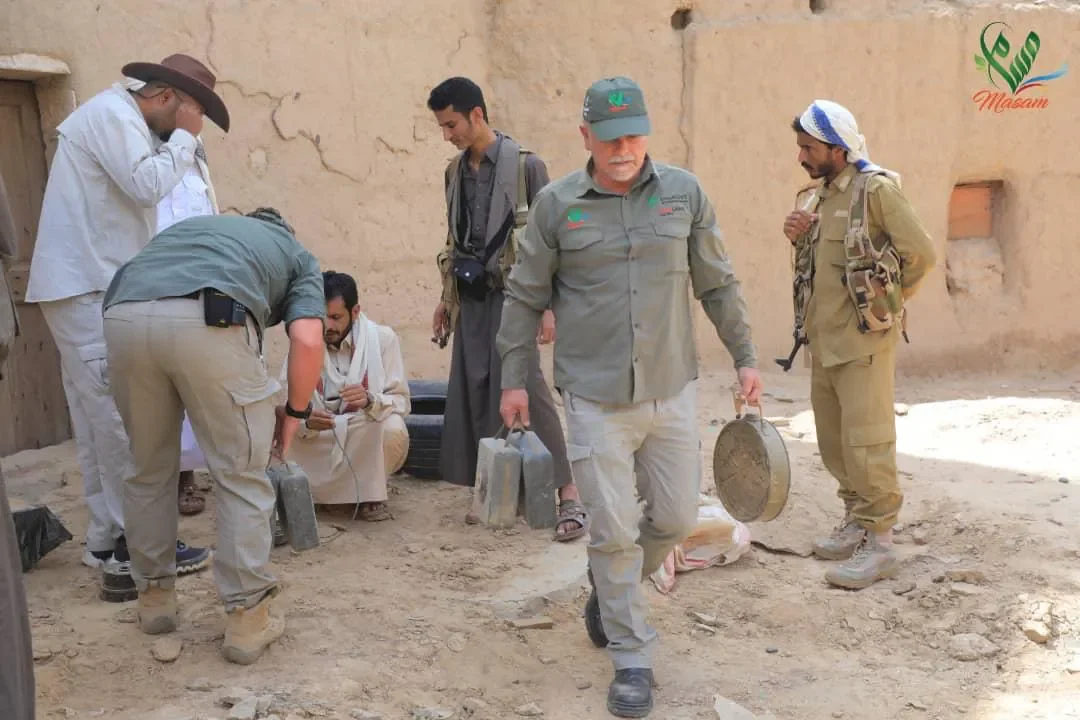
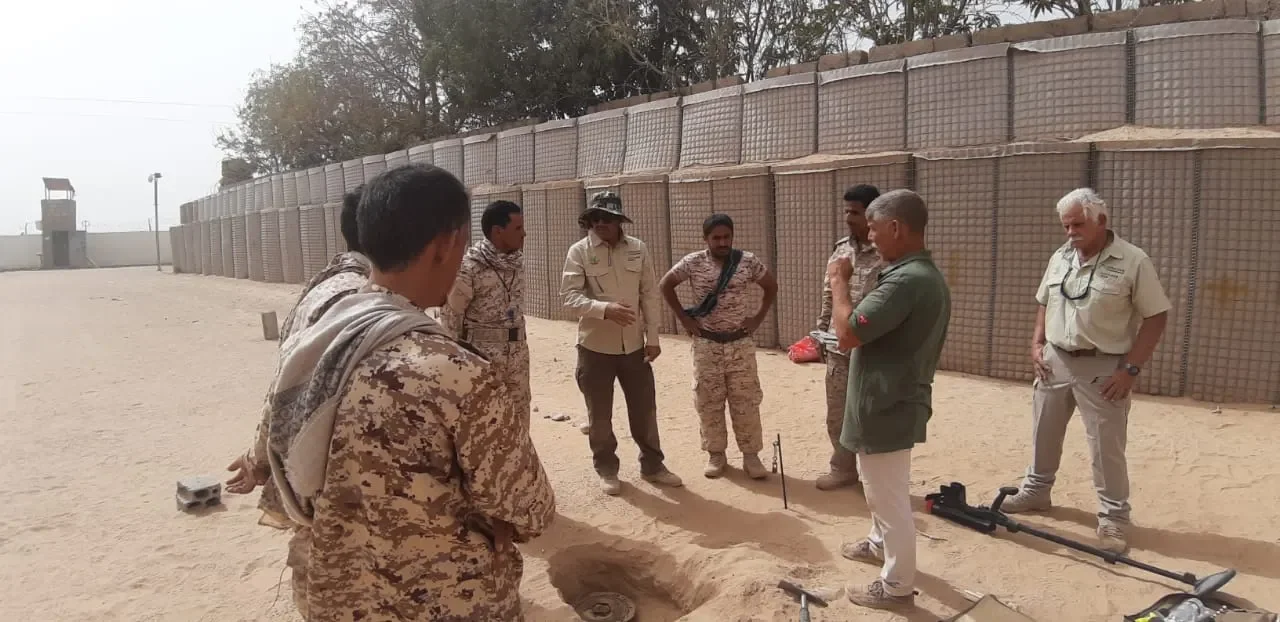
Humanitarian demining is not a crime: The ‘deliberate’ targeting of demining personnel
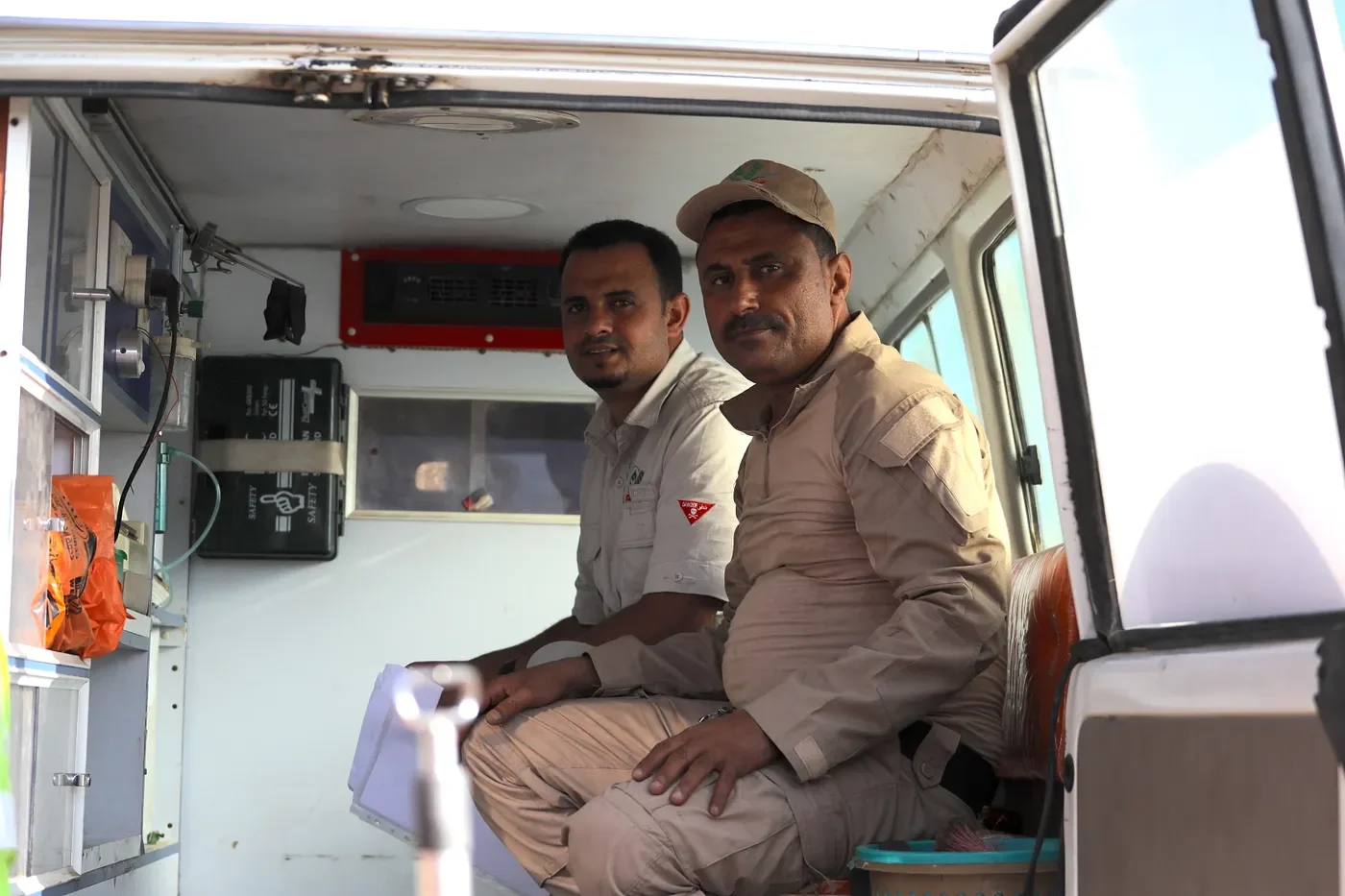
Mine action experts in Yemen are raising the alarm over the deliberate targeting of deminers, warning that booby-trapped devices and anti-handling mechanisms are being used to kill those clearing land.
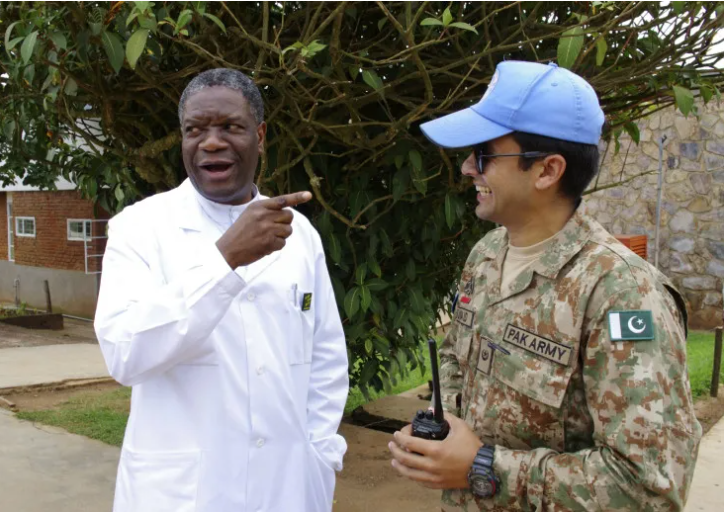
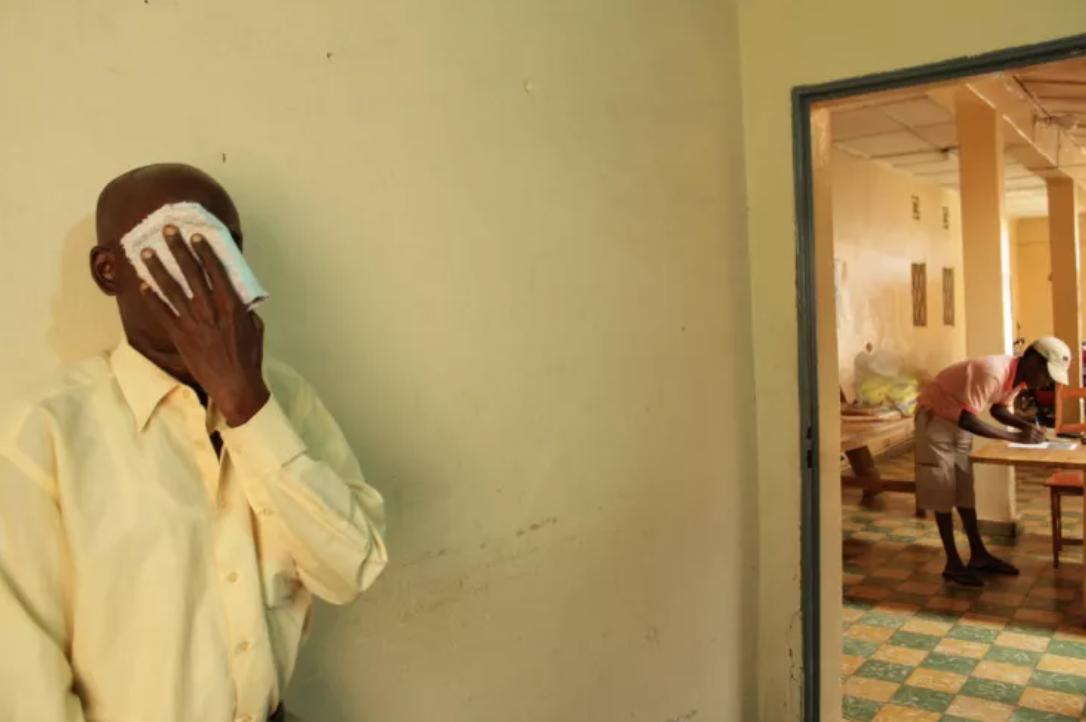
Rape surgeon of DRC Denis Mukwege at risk in UN protection shake-up says Panzi Foundation
Through interviews with representatives of the Panzi Foundation, this report explores concerns over the safety of Dr Denis Mukwege and the future of support for survivors of conflict-related sexual violence in the Democratic Republic of Congo. The piece examines the intersection of human rights, security and accountability in a region where armed conflict continues to have devastating consequences for civilian populations, particularly women and girls.
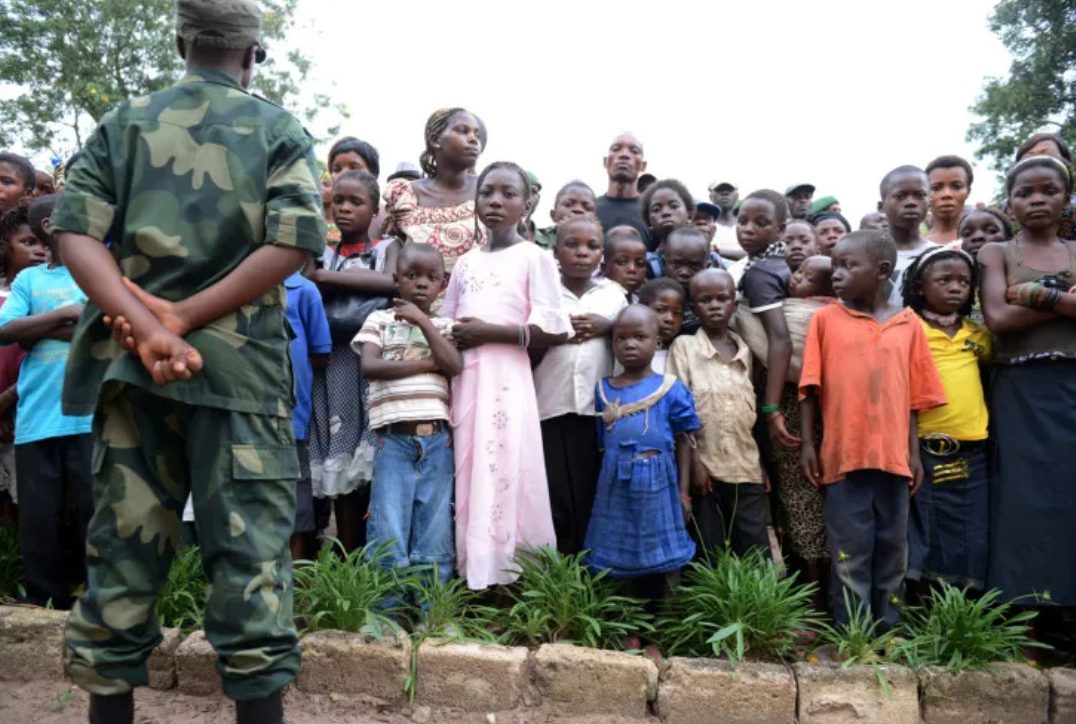
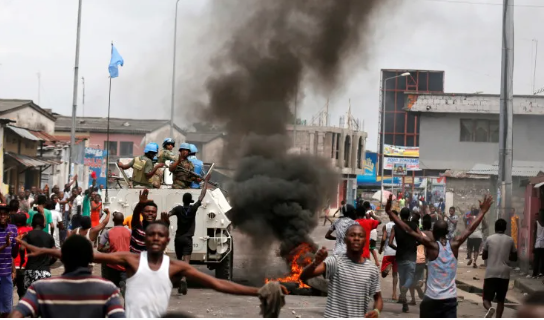
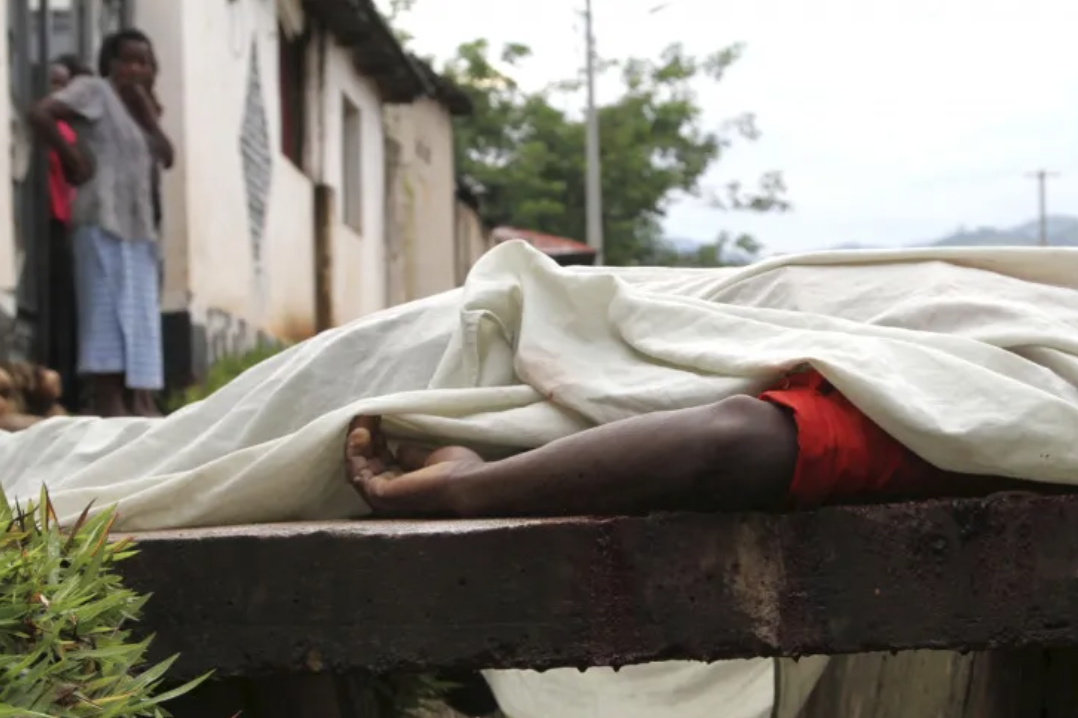
Victims 'summarily executed by the army' claim witnesses in DRC's Kasai provinces
Based on witness testimony from the Democratic Republic of Congo's conflict-ridden Kasai region, this investigation examined allegations that civilians were summarily executed during military operations against militia groups. Through interviews with survivors, local sources and rights advocates, the report documented claims of abuses against civilians and growing concerns over accountability amid escalating violence.
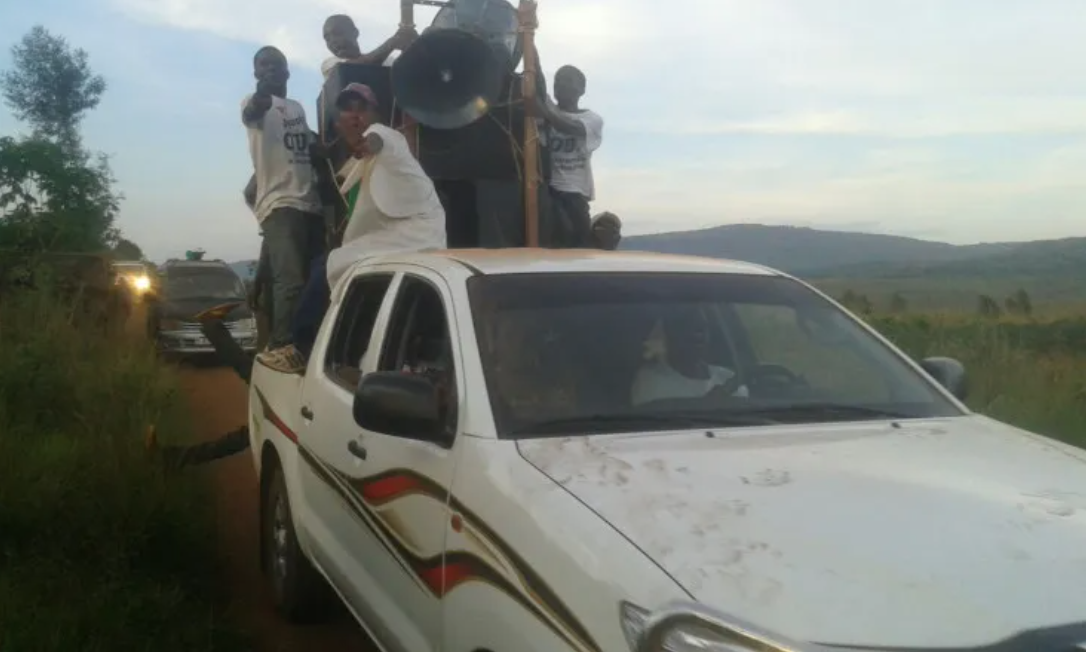
First video evidence of Burundi's ruling party youth wing inciting rape in song
Content Warning: Sexual violence. This exclusive investigation examined video footage that appeared to show members of Burundi's ruling party youth wing, the Imbonerakure, performing a song containing references to rape and violence. Through analysis of the footage, interviews with human rights observers and regional experts, the report explored growing concerns about inflammatory rhetoric, political intimidation and the risks facing civilians as Burundi's crisis deepened.
Congo-Brazzaville: Is corruption at the epicentre of Africa's 'forgotten' deadly crisis?
As violence escalated in the Republic of Congo's Pool region, this investigation examined allegations of corruption, political repression and abuses that received little international attention. The report explored how governance failures, contested power and a lack of accountability contributed to a worsening humanitarian and security crisis in one of Africa's most overlooked conflicts.
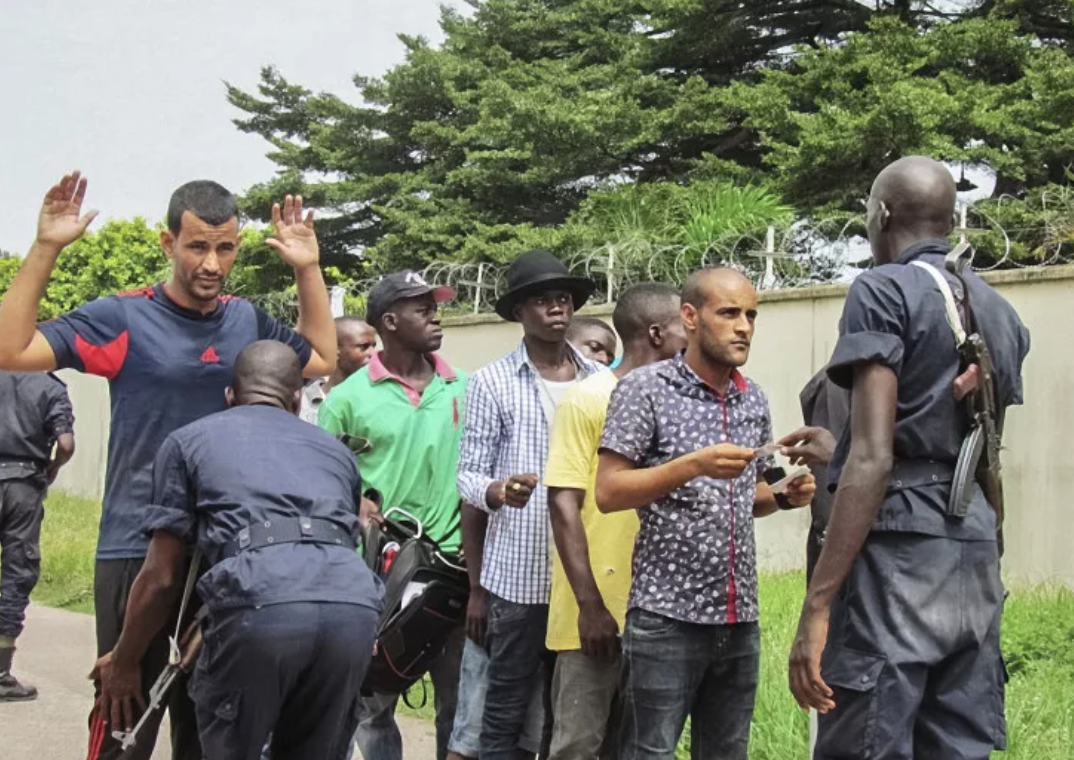
DRC: Civilians arrested 'simply for wearing red clothes' as Congolese speak of frustration
Drawing on interviews with Congolese citizens and civil-society actors, this report explores how the country's political crisis affected everyday life beyond protests and election disputes. The piece documents allegations of arbitrary arrests, intimidation and restrictions on political expression, illustrating how growing tensions between the government and opposition were increasingly felt by ordinary people.
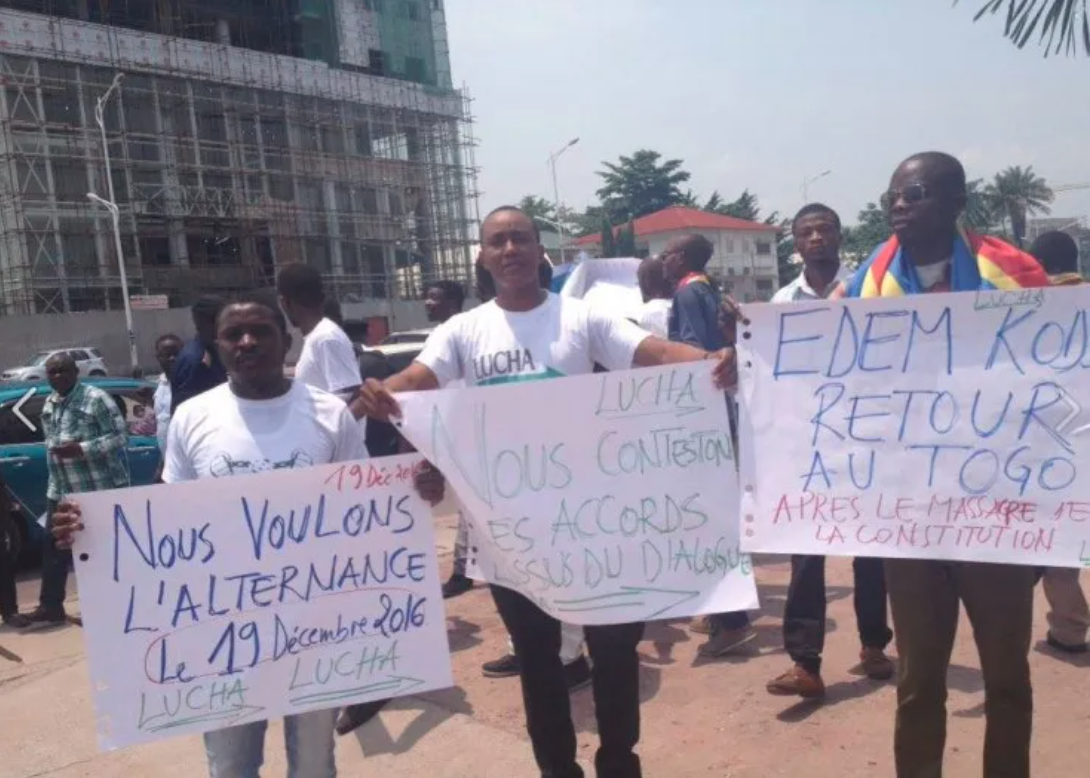
DRC: 12 LUCHA pro-democracy activists arrested in front on the African Union HQ in Kinshasa
Drawing on direct contact with members of the Congolese pro-democracy movement LUCHA, this exclusive report covered the arrest of 12 activists outside the African Union headquarters in Kinshasa. The piece examines growing restrictions on civic space and political dissent in the Democratic Republic of Congo during a period of heightened tensions over delayed elections, highlighting the role of youth-led movements in demanding democratic accountability and constitutional governance.
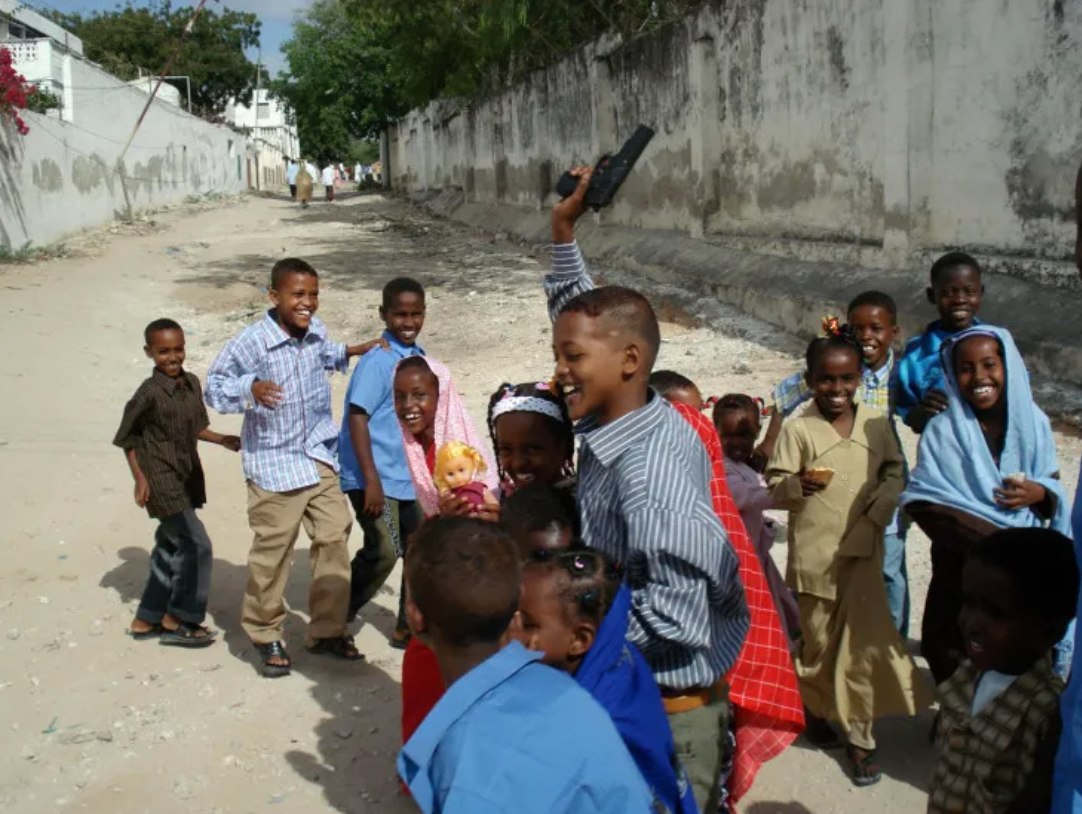
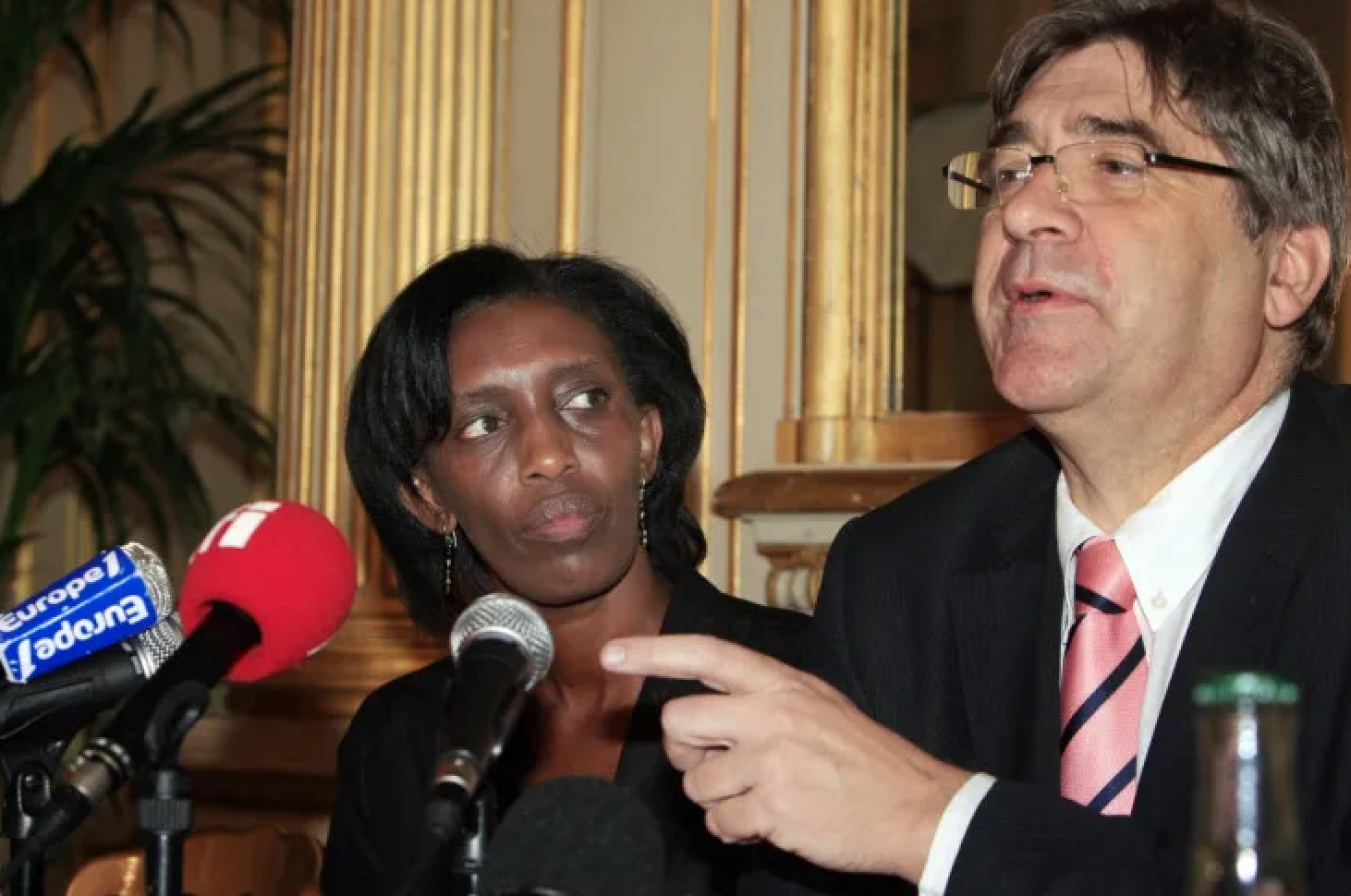
Fadumo Dayib: Somalia's first female presidential candidate urges talks with al-Shabab
In an exclusive interview, Somalia's first female presidential candidate, Fadumo Dayib, argued that lasting peace cannot be achieved through military force alone. Drawing on her experience as a refugee, human rights advocate and public health expert, she outlined a vision for democratic reform, women's empowerment and dialogue with al-Shabaab to end decades of conflict.
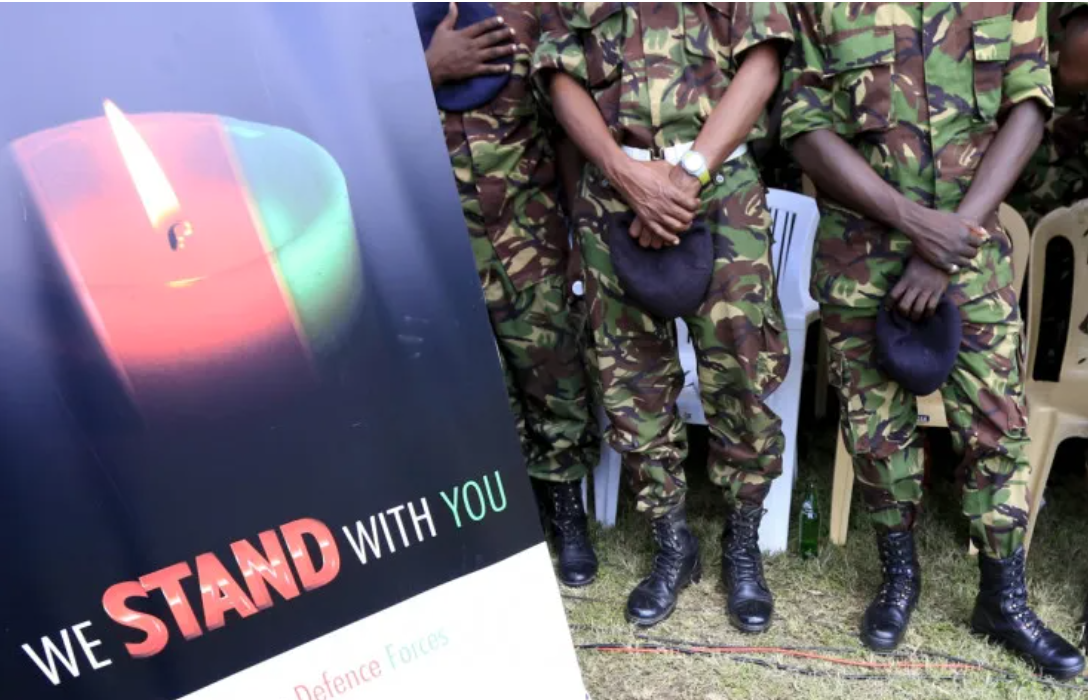
Dozens tortured, disappeared and killed in counterterrorism operations abuses in Northeastern Kenya
Drawing on testimonies from victims, families and human rights organisations, this report investigates allegations of torture, enforced disappearances and extrajudicial killings linked to counterterrorism operations in northeastern Kenya. The investigation examines the human cost of security policies and growing concerns over accountability in the region.
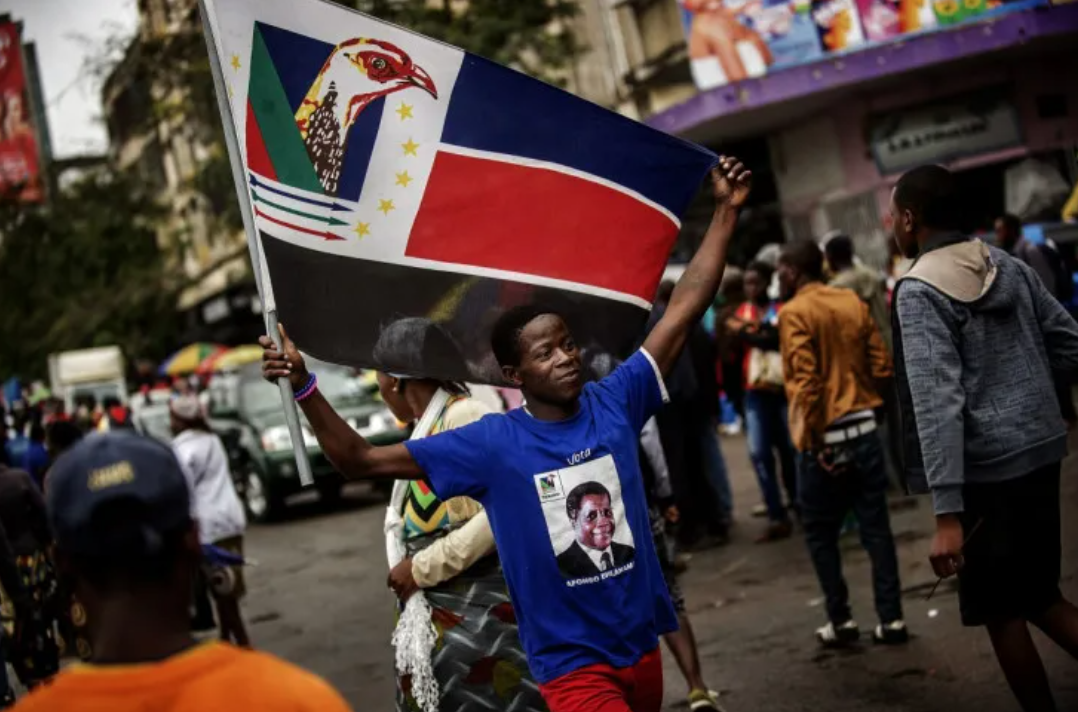
Mozambique: Renamo and Frelimo accused of targeting civilians in tat-for-tat violence
As violence escalated between Mozambique's ruling Frelimo party and Renamo rebels, this report examined allegations that civilians were increasingly caught in the crossfire. Through testimony from affected communities and regional observers, the article explored claims of abuses by both sides and the growing human cost of a conflict that threatened to spiral beyond political and military confrontation.
Burundi: Families officially request UN and ICC investigate crimes against humanity
As Burundi's political crisis deepened in 2016, families of victims and human-rights organisations sought international accountability for alleged abuses committed during the unrest surrounding President Pierre Nkurunziza's controversial third-term bid. Reporting from London and speaking to affected families, this piece examines calls for investigations into alleged crimes against humanity, the search for justice by survivors and relatives, and the growing international concern over violence, disappearances and political repression in Burundi.
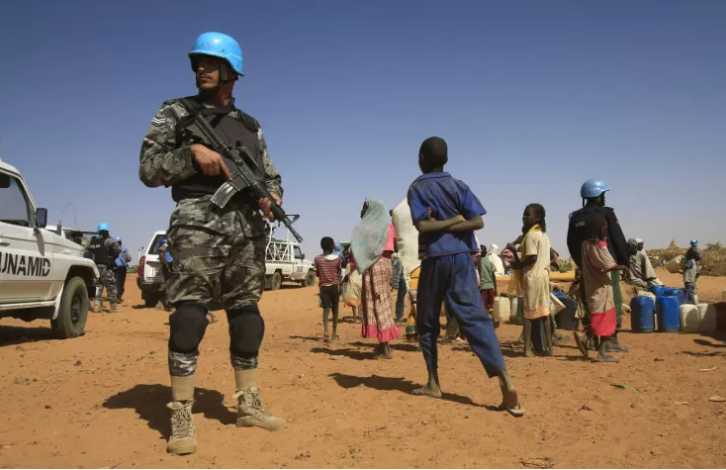
UN Peacekeeping: Allegations of sexual exploitation and abuse – a 20 year history of shame
This report examines two decades of allegations of sexual exploitation and abuse linked to United Nations peacekeeping missions, exploring the systemic challenges that have hindered accountability and justice for survivors. Through expert interviews and analysis, the piece investigates the human-rights implications of misconduct within international peacekeeping operations and the continuing struggle to strengthen oversight and victim protection mechanisms
Law and disorder in the DRC: Who is Fred Bauma, Congo's jailed Mahatma Gandhi?
An exclusive interview from prison with Congolese democracy activist Fred Bauma, who had spent nearly a year behind bars on what supporters described as politically motivated charges. The profile traces his journey from a young activist in eastern Congo to one of the country's most prominent advocates for peaceful democratic change.
Kenya: Human-rights defenders investigating violations in Burundi have received death threats
This exclusive investigation revealed that human rights defenders documenting alleged abuses linked to Burundi's political crisis had received death threats while working in exile. Supported by interviews and direct evidence of threatening messages, the report examined the risks faced by activists attempting to document violations, the shrinking space for independent monitoring, and growing concerns for the safety of those gathering evidence of abuses committed during the crisis.
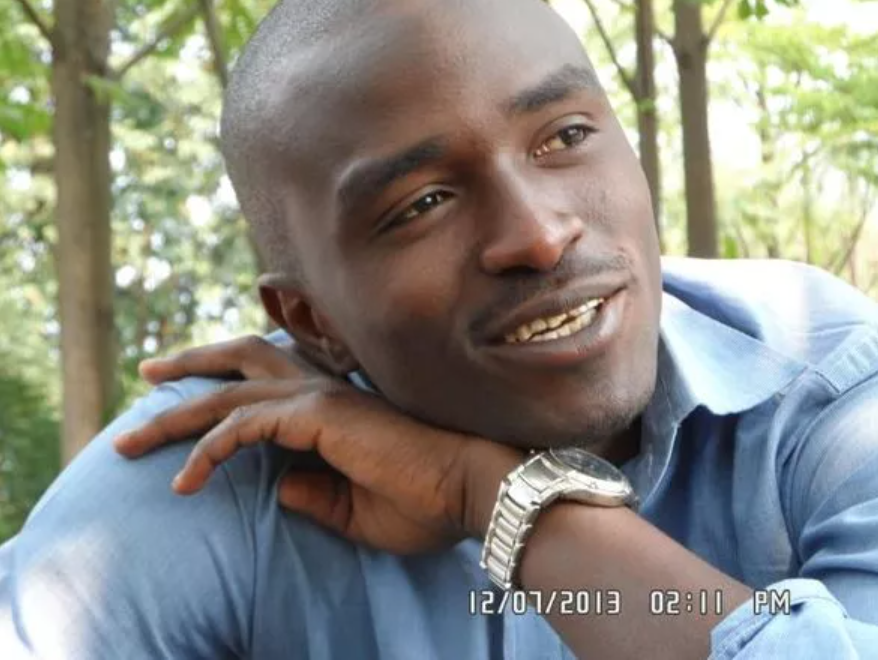
Burundi: Activists warn of a 'death squad' in Kenya after exiled politician is 'executed'
Following the assassination of an exiled Burundian opposition figure in Kenya, this exclusive investigation examined allegations that political violence linked to Burundi's crisis was extending beyond the country's borders. Drawing on interviews with exiled activists, human rights defenders and regional sources, the report explored fears of targeted attacks against dissidents and claims that security agencies were investigating the presence of a covert network targeting Burundian opponents abroad.
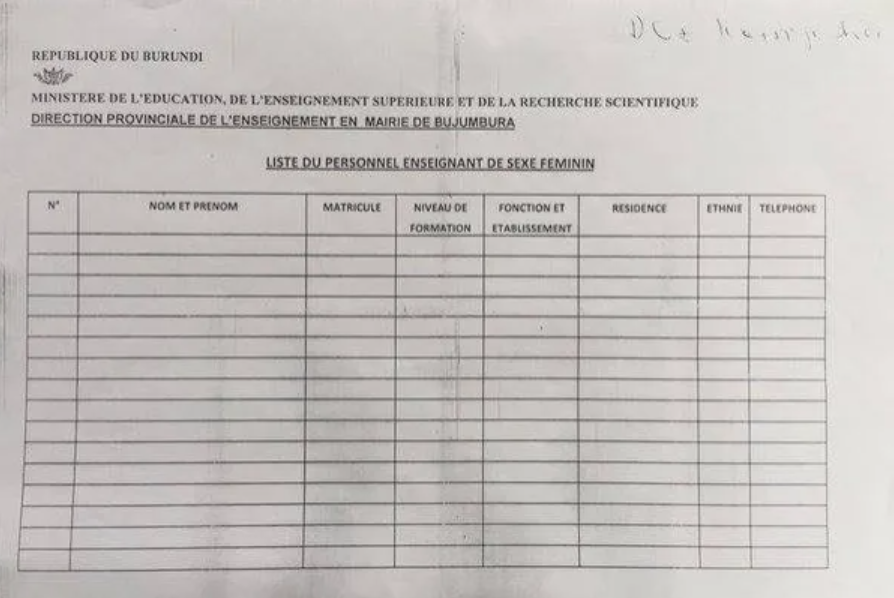
Burundi: Information sheets asking for teachers' 'ethnic group' worries civilians
This exclusive investigation revealed concerns surrounding a Ministry of Education survey that asked Burundian teachers to disclose their ethnic identity, prompting alarm among citizens, journalists and civil society observers. Through interviews with local sources and documentary evidence, the report examined fears that the collection of ethnic data echoed practices associated with past periods of ethnic violence and heightened tensions during Burundi's escalating political crisis.
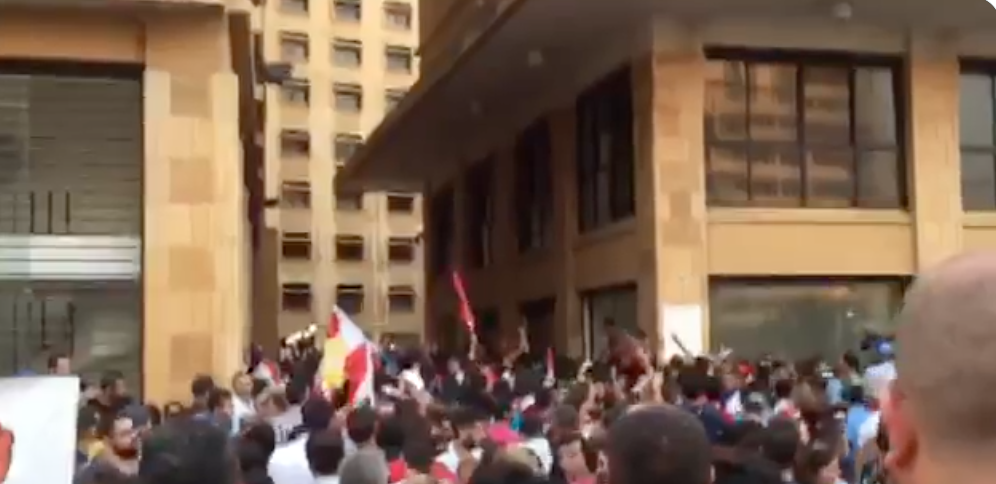
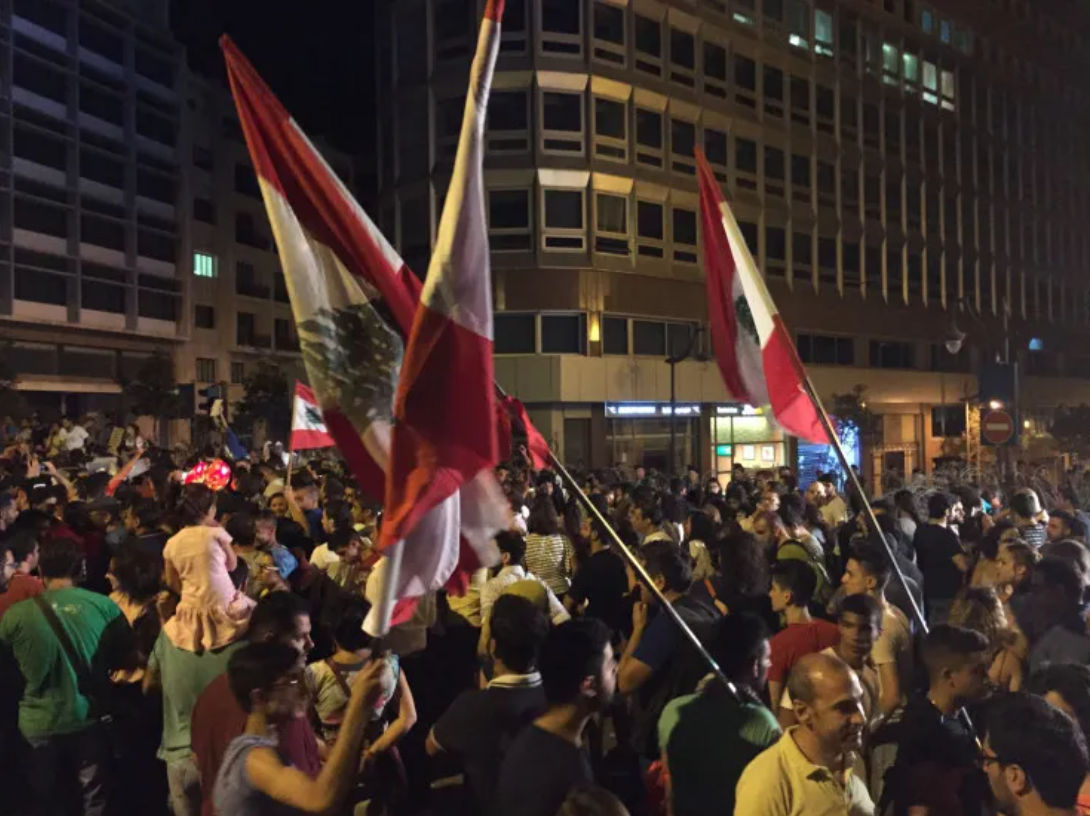
Lebanon 'You Stink' protests: Government sends armed vehicles as protesters stage ministry sit-in
Reporting from Beirut during the height of the "You Stink" movement, this exclusive story examined growing pressure on Lebanon's environment minister as protesters demanded accountability for the country's waste management crisis. Supported by exclusive footage recorded outside the Ministry of Environment, the report documented escalating tensions between demonstrators and security forces as a local grievance evolved into a nationwide challenge to political dysfunction and corruption.
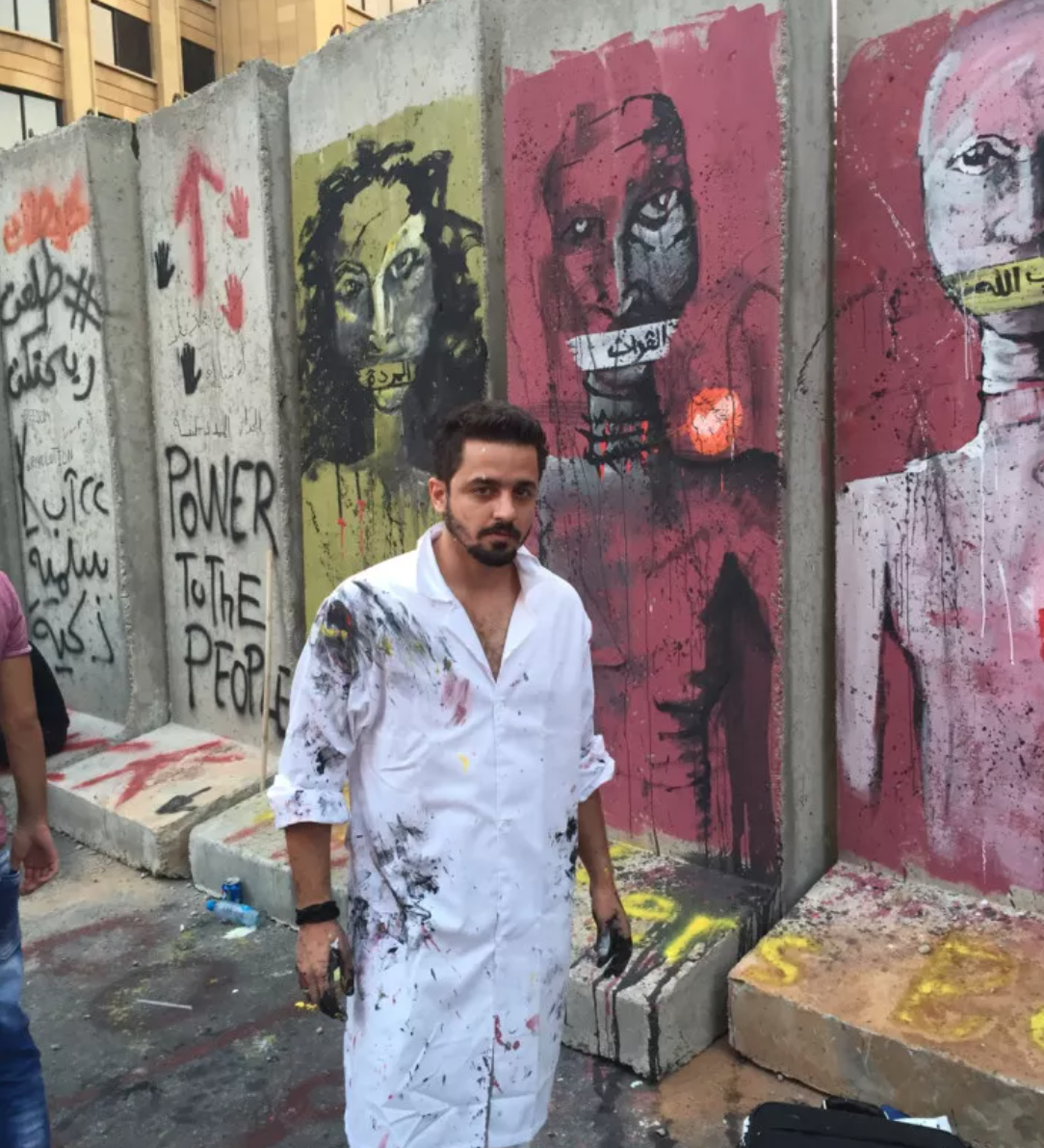
Lebanon 'You Stink' protests: Meet the man behind the 'Beirut Wall' art
Amid Lebanon's 2015 "You Stink" protest movement, this exclusive profile followed the street artist whose murals became a powerful symbol of public frustration with corruption, political paralysis and failing public services. Reporting from Beirut, the story explored how art became a form of resistance, transforming city walls into a canvas for dissent during one of Lebanon's most significant civic movements.
Lebanon You Stink protests: We are not Egypt, claims activist Michel Elefteriades
In an exclusive interview in Beirut during Lebanon's "You Stink" protest movement, cultural entrepreneur and political commentator Michel Elefteriades reflected on corruption, governance and the future of civic activism in Lebanon. As demonstrators challenged political elites over a mounting waste crisis, he argued that Lebanon's unique political landscape required a different path to reform than the uprisings that had swept other parts of the Arab world.