A selection of Elsa Buchanan’s reporting, photo essays and communications work, drawn from field assignments and collaborations across the Middle East and Sub-Saharan Africa.
Covering conflict, human rights and humanitarian issues, the work combines on-the-ground reporting with specialist analysis.
Human Impact
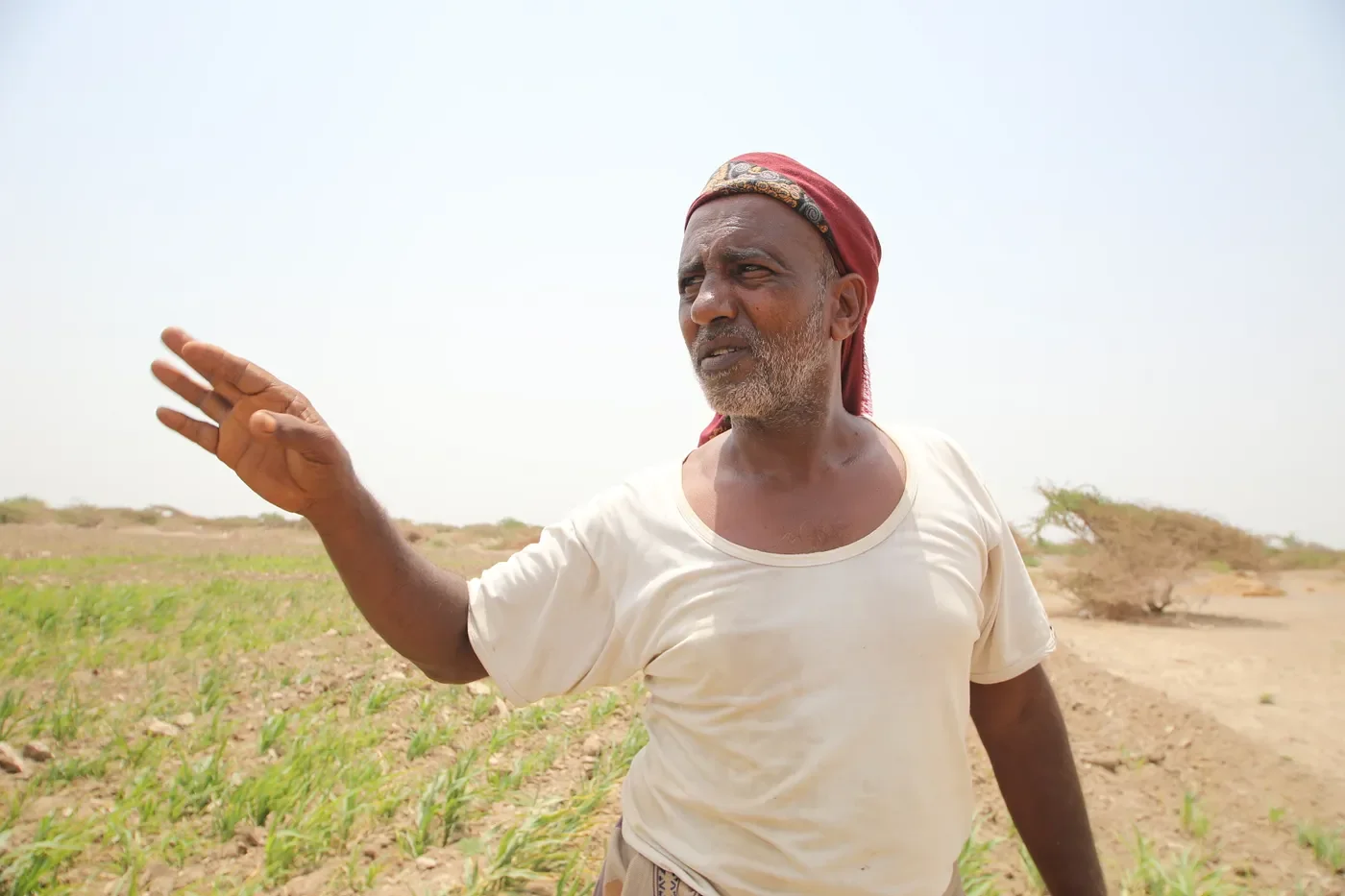
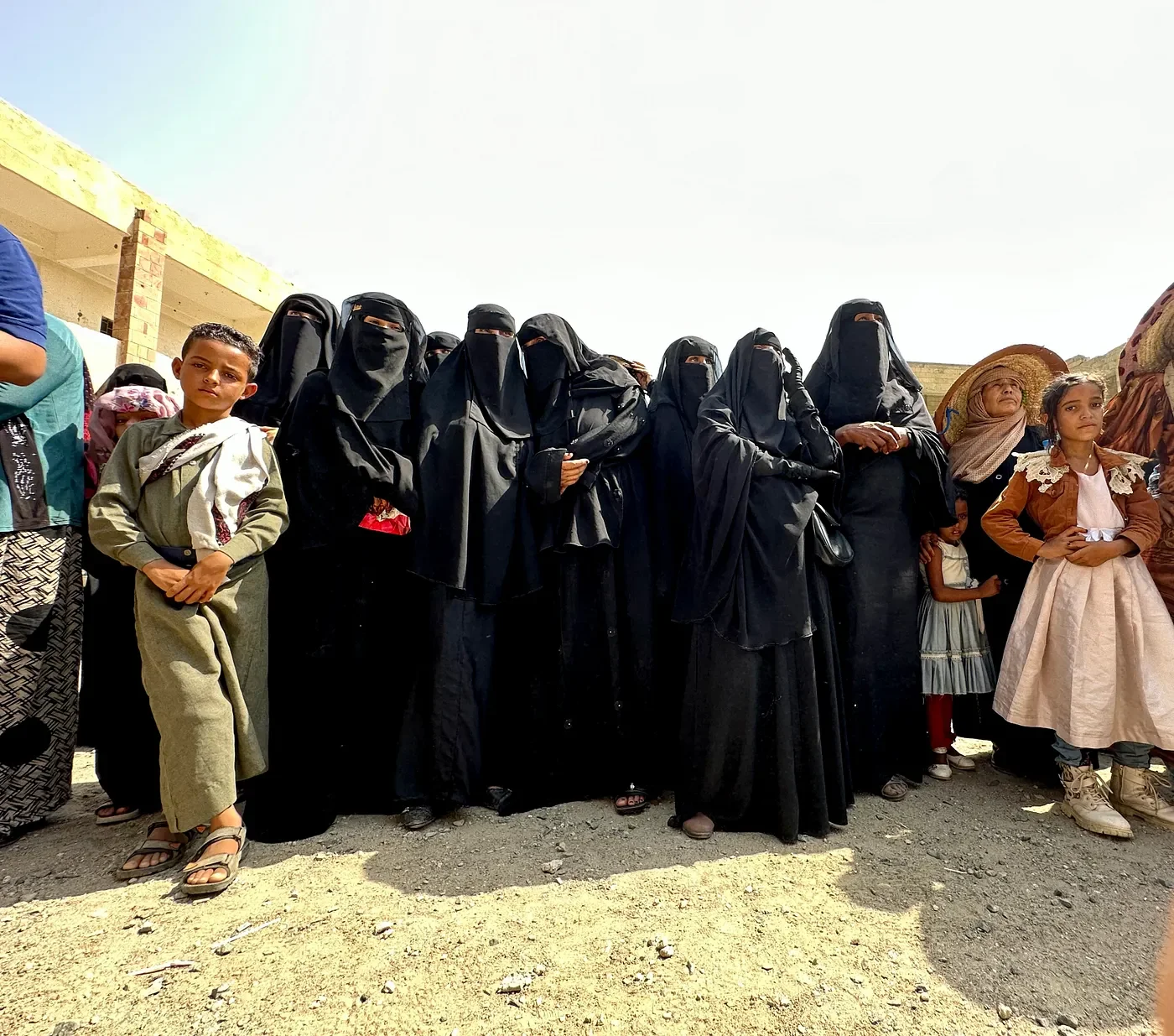
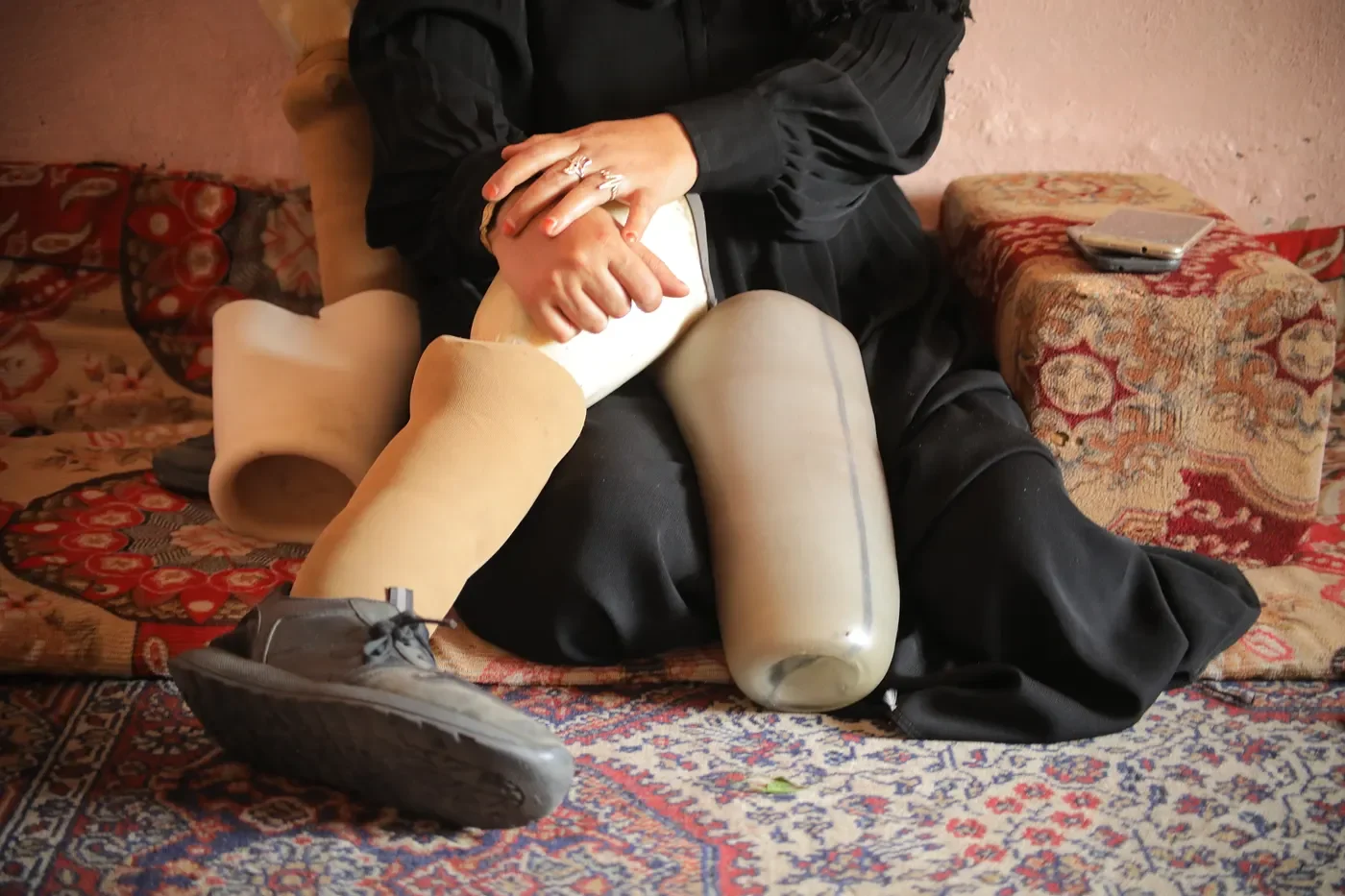
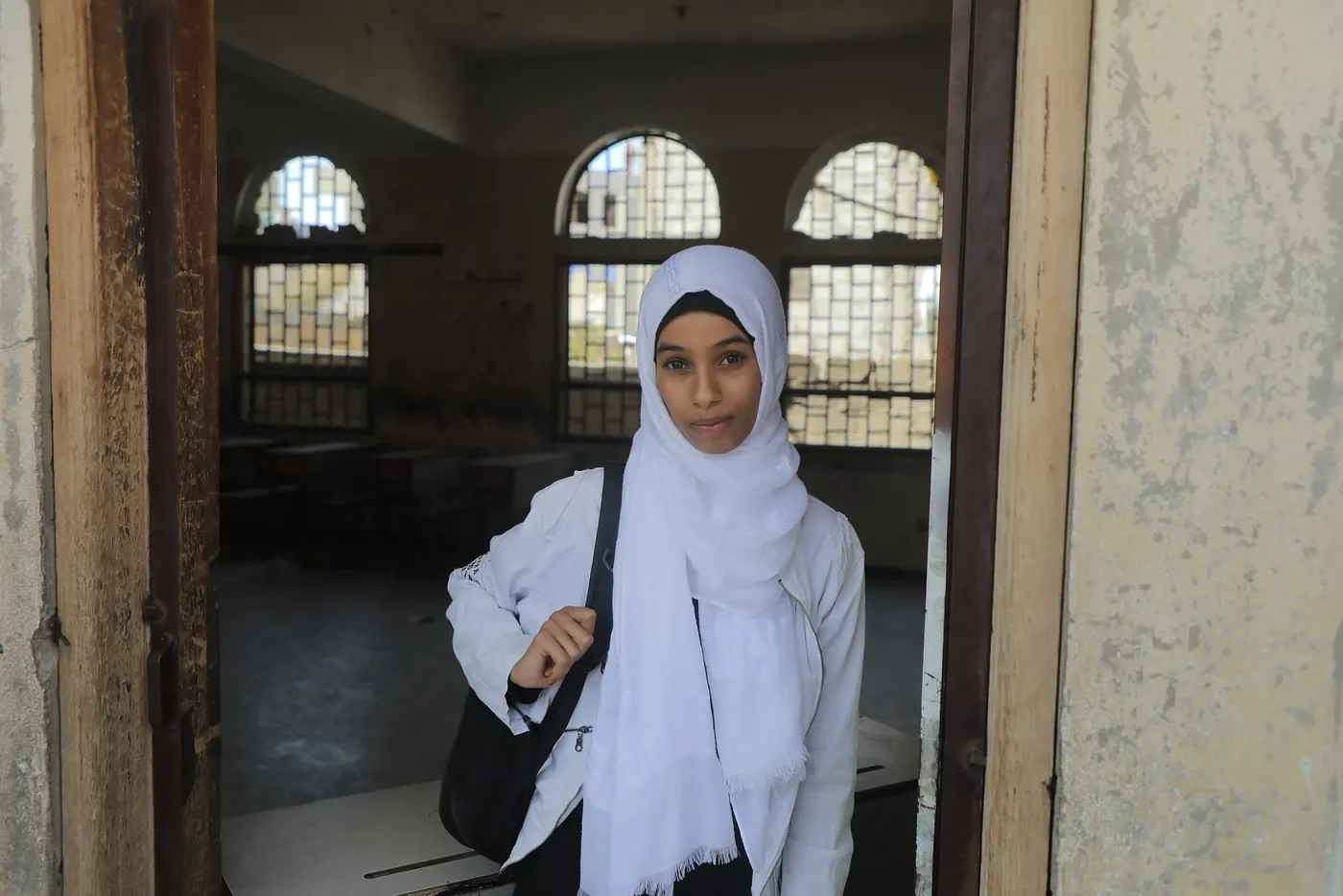
Stories exploring how conflict shapes daily life, from displacement and education to livelihoods, environment, and long-term recovery.

Conflict & Security
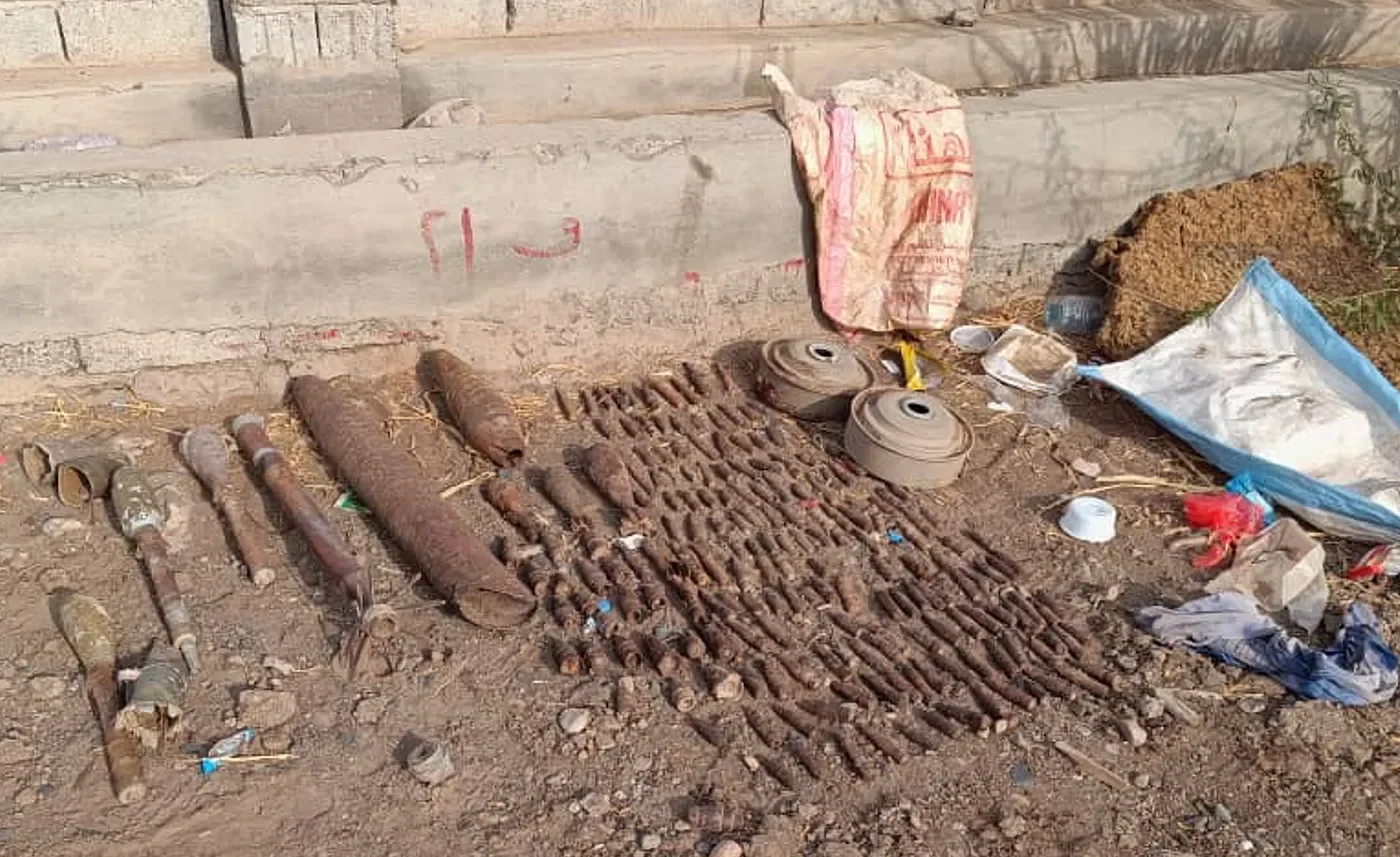
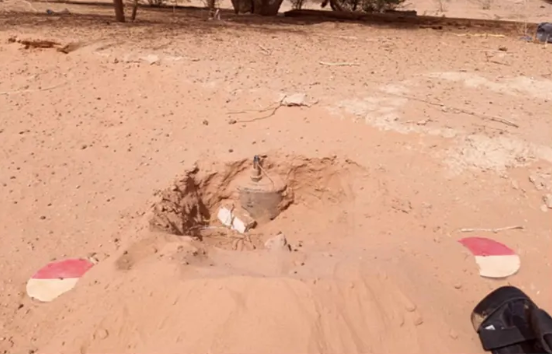
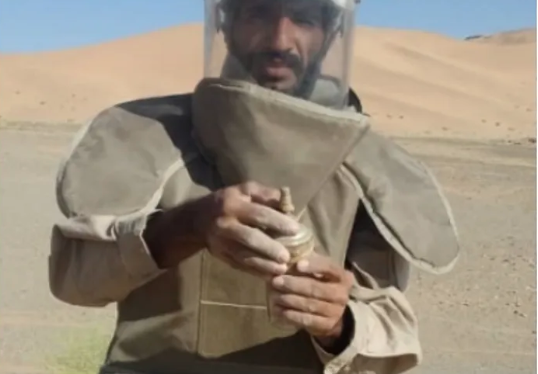
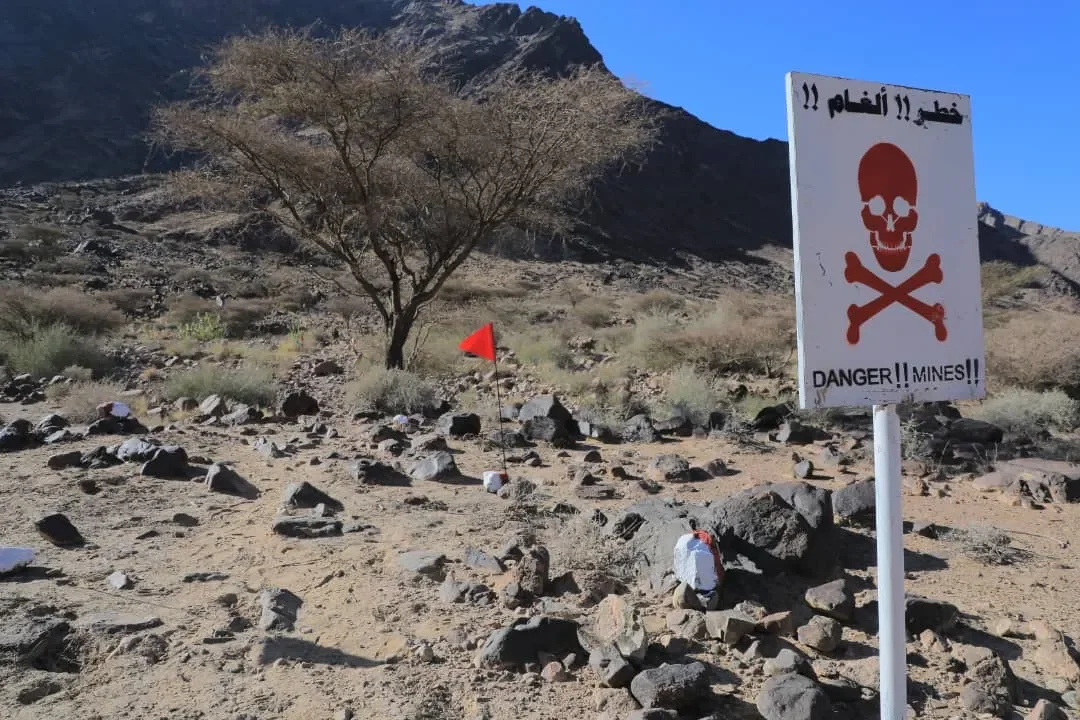
Reporting on frontlines, weapons, and military dynamics, examining how conflict is fought and sustained in complex environments.

Accountability & Rights
Investigations and reporting examining violations, legal accountability, and the human rights dimensions of conflict and crisis.






Health & Humanitarian
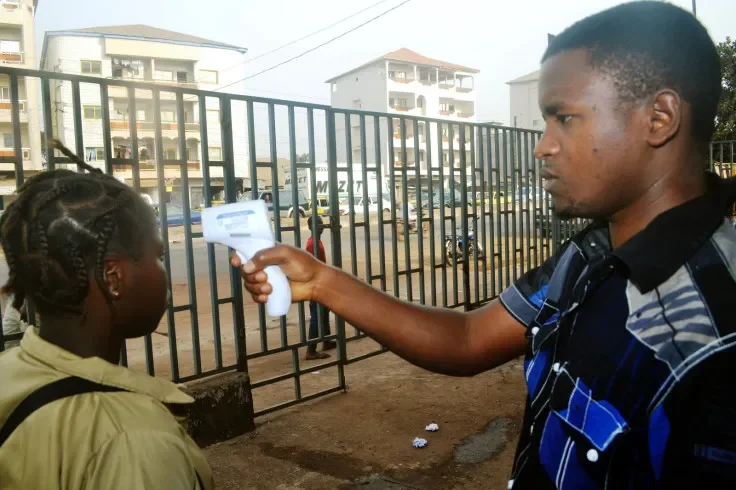
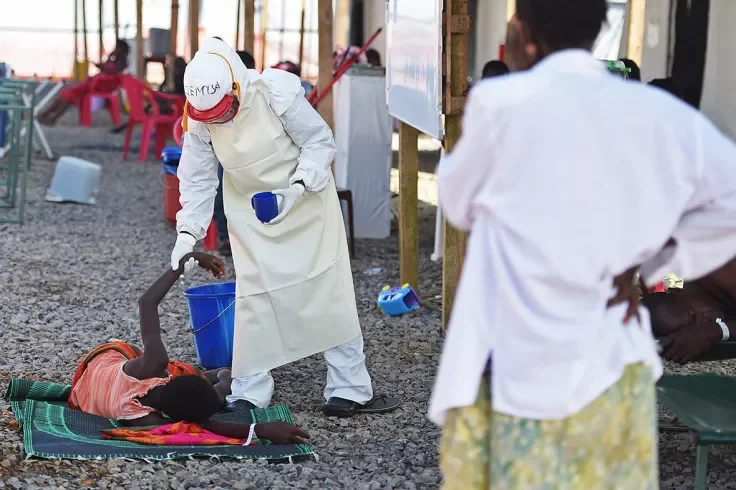
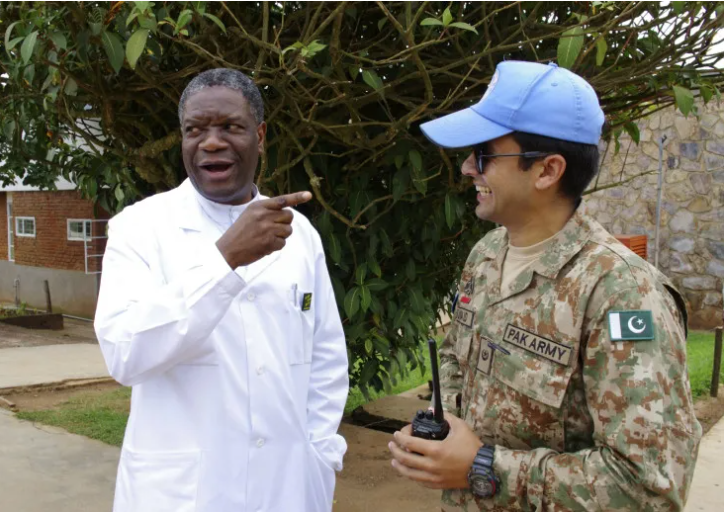
Reporting on healthcare, humanitarian response, and the long-term impact of conflict on communities, from emergency care to recovery and resilience.
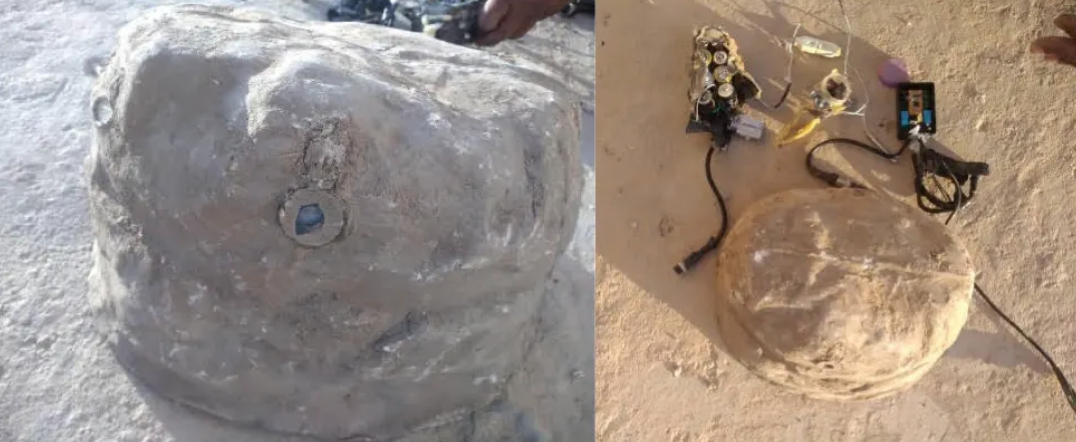
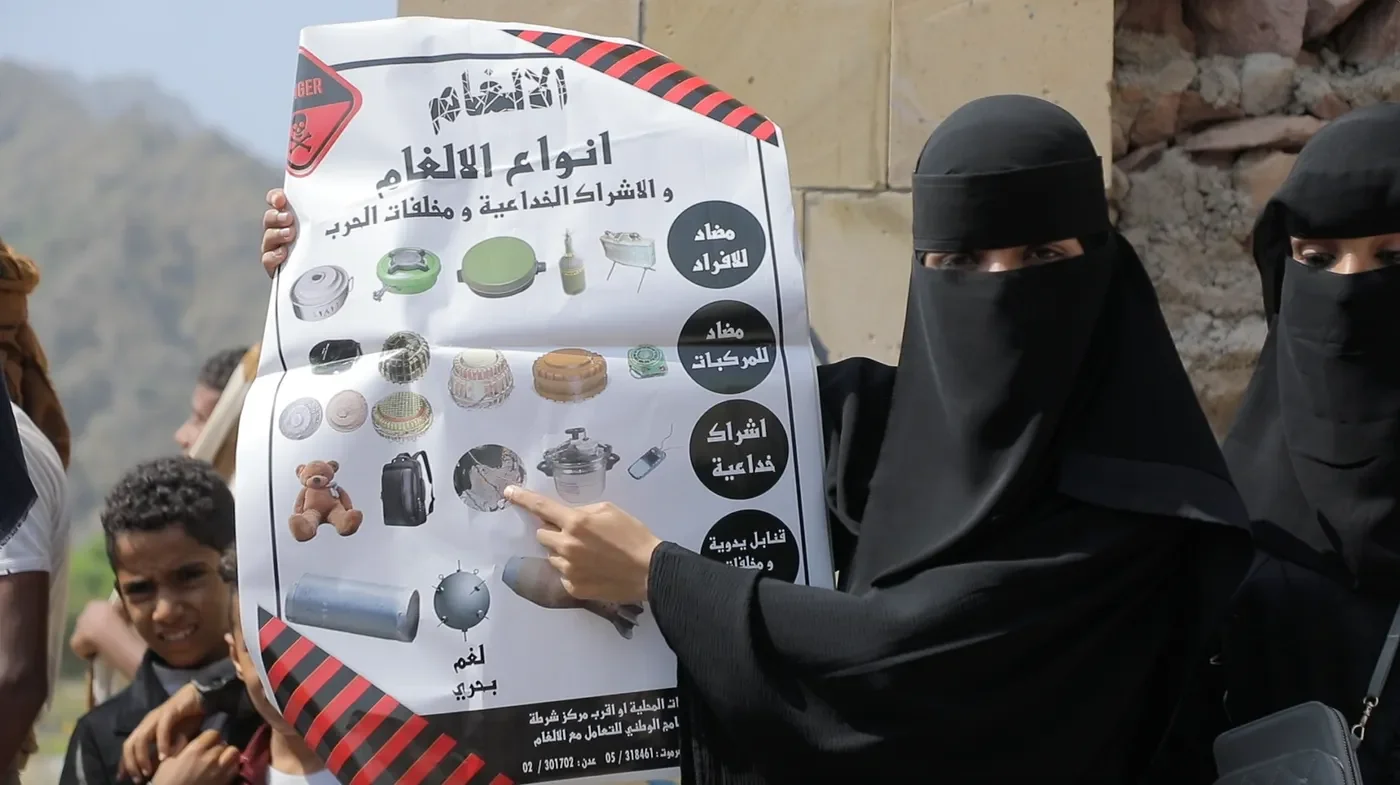
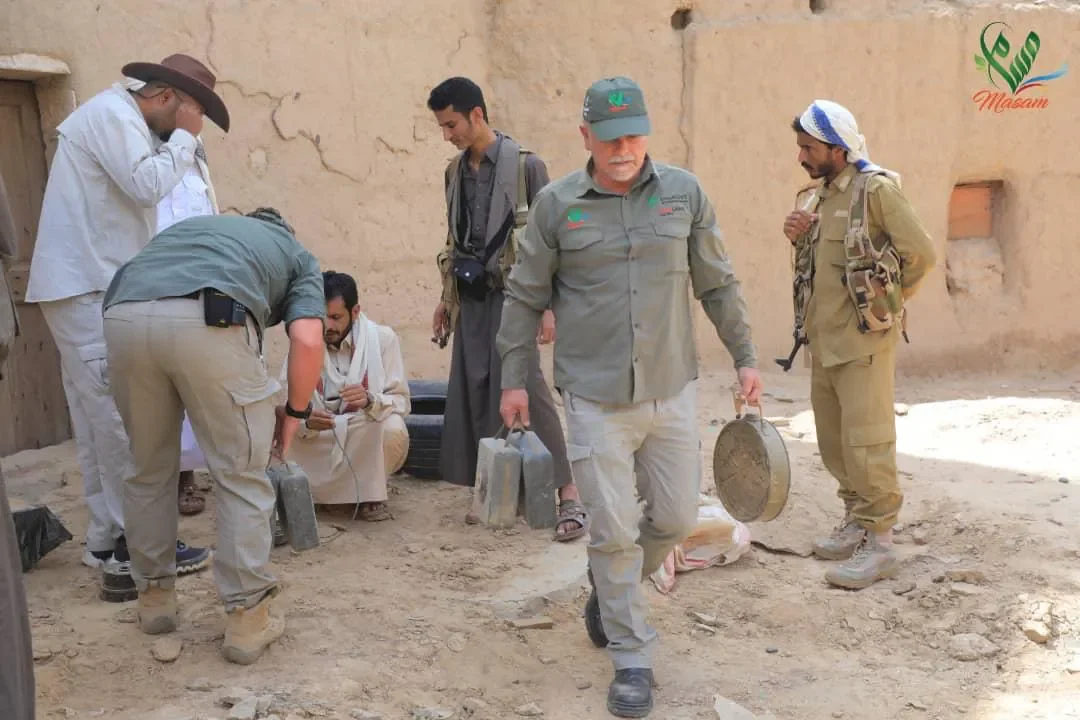
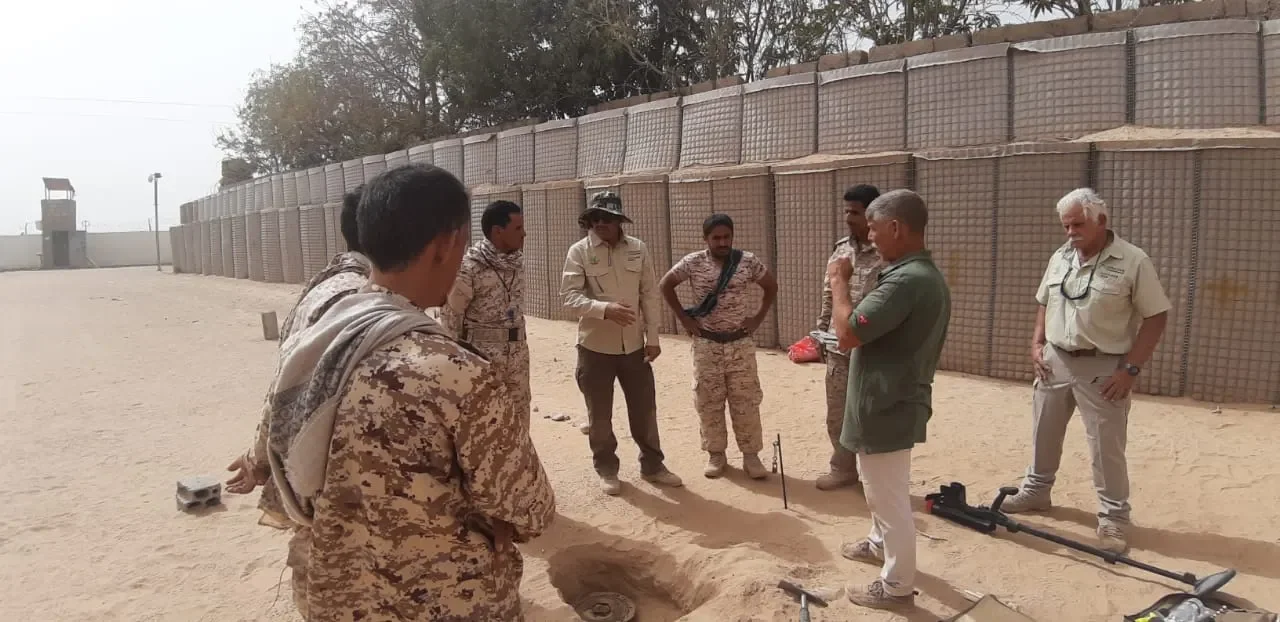
Staying ready: Why refresher training matters in Yemen’s evolving minefields
As Yemen's explosive threat continues to evolve, deminers face hazards that are increasingly complex and unpredictable. Drawing on exclusive access to training programmes and interviews with mine action specialists, this report explores why refresher training is essential for teams working in contaminated areas, helping them adapt to new devices, changing tactics and emerging risks in one of the world's most challenging mine action environments.
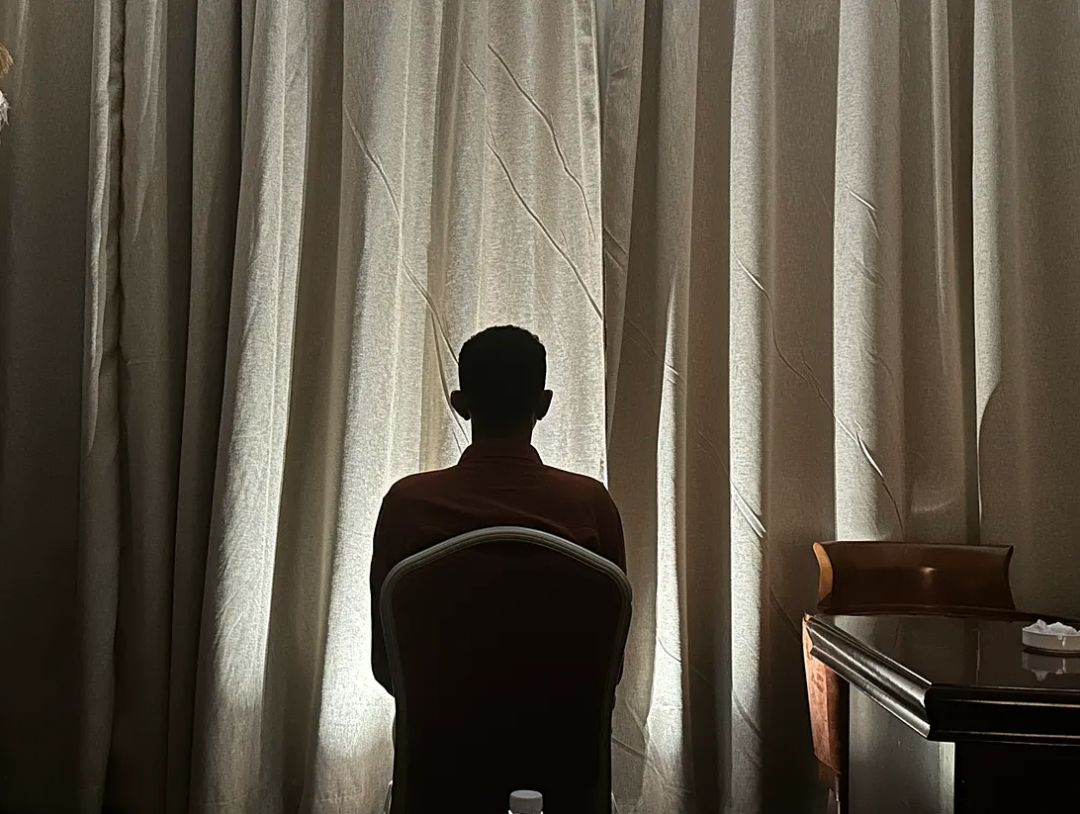
As reports emerge of Houthi mobilisation, landmines often follow in Yemen
Drawing on exclusive access and interviews with deminers, local communities and security analysts, this report examines the link between renewed military mobilisation and the spread of landmine contamination in Yemen. As frontlines shift and tensions rise, affected communities fear that new deployments could leave behind a familiar and deadly legacy: explosive hazards that continue to threaten civilians long after the fighting has moved on.
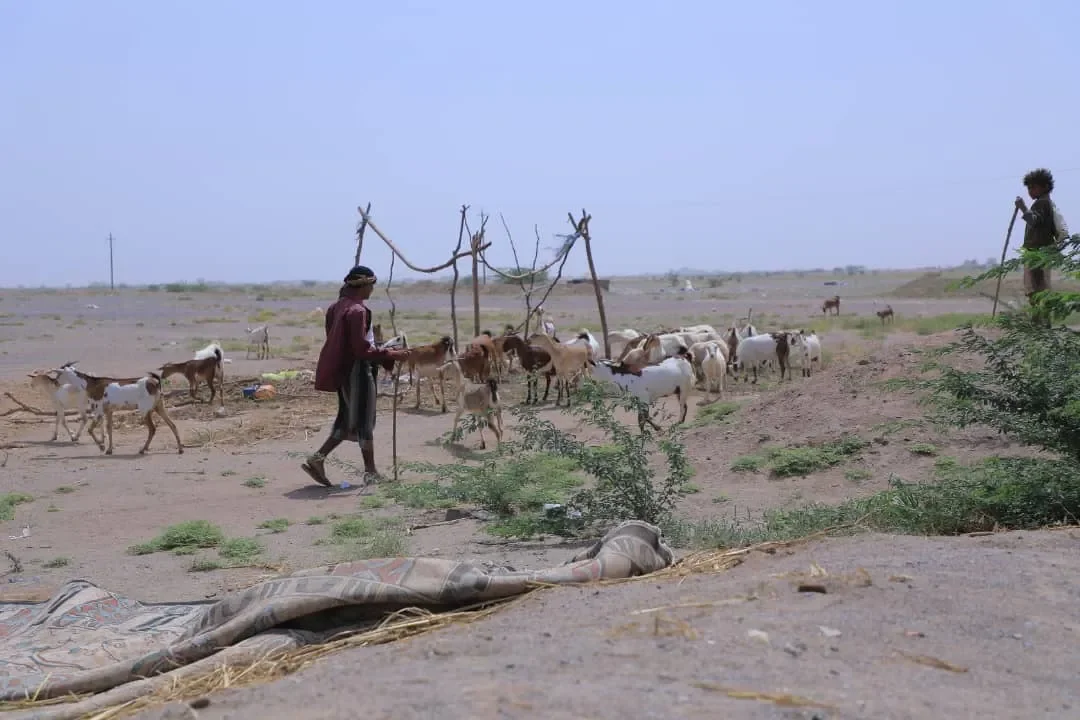
Fears take hold of Yemen Red Sea Coast civilians already reeling from presence of mines and IEDs as tensions escalate
With tensions rising along Yemen's Red Sea coast, civilians already living among landmines and improvised explosive devices faced growing uncertainty about what lay ahead. Based on exclusive access and interviews with affected communities, the report explores how years of contamination have transformed daily life, leaving families trapped between conflict, fear and the constant threat of explosive hazards.
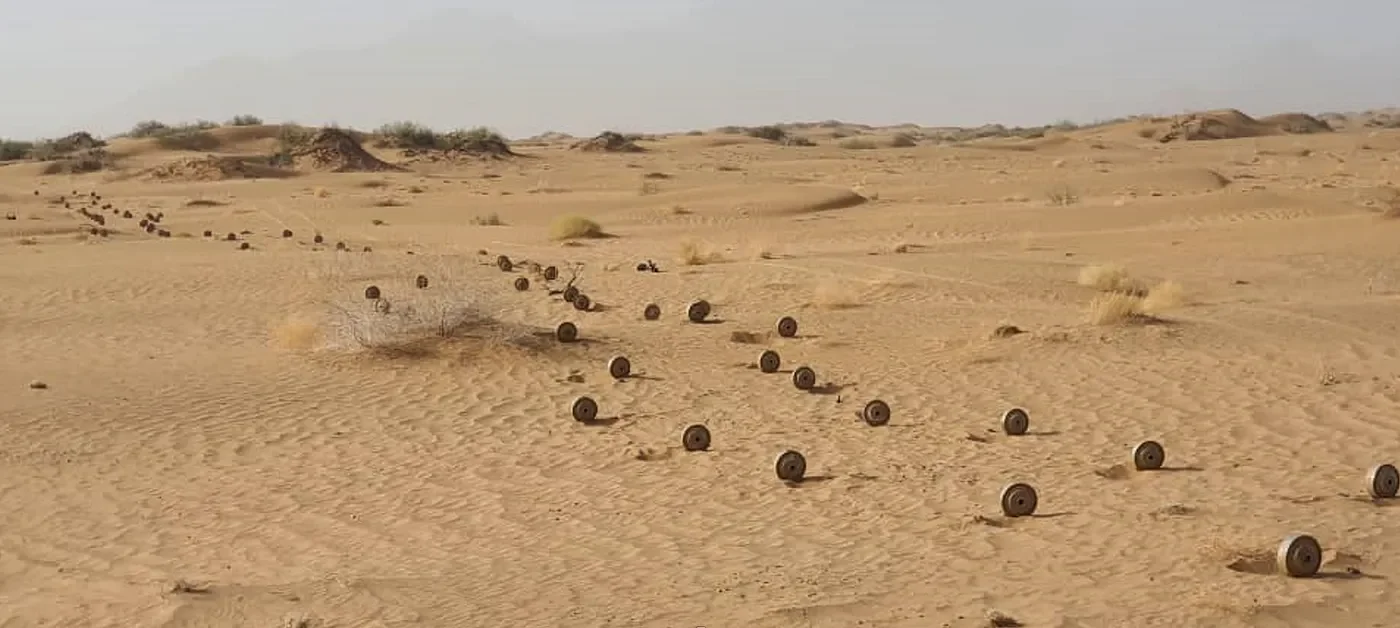
Yemen’s tragedy of landmines laid without conventional patterns
Experts in Yemen warn that the widespread use of non-patterned, unmarked minefields is creating unpredictable hazards, significantly increasing risks for civilians and complicating clearance operations.
Humanitarian demining is not a crime: The ‘deliberate’ targeting of demining personnel
Mine action experts in Yemen are raising the alarm over the deliberate targeting of deminers, warning that booby-trapped devices and anti-handling mechanisms are being used to kill those clearing land.
Bounding fragmentation mines: Yemen’s indiscriminate war
In Yemen, experts warn that the growing use of bounding fragmentation mines (designed to detonate at waist height and scatter lethal shrapnel) is increasing the indiscriminate threat to civilians and complicating clearance operations.
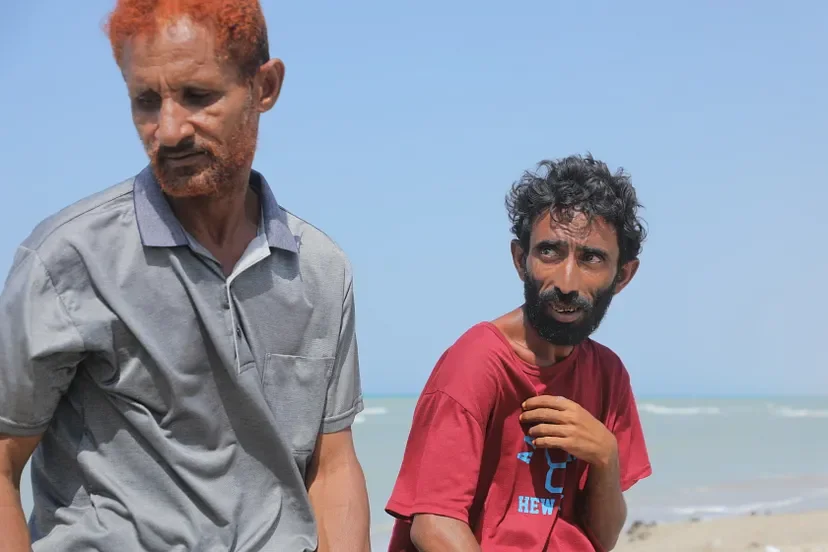
Made in Yemen: How Houthis’ use of sea mines affects fishing communities
This investigation explores the human cost of sea mines along Yemen's coastline, where fishing communities have found themselves on the front line of an invisible maritime threat. Through exclusive interviews with fishermen, coastal residents and mine action specialists, the report examines how explosive hazards at sea have disrupted livelihoods, restricted access to traditional fishing grounds and deepened economic hardship for families already struggling amid years of conflict.
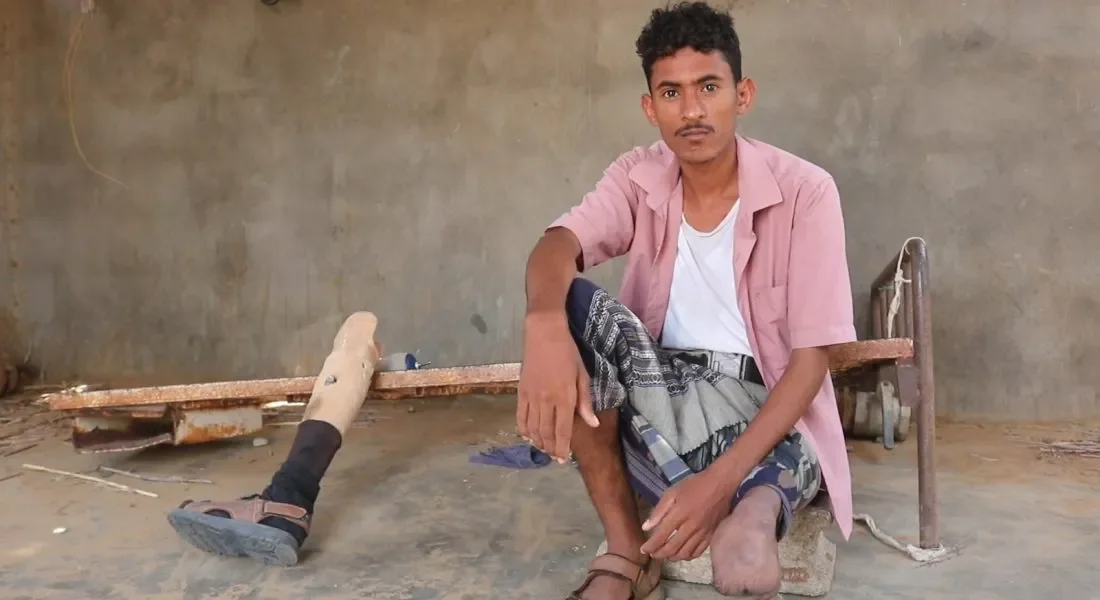
Set to kill: When booby-trapped landmines become lethal legacy in Yemen
This investigation examines the devastating legacy of booby-trapped landmines in Yemen, where explosive devices continue to kill and maim civilians years after being laid. Through survivor testimonies, field evidence and interviews with demining specialists, the report documents how improvised and victim-activated explosive hazards have transformed homes, farms, roads and everyday objects into deadly traps, leaving communities to navigate a hidden threat long after the fighting has moved elsewhere.
Minefields in mountains: when deminers face the greatest danger
With every step carrying the risk of explosion on steep mountain slopes, deminers in Yemen walk through minefields laid along strategic approaches and defensive positions to make land safe for others.
Yemen: Where landmines are traded as currency for survival in open-air markets amid economic collapse
This exclusive investigation uncovered how landmines and explosive remnants of war have become intertwined with local economies in conflict-affected areas of Yemen. Drawing on interviews with deminers, survivors, local communities and humanitarian actors, the report revealed how poverty, insecurity and the absence of alternatives can drive civilians to take extraordinary risks, exposing the hidden human and economic consequences of one of the world's largest landmine contamination crises.
How local interpreters ensure safe humanitarian demining in conflict zones
In Yemen, interpreters play a critical role in mine action, translating complex technical language across multiple local dialects between international experts and local teams, where miscommunication can have life-threatening consequences.
Landmines left behind in Yemen: What happens when Houthi militias retreat
As frontlines shift in Yemen, deminers are uncovering landmines left behind in former Houthi positions, turning newly accessible areas into hidden hazards and acting as a form of land denial to prevent civilian return.
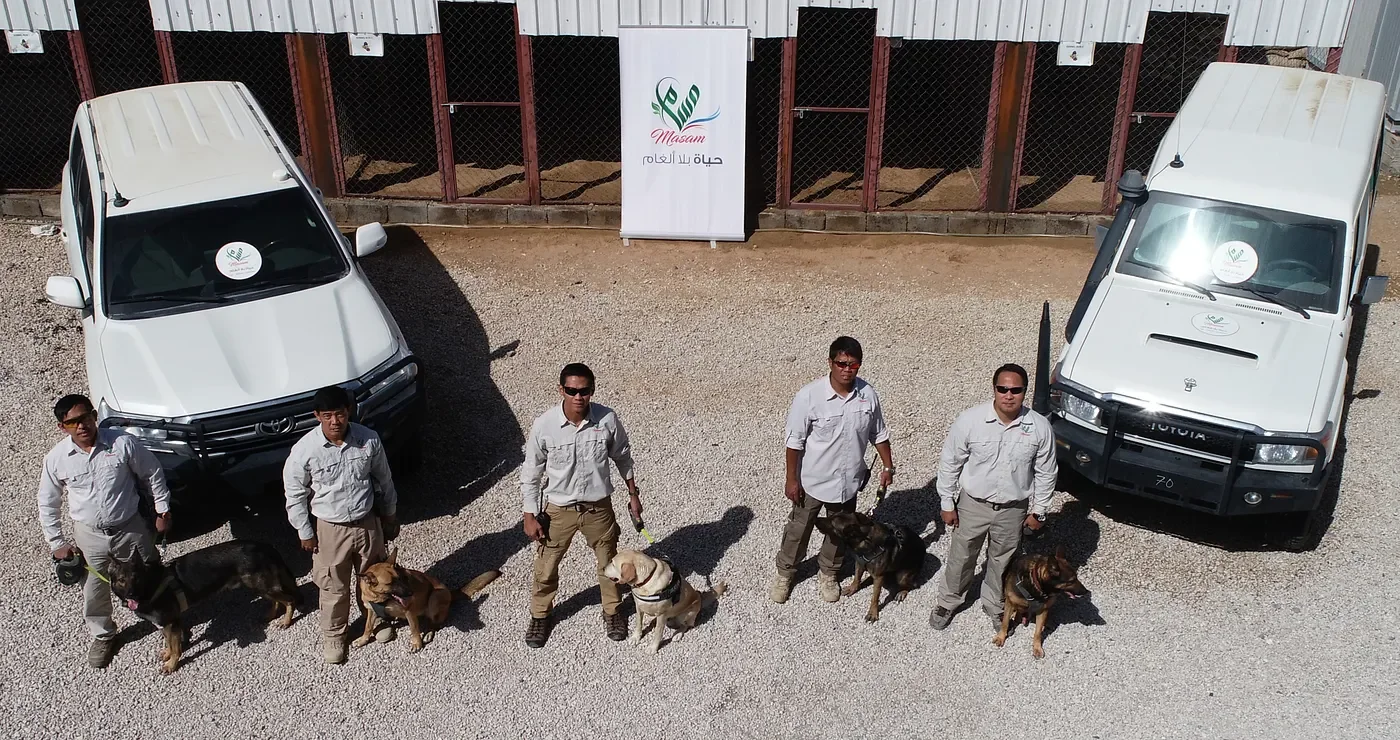
Explosives detection dogs: The K9 keeping deminers safe
In Yemen, highly trained explosives detection dogs are deployed as a critical part of mine action, using their precision and speed to locate hidden explosives and protect deminers in high-risk environments.
As reports emerge of Houthi mobilisation, landmines often follow in Yemen
Drawing on exclusive sources and expert analysis, this article examines how renewed Houthi mobilisation in Yemen is reviving fears of landmine and IED use.
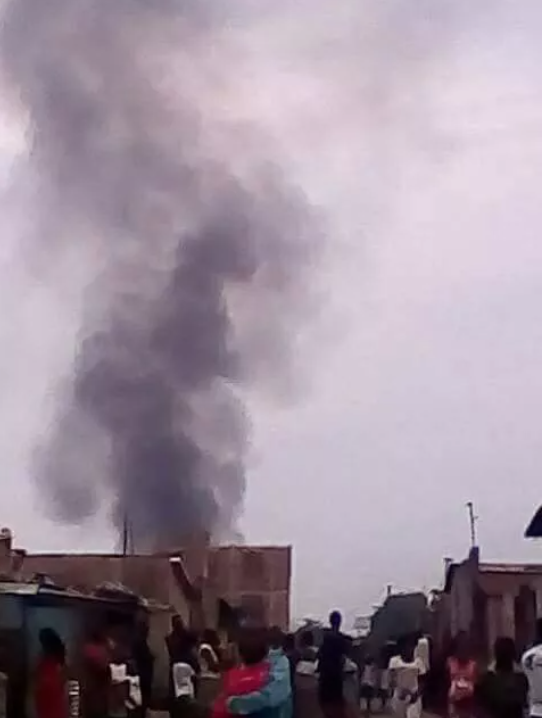
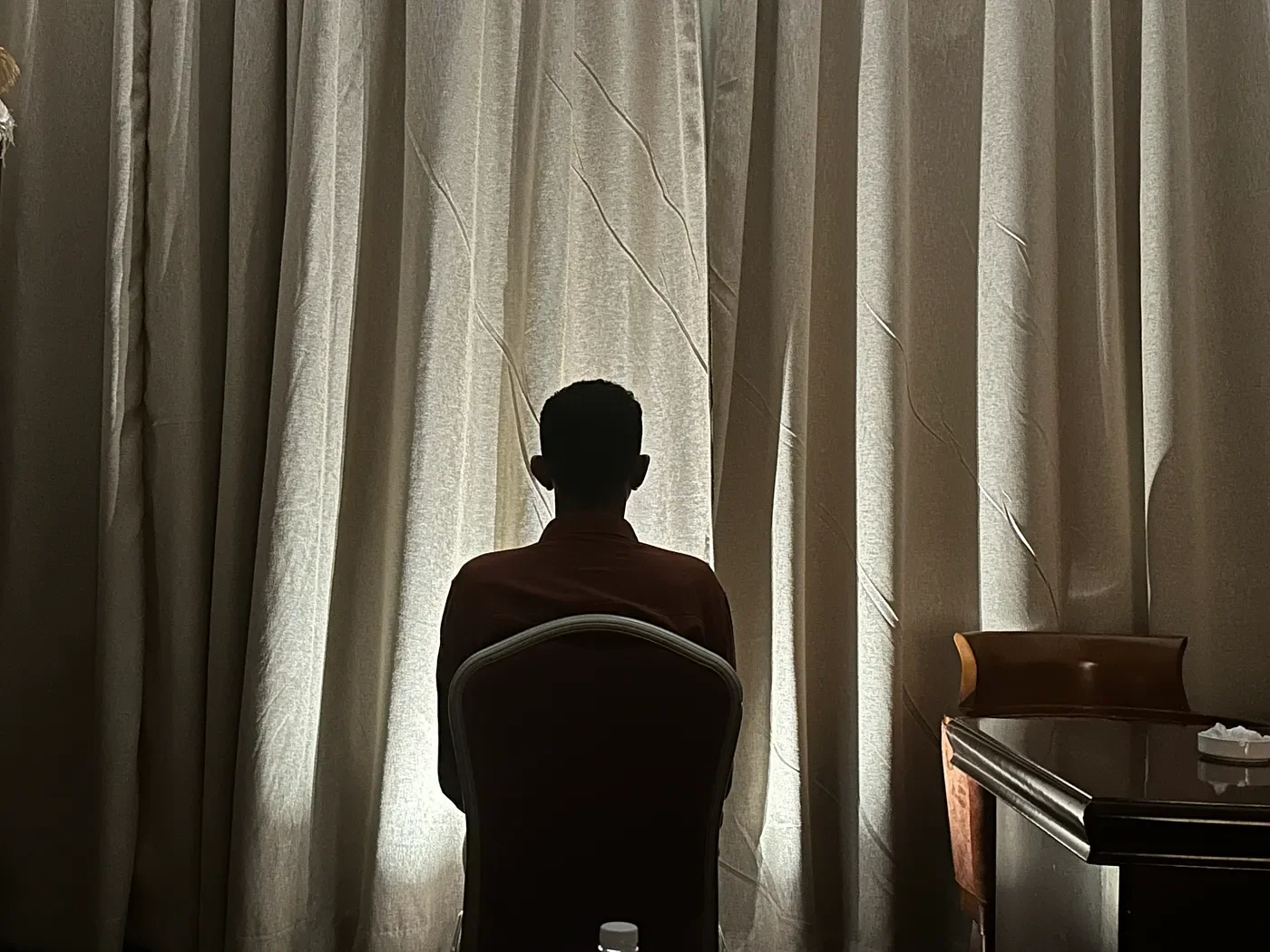
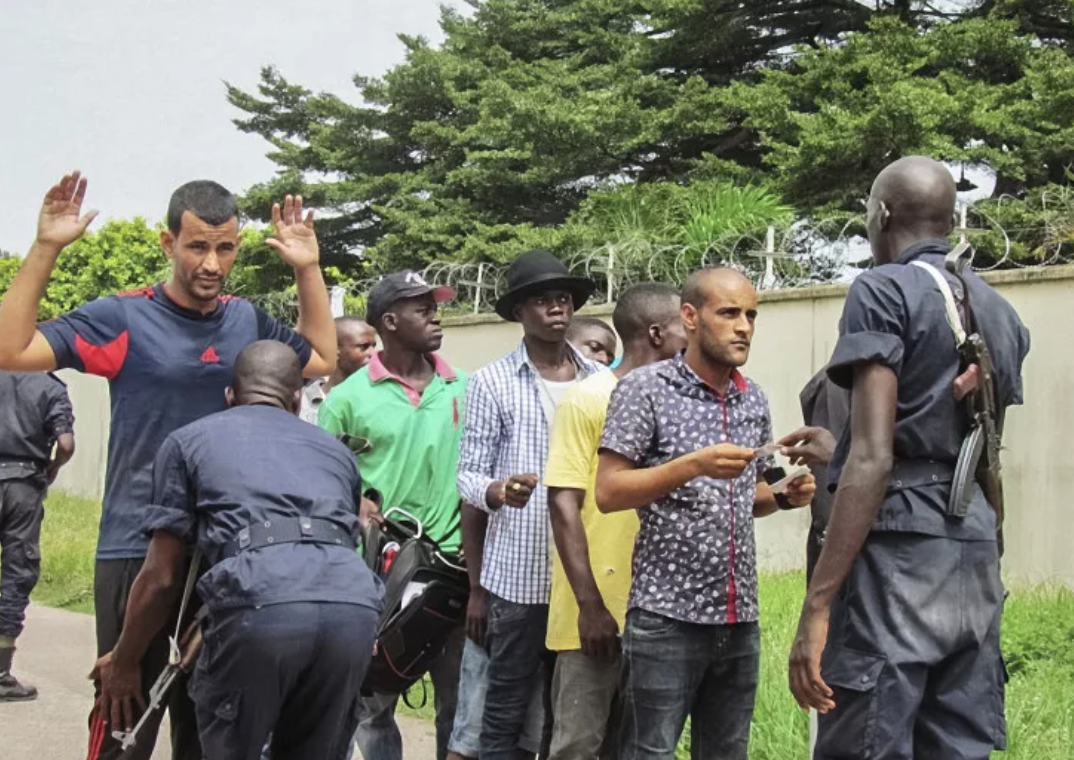
'It was chaos': Inside DRC's Makala jail break where cult leader escaped and hundreds died
An exclusive account from inside Kinshasa's notorious Makala prison after a dramatic jailbreak freed thousands of inmates. Speaking directly from the prison, a survivor described scenes of chaos, deadly violence, chronic overcrowding and the systemic failures that helped fuel one of the Democratic Republic of Congo's most significant prison breaks.
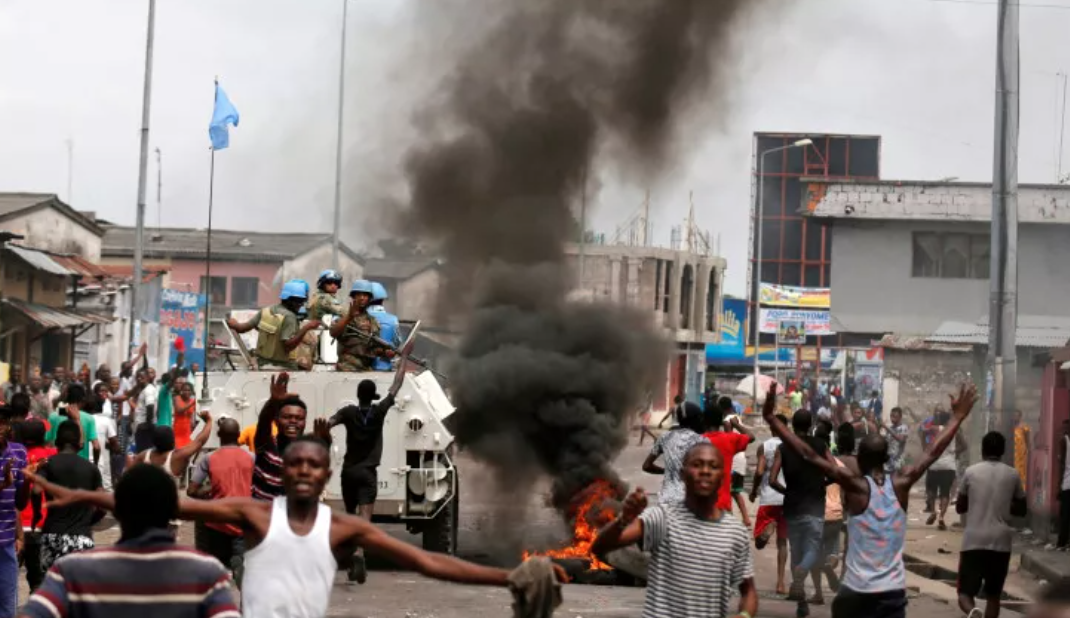
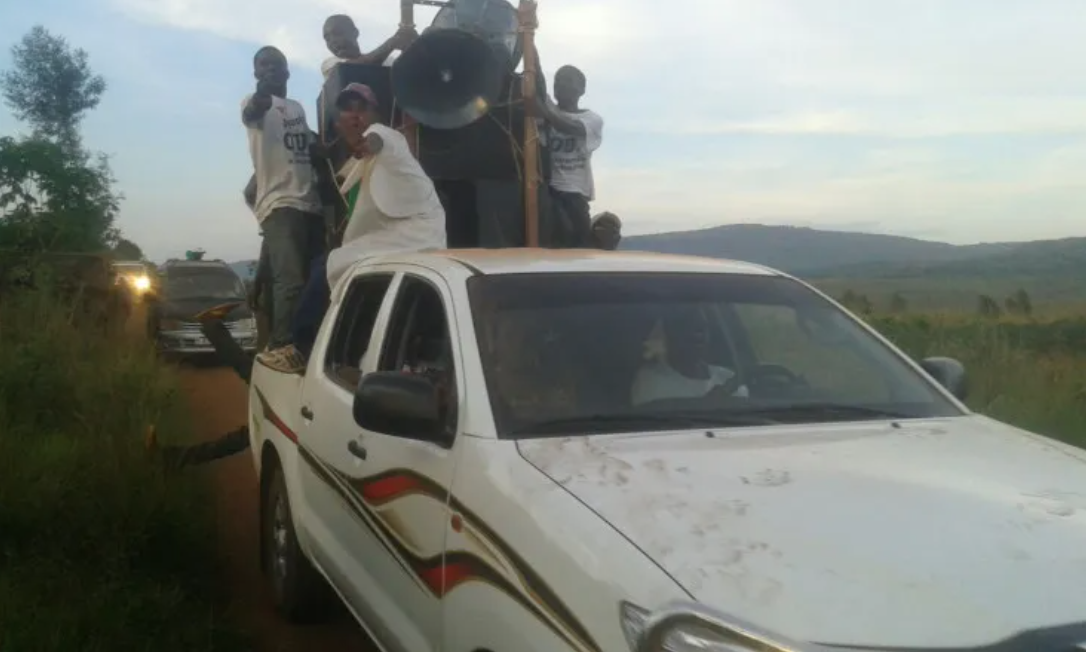
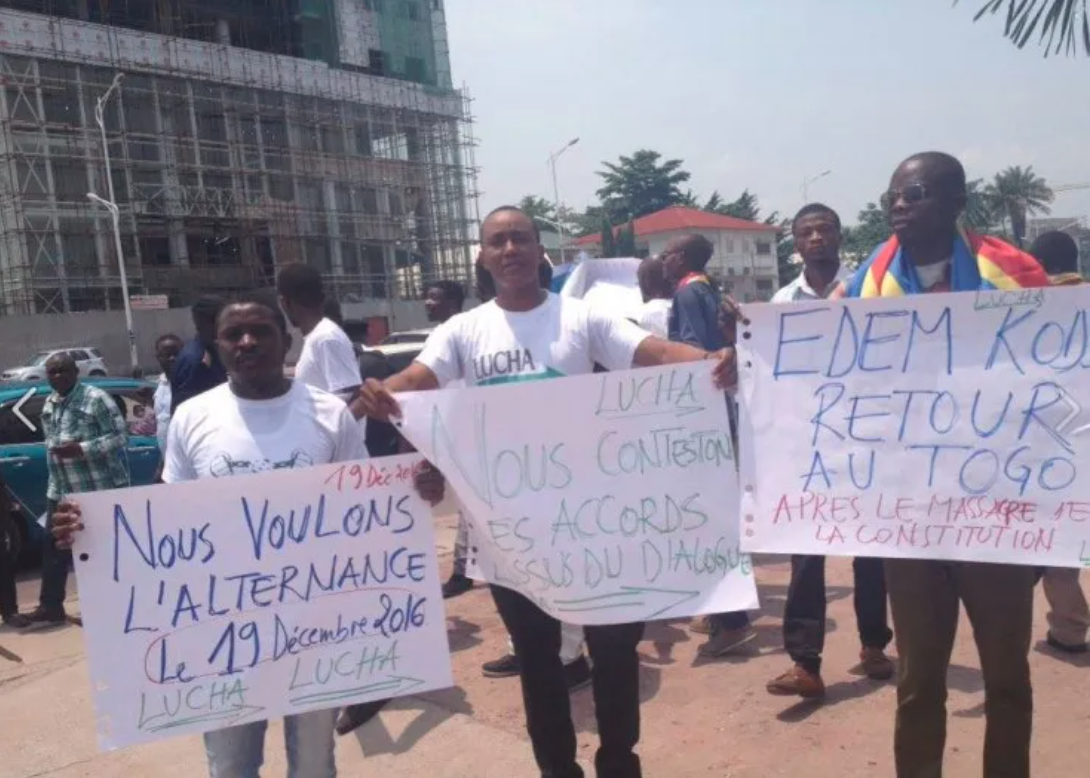
How an election delay could ignite a new civil war in the DRC
As the Democratic Republic of Congo faced mounting political tensions over delayed elections, this analysis examined how a constitutional crisis could trigger renewed conflict in one of Africa's most fragile states. Drawing on expert interviews and regional context, it explored the risks of political violence, armed group mobilisation and wider instability if a peaceful transfer of power failed to materialise.
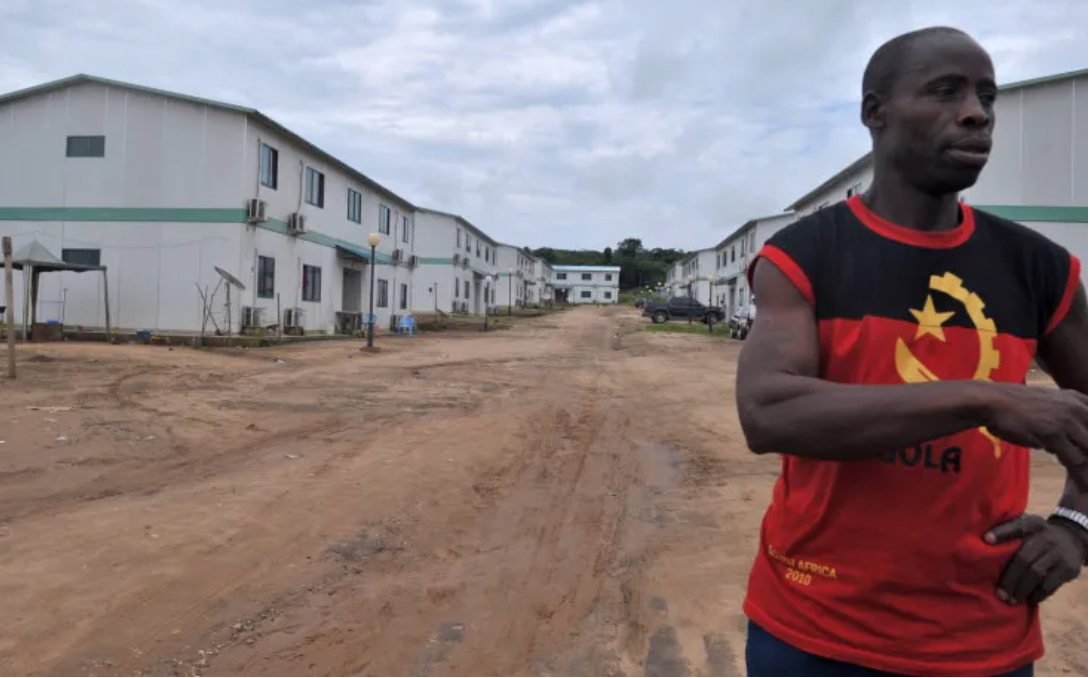
Cabinda War FLEC rebels in Angola urge the world to act as "people die in silence"
Offering a rare glimpse into one of Africa's least reported conflicts, this article examines the long-running separatist insurgency in Angola's oil-rich enclave of Cabinda. Through interviews with representatives of the FLEC rebel movement and regional observers, the report explores allegations of abuses, restrictions on information and the frustrations of communities who say their struggle has been largely ignored by the international community.
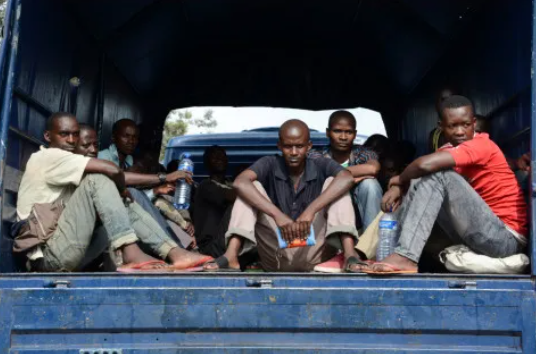
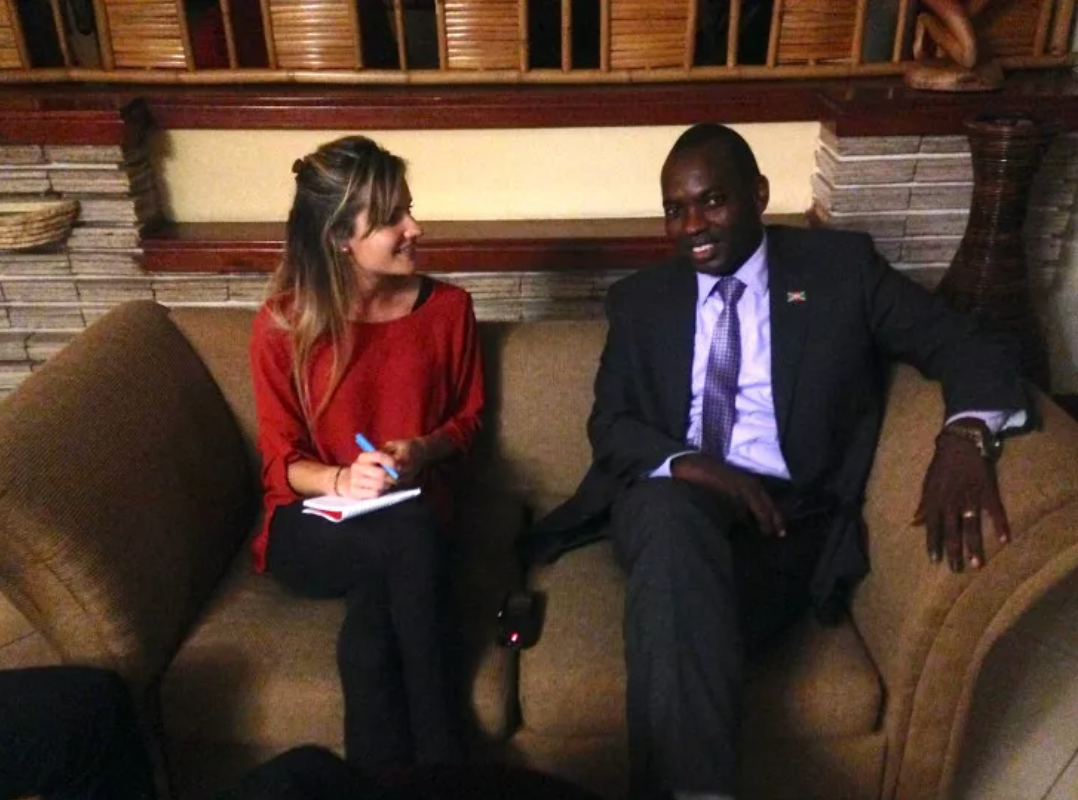
'We are ready for war' – Burundi's rebel groups and how they plan to topple President Nkurunziza
In a rare (and controversial) interview, leaders of Burundian rebel groups outlined their intentions to remove President Pierre Nkurunziza by force as the country's political crisis deepened. The report provides an unusual insight into the motivations, strategy and rhetoric of armed opposition movements at a time when fears were growing that Burundi could slide back into full-scale civil war.

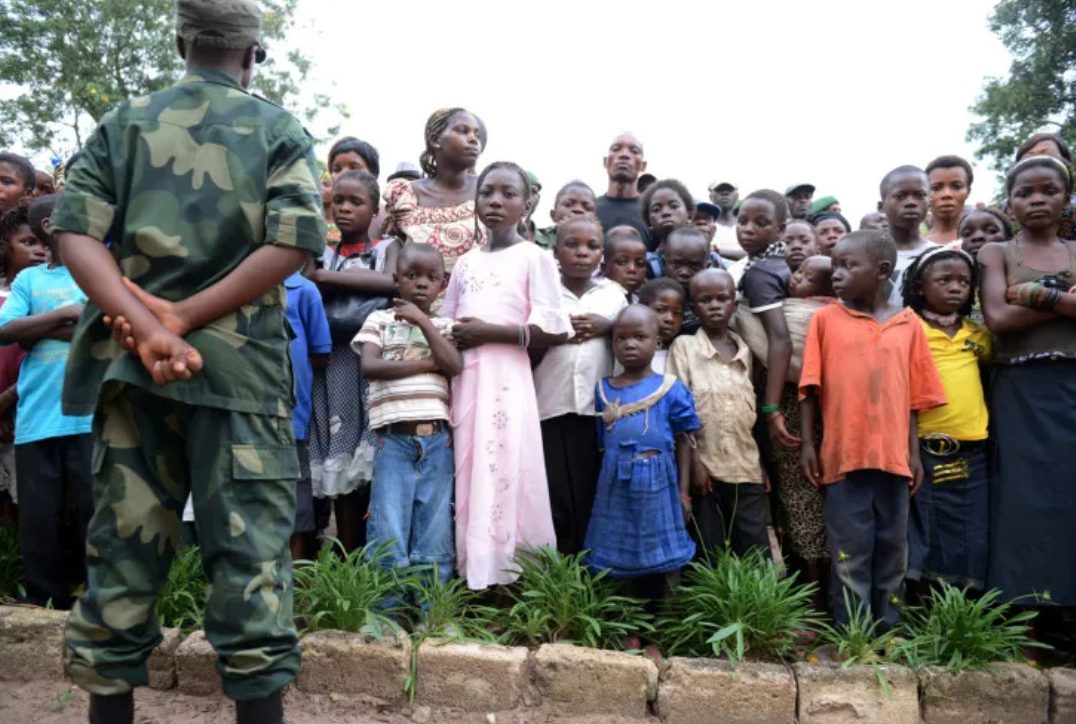
DRC's powerful Catholic church sides with Congolese people who want political change
Exclusive reporting on the Democratic Republic of Congo's political crisis, examining the increasingly influential role of the Catholic Church as it sided with citizens calling for democratic change and respect for constitutional term limits. Drawing on interviews with church representatives, analysts and civil-society actors, the report explores how religious leaders emerged as key voices in efforts to prevent further instability and facilitate a peaceful political transition amid mounting tensions over delayed elections.
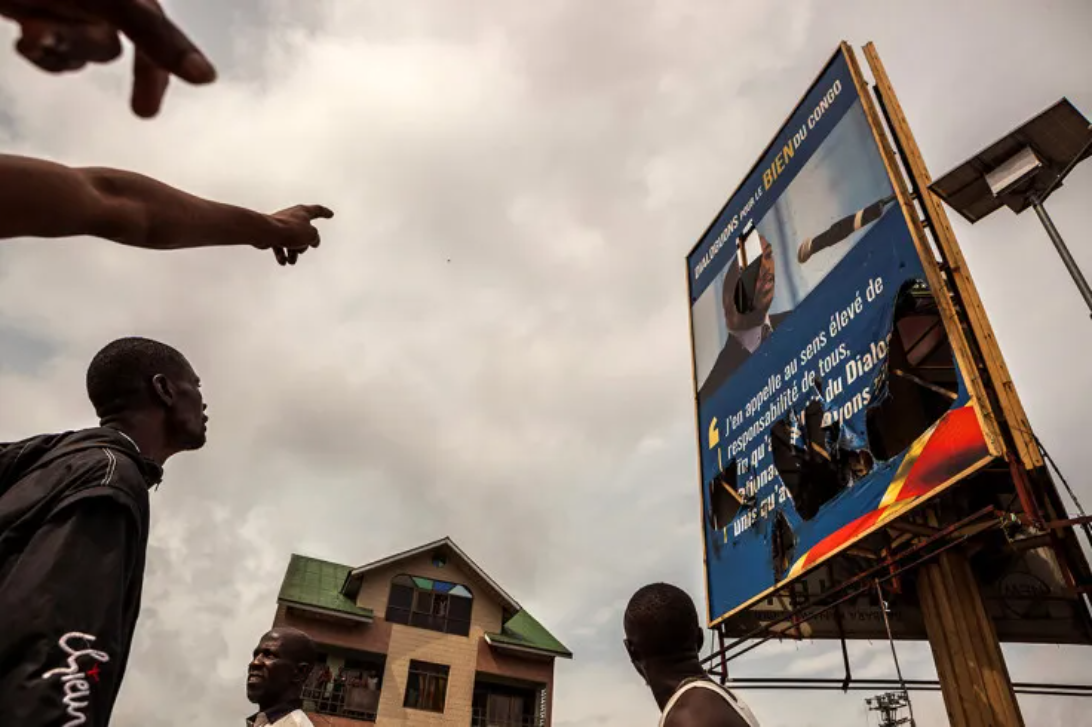
DRC: Violence can only be avoided if President Kabila is given an 'exit strategy'
As political tensions escalated in the Democratic Republic of Congo over delayed elections and President Joseph Kabila's continued hold on power, this analysis explored the risks of renewed violence and the options available to avert a wider crisis. Drawing on expert interviews and regional analysis, the report examines why many observers believed a credible political transition and negotiated exit strategy would be essential to preserving stability in one of Africa's most strategically important states.