A selection of Elsa Buchanan’s reporting, photo essays and communications work, drawn from field assignments and collaborations across the Middle East and Sub-Saharan Africa.
Covering conflict, human rights and humanitarian issues, the work combines on-the-ground reporting with specialist analysis.
Human Impact
Stories exploring how conflict shapes daily life, from displacement and education to livelihoods, environment, and long-term recovery.
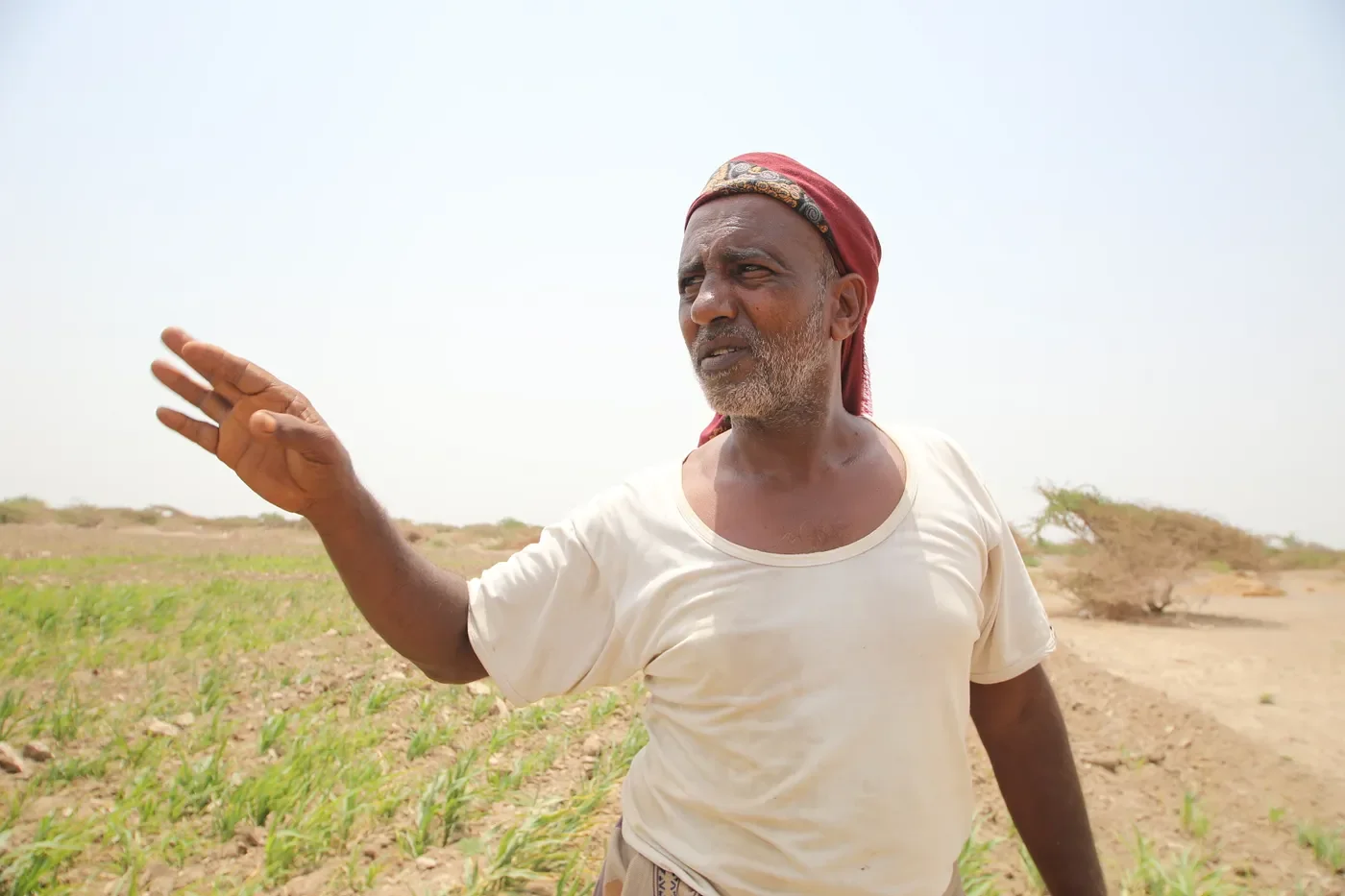
While landmines in Yemen kill and injure civilians, they are also poisoning soil, blocking access to farmland and leaving lasting scars on the environment. Through interviews with deminers, environmental specialists and affected communities, this report explores the hidden ecological consequences of contamination and the challenges facing areas struggling to recover from years of conflict.
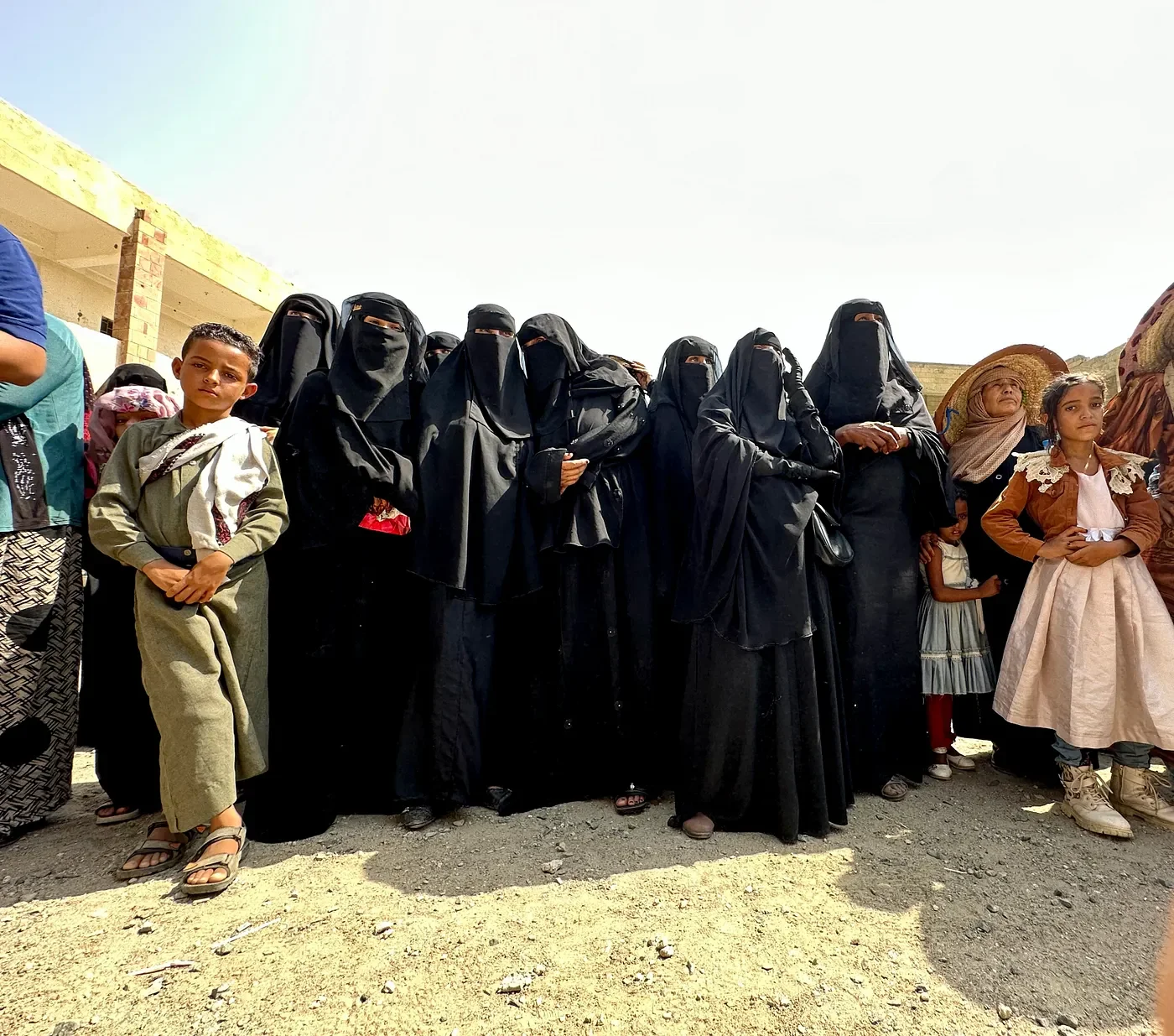
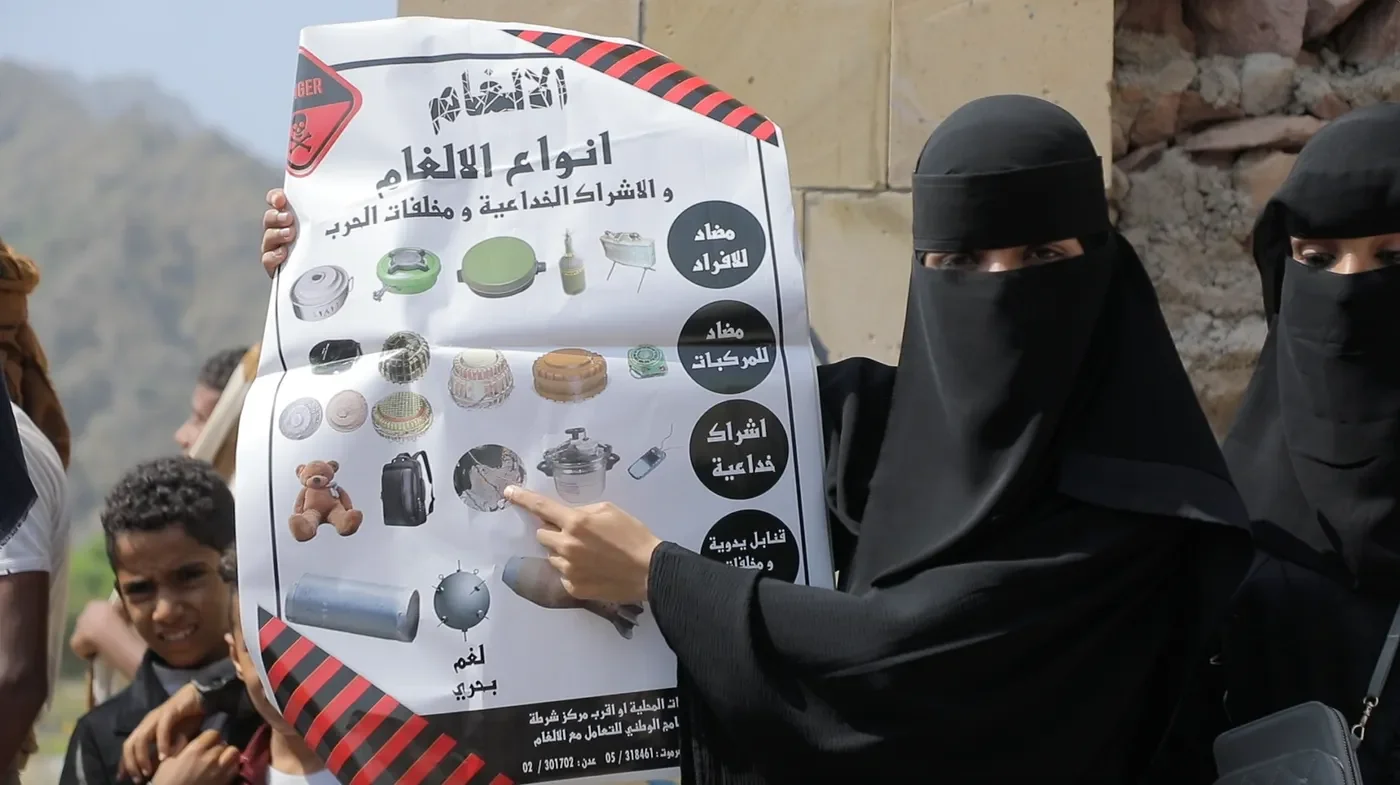
Gaining rare access to communities beyond the reach of traditional awareness campaigns, this report explores how mine action teams in Yemen adapt their work for people isolated by conflict, illiteracy and deep mistrust. Through field reporting and interviews with deminers and risk education specialists, the story reveals the challenges of protecting civilians in some of the country's most vulnerable and hard-to-reach areas.
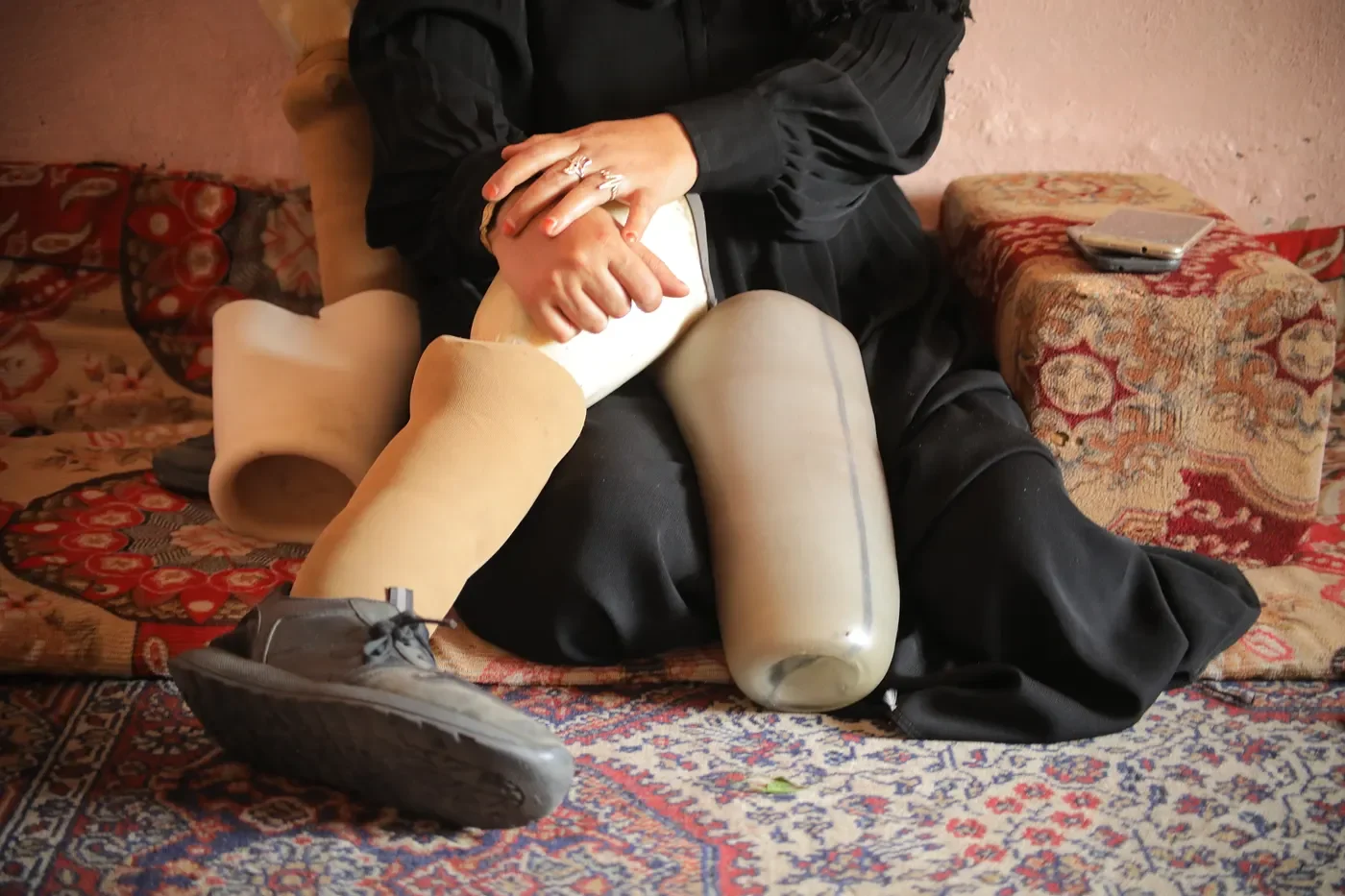
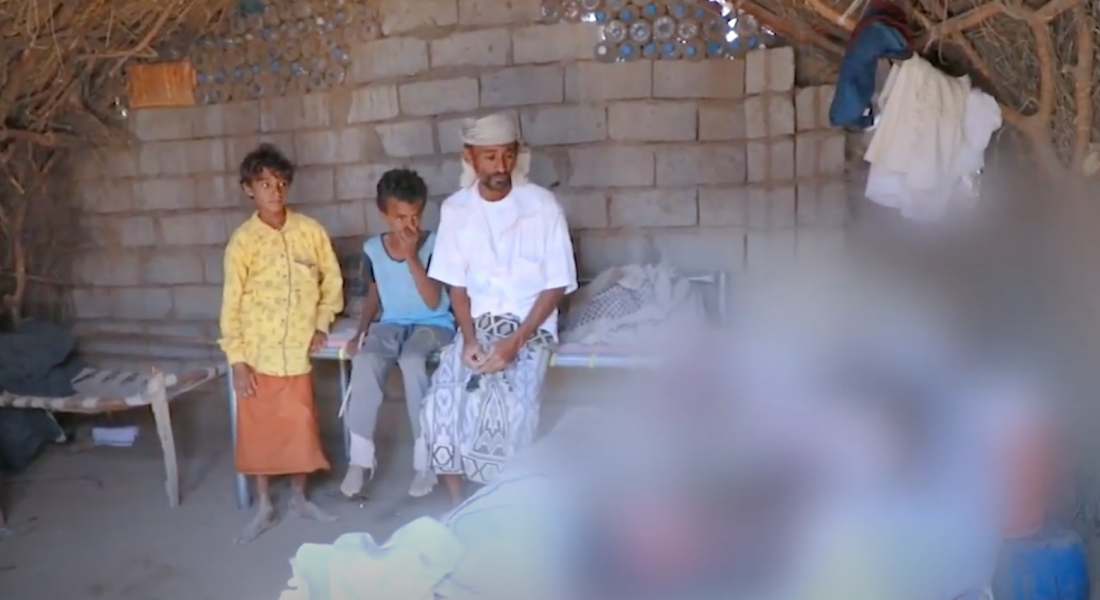
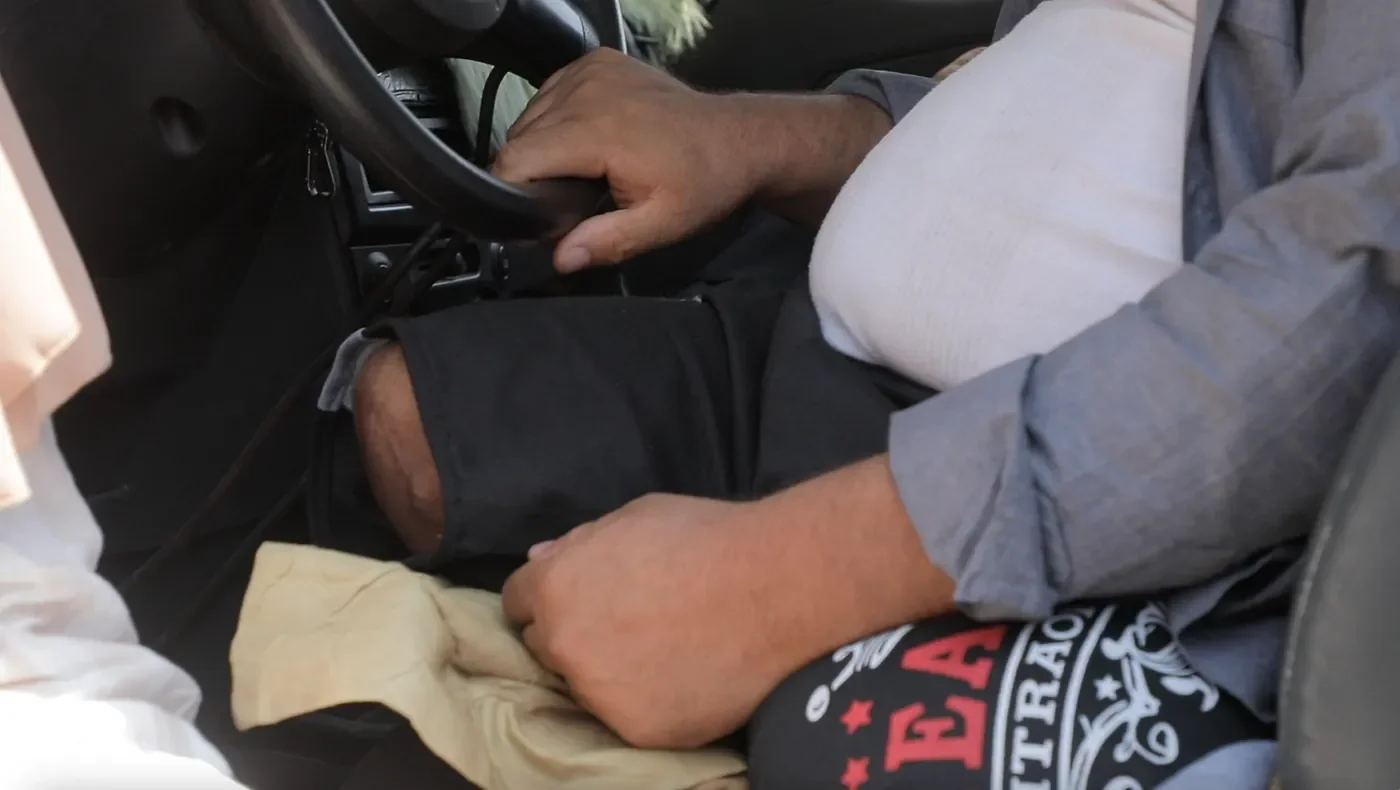
For many Yemeni landmine survivors, the explosion is only the beginning of their ordeal. Drawing on interviews with survivors, psychologists and rehabilitation specialists, this report explores the social consequences of life-changing injuries, including stigma, discrimination, family rejection and the loss of employment opportunities. It reveals how survivors often face a second battle after leaving hospital: rebuilding their place within communities that frequently view disability through the lens of shame, dependency or misfortune.
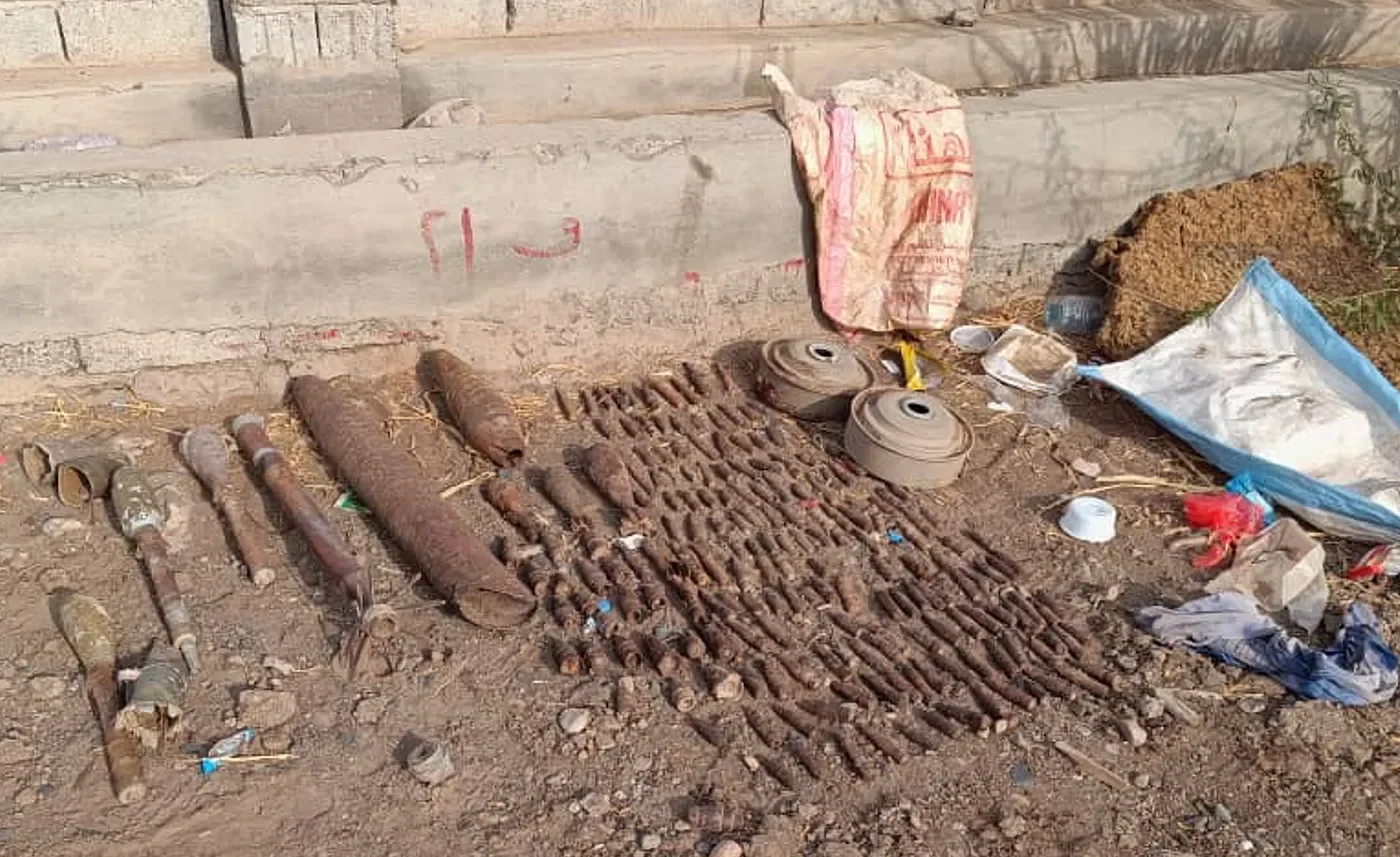
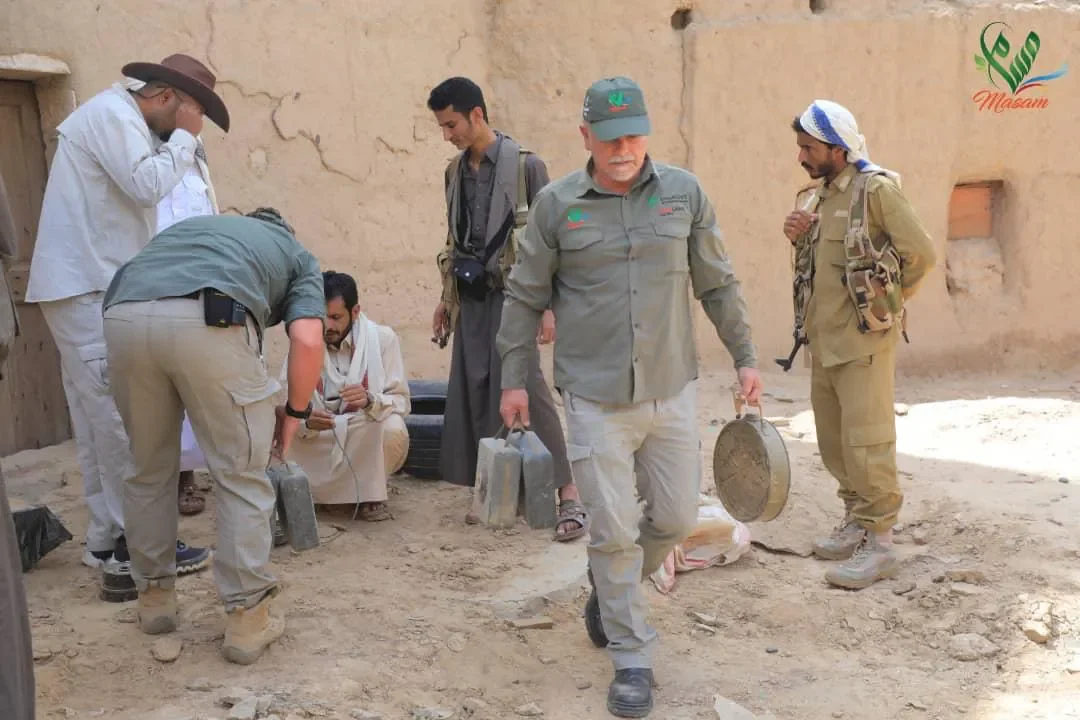
In communities affected by years of conflict, civilians once incentivised to keep weapons and explosive remnants are now voluntarily surrendering thousands of dangerous items. Drawing on exclusive access to mine action programmes in Yemen, this report explores how community engagement, trust-building and risk awareness are helping remove explosive hazards from circulation, reducing threats to civilians and supporting safer recovery.
With tensions rising along Yemen's Red Sea coast, civilians already living among landmines and improvised explosive devices faced growing uncertainty about what lay ahead. Based on exclusive access and interviews with affected communities, the report explores how years of contamination have transformed daily life, leaving families trapped between conflict, fear and the constant threat of explosive hazards.
Inside landmine awareness sessions in Taiz, where fighting continues, women and girls speak openly about risk, offering rare insight into how gender segregation shapes access to life-saving information.
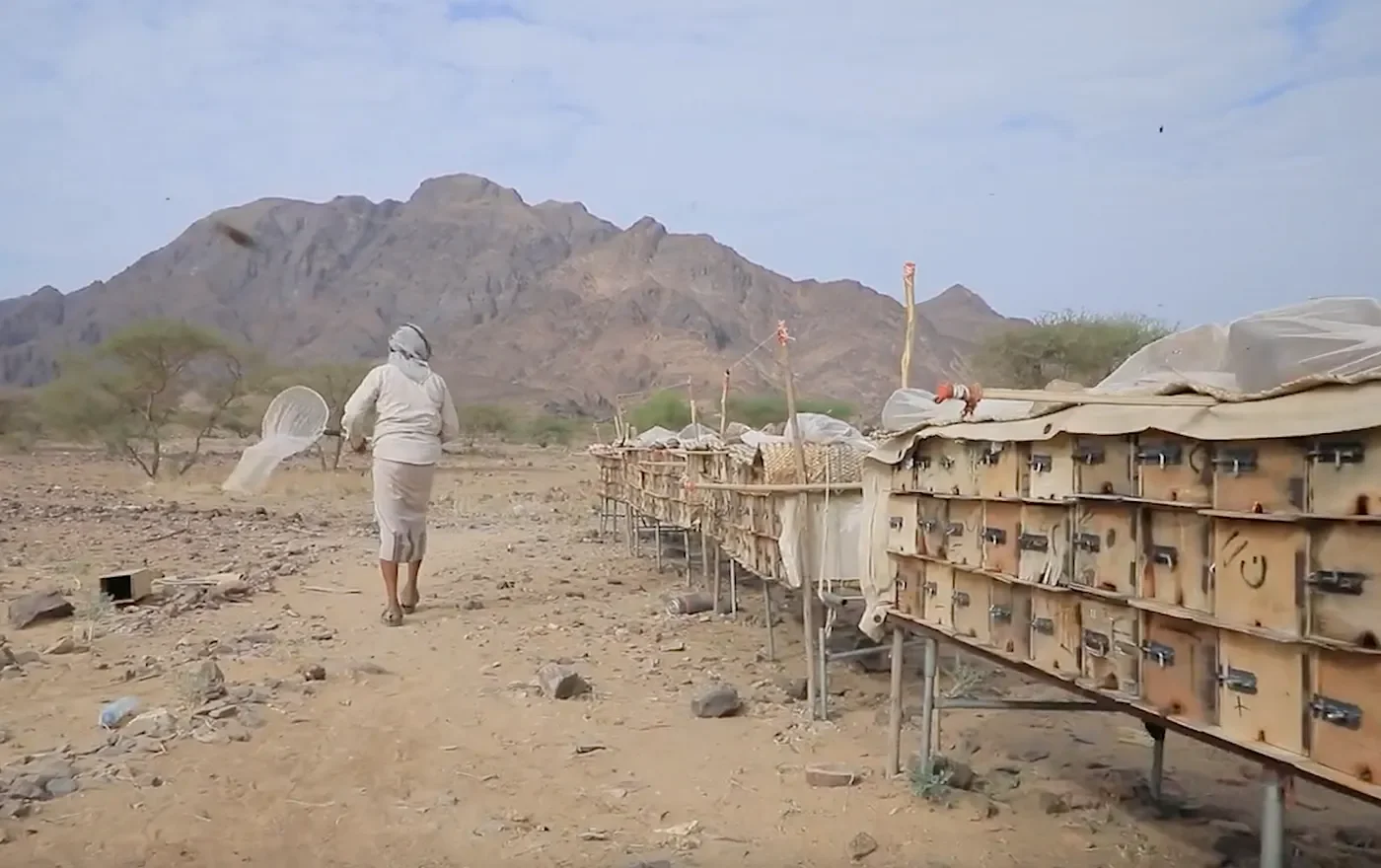
In Yemen, where honey is a source of pride and shared identity, landmines are cutting off beekeepers from vital pastures, threatening livelihoods and a tradition that endures even through conflict.
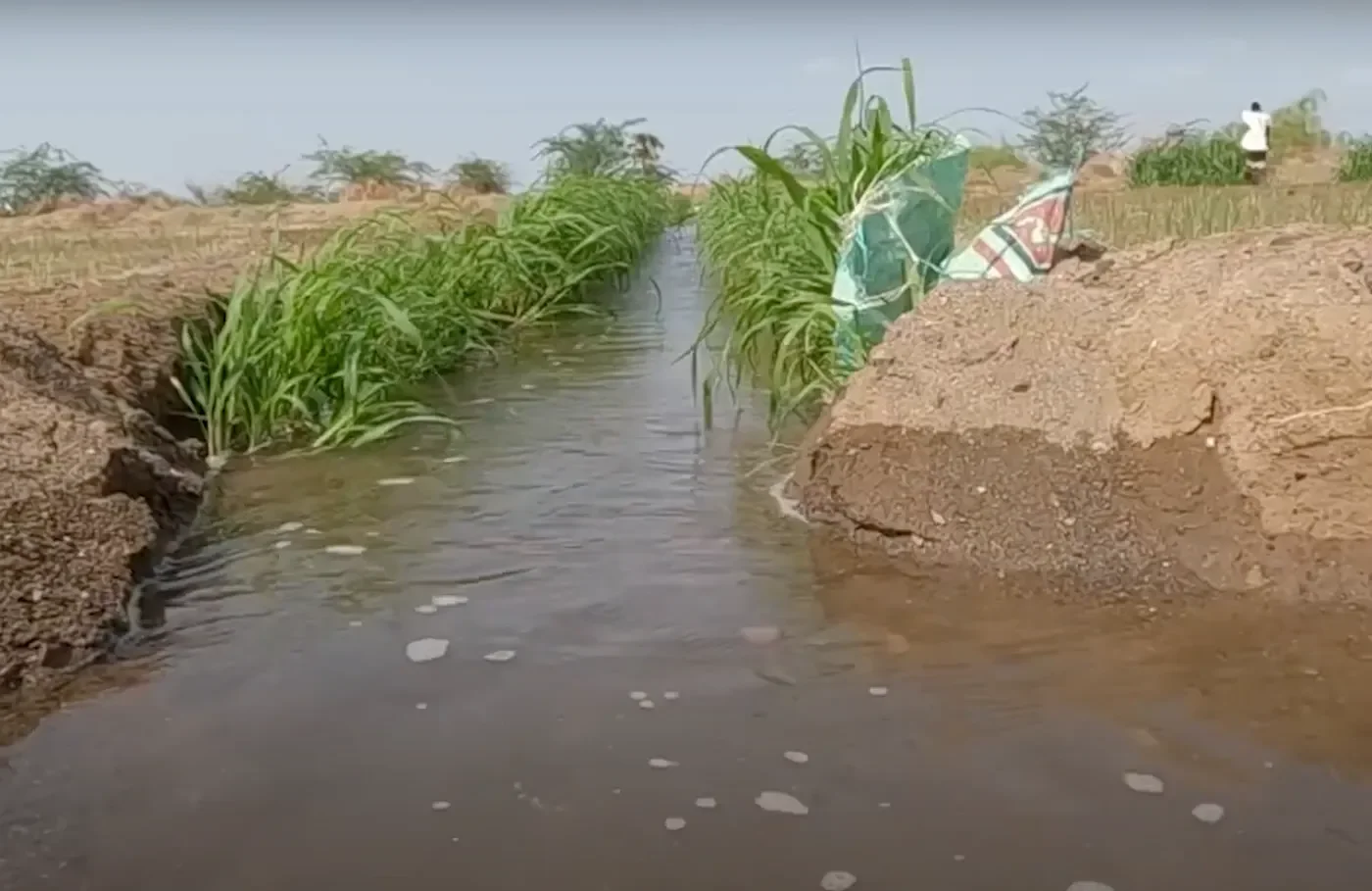
In Yemen, landmines planted in and around water sources are contaminating vital supplies, forcing communities to flee and reshaping daily life in already fragile areas.
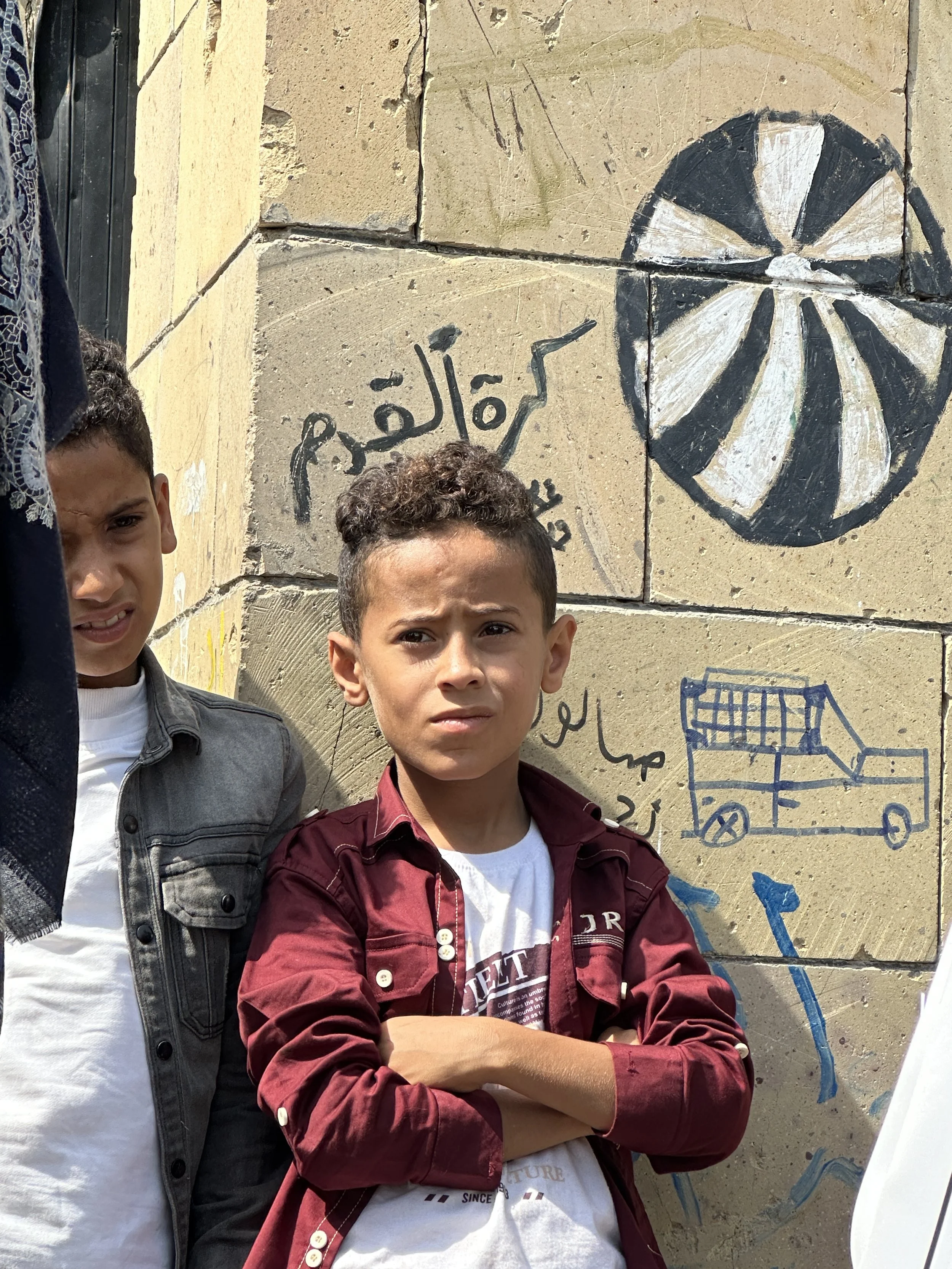
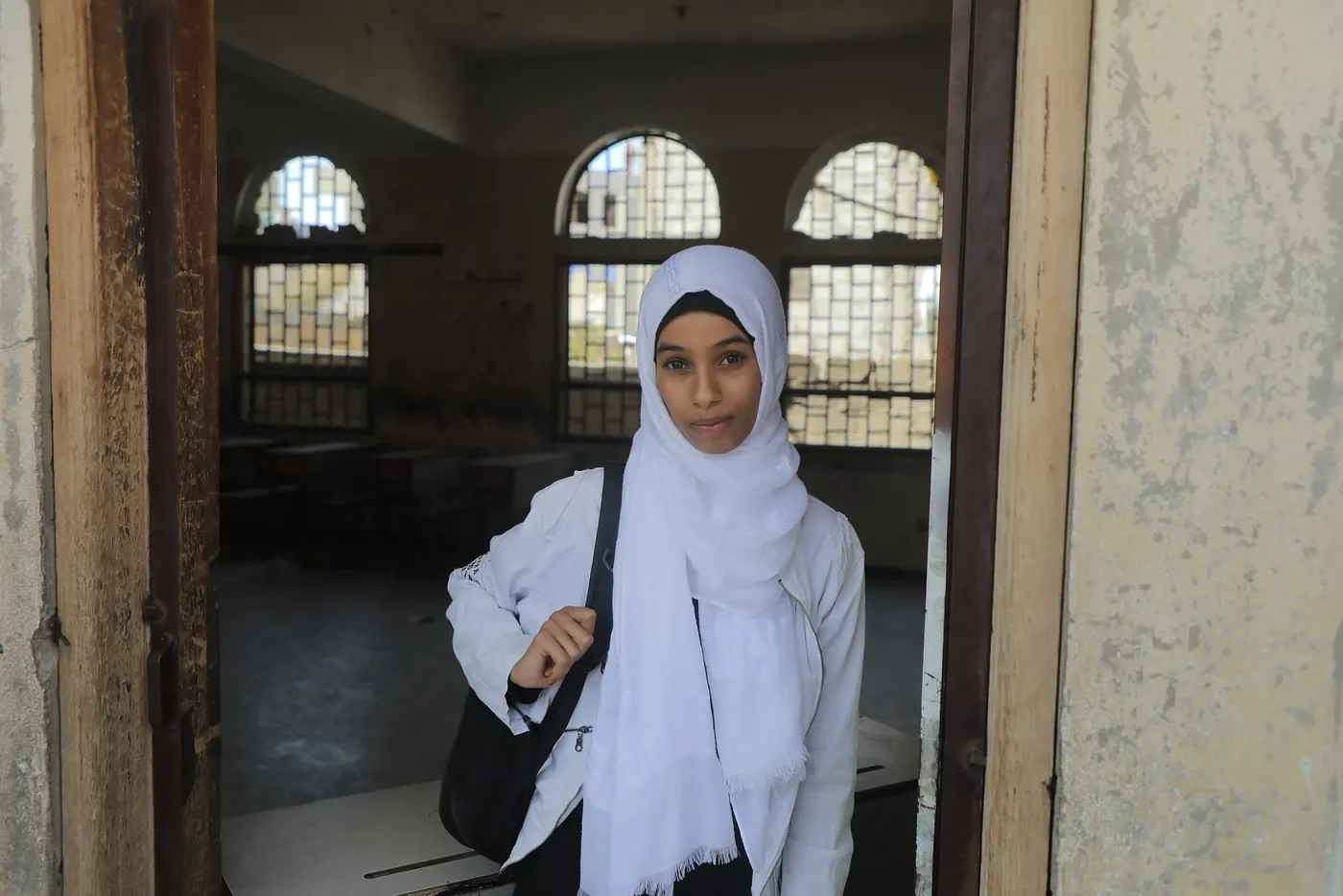
In Yemen, children describe the dangers of returning to classrooms contaminated by landmines, while demining teams report chilling discoveries of explosive devices inside school buildings.
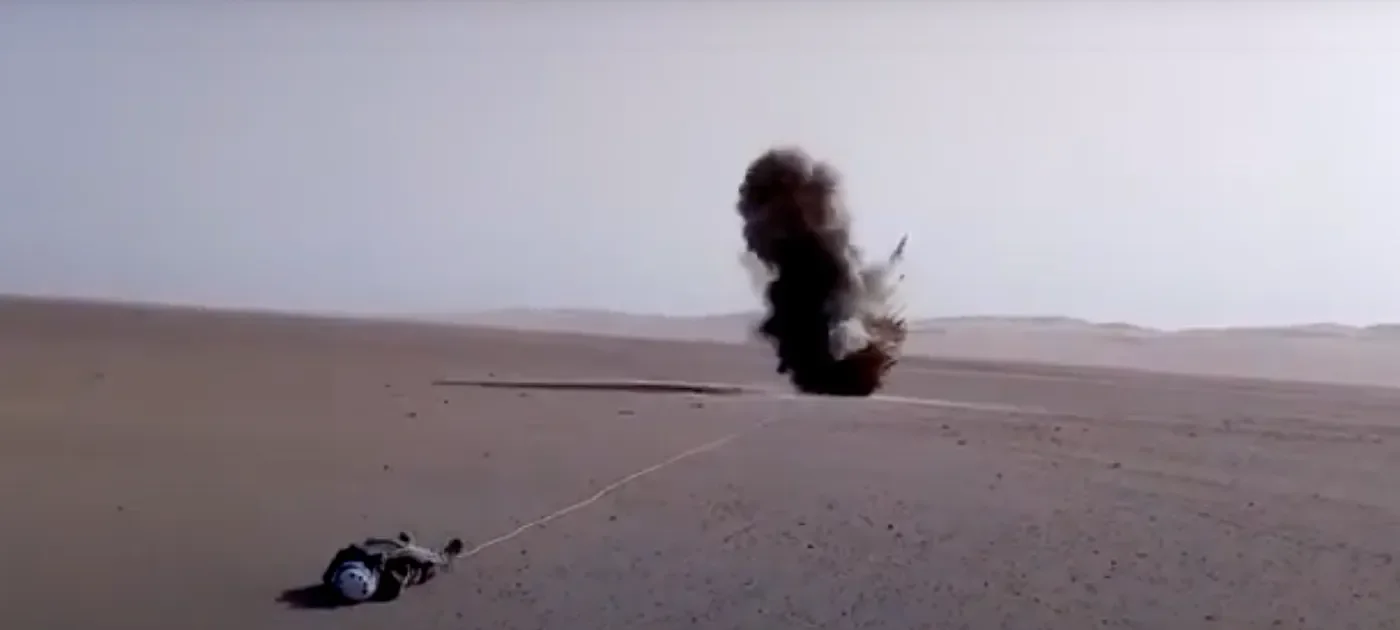
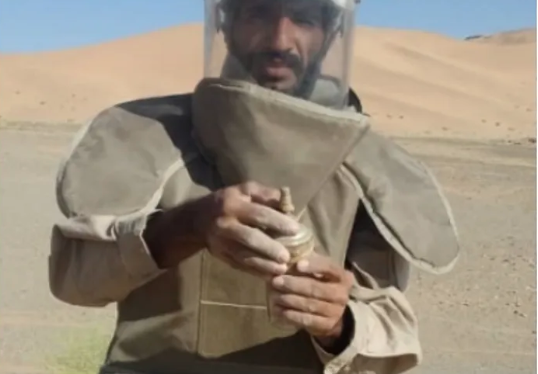
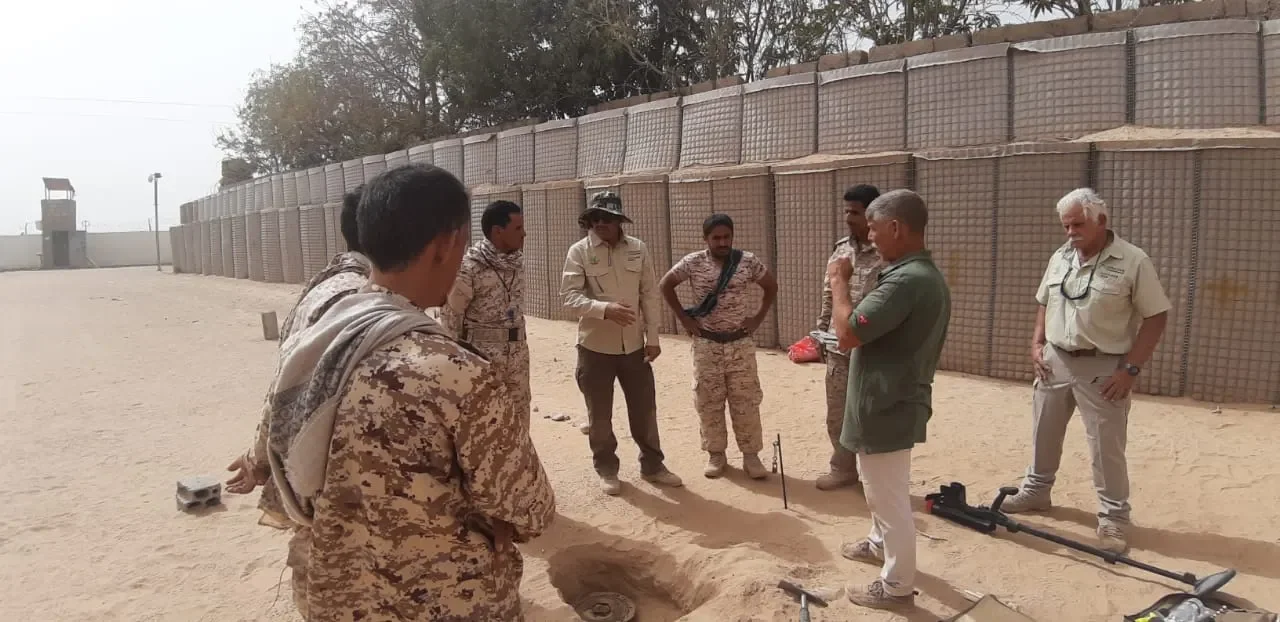
Mine action experts in Yemen are raising the alarm over the deliberate targeting of deminers, warning that booby-trapped devices and anti-handling mechanisms are being used to kill those clearing land.
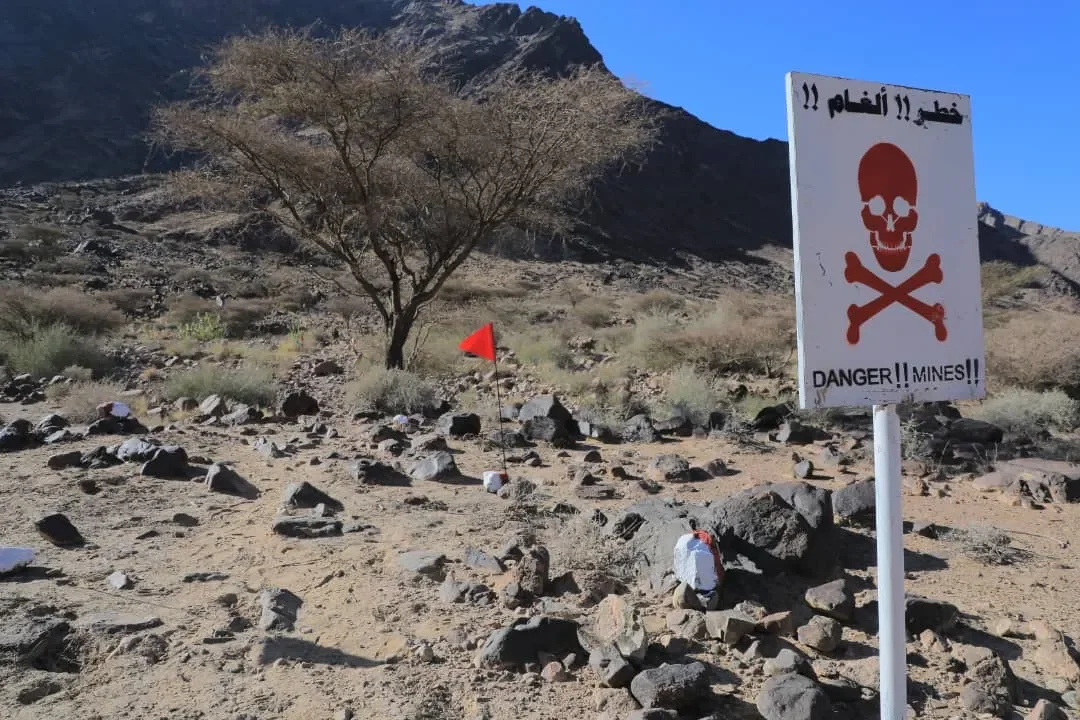
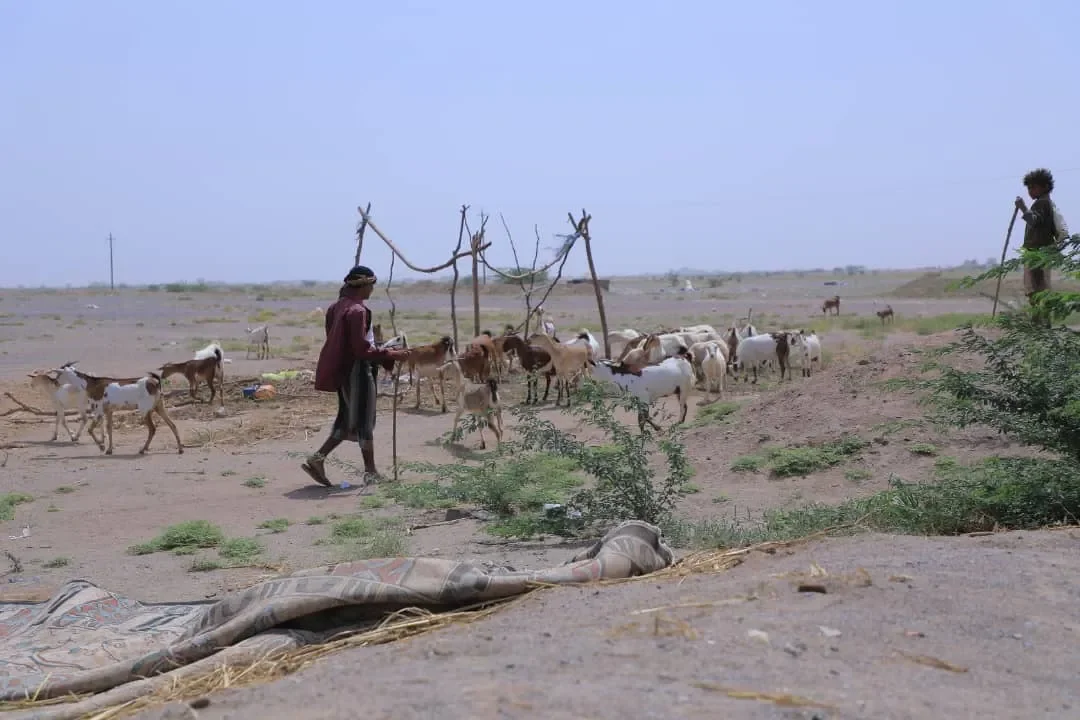
In one of Yemen’s most landmine-contaminated areas, civilians speak of roads and farmland cut off by explosive hazards, leaving communities isolated and movement severely restricted.
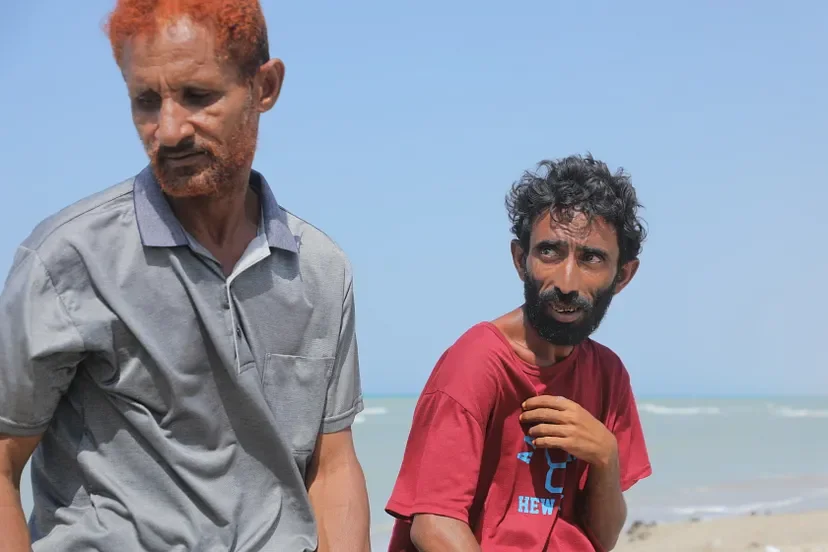
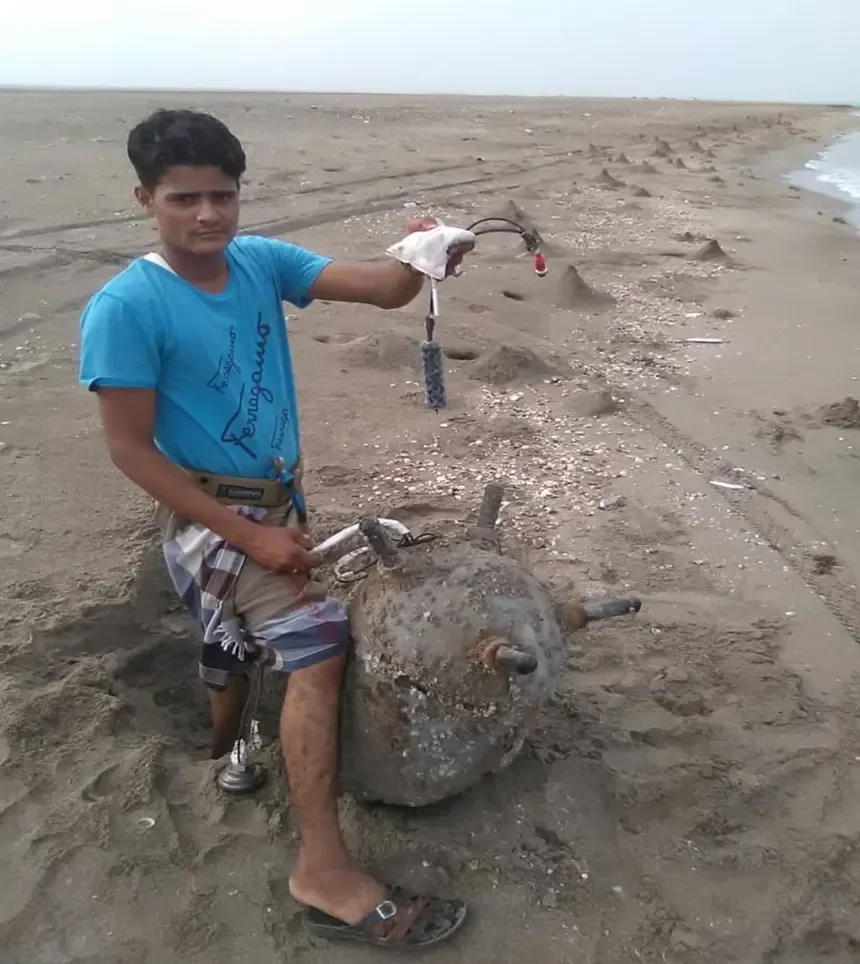
This investigation explores the human cost of sea mines along Yemen's coastline, where fishing communities have found themselves on the front line of an invisible maritime threat. Through exclusive interviews with fishermen, coastal residents and mine action specialists, the report examines how explosive hazards at sea have disrupted livelihoods, restricted access to traditional fishing grounds and deepened economic hardship for families already struggling amid years of conflict.
Across Yemen, survivors of explosive violence face daily barriers to healthcare, mobility and work, as disability and conflict combine to restrict access to basic services.
Explosive violence in Yemen carries a distinct gendered toll, with women and girls facing lasting impacts on education, livelihoods and social inclusion beyond the immediate blast.
Conflict & Security
Reporting on frontlines, weapons, and military dynamics, examining how conflict is fought and sustained in complex environments.
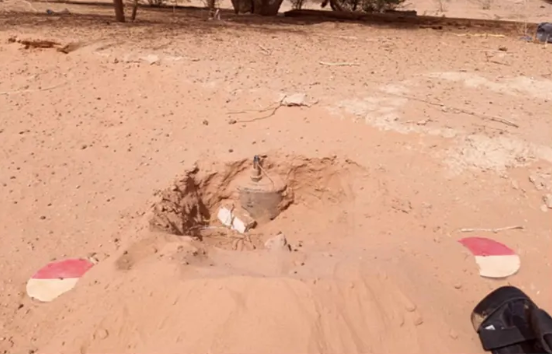
With tensions rising along Yemen's Red Sea coast, civilians already living among landmines and improvised explosive devices faced growing uncertainty about what lay ahead. Based on exclusive access and interviews with affected communities, the report explores how years of contamination have transformed daily life, leaving families trapped between conflict, fear and the constant threat of explosive hazards.
Mine action experts in Yemen are raising the alarm over the deliberate targeting of deminers, warning that booby-trapped devices and anti-handling mechanisms are being used to kill those clearing land.
In Yemen, experts warn that the growing use of bounding fragmentation mines (designed to detonate at waist height and scatter lethal shrapnel) is increasing the indiscriminate threat to civilians and complicating clearance operations.
This investigation explores the human cost of sea mines along Yemen's coastline, where fishing communities have found themselves on the front line of an invisible maritime threat. Through exclusive interviews with fishermen, coastal residents and mine action specialists, the report examines how explosive hazards at sea have disrupted livelihoods, restricted access to traditional fishing grounds and deepened economic hardship for families already struggling amid years of conflict.
This investigation examines the devastating legacy of booby-trapped landmines in Yemen, where explosive devices continue to kill and maim civilians years after being laid. Through survivor testimonies, field evidence and interviews with demining specialists, the report documents how improvised and victim-activated explosive hazards have transformed homes, farms, roads and everyday objects into deadly traps, leaving communities to navigate a hidden threat long after the fighting has moved elsewhere.
With every step carrying the risk of explosion on steep mountain slopes, deminers in Yemen walk through minefields laid along strategic approaches and defensive positions to make land safe for others.
This exclusive investigation uncovered how landmines and explosive remnants of war have become intertwined with local economies in conflict-affected areas of Yemen. Drawing on interviews with deminers, survivors, local communities and humanitarian actors, the report revealed how poverty, insecurity and the absence of alternatives can drive civilians to take extraordinary risks, exposing the hidden human and economic consequences of one of the world's largest landmine contamination crises.
In Yemen, interpreters play a critical role in mine action, translating complex technical language across multiple local dialects between international experts and local teams, where miscommunication can have life-threatening consequences.
As frontlines shift in Yemen, deminers are uncovering landmines left behind in former Houthi positions, turning newly accessible areas into hidden hazards and acting as a form of land denial to prevent civilian return.
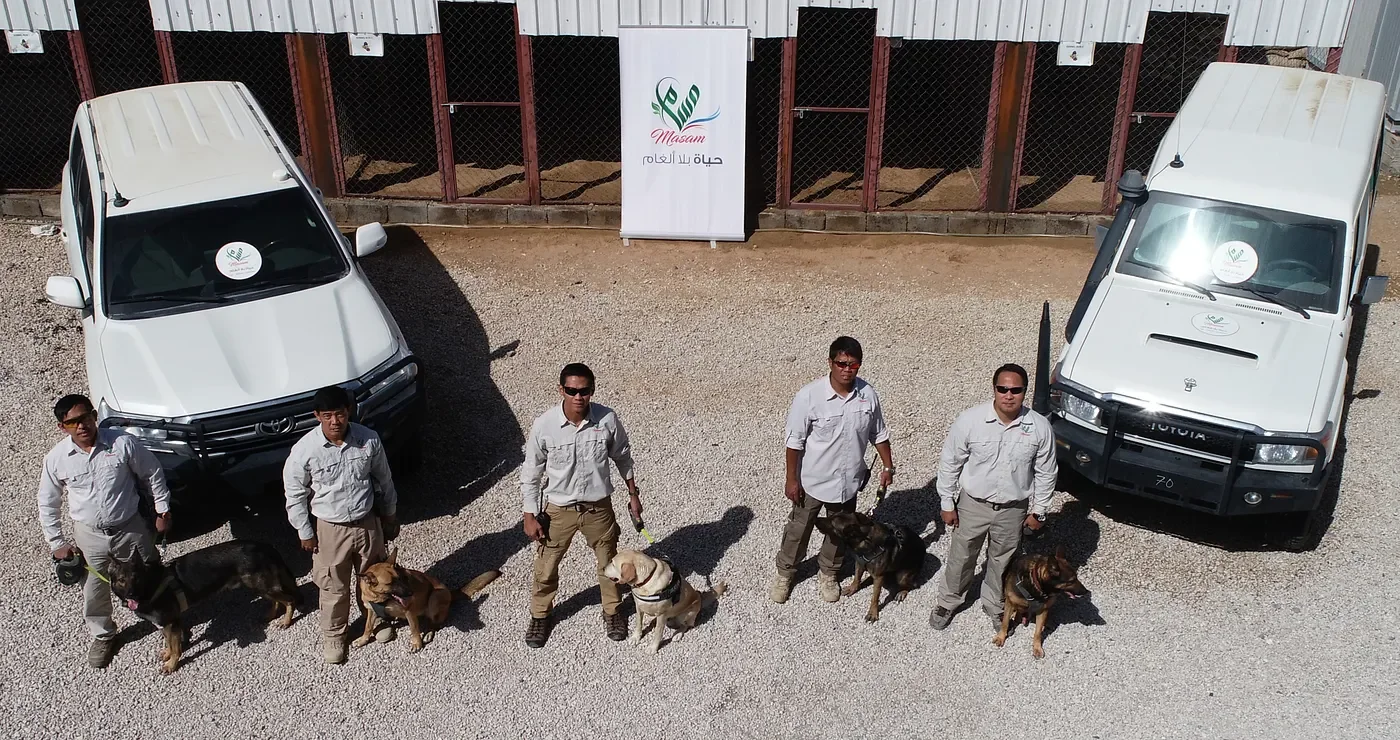
In Yemen, highly trained explosives detection dogs are deployed as a critical part of mine action, using their precision and speed to locate hidden explosives and protect deminers in high-risk environments.
Drawing on exclusive sources and expert analysis, this article examines how renewed Houthi mobilisation in Yemen is reviving fears of landmine and IED use.
Through interviews with Burundian refugees, this investigation exposed how rebel networks targeted young men inside and around UN-run camps in Rwanda for recruitment into conflict. The reporting raised concerns among NGOs and UN actors about protection failures in sites meant to offer refuge.
Based on on-the-ground reporting in Bujumbura, this investigation documents how opposition groups and civilians began arming themselves amid escalating political unrest, with weapons openly circulating through informal networks. The piece reveals how access to arms and shifting loyalties contributed to the rapid deterioration toward conflict.
Accountability & Rights
Investigations and reporting examining violations, legal accountability, and the human rights dimensions of conflict and crisis.
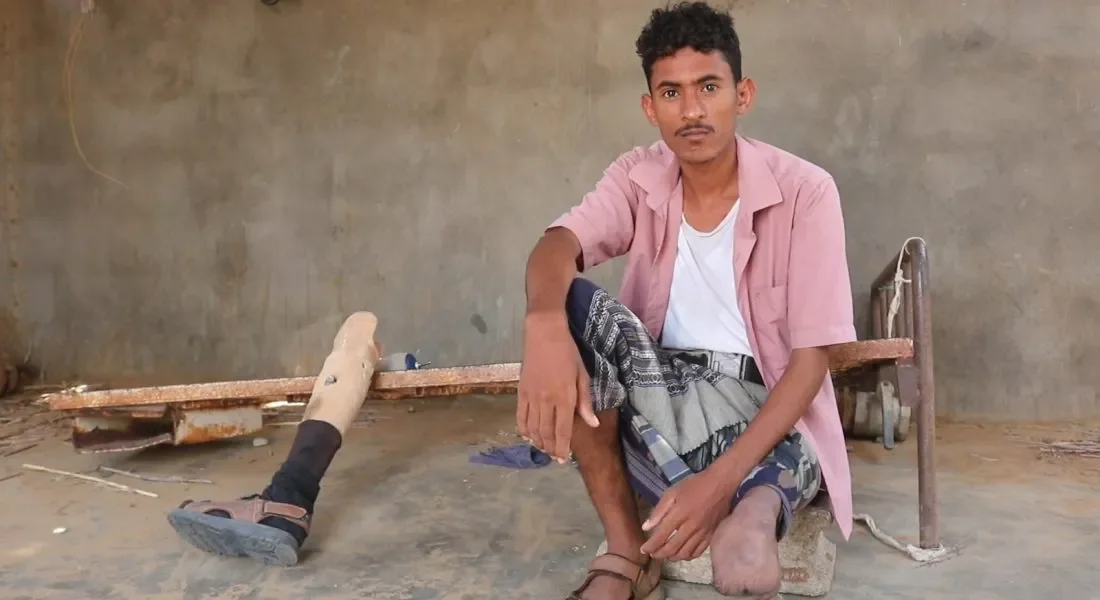
Despite being banned under international law, anti-personnel mines continue to be used in Yemen, with devastating consequences for civilians. Drawing on field evidence and documented cases, this piece examines the human cost of these weapons and the accountability gaps that allow their continued deployment.
Mine action experts in Yemen are raising the alarm over the deliberate targeting of deminers, warning that booby-trapped devices and anti-handling mechanisms are being used to kill those clearing land.
Through interviews with representatives of the Panzi Foundation, this report explores concerns over the safety of Dr Denis Mukwege and the future of support for survivors of conflict-related sexual violence in the Democratic Republic of Congo. The piece examines the intersection of human rights, security and accountability in a region where armed conflict continues to have devastating consequences for civilian populations, particularly women and girls.
Based on witness testimony from the Democratic Republic of Congo's conflict-ridden Kasai region, this investigation examined allegations that civilians were summarily executed during military operations against militia groups. Through interviews with survivors, local sources and rights advocates, the report documented claims of abuses against civilians and growing concerns over accountability amid escalating violence.
Content Warning: Sexual violence. This exclusive investigation examined video footage that appeared to show members of Burundi's ruling party youth wing, the Imbonerakure, performing a song containing references to rape and violence. Through analysis of the footage, interviews with human rights observers and regional experts, the report explored growing concerns about inflammatory rhetoric, political intimidation and the risks facing civilians as Burundi's crisis deepened.
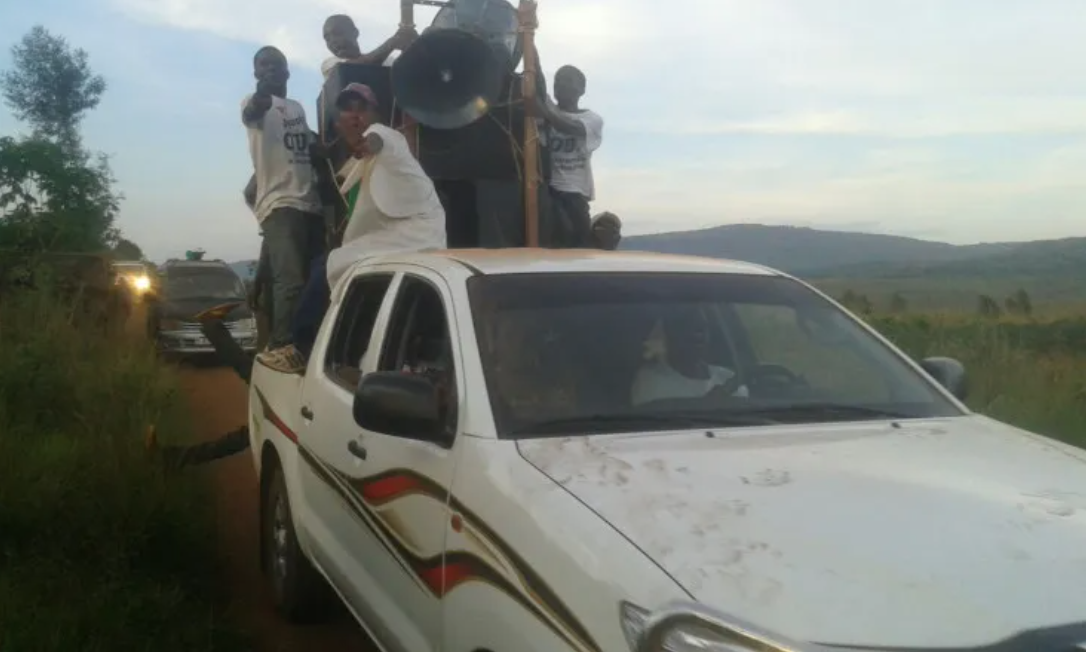
As violence escalated in the Republic of Congo's Pool region, this investigation examined allegations of corruption, political repression and abuses that received little international attention. The report explored how governance failures, contested power and a lack of accountability contributed to a worsening humanitarian and security crisis in one of Africa's most overlooked conflicts.
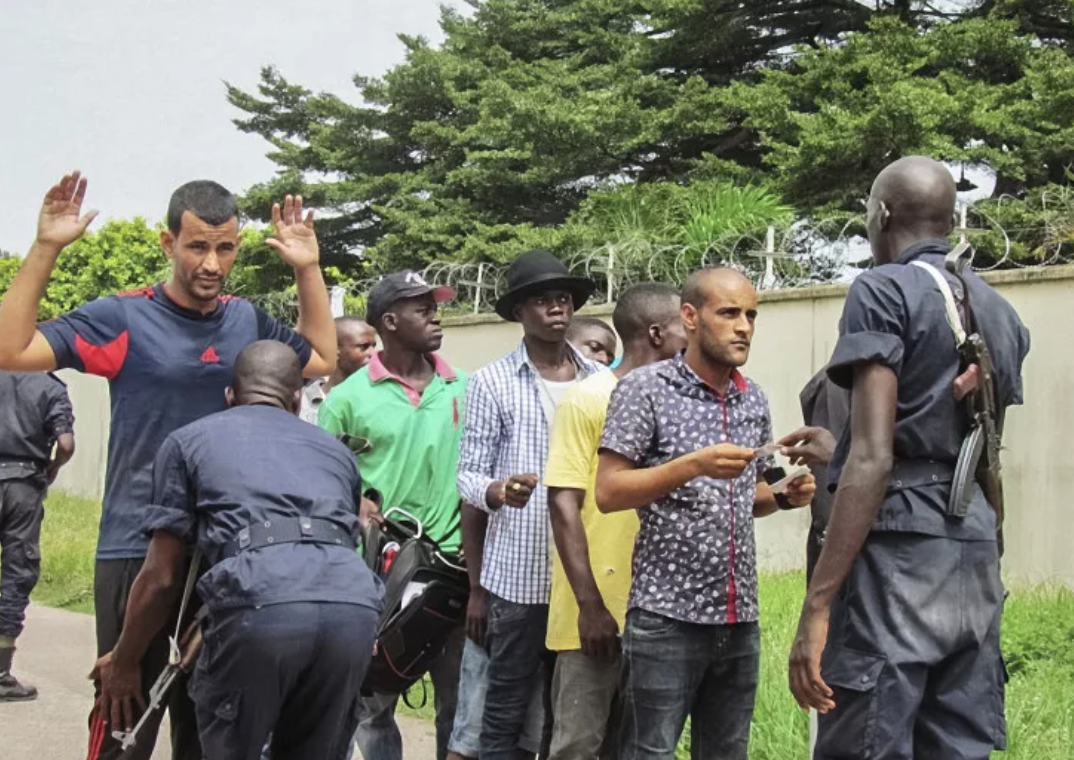
Drawing on interviews with Congolese citizens and civil-society actors, this report explores how the country's political crisis affected everyday life beyond protests and election disputes. The piece documents allegations of arbitrary arrests, intimidation and restrictions on political expression, illustrating how growing tensions between the government and opposition were increasingly felt by ordinary people.
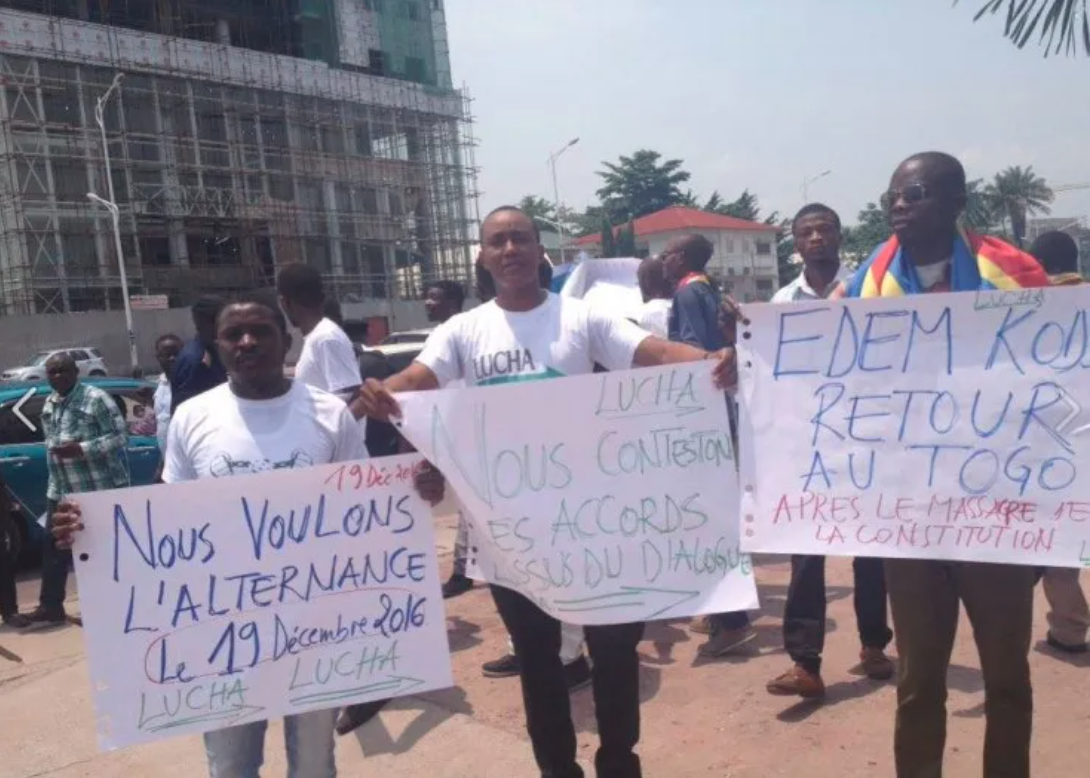
Drawing on direct contact with members of the Congolese pro-democracy movement LUCHA, this exclusive report covered the arrest of 12 activists outside the African Union headquarters in Kinshasa. The piece examines growing restrictions on civic space and political dissent in the Democratic Republic of Congo during a period of heightened tensions over delayed elections, highlighting the role of youth-led movements in demanding democratic accountability and constitutional governance.
In an exclusive interview, Somalia's first female presidential candidate, Fadumo Dayib, argued that lasting peace cannot be achieved through military force alone. Drawing on her experience as a refugee, human rights advocate and public health expert, she outlined a vision for democratic reform, women's empowerment and dialogue with al-Shabaab to end decades of conflict.
Drawing on testimonies from victims, families and human rights organisations, this report investigates allegations of torture, enforced disappearances and extrajudicial killings linked to counterterrorism operations in northeastern Kenya. The investigation examines the human cost of security policies and growing concerns over accountability in the region.
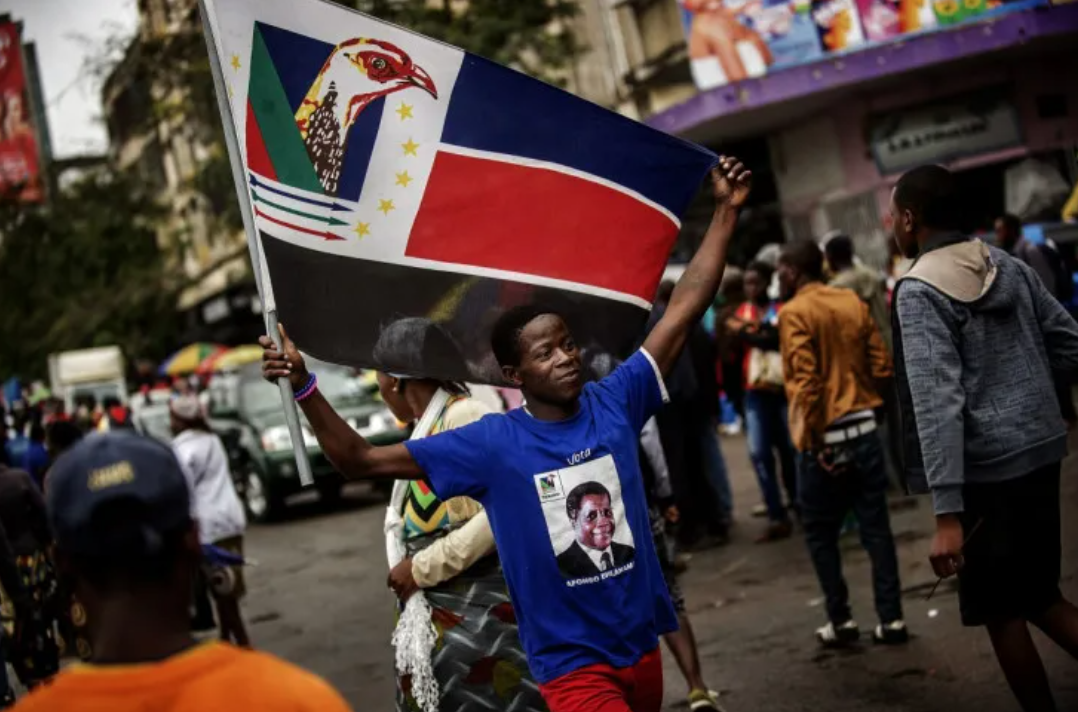
As violence escalated between Mozambique's ruling Frelimo party and Renamo rebels, this report examined allegations that civilians were increasingly caught in the crossfire. Through testimony from affected communities and regional observers, the article explored claims of abuses by both sides and the growing human cost of a conflict that threatened to spiral beyond political and military confrontation.
As Burundi's political crisis deepened in 2016, families of victims and human-rights organisations sought international accountability for alleged abuses committed during the unrest surrounding President Pierre Nkurunziza's controversial third-term bid. Reporting from London and speaking to affected families, this piece examines calls for investigations into alleged crimes against humanity, the search for justice by survivors and relatives, and the growing international concern over violence, disappearances and political repression in Burundi.
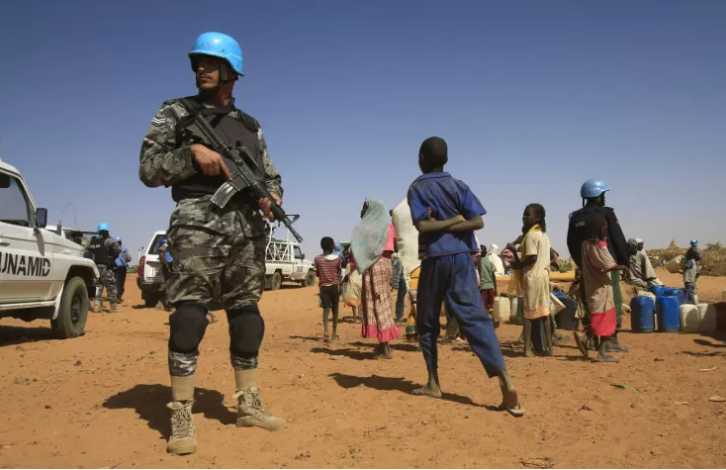
This report examines two decades of allegations of sexual exploitation and abuse linked to United Nations peacekeeping missions, exploring the systemic challenges that have hindered accountability and justice for survivors. Through expert interviews and analysis, the piece investigates the human-rights implications of misconduct within international peacekeeping operations and the continuing struggle to strengthen oversight and victim protection mechanisms
An exclusive interview from prison with Congolese democracy activist Fred Bauma, who had spent nearly a year behind bars on what supporters described as politically motivated charges. The profile traces his journey from a young activist in eastern Congo to one of the country's most prominent advocates for peaceful democratic change.
This exclusive investigation revealed that human rights defenders documenting alleged abuses linked to Burundi's political crisis had received death threats while working in exile. Supported by interviews and direct evidence of threatening messages, the report examined the risks faced by activists attempting to document violations, the shrinking space for independent monitoring, and growing concerns for the safety of those gathering evidence of abuses committed during the crisis.
Following the assassination of an exiled Burundian opposition figure in Kenya, this exclusive investigation examined allegations that political violence linked to Burundi's crisis was extending beyond the country's borders. Drawing on interviews with exiled activists, human rights defenders and regional sources, the report explored fears of targeted attacks against dissidents and claims that security agencies were investigating the presence of a covert network targeting Burundian opponents abroad.
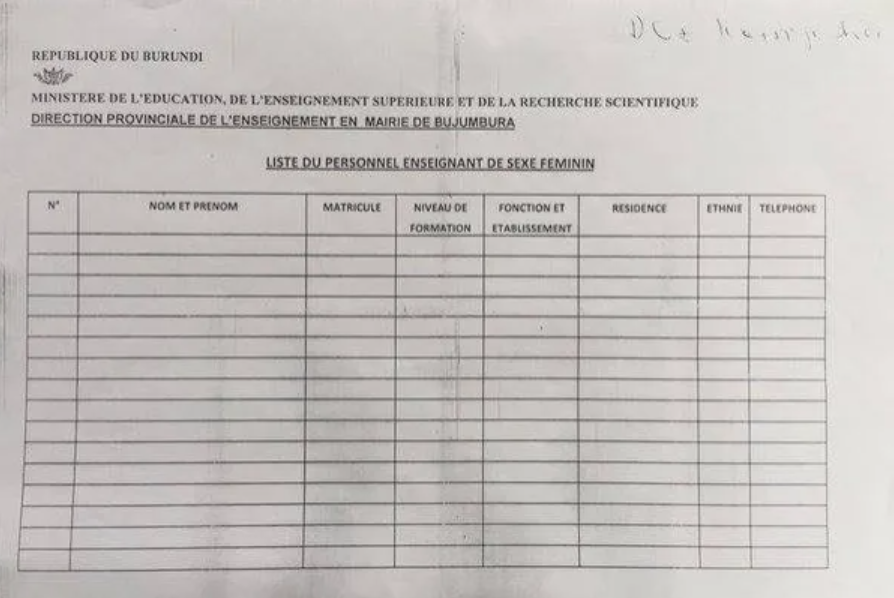
This exclusive investigation revealed concerns surrounding a Ministry of Education survey that asked Burundian teachers to disclose their ethnic identity, prompting alarm among citizens, journalists and civil society observers. Through interviews with local sources and documentary evidence, the report examined fears that the collection of ethnic data echoed practices associated with past periods of ethnic violence and heightened tensions during Burundi's escalating political crisis.
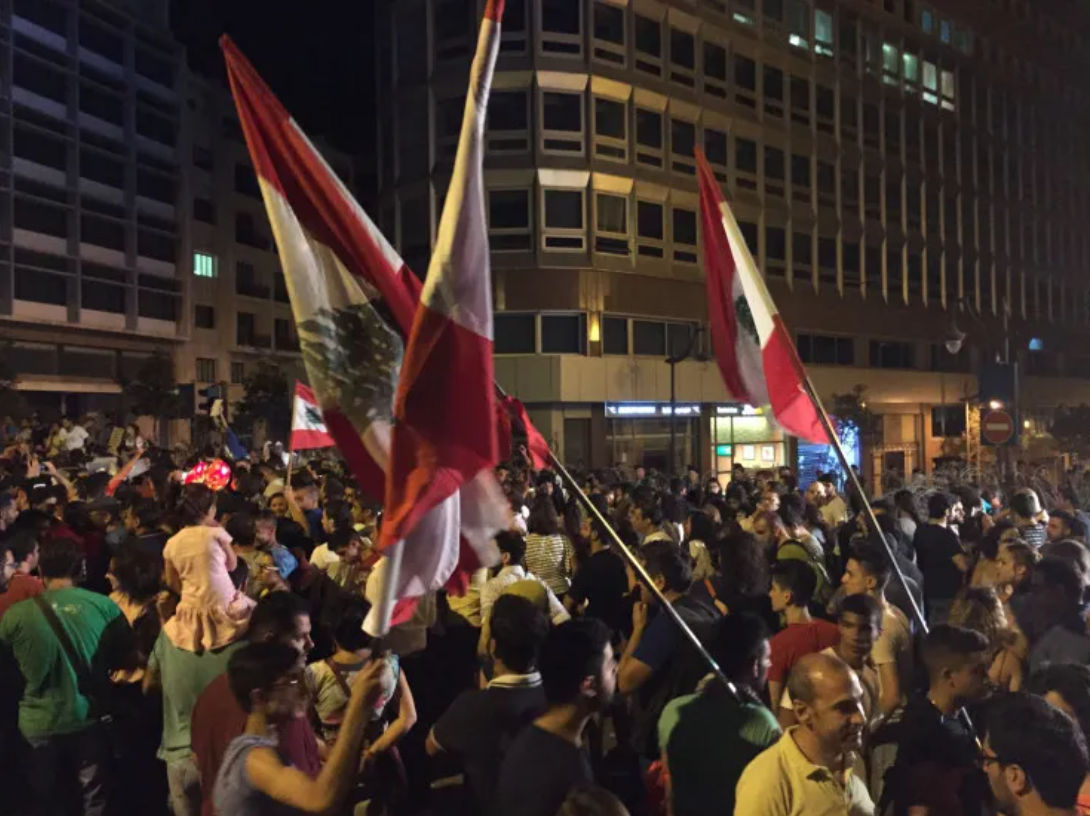
Reporting from Beirut during the height of the "You Stink" movement, this exclusive story examined growing pressure on Lebanon's environment minister as protesters demanded accountability for the country's waste management crisis. Supported by exclusive footage recorded outside the Ministry of Environment, the report documented escalating tensions between demonstrators and security forces as a local grievance evolved into a nationwide challenge to political dysfunction and corruption.
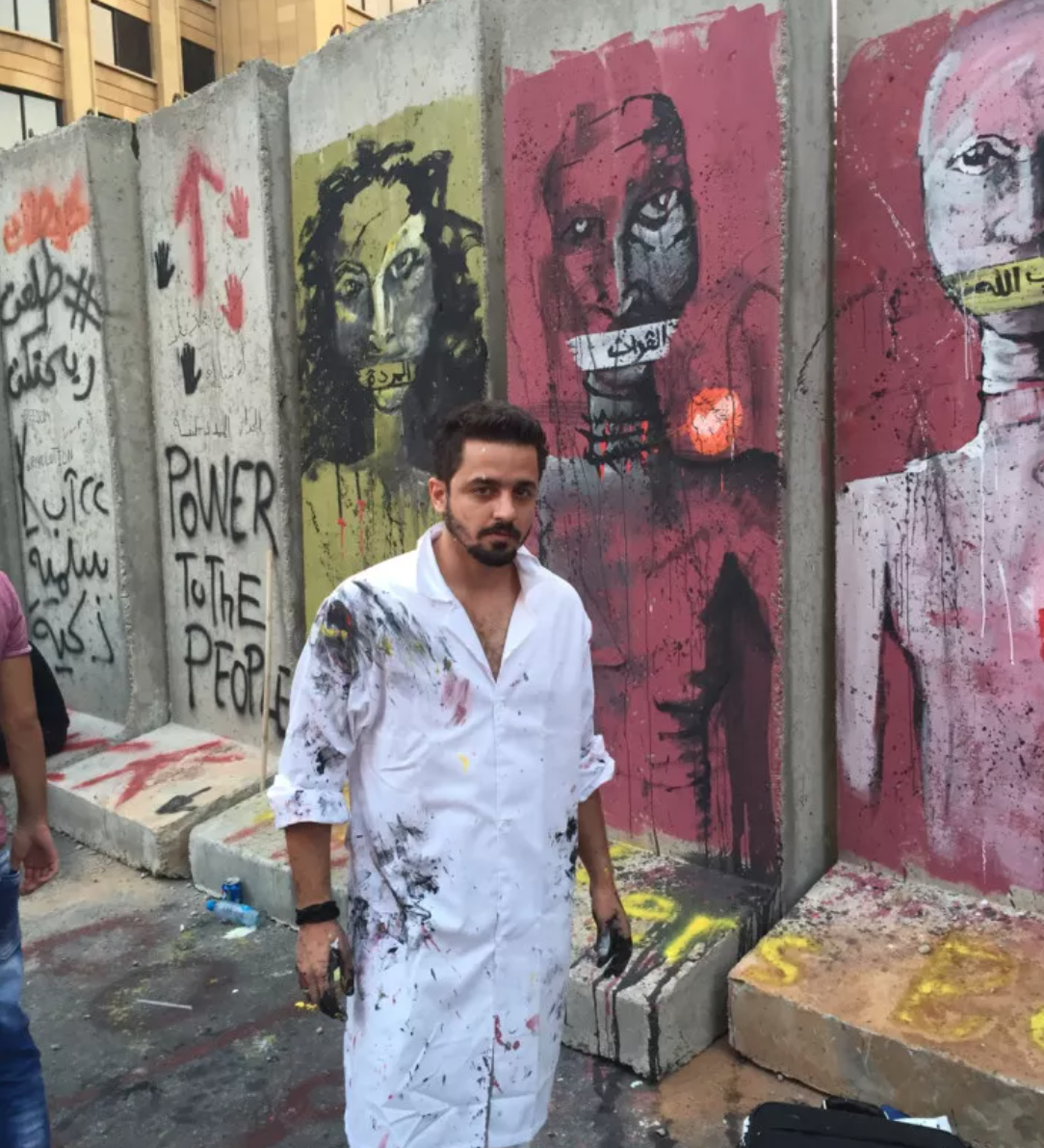
Amid Lebanon's 2015 "You Stink" protest movement, this exclusive profile followed the street artist whose murals became a powerful symbol of public frustration with corruption, political paralysis and failing public services. Reporting from Beirut, the story explored how art became a form of resistance, transforming city walls into a canvas for dissent during one of Lebanon's most significant civic movements.
In an exclusive interview in Beirut during Lebanon's "You Stink" protest movement, cultural entrepreneur and political commentator Michel Elefteriades reflected on corruption, governance and the future of civic activism in Lebanon. As demonstrators challenged political elites over a mounting waste crisis, he argued that Lebanon's unique political landscape required a different path to reform than the uprisings that had swept other parts of the Arab world.
Reporting from secret safe houses in Kigali, this exclusive investigation followed Burundian refugees who fled across the border after being targeted during the country's political crisis. Assisted by members of a Catholic youth network, those interviewed described a climate of fear, persecution and arbitrary violence as security forces intensified operations against perceived opponents of President Pierre Nkurunziza's controversial third-term bid.
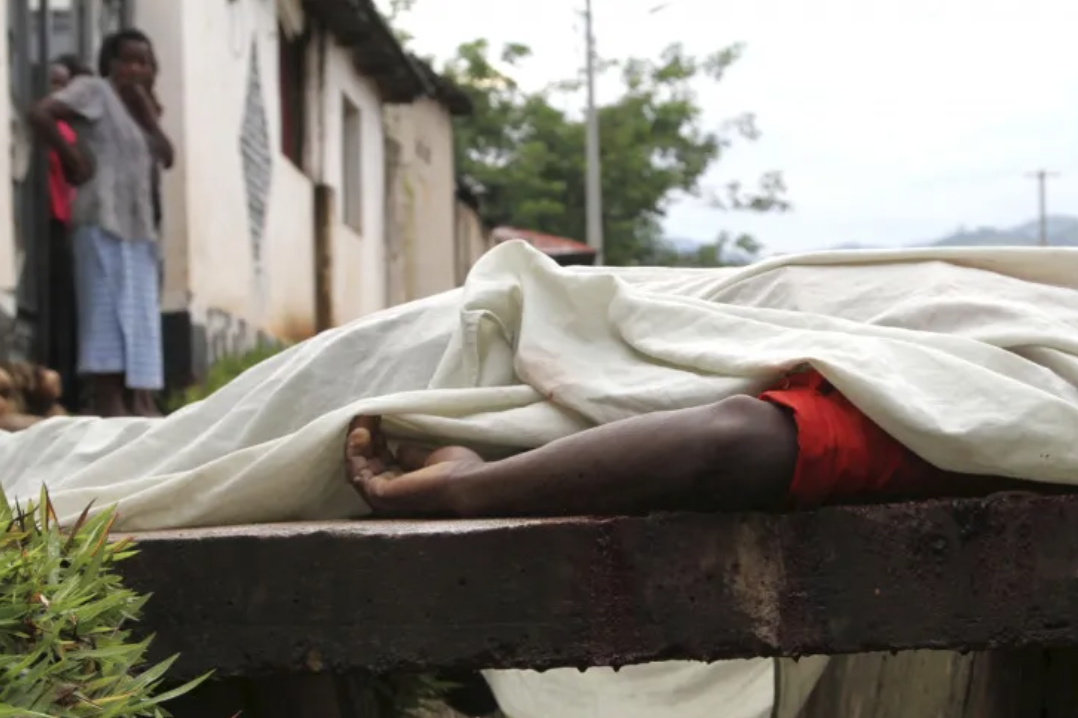
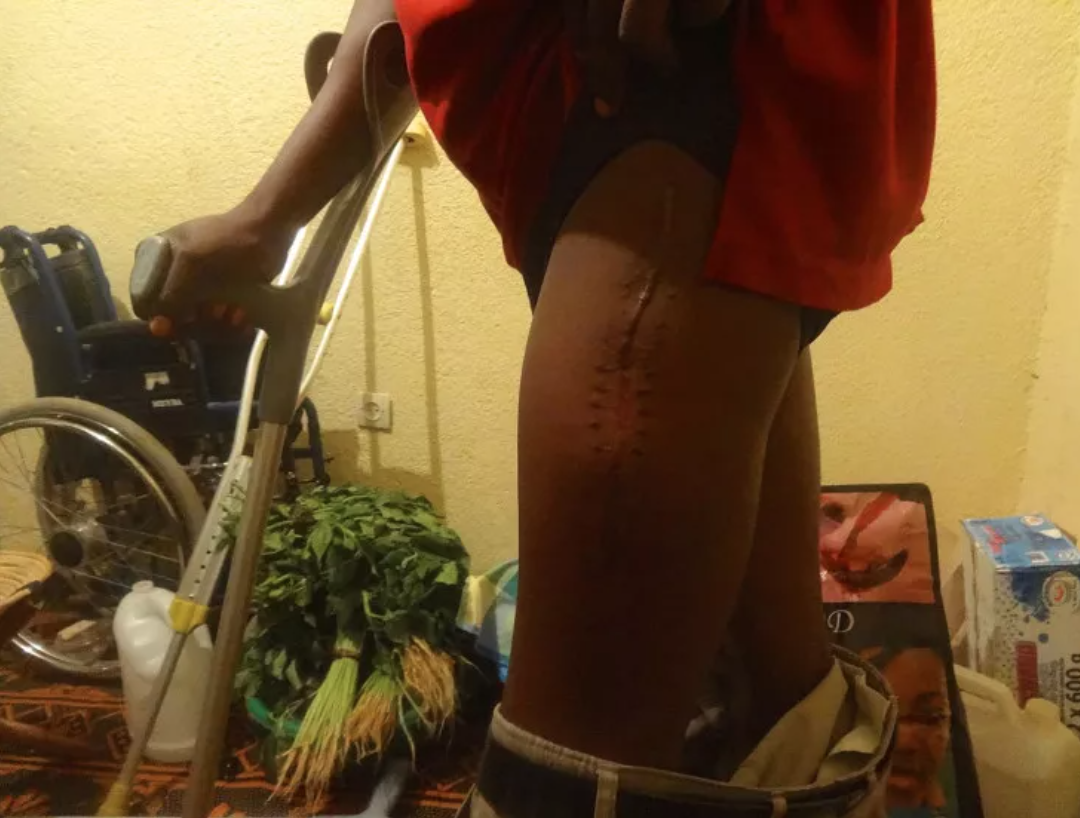
Content Warning: Torture. Reporting from Bujumbura during the height of Burundi's political crisis, this exclusive investigation documented allegations of torture committed against a young Burundian man accused of supporting the opposition. Through interviews with the survivor, medical and psychological professionals, and human rights defenders, the report examined the use of torture, fear and intimidation as violence escalated across the country following President Pierre Nkurunziza's controversial third-term bid.
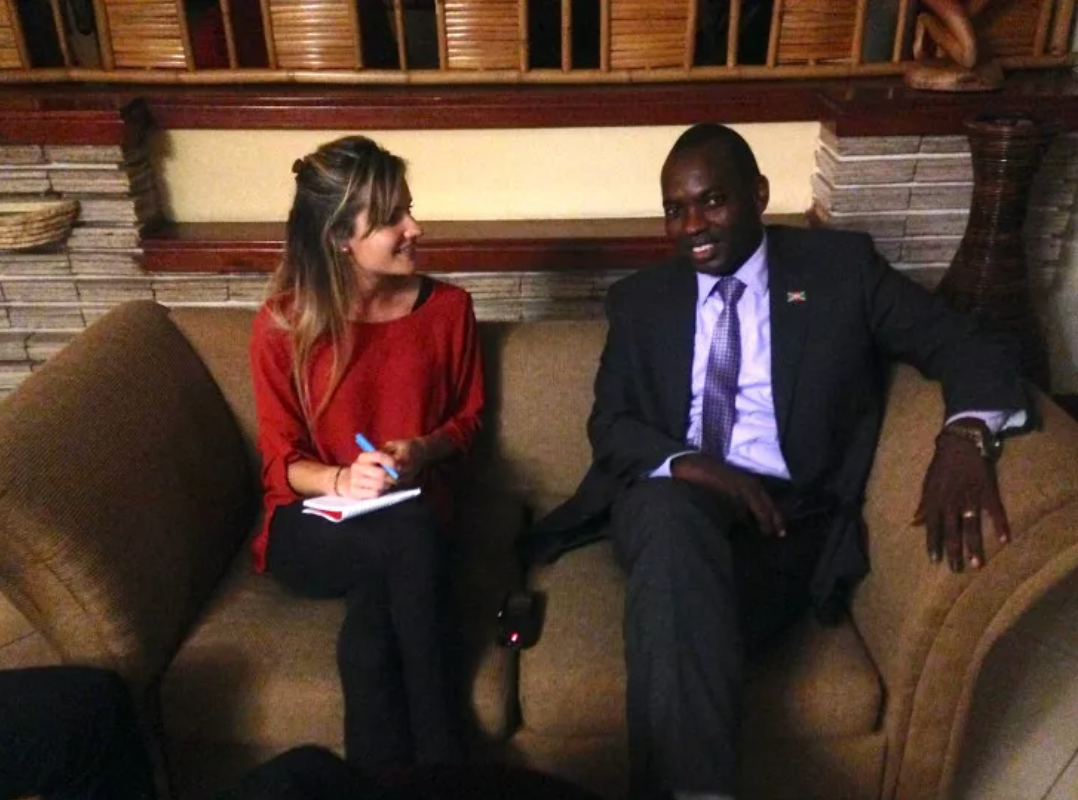
In an exclusive interview in Bujumbura, a senior presidential adviser and spokesperson for President Pierre Nkurunziza defended the government's handling of Burundi's disputed 2015 election and mounting political crisis. Conducted as allegations of abuses by security forces and the ruling party's Imbonerakure youth wing intensified, the interview offered a rare opportunity to question one of the government's most influential voices during a pivotal moment in the country's descent into violence.
Reporting during the early stages of Burundi's political crisis, this exclusive investigation documented testimonies from refugees who said they had fled threats, intimidation and violence linked to the ruling party's Imbonerakure youth wing. Through interviews with displaced Burundians and regional observers, the report examined growing fears that political unrest was taking on an increasingly dangerous ethnic dimension, raising alarm among communities still haunted by the legacy of mass violence in the Great Lakes region.
As Burundi's political crisis intensified, this exclusive investigation documented the fears of local journalists who believed they had been targeted because of their reporting. Through interviews with media workers operating under increasing pressure, the story examined threats, intimidation and the collapse of press freedom as independent journalists faced growing risks while attempting to cover one of the country's most dangerous periods of political unrest.
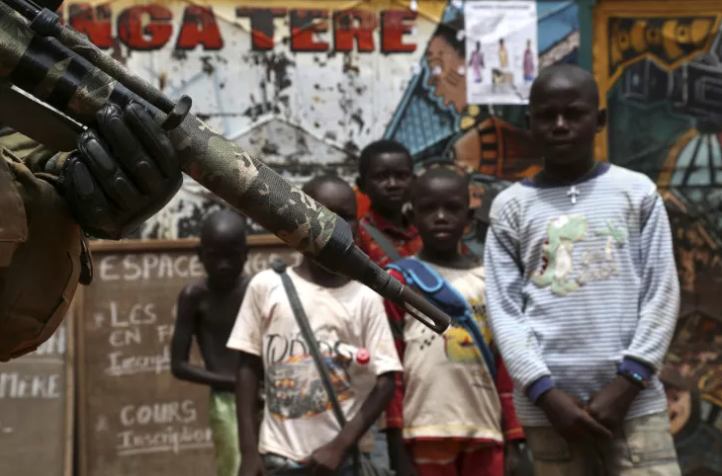
Amid allegations of sexual abuse against children by foreign peacekeepers in the Central African Republic, this investigation explores claims of institutional failures, cover-ups and the obstacles facing victims seeking justice. The report examines broader concerns over accountability within international peacekeeping and humanitarian systems, and the consequences for civilian trust in organisations tasked with protecting vulnerable communities.
Health & Humanitarian
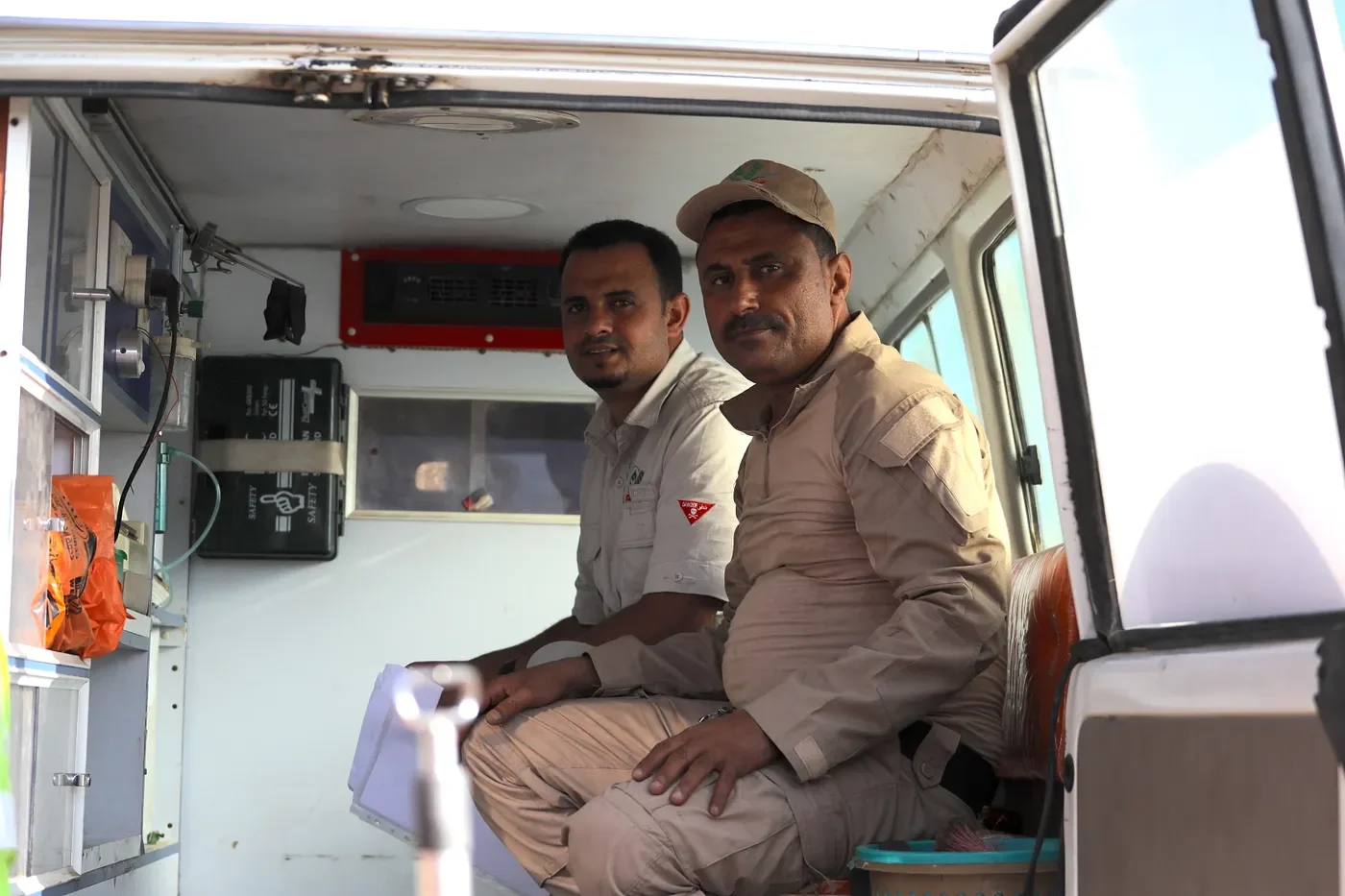
In Yemen’s minefields, medics work alongside deminers to save lives, offering a rare glimpse into the often unseen role of emergency care in one of the world’s most dangerous environments.
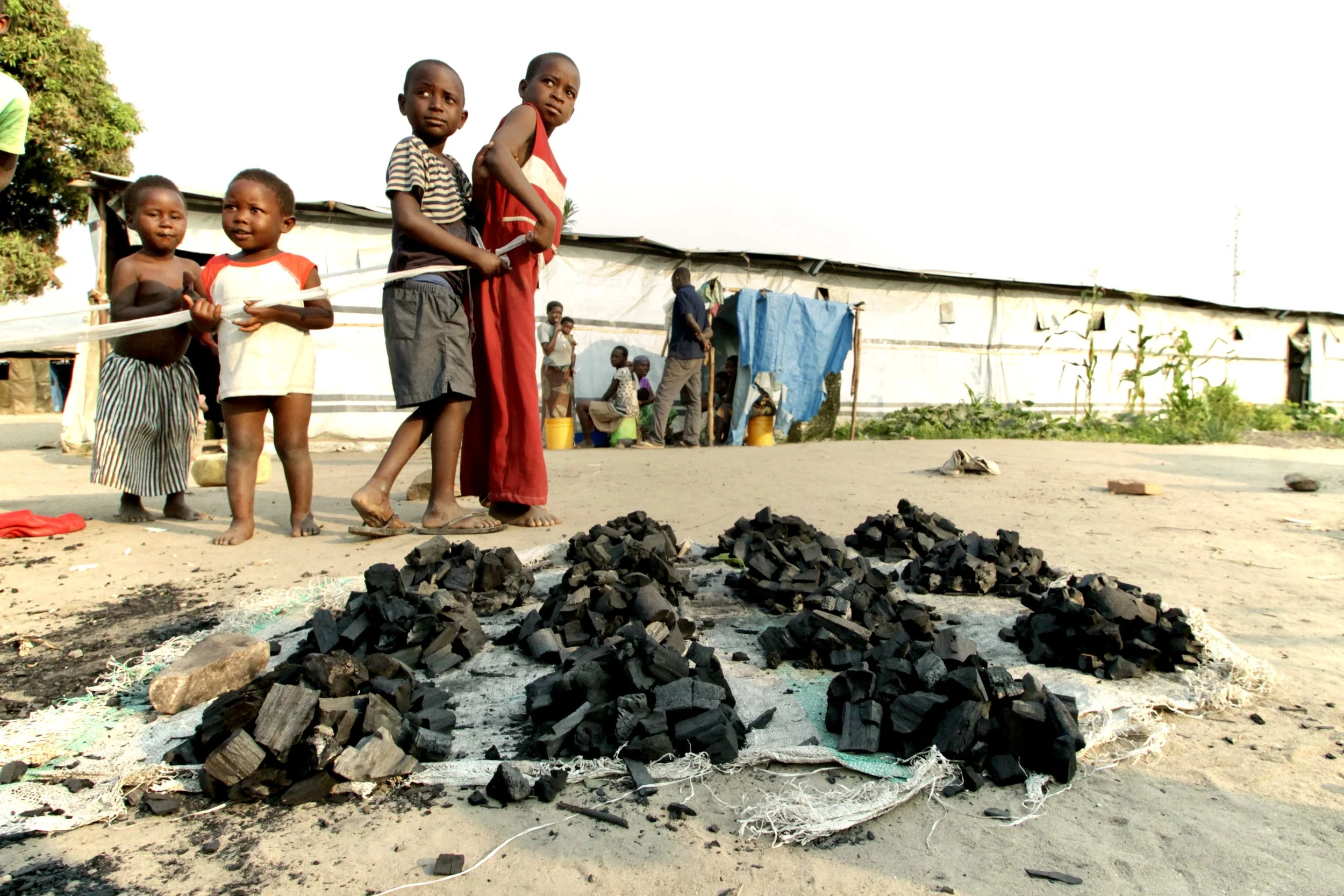
Drawing on interviews with internally displaced civilians in Burundi alongside warnings from humanitarian organisations, this piece examines a largely overlooked crisis, where food insecurity, limited aid, and prolonged displacement have left families struggling to survive.
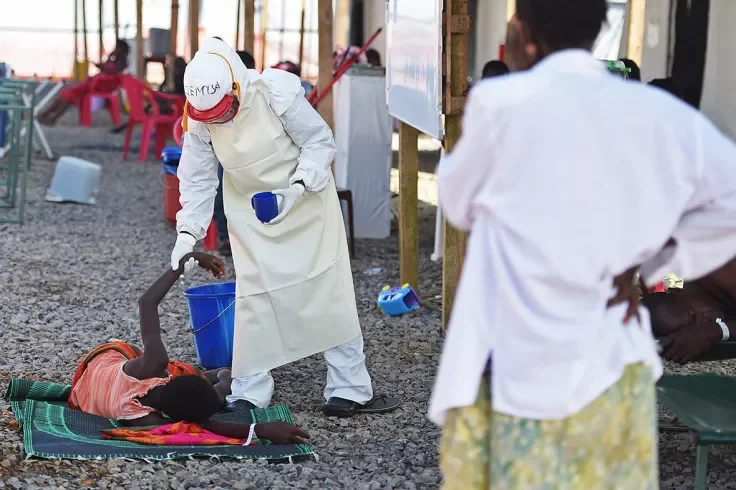
Through reporting on the ground and interviews with those involved in the response, this piece investigates tensions between major health organisations and the accountability questions surrounding the global handling of the Ebola epidemic.
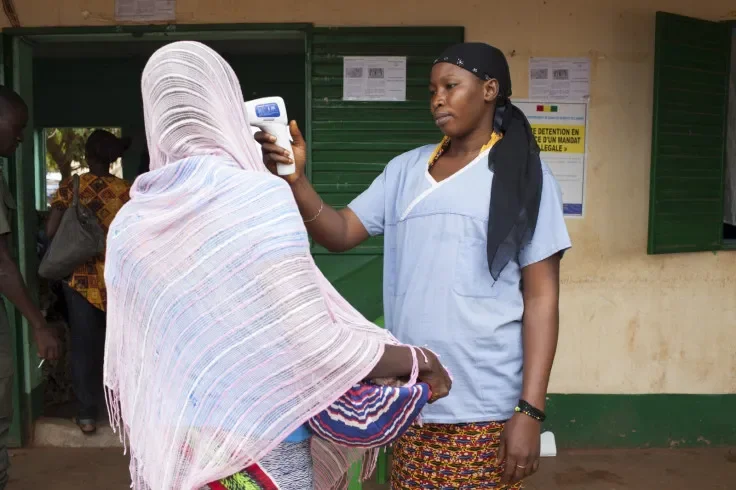
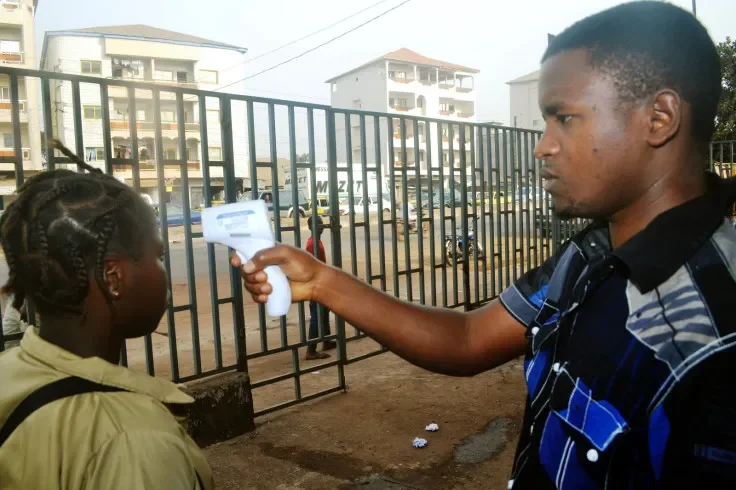
Based on reporting from Guinea, this article examines how fear and misinformation around Ebola led to attacks on Red Cross workers, highlighting how distrust and conspiracy narratives undermined efforts to contain the epidemic.
Drawing on interviews with survivors in Sierra Leone, this piece explores the lasting psychological impact of the Ebola outbreak and the role of community-based counselling in addressing trauma, stigma, and loss beyond the immediate crisis.
Reporting on healthcare, humanitarian response, and the long-term impact of conflict on communities, from emergency care to recovery and resilience.
Humanitarian demining is not a crime: The ‘deliberate’ targeting of demining personnel
Mine action experts in Yemen are raising the alarm over the deliberate targeting of deminers, warning that booby-trapped devices and anti-handling mechanisms are being used to kill those clearing land.
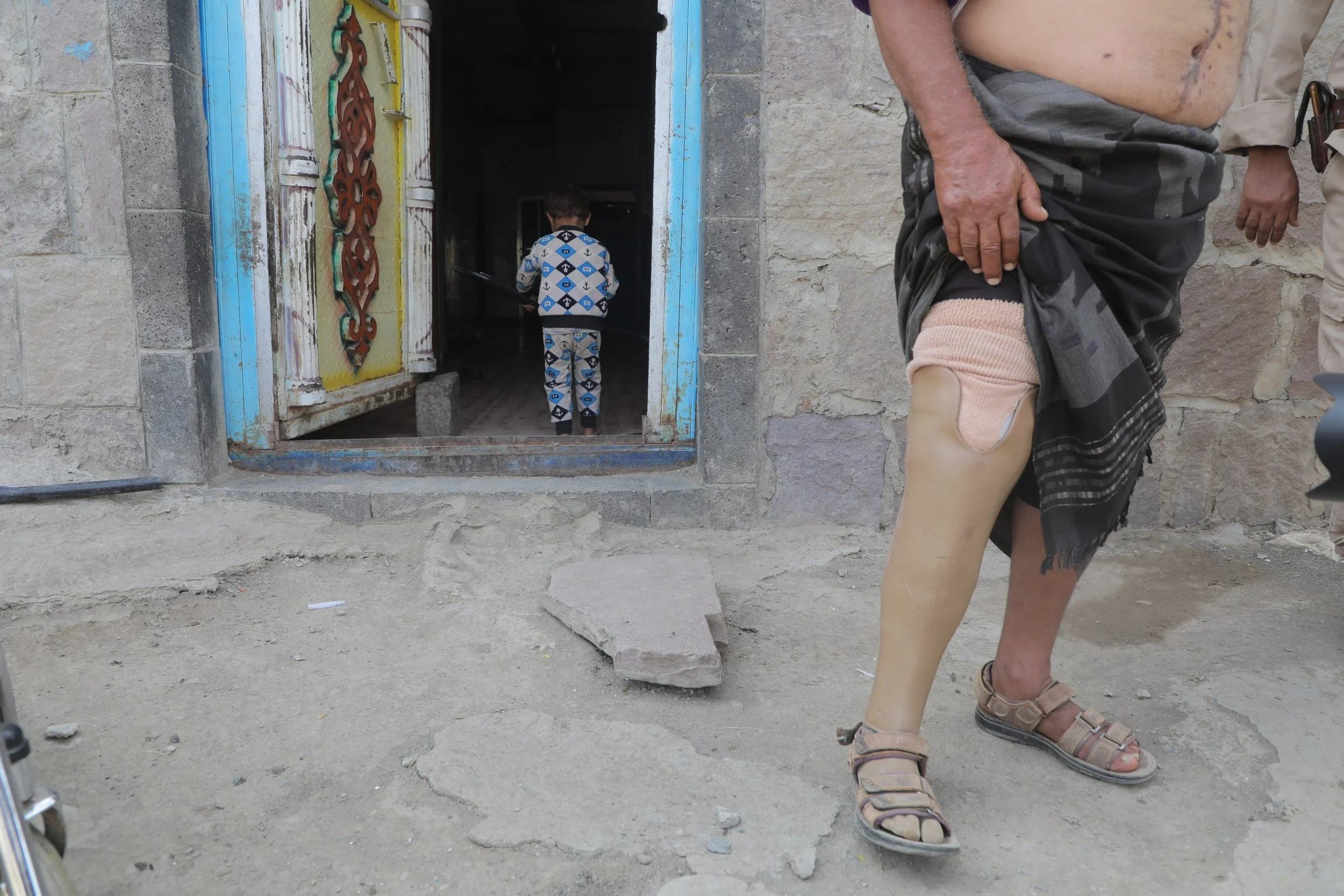
How landmine warfare in Yemen systematically violates human rights
A new report reveals how landmines in Yemen continue to violate civilian life long after frontlines shift, with survivor testimonies exposing the human cost of systematic contamination.